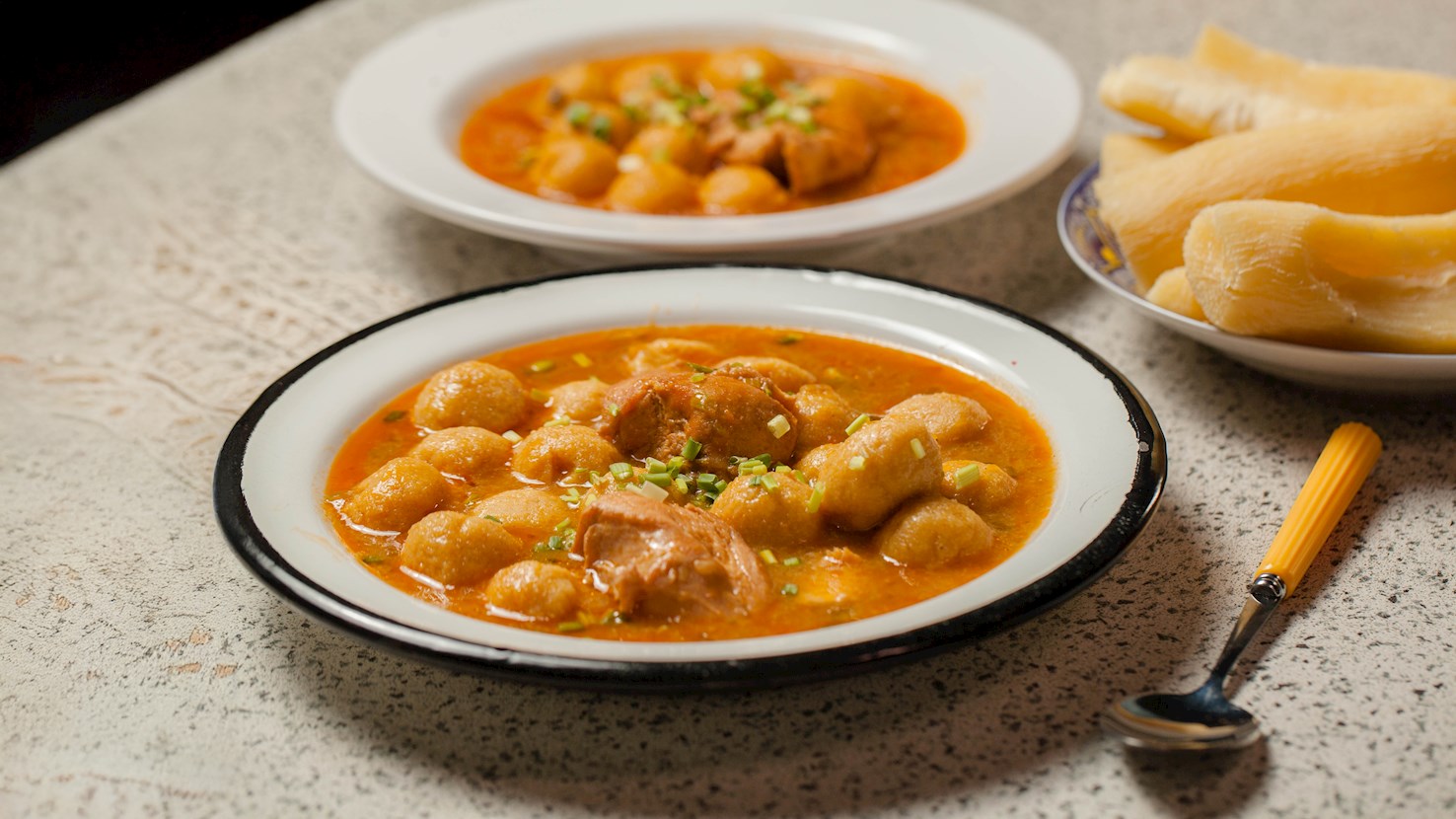
Vori-vori is a soup from Paraguay made with small balls of cornmeal and cheese cooked in a broth that often includes chicken, vegetables, and herbs, and it is recognized as a staple dish across the country’s rural and urban regions. Its development is linked to the long-standing use of corn and poultry in Guaraní and later mixed culinary practices documented in household cooking records and regional accounts from the eighteenth and nineteenth centuries, where corn-based doughs were shaped into dense dumplings to stretch ingredients during periods of limited supply. Preparation involves mixing finely ground cornmeal with grated cheese and a small amount of fat or broth to form a firm dough, shaping it into small spheres, and poaching them gently in a simmering broth until they swell and soften; the soup is seasoned with onions, garlic, parsley, and occasionally peppers, and served as soon as the dumplings reach a uniform texture. A notable feature is the density of the dumplings, which absorb broth while retaining their structure, giving the dish a thickened consistency without flour or other thickeners. Vori-vori is eaten throughout Paraguay in home kitchens, rural gatherings, and small restaurants, often as a main meal during cooler weather, and it pairs well with simple accompaniments such as mandioca, fresh salads, mild cheeses, herbal teas, and lightly flavored nonalcoholic beverages, with some households serving it alongside light beers or local wines depending on the occasion.
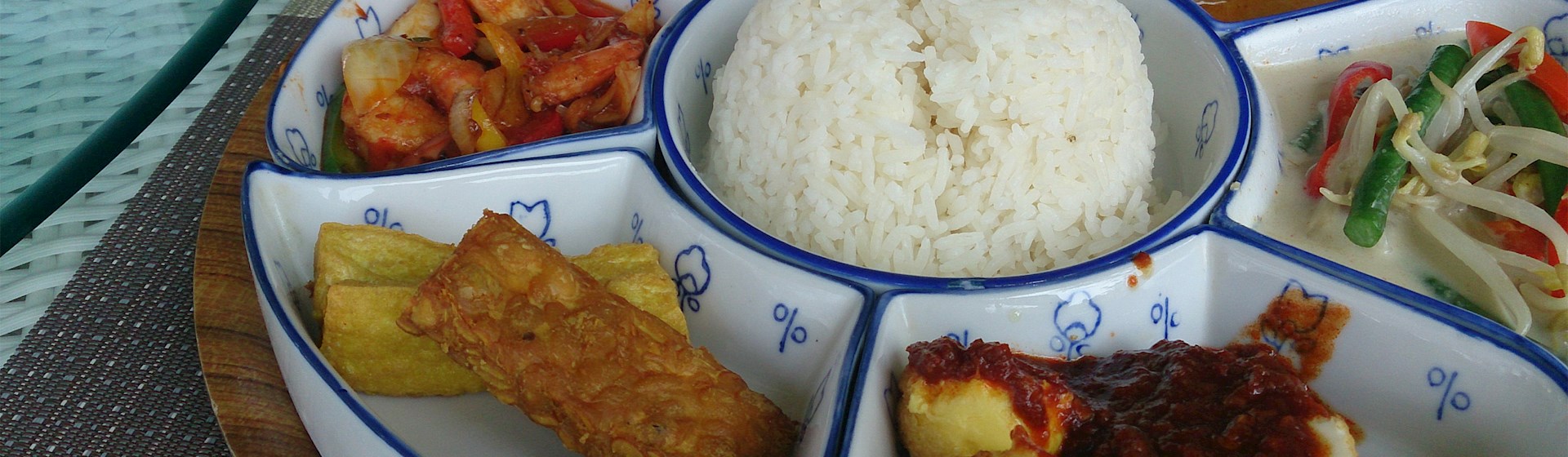
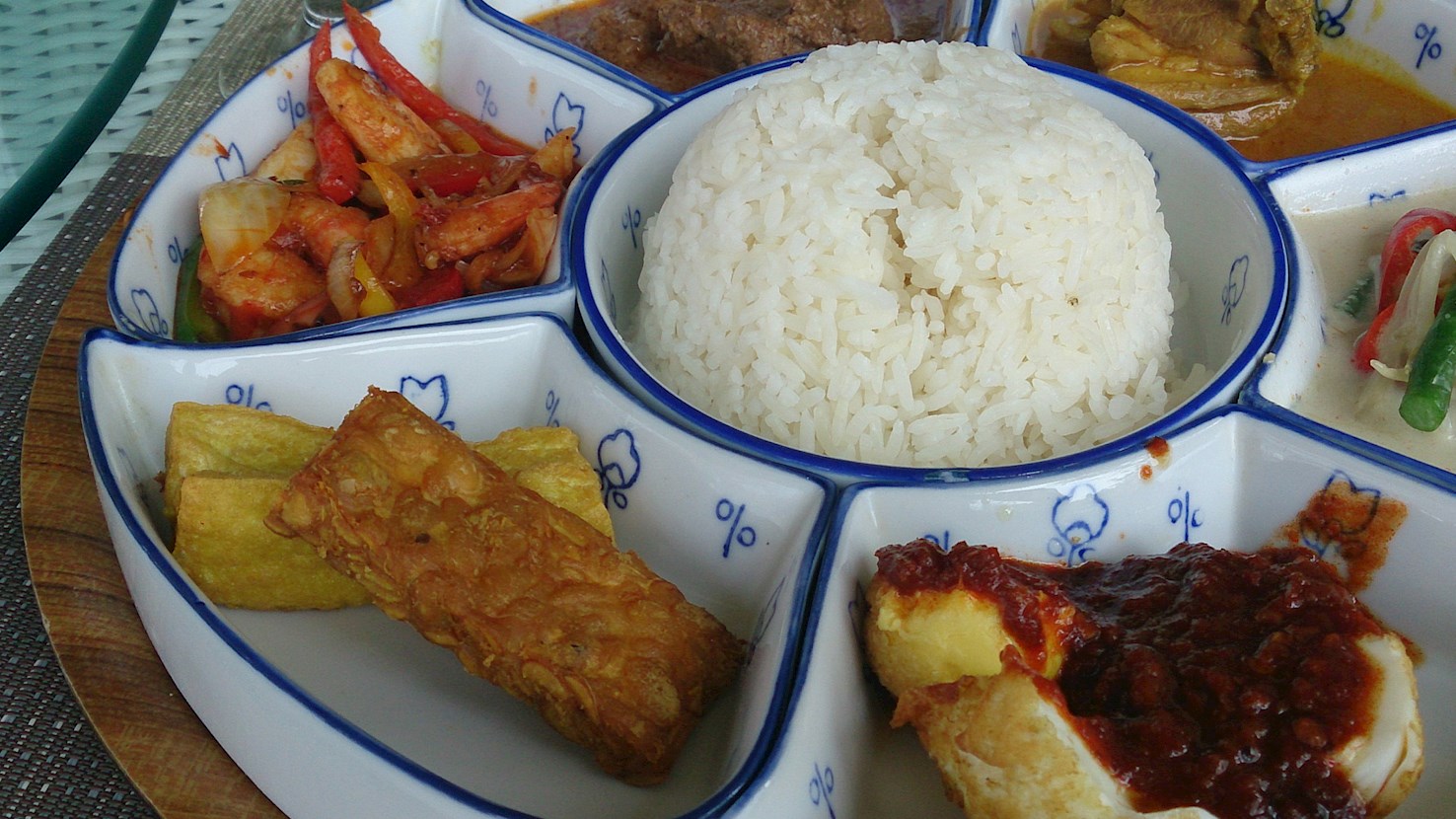
Named after its place of origin, nasi Pandang is an Indonesian combination of rice (nasi) and an assortment of traditional Pandang dishes. Considered more of a meal or a style of eating than a dish, nasi Padang can be served as hidangor — when the server typically brings rice and dozens of dishes — or as pesan, where customers are served rice on a plate and then choose which dishes they want to put directly on top. While the first option is usually found at sit-down restaurants, the latter is typical for various street stalls. The extensive list of dishes that accompany rice in nasi Padang includes gulai curries, beef rendang, and a variety of boiled, fried, or grilled dishes, as well as snacks that may employ vegetables, seafood, or meat, and are usually characterized by the generous use of spices and herbs, especially fresh chilis. Nowadays, nasi Padang has become a popular option throughout the country. Interestingly, it is believed that nasi padang inspired the Indonesian-Dutch dish rijsttafel, developed during the Dutch colonial era.
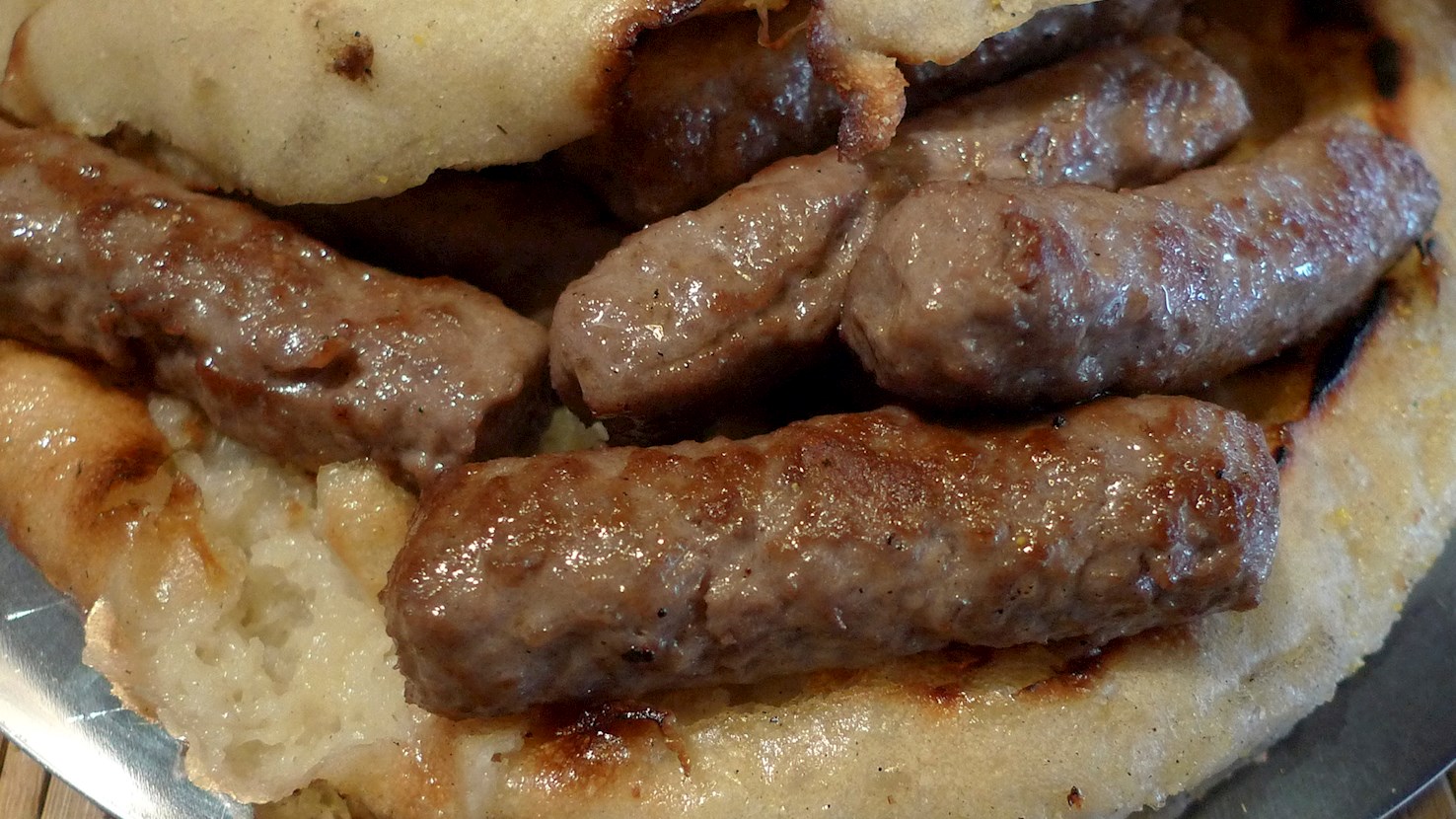
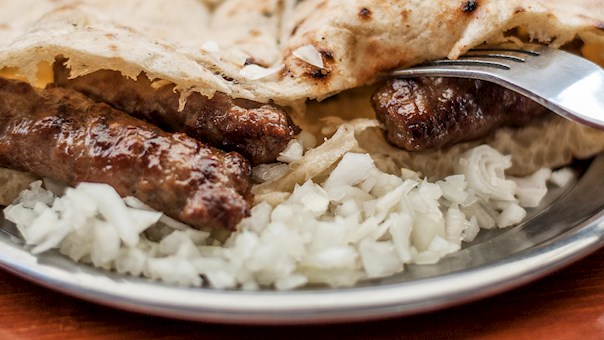
This ćevapi variety is made in the city of Travnik in Bosnia and Herzegovina. The ćevapi are made with a combination of beef, veal, and lamb, with the addition of salt, pepper, and a bit of baking soda. When grilled, the meat is often brushed with a clear broth that was prepared with beef bones and mutton. The bread, locally called pitica, is dipped in the broth, then grilled for a short time. Once grilled, the ćevapi are placed into the pitica, and they are then topped with chopped onions. It is recommended to serve this ćevapi variety with yogurt on the side.
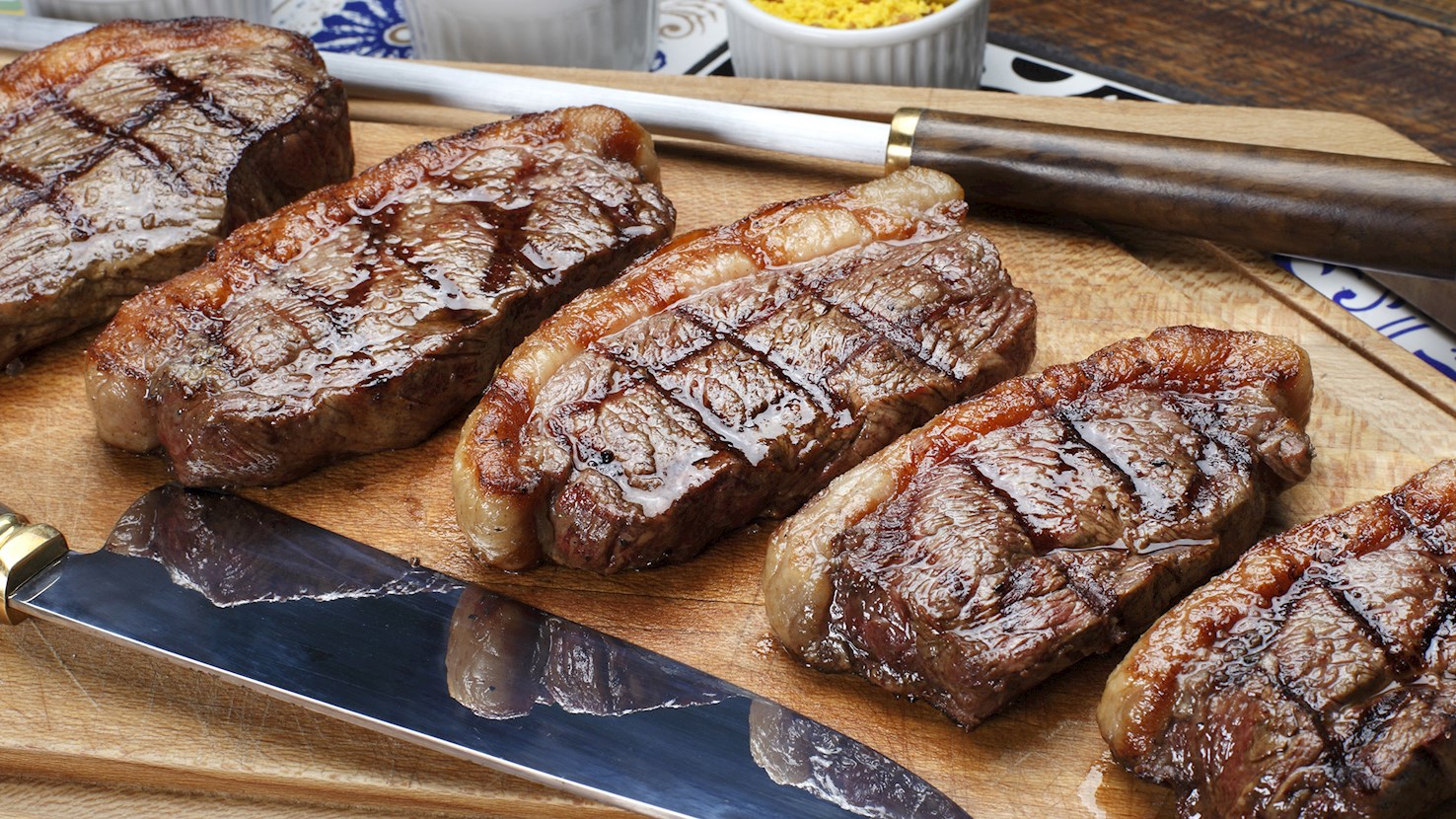
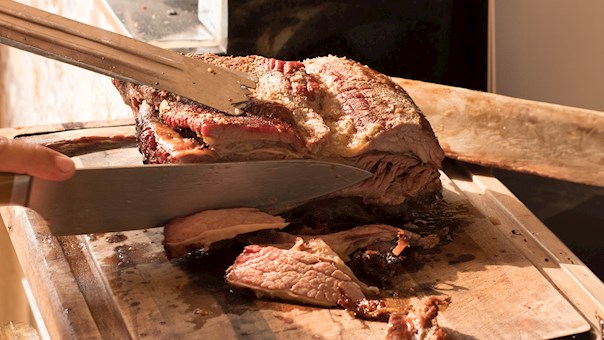
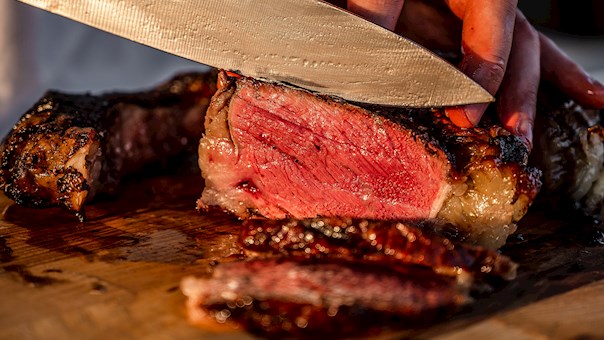
Picanha is a fresh cut of beef that's especially popular and highly prized in Brazil. In the US, it's called sirloin cap, and in the UK, it's known as the rump cap. Picanha is situated on the back side of the animal, above the butt, where it sits on a fat cap. It's mostly used for churrasco – the meat is first grilled, then sliced off of a skewer. This cut holds very little fat in the meat, so it must be cooked perfectly in order not to make it tough. In Brazil, every churrasco has picanha, and all of the best churrascarias feature picanha on their menus. The name picanha is derived from the word picana, referring to the ranchers' pole used for herding cattle in Portugal and Spain. The technique was brought over to Brazil where the word picanha was used to refer to the part of the cow that was poked by ranchers with the pole.
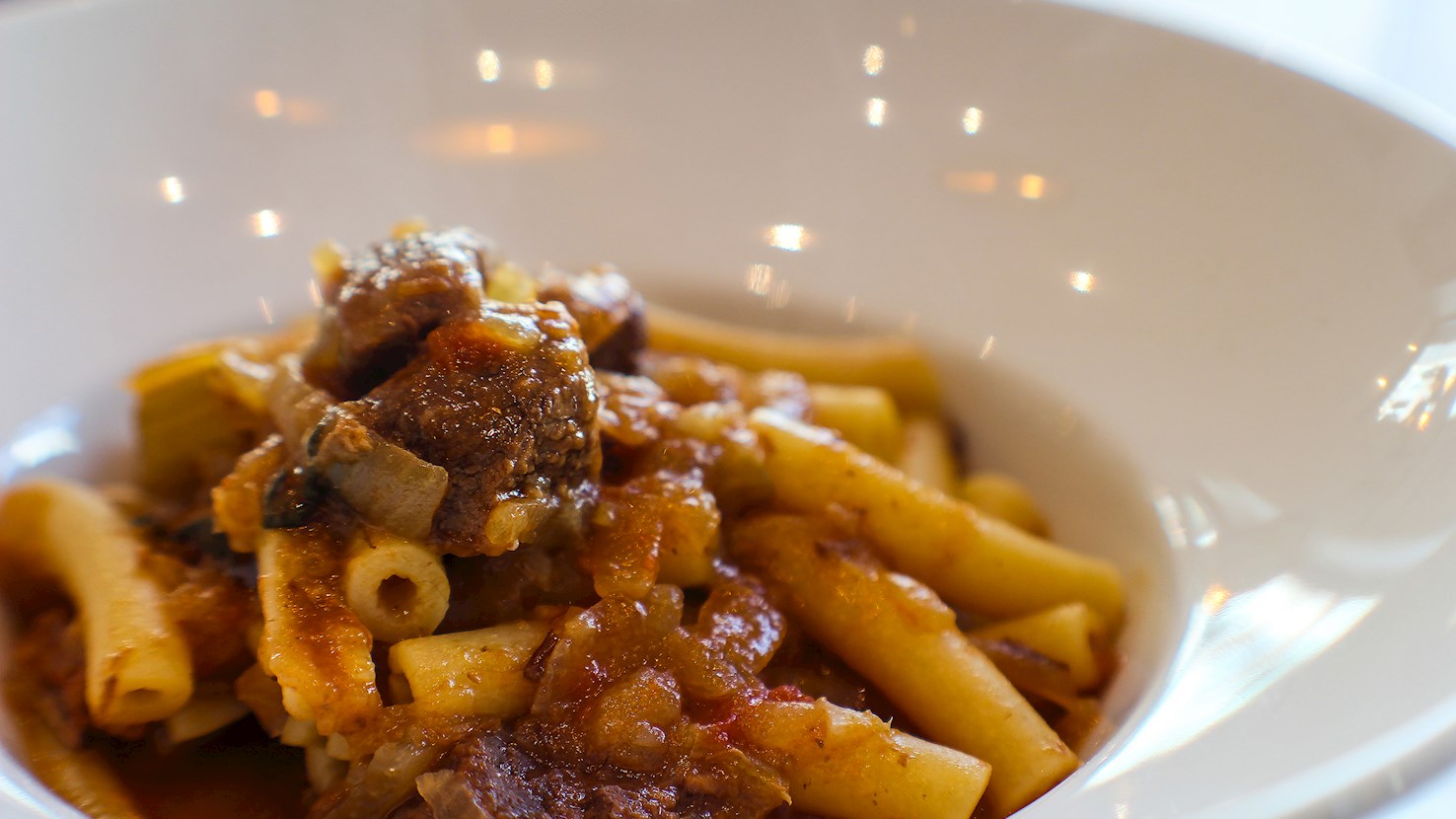
Sugo alla Genovese is a traditional sauce that, despite its name, originates from Naples, but it was likely brought over to the city from Genoa by Genovese immigrants during the Renaissance period. The sauce is prepared by sautéeing veal or beef in olive oil with large amounts of onions, carrots, and celery for a long time, usually from 2 to 10 hours. White wine or stock are often added to the sauce to enrich its flavors. Once done, sugo alla Genovese is served either as it is or the meat is served separately from the sauce. It's traditionally paired with pasta types such as ziti or rigatoni, and the dish is then garnished with tomatoes and topped with grated pecorino.
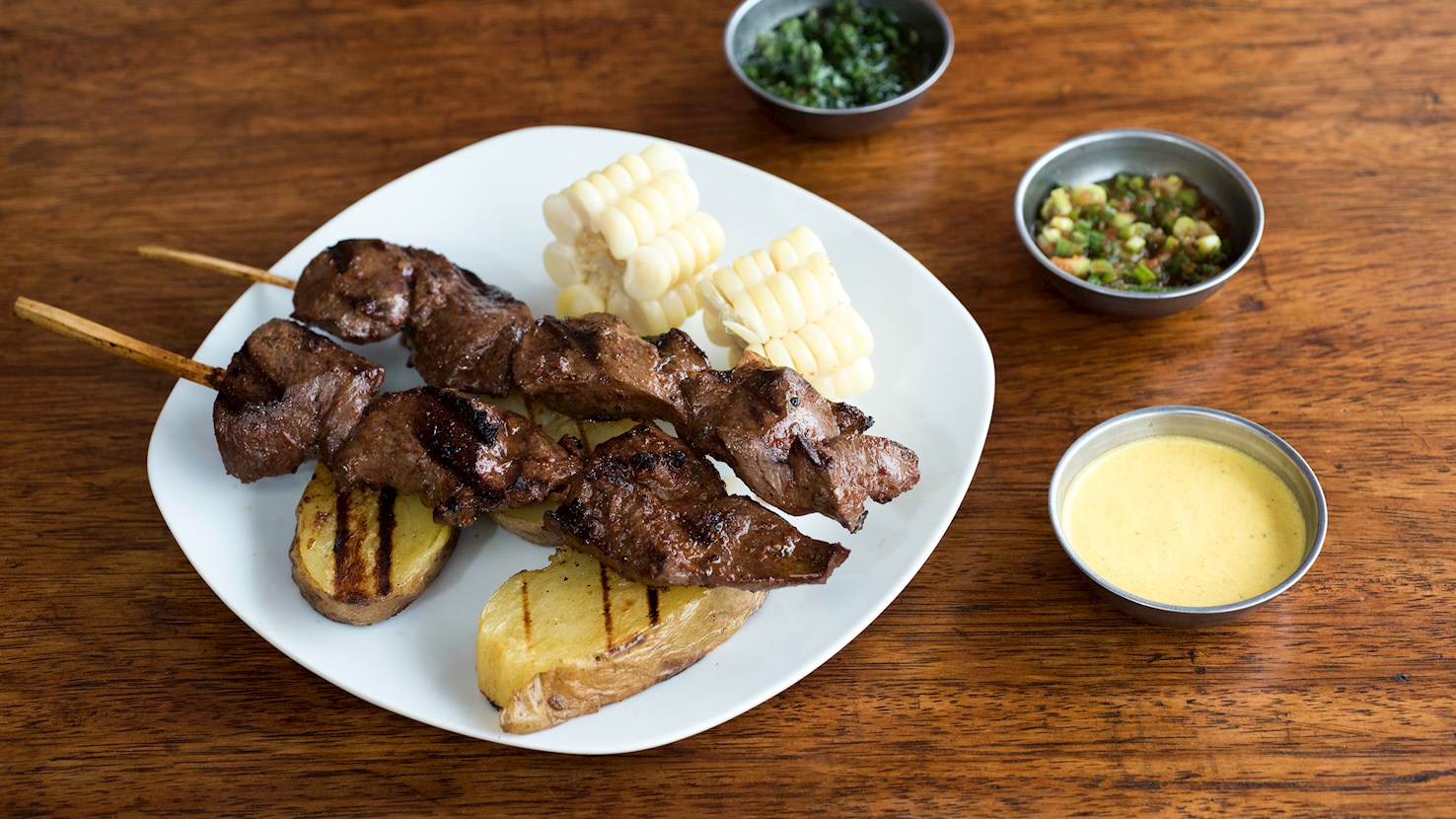
Anticucho de corazon is a traditional dish originating from Peru, consisting of beef heart skewers. The dish is made with a combination of beef heart, oil, red wine vinegar, garlic, oregano, cumin, salt, and aji panca hot pepper paste. The beef heart is cut into cubes and marinated in a combination of all other ingredients. The cubes are then skewered and grilled until fully cooked and slightly charred. These beef heart skewers are traditionally served with accompaniments such as thick slices of boiled potatoes, corn, and aji amarillo sauce on the side as a dip. It's recommended to enjoy anticucho de corazon with a bottle of ice-cold beer.
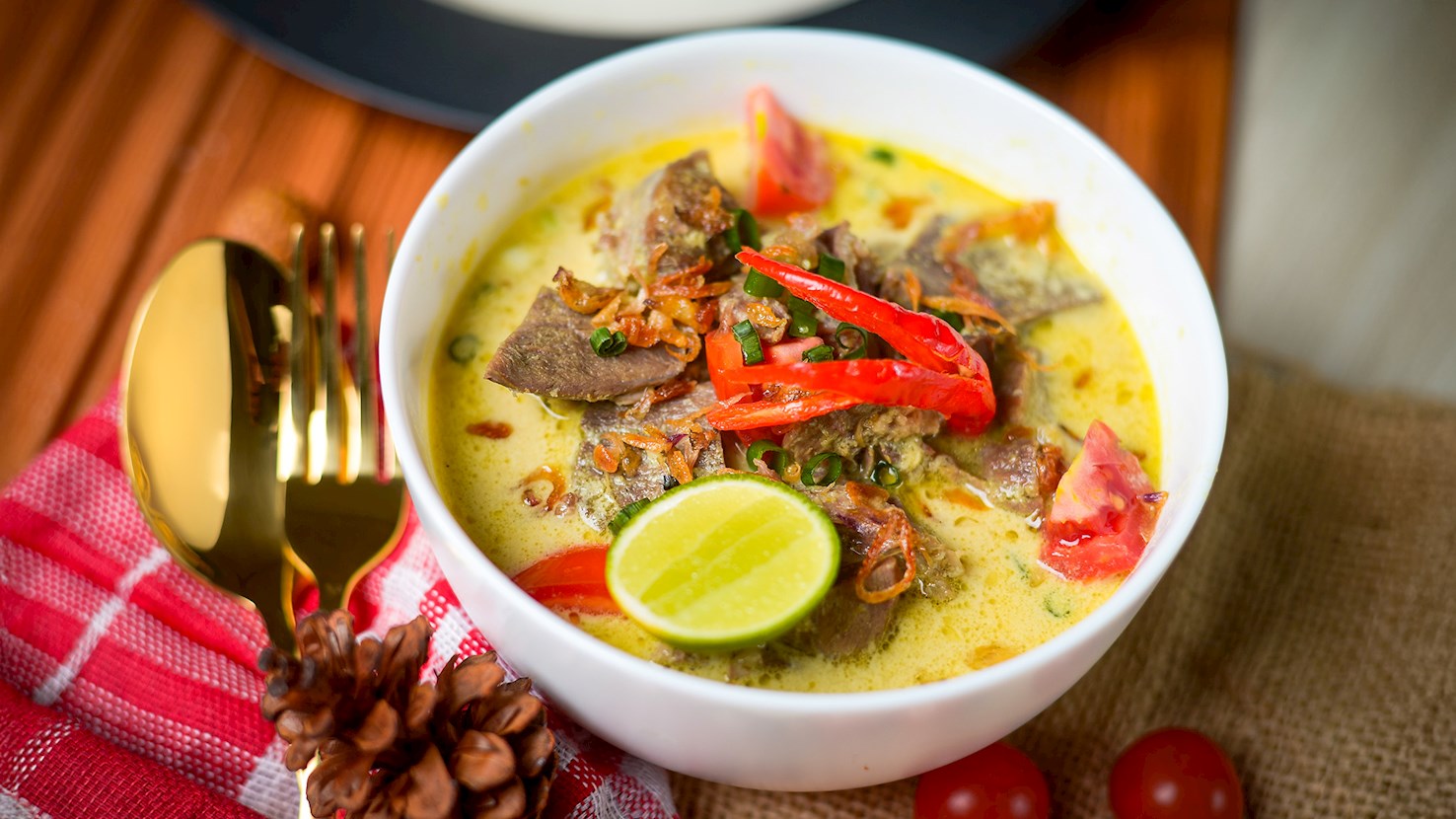
Soto Betawi is a hearty beef soup consisting of chunks of meat and offal that are slowly simmered in a coconut milk broth, which is usually enriched with various spices such as lemongrass, turmeric, galangal, kefir lime leaves, and coriander. When served, the soup is accompanied by different condiments that typically include tomatoes, scallions, sweet soy sauce, and emping crackers. Because of its name, it is believed that the dish originated in Jakarta among the Betawi people, and today it is one of the most popular dishes in the city, usually sold at various street stalls, restaurants, or hawker-style establishments. Soto Betawi is traditionally enjoyed with steamed rice and pickled acar on the side.
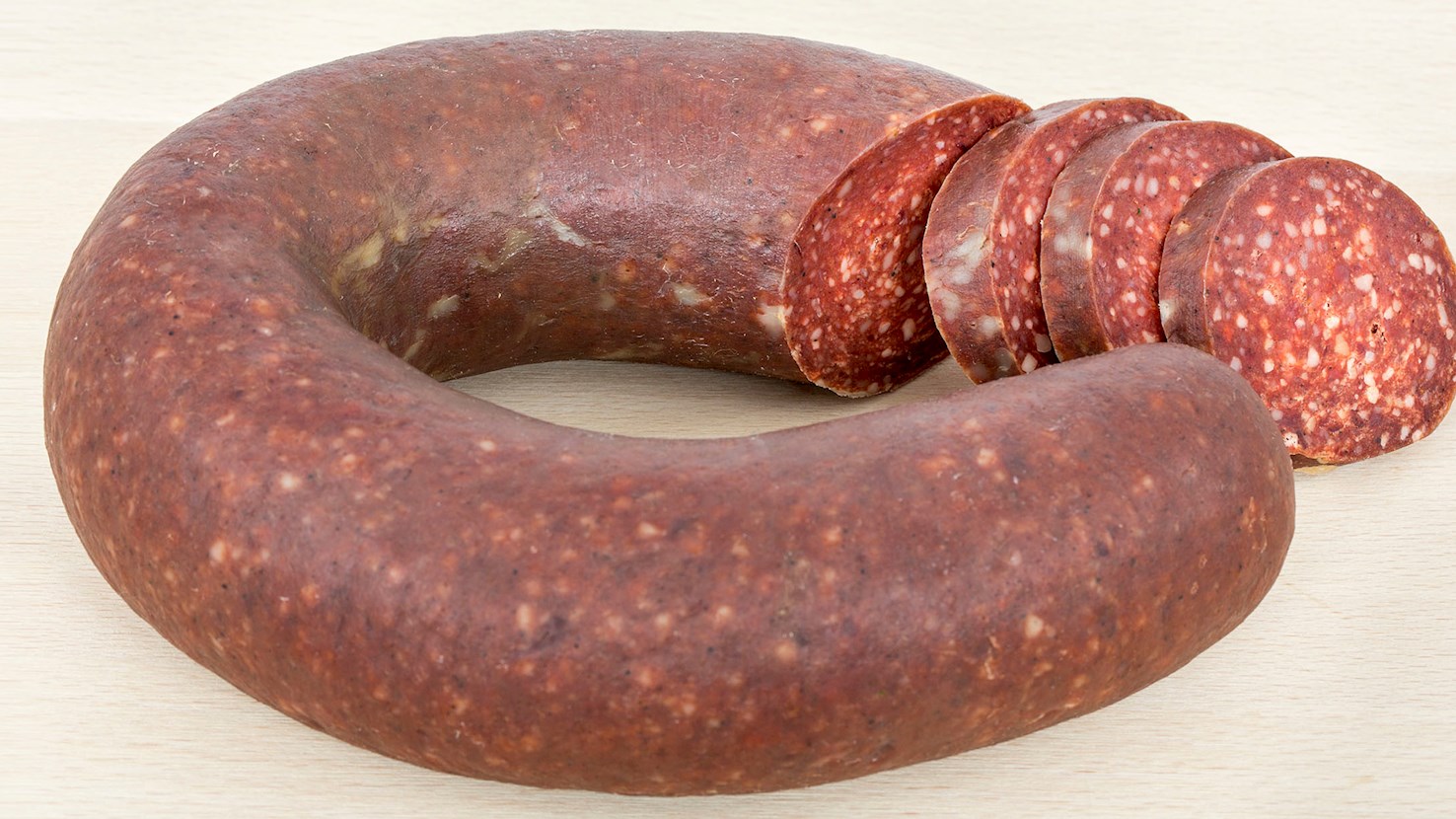
Afyon Sucuğu is a dry, fermented, and spiced sausage originating from the Afyonkarahisar province in Türkiye. The production of this cured meat stems from the nomadic Turkic tribes of Central Asia who developed methods to preserve surplus meat by salting, drying, and spicing it, which later adapted to the local climate and livestock of the Anatolian region as these populations settled. The preparation involves aging beef and buffalo meat in large pieces, separating the meat from tendons and fat, and then grinding the meat before mixing it with a blend of salt, red pepper, cumin, black pepper, garlic, and ginger. The mixture is stuffed into beef casings and hung on racks to undergo natural fermentation and drying at specific temperatures and humidity levels. A unique characteristic of Afyon Sucuğu is the mandatory inclusion of at least 15 percent water buffalo meat, which provides a distinct flavor profile and a fat content that allows the sausage to release its own rich oils when heated without the need for additional cooking fat. It is widely eaten across Türkiye, commonly sliced and pan-fried without extra oil to make breakfast dishes like sucuklu yumurta, or grilled and placed into flatbread to create a sandwich known as sucuklu ekmek. When served, it is typically accompanied by fresh tomatoes, cucumbers, white cheese, and olives, and it pairs well with a hot glass of black tea or a salty yogurt drink called ayran to balance the high sodium and spice levels.
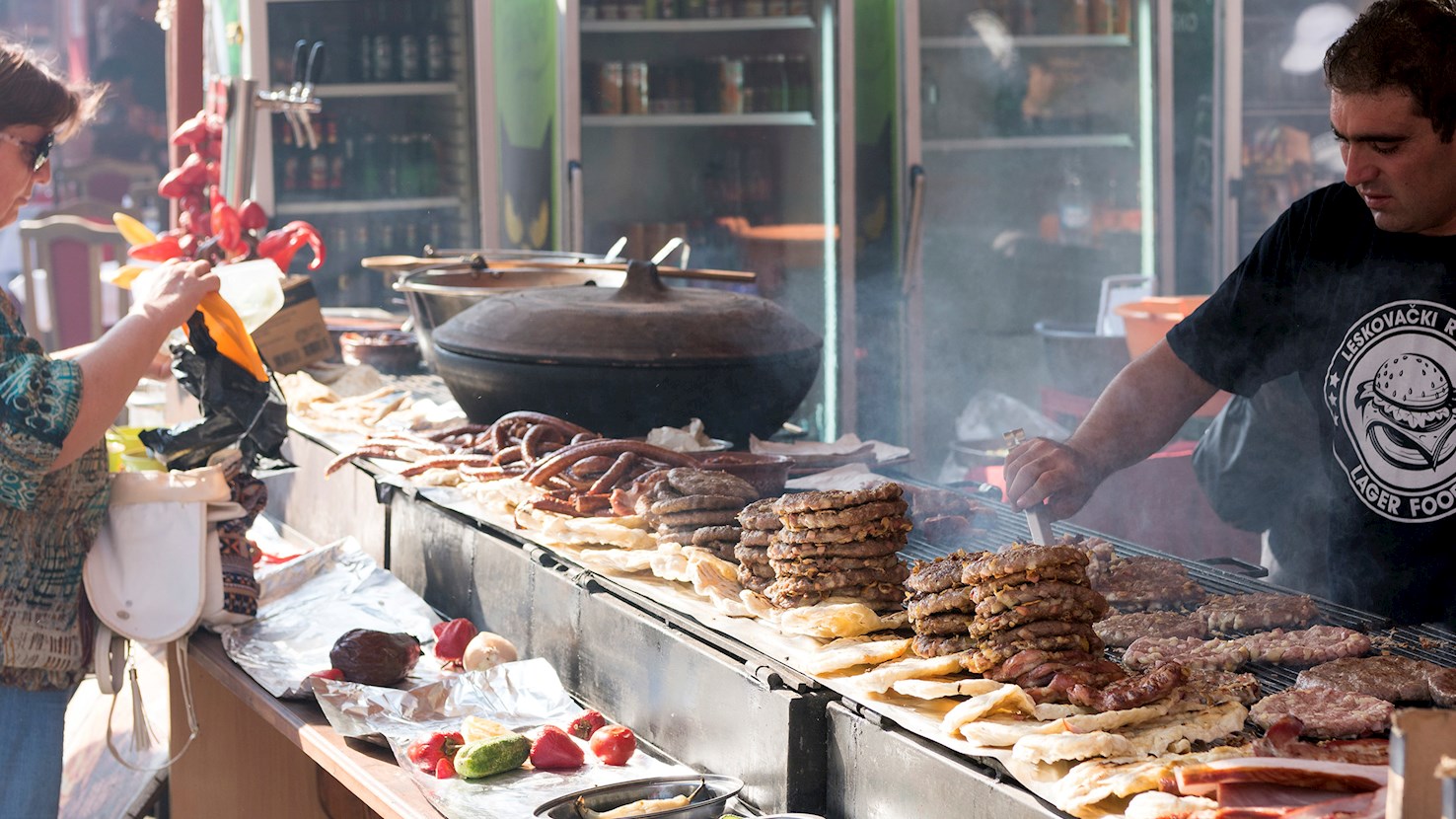
Leskovački roštilj refers to a traditional method of grilling meat which is considered the highest form of barbecue art in Serbia and beyond. Hailing from Leskovac, the technique, according to local belief, is thought to have been brought over from the Caucasus via Turkey, Greece, and Macedonia hundreds of years ago. Although the exact preparation of the meat remains a secret known only to Leskovac barbecue masters, what is generally known is that the ground mixture traditionally consists of beef that is chopped, ground (first coarsely and then finely), seasoned, and allowed to sit for at least 48 hours before cooking. Apart from the meat, the ground mixture also typically contains chopped onions and ground pepper. Leskovac grilling method calls for cooking the meat on a grill over glowing coals, a process that produces juicy flesh with a pleasant, smoky fragrance. Although beef is the most traditional choice, pork and chicken specialties are also featured on a Leskovac grill. The traditional meat specialties that go on the Leskovac grill include pljeskavica (a Serbian-style burger or meat patty), ćevapi (small skinless sausages, similar to kebabs), mućkalica (mixed meat dish), smoked sausages, uštipci (meatballs), vešalica (pork steak in lambrequin), and skewered meat, among others. Leskovac barbecue is not just a cooking technique but an essential part of local and national cuisine, tradition, and culture. This barbecue style has become internationally known over the years, and nowadays, restaurants serving Leskovac-style barbecue specialties can be found in numerous countries in Europe, USA, and Australia. To honor Leskovac barbecue, a barbecue festival called Roštiljijada is held annually in Leskovac in September. As of November 1, 2018, Leskovac barbecue has officially become a protected regional brand in Serbia.
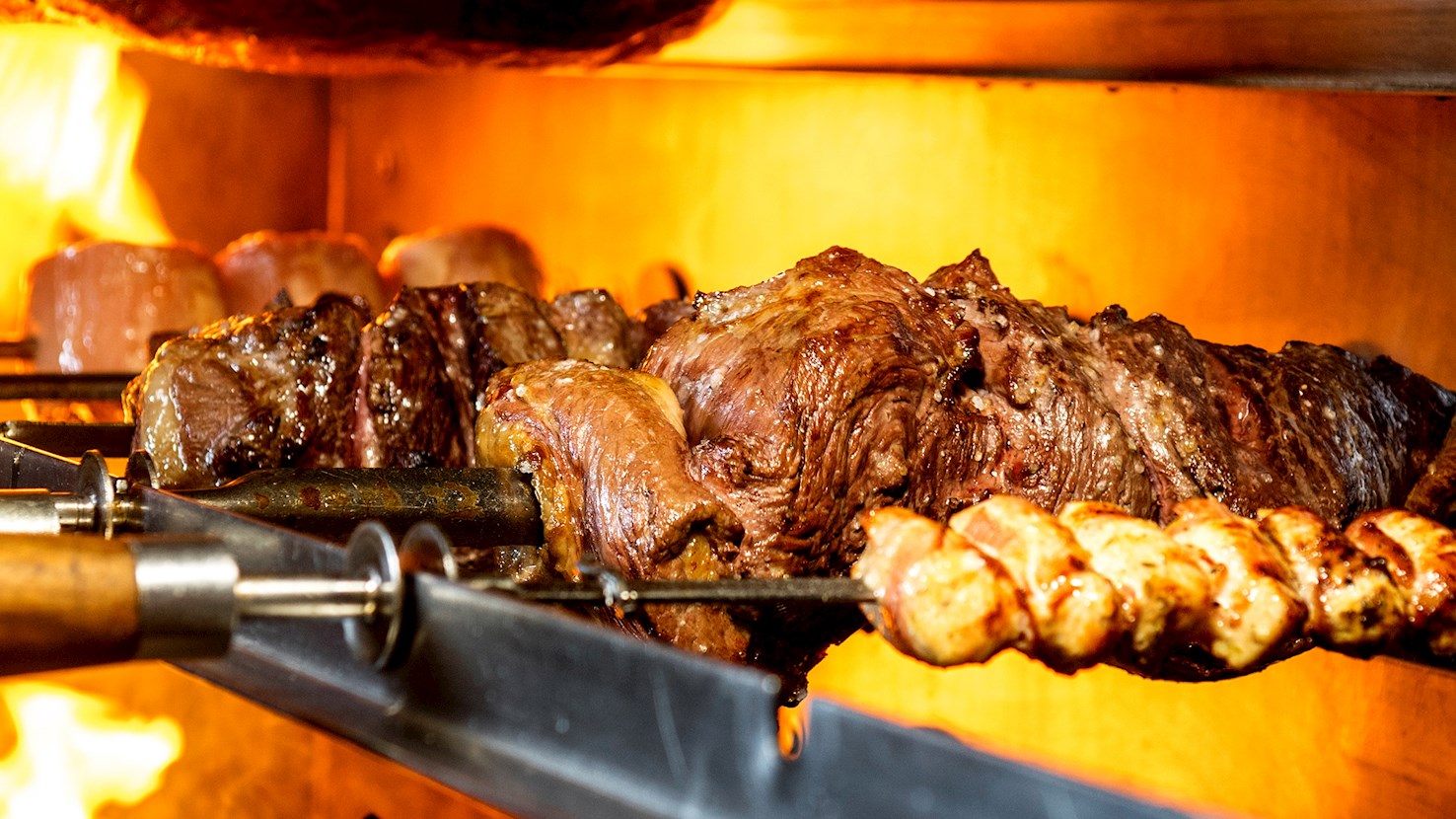
Churrasco is a Brazilian barbecue method where juicy pieces, slices, steaks, and chops of beef, veal, lamb, pork, and chicken are placed on big skewers and grilled over wood fire. It started in the early 1800s when the Gauchos (European immigrants that settled in the Rio Grade do Sul area) would get together and start a fire, adding large portions of meat on skewers and slowly grilling the meat. In the restaurants, known as churrascarias, the skewers are paraded across the restaurant in a flashy manner, and the waiters circulate among the tables in order to show off the succulent meat to hungry diners. After the customers have chosen their preferred type of meat, it is sliced off the skewers to the dining plates. Also known as rodízio, the theme of this barbecue experience is all you can eat, so the customers should know to come with an empty stomach. Beef is the most popular option, although livers and hearts are especially rich and chewy. In Brazil, the meat will often be from the zebu, a succulent, lean breed of cattle with a hump that's especially popular in churrasco as a cut of meat called cupim. Churrasco starts with appetizers and a variety of salads offered from a big buffet, as a preview of things to come. The usual accompaniments for the meat include farofa grains, rice, fried potatoes, potato salad, steamed greens, black beans, onions, fried bananas, and numerous chili-based sauces. After the big meal, it is typical to consume grilled pineapple slices, serving as a palate cleanser as well as a tasty dessert. Churrasco (lit. barbecue) is also popular as a cooking method in countries such as Nicaragua, Puerto Rico, Argentina, Uruguay, Ecuador, Guatemala, and Chile, and each country has their own favorite cuts of meat and accompaniments for this popular barbecue style.
TasteAtlas food rankings are based on the ratings of the TasteAtlas audience, with a series of mechanisms that recognize real users and that ignore bot,
nationalist or local patriotic ratings, and give additional value to the ratings of users that the system recognizes as knowledgeable.
For the “100 Best Rated Dishes with Beef” list until September 17, 2026, 1,037,818 ratings were recorded, of which 688,105 were recognized by the system as legitimate.
TasteAtlas Rankings should not be seen as the final global conclusion about food. Their purpose is to promote excellent local foods,
instill pride in traditional dishes, and arouse curiosity about dishes you haven’t tried.








What People Say