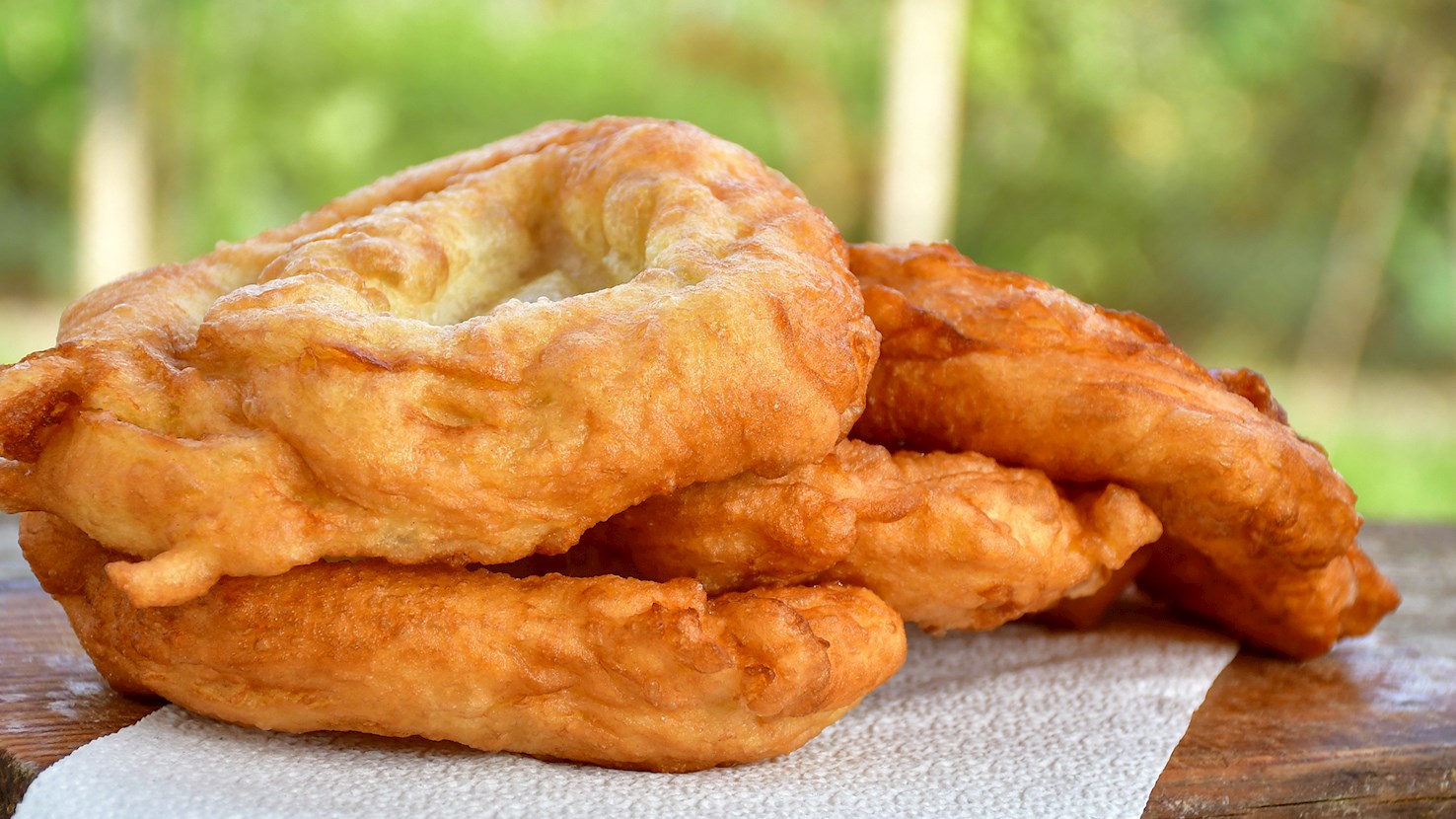
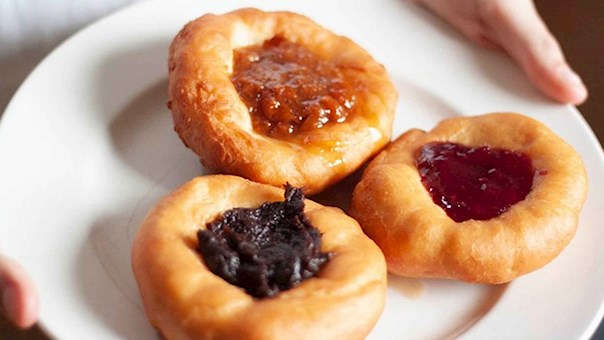
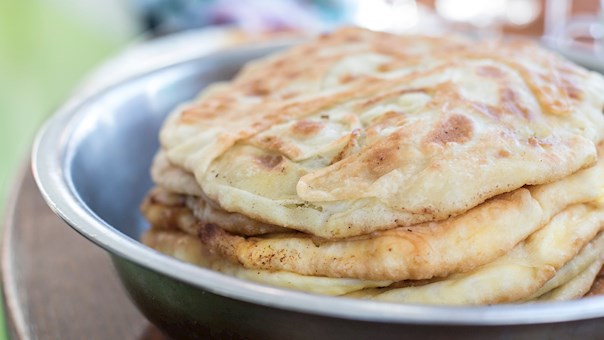
Mekitsa is a popular Bulgarian dish that is traditionally served for breakfast. It is a flatbread made with kneaded dough that is then deep-fried in hot oil. The dough usually consists of flour, water, salt, oil, eggs, yogurt, and a leavening agent. The name mekitsa is derived from the Bulgarian root mek, meaning soft, referring to the flatbread's texture. These flatbreads can be dusted with powdered sugar or paired with yogurt, honey, cheese, or various fruit jams.
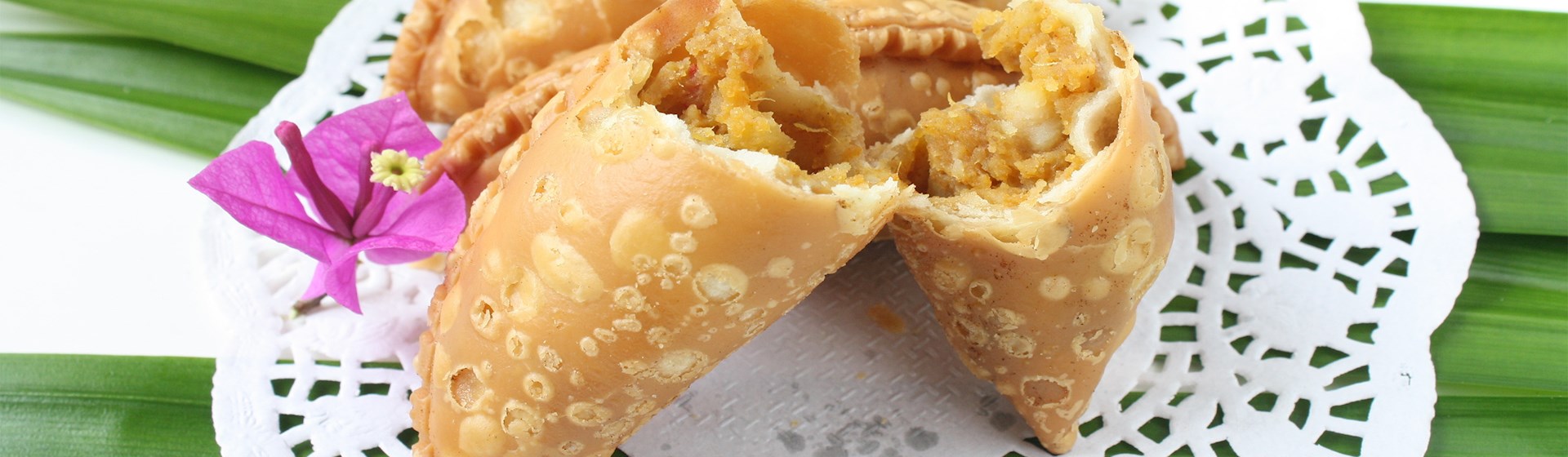
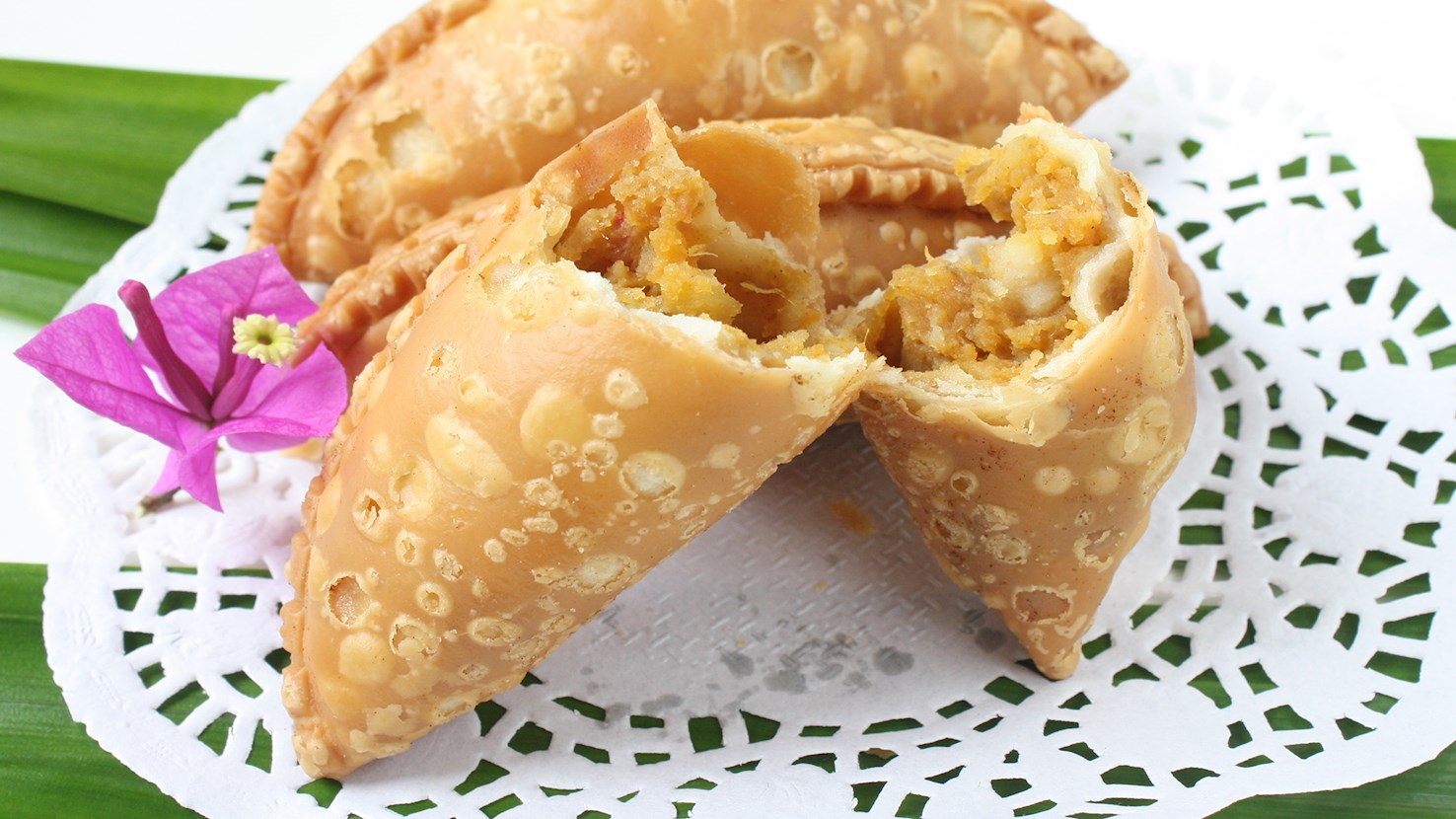
Karipap or curry puff is a small, deep-fried or baked pastry shell filled with thick chicken and potatoes curry. It is believed that the flavorful snack was invented by the Malays from the Malay Peninsula and parts of Sumatra and Borneo. It is a popular breakfast item or an afternoon snack which can be found at numerous stores, bars, and markets. Because of its simplicity and flavor, karipap quickly became popular outside Malaysia, especially in Thailand and Singapore. Today there are numerous versions of karipap, so instead of potato and chicken curry, it can be filled with various other ingredients such as tuna, sardines, and beef rendang. Crispy and flaky on the exterior, hot and soft on the interior, karipap is a snack that remains a staple of Southeast Asian cuisine.
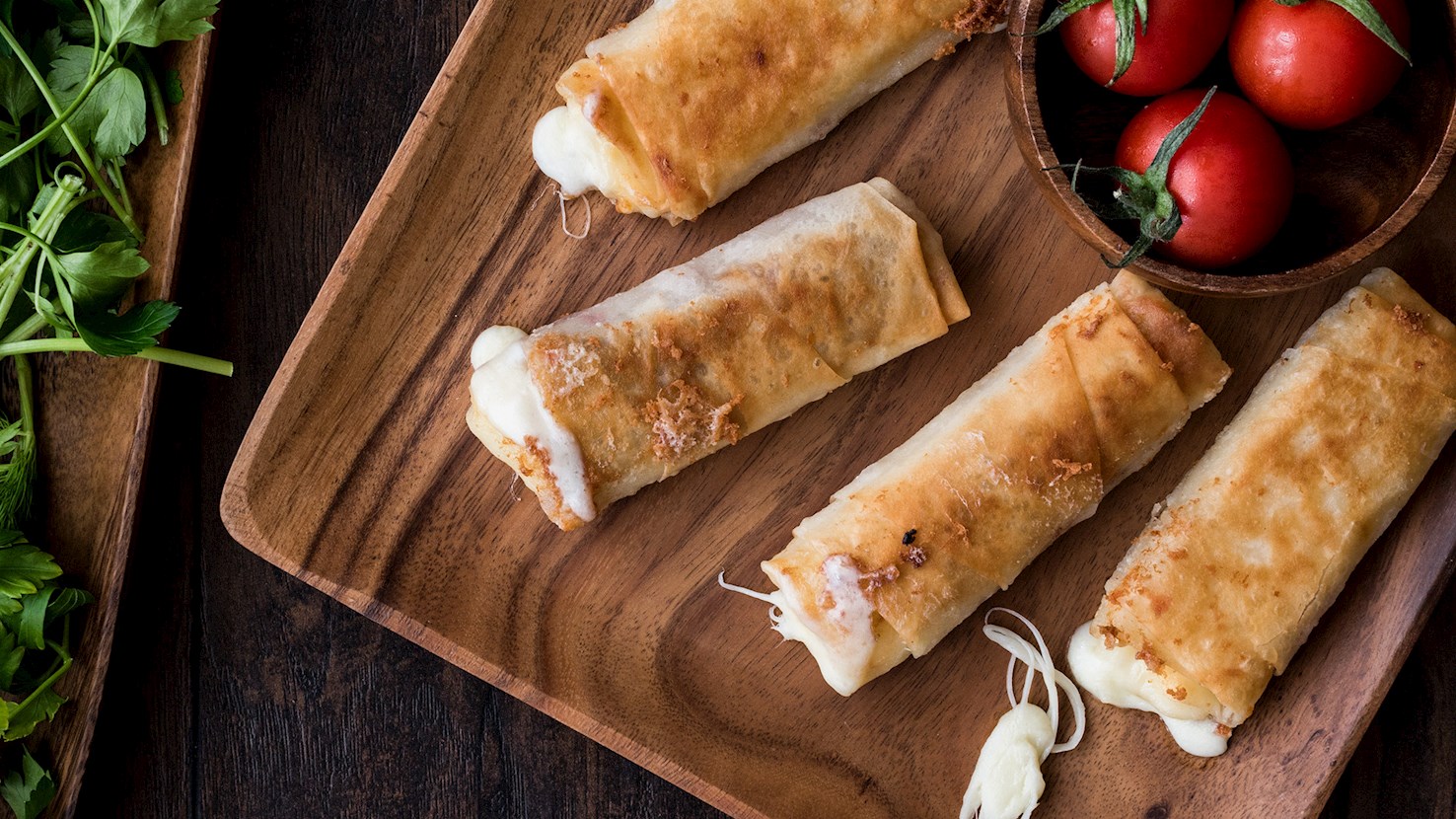
Paçanga böreği is a Turkish börek variety that's especially popular in the region of Anatolia and in Istanbul, where it's regarded as a traditional Sephardic Jewish specialty of the city. It's made by stuffing yufka or phyllo pastry with pastirma (salted, aged, dried beef) and kasar cheese. Apart from the basic ingredients, some people also like to add peppers and tomatoes to the filling. The dough is rolled, cut into rectangles, then fried. This börek can also be baked, but frying is the traditional method. Paçanga böreği is served hot and it's typically eaten as an appetizer.
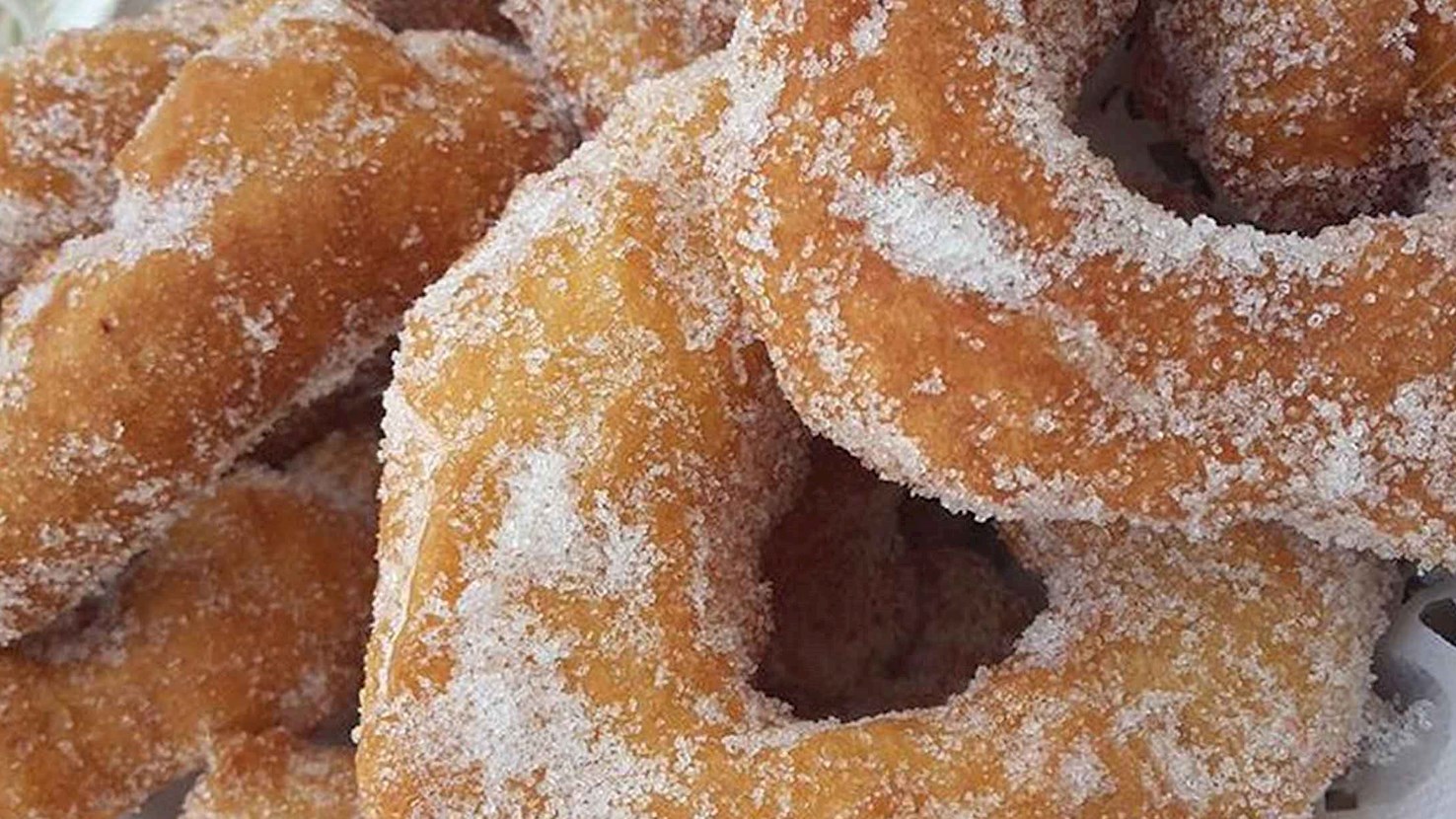
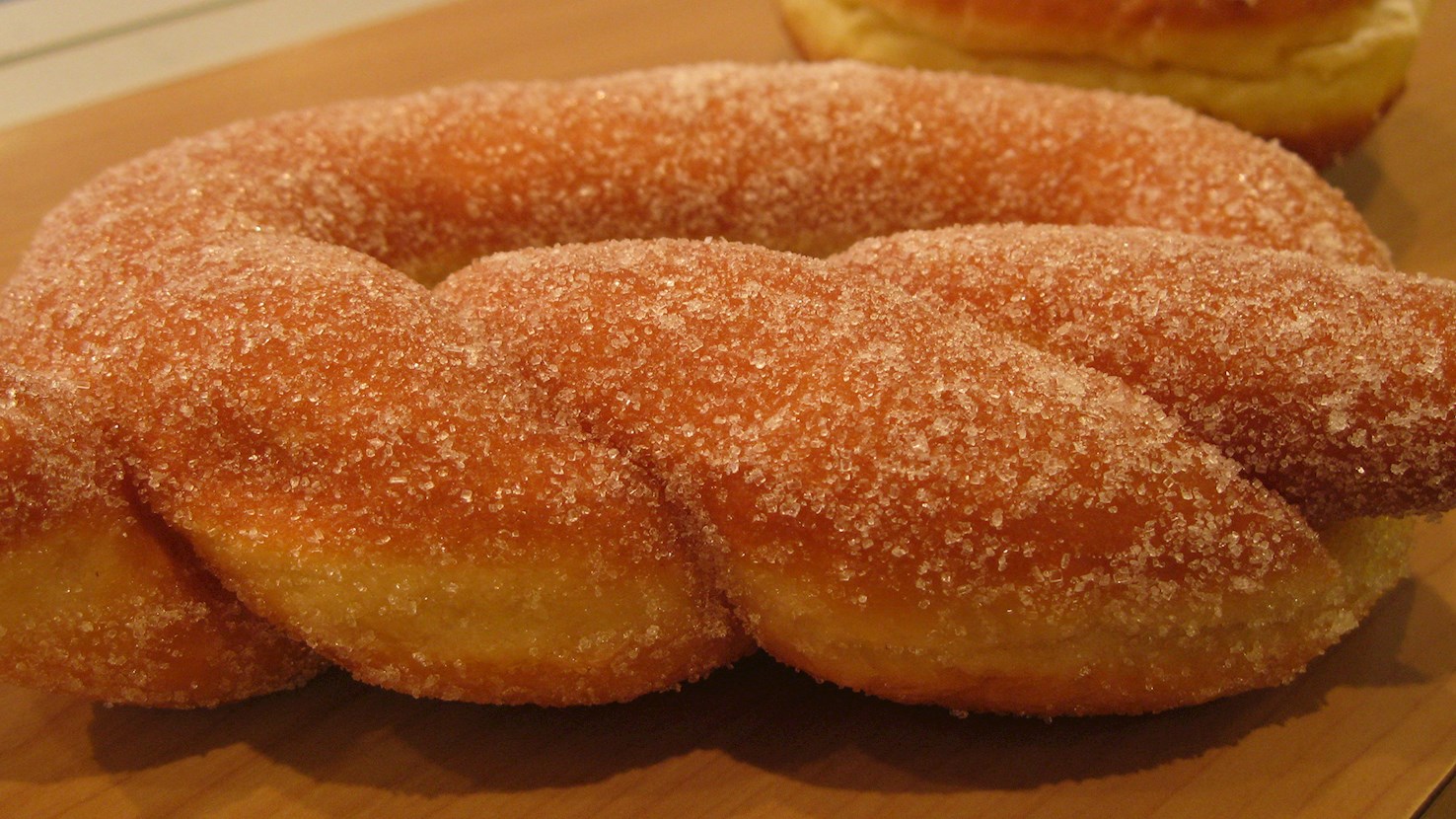
Bambalouni are traditional Tunisian doughnuts that are especially popular in the village of Sidi Bou Said. They are made with flour, hot water, yeast, and salt. After the dough has been prepared, it is fried in hot oil until golden brown, and the doughnuts are then sprinkled with sugar on top. It is recommended to serve bambalouni with coffee, either for breakfast or as a snack eaten at the end of the day.
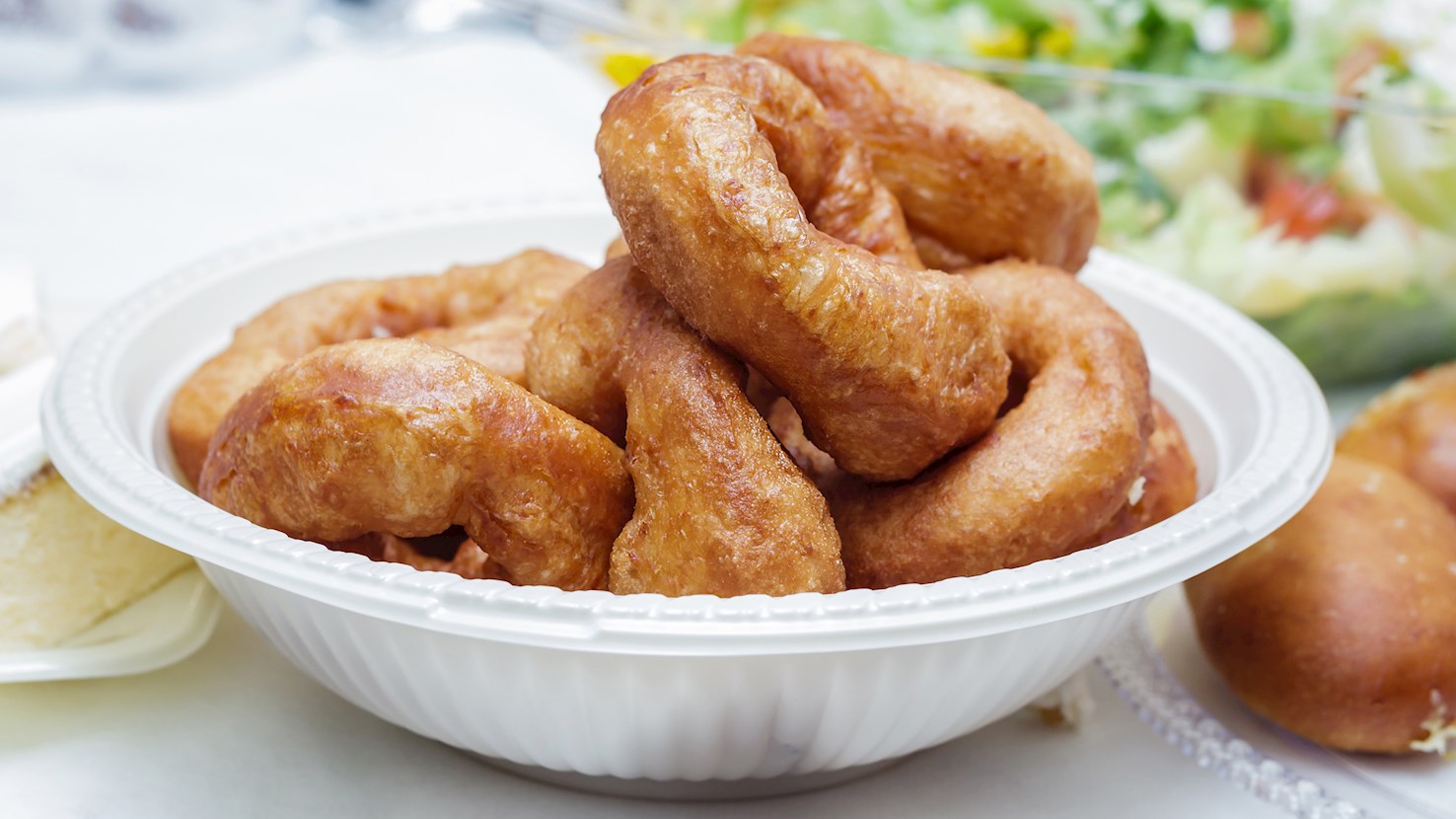
Sfenj are popular Moroccan and Algerian doughnut-like fritters made from sticky unleavened batter, similar to Libyan sfinz and Tunisian bambalouni. The dough is traditionally shaped into rings and deep-fried until it develops a golden, crispy exterior. The interior should be fluffy, tender, and chewy. These fritters are usually served hot when sold by street vendors, and they can be consumed plain or dusted with icing sugar.
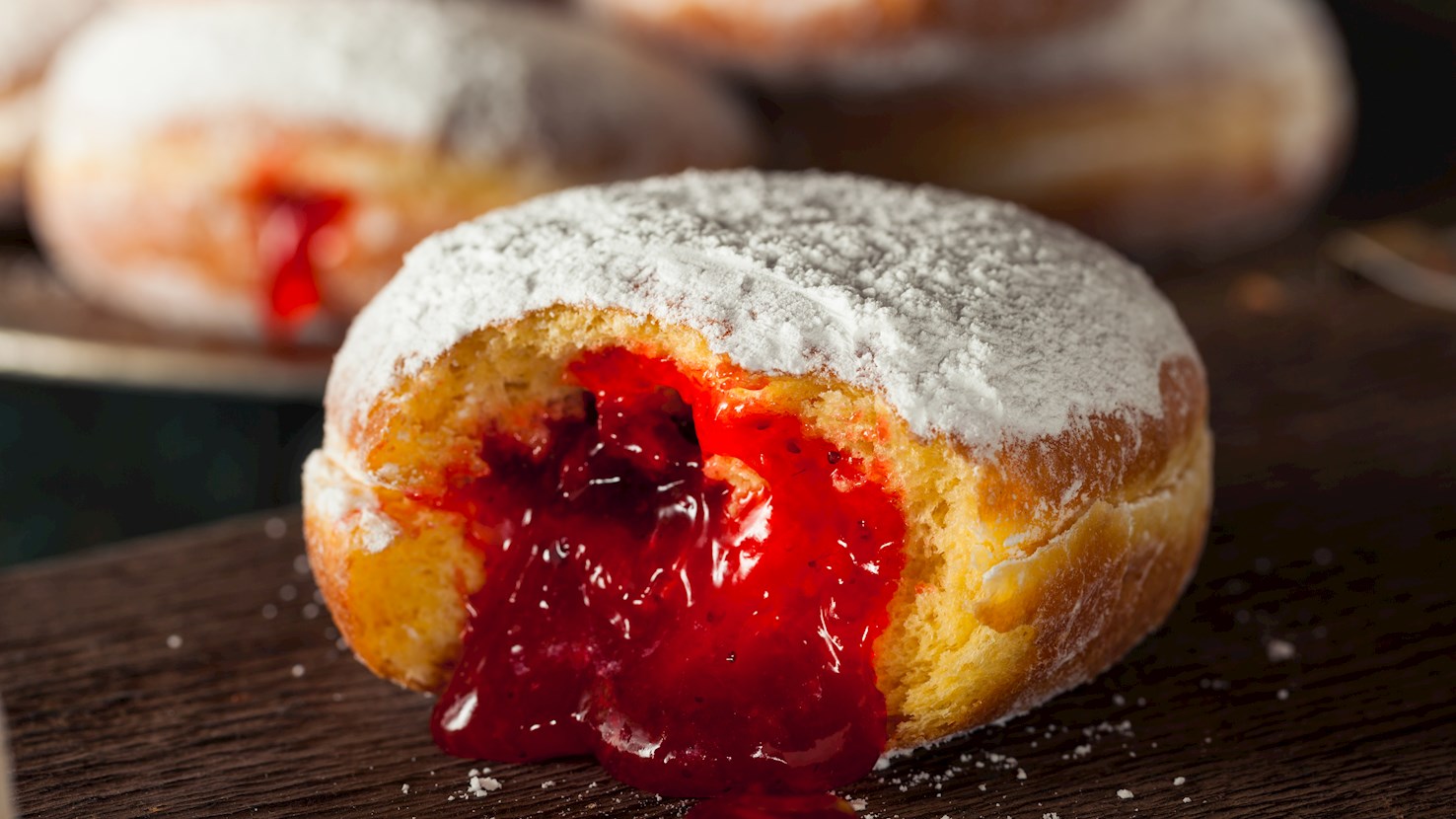
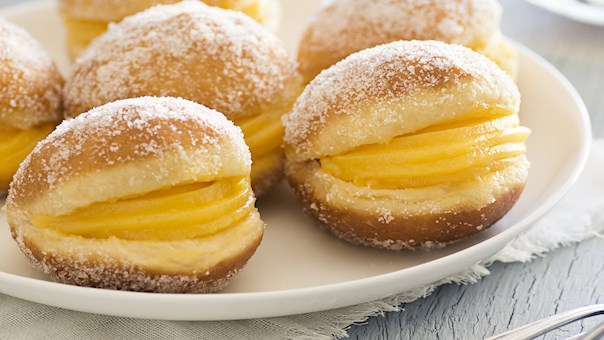
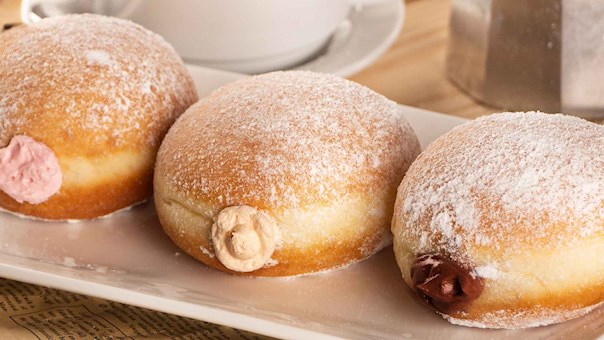
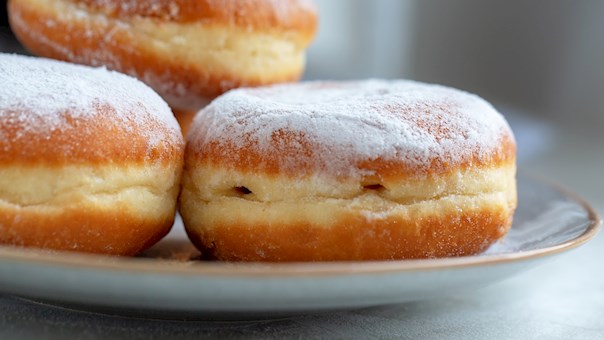
Pączki are large, deep-fried doughnuts made from rich yeast dough, heavily stuffed with sweet fruit preserves or sweet cream, and coated in a thick layer of powdered sugar or icing. The foundation of this heavy pastry relies on a highly enriched dough where yeast is dissolved in warm milk and combined with large quantities of egg yolks, butter, sugar, and wheat flour. A crucial additive is a small splash of high-proof grain alcohol or clear rum mixed directly into the batter. The alcohol evaporates rapidly upon contact with the boiling fat, creating a barrier that prevents the pastry from absorbing excess grease during deep-frying. The dough must rise twice to develop a spongy, airy crumb before small portions are rolled into uniform balls and submerged in heavily heated pork lard or vegetable oil. They fry until both sides develop a deep, dark golden-brown exterior, naturally leaving a distinct pale ring around the center where the dough floated above the fat line. After cooling slightly, a metal piping tip is used to inject various thick fillings into the center. While wild rose petal jam and dense plum butter are the most deeply rooted and widely used fillings, modern bakeries often inject them with Bavarian cream, raspberry preserve, chocolate custard, or spiced apple filling. The exterior also depends on the shop, ranging from a simple, heavy dusting of confectioner's sugar to a thick, translucent sugar glaze sprinkled generously with bits of candied orange peel. Procuring and consuming these pastries happens at an intense, rapid pace, most notably during the week preceding Lent. They are often bought by the dozens in large cardboard boxes from local bakeries and eaten at room temperature alongside a cup of hot coffee or strong black tea. Because of their rich, high-calorie nature, a single pastry serves as a standalone meal or snack. The existence of pączki traces back to the Middle Ages, though the earliest iterations were entirely savory, formed from hard dough and stuffed with salted pork fat. It was not until the 18th century, when French baking techniques arrived in Eastern Europe, that the recipe fundamentally transformed into a lighter, sweeter, sponge-like dessert. The entire concept was originally designed as a highly practical method to completely empty household pantries of expensive, perishable fats, sugars, and eggs before a strict fasting period commenced, culminating in the massive consumption event known today as Fat Thursday.
Papanași is a traditional donut-shaped pastry with a small sphere on top. It can be fried or boiled, and it's made by adding unsalted cheese such as brânză de vaci (cow's milk cheese) or urdă to a regular flour and egg dough. The fried papanași are usually donut-shaped and can be served with fruit jams, a dollop of sour cream, or powdered sugar. The boiled ones are smaller, nugget-shaped, and typically coated with a mix of breadcrumbs and sugar. This dessert can be found in most Romanian traditional restaurants or it can be prepared at home.
Nonnevot is a unique pastry originating from Limburg, dating back to at least the 17th century. The dough is prepared with flour, yeast, milk, salt, butter, lard, and brown sugar. It is then deep-fried until it develops a golden-brown color. Although nonnevot has traditionally been associated with the carnival, today it can be bought in many regional bakeries. The unusual name of this pastry means nun's butt, referring to its knotted shape and the knot on the back of a nun's uniform.
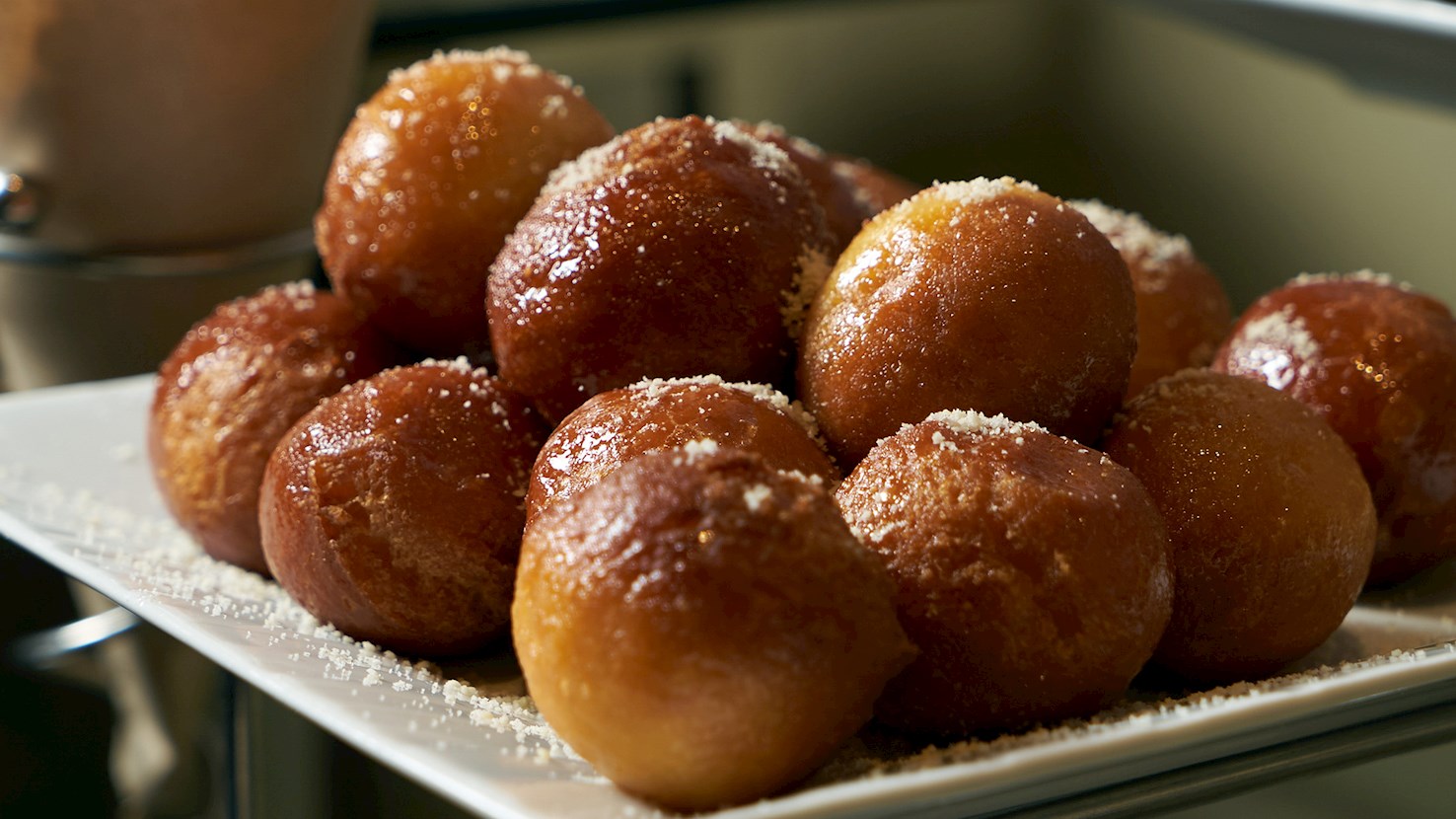
Fouskakia are traditional Greek donuts or loukoumades that are prepared on the islands of Skopelos and Alonnisos, in the northwest Aegean Sea. The name of this specialty derives from the Greek word foúska, meaning a bubble, referring to the typically small spherical shape of the fluffy fried pieces of dough which resemble bubbles. These donuts are typically made with a simple batter of flour, water, and yeast, and once deep-fried in oil, they’re usually eaten while still warm. Fouskakia are usually enjoyed drizzled with honey on top and sprinkled with cinnamon or nuts, although they can also be accompanied by scoops of ice cream on the side.
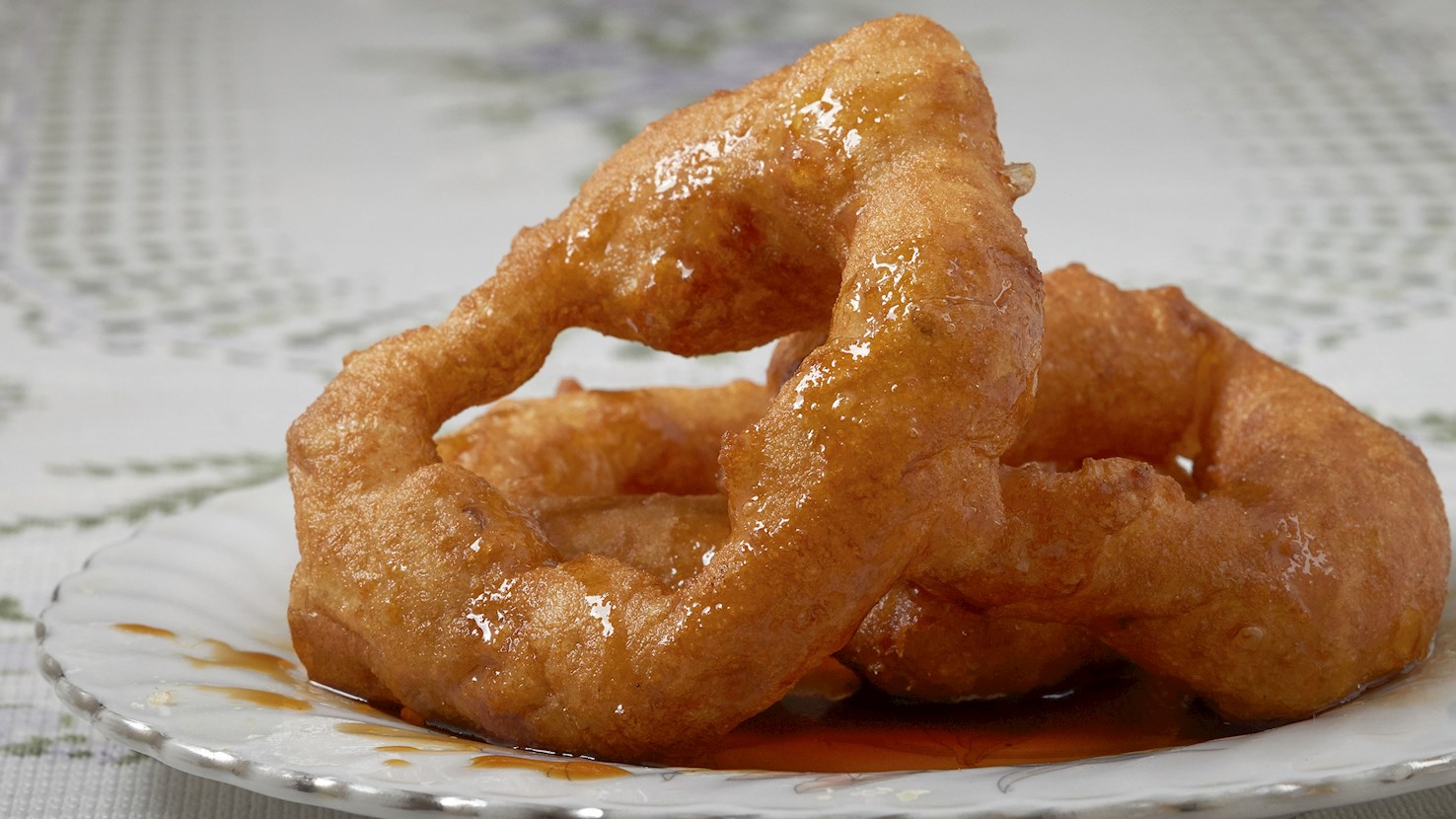
Picarones are a staple of Peruvian street food, the tasty, deep-fried treats that are also often referred to as the "Peruvian doughnuts". The dough is shaped into a ring and fried in hot oil, and picarones are then drizzled with a sweet cane syrup. It is believed that they were first prepared during the Spanish Viceroyalty in Lima and they were probably based on the Spanish buñuelos. The recipe was adapted by the locals who added sweet potatoes and squash to the dough, and a new dish was created. Picarones were later popularized by the nuns of Saint Claire's convent, and today they are especially popular during the religious festivities in October.
TasteAtlas food rankings are based on the ratings of the TasteAtlas audience, with a series of mechanisms that recognize real users and that ignore bot,
nationalist or local patriotic ratings, and give additional value to the ratings of users that the system recognizes as knowledgeable.
For the “Top 100 Fried Dough Foods in the World” list until August 15, 2026, 13,161 ratings were recorded, of which 8,368 were recognized by the system as legitimate.
TasteAtlas Rankings should not be seen as the final global conclusion about food. Their purpose is to promote excellent local foods,
instill pride in traditional dishes, and arouse curiosity about dishes you haven’t tried.









What People Say