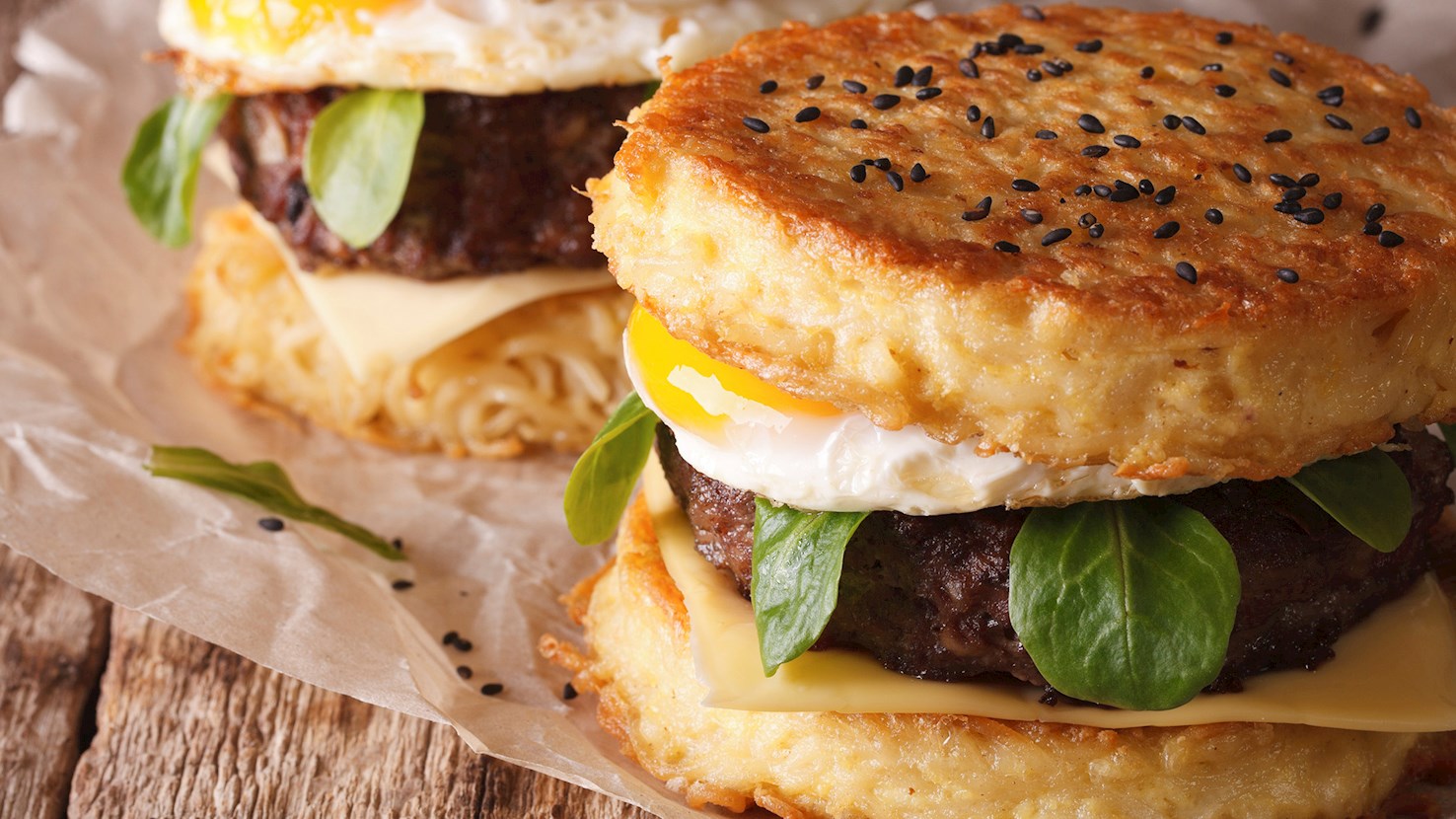
Ramen burger is a unique variety of a hamburger consisting of a meat patty that is sandwiched between two fried ramen noodle buns. The meat patty is typically slathered in shoyu sauce and topped with arugula and scallions. The dish was created by Keizo Shimamoto, a ramen blogger, who debuted it in 2013 in Brooklyn. The ramen burger was so popular that it had been voted by Time Magazine as one of the 17 most influential burgers ever created.
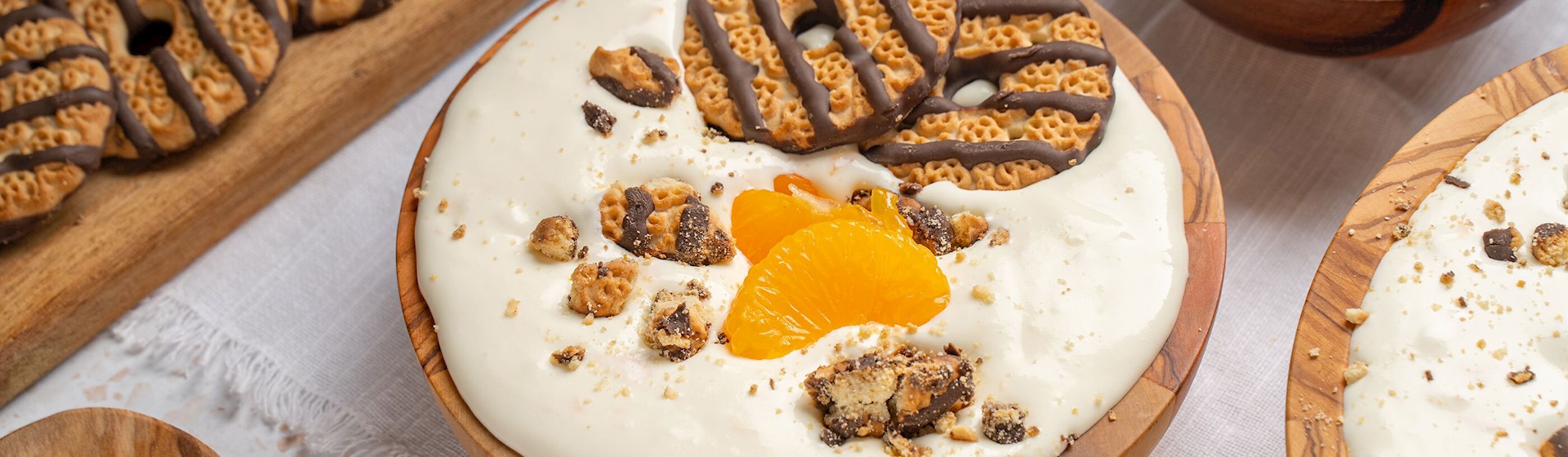
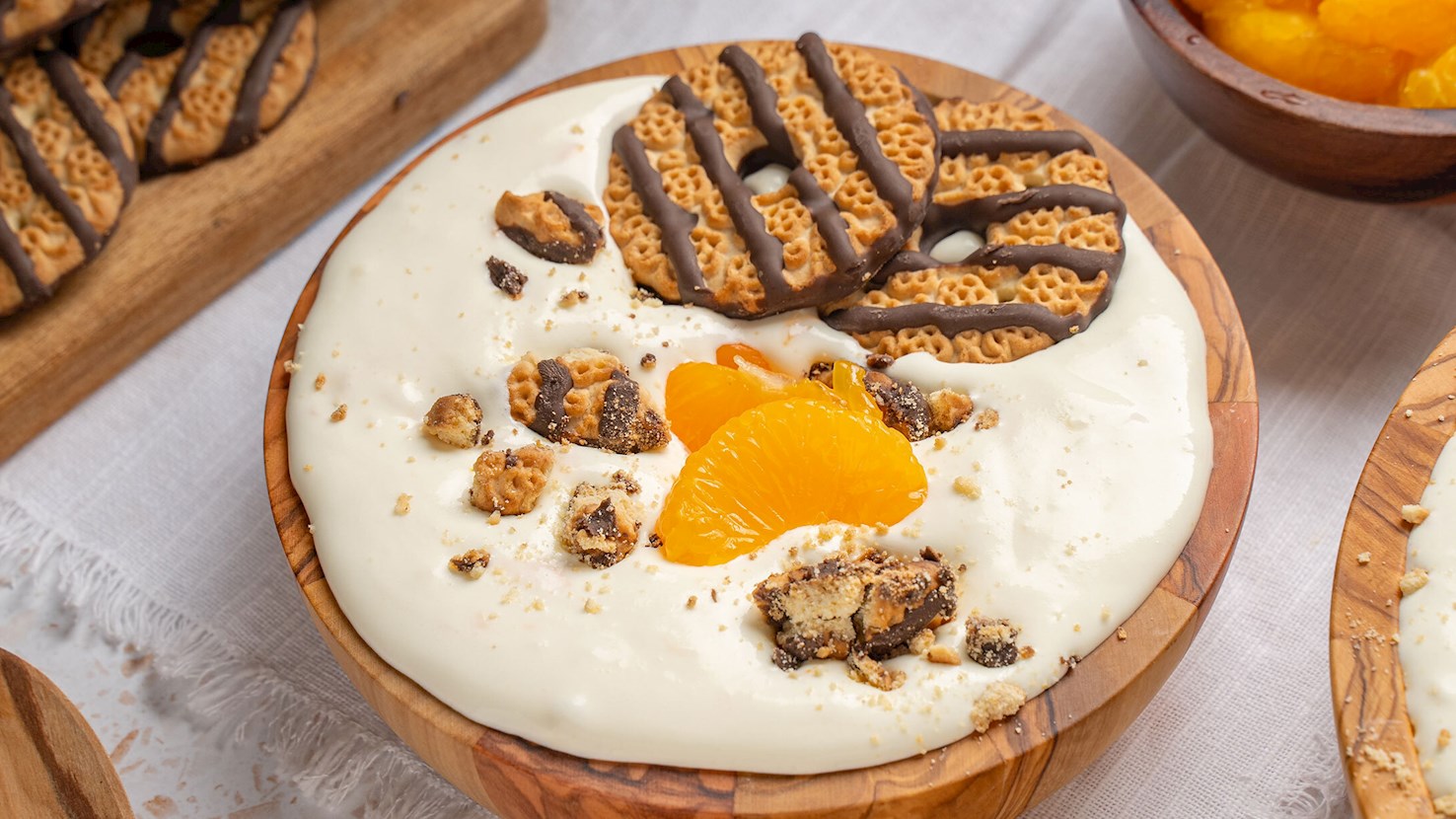
Originating from Minnesota, cookie salad is a simple dessert beloved by children made by combining fudge stripe shortbread cookies, buttermilk, vanilla pudding, whipped cream, and mandarin oranges. Additional ingredients may include berries, but Oreo cookies are strictly prohibited.
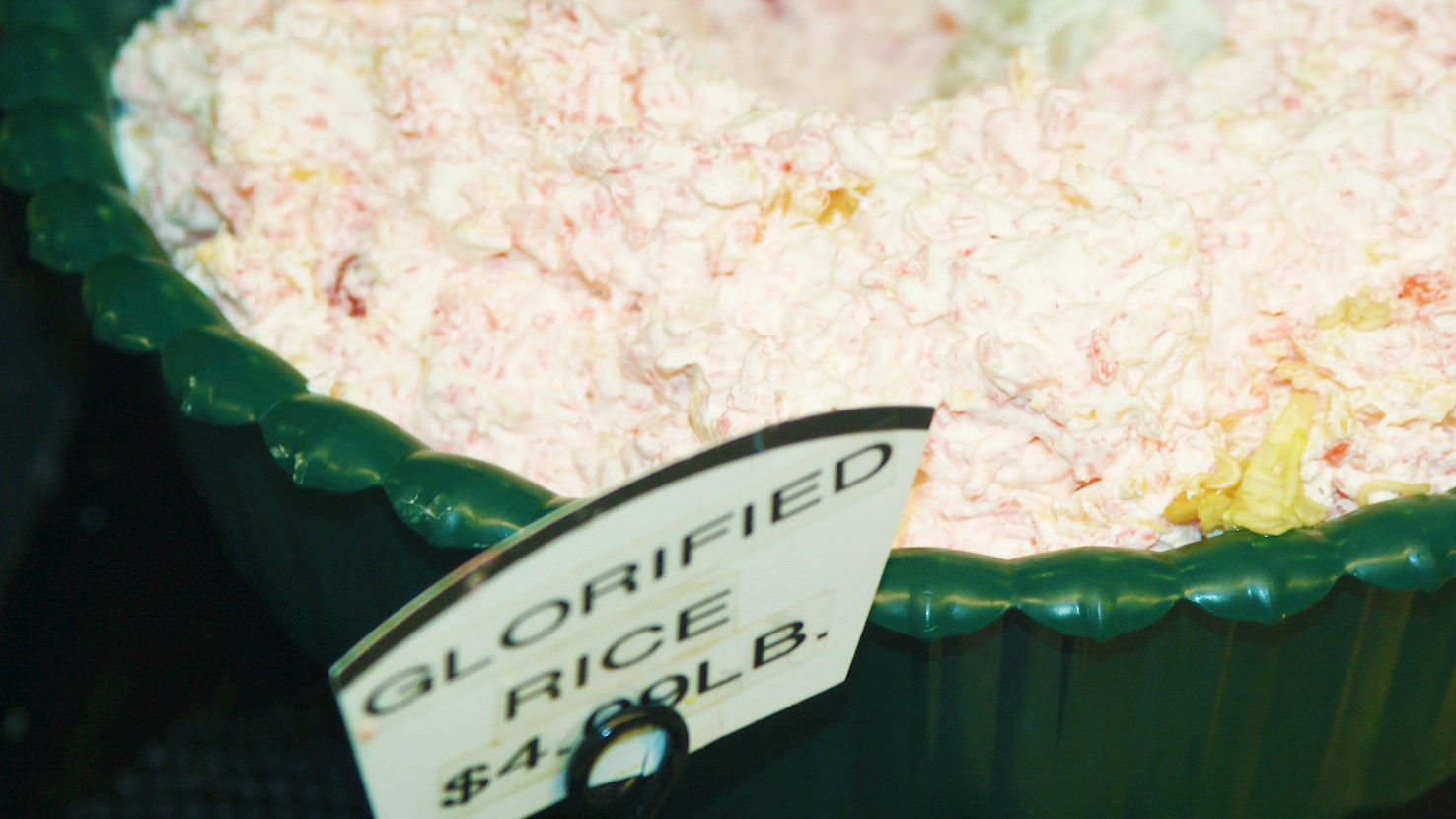
Glorified rice is an American Midwestern dessert consisting of rice, canned pineapple chunks, and whipped cream. The dish is traditionally garnished with a few maraschino cherries on top. Purists claim that the rice should always be cooked in cream in order to develop a tender, melting texture. The dessert was at its most popular from the 1930s to the 1950s, with numerous variations and additions such as bananas, apples, nuts, and gelatin. Today, glorified rice is mostly popular in rural Midwestern areas, and can often be found at church gatherings and potluck dinners.
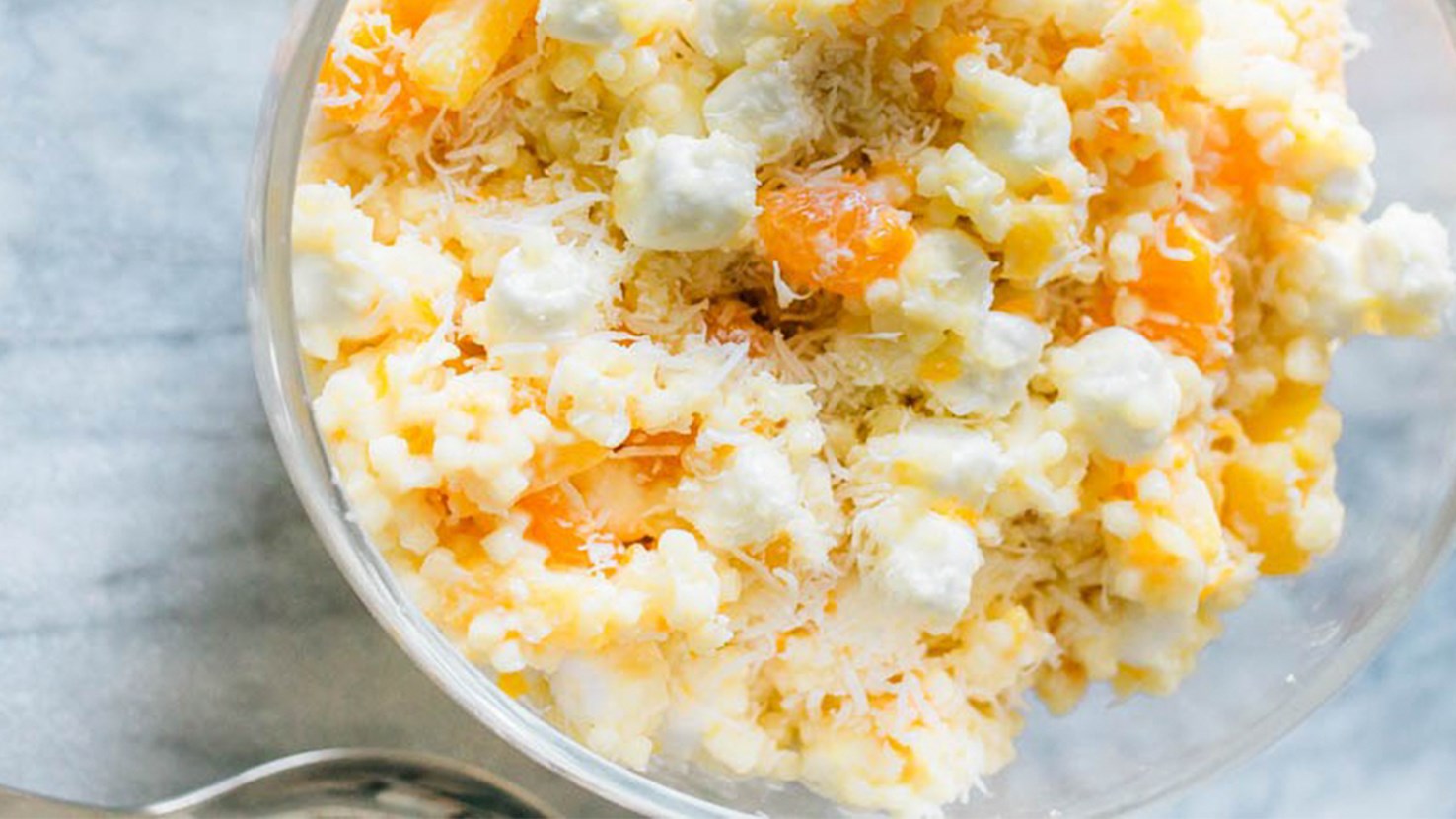
Frog eye salad is a flavorful concoction made with the ball-shaped acini di pepe pasta, egg yolks, and a whipped cream topping that can sometimes be enriched with the addition of pineapple pieces, shredded coconut, mandarin oranges, or marshmallows. This crossover between a pasta salad and a fruit salad is especially popular in Utah, where it is a staple at potlucks.
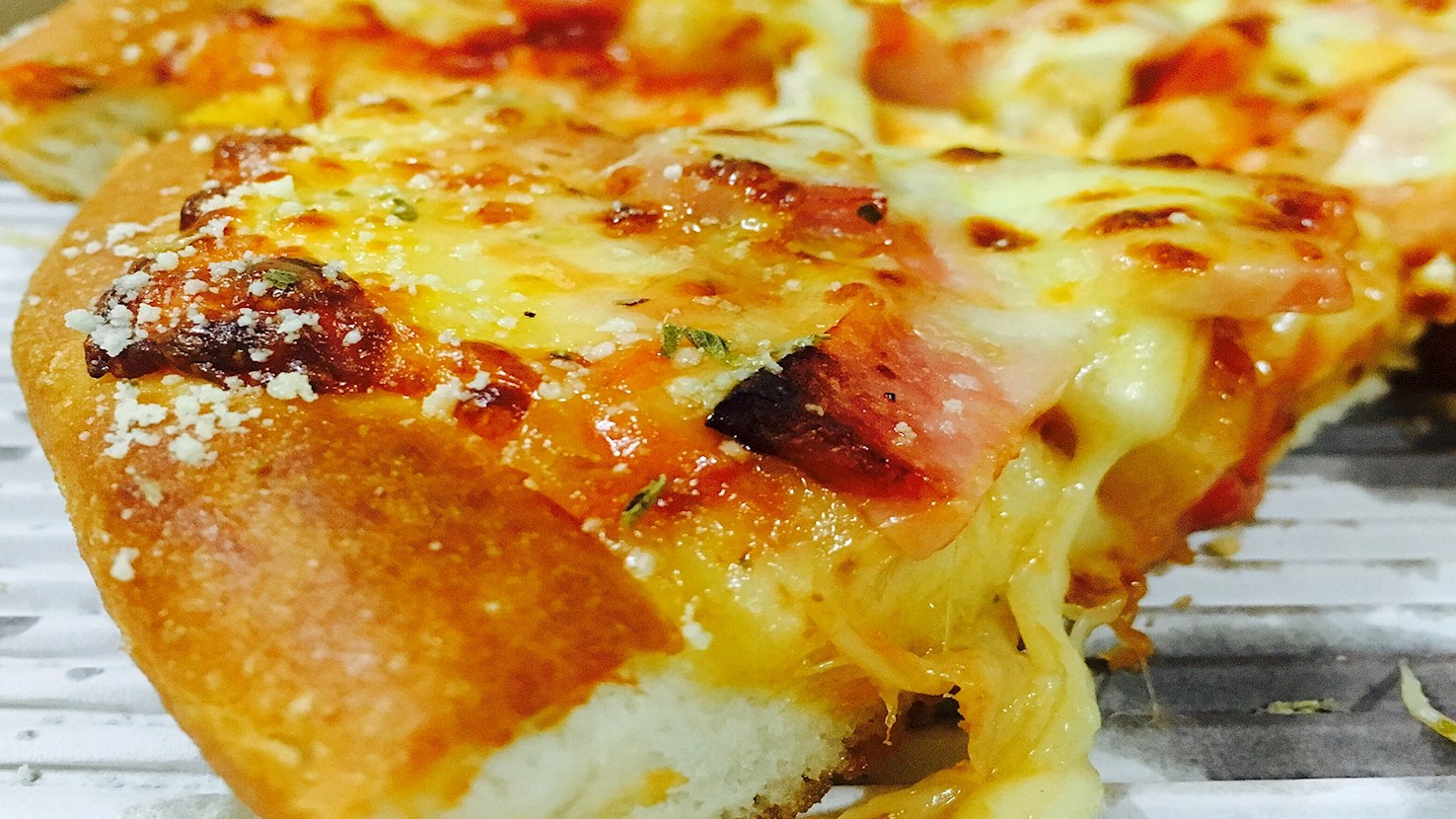
Pictou County pizza is a unique variety of pizza originating from Nova Scotia, characterized by a somewhat thicker, chewy dough, a spicy brown sauce, and Halifax-made Brothers' pepperoni. The pizza is so popular that it is even shipped frozen all over Canada. Every year, there is a Pictou County pizza competition, so that the locals can find out which pizza restaurant is the best. It is recommended to pair the dish with a cold beer on the side.
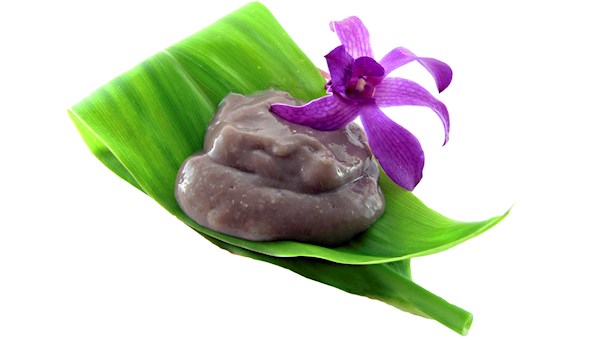
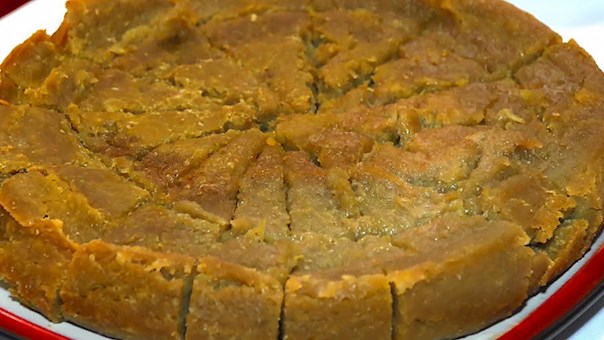
Ducana is a dessert dish that is popular on the Caribbean islands of Antigua, Montserrat and St. Vincent and the Grenadines. The dish is a type of dumpling made with coconut and sweet potatoes, often cooked in banana leaves. It is usually served with stewed or salted fish, and is a common staple food for many locals that enjoy the contrast of sweet and savory flavors. Some say that the sweet potato is best used in the preparation of ducana, as the islands are brimming with sweet potatoes that were cultivated by the Arawak Indians a long time ago. Ducana can also be consumed cold, or thinly sliced and lightly fried as a snack. A must-have for both the tourists and the locals, the dish is often made on Good Friday, when the islanders traditionally avoid meat.
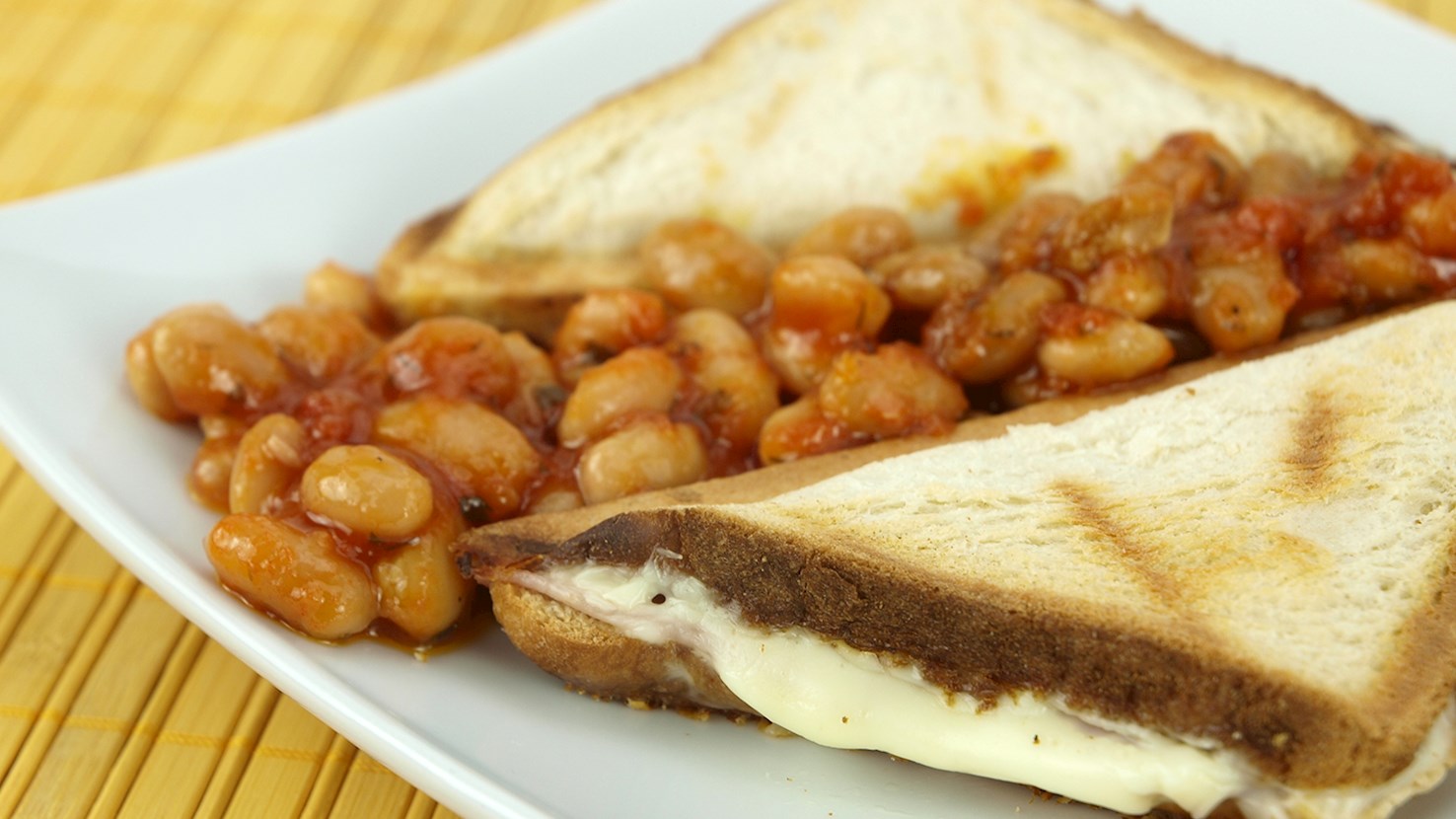
Baked bean sandwich is a traditional sandwich originating from New England. It consists of two slices of thick and chewy brown bread that are buttered and topped with Boston baked beans. This bean mixture is typically made with molasses and sugar. The earliest recipe for baked bean sandwiches dates back to 1909, as Pilgrims, who didn't believe in cooking on Sundays, made large quantities of baked beans and baked loaves of brown bread on Saturdays. Nowadays, the sandwich is often served with piccalilli, a relish consisting of pickled vegetables and spices.
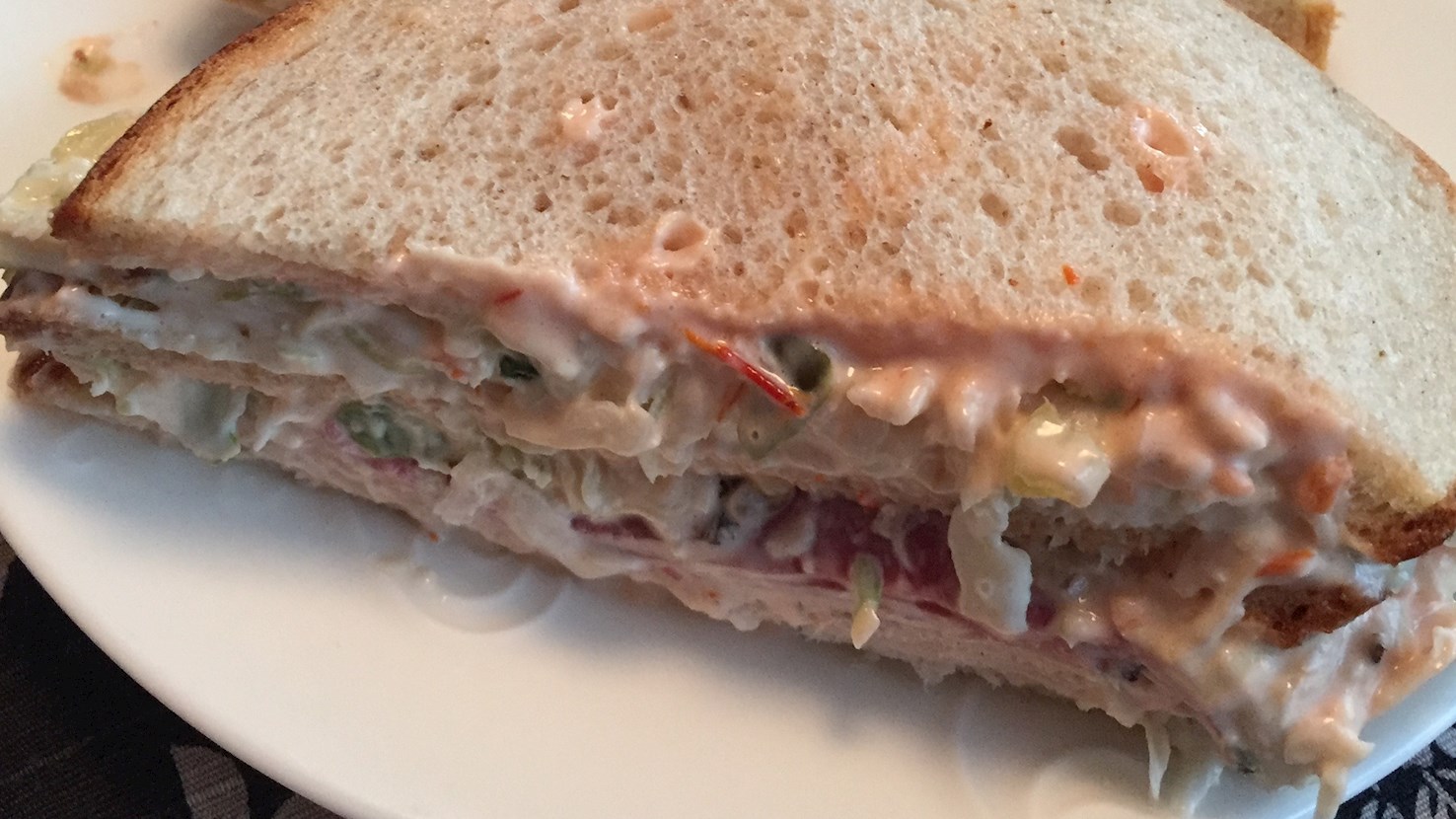
In New Jersey, the term sloppy Joe does not refer to the popular sandwich filled with ground beef and tomato sauce. This deli classic was invented in Town Hall Delicatessen in South Orange, New Jersey, and the double-decker rye bread sandwich typically contains two types of sliced deli meat, Swiss cheese, coleslaw, and Russian dressing. Although it might not be the best sandwich to eat on-the-go, locals say that "it’s a neat type of sloppiness."
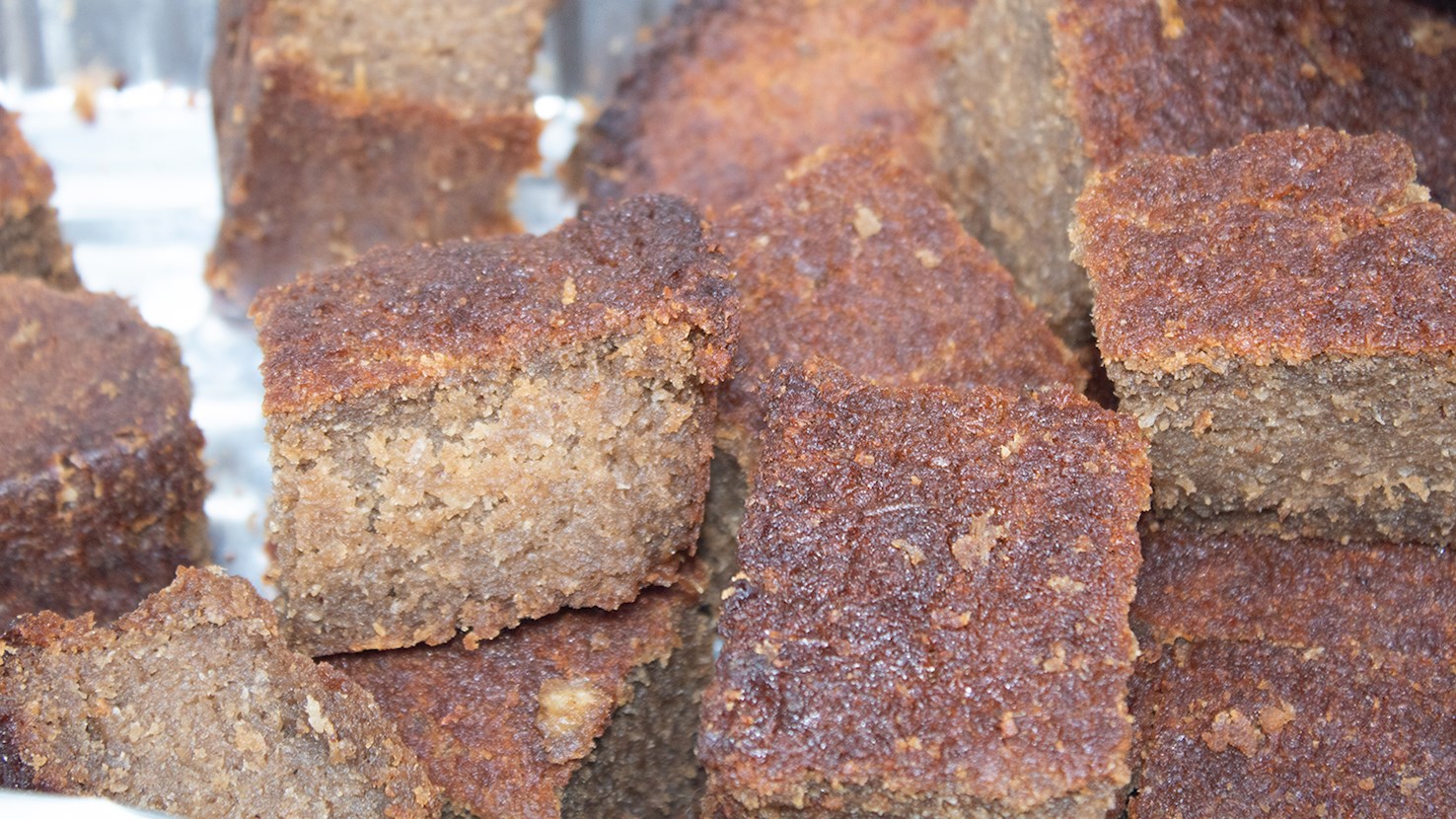
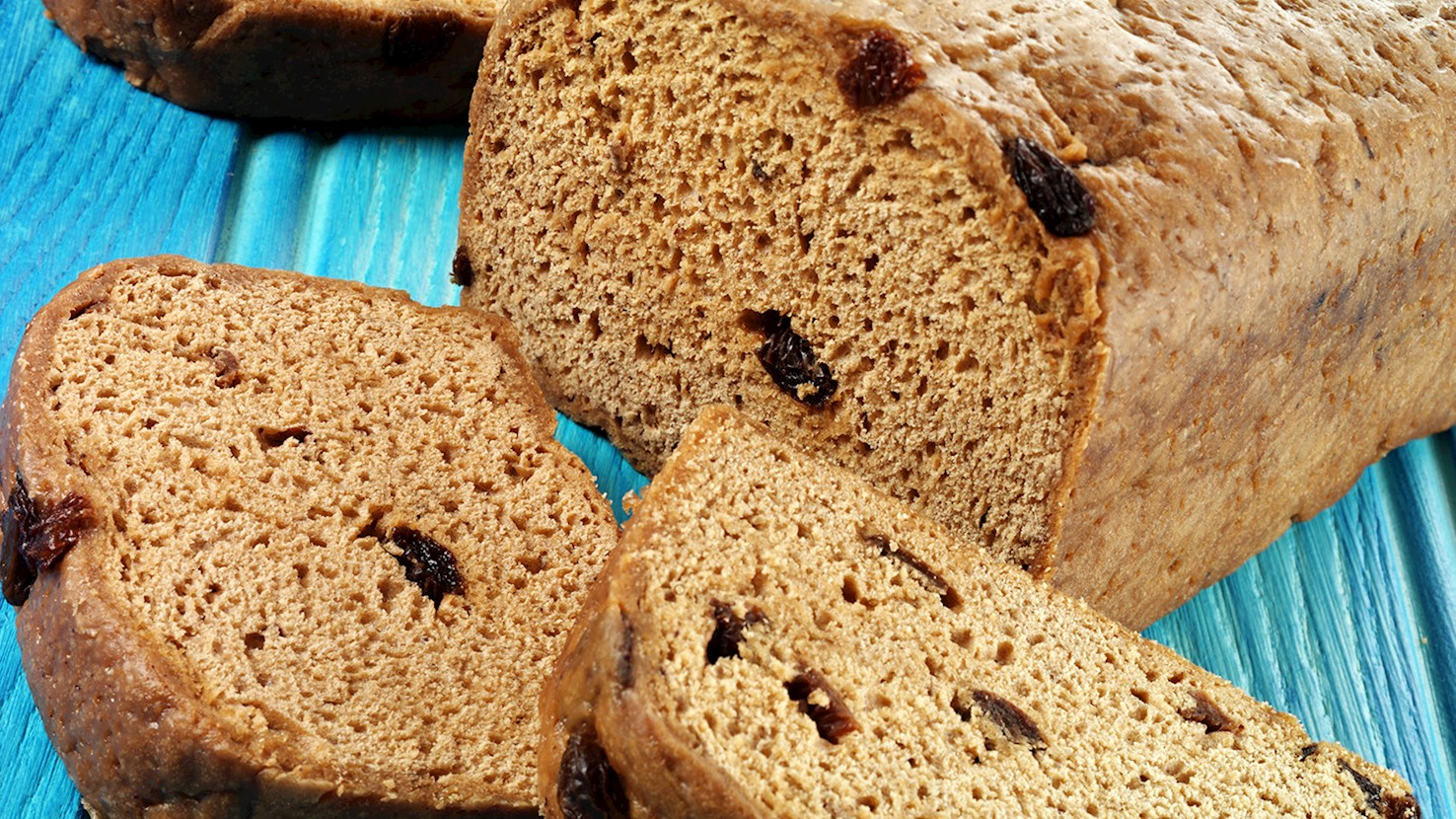
Jamaican spiced bun is a dense, sweetened loaf characterized by its dark color, firm crumb, and seasoning with spices and dried fruit, and it is eaten as a bread rather than as a cake or pastry. Its development is linked to British colonial baking practices that introduced enriched breads and fruit loaves to the island, which were then adapted using local ingredients such as molasses, browning, and Caribbean spices, leading to a distinct Jamaican form that became widely produced in homes and commercial bakeries. Preparation involves mixing flour with yeast, sugar, salt, spices such as cinnamon and nutmeg, dried fruits like raisins or currants, and liquids that may include water, milk, or stout, with molasses or caramelized sugar providing both sweetness and color, after which the dough is proofed, shaped, and baked until firm and sliceable. The loaf is not iced or filled, and its structure is intentionally compact so it can be cut cleanly and held without crumbling. Jamaican spiced bun is usually served at room temperature and sliced thickly. It is most commonly eaten plain or paired with cheese, especially cheddar-style cheese, and consumed at home, in bakeries, and during seasonal periods when demand increases. Beverage pairings are simple and familiar, most often tea, coffee, milk, or stout, chosen to complement the sweetness and spice without overwhelming the bread itself.
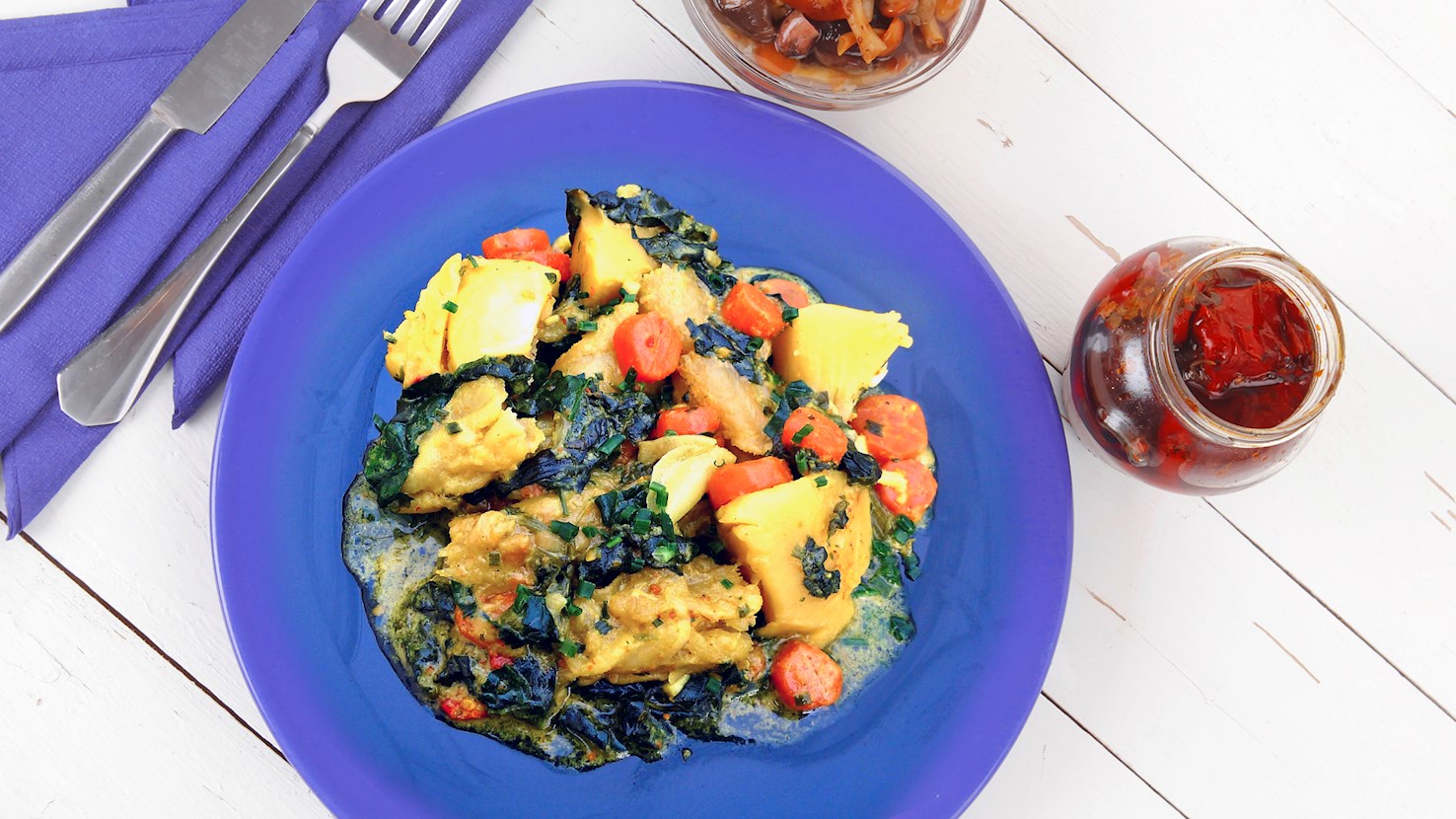
Oil down is the national dish of Grenada, a humble dish from a humble country and a flavorful one-pot meal consisting of local vegetables, starchy tubers, green bananas, salty meat, and a blend of various seasonings. The ingredients are all combined in a big pot and cooked in coconut milk, giving the dish its name, referring to the coconut milk as it simmers and gets absorbed by all the other ingredients until only the coconut oil remains on the bottom of the pot. The preparation of this dish is important as the dish itself, because it is traditionally cooked over an open fire on the beaches where families spend their whole days and everybody pitches in to help so that a true communal feeling emerges while the dish cooks for a few hours. Both the dish and the communal party provide a nice example of the best of Caribbean culture.
TasteAtlas food rankings are based on the ratings of the TasteAtlas audience, with a series of mechanisms that recognize real users and that ignore bot,
nationalist or local patriotic ratings, and give additional value to the ratings of users that the system recognizes as knowledgeable.
For the “100 Worst Rated North American Foods” list until September 16, 2026, 124,445 ratings were recorded, of which 93,546 were recognized by the system as legitimate.
TasteAtlas Rankings should not be seen as the final global conclusion about food. Their purpose is to promote excellent local foods,
instill pride in traditional dishes, and arouse curiosity about dishes you haven’t tried.







What People Say