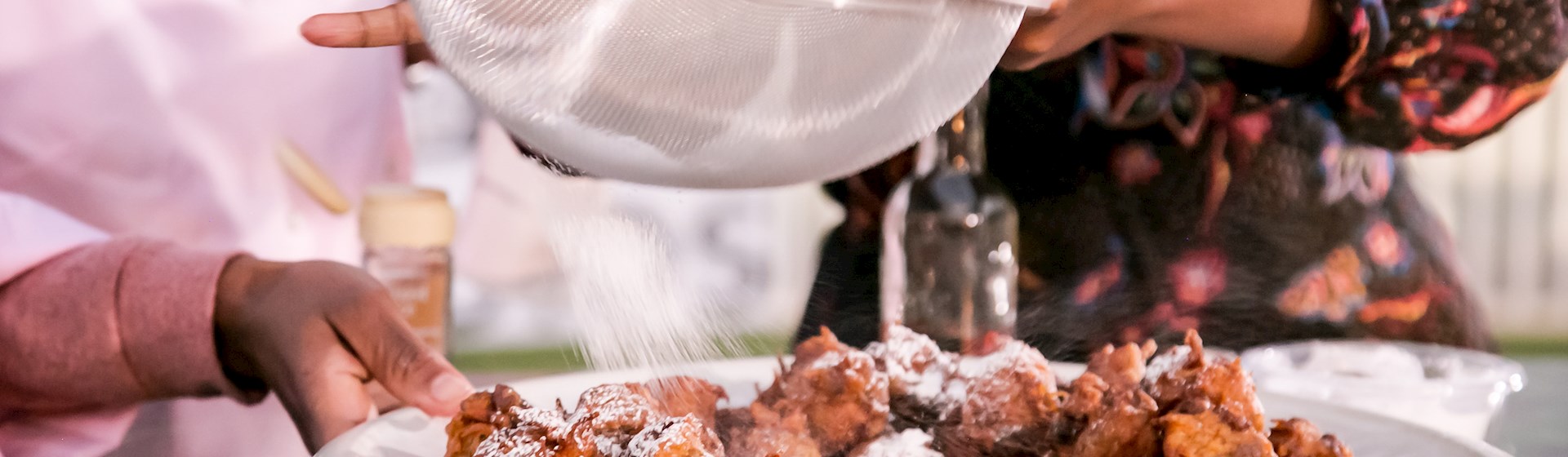
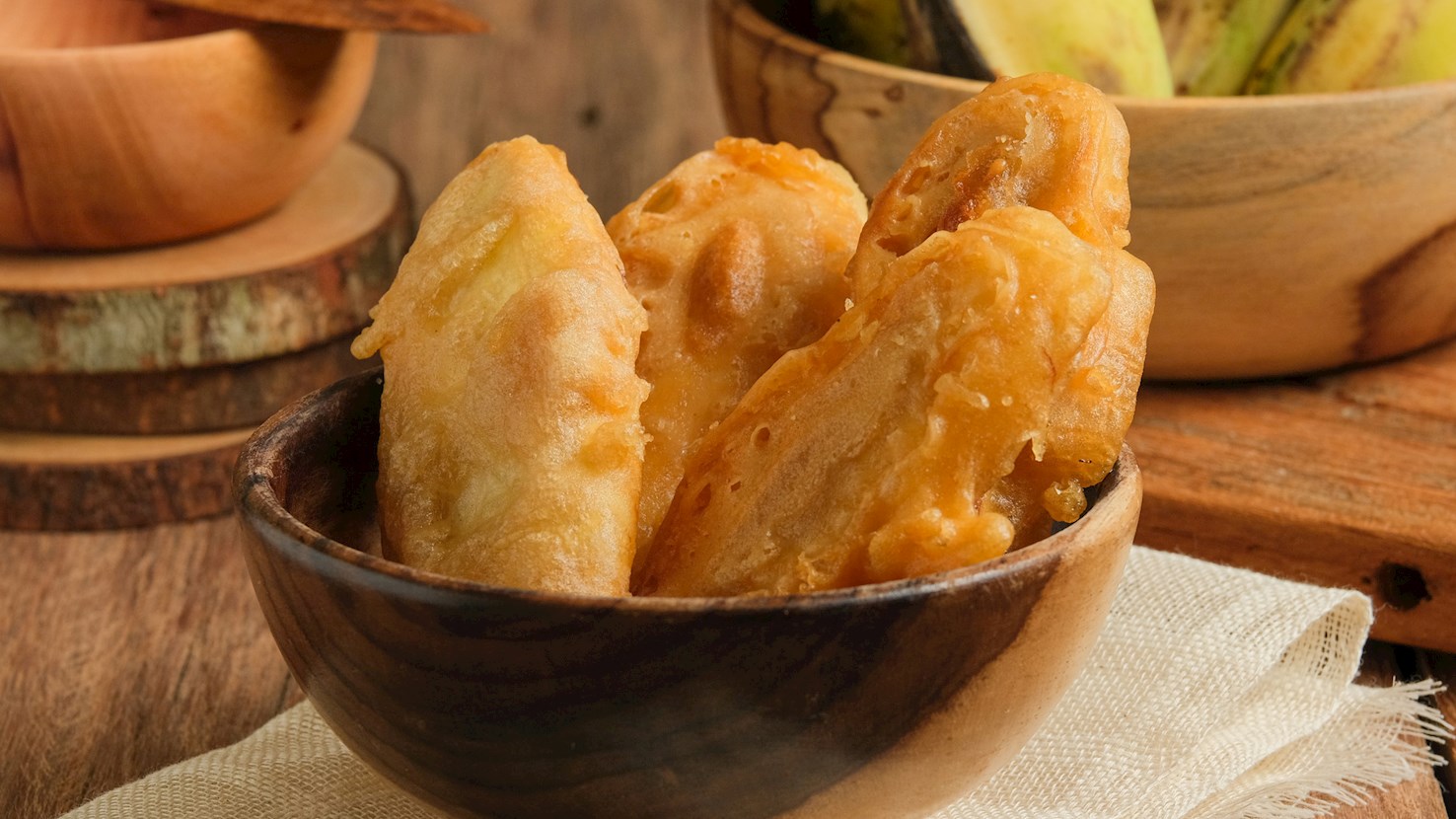
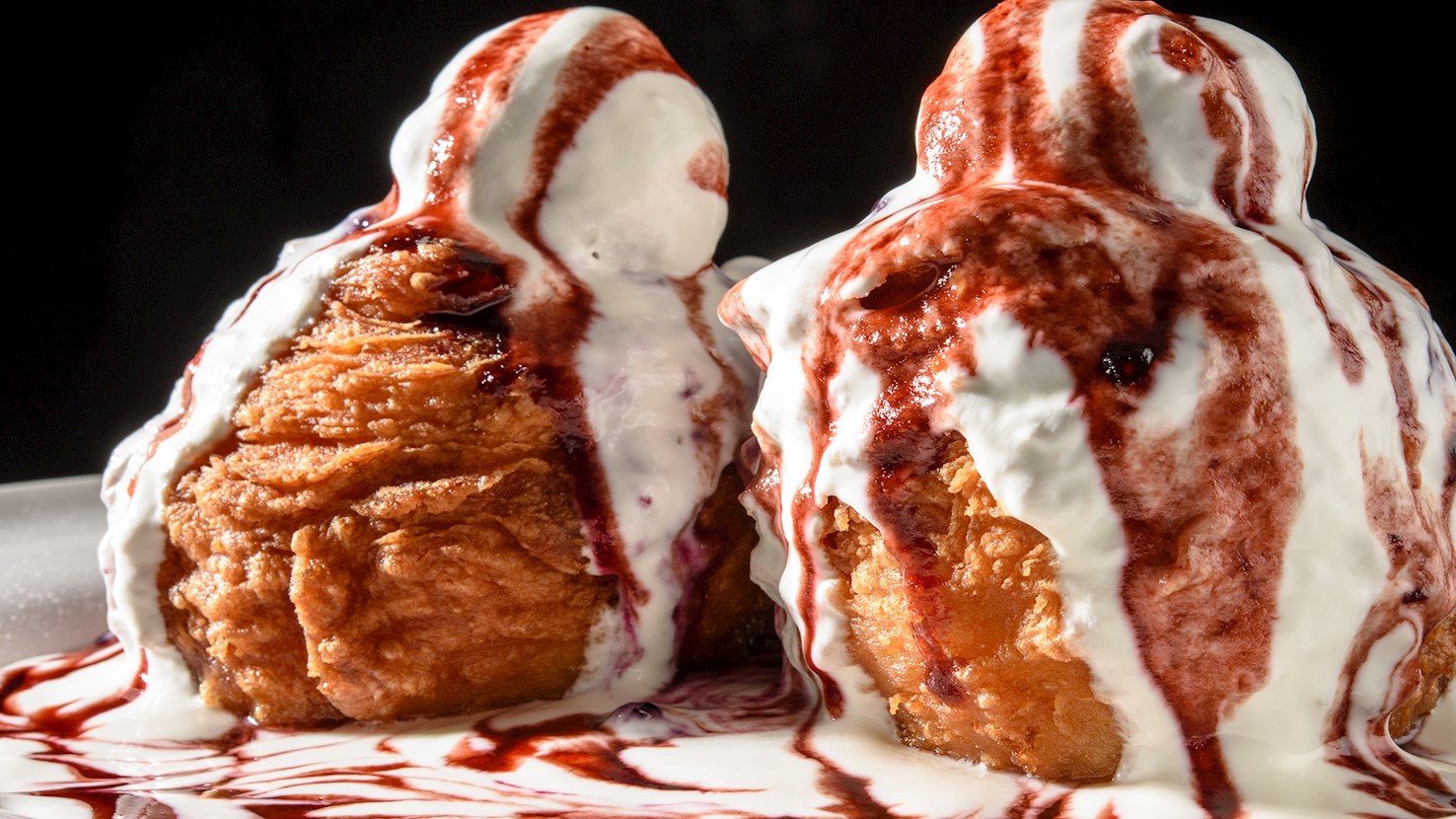
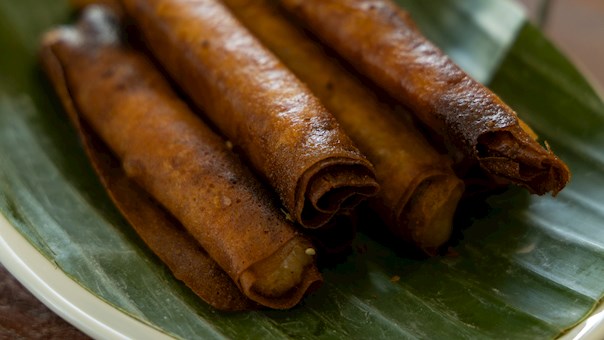
Fried bananas or plantains are a common everyday snack eaten throughout Indonesia. They come in numerous versions in which the fruit is simply fried in shallow oil, but more often sliced banana pieces are coated in batter before they are fried until golden. Besides numerous other varieties, fried bananas also appear under different names such as godoh biu on Bali or gedhang gorèng on Java. They are traditionally sold at street stalls and carts and belong to a group of gorengan dishes—Indonesian deep-fried snacks. The more elaborate version of pisang goreng are served dusted with powdered sugar and cinnamon, drizzled with chocolate, or accompanied by jams or ice cream. Similar banana-based dishes are found in other Southeast Asian regions and countries such as Singapore, the Philippines (maruya) and Malaysia (kuih kodok).
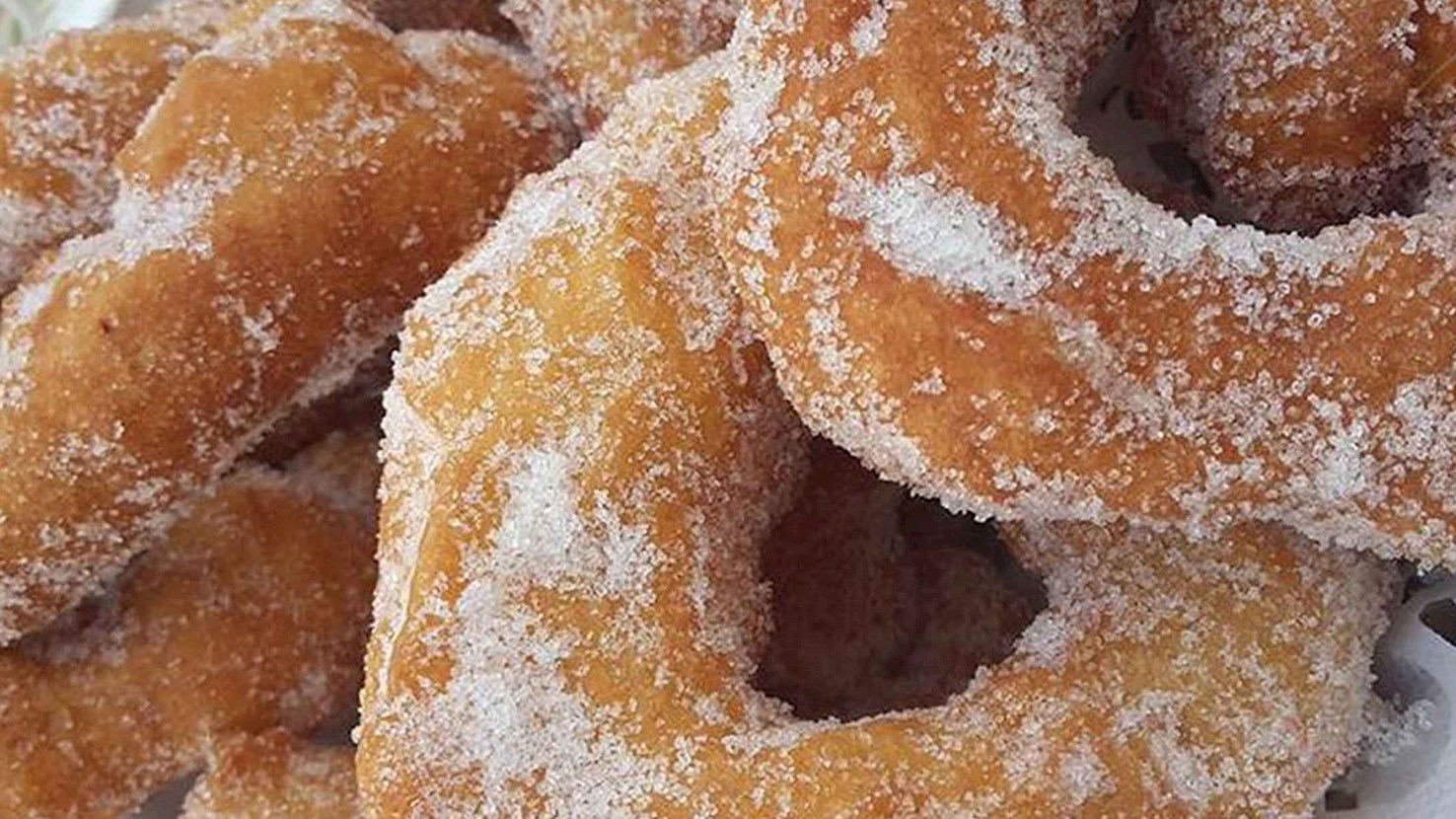
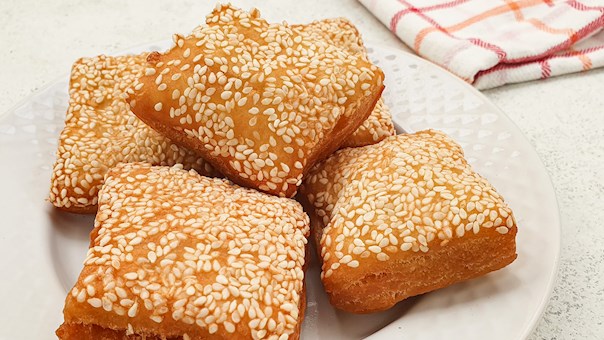
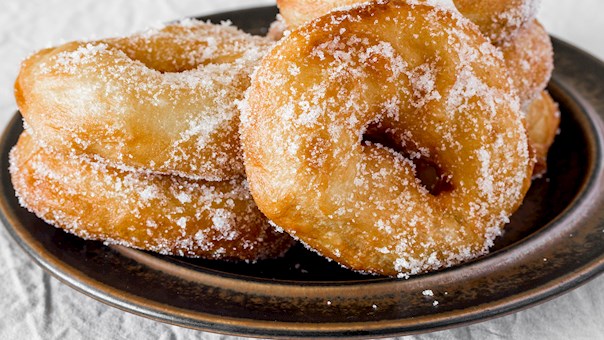
Bambalouni are traditional Tunisian doughnuts that are especially popular in the village of Sidi Bou Said. They are made with flour, hot water, yeast, and salt. After the dough has been prepared, it is fried in hot oil until golden brown, and the doughnuts are then sprinkled with sugar on top. It is recommended to serve bambalouni with coffee, either for breakfast or as a snack eaten at the end of the day.
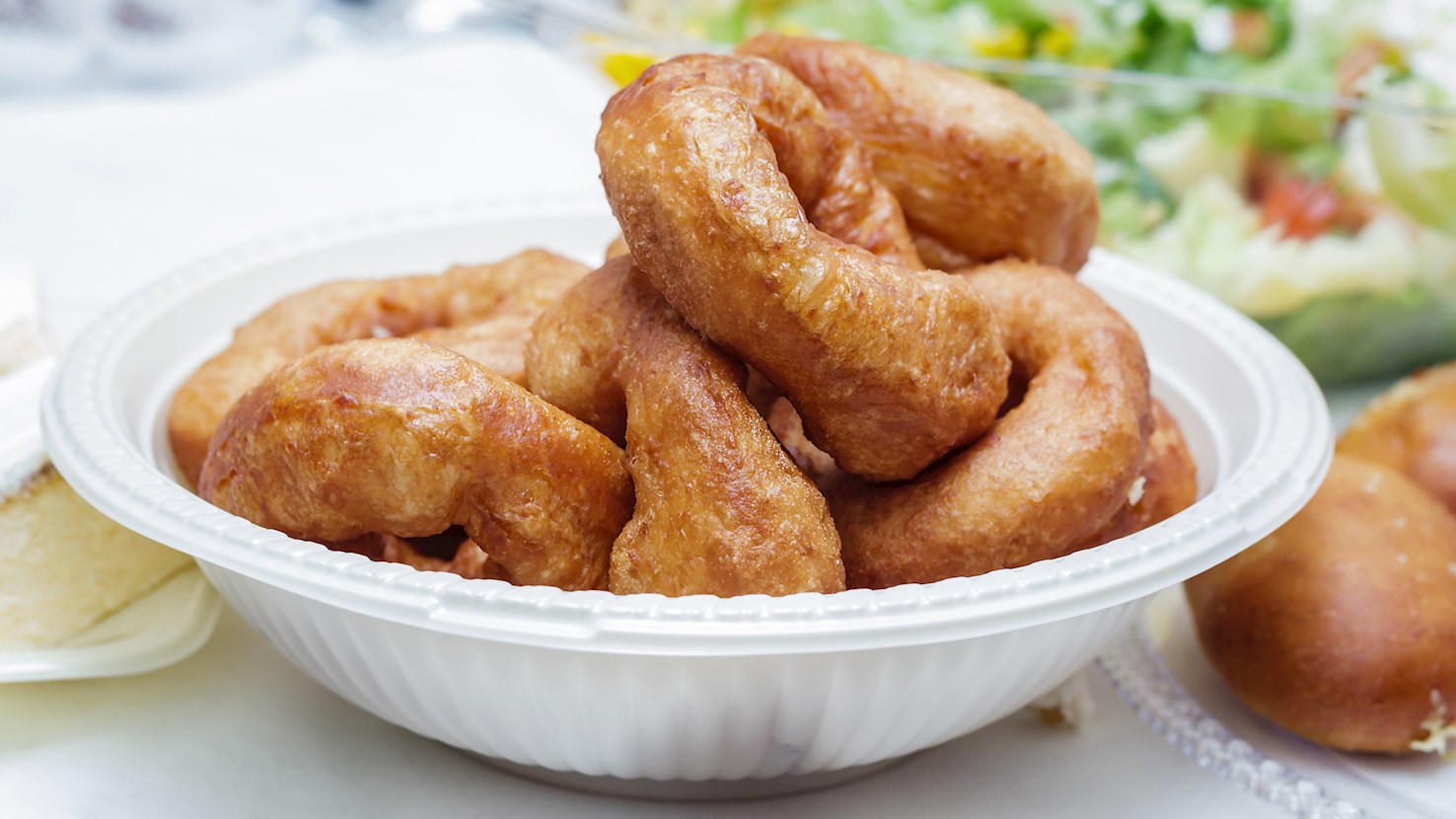
Sfenj are popular Moroccan and Algerian doughnut-like fritters made from sticky unleavened batter, similar to Libyan sfinz and Tunisian bambalouni. The dough is traditionally shaped into rings and deep-fried until it develops a golden, crispy exterior. The interior should be fluffy, tender, and chewy. These fritters are usually served hot when sold by street vendors, and they can be consumed plain or dusted with icing sugar.
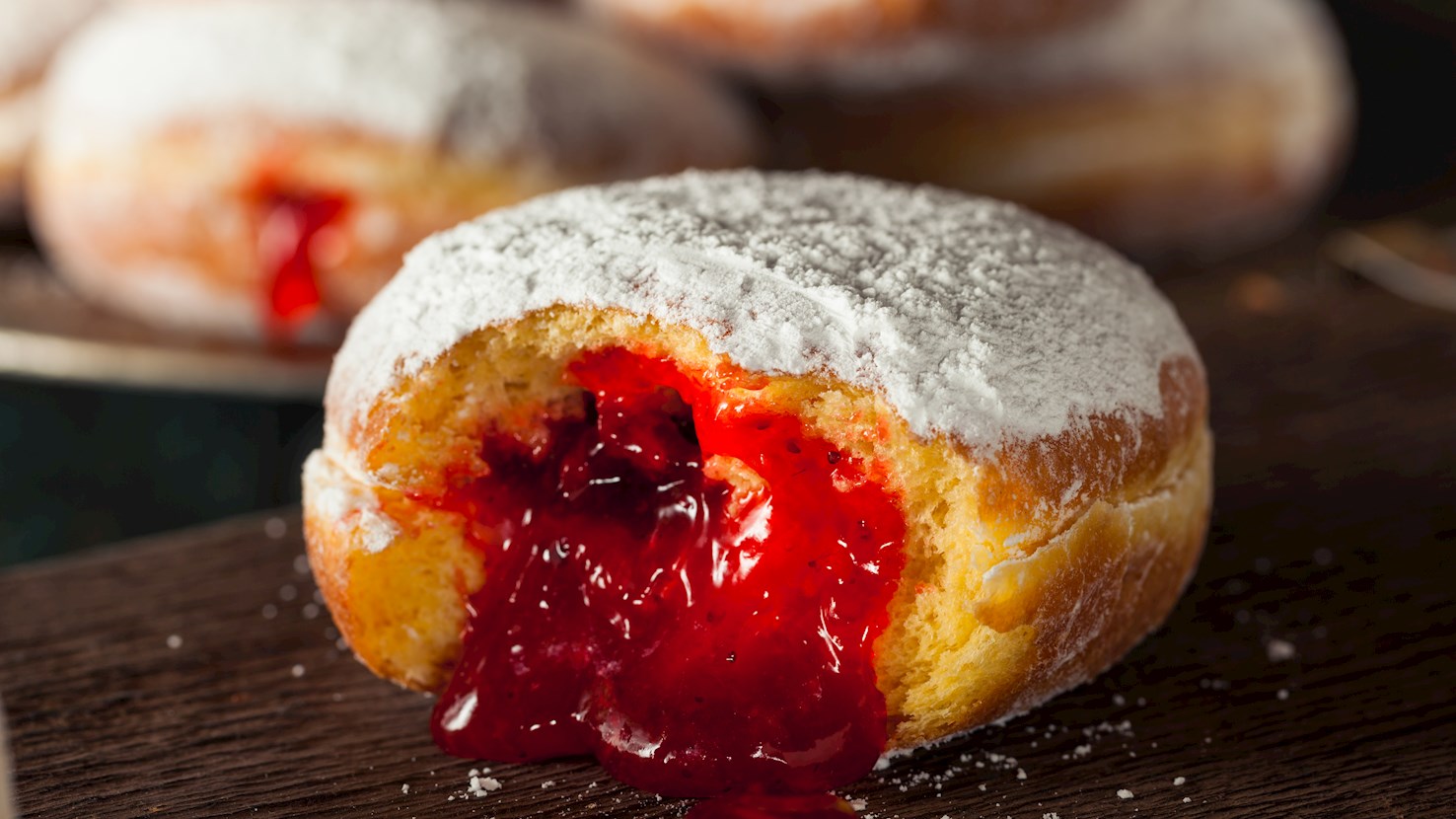
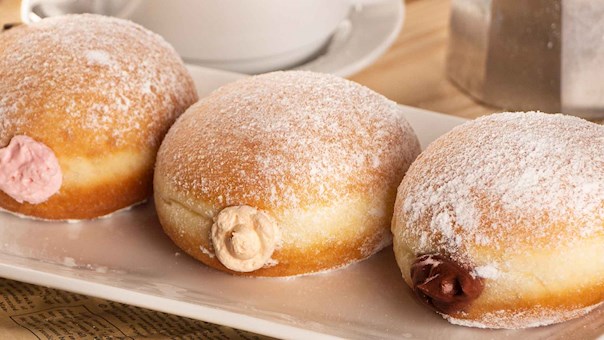
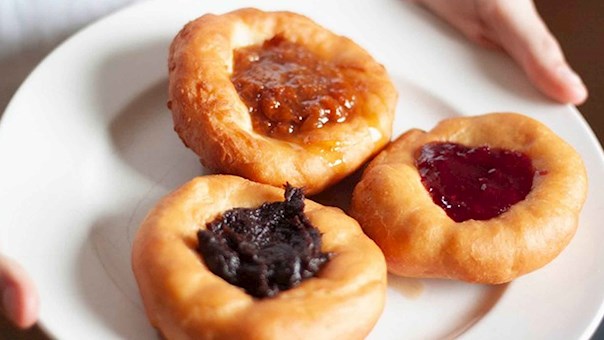
Pączki are large, deep-fried doughnuts made from rich yeast dough, heavily stuffed with sweet fruit preserves or sweet cream, and coated in a thick layer of powdered sugar or icing. The foundation of this heavy pastry relies on a highly enriched dough where yeast is dissolved in warm milk and combined with large quantities of egg yolks, butter, sugar, and wheat flour. A crucial additive is a small splash of high-proof grain alcohol or clear rum mixed directly into the batter. The alcohol evaporates rapidly upon contact with the boiling fat, creating a barrier that prevents the pastry from absorbing excess grease during deep-frying. The dough must rise twice to develop a spongy, airy crumb before small portions are rolled into uniform balls and submerged in heavily heated pork lard or vegetable oil. They fry until both sides develop a deep, dark golden-brown exterior, naturally leaving a distinct pale ring around the center where the dough floated above the fat line. After cooling slightly, a metal piping tip is used to inject various thick fillings into the center. While wild rose petal jam and dense plum butter are the most deeply rooted and widely used fillings, modern bakeries often inject them with Bavarian cream, raspberry preserve, chocolate custard, or spiced apple filling. The exterior also depends on the shop, ranging from a simple, heavy dusting of confectioner's sugar to a thick, translucent sugar glaze sprinkled generously with bits of candied orange peel. Procuring and consuming these pastries happens at an intense, rapid pace, most notably during the week preceding Lent. They are often bought by the dozens in large cardboard boxes from local bakeries and eaten at room temperature alongside a cup of hot coffee or strong black tea. Because of their rich, high-calorie nature, a single pastry serves as a standalone meal or snack. The existence of pączki traces back to the Middle Ages, though the earliest iterations were entirely savory, formed from hard dough and stuffed with salted pork fat. It was not until the 18th century, when French baking techniques arrived in Eastern Europe, that the recipe fundamentally transformed into a lighter, sweeter, sponge-like dessert. The entire concept was originally designed as a highly practical method to completely empty household pantries of expensive, perishable fats, sugars, and eggs before a strict fasting period commenced, culminating in the massive consumption event known today as Fat Thursday.
Papanași is a traditional donut-shaped pastry with a small sphere on top. It can be fried or boiled, and it's made by adding unsalted cheese such as brânză de vaci (cow's milk cheese) or urdă to a regular flour and egg dough. The fried papanași are usually donut-shaped and can be served with fruit jams, a dollop of sour cream, or powdered sugar. The boiled ones are smaller, nugget-shaped, and typically coated with a mix of breadcrumbs and sugar. This dessert can be found in most Romanian traditional restaurants or it can be prepared at home.
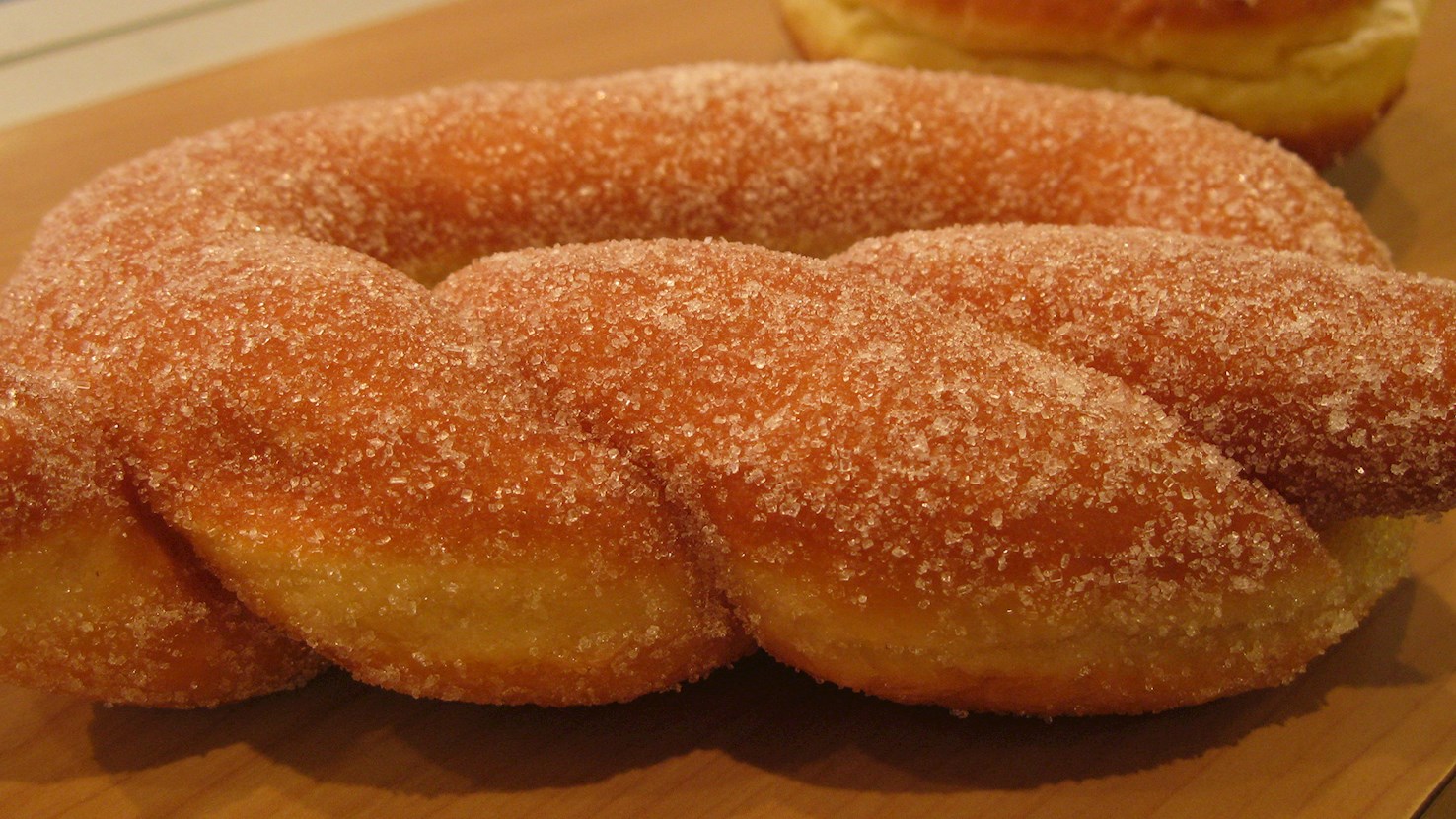
Nonnevot is a unique pastry originating from Limburg, dating back to at least the 17th century. The dough is prepared with flour, yeast, milk, salt, butter, lard, and brown sugar. It is then deep-fried until it develops a golden-brown color. Although nonnevot has traditionally been associated with the carnival, today it can be bought in many regional bakeries. The unusual name of this pastry means nun's butt, referring to its knotted shape and the knot on the back of a nun's uniform.
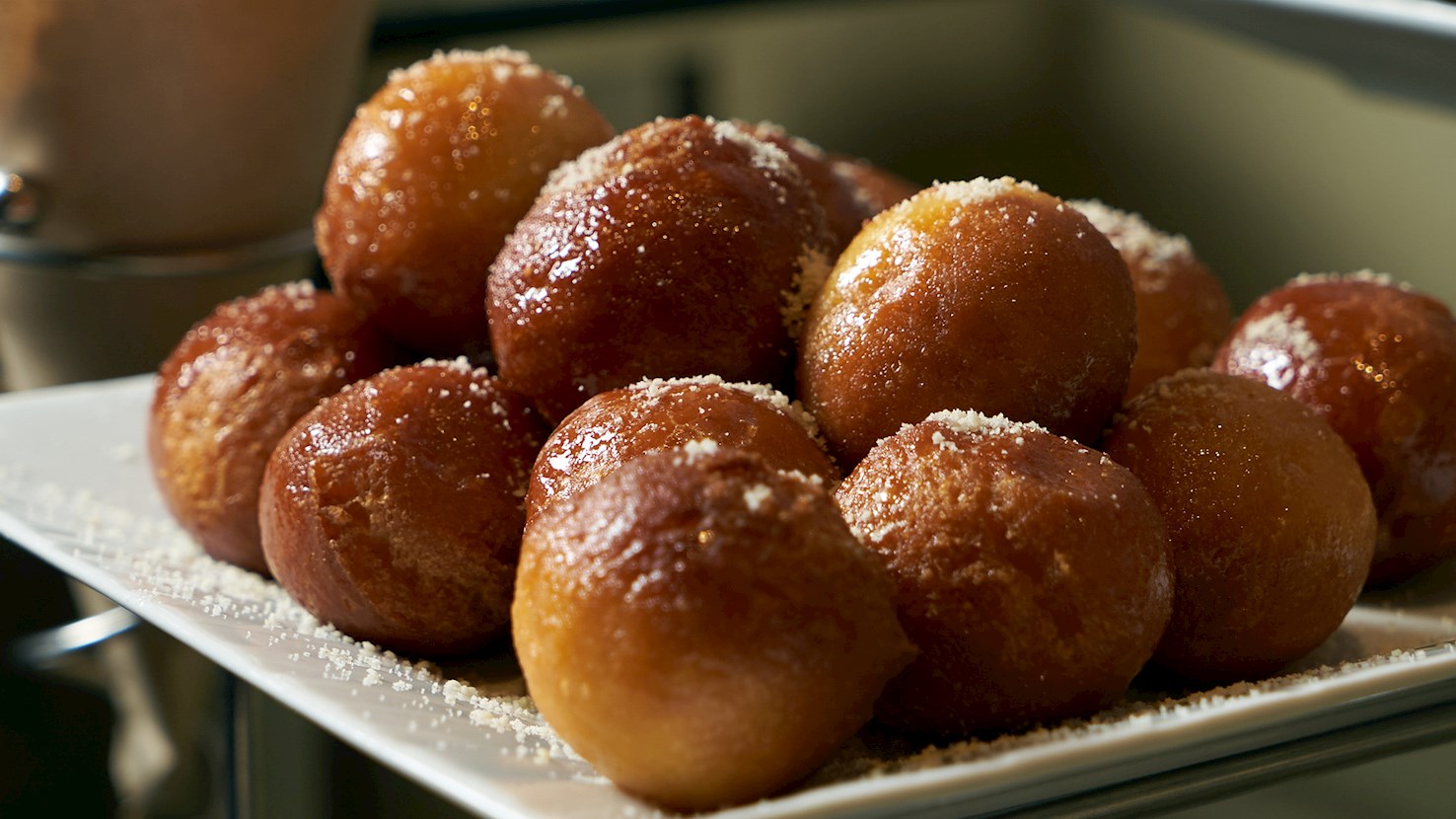
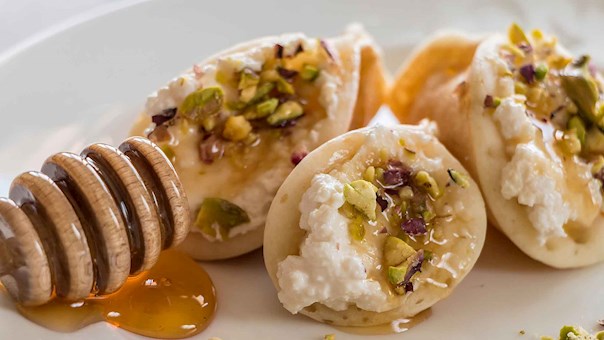
Fouskakia are traditional Greek donuts or loukoumades that are prepared on the islands of Skopelos and Alonnisos, in the northwest Aegean Sea. The name of this specialty derives from the Greek word foúska, meaning a bubble, referring to the typically small spherical shape of the fluffy fried pieces of dough which resemble bubbles. These donuts are typically made with a simple batter of flour, water, and yeast, and once deep-fried in oil, they’re usually eaten while still warm. Fouskakia are usually enjoyed drizzled with honey on top and sprinkled with cinnamon or nuts, although they can also be accompanied by scoops of ice cream on the side.
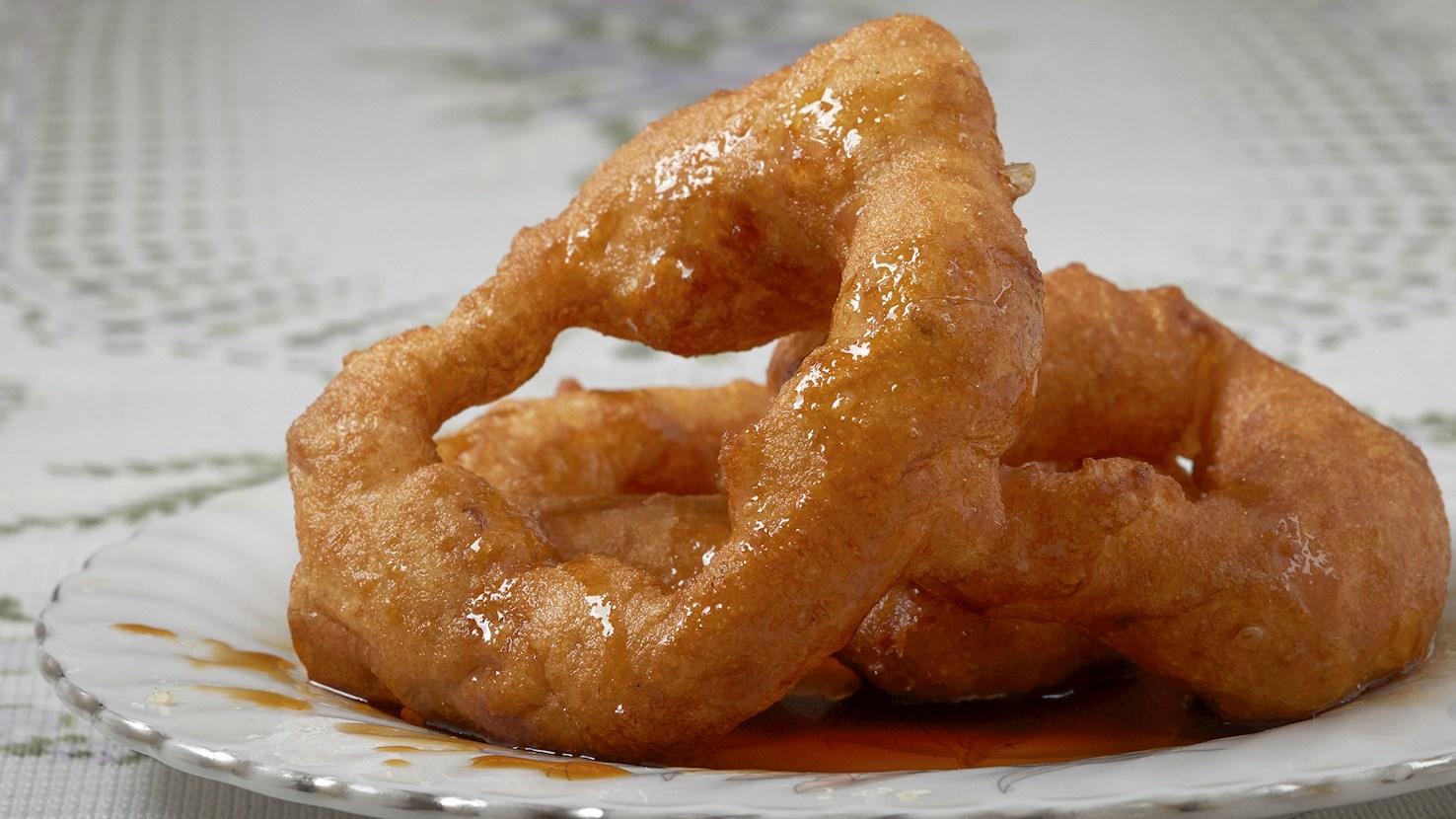
Picarones are a staple of Peruvian street food, the tasty, deep-fried treats that are also often referred to as the "Peruvian doughnuts". The dough is shaped into a ring and fried in hot oil, and picarones are then drizzled with a sweet cane syrup. It is believed that they were first prepared during the Spanish Viceroyalty in Lima and they were probably based on the Spanish buñuelos. The recipe was adapted by the locals who added sweet potatoes and squash to the dough, and a new dish was created. Picarones were later popularized by the nuns of Saint Claire's convent, and today they are especially popular during the religious festivities in October.
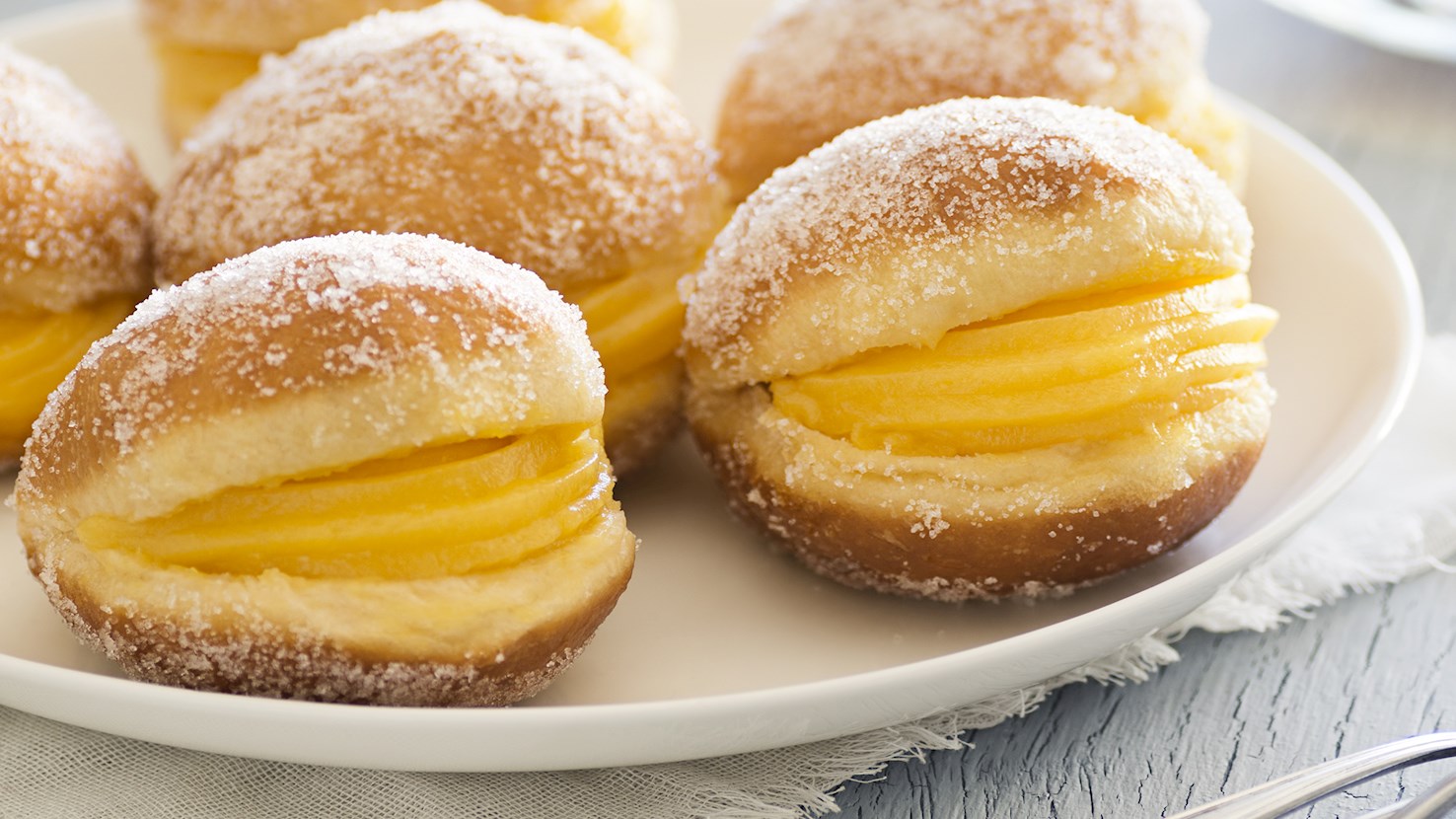
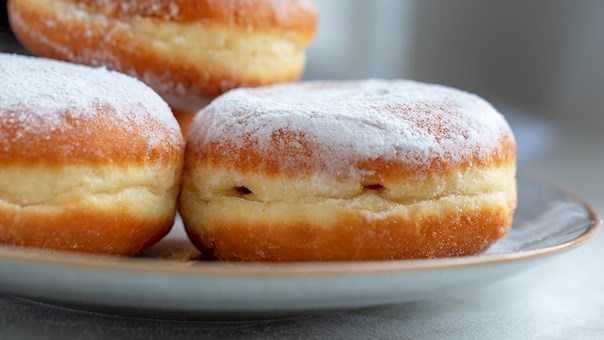
A bola de Berlim is a round doughnut with a sugared surface and a soft, airy interior, usually split across the middle to hold a generous band of yellow pastry cream. Sold in pastelarias and cafés throughout Portugal, it is also closely associated with beach vendors, who carry these substantial pastries along the sand. The dough is raised with yeast, enriched with eggs and butter, and fried before filling, giving it a thin golden skin rather than a thick crust. Its cream stays visible along the cut, so each bite combines tender dough, smooth custard, and the slight crunch of sugar. The name means “Berlin ball” and points to its German relative, the Berliner Pfannkuchen, whose fruit filling is generally enclosed within the doughnut. The Portuguese version developed a different appearance and filling while keeping the rounded shape and fried yeast dough. Its spread in Portugal is associated with German Jewish refugees fleeing Nazi persecution during the 1930s and the Second World War. Ruth Davidsohn, who arrived from Hamburg with her family in October 1935, was among those who made and sold the German pastries in Portugal. Her version included fruit preserve, such as strawberry or raspberry, rather than the exposed custard now familiar in Portuguese shop windows. She cannot be securely credited as the first person to bring the pastry to the country, but her experience establishes a concrete connection between refugee livelihoods and its wider circulation. The precise moment when Portuguese bakers adopted the horizontal cut and pastry cream is less certain. Much of the pastry’s quality depends on the dough before it reaches the frying oil. Flour, yeast, eggs, sugar, butter, and liquid form a smooth, elastic mixture; some formulas use milk as well as water, and lemon zest may add a light fragrance. Kneading develops enough structure to retain the gas produced during fermentation, while the fat and eggs keep the cooked crumb tender. The dough is divided into portions and rounded, then allowed to rise until light and expanded. A poorly risen ball can look convincingly browned outside yet remain heavy within. Properly handled dough yields a bun that gives way when bitten without collapsing into a greasy mass. Frying requires similar care: excessive heat darkens the surface before the center cooks, while insufficient heat prolongs the frying and can leave the pastry oily. The balls are turned to color both sides, then drained. They should have enough structure to support the filling, but the interior should still feel closer to soft enriched bread than to cake. Granulated sugar is commonly applied while the pastries are warm enough for it to adhere, although some versions receive a dusting of icing sugar instead. The filling is prepared separately and cooled before use. Creme de pasteleiro is a cooked pastry cream, typically made with milk, egg yolks, sugar, and flour or another starch, with vanilla or lemon providing optional flavoring. It should not automatically be confused with a filling made only from egg yolks and sugar syrup: the milk and starch give this custard its particular softness and stability. Heating it while stirring produces a smooth cream thick enough to sit in the opening without running out immediately. Cooling further firms the texture. The fried bun is slit from the side, usually leaving the two halves attached, and the cream is piped or spooned into the gap. This broad opening distributes the filling across the pastry and makes its consistency plainly visible. Too much stiffness leaves a pasty mouthful; a loose filling escapes as soon as the bun is handled. A bola de Berlim does not have to contain cream: sem creme, the unfilled version, is an established choice alongside com creme. Without custard, the dough's flavor and freshness become especially noticeable. Chocolate and hazelnut fillings are also sold, as are fruit-flavored variations, but yellow pastry cream remains the most recognizable Portuguese filling. These choices largely depend on individual bakeries and producers rather than a clear set of regional styles. At the seaside, people often buy pastries directly from roaming sellers announcing their arrival, sometimes with the call “Olha a bolinha!” Their association with summer holidays is strong, though cafés and pastry shops sell them beyond the beach season. They suit an afternoon snack and are substantial enough to need little accompaniment. A small espresso provides a pleasantly bitter contrast to the sugar and custard; a galão, the Portuguese milky coffee served in a glass, pairs more gently, and unsweetened tea also works well. Eaten by hand, the filled version benefits from a paper wrapper or napkin around its lower half, leaving the exposed cream clear of the fingers.
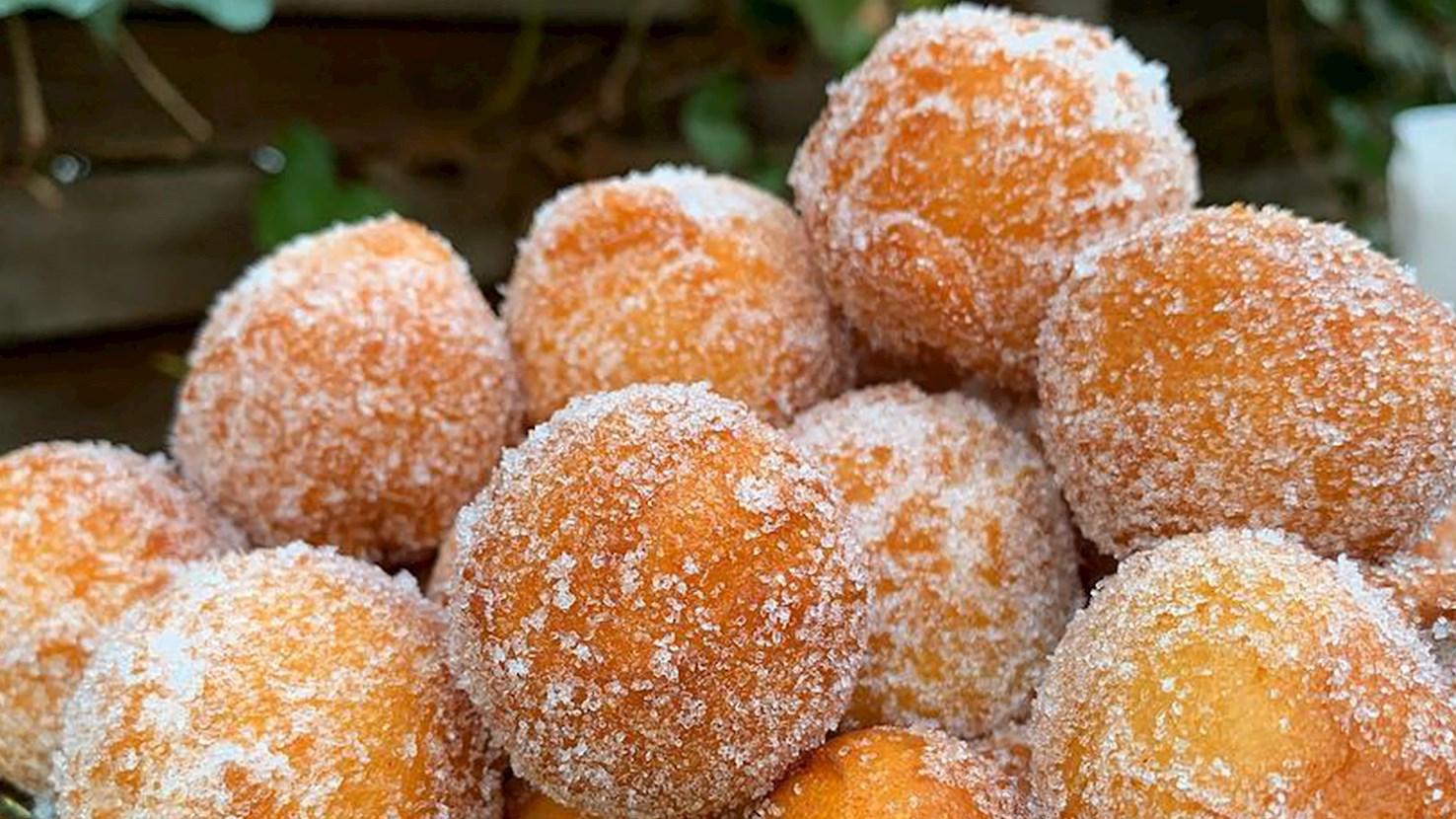
Quarkbällchen, meaning quark balls, is a traditional snack that is typically made by combining quark, flour, eggs, sugar, vanilla sugar, and baking powder. Milk, melted butter, cinnamon, lemon zest, and corn or potato starch are also sometimes added to the combination. The quark mixture is shaped into small balls which are deep-fried until golden brown on the outside and soft and fluffy on the inside. Once done, the fried balls are usually coated in powdered or granulated sugar or a cinnamon-sugar mixture. Thought to hail from Bavaria, this sweet treat is generally enjoyed as an afternoon snack alongside a cup of tea or coffee. Resembling donuts, quarkbällchen are available in bakeries throughout Germany, and they’re often prepared during the festive Christmas season, New Year’s Eve, Fasching (Germany’s carnival season), and Oktoberfest.
TasteAtlas food rankings are based on the ratings of the TasteAtlas audience, with a series of mechanisms that recognize real users and that ignore bot,
nationalist or local patriotic ratings, and give additional value to the ratings of users that the system recognizes as knowledgeable.
For the “Top 100 Deep-fried Desserts in the World” list until October 15, 2026, 15,657 ratings were recorded, of which 9,634 were recognized by the system as legitimate.
TasteAtlas Rankings should not be seen as the final global conclusion about food. Their purpose is to promote excellent local foods,
instill pride in traditional dishes, and arouse curiosity about dishes you haven’t tried.




















What People Say