shutterstock

Top 97 Hungarian Foods

Last updated on June 06, 2026

Best Hungarian foods

01
Sausage

Csabai kolbász

4.4 ·

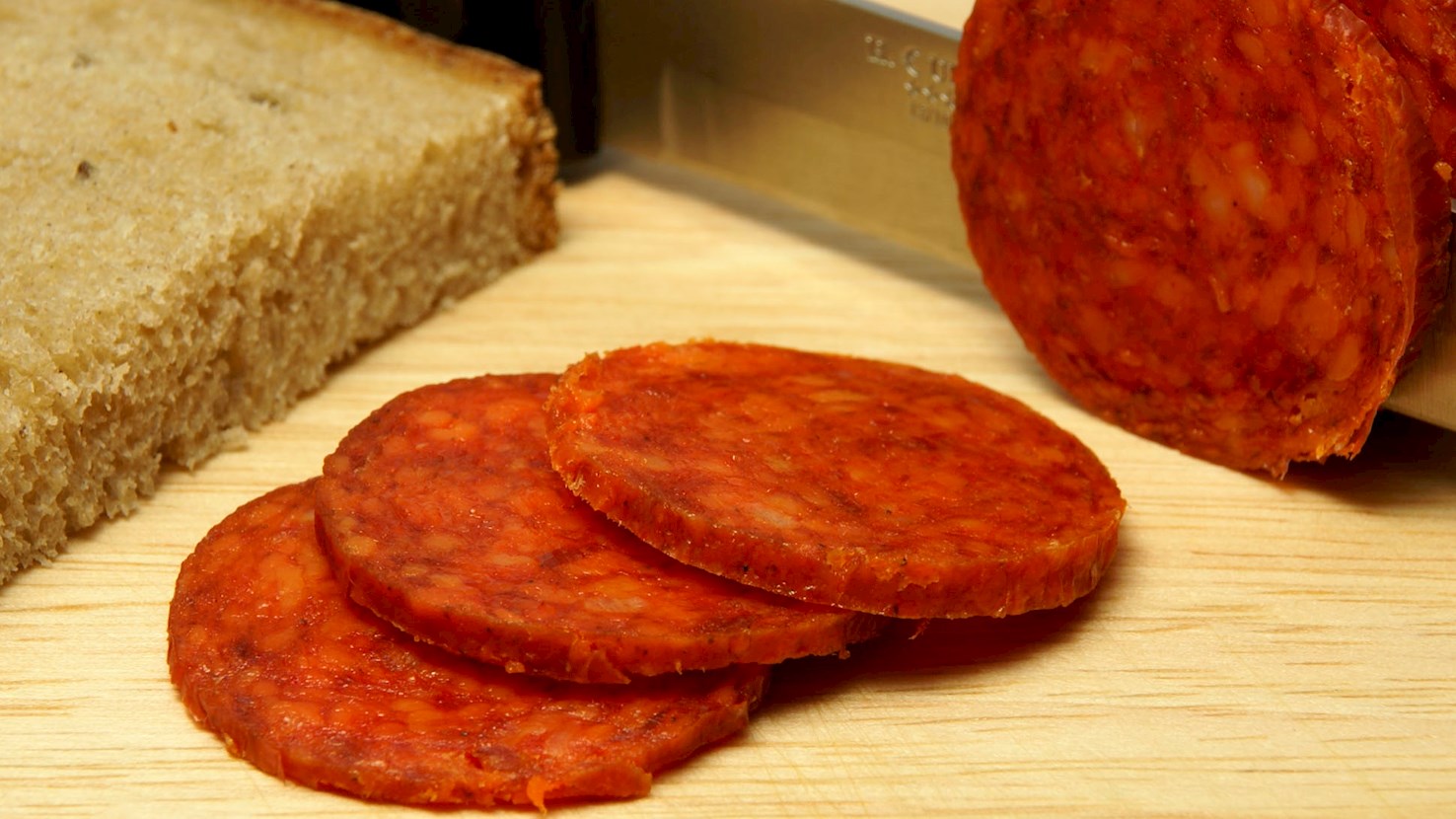
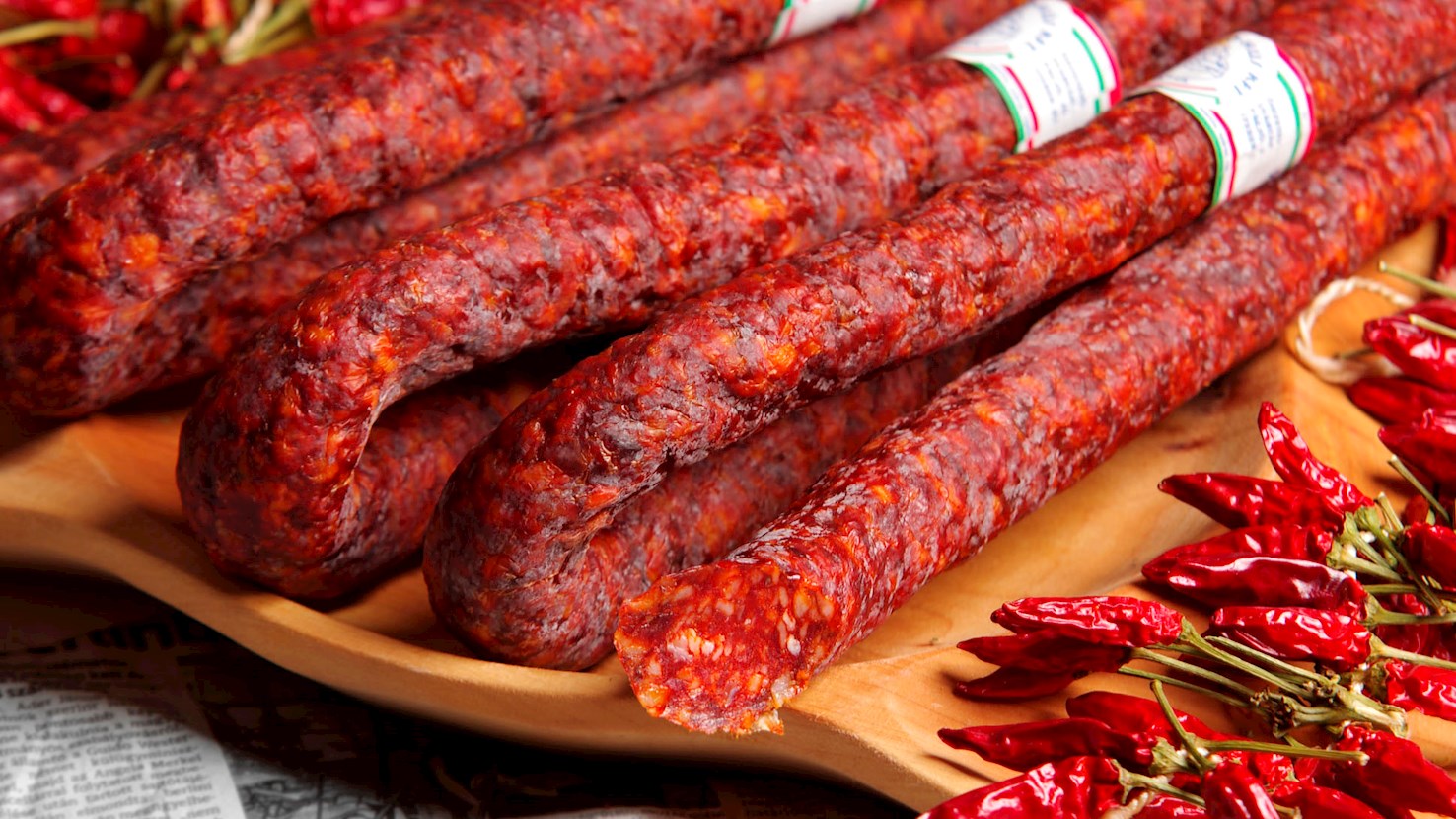
Csabai kolbász or Csabai vastagkolbász is a cylindrical sausage made with pork from pigs that have been fattened to a minimum weight of 135 kg. What makes this sausage unique is the manual boning method during the production, where all of the sinews are removed, thus ensuring the best quality of the meat. The pork meat and fat are minced, then combined with paprika, garlic, caraway, and salt and filled into casings, after which the sausage is smoked, cured, and dried. It slices easily and has a hot, smoky and spicy flavor (due to the paprika and the smoke treatment). It can be sold whole or sliced and vacuum-packed. According to tradition, it is eaten with bread, green peppers, and tomatoes.

02
Snack

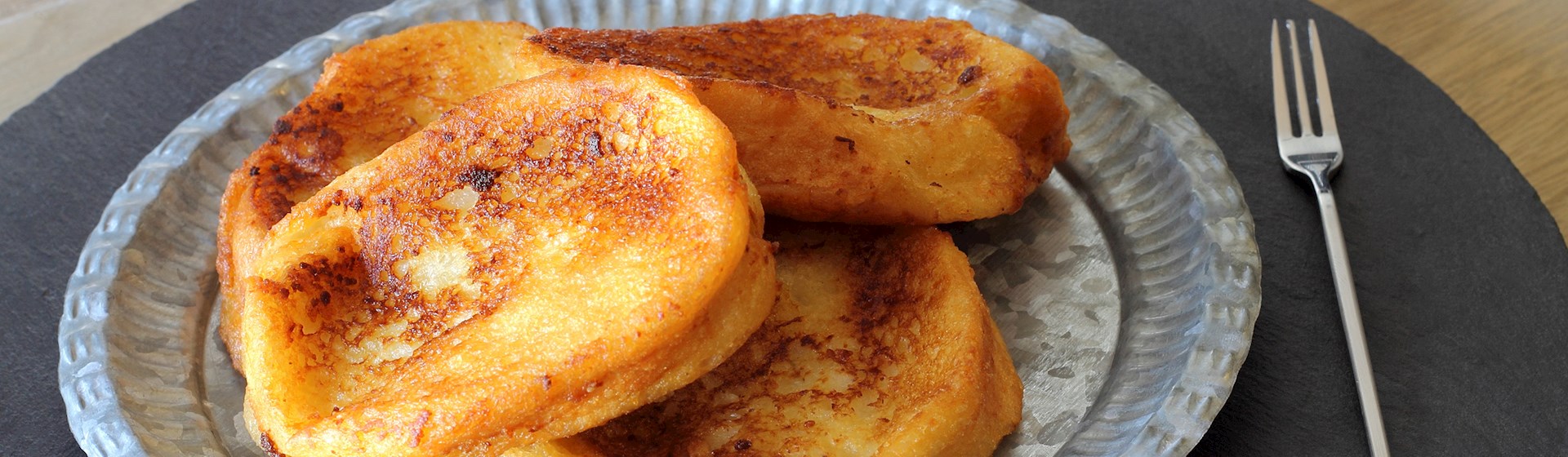
Bundás kenyér

4.4 ·

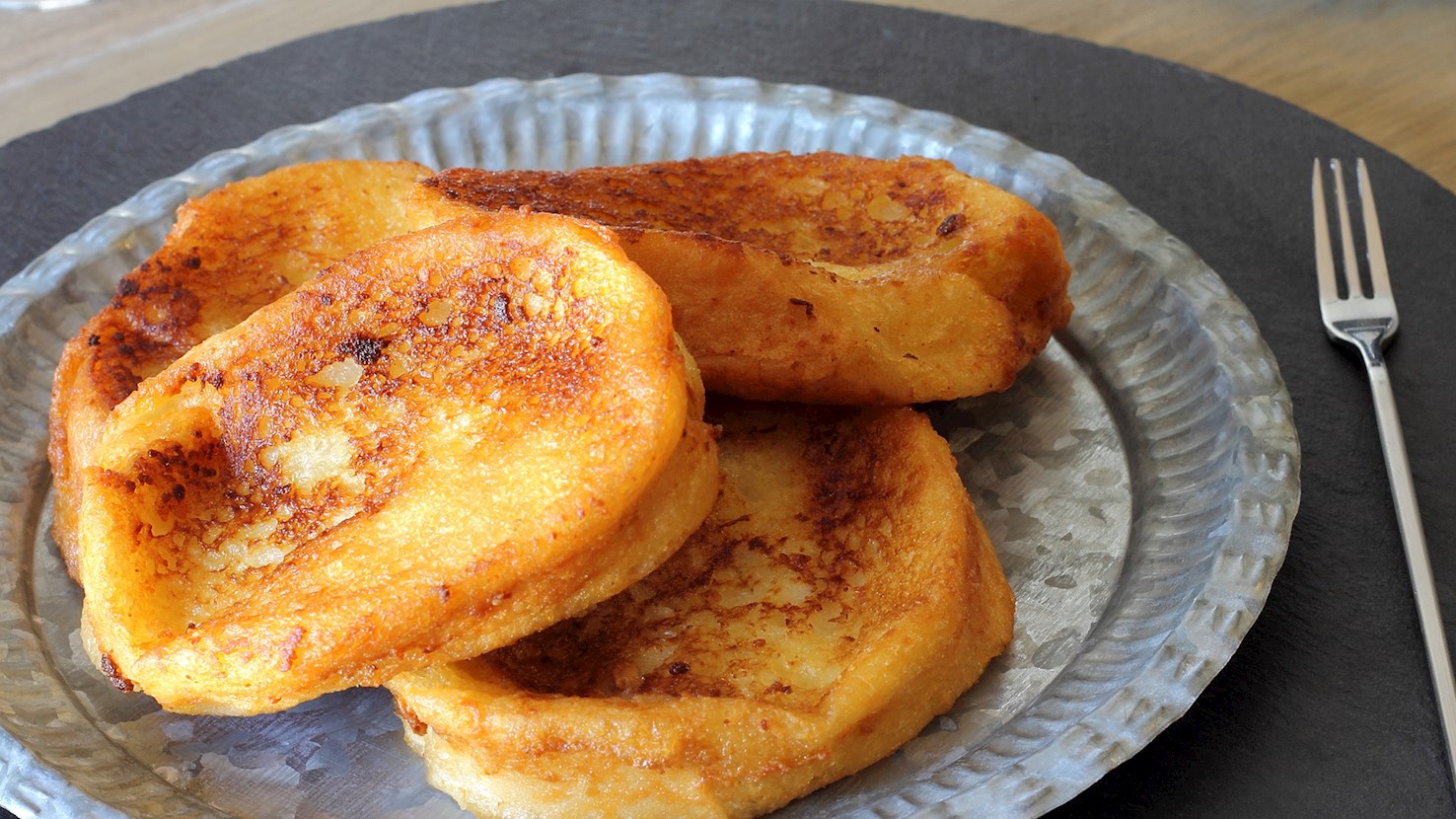
This traditional Hungarian dish is a savory version of the popular French toast. It can be prepared with various types of sliced bread that are coated in lightly beaten eggs, then shortly pan-fried until crispy. The dish is typically enjoyed as breakfast or a light evening snack and is often accompanied by creamy condiments such as mayonnaise and sour cream.

03
Salami

Szegedi szalámi

4.4 ·

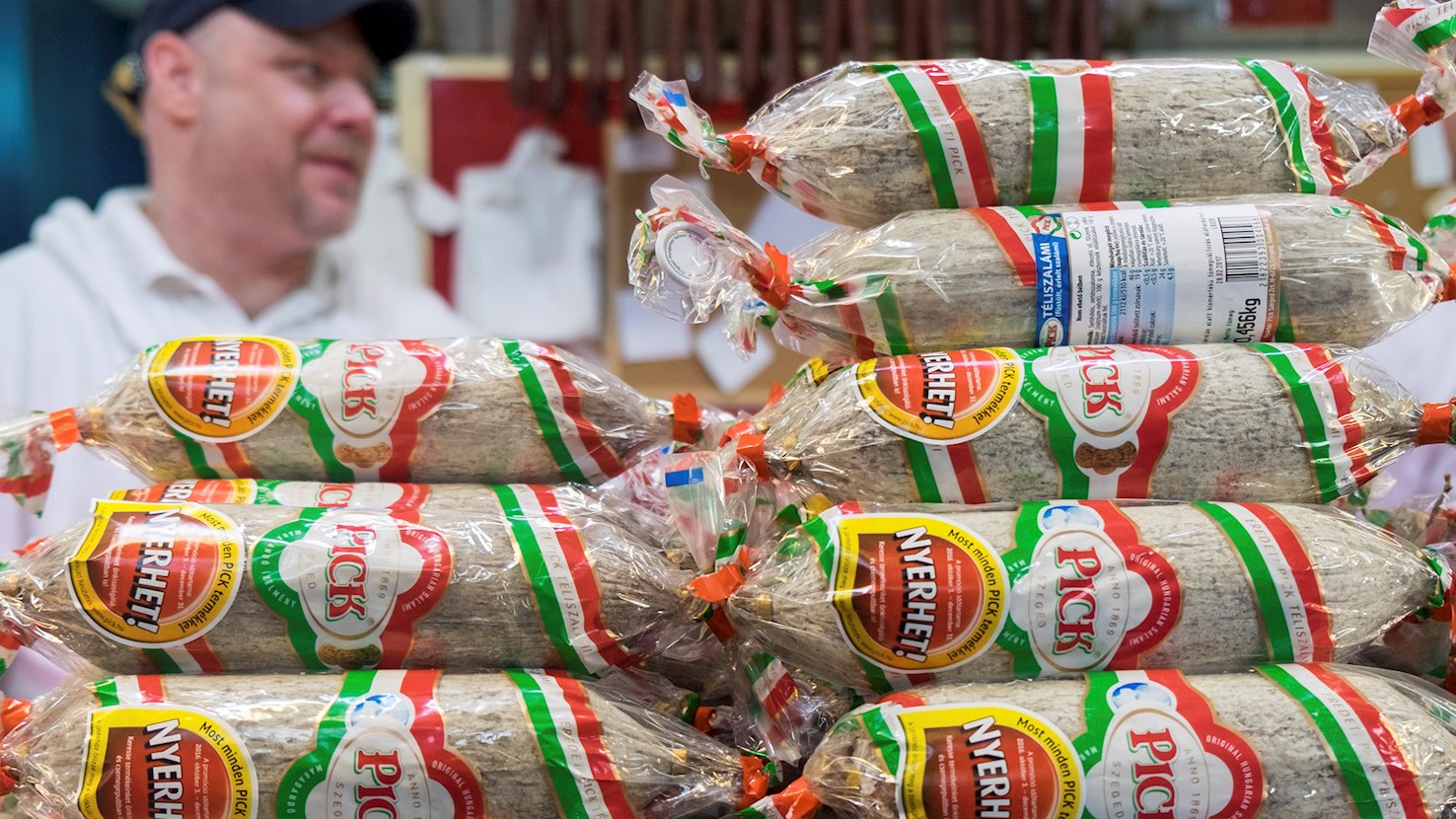
Szegedi szalámi is a slowly smoked, cylindrical sausage made from pork. The salami is rounded at one end and slim at the end from which it was hung, and is covered by noble mold on the exterior. It slices easily and comes in different varieties depending on the length: normal (54cm), midi (36cm), tourist (19cm) and mini (16cm). Szegedi salami must be made with pork older than one year that was raised and slaughtered in the Bács-Kiskun, Csongrád, Békés, Hajdú-Bihar, and Baranya counties in Hungary. Additionally, salt and a mixture of seasonings is added to the salami, which matures for at least 90 days before it is ready to be consumed. The specific climate conditions near the Tisza river, the slow production process, and the existence of mold-flora in the region give this salami its unique visual appearance and a distinctive flavor. It is recommended to finely slice the salami and serve it on its own or with bread and cheese.

04
Salami

Budapesti téliszalámi

4.4 ·

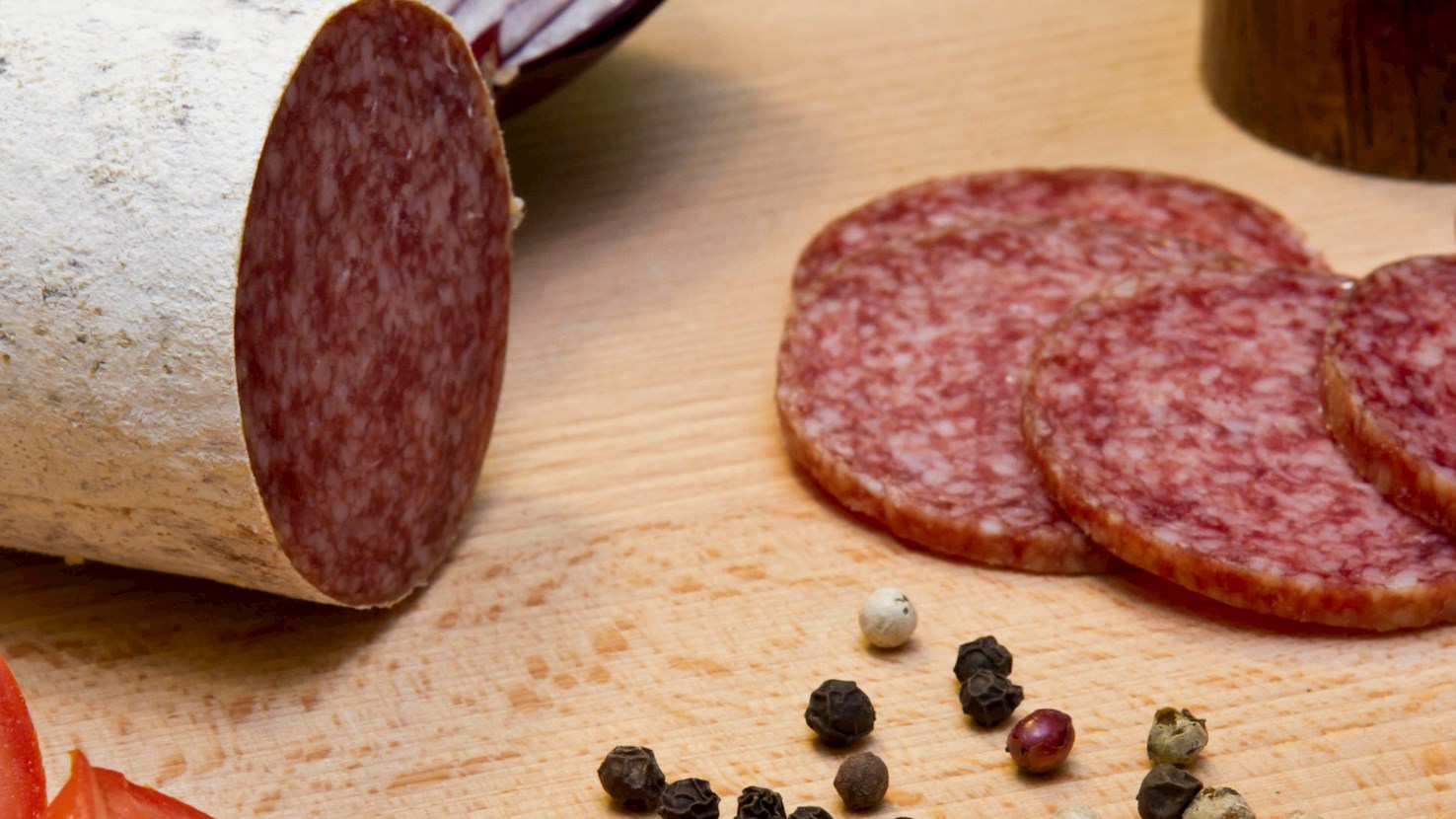
Budapesti téliszalámi is a smoked and dried cylindrical sausage made with pork meat and pork fat coming from castrated male pigs and non-breeding female pigs that are older than one year. The outside of the sausage is covered in noble white-grey to white mold as a result of the damp air near the Danube. The sausage has a strong flavor of allspice, white pepper, and sweet paprika. It slices easily, and the slices look like a mosaic of light brown or red meat and pale white fat pieces. Its texture is creamy and tender, with a melt-in-the-mouth quality. The sausage must mature for at least 90 days, and it is then sold - either whole or sliced and packed in vacuum containers. This product is made in Budapest and the surrounding area, and in the past it was made only during winter, hence the name téliszalámi (winter salami).

05
Meat Soup

Húsleves

4.3 ·

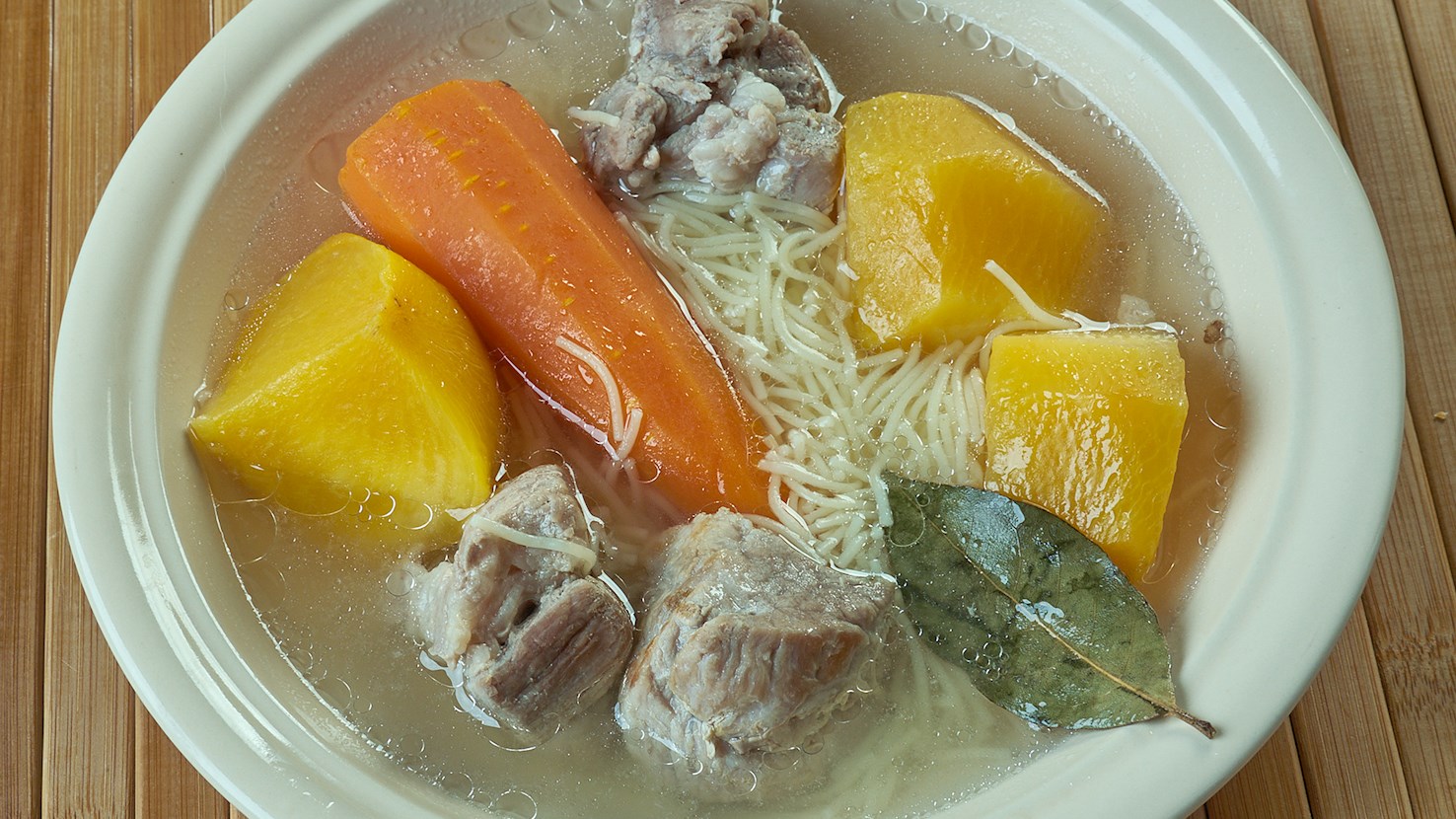
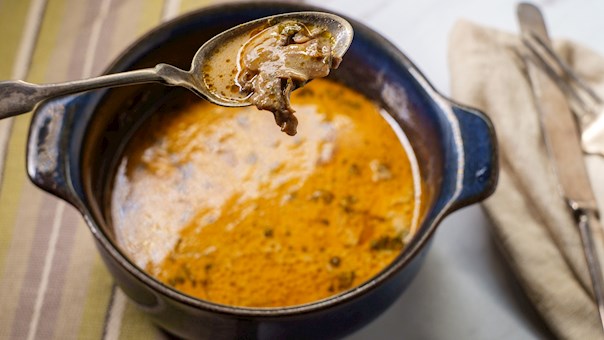
Traditionally prepared with beef or chicken, this hearty Hungarian soup is a staple restaurant dish as well as a common home-cooked meal. Besides meat, it usually incorporates noodles, root vegetables, and a variety of spices. It is always served hot, either as a nutritious appetizer or a light main course.

06
Sausage

Gyulai kolbász

4.2 ·

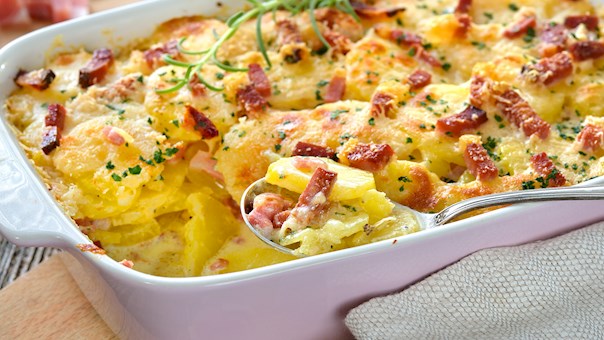
Gyulai kolbász is a slowly smoked sausage made from pig's meat that has been minced with fat and combined with salt, hot and mild ground paprika, pepper, caraway, garlic, and salt. The combination is placed into intestines that act as a protective casing, and the sausage is then smoked over wood before being cured and hung to dry. When sold whole, the sausages must come in pairs (18-26 cm in length) and they must not have any mold on the exterior. The sausages slice easily and have a pleasant flavor of smoke and spices used in the production process. They can be eaten on their own, with bread, or used in rakott krumpli, a traditional Hungarian potato and egg casserole.

Best producers
07
Stew

Paprikás csirke (Chicken paprikash)

4.2 ·

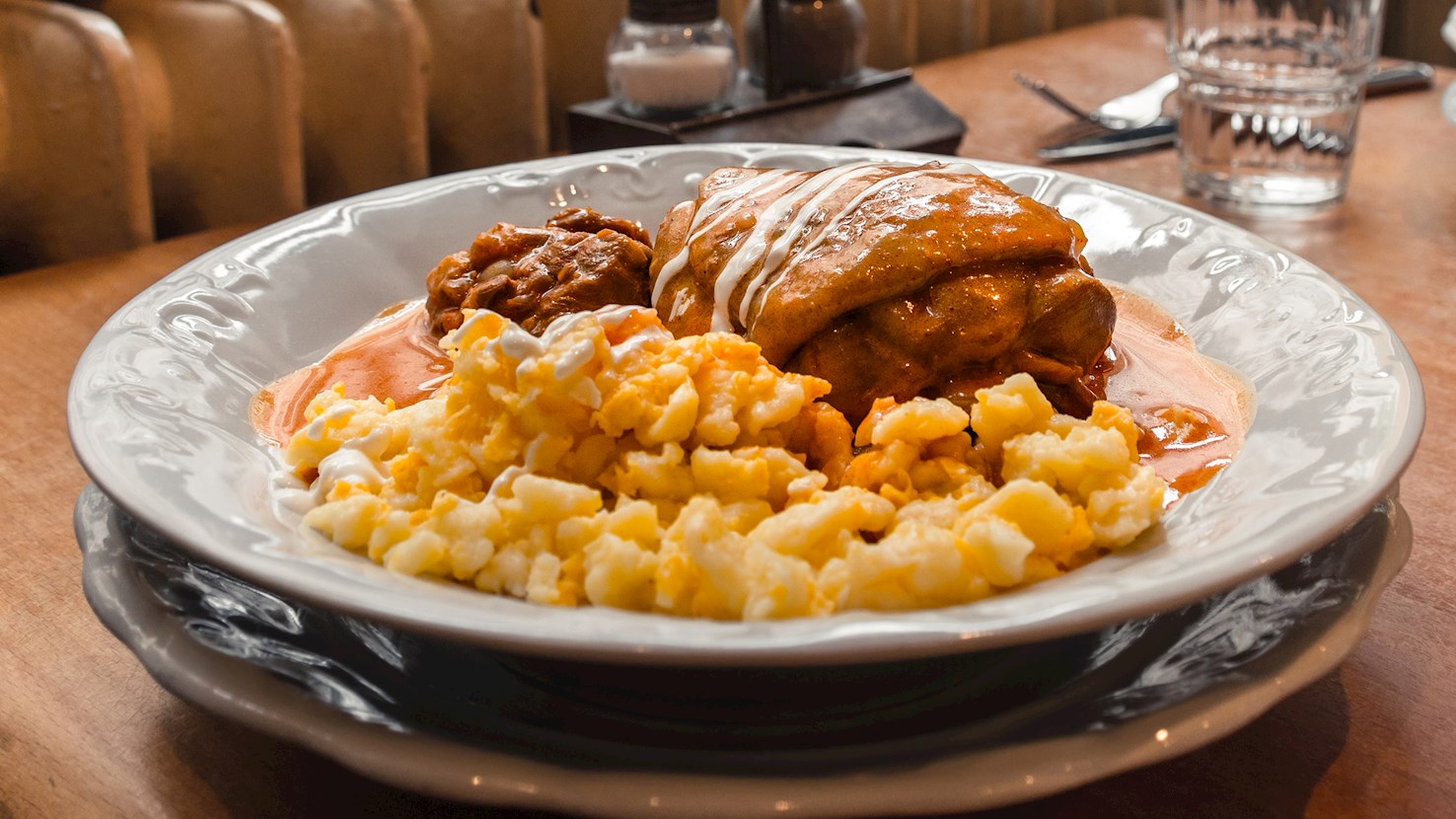
Hungarian chicken paprikás originated as a rustic stew that was cooked in a large cauldron over an open fire. It is traditionally prepared with chicken thighs and legs that are braised alongside onions and cooked in a thick, paprika-flavored broth. Although it is similar to the classic pörkölt stew, paprikás is characterized by the addition of sour cream and occasionally flour, which are always added last to create a smooth, creamy sauce. Paprikás is a common restaurant dish as well as a hearty home-cooked meal that is traditionally served complemented by galuska or csipetke dumplings, pasta, boiled potatoes, or polenta.

08
Sweet Pastry

Fánk

4.1 ·

Krapfen was probably the first European-style doughnut to appear, followed by similar varieties in other countries. These pastries are traditionally prepared with leavened dough that is deep-fried until golden and crispy on the outside, while they remain soft, light, and airy on the inside. Though krapfen can be prepared plain, they are most often filled or topped with jams, and vanilla or chocolate custards, while the top is usually dusted with powdered sugar or drizzled with chocolate. The origin of the word krapfen dates back to 9th century, and the recipes in German can be found as early as the 14th century. The sweet versions of the pastry became predominant, and have remained closely associated with the Carnival, a festive period which precedes Christian Lent. Interestingly, during the Carnival, one krapfen in a batch filled with jam and fruit preserves might contain a filling of mustard as a prank. It is believed that doughnuts spread throughout many central European countries, which adopted the technique but used different regional names. Consequently, krapfen in Germany goes under Berliner, pfannkuchen, faschingskrapfen, krebbel, or kreppel. In Poland, they are known as pączki or krepel, Hungarians refer to them as fánk, Slovak as šišky, while the Czechs use the term koblihy. In Slovenia, they are better known as krofi, while the standard name throughout Croatia, Bosnia, and Serbia is krofne or krafne. In St. Petersburg, Russia, the doughnuts are known as pyshki (either ring-shaped or without a hole), and there is a local café that has been serving pyshki prepared from the original recipe since the 1960s.

09
Snack

Kifli

4.1 ·

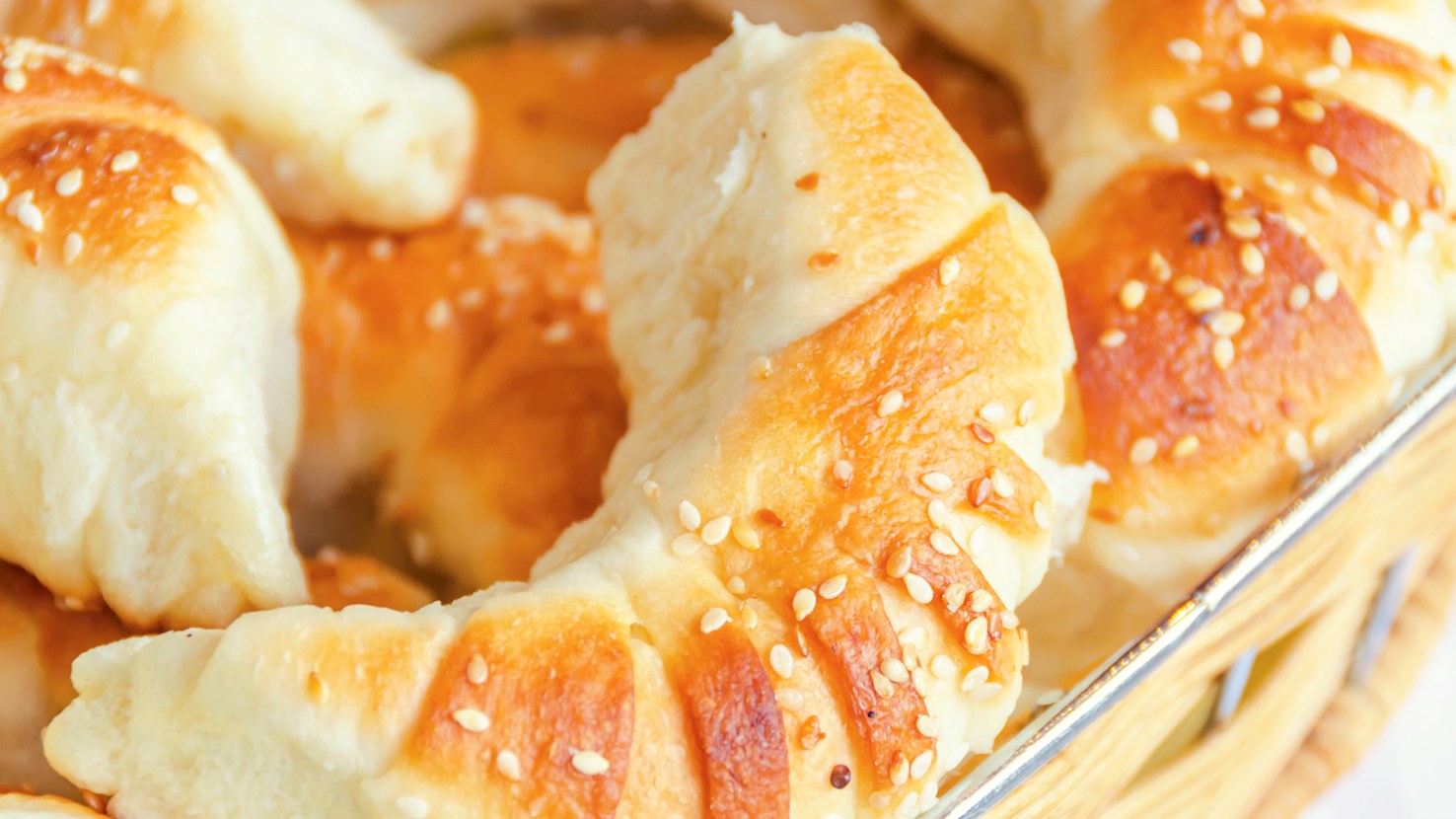
Kifli are crescent-shaped yeast rolls that can either be consumed plain, sprinkled with poppy, sesame, or caraway seeds, or topped with fruit jam or honey. Although not much is known about the origin of kifli, there is a legend saying that kifli were invented when Christians defended Buda from the Ottomans, and as a sign of celebration, the city bakers started selling fresh bread rolls in the shape of a crescent moon. Today, kifli are traditionally baked for Christmas in Hungary, and although there are many varieties of kifli throughout Europe, such as vanilias kifli and makos kifli, none of them are the same as the original crescent-shaped bread rolls.

10
Snack

Lángos

4.1 ·

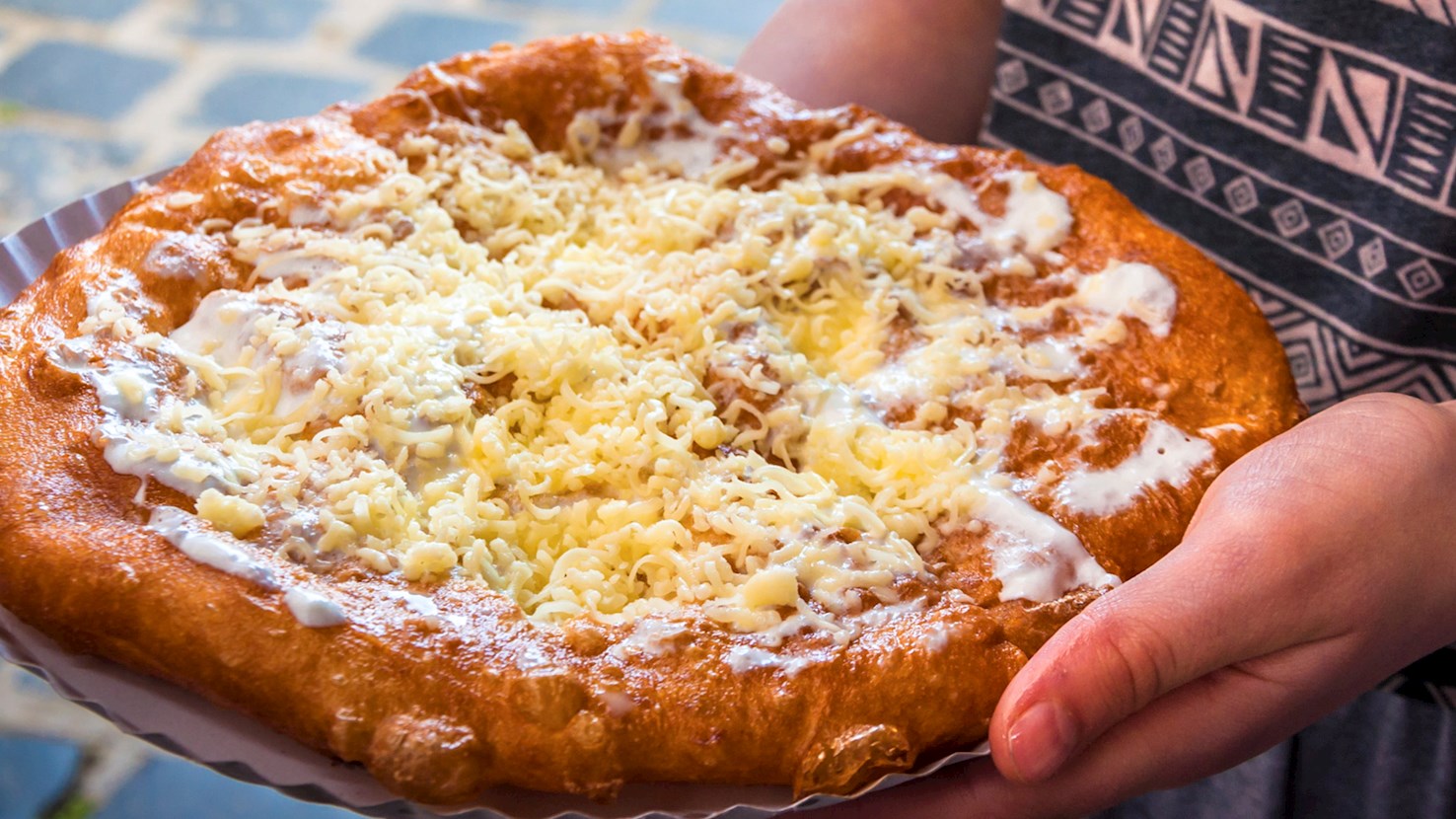
Lángos is a Hungarian specialty made by deep-frying a basic dough consisting of water, flour, yeast, sugar, and salt until it develops a golden-brown color. Sour cream, milk, or yogurt can all be used instead of water. Lángos is traditionally consumed fresh and warm as a snack, and it can be topped with anything from sour cream and grated cheese to garlic sauce and salt, although it is often consumed plain, as it is. The name of the dish comes from the word láng, meaning flame, since it was originally baked near the flames of a brick oven, unlike today, when it is regularly deep-fried in oil. Some believe that lángos was created under Turkish influence, while others believe it comes from the ancient Romans. This popular street food specialty can be found at numerous fairs, festivals, beaches, and amusement parks throughout Hungary, Austria, Croatia, and Romania.

Best Hungarian food products

01
Chocolate

ChocoMe

5 ·
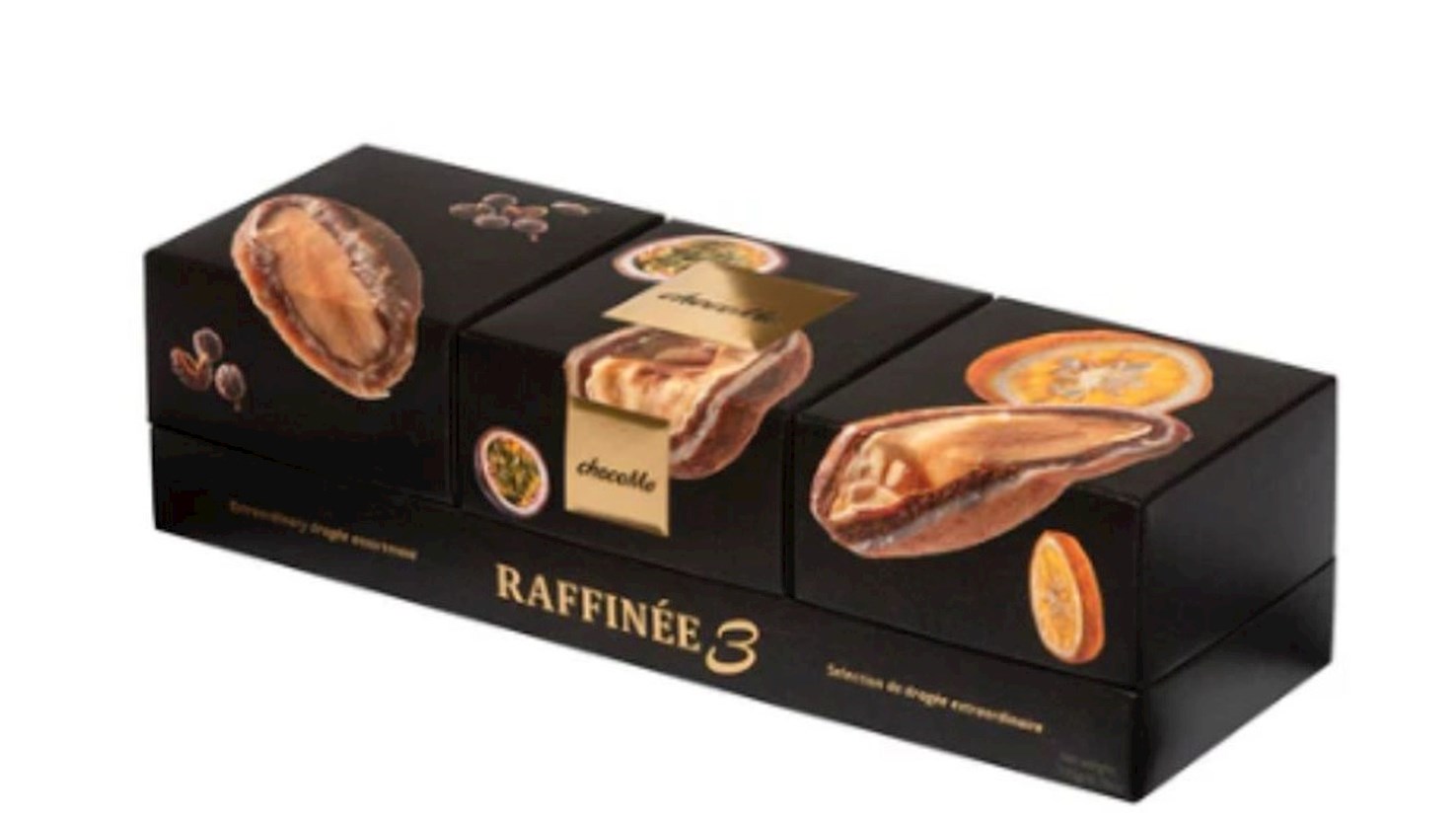
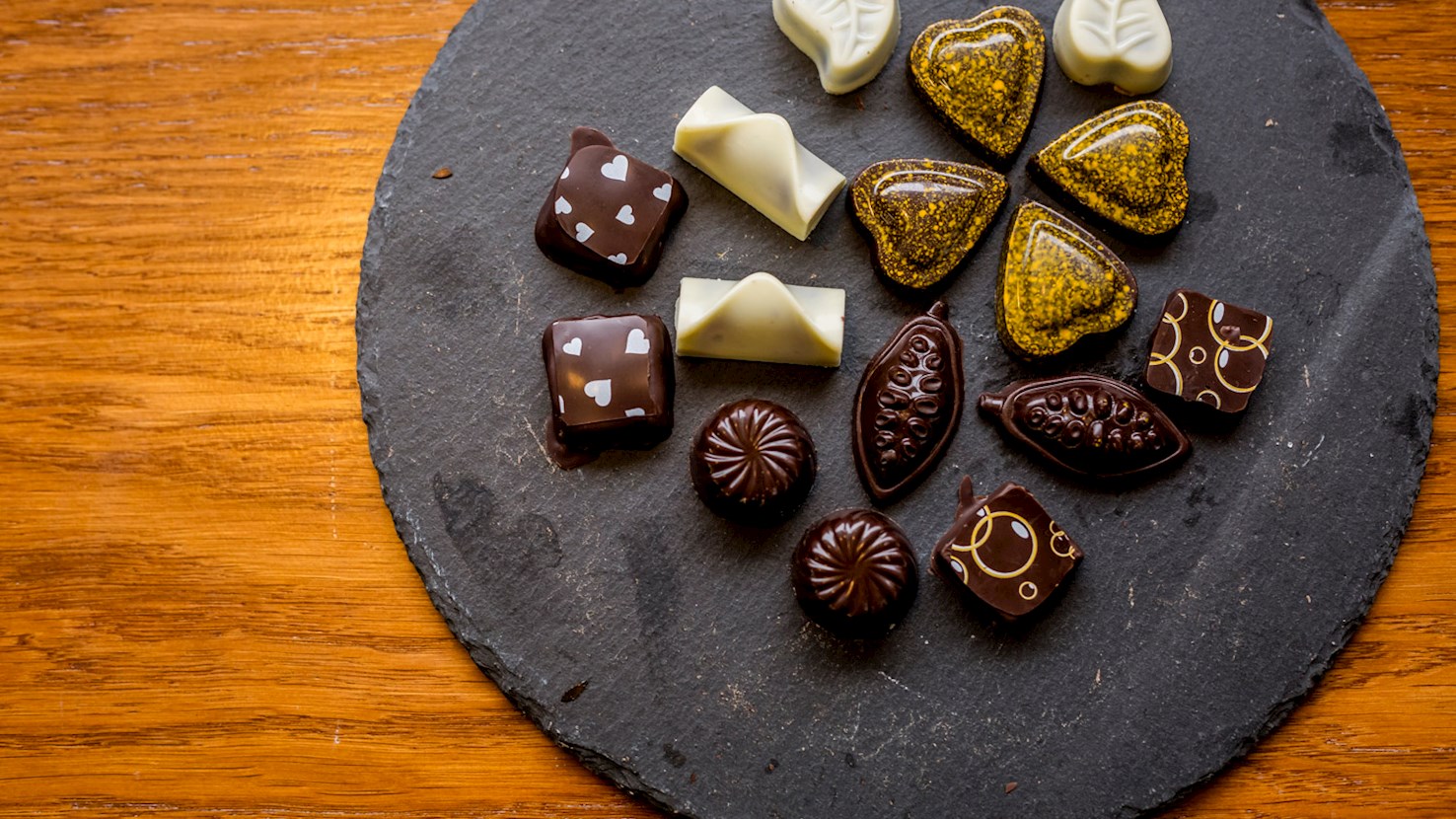
ChocoMe is a Budapest-based chocolate producer established in 2010 by Gábor Mészáros. The company specializes in creating high-quality, handcrafted chocolate bars with customizable options, allowing customers to choose from a selection of toppings and flavors. ChocoMe exports its products to several countries around the world.
Awards
International Chocolate Awards - Gold (2020, 2016, 2015)
Academy of Chocolate - Gold (2017)
02
Wine

Szepsy

5 ·
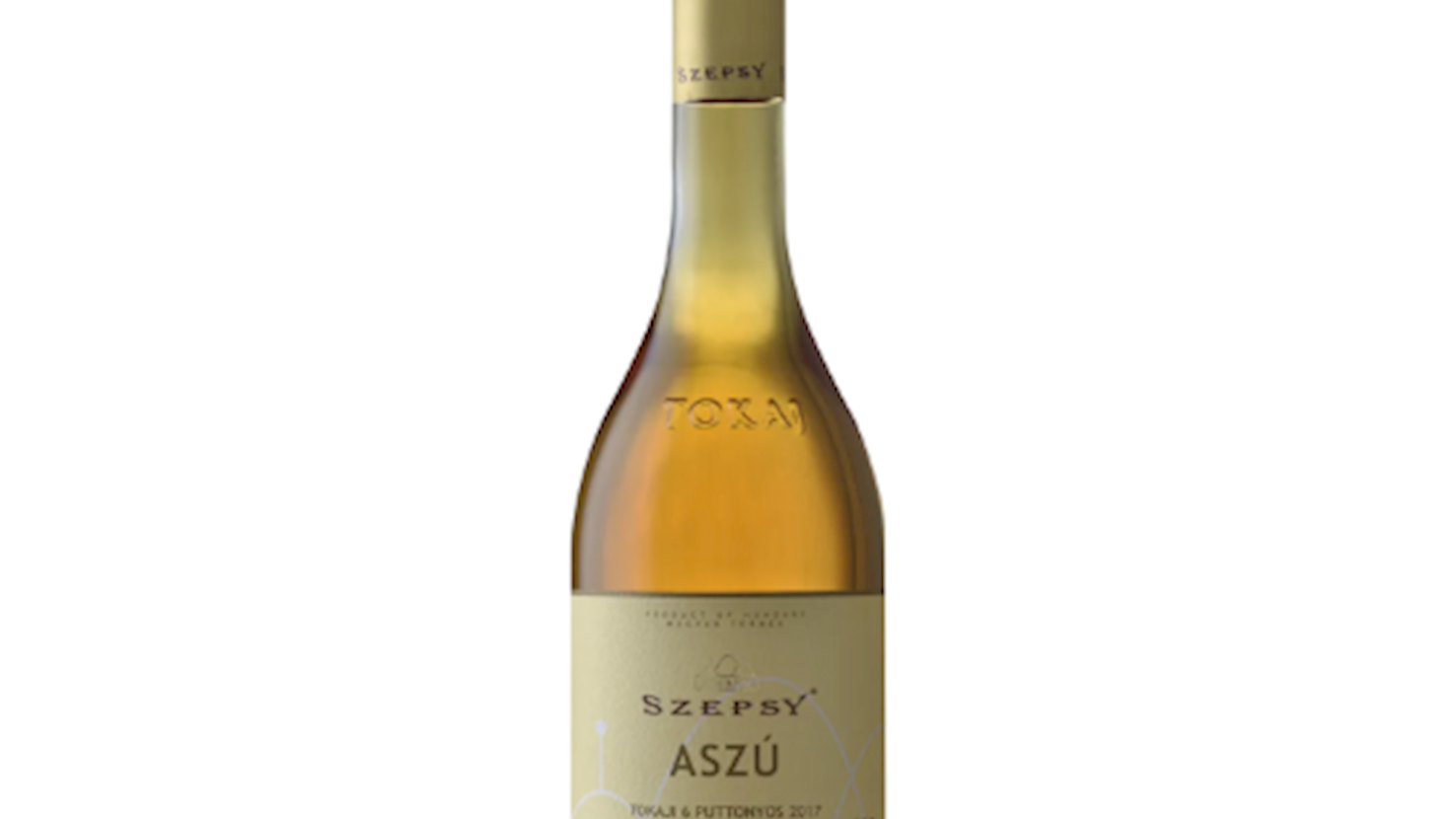
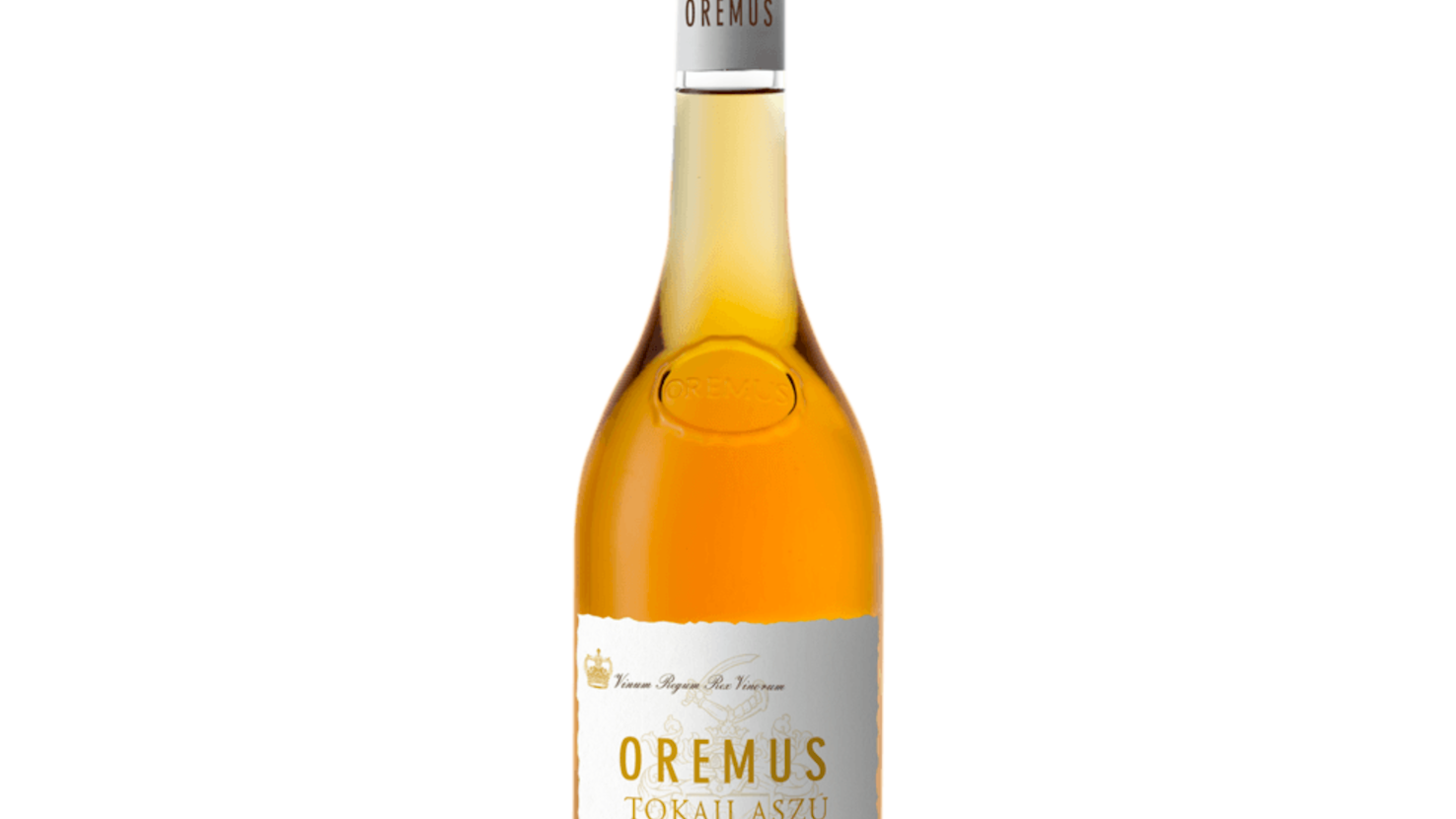
Szepsy is one of the most prestigious and influential wineries in the Tokaj region of northeastern Hungary, with a documented family winemaking history dating back to the 16th century. One of their ancestors, Szepsy Laczko Máté, was the first to record the method of producing Tokaji Aszú in 1631, laying the foundation for the identity of this iconic wine style. Today, the winery is led by István Szepsy, a visionary widely regarded as a “Tokaj legend” thanks to his uncompromising precision in both viticulture and winemaking. His philosophy revolves around terroir and micro-parcel selection - each vineyard plot is vinified separately so that Furmint and Hárslevelű can fully express their specific site characteristics. The vineyards sit on steep terraces around the village of Mád, rooted in volcanic soils rich in quartz, tuff and zeolite, which give the wines their distinctive minerality. The vines are notably old, averaging 40-50 years, and yields are intentionally kept extremely low to achieve maximum concentration and purity of flavor. Szepsy was one of the pioneers of high-quality dry Furmint in Tokaj, demonstrating that the region can offer more than its traditional sweet wines. Szepsy wines have an exceptional capacity for aging due to their vibrant acidity and firm structure. The winery is a key force behind the modern renaissance of Tokaj and is largely responsible for restoring the region to the global fine-wine stage. Their work unites tradition, terroir, and a contemporary approach with no compromise on quality. Szepsy represents a rare combination of history, precision and passion, making it one of the most important producers of both dry and sweet wines in the world.
Awards
Vivino - 4.7
Vivino - 4.5
03
Wine

Gizella Winery

5 ·
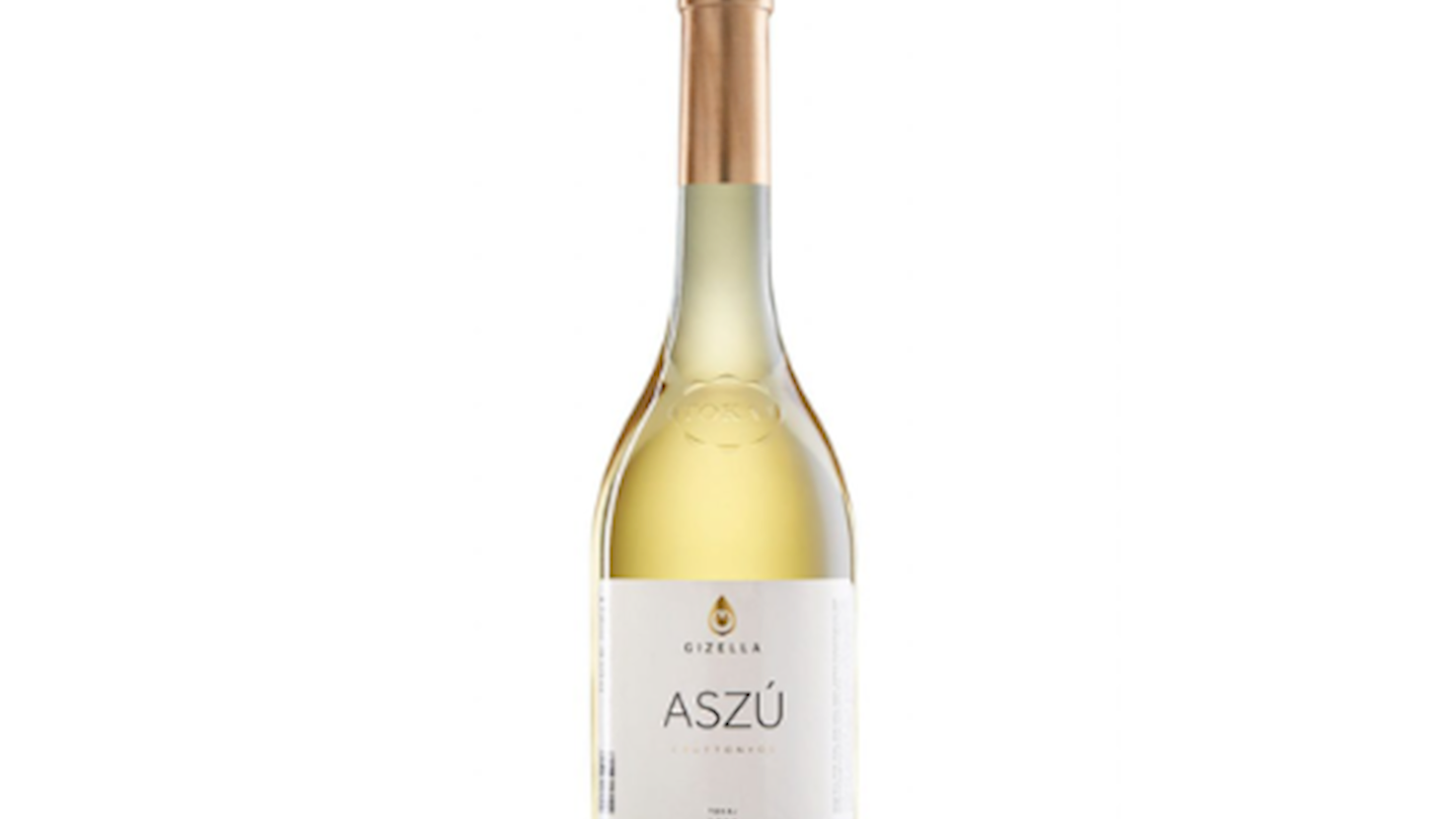
Gizella Winery is a family-run estate located in the renowned Tokaj region of Hungary, known for both its historic sweet wines and increasingly refined dry styles. The winery is led by László Szilágyi, who took over the estate in 2005 and developed it into a terroir-focused operation with vineyards spread across several key sites. The soils are predominantly volcanic - ter and structural depth. Gizella produces both dry and sweet wines, including traditional styles such as Szamorodni and Aszú, often made from botrytized grapes. The main varieties include Furmint, Hárslevelű, and Sárgamuskotály, each contributing to the winery’s diverse portfolio. The wines are typically defined by purity, vibrant acidity, and a clear expression of fruit, whether in fresh, mineral-driven dry wines or concentrated, long-lived sweet cuvées. Winemaking combines traditional methods, such as aging in historic volcanic cellars, with modern precision and a sustainable approach in the vineyards. Overall, Gizella Winery offers a contemporary interpretation of Tokaj, balancing heritage with clarity and finesse.
Awards
Decanter World Wine Awards - Best in Show (2024)
Decanter World Wine Awards - Platinum (2023)
04
Spirit

Kisret Manufaktura Kft

5 ·
Awards
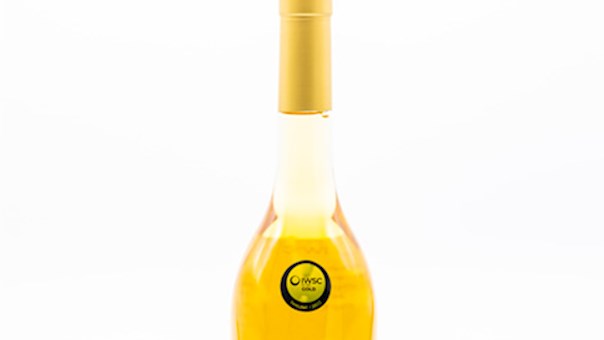
IWSC- International wine & spirit competition - Spirit Gold Outstanding (2024)
05
Chocolate

Rózsavölgyi Csokoládé

5 ·
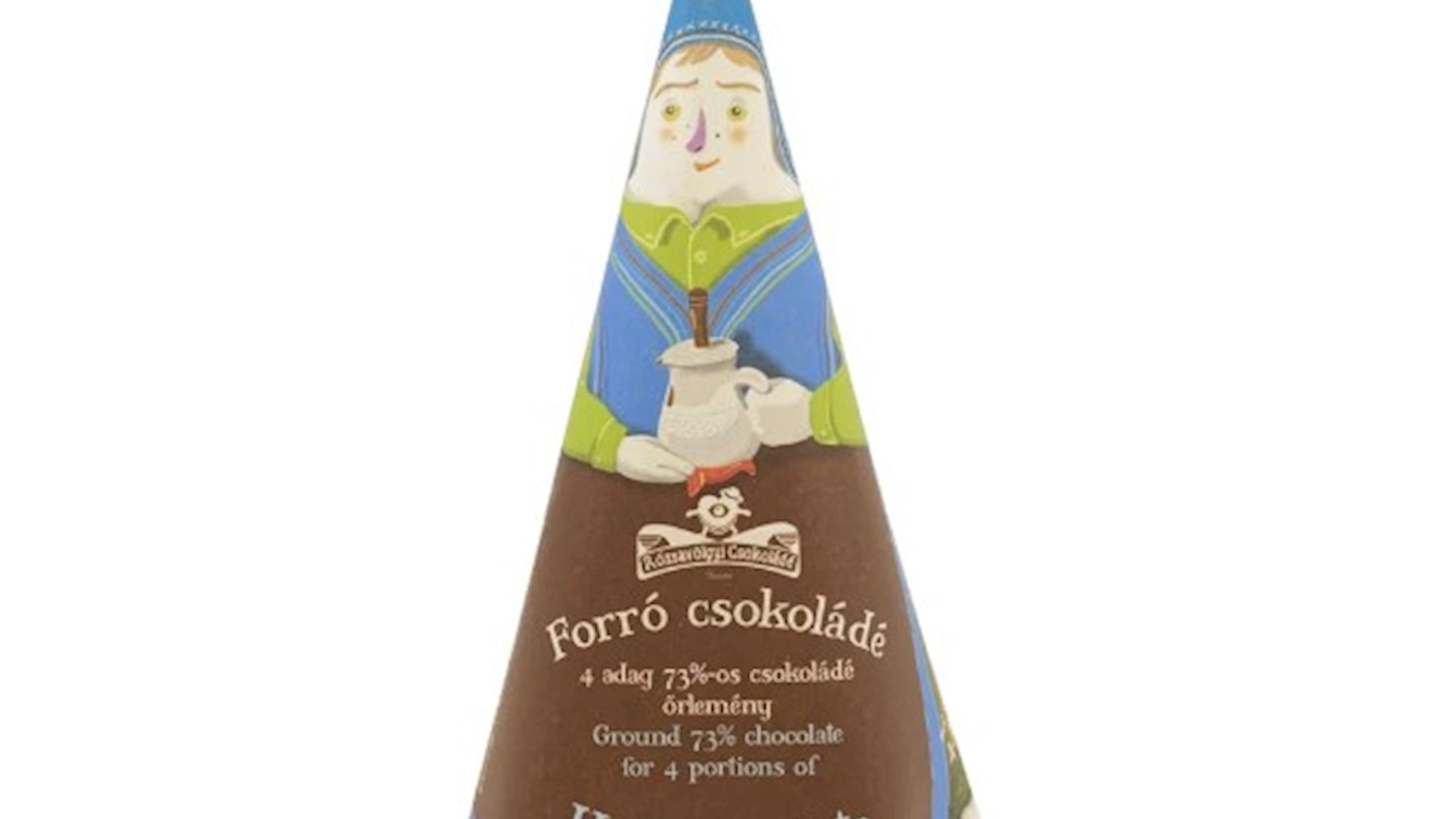
Rózsavölgyi Csokoládé is a chocolate producer based in Budapest, Hungary, established in 2004 by Zsolt Szabad and Katalin Csiszar. The company specializes in crafting fine bean-to-bar chocolates, utilizing traditional processes such as hand-wrapping their products in artistic, custom-designed packaging. They are known for using high-quality, single-origin cocoa beans and creating unique flavor combinations. Rózsavölgyi Csokoládé also produces a range of confections including bonbons and chocolate sculptures.
Awards
Academy of Chocolate - Gold (2015)
Academy of Chocolate - Silver (2015, 2011, 2009)
06
Cheese

Etyeki Kecskesajt Manufaktúra

5 ·
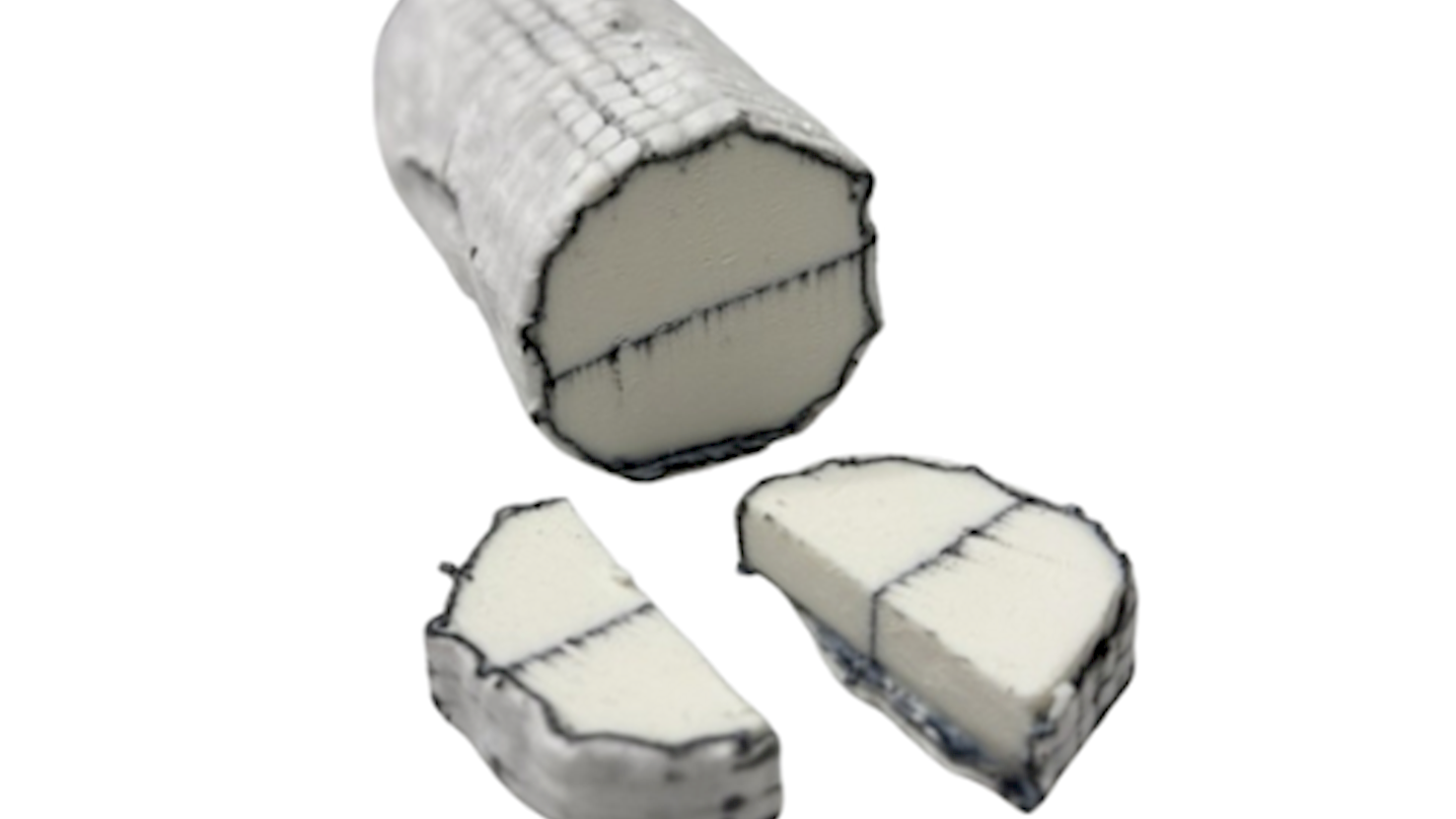
Etyeki Kecskesajt Manufaktúra is a small artisanal cheesemaker located in the village of Etyek, Hungary, a region well known for its vineyards and strong gastronomic culture near Budapest. The dairy specializes in goat’s milk cheeses, produced in small batches with a strong focus on freshness, craftsmanship, and natural ingredients. Milk comes from carefully managed goats, and production combines traditional cheesemaking methods with modern standards of hygiene and quality control. The range includes both fresh and aged goat cheeses, often enhanced with herbs, spices, or natural additions that highlight their aromatic character. Textures vary from soft and creamy to firmer, lightly matured styles, while the flavour profile remains clean, balanced, and typically goaty without excessive sharpness. Their cheeses are commonly found at local farmers’ markets, food festivals, and selected specialty shops, where they are appreciated for their authenticity and consistent quality. Etyeki Kecskesajt Manufaktúra represents a contemporary example of Hungarian artisanal cheesemaking rooted in local terroir, small-scale production, and direct connection with consumers.
Awards
World Cheese Awards - Super Gold (2022)
International Cheese Awards - Gold (2022)
07
Chocolate

Cocó 7 Chocolates

5 ·
Cocó 7 Chocolates is a chocolate producer based in Budapest, Hungary. The company specializes in creating handcrafted artisanal chocolates using high-quality ingredients. Their product range includes truffles, pralines, and chocolate bars. They emphasize sustainability and source their cacao from carefully selected suppliers. The brand is known for its unique flavor combinations and elegant packaging.
Awards
Academy of Chocolate - Gold (2023)
Academy of Chocolate - Bronze (2023)
08
Chocolate

Harrer Chocolat

4.9 ·
Harrer Chocolat, established by Norbert Harrer, is a Hungarian chocolate producer known for crafting high-quality, handmade chocolates. The company sources its cocoa beans from sustainable farms globally and is recognized for its unique flavor combinations and artisanal methods. They also operate a café and patisserie in Sopron, Hungary, where they showcase their chocolates.
Awards
International Chocolate Awards - Gold (2023, 2015)
Academy of Chocolate - Gold (2021)
09
Appetizer

Zollai

4.9 ·
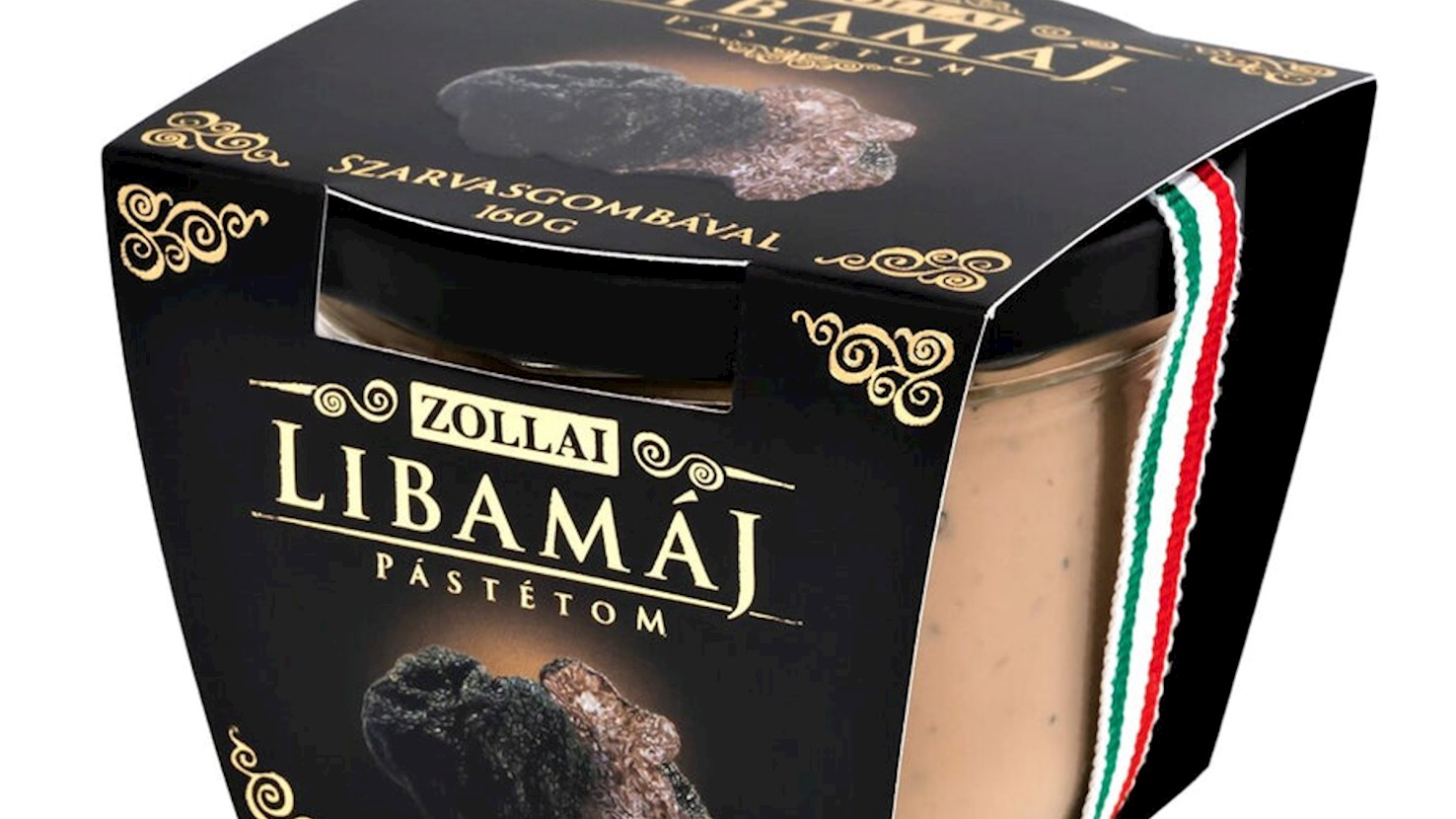
Zollai Baromfi és Húsfeldolgozó Kft. is a Hungarian company established in 1980, specializing in the production of high-quality meat products. The company is an exclusive supplier to the domestic hotel and hospitality sector, with their products also featured in the restaurants of multinational companies both locally and internationally. They are currently working on making their products directly available to the Hungarian population. Zollai Baromfi és Húsfeldolgozó Kft. places special emphasis on the quality of their products, using traditional recipes and natural ingredients. Their offerings include specialties such as burgers prepared with an original Croatian recipe made from pork and beef, seasoned with natural spices.
Awards
Great Taste Awards - 2 Stars (2023)
10
Wine

Patricius

4.9 ·
Awards
Decanter World Wine Awards - Platinum (2021)
Read more
View all
View map
About this ranking

TasteAtlas food rankings are based on the ratings of the TasteAtlas audience, with a series of mechanisms that recognize real users and that ignore bot, nationalist or local patriotic ratings, and give additional value to the ratings of users that the system recognizes as knowledgeable. For the “Top 97 Hungarian Foods” list until June 06, 2026, 9,999 ratings were recorded, of which 7,201 were recognized by the system as legitimate. TasteAtlas Rankings should not be seen as the final global conclusion about food. Their purpose is to promote excellent local foods, instill pride in traditional dishes, and arouse curiosity about dishes you haven’t tried.

The initial list of top producers was compiled based on available reviews, awards, local recommendations, media and blog coverage, and consumer reviews. The list will be updated with ratings from TasteAtlas local ambassadors and TasteAtlas users.

Similar lists