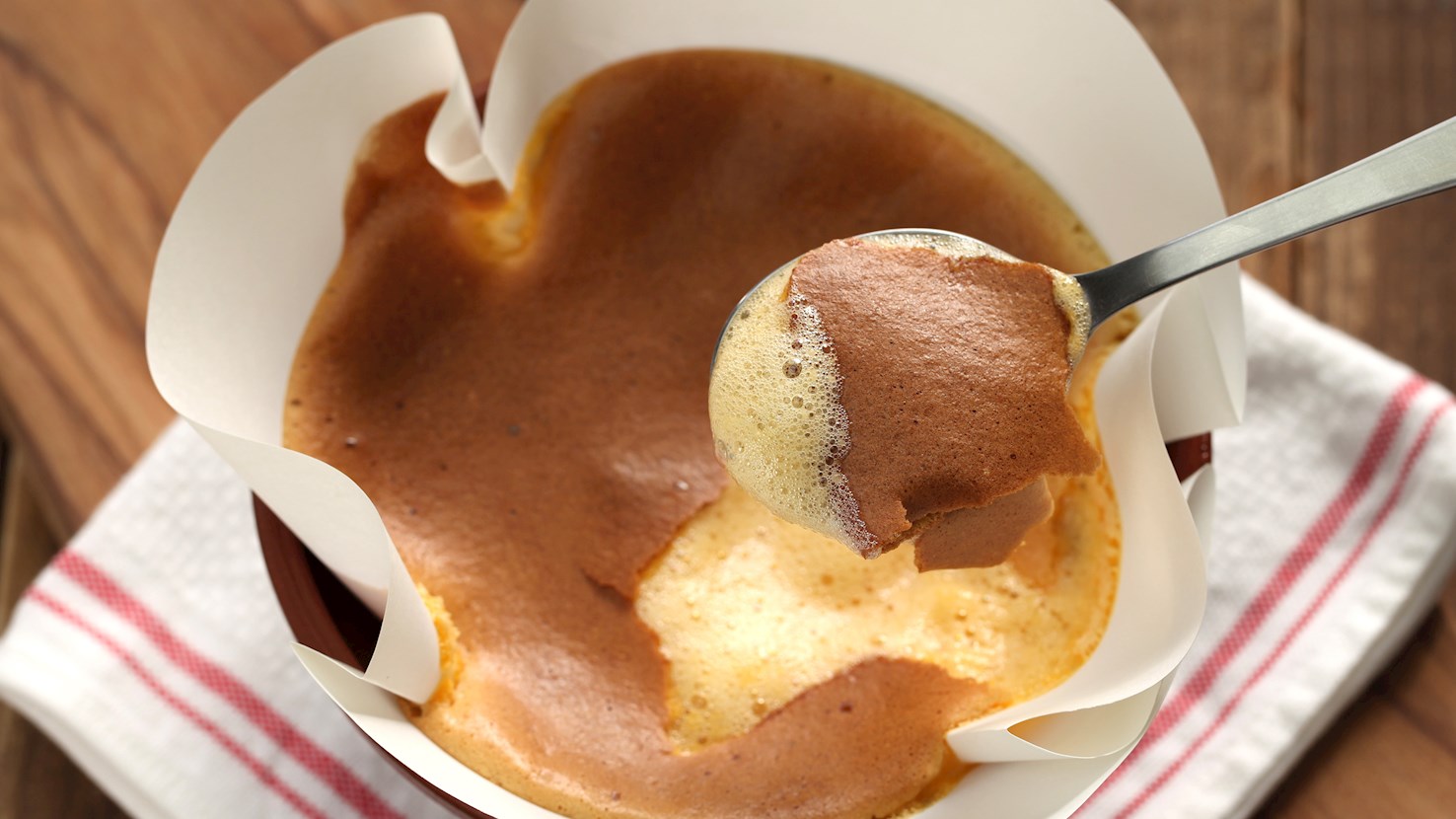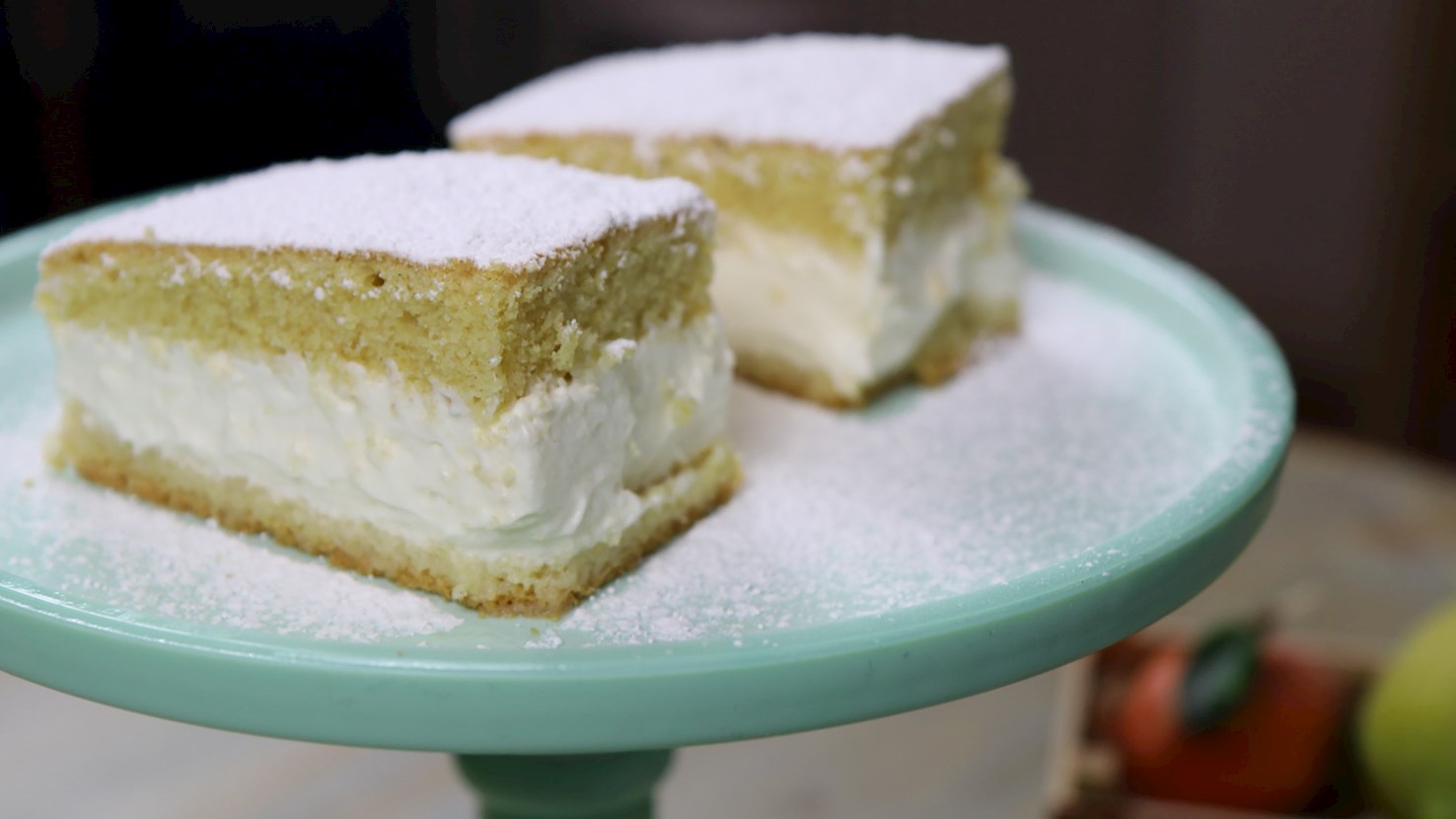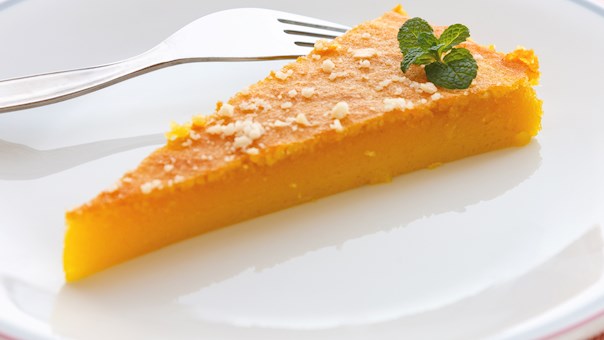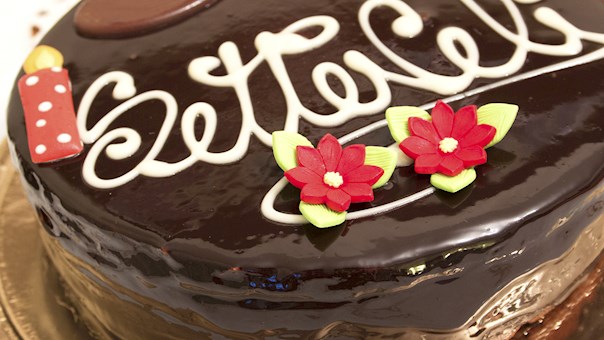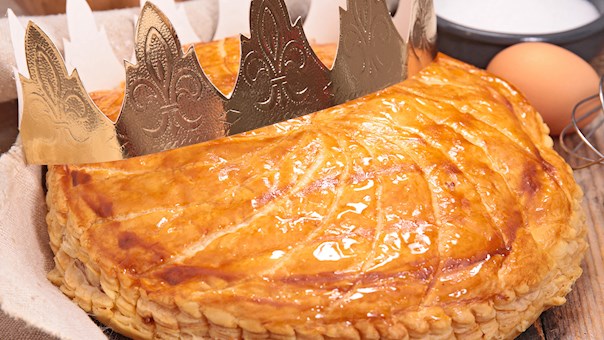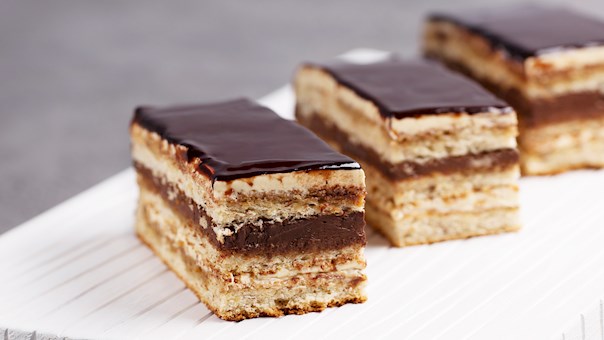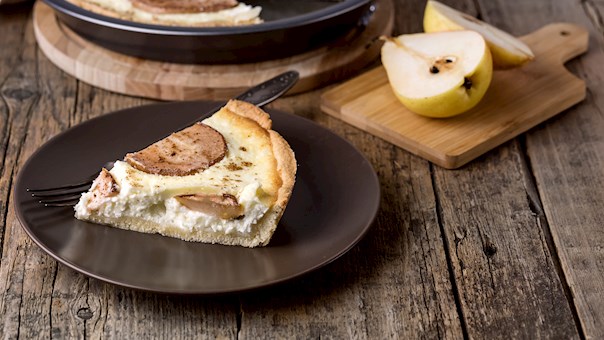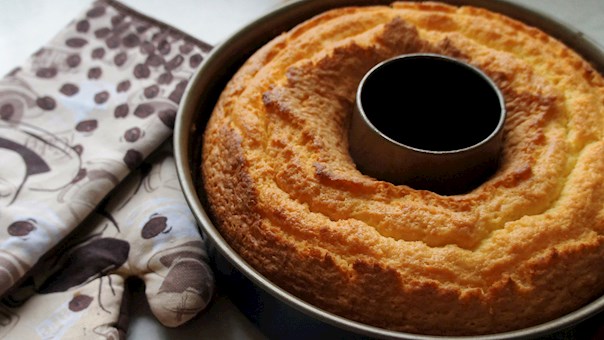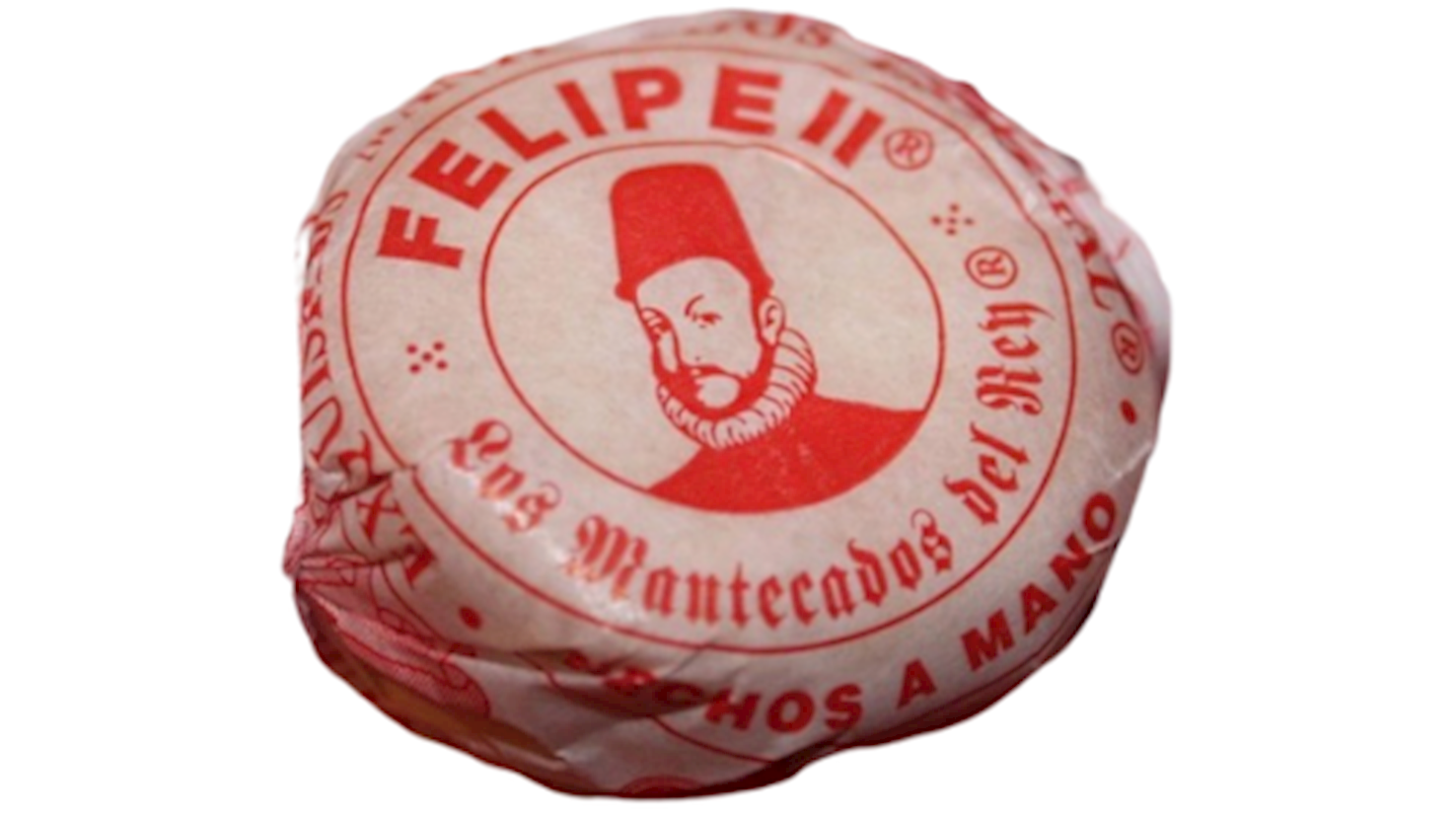
Pão de Ló de Ovar may be the most famous Portuguese cake, dating back to the 18th century when it was made in convents by nuns. The earliest written evidence about this sponge cake dates back to 1781, in a book called Irmandade dos Passos, where it is said that pão de Ló de Ovar was a sweet offered to the priests who took the wooden framework to carry the statues in the Holy Week procession. This creamy sponge cake is traditionally made from eggs, sugar, and flour, and today, it is often seen at most food fairs in Portugal. The cake is popular throughout the country, not just in the municipality of Ovar, where it is traditionally produced.
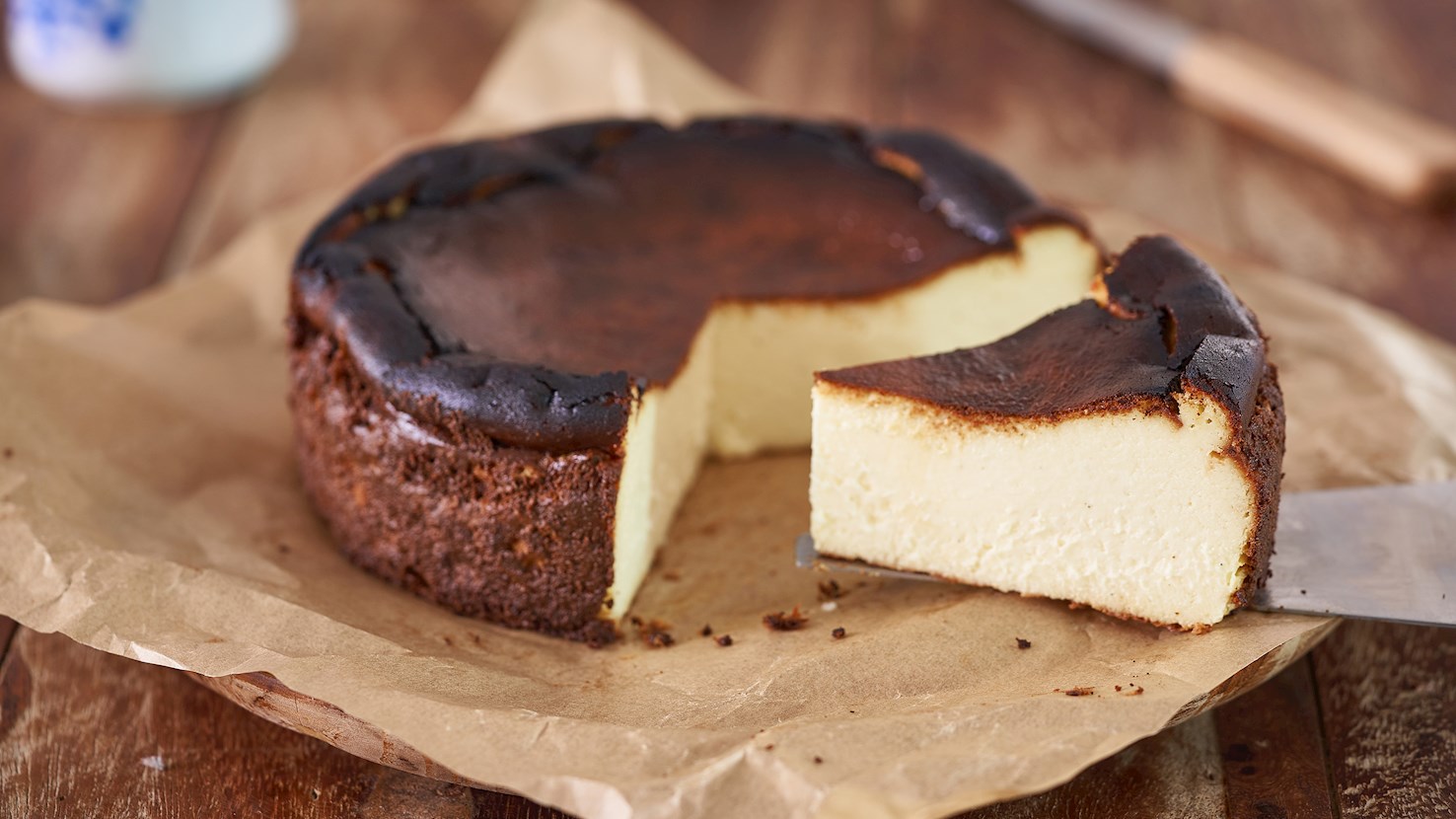
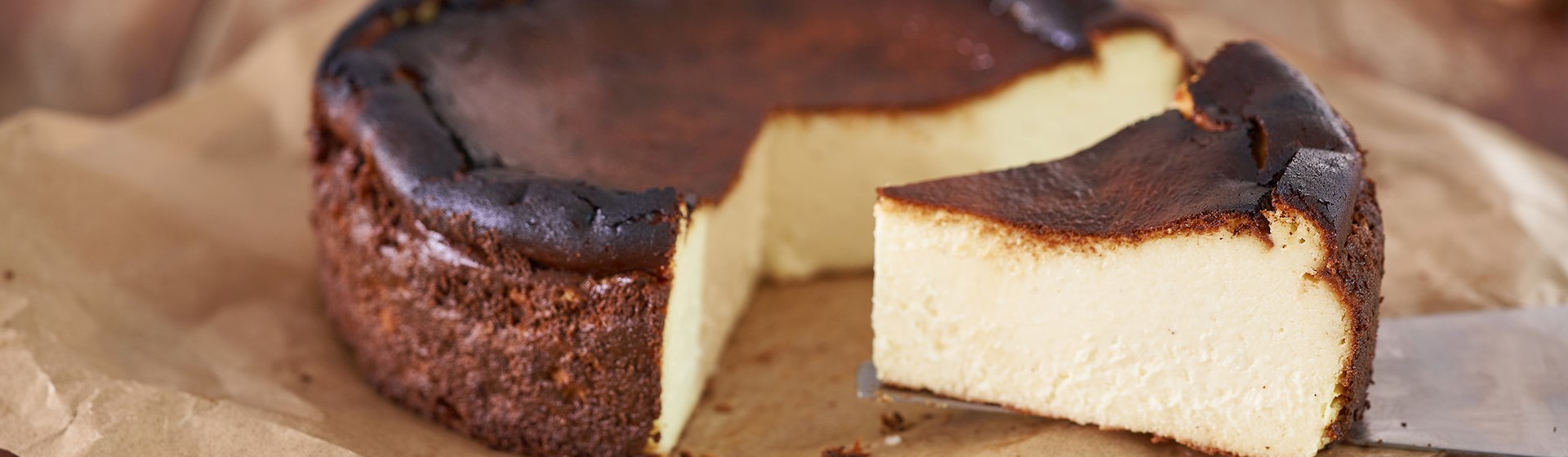
Known simply as tarta de queso or gazta tarta in its native Basque, this simple yet incredibly creamy cheesecake variation is a decades-old local specialty of the La Viña Bar in San Sebastián. The recipe is a simple combination of classic cheesecake ingredients such as sugar, heavy cream, eggs, and cream cheese, but unlike its more popular counterparts, this Basque version does not have any crust. Instead, it is baked on a high temperature which leaves the outside firm, darker, and somewhat burnt, while the center remains gooey. Basque cheesecake is immensely popular, and while La Viña remains its place of origin, different variations are nowadays found in several patisseries around the world.
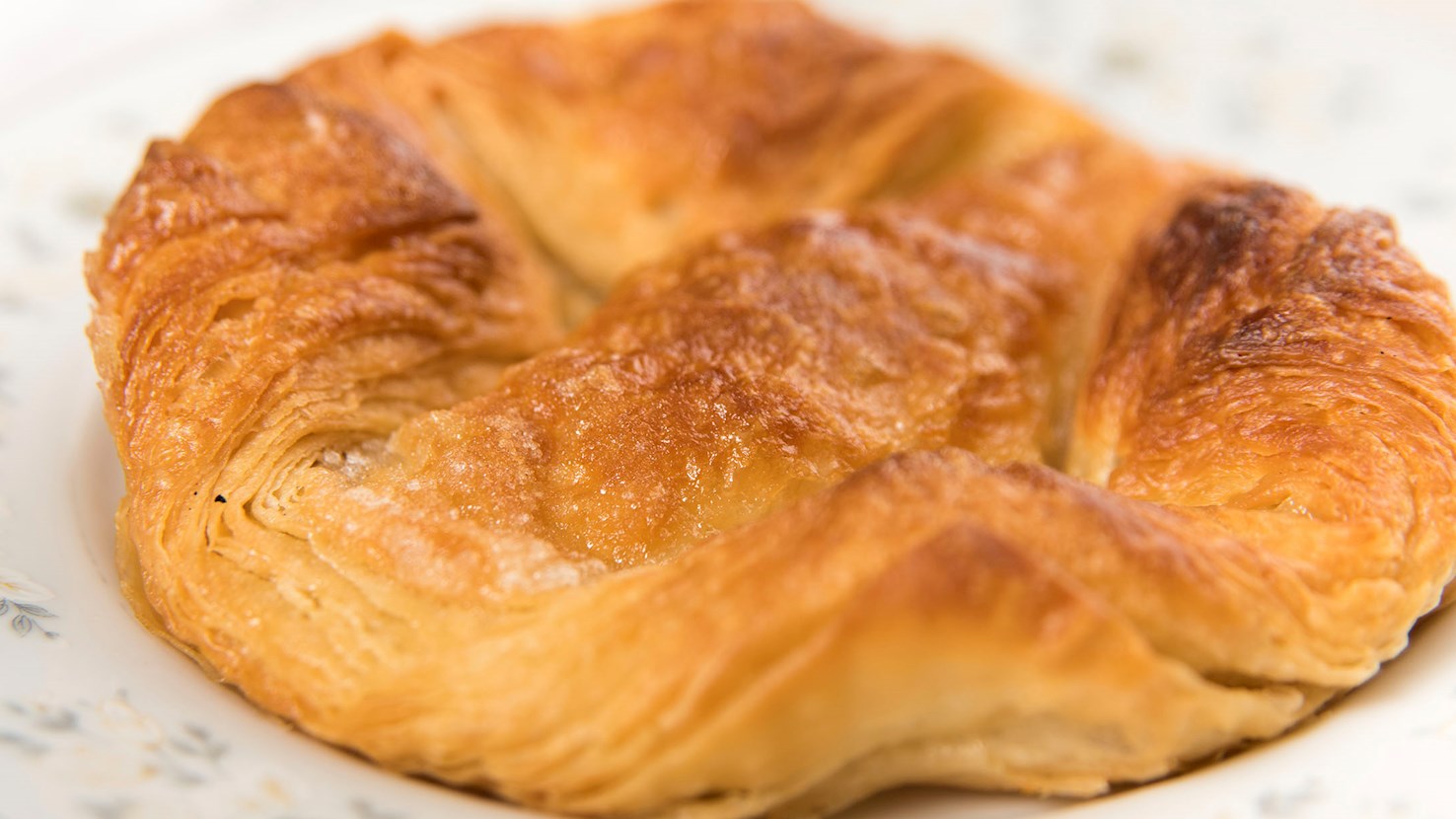
Kouign-amann is a cake that originated in the 1800s in the French region of Bretagne. Its name is derived from the Breton words for cake (kouign) and butter (amann). The cake consists of layers of butter and sugar that are folded into a dough. Bretons claim that the cake is "the fattiest pastry in the world", due to its flaky yellow dough that is mixed with large amounts of sugar and butter. Although there are many theories about the origin of the cake, the most popular one says that it was invented by accident, when a 19th-century baker from Douarnenez wanted to save a failed batch of dough, so he added butter and sugar to the mix, creating the delicacy that we know today.
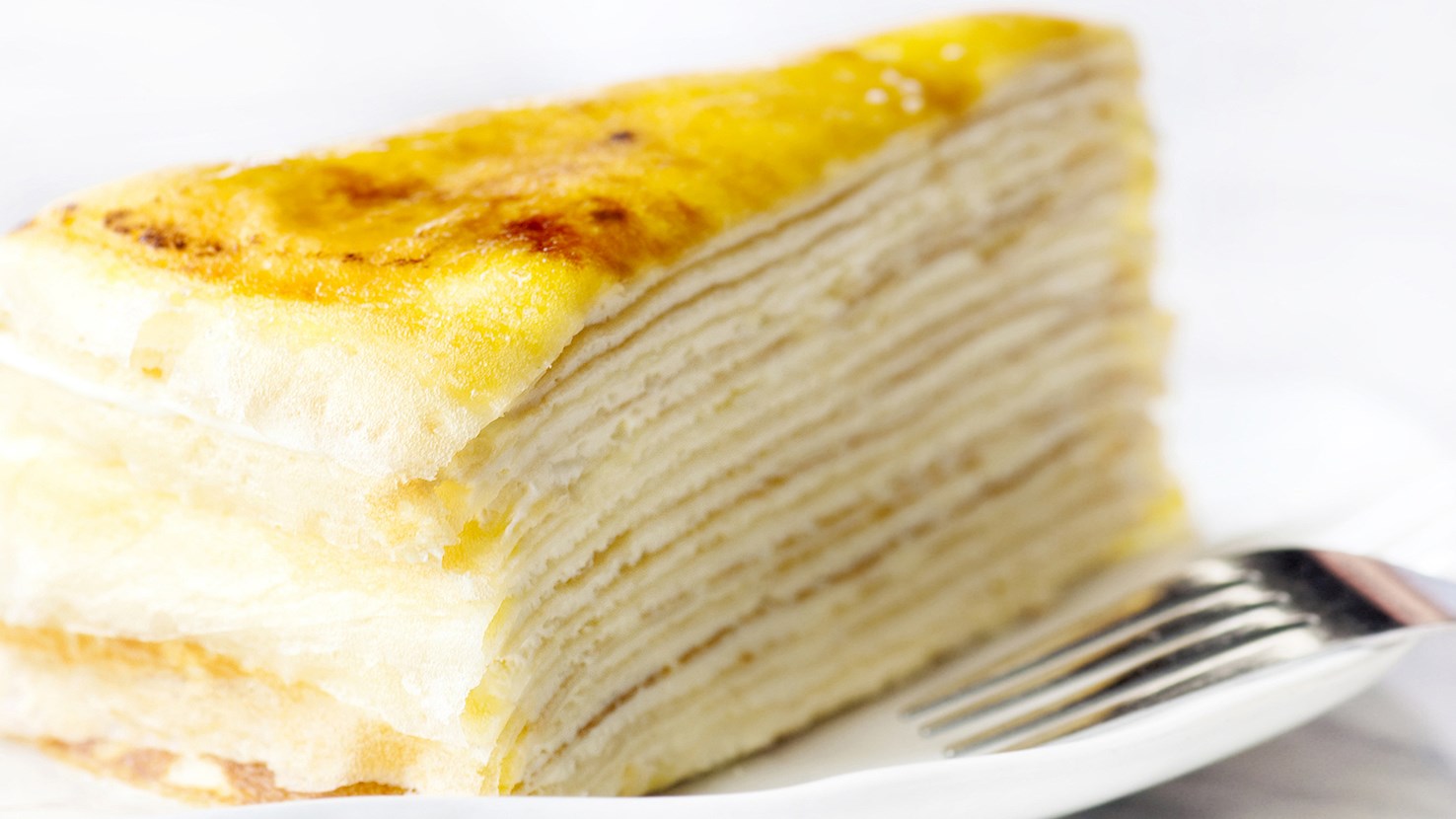
A thousand crêpes cake—as translated in English—is a classic French dessert consisting of crêpes stacked on top of each other and layered with, most typically, a thin coating of either icing sugar or pastry cream, while the top of the cake is covered in a thin layer of caramelized sugar. This dense and creamy cake can be prepared with all kinds of different fillings and enjoyed with various fruits, whipped cream, or even ice cream.
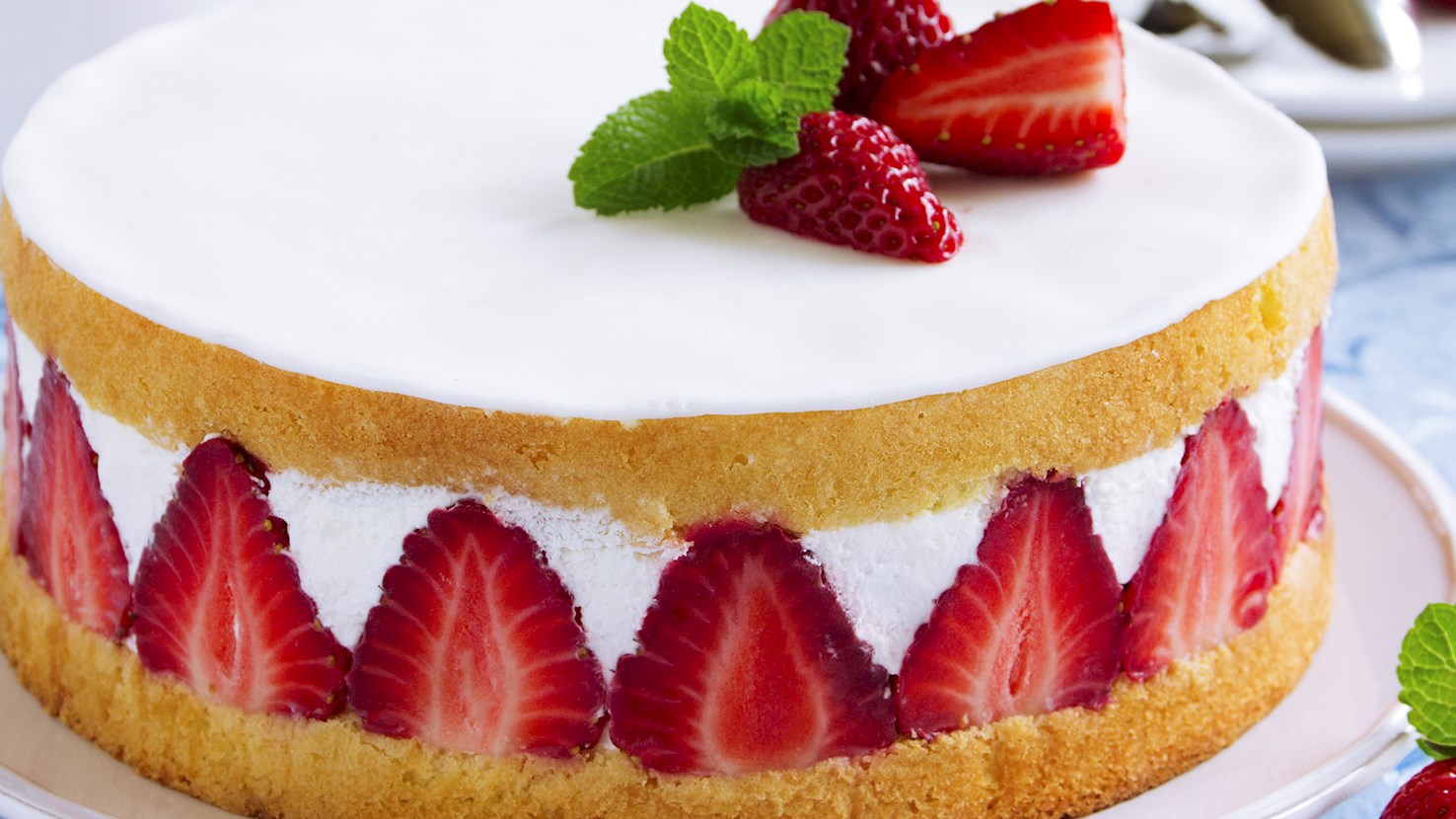
Fraisier is a highly structured, visually striking French dessert composed of two layers of kirsch-soaked génoise sponge, a rich vanilla crème mousseline, and a meticulously arranged border of fresh, halved strawberries, all sealed beneath a smooth layer of tinted almond paste, originating in France. Culinary precursors to the dessert emerged at the end of the 19th century when Auguste Escoffier codified a fresh strawberry cake in his seminal text Le Guide Culinaire. The recipe was subsequently advanced in the early 20th century by Pierre Lacam, who incorporated a sponge base and a distinct touch of kirsch liqueur. The definitive modern architectural construction was formally established in 1966 by the renowned Parisian pastry chef Gaston Lenôtre, who initially named his creation the Bagatelle in homage to the Bagatelle Gardens, explicitly replacing heavy traditional buttercream with a lighter, aerated mousseline to better showcase the delicate fresh fruit. The recipe begins by baking a light, airy vanilla génoise sponge cake, then slicing it horizontally into two even discs. A metal pastry ring is lined with a clear acetate collar to support the delicate internal components and ensure pristine visual edges upon unmolding. The bottom sponge layer is positioned inside the base of the ring and heavily saturated with a sweet, simple syrup infused with clear cherry liqueur. Fresh, uniformly sized strawberries are washed, hulled, cut exactly in half, and arrayed tightly against the interior wall of the collar, with the flat sides facing outward to create a graphic perimeter. A thick crème mousseline, formulated by vigorously whipping traditional vanilla pastry cream with softened butter until completely aerated, is piped meticulously between the standing berries and across the soaked foundation. The central cavity is filled entirely with additional chopped strawberries, which are completely enveloped by the remaining volume of the rich butter-based cream. Pressing the second sponge disc gently over the filling eliminates internal air pockets before the exposed cake surface is brushed generously with the remaining kirsch syrup. The entire assembly is refrigerated for several hours to thoroughly set the butterfat and stabilize the vertical structure. A thin, smooth disc of sweet almond paste, traditionally colored pale green or soft pink, is rolled out and pressed over the top surface to seal the dessert. Peeling away the metal ring and acetate band directly before serving exposes the striking cross-section of embedded red fruit. The chilled cake is sliced cleanly into sharp wedges and consumed in large quantities throughout the spring and summer harvest months. The intricate confection serves as a mandatory centerpiece for Mother's Day celebrations, warm-weather garden parties, and formal afternoon tea services.
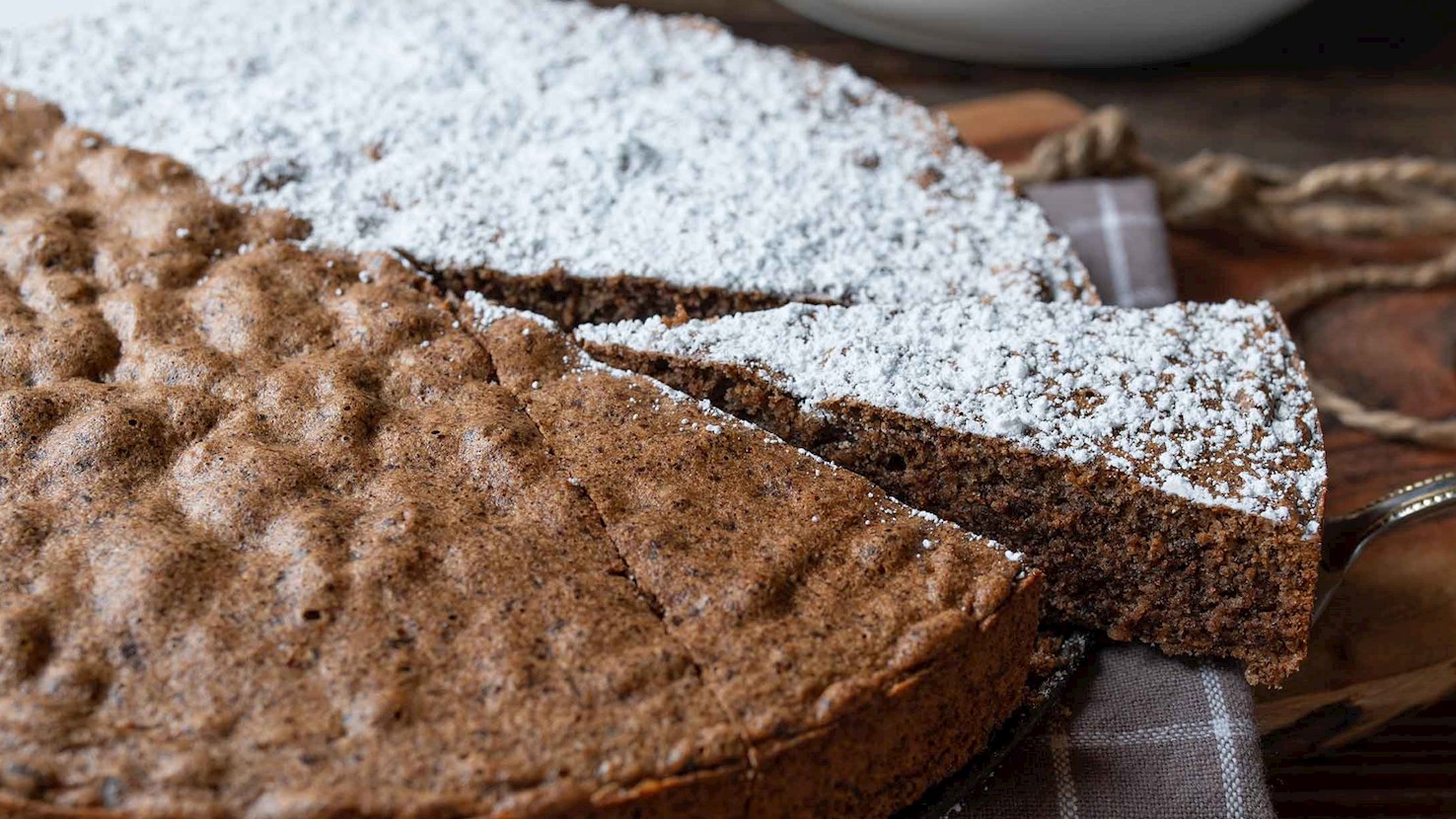
Torta Caprese is a dark chocolate cake made without any flour. This specialty of the Italian island of Capri consists of dark chocolate, eggs, sugar, almonds, and butter. It is characterized by its dense chocolate texture and a layer of powdered sugar on top. The cake is often garnished with halved strawberries or raspberries, while the restaurant versions are often served with a scoop of vanilla ice cream on the side. Although the origins of torta Caprese are quite murky, many believe that it was invented by mistake, when a cook left out the flour from a recipe. Today, the cake is an important part of many Italian celebrations and special events.
A classic in Italian pastry and the symbol of the city of Pavia, torta Paradiso is a simple sponge cake variation that mainly uses the three essential cake ingredients - sugar, flour, and butter. Created by Enrico Vigoni in the early 1800s, Torta Paradiso lends itself perfectly as a dessert all on its own, or to various tasty fillings like creams, custards, or spreads. The unmistakable softness, fragrance, and sweetness also make it a popular choice for a breakfast treat - accompanied by espresso, milk or tea.
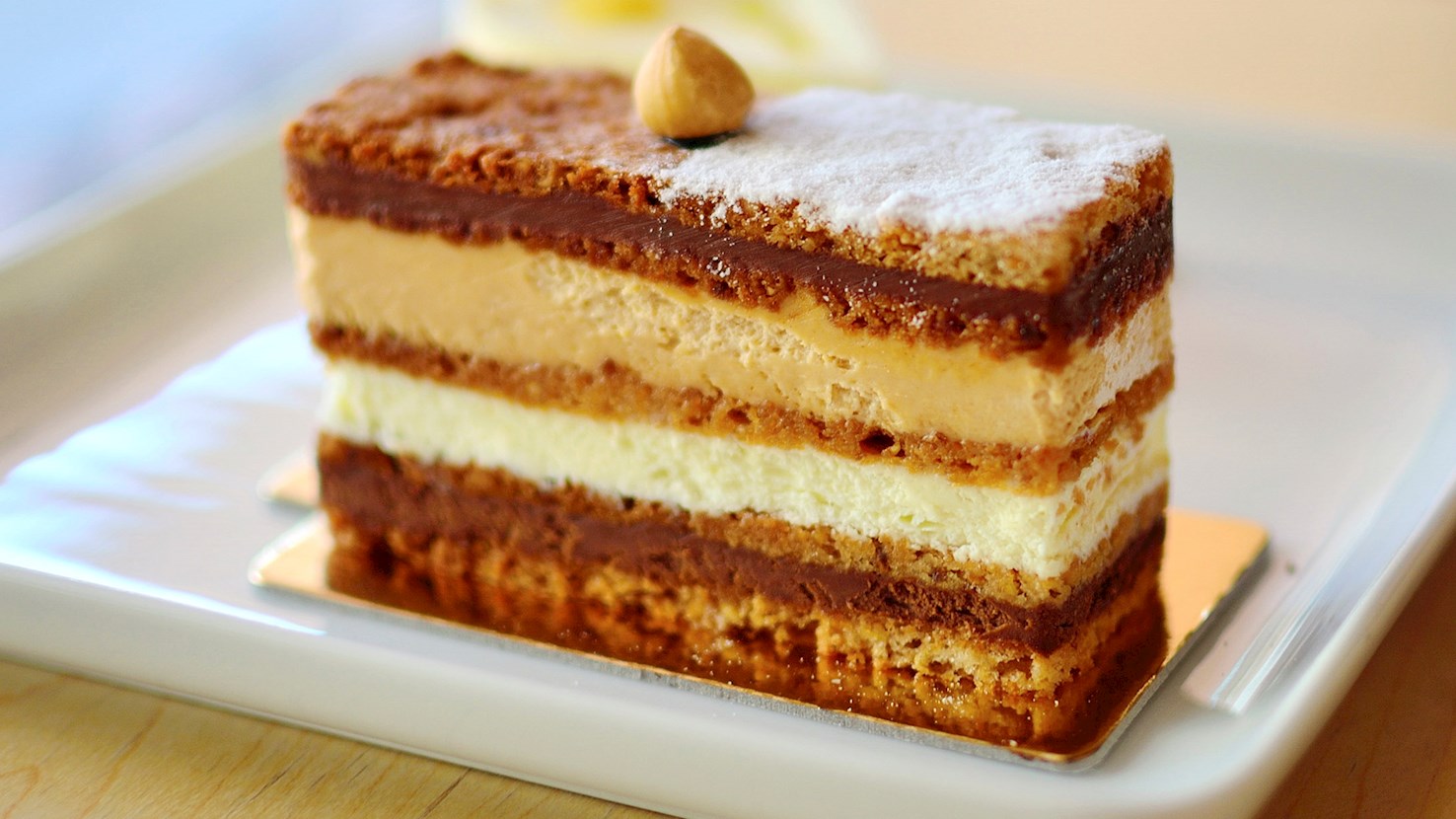
Both crispy and creamy in texture, this French cake is traditionally made with almond or hazelnut meringue sponge cake separated with layers of whipped cream or buttercream. The cake takes its name from the French word dacquois, meaning from Dax, referring to a town located in southwestern France, but the term dacquoise itself has come to signify any dessert with layers of nut meringue sponge cake. The cake is believed to have originated in the 17th century, when it was invented as a luxurious dessert for the people of the French court. The recipe later became very popular in England, after numerous French chefs moved there to cook for the upper class. Its huge popularity generated a wave of different versions of the cake, such as the infamous marjolaine, a rectangular variety of dacquoise known as the mother of all French desserts, which is made with meringue sponge cake and chocolate buttercream.
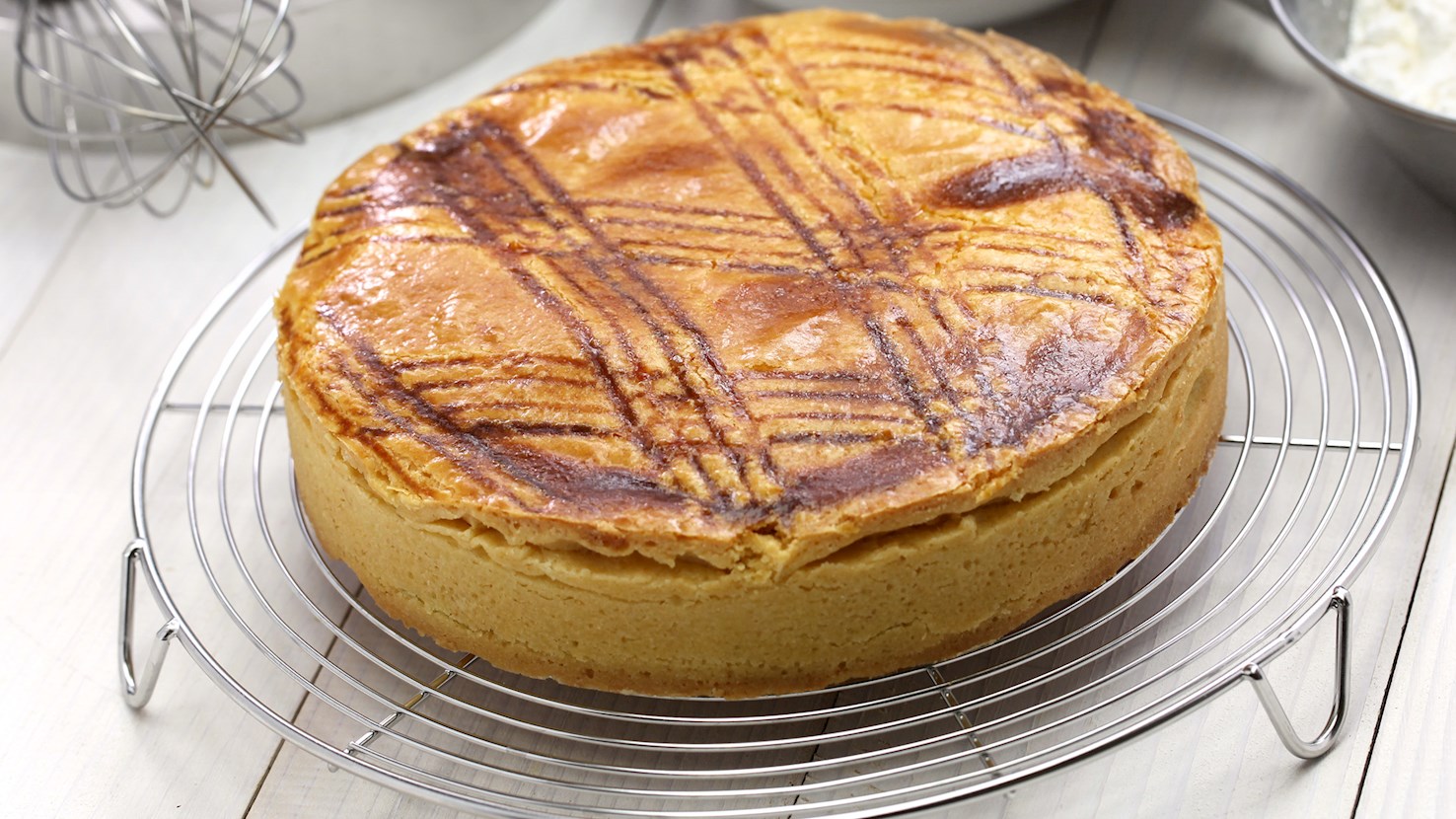
This classic Basque cake consists of two layers of shortcrust pastry and either a filling made with black cherry preserve or, more often, vanilla-flavored pastry cream. If made with black cherries, the top of the cake is usually decorated with the Basque cross (lauburu), while the version with pastry cream typically comes with a crosshatch pattern. Apart from vanilla, common flavorings may also include lemon zest, rum, or almond extract. Although it is traditionally associated with the entire French Basque Country, it is believed that the cake originated in the former French province of Labourd.
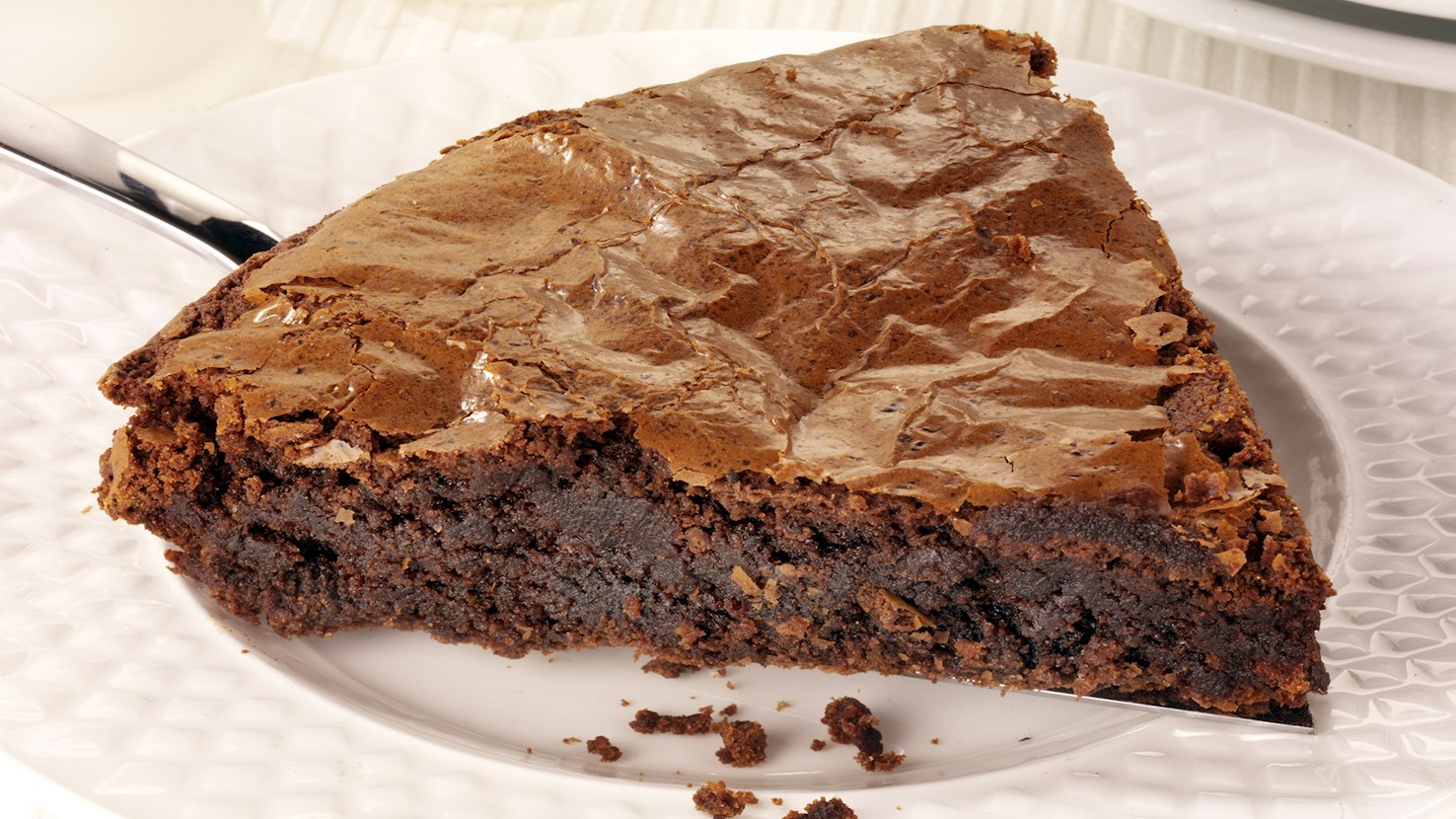
Ferrara's pastry chefs created torta tenerina in the early 1900s to honor Elena Petrovich, the queen of Montenegro and the wife of the Italian King Vittorio Emanuele III. The name of this Italian classic translates to tender cake, and with only five ingredients - chocolate, butter, eggs, sugar, and cornstarch, this flourless dessert truly lives up to its name. Torta tenerina has a light, meringue-like crust that holds its rich, yet incredibly light and tender chocolate heart. This traditional treat is found in almost every patisserie in Ferrara, but it is also equally popular throughout the country.
TasteAtlas food rankings are based on the ratings of the TasteAtlas audience, with a series of mechanisms that recognize real users and that ignore bot,
nationalist or local patriotic ratings, and give additional value to the ratings of users that the system recognizes as knowledgeable.
For the “Top 100 Western European Cakes” list until June 15, 2026, 4,314 ratings were recorded, of which 3,410 were recognized by the system as legitimate.
TasteAtlas Rankings should not be seen as the final global conclusion about food. Their purpose is to promote excellent local foods,
instill pride in traditional dishes, and arouse curiosity about dishes you haven’t tried.