Top 63 Western European Dessert Wines

Last updated on June 15, 2026

Best Western European Dessert Wine Types
01

Sauternes

4.2 ·

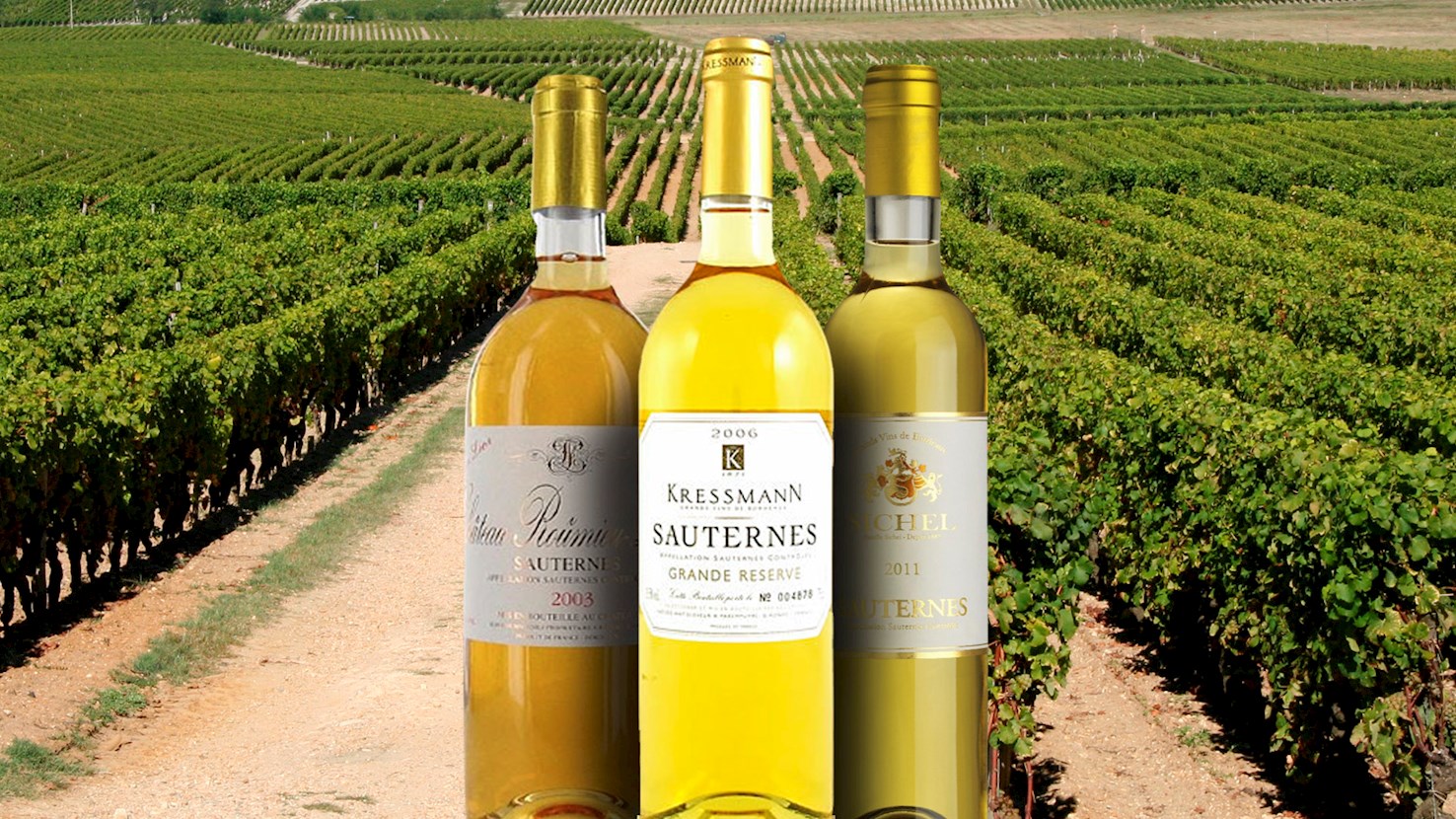
This late-harvest dessert wine of Bordeaux is predominantly made with Sémillon, the region's rare golden-skinned white grapes affected by noble rot, though the blends often include Sauvignon Blanc and Muscadelle. The appellations may include Sauternes, Barsac, Cérons, Sainte-Croix-du-Mont, Cadillac, Loupiac, Premières Côtes de Bordeaux, and Côtes de Bordeaux Saint-Macaire. In general, Sauternes wines exhibit pronounced notes of fruit, butterscotch, caramel, and spices, along with floral notes coming from the Muscadelle grapes. Noted for their full body and freshness, Sauternes wines pair nicely with soft cheeses, blue cheeses, washed rind cheeses, terrines, foie gras, and various fruit-based desserts.

02

Moscatel de Setúbal

4.1 ·

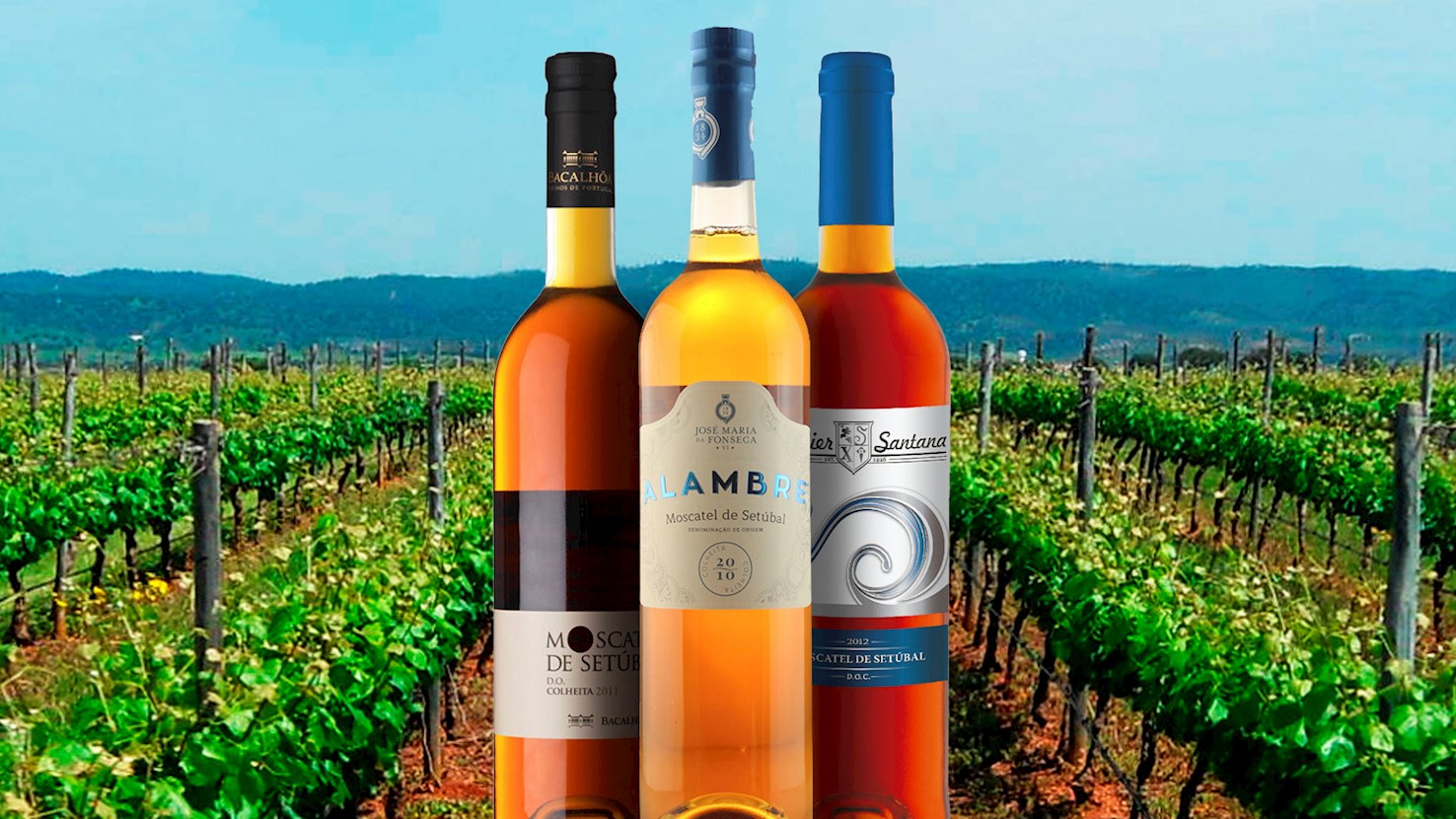
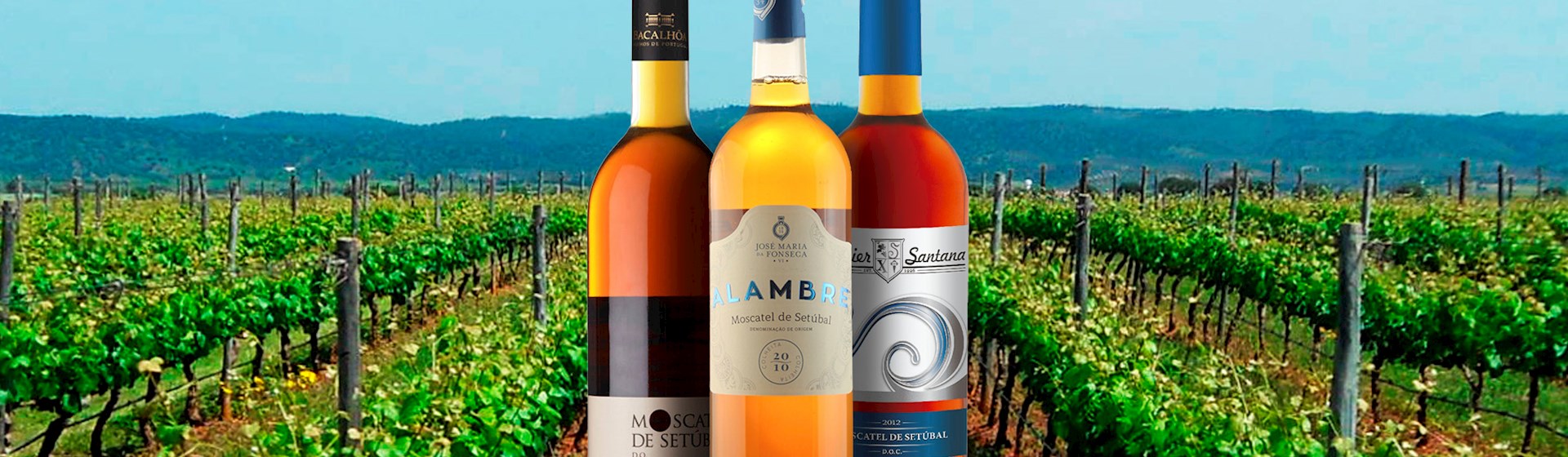
Moscatel de Setúbal is a fortified dessert wine produced on the Portuguese Setúbal peninsula. Primarily made from Moscatel de Setúbal, internationally known as Muscat of Alexandria, the wines are fortified with grape brandy and are then aged for a minimum of eighteen months. The color of these sweet wines ranges from golden to amber, and their main aromas include a complex combination of honey, caramel, orange blossom, spices, and acacia notes. These luscious wines are great enjoyed on their own, but they also naturally pair with caramel-based or dry desserts and soft-centered cheese.

03

Recioto della Valpolicella

3.8 ·

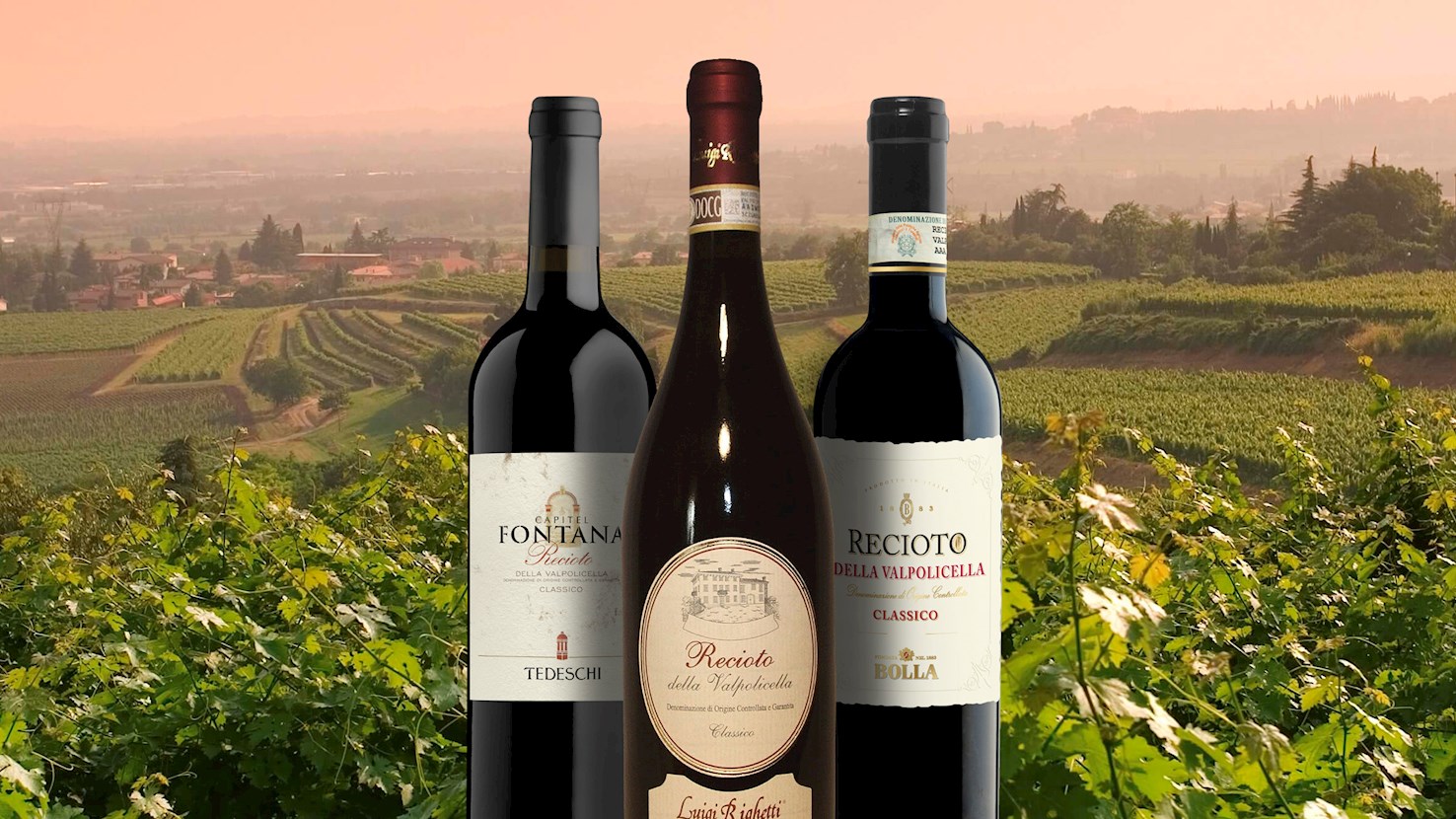
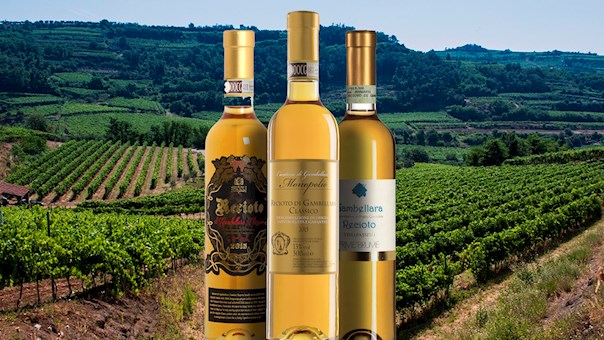
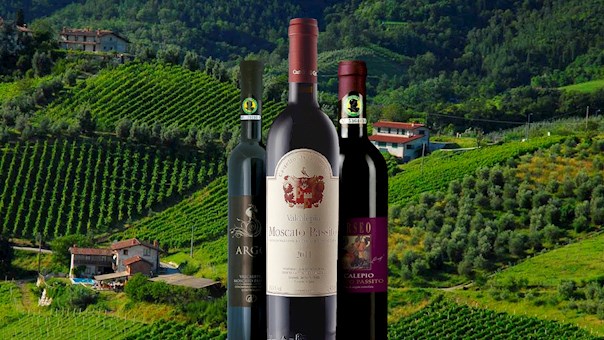
This sweet, well-structured Italian wine is produced in Veneto region with air-dried (passito) grapes. Corvina is the principal grape variety, while the blends commonly include Corvinone, Rondinella, and Molinara. Recioto della Valpolicella is an intense, aromatic wine with floral and fruit notes reminiscent of ripe red fruit and spices. It can be enjoyed as a digestif, but it also goes well with matured and blue cheese, pastries, cookies, and various desserts that incorporate chocolate, coffee, or cherries. The wine also comes in a sparkling (spumante) version.

04

Coteaux du Layon

3.7 ·

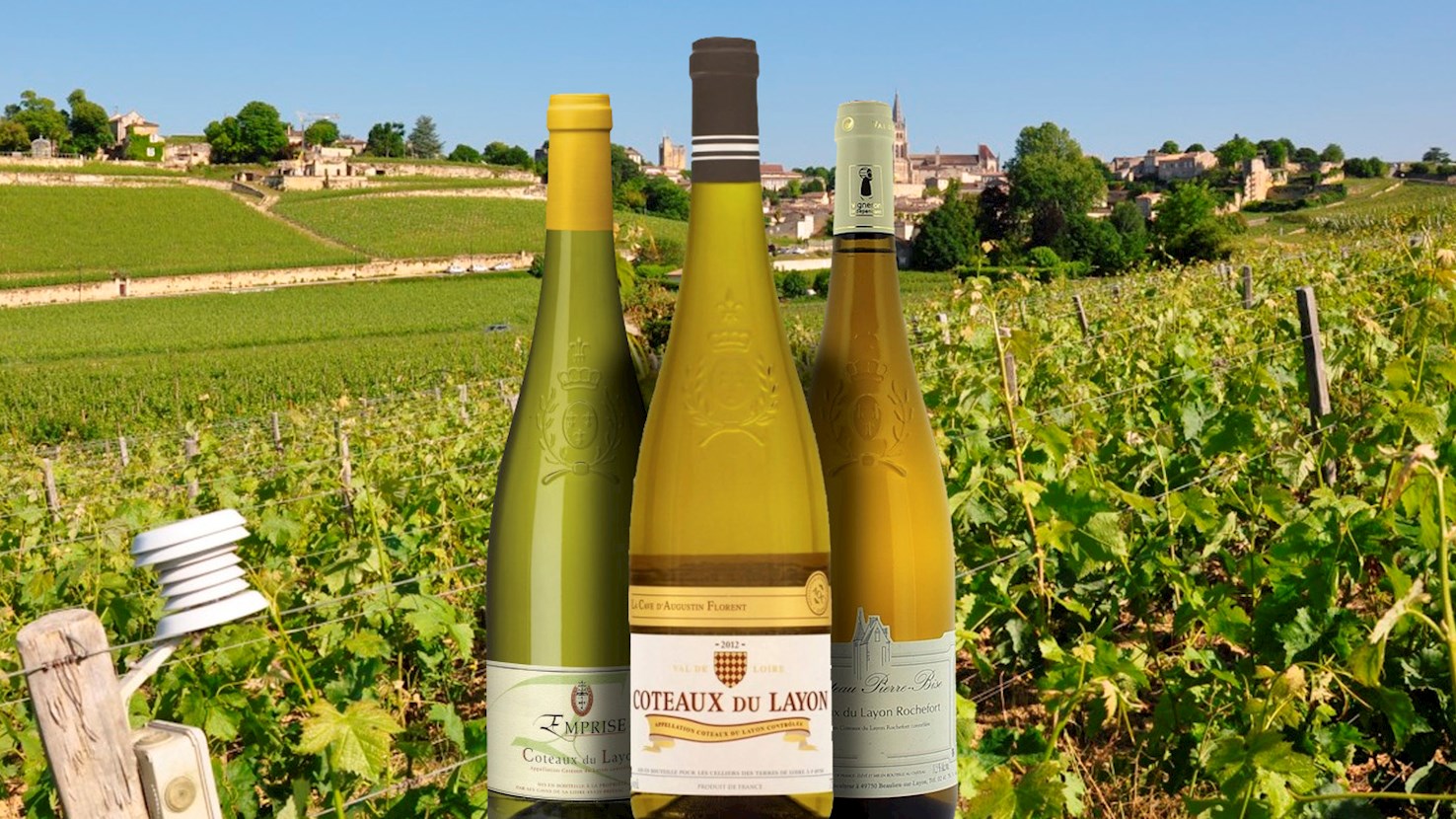
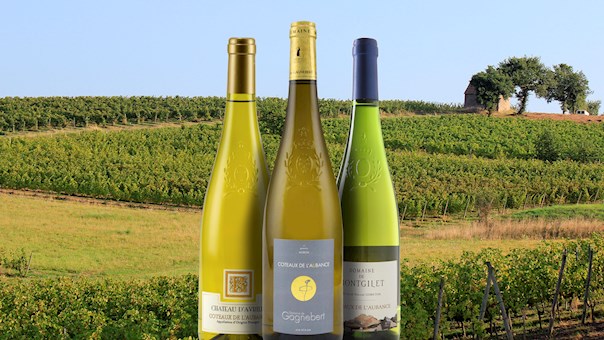
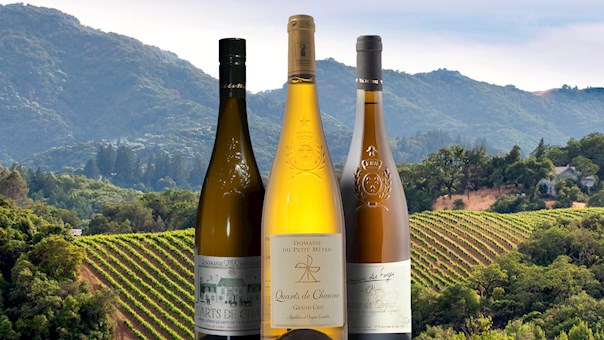
Coteaux du Layon is a French appellation located in the Loire wine region. It is known for their sweet Chenin Blanc (Pineau de Loire) wines that are produced from late harvested or noble rot grapes. Typical aromas found in these well-balanced wines include acacia flowers, honey, and yellow fruit such as apricot or quince. They can be enjoyed young, but the best examples can age quite well and develop a typical amber color and a more complex aromatic profile that displays aromas of candied fruit. Because of their creamy texture and fresh acidity, Coteaux du Layon are an excellent match to blue cheese, foie gras, and tangy frangipane or fruit-based desserts.

05

Vin Santo del Chianti

3.7 ·

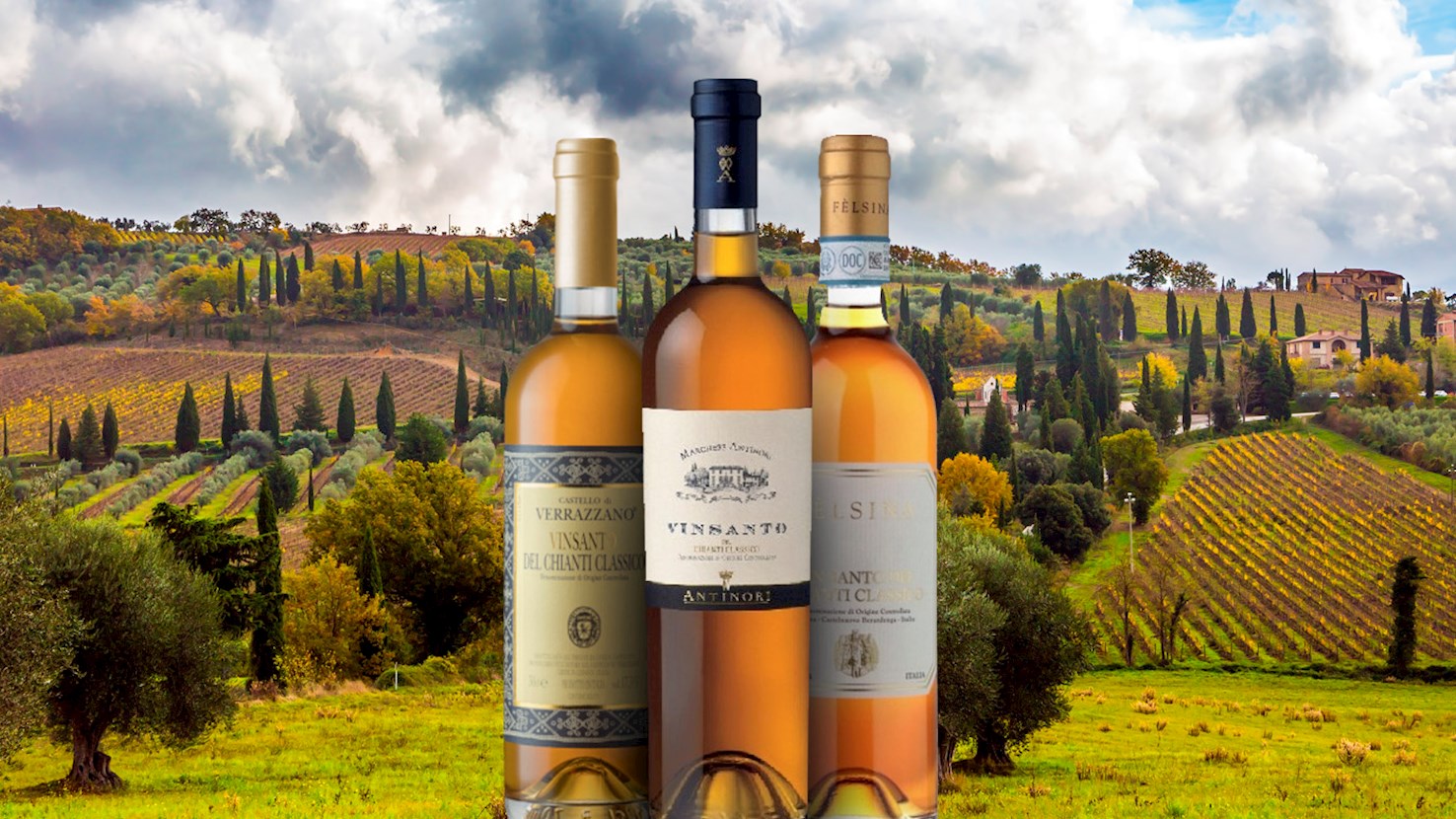
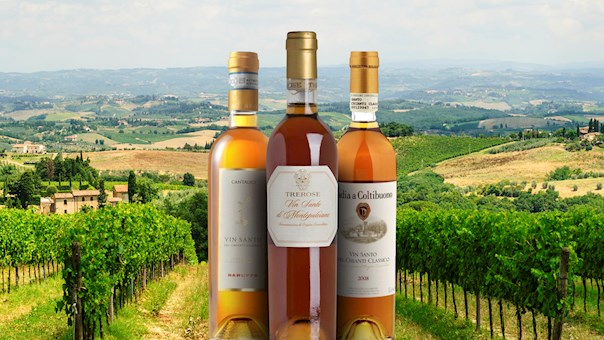
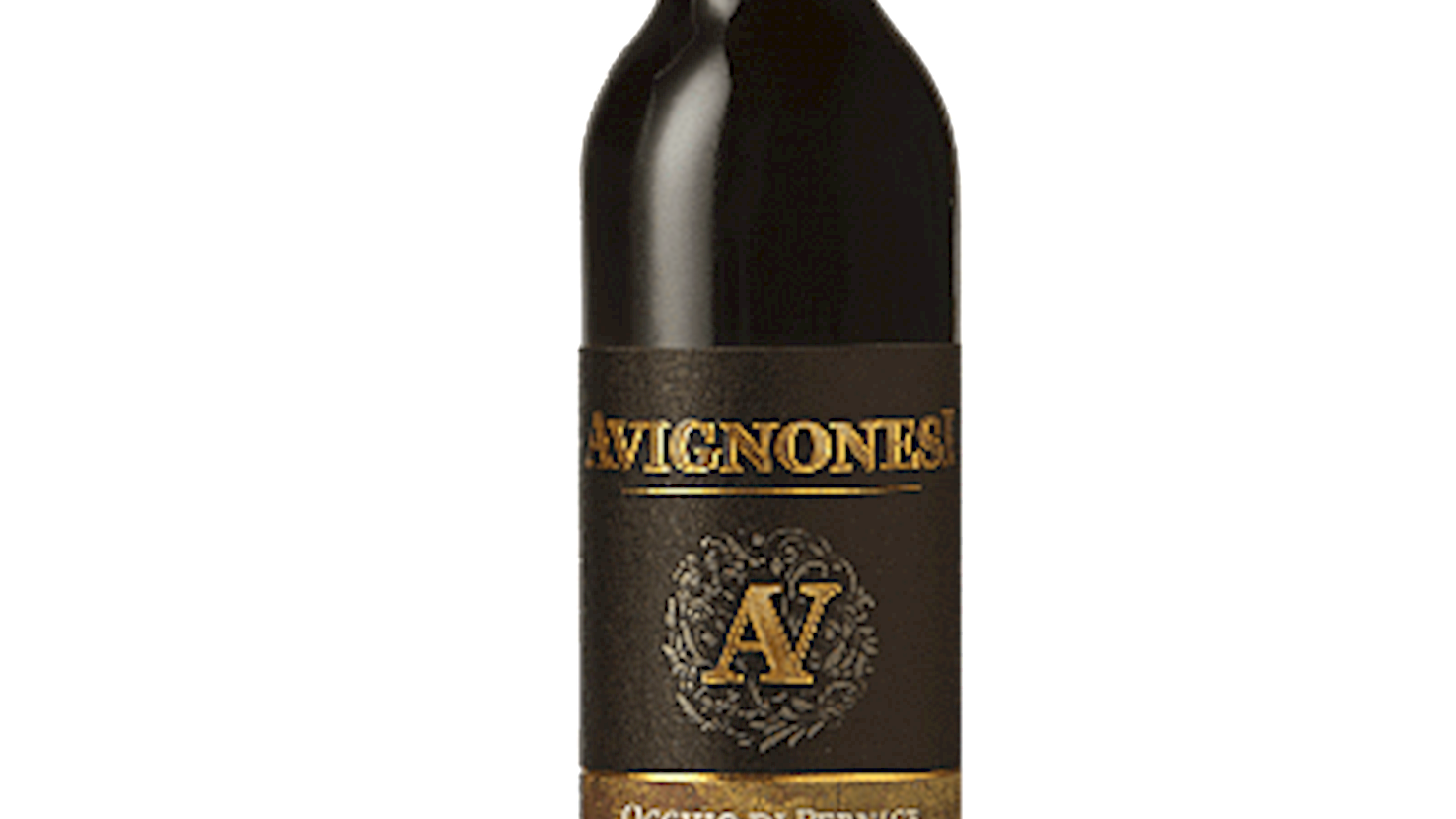
Vin Santo is a type of Italian wine made with dry grapes (passito method) that is produced in various styles. Vin Santo del Chianti is a regional variety from Tuscany—the birthplace of the style—and it can only be produced in the provinces of Arezzo, Florence, Pisa, Pistoia, Prato, and Siena. The wines can be made with Trebbiano Toscano and Malvasia, which can be used separately or in a blend. Vin Santo del Chianti is golden or amber-colored wine that is aromatic and richly flavored. The aroma is intense, usually reminiscent of dried fruit, nuts, and quince, along with honeyed and caramel notes. The wines are sweet but have enough acidity to retain freshness and avoid being cloying. Vin Santo del Chianti is a wine best paired with desserts, especially traditional Tuscan specialties. The appellation includes several subzones and Occhio di Pernice, a red variety made from Sangiovese.

06

Zibibbo (Muscat of Alexandria)

3.6 ·

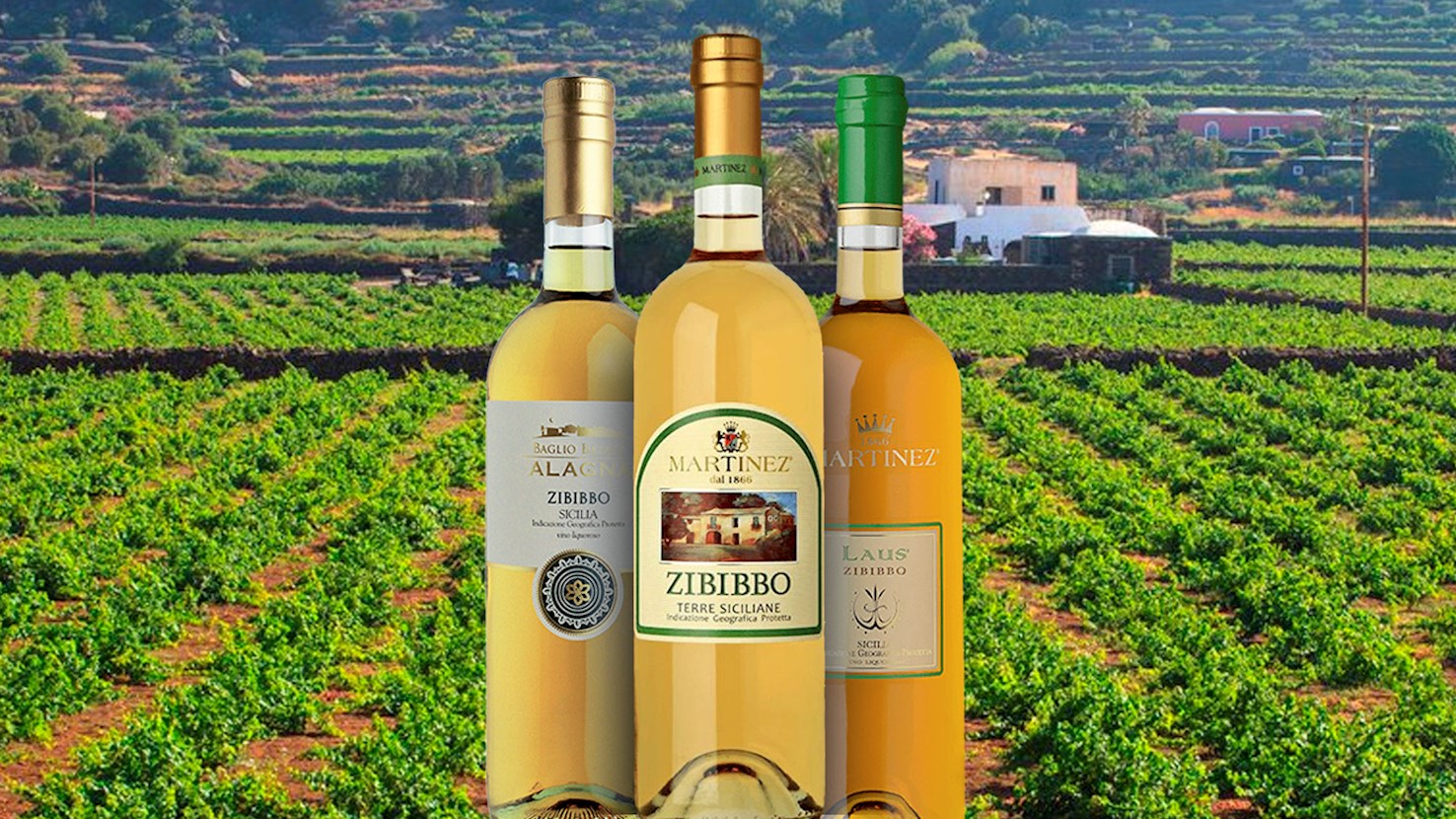
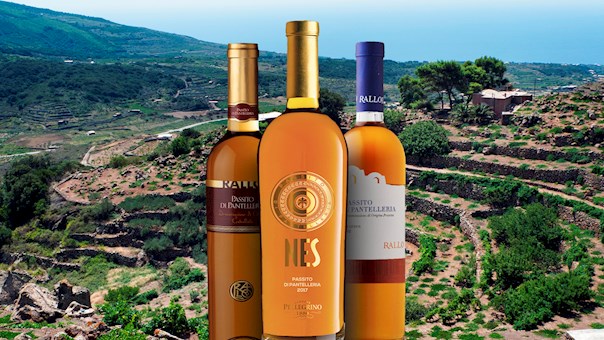
Zibibbo is the local Sicilian name for Muscat of Alexandria grapes. This grape belongs to a large family of Moscato grapes, which are famous for their perfumed aromas and sweet flavors. Muscat of Alexandria is believed to be one of the oldest genetically unmodified vines still in existence. The grape is praised for its ability to produce incredibly aromatic wines. Zibibbo is cultivated throughout Sicily, but it is best known for its use in Pantelleria, a small DOC on the eponymous island located southwest of Sicily. The grape is used in the production of dry and dessert wines. Dry wines made from Zibibo usually have floral and citrus notes, while dessert styles are dense and honeyed, with an aroma often reminiscent of candied citrus fruit, figs, dates, and nuts. It is believed that the grape was introduced by Arabs—the name z’bīb is of Arabic origin and translates as dried grape or raisin. It is a highly resilient grape that could prosper despite harsh conditions and a warm climate. Pairing Zibibbo with food will mainly depend on the wine style. Dry wines pair well with fish, seafood, or white meat, while sweeter styles naturally pair with desserts and cheese.

Best producers
07

Monbazillac

3.5 ·

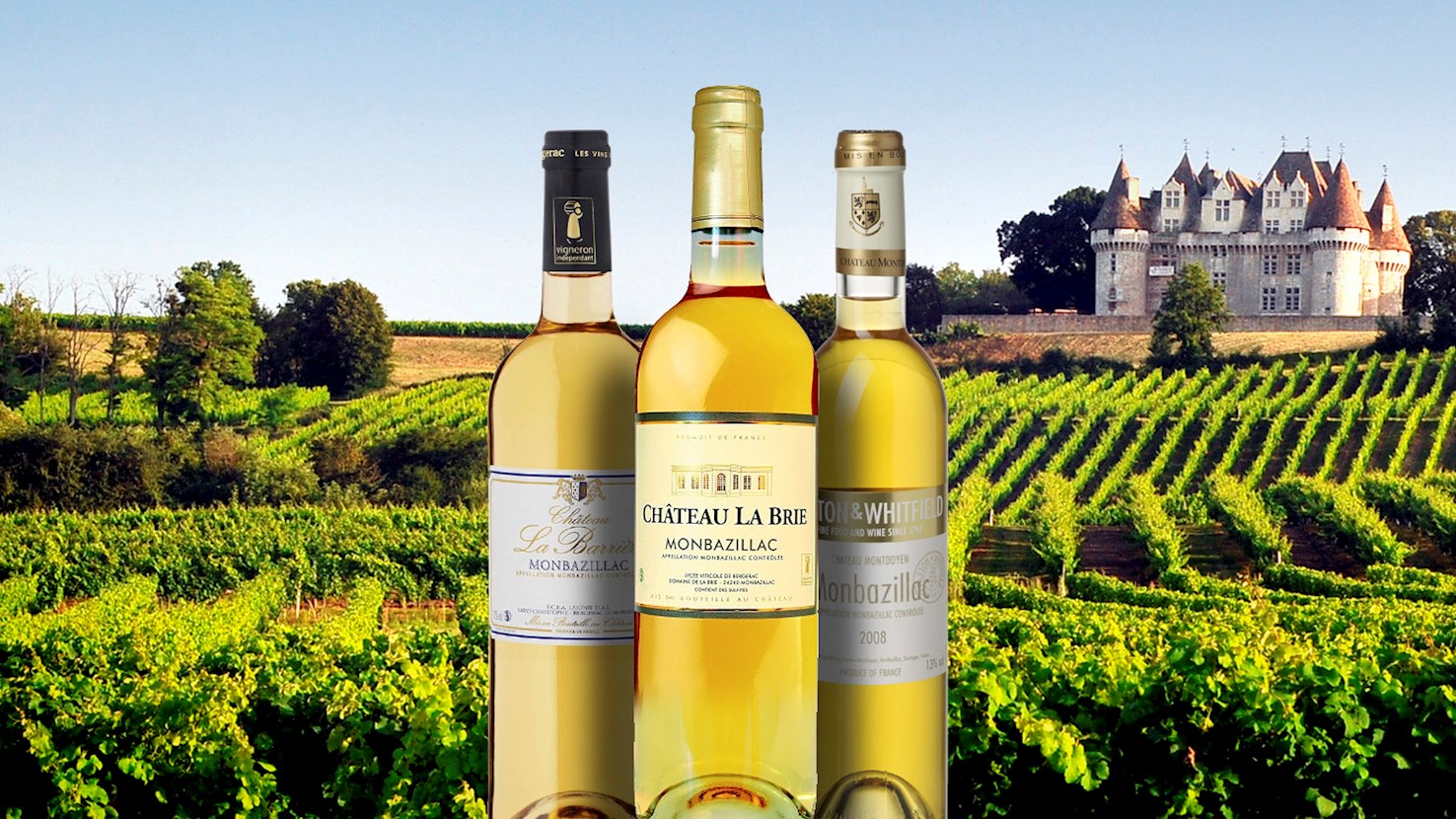
Monbazillac is a French appellation in the Bergerac wine region that mainly produces late-harvest sweet wines from Semillon, Sauvignon Blanc, and Muscadelle grapes that were affected by noble rot. The wines produced in the area are typically full-bodied with well-balanced acidity, alcohol, and sweetness. They often display aromas of honey, flowers, candied and citrus fruit, and they sometimes have a distinctive nutty aftertaste. Monbazillac wines are suitable for long aging, and though most are aged for at least ten years, the best expressions are suitable for longer aging. These rich wines are a perfect match to various creamy dishes, foie gras, fresh fruit, and fruit-based desserts.

08

Barsac

n/a ·

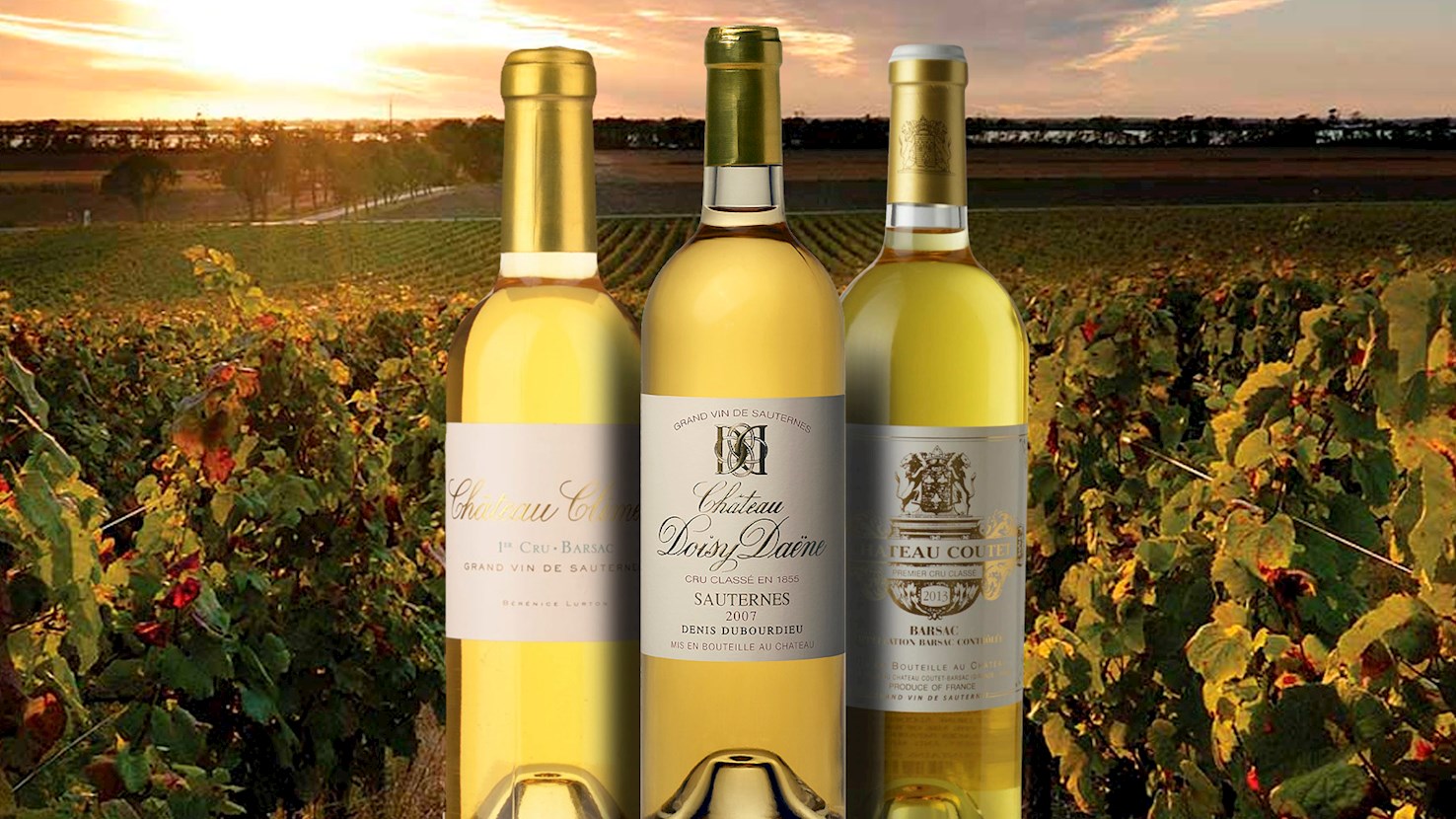
Barsac is a white dessert wine that gets its name from a small village south of Bordeaux in the south-west of France. It is mainly produced from Semillon grapes, though Sauvignon Blanc, Sauvignon Gris, and Muscadelle may also be used in the blend. Barsac wine-growers have a privilege to use the AOC label Sauternes for their wines, while they also have a separate Barsac appellation. Young Barsac wines are light-bodied with an intense golden color that develops into deep amber with aging. They are well-balanced, concentrated, and fresh, with notes of stone fruit, white flowers, almonds, and honey. Barsac wines can be enjoyed as an aperitif, but they also go well with foie gras, cheese, crustaceans, oysters, and pair naturally with fruit-based desserts.

Best producers
09

Sainte-Croix-du-Mont

n/a ·

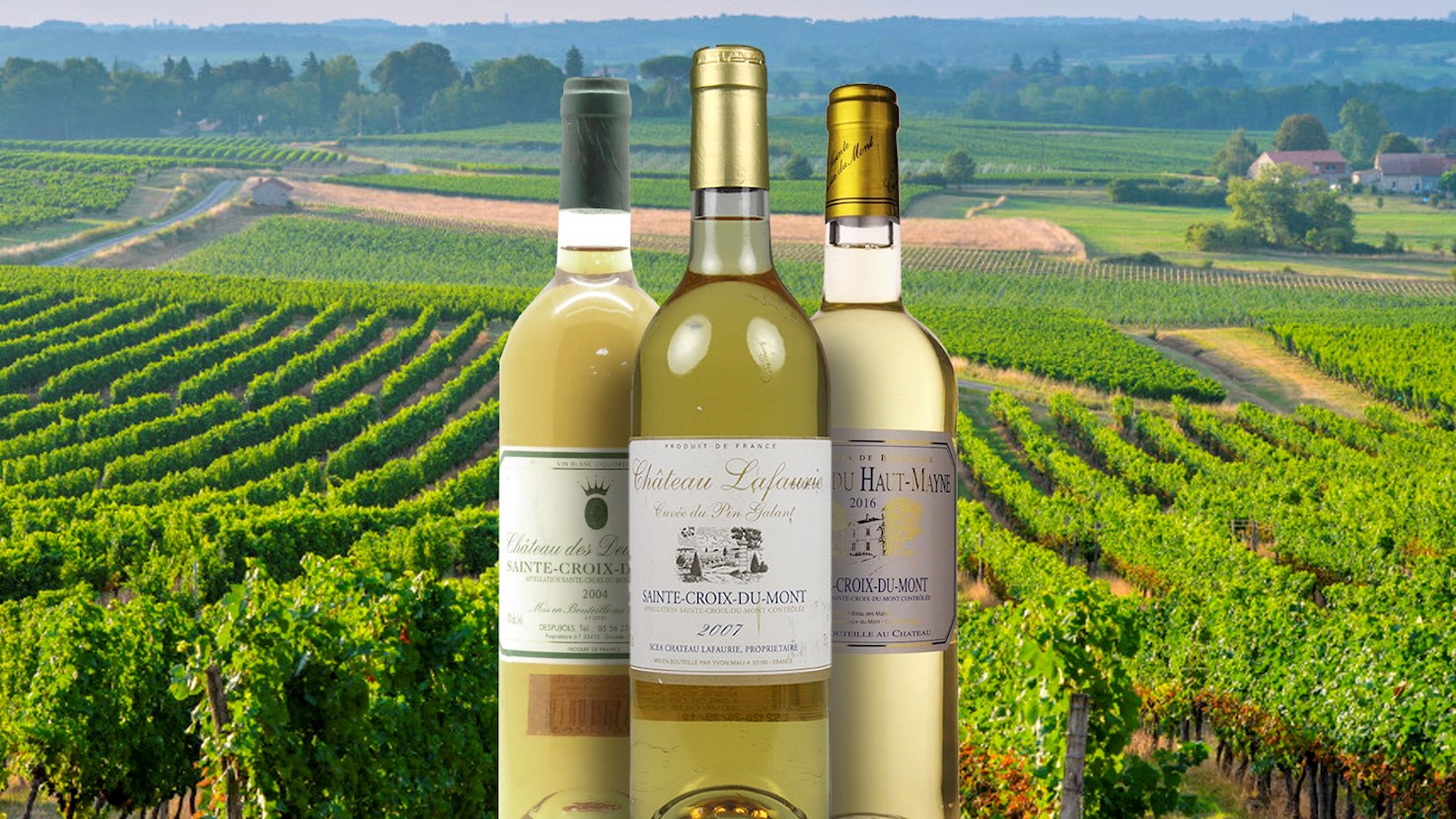
Sainte-Croix-du-Mont is a French appellation for sweet white wines located in Bordeaux. Muscadelle, Sauvignon Blanc, and Sémillon are the principal grape varieties used in their production. These wines are usually deep yellow with golden highlights. They are full-bodied, rich, and complex, with a great balance of sweetness and acidity, while the typical flavors and aromas include candied fruit, raisins, white flowers, honey, and acacia. Although less prestigious than the neighboring Sauternes, Sainte-Croix-du-Mont wines share a similar character and can also age well. They are best paired with desserts, foie gras, or poultry served in rich, creamy sauces.

10

Moscato Giallo

n/a ·

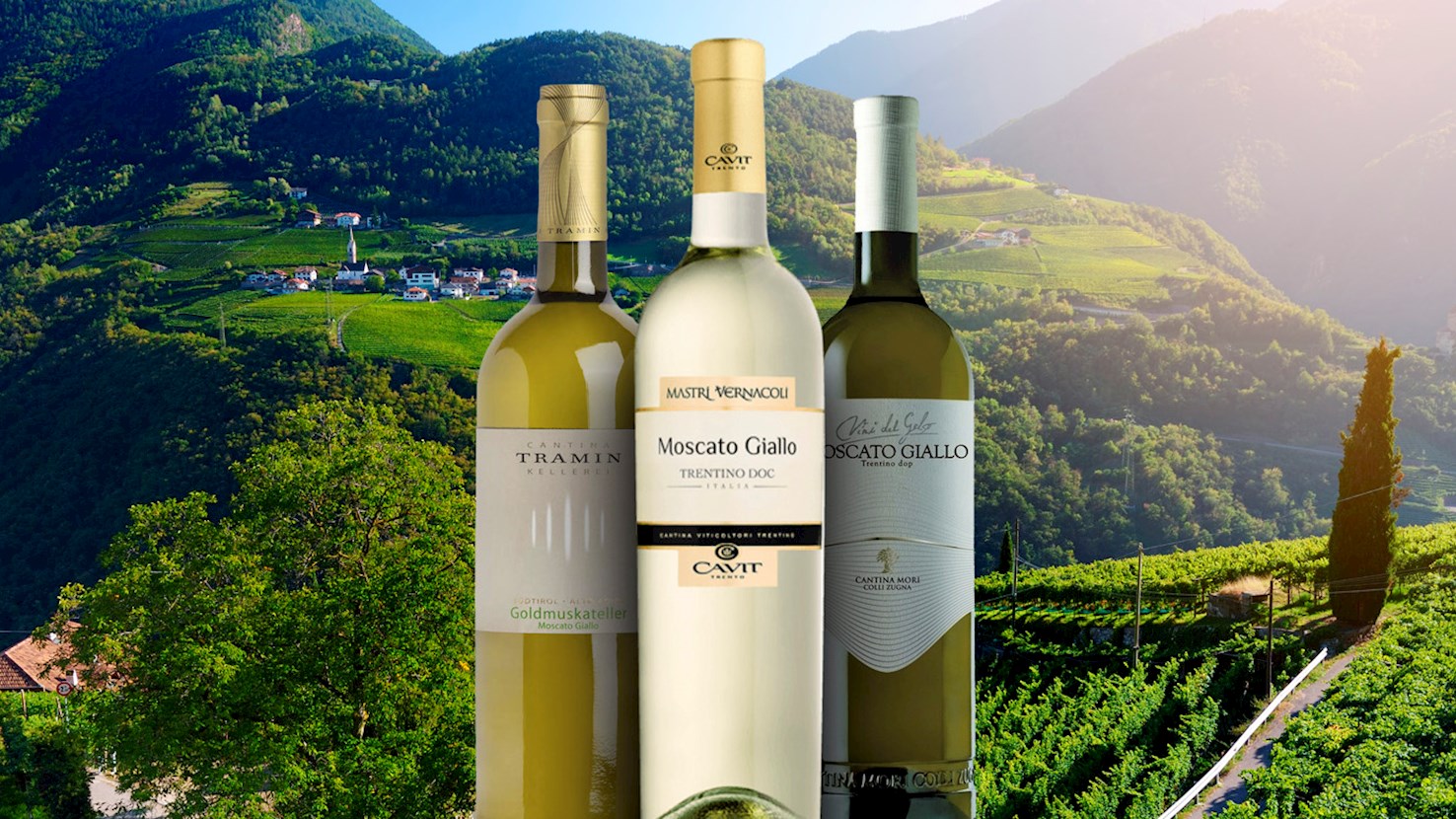
Moscato Giallo is a white grape variety that probably originated in Italy. It is mainly cultivated in northern Italy, with the best expressions coming from Trentino-Alto Adige. The grape belongs to the broad Moscato family. It is used in the production of dry, sweet, and sparkling styles, and it is included in several Italian appellations. Moscato Giallo produces aromatic and subtly sweet white wines with moderate acidity. On the nose, they usually display tropical fruit, citruses, peaches, and sweet spices. Dessert styles are sweeter and more complex, with more concentrated aromas. There are several theories about the origin of Muscato Giallo, but most remain unconfirmed. It was only proven that it is related to Moscato Bianco (Muscat Blanc à Petits Grains). These wines can pair with various dishes, but pairing options will mostly depend on vinification. Sweet styles match traditional desserts, while dry wines can be enjoyed as an aperitif. They can also go well with cheese, cold cuts, light appetizers, and fish.

Best Western European Dessert Wines
01

Château d'Yquem

5 ·
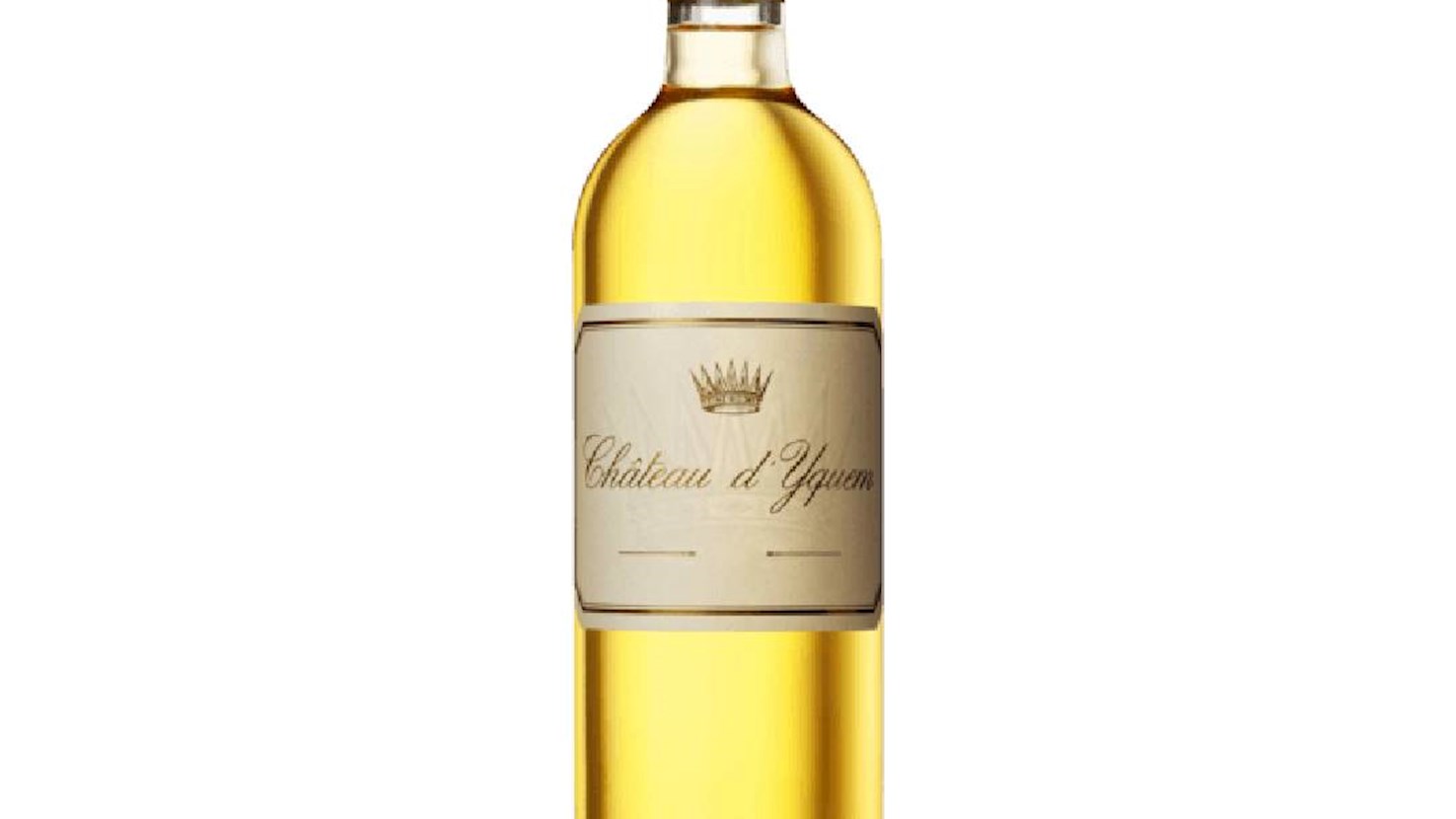
Château d’Yquem stands as one of the most revered names in the world of wine - a symbol of timeless dedication, patience, and craftsmanship passed down through generations. Its wines are not simply made; they are created through a meticulous process where nature and human expertise work in perfect harmony. Each harvest begins with careful observation of the vineyards, where grapes are handpicked over several passes, selecting only the finest berries touched by noble rot. This rigorous selection results in extremely low yields, yet every drop of wine carries an extraordinary concentration of flavor and aroma. In the glass, Yquem captivates with remarkable depth and complexity: layers of honey, dried fruits, and exotic spices intertwine with a fresh, vibrant acidity that grants it exceptional longevity. Its ability to evolve and shine for decades - sometimes even centuries - makes it a wine like no other. What truly sets Château d’Yquem apart is its uncompromising pursuit of perfection. In years when the grapes do not meet the highest standards, the wine simply isn’t produced. This rare dedication to excellence turns each bottle into more than a wine - it is an experience, a memory, and a masterpiece in liquid form.
Awards
James Suckling - 100 points (2024)
Falstaff - 100
02

Domaine Cauhapé

5 ·
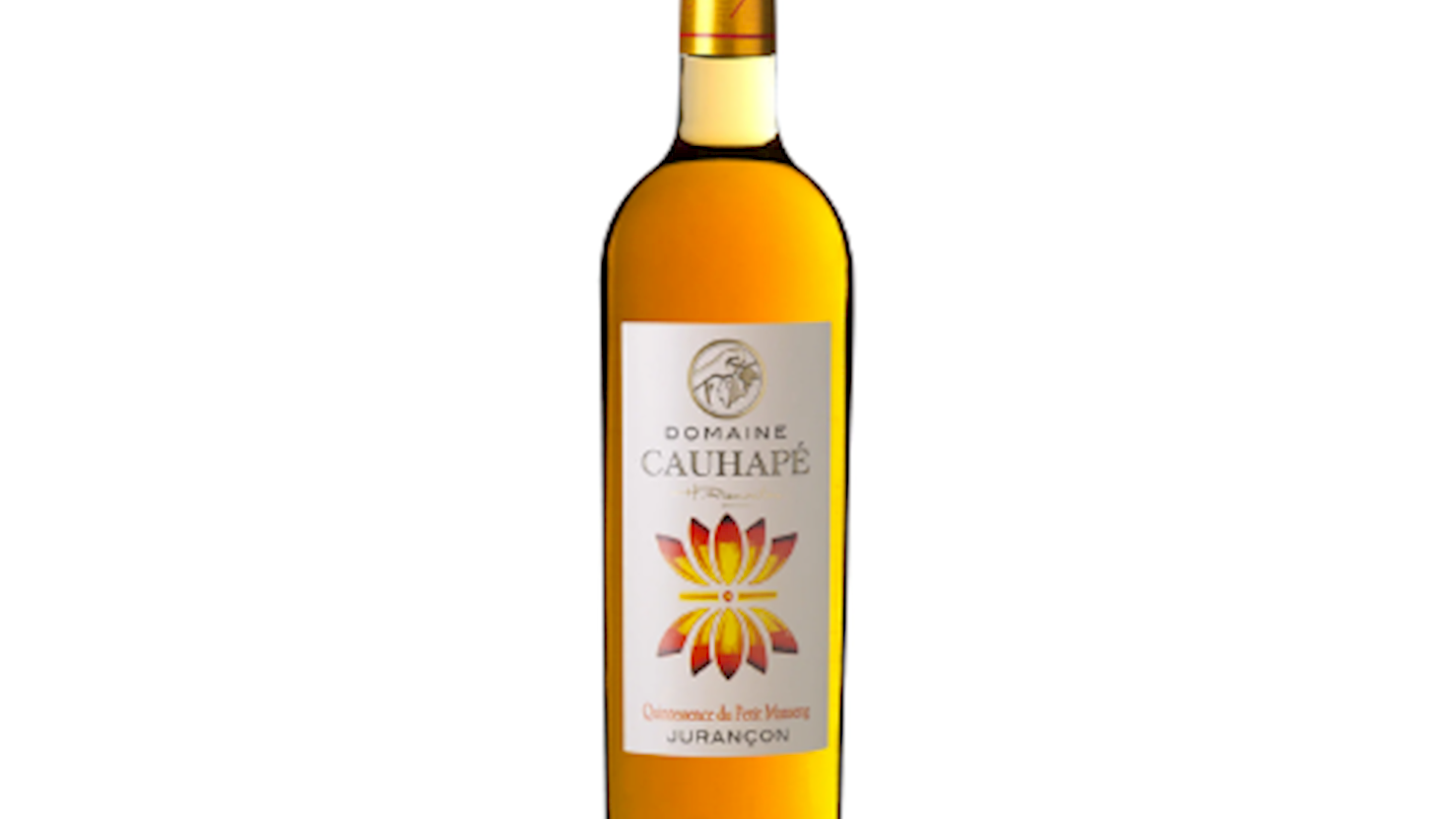
Domaine Cauhapé is a family-run estate located in the Jurançon appellation in southwest France, at the foothills of the Pyrenees. Under the leadership of Henri Ramonteu since the 1980s, the winery has become one of the leading producers in the region, known for its expressive and distinctive wines. The vineyards are planted on sloping sites with clay-limestone and siliceous soils, influenced by both Atlantic and mountain climates, allowing for slow ripening and the preservation of freshness. The estate focuses primarily on indigenous varieties such as Gros Manseng and Petit Manseng, which produce wines with intense aromatic profiles ranging from citrus and tropical fruit to honey, spice and floral notes. Domaine Cauhapé produces both dry and sweet wines, with the latter often made from late-harvest grapes that achieve natural concentration on the vine. The wines are defined by a balance between richness and acidity, resulting in vibrant, aromatic and structured styles with long finishes. Ramonteu is also known for his innovative approach, experimenting with grape varieties and winemaking techniques while maintaining a strong connection to terroir. Today, the estate is considered a benchmark for Jurançon, combining tradition, precision and a clear sense of identity.
Awards
Decanter World Wine Awards - Best in Show (2022)
Decanter World Wine Awards - Platinum (2021, 2019, 2017)
03

Donnafugata

5 ·
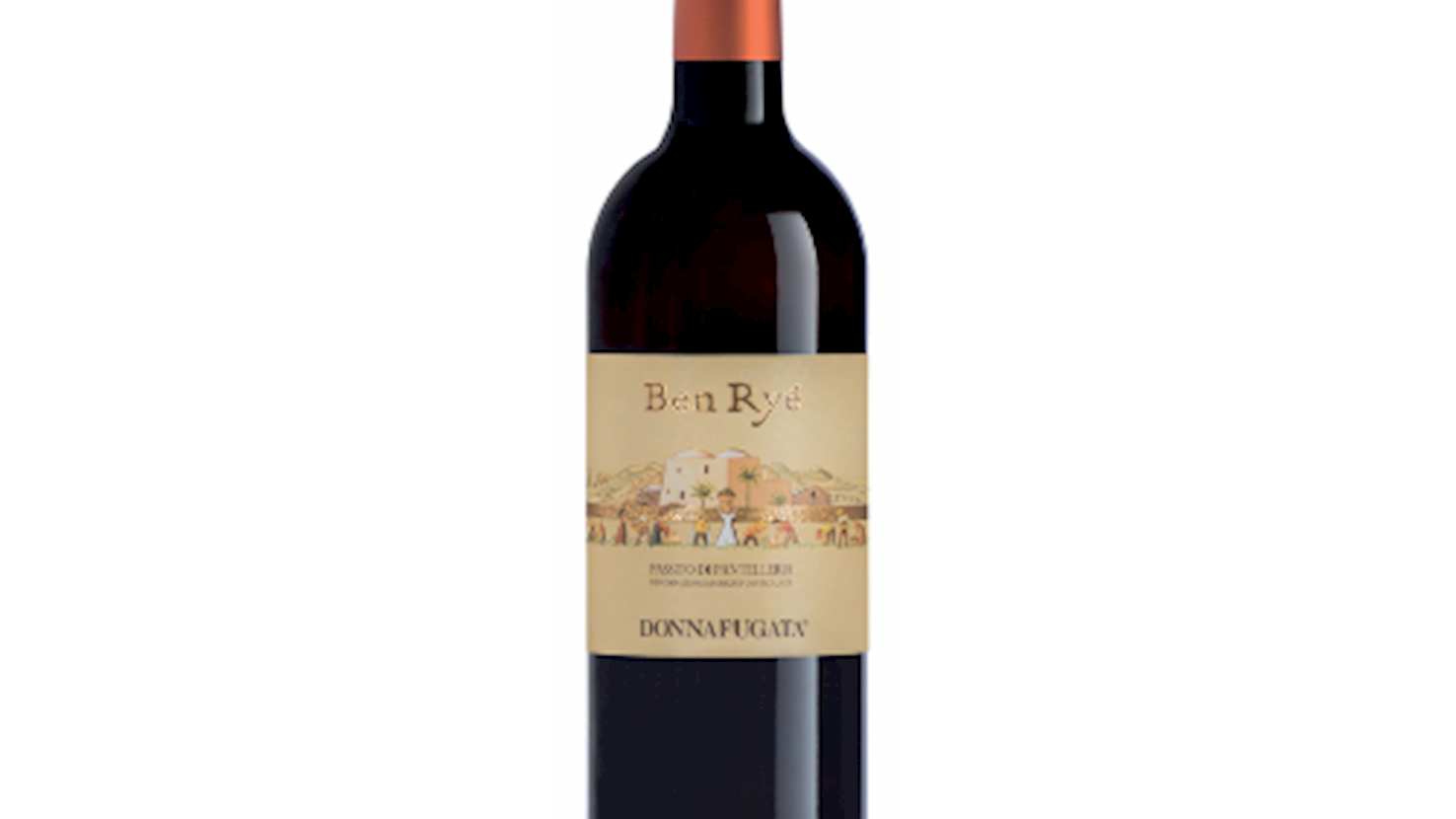
Donnafugata is one of Sicily’s most influential family-owned wineries, known for wines that interpret the island’s diversity with clarity, elegance, and a strong sense of place. Founded in the early 1980s by Giacomo and Gabriella Rallo, and rooted in a much longer family winegrowing tradition, the estate is today led by the next generation with a clear focus on quality, sustainability, and territorial identity. Donnafugata operates vineyards and wineries across several key Sicilian areas, including Contessa Entellina, Marsala, Pantelleria, Vittoria, and Mount Etna, allowing for a wide range of stylistic expressions shaped by distinct climates and soils. Particular emphasis is placed on indigenous varieties such as Nero d’Avola, Frappato, Carricante, Nerello Mascalese, and Zibibbo, each vinified to highlight varietal character rather than winemaking effect. The wines are defined by aromatic precision, balance, and freshness, avoiding excess extraction or heaviness. Donnafugata is especially renowned for Ben Ryé from Pantelleria, a benchmark passito wine, as well as for its refined dry wines that underscore Sicily’s potential as a world-class wine region. Through a combination of tradition, innovation, and a strong visual and cultural identity, Donnafugata stands as a reference point for contemporary Sicilian winemaking.
Awards
Decanter World Wine Awards - Platinum (2024, 2021, 2020, 2019, 2017)
Decanter World Wine Awards - Best in Show (2018)
05

Bussola

4.8 ·
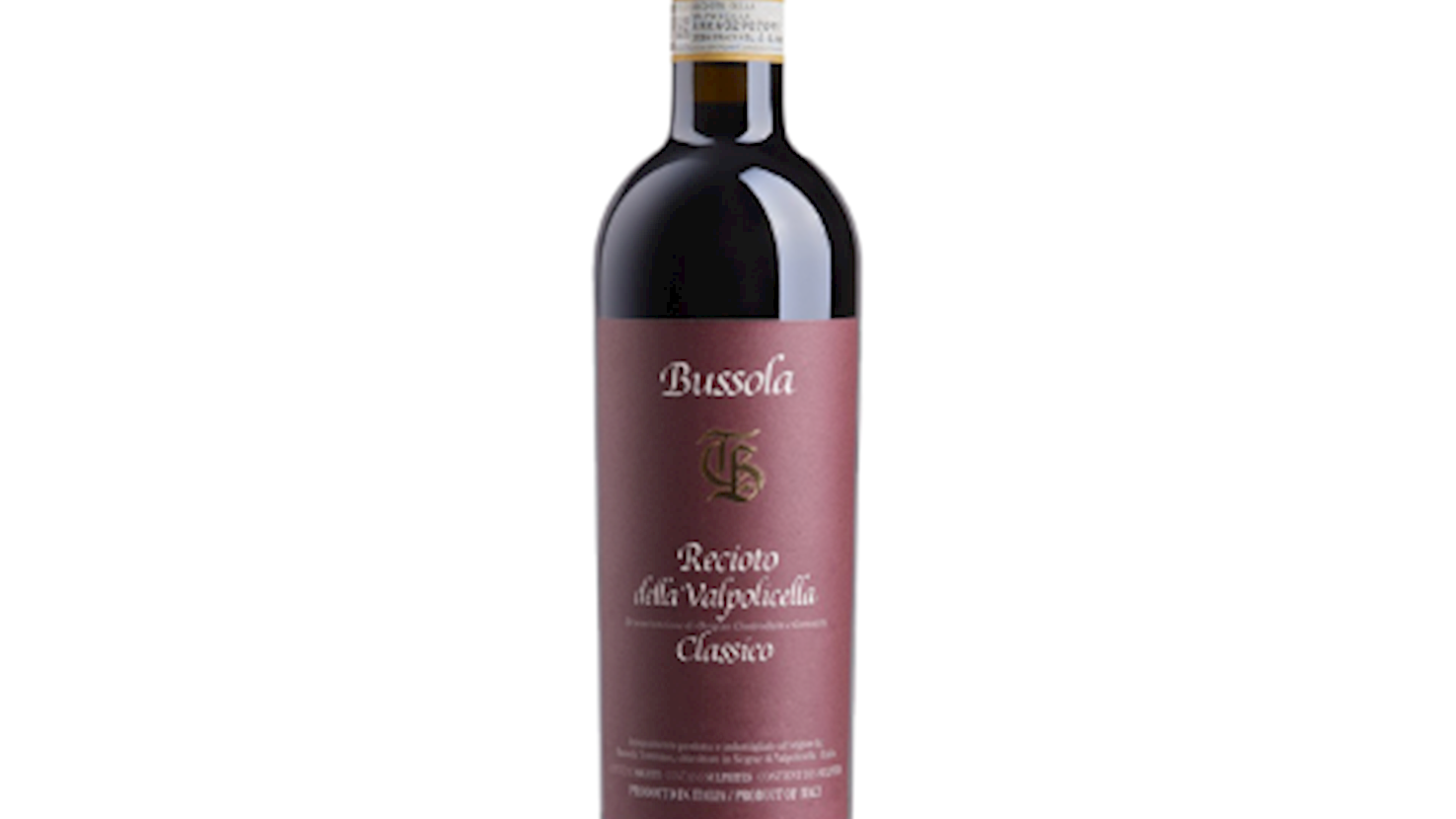
Bussola is a family-run winery based in Negrar di Valpolicella, at the heart of the Valpolicella Classica zone in Veneto, an area renowned for its structured and age-worthy red wines. Founded and shaped by Tommaso Bussola since the late 1970s, the estate focuses on traditional local grape varieties such as Corvina, Corvinone, Rondinella, Molinara, and Croatina. The vineyards are spread across different altitudes and exposures, with soils rich in limestone and volcanic elements that contribute to depth, freshness, and mineral tension in the wines. Vineyard work follows sustainable principles, relying on manual harvesting and minimal chemical treatments to preserve grape integrity. Bussola is particularly known for its mastery of the appassimento technique, producing Valpolicella Ripasso, Amarone della Valpolicella Classico, and Recioto, alongside more straightforward and terroir-driven Valpolicella styles. Winemaking emphasizes long, slow fermentations and extended aging in a combination of large oak casks and barriques. The resulting wines are concentrated yet balanced, marked by precision, structure, and strong aging potential. Today, the winery is supported by the next generation of the Bussola family, ensuring continuity of its artisanal approach and deep connection to Valpolicella’s winemaking heritage.
Awards
Vivino - 4.6
Vivino - 4.5
06

Château Lafaurie-Peyraguey

4.8 ·
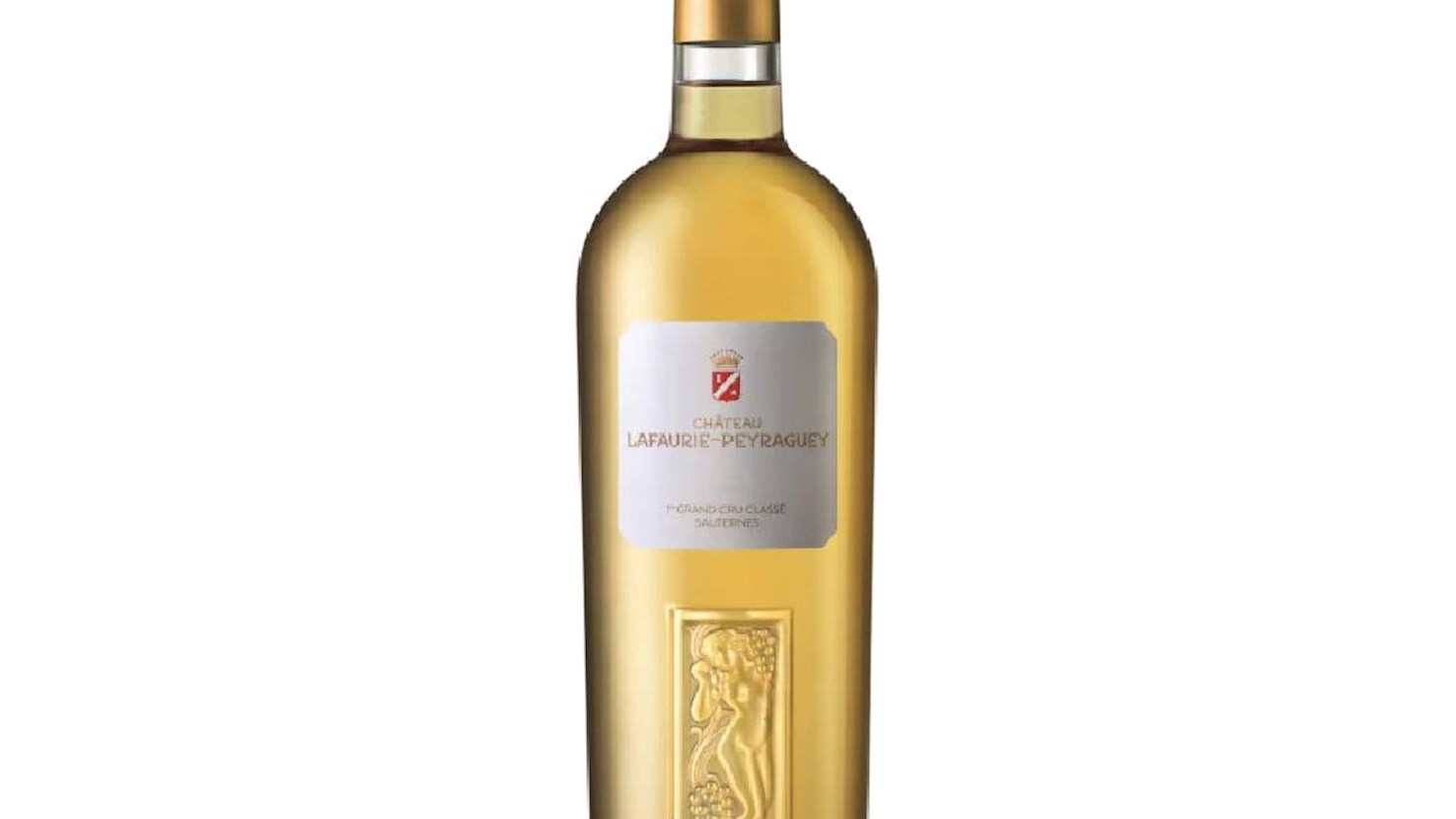
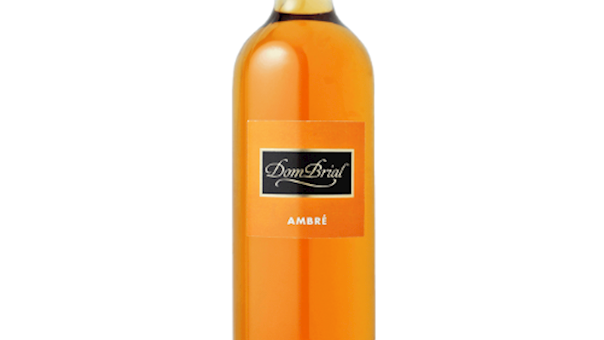
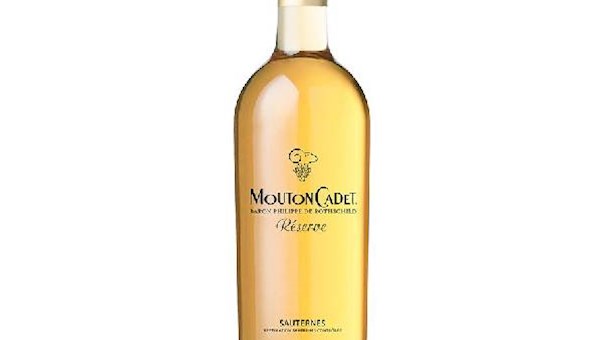
Château Lafaurie-Peyraguey is a winery located in the heart of the Sauternes appellation in the Bordeaux region of France. With a history dating back to the 13th century, this château originally served as a fortress and became a winery after the French Revolution under the leadership of Pierre Lafaurie. Their wines earned a reputation for excellence, confirmed in 1855 when Château Lafaurie-Peyraguey was awarded the status of Premier Cru Classé. The vineyards span 18 hectares, situated on the third terrace of the Sauternes appellation, at an elevation of over 70 meters. The diversity of soils, predominantly composed of gravel and clay, contributes to the exceptional aromatic complexity of their wines.
Awards
James Suckling - 100 points (2024)
Decanter World Wine Awards - Platinum (2017)
07

Château Suduiraut

4.8 ·
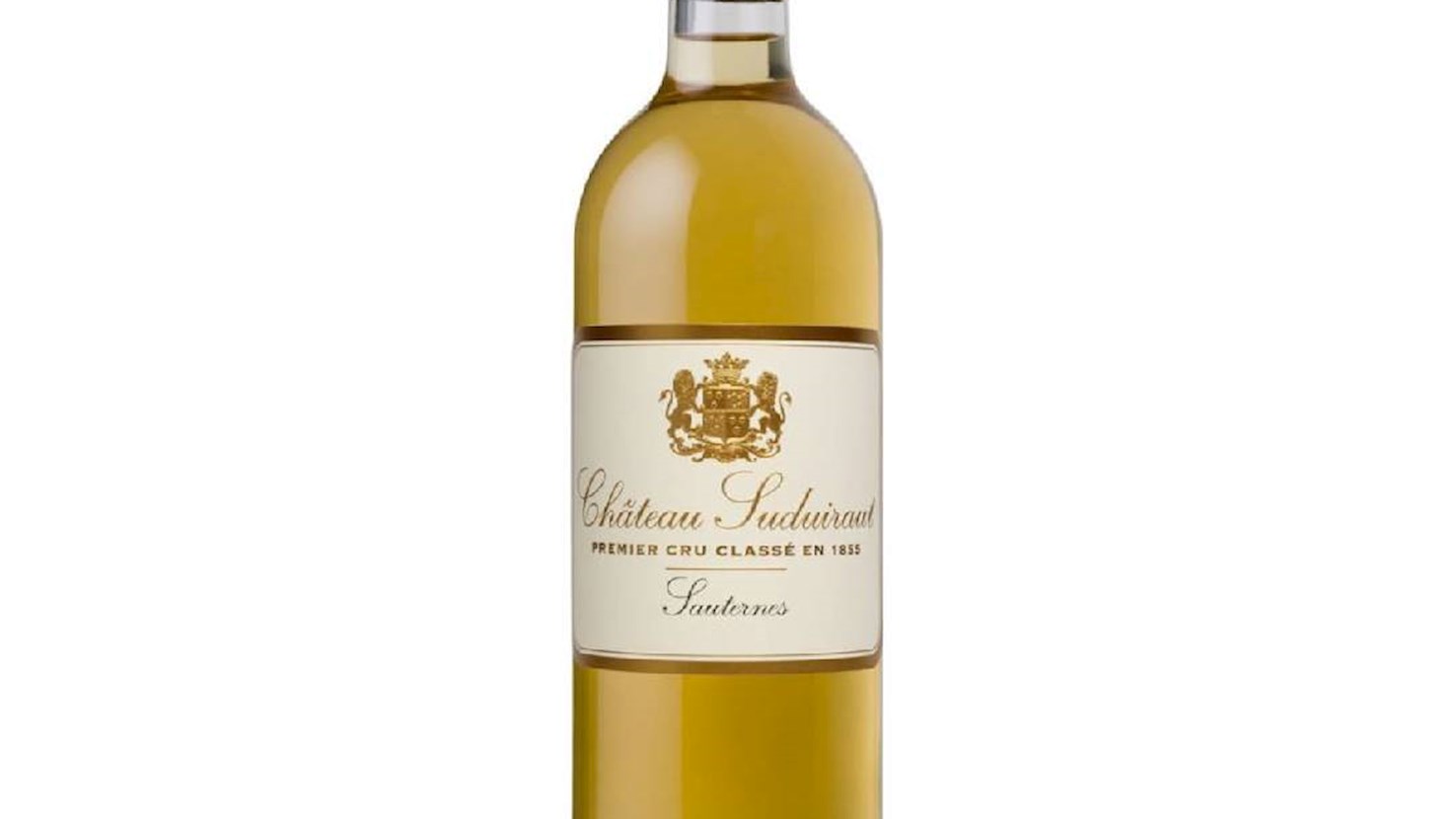
Château Suduiraut is a distinguished winery located in the Sauternes appellation of the Bordeaux region, France. Its history dates back to 1580, when the estate was named after the marriage of Nicolas d'Allard and Léonarde de Suduiraut. During the Fronde, the château was looted and burned but was restored in the 17th century. In the 18th century, Jean Joseph Duroy, Baron of Noyan and a relative of the Suduiraut family, took over the estate and renamed it "Cru du Roy". The emblem created at the time, combining the family crests of Suduiraut and Duroy, inspired the winery's current logo. The estate's vineyards cover 91 hectares, characterized by gravelly and clay-sandy soils that contribute to the richness and complexity of the wines. With a planting density of 7,000 vines per hectare and an average vine age of 35 years, the vineyard practices are focused on sustainability and quality. The grape composition is predominantly 80% Sémillon, 15% Sauvignon Blanc, and 5% Sauvignon Gris. Château Suduiraut wines are celebrated for their elegance, complexity, and longevity. Their golden hue, reminiscent of sunlight, deepens to a rich amber tone over time. The wines feature a remarkable aromatic profile of floral, fruity, and caramelized notes, making them highly coveted by wine enthusiasts worldwide.
Awards
James Suckling - 100 points (2024)
Vivino - 4.3
08

Vignalta

4.8 ·
Vignalta is a winery located in the Colli Euganei area, southwest of Padua in the Veneto region, an area known for its volcanic soils and strong territorial identity. The estate was established in the late 20th century with a clear focus on expressing terroir through low yields and careful vineyard management. Its vineyards are planted on hilly sites characterized by basaltic and clay-rich volcanic soils, which give the wines structure, depth, and a distinctive mineral character. Vignalta works primarily with varieties such as Merlot, Cabernet Franc, Carménère, and selected local white grapes, producing wines that emphasize precision and balance. The winery is particularly known for its structured, age-worthy red wines, made through meticulous vinification and extended aging. Its style combines concentration with elegance, avoiding excess while highlighting varietal clarity and site expression. Vignalta’s wines are considered among the most refined examples from the Colli Euganei area, clearly reflecting the uniqueness of its volcanic terroir.
Awards
Decanter World Wine Awards - Platinum (2019)
Vivino - 4.3
09

Château Nairac

4.6 ·
Château Nairac is a historic wine estate located in the Barsac appellation of Bordeaux, renowned for producing refined sweet wines classified as Premier Cru Classé in the 1855 Sauternes and Barsac classification. The château dates back to the 18th century and was named after the Nairac family, who played a key role in establishing its early reputation. The vineyards lie on distinctive Barsac soils composed of limestone covered with clay and gravel, a terroir that brings freshness, precision, and elegance to the wines. The grape composition is typically dominated by Sémillon, supported by Sauvignon Blanc and small amounts of Muscadelle, ideally suited to the development of noble rot (Botrytis cinerea). Harvesting is done by successive hand pickings, allowing only optimally botrytized grapes to be selected. Château Nairac is widely regarded as a benchmark Barsac producer, valued for its consistency, finesse, and clear expression of its unique terroir.
Awards
Vivino - 4.2
Wine-Searcher - 91/100
10

Château la Tour Blanche

4.4 ·
Château La Tour Blanche is a historically significant estate in the Sauternes appellation, classified as a Premier Cru Classé in the renowned 1855 classification. Located in the village of Bommes, the estate benefits from a unique microclimate where warm air from the Garonne River meets the cool mists of the Ciron, creating ideal conditions for the development of noble rot (botrytis cinerea). This natural process concentrates sugars and aromatic compounds in the grapes, defining the signature style of Sauternes wines. The vineyards are predominantly planted with Sémillon, complemented by Sauvignon Blanc and Muscadelle, contributing to a balance of richness, freshness, and aromatic complexity. The estate’s historical evolution was notably shaped by Frederic Focke, who played a key role in refining sweet wine production techniques in the region. Today, Château La Tour Blanche is owned by the French state and also serves as a viticultural and oenological school, making it unique in both educational and production contexts. Its wines are characterized by layered aromas of honey, candied apricot, dried fruits, and subtle spice. On the palate, they are rich and textured, supported by vibrant acidity that maintains balance and ensures long aging potential. The style emphasizes precision and a clear expression of terroir, without excessive oak influence. The estate continues to stand out for its consistency and its commitment to the classic identity of Sauternes.
Awards
Vivino - 4.3
Vivino - 4.0
Read more
View all
View map
About this ranking

TasteAtlas food rankings are based on the ratings of the TasteAtlas audience, with a series of mechanisms that recognize real users and that ignore bot, nationalist or local patriotic ratings, and give additional value to the ratings of users that the system recognizes as knowledgeable. For the “Top 63 Western European Dessert Wines” list until June 15, 2026, 212 ratings were recorded, of which 152 were recognized by the system as legitimate. TasteAtlas Rankings should not be seen as the final global conclusion about food. Their purpose is to promote excellent local foods, instill pride in traditional dishes, and arouse curiosity about dishes you haven’t tried.

The initial list of top producers was compiled based on available reviews, awards, local recommendations, media and blog coverage, and consumer reviews. The list will be updated with ratings from TasteAtlas local ambassadors and TasteAtlas users.

Similar lists