shutterstock

Top 55 Turkish Desserts

Last updated on May 15, 2026

Best Turkish Desserts
01

Antakya künefesi

4.5 ·

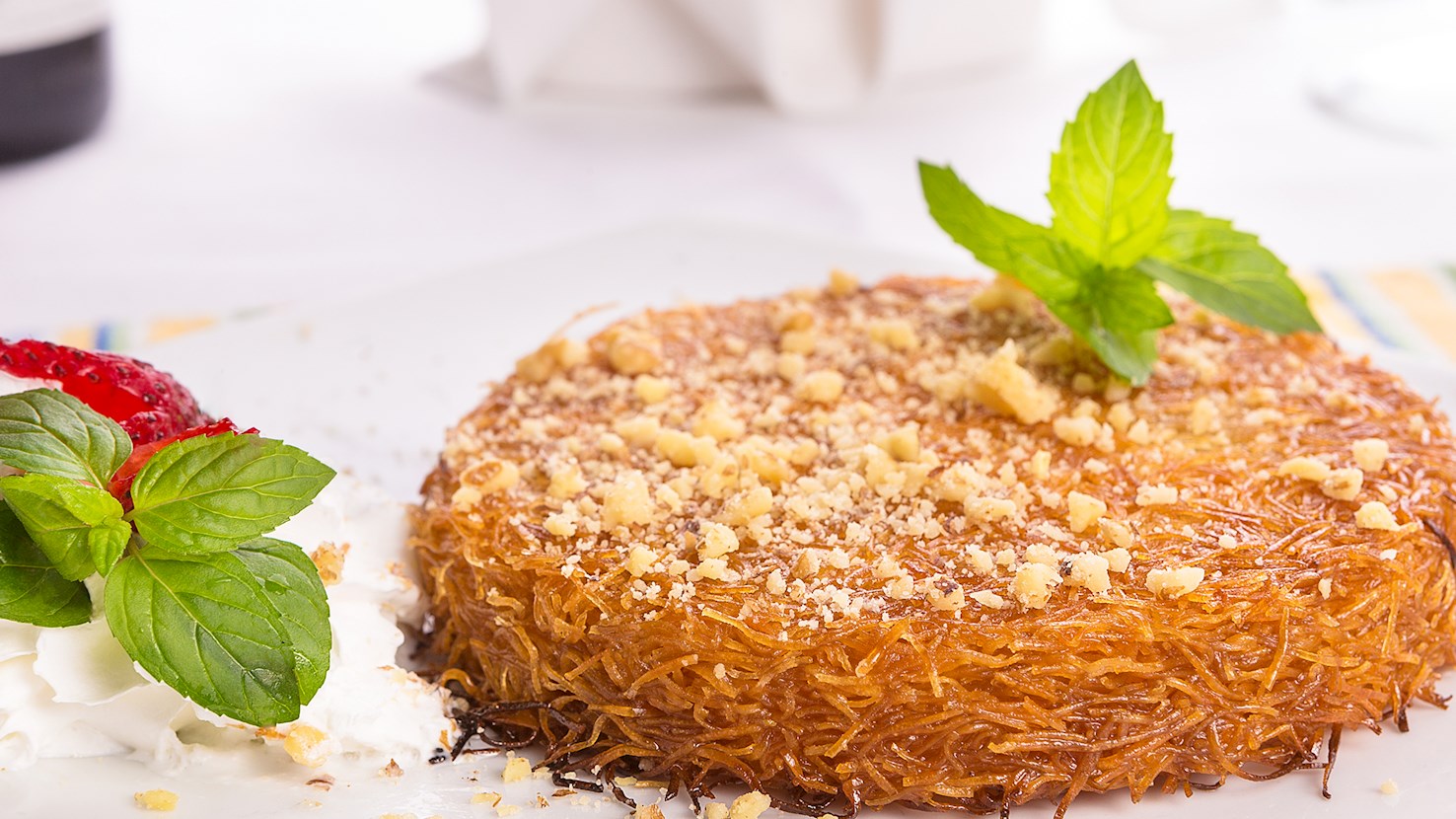
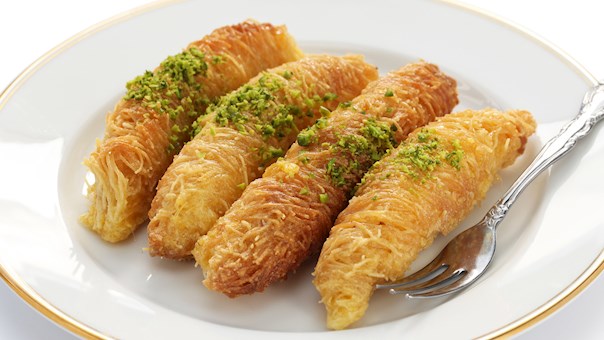
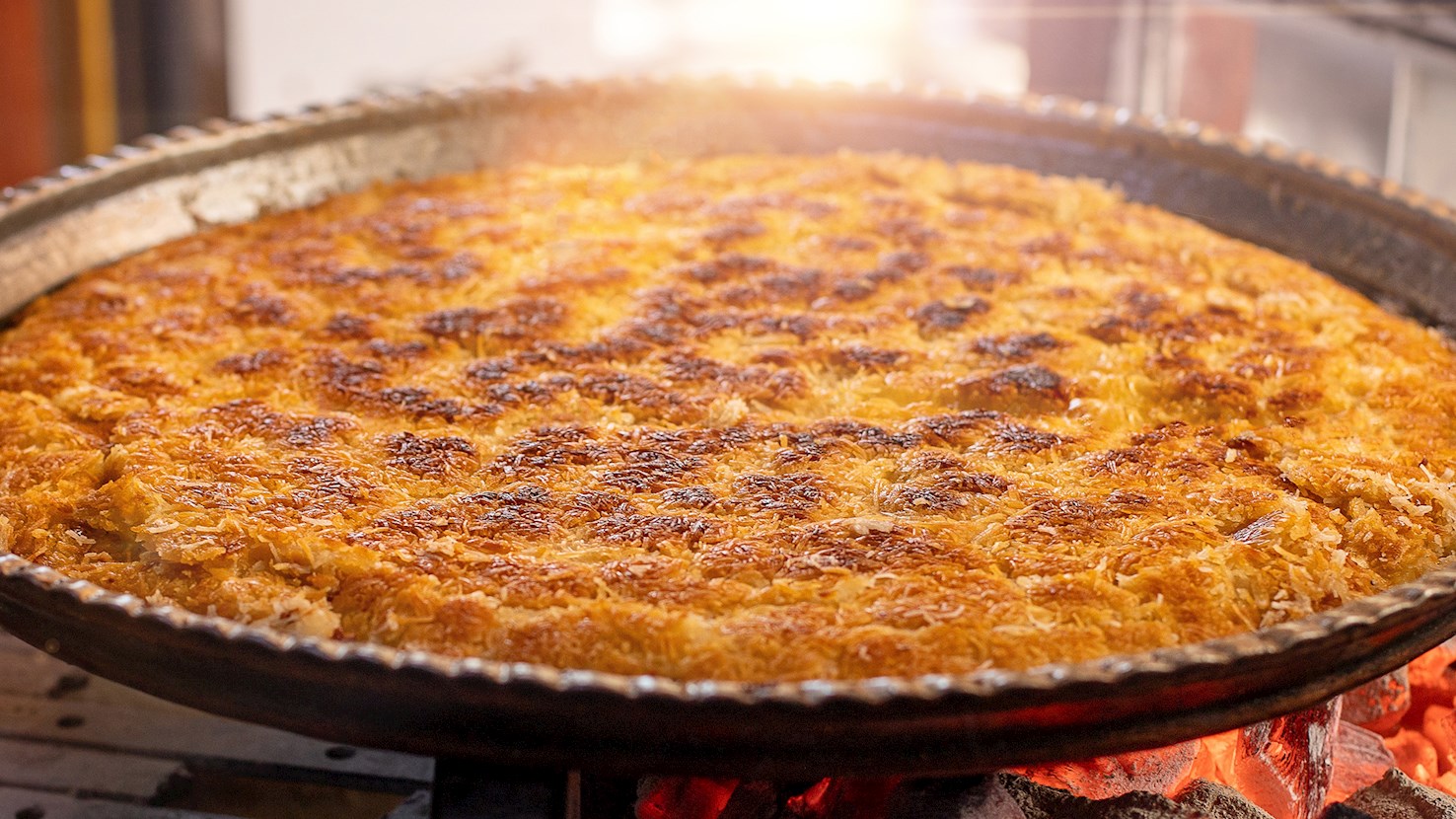
Antakya künefesi is a traditional kunāfah variety hailing from the ancient Turkish city of Antakya, made from shredded phyllo pastry filled with creamy unsalted cheese. The origins of this dish can be traced back to the Ottoman Empire, and to this day, it has remained one of the authentic representatives of Antakyan culinary heritage and traditions. To make Antakya künefesi, the pastry is first prepared by shredding phyllo dough into thin strips and placing it into a flat, round tray. The dough, in this form known as kadayıfın, is then topped with a mixture of unsalted cheese, traditionally Hatay peyniri, and another layer of shredded phyllo dough. After the concoction is baked on both sides (a step that makes this kunāfah variety unique), it is soaked with hot, sweet syrup made with sugar, water, and lemon juice. Antakya künefesi is served warm and garnished with chopped pistachios, walnuts, or hazelnuts. In 2006, this delicious dessert received the Protected Geographical Indication certificate.

02

Fıstıklı sarma

4.4 ·

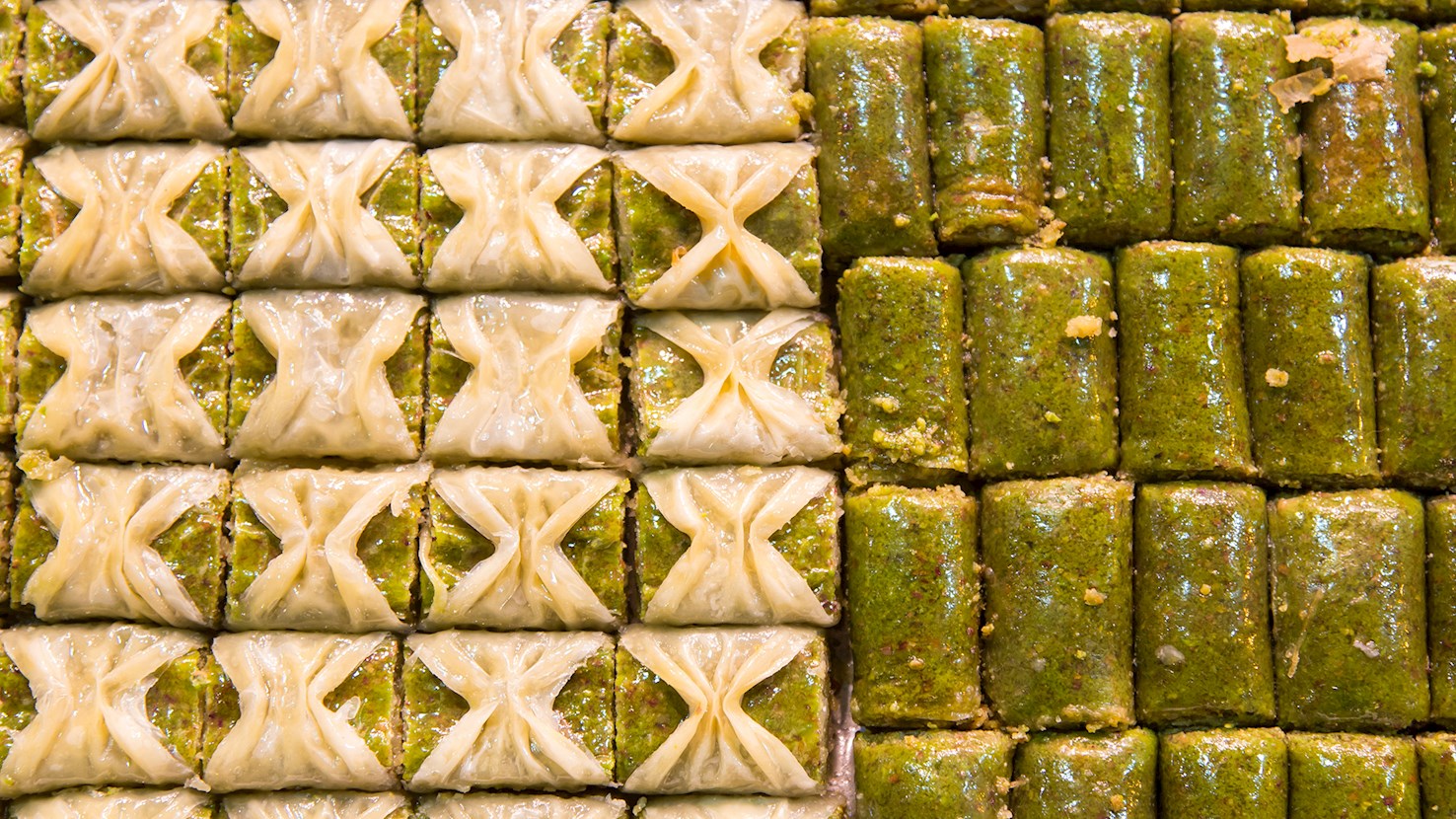
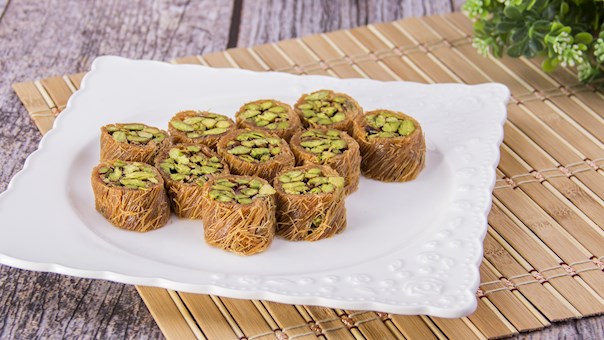
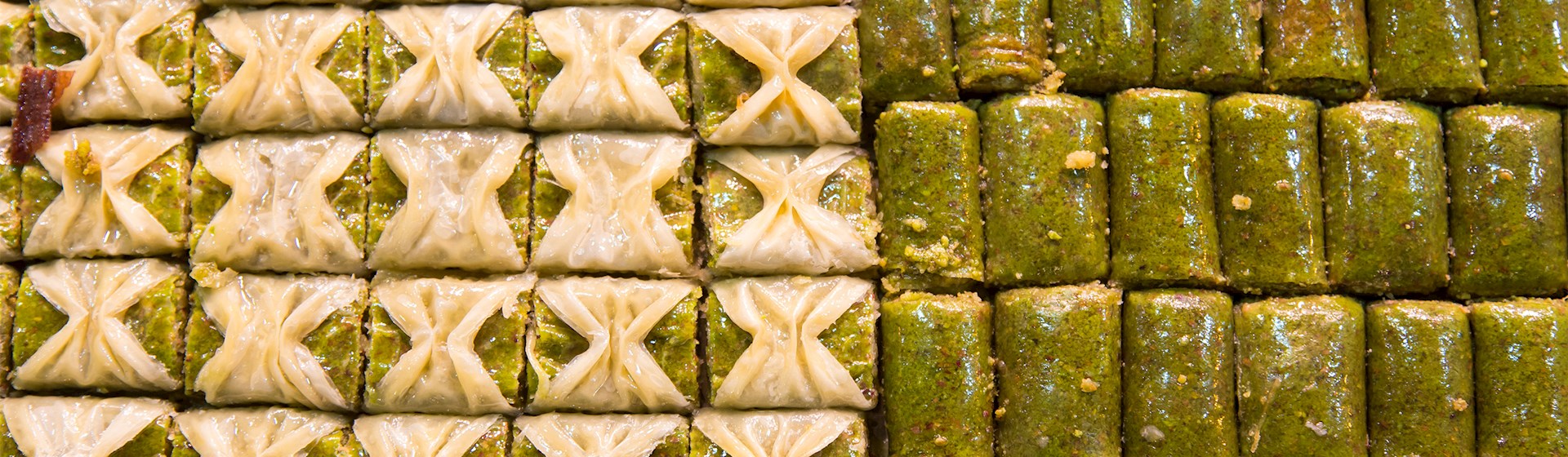
This Turkish sweet is made with a smooth, green, paste-like filling known as fıstık ezmesi (lit. pistachio butter). It is like a pistachio version of marzipan, and its bright green color is all-natural—it comes from the early-harvested Gaziantep pistachios. The delicious pistachio paste is wrapped around a single sheet of phyllo dough, just to hold its green goodness together, which is why this type of baklava is called either fıstıklı sarma or fıstıklı dürüm, meaning pistachio wrap or pistachio roll.

03

Gaziantep baklavası

4.4 ·

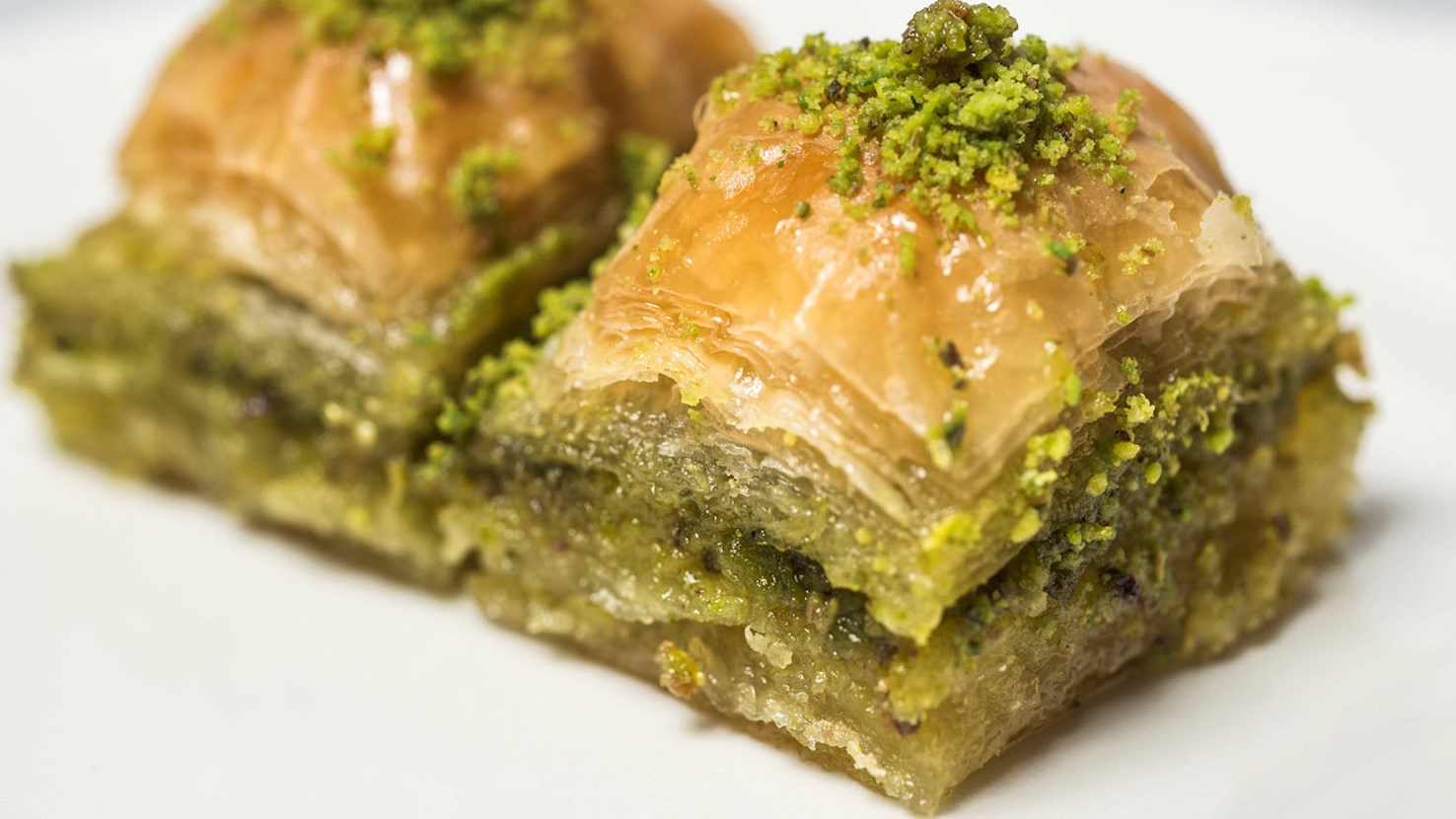
The ancient Anatolian city of Antep, today known as Gaziantep, is Türkiye's gastronomic capital famous for being home to the world’s finest pistachios and the delicious Antep baklavası. Originally an Ottoman legacy, baklava is regarded as one of the greatest creations from the pastry chefs at Topkapı Sarayı, the major royal residence of Ottoman sultans from the 15th to the 19th century. Baklava was traditionally prepared for Eid-al-Fitr, also known in Türkiye as Ramazan or Şeker Bayramı, a religious holiday when Muslims celebrate the ending of Ramadan, the Islamic holy month of fasting. Today, this Turkish treat is available year-round, and with more than 500 baklava bakeries in the city of Gaziantep, it is definitely not to be missed, especially during the pistachio harvest from midsummer to September, when these emerald-colored nuts are just the right size for baklava. To make this popular pastry, the finely crushed, genuine Gaziantep pistachios are generously spread between paper-thin sheets of phyllo dough which are brushed with melted butter and smeared with semolina cream. Antep baklava is then splashed with another dose of melted butter, baked, and finally, poured over with a hot sugar and lemon juice syrup. According to Turkish ustaları or master bakers, a well-baked baklava is tender, but at the same time has a perfect crunch to it. When divided with a fork, it makes a cracking sound which is not only a sign of freshness, but also a sign of the finest baklava, which isn't too sweet or heavy and leaves a heavenly taste in your mouth. Garnished with crushed pistachios, and often topped with kaymak, Turkish clotted cream, or a scoop of milk-flavored ice cream called kaymaklı dondurma, Antep baklava goes a long way: it can be enjoyed either with Turkish coffee in the morning or as a mid-afternoon treat with a cup of tea, but also as an after lunch or dinner dessert.

04

Dondurma

4.3 ·

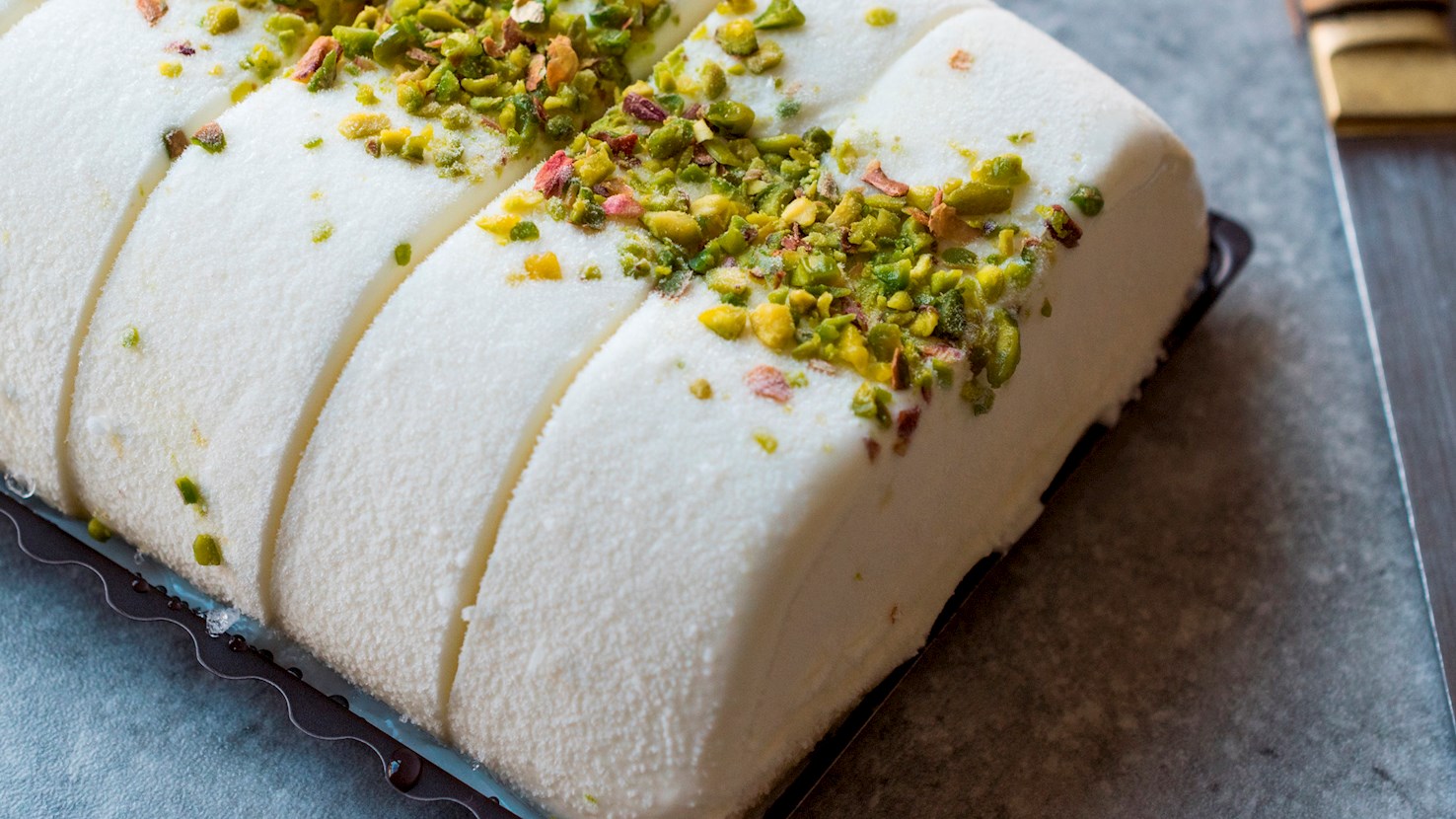
Turkish ice cream is believed to originate from the city of Maraş—hence the name—and what really sets it apart from other varieties is its resistance to melting and a particularly dense, chewy texture. These qualities are brought by adding two thickening agents to the basic milk and sugar mixture: Arab gum, also known as mastic resin, and salep—a type of flour made from the root of the early purple orchid. In fact, in the Kahramanmaraş region, ice cream typically contains distinctly more salep than usual, which is why it is sometimes called kesme dondurma—from the Turkish kesmek, meaning to cut—which is the reason why this ice cream variety is usually eaten with a knife and fork. In Türkiye, ice cream is commonly sold in the streets but also in specialized dondurması shops, whose owners will often go out of their way by producing their own salep, apart from using exclusively natural flavorings and milk from goats fed only with thyme, orchid flowers, and milkvetch.

05

Kunefe

4.3 ·

Kunāfah consists of two crunchy layers of shredded and buttered kataifi or knefe dough, filled with a luscious cheese cream that's often flavored with orange zest and cardamom, then drenched in a sugar syrup infused with lemon juice and orange blossom water. Turkish künefe is traditionally made with Hatay, Urfa, or Antep cheese. It is usually topped with pistachios and is best served warm. Elegant and amazingly simple to make, this dessert is nothing short of what cheese-filled pastry dreams are made of. Some authors speculate that it originated from the Fatimid Egypt or pre-Islamic Syria, while others claim that the Palestinian city of Nablus is its birthplace - hence the name kanafeh nabulsieh. Nevertheless, this decadent dessert has been a part of a long culinary tradition in Türkiye and Egypt, and it is listed as one of Egypt's national dishes.

06

Fırın sütlaç

4.3 ·

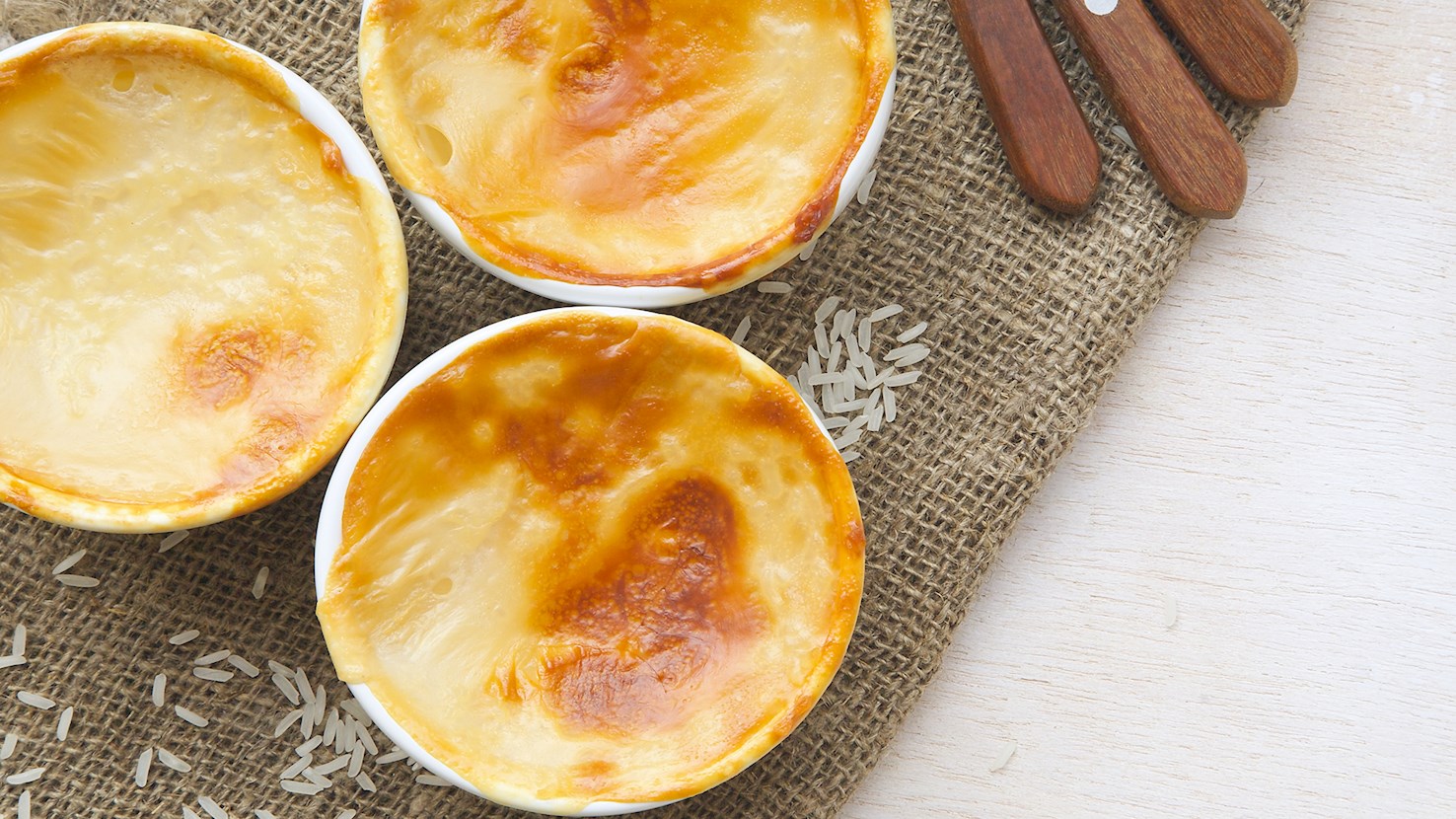
This Turkish oven-baked rice pudding is made with water, milk, sugar, rice, and rice flour. It is a simple, light dessert that is said to have origins in the Ottoman cuisine. Although it has been traditionally flavored with rose water, the modern versions often incorporate vanilla as a flavoring. After cooking, fırın sütlaç is browned in a salamander broiler, and it is usually topped with either ground cinnamon or chopped hazelnuts before serving.

07

Kazandibi

4.2 ·

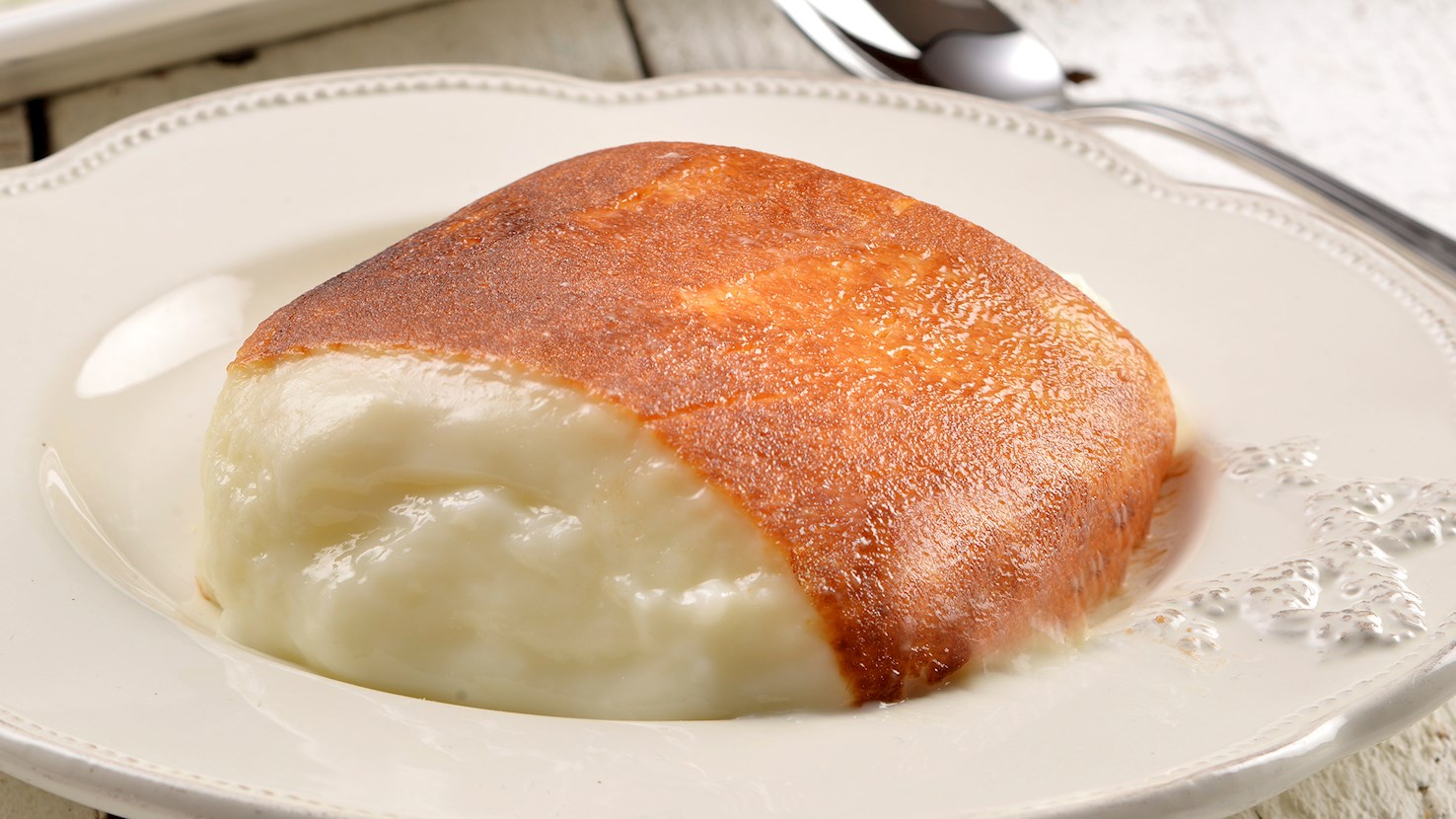
Dating back to the Ottoman times, kazandibi is a Turkish dish that can be translated to burnt bottom pudding, referring to the burnt bottom of the pan that it is cooked in. The dessert consists of butter, milk, rice flour, sugar, starch, and flavorings such as vanilla, rosewater, or ground mastic gum. In Türkiye, kazandibi is usually served as thin ribbons which are then rolled, although it can also be served in thick squares. The caramelized top of kazandibi gives it an earthy flavor, which contrasts quite nicely with the sweet and milky flavors on the interior. It is recommended to pair it with a cup of hot Turkish coffee or tea.

08

Baklava

4.2 ·

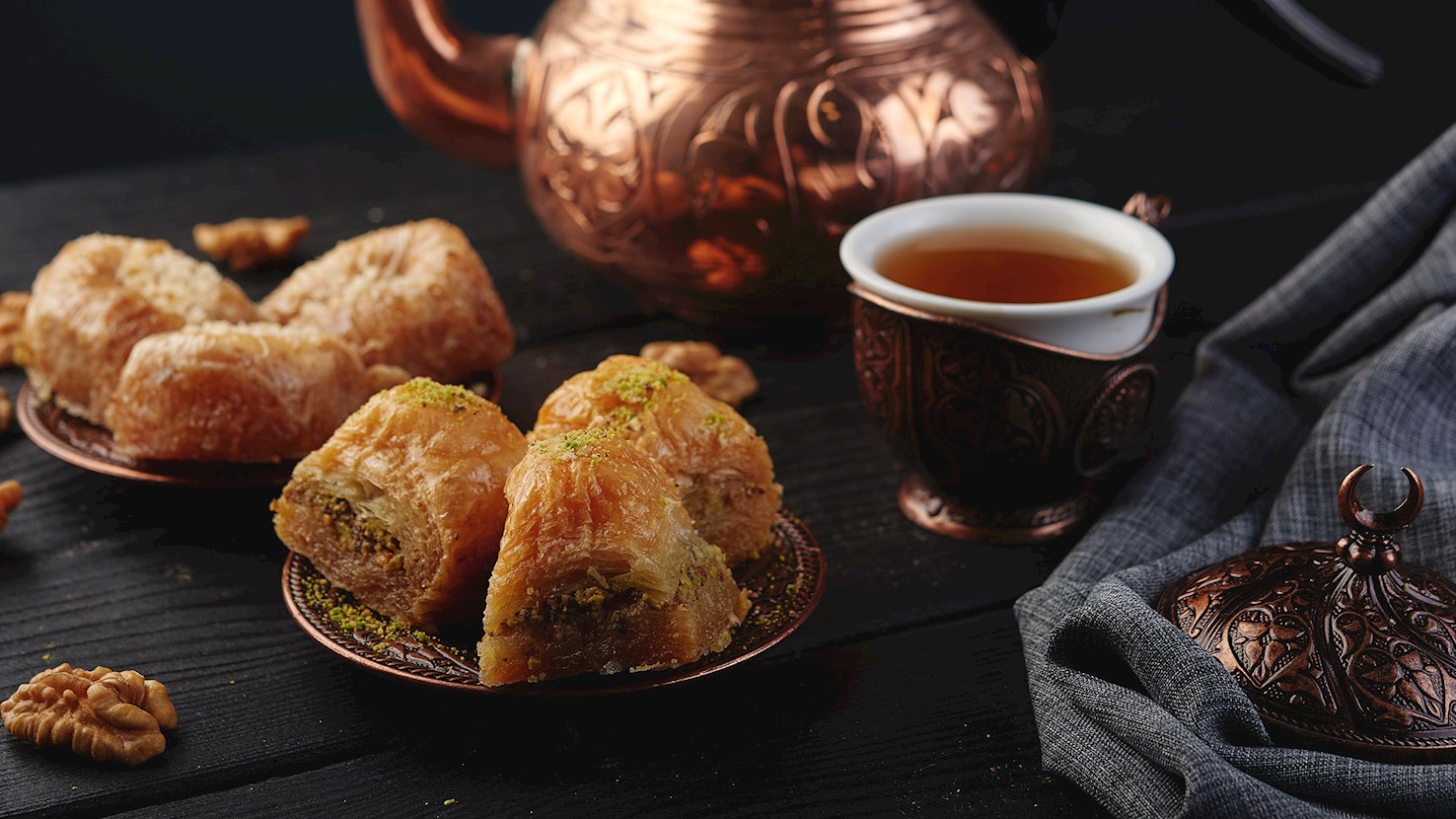
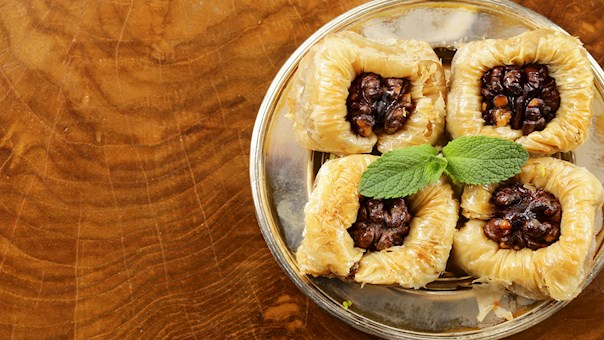
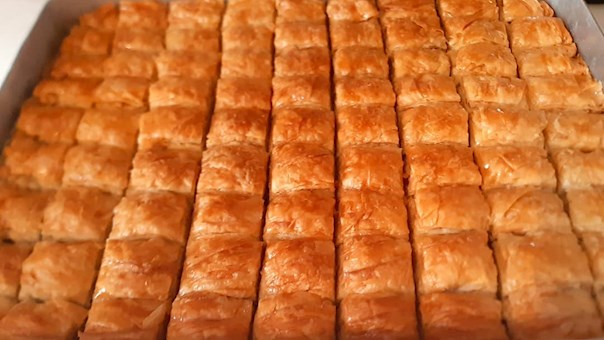
The remarkable baklava is a luscious dessert created with layers of thin phyllo dough intertwined with chopped nuts, all doused in a sweet, viscous syrup. The popularity of baklava has long surpassed borders, regions, and ethnic groups to become a dessert whose origin and invention is claimed by numerous countries. It is probable that it has an Assyrian origin, dating back to the 8th century, from where it spread out throughout the region all the way to Greece. The Greeks altered the recipe and created the thin sheets, known today as phyllo dough, but modern-day baklava is believed to be an original Turkish creation. However, it is almost impossible to pinpoint baklava's exact place of origin, and the debate about its authenticity is still going on between Türkiye and Greece. Traditionally, baklava is made with sheets of paper-thin pastry at the bottom, followed by chopped nuts which are then topped with additional pastry layers. The other traditional way suggests alternating layers of phyllo dough with layers of chopped nuts. The original and authentic baklava should always have a nut-based filling, most commonly walnuts, hazelnuts, or pistachios, but modern versions have introduced unusual fillings such as apricots, chocolate, and even ground cookies. The dessert is typically prepared in large trays, and it is then sliced into squares, triangles, or diamond shapes before being doused in a luscious syrup made with water and sugar or honey. Very often, the syrup is flavored with sliced lemon, rose water, cinnamon, or cardamom. It is supposed to cover the entire tray and keep the delicate pastry succulent, creating a sweet and juicy cover around it. Iranian or Persian baklava differentiates itself because it is drier and lighter than other regional varieties, and it is often flavored with rose water. Even though it was once regarded as a decadent treat that was mostly enjoyed by the aristocracy, the famous baklava is now a traditional pastry and a dessert offered in numerous Oriental, Turkish, or Greek restaurants. It is also often found in pastry shops across the Balkan region all the way to the Middle East.

09

İrmik helvası

4.1 ·

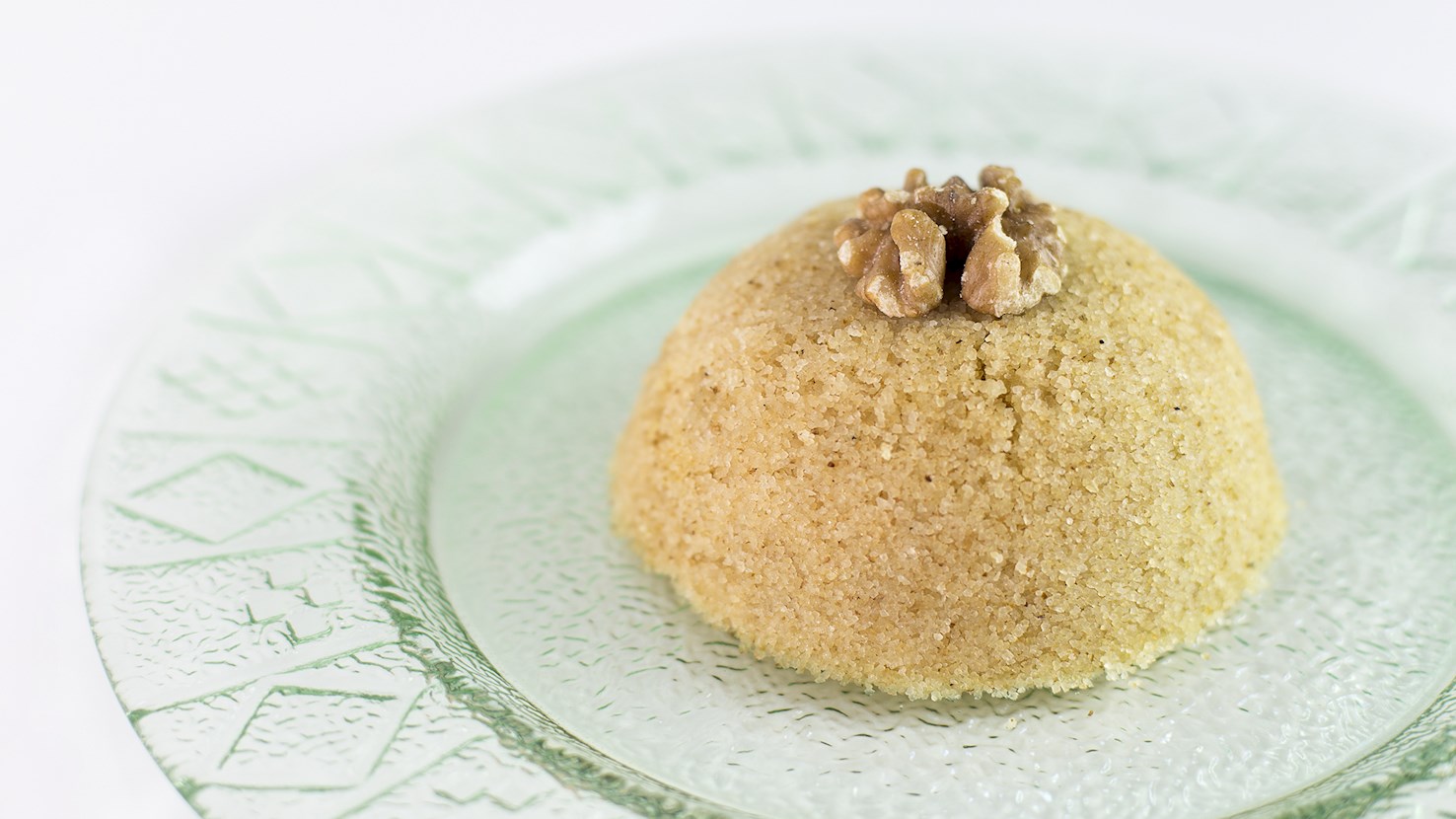
İrmik helvası is a granular Turkish dessert made with semolina, butter, sugar, milk, and pine nuts. Although the ingredients are simple, the preparation of irmik helvasi requires great skills. Sweetened hot milk is stirred into the semolina with the addition of melted butter and pine nuts. The halva is then served in individual bowls, dusted with cinnamon and topped with a few sautéed pine nuts. This dessert signifies good fortune, so it is typically prepared during religious festivities and shared with friends and family.

10

Şöbiyet

4.1 ·

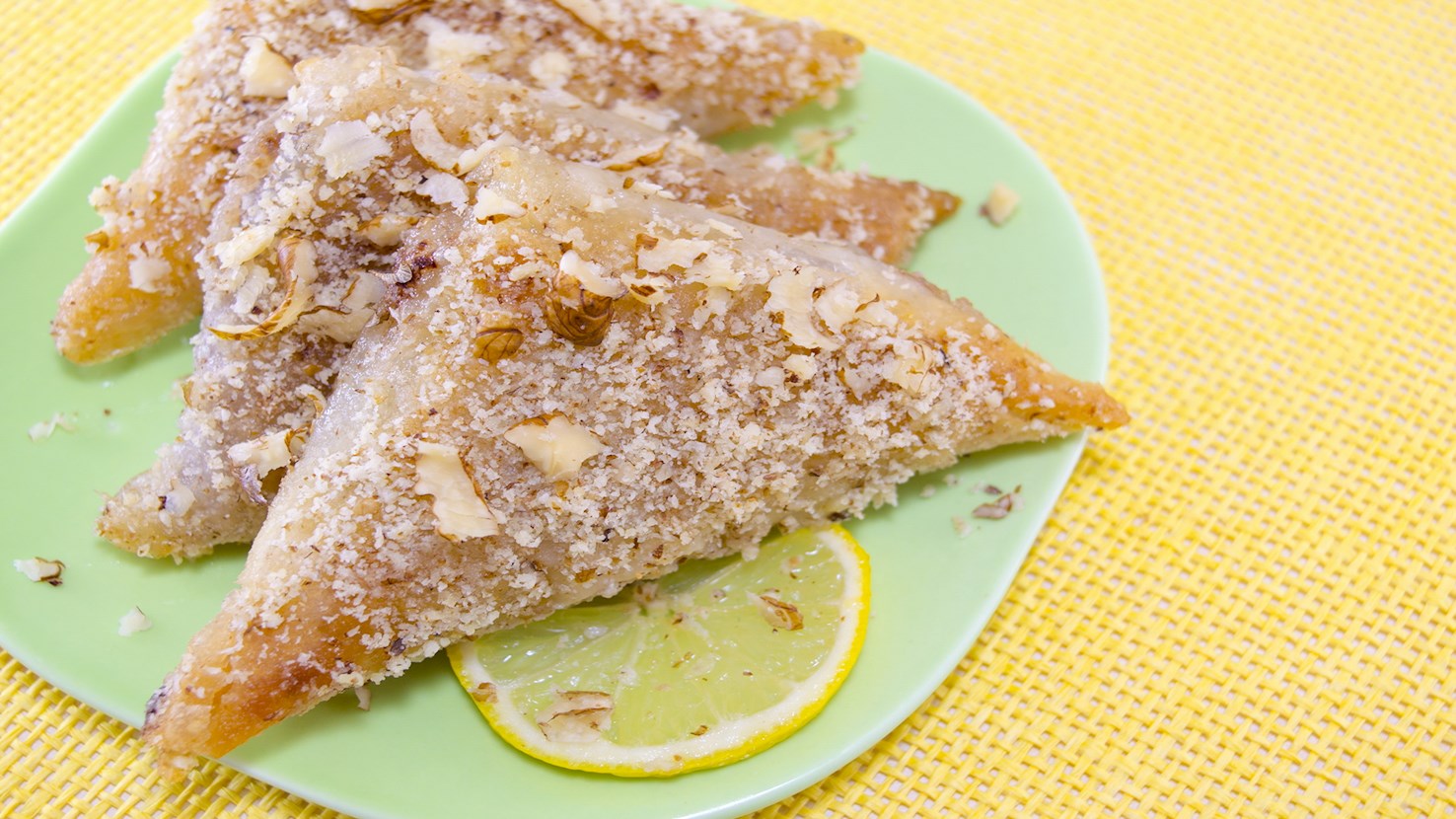
This is the only Turkish baklava with a cream-like filling, made by boiling a mixture semolina and a thick clotted cream called kaymak. To make şöbiyet, phyllo dough sheets are cut into squares, brushed with melted butter, and layered atop one another, then filled with kaymak and chopped nuts—typically walnuts—and finally folded into triangles before baking. Like most other baklavas, when baked, şöbiyet is doused in a lemon-flavored syrup and sprinkled with either crushed walnuts or pistachios.

11

Burma kadayıf

4.1 ·
13

Kalburabastı

4.1 ·
14

İncir uyutması

4.1 ·
17

Tavuk göğsü

4 ·
18

Supangle

4 ·
19

Keşkül

3.9 ·
20

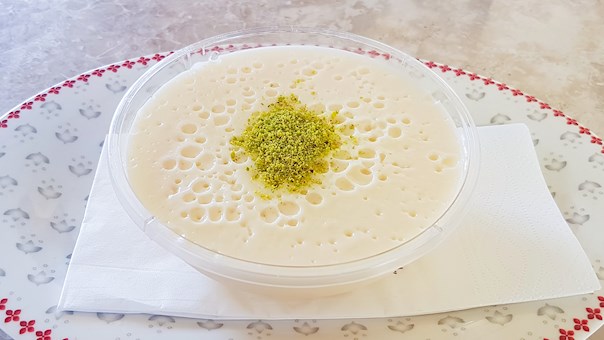
Muhallebi

3.9 ·

Best Turkish Desserts

01

Haci Bekir

4.9 ·
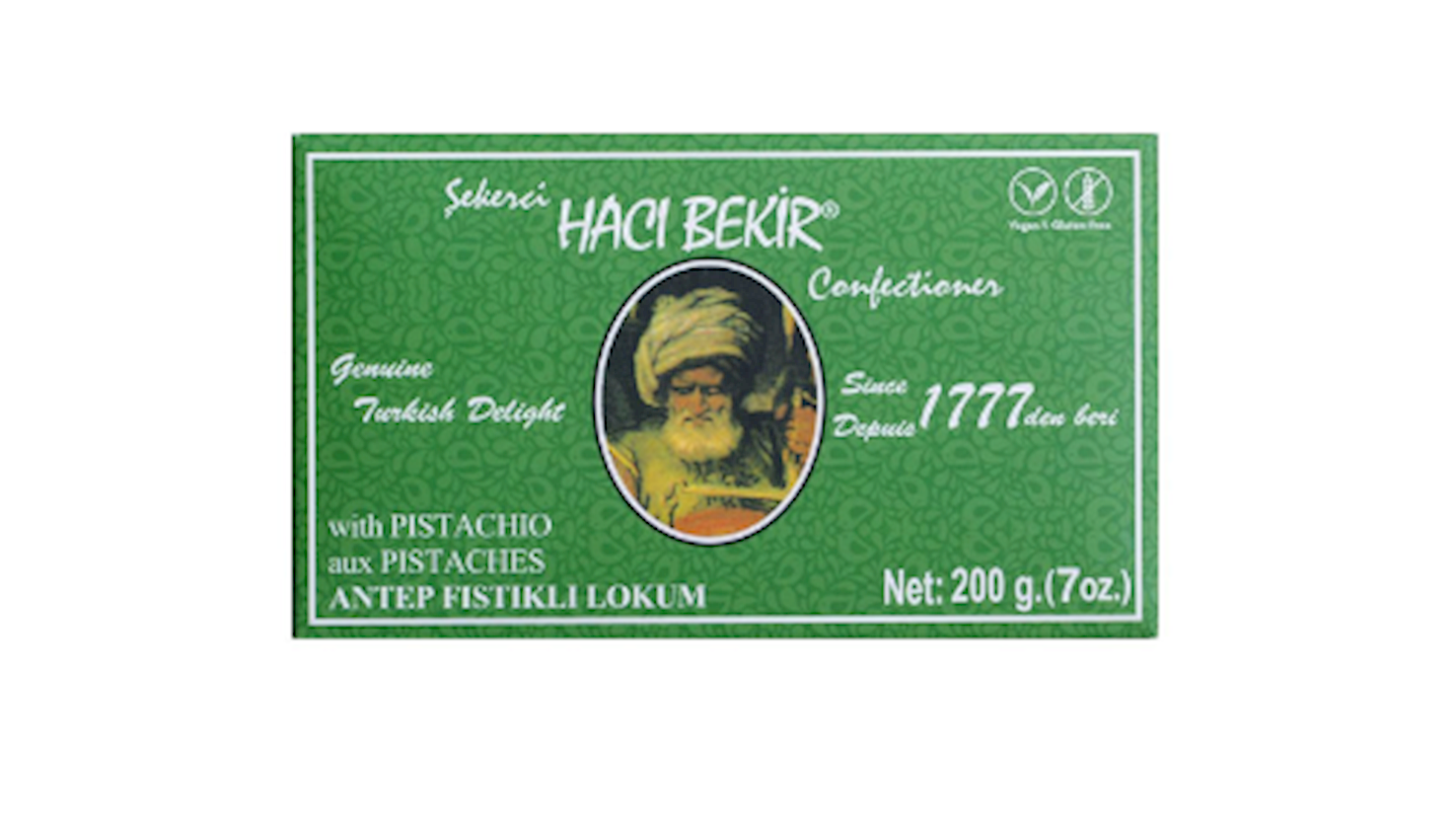
Hacı Bekir is one of the oldest and most recognizable producers of traditional Turkish confectionery, with a history that dates back to 1777 in Istanbul. Founded by Hacı Bekir Efendi, the brand quickly gained a reputation for its lokum and candies, eventually becoming the official confectioner to the Ottoman court. Over more than two centuries, Hacı Bekir has remained a family-run business, allowing recipes and production philosophy to be passed down through generations with remarkable consistency. The company is closely associated not only with sweets, but with the preservation of Turkey’s confectionery heritage. Its Turkish delight is still made using classical methods and carefully selected ingredients such as rose water, pistachios, walnuts, and natural flavorings. Alongside lokum, the range includes akide candies, halva, almond paste, and other desserts rooted in Ottoman and modern Turkish culinary tradition. The brand’s strength does not lie in following trends, but in maintaining a recognizable style built over time. Hacı Bekir’s historic shops in Istanbul, especially in districts like Eminönü, continue to function as living extensions of this tradition. Their interiors, packaging, and service reflect a respect for continuity rather than constant reinvention. In this way, Hacı Bekir goes beyond being a confectionery brand and becomes a cultural institution. Although its products are now exported worldwide, the identity remains firmly anchored in its origins. This commitment to authenticity is what makes Hacı Bekir more than a name on a box - it is a symbol of longevity in a craft that few have sustained for over two hundred years.
02

HazerBaba

4.2 ·
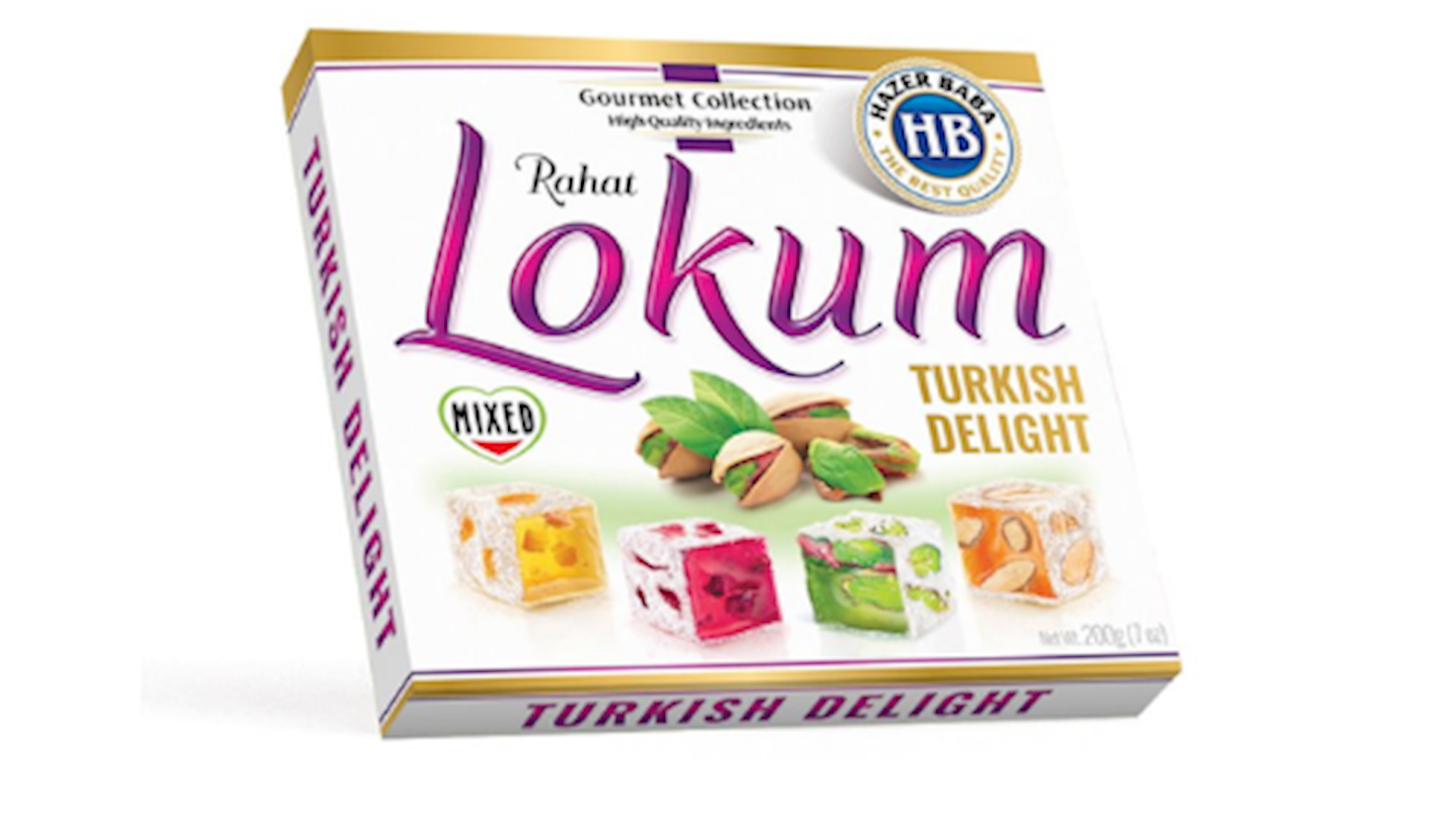
HazerBaba is a Turkish confectionery producer with roots dating back to 1888, headquartered in Istanbul and focused on preserving traditional Anatolian sweet-making practices. The brand is best known for its Turkish delight (lokum), produced in a wide range of varieties including pistachio, hazelnut, rose, lemon, pomegranate, and mixed fruit, characterized by a soft, elastic texture and pronounced natural aromas. Pistachio-based products are particularly prominent in the portfolio, reflecting the importance of high-quality nuts in Turkish confectionery. In addition to lokum, the company manufactures baklava, halva, pişmaniye (a traditional floss halva), and assorted nut and dried fruit specialties. HazerBaba also offers Turkish coffee and tea selections designed to complement its sweets in line with customary serving traditions. A significant part of its range is presented in decorative gift boxes, positioning the products as both culinary items and cultural souvenirs. The company exports to numerous international markets, contributing to the global recognition of Turkish delight as a heritage confection. Production combines established recipes with modern food safety and quality control standards. Many products comply with halal requirements, and certain items are suitable for vegetarian consumers. Overall, HazerBaba represents a structured, export-oriented confectionery house grounded in longstanding Turkish sweet-making heritage.
Read more
View all
View map
About this ranking

TasteAtlas food rankings are based on the ratings of the TasteAtlas audience, with a series of mechanisms that recognize real users and that ignore bot, nationalist or local patriotic ratings, and give additional value to the ratings of users that the system recognizes as knowledgeable. For the “Top 55 Turkish Desserts” list until May 15, 2026, 12,993 ratings were recorded, of which 6,589 were recognized by the system as legitimate. TasteAtlas Rankings should not be seen as the final global conclusion about food. Their purpose is to promote excellent local foods, instill pride in traditional dishes, and arouse curiosity about dishes you haven’t tried.

The initial list of top producers was compiled based on available reviews, awards, local recommendations, media and blog coverage, and consumer reviews. The list will be updated with ratings from TasteAtlas local ambassadors and TasteAtlas users.

Similar lists