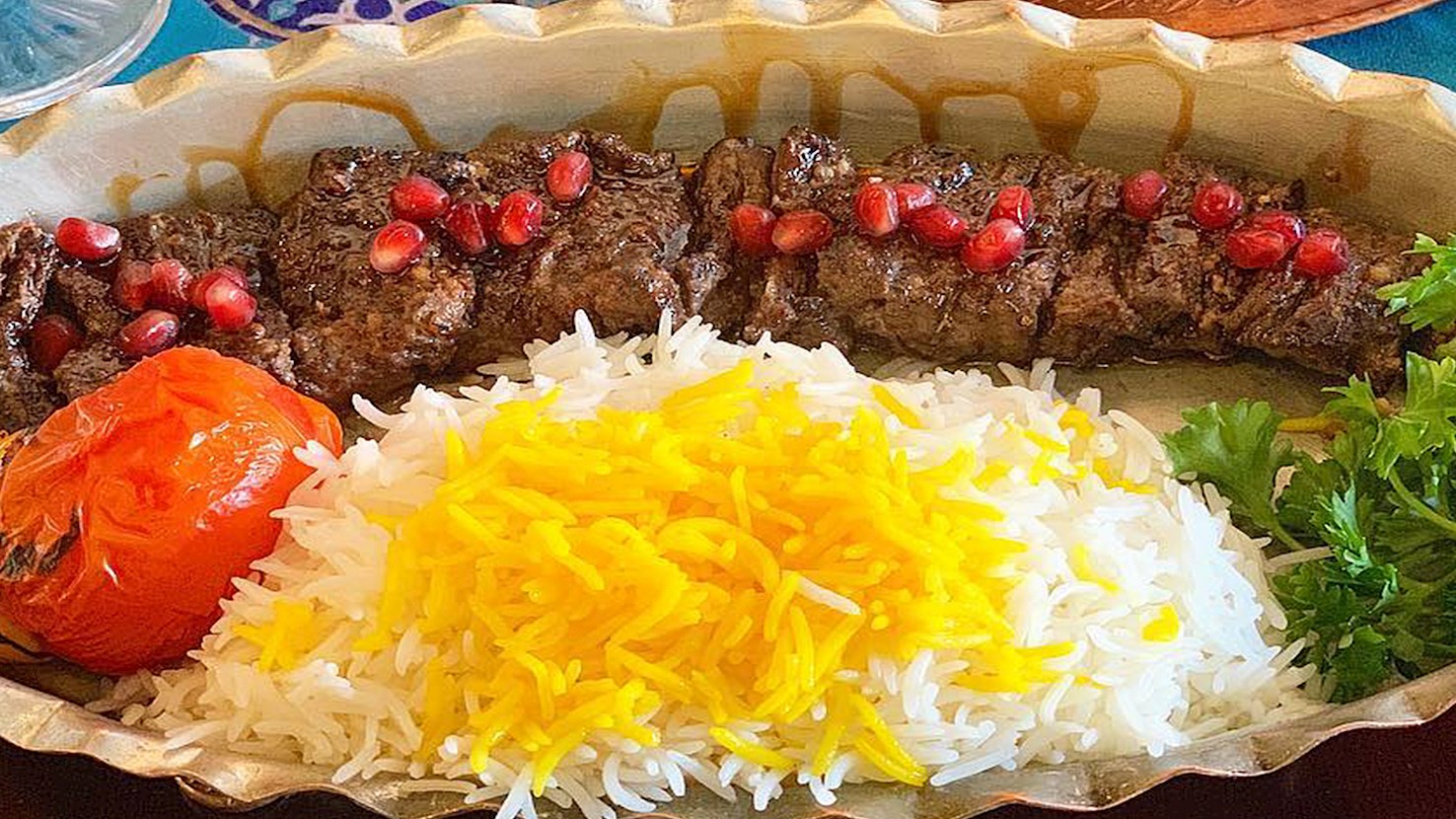
Kabab torsh is a sour marinated kebab originating in Iran’s northern Caspian provinces, especially Gilan and Mazandaran. This dish is made from chunks of beef or lamb that are soaked in a rich marinade featuring crushed walnuts, pomegranate molasses, garlic, and herbs, resulting in a distinctly tangy and earthy flavor profile. The history of kabab torsh reflects the agricultural abundance of northern Iran. Walnuts and pomegranates have been cultivated in the area for centuries, and local cooking frequently uses them to balance richness with acidity. While skewered meat dishes have existed across Persian cuisines for a long time, the specific combination of ground walnut, pomegranate syrup, and fresh herbs became a hallmark of Gilan’s kebabs. Generations of cooks in cities like Rasht and Lahijan adapted this preparation to use regional products, and kabab torsh gradually gained popularity beyond its original home, appearing in restaurants and on family tables throughout Iran. Preparation begins by cutting beef or lamb into medium-sized pieces. The marinade is made by pounding or blending walnuts until coarse, then combining them with pomegranate molasses, chopped garlic, finely chopped parsley, and chopped fresh cilantro or savory. Salt and sometimes a little black pepper are added to enhance the flavors. The meat is thoroughly coated in this thick mixture and left to rest for several hours, or overnight, allowing the marinade to penetrate. To cook, the marinated meat is threaded onto wide metal skewers and grilled over hot coals, turned regularly to ensure even cooking and to lightly char the surface. The grilling process both caramelizes the pomegranate and softens the walnuts, creating a glaze that clings to the kebab. Some cooks baste the meat with more marinade or melted butter during grilling to keep it moist. In Gilan, it is common to accompany the kebab with fresh herbs, raw onions, pickled vegetables, and sometimes grilled tomatoes.
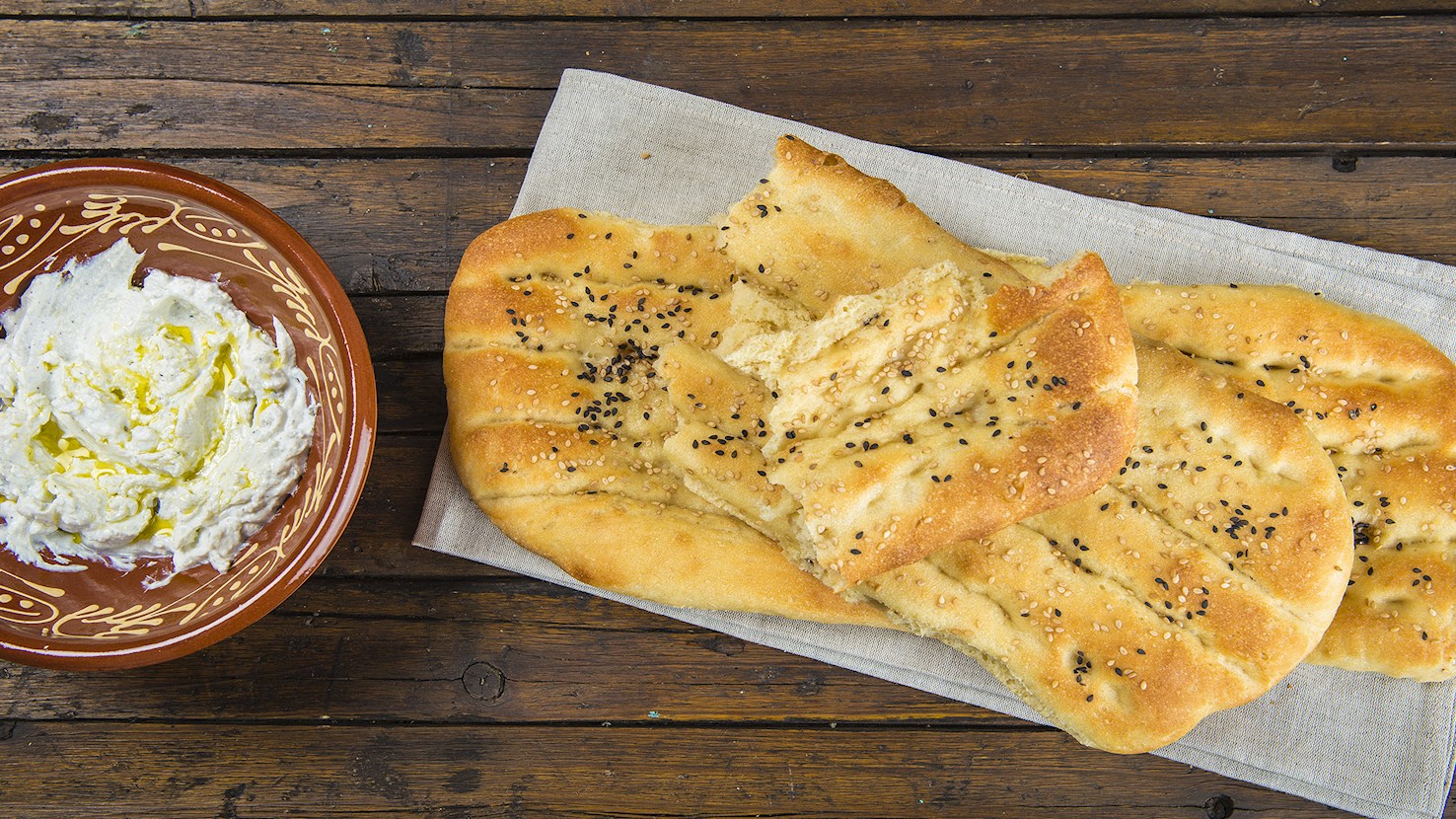
Nan-e barbari is an Iranian flatbread known for its thick, airy crumb and golden crust brushed with a special flour paste called roomal. Originating among the Hazara people who settled in Iran, this bread became especially associated with Tehran and other northern cities, where it is commonly baked fresh each morning and sold in bakeries to accompany breakfast or lunch. Its long, oval shape and characteristic ridged surface make it immediately recognizable on bakery shelves. The history of nan-e barbari reflects Iran’s rich baking culture, which includes many regional breads with distinct textures and preparation methods. The word “barbari” was used historically to describe the Hazara ethnic group, who brought their baking techniques to central Iran. Over time, this bread was embraced by the wider population and became one of the most widespread breads in Iranian cities. Recipes and shaping methods were refined in professional bakeries to achieve the signature crust that stays chewy and moist longer than many thinner flatbreads. Preparing nan-e barbari begins with mixing wheat flour, yeast, water, and salt into a smooth dough that is rested until doubled in size. The dough is then divided into portions and gently shaped by hand into long ovals. Before baking, each piece is brushed generously with roomal, a cooked paste of flour and water that keeps the surface soft while it expands and creates a glossy crust. The baker presses rows of deep ridges along the dough with fingers or the edge of the palm. Sometimes sesame or nigella seeds are sprinkled on top for added flavor. Baked on hot stones or a preheated oven floor, the bread emerges with a crisp base and a tender, chewy interior. One aspect of nan-e barbari is how its preparation has been adapted to modern bakeries. While some home cooks still bake it in gas ovens or on baking stones, many people prefer to buy it fresh from specialized bakeries that produce dozens of loaves each morning. These bakeries often have large gas-fired ovens with conveyor belts that simulate the effect of the hot stones once used in brick ovens. Nan-e barbari is usually eaten warm, torn by hand, and served with feta cheese, fresh herbs, walnuts, and sometimes clotted cream or jam for breakfast. In many Iranian households, it appears alongside stews and kebabs as well.
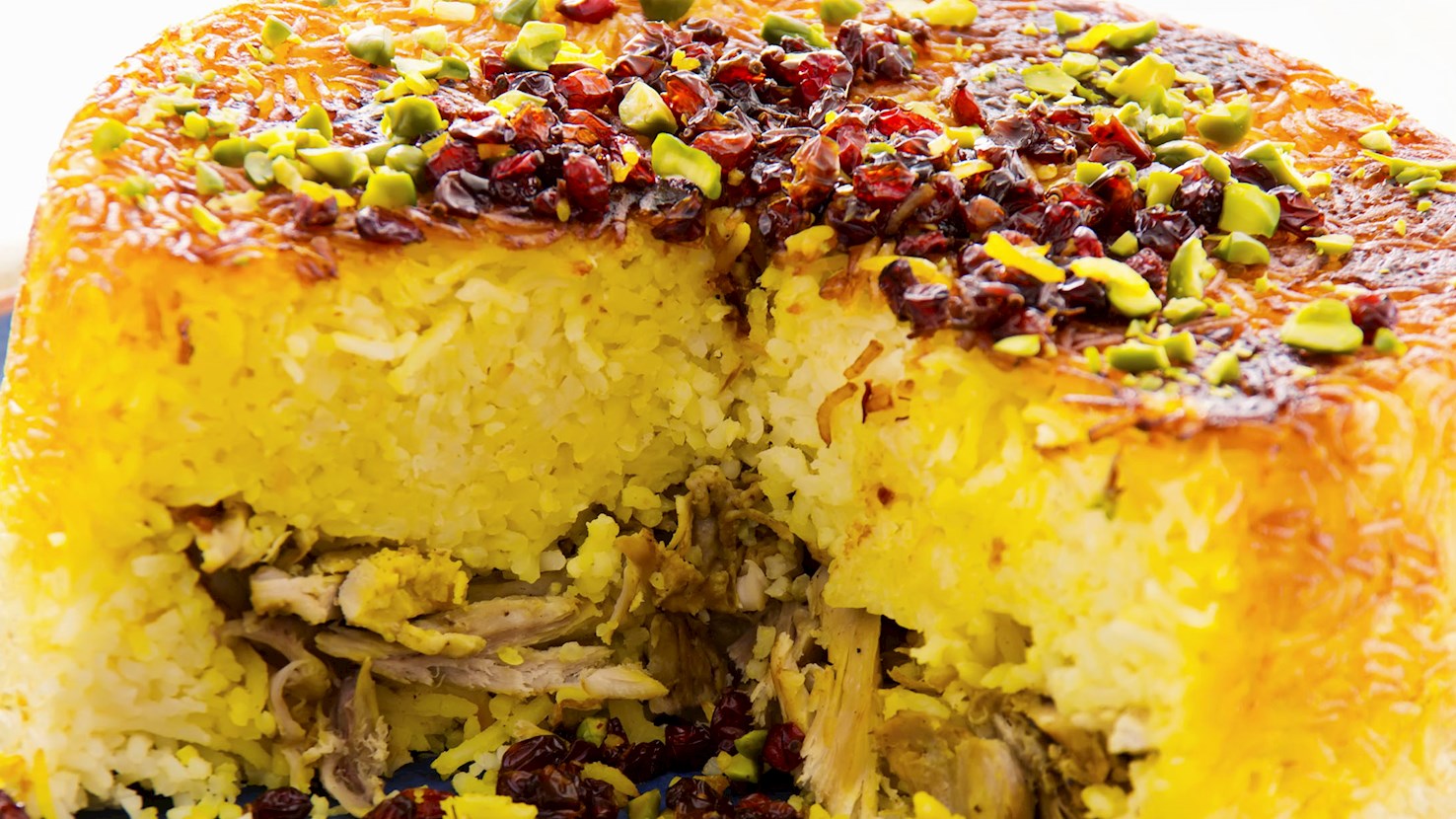
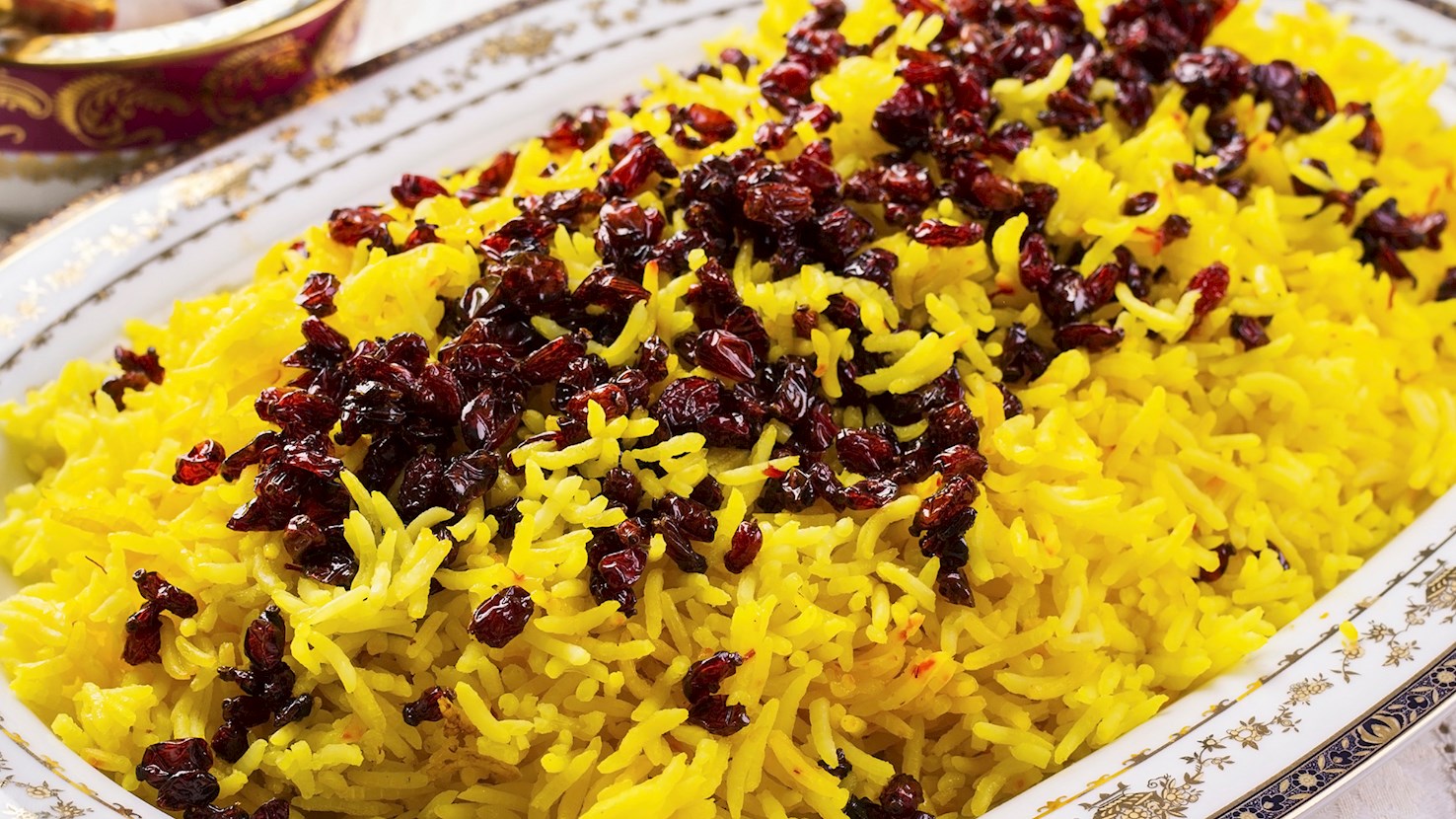
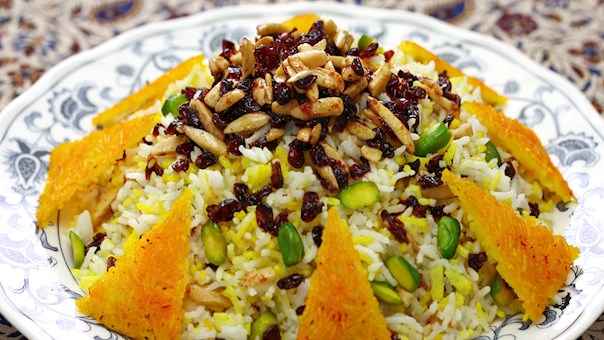
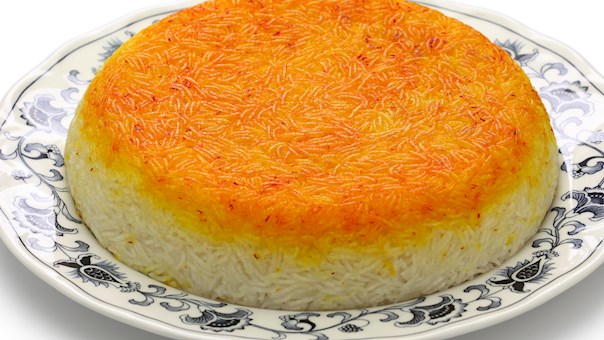
Tahchin is an Iranian dish that combines fragrant rice with saffron, yogurt, eggs, and pieces of chicken or other fillings, baked together until it forms a golden crust. Its name means “arranged at the bottom,” referring to the way the rice and other ingredients are layered and then inverted onto a serving platter so that the crisp bottom becomes the top. Historically, Persian cuisine has emphasized rice dishes that showcase both texture and aroma, and tahchin is considered an example of this culinary approach. While the concept of cooking rice with yogurt and saffron has existed in Iranian cooking for centuries, tahchin evolved into a recognizable form during the Qajar era, when elaborate rice dishes were served in royal courts and gradually adapted for family kitchens. Its distinctive crust, called tahdig, is prized and often considered the most desirable part of the meal. While chicken is the most common filling, some regional variations use lamb, eggplant, or fish layered into the rice. In every version, the defining feature is the bright yellow hue created by saffron, which is dissolved in warm water and mixed into the rice before baking. The inclusion of yogurt and egg yolks gives the crust its tender yet cohesive texture, allowing it to hold its shape when turned out of the pan. Tahchin is served inverted onto a platter, revealing a uniform golden layer on top. It is often accompanied by barberries sautéed with butter and sugar, adding a sweet-tart contrast, and sometimes garnished with slivered pistachios or almonds. In Iran, it is enjoyed both as a centerpiece dish for special gatherings and as a comforting meal in everyday settings. Today, tahchin remains popular in Iranian homes, restaurants, and during festive occasions.
Kateh is an Iranian style of rice preparation that is simpler and faster than the elaborate steamed chelo, known for yielding a soft, cohesive texture with a slightly sticky consistency. This method is particularly associated with the Caspian provinces of northern Iran, such as Gilan and Mazandaran, where it remains the most common everyday rice dish. Unlike chelo, kateh does not require parboiling or draining, making it more convenient for quick meals. The dish is often paired with stews, grilled meats, pickles, and fresh herbs. To prepare kateh, rice is rinsed briefly and then combined in a pot with water, salt, and a generous spoonful of oil or butter. The mixture is brought to a boil over medium heat and then covered and simmered until the water is absorbed. At this stage, the rice forms a soft crust on the bottom known as tahdig, but unlike the crisp tahdig of chelo, kateh’s crust is moist and golden rather than crunchy. Once cooked, the rice is gently fluffed and served directly from the pot, requiring no additional steaming or layering. Kateh’s appeal lies in its simplicity and the mild, comforting flavor of the grains infused with butter or oil. Because the grains are cooked in exactly the amount of water they absorb, the final texture is cohesive and tender, with no need to worry about overcooking or undercooking. This straightforward method makes kateh especially popular in home kitchens, where it is often the first style of rice children learn to prepare. Though less ceremonious than chelo, kateh holds a respected place in Iranian cuisine and is valued for practicality and everyday use. In the northern provinces, it is served with dishes such as mirza ghasemi (smoky eggplant and tomato), fried fish from the Caspian Sea, or simple braised greens. Because kateh is prepared in a single pot without the need for draining, it is also well suited to rural households where cooking fuel and water are used sparingly.
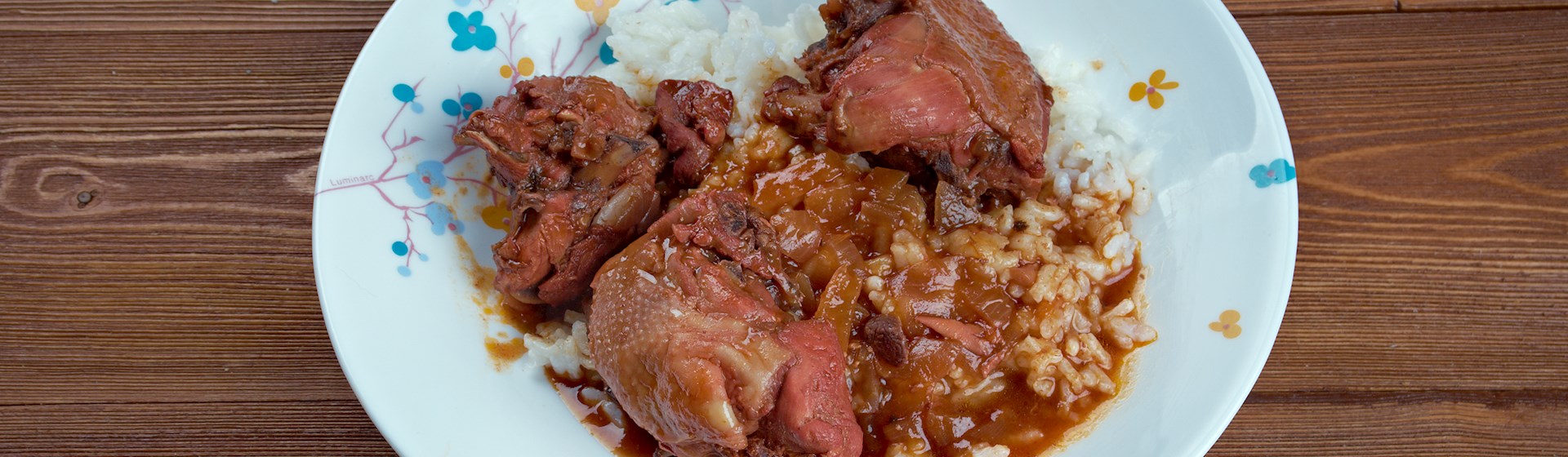
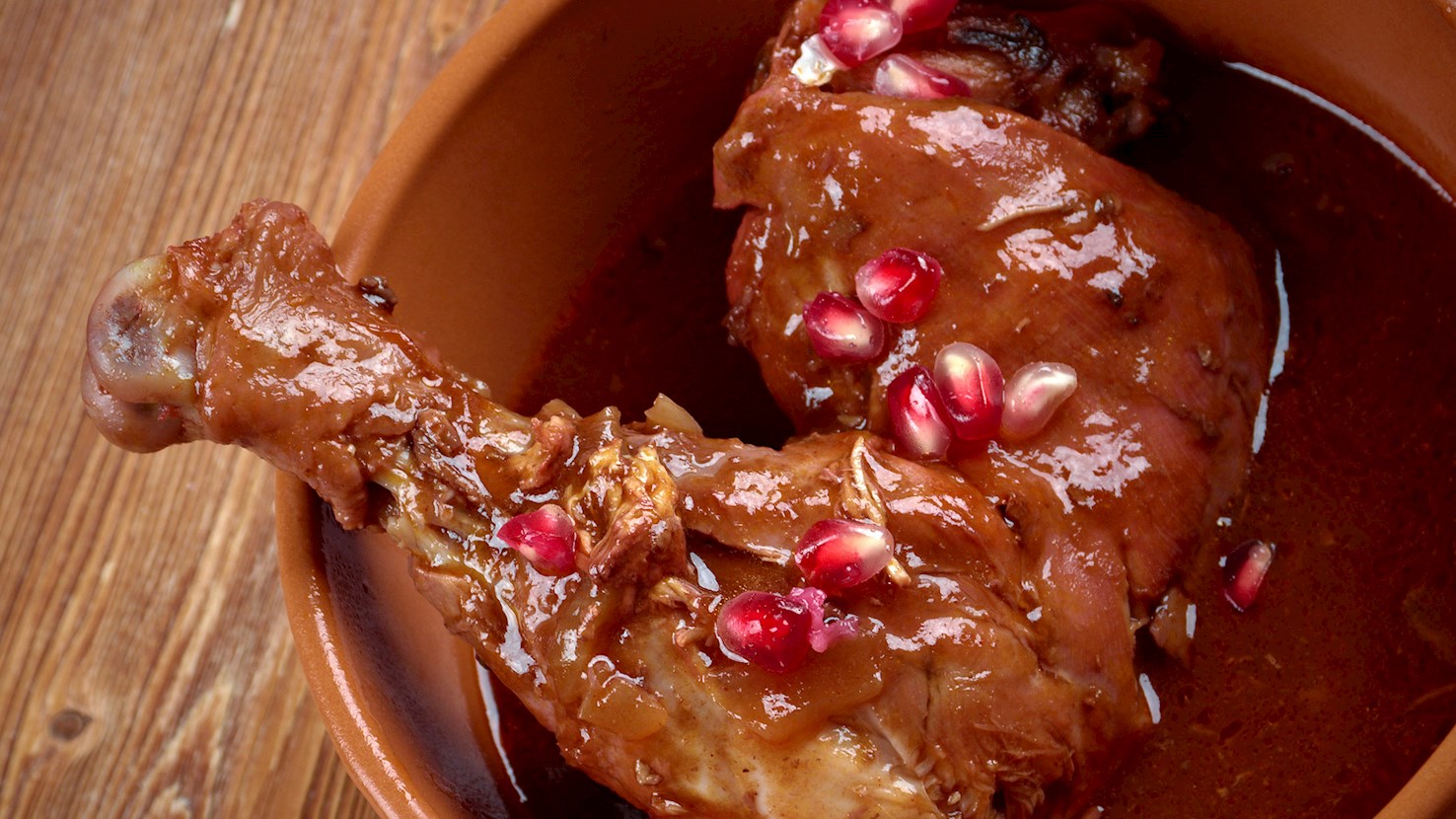
Fesenjān is a rich Persian stew that comes from the northern provinces of Iran, especially Gilan and Mazandaran along the Caspian Sea. Known for its distinctive combination of ground walnuts and pomegranate molasses, this dish is typically prepared with poultry such as duck or chicken, though lamb or beef can also be used. It is valued as one of the most refined examples of Iranian khoresh, offering a deep, tangy-sweet flavor profile that sets it apart from other Iranian stews. The documented history of fesenjān stretches back centuries, with references found in Persian culinary manuscripts describing the method of slow-cooking meat in nut pastes and fruit extracts. Its use of pomegranate, a fruit with ancient ties to Iranian agriculture and symbolism, points to the dish’s connection with pre-Islamic gastronomy and festive occasions. Over time, fesenjān became associated with family gatherings, celebrations, and autumn harvests when pomegranates are plentiful. To prepare fesenjān, cooks begin by finely grinding walnuts until they release their oils, forming a paste that will help thicken the sauce. The meat is seared lightly in oil and simmered slowly in the walnut base, which is diluted with water or stock. As the cooking progresses, pomegranate molasses is added gradually to achieve the characteristic balance of acidity and sweetness. The mixture must cook gently for several hours so the flavors develop fully and the walnuts release their richness, resulting in a thick, dark sauce that clings to each piece of meat. The final seasoning may include a touch of sugar if the pomegranate is especially tart, and occasionally saffron or cinnamon is stirred in to deepen the aroma. This stew is always served hot, ladled over a mound of steaming Persian rice (chelo), with the contrasting textures of fluffy grains and the glossy, walnut-laden sauce. Fesenjān is often presented on special occasions, such as weddings or religious celebrations. Beyond Iran’s borders, fesenjān has drawn the interest of chefs who admire its layered taste and the technique of cooking with nuts as a primary thickener. Its inclusion in cookbooks and restaurant menus highlights the diversity of Iranian regional cooking, which is far broader than many realize. In homes, it remains a dish associated with care and patience, cooked slowly to achieve the exact consistency and flavor that generations have come to expect.
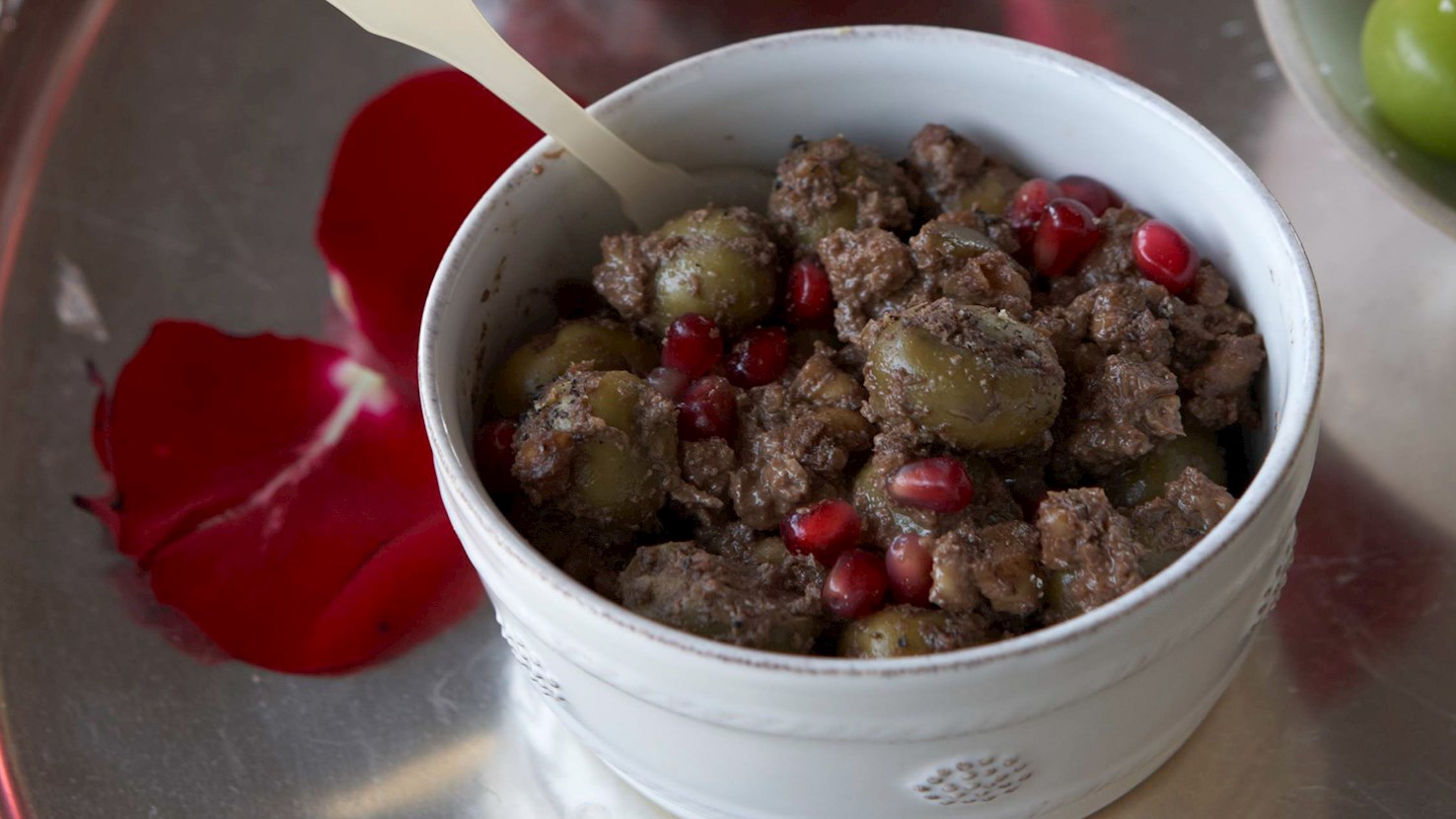
Zeytoon parvardeh is an olive-based appetizer originating in Iran’s northern Caspian region, particularly the province of Gilan. Known for combining pitted green olives with pomegranate molasses, walnuts, garlic, and herbs, it balances tangy, earthy, and aromatic notes that reflect the diverse agricultural produce of the area. The dish belongs to the group of flavorful mezze and accompaniments that characterize Gilani cuisine, where local olives are cultivated in abundance near the coastal plains. The history of zeytoon parvardeh is tied to the long-standing cultivation of olives and pomegranates in northern Iran. The Caspian provinces have been centers of horticulture for centuries, benefiting from humid subtropical weather and fertile soils. Olives were introduced to the region many generations ago and became a staple crop, integrated into recipes that made use of other locally available ingredients such as walnuts and aromatic herbs. Over time, families developed their own versions of the seasoned olive mixture, often preparing it in small batches to serve with meals or offer to guests. Preparation starts with high-quality green olives that are rinsed, drained, and sometimes pitted, depending on preference. Walnuts are finely ground or chopped to a coarse texture, then mixed with crushed garlic and fresh herbs, usually mint and sometimes savory or cilantro. Pomegranate molasses is stirred in to create a sweet and sour base that clings to the olives. A touch of salt, sometimes a squeeze of fresh lemon juice, and a drizzle of olive oil complete the mixture. The ingredients are combined thoroughly so that the flavors soak into the olives, then the dish is covered and left to rest in the refrigerator for several hours or overnight. In Gilan, zeytoon parvardeh is a common feature of meals served alongside rice dishes, kebabs, or fish. Some households also offer it as an appetizer with flatbread. The dish stands out for its combination of textures: the firmness of the olives, the crunch of walnuts, and the syrupy richness of the pomegranate molasses. Although it is sometimes prepared fresh, many cooks believe it tastes better after sitting for a day so the flavors meld. Today, zeytoon parvardeh remains widely eaten in northern Iran and has gained popularity in other parts of the country as a specialty product often sold in jars at markets or brought home as a souvenir from trips to the Caspian coast. It is enjoyed both at family gatherings and in restaurants that showcase Gilani cooking, where it is valued for its vibrant taste and connection to the region’s agricultural traditions.
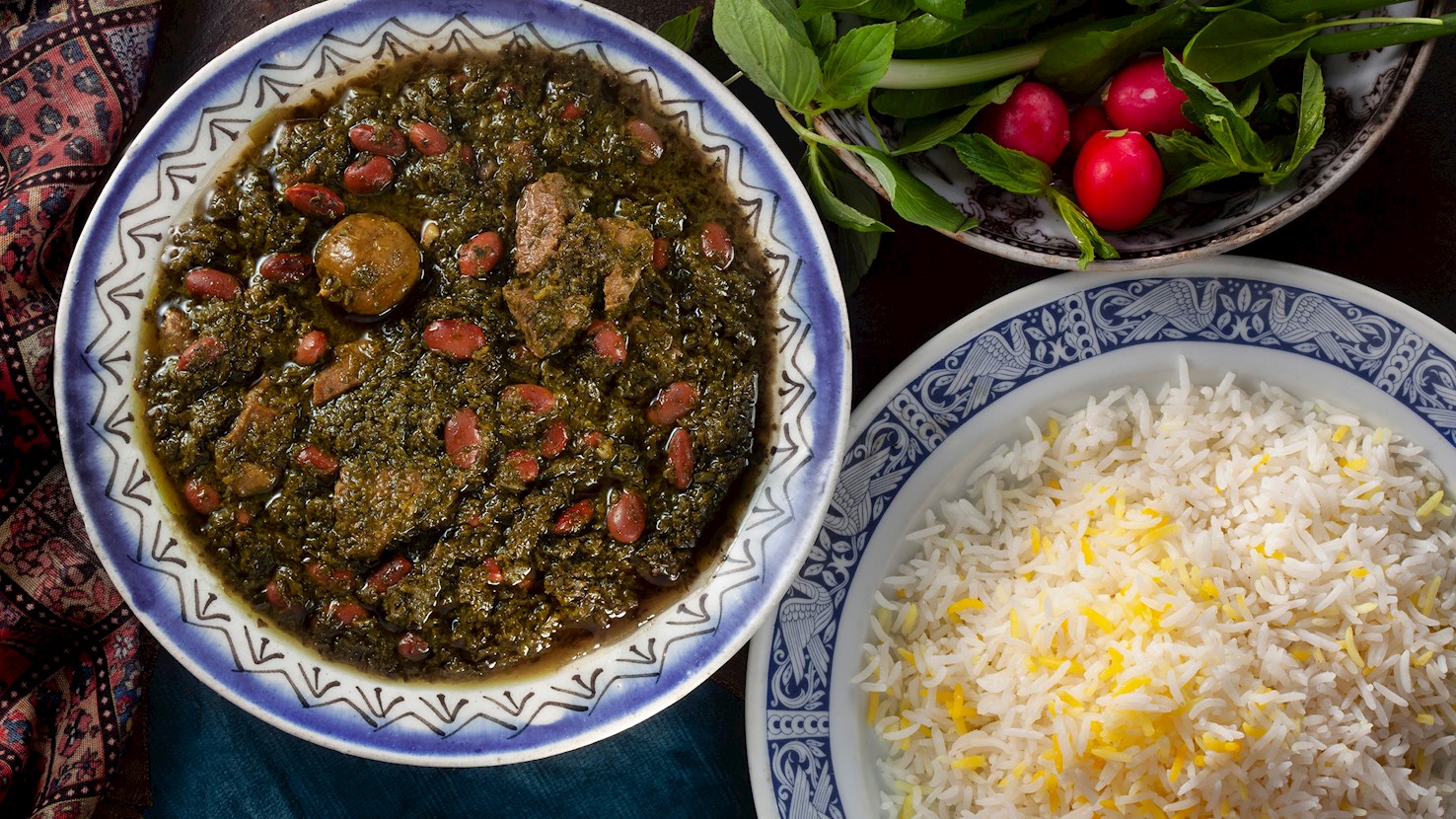
Ghormeh sabzi is an Iranian herb stew that has become one of the country’s most widely prepared and recognized dishes, appreciated for its complex flavor that combines aromatic greens, tender meat, and a signature tang from dried limes. The name translates simply as “fried herbs,” reflecting the preparation of finely chopped greens that form the core of the dish. Its origins are rooted in Persian home cooking, where it has long been a familiar part of family meals and gatherings. The preparation of ghormeh sabzi begins with a generous quantity of fresh herbs, primarily parsley, cilantro, and fenugreek, sometimes supplemented with spinach or chives. These greens are chopped finely and then sautéed slowly until their raw flavor mellows and their aroma intensifies. Cubes of lamb or beef are browned with onion and turmeric to build a savory base. Red kidney beans, either dried and pre-cooked or canned, are added along with water or broth. The mixture is left to simmer gently until the meat softens and the flavors meld together. Dried limes, known as limoo amani, are pierced and simmered in the stew, releasing a distinct sourness that balances the richness of the meat and herbs. Ghormeh sabzi is usually served hot with steamed Persian rice, allowing the rice to absorb the fragrant juices. The contrast between the fresh, slightly bitter herbs and the acidity of the limes is the hallmark of the dish. Though recipes vary by region and household, most agree that the herb frying step is essential, as it defines both the taste and the characteristic dark green color. Some cooks prefer more fenugreek, while others adjust the amount of kidney beans or substitute black-eyed peas. Across Iran, ghormeh sabzi holds a place of pride and is often viewed as a measure of a cook’s skill. Preparing it well requires patience, particularly in the slow sautéing and long simmering that bring out the stew’s depth of flavor. It is considered both a celebratory and an everyday dish, appearing in restaurants and homes alike.
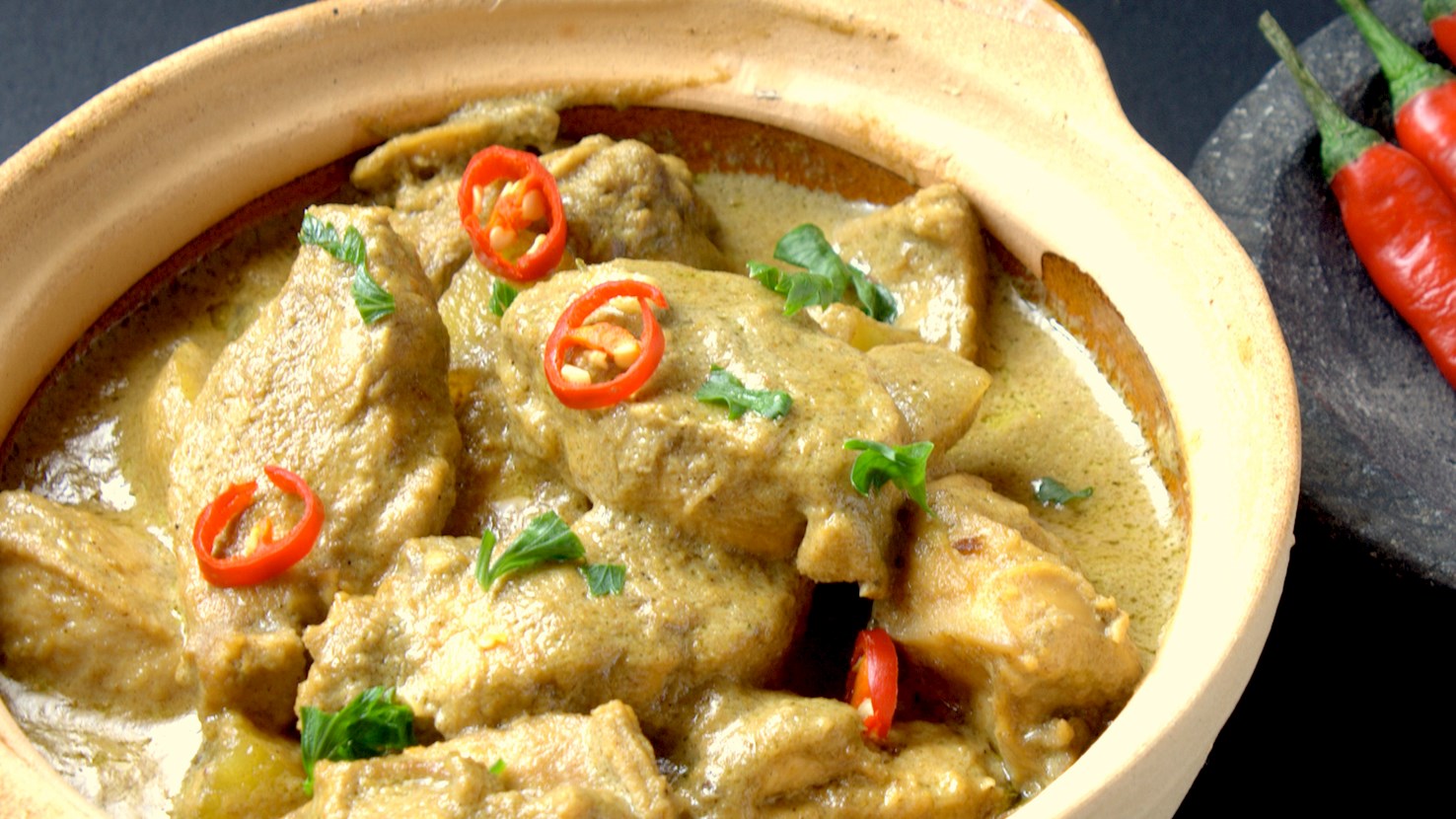
Korma is a rich and aromatic braised dish that comes from the Indian subcontinent, particularly associated with Mughlai cuisine in northern India, Pakistan and Iran. It typically consists of meat or vegetables slow-cooked in a sauce made with yogurt, cream, nut paste, or coconut milk, creating a delicate balance of savory and mildly sweet flavors with gentle spices like cardamom, coriander, cinnamon, and cloves. The word korma is derived from the Urdu and Hindi verb qormā, meaning “to braise,” which describes the technique of cooking meat or vegetables over low heat in a flavorful liquid. Korma has deep historical roots dating back to the Mughal era in the 16th century, when Persian-influenced cooking styles merged with Indian ingredients and methods. Court chefs developed korma as part of the refined Mughlai repertoire, where dishes were expected to be elaborate yet subtle. Over time, korma evolved into many variations, from the luxurious versions made with cream and ground nuts for aristocratic banquets to simpler, homestyle recipes using yogurt as the primary base. During colonial times, korma was also adapted to suit British palates, eventually inspiring modern interpretations such as the creamy korma curries popular in the UK today. Preparation of korma begins by marinating the main ingredient, commonly lamb, chicken, or vegetables, in yogurt blended with ground spices. The marinated pieces are then gently fried or seared with onions to build flavor. A mixture of ground almonds, cashews, or poppy seeds may be added to the pot, followed by stock or water. The dish simmers slowly to develop depth and a velvety texture. Toward the end of cooking, cream or coconut milk is sometimes stirred in for richness. The final seasoning is adjusted carefully to maintain the dish’s characteristically mellow spice profile. Korma can be found in restaurants, served at weddings, and cooked at home across South Asia. It is typically accompanied by steamed basmati rice, naan, or paratha. In some regions, it is customary to garnish it with slivered almonds or a drizzle of saffron-infused cream.
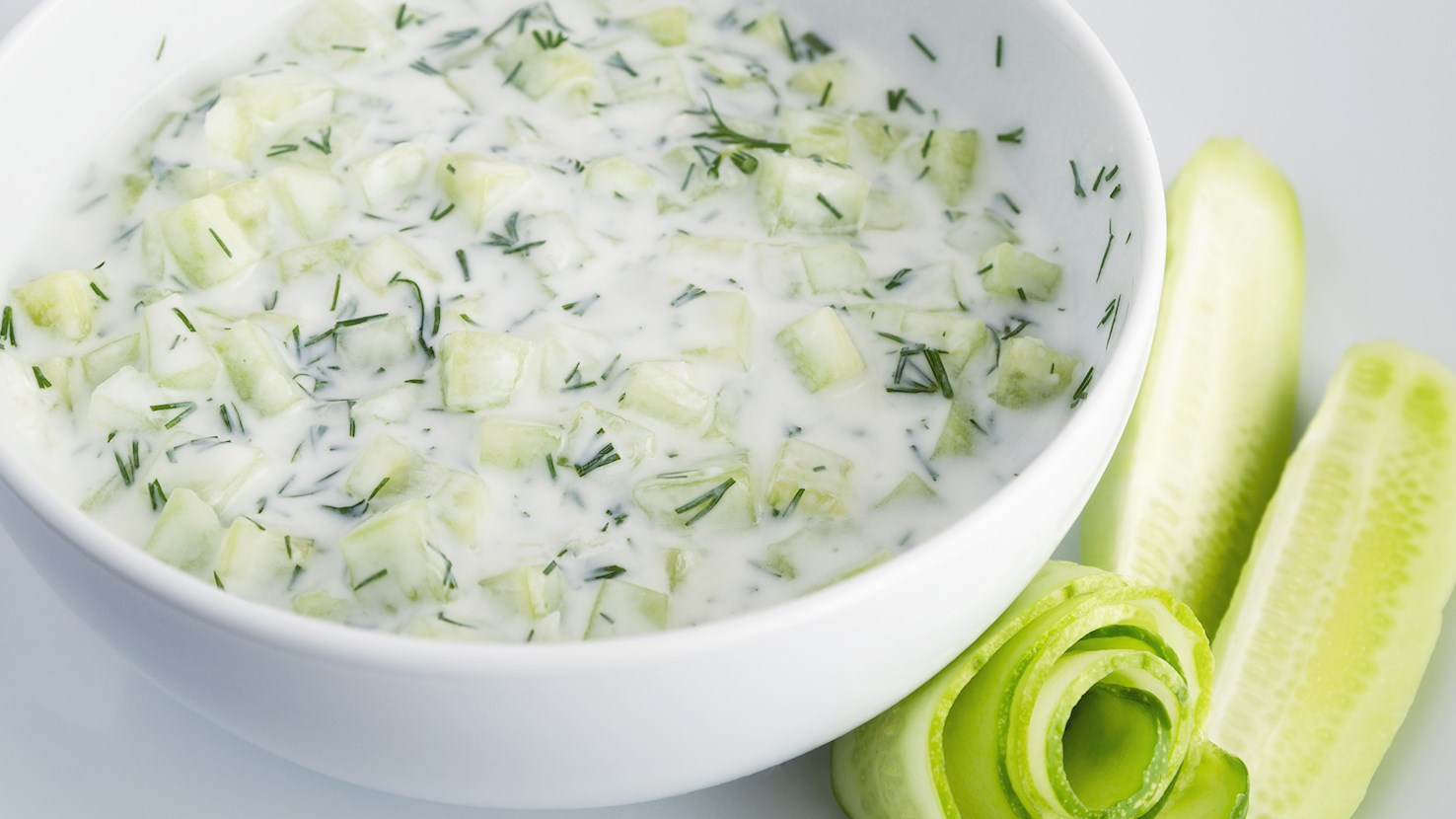
Mast o khiar is a cold yogurt dip from Iran, prepared by combining strained or plain yogurt with diced cucumber and aromatic herbs. It is part of the broad category of side dishes known as borani or yogurt salads, which are served to accompany a variety of Persian meals. This preparation is especially common during warm months, when its cooling qualities are appreciated alongside rice and grilled meats. The history of mast o khiar is closely linked to the long tradition of yogurt consumption in Iran, where dairy has played an important role in the diet for centuries. Early references to similar yogurt and vegetable combinations appear in medieval Persian cookbooks, which describe how thick strained yogurt was mixed with herbs and sometimes walnuts or raisins. Over time, cucumbers became a standard addition as they were cultivated more widely, and recipes evolved to include fresh mint and dried rose petals for fragrance. To prepare mast o khiar, yogurt is mixed until smooth and lightly salted. The cucumber is peeled if desired and cut into small cubes, then folded into the yogurt. Fresh herbs, most often mint and dill, are finely chopped and stirred in. Depending on the recipe, ground black pepper, crushed walnuts, and raisins may also be added to give more complexity. A small amount of dried rose petals is often sprinkled over the top for aroma and color. The dish is chilled briefly so the flavors combine. Mast o khiar is typically served as a side dish in a shallow bowl or small plate. It can be eaten plain with a spoon or used as a topping for warm flatbreads. In family meals and gatherings, it often appears next to platters of kebab or stewed dishes, where its freshness provides balance to richer flavors.
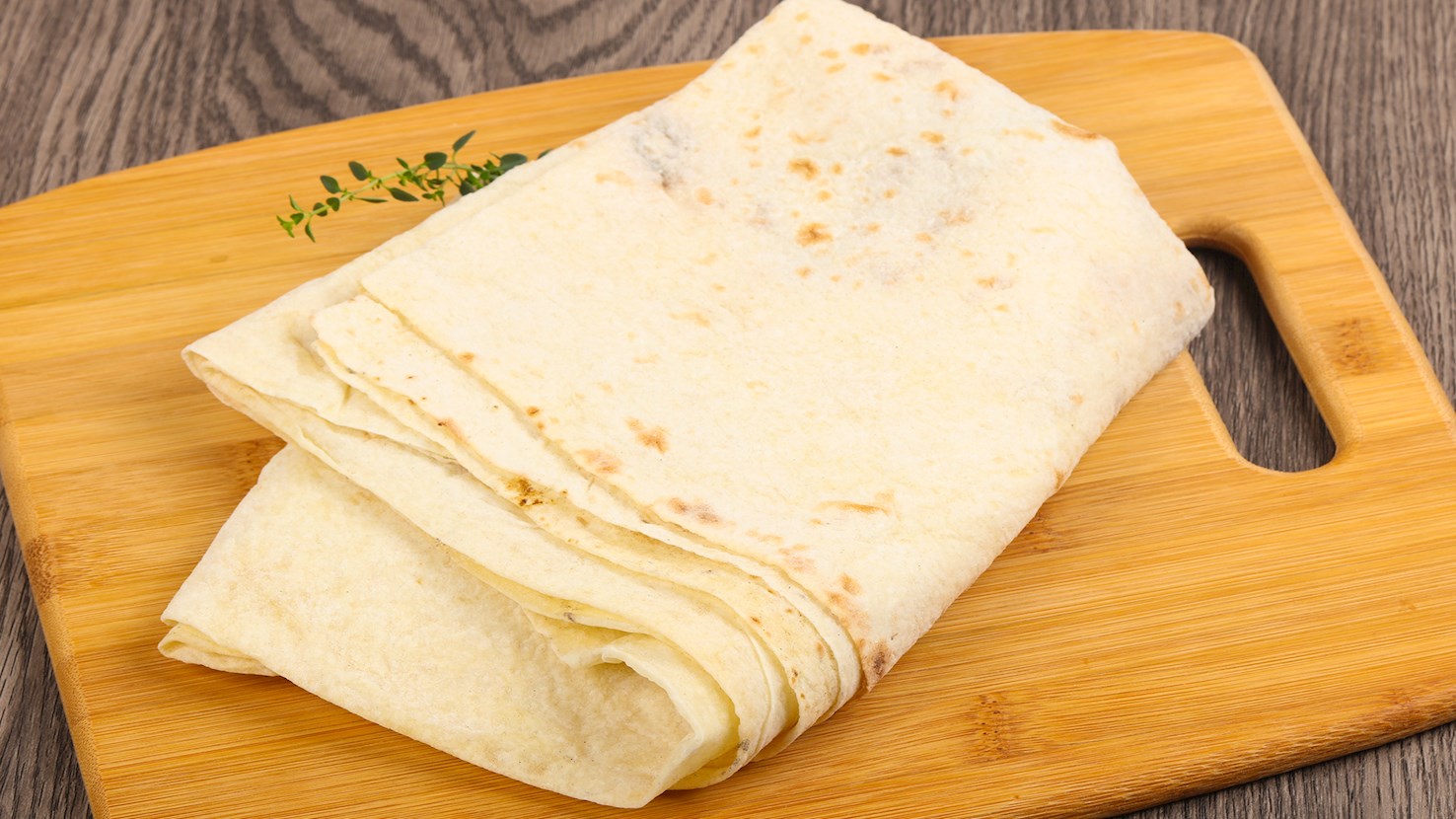
Lavash is a traditional flatbread claimed by many food specialists to be Armenian in origin, but it is well-known and prepared throughout Western Asia (most noteably Iran and Türkiye) and the Caucasus (most noteably Azerbaijan). The dough consists of wheat flour, salt, and water leavened only with a sourdough starter. Once the dough has risen, it is shaped into small lumps that are rolled flat and then slapped against the inside of a clay oven called tonir. Depending on the part or region of Armenia, these flatbreads can vary in thickness, size, shape, and the method of kneading. Because the process of making lavash is so labor-intensive, as well as time-consuming, this flatbread is typically prepared in advance. The baked flatbreads are kept in a dry place and sprinkled with water before use to restore their flexibility. Even to this day, lavash is only torn by hand and can be used either as bread, a wrap, or a spoon. The significance of this flatbread in Armenia is reflected in the ceremonial ritual of its preparation, starting with the choice of women who are fit to make this flatbread, to the sacred and obligatory whispering of blessings or reciting of kind words while making the dough, as it is believed the dough has magical powers to make the whispered wishes come true. As it is considered to be a symbol of fertility and prosperity, lavash has great significance in the Armenian wedding ceremonies, and is also used in traditional medicine since it is believed to have healing properties. In 2016, UNESCO recognized lavash making and sharing culture as an Intangible Cultural Heritage of Humanity.
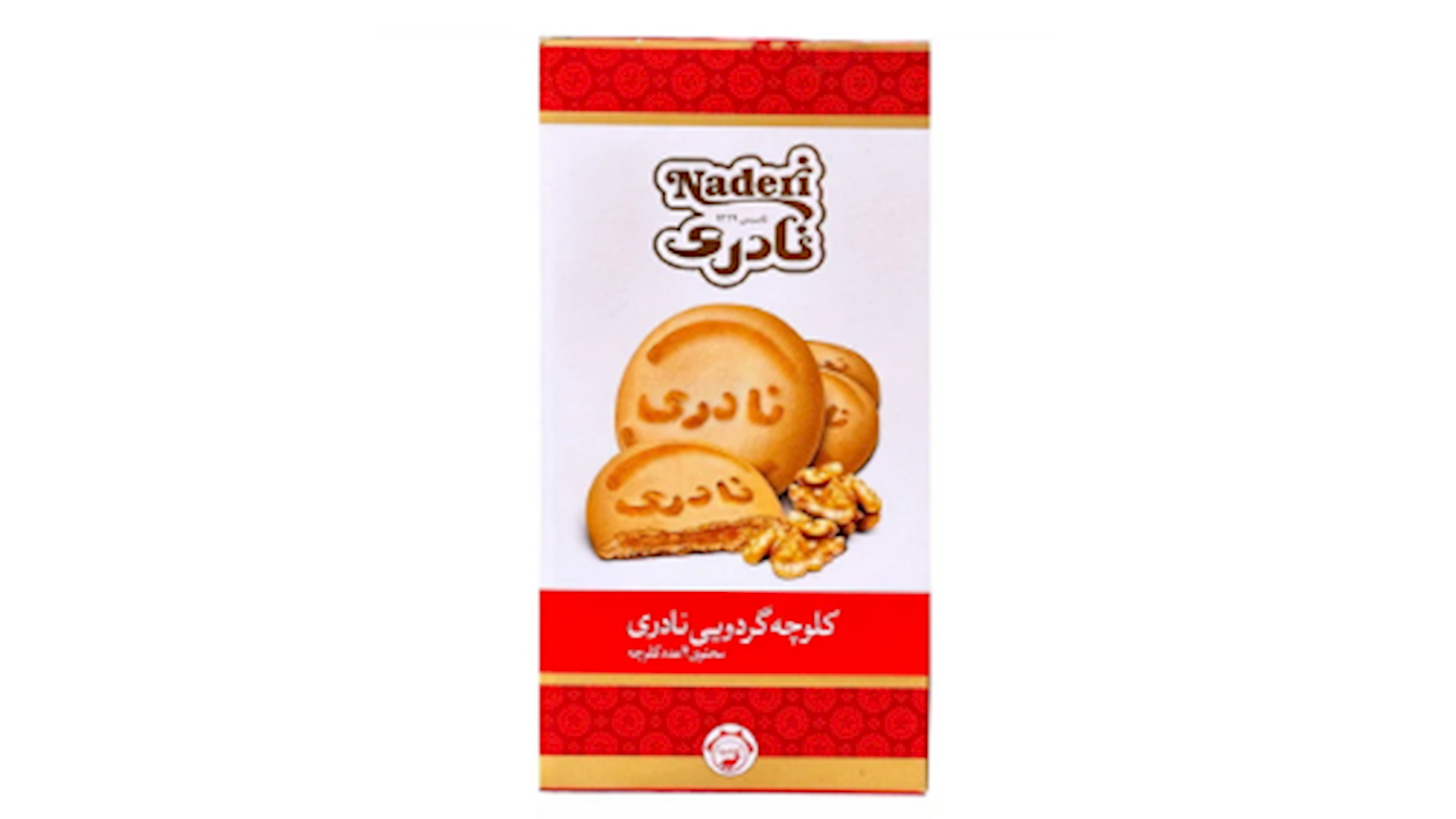
Naderi is an Iranian confectionery producer known for its wide range of biscuits and traditional sweets, with origins dating back to 1950 when it began as a small family-run shop in Lahijan before evolving into a larger-scale manufacturing operation. Today, as part of Naderi Food Industries Group, the company offers a diverse portfolio that includes biscuits, filled cakes, wafers, and snack products, alongside more contemporary cookie-style lines often marketed under names like Cookia. A defining element of its production is the continuation of traditional Iranian pastries such as koloocheh - soft, filled cookies made with ingredients like walnuts, coconut, or dates - which remain closely tied to local culinary habits and are commonly consumed with tea. At the same time, Naderi has expanded into more modern formats, including chocolate-coated biscuits and cream-filled varieties, balancing heritage recipes with industrial production methods. The products typically rely on straightforward ingredients such as flour, sugar, vegetable fats, nuts, and dairy components, resulting in a range of textures from soft and cake-like to crisp and compact. While firmly rooted in the domestic market, Naderi products are also distributed internationally through specialty food retailers, where they represent a contemporary interpretation of Persian confectionery traditions.
Pariz Nuts is a family-owned Iranian brand based in the city of Sirjan, in Kerman Province - a region globally recognized as the heart of pistachio cultivation. In addition to pistachios, the company exports dates, figs, and other dried fruits to markets across the Middle East, Europe, and Asia. Pariz Nuts is committed to sustainable agriculture, using minimal pesticides and preserving traditional processing methods that maintain the natural aroma and color of the products. The brand’s visual identity reflects a blend of tradition and modernity, with elegant packaging designed for the premium market segment. Through continuous investment in technology and close collaboration with local growers, Pariz Nuts sets a high standard for Iranian nuts on the international stage, offering products that embody authenticity, origin, and exceptional taste.
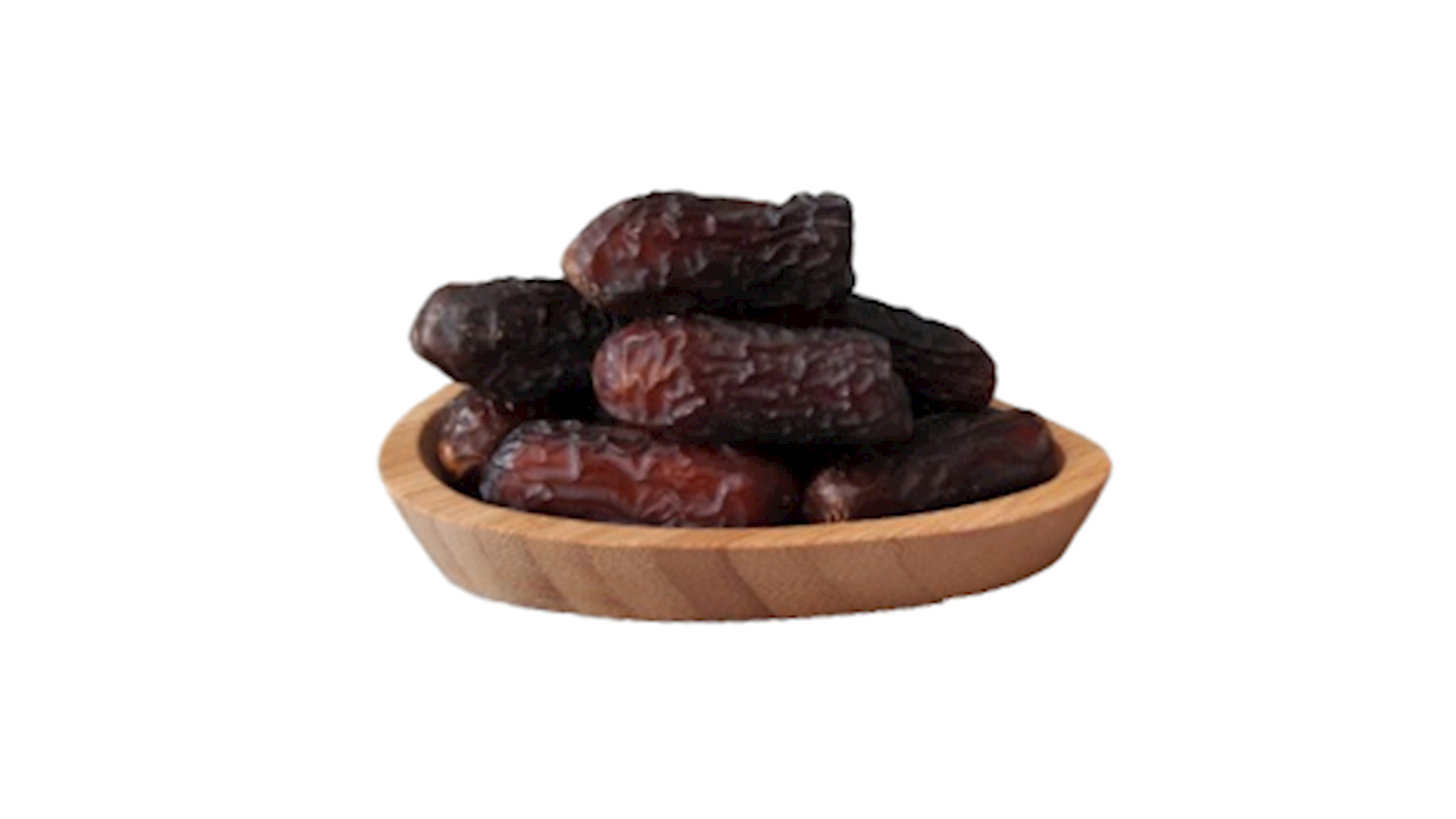
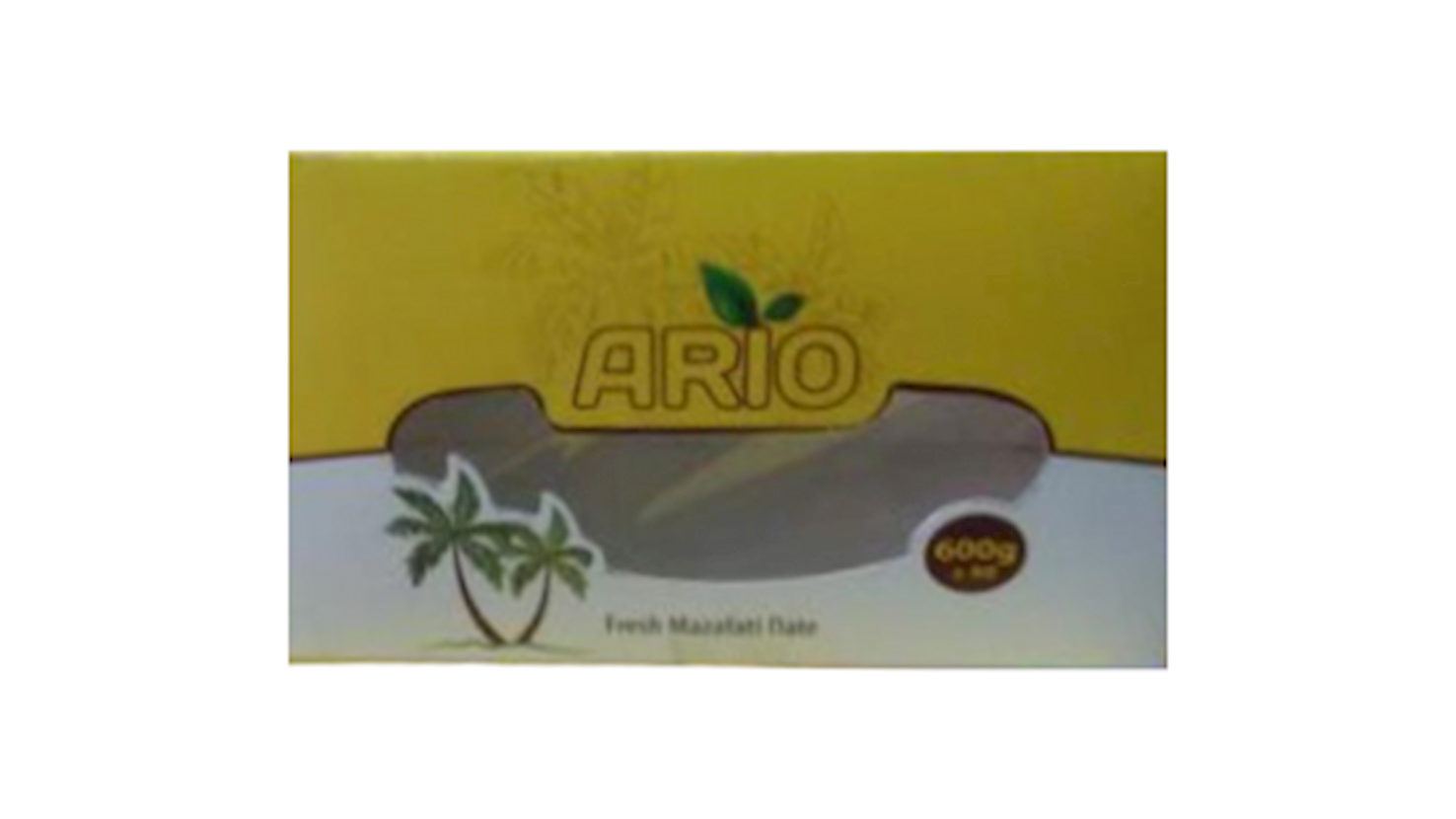
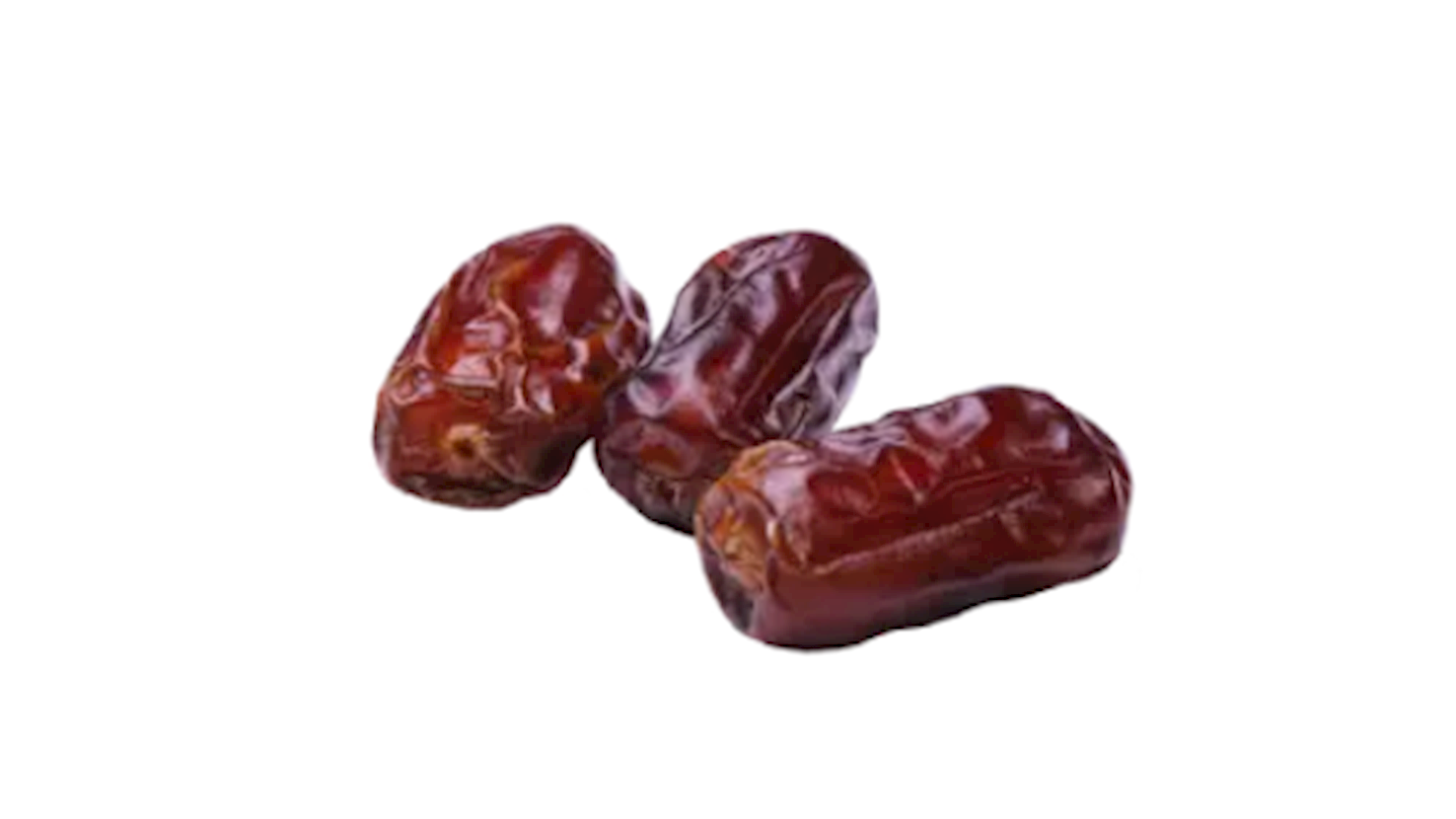
Ario is an Iranian company specializing in the export and distribution of premium-quality dates, headquartered in Iran with a long-standing presence in international markets. Its production encompasses a wide range of varieties that reflect the diversity of Iran’s climate - from the soft and juicy Mazafati dates from the Bam region, to the semi-dry Piarom from Hajiabad, and the dry Zahedi and Sayer varieties prized for their extended shelf life. Ario combines traditional harvesting techniques with modern technology for sorting, drying, and packaging, ensuring the preservation of natural flavor, color, and nutrients. The company operates modern cold storage and warehousing facilities that provide controlled conditions essential for maintaining the freshness of high-moisture varieties like Mazafati. In addition to whole dates, Ario also produces date-based products such as syrup, paste, sugar, and powder, which are widely used in the food and confectionery industries. Its philosophy is built on the harmony between tradition and innovation, respecting the natural ripening cycle and the local expertise in date processing. Ario Co. thus sets a benchmark for the Iranian date export industry - combining quality, authenticity, and a global outlook in every product.
Fadak Trading is an Iranian company based in Tehran, founded in 2017, and specialized in exporting premium-quality Iranian dates. The company focuses on preserving the authenticity of Iranian fruit cultivation through careful selection of varieties and close collaboration with local growers. It offers a wide range of dates, each with its own distinctive flavor, texture, and nutritional profile. The fruits are hand-picked at their peak ripeness, then sorted and packed under controlled conditions to preserve their freshness and natural sweetness. The company maintains full control over the supply chain - from the plantation to the final packaging - ensuring consistent quality and product safety. In addition to dates, Fadak Trading exports dried herbs and fresh fruits in smaller quantities, complementing its portfolio of authentic Iranian agricultural products. The brand’s visual identity reflects its philosophy - minimalist, elegant packaging designed for the international market.
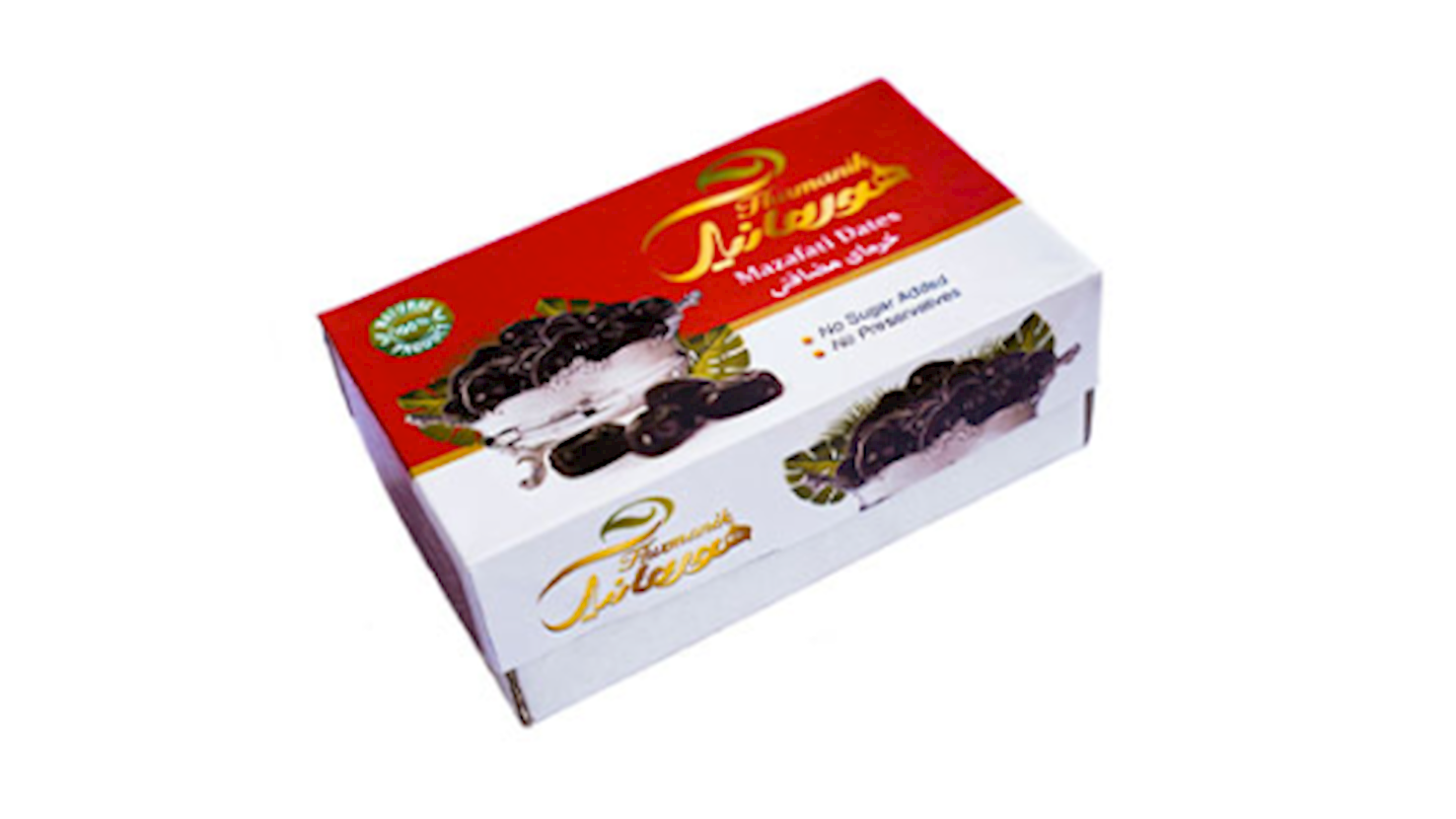
Aspad Tejarat Ayrik, also known under the brand name Hormanik, is an Iranian company specialized in the cultivation, processing, and export of premium date varieties, headquartered in Mashhad. Its portfolio includes more than 30 types of dates, among which Mazafati, Piarom, Kabkab, Zahedi, and Khassui stand out - each with its own distinct character, texture, and sweetness level. The dates are cultivated in various regions across Iran, allowing the brand to combine diverse terroirs and microclimatic conditions to achieve optimal quality. The company is dedicated to sustainable practices and full control of the production process - from harvesting and drying to sorting, packaging, and distribution. Special attention is given to preserving the fruit’s natural moisture and freshness, preventing sugar crystallization and loss of authentic flavor. Hormanik dates are known for containing no added sugars or preservatives, making them a preferred choice for health-conscious consumers and premium markets. Ayrik offers worldwide shipping and collaborates with wholesalers, retailers, and food manufacturers globally. Its business philosophy is based on combining tradition and modern technology while continuously improving quality standards. The Hormanik brand embodies the harmony between Iran’s natural richness and expertise in processing, making its dates among the country’s most esteemed export products. Ayrik aims to present Iranian dates as a product of high gastronomic value. Their market approach demonstrates how local agriculture can successfully connect with global consumers through quality, authenticity, and trust. This brand serves as a strong example of synergy between tradition, innovation, and the export potential of Iran’s agri-food sector.
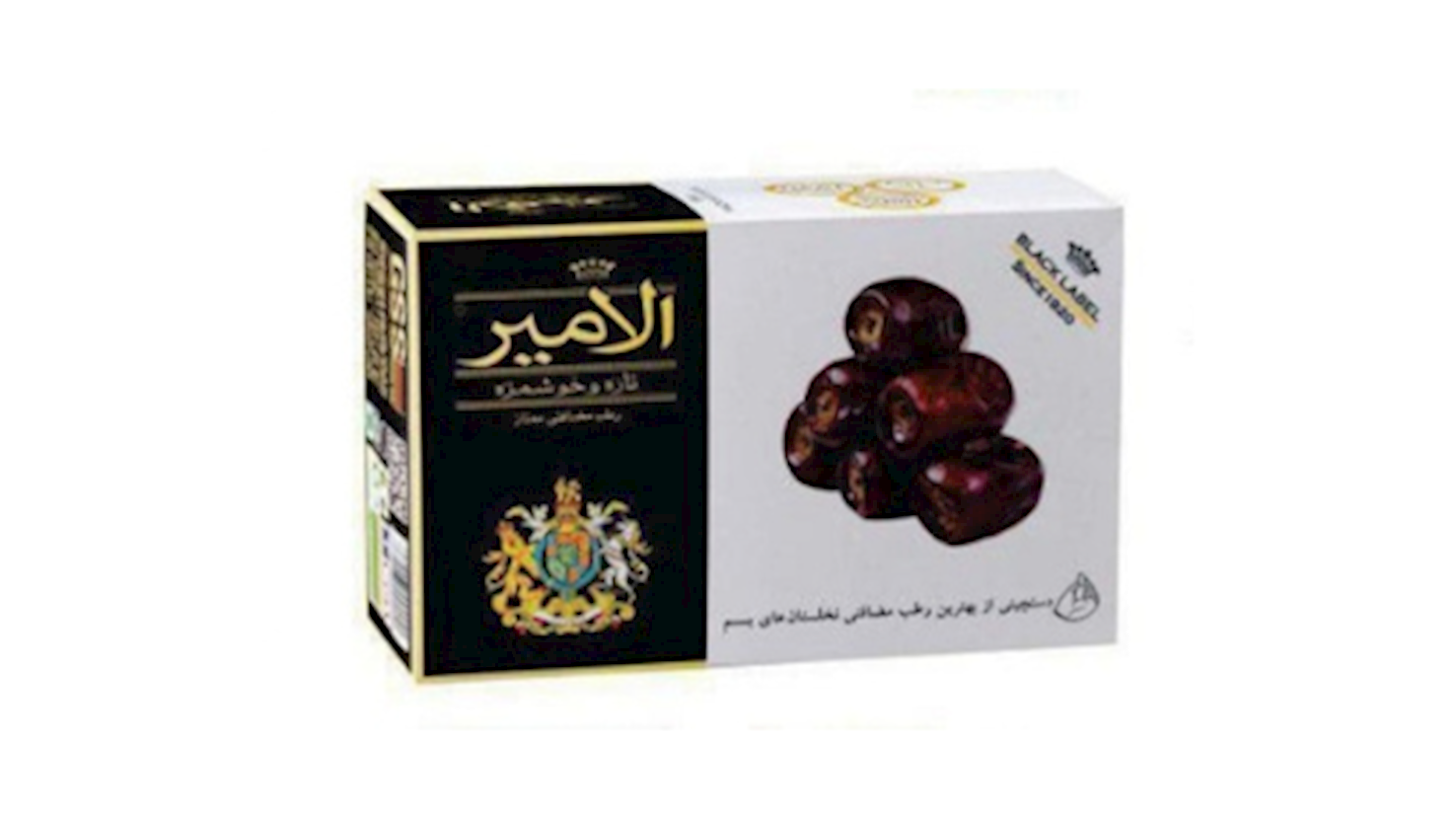
Global Shokraneh Salamat is an Iranian company specialized in the production, processing, and export of the highest-quality date varieties, headquartered in Tehran. It originated from the Sayadi Zadeh family tradition dating back to 1920 and has operated in its modern form since the early 2000s, combining heritage with advanced food technology. The company is positioned in the premium market segment, focusing on hand-selected fruits and advanced packaging processes that preserve the natural freshness and appearance of the dates. Every stage of production undergoes strict quality control - from harvesting and cleaning to storage in climate-controlled facilities and hermetic packaging. Global Shokraneh Salamat operates under the broader Alamir Group, which brings together several affiliated companies in agriculture, food processing, and export, ensuring consistency and long-term product quality. Thanks to decades of experience, Global Shokraneh Salamat has built a reputation as a reliable partner for import-export networks, wholesalers, and distributors in more than 30 countries. Its dates are exported to Europe, North America, Asia, and the Middle East, where they are featured in delicatessens and gourmet retail assortments. Through continuous investment in technology and quality management, Global Shokraneh Salamat successfully combines the heritage of Iranian agriculture with the demands of modern global markets. The company emphasizes ethical business values, transparency, and social responsibility toward the community. Today, Global Shokraneh Salamat is recognized as a synonym for premium Iranian dates - natural, nutritious, and authentic.
TasteAtlas food rankings are based on the ratings of the TasteAtlas audience, with a series of mechanisms that recognize real users and that ignore bot,
nationalist or local patriotic ratings, and give additional value to the ratings of users that the system recognizes as knowledgeable.
For the “Top 68 Iranian Foods” list until June 06, 2026, 7,549 ratings were recorded, of which 4,568 were recognized by the system as legitimate.
TasteAtlas Rankings should not be seen as the final global conclusion about food. Their purpose is to promote excellent local foods,
instill pride in traditional dishes, and arouse curiosity about dishes you haven’t tried.
The initial list of top producers was compiled based on available reviews, awards, local recommendations, media and blog coverage, and consumer reviews.
The list will be updated with ratings from TasteAtlas local ambassadors and TasteAtlas users.