TasteAtlas

Top 73 Bosnian and Herzegovinian Foods

Last updated on August 12, 2026

Best Bosnian and Herzegovinian Foods
01
Ground Meat Dish

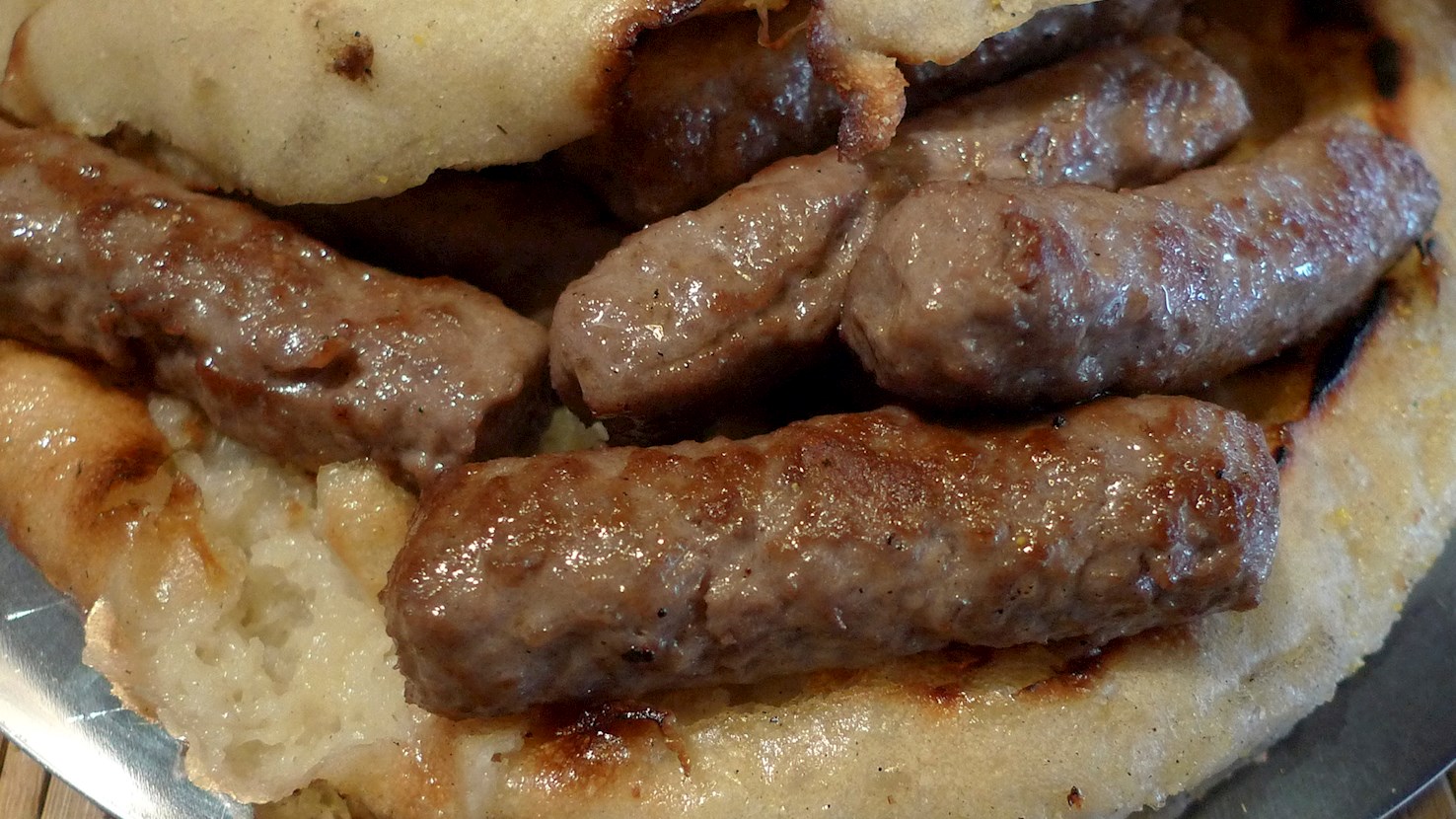
Travnički ćevapi

4.5 ·

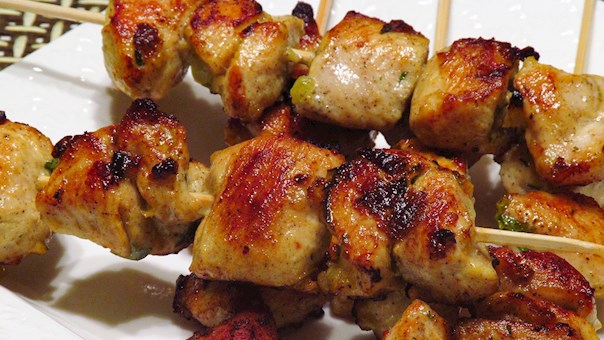
This ćevapi variety is made in the city of Travnik in Bosnia and Herzegovina. The ćevapi are made with a combination of beef, veal, and lamb, with the addition of salt, pepper, and a bit of baking soda. When grilled, the meat is often brushed with a clear broth that was prepared with beef bones and mutton. The bread, locally called pitica, is dipped in the broth, then grilled for a short time. Once grilled, the ćevapi are placed into the pitica, and they are then topped with chopped onions. It is recommended to serve this ćevapi variety with yogurt on the side.

02
Cheese

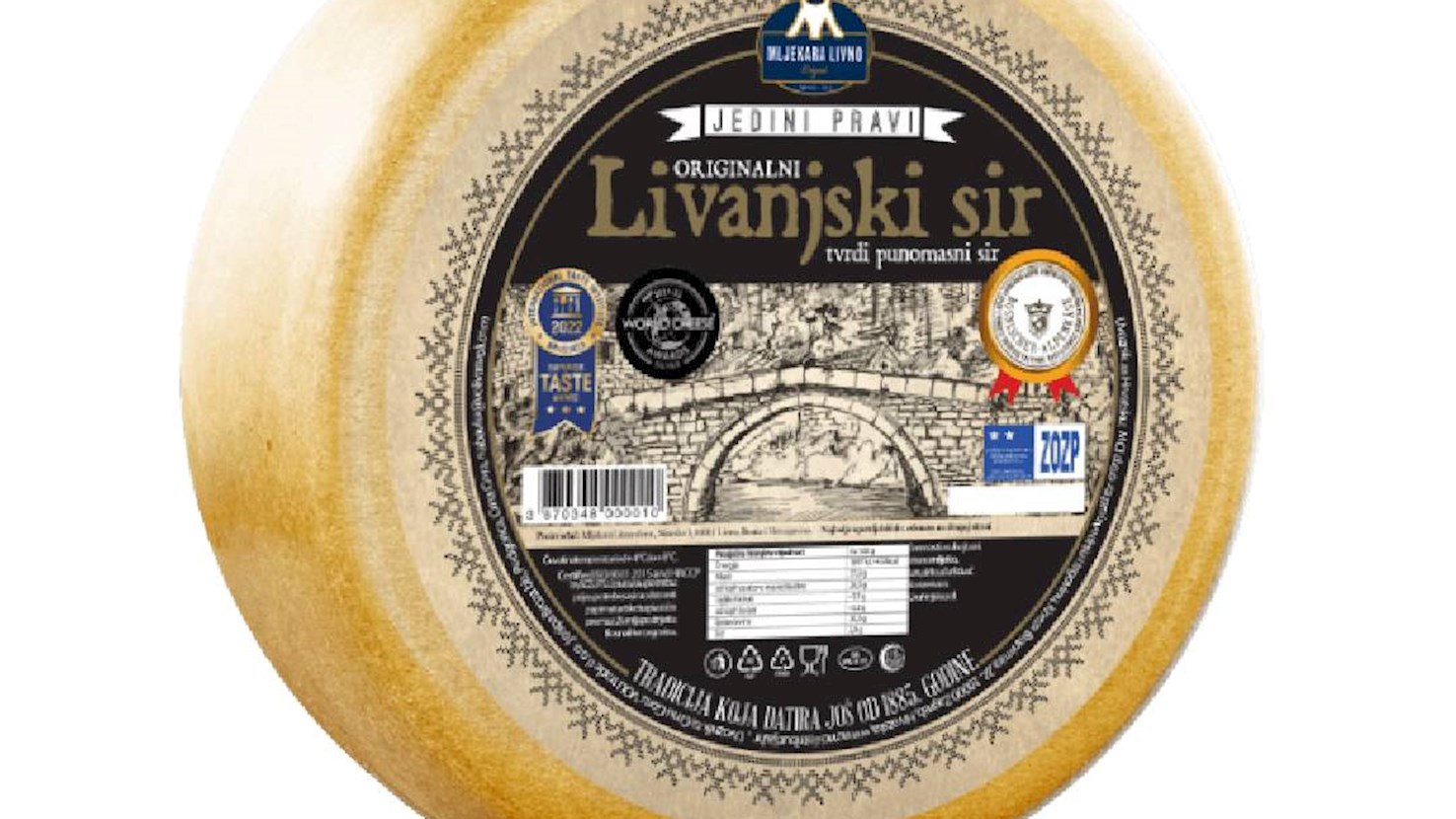
Livanjski sir

4.4 ·

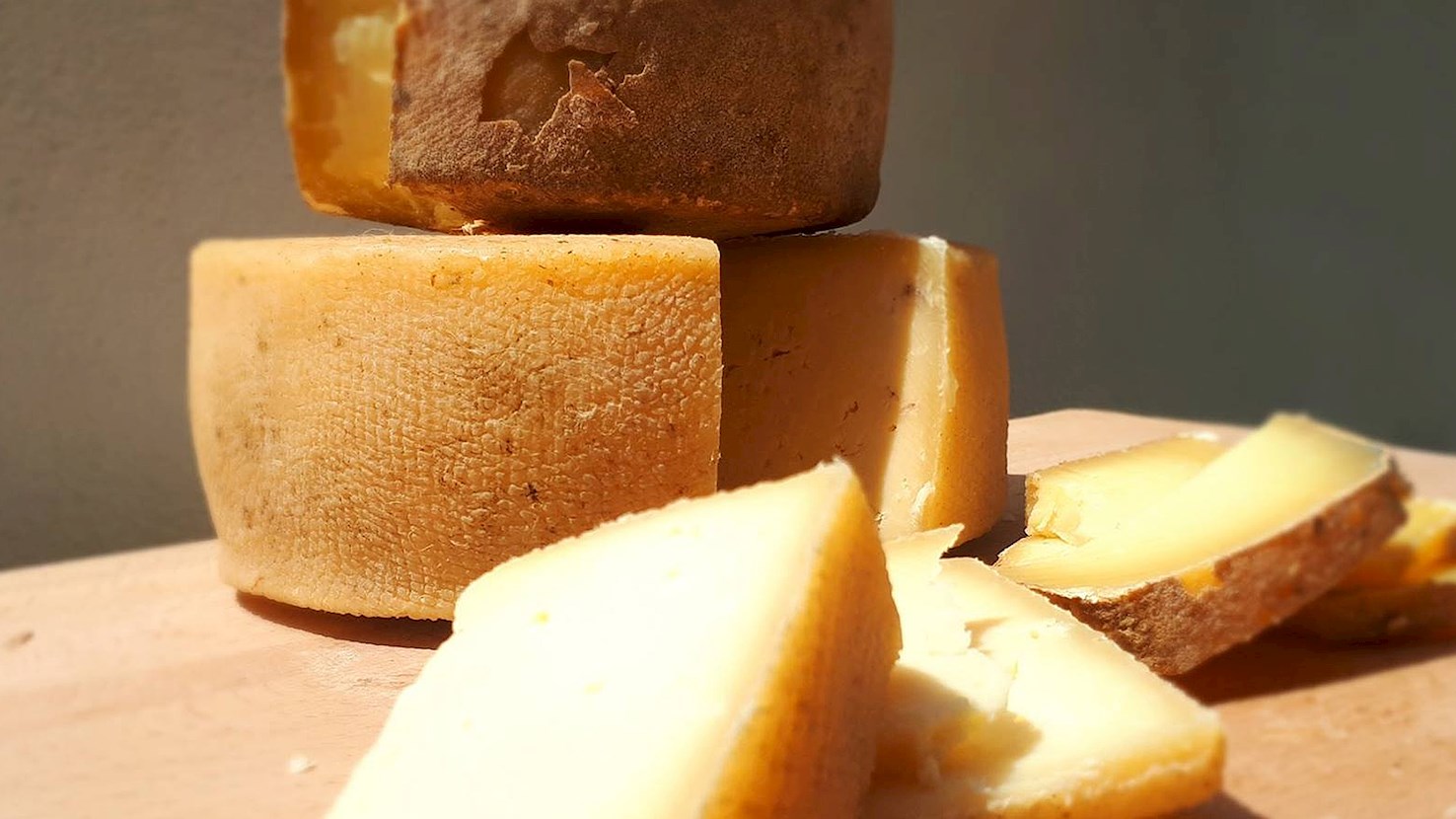
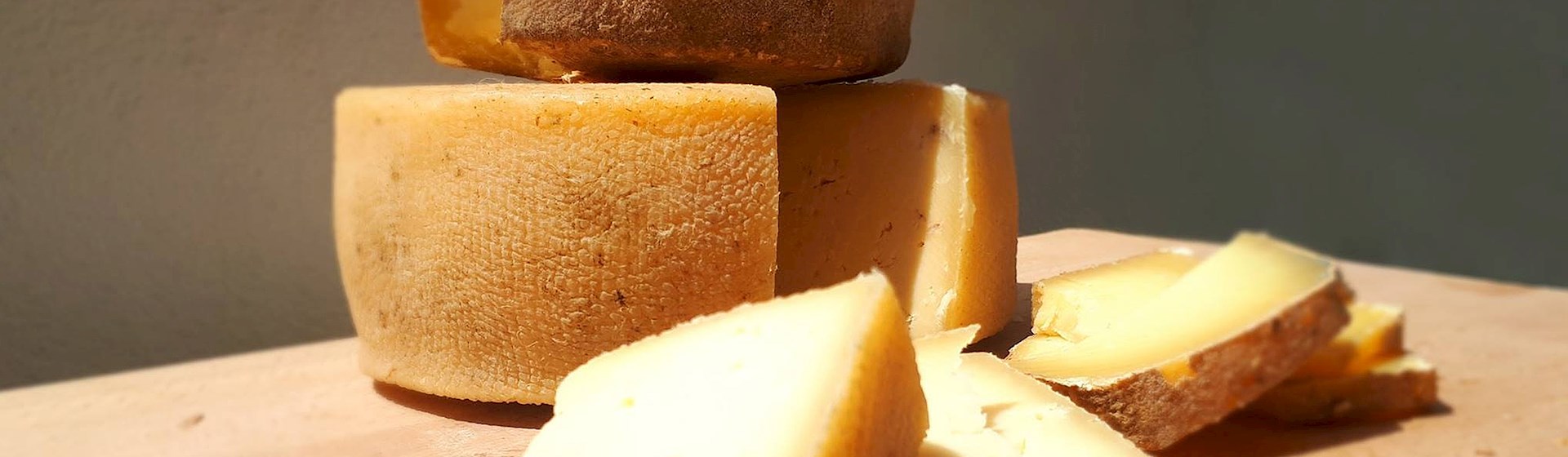
Modeled on the Swiss and French tradition of cheese production, livanjski sir was first produced in 1886, and it was initially made only with sheep’s milk. Later on, the production changed, and while many industrially produced types nowadays employ only cow’s milk, there are a few local, family-owned businesses which use a combination of sheep’s and cow’s milk. This hard cheese usually ripens from sixty up to eighty days, and preferably more. Depending on the aging, the final product ranges from pale to dark yellow, while its texture remains hard, yet elastic, with evenly distributed, medium-sized eyes. Because of its strong flavors and pleasant, nutty aromas, the cheese is best enjoyed as an appetizer, usually paired with smoked meat and robust Herzegovinian wine.

Best producers
03
Savory Pastry

Sirnica

4.4 ·

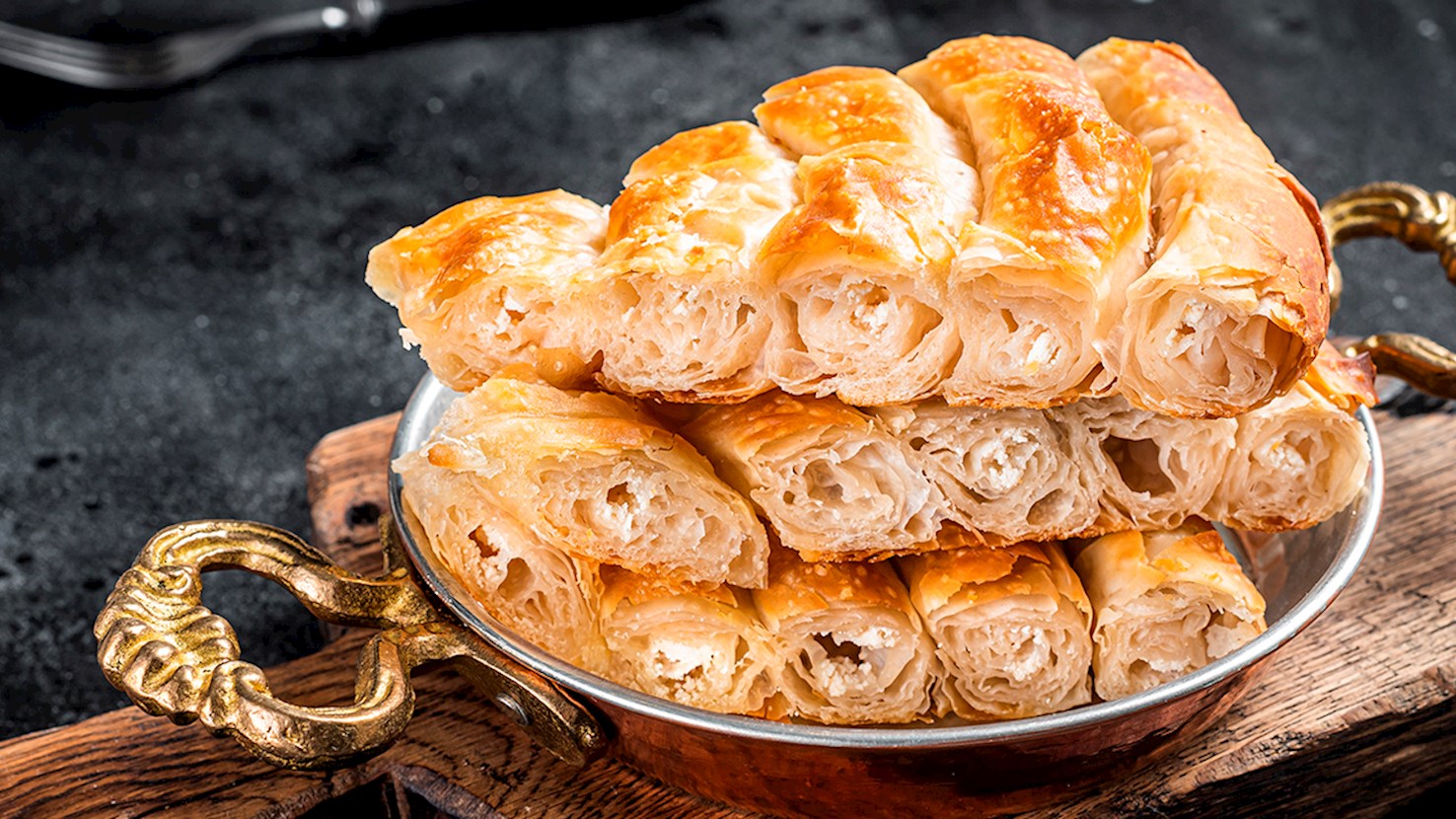
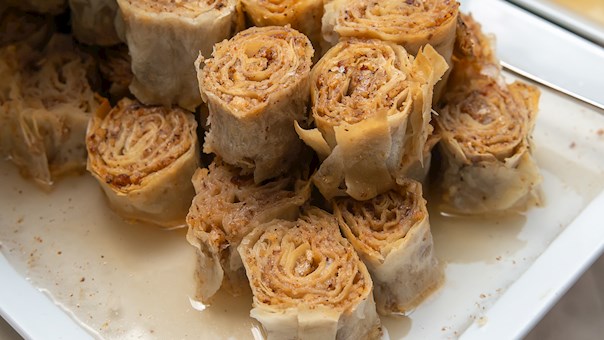
Sirnica is a savory Bosnian pie consisting of phyllo dough that is filled with a combination of fresh cow cheese, sour cream, and eggs. Thin sheets of dough, locally known as jufka, are spread with the cheese mixture and the whole pie is traditionally rolled into a spiral. Before serving, sirnica is occasionally sprinkled with water, oil, or milk. Although it can be enjoyed on its own, this savory pie is often accompanied by yogurt or sour cream.

04
Cured Beef

Suho meso

4.4 ·

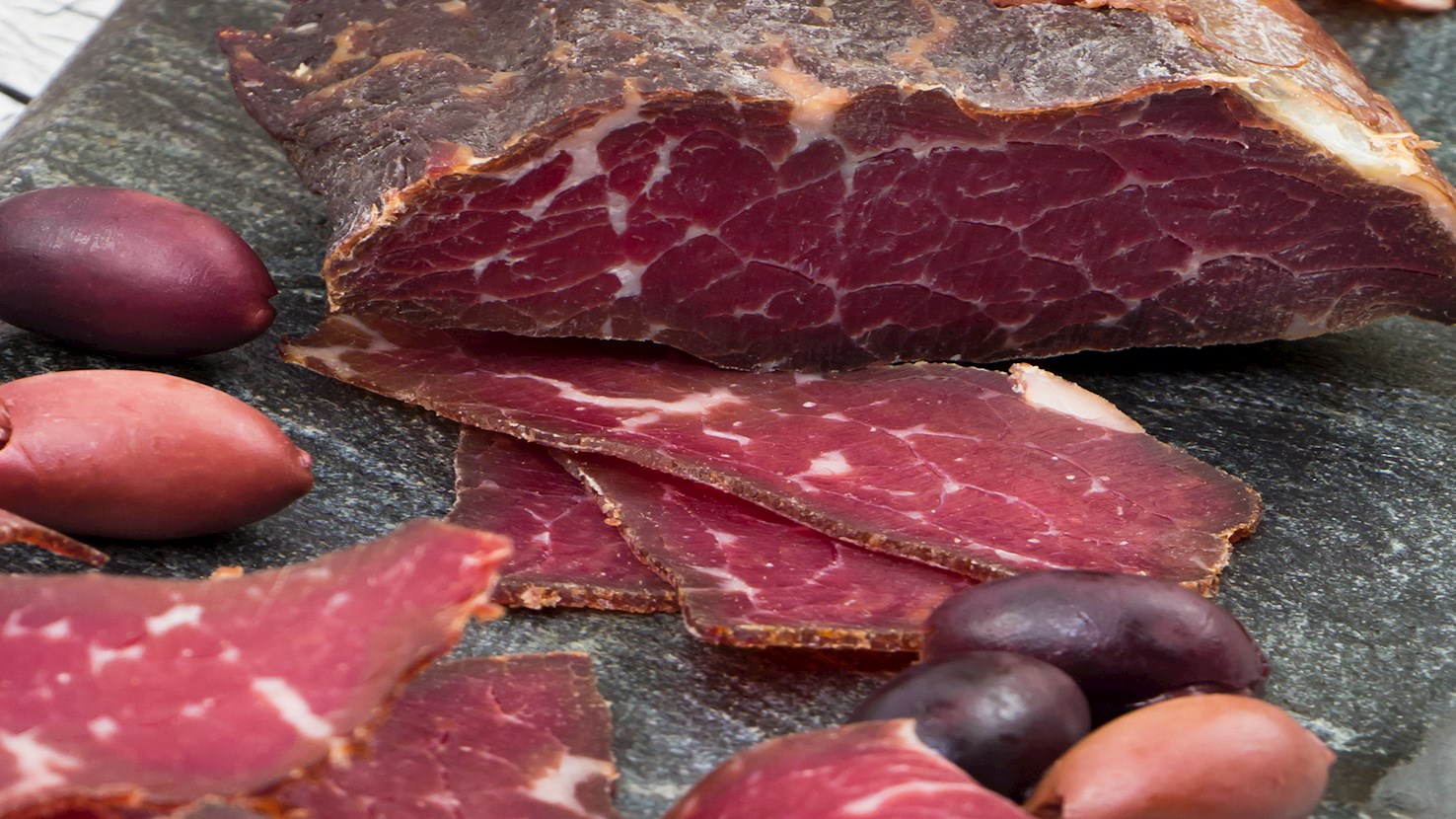
Suho meso is a dry-cured, cold-smoked meat product, most often made from dense cuts of beef. It has a dark mahogany exterior and a strong salty, smoky flavor. The Ottoman conquest of the Balkans in the fifteenth century introduced widespread cattle farming and halal butchery to the mountainous regions. To get through severe winters without refrigeration, farming communities relied on salting and cold-smoking large cuts of beef. Municipal records from sixteenth-century Sarajevo describe guild regulations that specified salting periods and required the use of local beech wood for smoking commercial beef. The process starts with large, lean muscles taken from the hindquarters, sirloin, or tenderloin of a mature cow. The raw meat is rubbed thoroughly with coarse sea salt, crushed garlic, and sometimes whole black peppercorns. The salted cuts are packed tightly into deep wooden barrels or plastic tubs and left for two to three weeks. During this time, the salt draws moisture from the meat and creates a dark, salty brine. After curing, the meat is removed from the liquid and rinsed thoroughly under cold water to wash away excess surface salt. Heavy metal hooks are then inserted into the top of each piece, and the cuts are hung vertically inside a cold smokehouse. Oak or beech wood chips are burned slowly to produce a steady, low-temperature smoke for as long as three weeks. The final stage involves hanging the smoked meat outdoors in freezing winter air for another month. During this period, the flesh becomes firm and dry and can lose nearly forty percent of its original weight. Changing the type of meat also changes the texture and fat content. In Christian-majority areas, beef is often replaced with fattier pork shoulder or loin. This produces a softer, greasier slice and usually requires less drying time. Crushed red chili flakes or sweet paprika can also be added to the initial salt rub, giving the meat a sharper, spicier flavor as it cures. Another variation leaves the bone attached to the meat. This extends the curing time but helps reduce excessive shrinkage during smoking. Once fully cured, the meat becomes very firm and needs a razor-sharp knife to cut it into thin, almost translucent slices. The dark red slices are served cold on a flat wooden board. Suho meso is usually eaten as a substantial starter with raw garlic cloves, sharp white brine cheese, and pickled vegetables. Thick pieces of warm, soft flatbread are served alongside to absorb the remaining fat. Small chilled glasses of strong plum brandy are also commonly served with the salty smoked meat.

05
Savory Pastry

Burek

4.3 ·

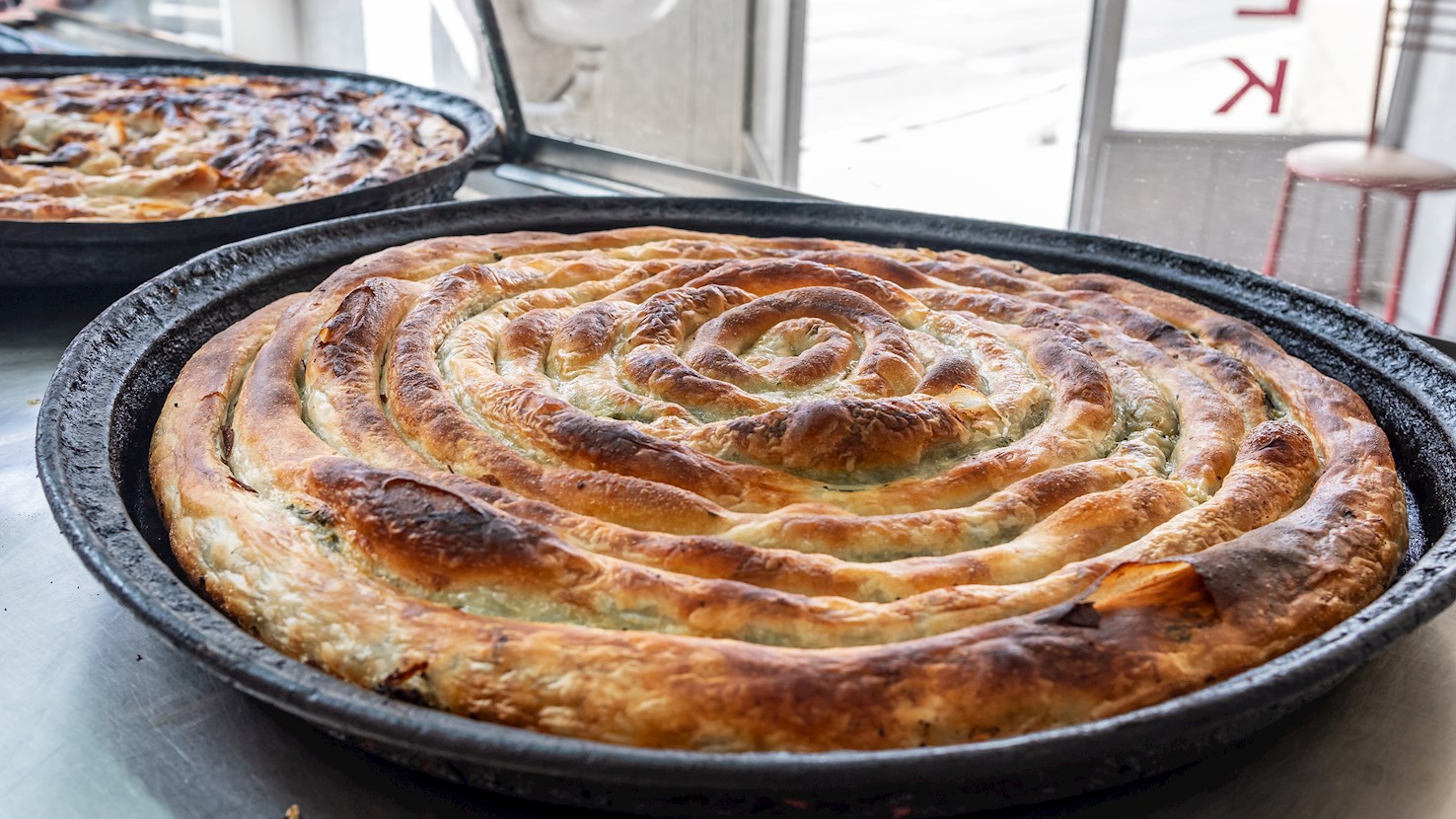
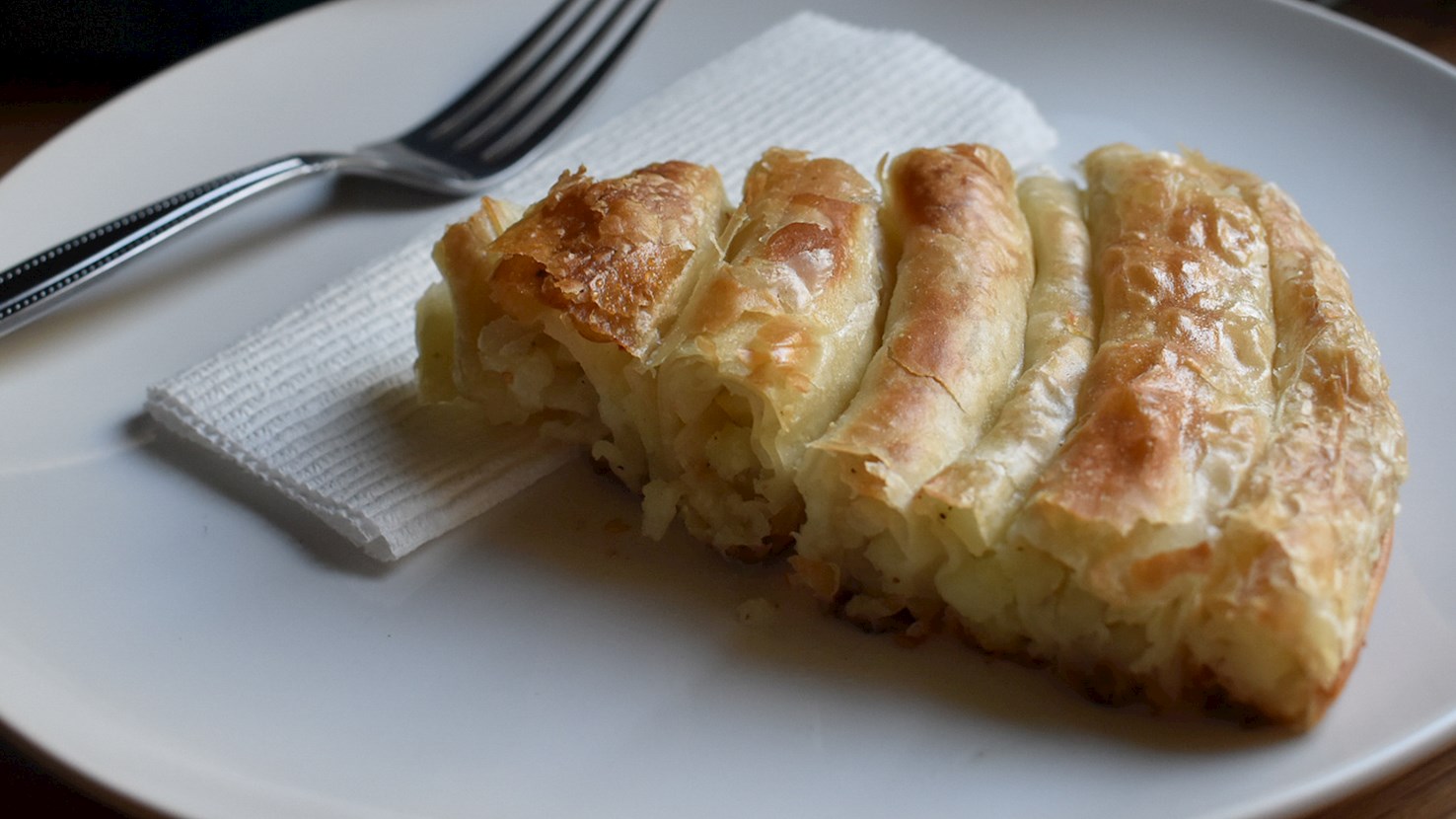
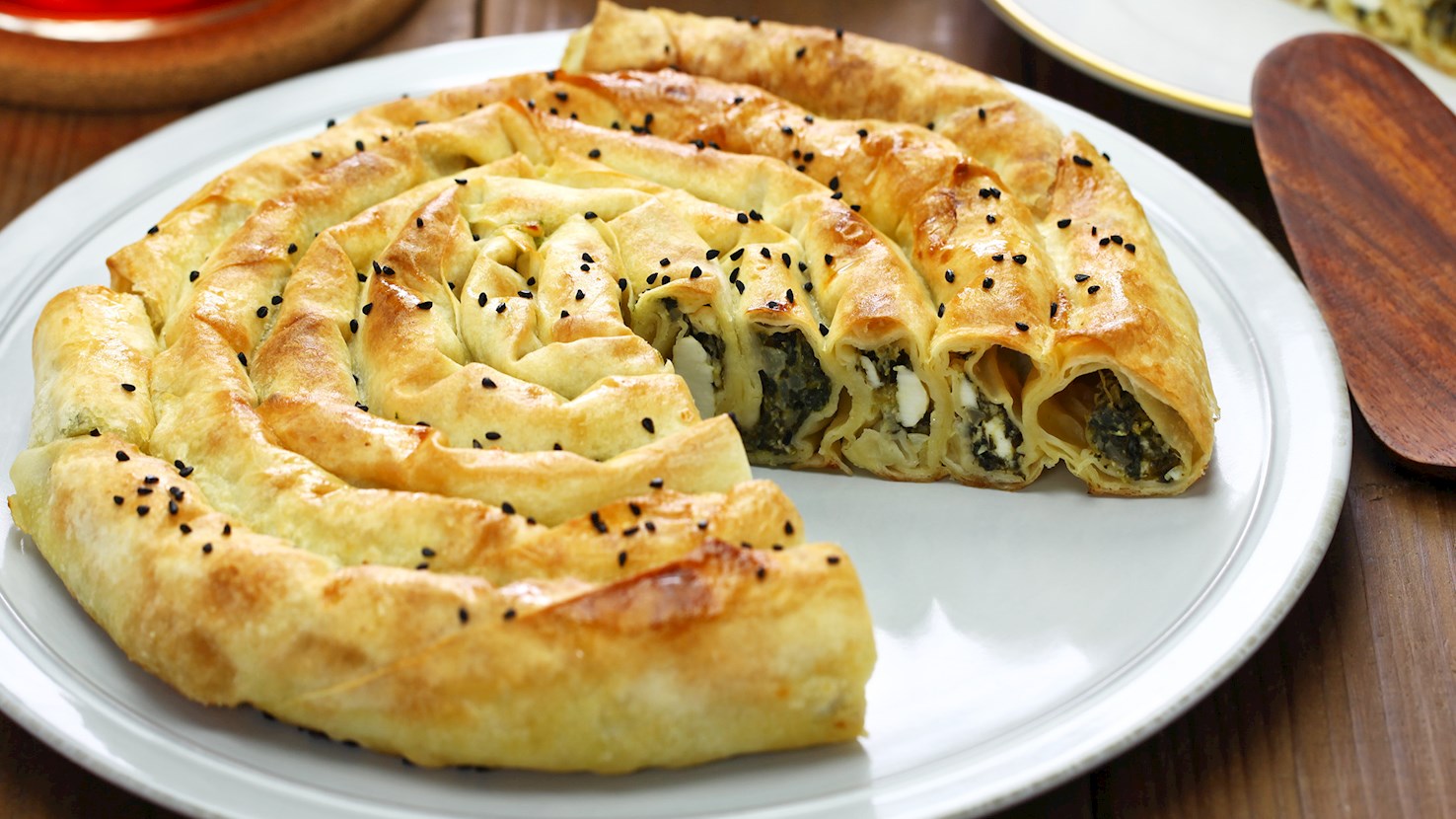
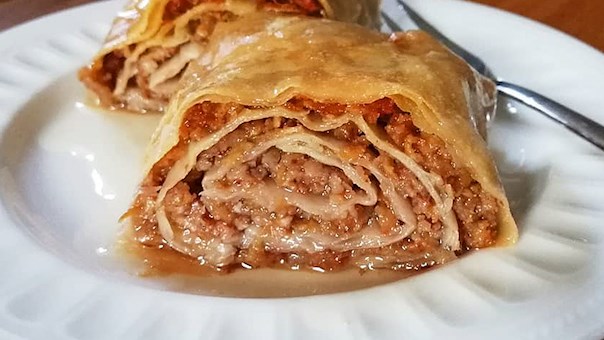
Burek consists of layers of phyllo dough stuffed with various savory fillings. Despite its Turkish origins, this dish has evolved into a proud gem of Bosnian national cuisine. Although most locals claim that only burek with ground beef can be called burek, the same dish also appears with other fillings, and these other varieties are known by different names: sirnica (cottage cheese), zeljanica (spinach), and krompiruša (potatoes). Burek is baked rolled into a snail-like shape and this type is typically found in bakeries, while traditional restaurants often make it in the form of a pie, which is sliced into quarters before serving. The dish is wildly popular all across the Balkans, though in Bosnia and Herzegovina, the cultural significance of this everyday staple is incomparable and best summed up in a number of local proverbs suggesting that if a woman can make a good burek, she's eligible for marriage.

06
Flatbread

Somun

4.3 ·

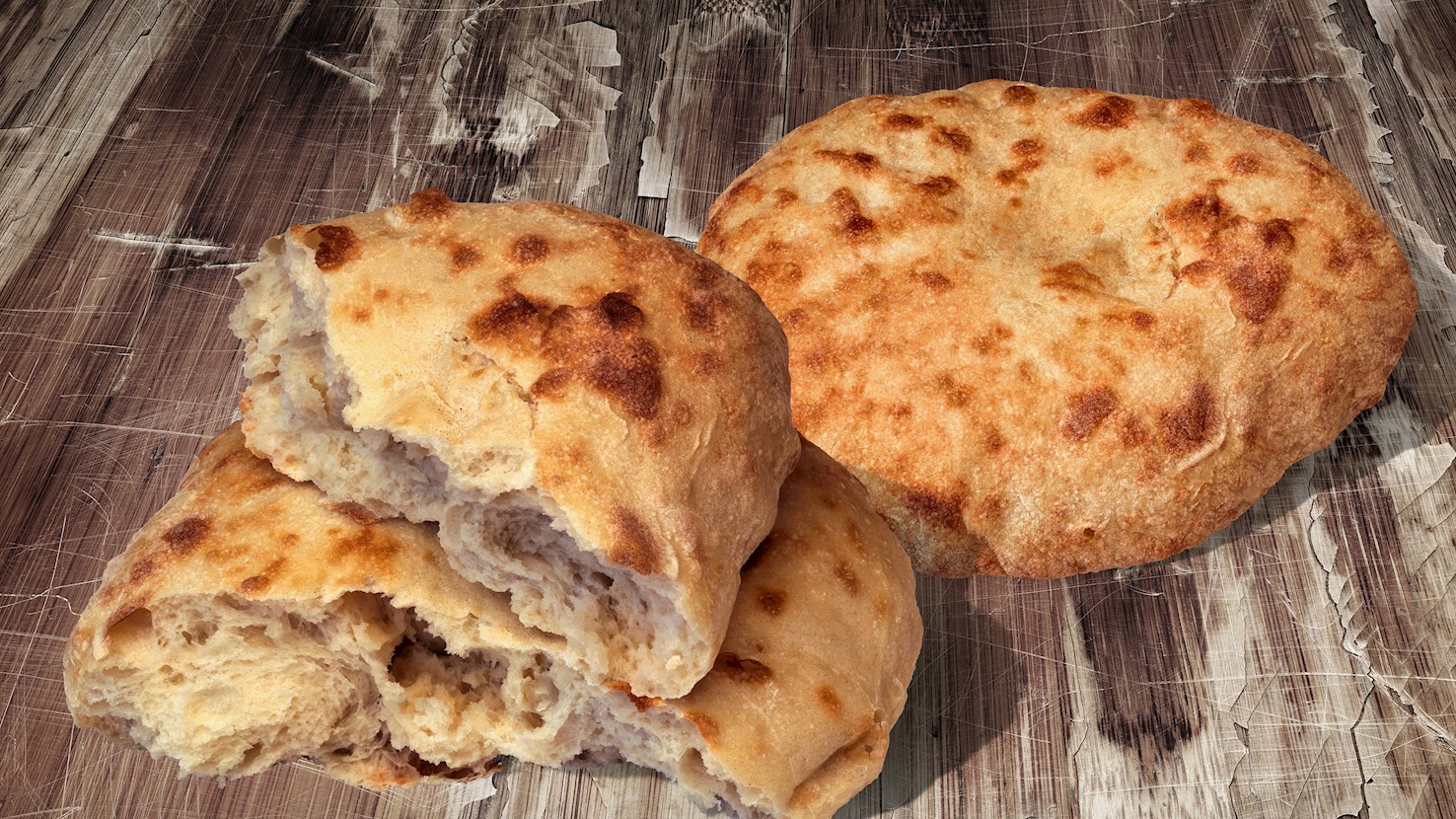
Somun is a yeast-raised flatbread that's popular all over the Balkans and similar to pide or pitta. It's usually made with a combination of flour, water, salt, and yeast. Once the dough has been prepared, it's traditionally baked on top of old stoves, but nowadays the flatbread is mostly baked in the oven at high temperatures. If properly prepared, the interior should be slightly hollow and puffy. There are many variations on somun, and some cooks top the flatbread with cumin or sesame seeds, while others add oil to the dough. The flatbread is mostly used as a vessel for ćevapi – small minced meat sausages that have a cult following in the Balkans. Somun is slightly softer than its cousin lepinja, and it's also more aromatic, with a greater melt-in-the-mouth properties.

07
Savory Pastry

Krompiruša

4.3 ·

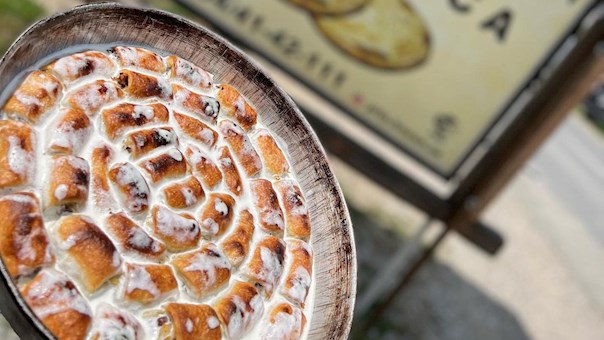
This variety of traditional Bosnian pastry (pita) employs potatoes as the star ingredient. The pastry is prepared with thin sheets of phyllo dough, known as jufke, and a filling that combines diced potatoes, seasonings, and (optionally) grated onions. The rolled dough is shaped into a coil, and the whole pastry is occasionally coated with sour cream or sprinkled with water, oil, or milk. Krumpiruša is traditionally shaped into a large, round pie-like pastry, and it is best served freshly prepared with yogurt, sour cream, or sour milk on the side.

08
Ground Meat Dish

Sarma

4.2 ·

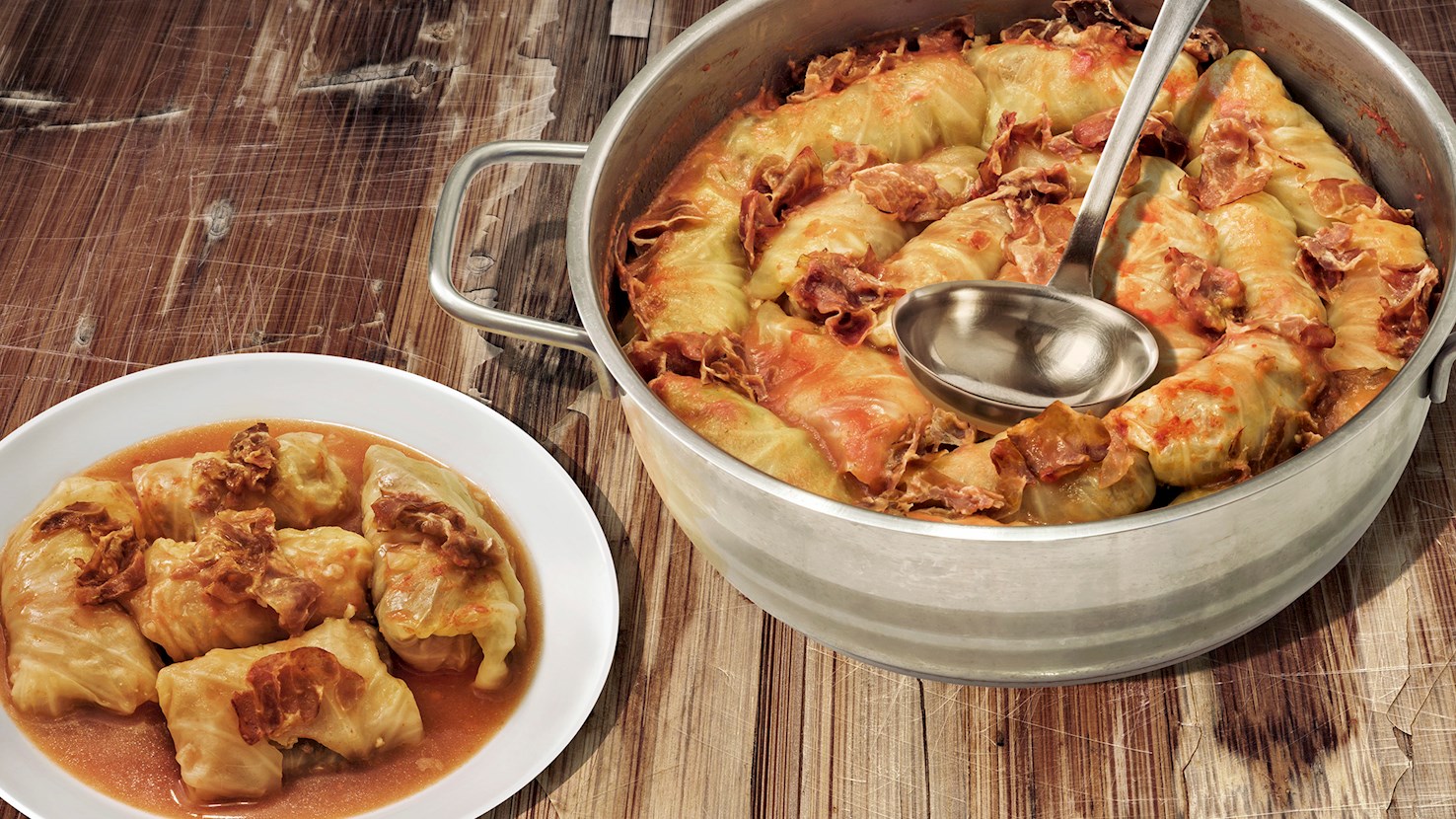
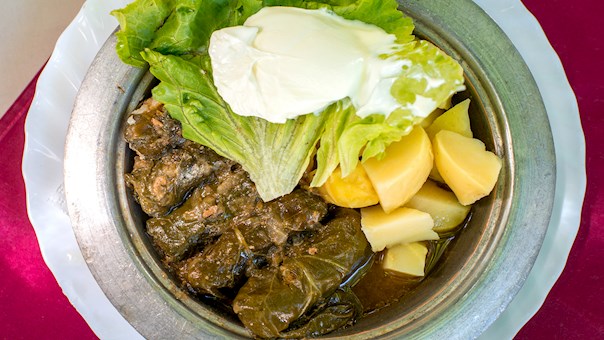
One of the staples of traditional Turkish cuisine, sarma consists of a filling that is snugly surrounded by leaves or leafy vegetables. There are numerous versions of this dish but the mixture typically combines ingredients such as minced meat, rice or bulgur, various herbs, seasonings, red pepper, paprika, ground sumac, or tomato sauce, while the typical wrapping usually includes vine, cabbage, or sauerkraut leaves, or a variety of leafy vegetables such as collard greens and swiss chard. Having its roots in the Ottoman Empire, sarma is also traditionally consumed in the Balkans, the countries of Central Europe, the South Caucasus, and the Middle East. Although it is commonly enjoyed as a filling lunch or dinner (typically during the winter season), sarma is often prepared on special occasions and holidays. The dish is usually accompanied by plain yogurt, mashed potatoes, and crusty bread on the side.

09
Savory Pie

Kljukuša

4.2 ·

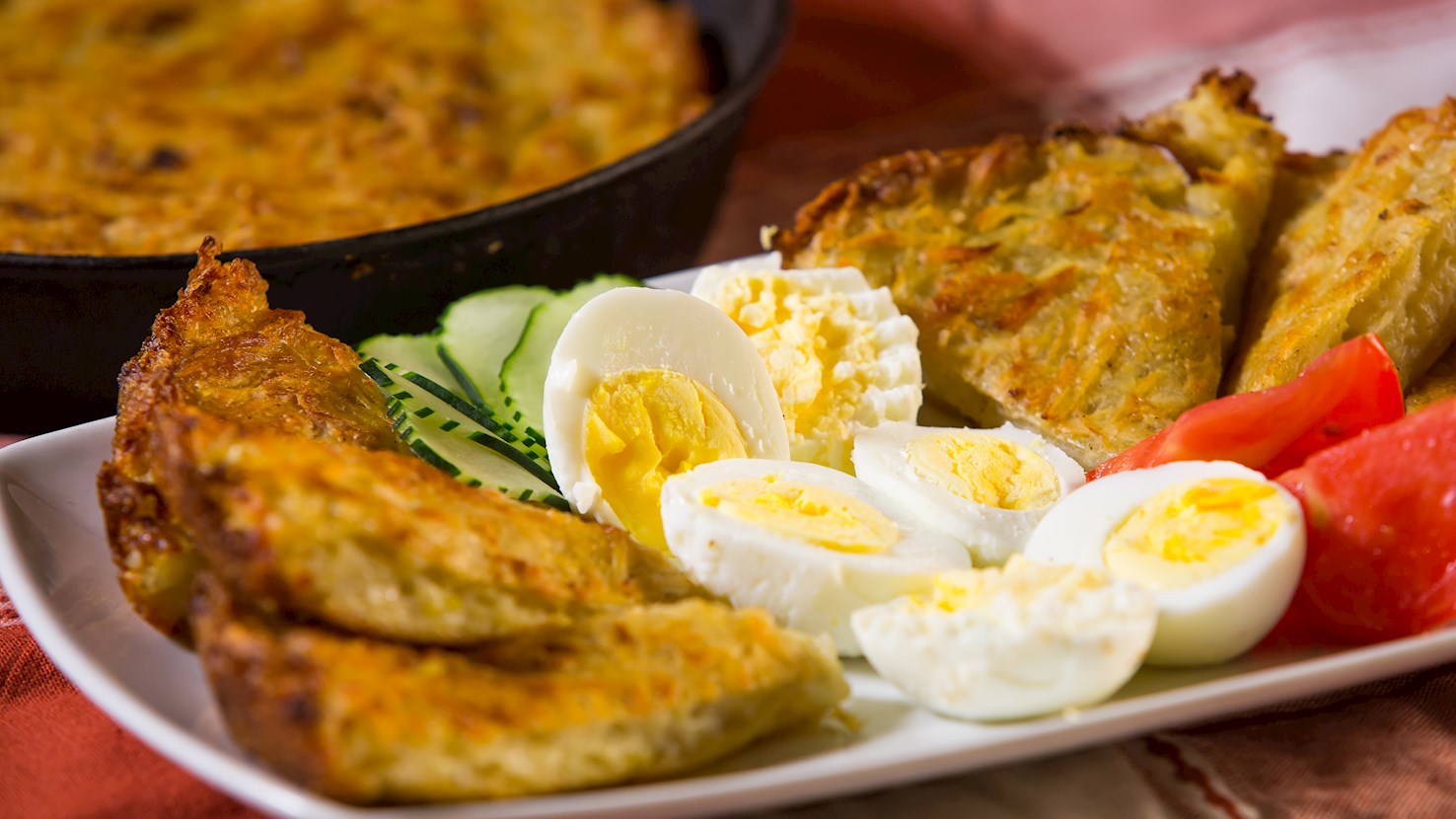
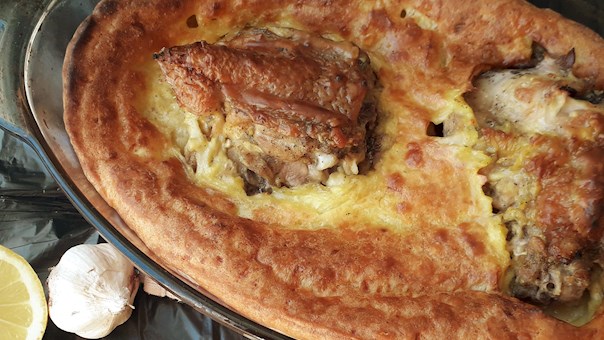
Kljukuša is a traditional Bosnian dish dating back to the Ottoman Empire. In its basic form, this pie-like dish is made merely with flour, salt, and water, while the filling consists of grated potatoes and eggs, and sometimes also garlic, sour cream, or milk. The mixture is traditionally baked in round pans, and should not be too thick. When baked, kljukuša is either cut into slices or torn by hands into bite-sized pieces (ćopana or istrgana kljukuša) that are then coated in various combinations of fat, butter, sour or clotted cream, cheese, or milk. Kljukuša is a simple and versatile dish that is often prepared in Bosnian households. It is commonly enjoyed for breakfast, as a main course or a snack as well as an accompaniment to meat dishes. In Herzegovina, the same dish is called izlivača.

10
Savory Pastry

Zeljanica

4.2 ·

This savory Bosnian pie (pita) consists of thinly rolled phyllo dough that is filled with a combination of blanched spinach, fresh cow cheese, cream, and eggs. The dough is rolled into a thin sheet called jufka, which is then sprinkled with the filling and shaped into a coil. When baked, the pie is occasionally doused with warm milk or a combination of oil and water. Zeljanica is best served freshly baked, with sour cream or yogurt on the side.

Best Bosnian and Herzegovinian Food Products
01
Spirit

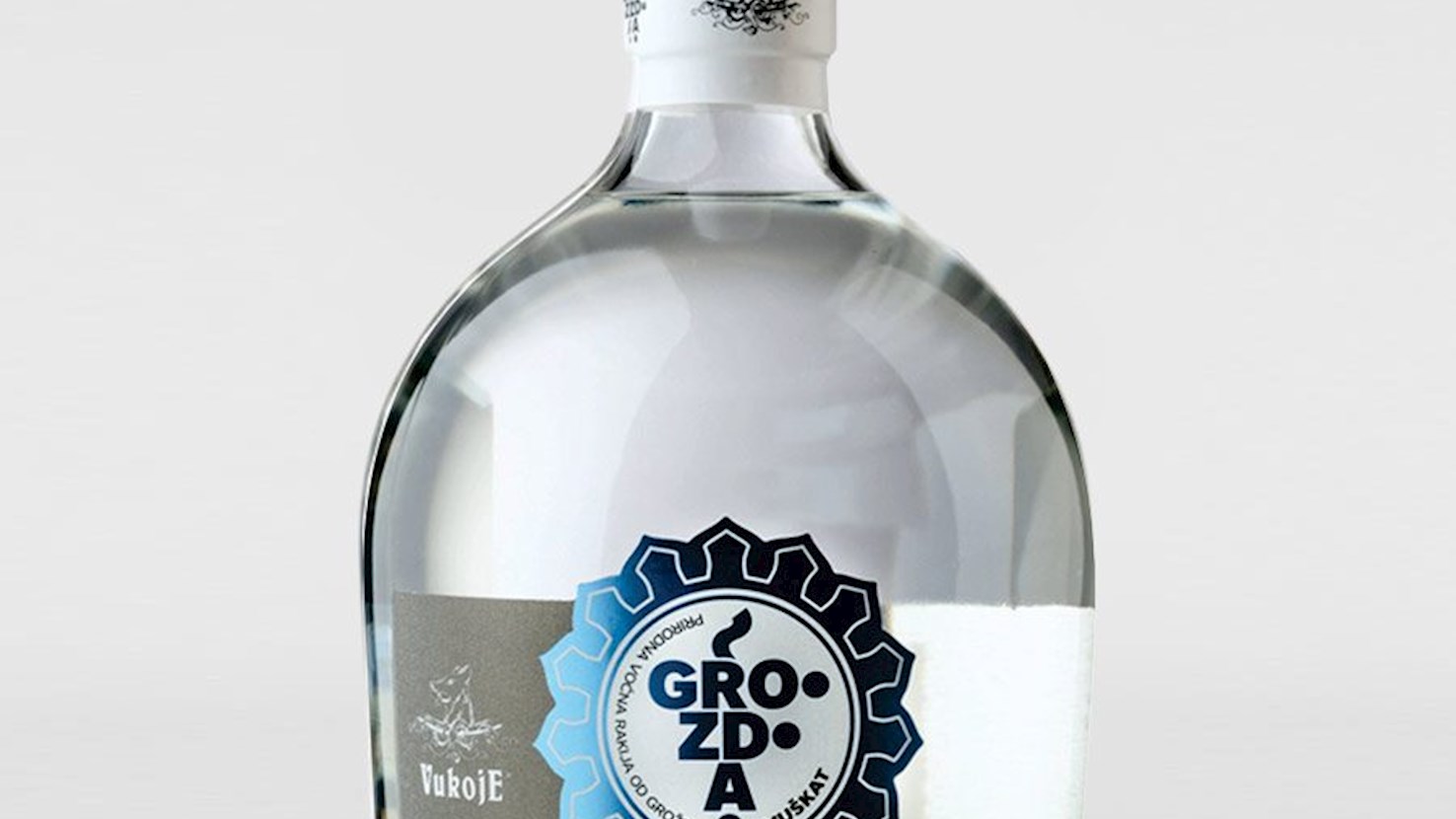
Podrumi Vukoje 1982

5.0 ·
Awards
IWSC- International wine & spirit competition - Spirit Gold Outstanding (2024)
02
Spirit

Slap Spirits

4.5 ·

Slap Spirits is a family-owned distillery from Bosnia and Herzegovina, renowned for producing premium fruit brandies that blend traditional methods with a modern approach. Their production is rooted in biodynamic principles, with a strong emphasis on quality, aroma, and the authenticity of each distillate.

After restoring their family estate in 2010, Slap Spirits began structured production of noble spirits, employing modern technologies that prioritize quality and flavor over quantity and yield. They pay special attention to fractional redistillation in alembic stills and proper aging of each distillate depending on the type of brandy.

The distillery continuously raises the standards of quality and education in all areas related to the production, care, and tasting of rakija.

Awards
World's Best Steinobst Brandy - Winner (2021)
03
Cheese

Mljekara Livno

4.5 ·

Mljekara Livno is a renowned cheese producer from Bosnia and Herzegovina, with a tradition dating back to the late 19th century. The company is the custodian of the original recipe for Livno cheese, which has been passed down through generations to ensure high quality and unique characteristics in texture, aroma, and flavor.

Mljekara Livno is the largest cheese producer in Bosnia and Herzegovina, exporting its products worldwide and continuously seeking new partners. The company maintains high production standards to consistently offer the best quality to consumers.

Awards
Crystal Taste Award - 3 stars (2024)
04
Olive Oil

Sd Stara Teskera

4.4 ·

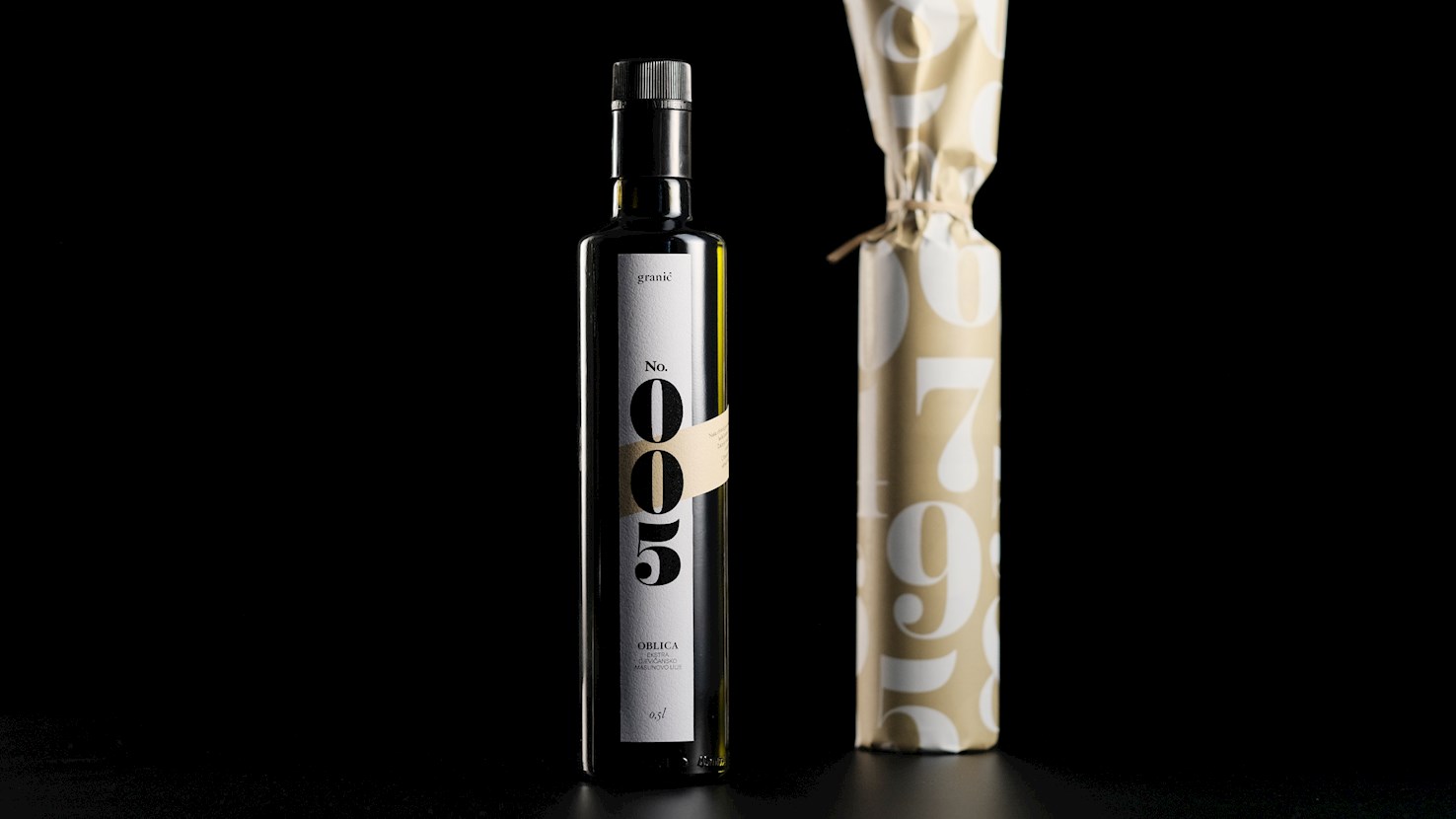
SD Stara Teskera is an olive oil producer based in Bosnia and Herzegovina. The company specializes in producing high-quality extra virgin olive oil.

SD Stara Teskera uses traditional methods combined with modern techniques to ensure the purity and taste of their product.

Awards
NYIOOC - Gold (2023)
05
Olive Oil

Mandino

4.4 ·
Awards
NYIOOC - Gold (2023)
06
Olive Oil

Opg Marko Krvavac

4.4 ·
Awards
NYIOOC - Gold (2023)
07
Relish

Vitaminka

4.3 ·

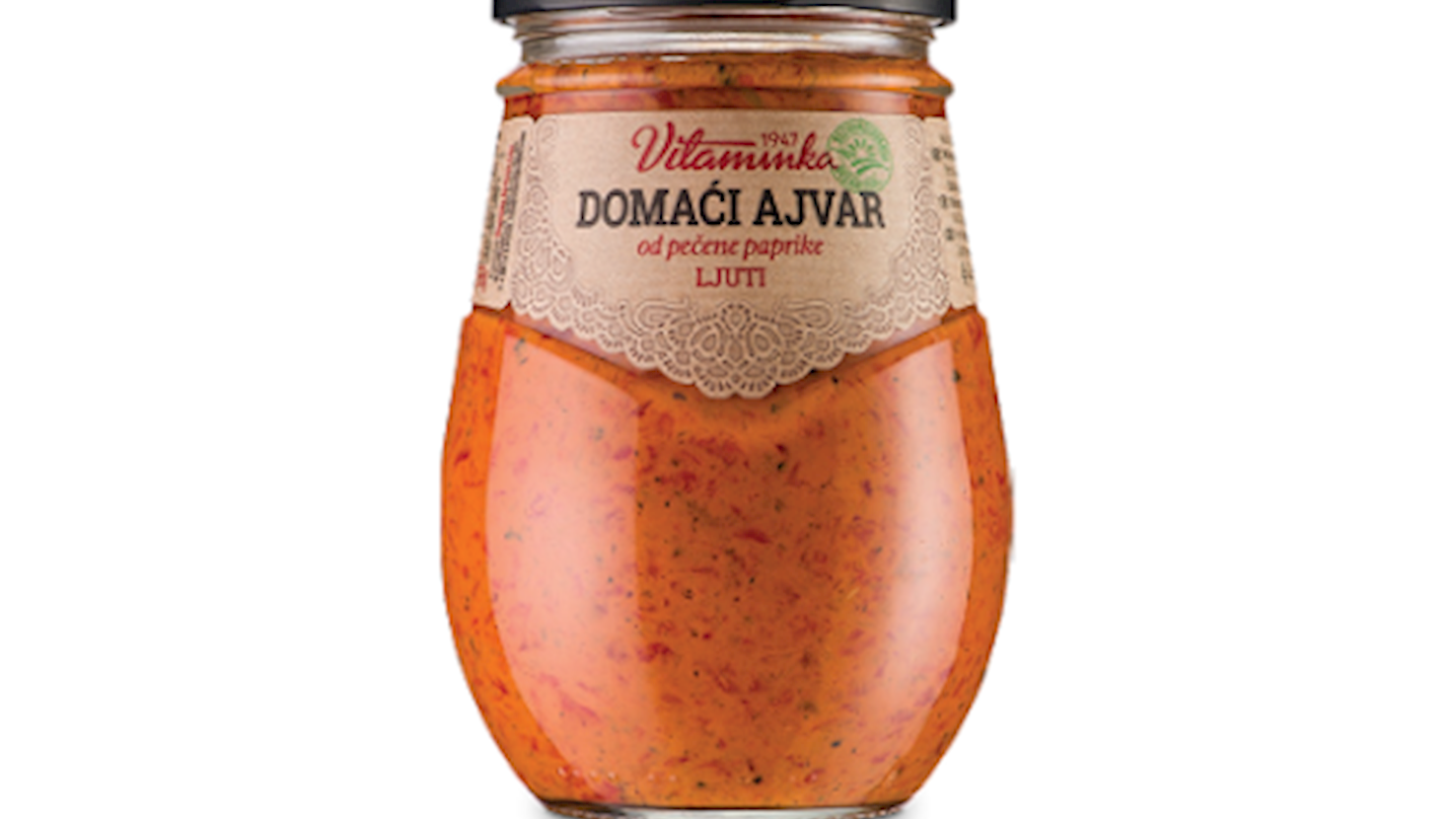
Vitaminka is a food processing company based in Banja Luka, founded in 1947, with a long-standing tradition in fruit and vegetable processing. Over the decades, it has built a recognizable position in the segment of traditional pantry products, relying on carefully selected raw materials and controlled production processes.

Its portfolio includes jams, marmalades, fruit preserves, juices, and nectars, as well as vegetable-based products such as ajvar, salads, and other pasteurized specialties. Production is focused on preserving the natural flavor and nutritional value of ingredients while applying modern technological standards and strict quality control.

The company continuously invests in upgrading its facilities to ensure product safety and consistency. Its products are intended for everyday consumption and are widely distributed across Bosnia and Herzegovina and the regional market.

Long-term experience has enabled a balance between traditional recipes and industrial efficiency. The brand is positioned as a reliable producer of classic food staples that form part of the domestic table.

Through continuity and recognizable recipes, Vitaminka maintains a stable presence within the regional food industry.

About this Ranking

TasteAtlas food rankings are based on the ratings of the TasteAtlas audience, with a series of mechanisms that recognize real users and that ignore bot, nationalist or local patriotic ratings, and give additional value to the ratings of users that the system recognizes as knowledgeable. For the “Top 73 Bosnian and Herzegovinian Foods” list until August 12, 2026, 5,713 ratings were recorded, of which 2,877 were recognized by the system as legitimate.

TasteAtlas Rankings should not be seen as the final global conclusion about food. Their purpose is to promote excellent local foods, instill pride in traditional dishes, and arouse curiosity about dishes you haven’t tried.

The initial list of top producers was compiled based on available reviews, awards, local recommendations, media and blog coverage, and consumer reviews. The list will be updated with ratings from TasteAtlas local ambassadors and TasteAtlas users.

What People Say

Similar Lists