


shutterstock

Top 100 European Soups

Last updated on June 15, 2026
01

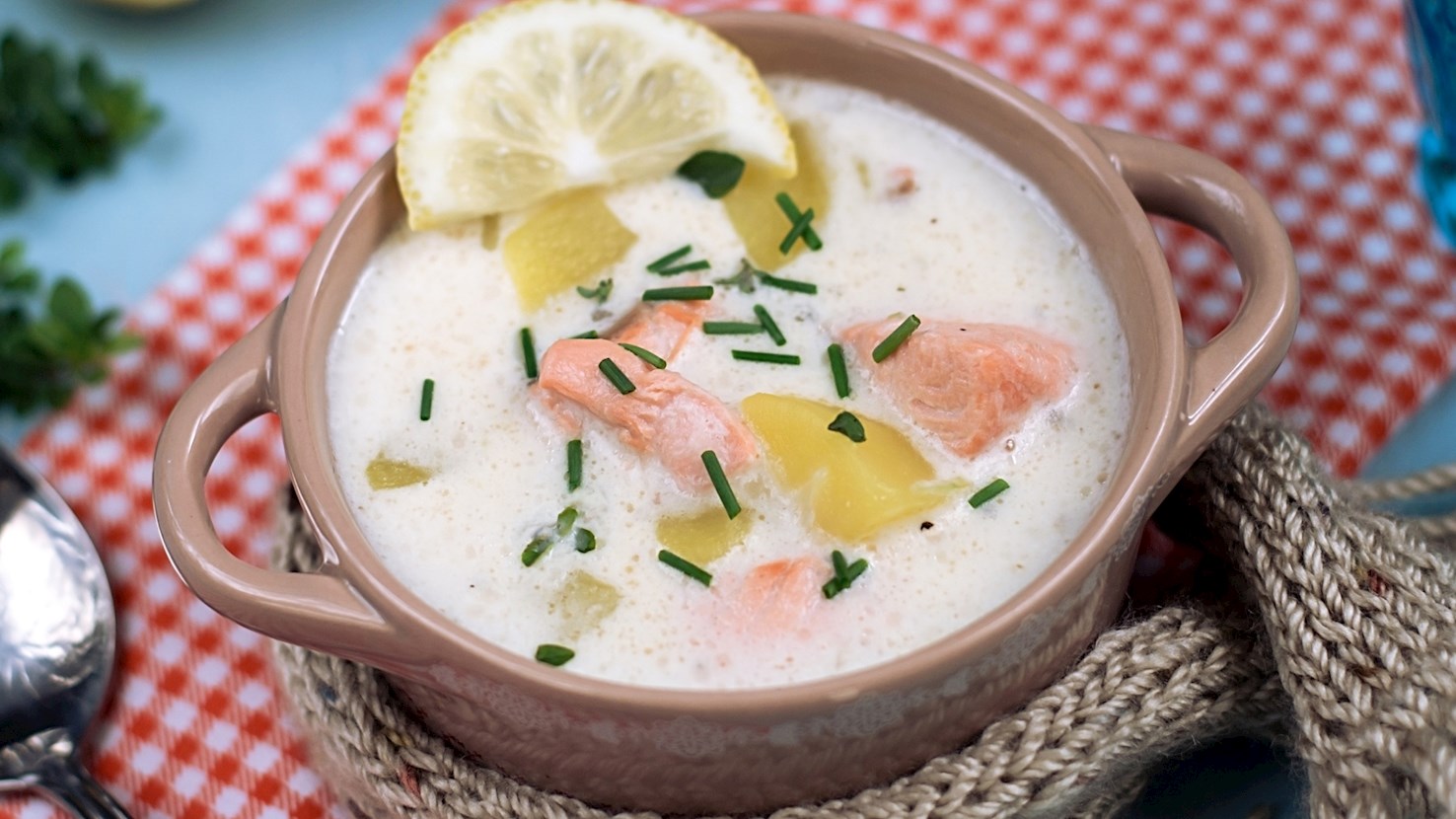
Lohikeitto (Salmon soup)

4.4 ·

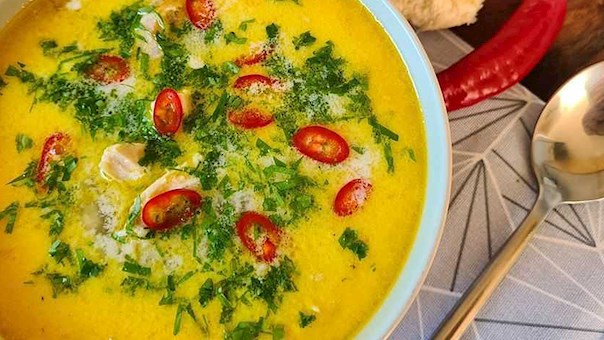
Lohikeitto is a creamy Finish salmon soup, similar to laxsoppa in Sweden. Apart from chunks of salmon fillet, it traditionally incorporates diced potatoes and carrots cooked in a flavorful, buttery broth infused with fish stock and cream. This comforting winter dish is generously seasoned with dill and served alongside buttered rye bread or lemon wedges.

02

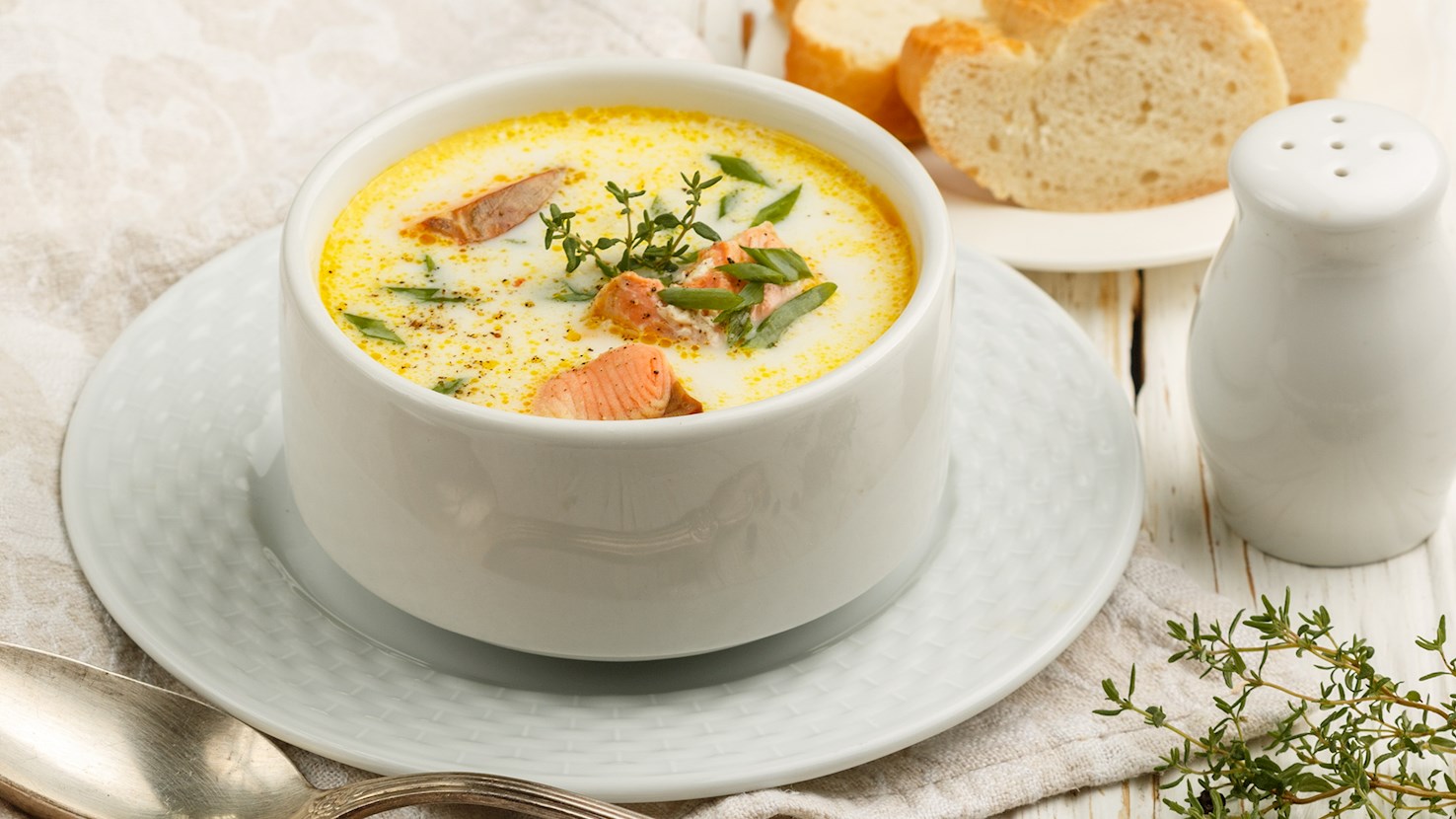
Kalakeitto (Finnish fish soup)

4.4 ·

Kalakeitto or fish soup has been a staple of traditional Finnish cuisine for a long time. Although there are numerous ways to prepare this classic Finnish specialty, it typically consists of cleaned and filleted fish chunks and diced vegetables that are simmered in a rich, buttery fish broth. Carrots, potatoes, onions, and leeks are among the most common vegetables used for the soup’s preparation, while the choice of fish includes salmon, rainbow trout, vendace, pike, perch, zander, or burbot. Traditionally, the soup is enhanced with the addition of butter and cooking cream (ruokakermaa), and it is usually flavored with dill, allspice, bay leaves, salt, and pepper. In Finland, a bowl of steaming hot fish soup is typically enjoyed for lunch or dinner, but it can also be served as an appetizer, accompanied by traditional Finnish rye bread and lemon wedges on the side. As of 2018, the country has started celebrating its National Fish Soup Day (Kalakeittopäivä) on the second Tuesday of February, a manifestation that has begun with the aim of boosting people’s consumption of fish.

03

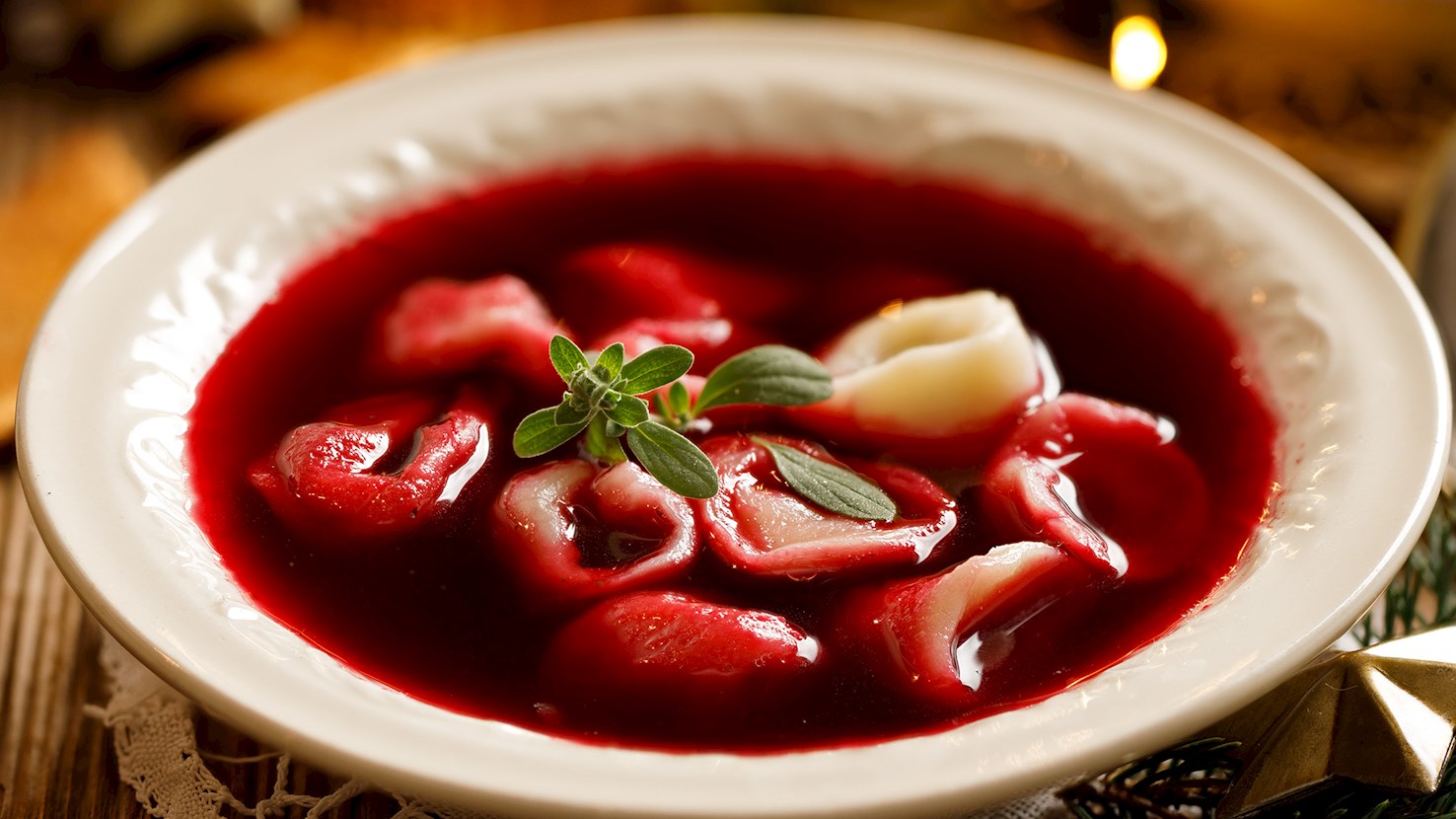
Barszcz czysty czerwony

4.3 ·

Borscht is a popular beet soup found in many Central and Eastern European countries. Although the most common Polish version is a thick borscht prepared with beetroot and various root vegetables, the unique Polish version comes in the form of a clear strained broth. This dish is known as barszcz czysty czerwony and its base is usually fermented beet juice, also known as kvass, or stock that includes beetroot juice together with lemon juice or vinegar. The broth is strained and it can be served cold or warm, as well as in bowls or mugs. A typical combination is to serve the soup together with small filled dumplings called uszka. This combination stems from Jewish tradition since the dish was traditionally served on Sukkot, a Jewish holiday celebrated on the 15th day of the seventh month, Tishrei.

04

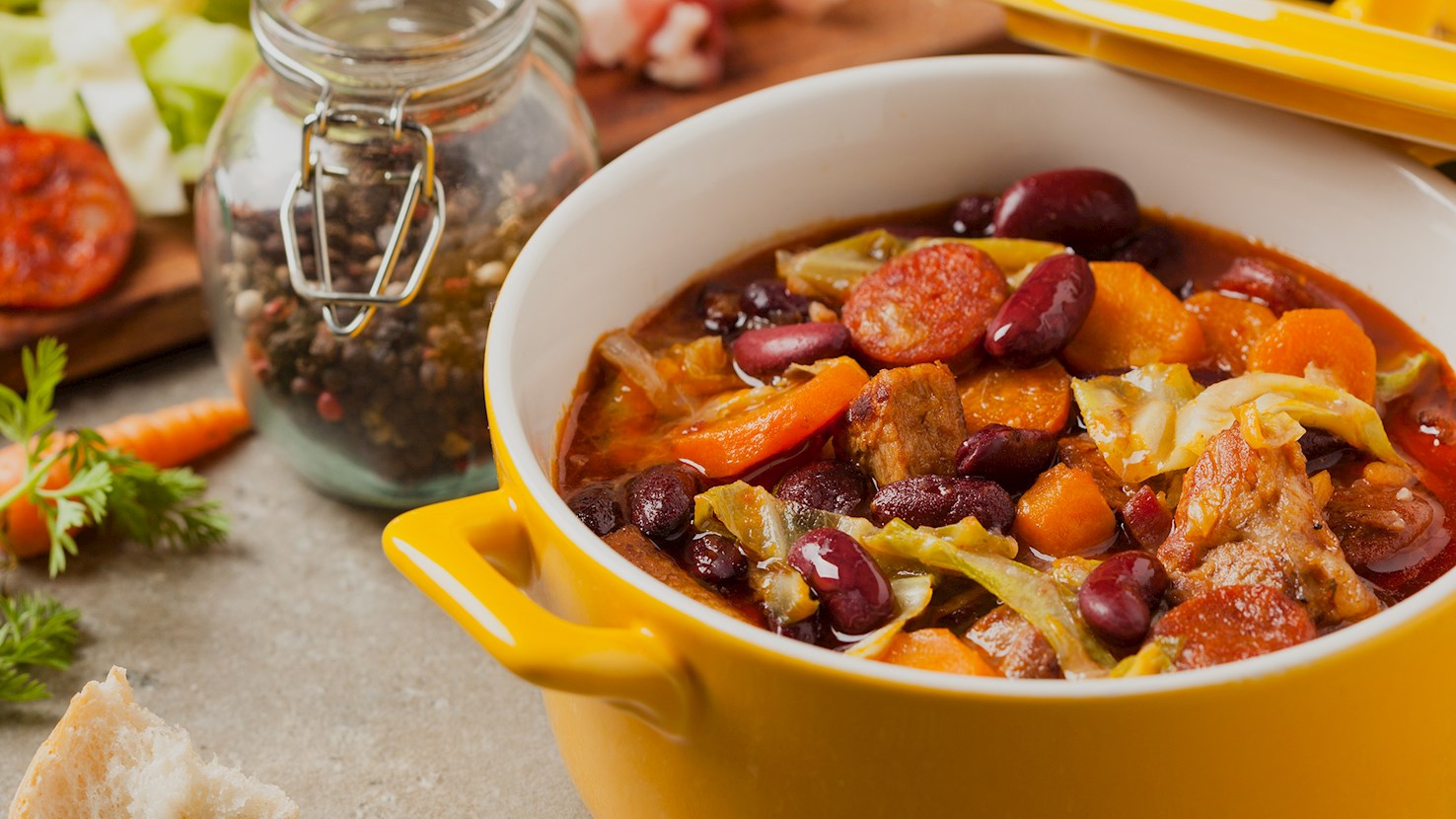
Sopa da pedra

4.3 ·

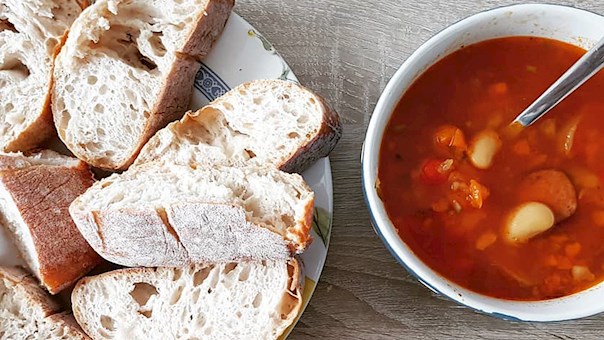
Although it translates as stone soup, this hearty Portuguese dish is actually a combination of beans and sausages such as chouriço and morcela (blood sausage), as well as pork belly, pig’s ear, and potatoes, while different regional varieties may also include pasta, carrots, and cabbage. There's a legend saying that a monk in need wanted to prepare soup by using merely stones and water. When he asked for additional ingredients to supposedly flavor the soup, the family who'd hosted him was more than willing to provide some pork cuts, beans, sausages, and vegetables, and the monk ended with a rich and nutritious dish without any stones inside. Similar stories exist in various European countries, but the moral of each always revolves around sharing and compassion. It is believed that sopa da pedra originated in Almeirim, which has been dubbed the capital of stone soup.

05

Húsleves

4.3 ·

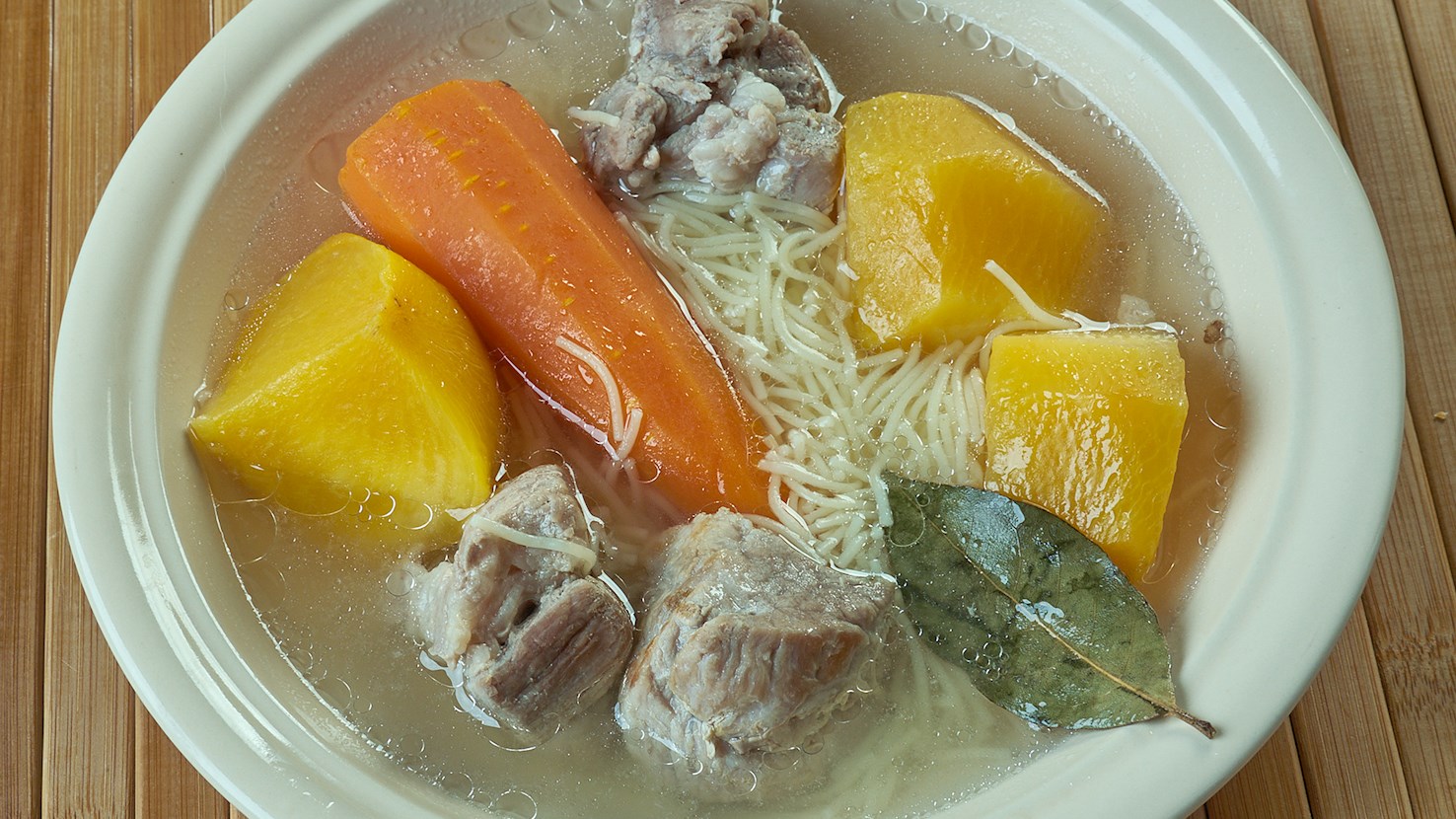
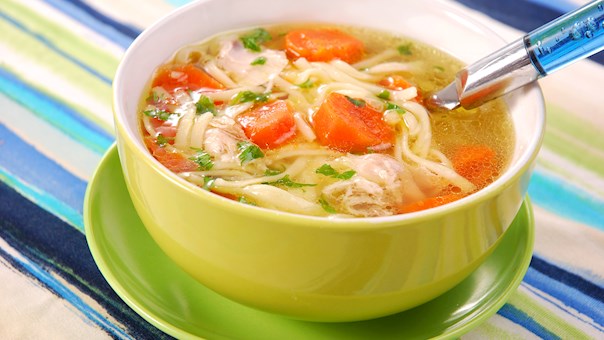
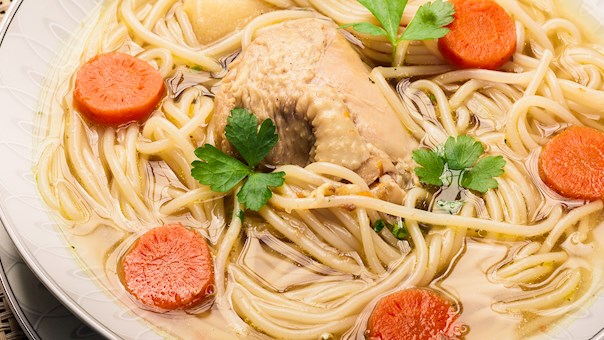
Traditionally prepared with beef or chicken, this hearty Hungarian soup is a staple restaurant dish as well as a common home-cooked meal. Besides meat, it usually incorporates noodles, root vegetables, and a variety of spices. It is always served hot, either as a nutritious appetizer or a light main course.

06

Zupa borowikowa

4.3 ·

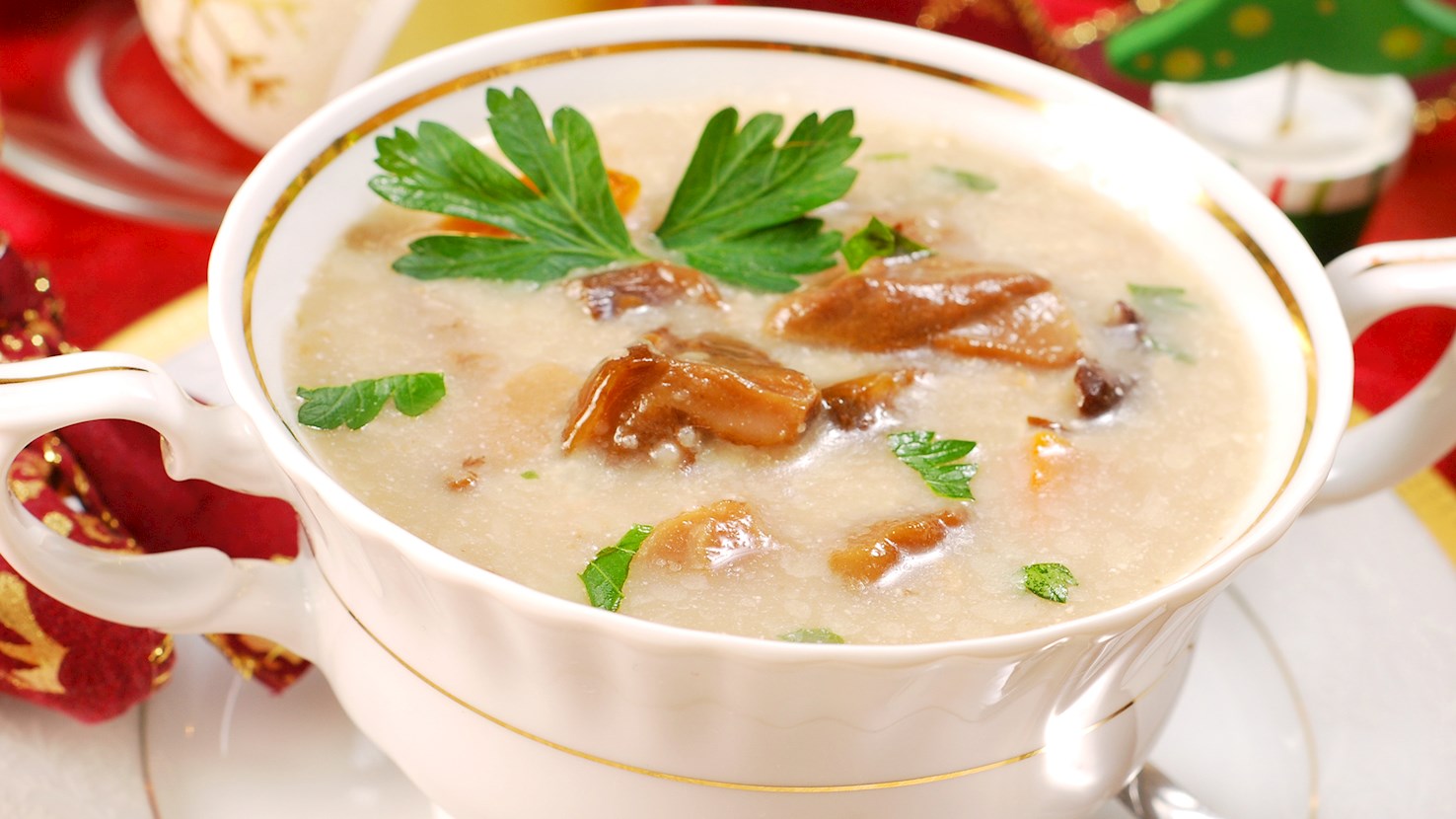
Zupa borowikowa is a flavorful Polish soup with borowik mushrooms, also known as the king of forest mushrooms. The soup is beloved throughout Poland and is often served on Christmas Eve. Apart from the fresh version, the soup is so popular that it can also be bought in commercially made packages with noodles.

Best restaurants
07

Cullen Skink

4.3 ·

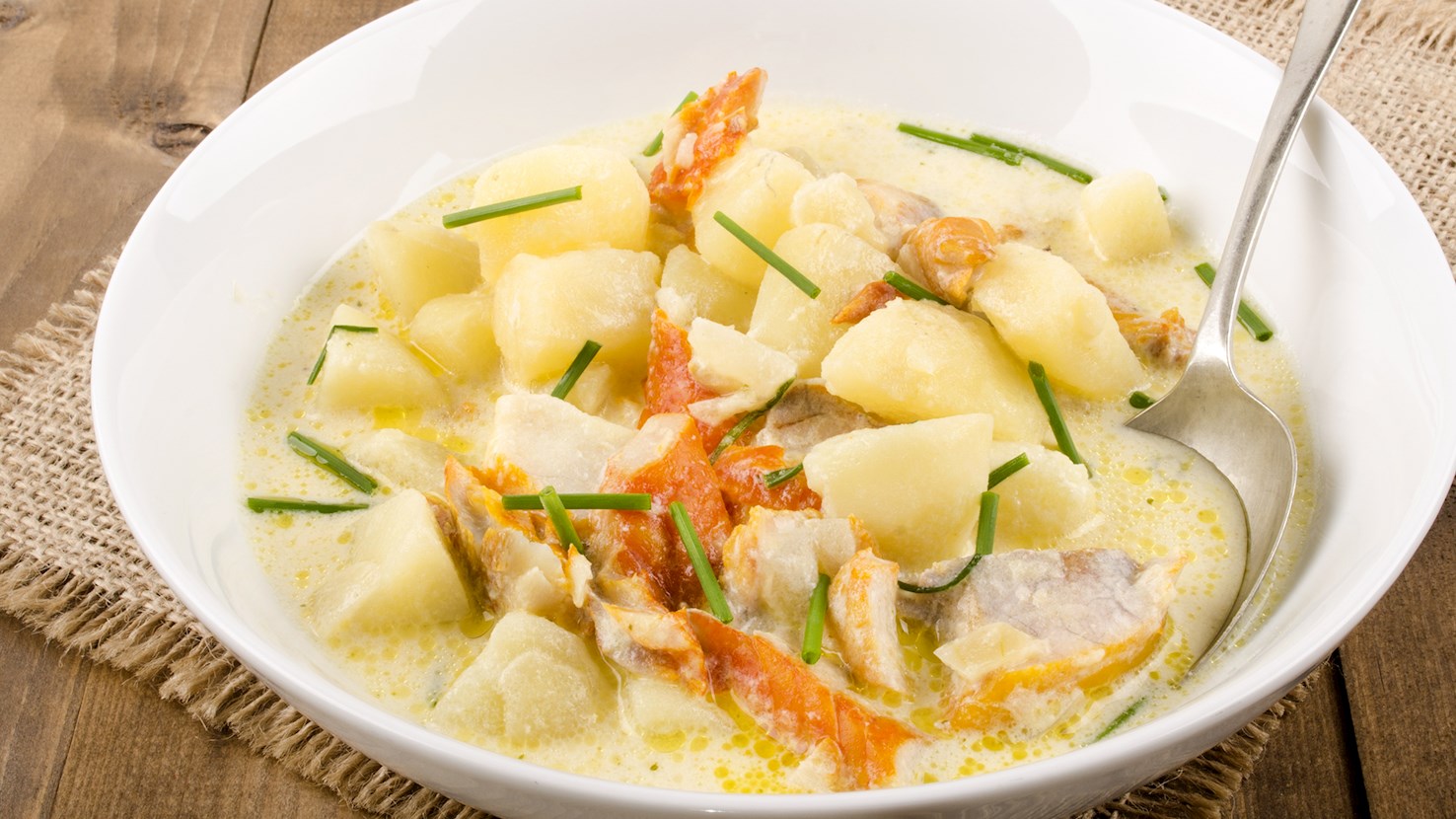
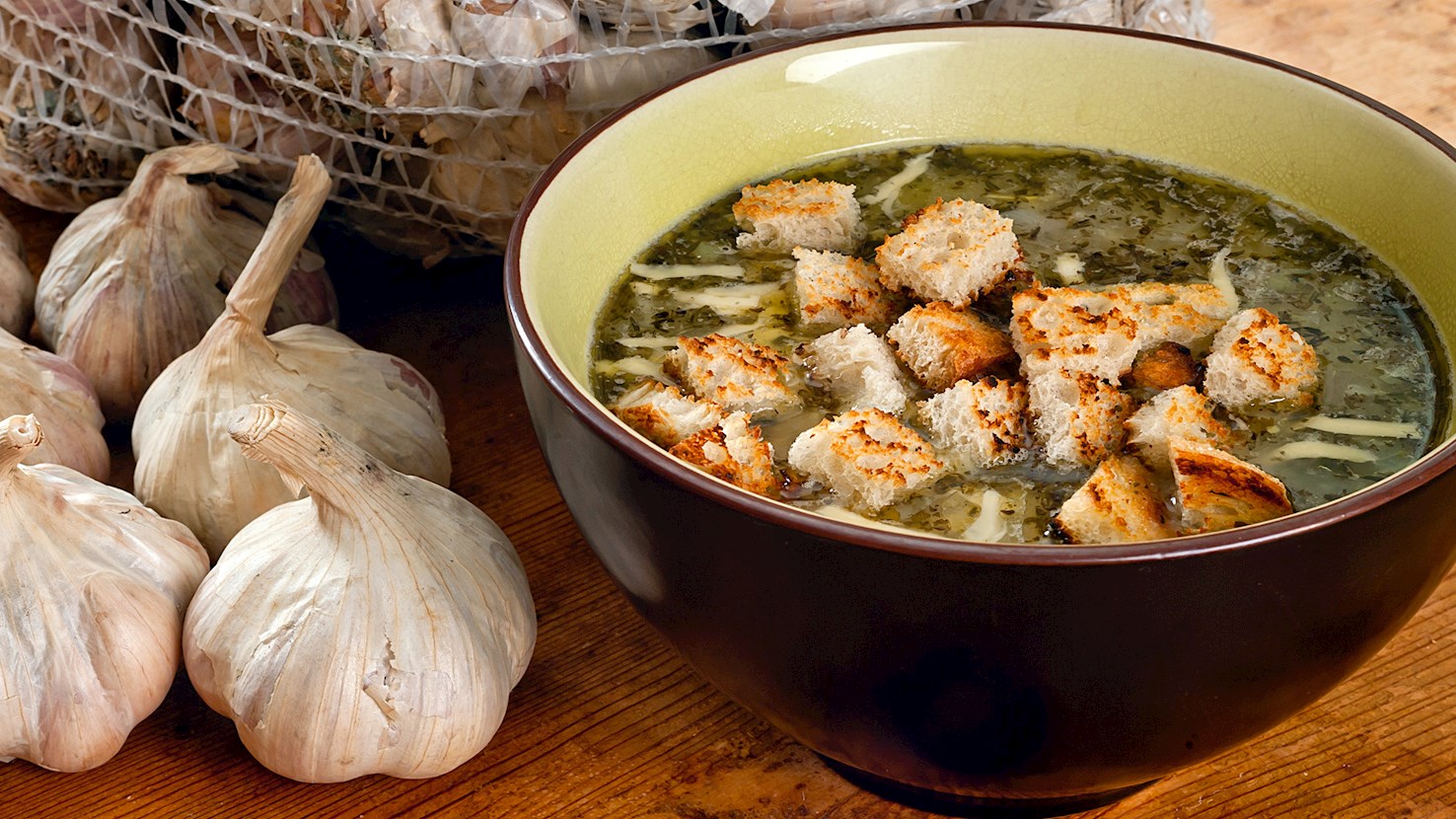
Even though it has been traditionally prepared all along the coast, Cullen skink is a dish originating from the fishing village of Cullen in Northeastern Scotland. This thick and creamy fish soup is typically based on smoked haddock cooked with milk, leeks, onions, and potatoes which provide the filling bulk. Some recipes specify the use of Arbroath smokies, although just about any smoked white fish will do. Cullen skink will go hand in hand with a glass of dry white wine, but to indulge in a true Scottish feast, try pairing it with Scotch whisky.

08

Żurek

4.3 ·

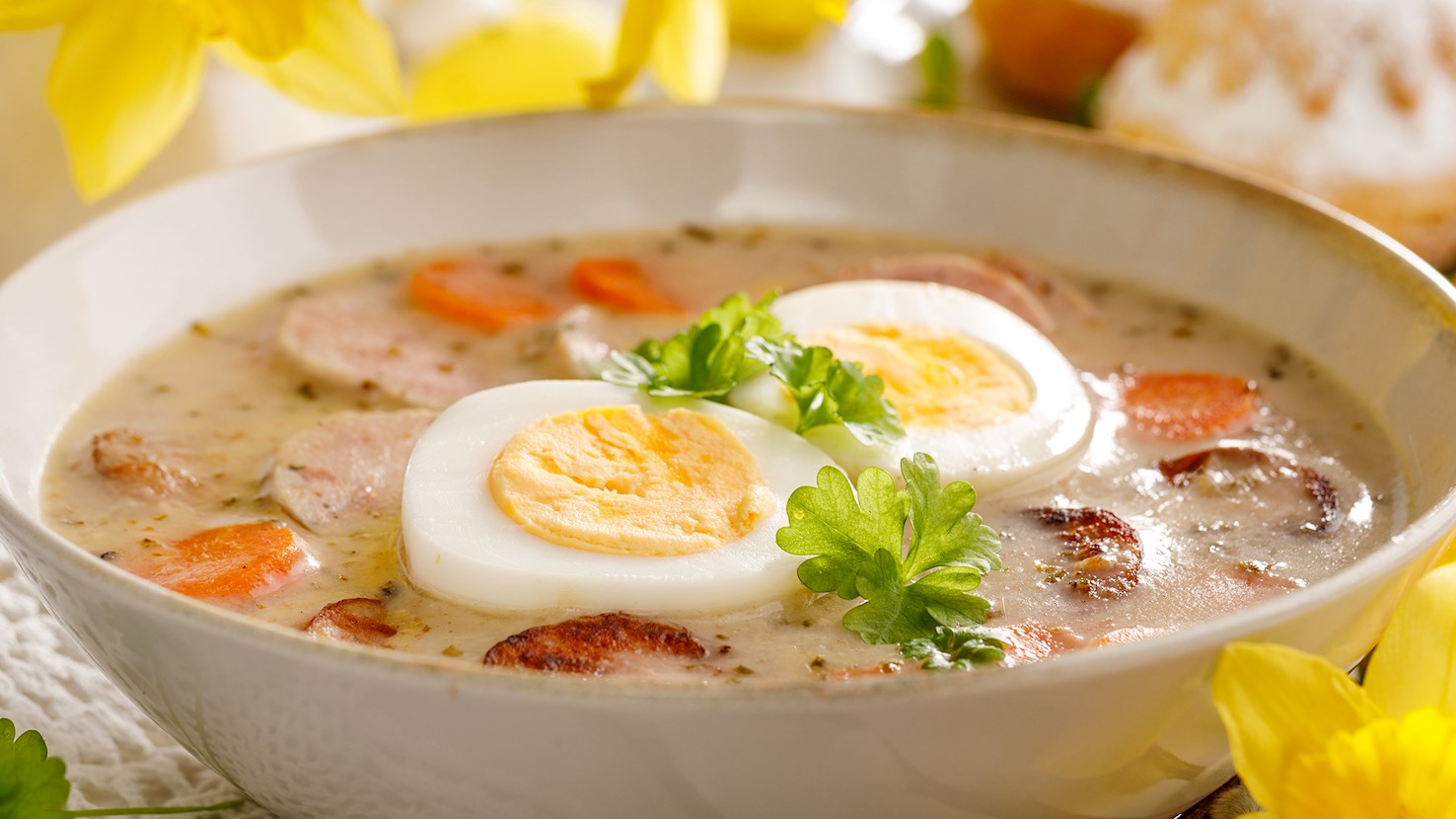
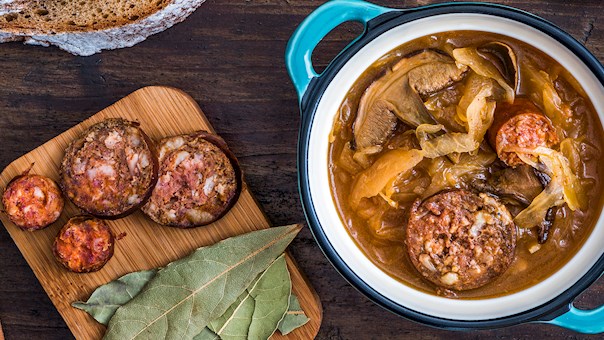
Żurek is a traditional soup characterized by its distinctively sour taste, which comes from sour leavening, or the fermentation of bread and rye flour. The soup also contains meats such as sausages, bacon, or ham, and vegetables such as potatoes and mushrooms. Although it is extremely popular throughout Poland, each region has its own version of the dish. It is sometimes served in an edible bowl made of bread, when it is common to add halves of hard-boiled eggs on top of the soup as garnish. Żurek is traditionally prepared and consumed during Easter. There is a popular version of the soup called barszcz bialy, made with wheat flour instead of rye flour. The name żur is derived from the German word sur, or sauer, meaning sour, referring to the typical flavor of this popular, hearty soup.

09

Kharcho

4.3 ·

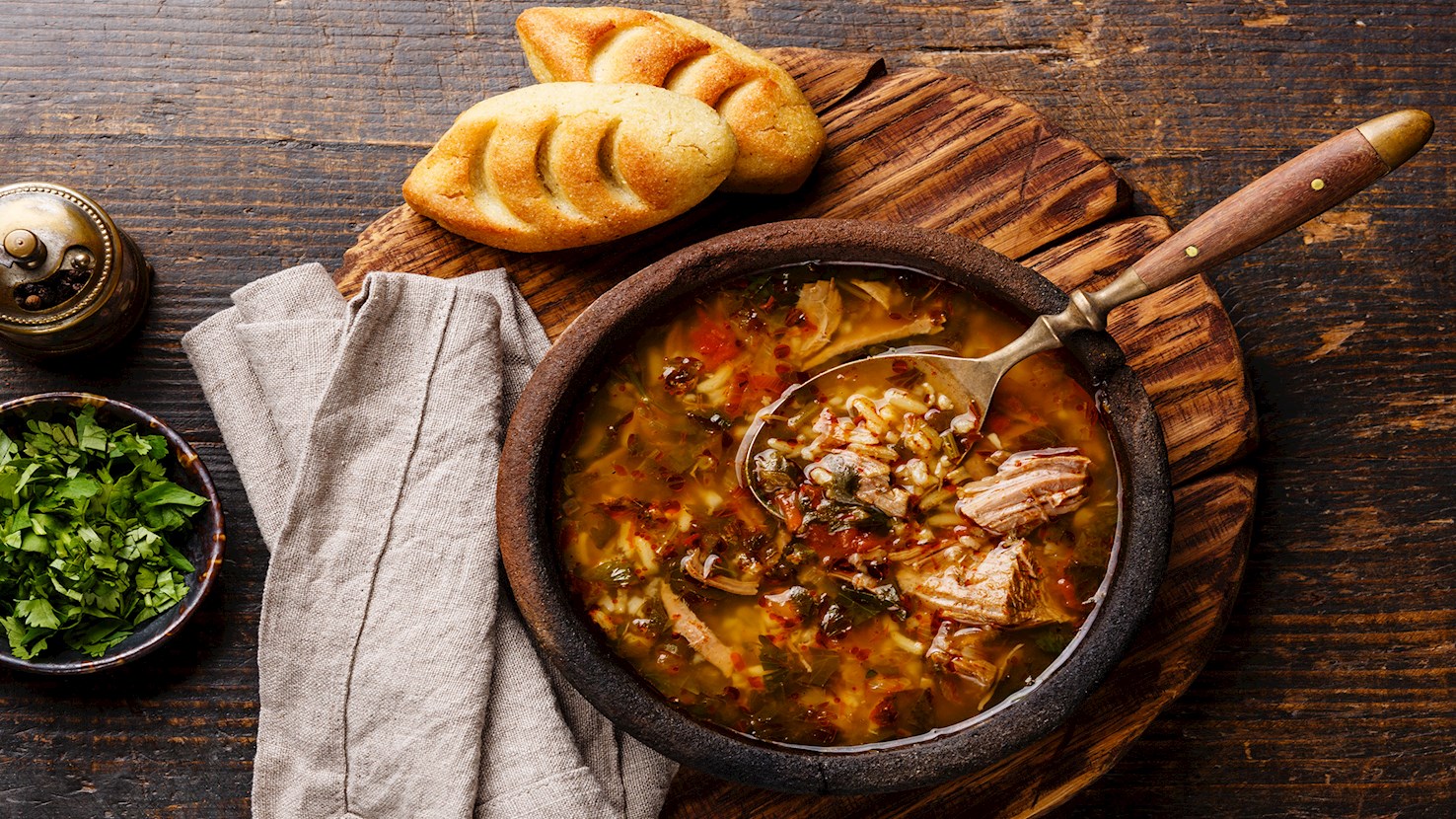
Kharcho is a hearty Georgian soup featuring beef or chicken, walnuts, and rice. It is traditionally seasoned with a Georgian spice blend called khmeli suneli (a combination of dried blue fenugreek, marigold petals, basil, parsley, fennel, coriander, bay leaves, and red pepper) and tkemali plum sauce. The soup is so popular that almost every family has their own variation and recipe. It is recommended to serve kharcho hot and garnish it with freshly chopped coriander.

10

Youvarlakia

4.3 ·

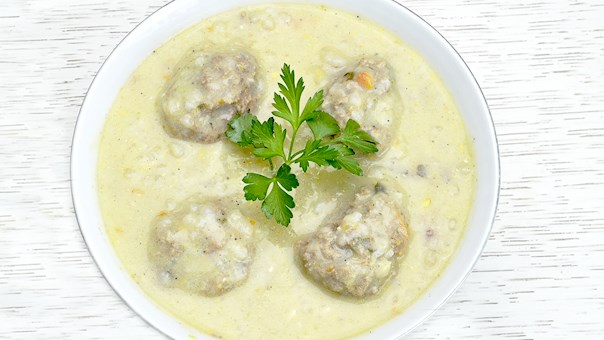
This hearty Greek soup couples tender beef meatballs and a creamy, flavorful broth. The meatballs and the broth are usually seasoned with various fresh herbs, and the whole dish is finished with the addition of avgolemono—the creamy egg and lemon sauce—which thickens the broth and adds the characteristical zesty flavor. Traditionally associated with wintertime, youvarlakia is usually accompanied by bread and enjoyed as a nutritious main course.

Read more
View all
View map
About this ranking

TasteAtlas food rankings are based on the ratings of the TasteAtlas audience, with a series of mechanisms that recognize real users and that ignore bot, nationalist or local patriotic ratings, and give additional value to the ratings of users that the system recognizes as knowledgeable. For the “Top 100 European Soups” list until June 15, 2026, 26,160 ratings were recorded, of which 16,164 were recognized by the system as legitimate. TasteAtlas Rankings should not be seen as the final global conclusion about food. Their purpose is to promote excellent local foods, instill pride in traditional dishes, and arouse curiosity about dishes you haven’t tried.

Similar lists