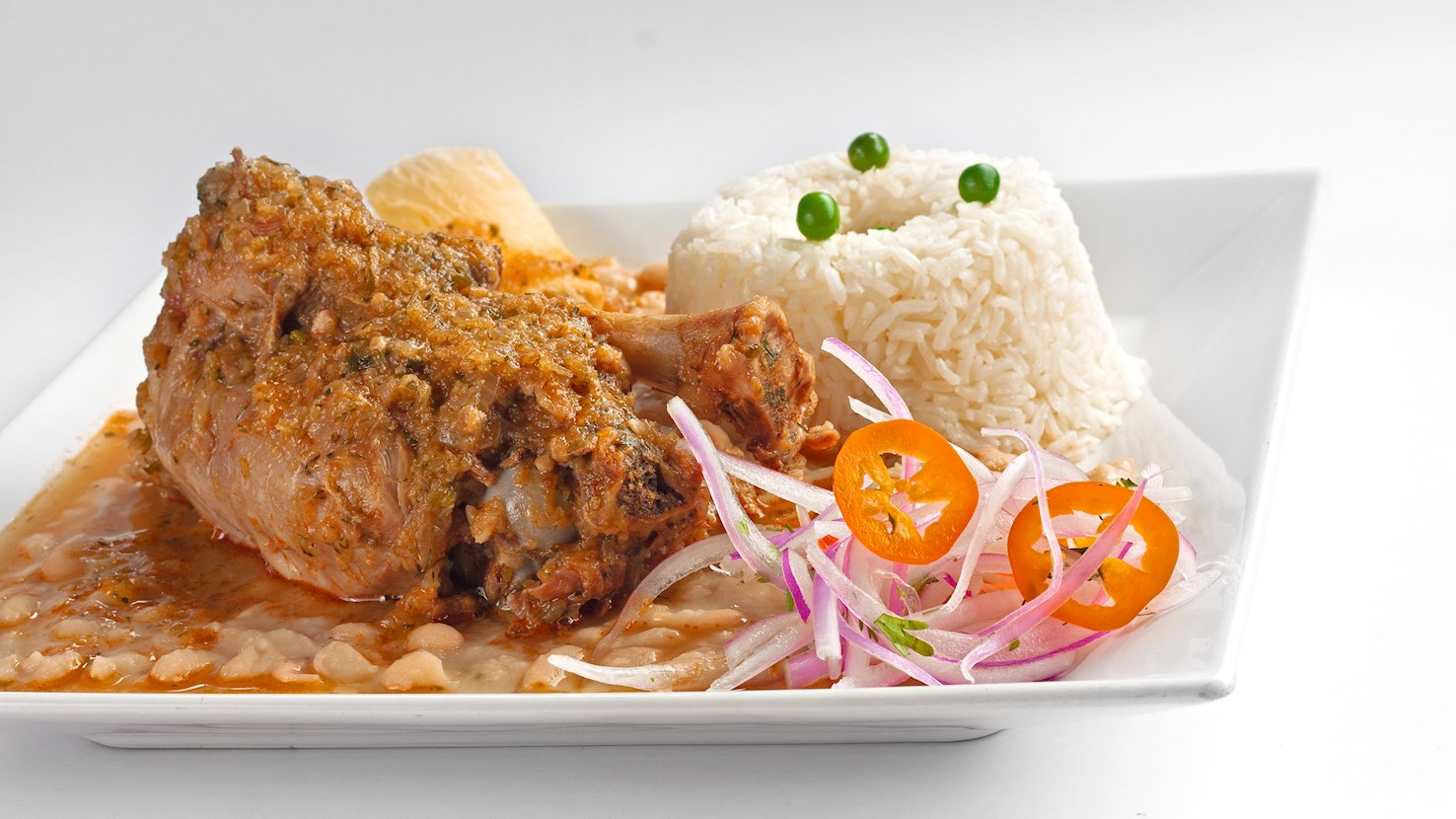
Seco de cabrito is a traditional dish that was originally prepared in the north of the country, but nowadays it's also popular in coastal areas. It consists of goat meat that's cooked with hot peppers, peas, carrots, and cilantro sauce. The list of ingredients also includes onions, cumin, garlic, oregano, oil, and seasonings. The meat is fried, then cooked with the other ingredients until the sauce becomes thick. Once done, seco de cabrito is traditionally served with rice, beans, and boiled cassava as a one-dish meal. This dish is often prepared for festive events such as family celebrations, and it can also be reheated and served the next day.
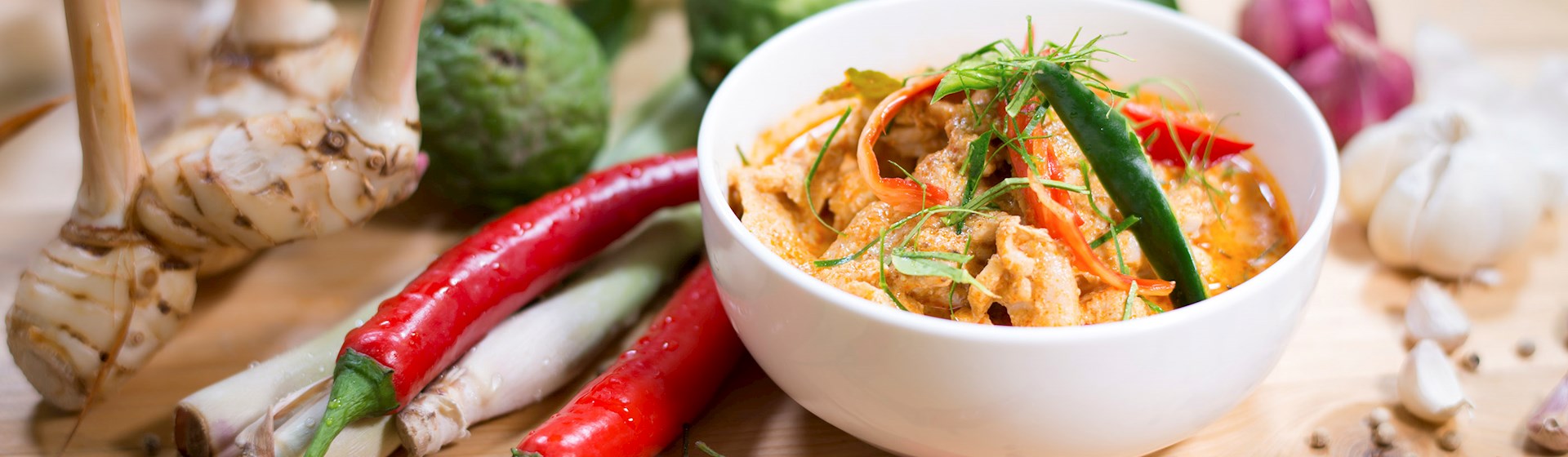
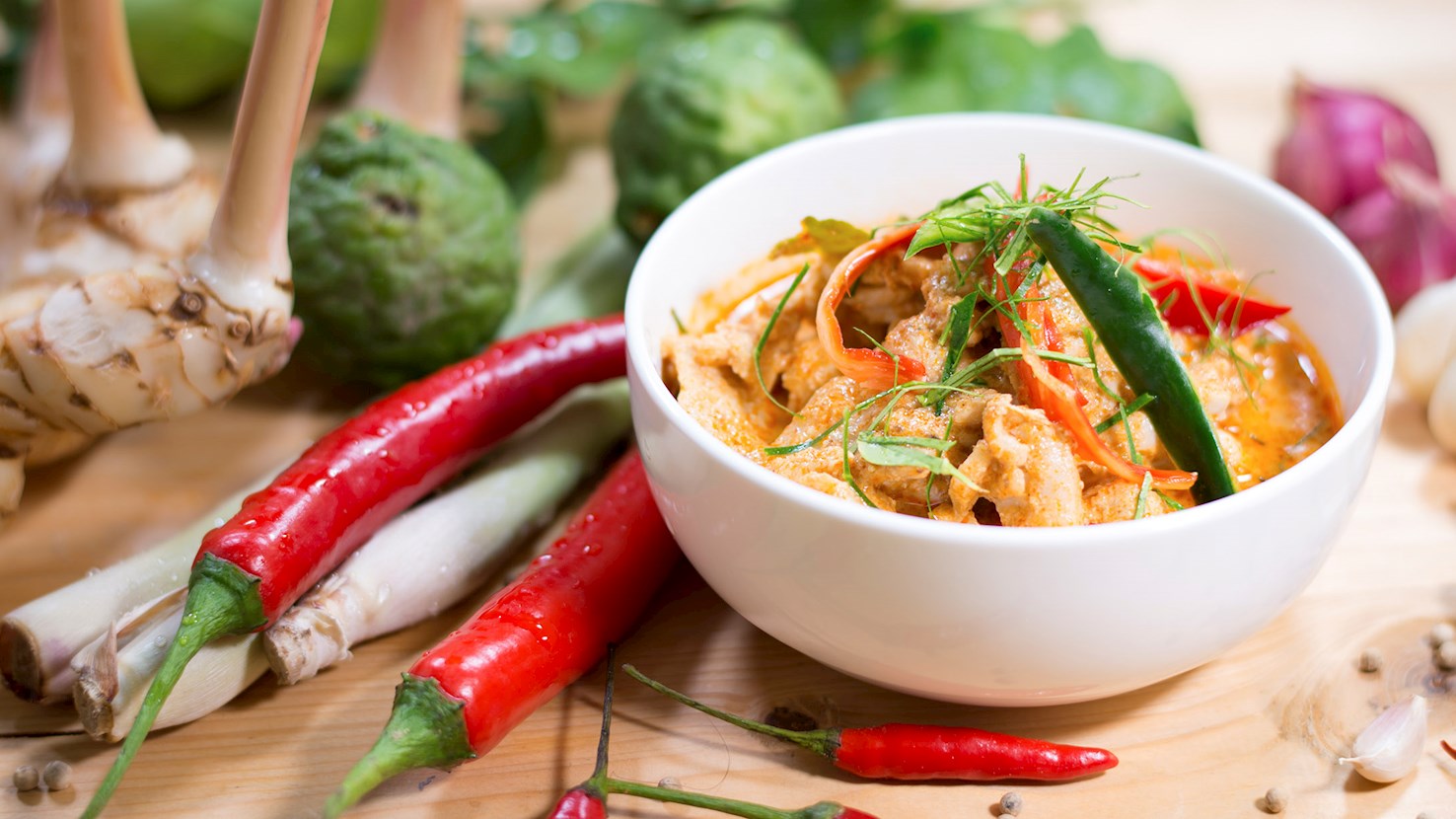
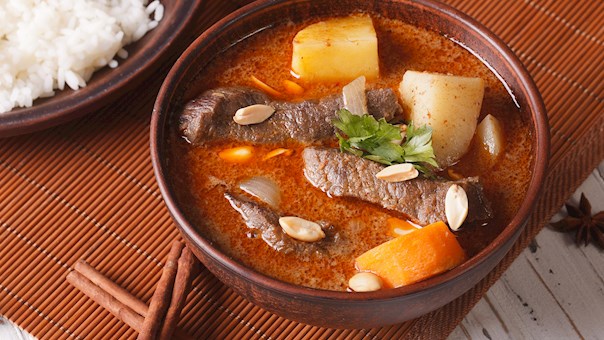
Phanaeng curry is a variety of Thai curry that is characterized by a thick texture and salty-sweet peanut flavor. It consists of meat that is stewed with coconut milk, panang curry paste, makrut lime leaves, fish sauce, and palm sugar. The meat used in phanaeng curry is usually beef, chicken, duck, or pork, and the dish traditionally does not include any vegetables. The name of the dish is derived from the word panang, meaning cross, which refers to the ancient way of preparing chicken with its legs crossed and set in an upright position. Though the origins of phanaeng curry are somewhat murky, it is often associated with the Malaysian state of Penang, but there is little evidence to support this claim. However, the earliest known recipe is found in Maawm Sohm Jeen’s book Tam Raa Gap Khao, dating back to 1890. Once finished, the curry is garnished with thinly sliced makrut lime leaves and Thai spur chili slices, and a bit of coconut milk can be poured over the curry.
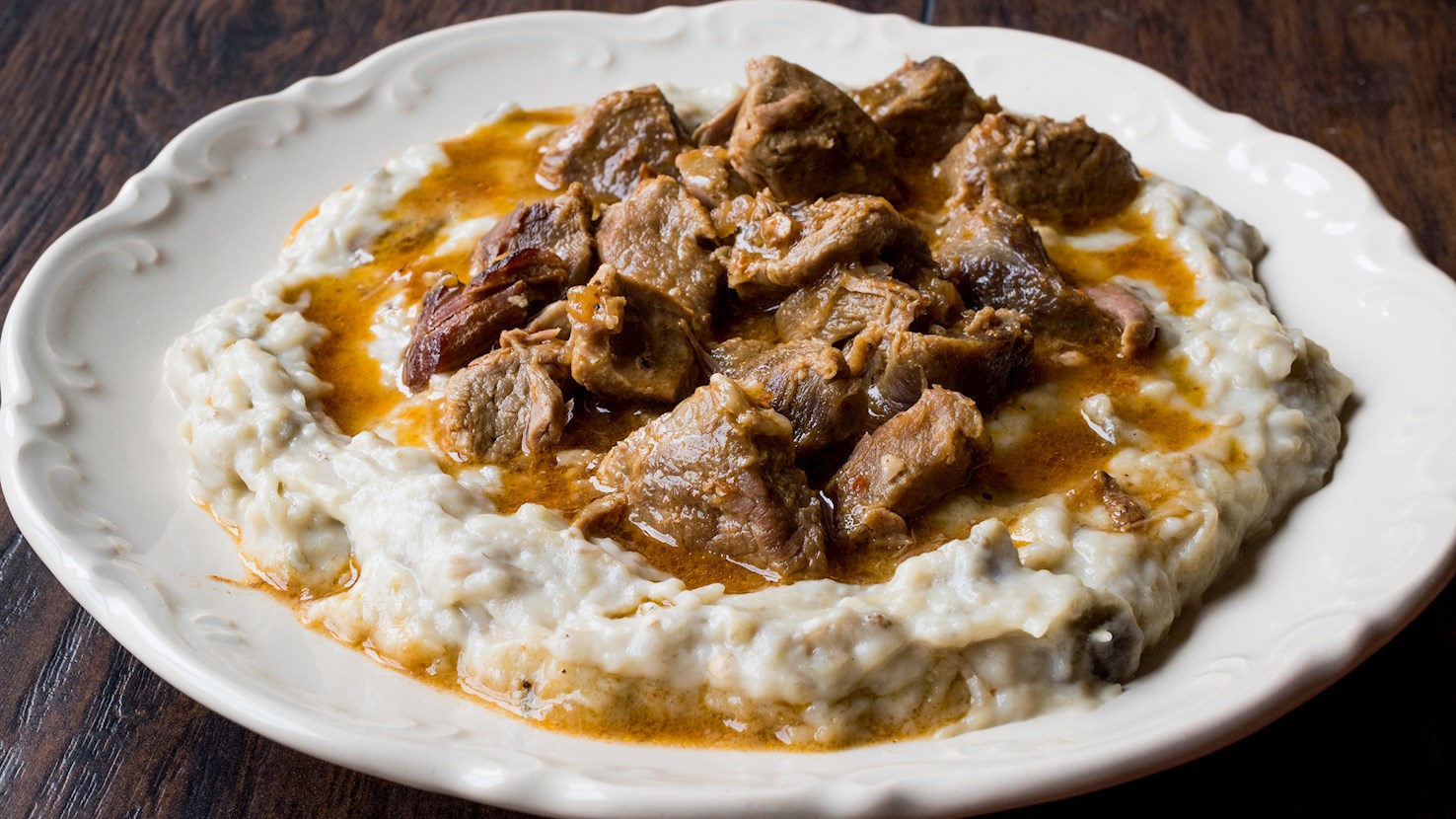
Hünkar beğendi is a traditional dish consisting of a flavorful lamb stew that is served on top of a creamy roasted eggplant purée. The purée is often thickened with milk and cheese, while the whole dish is sometimes topped with a tomato-based sauce or garnished with freshly chopped parsley. It is believed that the dish is native to Istanbul and was first prepared for the wife of Napoleon III in the late 19th century.
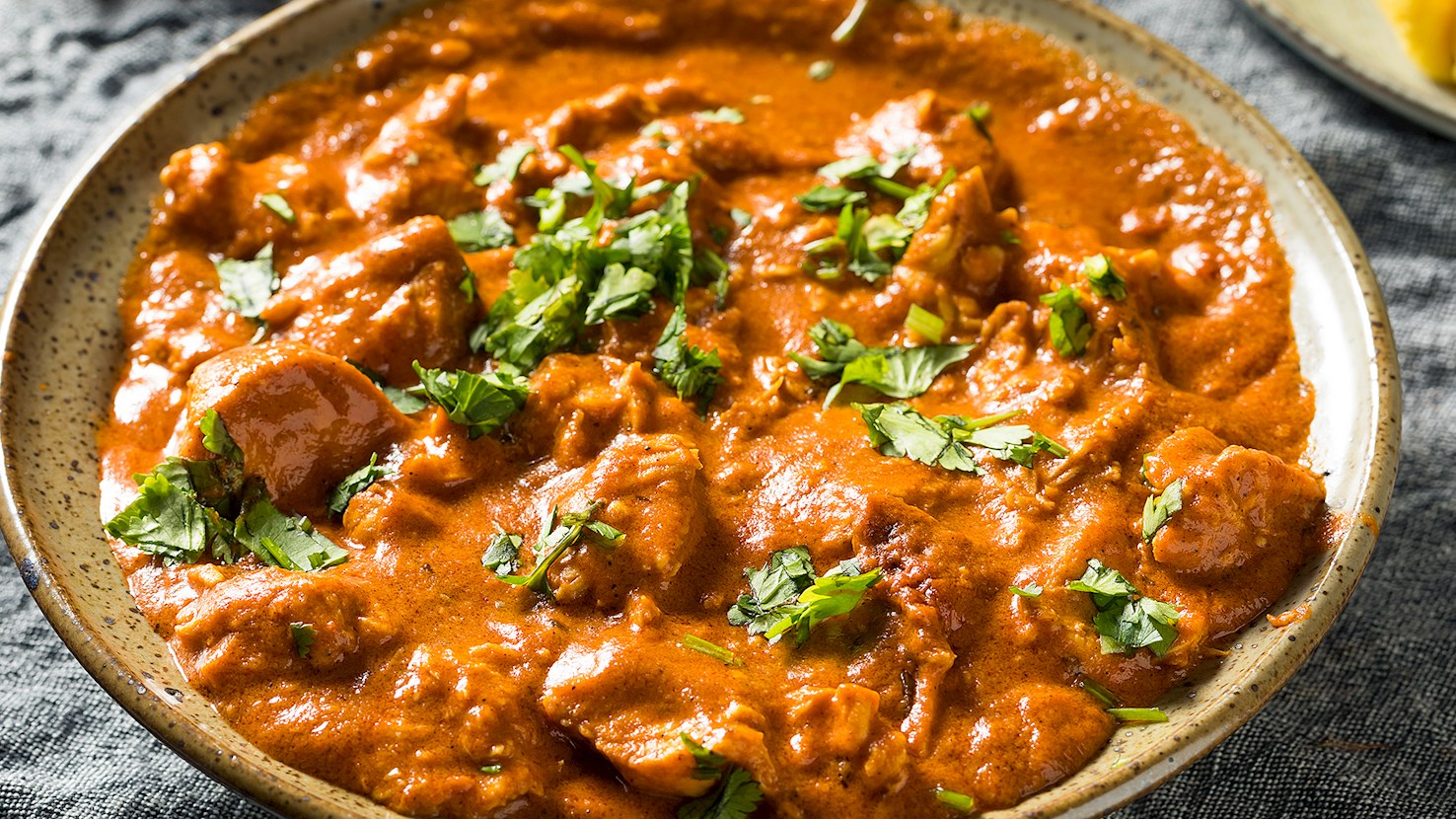
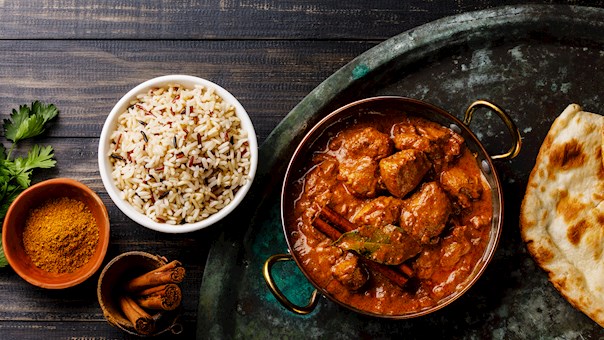
Probably the best known of all Indian dishes, murgh makhani, internationally referred to as butter chicken, is a staple dish at most Indian restaurants. The dish originated in Delhi during the 1950s, when a man named Kundan Lal Gujral opened his restaurant called Moti Mahal. The restaurant's cooks combined leftover marinade juices with tomatoes and butter, and then stewed the tandoor-cooked chicken in it, without even knowing that they have accidentally stumbled upon one of the most loved dishes ever and a future international delicacy. Moti Mahal became one of Delhi's attractions, and soon after, butter chicken spread throughout the world. With a combination of roasted meat, plenty of spices, a rich gravy made with cream, tomatoes, and butter, this dish is best accompanied by naan bread and garnished with even more butter, coriander, or green chilis.
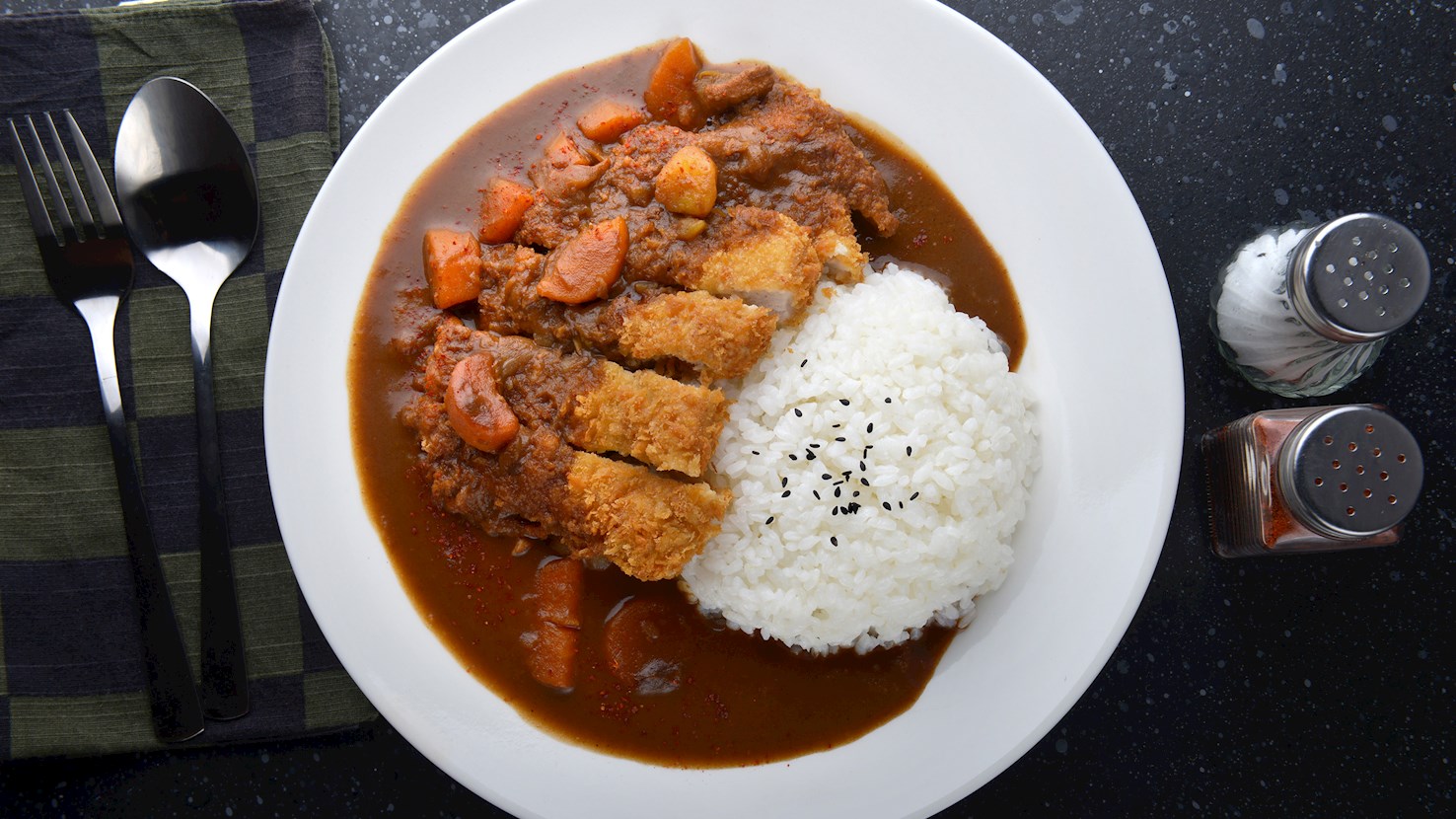
Japanese-style curry known as karē is one of the most popular dishes in the country. It started gaining popularity in Japan during the Meiji period (1868-1912), when the British introduced it to the country. During its early years, karē with rice was an expensive, gourmet dish reserved only for the wealthy. Compared to Indian curries, karē is less spicy, sweeter, darker, and usually thicker, which is thanks to the addition of flour or roux. There are three main version of karē in Japan - karē raisu (curry over rice), karē udon (curry over noodles), and karē -pan (a pastry filled with curry). The most popular variety, is, as expected, karē raisu, which is usually served with fukujinzuke pickles or Japanese scallions on the side. Today, karē is so popular in Japan that it can be called a true national dish.
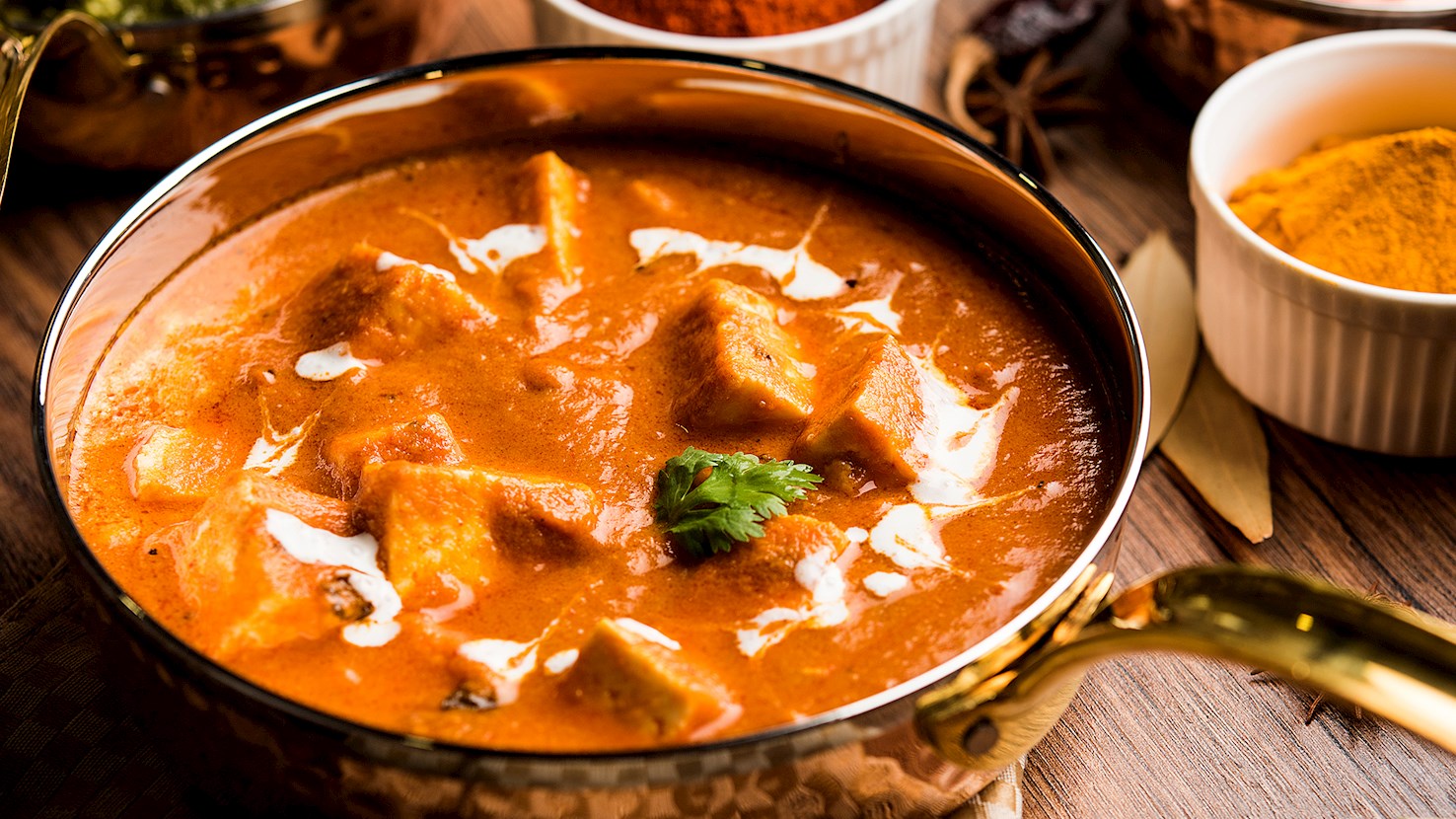
Originating from India's Moghul cuisine, shahi paneer is a cheese curry that is prepared with paneer cheese, onions, cashews, and a rich, spicy tomato-cream sauce. The dish is typically accompanied by Indian breads such as naan, roti, or puri. Often referred to as the Royal paneer, traditionally, it is prepared during special occasions and festivities as a vegetarian main course. Rich, hearty, and nutritious, shahi paneer is commonly garnished with coriander leaves.
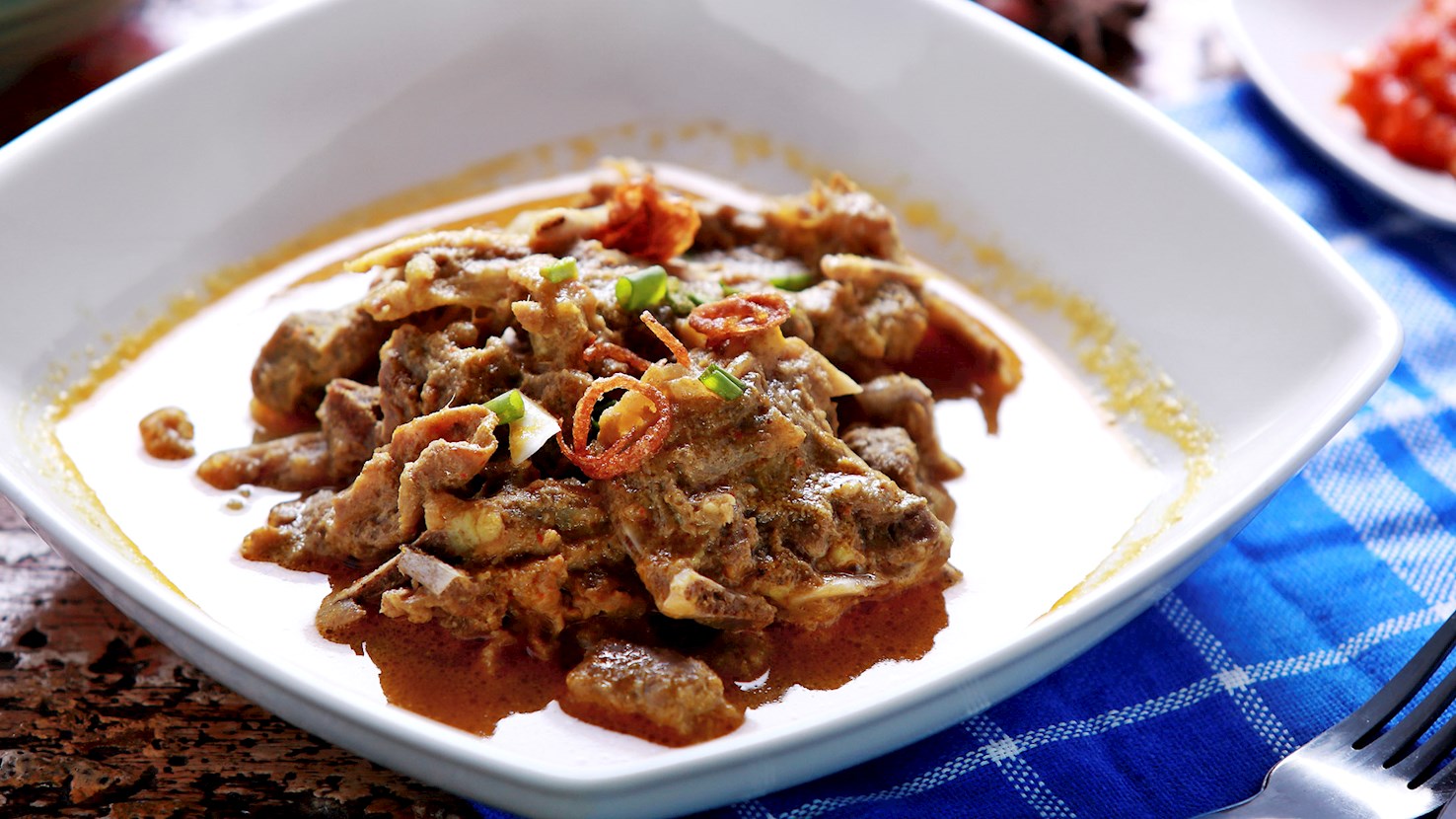
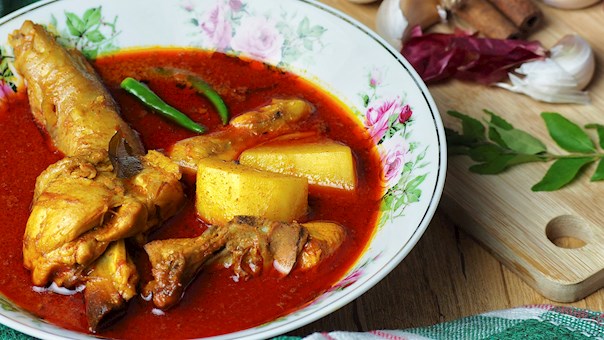
Gulai is a spicy Indonesian dish resembling a stew or a thick soup. Because of its appearance and taste, it is often dubbed as the Indonesian curry. Any meat variety can be the main ingredient in gulai, as well as offal, seafood, or vegetables. The ingredients are cooked in a combination of coconut milk and spices until the sauce achieves a thick consistency. Gulai originated in Sumatra, most likely under Indian culinary influence, but nowadays it is enjoyed everywhere in Indonesia. The dish can be found at Indonesian hawker centers and traditional restaurants. The most common side dish served alongside gulai is steamed rice.
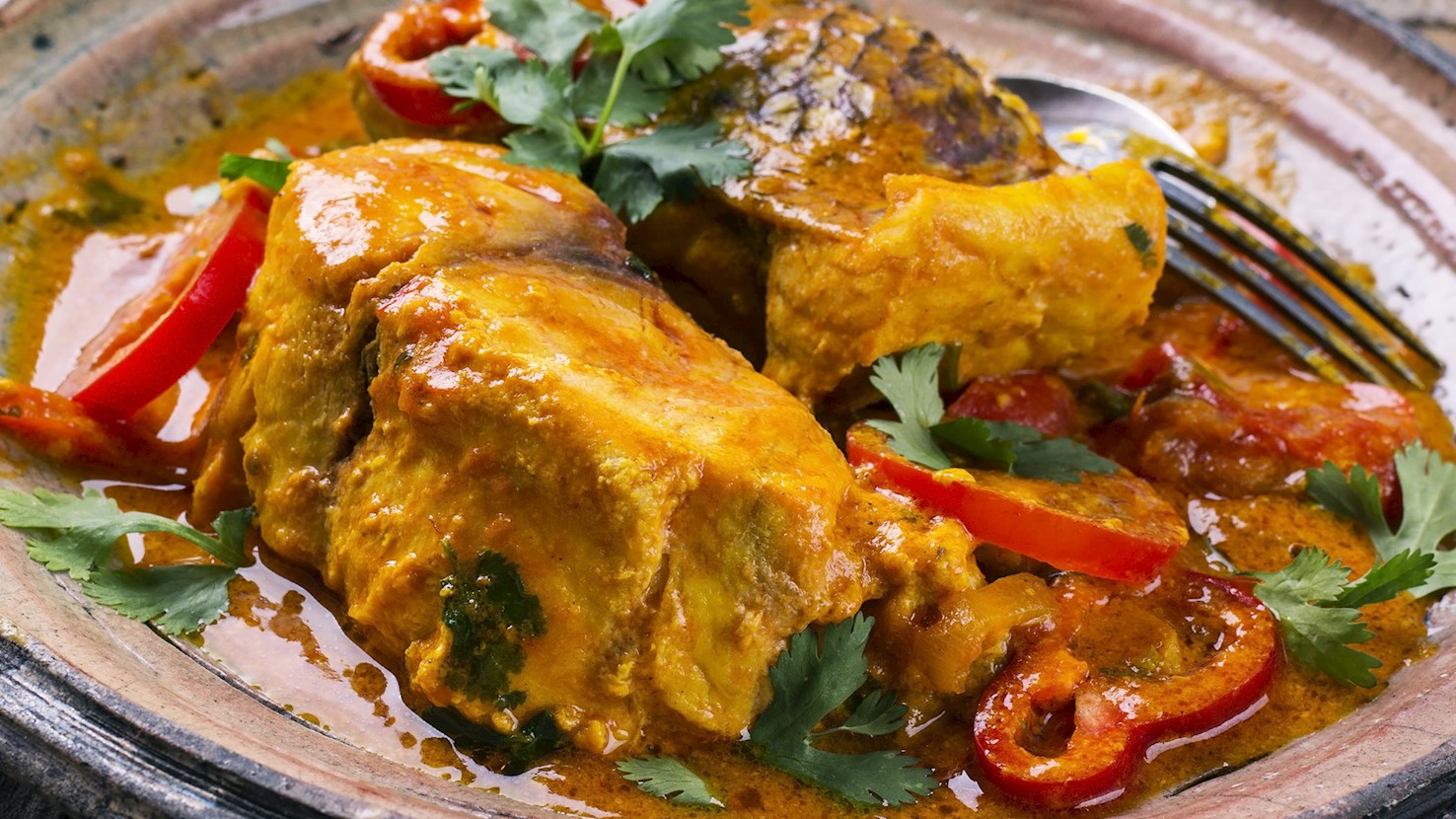
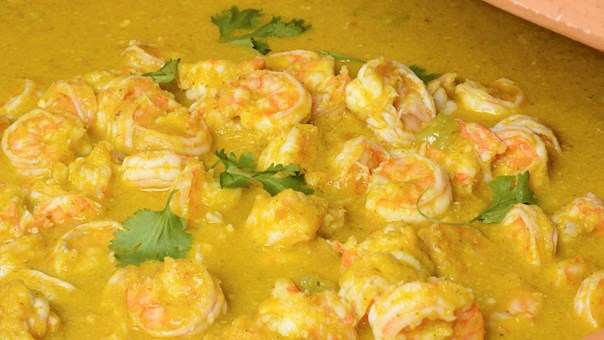
Moqueca Baiana is a seafood stew originating from the Brazilian state of Bahia, hence the word Baiana in its name. It consists of white fish, shrimps, or other seafood combined with coconut milk, dendê oil, lime juice, and various vegetables such as red and yellow peppers, tomatoes, spring onions, garlic, onions, and sometimes ginger. When done, the dish is typically garnished with chopped coriander, then served with rice and farofa. This seafood stew was originally prepared by the native people of Brazil. Over time, new elements were added to the stew, such as coconut milk, which was first introduced to Brazil by Portuguese colonists, and palm oil, which was brought over to the country by African slaves.
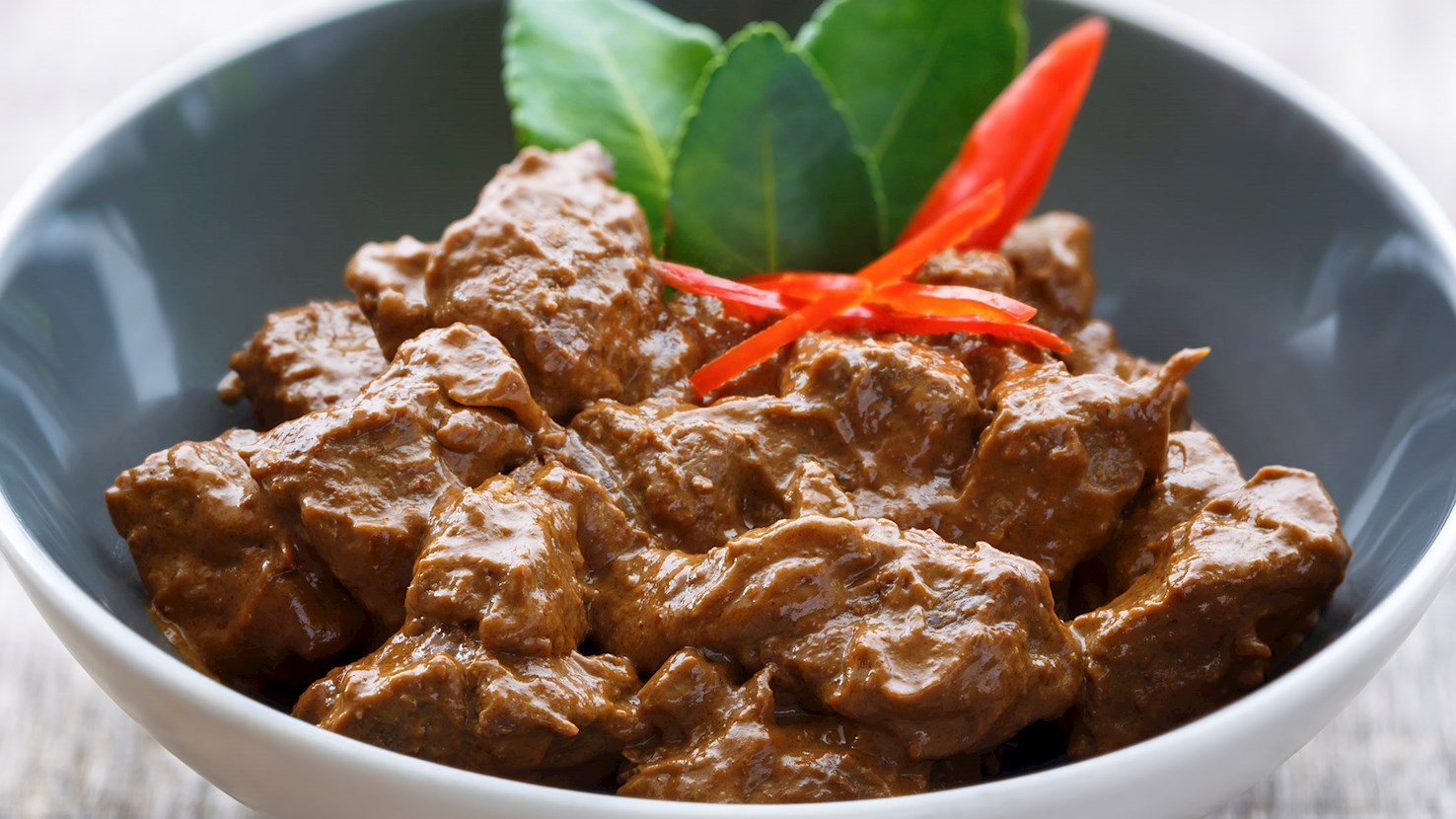
Rendang is an Indonesian meat dish which originated among the Minangkabau people in West Sumatra. The dish is famous for its spiciness and a long cooking procedure. It is often compared to Indian curry because of its consistency and unique flavors. The theory about how rendang was invented claims that the generous use of spices and long cooking hours were employed to preserve the meat in hot and tropical climates, such as Indonesian, so unsurprisingly, the need to preserve meat for a longer period appeared among the Minangkabau people. They were mainly traders who underwent long journeys and needed food which could stay fresh for weeks. However, the dish has a more symbolic meaning to them, because the main four ingredients used in rendang represent the Minangkabau society: the meat symbolizes leaders, coconut is a symbol of intellectuals, chili represents religious leadership, and other spices signify the rest of society. Today, rendang has surpassed Indonesian borders and has a reputation as one of the most delicious dishes in the world.
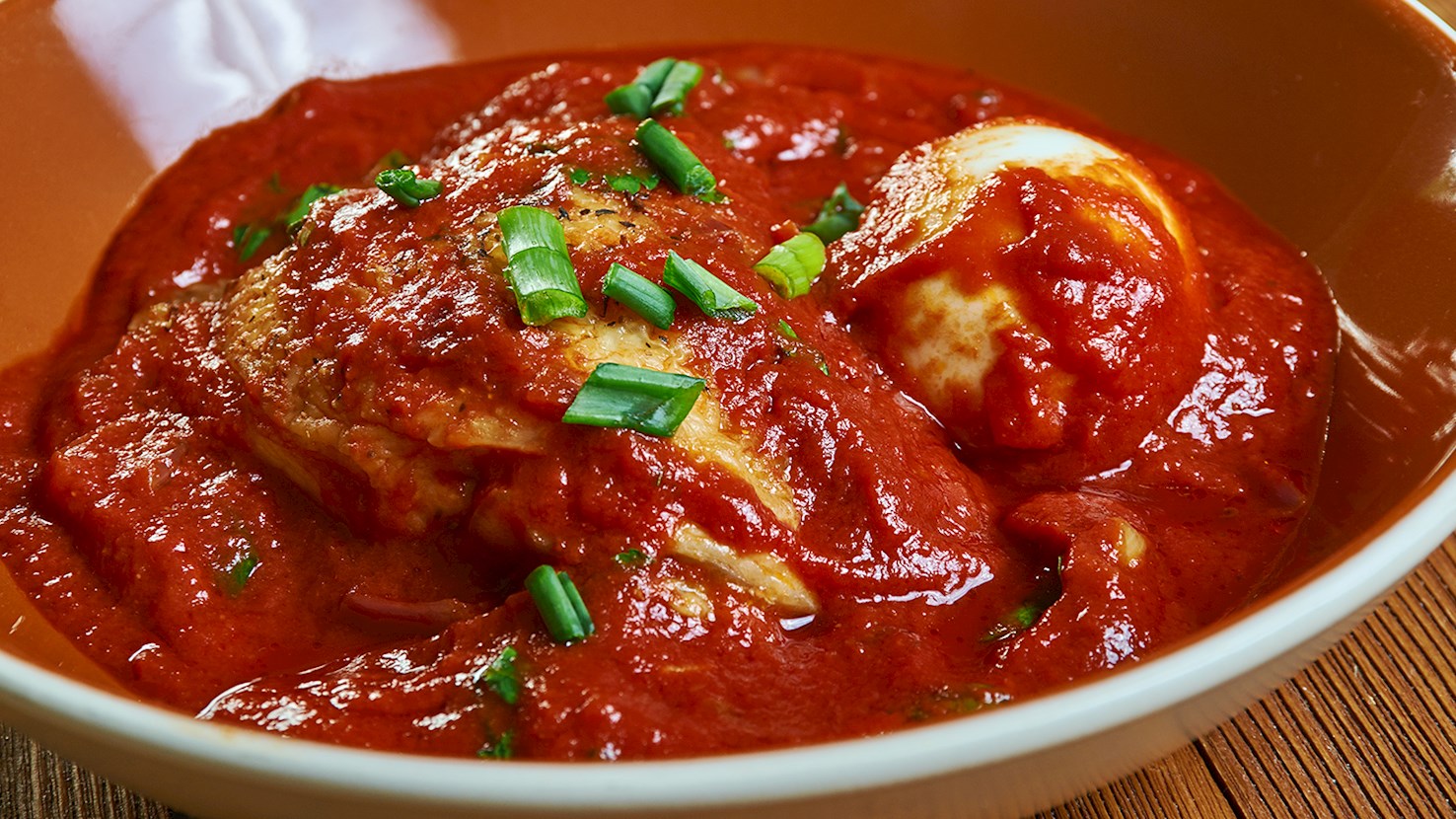
Wat is the broad Ethiopian and Eritean (where it's called tsebhi) category of thick, slowly cooked stews served with injera, ranging from fiery red meat dishes to mild yellow stews and completely plant-based versions made from lentils, split peas, chickpeas, or vegetables. Rather than describing one recipe, the name refers to a cooking style built around a concentrated onion base, spices, and prolonged simmering, with the main ingredient determining the specific type. Wat developed within the cereal-and-stew eating pattern of the Ethiopian highlands, where fermented flatbreads such as injera provided both the starch and the means of eating strongly seasoned sauces. One of the defining techniques is the treatment of onions: a substantial quantity is chopped very finely and cooked slowly, often initially without added fat, so that moisture evaporates and the onions collapse into a dense base rather than remaining as visible pieces. Niter kibbeh, the Ethiopian clarified butter infused with spices and aromatics, is then commonly added in non-fasting versions, while vegetable oil replaces it when animal products are excluded. From this foundation, wat divides broadly into two recognizable styles. Key wat, literally red wat, receives its color, heat, and much of its aroma from berbere, the Ethiopian spice mixture based on dried chilies with spices that can include fenugreek, coriander, ginger, cloves, and korarima. Alicha wat is milder and usually yellow, relying more heavily on turmeric, ginger, garlic, and aromatic spices rather than a large quantity of berbere. Meat versions can be made with beef, lamb, goat, chicken, or fish. Doro wat, made with chicken and commonly finished with hard-boiled eggs, is among the best-known examples, while beef and lamb produce numerous regional forms. Pulses are equally important: red lentils become misir wat, yellow split peas appear in kik alicha, and chickpea or broad-bean flour forms the base of shiro, which occupies a closely related place in Ethiopian stew cookery. Potatoes, carrots, cabbage, leafy greens, and other vegetables can also form a wat, particularly during Orthodox Christian fasting periods when meat, eggs, and dairy products are excluded. After the onion and spice base has developed, the chosen meat, pulse, or vegetable is added with only enough liquid to allow slow cooking. Wat is generally considerably thicker than a soup: the finished sauce should cling to pieces of meat or vegetables and remain substantial enough to be picked up with injera. Long cooking is particularly important for meat versions, both to tenderize tougher cuts and to allow the onion base, fat, and spices to combine into a unified sauce. The amount of berbere can vary greatly, so not every red wat has the same level of heat, while alicha preparations emphasize fragrance and savory depth rather than chili intensity. The name of a wat usually identifies its principal ingredient or style, producing combinations such as doro wat for chicken, misir wat for lentils, or alicha wat for a mild yellow preparation. Wat is normally served directly on injera rather than in a separate bowl. Several stews may appear together on the same large round, especially in beyaynetu and communal meals, with each portion kept separate until diners combine them themselves. Pieces of injera are torn off with the right hand, folded around the stew, and eaten together, while the layer underneath gradually absorbs sauce and is consumed as part of the meal. The sourness of fermented teff injera is particularly effective with the richness of niter kibbeh and the heat of berbere, while mild alicha stews can provide contrast when several dishes share the same platter. Wat is eaten throughout Ethiopia at everyday lunches and dinners as well as larger family meals, fasting periods, holidays, and celebrations, with the particular version depending heavily on occasion and region. Meat-heavy wat pairs naturally with injera, gomen, ayib, and milder pulse dishes, while plant-based versions are commonly combined with other lentil and vegetable foods. Tella or Ethiopian beer can accompany a substantial platter, and tej works particularly well with rich, spicy meat stews, while Ethiopian coffee is more often served after the meal.
TasteAtlas food rankings are based on the ratings of the TasteAtlas audience, with a series of mechanisms that recognize real users and that ignore bot,
nationalist or local patriotic ratings, and give additional value to the ratings of users that the system recognizes as knowledgeable.
For the “Top 100 Stews in the World” list until November 15, 2026, 47,453 ratings were recorded, of which 27,902 were recognized by the system as legitimate.
TasteAtlas Rankings should not be seen as the final global conclusion about food. Their purpose is to promote excellent local foods,
instill pride in traditional dishes, and arouse curiosity about dishes you haven’t tried.















What People Say