

shutterstock

29 Traditional Foods
You Have To Try in Amsterdam

Last updated on June 17, 2026
01

Kroket

3.7 ·

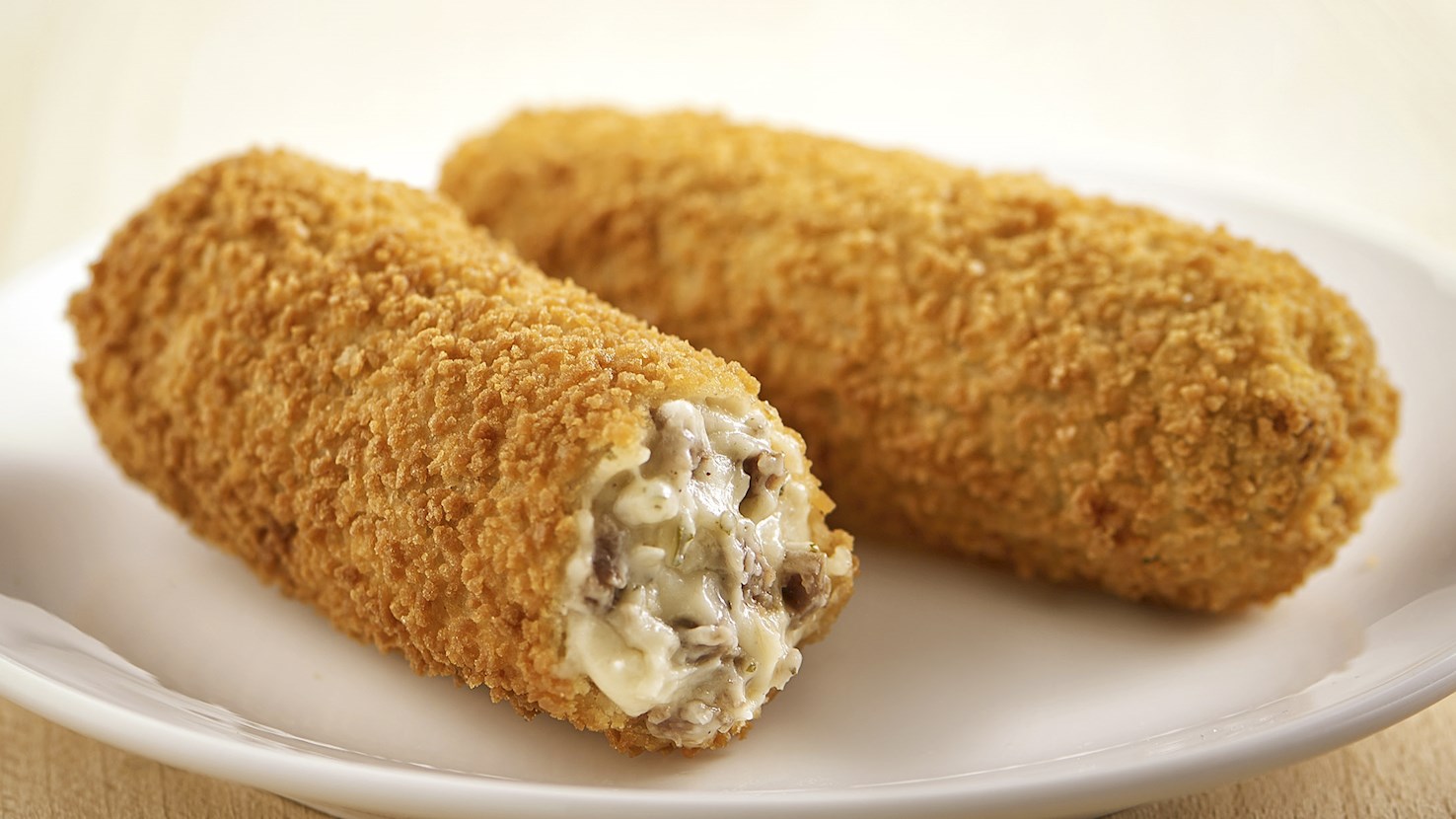
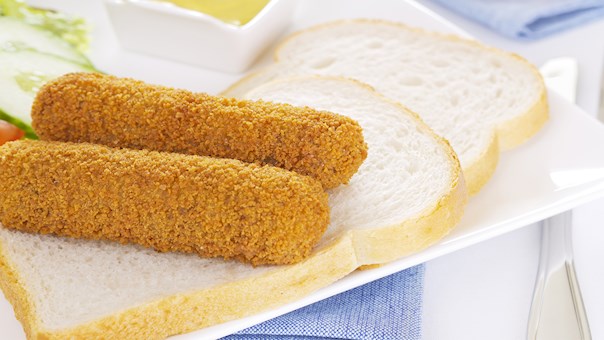
Kroket is a modern Dutch counterpart to the classic French croquettes, consisting of ingredients such as meat, seafood, cheese, and gravy that are refrigerated, rolled into logs, breaded and deep-fried until they develop a golden-brown color. The most typical Dutch kroket is made with meat ragout covered in breadcrumbs. The oldest recipe for the Dutch kroket is believed to date back to 1830, and since then, it has appeared in numerous Dutch cookbooks. Originally, kroket was served as a side dish, but after World War II, it quickly became a popular snack item. Today, kroketten can also be served in a croquette sandwich or accompanied by French fries, in numerous varieties such as goulash kroket, prawn kroket, and vegetarian kroket. There is also the bitterbal, a small, round-shaped version of kroket made with beef or veal, which is a popular snack in bars throughout the Netherlands.

02

Bitterballen

3.8 ·

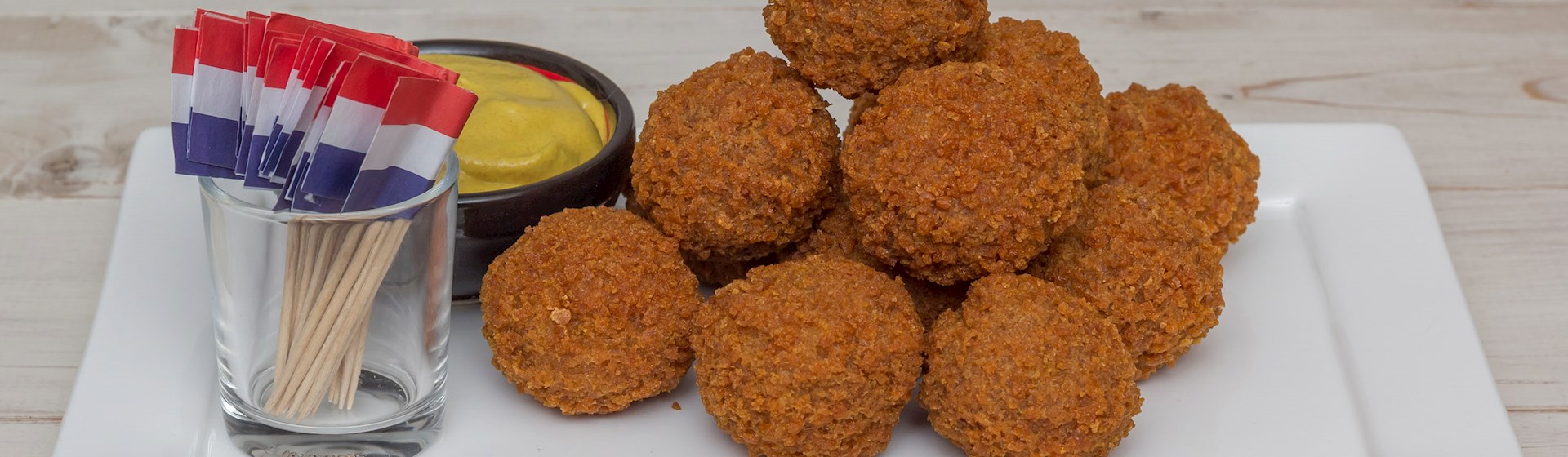
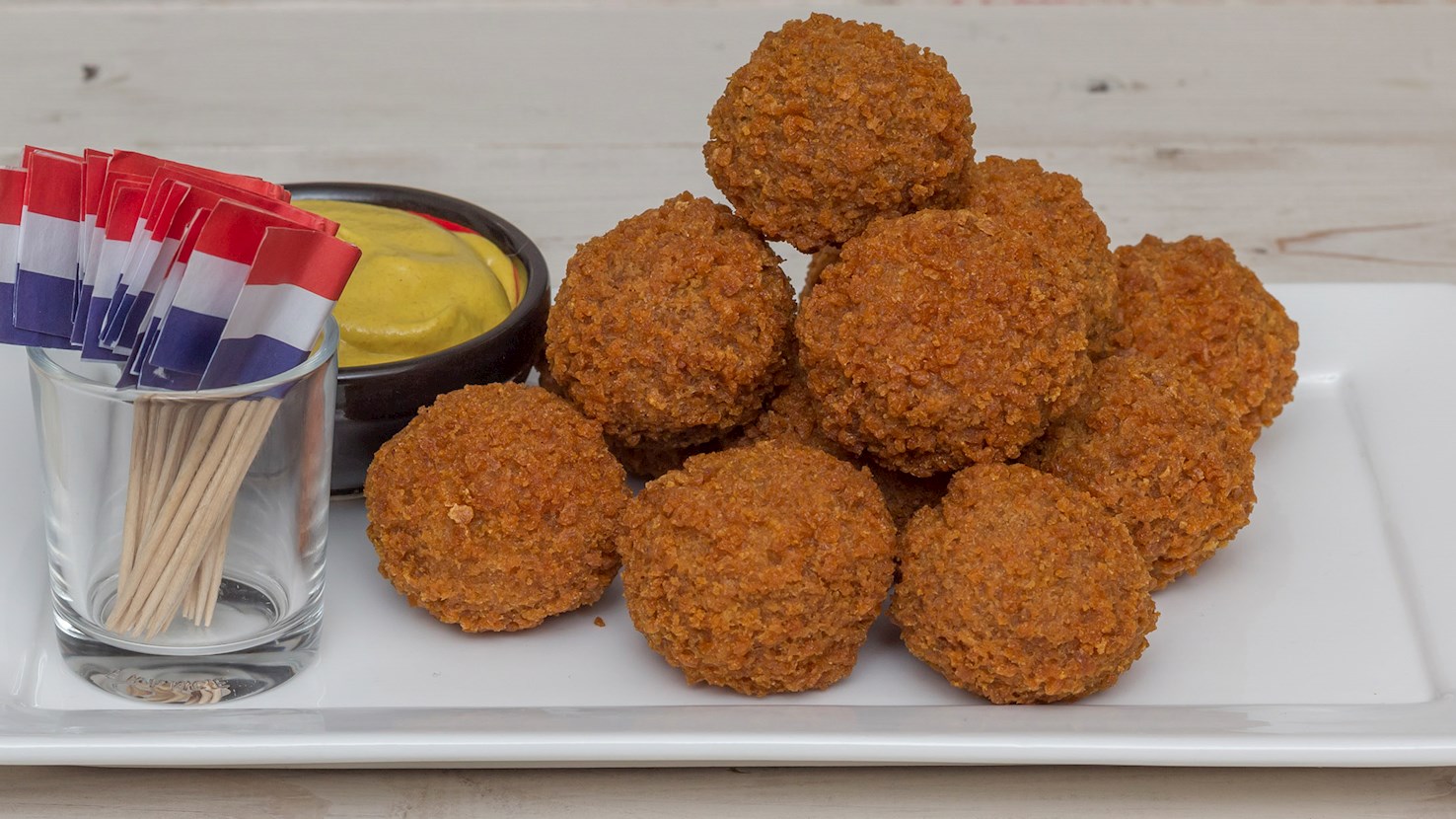
Bitterballen are Dutch deep-fried, breadcrumbed, meat-filled balls. The filling usually consists of beef, flour, beef broth, and various seasonings. The dish is usually served as a snack at bruin cafes, a popular type of bar in the Netherlands. Bitterballen are traditionally paired with mustard, french fries, and bittertjes, or Dutch bitters. It is believed that the dish was invented in the 17th century, when the Spaniards occupied the country, and the wife of an Amsterdam pub owner refined and adapted the Spanish version of the dish and served it with beer and jenever. Today, bitterballen are typically consumed while still piping hot, and they can be made with a variety of ingredients, such as chicken, veal, or mushrooms.

03

Appeltaart

4.2 ·

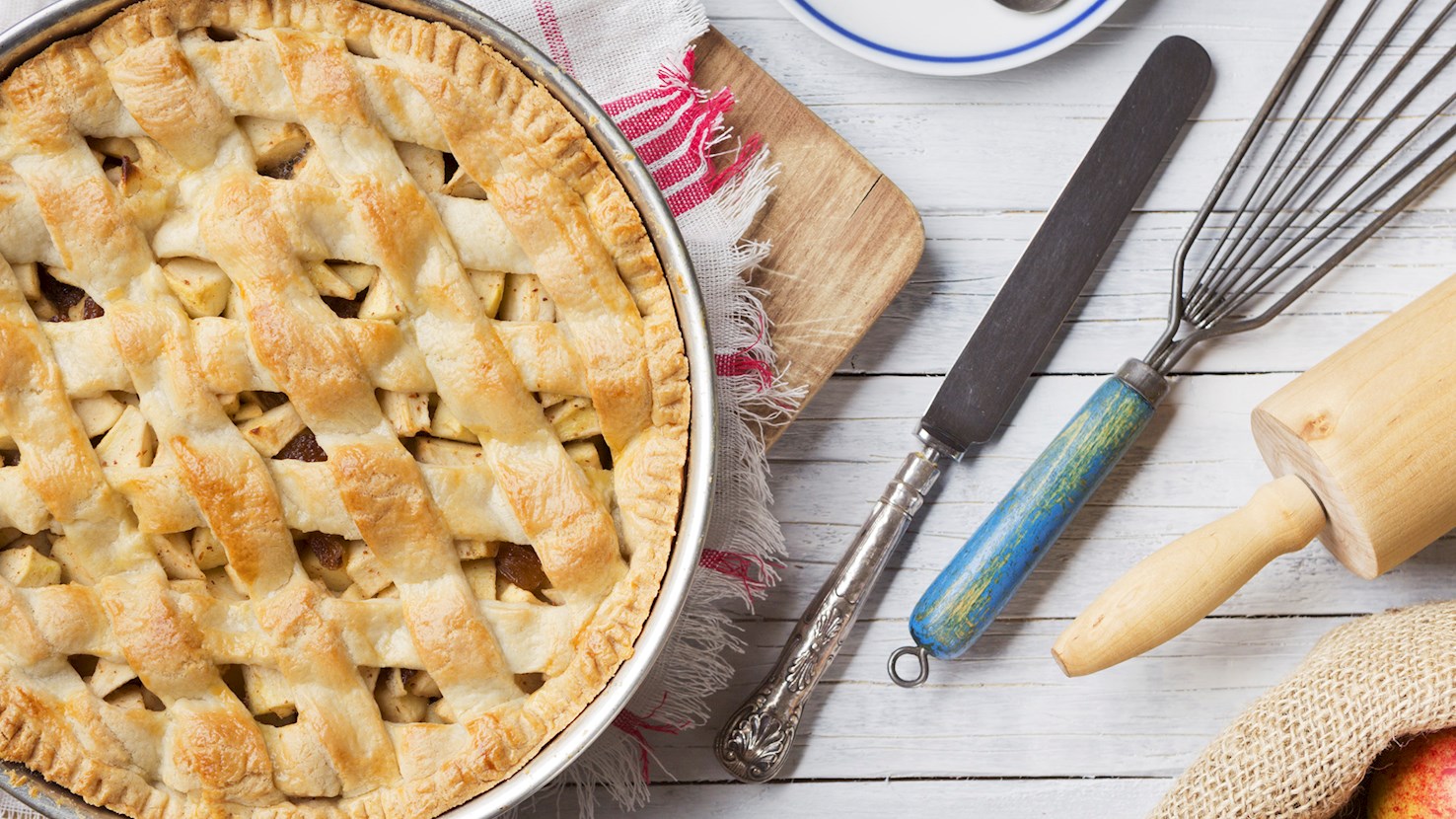
Appeltaart is a traditional apple pie that is very often accompanied by a cup of hot coffee. Although it is essentially the same as most apple pies, Dutch appeltaart differs from the classic American apple pie in many ways: it is baked in a spring-form pan, making it deeper; it is drier on the interior; it is full of big chunks of apple, currants, and raisins, and it is full of speculoos spices such as cinnamon, lemon juice, and other warm spices. Appeltaart dates back to the Middle Ages and it is believed that the baking time was measured by the number of prayers one had to say until it was ready to be taken out of the oven since ovens with temperature controls didn't exist at the time. In the Netherlands, appeltaart is usually served at room temperature and topped with a dollop of whipped cream, what is known as appeltaart met slagroom. This traditional dessert is one of the first pies that the young people learn to prepare in the Netherlands, but it is believed that the best ones are made by grandmas.

04

Stroopwafel

4.2 ·

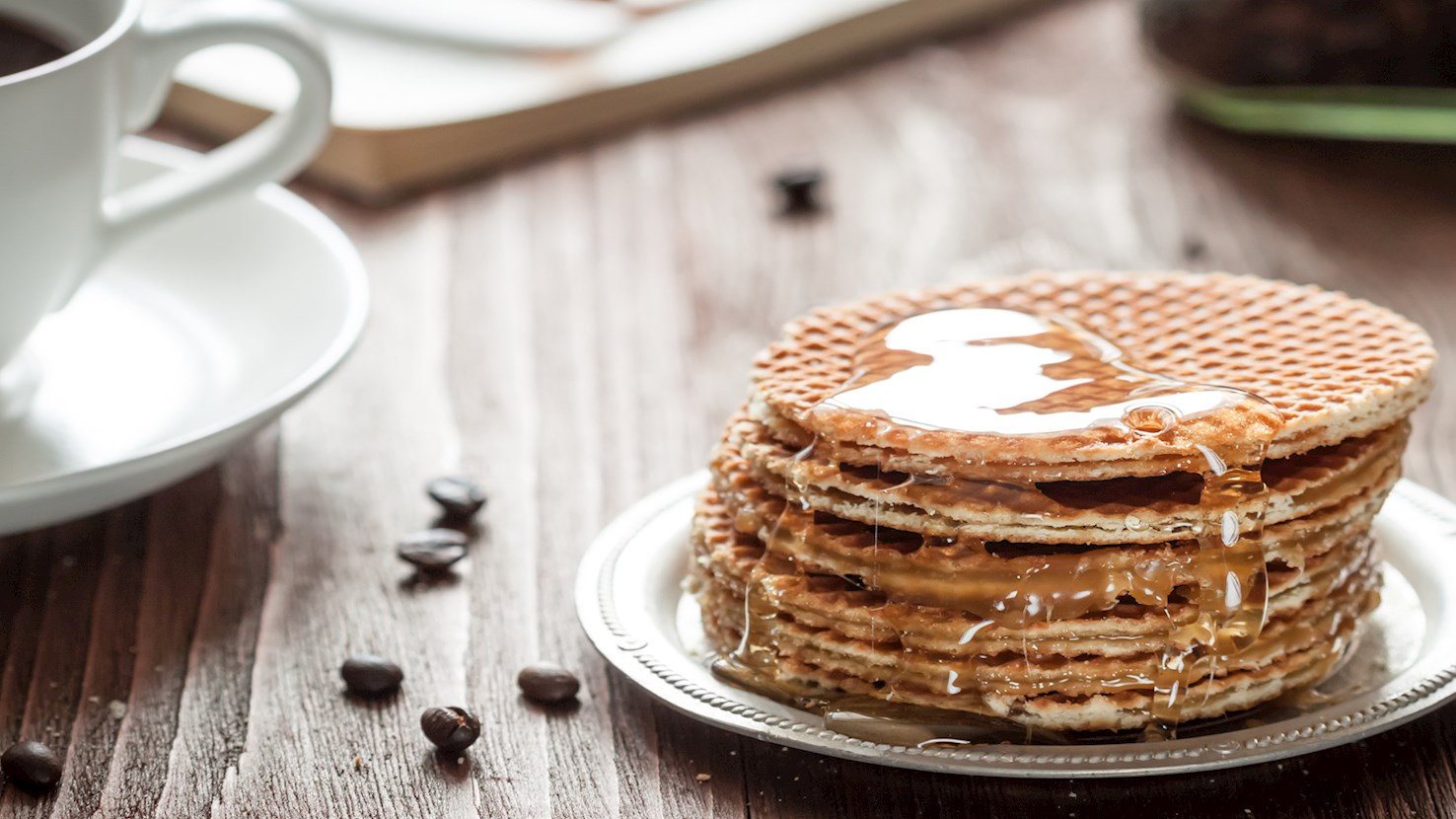
These delicious Dutch cookies consist of a very thin layer of syrup, sugar, butter, and cinnamon that is sandwiched between two thin wafers. Stroopwafels were invented in the late 18th century in the city of Gouda, and many sources give credit to a baker named Gerard Kamphuisen as their inventor. In the Netherlands, stroopwafels are traditionally consumed with tea or coffee, and it is a custom to place a cookie on top of the cup and let it steam for a few minutes, so that the cookie is heated and the syrupy layer softens.

05

Pannekoek

4.1 ·

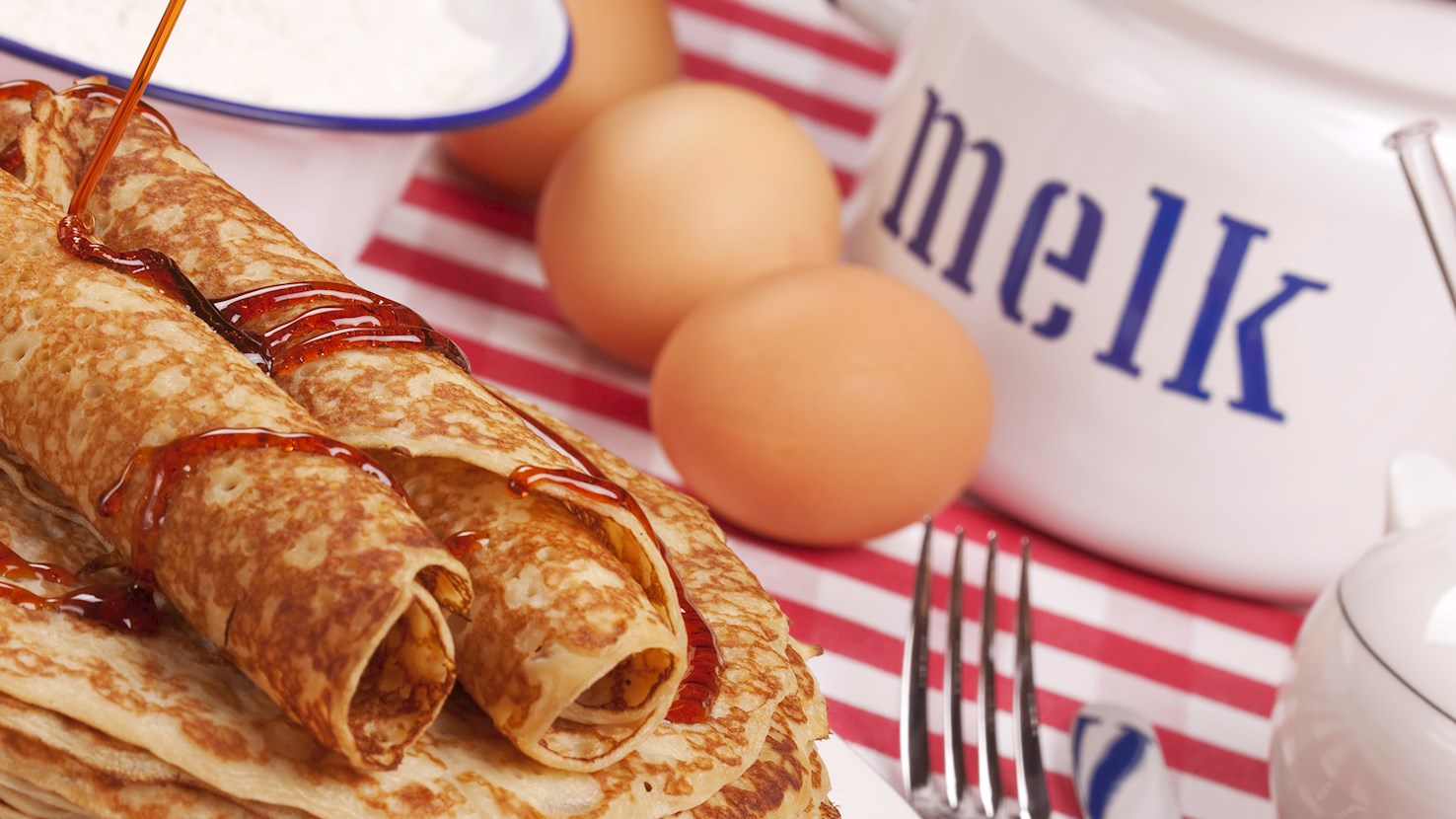
Pannekoek is a variety of Dutch pancakes that are somewhere between American pancakes and crêpes in terms of thickness, consisting of milk, flour, salt, and eggs. In the Netherlands, pannekoeken are usually eaten for dinner, lunch, or dessert, but rarely for breakfast. They are typically served with molasses syrup (stroop), sugar, apples, and cinnamon, but when made as a hearty lunch, some cooks like to add bacon and cheese to plain pancakes. Pannekoeken are also popular in Belgium and South Africa, where it is common to serve them with cinnamon sugar and a single lemon wedge. South Africans love to eat the pancakes when it is cold and raining outside, so much that the cold, damp weather is known as pancake-weather in the country.

06

Oliebol

3.9 ·

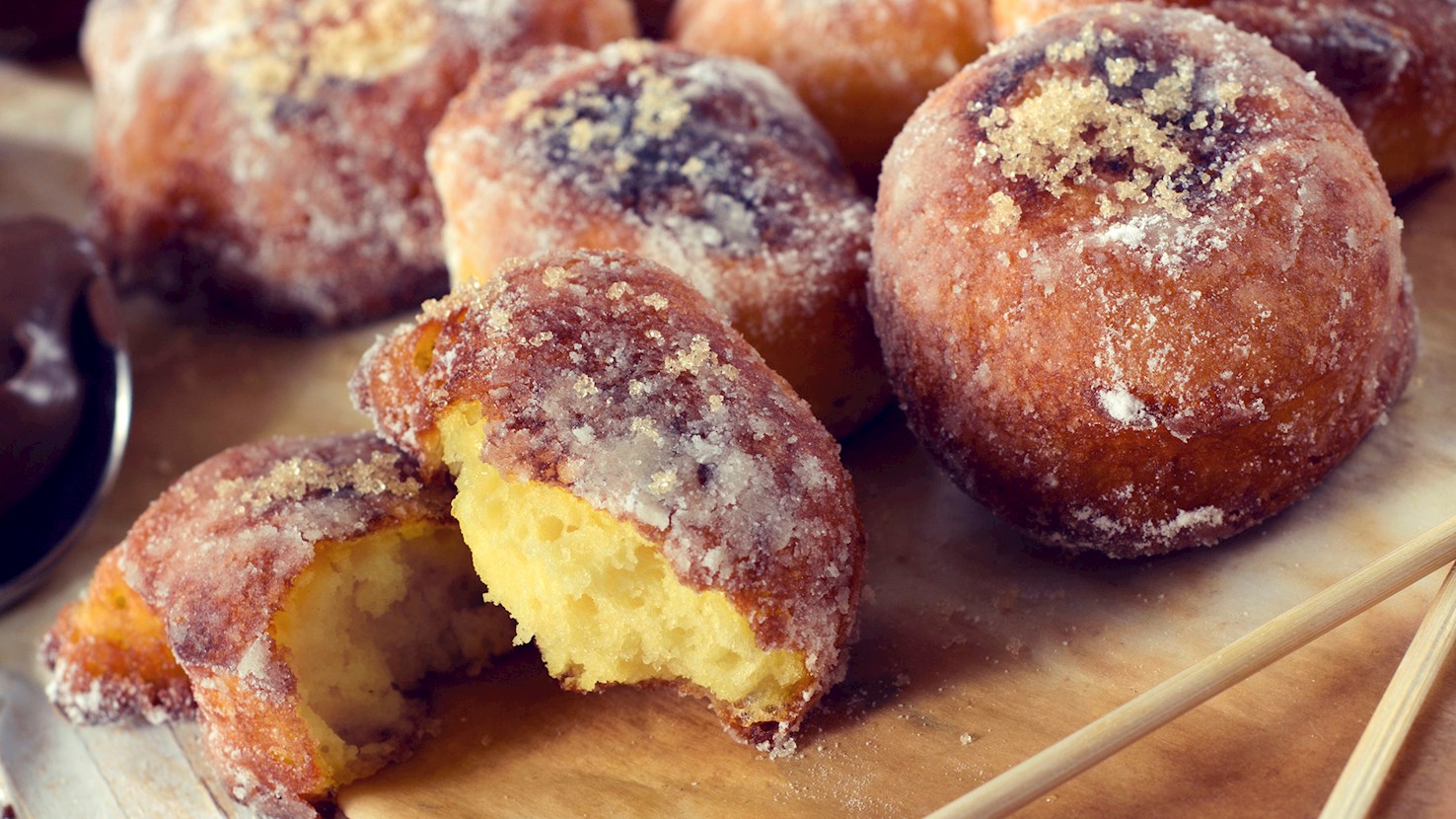
Oliebol is a traditional and Belgian snack that can be literally translated as oily ball. The dough, which is deep-fried in hot oil, is made with flour, eggs, yeast, milk, and baking powder. The exterior is crunchy, while the interior is chewy and soft, just like a true representative of comfort food at its best. Traditionally, the fritters are sprinkled with powdered sugar, while some varieties are filled with raisins or currants that were previously incorporated into the dough. Oliebollen are often prepared and consumed at numerous fairs, and they are especially popular during the Christmas and New Year period. In winter, these oily snacks can be bought at street stands throughout the Netherlands and Belgium. It is believed that oliebollen were first consumed by Germanic tribes during the Yule. The earliest recipe can be found in the 1667 book De verstandige kock, and in 1868 the word oliebol was added to Van Dale's Dutch dictionary. It is recommended to serve oliebollen with a hot cup of coffee and top them with powdered sugar before eating.

07

Stamppot

3.3 ·

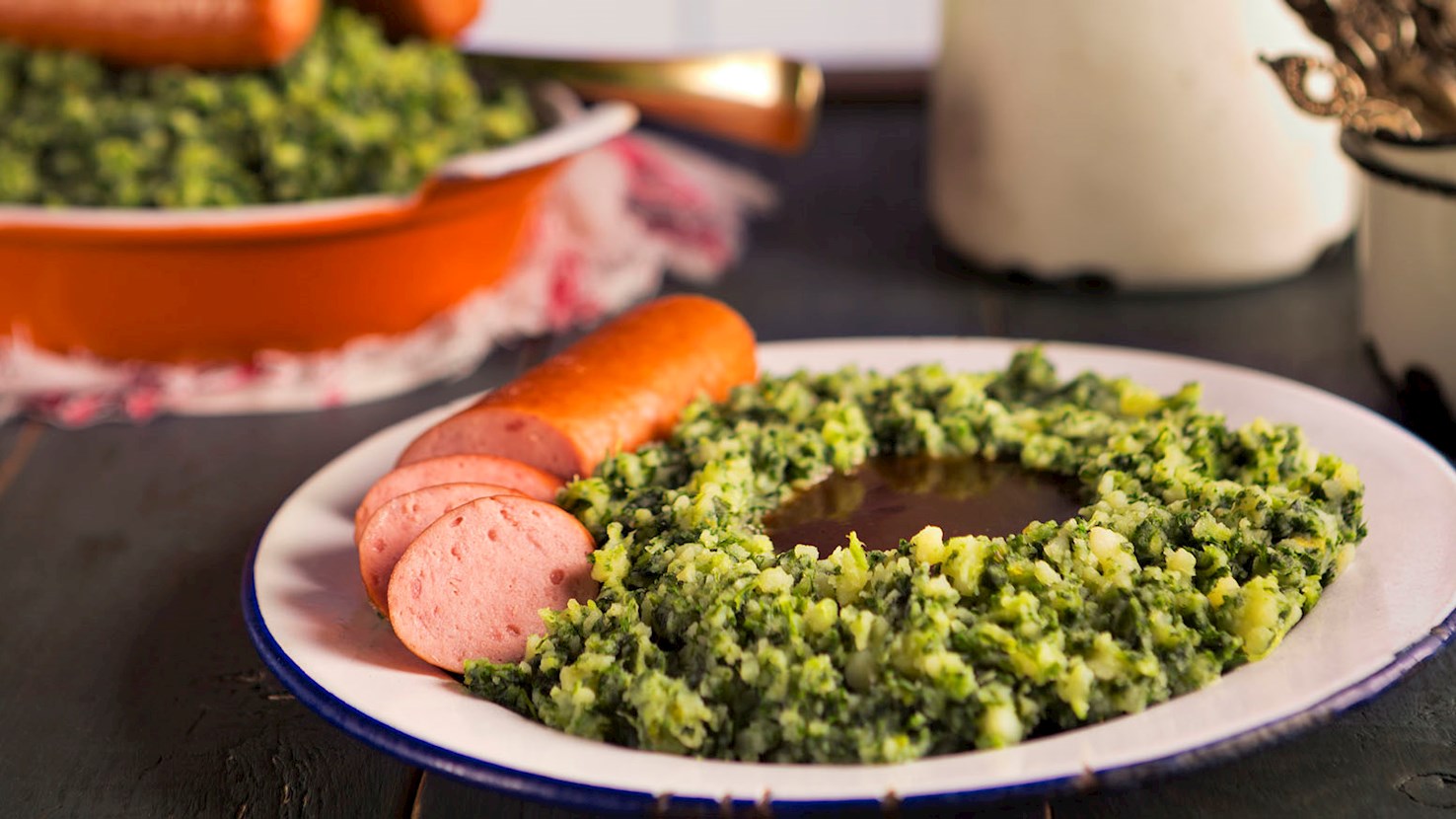
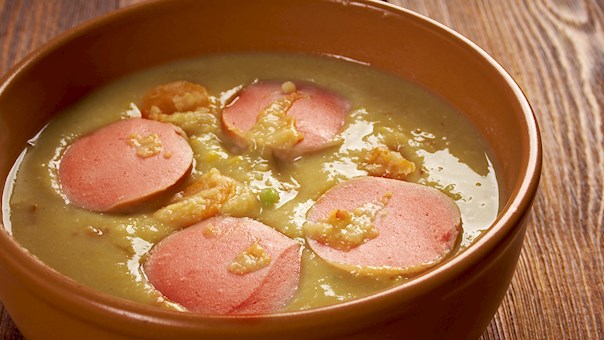
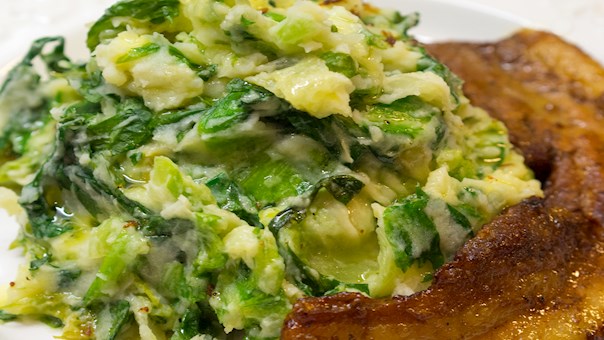
Stamppot, meaning mashed pot, is a traditional dish made from mashed potatoes and one or several selected vegetables such as kale, spinach, endive, turnip, or sauerkraut. If the potatoes are mashed together with onions and carrots, the dish is then called hutspot. In addition to stamppot, bacon can be used as an accompaniment, but it is usually served with a smoked sausage or cooked meat on the side. The most popular variety of stamppot is known as stamppot boerenkool, consisting of potatoes mashed with kale. It is a dish that is commonly served in restaurants and on street fairs, providing a bit of comfort in those cold, foggy, and grey winter days. The kale variety is ideal for winter time, as the kale leaves are best when frosted, and the cold tenderizes the leaves and improves the flavor. However, the dish can also be made at home. The vegetables are cut and boiled in a pot, and when they are cooked, the water is drained and the vegetables are mashed together with butter, salt, pepper, and parsley in order to accentuate the flavors.

08

Rijsttafel

4.1 ·

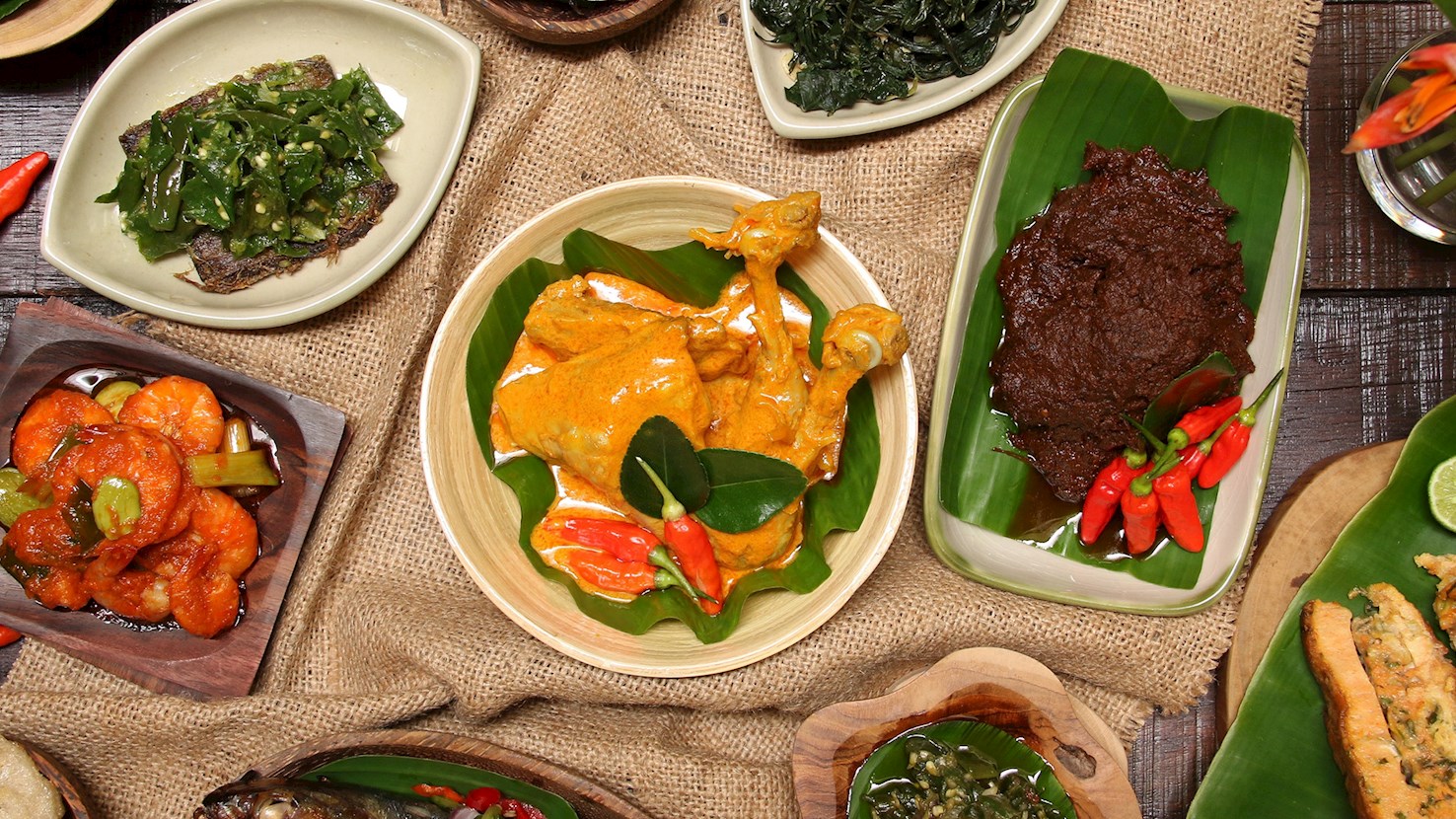
Rijsttafel is an elaborate Dutch meal that was developed during the colonial era. The Dutch were most likely inspired by an Indonesian dish called nasi padang, as rijsttafel consists of rice and a variety of foods such as fish, chicken, curried meats, vegetables, pickles, sauces, relishes, condiments, fruits, eggs, nuts, and so on. The diners are served a plate of rice, and then they choose from a variety of side dishes, which can range up to 40! It's no wonder that sometimes the meal takes a few hours to consume. The name rijsttafel means rice table, referring to this flamboyant feast of small plates filled with spicy, sweet, sour, and salty flavors, all of them paired with rice. And even though each rijsttafel is different, here are just some of the delicacies one can find on the plates: the sweet and spicy tempeh blado, the slow-cooked yet crispy beef rendang, the crunchy fried pisang goreng banana fritters, and the creamy yet spicy peanut sauce called saté, which covers various vegetables or meats.

09

Patatje oorlog

3.9 ·

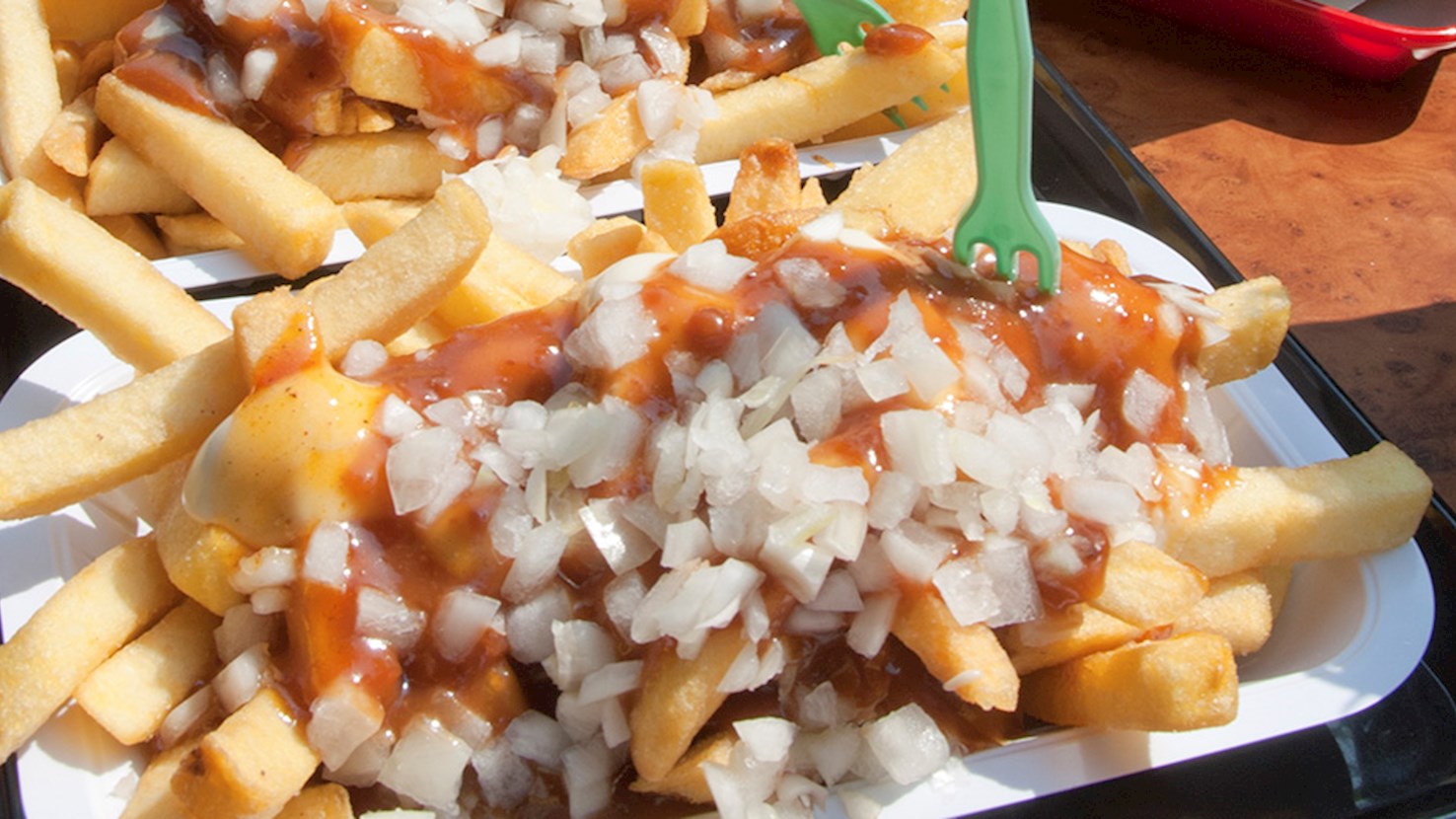
Patatje oorlog is a Dutch street food dish consisting of fries topped with a variety of condiments, including mayonnaise, finely chopped onions, and peanut-based satay-style sauce flavored with olek sambal, soy sauce, and chili. The dish is typically served in a paper cone and the fries are eaten by using your fingers. Since patatje oorlog is a drinking dish, it is recommended to pair it with a cold beer on the side. The name of the dish means war fries or war chips, most probably referring to the fact that eating patatje oorlog is a messy affair, looking similar to a battlefield where chips, onions, and sauces are all over the place.

10

Poffertjes

4.2 ·

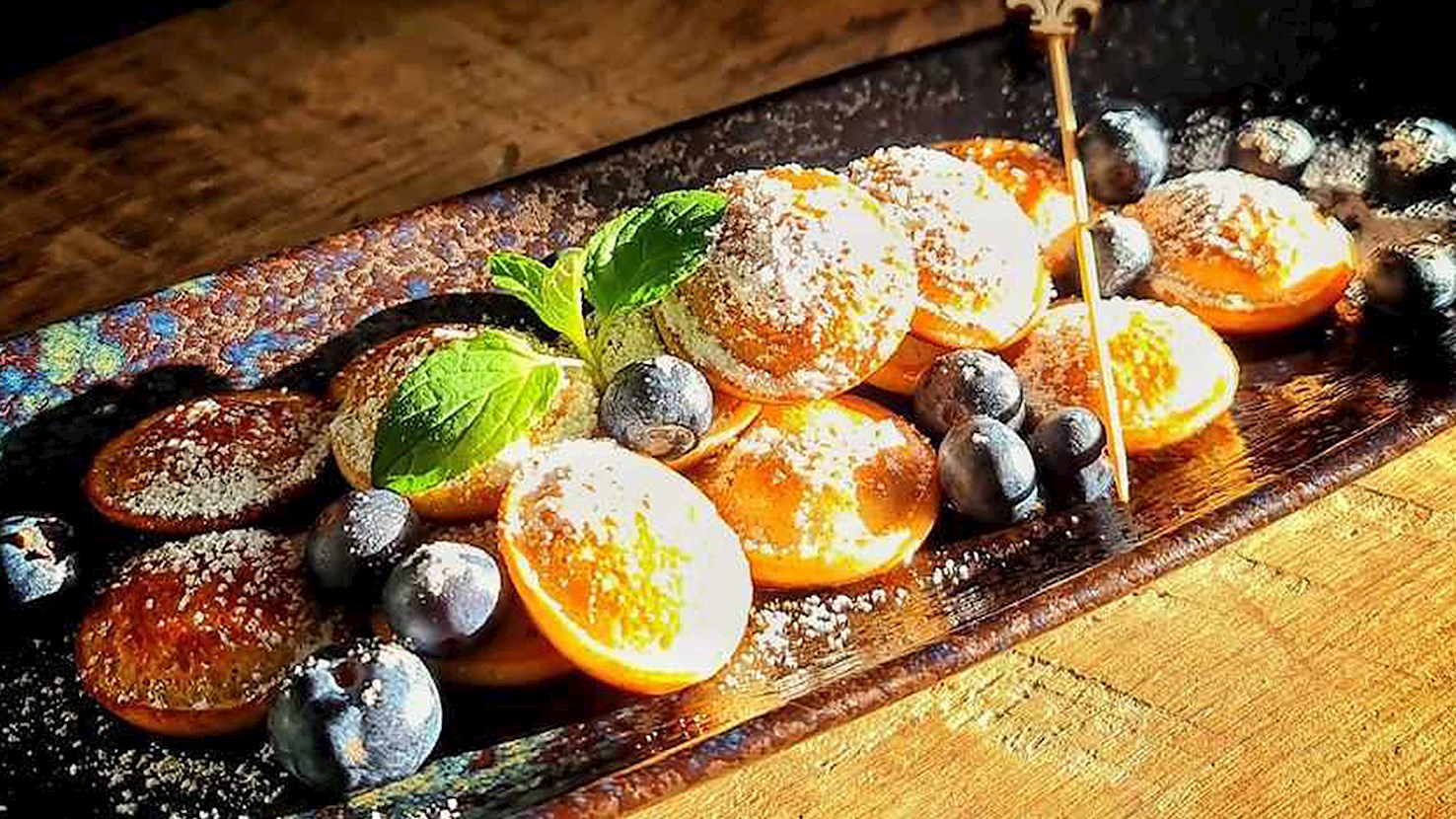
Poffertjes are small, round, and puffy Dutch pancakes made with yeast and buckwheat flour. They are baked in a special pan called poffertjespan, and usually served warm on a piece of cardboard paper when prepared outdoors, at festivals and outdoor events. They are consumed as a snack, and are rarely eaten for breakfast. Traditionally, poffertjes are topped with melted butter and powdered sugar, although there are a number of other, non-traditional toppings such as whipped cream, fresh fruit, or rum. During the Christmas and New Year period, poffertjes can be found throughout Dutch streets at numerous street carts. It is believed that poffertjes have roots in a Dutch Abbey, where they were used as a type of communion host. When the churchgoers tasted the small pancakes and liked them, poffertjes became very popular, so local stallholders seized the opportunity and started selling them as snacks. The first recipe for poffertjes is found in a cookbook from the mid-1700s, when the dish was considered a poor man's meal. Today, poffertjes are a staple of most Dutch weddings, birthday parties, and various festive occasions.

About this ranking

TasteAtlas food rankings are based on the ratings of the TasteAtlas audience, with a series of mechanisms that recognize real users and that ignore bot, nationalist or local patriotic ratings, and give additional value to the ratings of users that the system recognizes as knowledgeable. For the “29 Traditional Foods You Have To Try in Amsterdam” list until June 17, 2026, 371 ratings were recorded, of which 327 were recognized by the system as legitimate. TasteAtlas Rankings should not be seen as the final global conclusion about food. Their purpose is to promote excellent local foods, instill pride in traditional dishes, and arouse curiosity about dishes you haven’t tried.

Similar lists