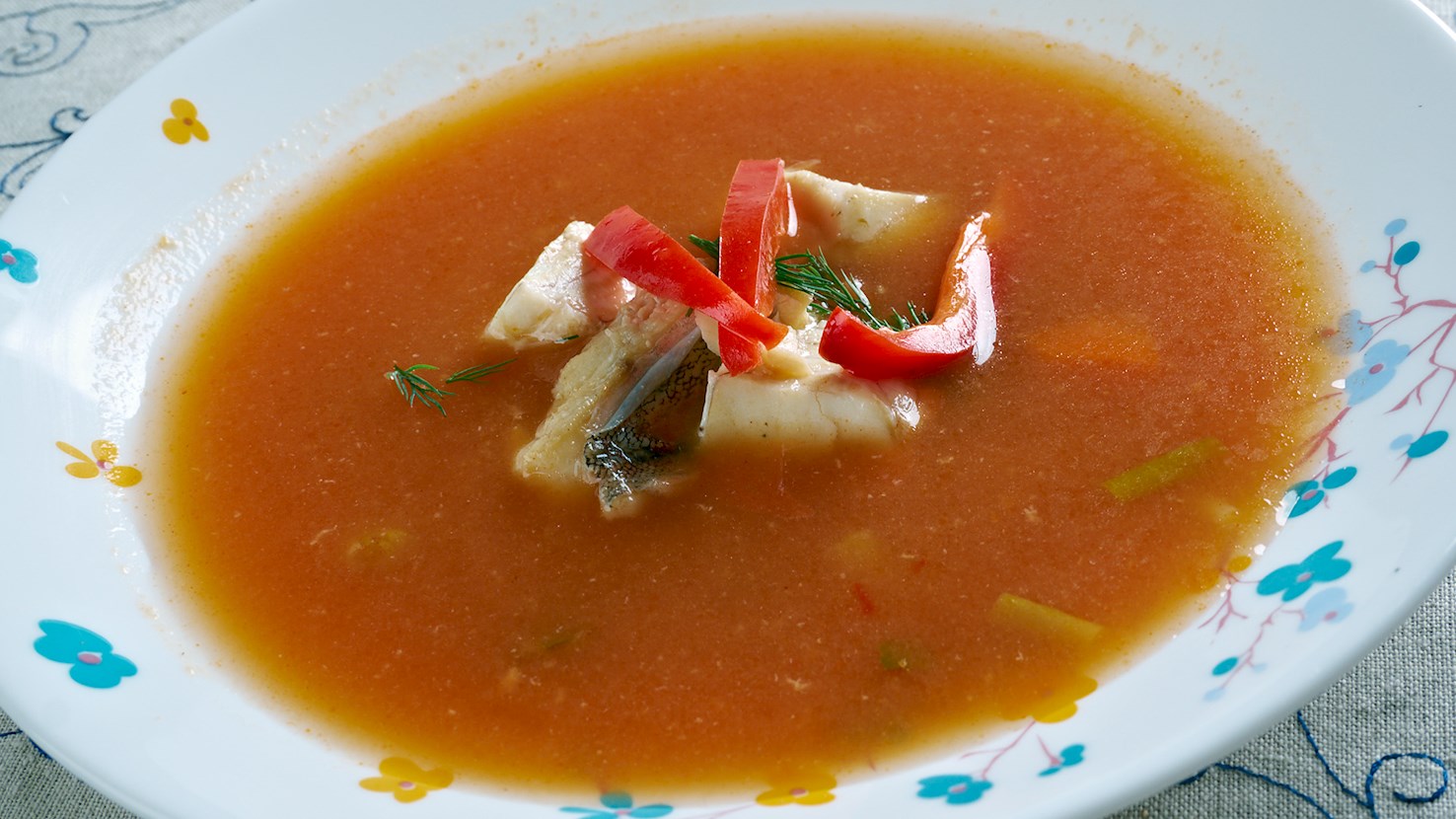
Pira caldo is a Paraguayan soup prepared with a combination of vegetables, milk, soft white cheese, and a freshwater fish called surubi. The vegetables (bell peppers, leeks, celery, onions, carrots) are first cooked with the dish, and then milk and cheese are added in order to thicken the soup. Pira caldo is usually served as a standalone meal, not the first course because it stems from the time of war, when the people had to consume a whole day's worth of nutrients in just one meal. The word pira means fish, while caldo means broth, so this dish can be translated as fish broth.
Dulce de mamón is a flavorful, syrupy-sweet Paraguayan dessert made by boiling papaya in water and sugar. The combination is simmered for at least two hours on low heat until the fruit develops a soft texture. It is recommended to add cloves, orange juice, or lemon zest to the dessert in order to improve the flavors even further.
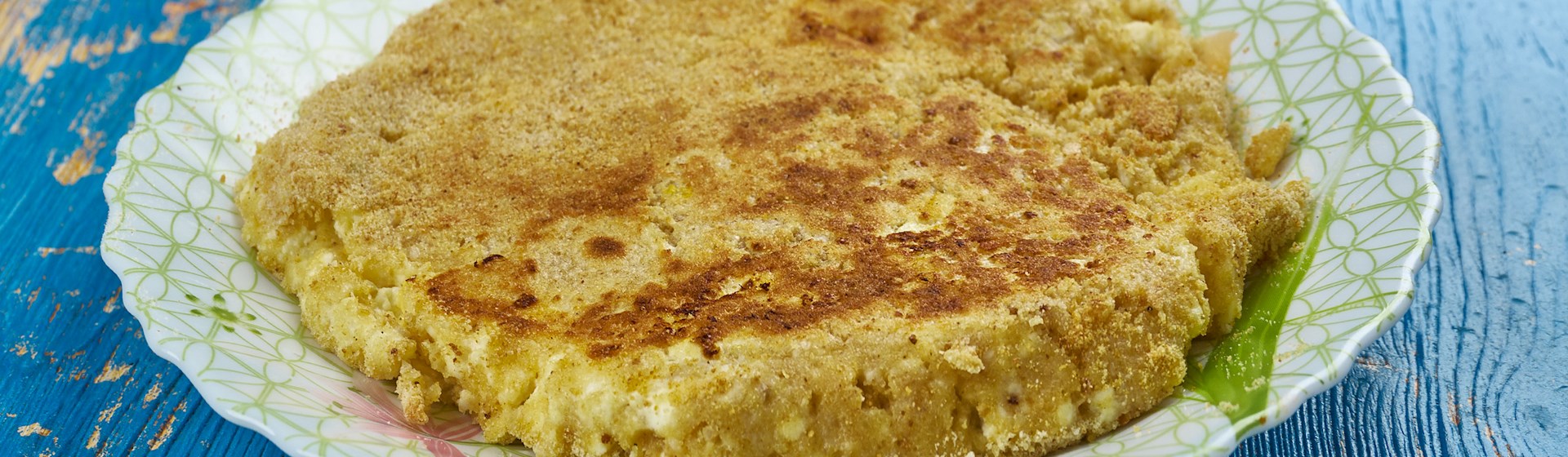
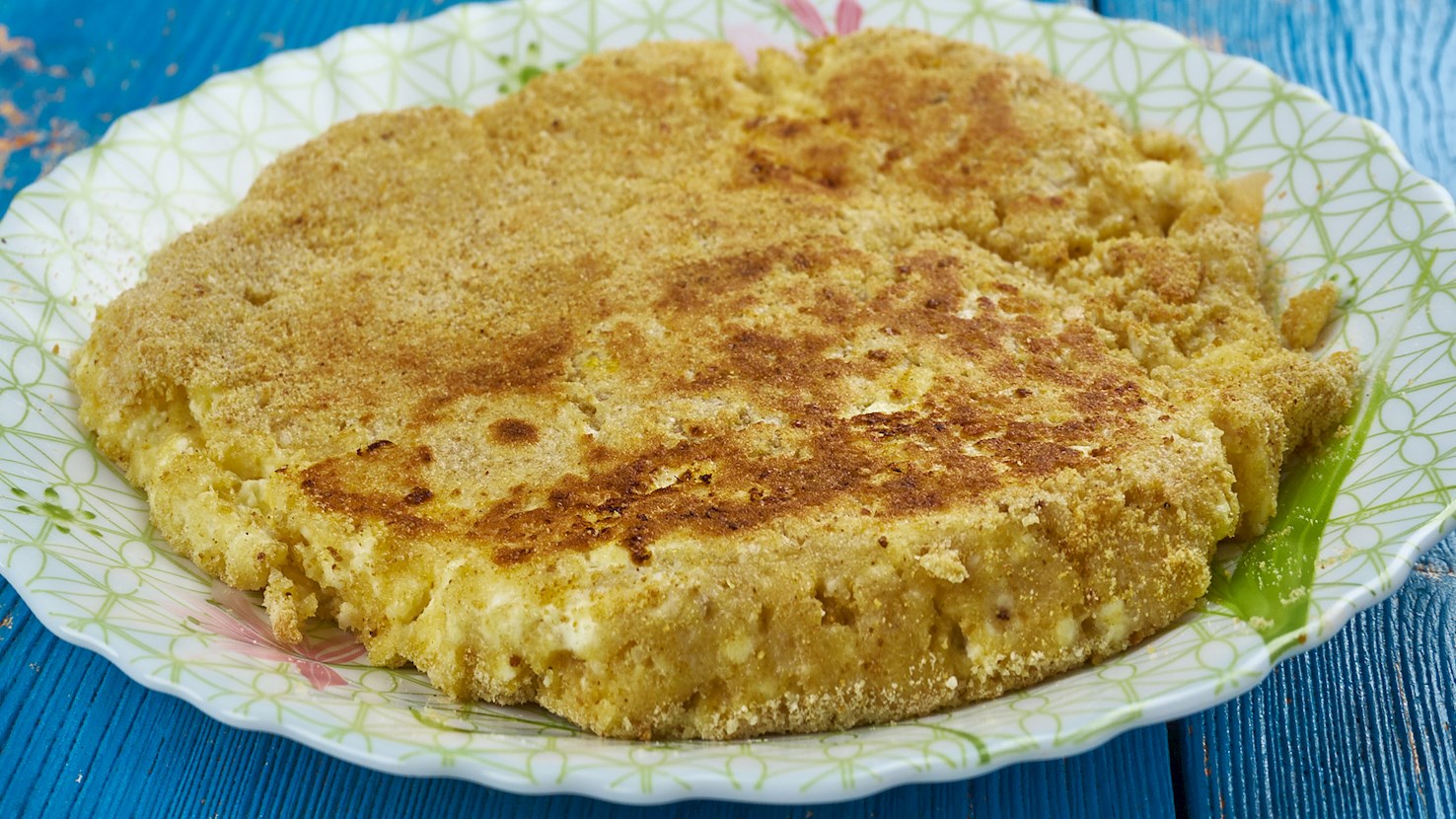
Mbeju is a traditional, starchy Paraguayan flatbread made with either manioc or farina flour. As a result, it is highly nutritious and looks like a pancake with a crumbly texture. Besides flour, mbeju consists of salt, water, oil, and, optionally, crumbled cheese. This starchy treat is usually consumed for breakfast, although some consume it as a quick and easy dinner.
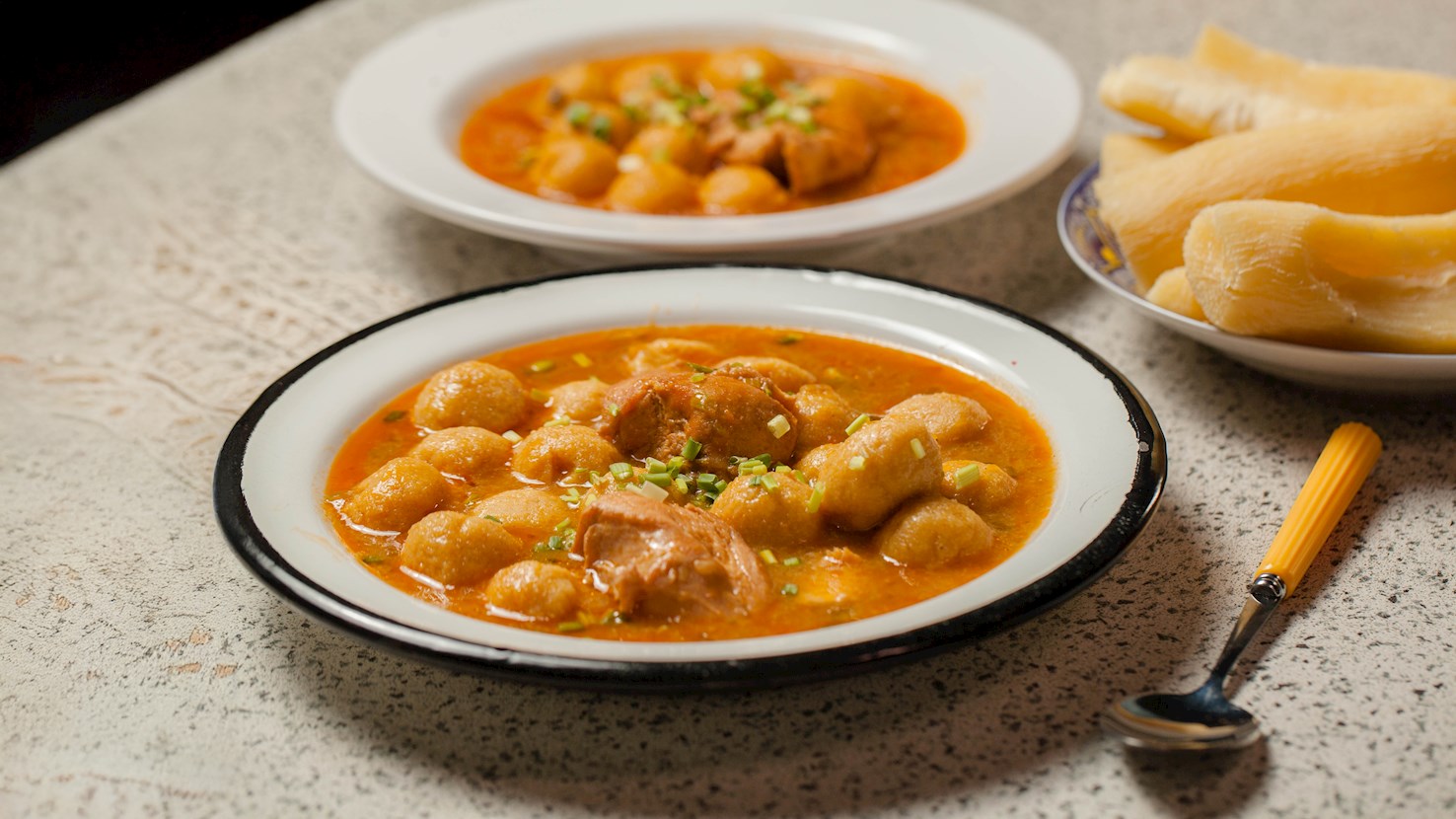
Vori-vori is a soup from Paraguay made with small balls of cornmeal and cheese cooked in a broth that often includes chicken, vegetables, and herbs, and it is recognized as a staple dish across the country’s rural and urban regions. Its development is linked to the long-standing use of corn and poultry in Guaraní and later mixed culinary practices documented in household cooking records and regional accounts from the eighteenth and nineteenth centuries, where corn-based doughs were shaped into dense dumplings to stretch ingredients during periods of limited supply. Preparation involves mixing finely ground cornmeal with grated cheese and a small amount of fat or broth to form a firm dough, shaping it into small spheres, and poaching them gently in a simmering broth until they swell and soften; the soup is seasoned with onions, garlic, parsley, and occasionally peppers, and served as soon as the dumplings reach a uniform texture. A notable feature is the density of the dumplings, which absorb broth while retaining their structure, giving the dish a thickened consistency without flour or other thickeners. Vori-vori is eaten throughout Paraguay in home kitchens, rural gatherings, and small restaurants, often as a main meal during cooler weather, and it pairs well with simple accompaniments such as mandioca, fresh salads, mild cheeses, herbal teas, and lightly flavored nonalcoholic beverages, with some households serving it alongside light beers or local wines depending on the occasion.
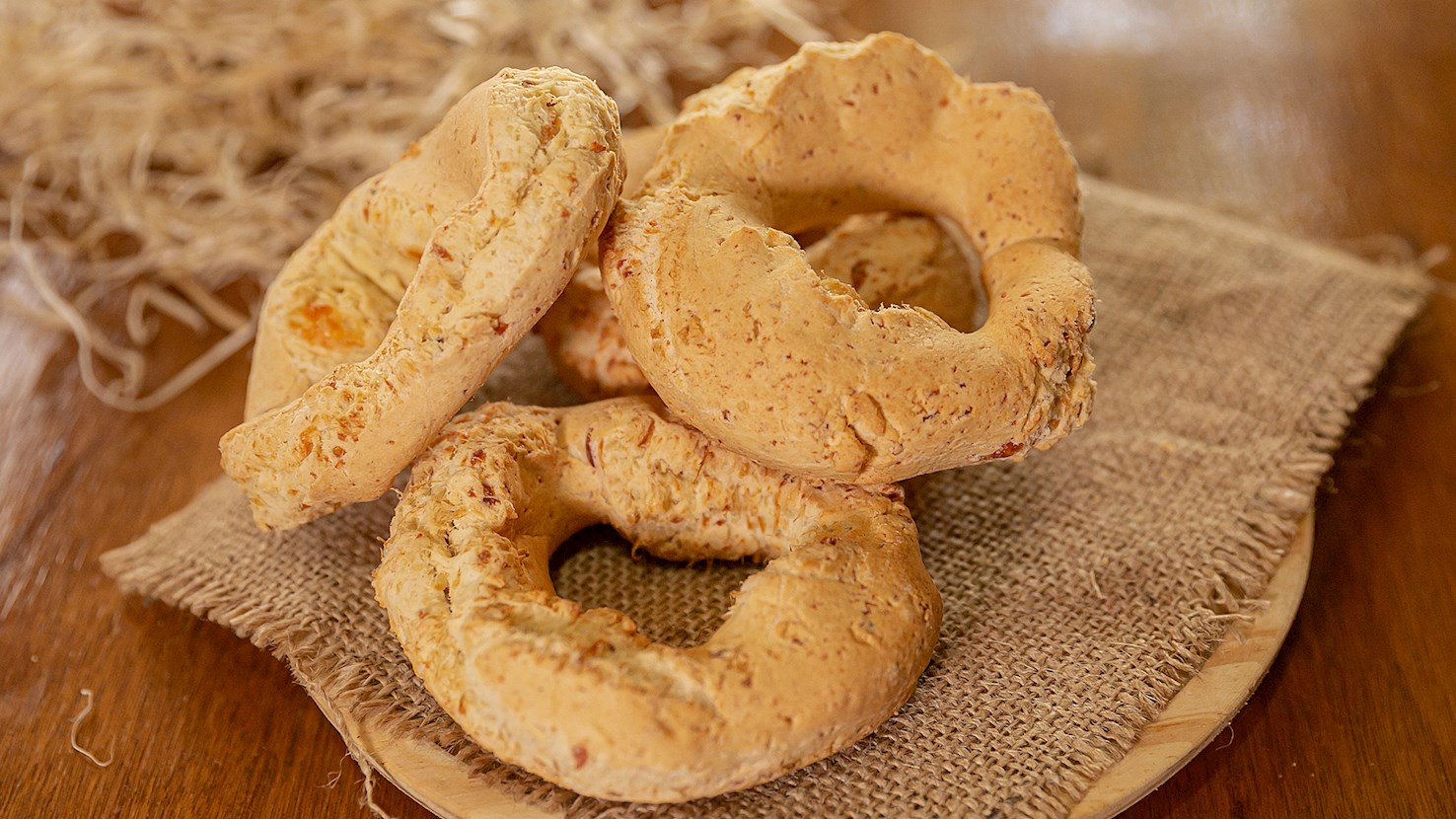
A simple bun called chipa is the most common food staple in Paraguay. The famous bread is made with cassava flour, lard, and anise. It originates from the Native American people Guarani, indigenous to the Amazon area of Brazil, Argentina, and Paraguay. The origin of chipa dates back to the time when wheat was not present in South America, and cassava was the most commonly used starch in the area. In colonial times, the Jesuit missionaries introduced milk, eggs, and cheese to the indigenous people, which finalized the chipa recipe. The use of cassava starch and lard results in the crunchy exterior of the bun, while the use of anise gives the bread buns an unusual and unique flavor. Although chipas are eaten all year round in Paraguay, they have a significant importance during the Holy Week, so they are often prepared and eaten during the Easter festivities. For the people of Paraguay, chipas represent their daily bread which is eaten together with numerous main meals or as a snack. Traditionally, the buns are prepared at home, but they are also sold by many street vendors, called chiperas, especially along Paraguayan roads.
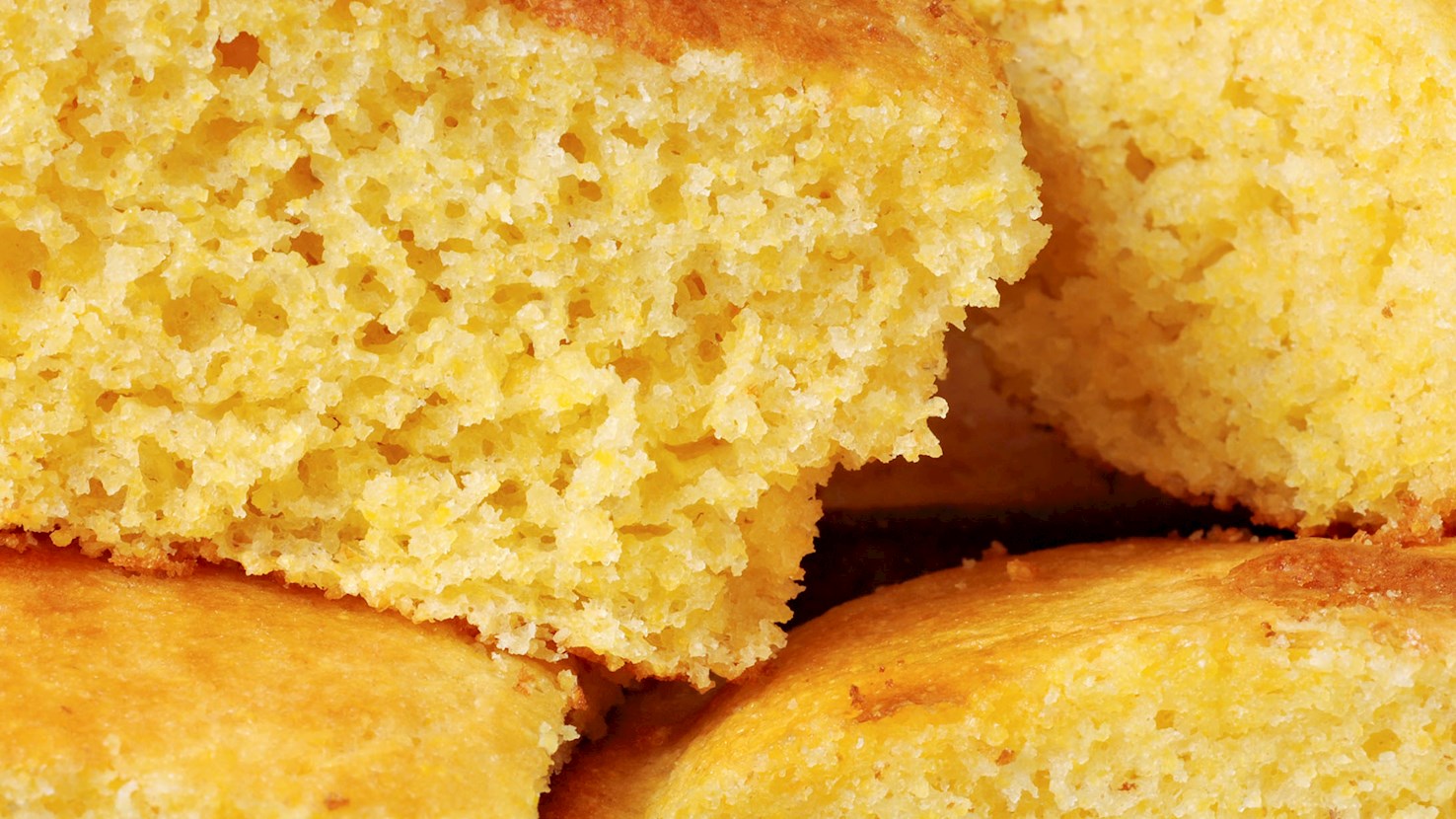
Chipa guasu is a variety of chipa, a cake based on corn grains with the addition of onions, water, eggs, cinnamon, milk, and cheese. Its name stems from two words - chipa, referring to a variety of corn-based cakes, and guasu, which means big in Guarani, so one can say that chipa guasu is the largest of all chipas. It is a favorite side dish in Paraguay during the corn harvest, when cooks brown them in hornos, traditional mud adobe-built outdoor ovens. The dish was invented during the Paraguayan War in the mid-1850s, when food was scarce, and people needed food that was affordable, simple, and highly caloric, providing nourishment during the day. One can often find chipa guasu at asados, which is the Paraguayan version of classic American barbecues. Although it is hard to rival homemade chipa guasu, it can be found in many restaurants in Asunción, the capital of Paraguay.
TasteAtlas food rankings are based on the ratings of the TasteAtlas audience, with a series of mechanisms that recognize real users and that ignore bot,
nationalist or local patriotic ratings, and give additional value to the ratings of users that the system recognizes as knowledgeable.
TasteAtlas Rankings should not be seen as the final global conclusion about food. Their purpose is to promote excellent local foods,
instill pride in traditional dishes, and arouse curiosity about dishes you haven’t tried.




What People Say