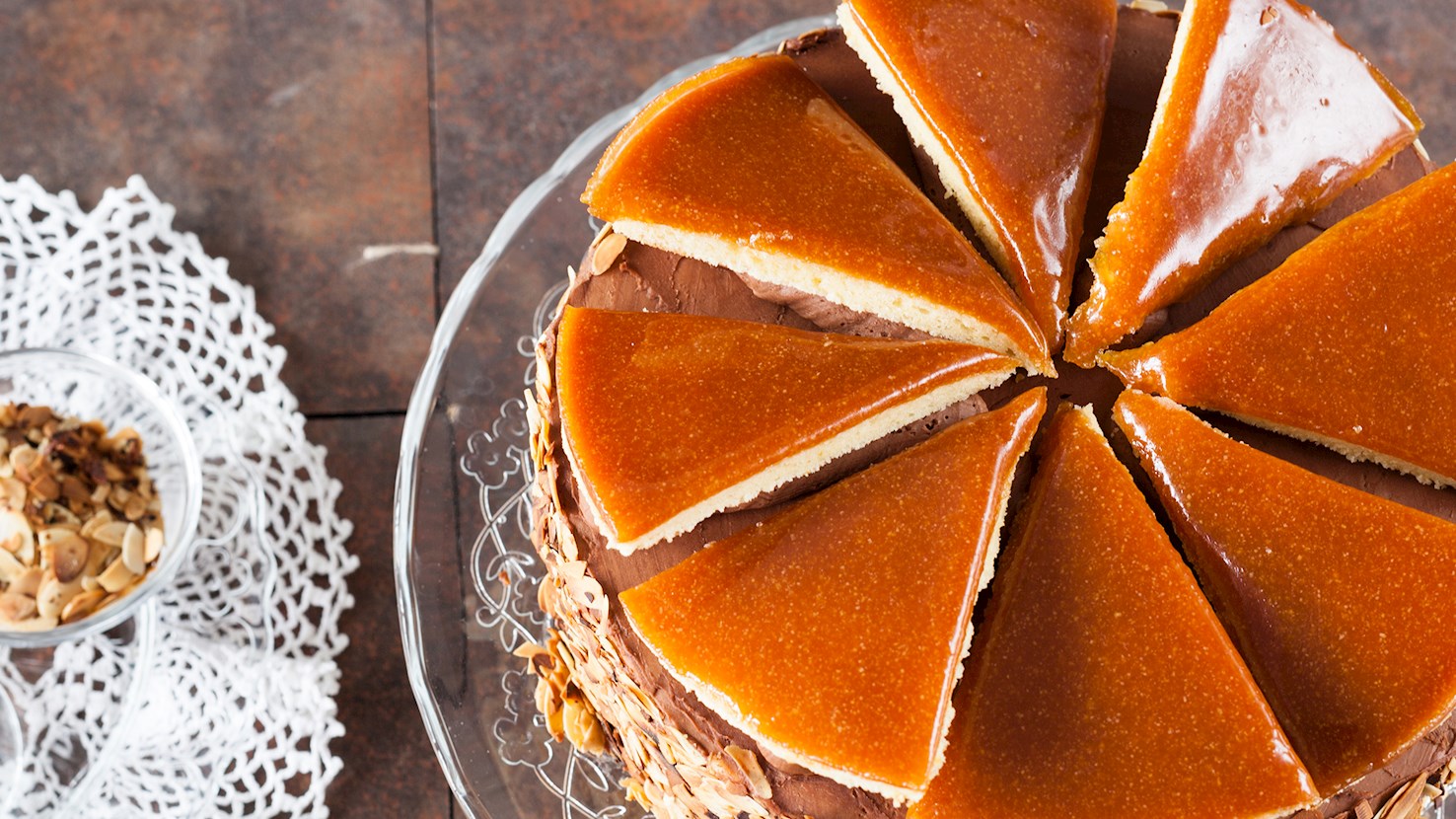
Dobostorta is a round cake consisting of six thin sponge cake layers and five layers of chocolate buttercream. As an attempt to make a cake that would be able to keep longer than usual, the Hungarian confectioner named József C. Dobos first introduced the Dobostorta at the National General Exhibition of Budapest in 1885. To prevent it from drying out, the cake also has a glistening layer of hard caramel on top, while the sides are often coated with ground nuts. Before it hardens, the layer of caramel should be cut into slices with a special Dobos knife, and the pieces of caramel are then arranged on top of the cake. Interestingly, Dobostorta had inspired the chocolate or lemon flavored New Orleans creation known as doberge cake, which was first made in the 1920s by Beulah Ledner.
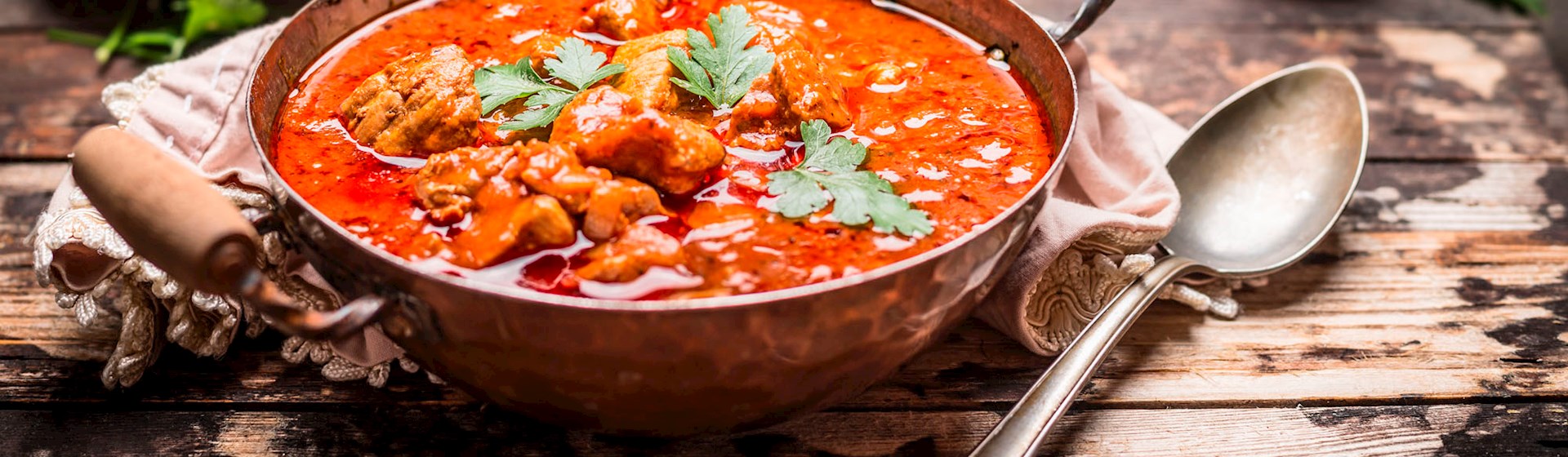
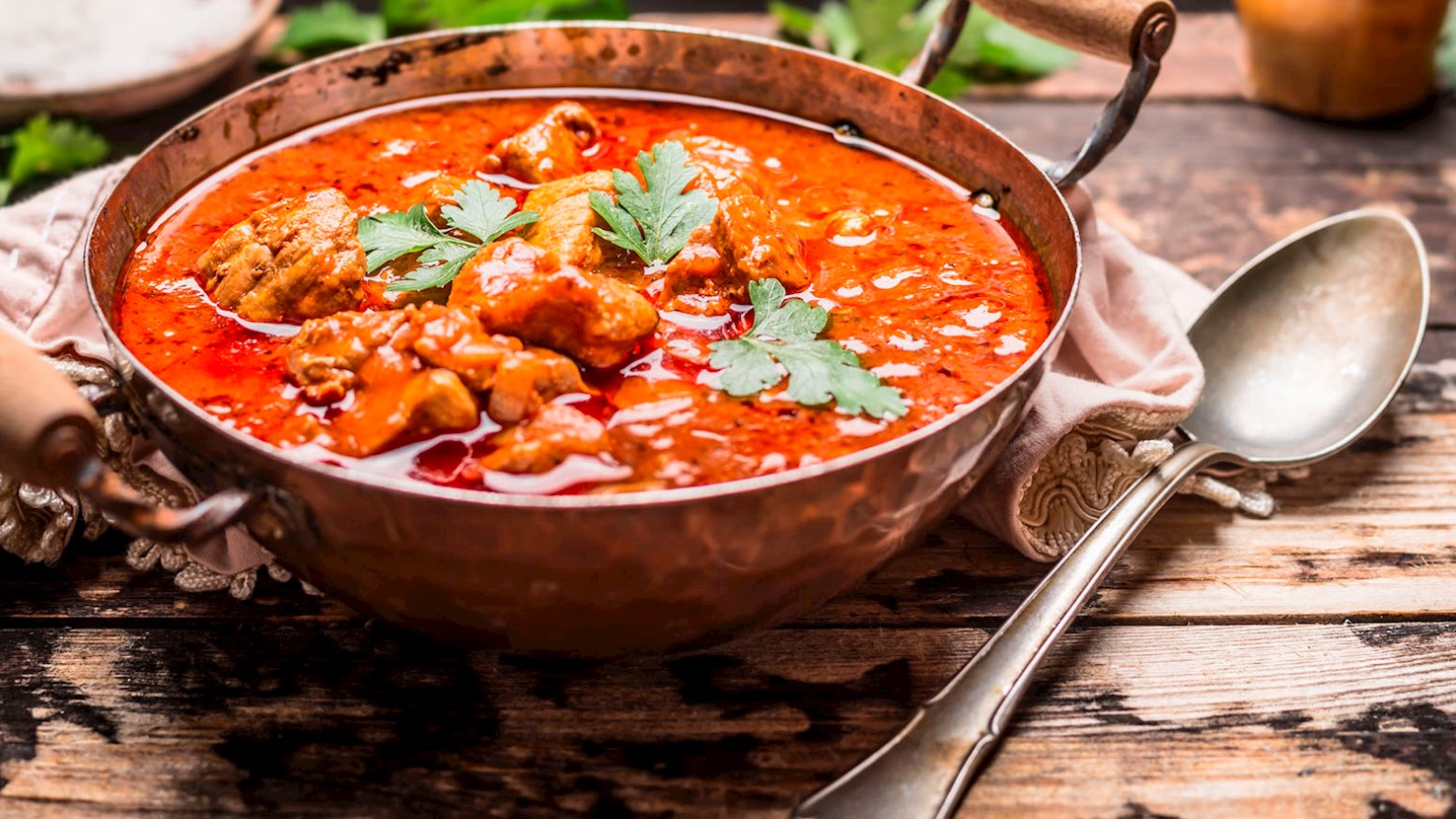
This Hungarian specialty is prepared with meat, traditionally beef, that is simmered in a rich paprika-infused broth, usually alongside onions, bell peppers, root vegetables, various spices, and occasionally tomatoes (in some regional variations). Gulyás is a well-known dish that enjoys immense popularity even outside the Hungarian borders. In many countries, the word is synonymous with a thick stew, while in Hungary, gulyás mostly represents a soup-like dish, which is why this dish is also known as gulyásleves (lit. herdsman soup). It closely resembles pörkölt—a thick Hungarian stew consisting of meat, onions, and selected spices—which is what most people outside of Hungary associate with the word gulyás (goulash). They both originated as traditional, rustic dishes that appeared in their modern-day form in the 18th century when paprika became a commonly used spice. In Hungary, gulyás is traditionally served accompanied by csipetke pasta or bread and is mainly enjoyed as a hearty main course.
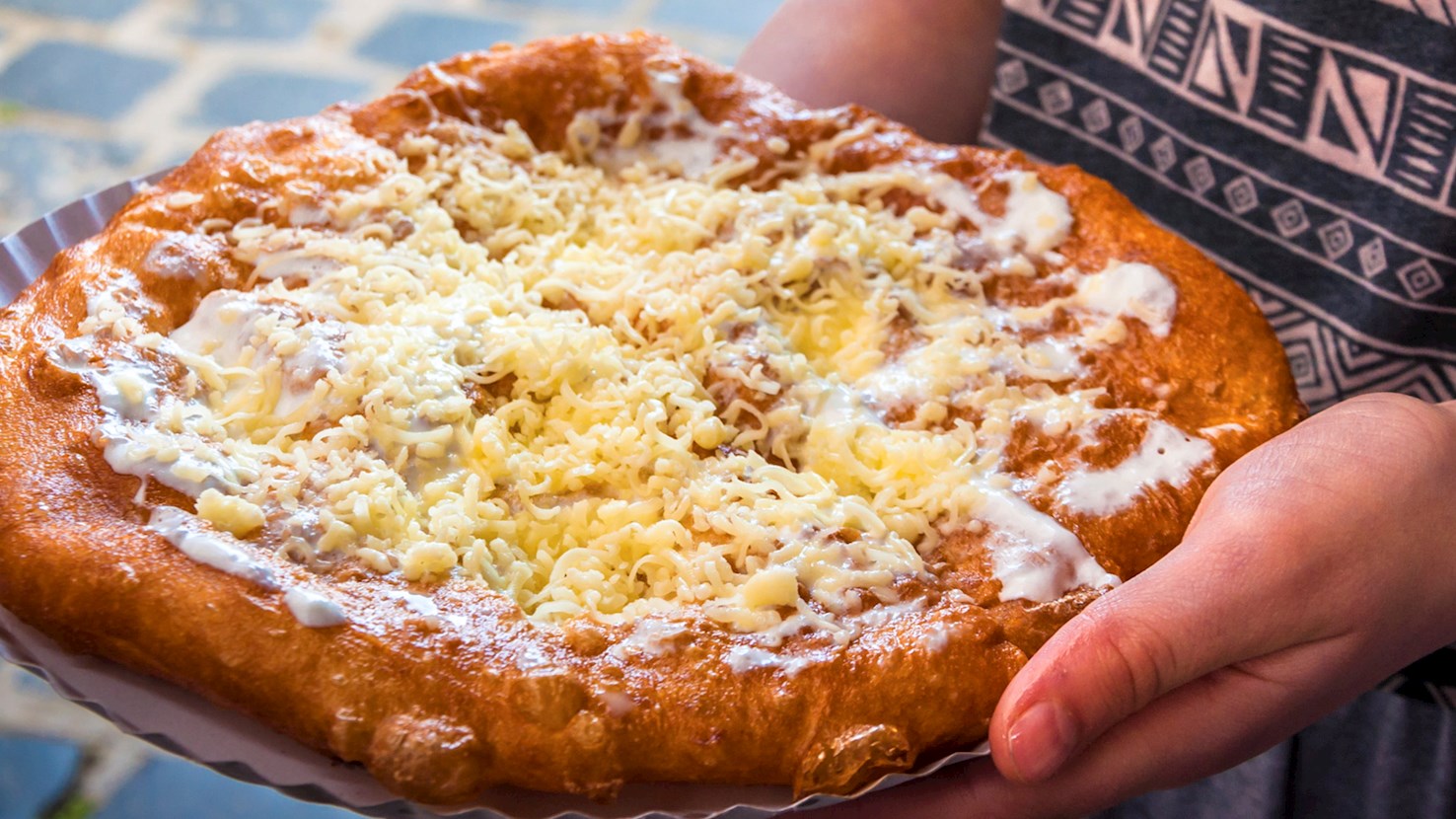
Lángos is a thick, yeast-leavened flatbread that is stretched by hand and deep-fried in hot fat until the exterior forms a crispy, blistered crust while the interior remains soft and airy. Its name originates from the word "láng," meaning "flame," reflecting its earliest form as a simple morning snack baked at the very front of a wood-fired brick oven, alongside glowing embers. Before the 1950s, making this bread was closely tied to the weekly routine of baking large household loaves. Bakers scraped the sticky leftover dough from the sides of large wooden kneading troughs, a practice that earned the scraps the slang term "vakolat," which translates to plaster. These days it can be found throughout Hungary, Austria, Croatia, and Romania. These flattened pieces were baked quickly in the receding heat and consumed fresh with butter, animal fat, or sour cream for breakfast on baking days. As rural households urbanized and domestic bread-making declined rapidly during the mid-20th century, the item shifted from a baked household good into a ubiquitous commercial street food submerged entirely in large vats of boiling oil or pork lard. The dough is made by dissolving active yeast in warm milk with a pinch of sugar to activate it, then thoroughly kneading it with wheat flour, salt, and lukewarm water. After the mixture rests in a warm environment until it doubles in size, individuals coat their hands in oil to effortlessly tear off small portions, stretching them into wide circles with slightly thinner centers before dropping them into the hot frying fat. The heavily favored standard topping involves brushing the hot, blistered surface with crushed raw garlic or garlic water, then heavily blanketing it with thick sour cream and piling on a massive mound of grated yellow cheese. More modern takes include toppings such as chopped fresh dill, pungent sheep's milk cheese, sliced sausages, roasted bell pepper stews, or bits of ham. Entirely different structural variations include potato lángos, which have boiled, mashed tubers mixed into the raw flour mixture to create a denser, heavier bite, and cabbage lángos, which feature braised cabbage incorporated into the batter before frying. Vendors also offer a folded version in which savory meat fillings are encased entirely within the dough, creating a sealed pocket. Older baked variations resembling thick, rustic pizzas still exist under regional names like langalló, kenyérlángos, or töki pompos, heavily topped with bacon and onions, and baked in an oven rather than deep-fried. The freshly fried discs function strictly as immediate, calorie-dense meals, primarily purchased at summer lakeside resorts, outdoor markets, and busy transit hubs, eaten exclusively by hand while standing or walking. Because the fried structure degrades and turns rubbery rapidly as it cools, consuming it steaming hot straight from the oil is absolutely mandatory.
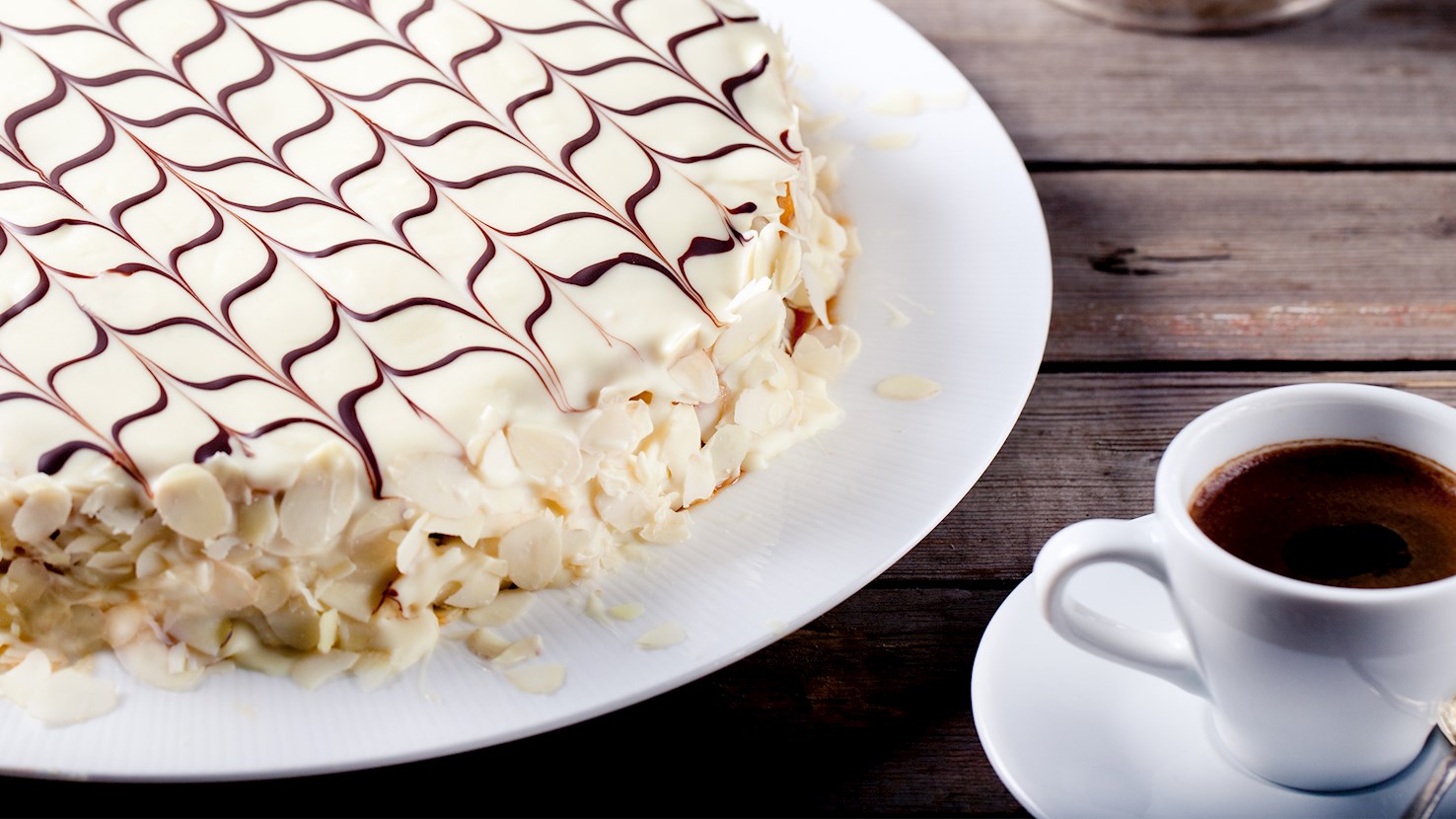
This decadent Hungarian dessert is said to have been invented by Budapest confectioners in the 19th century. It is named after a member of the Esterházy dynasty, Prince Paul III Anton Esterházy de Galántha, a nobleman and diplomat, and also a well-known gourmand. Traditionally, Esterházy torta consists of several layers of almond meringue and a rich, cognac-spiked vanilla buttercream, although in modern versions almonds are often replaced with either walnuts or hazelnuts. The cake is topped with a white fondant icing and decorated with chocolate in either a spiderweb or chevron marbling style. Today, it is one of the most popular desserts not only in Hungary, but also in Austria and a number of other Central European countries.
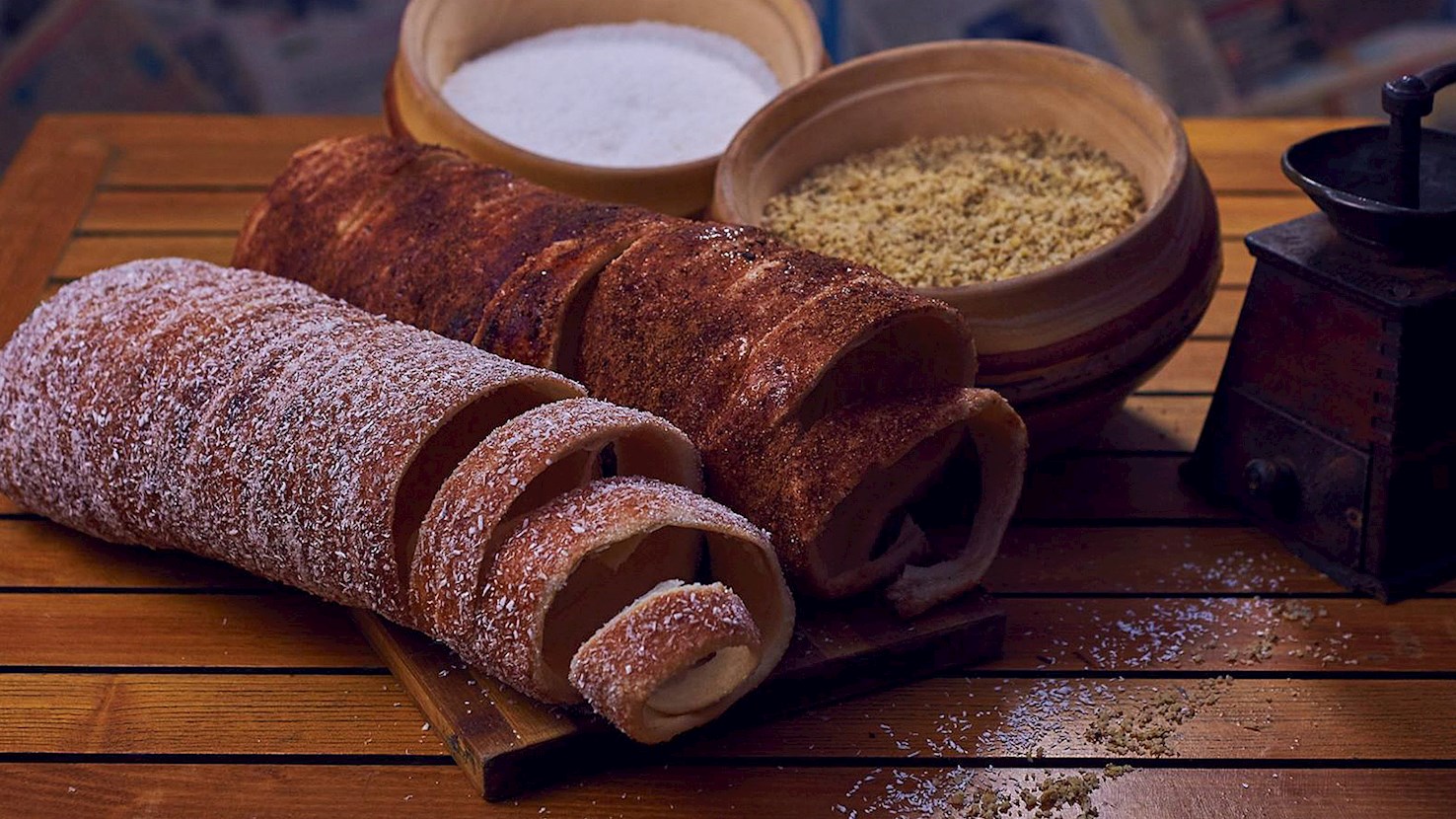
This Hungarian tube-shaped pastry popularly known as chimney cake traces its origin to the medieval era Székely Land—back then a part of the Kingdom of Hungary. The first known recipe titled Kürtős kaláts’ à la Mrs Poráni was found in a 1784 cookbook written by Transylvanian countess Mária Mikes de Zabola. The pastry shells are made from sweet yeast dough that is rolled in granulated sugar, basted in melted butter, and spit-roasted over charcoal. Freshly baked, kürtőskalács shells can be topped with additional ingredients such as ground walnuts or powdered cinnamon, but they're also often filled with ice cream or whipped cream. Kürtőskalács was once a festive treat favored by the Hungarian upper class, but over time it spread among the common people and became a part of everyday consumption, readily available as a street snack, and a big hit at festivals or similar outdoor events. An almost identical but slightly smaller Czech version of this sweet pastry goes under the name trdelník. Though it is highly disputed where it originally appeared, the pastry has undoubtedly become a vital part of Czech and Hungarian street food culture. Slovakian version, known as Skalický trdelník holds a PGI (Protected Geographical Indication) status under the EU law.
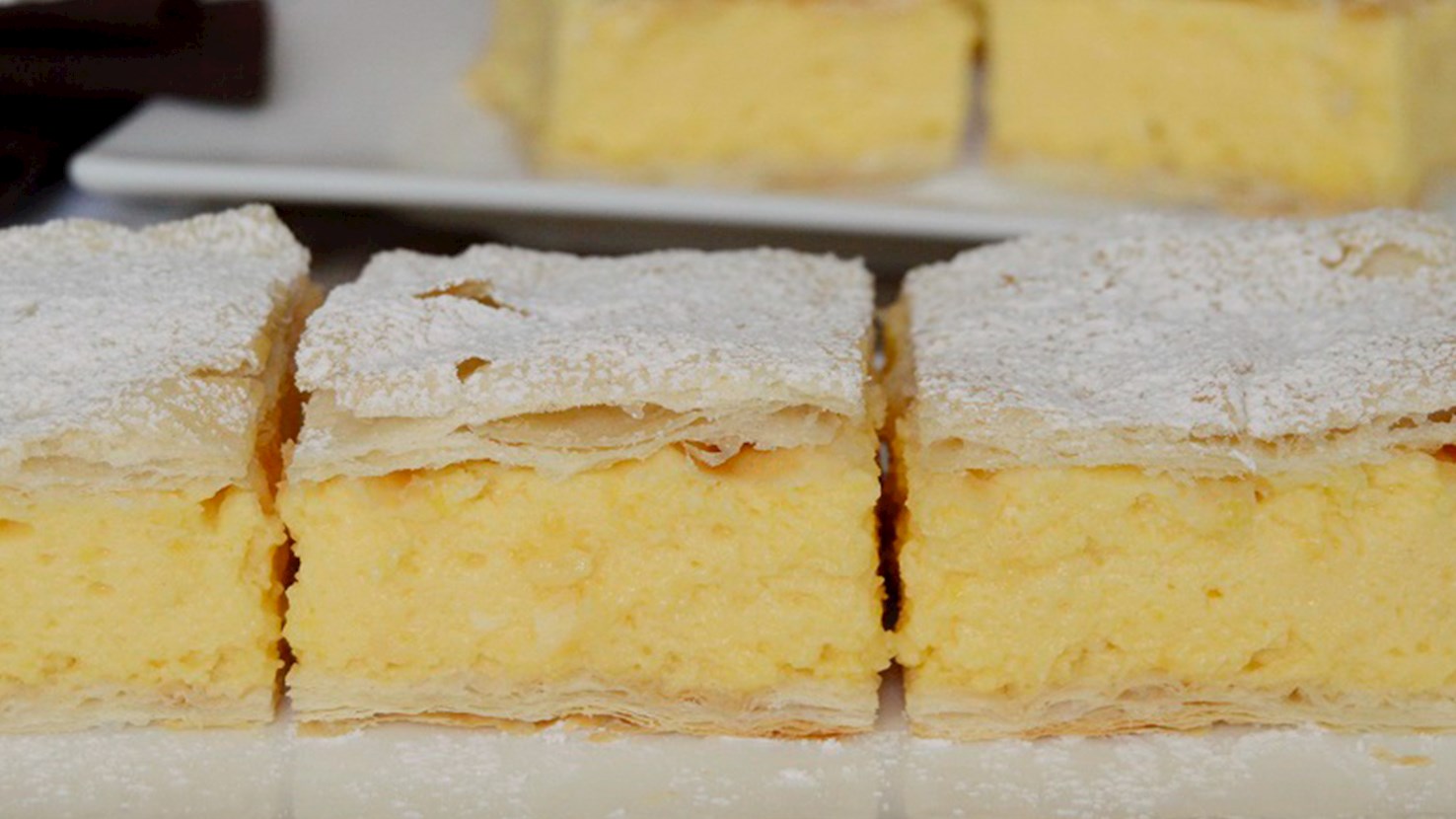
The Hungarian version of the famous cremeschnitte goes under the name krémes, meaning creamy. It combines two layers of puff pastry held together with a generous amount of smooth pastry cream. Though the recipe has been slightly modernized, the classic krémes pastry cream should be light and airy, while the top is usually dusted with powdered sugar. Traditionally served cut into large, rectangular slices, the dessert is a Hungarian classic and a staple at numerous pastry shops throughout the country.
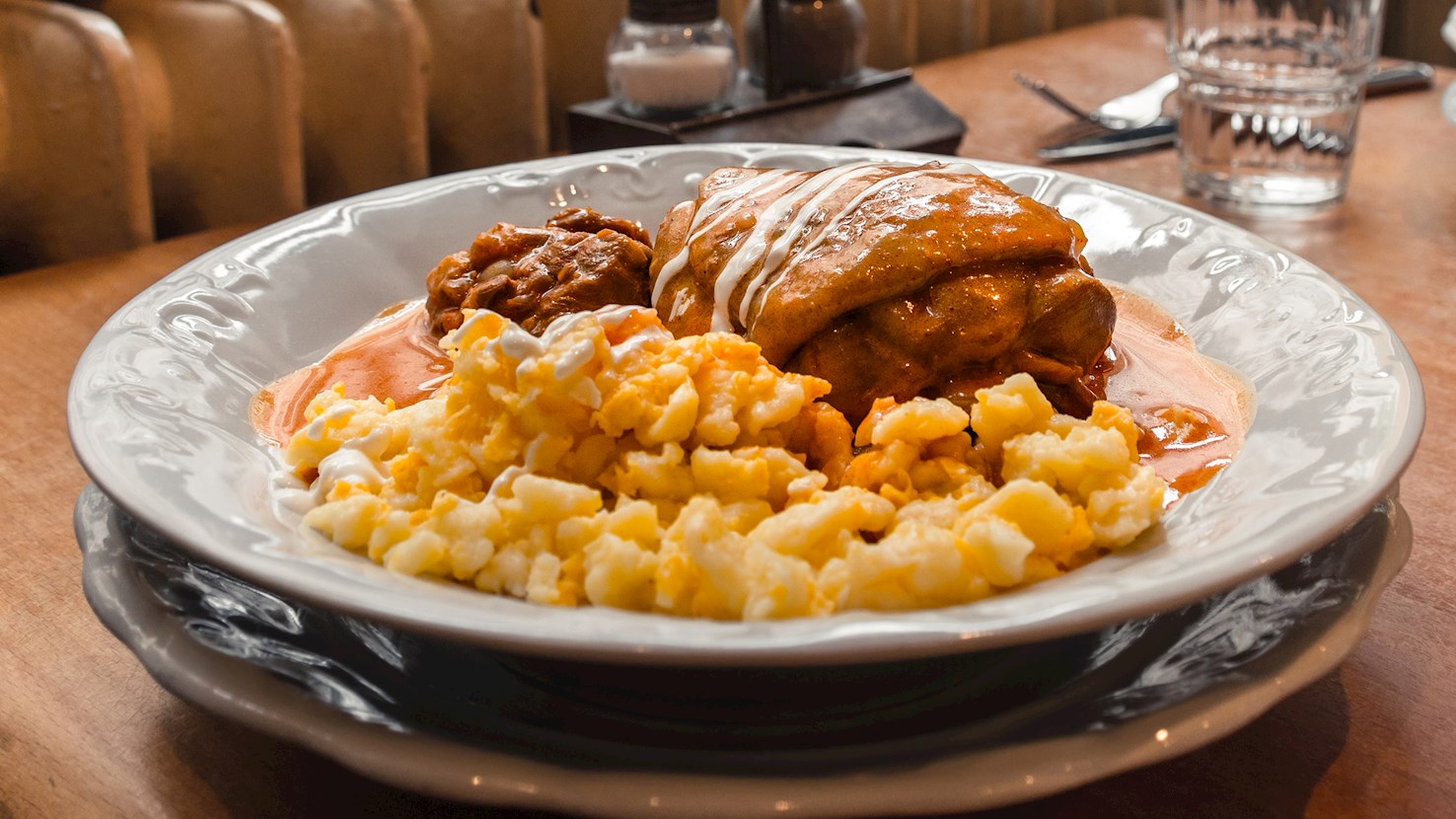
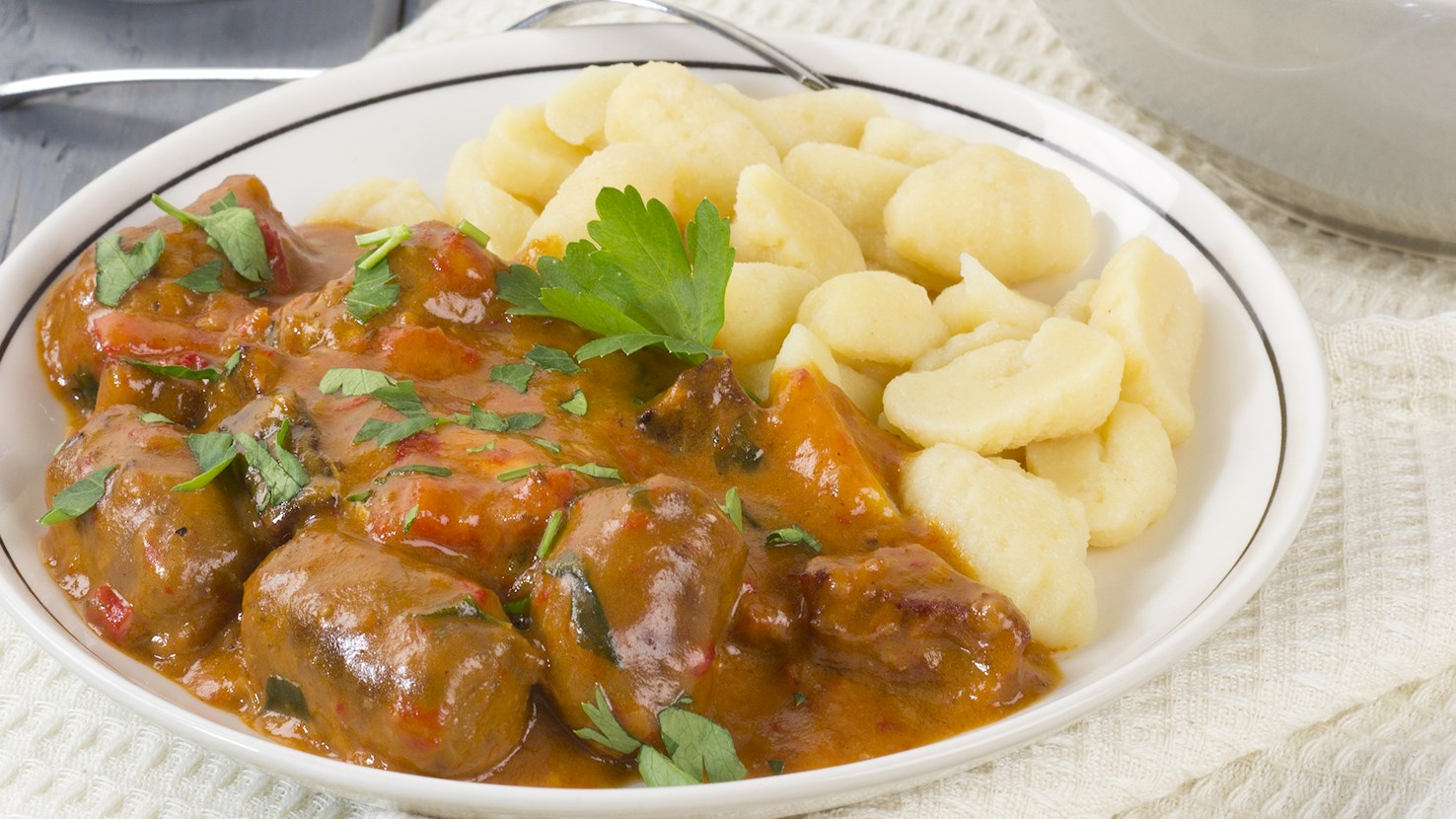
Hungarian chicken paprikás originated as a rustic stew that was cooked in a large cauldron over an open fire. It is traditionally prepared with chicken thighs and legs that are braised alongside onions and cooked in a thick, paprika-flavored broth. Although it is similar to the classic pörkölt stew, paprikás is characterized by the addition of sour cream and occasionally flour, which are always added last to create a smooth, creamy sauce. Paprikás is a common restaurant dish as well as a hearty home-cooked meal that is traditionally served complemented by galuska or csipetke dumplings, pasta, boiled potatoes, or polenta.
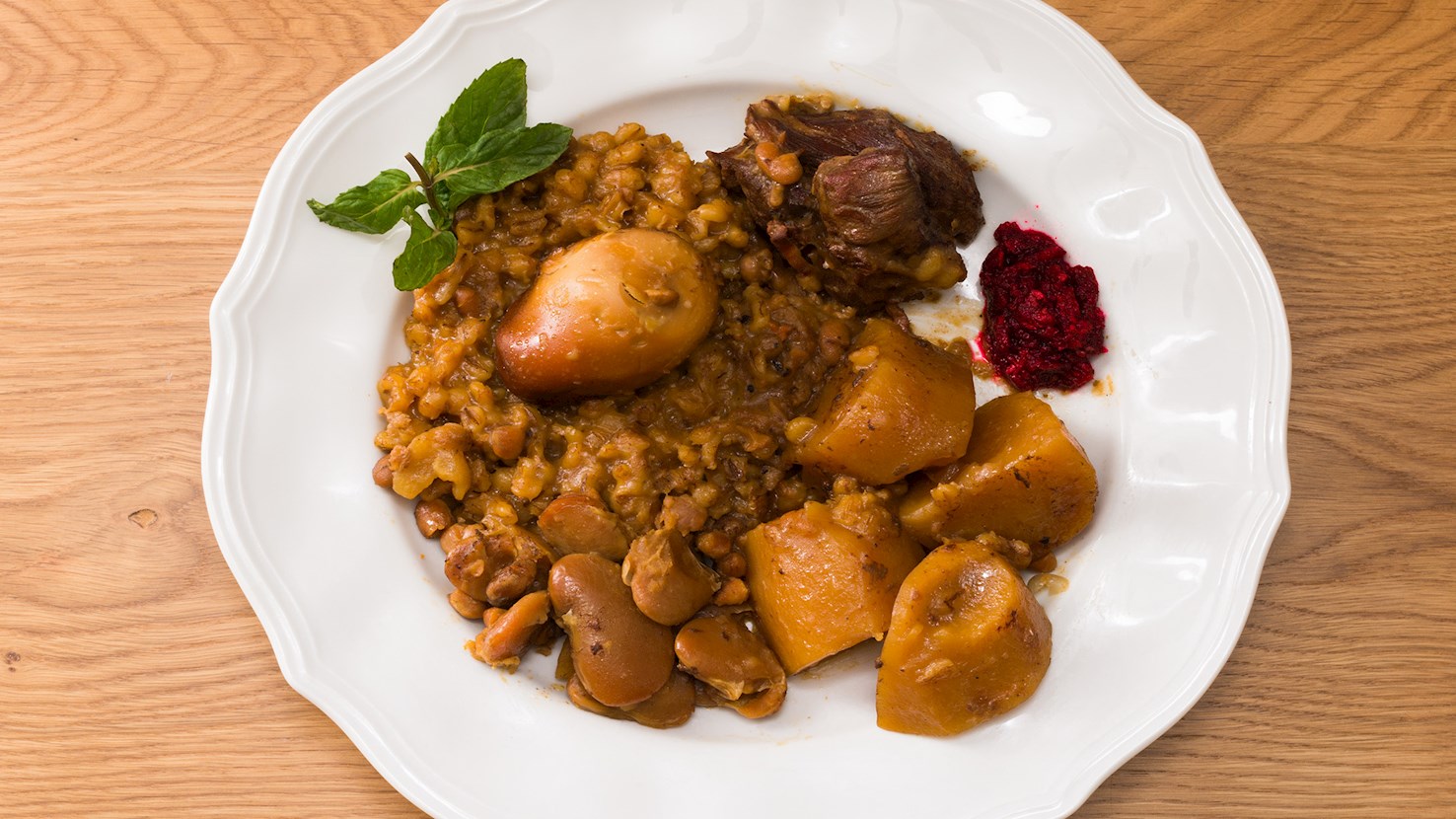
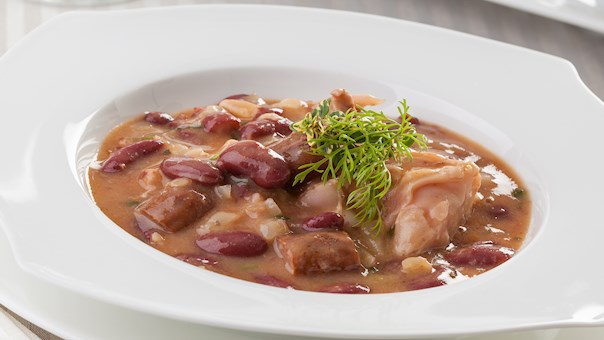
Often considered to be the predecessor to cholent, sólet is a Hungarian-Jewish stew that is traditionally slowly cooked on Friday night before the Sabbath. The stew consists of beans, paprika, onions, potatoes, boiled eggs, and meat such as smoked pork, duck, beef, or goose. The next day, this hearty and nutritious stew is ready to be consumed.
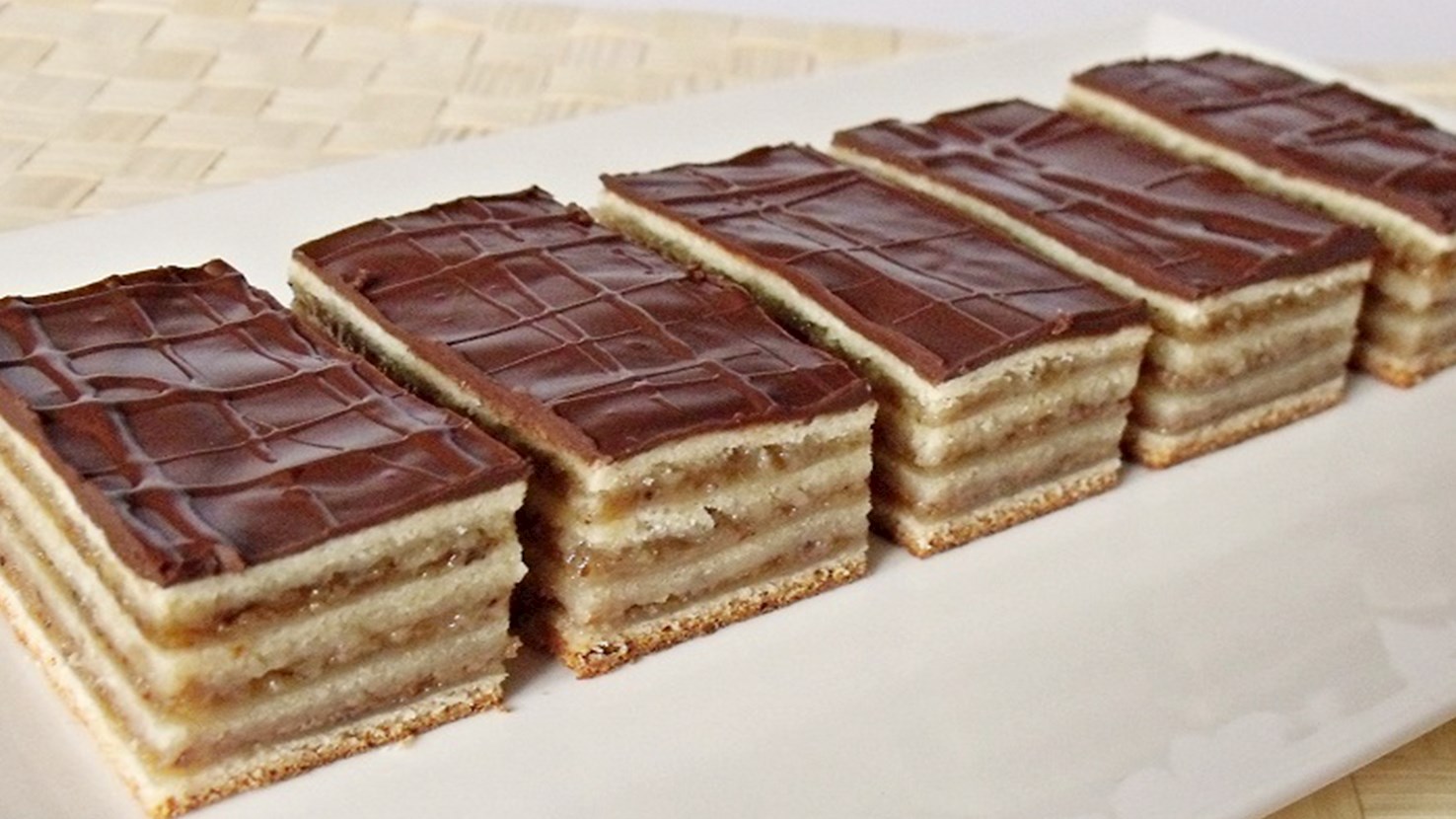
This layered, chocolate-topped apricot and walnut cake was invented by a Swiss chocolatier named Émile Gerbeaud—pronounced zserbó in Hungarian, hence the name—who moved to Budapest in 1884 to take charge of Kugler coffee house and pâtisserie, which is now the famous Café Gerbeaud. Soon after it was introduced, the delicious zserbó cake became a favorite all over Hungary. And although the original recipe calls for apricot preserve, it is not unusual to find other versions filled with ginger, apples, plum jam, or even honey and walnuts.
Pörkölt is Hungary's national stew, its name derived from the word pörkölni, meaning to roast or singe. The stew is made from meat such as beef, lamb, pork, or chicken, simmered in a red sauce with lots of onions, garlic, and paprika powder. It is traditionally served with dumplings, boiled potatoes, or pasta, and it is recommended to pair it with a Hungarian fruit brandy. Pörkölt's history is closely linked to the traditional Hungarian goulash, as both dishes were originally prepared as peasant meals that made hefty use of powdered paprika. Today, there are many varieties of pörkölt, with the names accordingly matching the key ingredient used in the dish, such as pacalpörkölt (tripe), marhapölkört (beef), and borjupörkölt (veal). In the Czech Republic, pörkölt is traditionally made with pork, dark bread, caraway seeds, and dark beer.
TasteAtlas food rankings are based on the ratings of the TasteAtlas audience, with a series of mechanisms that recognize real users and that ignore bot,
nationalist or local patriotic ratings, and give additional value to the ratings of users that the system recognizes as knowledgeable.
TasteAtlas Rankings should not be seen as the final global conclusion about food. Their purpose is to promote excellent local foods,
instill pride in traditional dishes, and arouse curiosity about dishes you haven’t tried.




What People Say