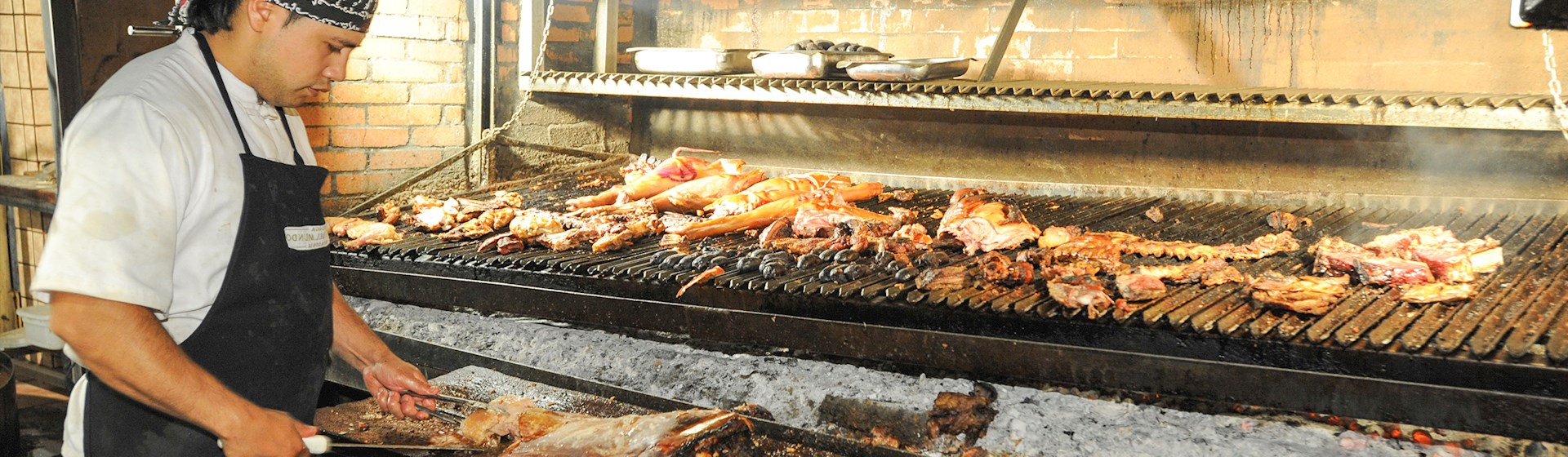
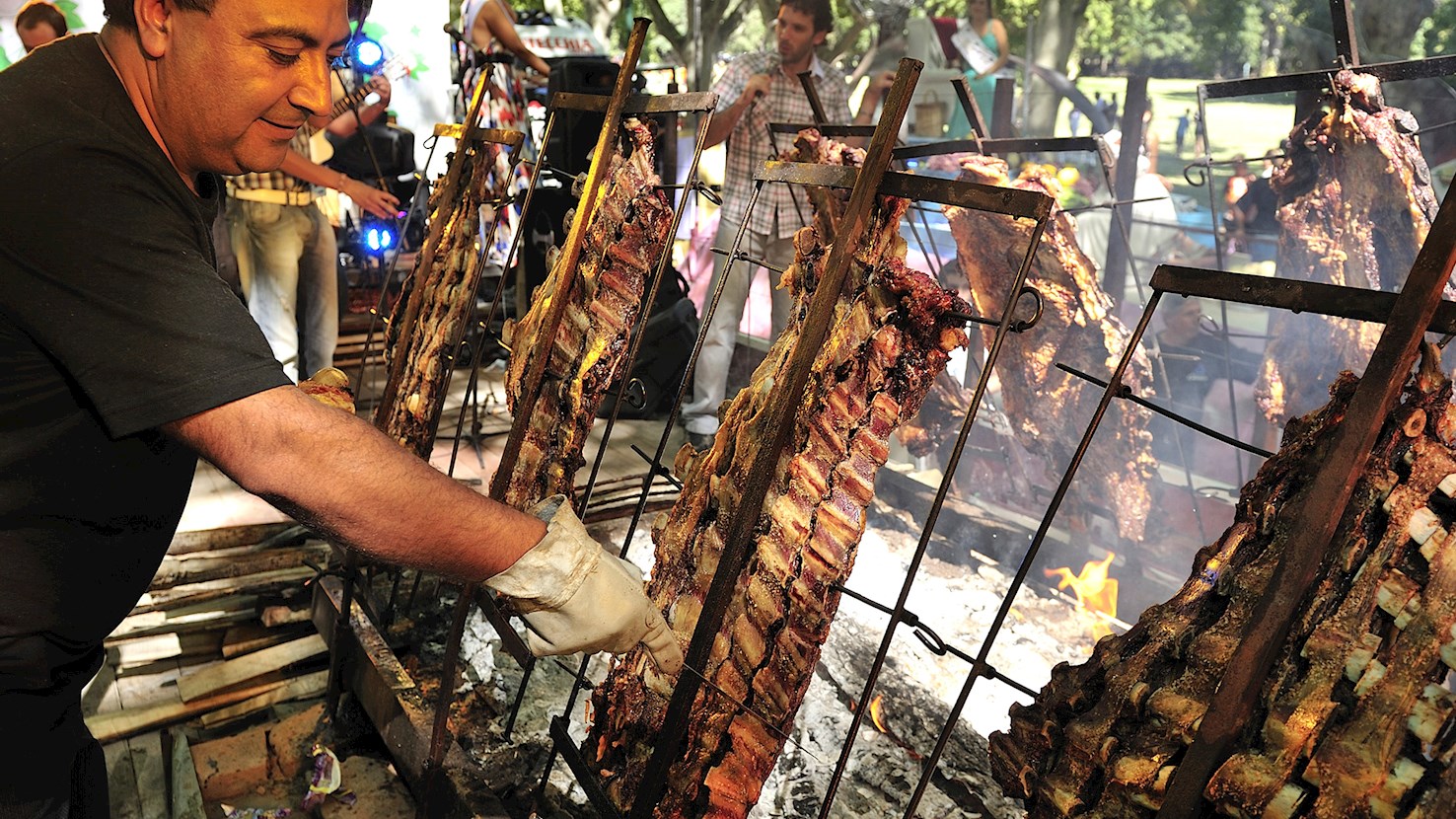
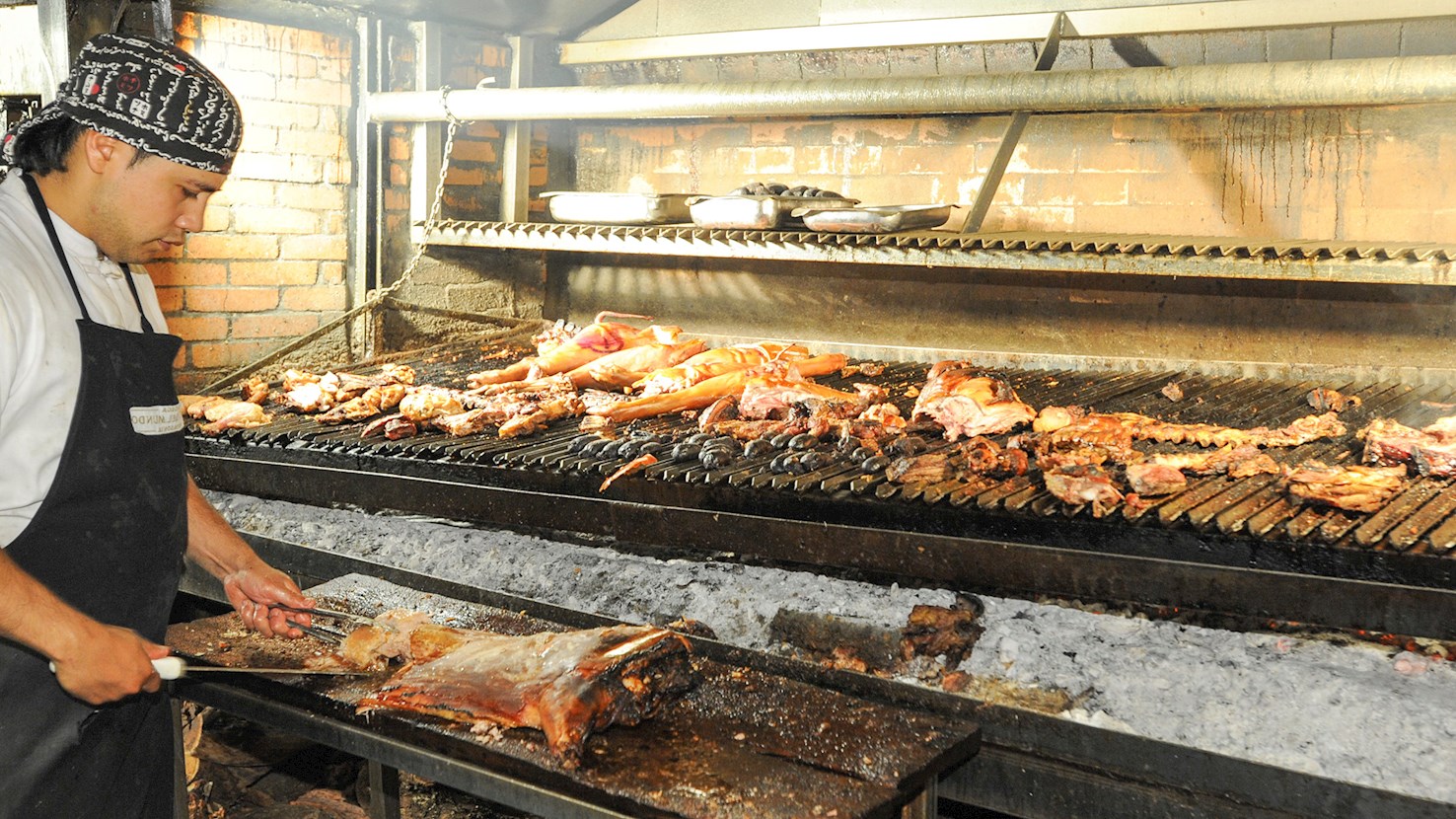
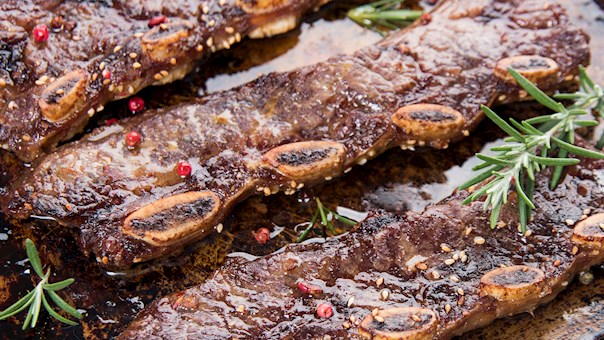
Considered an epitome of Argentinean gastronomy and culture, asado (lit. roast; roasted) is much more than merely a meal. In Argentina, Chile, Uruguay, Paraguay, and in a number of other South American countries, it is both a culinary and social event attended by friends and family to share the joy of outdoor cooking. Asado traditionally features a wide selection of grilled meats, mainly beef, which Argentina is most known for. The meat is cooked on a special brick-built grill called la parrilla, and the fire can either be made with charcoal (parrilla al carbón) or wood (parrilla a leña) which is more typical for the countryside and known as asado criollo, a term that indicates a more rustic, traditional style of grilling. First to go on the grill are chorizos (pork sausages), morcillas (blood sausages), and achuras (offal), followed by thinner beef cuts such as matambre (rose) and entraña (skirt steak), which are to be grilled hot and fast, as they would otherwise dry out. As for all the other juicy asado meats, they are grilled to perfection over fuego lento or slow fire. Some of the most popular cuts include bife de chorizo (sirloin), tira de asado (beef chuck ribs, flanken-style), bife ancho (Argentine ribeye), bife angosto (striploin), bife de costilla (T-bone or porterhouse), lomo (tenderloin), cuadril (rump), and vacio (flank steak). Lastly, apart from various side dishes and salads, the delicious asado meats are traditionally accompanied and doused with two sauces: chimichurri and salsa criolla.
Parrilla is an Argentine word with two meanings – it can be used to describe a typical Argentine steakhouse restaurant, or it can denote a metal grill used for preparing the meat and fish. The metal grill is a part of traditional asado barbecues. It comes in many shapes and sizes, but it typically consists of a main grill with a firebox (called brasero) on the side. Firewood or charcoal are loaded into the firebox, and once the embers drop to the bottom, the coals are placed under the main grill. The plate is often tilted on a decline so that the excess juices can drip downward in order not to cause any flare-ups. Parrillas can be found in numerous homes and restaurants in Argentina, and the meat grilled on it typically includes chitterlings, morcilla blood sausages, chorizo sausages, salchichas parrilleras, ribs, sirloin, skirt steaks, and tenderloin.
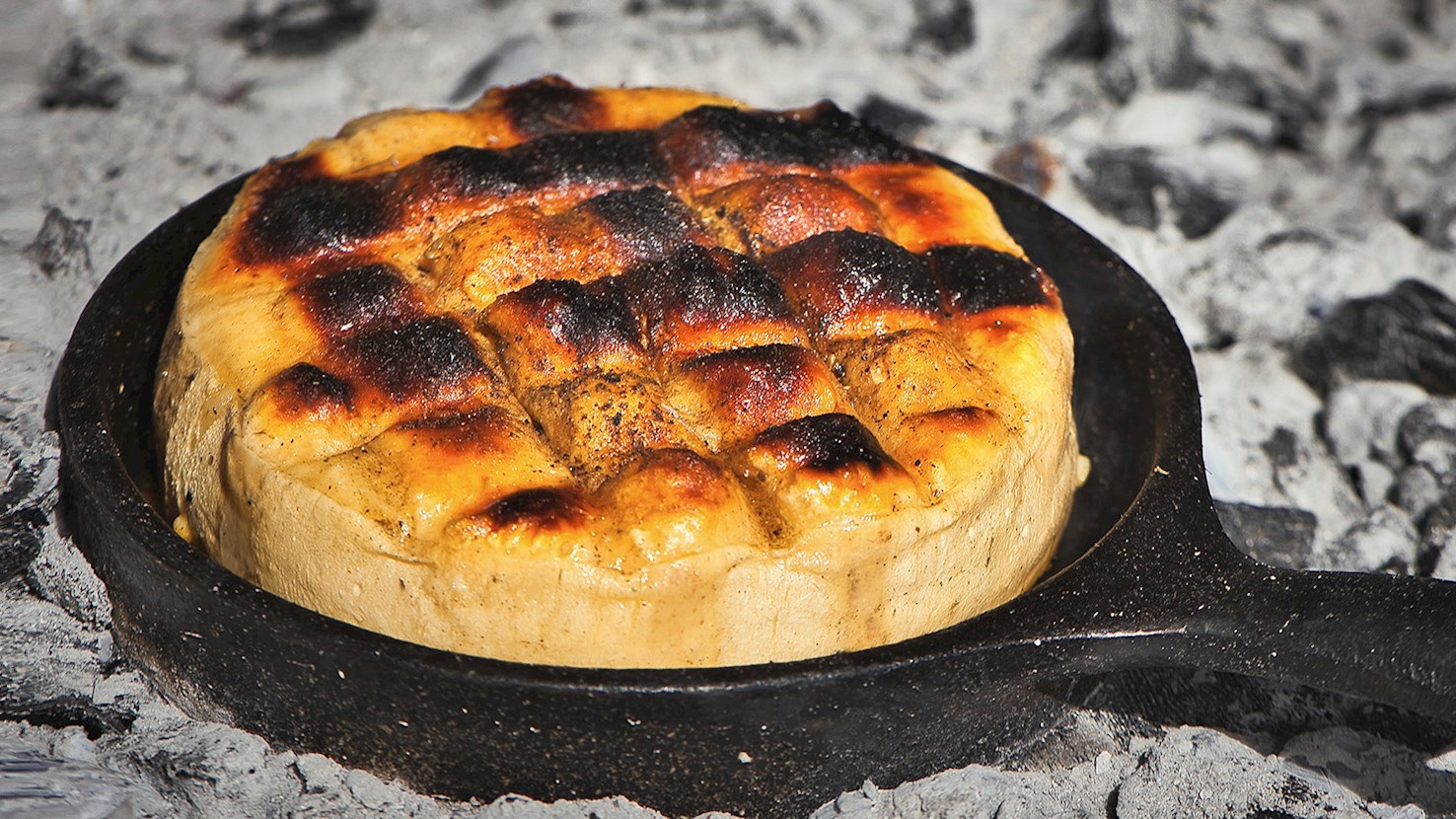
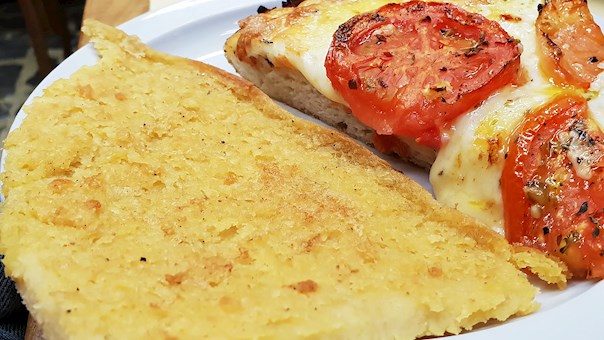
In Argentina, provoleta or grilled provoleta cheese is typically enjoyed before a meal as an appetizer. It's one of the staples of the Argentine bbq asado. The semi-hard provolone is the perfect cheese for the grill, because it's compact and firm. For asado, it is sliced about an inch thick, seasoned with a generous amount of oregano, maybe a light sprinkling of dried red chili flakes, and grilled until it just starts to melt in the center. Provoleta is best enjoyed topped with the garlicky chimichurri sauce and paired with crusty bread on the side.
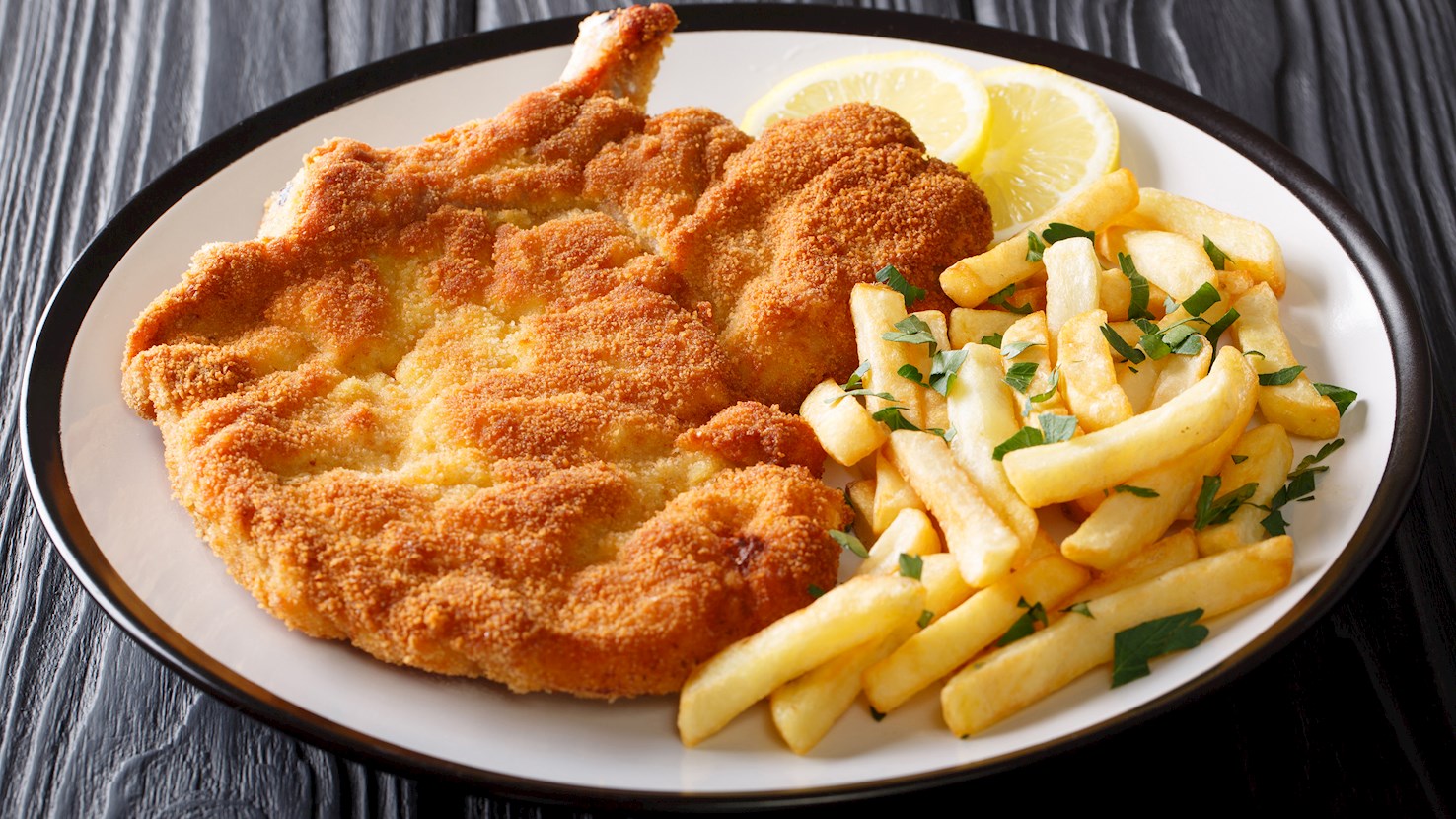
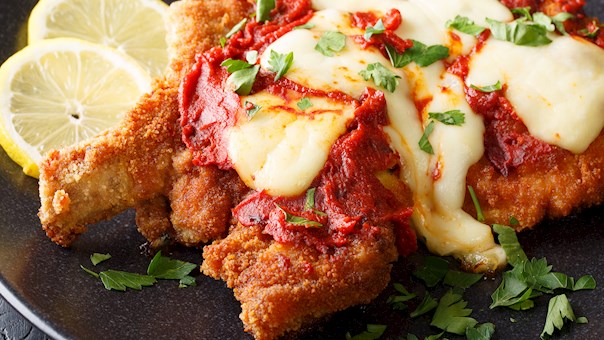
Often referred to as Argentina's unofficial national dish, milanesa is a humble, yet delicious meal consisting of a breaded slice of prime beef that is fried in hot oil, curling up as it cooks, due to the fact that the chosen cuts of meat have less fat and sinew than other cuts. The dish shares many similarities with the Austrian Wiener schnitzel and the American chicken fried steak. However, milanesa has its roots in Italy, and the original dish has been traced to the city of Milan and the famous cotoletta alla milanese. Some claim that the best milanesa in Buenos Aires will always be prepared at home, cooked by someone's mother, although many restaurants also have it on their menus. For the pure, basic experience, it is enough to squeeze some lemon juice over it, but it is often served with a side of creamy mashed potatoes or french fries, while one of the most popular varieties is called a caballo (on horseback), where a fried egg is placed on top of the meat.
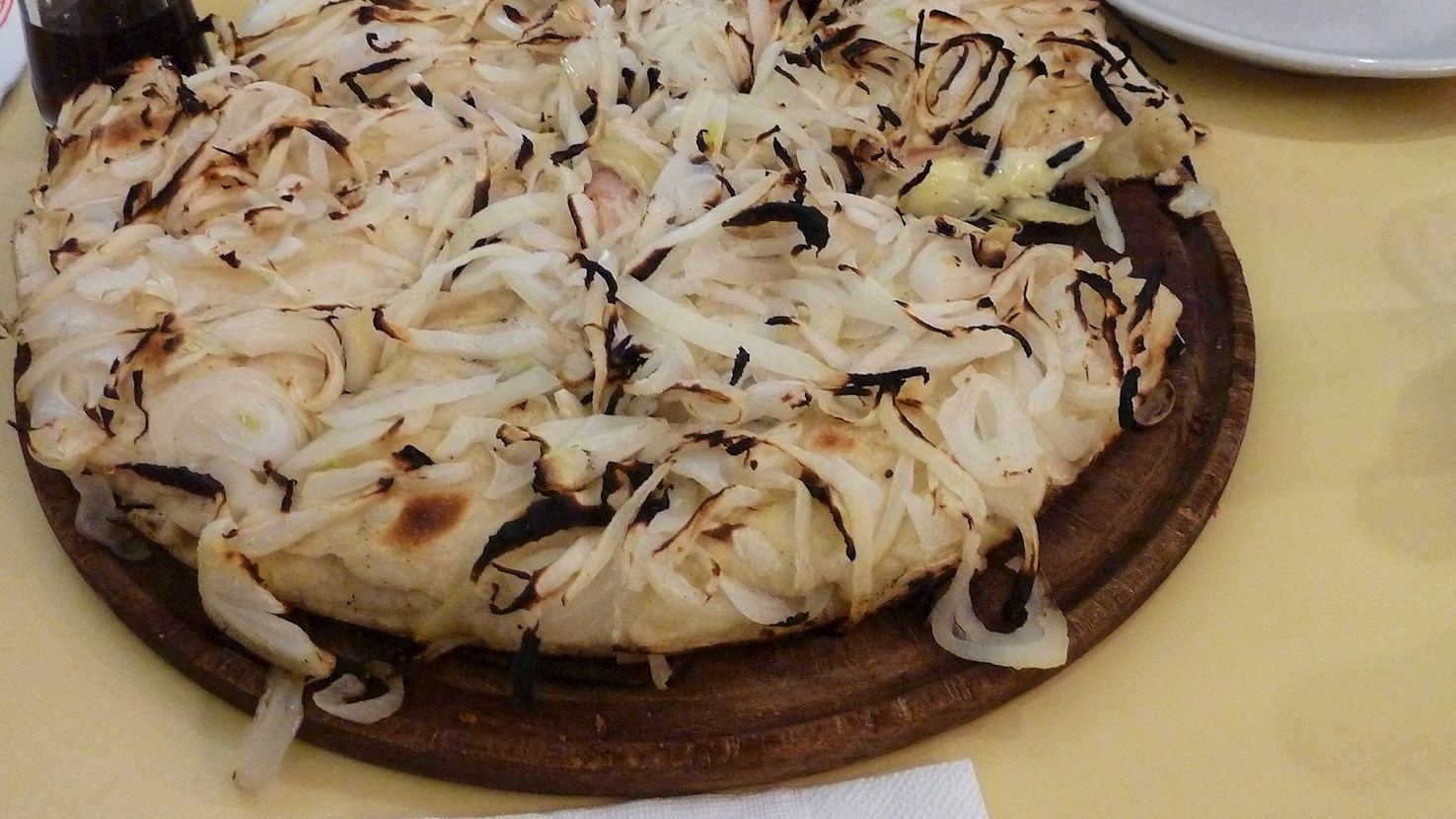
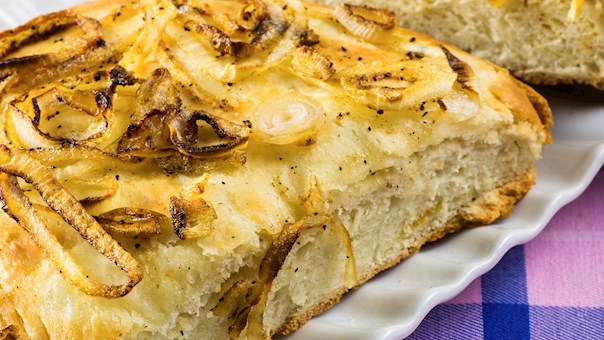
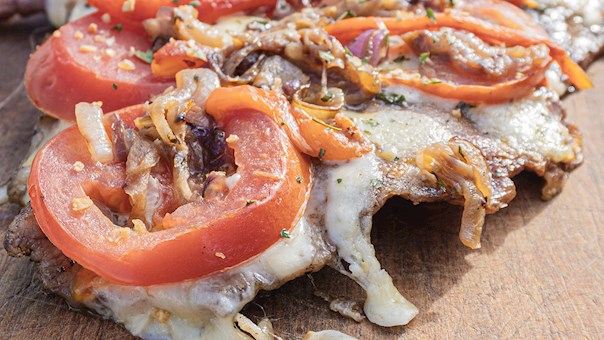
Fugazzeta is a mozzarella-stuffed pizza topped with onions, originating from Argentina. The onions should be thinly sliced, and they can be either raw or sautéed. The dough is usually made with milk, water, yeast, flour, sugar, salt, and olive oil. It is believed that fugazzeta evolved from fugazza, a non-stuffed pizza that is topped with onions, and fugazza itself evolved from the Italian focaccia. When sautéed vegetables such as spinach are added to fugazzeta, it is then called fugazzeta de verdura, and when slices of ham are added to fugazzeta, it is known as fugazzeta con jamon.
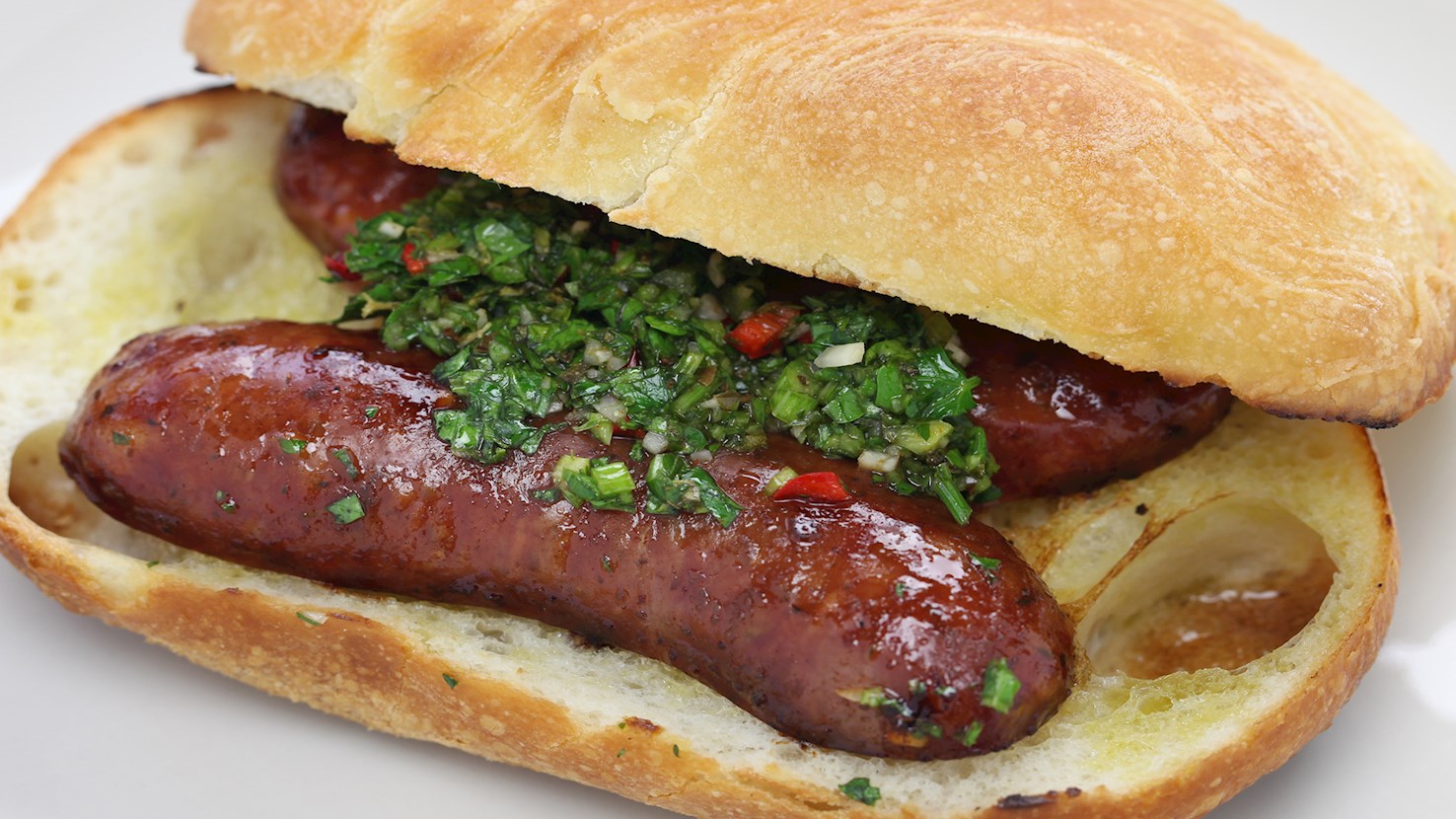
Choripán is the ultimate in Argentine street food, a sandwich consisting of a chorizo sausage and a variety of condiments in a crusty bun. It is usually consumed on the go, since it is mostly sold at street stands throughout Latin America. The name choripán is derived from two words: chorizo, referring to the sausage, and pan, meaning bread.
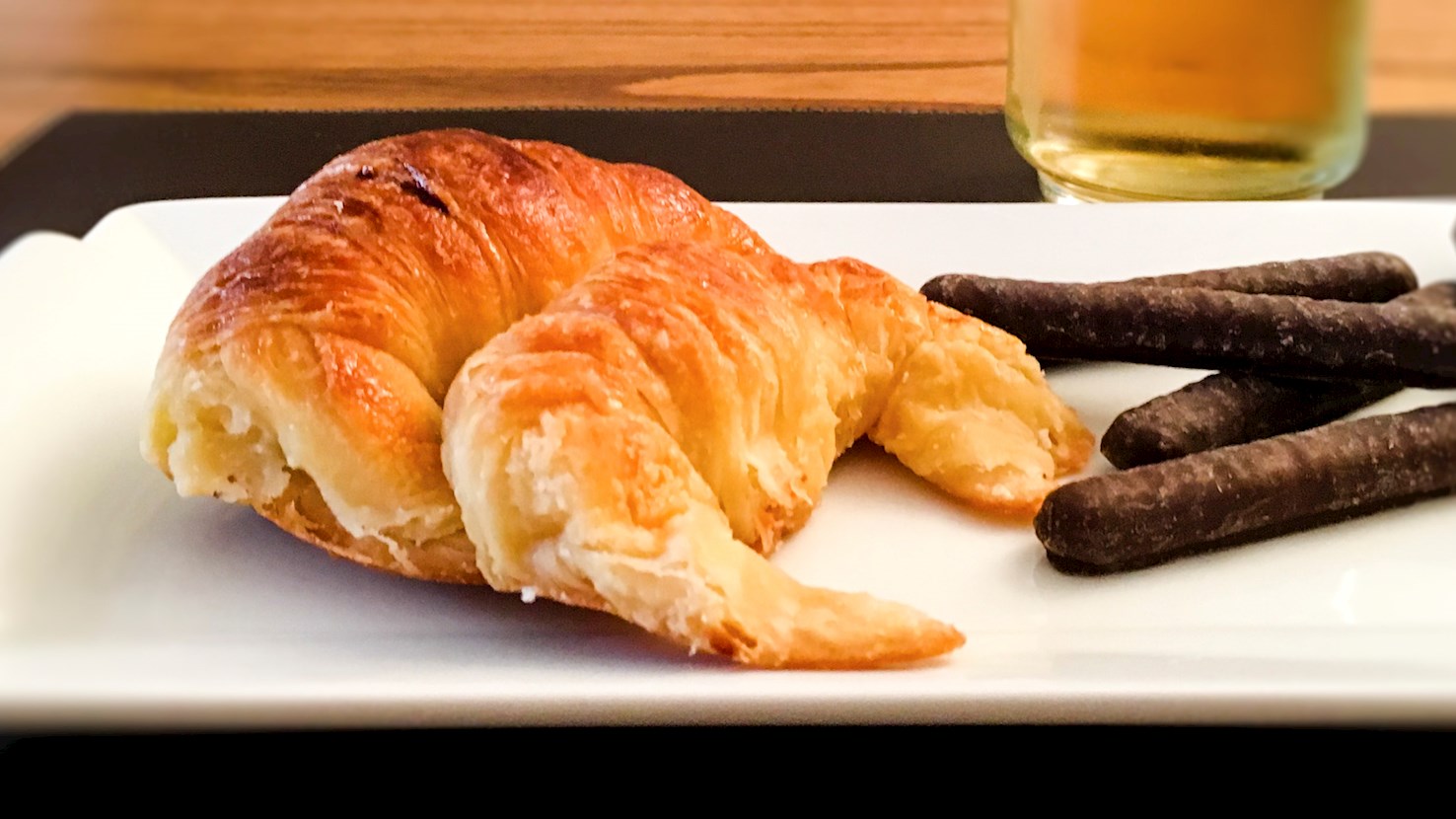
These soft crescent rolls are regarded as the Argentinian take on traditional French croissants. Even though they are very similar to the French variety, medialunas are slightly more moist, smaller, and a bit sweeter. There are two traditional types of medialunas; the larger version made with butter, and the smaller version made with lard. Both varieties are usually prepared plain, with a rum-and-sugar glaze on top. They are traditionally eaten for breakfast, ideally accompanied by a cup of strong coffee with milk, or as an afternoon snack served with yerba mate, a traditional Argentinian herbal tea. Argentinians prefer to eat them with sweet condiments, jellies, dulce de leche, or chocolate spreads. Even though they are easily prepared at home, medialunas can also be bought in panaderias–traditional bakeries found throughout Argentina.
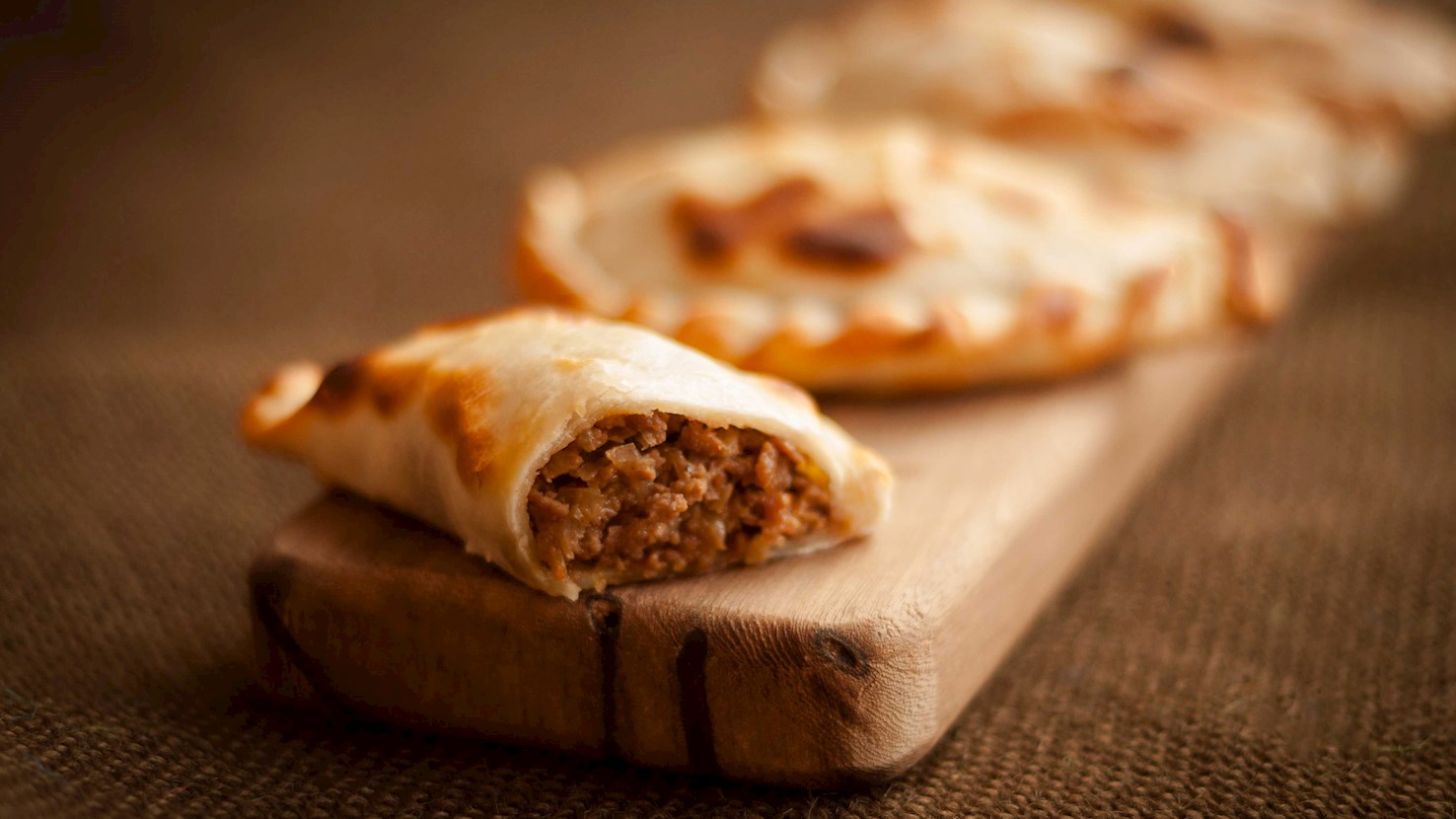
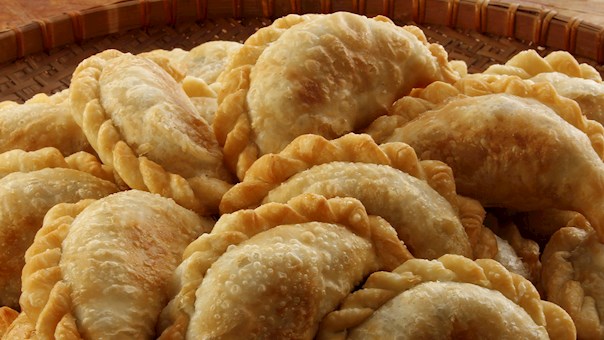
Empanadas argentinas, or Argentinian empanadas, make up a group of traditional Argentinian pastries filled with a variety of ingredients, from meat to cheese and vegetables. Although they are mostly enjoyed in their savory form, there are sweet dessert varieties filled with ingredients such as dulce de leche and quince. The dough, typically made with wheat flour, is rolled thin and folded over a filling, and the resulting parcel is then baked or fried to golden perfection. Traditional empanadas often feature ingredients such as ground beef, onions, and spices, giving them a robust and savory flavor. Still, each region of Argentina boasts its own unique style and flavor profiles - small and spicy from Salta, large Mendoza-style ones with garlic and olives, ones from Cordillera with lamb, and so on. Empanadas argentinas are not just a culinary delight; they are also a cultural symbol (empanadas criollas have even been declared a Cultural Heritage of Food and Gastronomy by the Argentine Ministry of Culture). They are enjoyed as a quick snack, a light lunch, or a hearty dinner and are often served during parties and various festivities.
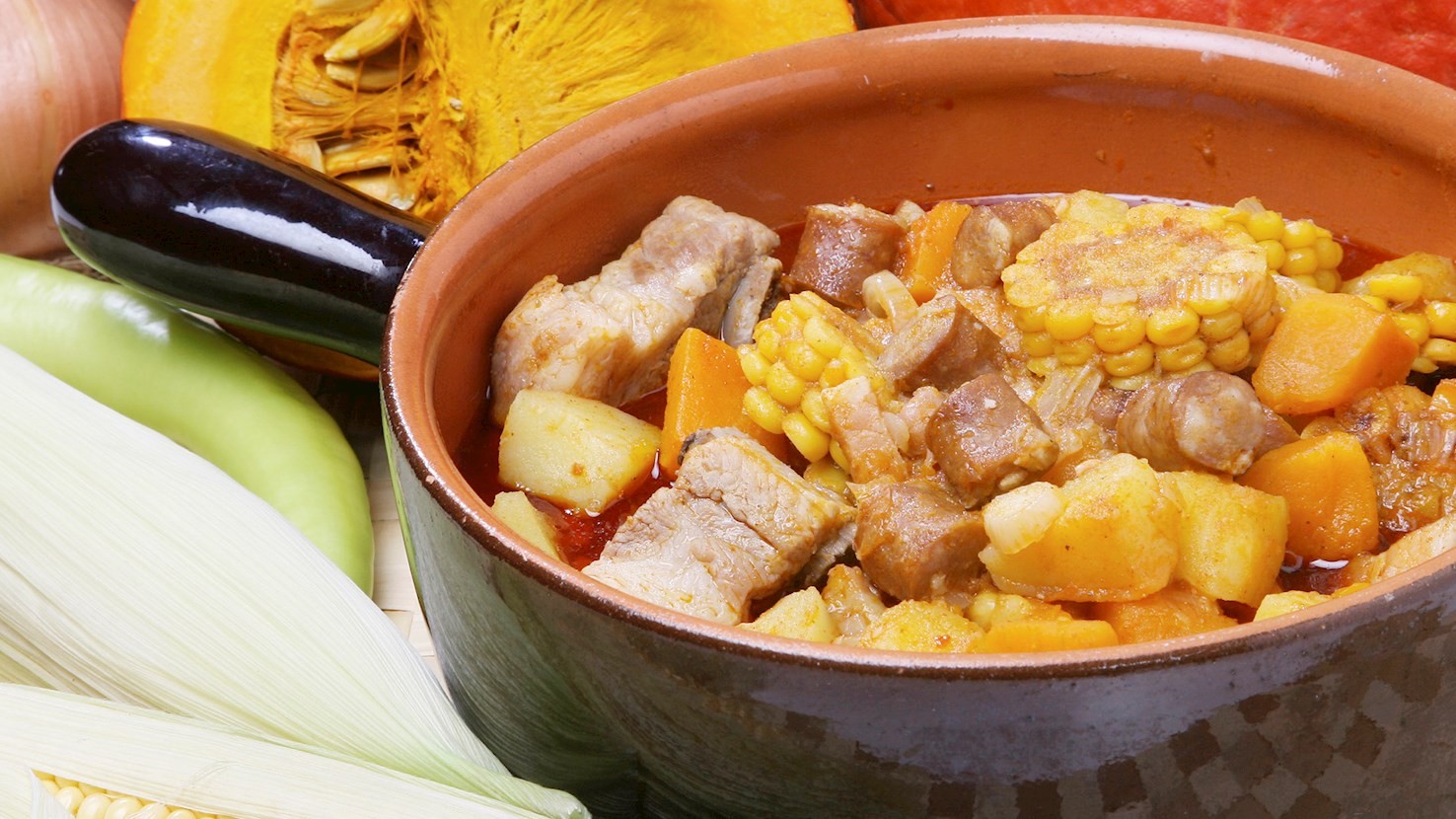
Locro is a thick and nourishing stew which originated in South America, long before the arrival of Spanish conquistadores. This authentic and traditional stew has numerous varieties, but the most famous version is the Argentinian locro, mostly made with dry white corn kernels, meat, and vegetables. The dish usually consists of pork or beef cuts, as well as ribs or offal, while some versions might include sausages and smoked bacon. Other ingredients include dry corn kernels (hominy), various spices, and vegetables such as pumpkin, potatoes, and yams. It is believed that locro originated in the mountainous Andes region and that it was heavily influenced by culinary traditions of the indigenous Inca civilization. In Argentina, the dish is usually served on special occasions such as May Revolution Day or numerous formal gatherings, but it is also a staple meal during the harsh winter seasons. Locro is always served hot, with bread on the side, and is often topped with quiquirimichi - a traditional hot sauce. Although it is usually associated with Argentina and regarded as their national dish, different varieties of locro are popular in other South American countries, primarily Ecuador, Bolivia, Chile, and Peru, where locro usually, but not always, denotes a soup, not a stew.
Argentinian alfajores are sandwich cookies consisting of two round, crumbly sweet cookies with a dulce de leche or milk jam stuffing between them. The combination is then coated with a layer of chocolate or sprinkled with confectioners' sugar. The name alfajor stems from the Arabic word al-hasú, which means stuffed or filled. Although the cookies can be found throughout Latin America, they are originally from Andalusia, Spain. When the Spaniards came to America, they brought their foods and traditions along the way, and with time, almost every country in Latin America has adapted the Spanish alfajor to make it their own. In Argentina, you can find alfajores with different flavors of dulce de leche, like chocolate, vanilla or various fruits. They are also packaged in different shapes and sizes, and are usually enjoyed with tea or coffee.
TasteAtlas food rankings are based on the ratings of the TasteAtlas audience, with a series of mechanisms that recognize real users and that ignore bot,
nationalist or local patriotic ratings, and give additional value to the ratings of users that the system recognizes as knowledgeable.
TasteAtlas Rankings should not be seen as the final global conclusion about food. Their purpose is to promote excellent local foods,
instill pride in traditional dishes, and arouse curiosity about dishes you haven’t tried.






What People Say