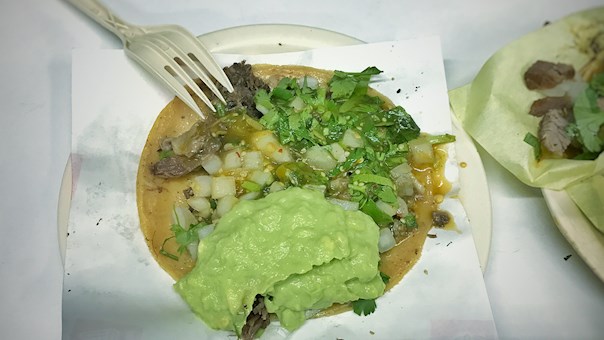
Tacos are the national dish of Mexico, dating back to the Mexican silver mines of the 18th century, when the word taco referred to gunpowder that was wrapped in a piece of paper and inserted into rocks. It was used to excavate the precious ore from mines and was called tacos de minero or miner's tacos. Today, the word is widely known to signify the leading street food and fast food item in Mexico – thin, flat griddle-baked tortillas topped with numerous fillings, folded and eaten without any utensils. A taco is basically anything eaten on a soft tortilla, and there is an infinite variety of them. In Sonora, in the north of Mexico, they eat the classic carne asada - thinly sliced meat grilled over coals and topped with salsa, onions, guacamole, and a lime wedge. In Baja, the topping consists of fried fish with cabbage and an acidic mayonnaise sauce. In Mexico City, sudados (sweated tacos) are the most popular option, filled with cooked and steamed meat. In Jalisco and Michoacan, they prepare carnitas, eaten in the morning or in the early afternoon, filled with deep fried pieces of pork that are sliced according to preference. Similar is the taco de cabeza, filled with pieces of cow's head that was steamed for a long time, and the customers can choose from slices of eyes, brains, tongue, lips, cheek, or ears. Tacos are mainly made of corn, except in the north, where wheat flour is used more often. They also differ in size, from the tiniest white tacos (blancas) to bigger ones, often made with blue corn. Most tacos come in pairs of two, in order to be able to hold all the flavorful and slightly wet ingredients. Some of them are fried until they become crispy and crunchy, in which case they're called tostadas. As anything can be a filling, there is a version made with fried veins from dried chiles, usually accompanied by salt, a tasty treat called tacos de venas. However, the standard is ground or shredded meat, cheese, potatoes, or vegetables and a topping of onions and coriander. Eaten at all times of day and night, one can find them on every corner in Mexico, in restaurants known as taquerias. Alternatively, they can be bought from numerous street vendors.
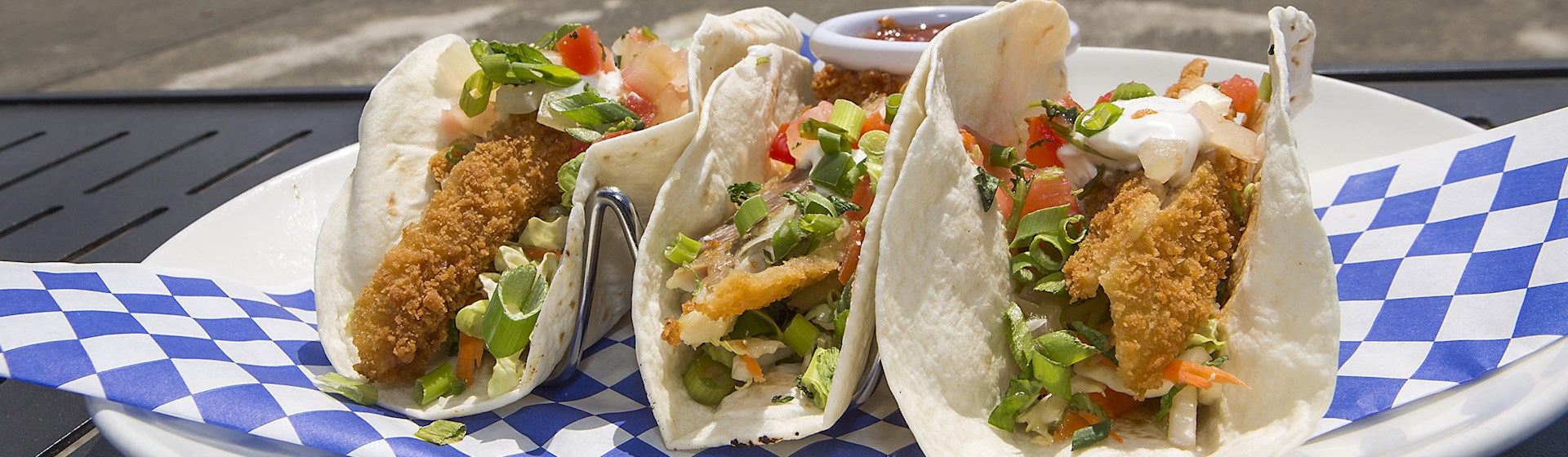
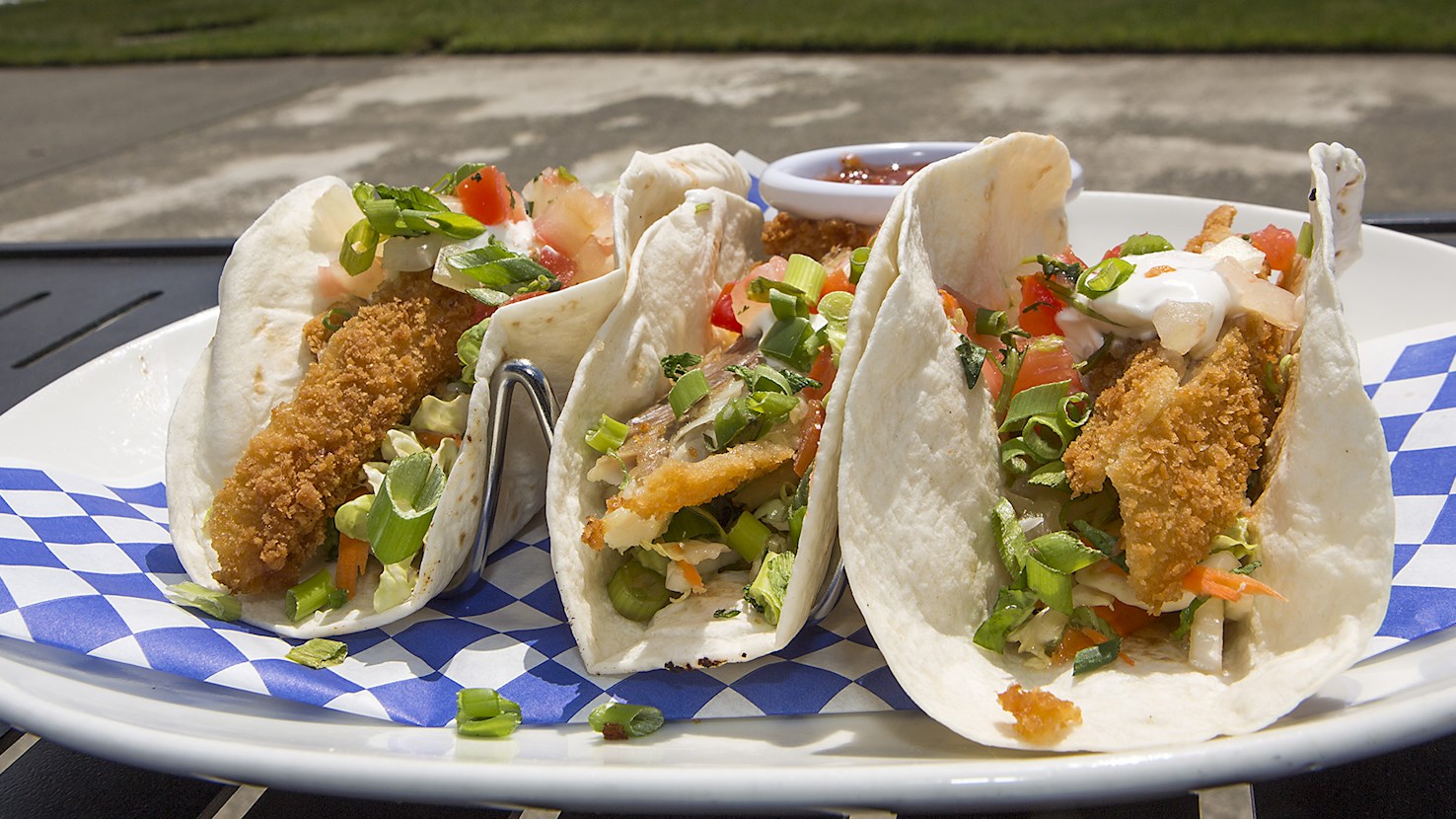
Tacos de pescado or fish tacos have origins in the Mexican region of Baja California. These corn flour tacos are filled with fried or grilled pieces of fish, vegetables such as cabbage or lettuce, and a topping of either sour cream or mayonnaise. The dish is also popular in the United States, especially in California, where it can be found at numerous street carts, served with cabbage and coleslaw.
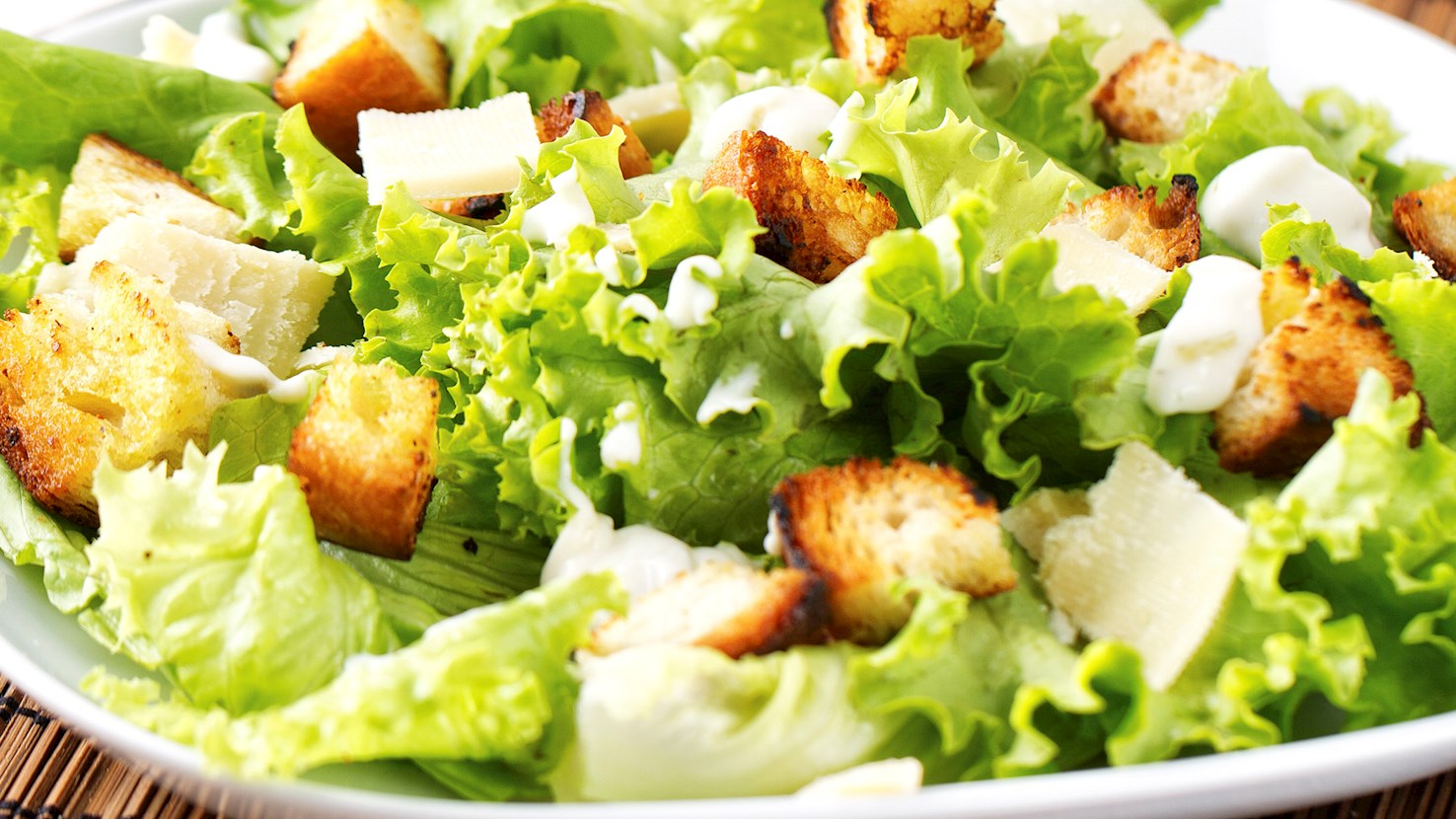
The iconic Caesar salad was named after its creator Cesare (Caesar) Cardini, an Italian immigrant who lived in San Diego but, circumventing Prohibition laws in the United States, operated a popular restaurant in Tijuana, just south of the Mexican border. Back then, in the 1920s, during the Prohibition era, Tijuana was flourishing as many Californians, including Hollywood jet set, would often drive over to party and enjoy the good life. And just like it was the case with many other world-famous dishes, Caesar salad was invented through sheer ingenuity and improvisation. In 1924, on a busy 4th of July weekend, Cardini's restaurant was packed so when the renowned restaurateur realized he's running low on food supplies, as he didn't want to disappoint the customers, Caesar concocted a salad with what was left over in the kitchen. To animate the guests and add some flair to his new invention, Cardini prepared the salad tableside, as many restaurants still do today, tossing the crisp romaine lettuce with creamy coddled eggs, garlic-flavored croutons, parmesan cheese, olive oil, and Worcestershire sauce. Originally, the romaine leaves were coated with the dressing and placed on a serving plate in a circle, stem side out, so that the diners could enjoy their salad with fingers. In 1926, Alex Cardini, a former ace pilot in the Italian Air Force during WWI, joined his brother Caesar at his Tijuana restaurant. Back then, the dish was named Aviator's salad in honor of the pilots from San Diego's Rockwell Field Air Base who, reportedly, one morning – after a long night of drinking and missing curfew – woke up at Caesar's restaurant and enjoyed the salad prepared by Alex Cardini for breakfast. Later on, as the salad gained popularity with other Californian visitors, it was renamed to Caesar salad. Alex also added other ingredients to the already famed concoction, in particular anchovies, even though Caesar was said to be against that inclusion, claiming that the Worcestershire sauce was enough to provide the faint fishy flavor. Moreover, in 1948 Caesar Cardini established a patent on the salad dressing which is still today produced and marketed by Caesar Cardini Foods, Inc. as Cardini's Original Caesar dressing mix. Regardless of the two slightly different recipes and dressing variations, Caesar salad became a sensation sought after from coast to coast, eventually even becoming a success in Europe; especially after the Paris-based International Society of Epicures in 1953 proclaimed it as "the greatest recipe to originate from the Americas in 50 years".
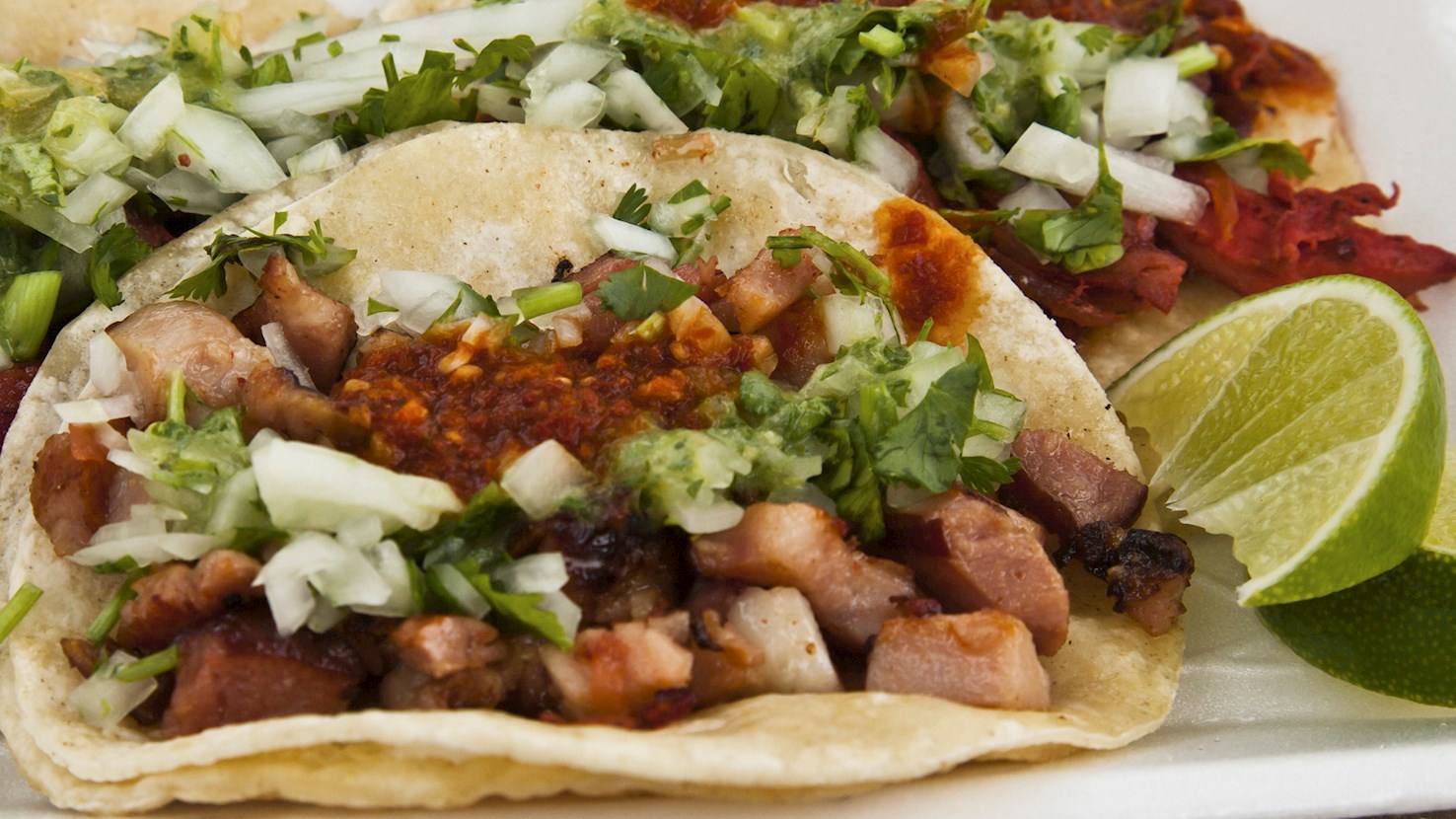
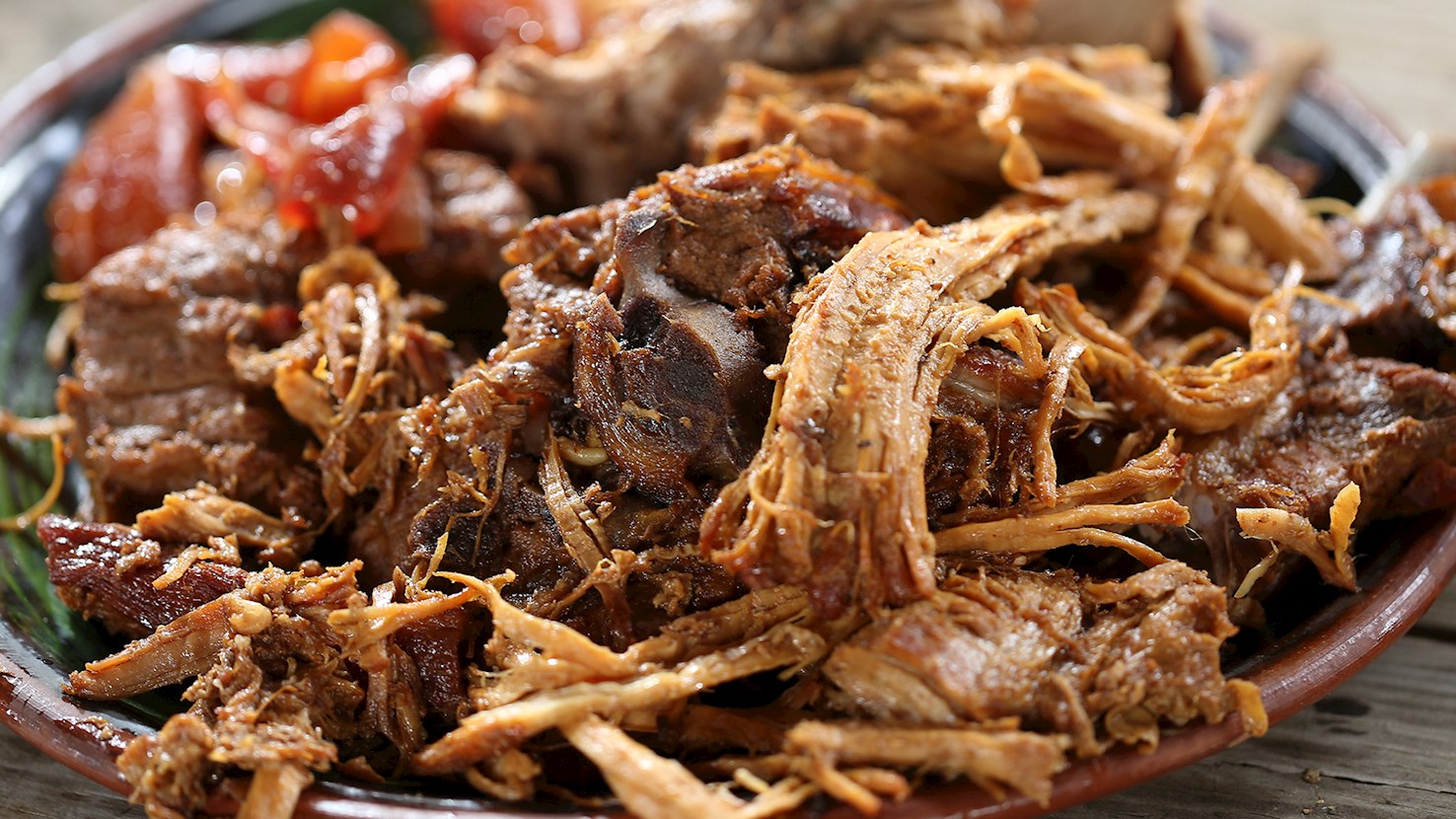
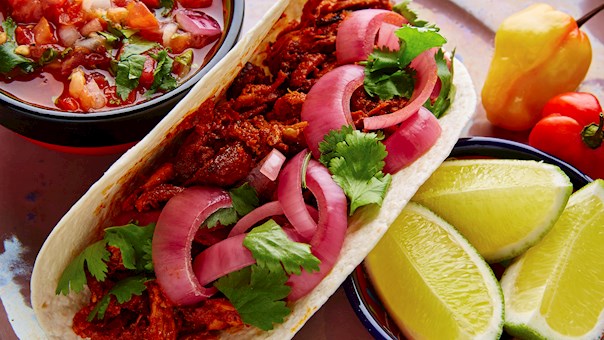
Originating from the Mexican state of Michoacán, carnitas is a flavorful dish made from pork (usually front sections or pork shoulder) that is braised, roasted, or slow-cooked in its own fat for a long time until fully tender and succulent. The heat is then turned up until the meat is crispy on the exterior and can be shredded. Carnitas, which translates to little meats, is often served with tortillas, accompanied by salsas, beans, guacamole, lime, or fresh vegetables. In Michoacán, carnitas are found everywhere from street stalls to upscale restaurants, although the dish is more often made for special occasions such as Christmas, anniversaries, or birthdays. Tender, fresh, and tasty, carnitas are a special treat for meat lovers worldwide.
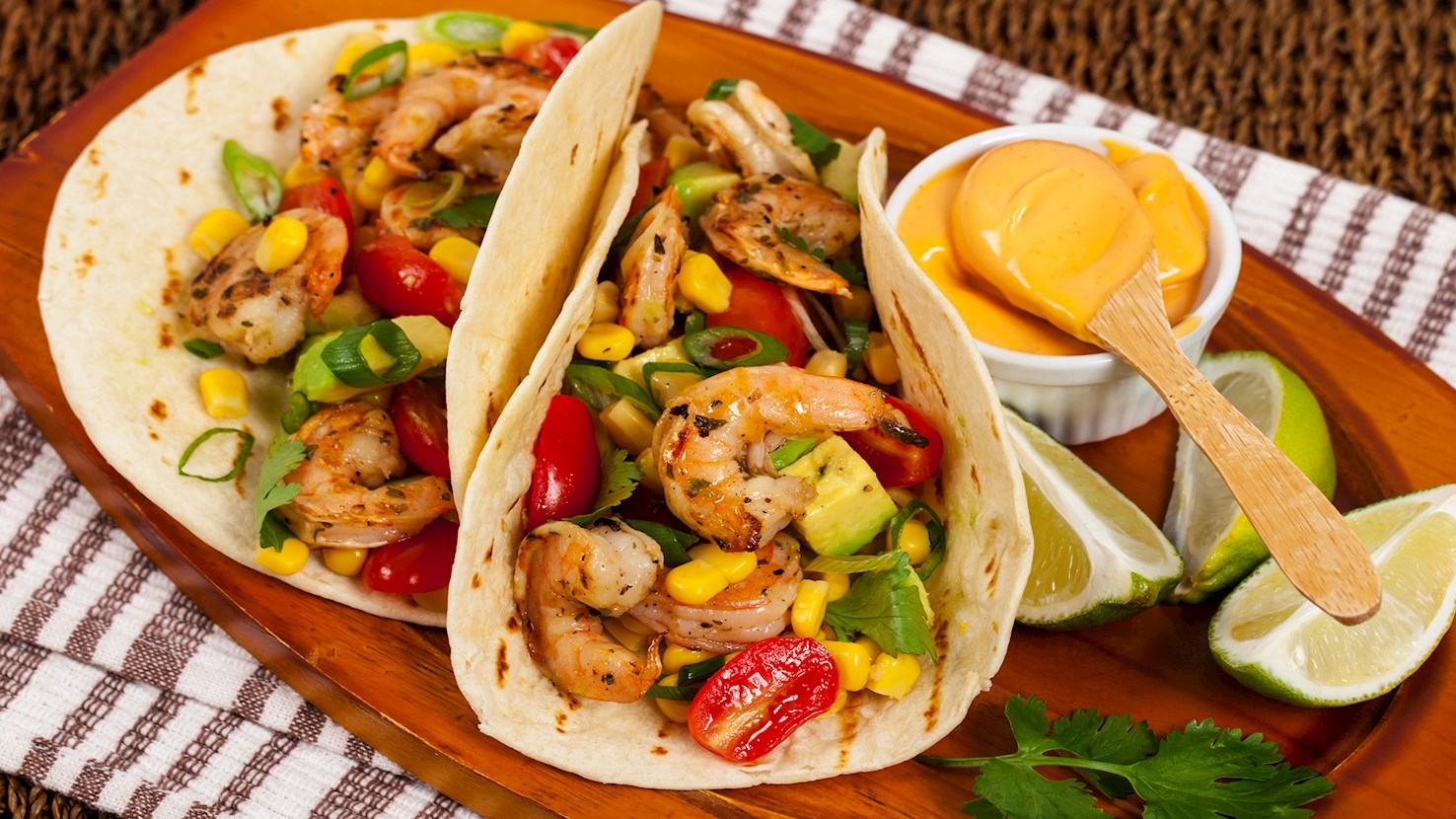
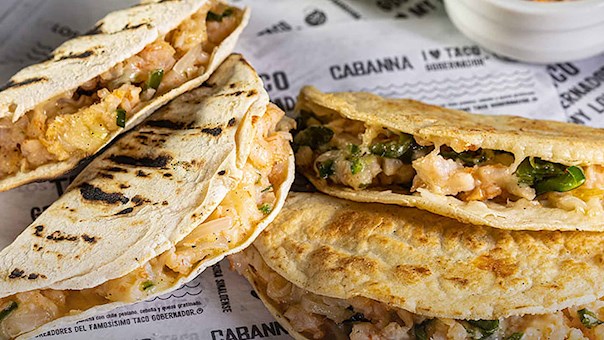
Taco de camaron is a variety of taco filled with shrimps and various other ingredients such as tomatoes, onions, coriander, mayonnaise, or pico de gallo. Shrimp tacos originate from Baja California, and are often served with lime or lemon wedges on the side. It is recommended to pair the dish with a cold beer on the side.
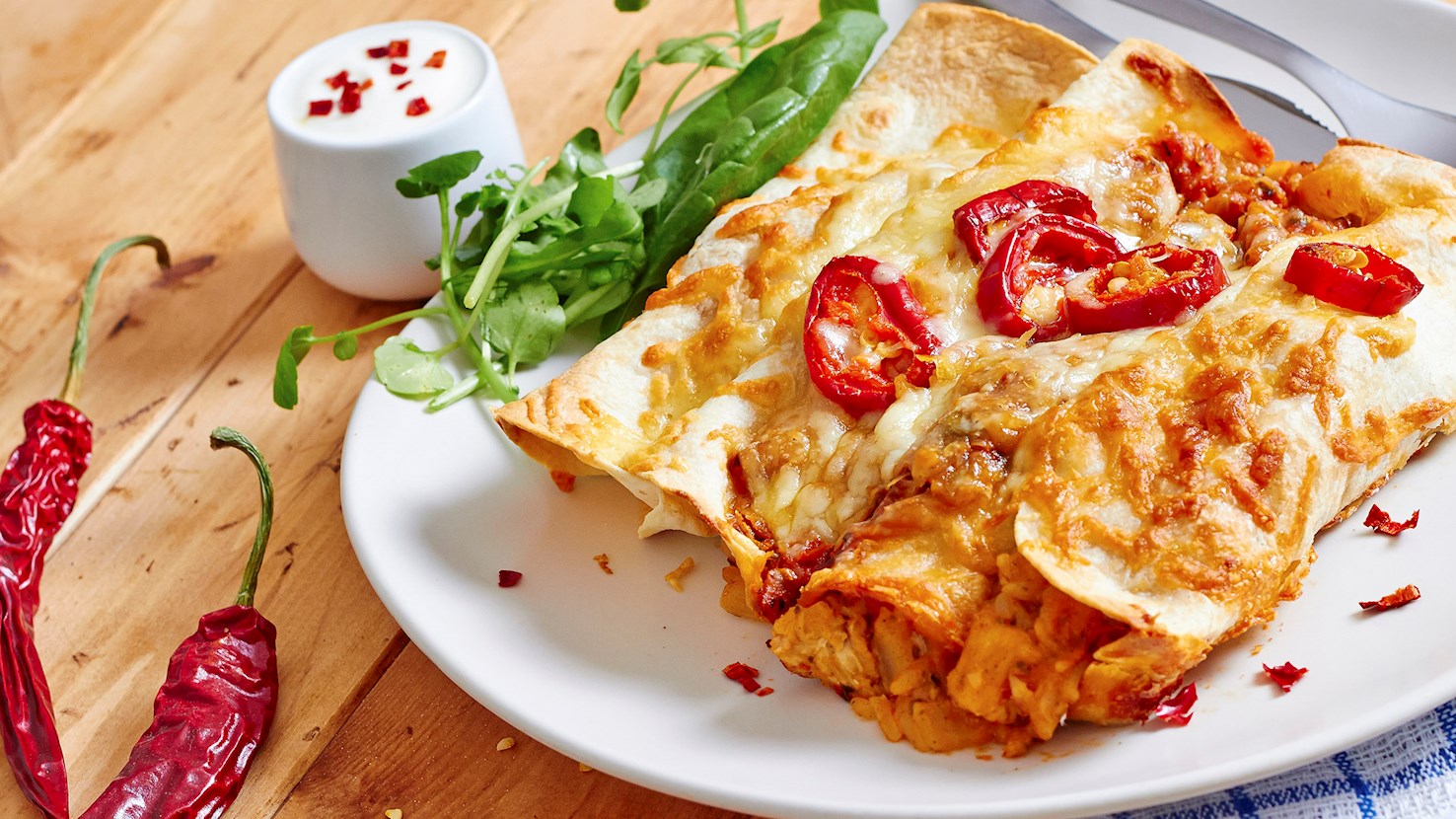
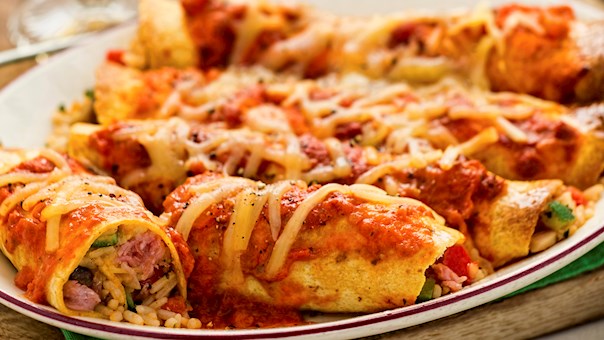
Enchiladas consist of a tortilla that is usually dipped in a chile-based sauce, then stuffed with various fillings such as cheese, meat, or fish. Then it is rolled up, baked, and topped with sauces, onions, beans, or more cheese. This highly versatile dish is believed to have originated from a Mayan dish called papadzules, consisting of corn tortillas dipped in pumpkin purée and filled with chopped boiled eggs. From there, numerous variations developed throughout Mexico and outside of its borders. The word enchilada, which first appeared in print in 1885, comes from the Spanish word enchilar, meaning to season with chile pepper. Today, there are countless versions of enchiladas. In northern Mexico's Sonora, they make them open-faced, topped with black olives and a red chile sauce, while the New Mexico version is prepared by layering the tortillas in a tall stack with cheese and onions between each layer. Enchiladas have become so popular that there is even a National Enchilada Day (in the US), celebrated every year on May 5, also known as Cinco de Mayo.
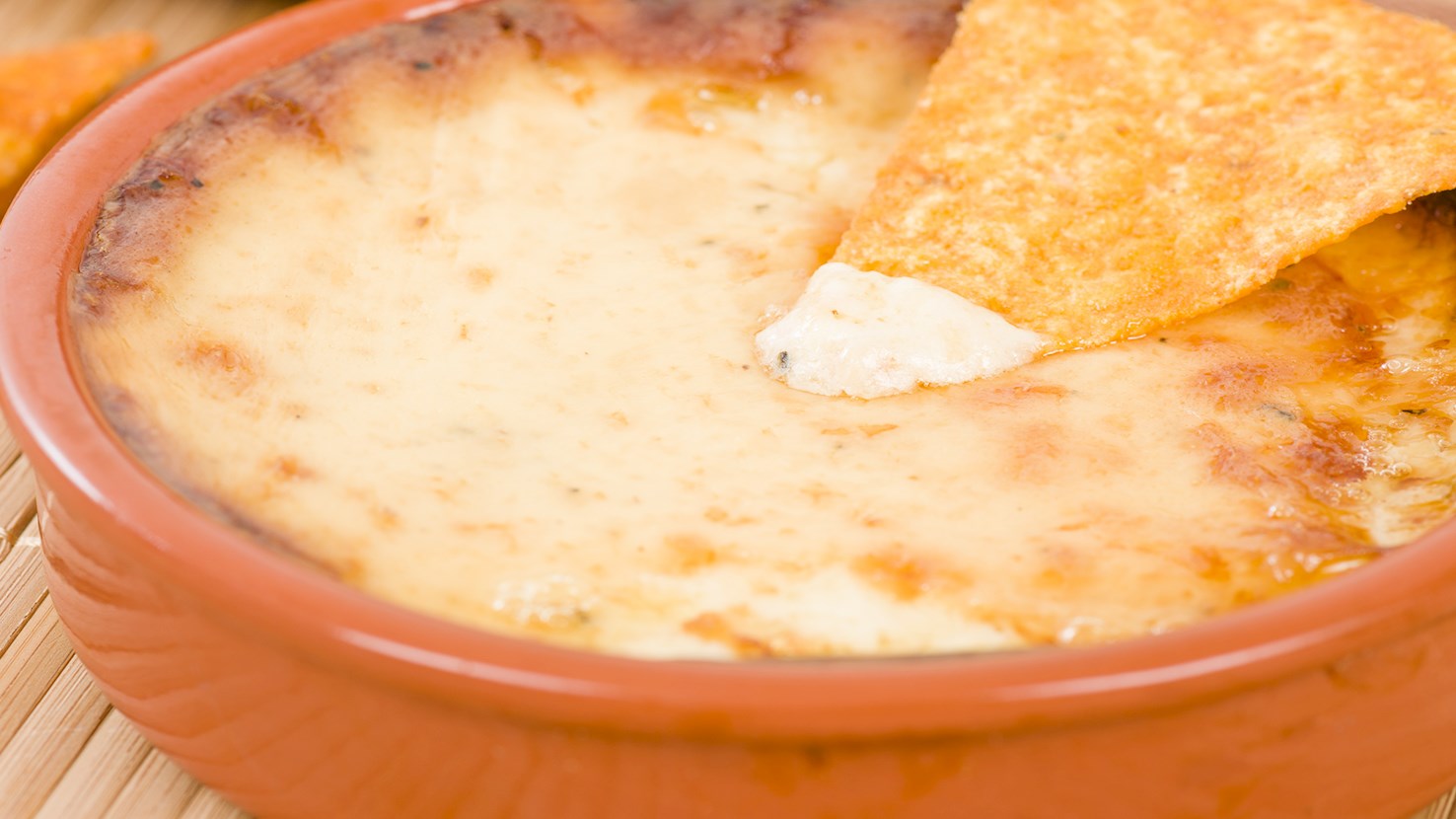
Queso fundido is a tasty Mexican comfort food dish that is typically served as an appetizer. It consists of pieces of chorizo, tomatoes, onions, poblano peppers, and gooey, stringy melted cheese. The dish is often prepared tableside in restaurants, where it is flambéed and presented bubbling hot in small casserole dishes. Queso fundido is traditionally spooned onto soft corn tortillas so that it could be eaten individually, as the dish is typically shared between groups of people, making it a great party food as well. It originated in northern Mexico, where it was originally prepared as a campfire dish. Nowadays, queso fundido is also popular in the United States, especially in El Paso.
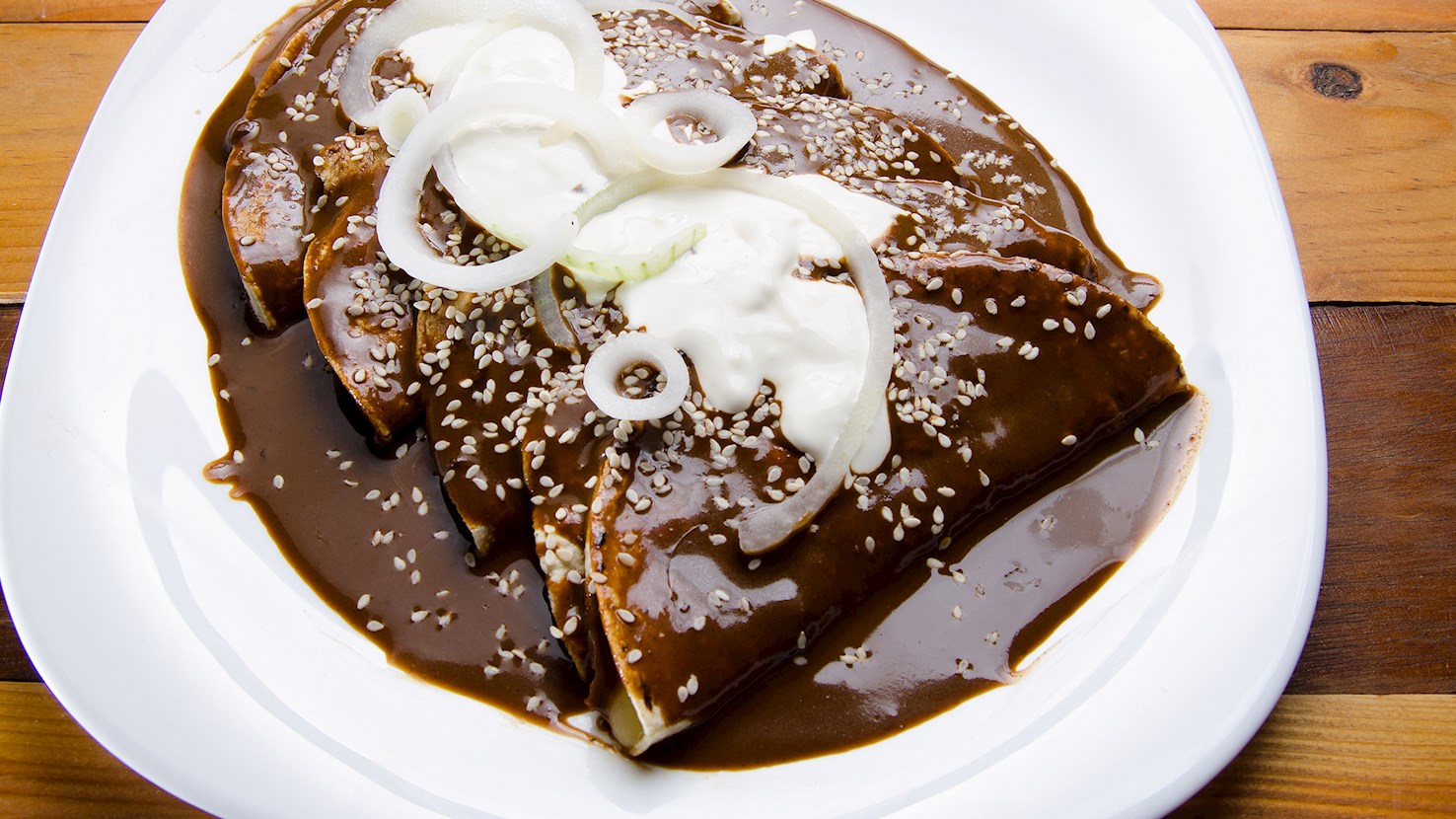
Mexican enmoladas are essentially enchiladas covered in mole sauce. The enchiladas might be filled with a wide array of ingredients, but they are most often filled with chicken and crumbled cheese. The tortillas are first fried, dipped into the warm mole sauce, then filled with chicken and cheese. If needed, more mole sauce is spooned over the enmoladas. Before serving, enmoladas can be garnished with sliced onions and chopped coriander. This tasty Mexican dish is a great example of using leftover mole sauce for the creation of a new meal.
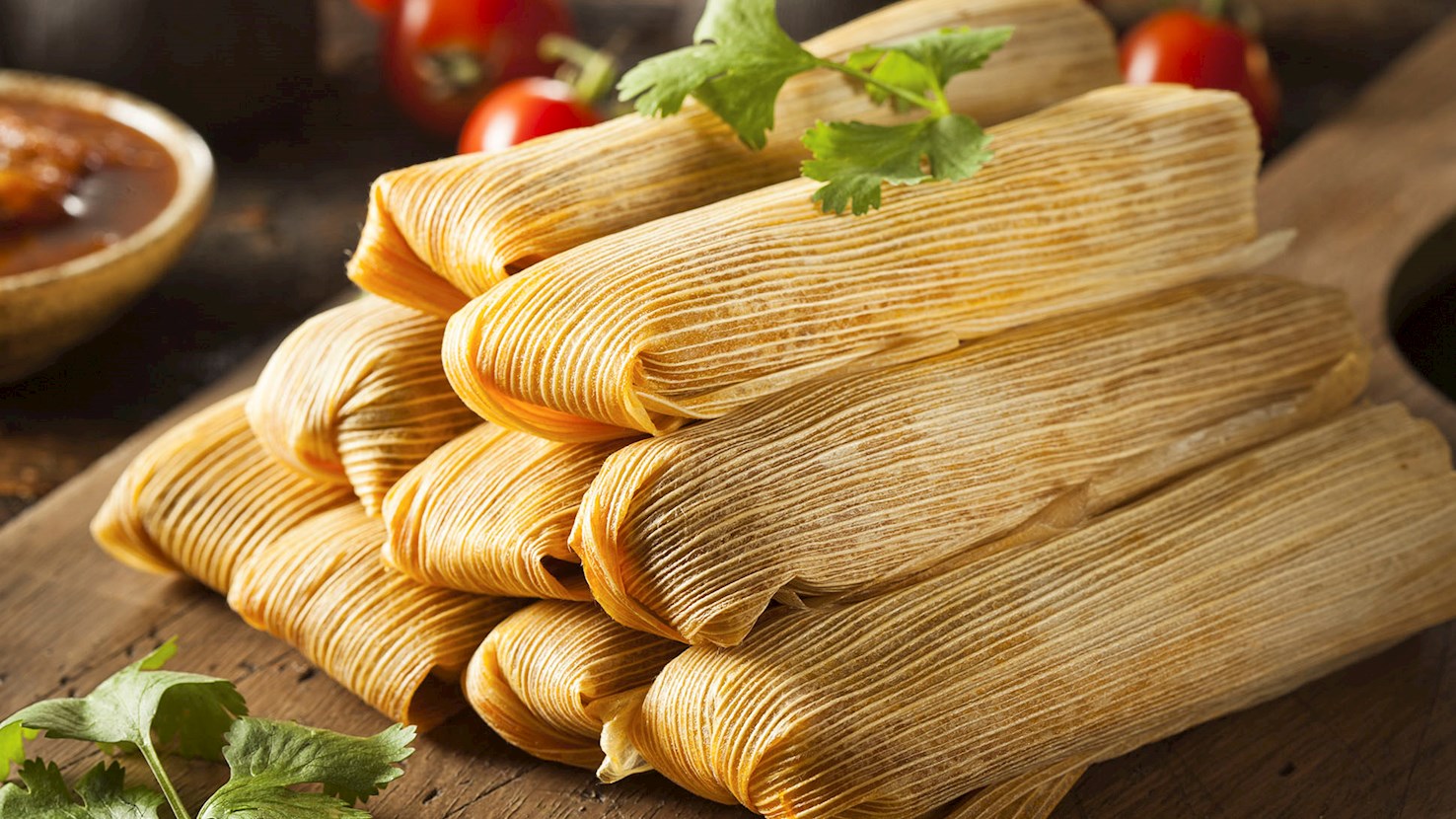
Tamal is a dish dating back to the Aztecs, consisting of corn masa dough with a filling that can be either savory or sweet, steamed and wrapped in corn husks, leaves, or banana leaves. The tamales are traditionally accompanied by atole, a masa drink. Even though it is common for Mexican food to be served with a variety of sauces and salsas, tamales are the exception because they are usually eaten plain and simple without any sauces, although it is not a rule set in stone. One of the first records of tamales dates back to the 1550s when the Spaniards were served the dish by the Aztecs who made them with beans, meat, and chiles. Today, the fillings can be anything from beans to chicken, fish, pork, hard cooked eggs, pumpkin seeds or squash. Tamales rojo (red tamales) are filled with shredded meat such as beef or pork in a red chili sauce. Tamales verde (green tamales) have the same meat and a different sauce made from sour, green tomatillos. Tamales dulce, the sweet variety, is filled with dried fruits such as raisins or berries. Hot and flavorful tamales vary by region. In Culiacan and Sinaloa, they like them with sweet brown beans, pineapple, and corn. In Oaxaca, tamales are drizzled with the regional speciality called black mole, and in Yucatan, there is a variety with a filling consisting of chicken, tomato, and achiote. Whatever the variety, tamales have a special place in the colorful Mexican cuisine and culture.
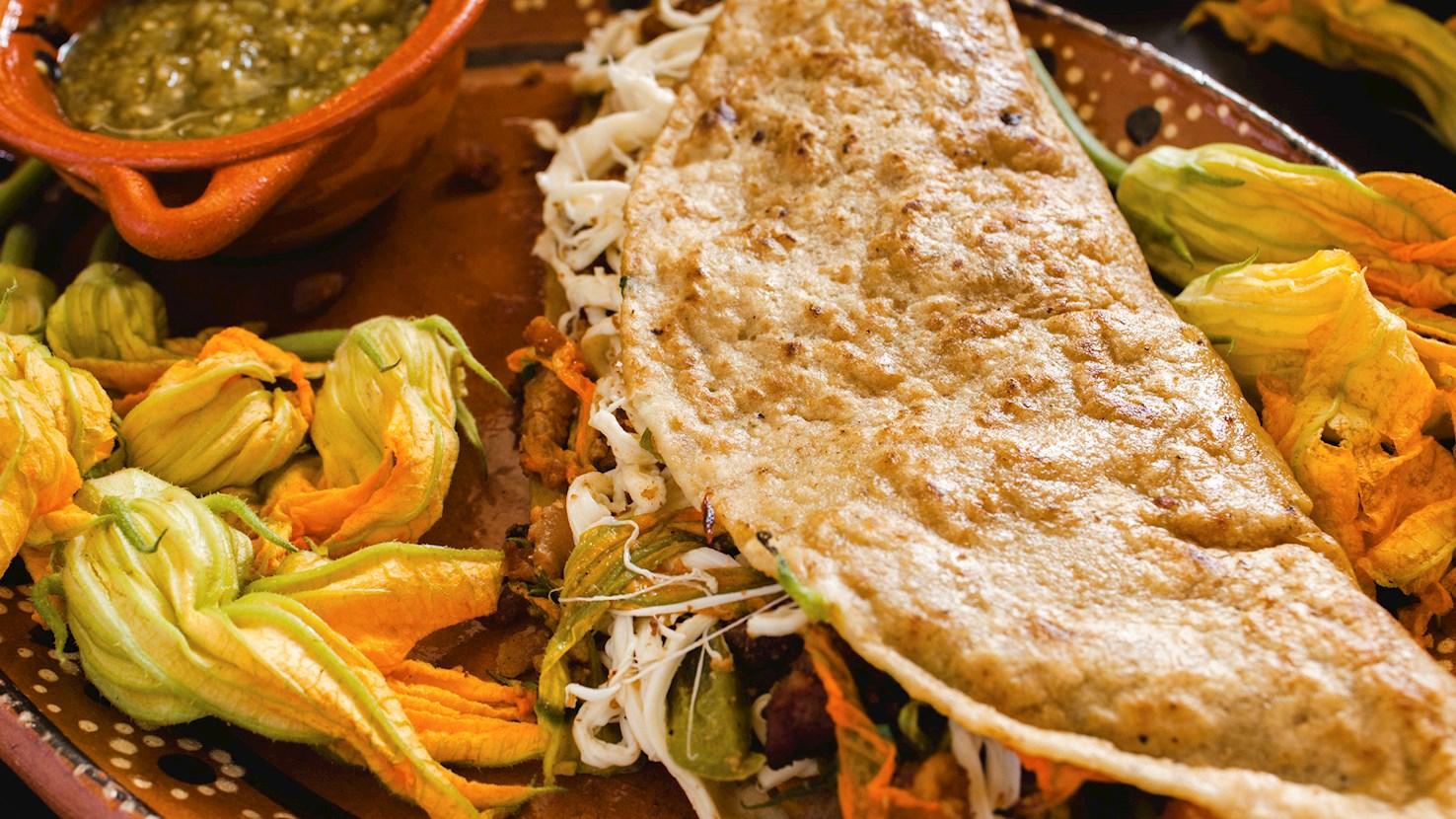
Quesadilla is a simple Mexican snack consisting of a flour or corn tortilla filled with cheese that melts well. It is commonly folded in half and consumed. A quesadilla can also have some other ingredients on the inside such as meats, beans, or potatoes, but cheese is always mandatory (with the exception of Mexico City, where cheese in a quesadilla is often an afterthought). Sometimes, it is cut into wedges and served with salsa or guacamole on the side, and it can be topped with vegetables such as diced tomatoes, onions, lettuce, or hot chiles. The origins of quesadilla are somewhat murky, but it is known that the cheese was brought to Mexico by the Spaniards along with other dairy products in colonial times, and the thin flatbreads were already a staple of the Mesoamerican people. The Spaniards named the dish quesadilla (little cheesy thing). In northern Mexico, and parts of the southwestern United States, flour tortillas are more common than corn tortillas, so quesadillas with flour tortillas started to gain popularity throughout the United States as well. Today, there are numerous varieties and fillings for quesadillas such as chorizo, Oaxaca cheese, epazote, and squash blossoms.
TasteAtlas food rankings are based on the ratings of the TasteAtlas audience, with a series of mechanisms that recognize real users and that ignore bot,
nationalist or local patriotic ratings, and give additional value to the ratings of users that the system recognizes as knowledgeable.
TasteAtlas Rankings should not be seen as the final global conclusion about food. Their purpose is to promote excellent local foods,
instill pride in traditional dishes, and arouse curiosity about dishes you haven’t tried.



What People Say