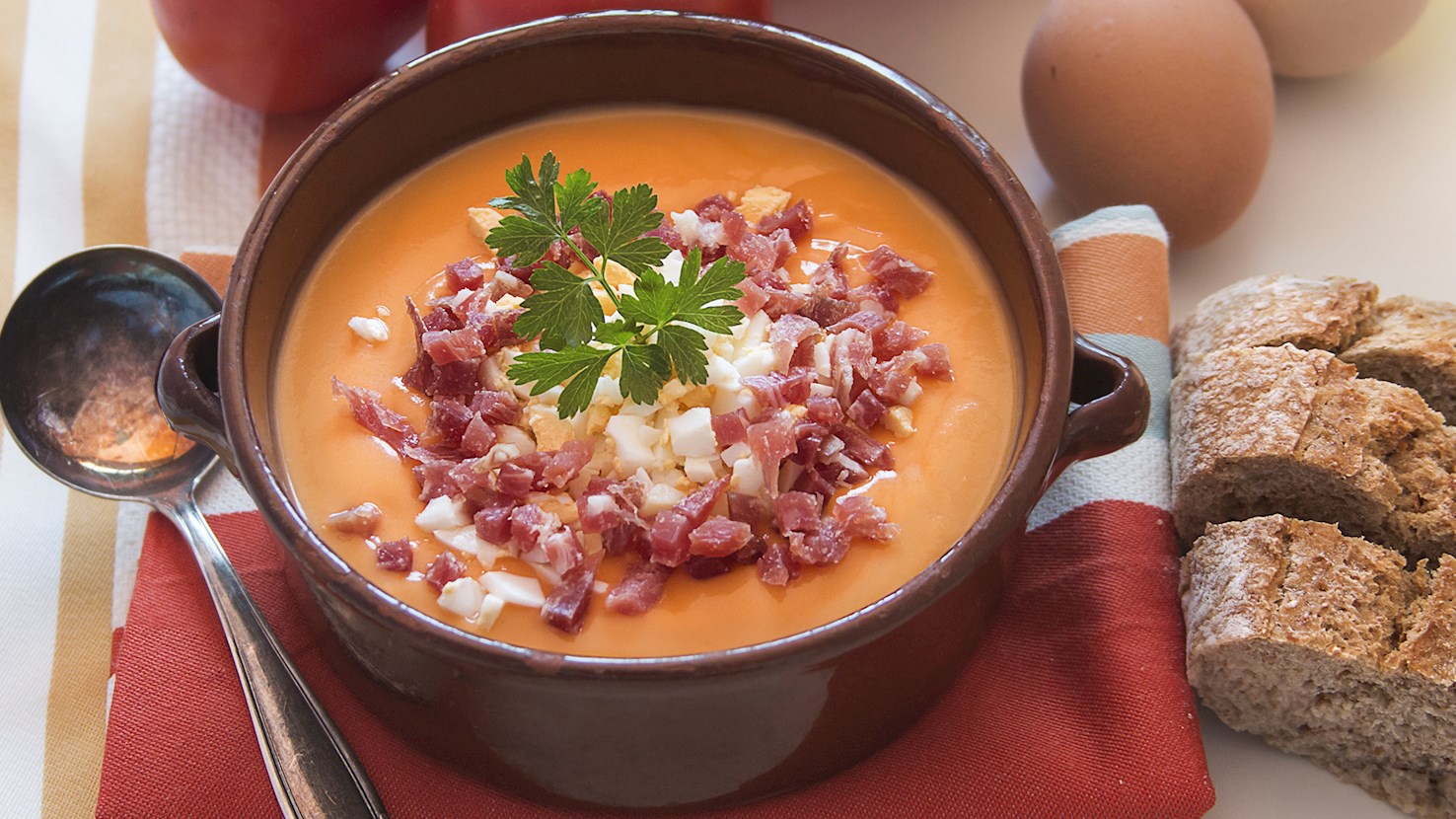
Salmorejo is a refreshing Andalusian soup that is traditionally served cold. It is especially popular during the warm, summer days. The soup consists of puréed tomatoes, bread, garlic, oil, and vinegar. Thick and creamy, salmorejo is often garnished with ingredients such as hard-boiled eggs or Spanish ham. In some cases, it can be served as a tapa dish or as a sauce accompanying toasts or omelets.
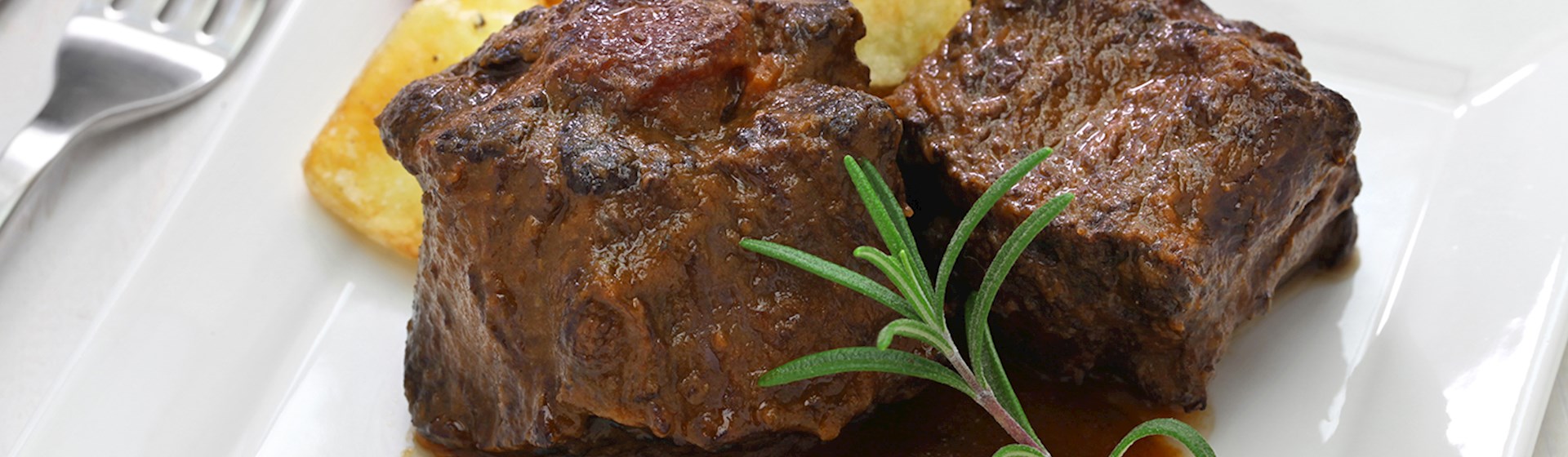
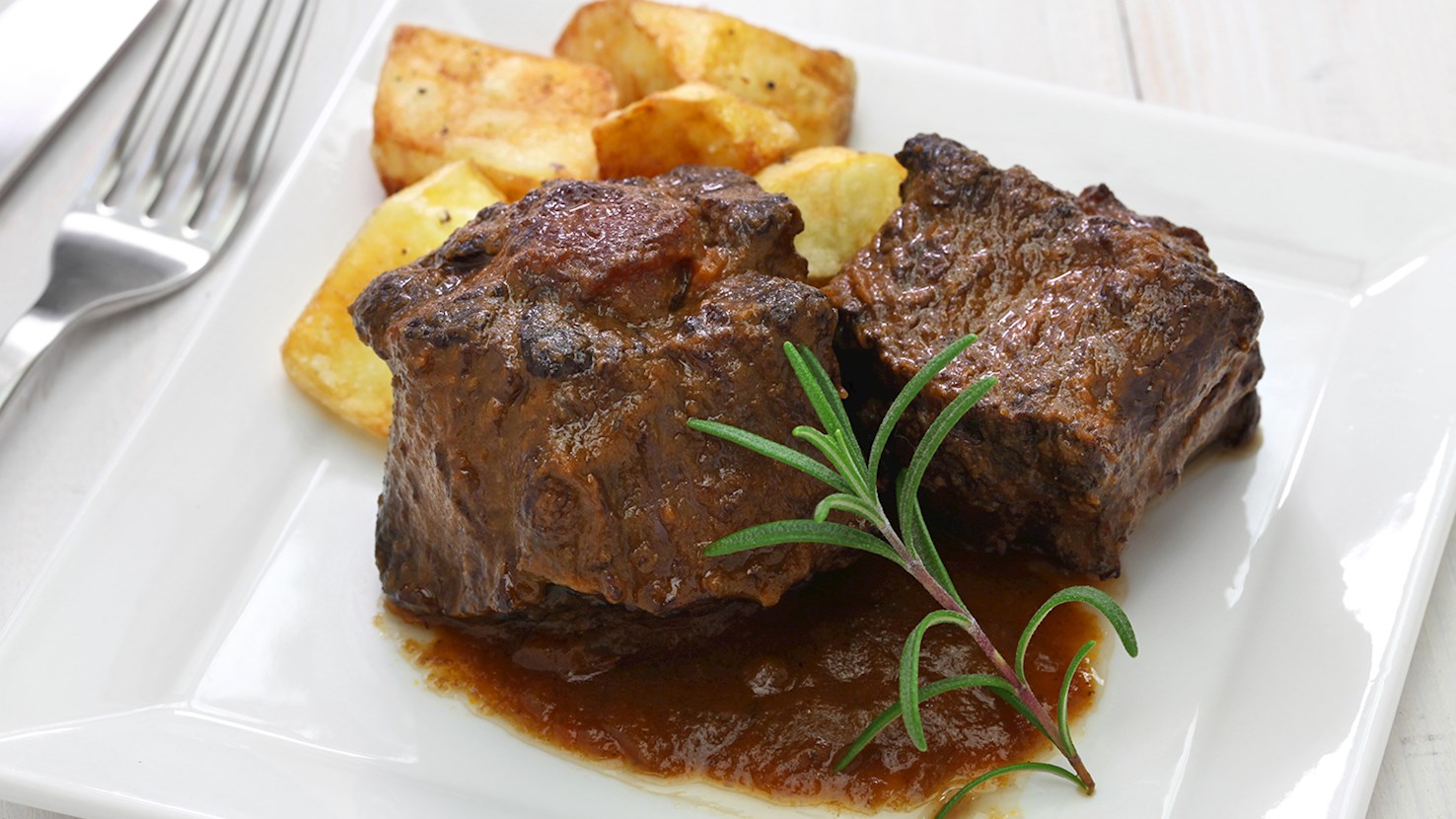
Rabo de toro is a traditional dish originating from Córdoba, although it's eaten throughout Andalusia. Each restaurant and region has their own recipe, but it's usually made with a combination of oxtail, olive oil, onions, garlic, carrots, celery, paprika, tomatoes, red wine, dry sherry, bay leaves, and parsley. Once cooked, this slow-braised stew is typically served with fried potatoes on the side. It is believed that rabo de toro dates back to Roman times, when the bull would be killed at a bullfight, and its tail would be braised and enjoyed in celebration. Nowadays, the dish is especially popular during the colder months of the year.
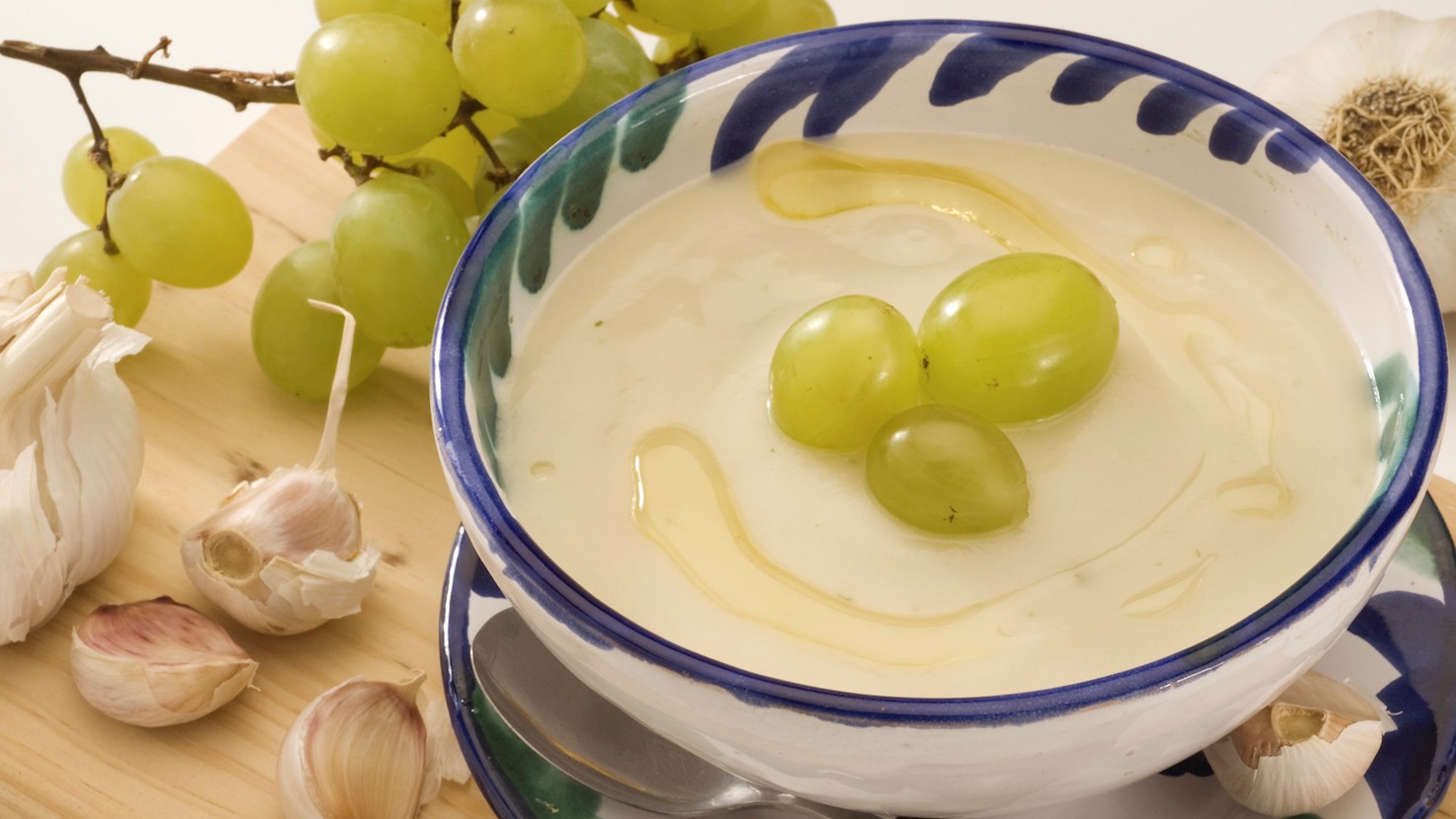
This Andalusian cold almond soup is known as the precursor of gazpacho; it originated during the Moorish middle ages, predating the arrival of tomatoes and peppers by several centuries. Ajoblanco traditionally consisted of a puréed mixture of stale bread that was moistened with vinegar and water, a hefty amount of fresh garlic, and almonds — the region's most abundant crop, but modern recipes also often include ingredients such as milk and green grapes. If available, always use Marcona almonds when making ajoblanco. The perfect starter for a summer lunch, this creamy soup is best enjoyed well chilled, drizzled with olive oil, and topped with toasted almonds.
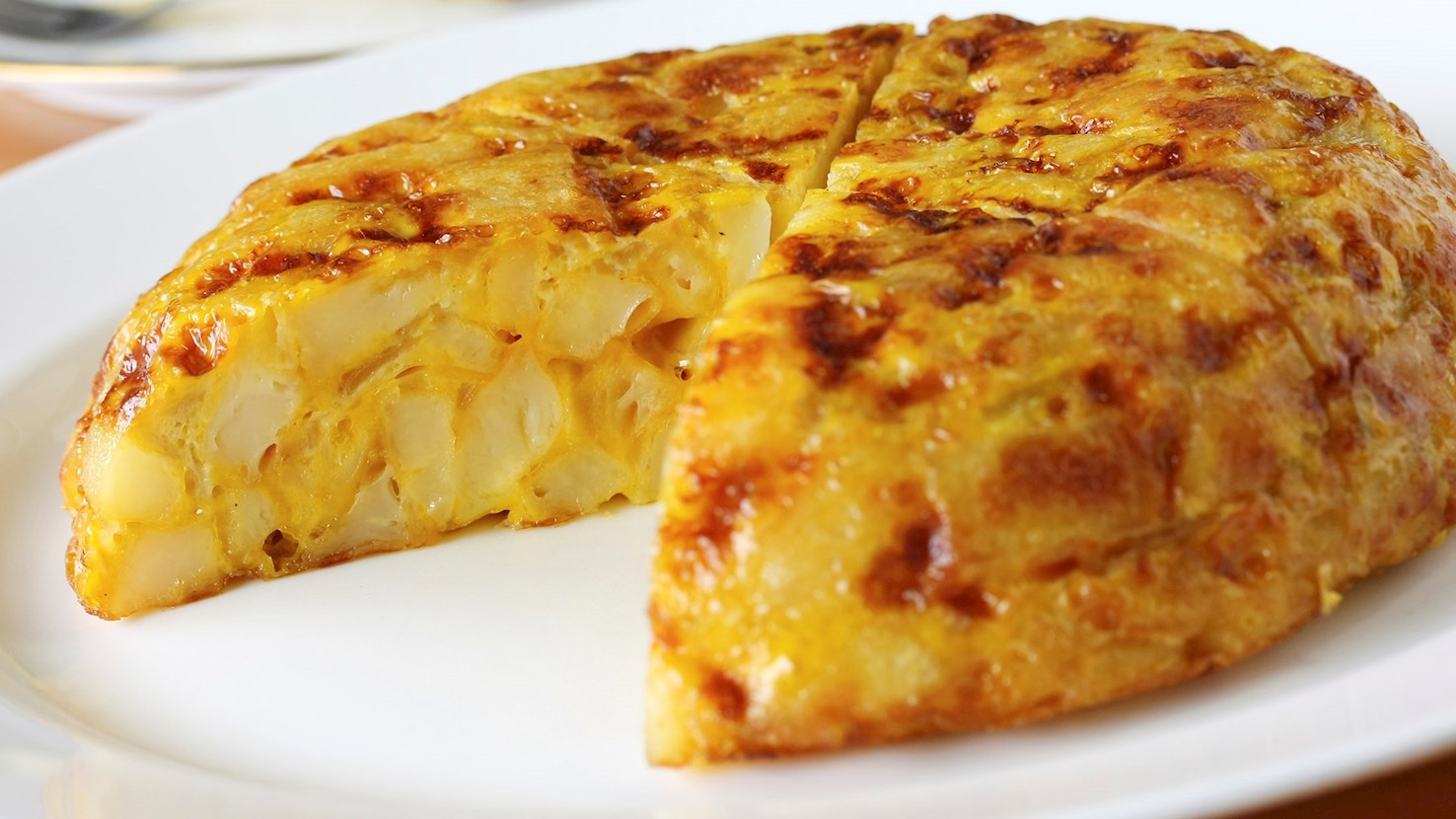
Tortilla de patata, often called Spanish omelette, is a dish from Spain made with little more than potatoes, eggs, olive oil and salt, sometimes enriched with onions depending on preference. It is one of the country’s most recognisable recipes, found in homes, markets and restaurants across every region. What began as a humble preparation using the most accessible ingredients has become a national emblem of Spanish cooking. The origins of tortilla de patata can be traced back to the 19th century, when the widespread cultivation of potatoes in Europe after their introduction from the Americas made them a cheap and nourishing staple. One of the most cited references comes from Villanueva de la Serena in Extremadura, where a local story credits the invention of the dish to a housewife who, during wartime scarcity, made a simple meal for General Tomás de Zumalacárregui using just eggs, potatoes, and a little onion. Zumalacárregui is then said to have popularised it among his troops during the First Carlist War (1830s), because it was filling, cheap, and easy to prepare. Over time, the dish spread beyond its rural beginnings and established itself in urban kitchens, taverns and eventually restaurants. Its reputation grew not through extravagance but through its comforting simplicity and consistency. The preparation is straightforward yet requires care. Potatoes are sliced or diced and gently cooked in olive oil until tender but not browned. They are then mixed with beaten eggs and cooked slowly in a pan until set, with the centre either firm or slightly runny depending on regional and personal tastes. The decision to include onions, a matter of constant debate in Spain, adds sweetness and depth but is by no means universal. Tortilla can be served warm or cold, cut into wedges or cubes, making it as suitable for a full meal as it is for tapas. It can be eaten at any time of day, whether as breakfast, a light lunch, dinner or a late-night snack. Its portability has also made it popular as a dish taken on picnics or eaten at festivals. Variations exist, such as tortillas filled with vegetables, ham or cheese, but the potato and egg base remains constant. Today, tortilla de patata is eaten everywhere in Spain, from cafés and bars to fine dining establishments that may reinterpret it in creative ways.
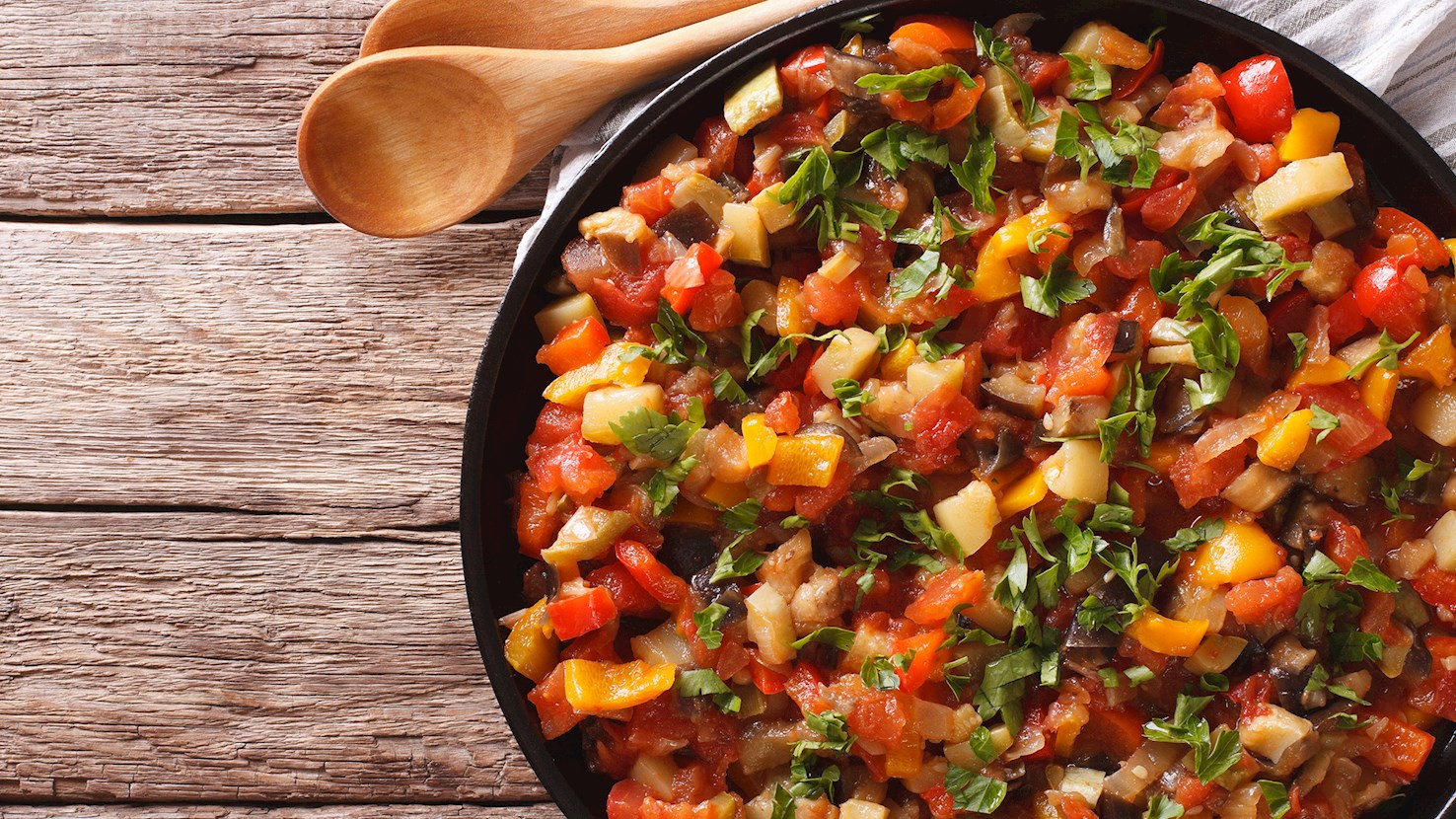
Pisto is a traditional dish from La Mancha, consisting of a variety of cooked and fried vegetables such as tomatoes, onions, bell peppers, and courgettes. It is very similar to the famous ratatouille. The dish can be served cold as a starter, or warm as a side dish. It is believed that pisto was introduced to Spain by the Moors, who used to call it alboronia. There are also numerous variations of pisto, with added ingredients such as potatoes, pumpkin, or ham.
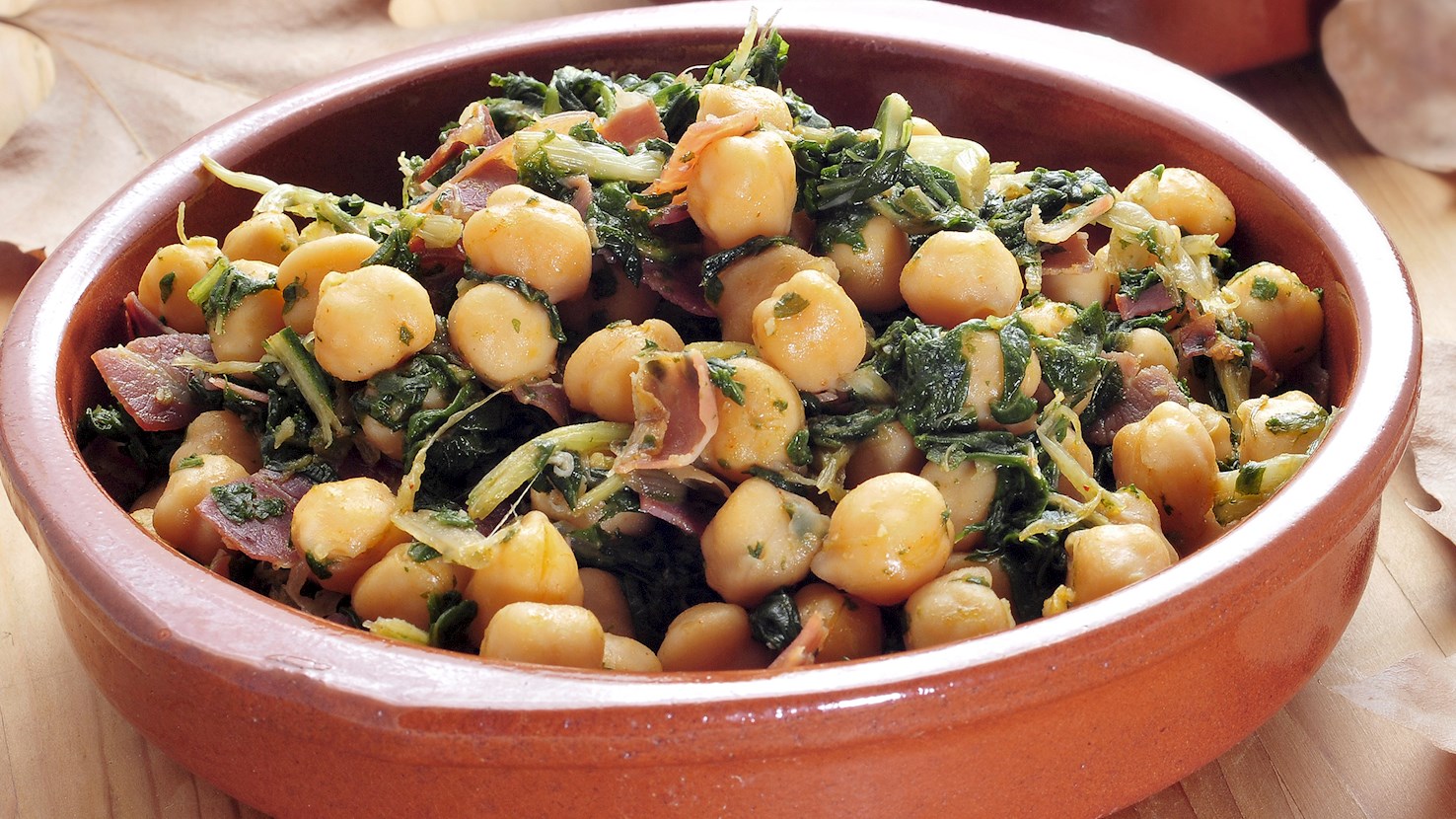
Espinacas con garbanzos is a nutritious Andalusian dish made with spinach and chickpeas as the main ingredients. There are many recipes and version of this vegetarian dish, but it is most commonly flavored with garlic, olive oil, tomatoes, paprika, vinegar, and cumin. Espinacas con garbanzos is served piping hot during the colder months in Spain, often with a wedge of fried bread on the side.
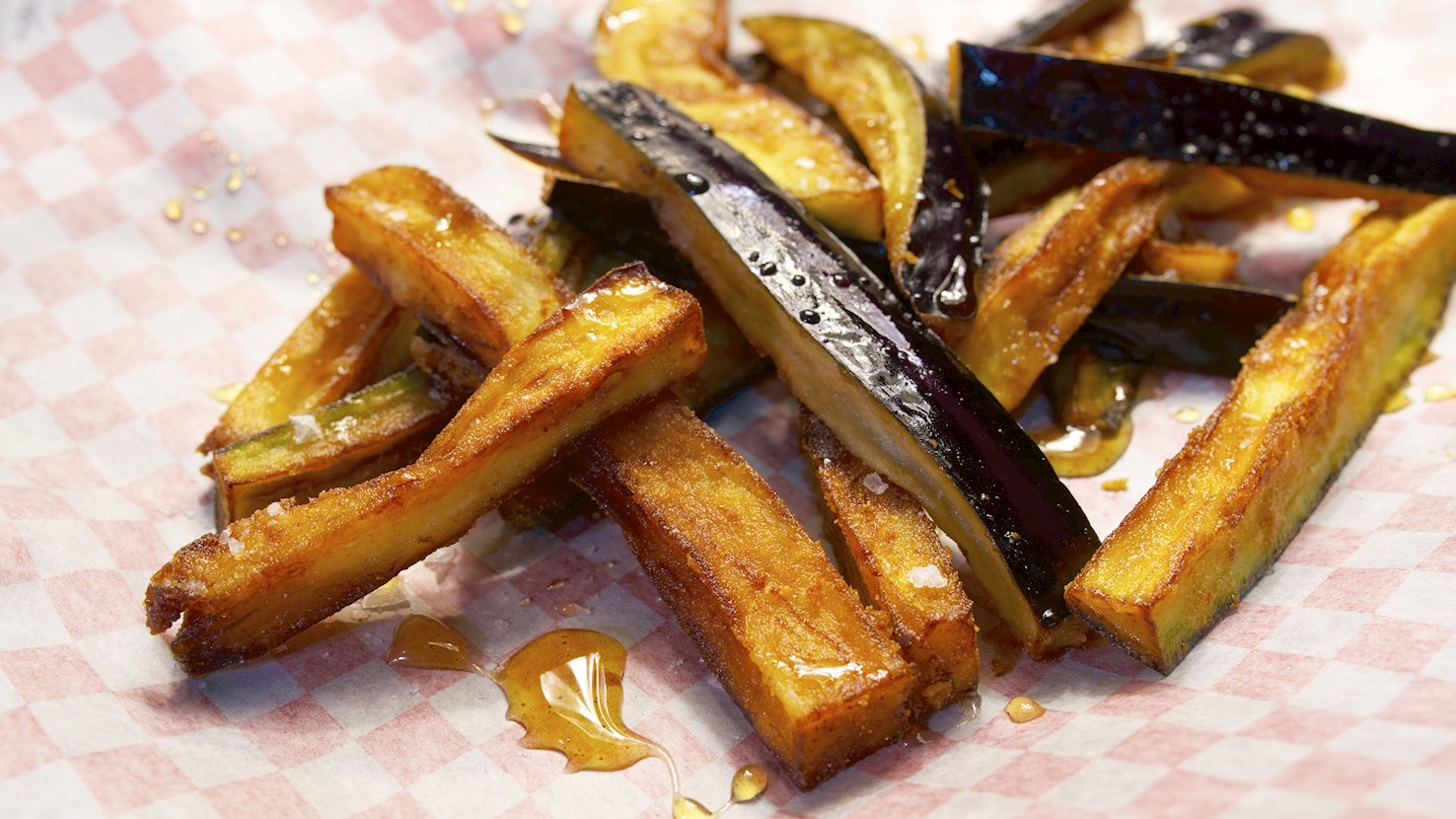
Berenjenas con miel de caña is a traditional dish originating from Malaga. The dish is made with a combination of eggplants, flour, olive oil, molasses, and salt. The eggplants are washed, cut into slices, then seasoned and left to macerate. The slices are then drained, rolled in flour, and fried in hot olive oil. Once fried, the eggplant slices are served immediately, with a bit of molasses on top. These berenjenas are usually enjoyed as a snack.
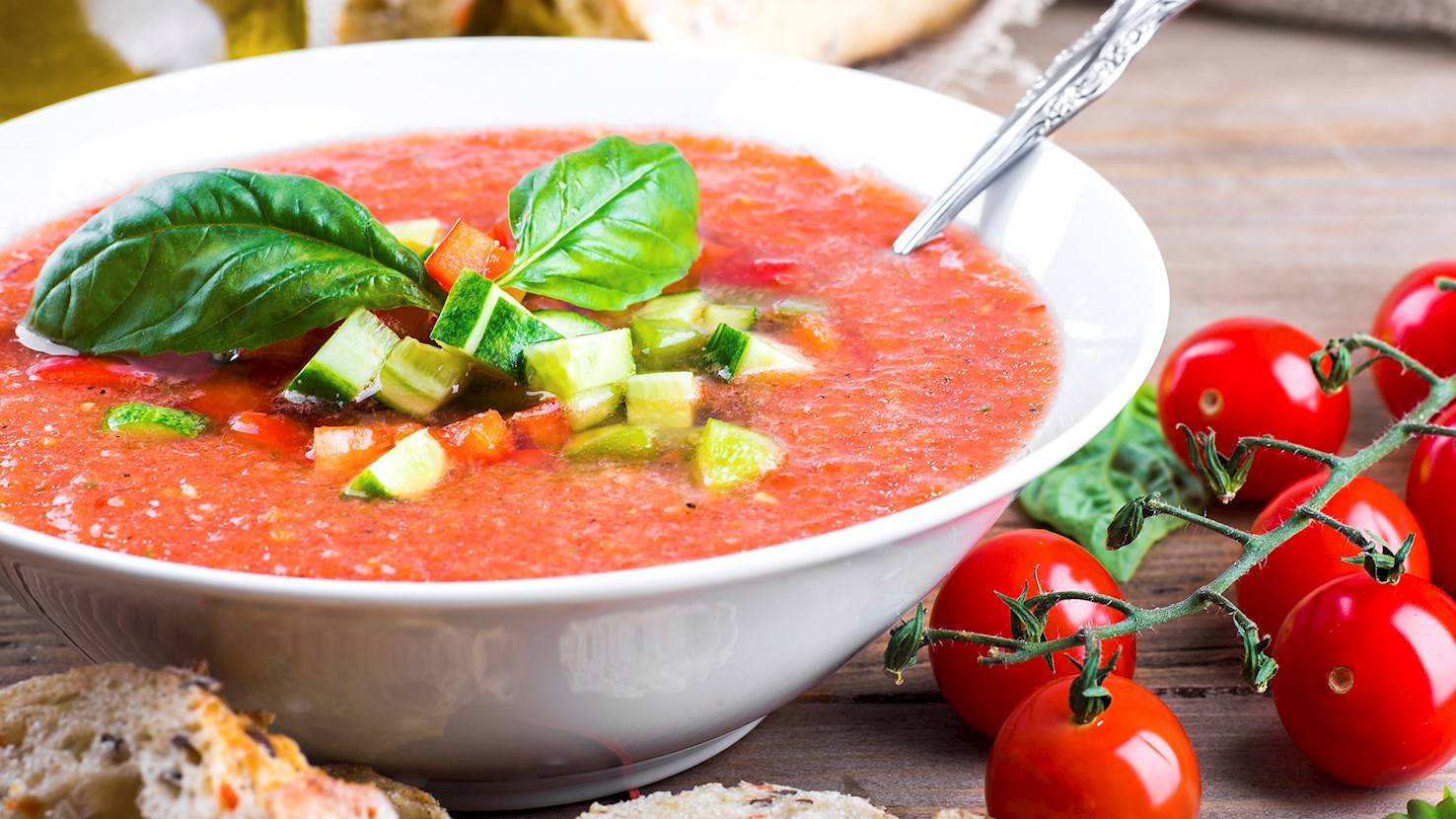
A perfect remedy for a hot summer day called gazpacho is a cold soup consisting of crushed tomatoes, finely chopped cucumbers, onions, peppers, croutons, vinegar, and olive oil. With the same level of familiarity as paella to the consumers worldwide, the soup's refreshing, cool and acidic flavors promote Spanish cuisine at its best. The dish began as a light lunch that the wives brought to their husbands in the field in order to cool them down from the hot summer sun. Shortly after, it began to be served at the end of big meals, although today it is a popular summer appetizer. Throughout Spain, there are a number of gazpacho varieties, such as gazpacho blanco (white gazpacho) or ajo blanco, a Málaga specialty made with garlic, bread, and almonds, with a garnish of green grapes. As the dish evolved, all kinds of ingredients started to be added to the soup, such as watermelon and cantaloupe. Regardless of the varieties, all gazpachos share a common thread of three key ingredients - bread, vinegar, and oil.
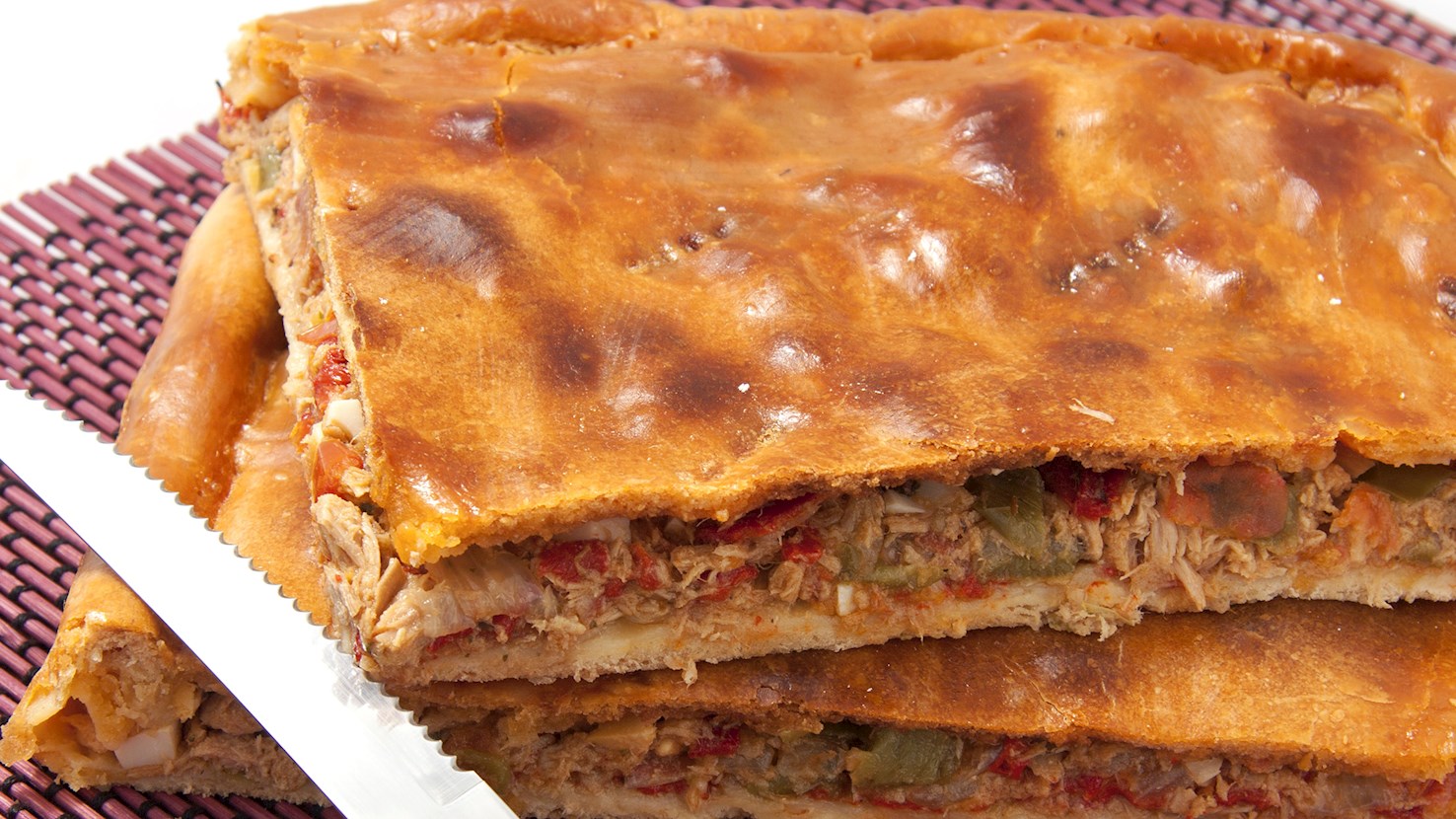
Best described as little pockets with hot fillings; empanadas are crescent-shaped, flaky pastry dough pies found throughout Latin America that are easy to prepare, inexpensive, and convenient. The name of the dish stems from the Spanish empanar, which literally translates to covered with bread or breaded. Empanadas are likely to have originated from Galicia, Spain, where they were prepared as a portable and filling meal for working people, providing energy and nutrients needed for a day of hard labor. Baked and fried until golden, they are usually filled with a variety of spiced meats and vegetables, depending on regional preferences. In Mexico, cornmeal flour and minilla (a spicy combination of chilis, olives, capers, and shark meat) is the most popular filling. In Chile, it is clams, mussels, and scallops, and in Bolivia, the filling consists of potatoes and eggs - in spicy or mild versions of the dish. Spain is famous for its empanada gallega, filled with a stew-like combination of pork or tuna and peppers. However, Argentina is considered by many to be the best place for empanada lovers worldwide, and they can be found everywhere - from street-food carts and local bakeries to fancy restaurants. Argentinian empanadas are rarely (almost never) eaten for breakfast. There are also sweet varieties of the dish, filled with dulce de leche or fresh pineapple cubes. A true international dish in every sense of the word, empanadas are so popular that there is even a Latin American Empanada Festival, celebrated each September in the Tucumán province in Argentina.
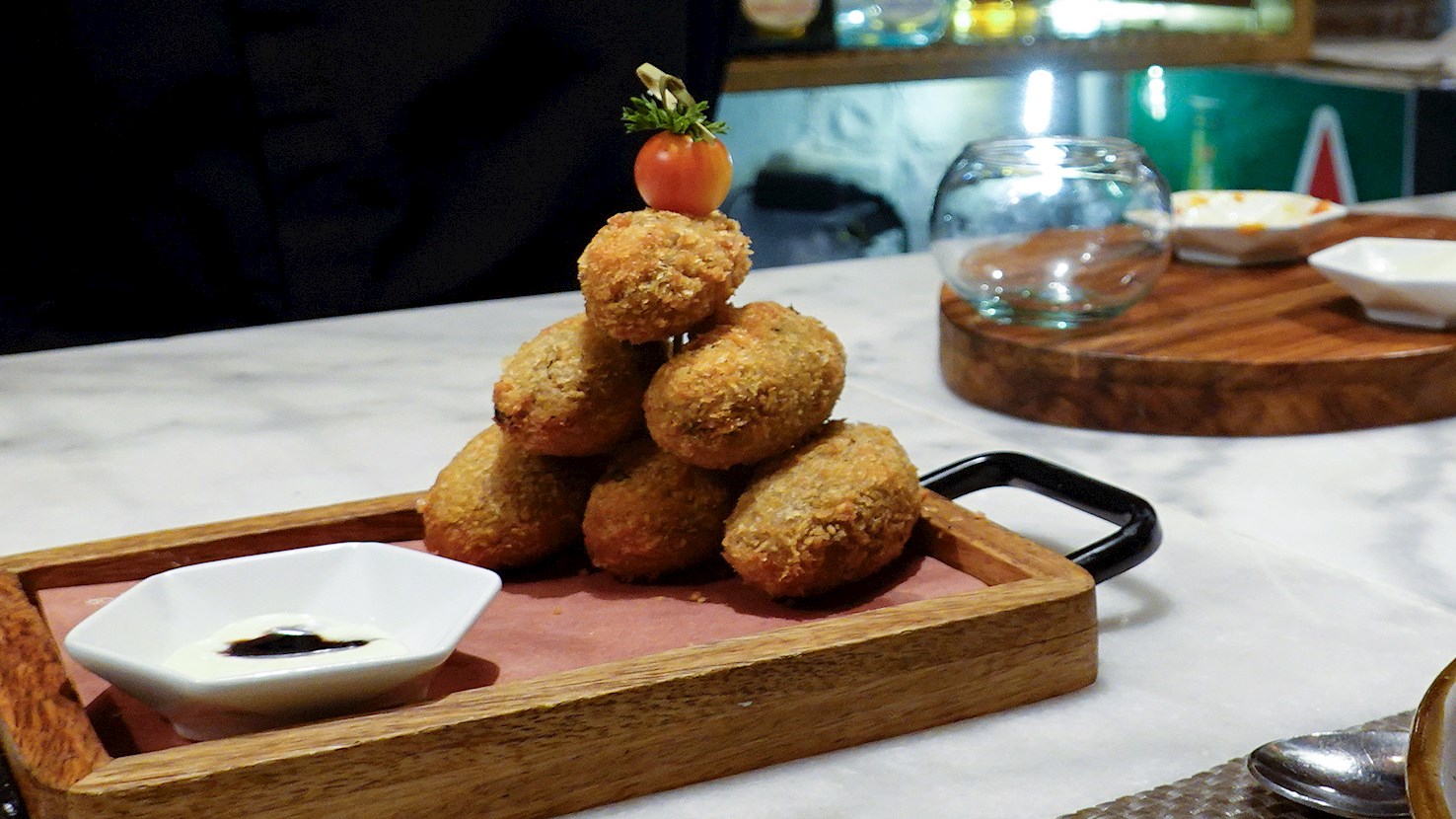
These traditional Spanish fritters are usually prepared with a buttery béchamel base that is well chilled and formed into round or cylindrical patties, which are then coated in egg wash and breadcrumbs, and finally fried until crispy and golden. Spain abounds in various types of croquetas, and the most popular versions incorporate ham or shredded chicken in the béchamel base, but other ingredients such as mushrooms, cod, or shrimp are also common. Though they originated as a frugal dish, which made use of leftover ingredients, today they are a classic that is often served as tapas—small finger foods that are usually accompanied by a few drinks.
TasteAtlas food rankings are based on the ratings of the TasteAtlas audience, with a series of mechanisms that recognize real users and that ignore bot,
nationalist or local patriotic ratings, and give additional value to the ratings of users that the system recognizes as knowledgeable.
TasteAtlas Rankings should not be seen as the final global conclusion about food. Their purpose is to promote excellent local foods,
instill pride in traditional dishes, and arouse curiosity about dishes you haven’t tried.



What People Say