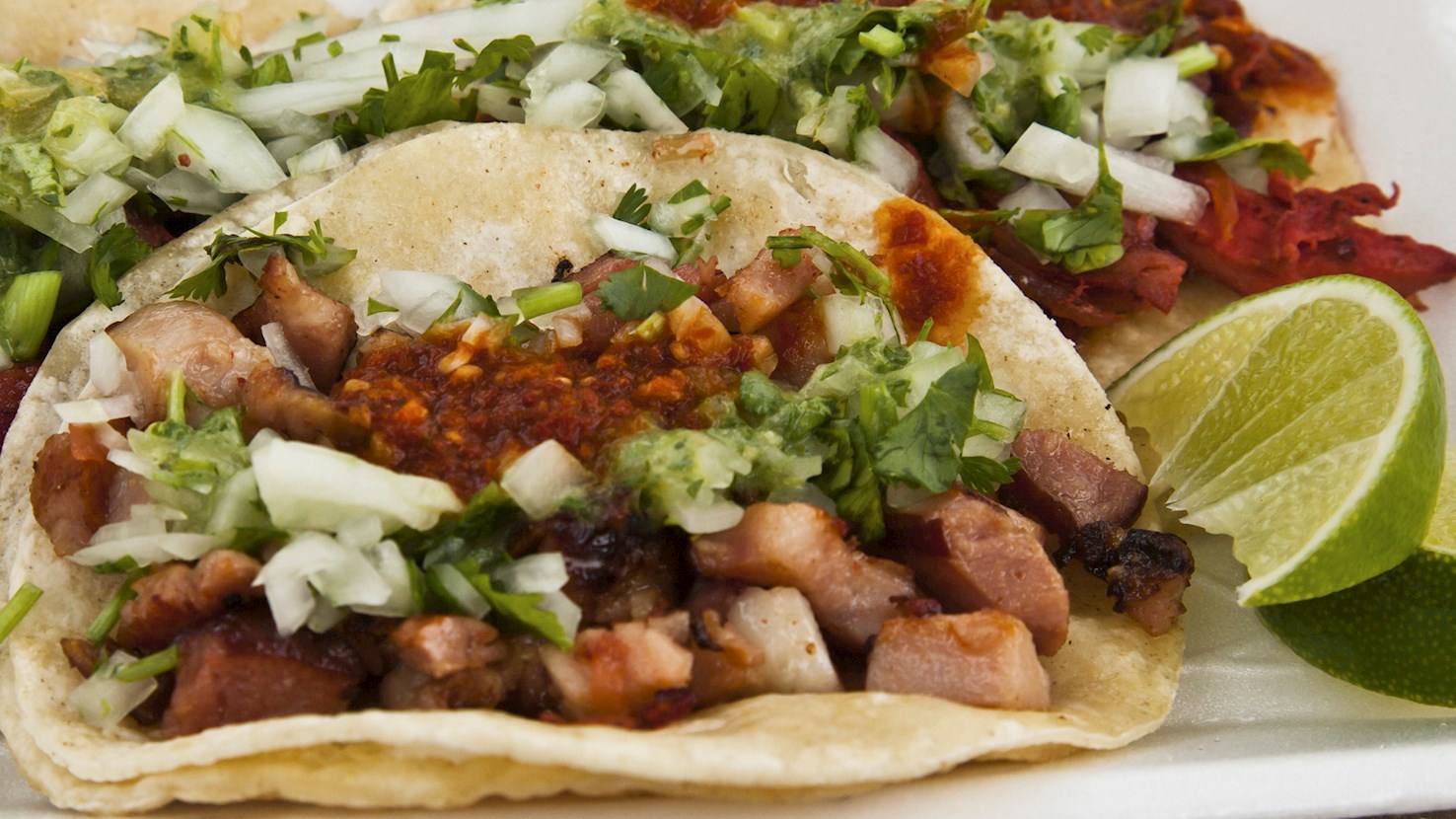
Tacos are the national dish of Mexico, dating back to the Mexican silver mines of the 18th century, when the word taco referred to gunpowder that was wrapped in a piece of paper and inserted into rocks. It was used to excavate the precious ore from mines and was called tacos de minero or miner's tacos. Today, the word is widely known to signify the leading street food and fast food item in Mexico – thin, flat griddle-baked tortillas topped with numerous fillings, folded and eaten without any utensils. A taco is basically anything eaten on a soft tortilla, and there is an infinite variety of them. In Sonora, in the north of Mexico, they eat the classic carne asada - thinly sliced meat grilled over coals and topped with salsa, onions, guacamole, and a lime wedge. In Baja, the topping consists of fried fish with cabbage and an acidic mayonnaise sauce. In Mexico City, sudados (sweated tacos) are the most popular option, filled with cooked and steamed meat. In Jalisco and Michoacan, they prepare carnitas, eaten in the morning or in the early afternoon, filled with deep fried pieces of pork that are sliced according to preference. Similar is the taco de cabeza, filled with pieces of cow's head that was steamed for a long time, and the customers can choose from slices of eyes, brains, tongue, lips, cheek, or ears. Tacos are mainly made of corn, except in the north, where wheat flour is used more often. They also differ in size, from the tiniest white tacos (blancas) to bigger ones, often made with blue corn. Most tacos come in pairs of two, in order to be able to hold all the flavorful and slightly wet ingredients. Some of them are fried until they become crispy and crunchy, in which case they're called tostadas. As anything can be a filling, there is a version made with fried veins from dried chiles, usually accompanied by salt, a tasty treat called tacos de venas. However, the standard is ground or shredded meat, cheese, potatoes, or vegetables and a topping of onions and coriander. Eaten at all times of day and night, one can find them on every corner in Mexico, in restaurants known as taquerias. Alternatively, they can be bought from numerous street vendors.
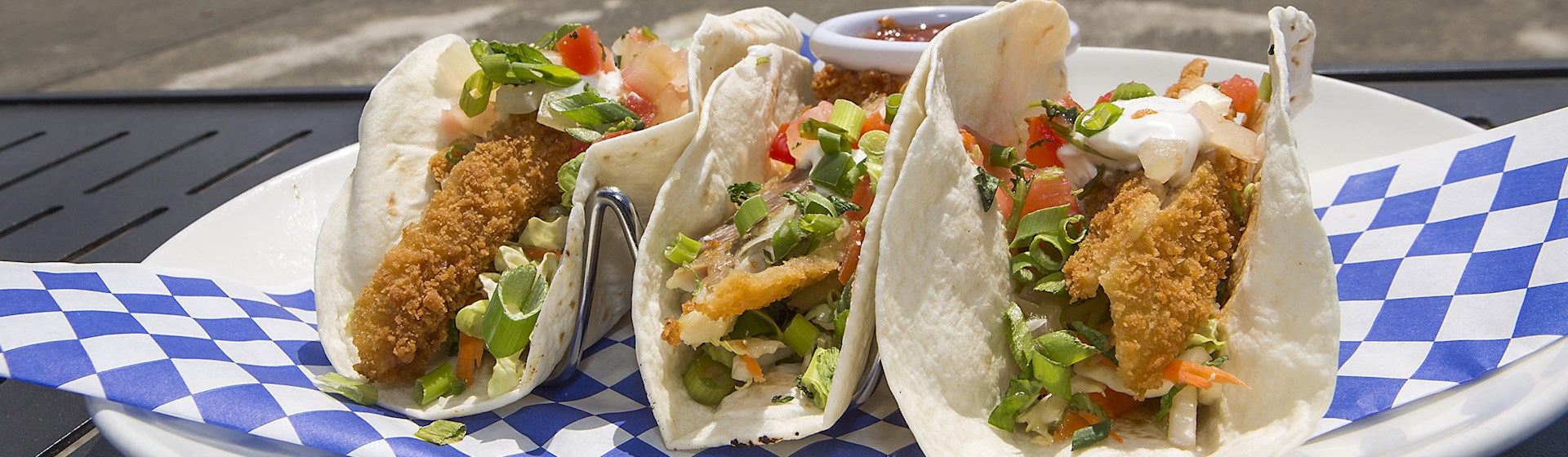
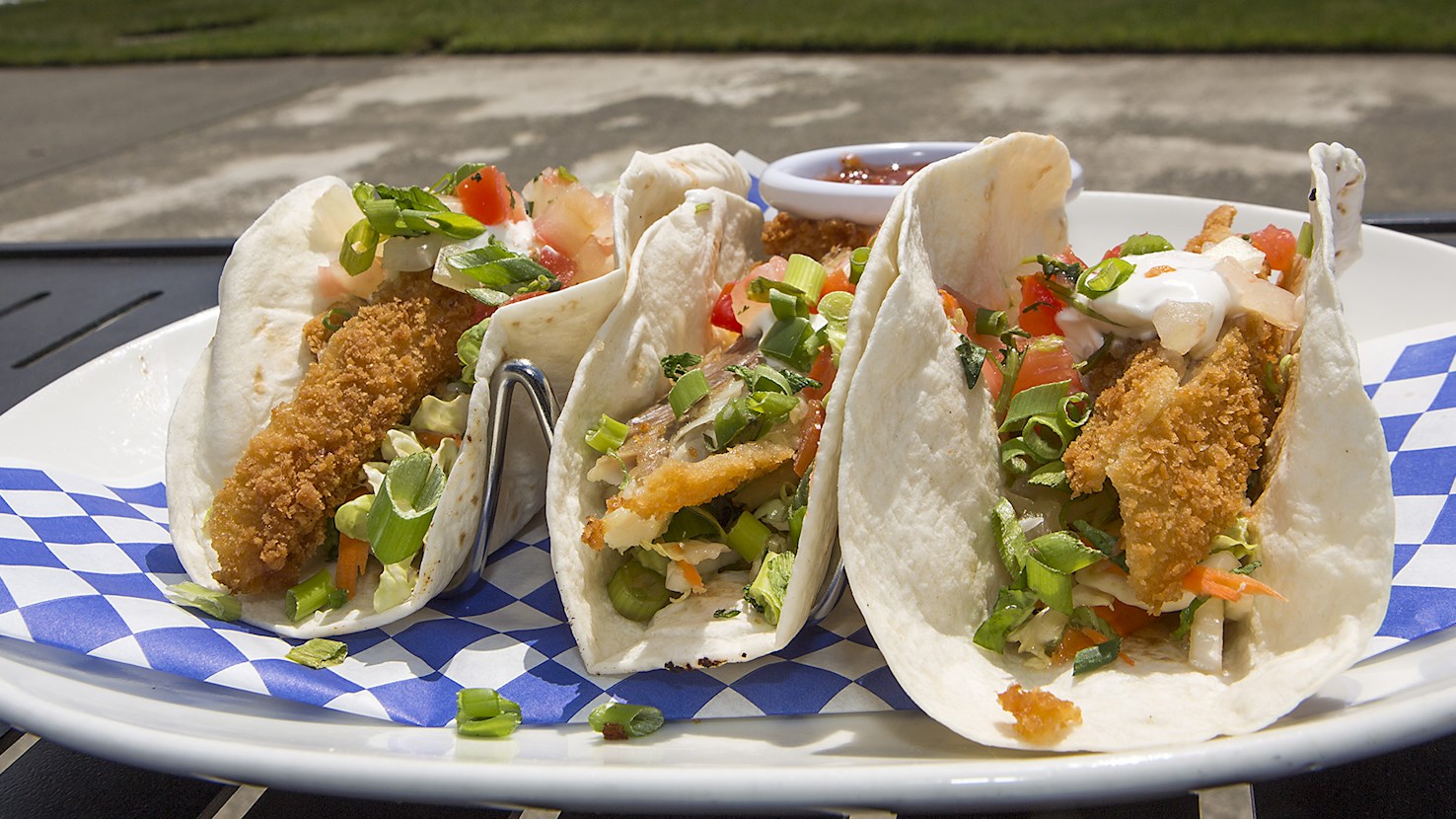
Tacos de pescado or fish tacos have origins in the Mexican region of Baja California. These corn flour tacos are filled with fried or grilled pieces of fish, vegetables such as cabbage or lettuce, and a topping of either sour cream or mayonnaise. The dish is also popular in the United States, especially in California, where it can be found at numerous street carts, served with cabbage and coleslaw.
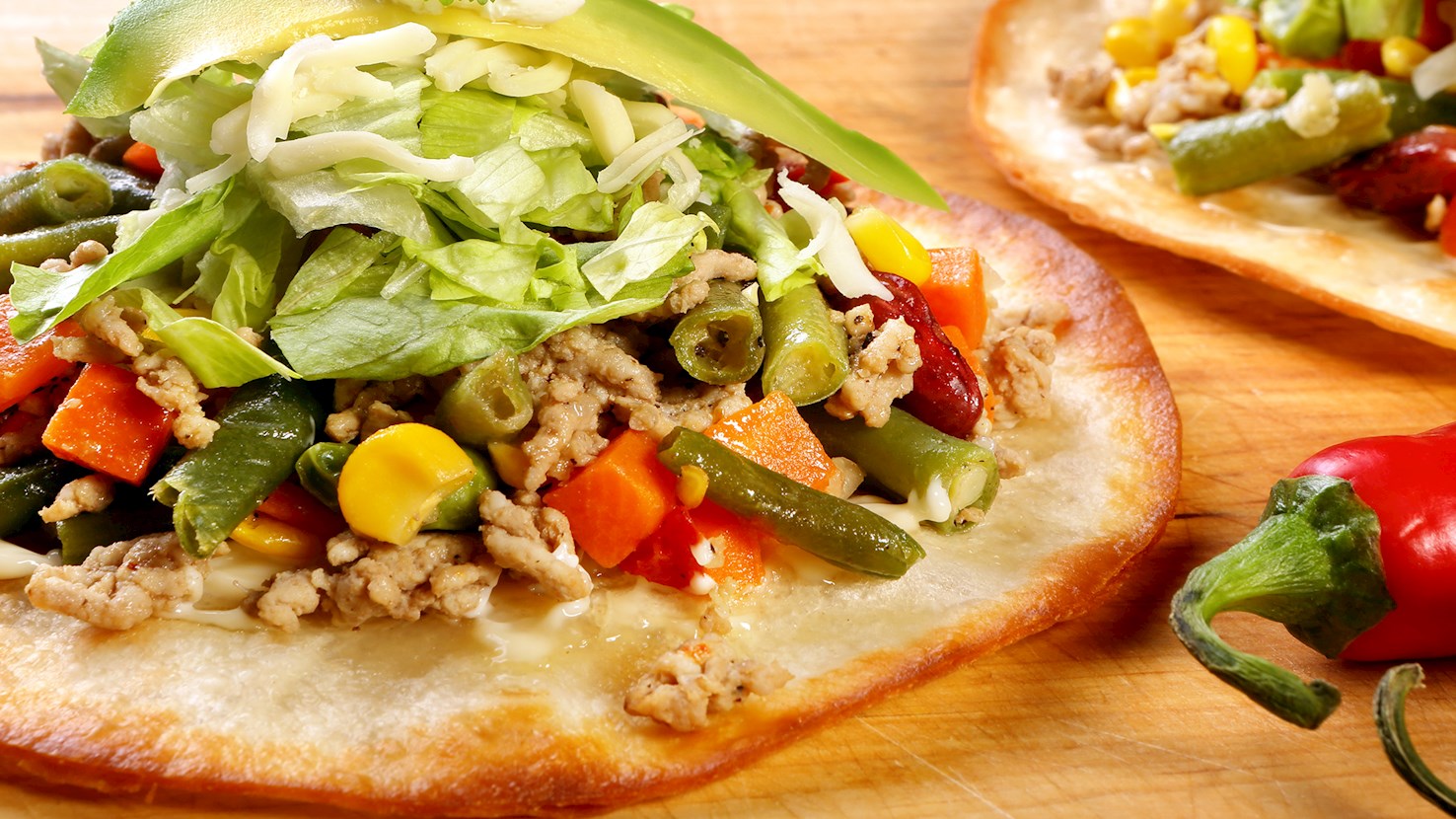
Tostada is a flat, crispy corn tortilla that has been deep-fried or baked, serving as a rigid, edible plate for an immense stack of savory ingredients. Crisping the tortilla requires careful moisture management; fresh, highly hydrated tortillas absorb too much oil and become chewy instead of crisp. Therefore, raw corn discs are deliberately dehydrated in the open air for several hours before being plunged into boiling vegetable oil or pork lard, ensuring that any remaining water violently bubbles away, leaving behind a perfectly rigid, golden-brown shell. When eaten, this brittle disk requires careful hand-held handling, taking small, strategic bites around the outer edges, as biting directly into the center immediately causes the entire structure to shatter. The architectural foundation of this meal relies entirely on a historical method of extending the life of stale maize. Thousands of years ago, across Mesoamerica, families recognized that tortillas left out for several days became too stiff to fold. Rather than discarding these dried remnants, they submerged them in hot fat or baked them on hot clay griddles, transforming the tough starch into a highly durable, crunchy, shelf-stable item. To create a tostada, a thick layer of mashed refried beans or smashed avocado is smeared across the flat surface, functioning specifically as an edible glue to anchor the subsequent layers. Piles of shredded chicken, slow-roasted pork carnitas, or spiced ground beef are pressed directly into the sticky bean paste. A massive canopy of crisp, shredded iceberg lettuce goes on top, followed by diced tomatoes, sharply acidic sliced radishes, and a heavy scattering of crumbled white cotija cheese. Heavy drizzles of tart sour cream and fiery red or green chili salsa finish the vertical stack. Because the heavy, moisture-laden toppings eventually soak into the crispy base, making it soggy, the loaded tortilla must be consumed immediately after assembly. Moving away from heavy beans and roasted meats, coastal environments completely alter the flavor profile by relying on fresh seafood. Raw fish cured in lime juice, chopped octopus, or boiled shrimp are piled onto the toasted maize, frequently swapping the heavy bean layer for a thin spread of mayonnaise to prevent the acidic citrus juices from instantly destroying the crunch. A highly specific variation known as tostadas de tinga stews shredded chicken breast and sliced white onions in a smoky chipotle and roasted tomato sauce, loading the wet mixture onto the shell to create a sweet, smoky, and spicy bite.
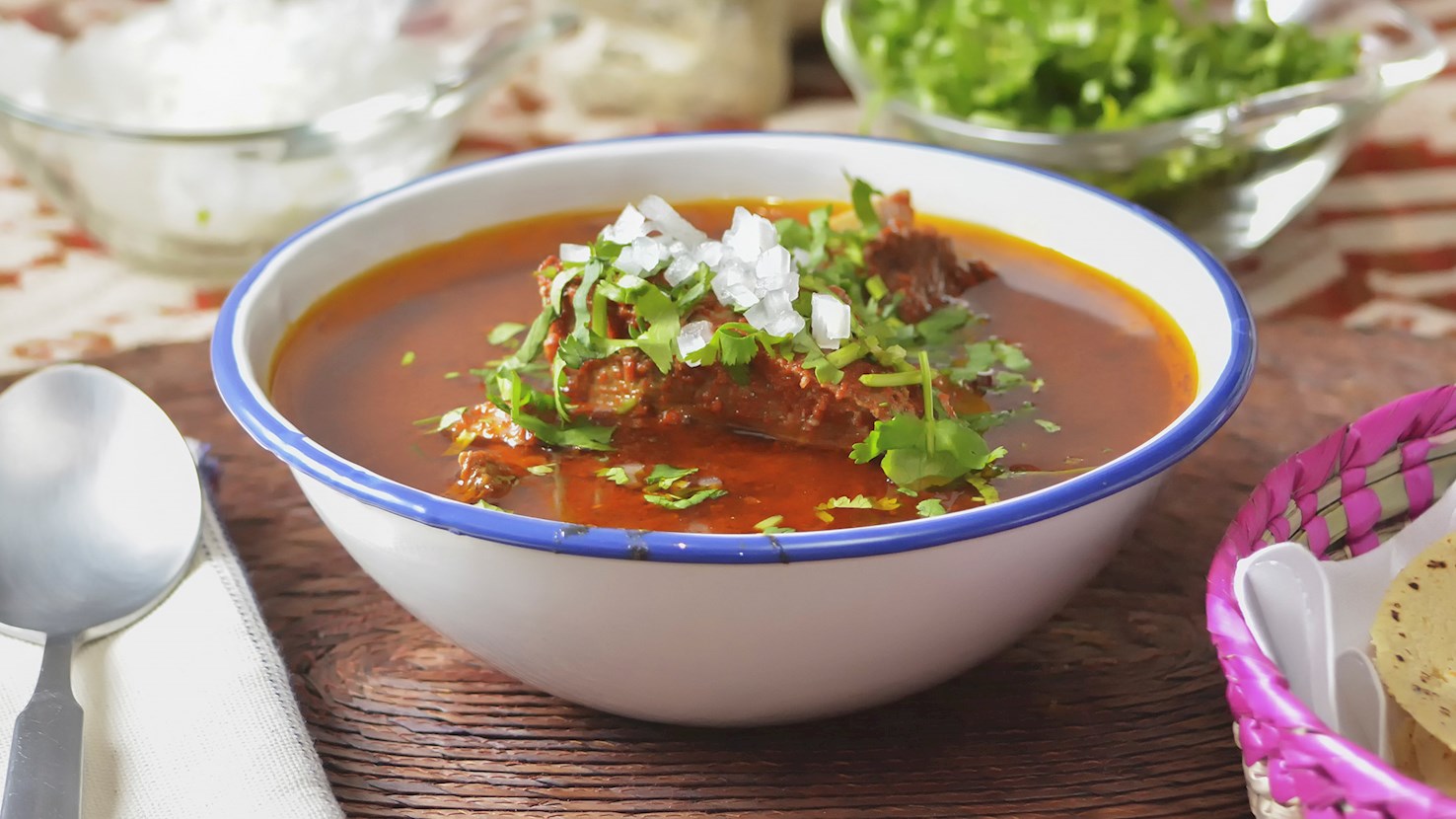
Birria is a traditional, slow-cooked goat (although it can also be made with beef, lamb, mutton, or chicken) stew originating from the Mexican state of Jalisco. Colloquially, birria means mess, used in context to refer to anything of inferior quality, indicating the working-class origins of this humble dish. The slow-cooking method ensures that the meat is extremely tender. Other ingredients in the stew include roasted chili peppers, garlic, cumin, bay leaves, and thyme. On street stands, known as birrierias, birria is served only in the mornings, since it has a reputation of being a great hangover cure. It is commonly served with corn tortillas and garnished with onions, coriander, and lime wedges, especially on Christmas, New Year, and wedding menus, where this flavorful stew is also commonly consumed.
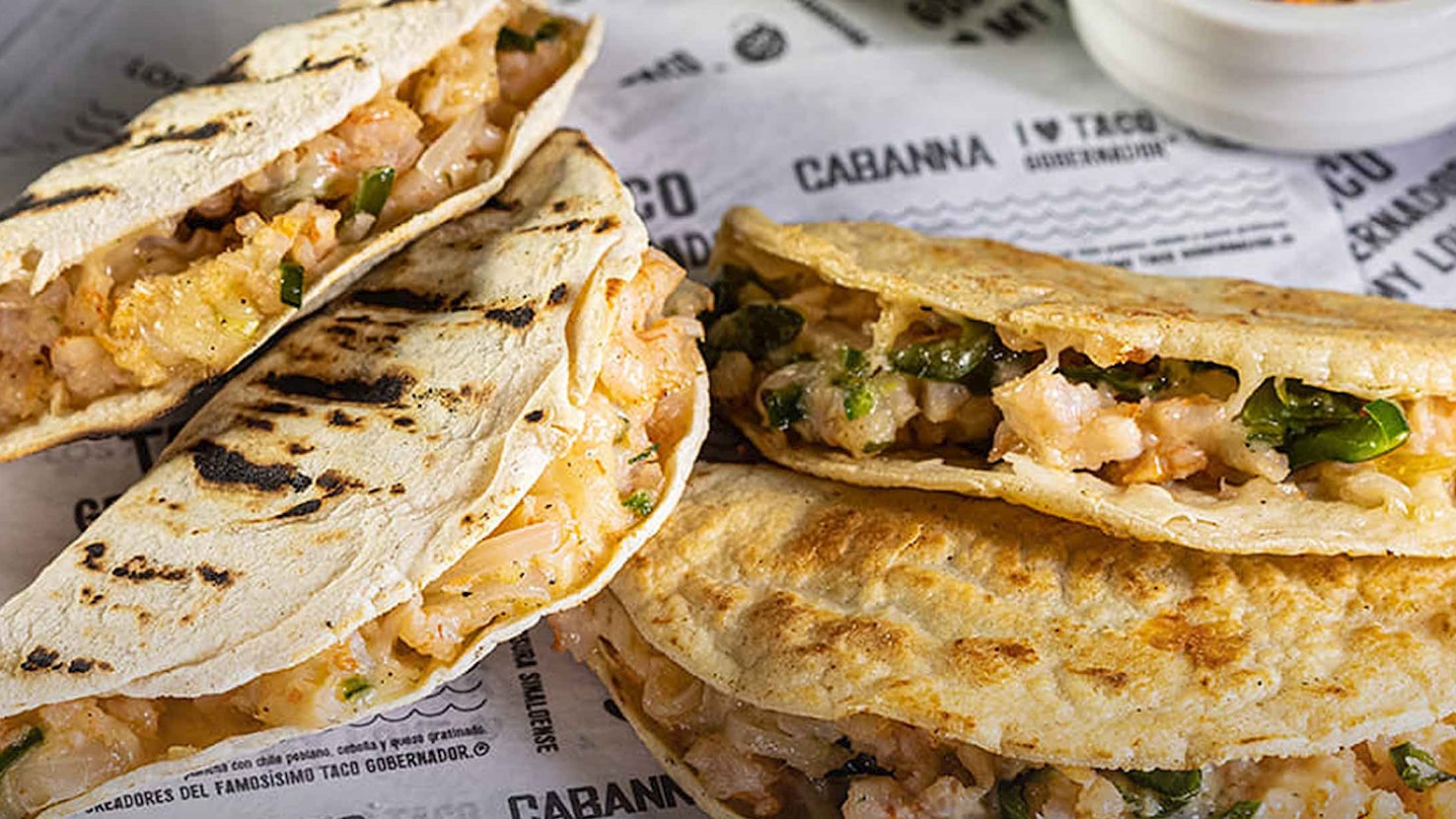
Tacos gobernador (lit. governor's tacos) are Mexican tacos named after a Sinaloan governor. In order to prepare the dish, warm tortillas are filled with a combination of shrimps, grated cheese, coriander, onions, and tomatoes. The tortillas are then folded in half, brushed with butter, and cooked on a griddle over medium heat. When served, tacos gobernador are often accompanied by lime wedges and hot chili sauce. Apart from Sinaloa, these tacos are also quite popular in Baja California.
TasteAtlas food rankings are based on the ratings of the TasteAtlas audience, with a series of mechanisms that recognize real users and that ignore bot,
nationalist or local patriotic ratings, and give additional value to the ratings of users that the system recognizes as knowledgeable.
TasteAtlas Rankings should not be seen as the final global conclusion about food. Their purpose is to promote excellent local foods,
instill pride in traditional dishes, and arouse curiosity about dishes you haven’t tried.



What People Say