These stuffed dumplings derived their name from the Polish word for filled dumpling: pieróg. This former peasant food evolved into one of Poland's favorite dishes. Every family has their own version of pierogi filling, and the ingredients that can be used are limited only by the imagination of the chef. Pierogi can be sweet, savory, or spicy, and the most common fillings include cheese, onions, ground meat, mushrooms, potatoes, and sauerkraut. The sweet versions commonly include various berries, such as strawberries or blueberries. Traditionally, these dumplings are served as the 12th course of a traditional Polish Christmas Eve dinner. As the entire meal must be meatless, the filling usually consists of mushrooms, cabbage, and sauerkraut. Although pierogi have been made since the 13th century, it is not known where they were originally created—the Poles, Romanians, Russians, Ukrainians, Lithuanians, and Slovaks all claim they should be credited as the inventors of the pierogi. Others claim that it was brought to the West by the Tatars, and some say that the original pierogi traveled from China and reached Europe through Italy. Despite all this uncertainty, one fact is indisputable—the word pierogi first appeared in print in the second half of the 17th century. Today, pierogi are extremely popular throughout the country, and can be found in numerous pierogarnia eateries on Polish street corners. Poland also celebrates National Pierogi Day every year on October 8th, while the city of Kraków boasts its own annual Pierogi Festival held on August 17th.
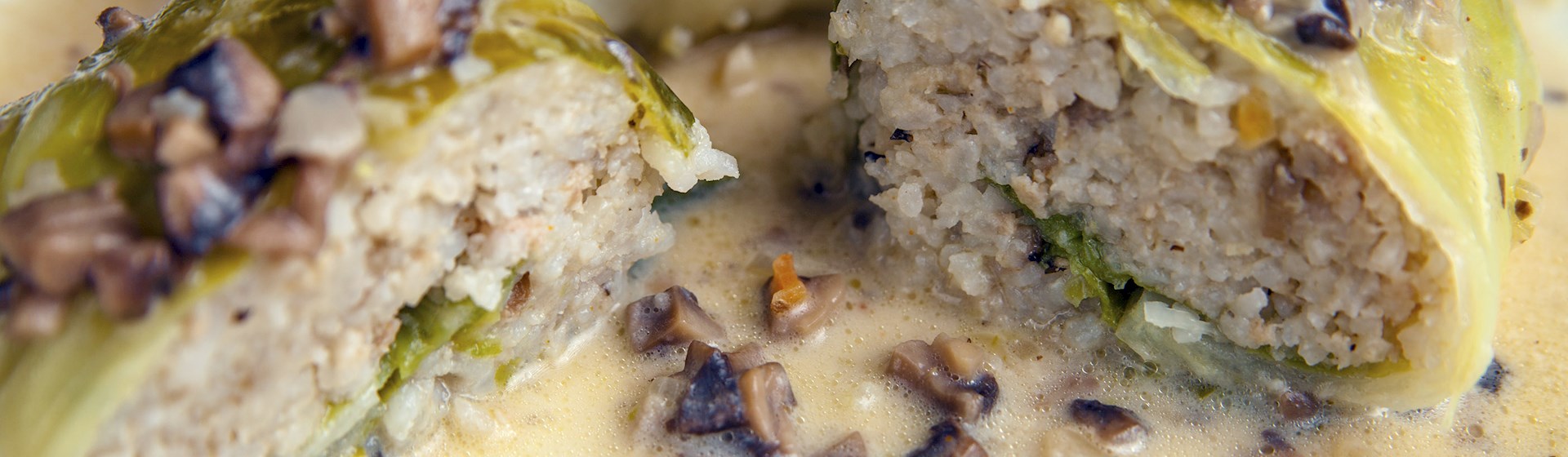
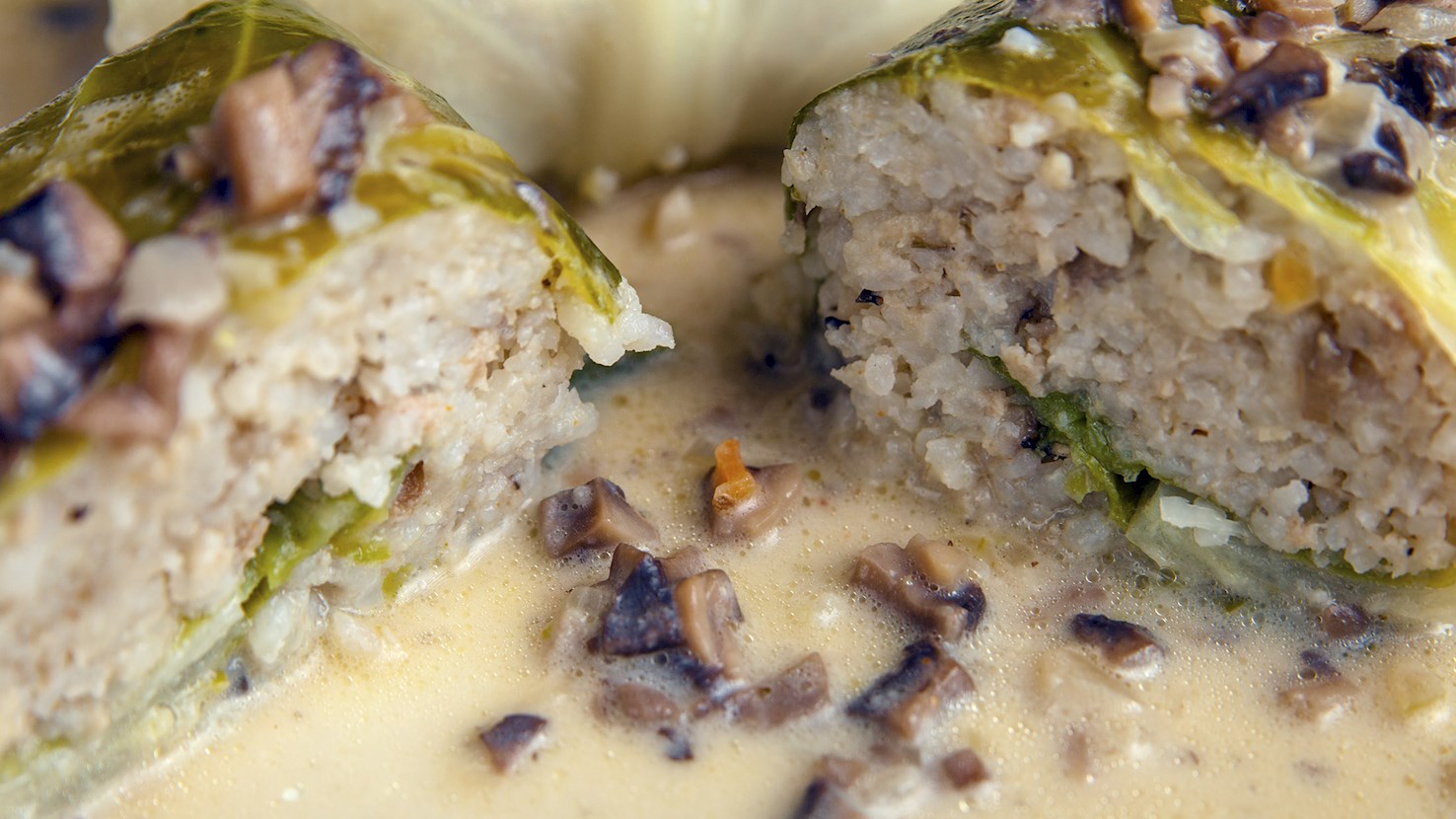
Gołąbki is a traditional dish consisting of cabbage leaves stuffed with a combination of minced meat and rice. The whole concoction is then rolled and cooked in a mushroom or tomato-based sauce. Gołąbki means little pigeons in Polish, referring to their compact shape and size. The dish is often served during the festive season, garnished with fresh herbs and sour cream, while mashed potatoes are typically served on the side. It is believed that King Casimir IV and the Grand Duke of Lithuania fed their troops with this comforting, hearty dish before they went into battle, which consequently ensured their victory. Today, the dish is also popular in the United States of America, especially in the Polish-American communities.
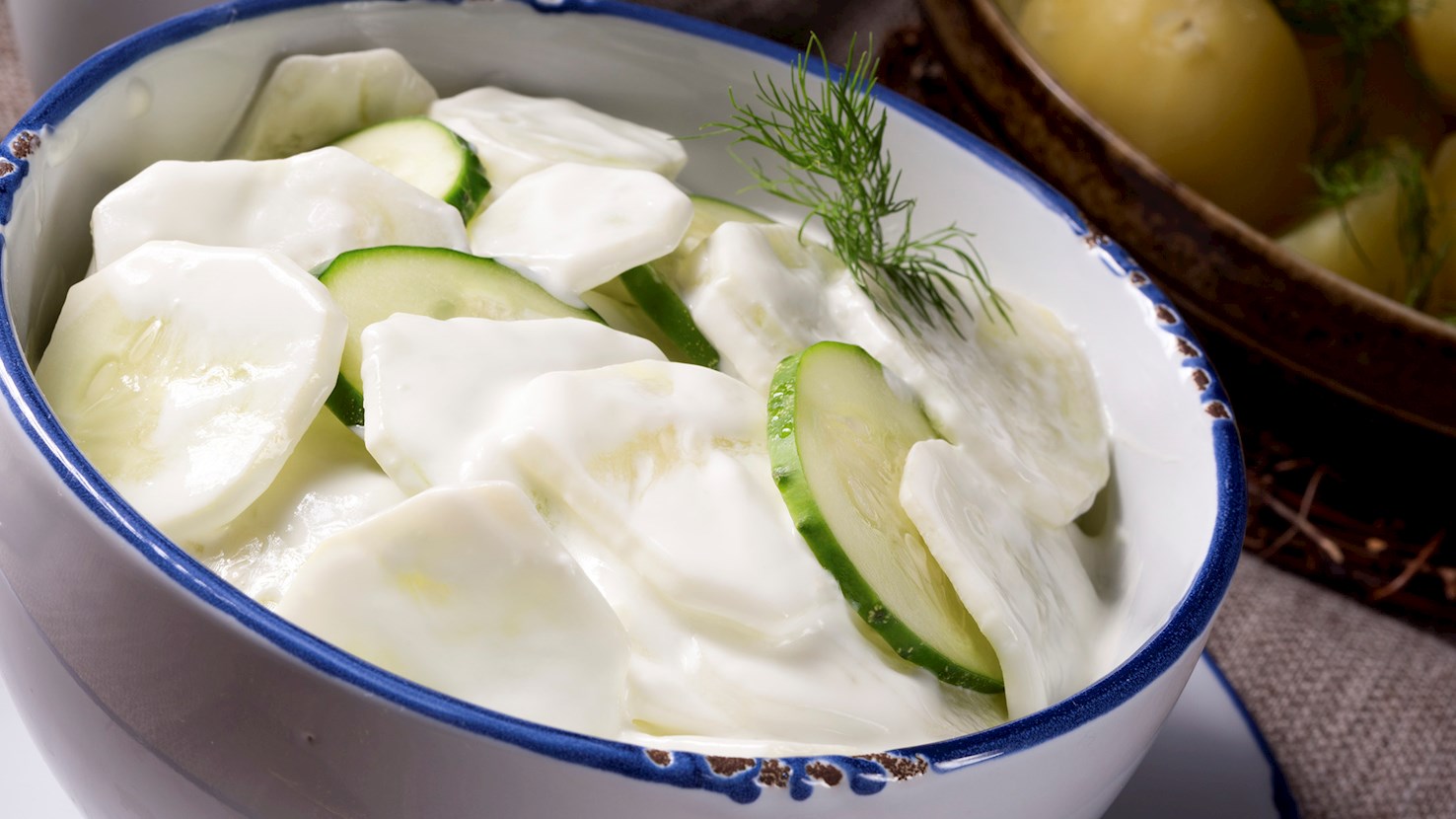
Refreshing and easy to make, mizeria is one of the most famous Polish salads. It consists of thinly sliced cucumbers that are seasoned with salt and pepper, then mixed with creamy sour cream or yogurt. The essential part of mizeria is a handful of freshly chopped dill, one of the favorite herbs used in Polish cuisine. Optional ingredients might include a squeeze of lemon juice, onions, parsley, mint, and some even suggest a sprinkle of sugar. It is usually consumed during summer, but it can occasionally be prepared even when the cucumbers are not in season. Mizeria is a perfect accompaniment to hearty and nourishing dishes such as meat cutlets, or any rice or potato-based dishes. The name of the dish translates to misery, and although the origins of the name are not familiar, it is believed that the name was given as a joke, and somehow it stuck with this crunchy and creamy Polish salad.
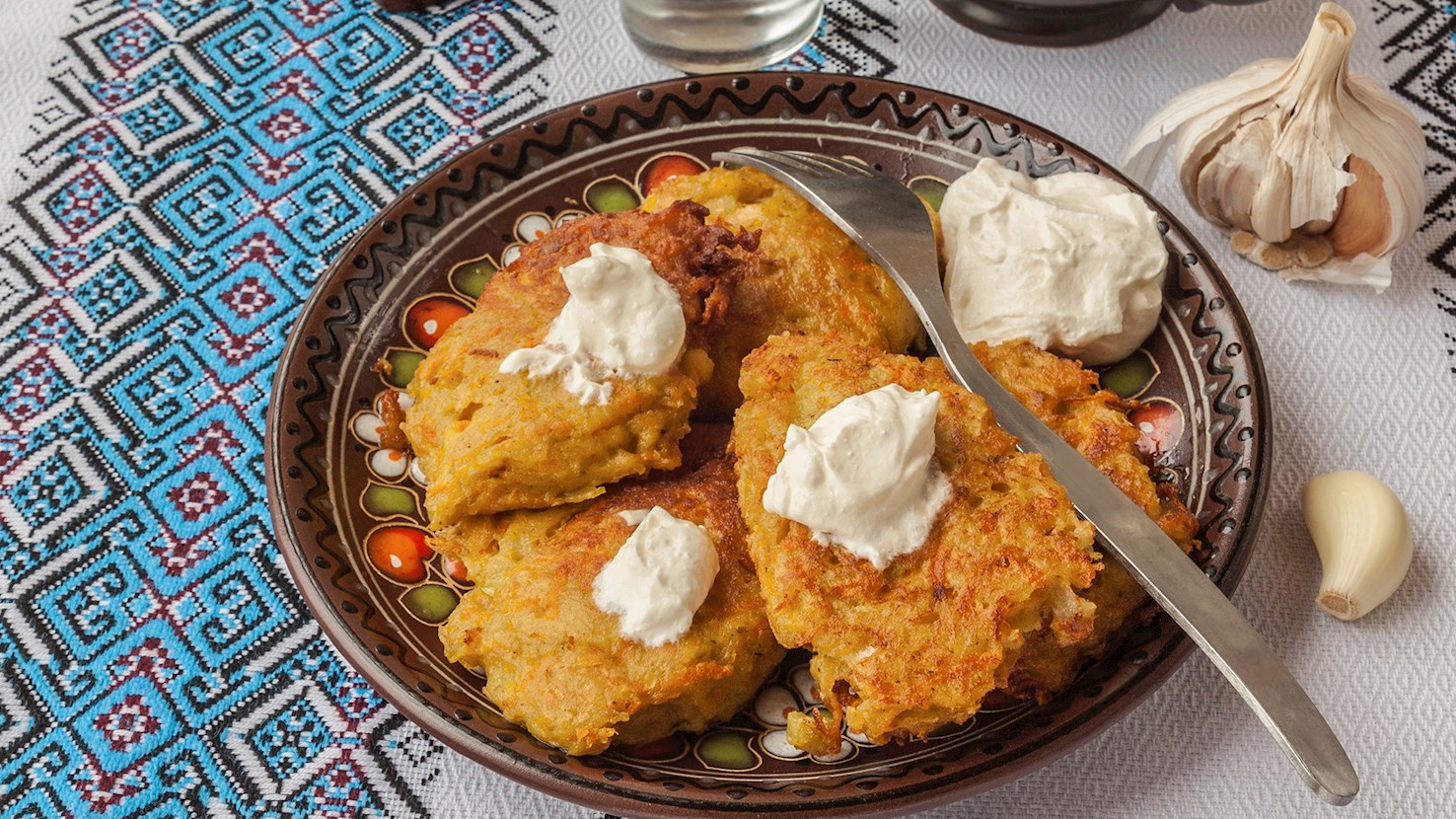
Placki ziemniaczane are the well-known potato pancakes, a common and straightforward dish enjoyed in all parts of Poland. The combination of grated potatoes and onions, incorporated with eggs and occasionally flour, form the base of the dish. It is highly versatile, and it can be adapted with crushed garlic or spices such as marjoram, parsley, and chives, to satisfy every taste. Potato pancakes are round and small in size, similar to American pancakes, and usually fried in shallow oil. With dark and crispy skin and spongy and soft interior, this quick and adaptable dish is a staple in every Polish household. Even though Polish regard them as a national dish, slightly different varieties of potato pancakes can be found across Central and Eastern Europe. Their exact origin is hard to trace, but in all regions and countries, they represent one of the most popular traditional dishes. In Poland, they are usually served with sour cream, which can be elevated with chives, paprika, and horseradish, or a satisfying mushroom sauce. These crispy potato clusters are often consumed as a sweet treat when they are usually topped with thick applesauce or simply sprinkled with sugar. They are eaten for breakfast, lunch, or dinner, and make an excellent and quick sweet or savory snack.
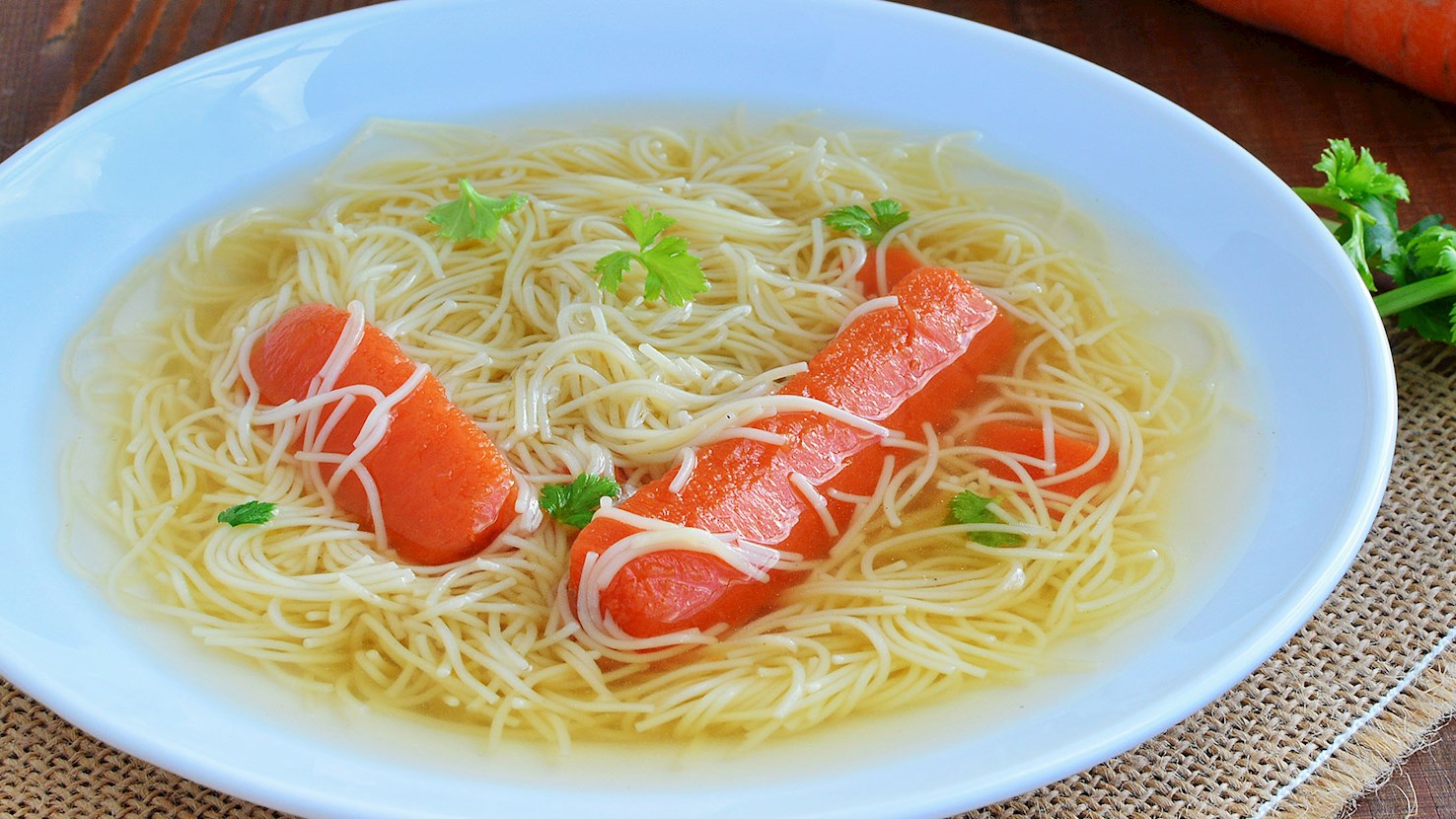
Comforting rosół is a traditional meat soup. Even though the chicken version, called rosół z kury, is the most famous variety–beef, veal, turkey, or mixed meat broths are also quite frequently prepared throughout the country. Pork should never be used since it results in an opaque broth. Rosół is usually made with meat that is left on the bone, which contributes to the overall taste. The meat is cooked in cold water with a variety of vegetables such as carrots, celery, and mushrooms. It is typically lightly seasoned with salt, pepper, and bay leaves. When the dish is cooked, chopped parsley and thin noodles are added to the dish. Polish tradition suggests that the meat should be left out, but it is sometimes separately chopped and added to the soup. Rosół is regarded as a Polish national dish, equally praised as a starter served in traditional restaurants and also as a hearty and soothing home classic, usually cooked and served on the weekends.
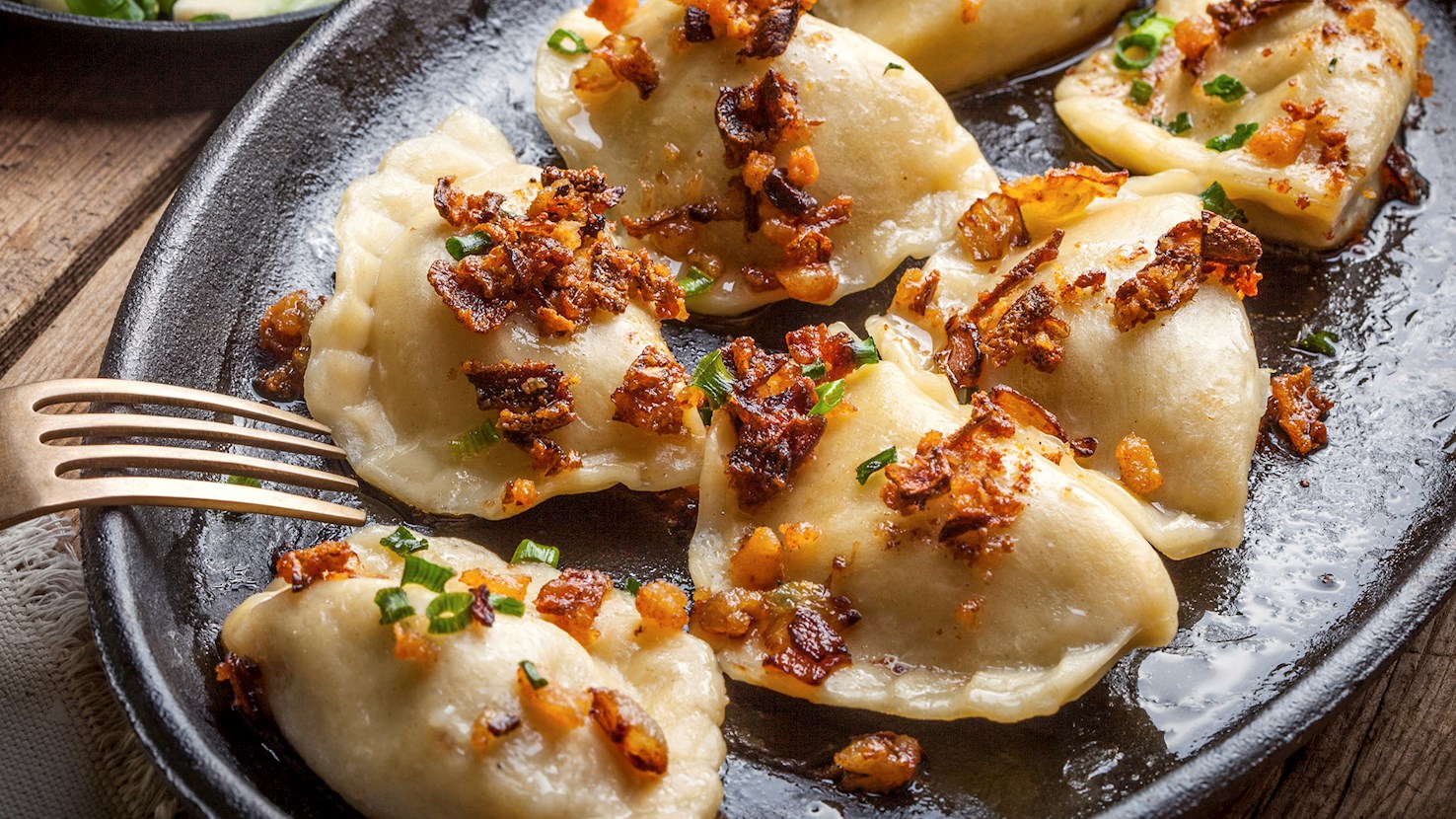
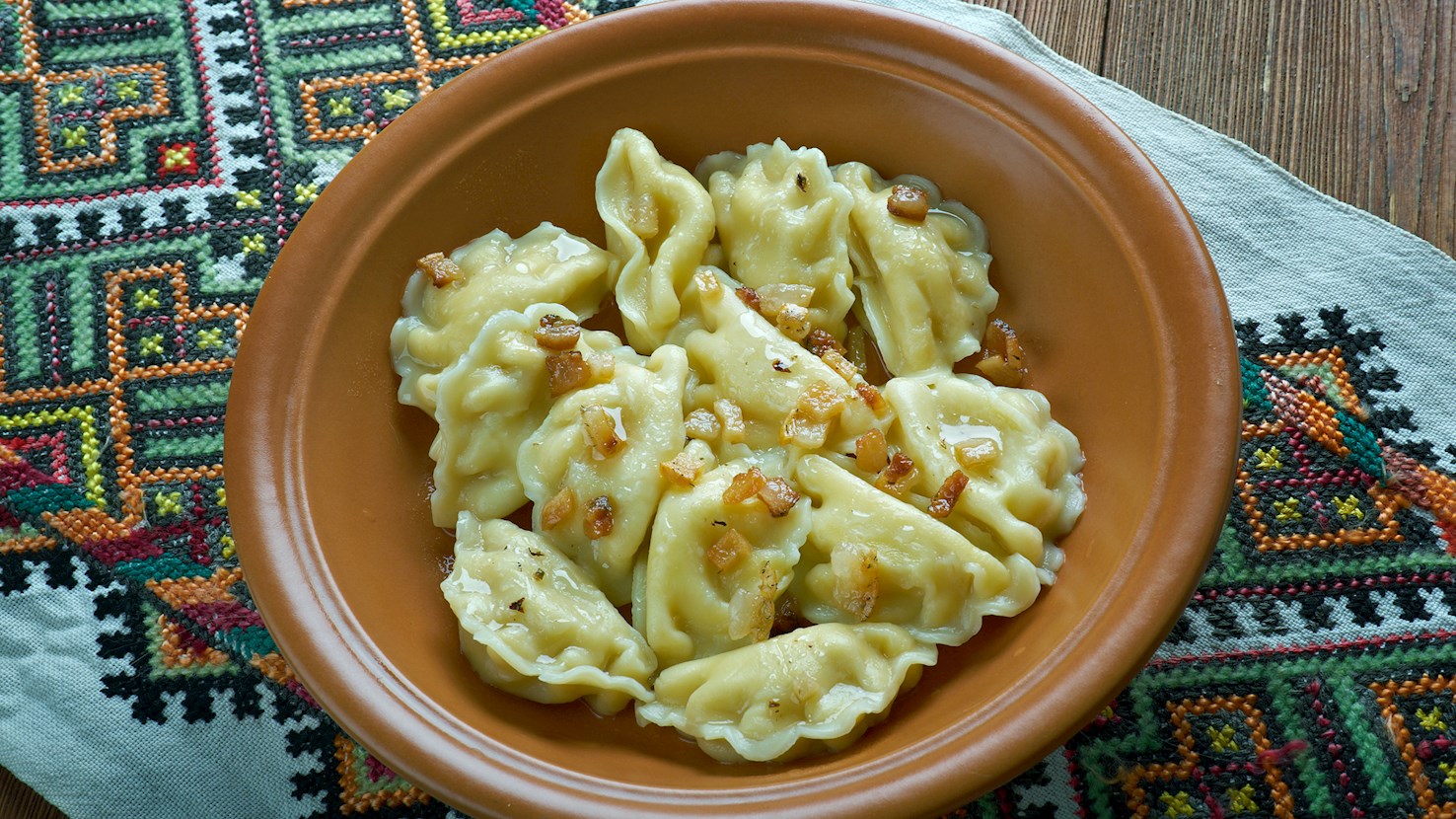
Originating from the historical region of Red Ruthenia, these soft, crescent-shaped dumplings are filled with a combination of potatoes and cheese, which is occasionally modified with various seasonings or fried onions. Pierogi ruskie are usually boiled and shortly fried until they develop a crispy texture. The dumplings are often served sprinkled with cracklings, crispy fried onions, or bacon, and can be enjoyed as a hearty appetizer or as a main course. In Ukraine, the pierogis are called varenyky, and they are so popular that there is even a monument celebrating varenyky in the city of Cherkasy. The sweet, fruit-filled version of varenyky is typically served with sugar and sour cream.
TasteAtlas food rankings are based on the ratings of the TasteAtlas audience, with a series of mechanisms that recognize real users and that ignore bot,
nationalist or local patriotic ratings, and give additional value to the ratings of users that the system recognizes as knowledgeable.
TasteAtlas Rankings should not be seen as the final global conclusion about food. Their purpose is to promote excellent local foods,
instill pride in traditional dishes, and arouse curiosity about dishes you haven’t tried.



What People Say