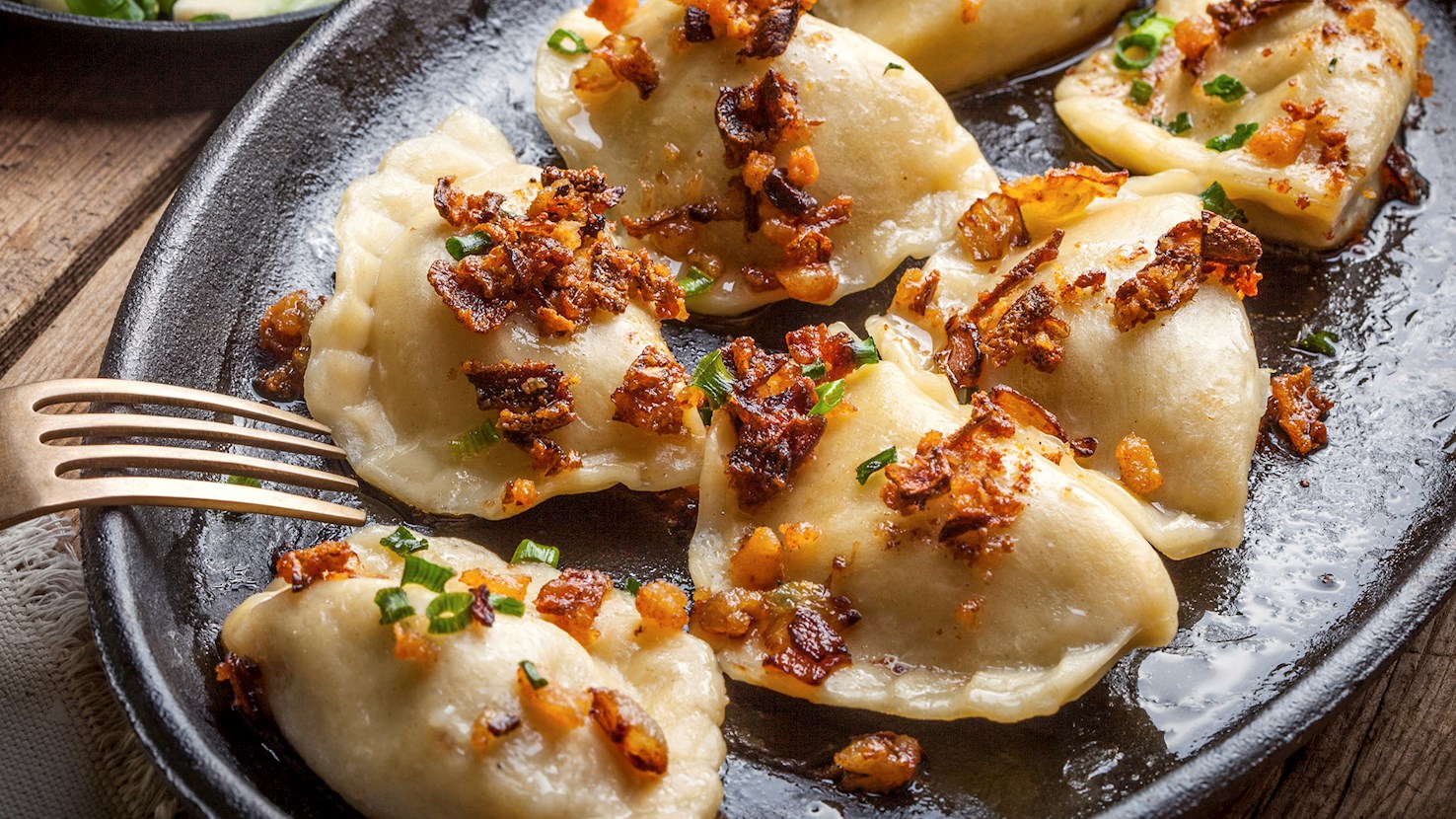
These stuffed dumplings derived their name from the Polish word for filled dumpling: pieróg. This former peasant food evolved into one of Poland's favorite dishes. Every family has their own version of pierogi filling, and the ingredients that can be used are limited only by the imagination of the chef. Pierogi can be sweet, savory, or spicy, and the most common fillings include cheese, onions, ground meat, mushrooms, potatoes, and sauerkraut. The sweet versions commonly include various berries, such as strawberries or blueberries. Traditionally, these dumplings are served as the 12th course of a traditional Polish Christmas Eve dinner. As the entire meal must be meatless, the filling usually consists of mushrooms, cabbage, and sauerkraut. Although pierogi have been made since the 13th century, it is not known where they were originally created—the Poles, Romanians, Russians, Ukrainians, Lithuanians, and Slovaks all claim they should be credited as the inventors of the pierogi. Others claim that it was brought to the West by the Tatars, and some say that the original pierogi traveled from China and reached Europe through Italy. Despite all this uncertainty, one fact is indisputable—the word pierogi first appeared in print in the second half of the 17th century. Today, pierogi are extremely popular throughout the country, and can be found in numerous pierogarnia eateries on Polish street corners. Poland also celebrates National Pierogi Day every year on October 8th, while the city of Kraków boasts its own annual Pierogi Festival held on August 17th.
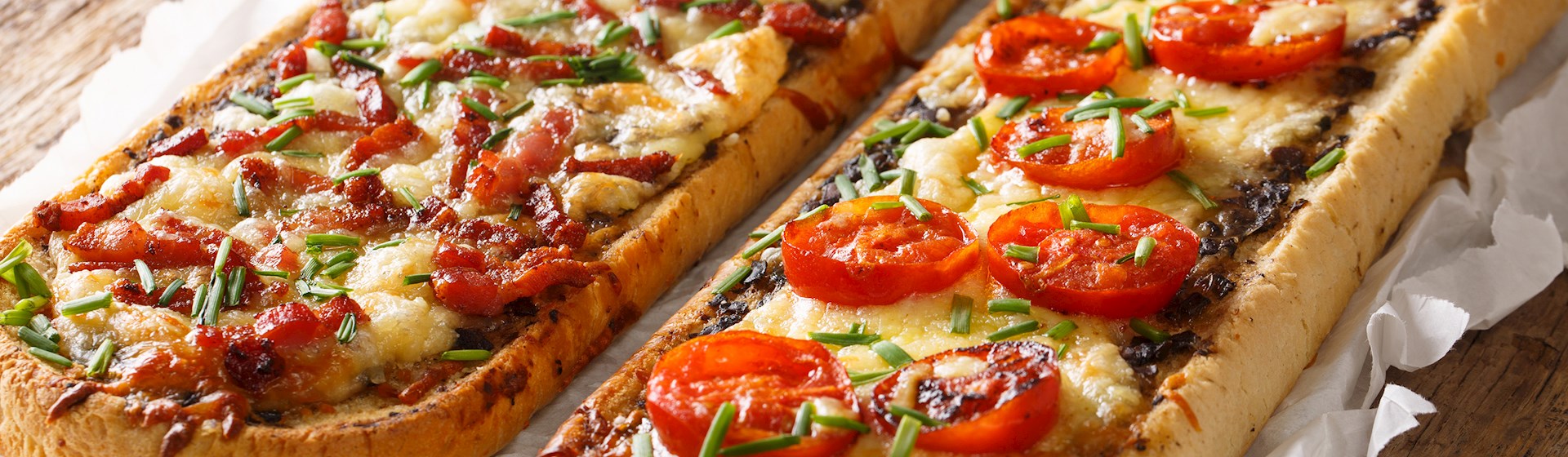
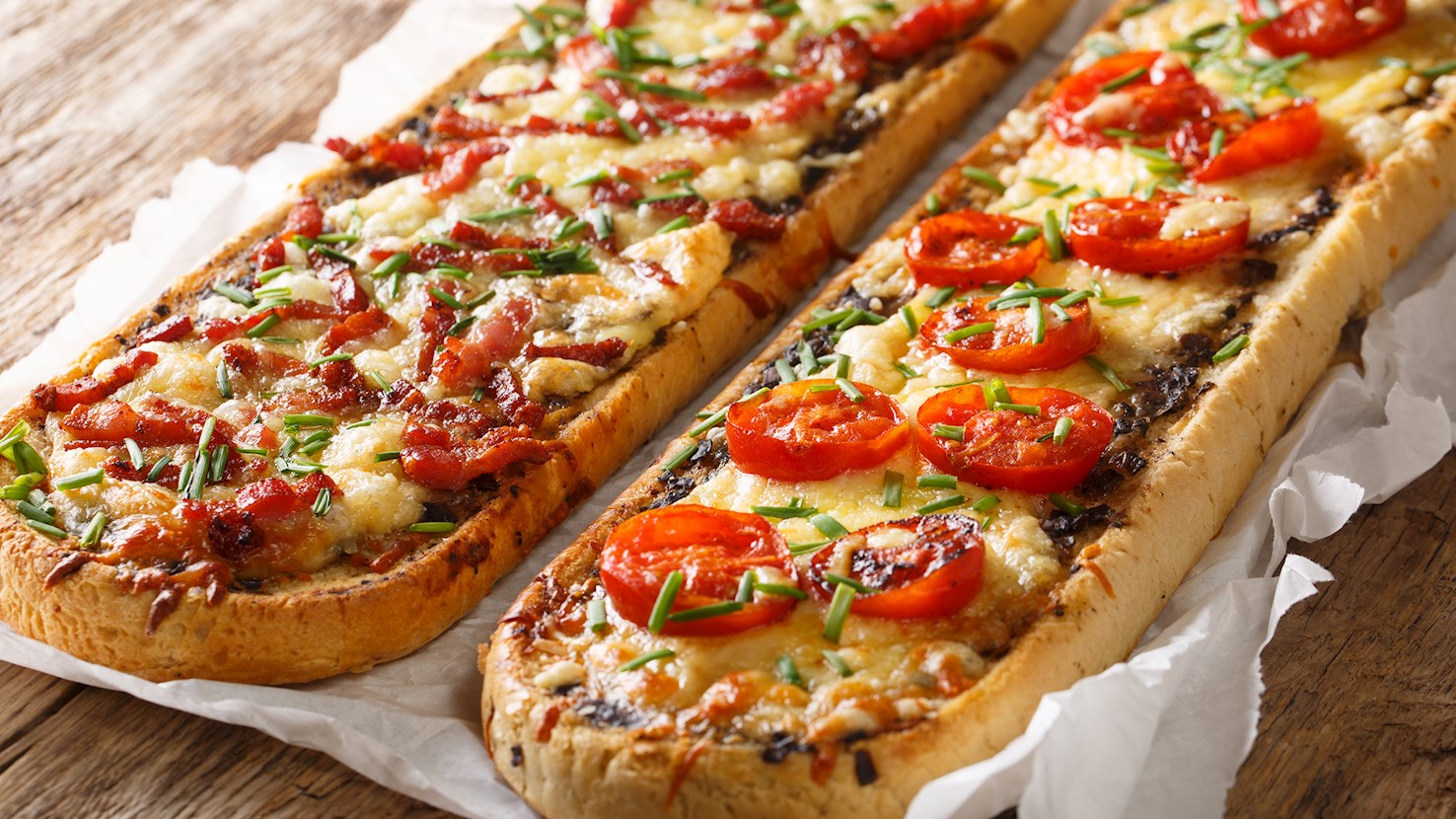
One of Poland's favorite fast foods is this unique open-faced sandwich. The scrumptious Polish zapiekanka is made with a plain white baguette cut lengthwise, topped with a variety of tasty ingredients and a generous heaping of grated semi-hard cheese, and grilled under a broiler. Hailing back to the 1970s, this snack originated at a time when even the most basic of ingredients were hard to come by in communist Poland, and people had to think of how to make the best use of whatever they had available. The original zapiekanka was made with sautéed mushrooms and cheese, but with time, a variety of other ingredients such as meat, bacon, sausages, or even feta cheese, olives, and pineapple started to become customary toppings for these crusty warm sandwiches. They are always served sizzling hot, most often with a drizzle of tomato ketchup on top. Though available across the country, zapiekanka remains the most popular snack at the fast food stands of Krakow, especially in the wee weekend hours after a long night of overindulgence.
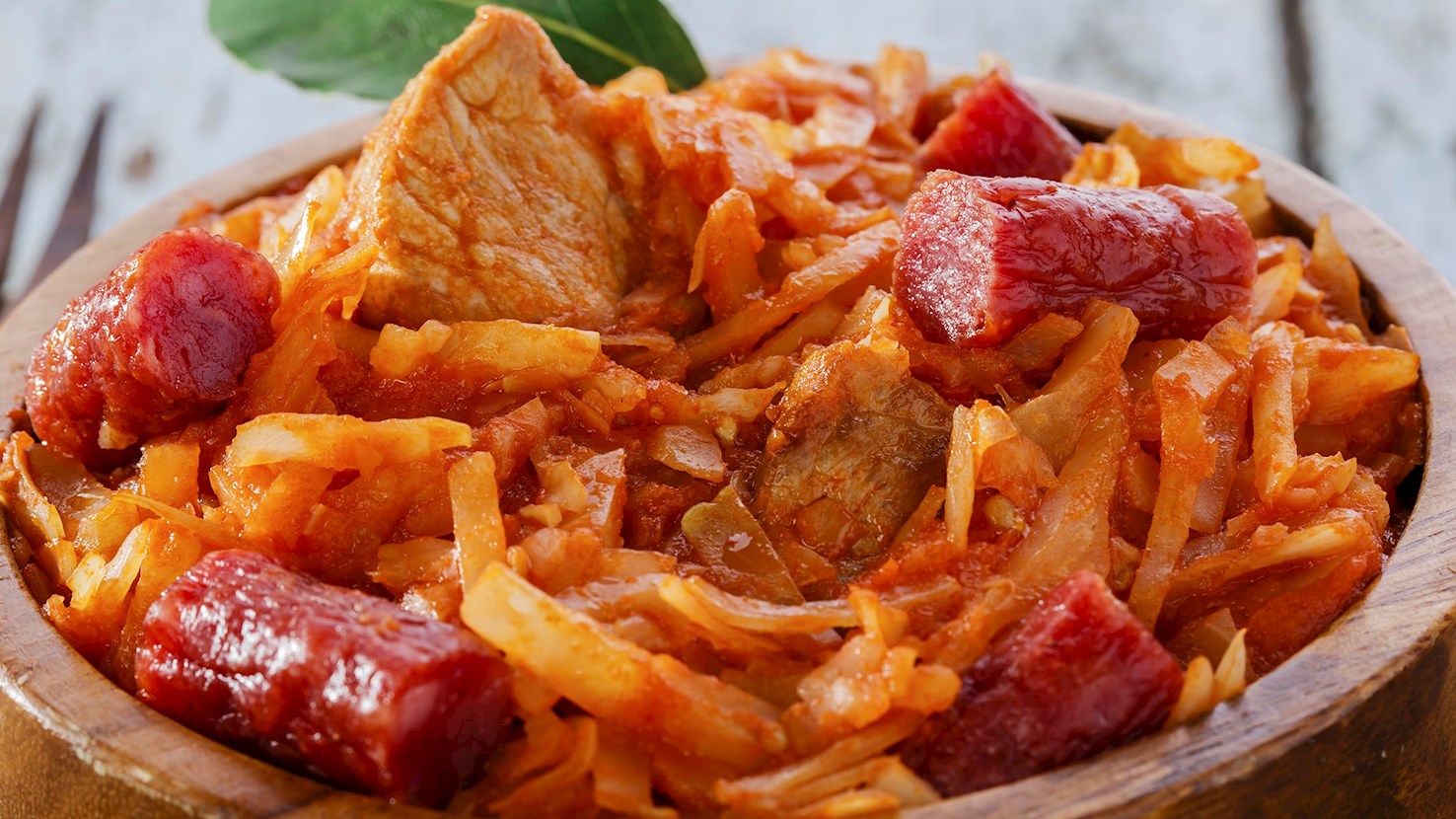
Polish cuisine prides itself in hearty and comforting dishes, and bigos–a traditional Polish stew–is one of the classic representatives of their culinary tradition. Also known as hunter’s stew, bigos is highly versatile, and any meat can be used in its preparation. Most commonly, the dish is made with pork, but the choice of meat typically depends on its availability and personal preferences. Sauerkraut, potatoes, bacon, and kielbasa are some of the additional ingredients which complete the dish. Although simple in preparation and ingredients, bigos is time-consuming because it is traditionally simmered for hours until all of the flavors are thouroughly combined. Originally, it was prepared for hunters during the long and exhausting hunting seasons. It has been present in the Polish culinary tradition since the 17th century, and today it is regarded as the national dish of the country. It is usually served as the main dish, usually accompanied by sliced bread on the side. Polish tradition suggests that it should be preceded or followed by a shot of famous Polish vodka. The flavorful bigos is also often enjoyed in Ukraine, Belarus, and Lithuania.
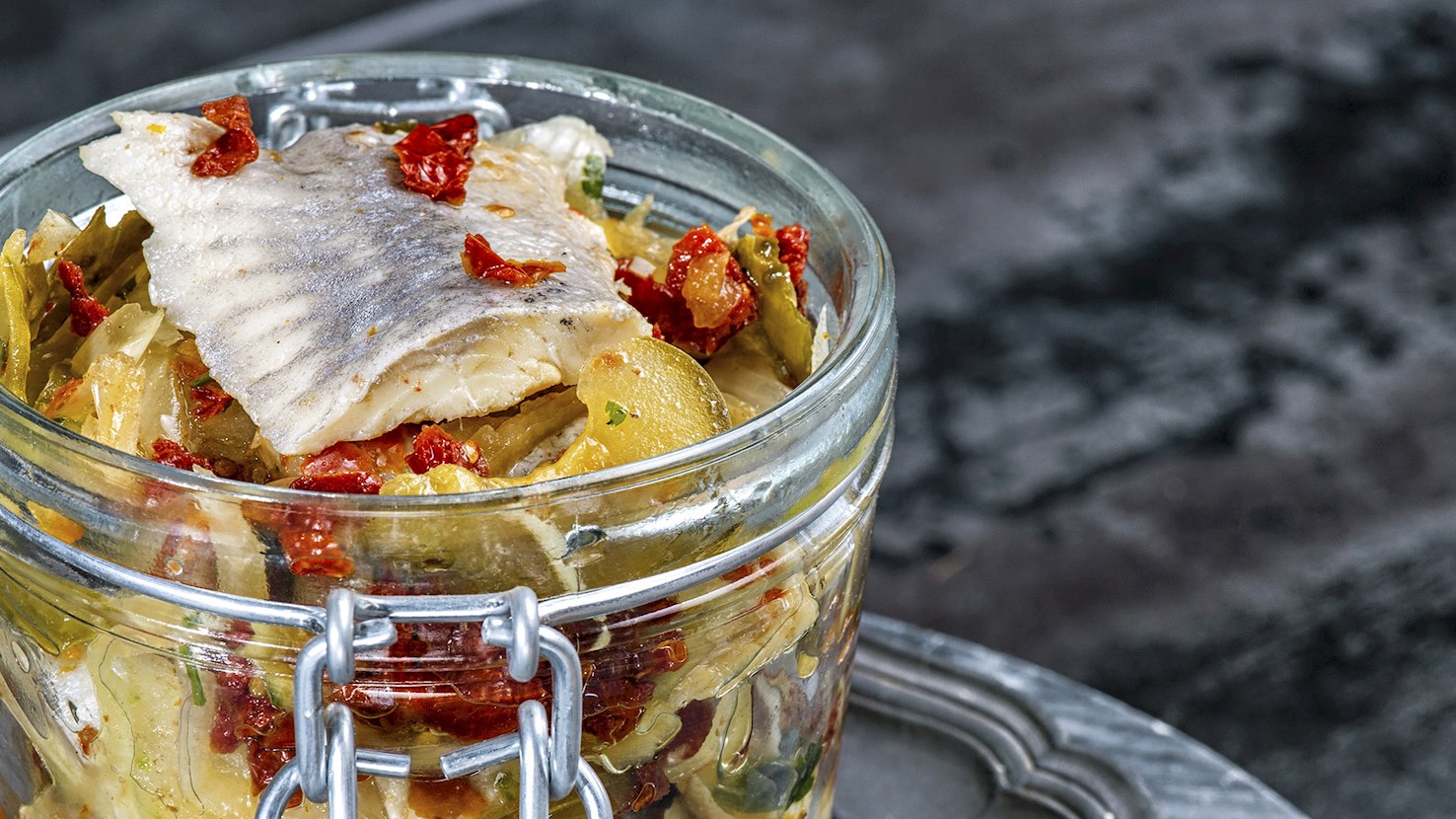
Śledzie is a Polish specialty consisting of herrings pickled in various ingredients such as vinegar, oil, sour cream, and onions. Due to the large amount of marinades and flavors, there is also a special variety of sweet herrings. Śledzie is traditionally served on Christmas Eve, as a cold appetizer or a side dish. It is recommended to pair this popular dish with dry white and red wines.
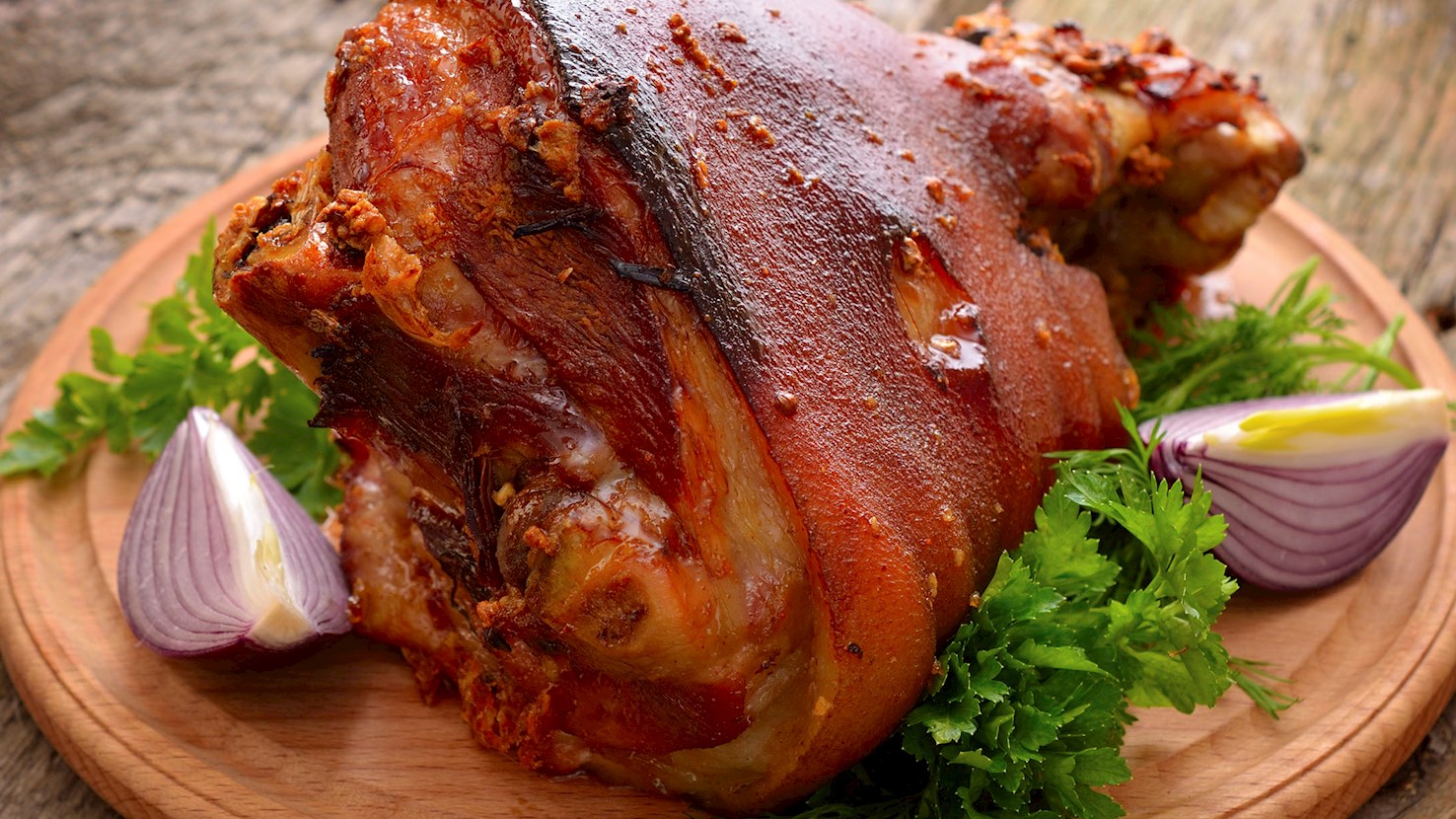
The name golonka refers to the pork hock, or pork knuckle, which is usually seared and slowly cooked until tender. Alternatively, it can also be grilled or braised in the oven. The dish comes in many regional varities, which may include fresh or smoked golonka, with the former being a more traditional choice. It is usually served whole, on the bone, alongside boiled potatoes, cabbage, a variety of cooked vegetables, and horseradish or mustard sauce. This traditional dish is often compared to a similar delicacy eaten in Germany, known as Eisbain or Schweinshaxe. Although it is believed that golonka was influenced by this German version, it has become an integral part of Polish cuisine, with many distinctive regional variations such as honey and beer glazed golonka w piwie or the variety from Rudka that is stuffed with mushrooms. Golonka is often served at weddings and other special occasions. It is also a staple in traditional Polish restaurants.
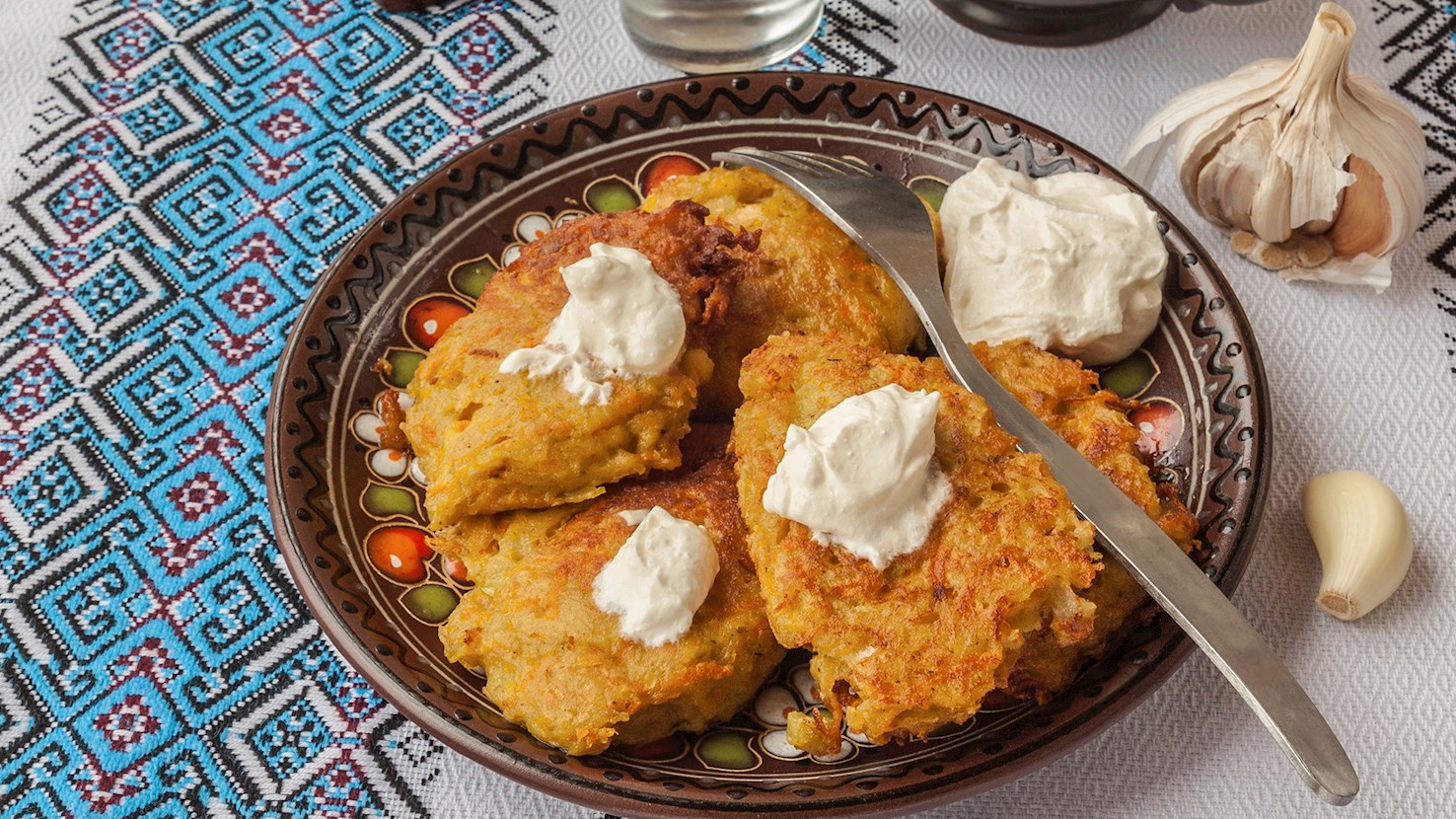
Placki ziemniaczane are the well-known potato pancakes, a common and straightforward dish enjoyed in all parts of Poland. The combination of grated potatoes and onions, incorporated with eggs and occasionally flour, form the base of the dish. It is highly versatile, and it can be adapted with crushed garlic or spices such as marjoram, parsley, and chives, to satisfy every taste. Potato pancakes are round and small in size, similar to American pancakes, and usually fried in shallow oil. With dark and crispy skin and spongy and soft interior, this quick and adaptable dish is a staple in every Polish household. Even though Polish regard them as a national dish, slightly different varieties of potato pancakes can be found across Central and Eastern Europe. Their exact origin is hard to trace, but in all regions and countries, they represent one of the most popular traditional dishes. In Poland, they are usually served with sour cream, which can be elevated with chives, paprika, and horseradish, or a satisfying mushroom sauce. These crispy potato clusters are often consumed as a sweet treat when they are usually topped with thick applesauce or simply sprinkled with sugar. They are eaten for breakfast, lunch, or dinner, and make an excellent and quick sweet or savory snack.
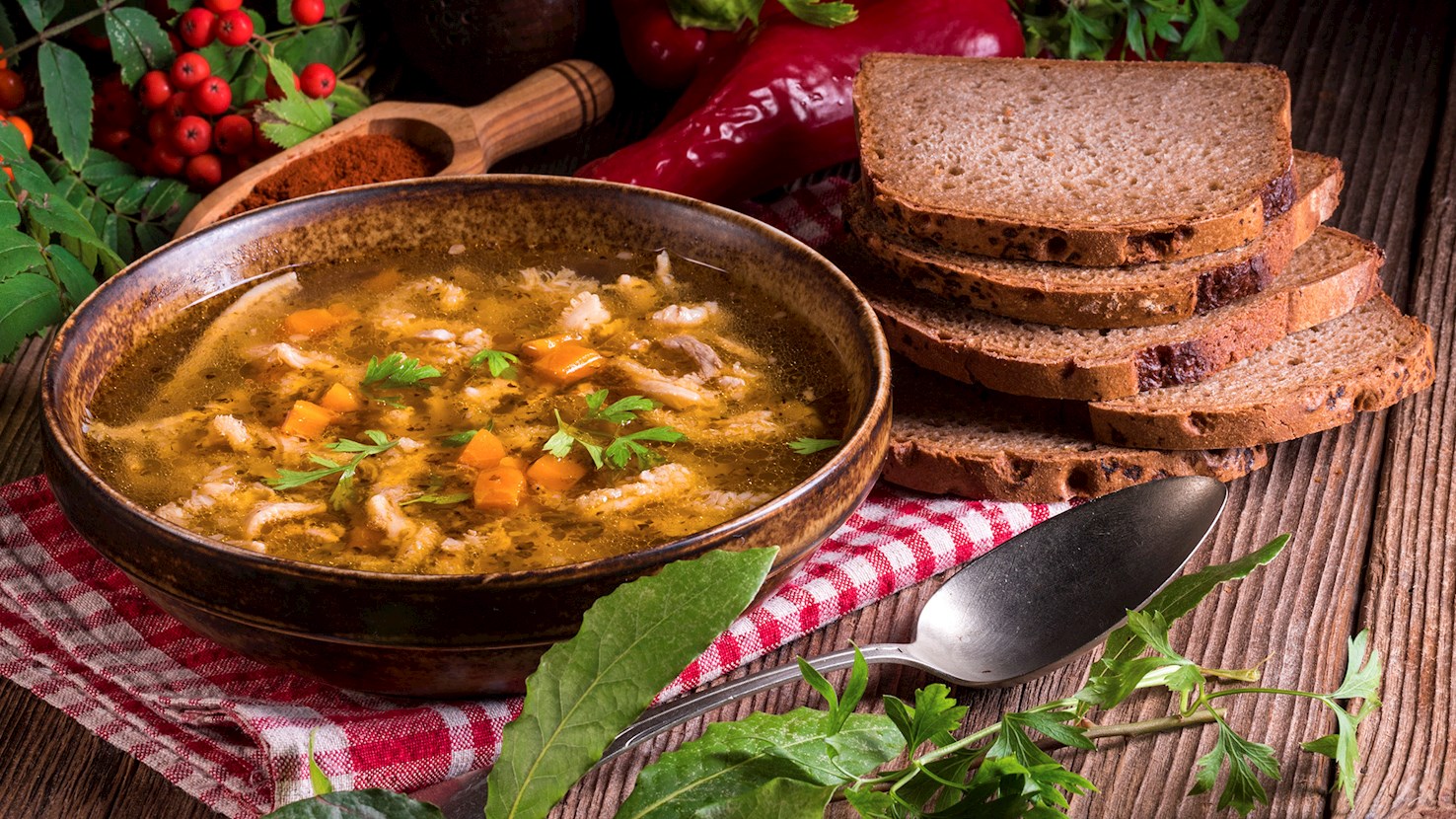
Flaki or flaczki is a traditional tripe soup. Dense and meaty, the soup is traditionally served during Polish weddings as a part of the hot courses of the festivity. The dish is often served with a fresh bread roll on the side. The name flaki refers to its main ingredient–strips of beef tripe. Flaki was known since the 14th century in Poland, and it was one of the favorite dishes of King Wladyslaw Jagiello. Today, some cooks like to add smoked bacon to the dish, as well as additional seasonings such as pepper, ginger, or nutmeg. If meatballs are added to the soup, the dish is then known as flaki po warszawsku (Warsaw-style flaki).
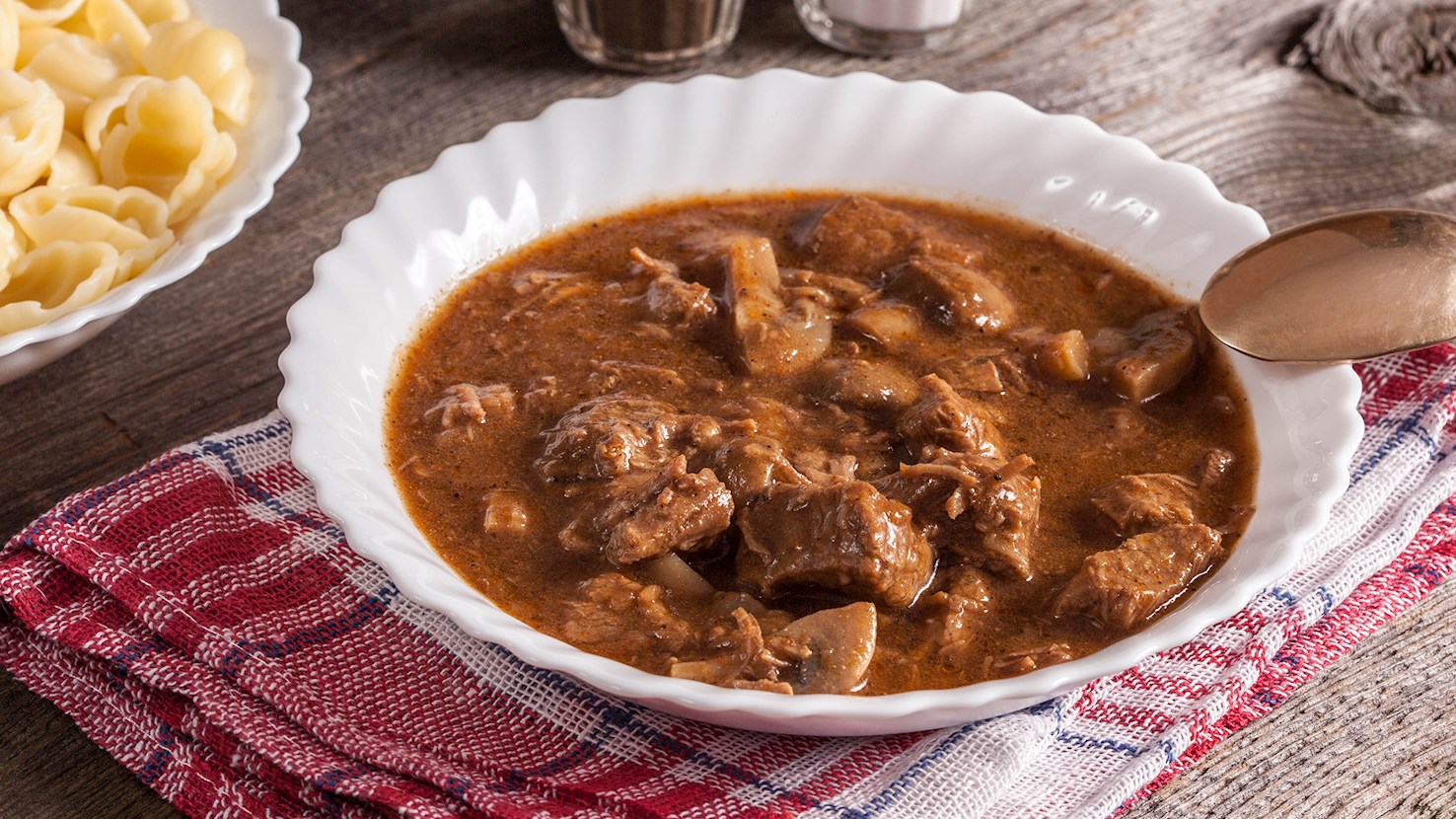
This traditional Polish variety of the acclaimed Hungarian goulash is prepared with beef or pork that is slowly simmered alongside onions in a rich, paprika-spiced broth. It is often complemented by various vegetables and seasonings, resulting in a flavorful, satisfying dish with an incredibly thick consistency. Gulasz is usually served with bread, rice, or pasta on the side, and it is traditionally enjoyed as a hearty main course.
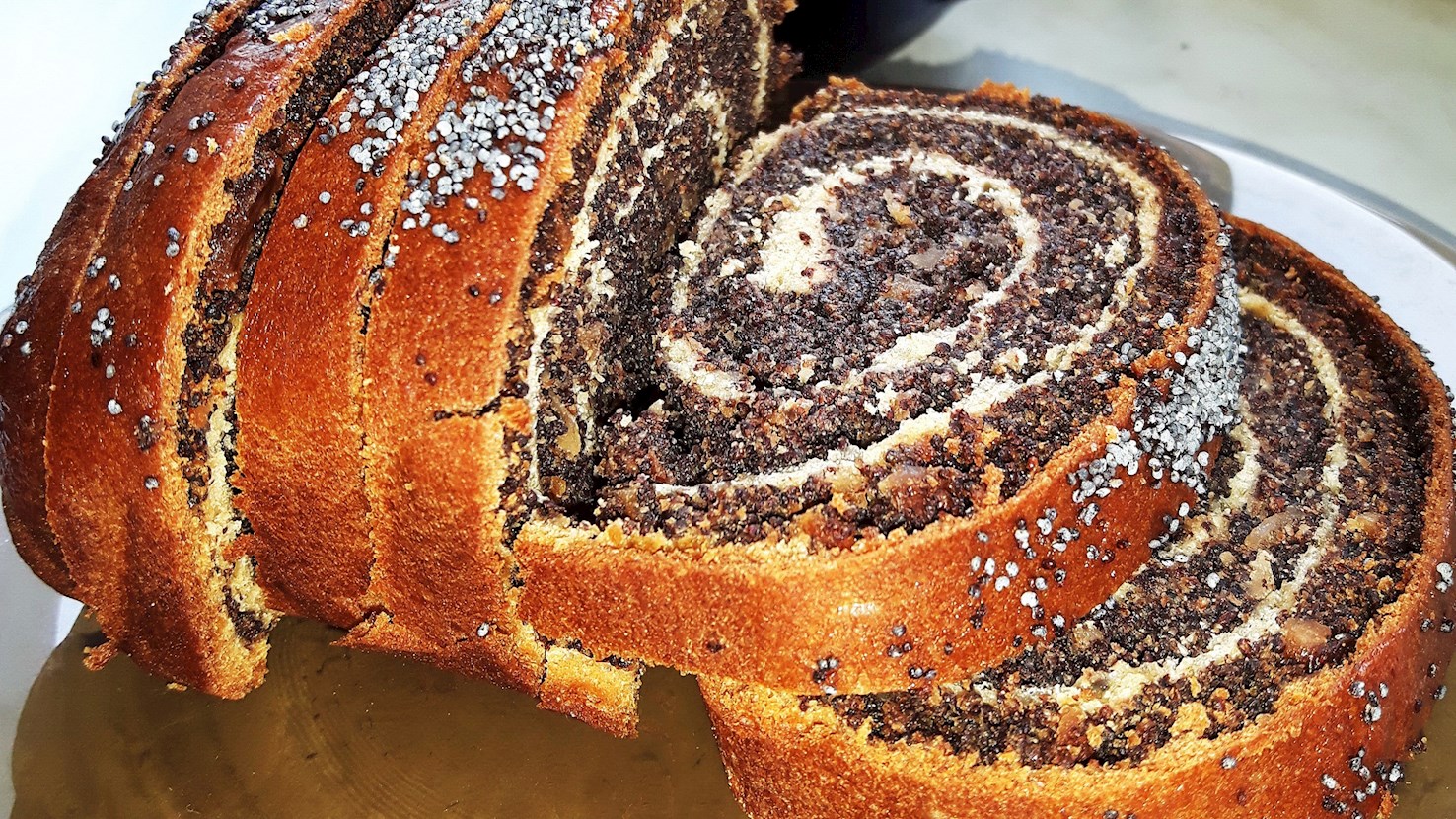
Makowiec is the Polish name for poppy seed roll, a traditional cake where poppy seed paste is placed between layers of dough. Raisins, almonds, honey, and orange peel can be added to the cake in order to enhance its flavors. Ideally, makowiec should not be too sweet. It is characterized by its unique appearance when cut, with the dough and the poppy seed filling winding around each other in a spiral. When served, makowiec is usually dusted with powdered sugar. The cake is often consumed alongside tea or coffee, and it is typically prepared for festivities such as Christmas or other winter holidays. Although it can be found in stores throughout the year, making makowiec is a holiday family tradition. Makowiec can also be found throughout Central Europe, in countries such as Austria, Croatia, the Czech Republic, Germany, Hungary, Slovakia, Slovenia, Romania, and Serbia.
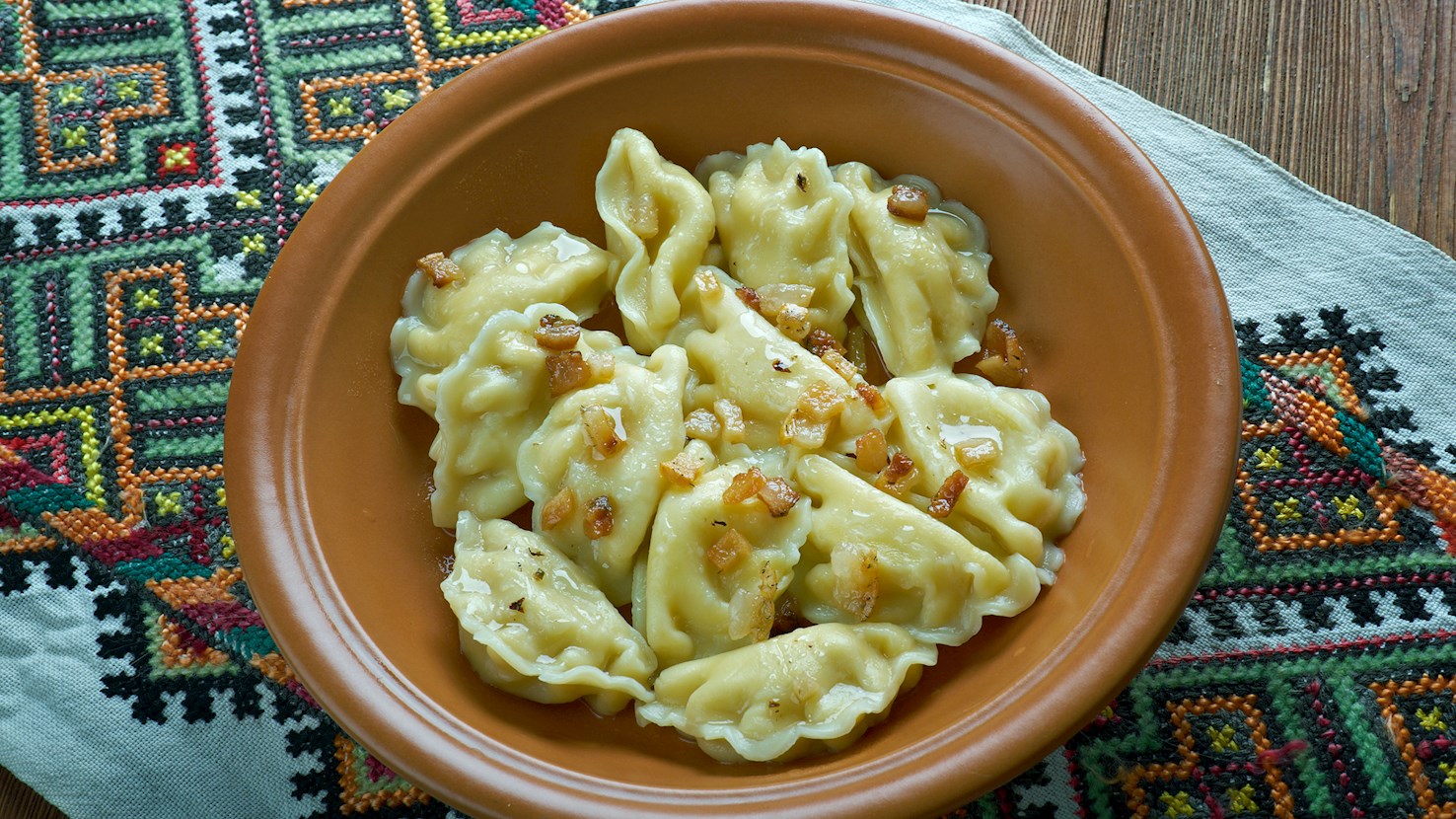
Originating from the historical region of Red Ruthenia, these soft, crescent-shaped dumplings are filled with a combination of potatoes and cheese, which is occasionally modified with various seasonings or fried onions. Pierogi ruskie are usually boiled and shortly fried until they develop a crispy texture. The dumplings are often served sprinkled with cracklings, crispy fried onions, or bacon, and can be enjoyed as a hearty appetizer or as a main course. In Ukraine, the pierogis are called varenyky, and they are so popular that there is even a monument celebrating varenyky in the city of Cherkasy. The sweet, fruit-filled version of varenyky is typically served with sugar and sour cream.
TasteAtlas food rankings are based on the ratings of the TasteAtlas audience, with a series of mechanisms that recognize real users and that ignore bot,
nationalist or local patriotic ratings, and give additional value to the ratings of users that the system recognizes as knowledgeable.
For the “19 Traditional Foods You Have To Try in Kraków” list until May 22, 2026, 172 ratings were recorded, of which 136 were recognized by the system as legitimate.
TasteAtlas Rankings should not be seen as the final global conclusion about food. Their purpose is to promote excellent local foods,
instill pride in traditional dishes, and arouse curiosity about dishes you haven’t tried.