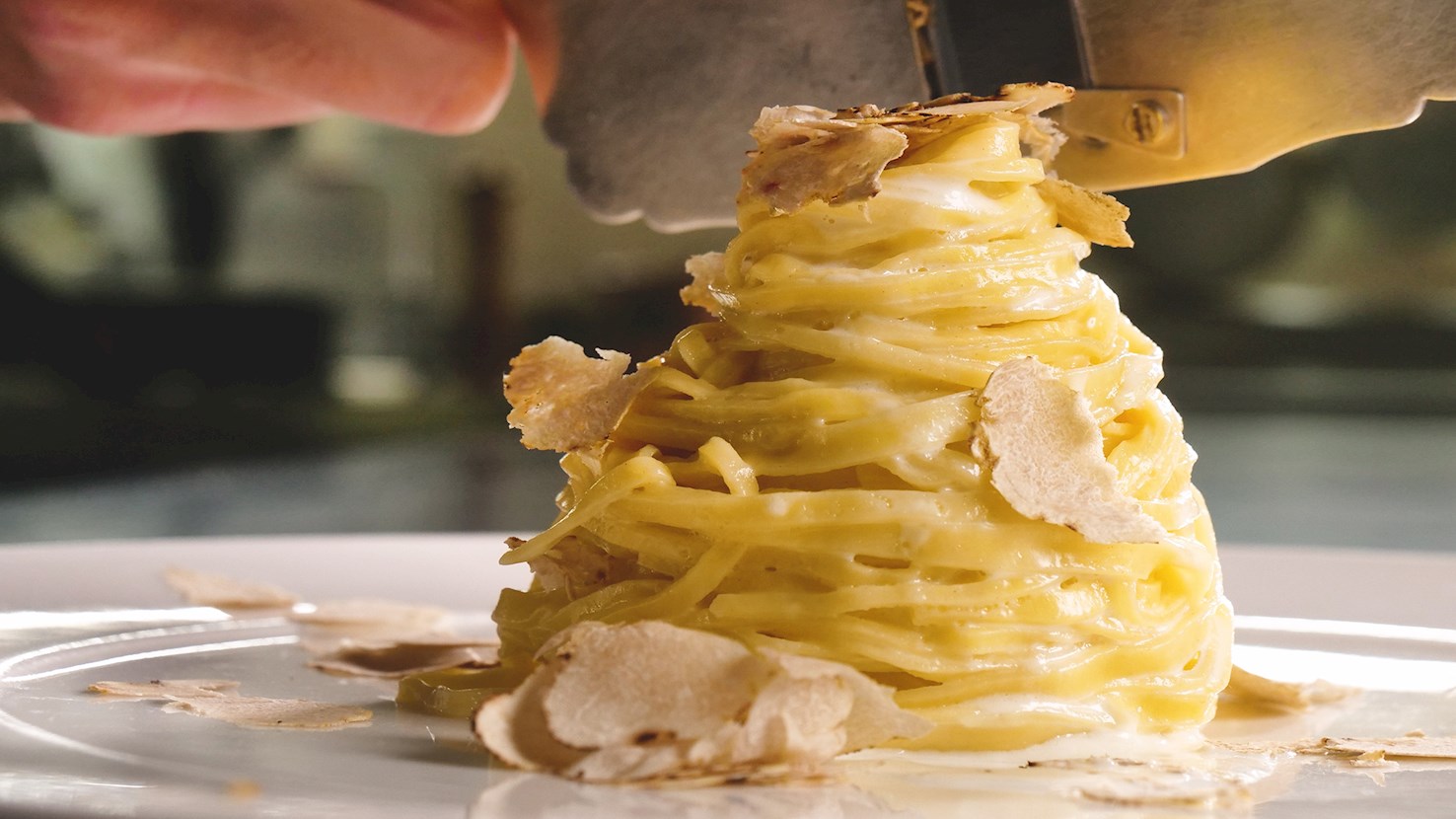
Tajarin al tartufo bianco is a pasta dish flavored with the regional star - tartufo bianco d'Alba. This simple dish consists of handmade tajarin (also spelled as taglierini and tagliolini) pasta flavored with butter, pepper, and freshly grated white truffles. Although truffles bring more than enough flavor, a sprinkle of Parmigiano is often used to finish this delicacy, which becomes even more decadent if paired with a glass of dry red wine.
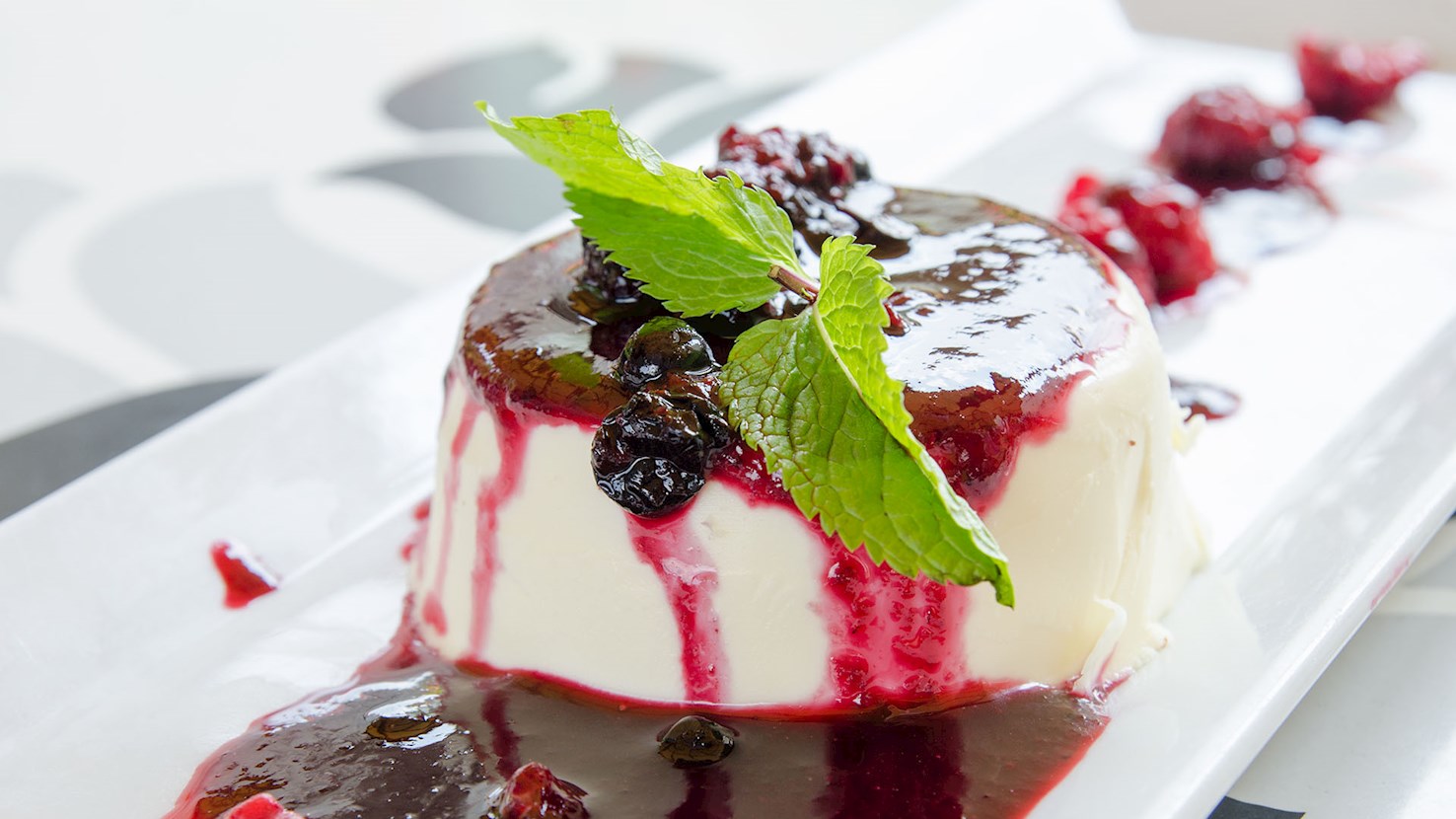
Simplicity at its finest, this softly set pudding takes almost no effort to make, yet is nothing short of amazing! Even though panna cotta (lit. cooked cream) wasn't mentioned in Italian cookbooks until the 1960s, today it is considered a traditional Piedmontese dessert, and the original recipe calls for only whole cream, sugar, vanilla, and gelatin. When made to perfection and properly chilled, panna cotta is silky smooth, deliciously creamy, and has a gentle wobble to it. For a slightly lighter version of this scrumptious dessert, use half-and-half instead of heavy cream, or simply dilute heavy cream with milk. According to Anna Del Conte, a renowned food writer and leading figure in Italian cuisine, classic Piedmontese panna cotta is served on its own or sometimes accompanied with Brutti ma buoni hazelnut meringue biscotti, while the Valle d’Aosta version of panna cotta is flavored with a dash of peach eau-de-vie and garnished with red berry coulis. In other parts of Italy, panna cotta is frequently flavored with rum or sweet Marsala wine and topped with a generous drizzle of caramel sauce, which perfectly complements the seductive aroma of vanilla. Imagination being the only limit, variations on this elegant dessert are virtually endless, and it can be easily tailored to anyone’s taste.
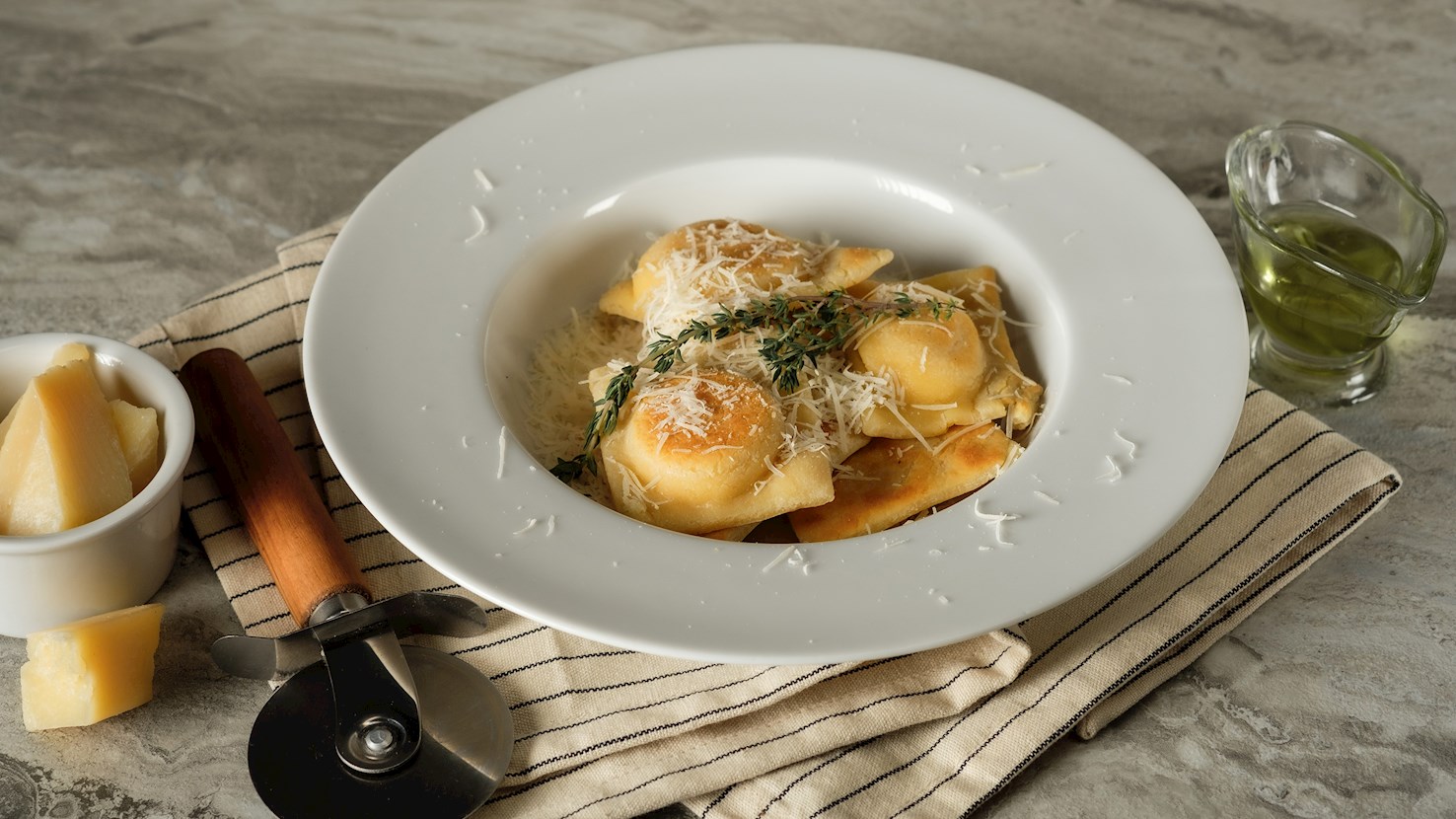
The word ravioli denotes various kinds of pasta made by placing a filling between two thin layers of dough. The pasta used is typically wheat flour and egg based, and it acts as an enclosure while also binding with the sauce or broth the ravioli is cooked or served in. Ravioli are usually served boiled with a sauce as a first course, or boiled and served in broth as a traditional winter dish. Ravioli fillings include diverse varieties of meat, cheese, and vegetables, and they vary from region to region. There are also sweet ravioli, which are usually deep-fried. Although no one is certain when the first ravioli were made exactly, the earliest written recipe for ravioli appears in a 14th-century document written by Francesco di Marco, a Tuscan merchant. Today, modern regional varieties are distinguished by their fillings, by the ingredients used in the dough (such as olive oil in southern Italy), and by their shape, which can be square, round, rectangular, or half-moon with straight or serrated edges.
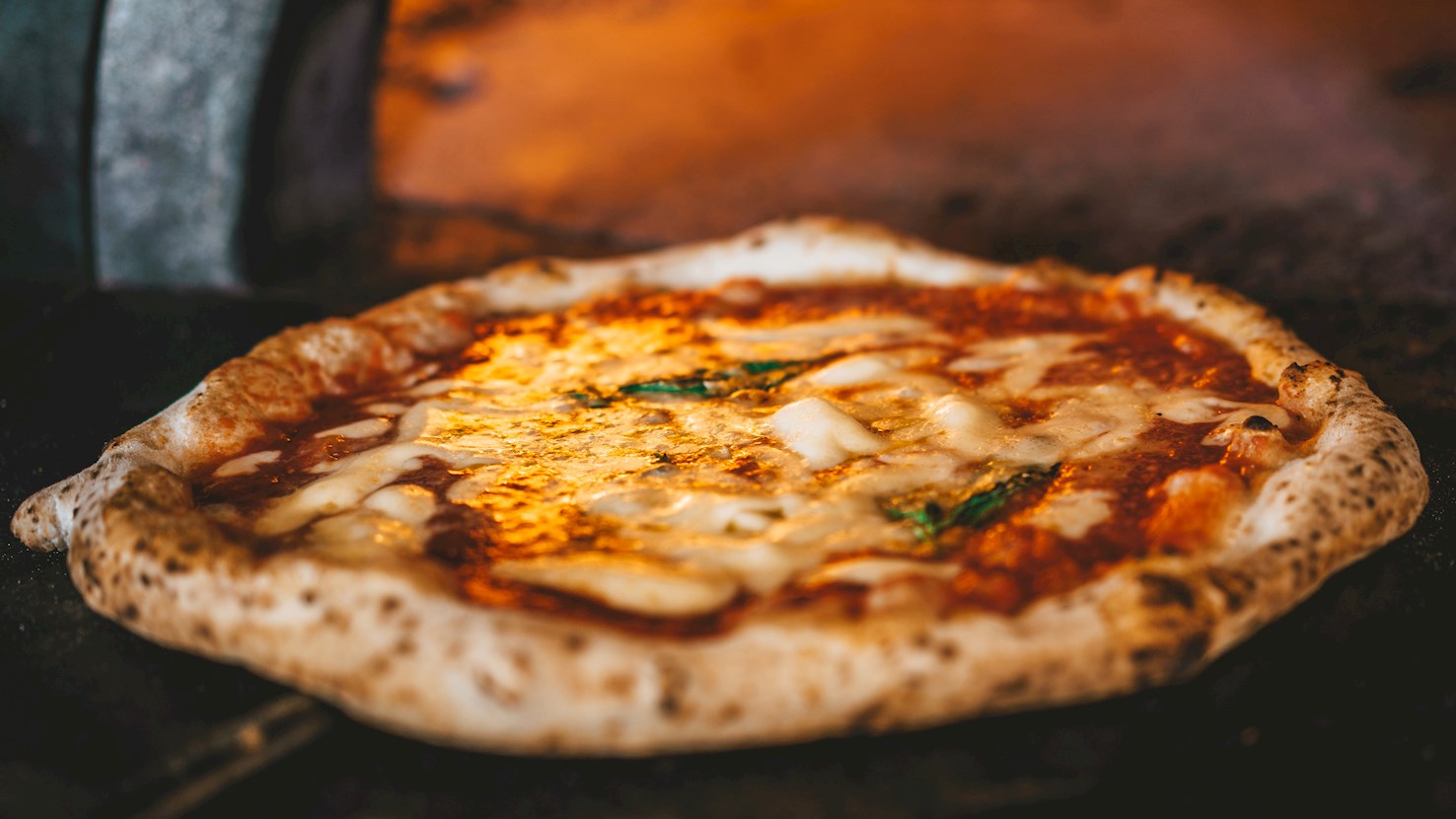
Italy’s most emblematic culinary creation, the genuine pizza Napoletana is made with just a few simple ingredients and prepared in only two variations – marinara, the basic Neapolitan pizza topped with a tomato-based sauce flavored with garlic and oregano, and margherita, which is topped with tomatoes, mozzarella, and fresh basil leaves, a delicious combination whose colors are said to represent the Italian flag. The crust is very thin at the base, and the dough puffs up on the sides, which results in airy crust that should have typical charred 'leopard spots' if baked properly. The origins of this iconic Neapolitan dish can be traced to the early 1700s, when what we know today as pizza marinara was first described by Italian chef, writer, and philosopher Vincenzo Corrado in his treatise on the eating habits of the people of Naples. Almost 200 years later, in 1889, the premier Neapolitan master pizzaiolo Raffaele Esposito added mozzarella to the mix and invented the margherita, which is now generally cited as the first modern pizza. Originally dubbed la pizza tricolore, Esposito’s creation is said to have been made in honor of and named after Margherita of Savoy, the Queen consort of the Kingdom of Italy, who was visiting Naples at the time. In 2010, as one of Italy’s most popular foods worldwide, pizza Napoletana was officially recognized by the European Union and granted the designation of Traditional Specialty Guaranteed. And remember, a good pizza Napoletana doesn't need any additions other than the designated toppings.
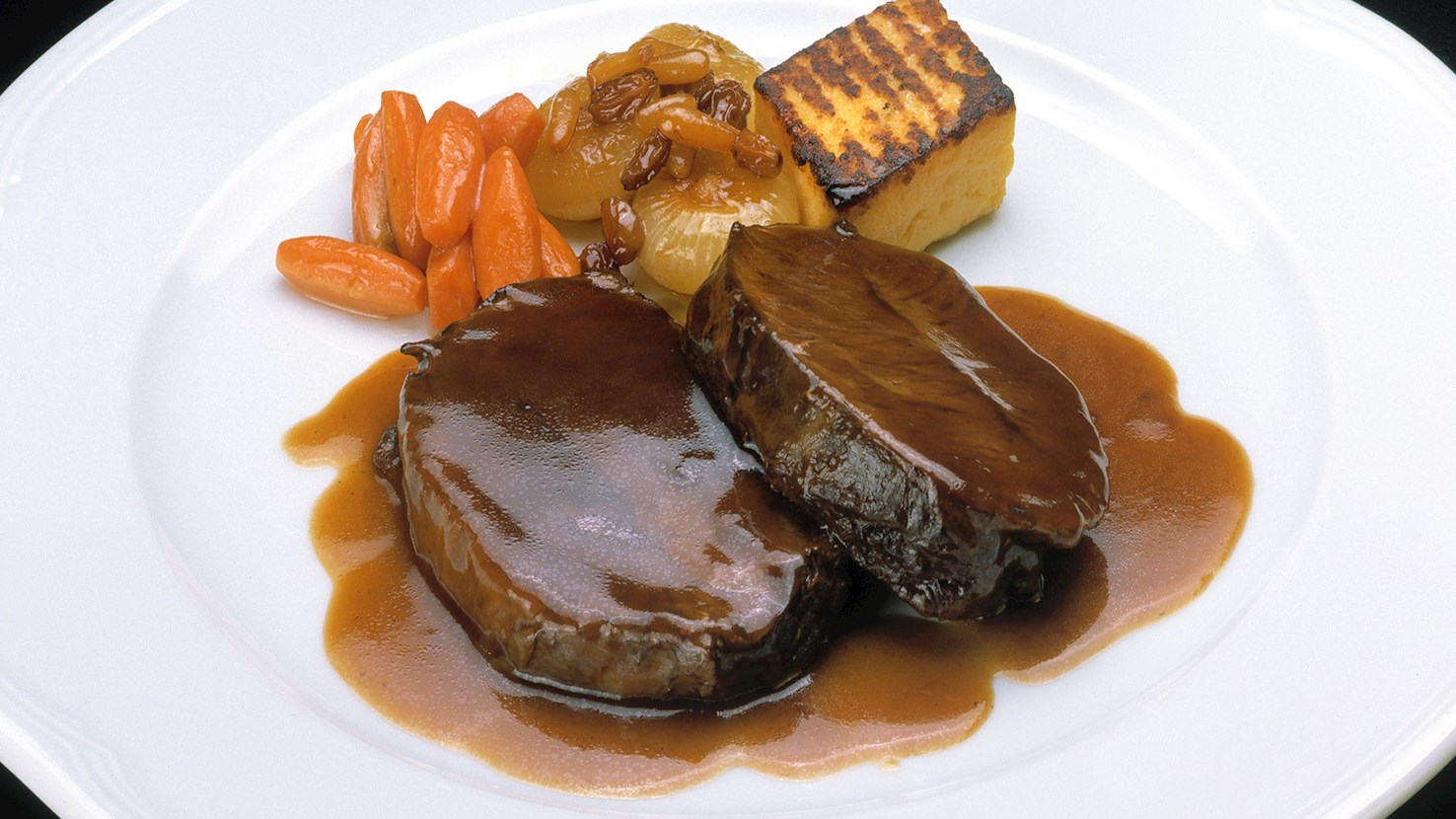
This classic dish hails from Piedmont, home of the renowned Barolo wine. Brasato is prepared with beef that is marinated together with Barolo wine and vegetables such as carrots, celery, and onions, as well as herbs and spices that typically include bay leaves, cinnamon, or cloves. The beef is then browned and slowly braised in the marinade before it is rested and sliced, while the braising sauce is puréed and is then doused over the meat. The dish is usually served with mashed potatoes or polenta on the side.
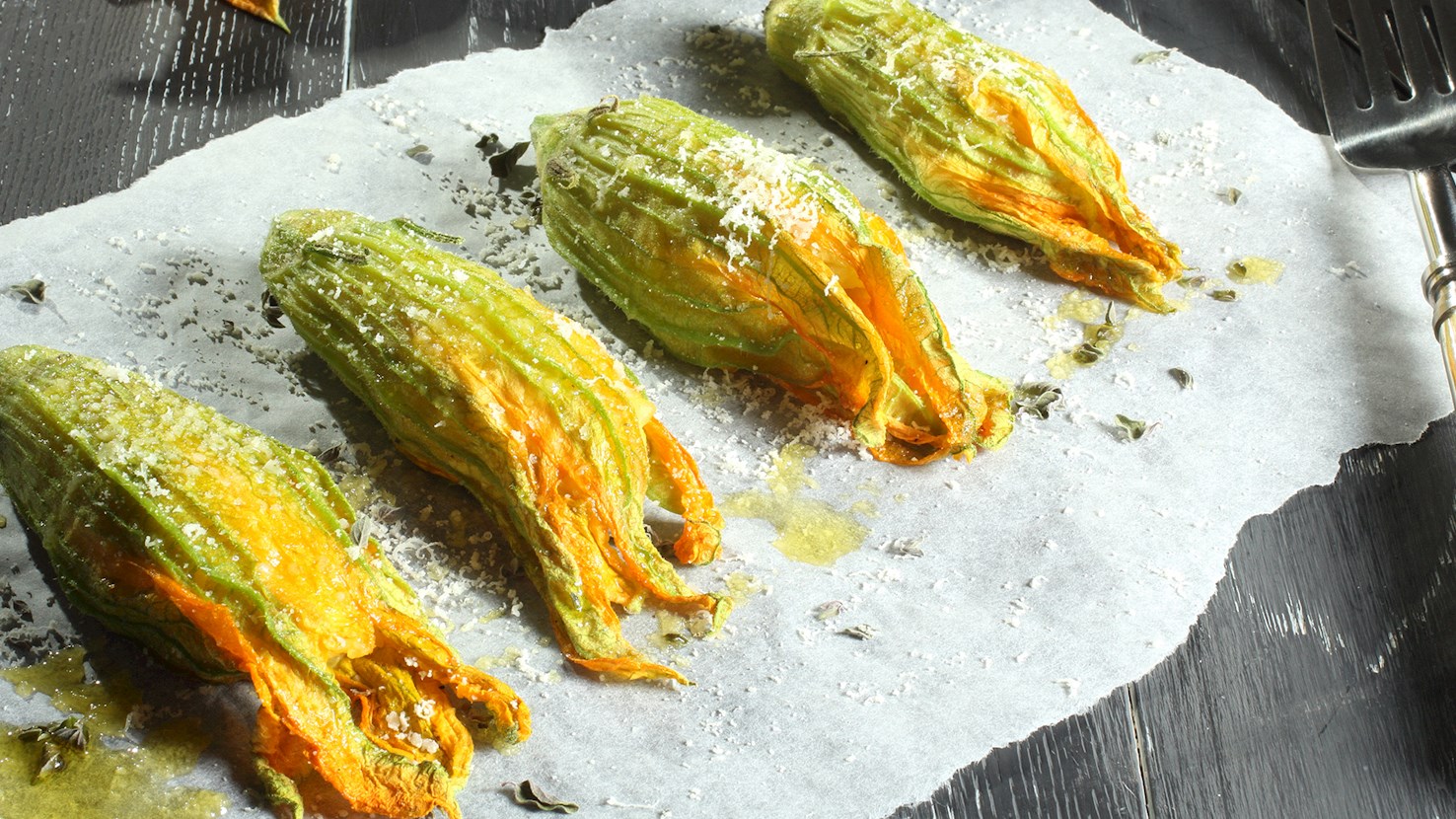
The delicate zucchini or pumpkin flowers are a rather common ingredient in Italian cuisine. They are often incorporated into various dishes such as risottos, flans, or salads, but the preferred option is to stuff them with a different combination of ingredients. The fillings typically include cheese, usually mozzarella or ricotta, meat, and fish, while the classic Ligurian-style fiori di zucca use the creamy mixture of zucchinis, mashed potatoes, and parmesan cheese. Though they can be enjoyed fresh, they are often baked (forno) or coated in batter and fried (fritti) until crispy. This colorful dish is mainly served as an appetizer or a light snack.
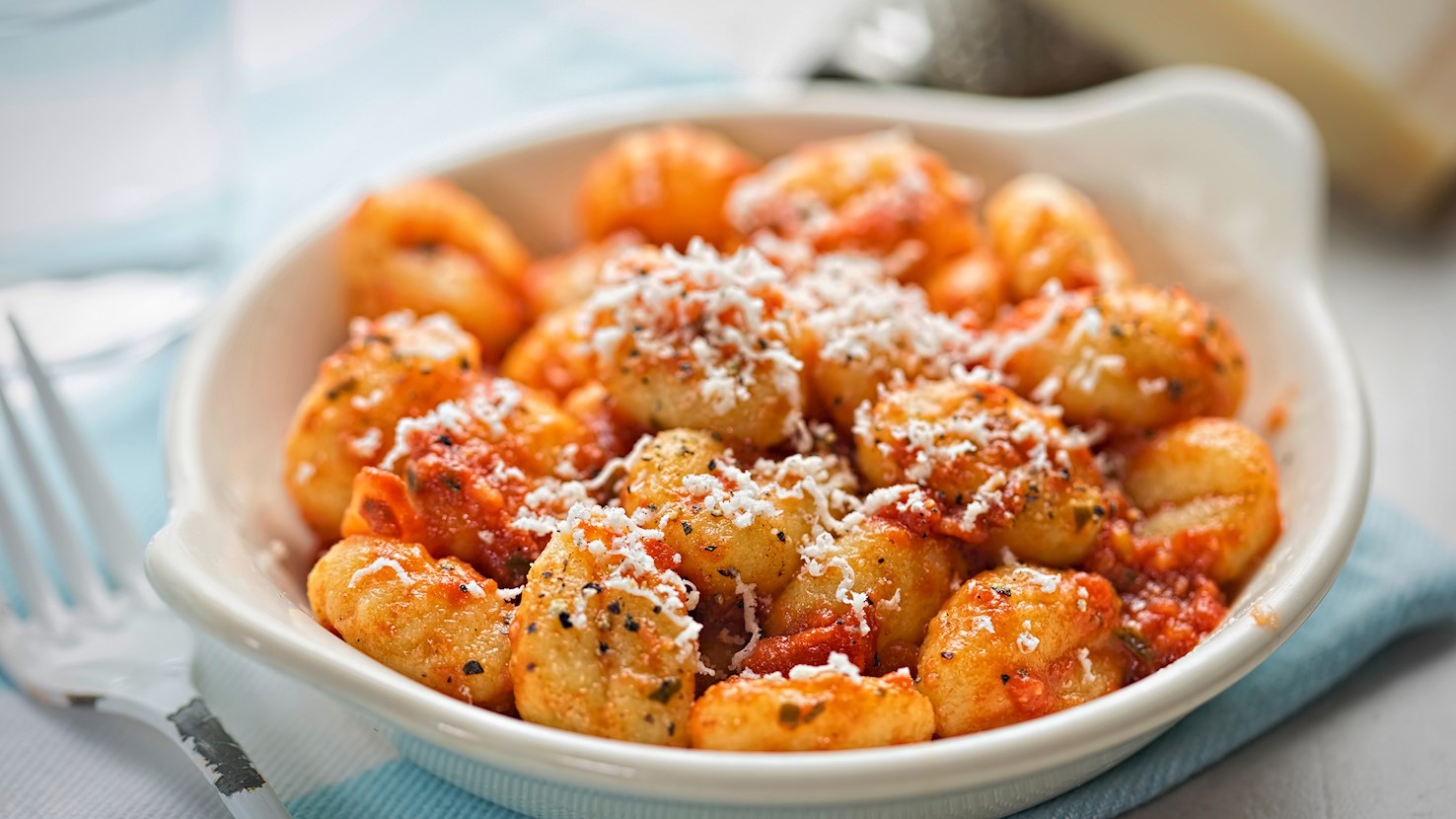
This is the traditional Italian form of dumplings. Today, the word gnocchi usually refers to a dumpling made with potato-based dough shaped into thick bite-sized pieces and pressed into a ribbed wooden board or grater to create an imprint, which helps the sauce to adhere to each piece. They are typically boiled in large amounts of salted water or fried in shallow oil, a technique typical for some Italian regions. Gnocchi are believed to have been a predecessor of pasta, and historical records show that the term gnocchi, or gnocco, was sometimes interchangeably used with the word maccherone, a word that once referred to all pasta in general. Before the introduction of the potato, they were made with any available flour, most commonly wheat and semolina, while gnocchi in mountain regions was made with barley, rye, or chestnut flour. During times of extreme poverty, they were occasionally made with grated and soaked stale bread. Potato only became the star gnocchi ingredient in the 19th century, by which time this New World import had begun making common appearances in Italian households. The proportion of flour and mashed potatoes has drastically changed since the first potato gnocchi was created – today, mashed potatoes are the foundation of the dough, with only a small amount of flour used to bind the ingredients together. Although potato gnocchi are the most common variety, Italy is abound with numerous gnocchi varieties, and each Italian region has its own favorite. These varieties often bear different names, such as malfatti, strangulaprievete, malloreddus, or cavattieli, and they use different base ingredients such as ricotta, spinach, pumpkin, and even beetroot. The essential accompaniment to any gnocchi serving is the sauce. The most common are traditional tomato sauce and flavorful butter and sage, but the possibilities are numerous and often include creamy cheese-based sauces, ragùs, and extras such as cured meat and vegetables, combined with fragrant Italian herbs and spices.
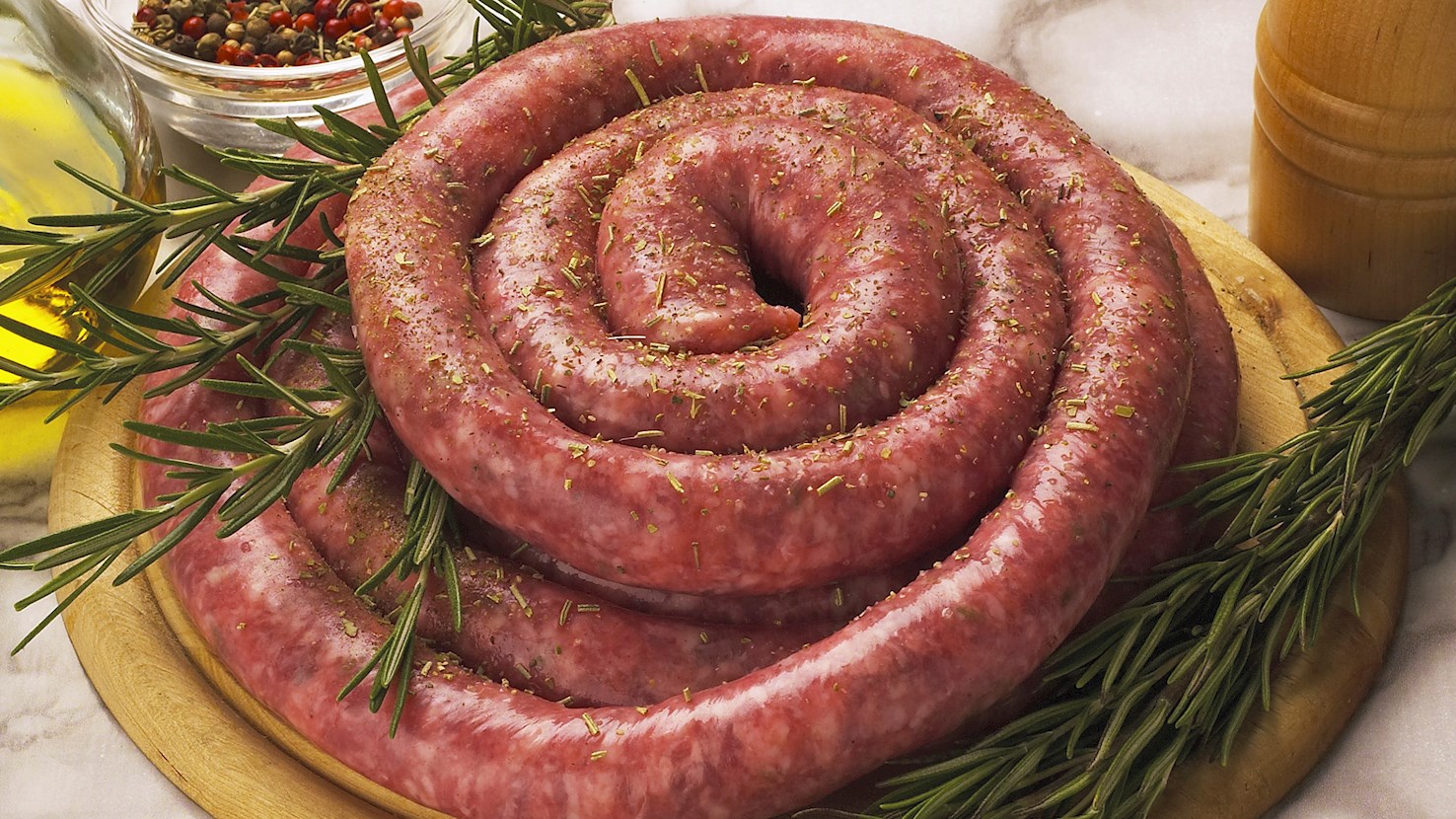
Salsiccia is a universal name for different types of fresh Italian sausage. It usually refers to a sausage made with minced or ground pork meat, pork fat, and numerous spices. The mixture is stuffed into a natural pork or sheep casing, and it is rarely cured or smoked. It is sold fresh and intended for grilling or frying. Although there are some disambiguations, it is believed that the original salsiccia was created in the region of Basilicata, but the use of fresh sausages has become so common that each Italian region has their typical salsiccia type. They mainly differ in the choice of meat, amount of fat, and spices. Next to pork, salsiccia can also include products made with beef, rabbit, and even seafood ingredients. They are usually heavily spiced with pepper, ground paprika, parsley, fennel, nutmeg, anise, coriander, while some even employ red wine. They can also differ in size, ranging from short and bulky to thin and long varieties. Italian salsiccia is famous outside the country, primarily in the United States, where it is mainly familiar as a pork sausage spiced with fennel or anise. Italians consume salsiccia all year round, they eat it as the main dish, as a sandwich filling, atop traditional pizzas, or incorporated in pasta sauces or casseroles.
Hailing from the municipality of Verduno, salsiccia di Verduno is a traditional sausage made from a well-balanced mix of lean veal and pork belly that are finely ground and seasoned with salt, pepper, and a variety of spices. The combination is traditionally enhanced with the addition of Pelaverga wine, a local variety of red wine, and the sausage mixture is then typically placed into natural casings. This meat specialty is often enjoyed raw or as part of a variety of Italian specialties such as ragù, a meat-based sauce.
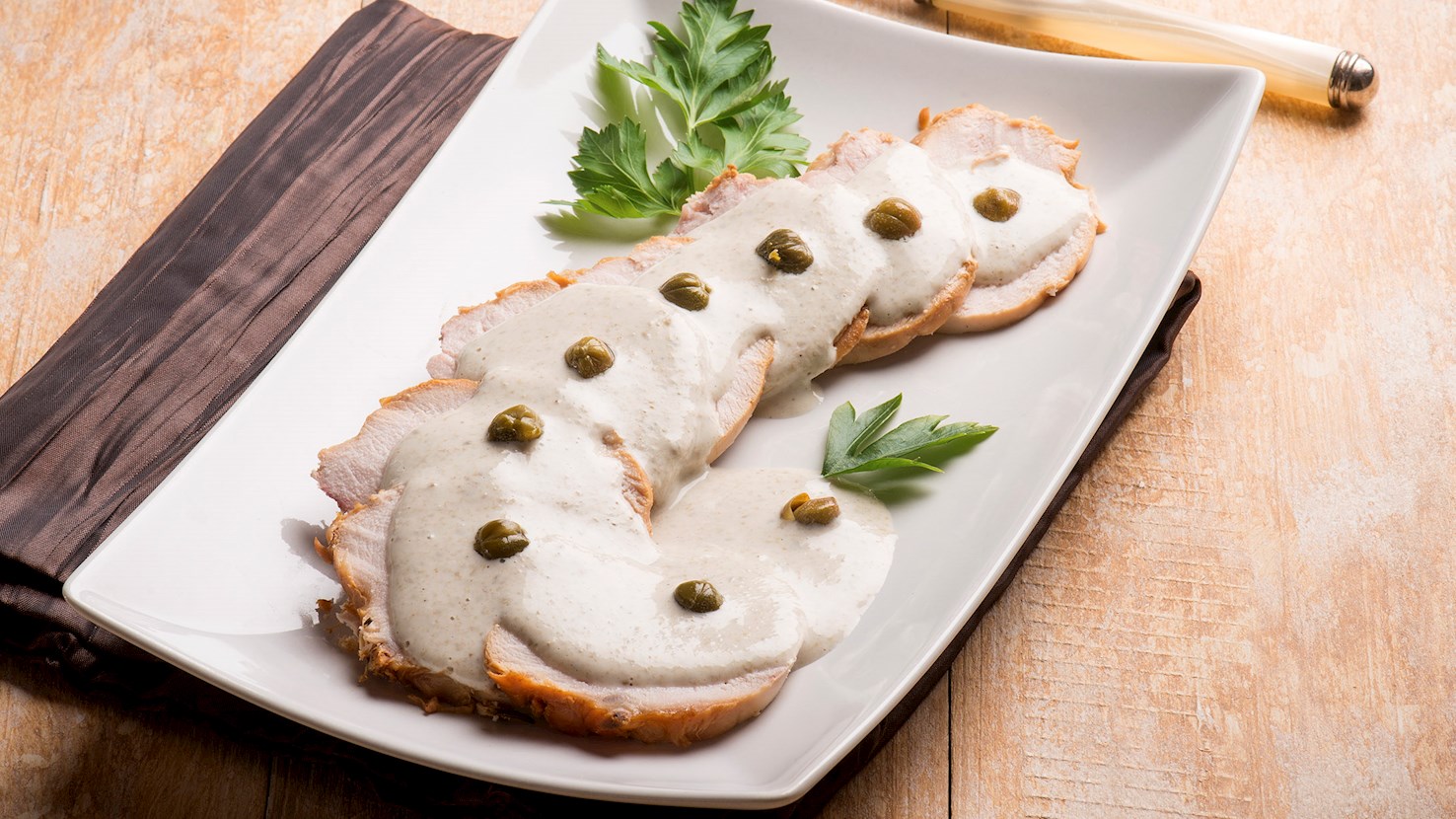
Another northern Italian classic, vitello tonnato,or vitel tonnè in local dialect, is a filling Piedmontese entrée made with white wine-marinated and tender-boiled veal smothered in a velvety tuna, anchovy, and caper sauce. It is traditionally served garnished with capers, parsley, anchovies, and lemon slices. The dish is believed to have been invented in the 1700s, but it wasn't until the mid-1800s when the recipe was first published in La Cucina degli Stomachi Deboli, a cookbook written by a renowned Italian physician and medical researcher Angelo Dubini.
TasteAtlas food rankings are based on the ratings of the TasteAtlas audience, with a series of mechanisms that recognize real users and that ignore bot,
nationalist or local patriotic ratings, and give additional value to the ratings of users that the system recognizes as knowledgeable.
TasteAtlas Rankings should not be seen as the final global conclusion about food. Their purpose is to promote excellent local foods,
instill pride in traditional dishes, and arouse curiosity about dishes you haven’t tried.





What People Say