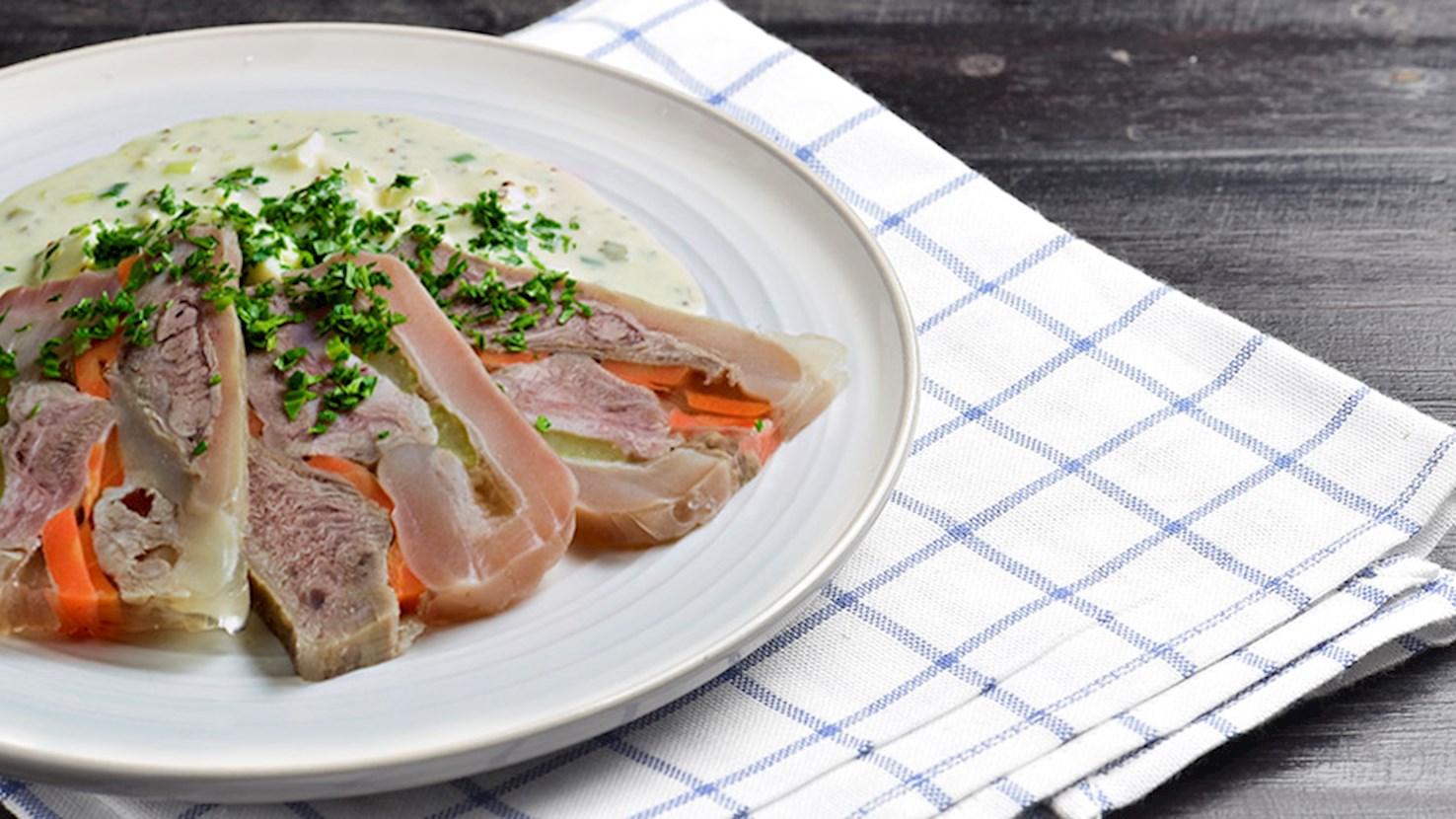
As the name might imply, this French dish consists of a calf’s head, which is boiled for a long time until the meat becomes tender and the skin develops a gelatinous consistency. The tongue and brain are also boiled separately with a combination of spices, and the three types of meat are served together in thick slices on a platter with the vegetables used in cooking, usually potatoes and carrots, and a drizzling of ravigote sauce. Although the dish has numerous supposed origins, famous French writer Gustave Flaubert traces it back to the British celebrating the decapitation of King Charles I. After the French revolution and yet another well-known decapitation, the French followed suit. This same dish used to be made using a pig’s head, however at some point (and for reasons unknown), the pig fell out of fashion and calf's head started to be used instead.
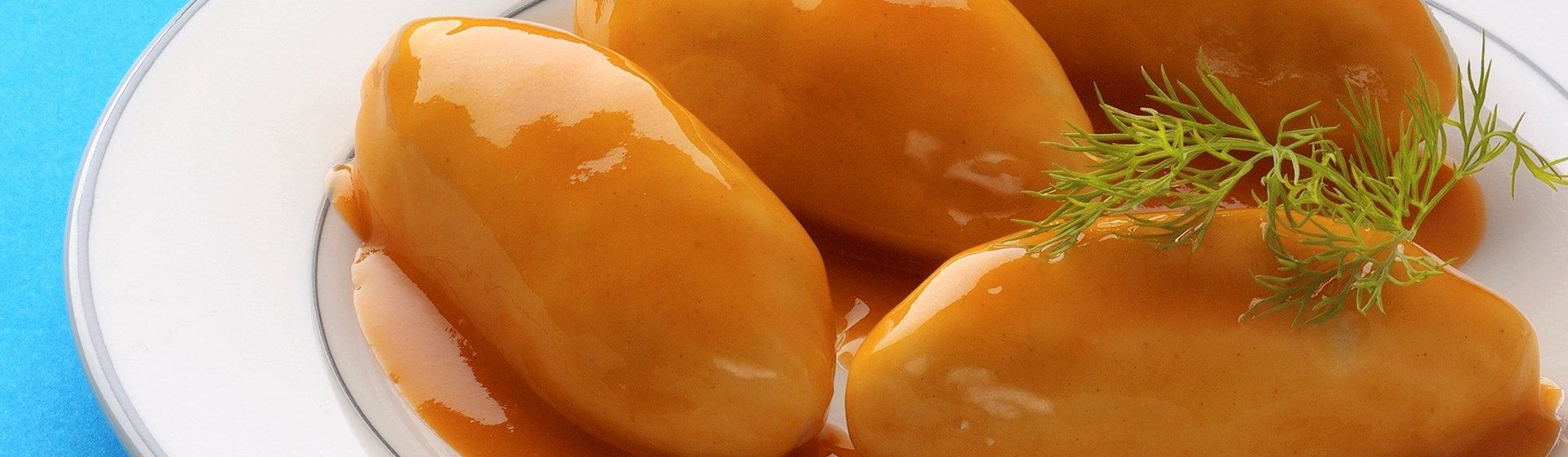
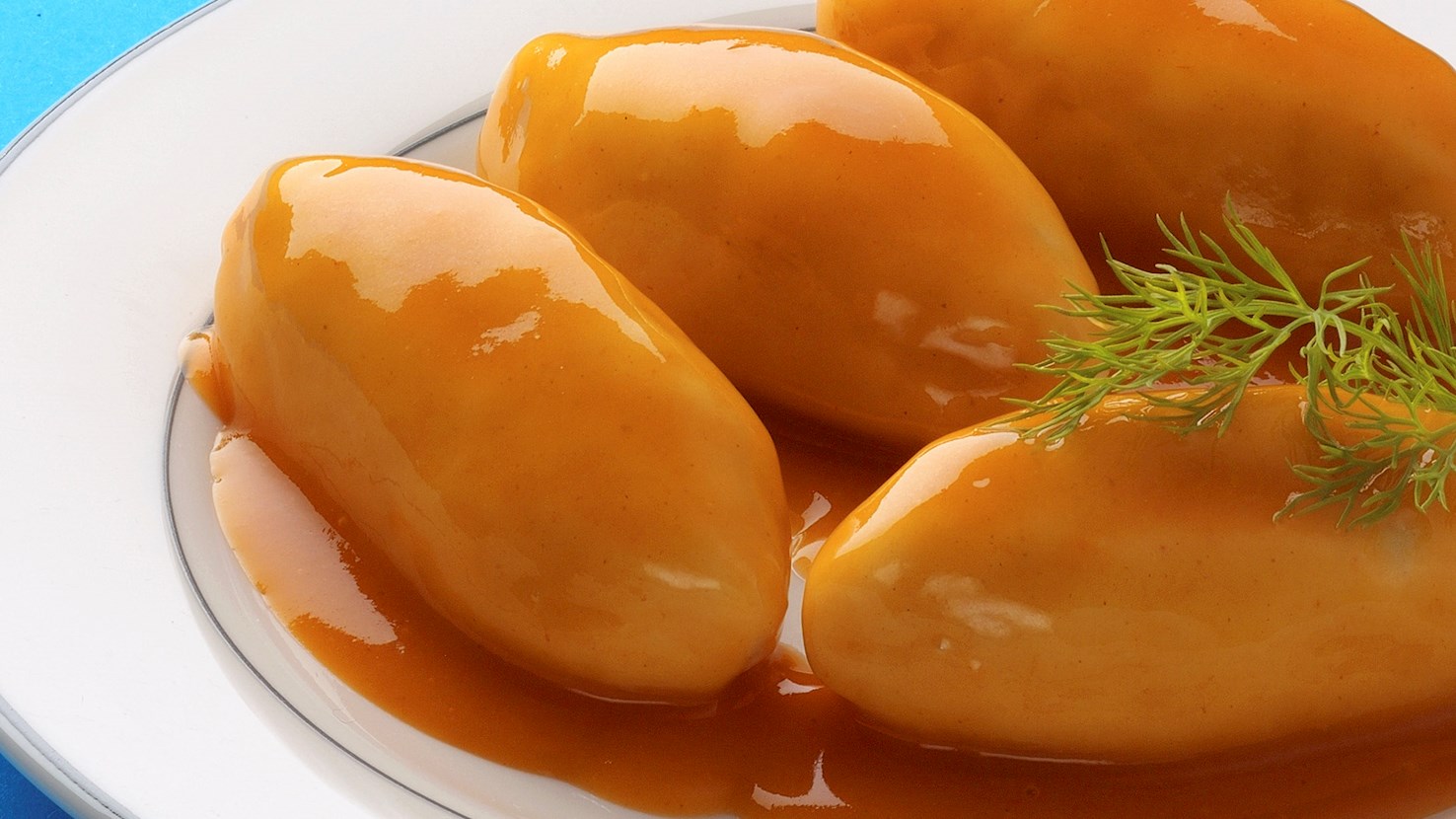
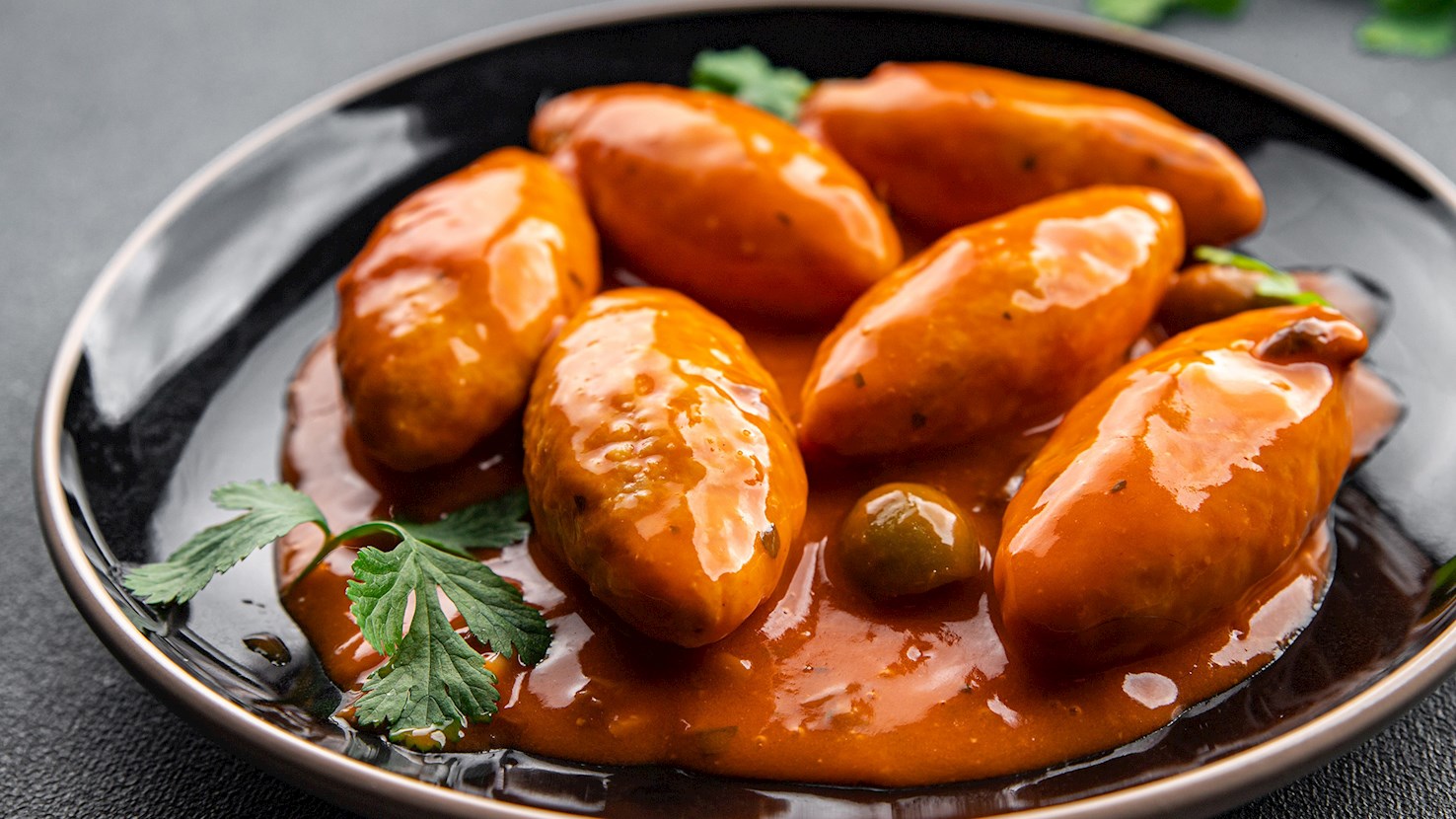
What was once used as a garnish in haute cuisine is now its own dish, known as quenelle. Essentially, it is a tender dumpling that is filled with ground meat, poultry, fish, or vegetables, seasoned and combined with breadcrumbs, eggs, fat, flour, or cream. The dumpling is traditionally oval in shape and poached in water or stock. Today, it is served either as an appetizer or as a main course, although it can still be used as a garnish. Originally, quenelle was invented in Lyon in the 19th century, and it was made exclusively with the flesh of pike–a light white fish. Pike quenelles are usually served with sauce Nantua, a hearty sauce made with crayfish. Today, the term quenelle has another popular meaning in the culinary world, referring to an elegant scoop of ice cream, sorbet, mousse, or whipped cream, and it is used mostly in fine dining settings.
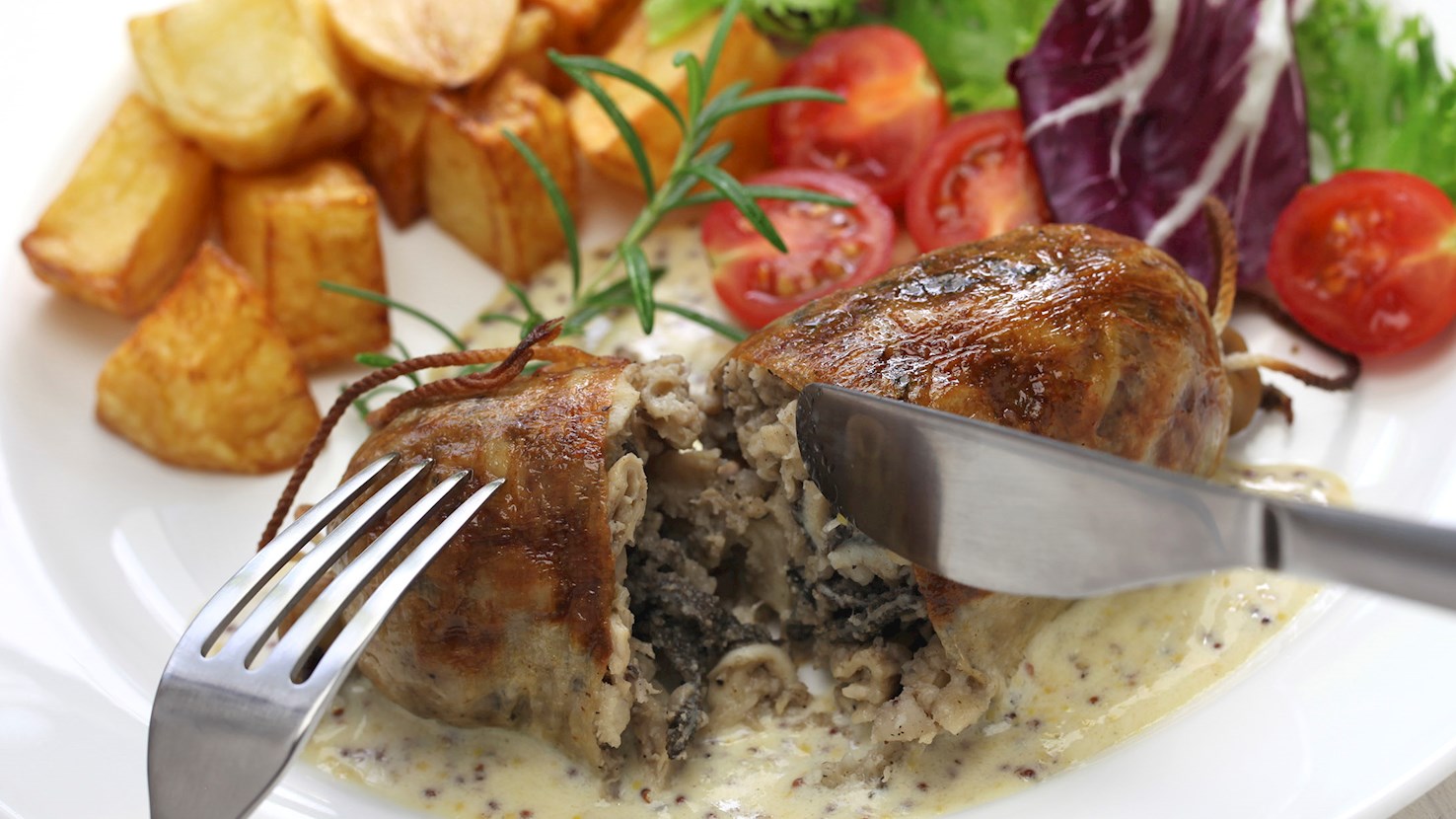
Andouillette is a coarse-grained, pungent French sausage composed primarily of pork or veal intestines and stomach. It was first created during the Middle Ages as a vital way to use every part of a slaughtered animal, and it famously altered the course of a military conflict in 1590 when an infiltration of Troyes by the royal army of Henry IV failed because the advance was halted to consume local sausages. A massive group of regional variations exists across the country, dictating specific ingredient compositions and textures. The renowned Troyes style relies strictly on pork large intestines and stomachs sliced into long strips, while the Cambrai variation utilizes veal intestines enclosed in a beef casing, and the Lyonnaise version incorporates veal ruffle, known as fraise de veau. Because it contains parts of the pig's colon, it is considered an acquired taste, with an intense, unusual smell some people describe as reminiscent of urine. The manufacturing process begins by meticulously scrubbing and soaking the raw digestive organs in cold water to remove impurities. The cleaned offal is sliced into continuous ribbons or chopped into coarse pieces, depending on the specific regional style. Salt, black pepper, minced onions, and regional herbs are heavily applied to the sliced meat. The seasoned offal is drawn or tightly packed into a natural intestine casing to form a dense, tubular shape. A rich court-bouillon infused with aromatic root vegetables and regional white wine is heated to submerge the raw links. The sausages are simmered slowly in the hot liquid for several hours until entirely tender. High-heat cooking applications, such as pan-searing in hot butter, grilling over an open flame, or roasting in an oven, are subsequently utilized to heat the pre-boiled sausages until the outer casing bursts and develops a deeply caramelized, crisp crust. Plating the hot sausage involves placing the meat alongside roasted potatoes, a mound of French fries, or a dense bed of braised cabbage. A sharp sauce made with heavy cream, local white wine, and whole-grain mustard is poured generously over the dish to counterbalance the chitterlings' intensely earthy, pungent aroma. The hearty meal is enjoyed year-round in traditional French bistros and is a prominent fixture at autumn harvest festivals and winter gastronomic fairs. Absolute authenticity and strict adherence to historical manufacturing methods are zealously monitored and certified by the Association Amicale des Amateurs d'Andouillette Authentique, an organization that grants the prestigious AAAAA diploma to sausages meeting rigorous structural and flavor standards, cementing the polarizing offal dish as a cultural pillar of national charcuterie.
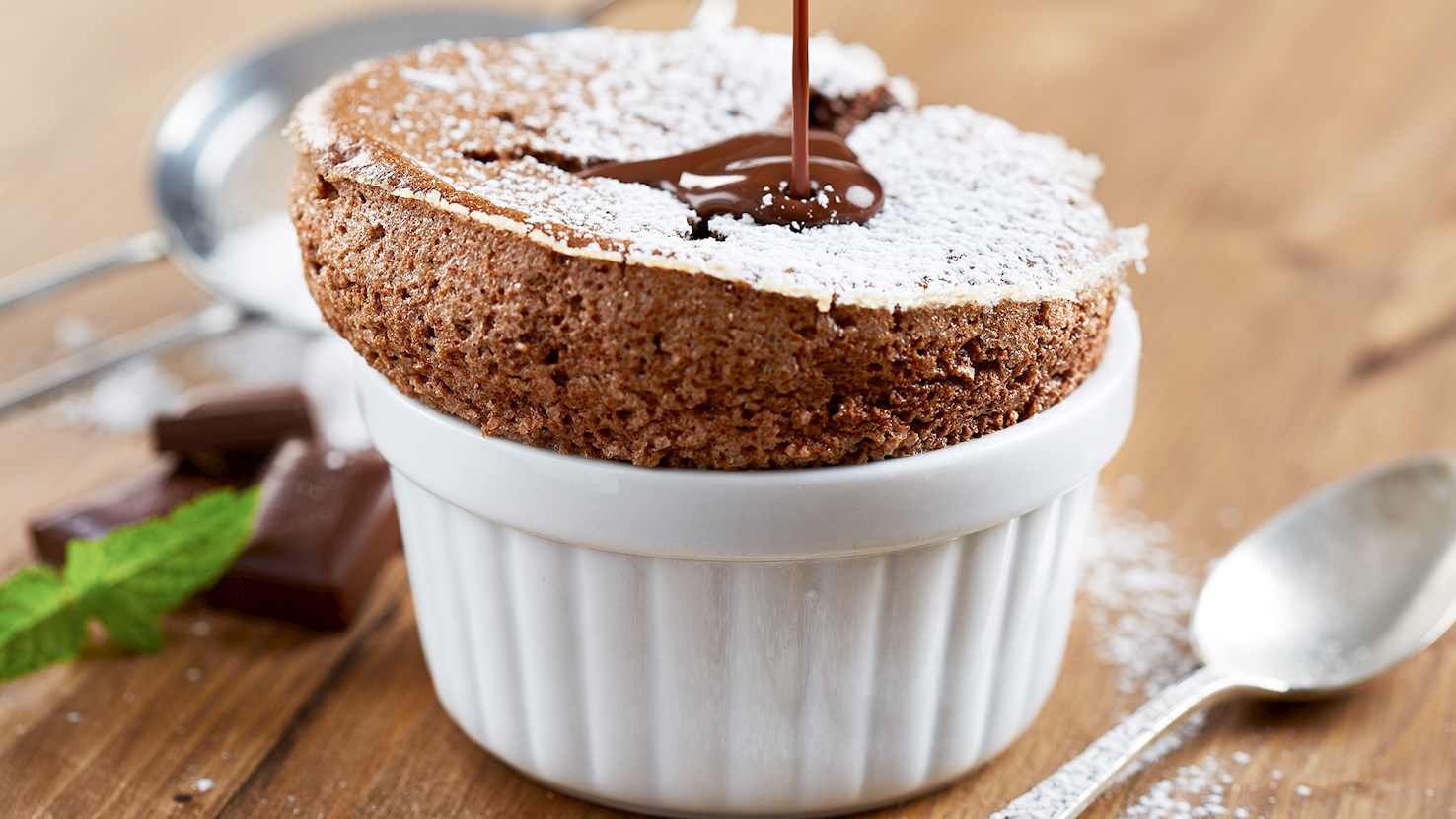
This wildly popular French dessert is beloved all over the world – known to gourmets for its soft, airy texture, and infamous among chefs for its unforgiving nature, which leaves little to no room for error during the cooking process. This delicate cake consists of two elements: a pudding or cream base, and a meringue made of egg whites. Soufflés can be either sweet or savory. Sweet soufflés typically have a sauce in the middle, and are served almost exclusively as a dessert. Savory soufflés often include ingredients such as cheese, crab, or onions, and they are usually served as an appetizer. The dish received its name from the French word souffler, meaning to puff up, and both sweet and savory versions of this delicacy were first created in 18th-century France. The first recipe for the dish is found in Vincent La Chapelle’s 1742 book Le Cuisinier Moderne. Today, there are numerous variations of the dish, containing creative ingredients such as figs, kiwi, chicken, vegetables, broccoli, corn, pineapple, and sweet potato.
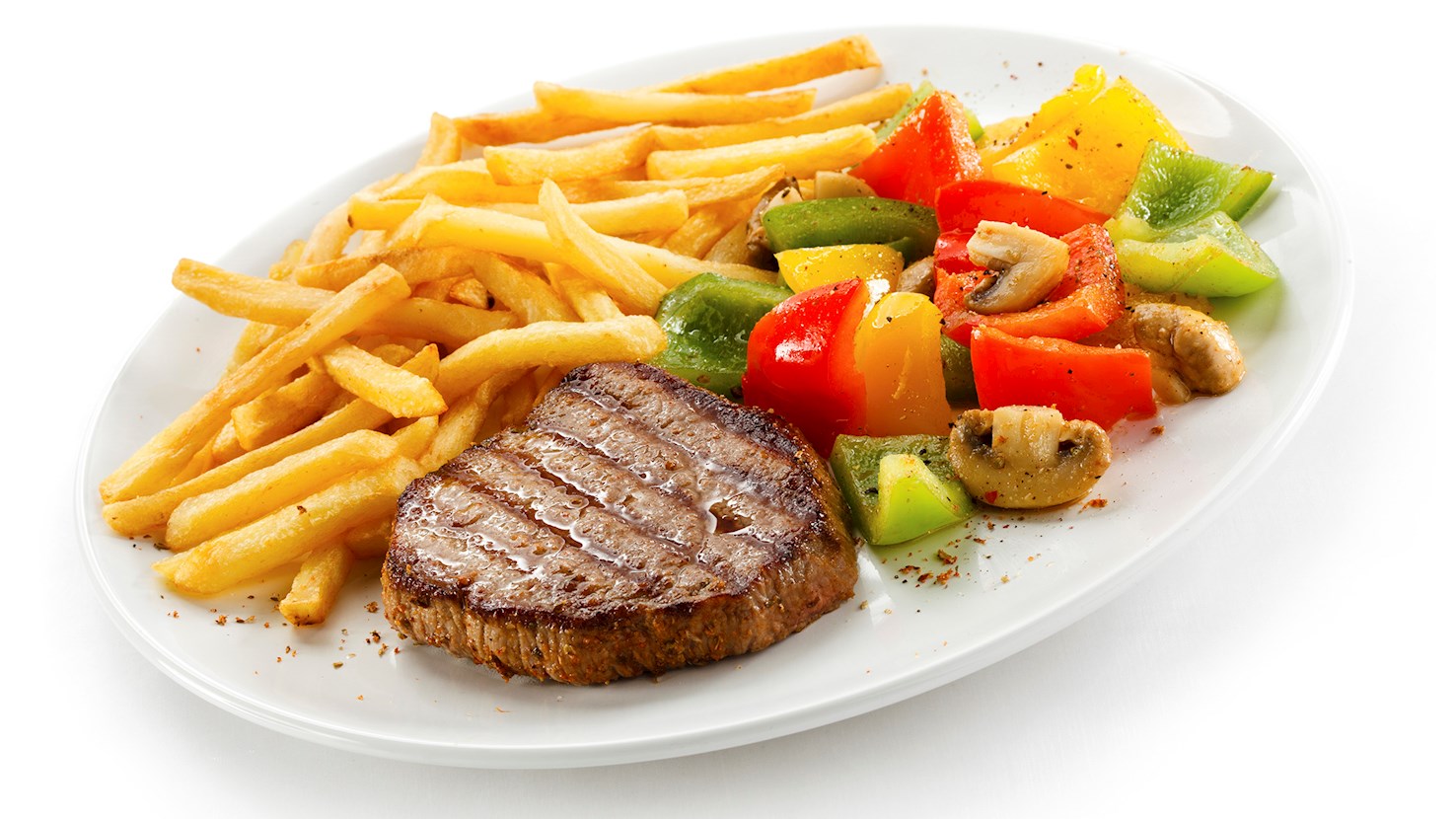
Simply translated as steak and fries, steak-frites is a dish that traces its origins to French and Belgian national cuisine. In this classic, fries vary from the hand-cut rustic potato wedges to thin, factory-produced types. They are always deep-fried, giving them a crunchy texture and an appealing golden color. Although fries are the essential accompaniment, the steak is the main star of the dish. The most common steak used in the dish is the rib eye cut, but sirloin steak or the famous T-bone are also commonly found on restaurant menus. A simple sauce reduction, Béarnaise, or Hollandaise sauce often accompany the dish. Steak and fries is one the most common dishes found in traditional French and Belgian brasseries and bistros, where a glass of fine Belgian beer or French wine acts as an irreplaceable accompaniment.
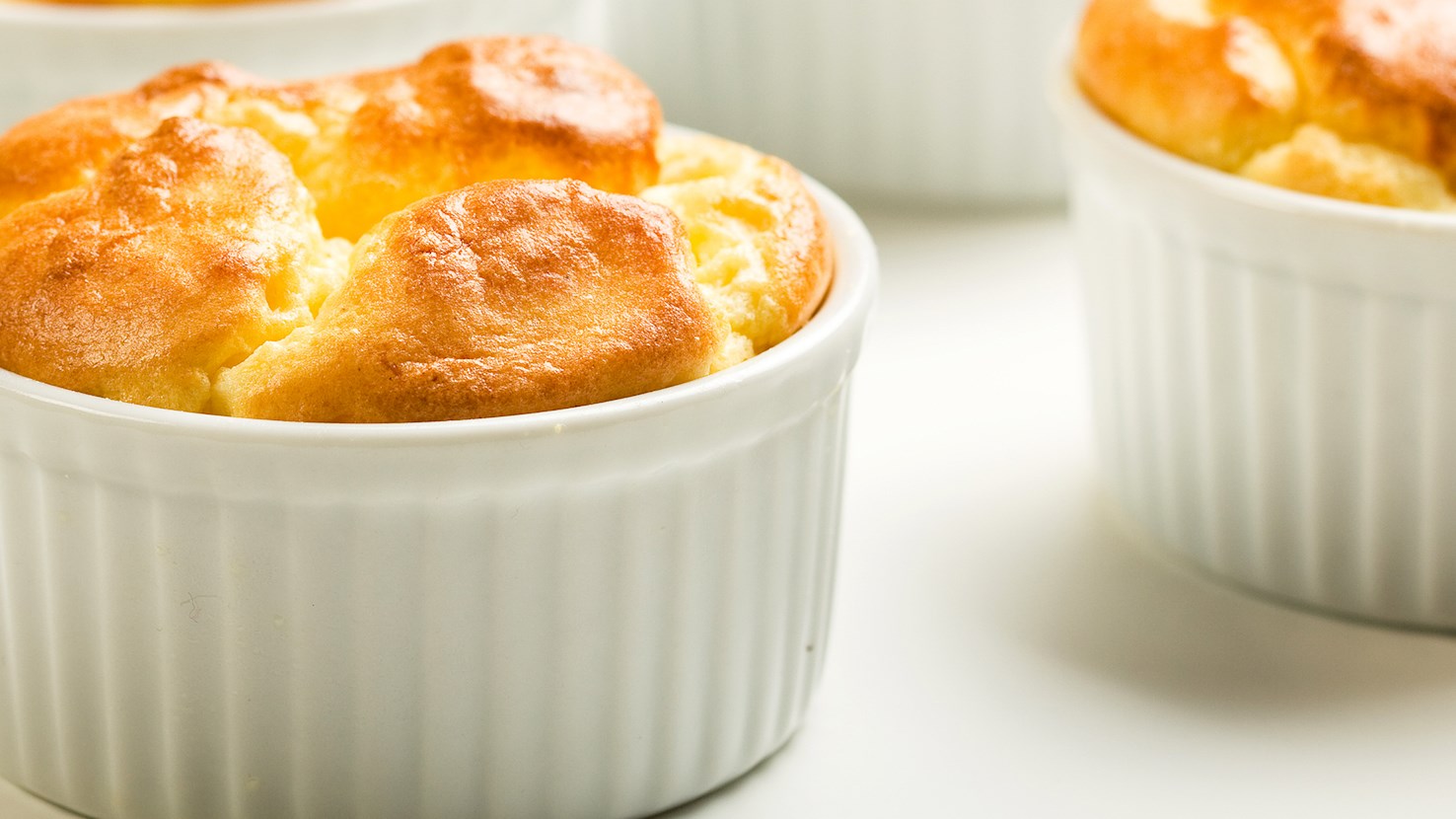
Airy and simple, this legendary French comfort food consists of a cheese base combined with whisked egg whites, butter, milk, and flour. The dish puffs up into a decadent, golden soufflé when baked. Cheese soufflé is believed to have been invented during the late 18th century. Today, it is typically served hot in small ramekins straight out of the oven.
Quenelles de brochet are a traditional French dish made from pike fish (brochet). These delicate dumplings are created by finely mincing the fish and combining it with a mixture known as a panade, which consists of milk, butter, flour, and eggs. Heavy cream is often added to enrich the mixture, resulting in a smooth and light consistency. The mixture is then seasoned with salt, white pepper, nutmeg, and sometimes herbs like chives or parsley. The preparation of quenelles de brochet begins with making the panade. This involves cooking flour in butter, adding milk to form a thick paste, and then incorporating eggs off the heat. The pike fish is finely minced or pureed and mixed with the panade and cream until smooth. The mixture is shaped into oval or egg-shaped dumplings using spoons or by hand. Cooking the quenelles involves gently poaching them in simmering water or stock until they puff up and float to the surface, indicating they are cooked through. After poaching, they can optionally be placed in a baking dish, covered with sauce, and briefly baked to finish. Quenelles de brochet are traditionally served with a rich, creamy sauce such as sauce Nantua, which is made with crayfish butter and cream. Other sauces like Mornay, a béchamel with cheese, can also complement the dish. These quenelles are often enjoyed as an entrée or a main course, typically accompanied by a garnish of fresh herbs.
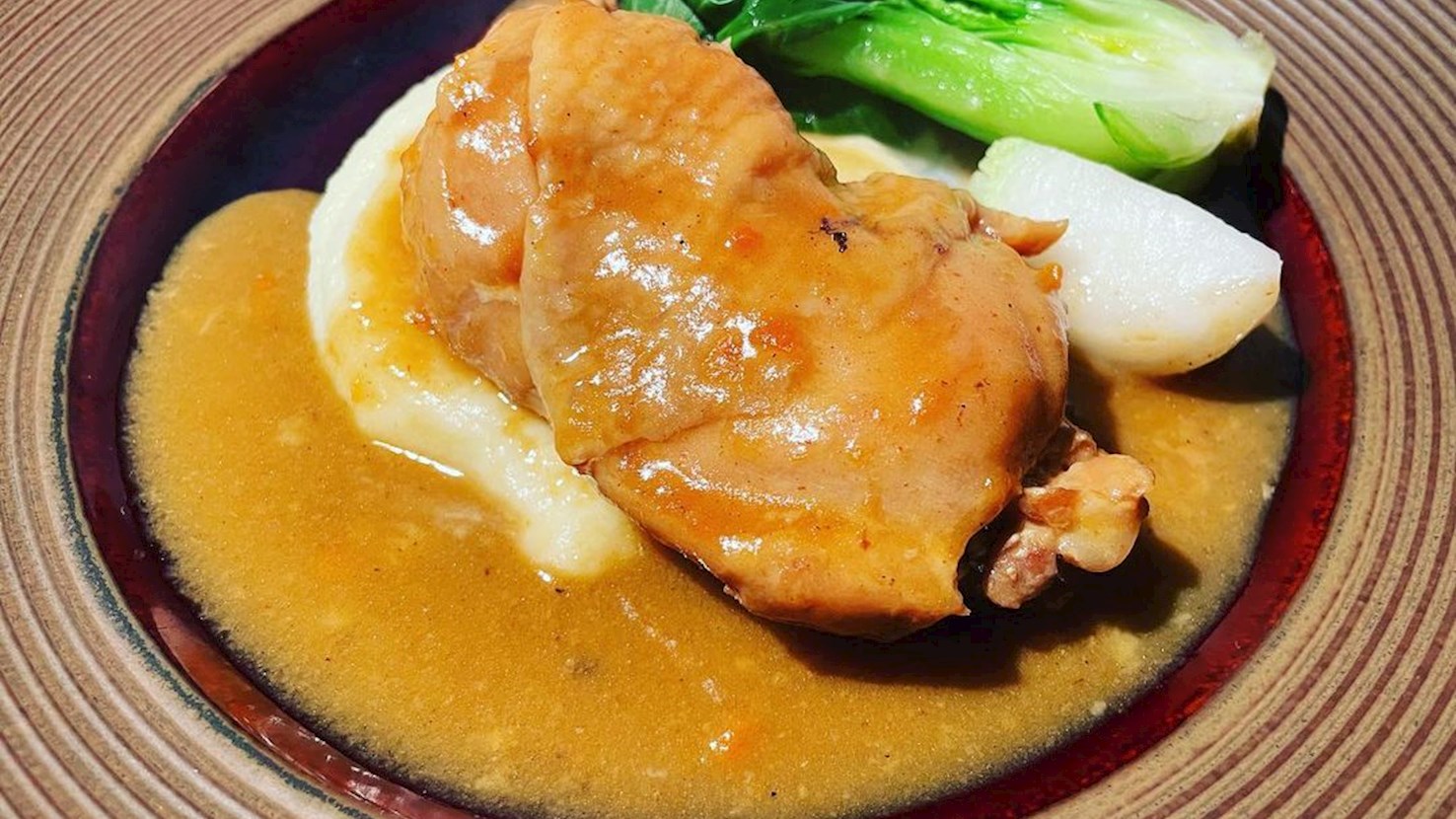
Poulet au vinaigre is a traditional bistro classic consisting of chicken in a creamy vinegar sauce. The ingredients include pieces of chicken, onions, shallots, garlic, tarragon, tomatoes, cream, chicken stock, white wine, and red wine vinegar. Once prepared, the chicken is transferred to a platter and the sauce is poured over the chicken. While the garlic, shallots, and onions give the dish a rich and deep flavor, it's the acidity from the tomatoes, wine, and vinegar that make poulet au vinaigre so satisfying. It's recommended to serve the dish with rice, macaroni gratin, fried green beans, or rustic bread on the side.
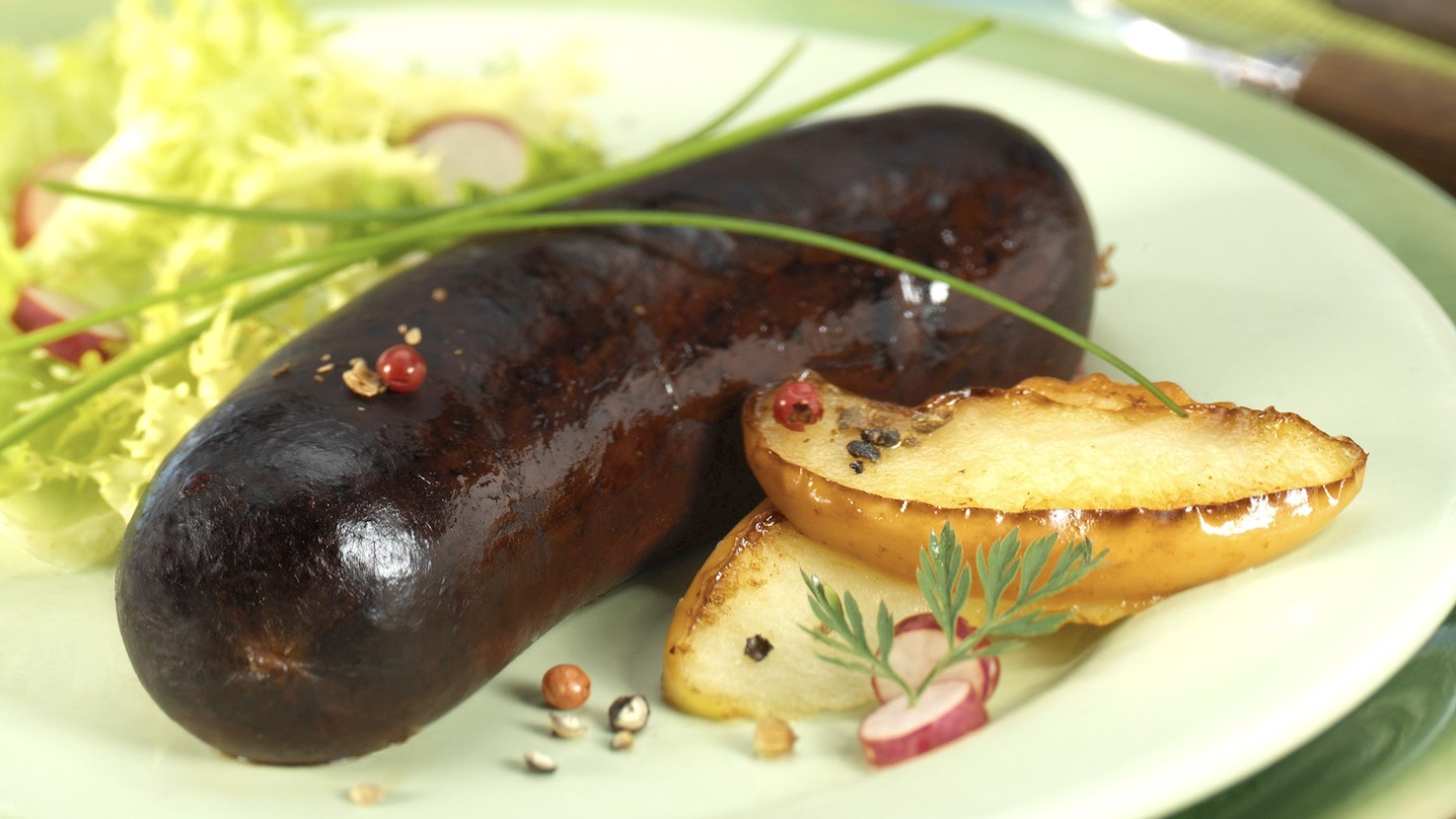
Boudin noir aux pommes is a traditional dish consisting of a blood sausage that is paired with apples. The French pride themselves on making an excellent blood sausage, so it is unsurprising that the dish makes for a flavorful starter throughout France, its popularity derived from the contrast between the acidity of the apples and the delicate flavors of the blood sausage. The sausages are fried in oil, after which the chopped apples also get fried in the same oil. The dish is typically served with the blood sausage on top of the cooked apples.
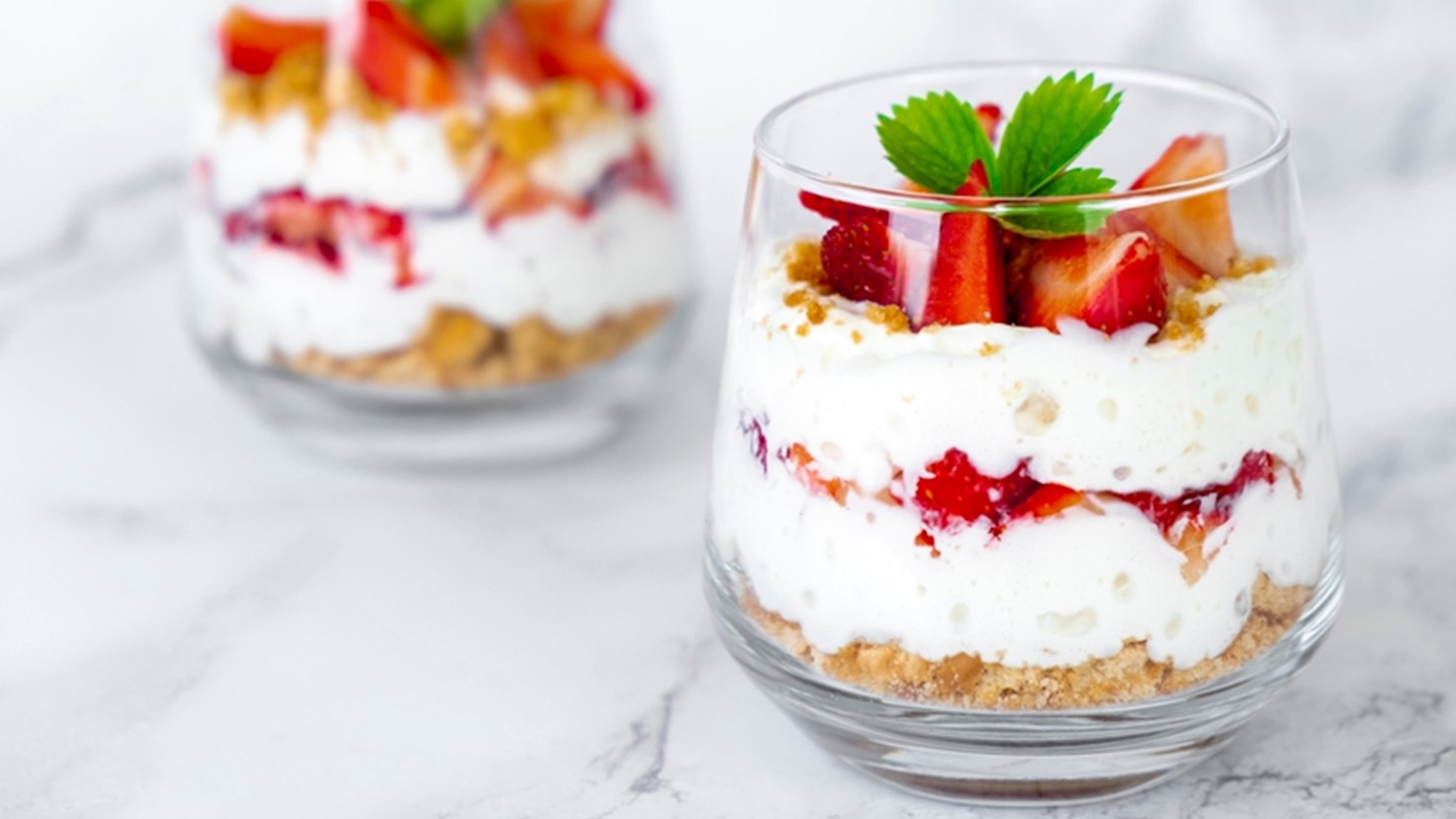
The name of this partially frozen French dessert means perfect – so one can imagine that its creators intended the experience of eating it to be no less thrilling than its name implies. Parfait is a frozen dessert made from a base of egg yolks, sugar, and whipped cream, and it can be flavored with any number of additional ingredients such as fruit, nuts, or coffee. Today, however, parfaits can be made with savory ingredients as well, and there are versions made with seafood, vegetables, and even foie gras. Parfaits were originally served on decorative plates, but today they are usually layered in tall and thin flute glasses. The dessert is so popular that it even has its own holiday in the US – National Parfait Day – which is celebrated on November 25th.
TasteAtlas food rankings are based on the ratings of the TasteAtlas audience, with a series of mechanisms that recognize real users and that ignore bot,
nationalist or local patriotic ratings, and give additional value to the ratings of users that the system recognizes as knowledgeable.
TasteAtlas Rankings should not be seen as the final global conclusion about food. Their purpose is to promote excellent local foods,
instill pride in traditional dishes, and arouse curiosity about dishes you haven’t tried.



What People Say