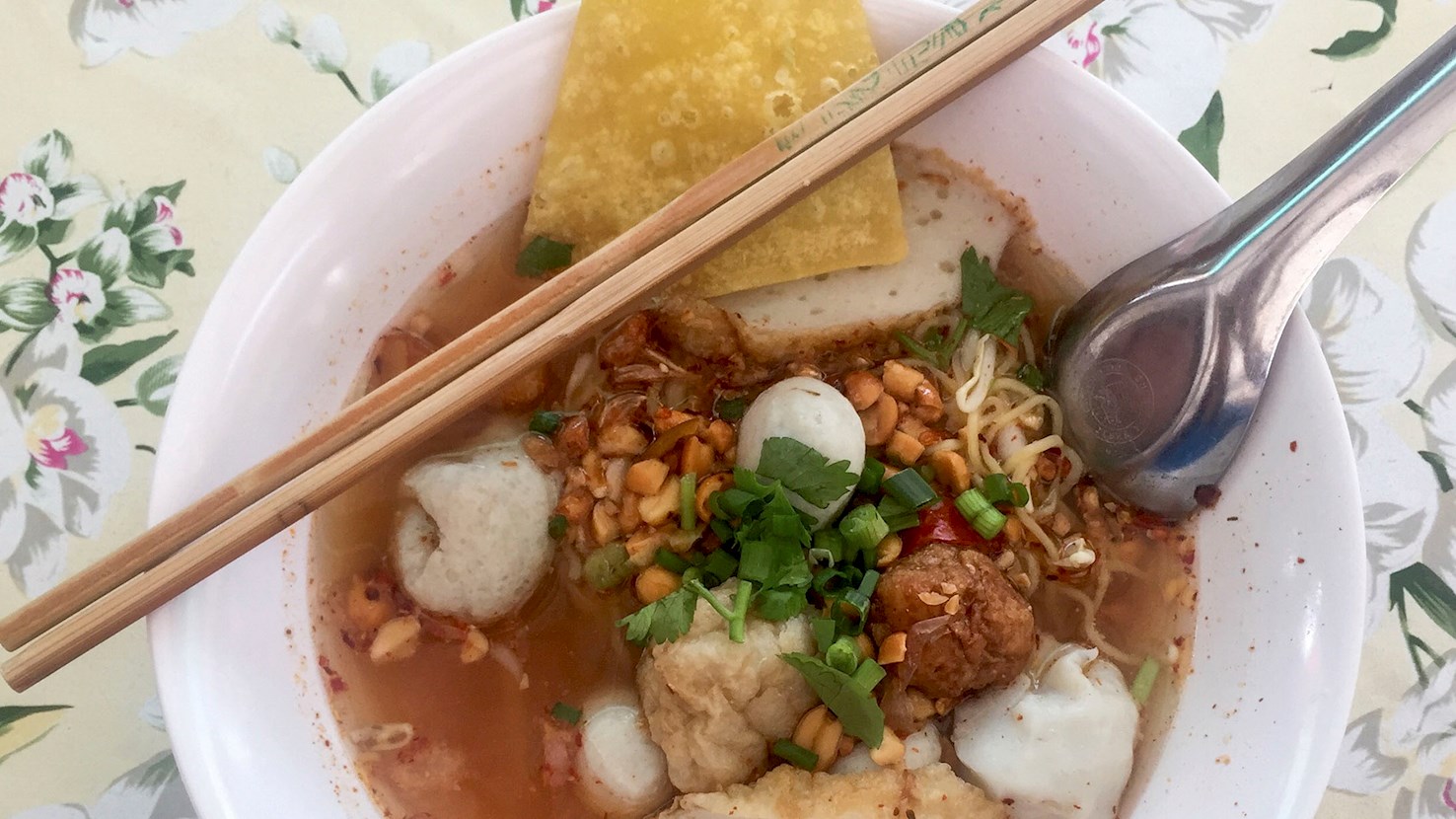
Bakwan Malang is a savory Indonesian meatball soup that originates from the city of Malang in East Java. It consists of a flavorful broth served with a variety of bakso or meat-based components, such as beef meatballs, tofu stuffed with ground meat, fried wontons, and crispy dumplings, typically accompanied by yellow noodles or vermicelli. The name “bakwan” in this context refers not to vegetable fritters, as it does in some regions, but rather to the ensemble of meatball components, while “Malang” denotes the dish’s geographic origin. The broth is usually made from simmered beef bones and seasoned lightly with garlic and shallots, allowing the richness of the meat and the texture of the accompaniments to stand out. Vendors and street stalls throughout Malang and other parts of Java serve bakwan Malang as a complete, customizable bowl, often allowing customers to choose their preferred items from a display before ladling the hot broth over the selection. Condiments like sweet soy sauce, sambal, fried shallots, and lime are commonly added at the table to adjust flavor and heat to personal taste. While similar to bakso in its core components, bakwan Malang is specifically defined by its East Javanese origin and the variety of toppings that come with it.
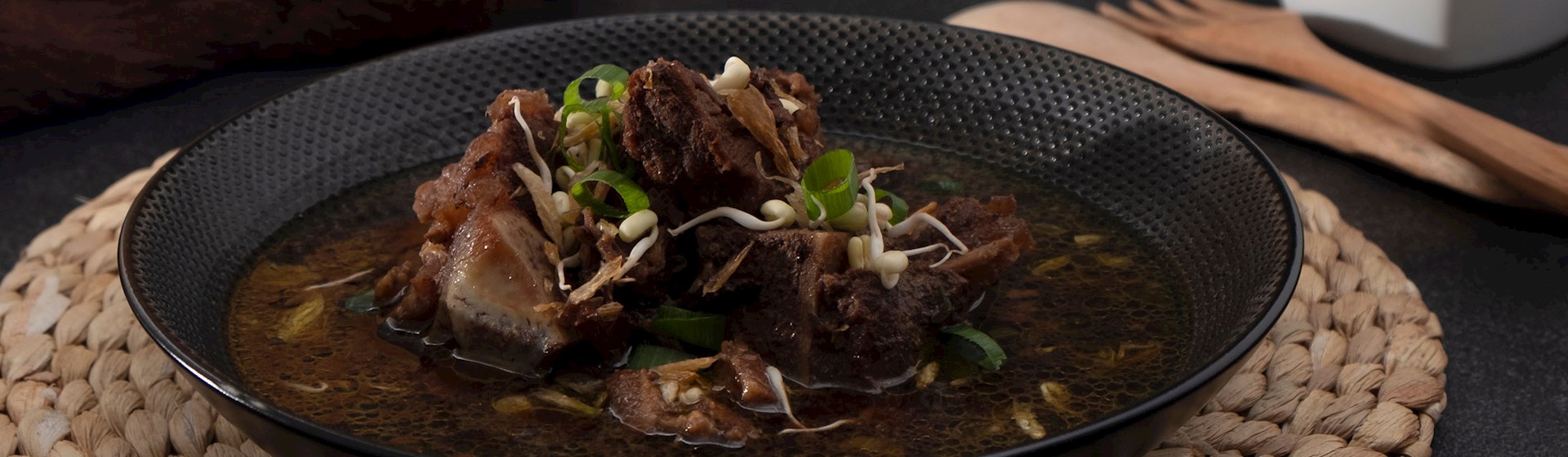
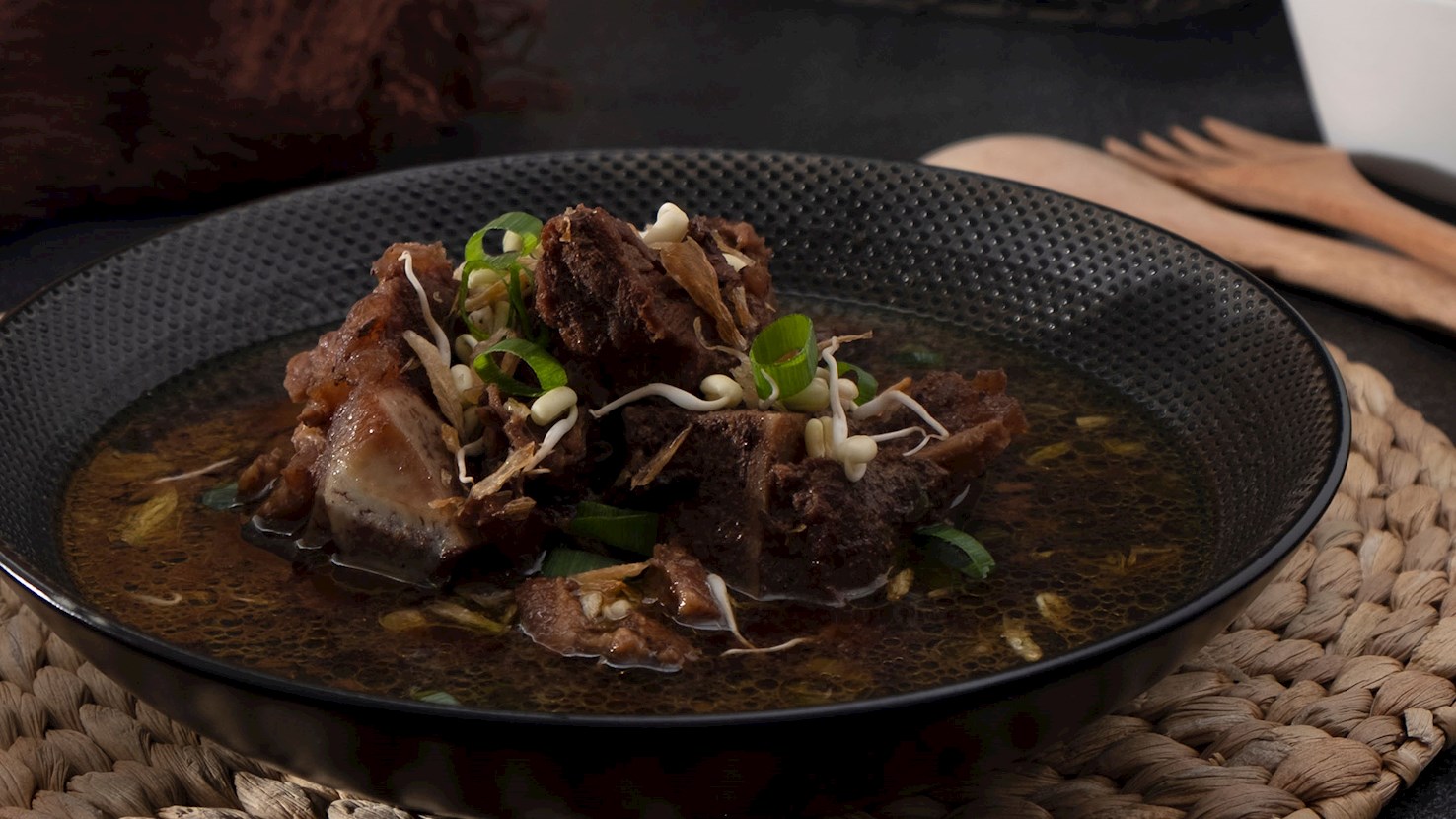
Rawon is a unique Indonesian dish with origins in East Java. This flavorful soup is usually made with slow-braised beef and other traditional Indonesian ingredients such as lime leaves, lemongrass, ginger, and chili. However, the key element is buah kluwek, the Indonesian black nut. This unusual Indonesian spice is highly toxic when raw, and always needs to be fermented before consumption. It is ground with other ingredients and spices, giving the dish its earthy and sour taste and the unique dark black color. The origin of the dish is believed to be the city of Surabaya, the capital of East Java. Primarily prepared as a plebeian dish, it soon became a favorite among royalty and quickly grew in popularity. Today it can easily be found on the menus of numerous traditional Indonesian restaurants. It is usually served alongside plain rice, salted eggs, bean sprouts, and sambal - a spicy Indonesian chili paste.
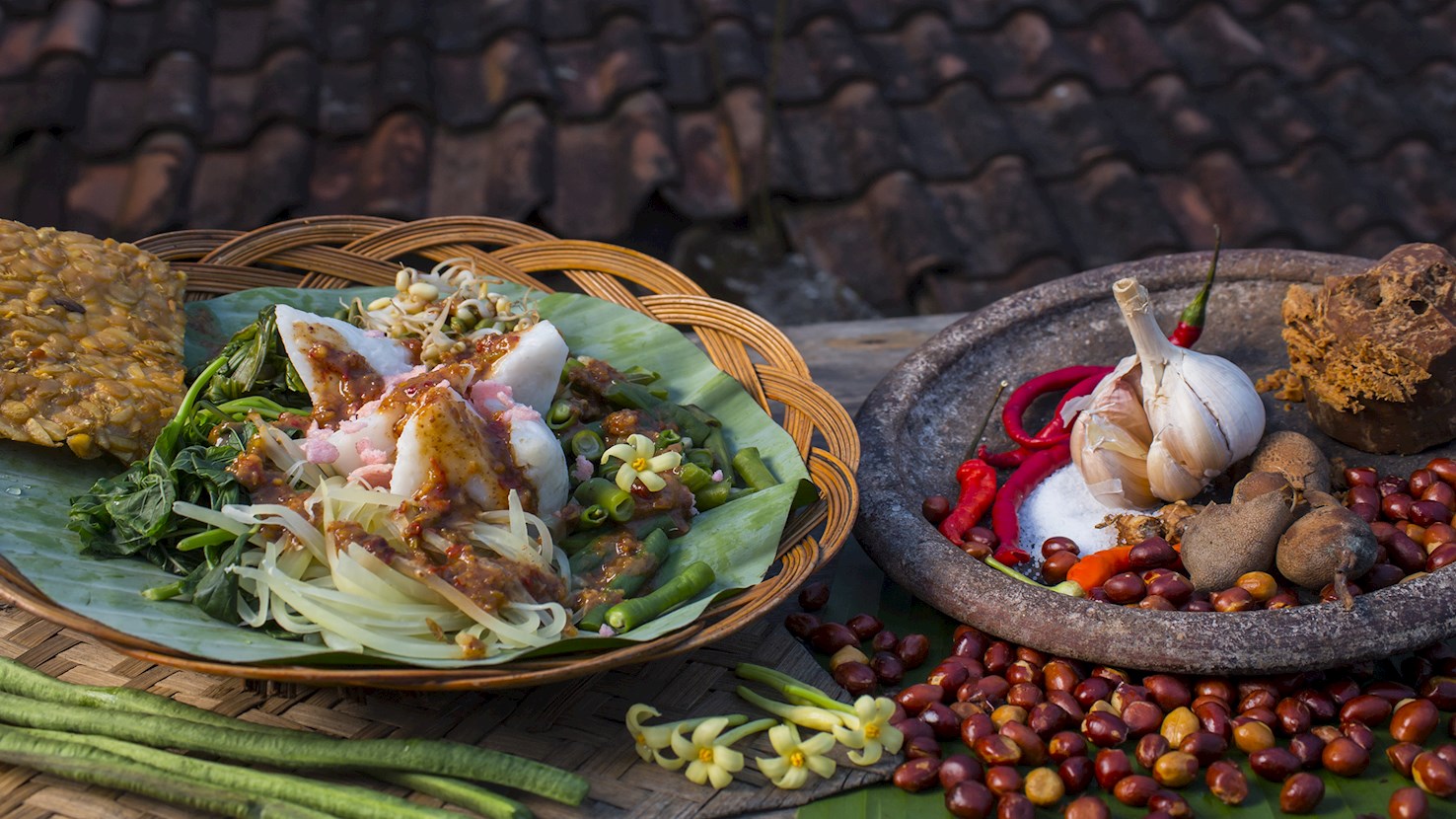
Indonesian pecel may refer to a fragrant peanut sauce or a combination of the sauce and various vegetables, when it is commonly referred to as a salad. The base of the sauce is prepared with roasted peanuts and spices that typically include chili peppers, palm sugar, garlic, tamarind juice, shrimp paste, kaffir lime leaves, salt, and kencur, an aromatic ginger variety. Usually associated with Java, the sauce is characterized by its distinctive combination of sweet and spicy flavors. When served with rice, the dish goes under the name nasi pecel.
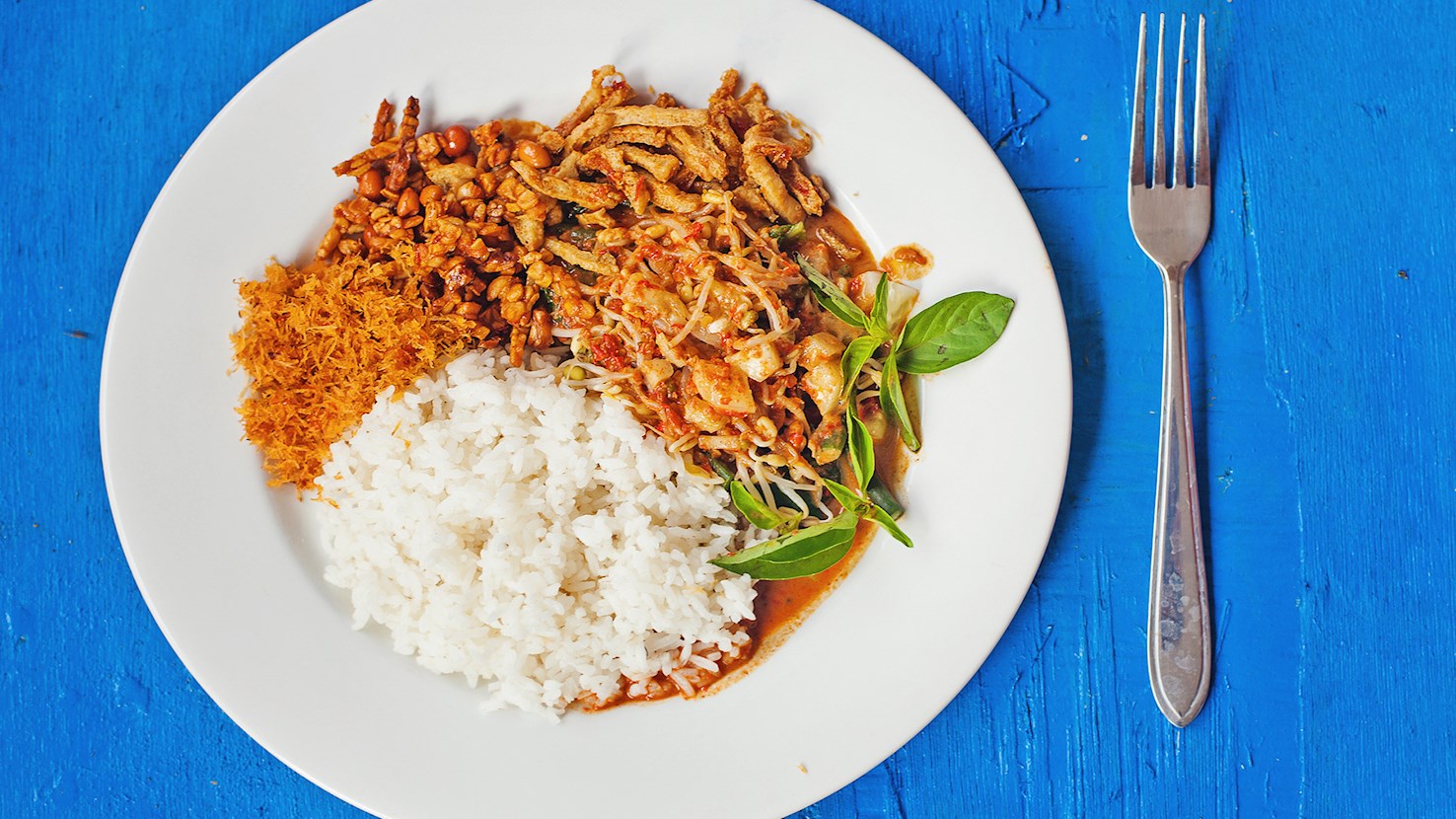
Nasi pecel is a Javanese rice dish that brings together a colorful array of lightly blanched vegetables served over steamed rice and generously topped with a rich, aromatic peanut sauce, originating from Central and East Java, particularly in cities like Madiun, Kediri, and Blitar. At the heart of the dish is the pecel sauce, a slightly coarse, deep brown peanut dressing made from roasted peanuts, chili peppers, garlic, tamarind, coconut sugar, and makrut lime leaves, pounded or blended into a thick, fragrant paste. The result is a sauce that is bold yet balanced, with a satisfying heat and a subtle citrusy lift that complements the freshness of the vegetables. The vegetable selection in nasi pecel typically includes water spinach (kangkung), long beans, bean sprouts, cassava leaves, and cabbage, all lightly blanched to retain their crunch and vibrant color. These are laid over a warm bed of white rice, then drenched in the warm pecel sauce. The dish is often served with rempeyek (crispy peanut crackers), tempeh, fried tofu, or a fried egg, adding contrasting textures and extra protein. Nasi pecel is widely enjoyed for breakfast or lunch, especially in roadside warungs and traditional markets, where it is often wrapped in banana leaves, infusing the meal with a subtle aroma and offering an eco-friendly form of takeaway. While similar in spirit to dishes like gado-gado, nasi pecel is less elaborate and more rustic, with a spicier, thinner sauce and a stronger regional identity rooted in Javanese culinary tradition.
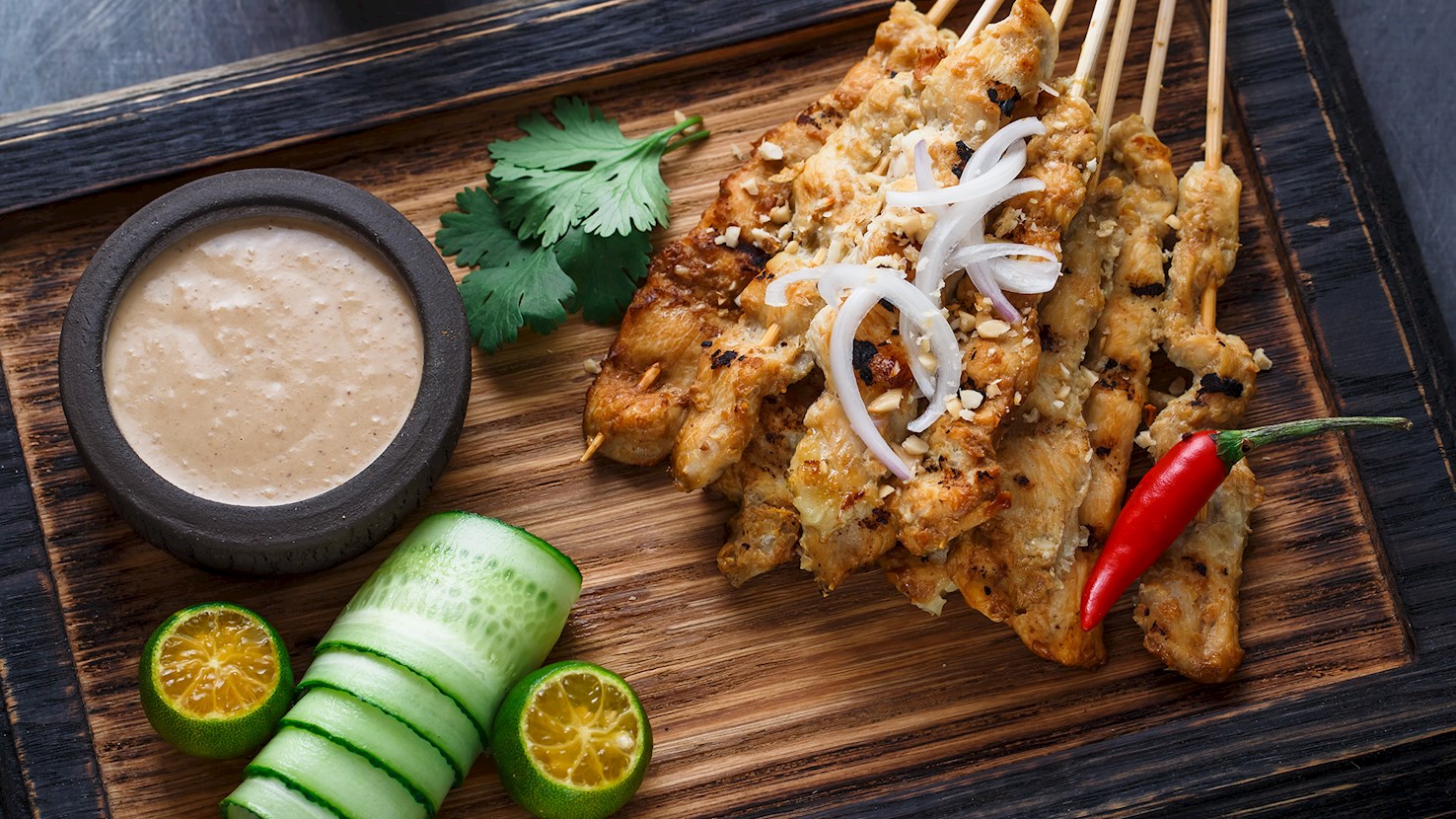
Satay is a traditional dish consisting of skewered meat that's served with a sauce on the side. All types of meat can be used to make satay, even some exotic varieties such as crocodile or snake meat. In most cases, the meat is marinated before grilling. Marinades vary, but typically include dark soy sauce, sugar, garlic, lime juice, and other seasonings. It is believed that satay originated in the Indonesian region of Java and that it was developed under the influence of Muslim traders who migrated from India. Another theory claims that satay was created in the 19th century by Indonesian street vendors as a variation on Indian kebabs. The theory is supported by the fact that satay became popular when Muslim and Arab immigrants had populated those areas. From the moment it originated in Java, satay quickly spread throughout Southeast Asia, and eventually all over the world. In Indonesia, it has become a national dish and nowadays it can be found everywhere, from street vendors to high-class restaurants. The most common sauces served with satay are peanut, soy, or pineapple sauce.
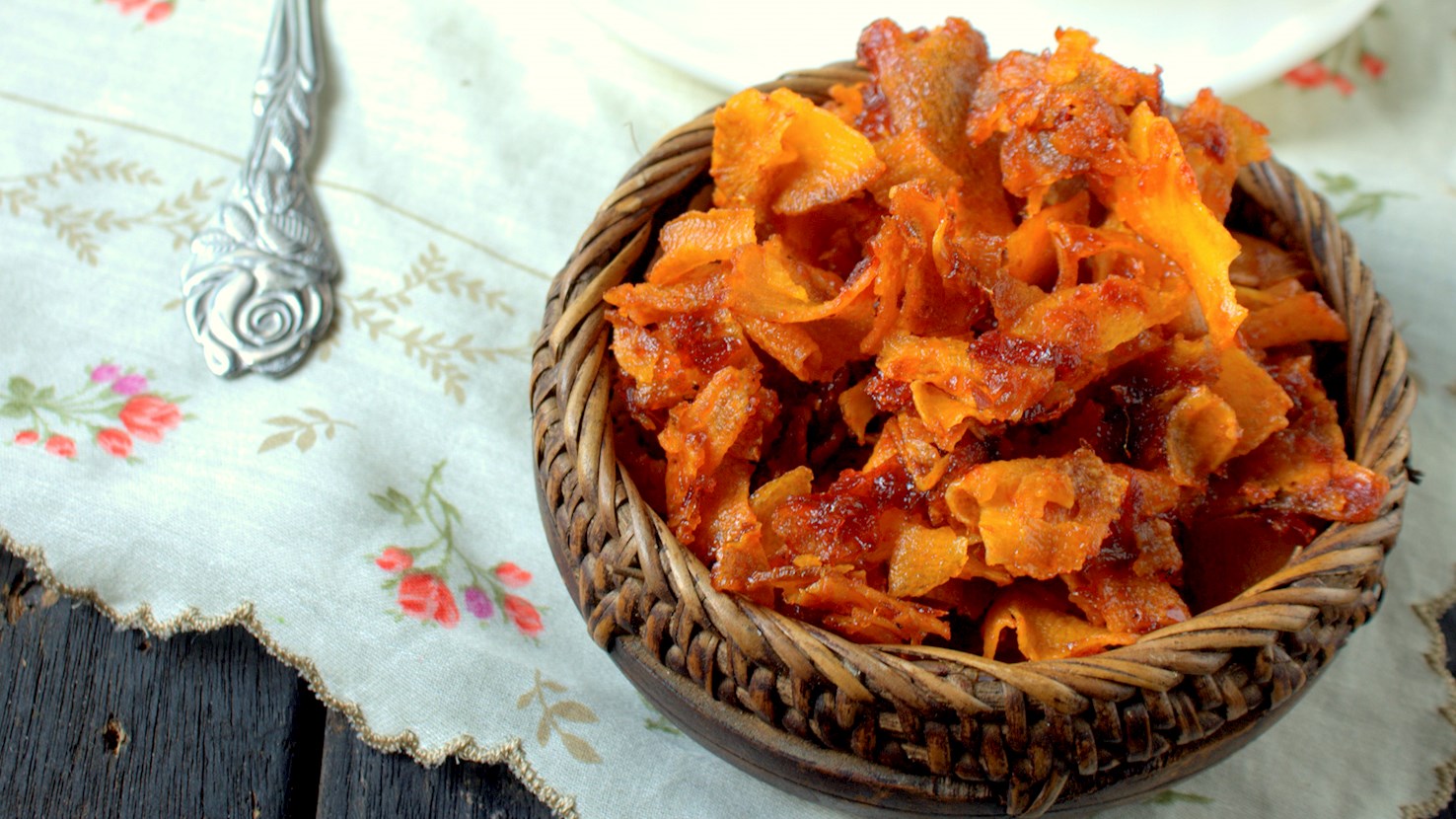
Kripik are small chips from Indonesia, prepared in sweet and savory versions. They are made with fish, vegetables, or fruit, in some cases the exotic ones such as taro, breadfruit, jackfruit, and snake fruit. The chips are deep-fried in vegetable oil until crispy. The most popular varieties include kripik singkong (cassava chips) and kripik pisang (banana chips). Kripik belongs to the group of krupuk, which are larger chips, while kripik is smaller, but has more variety in its ingredients, so almost any fruit, tuber, vegetable, or nut can be incorporated into kripik. The varieties are endless: durian, sweet potatoes, chicken feet, cassava and chili, spinach, and sea cucumber are just some of the ingredients that can be made into this flavorful and unique Indonesian treat.
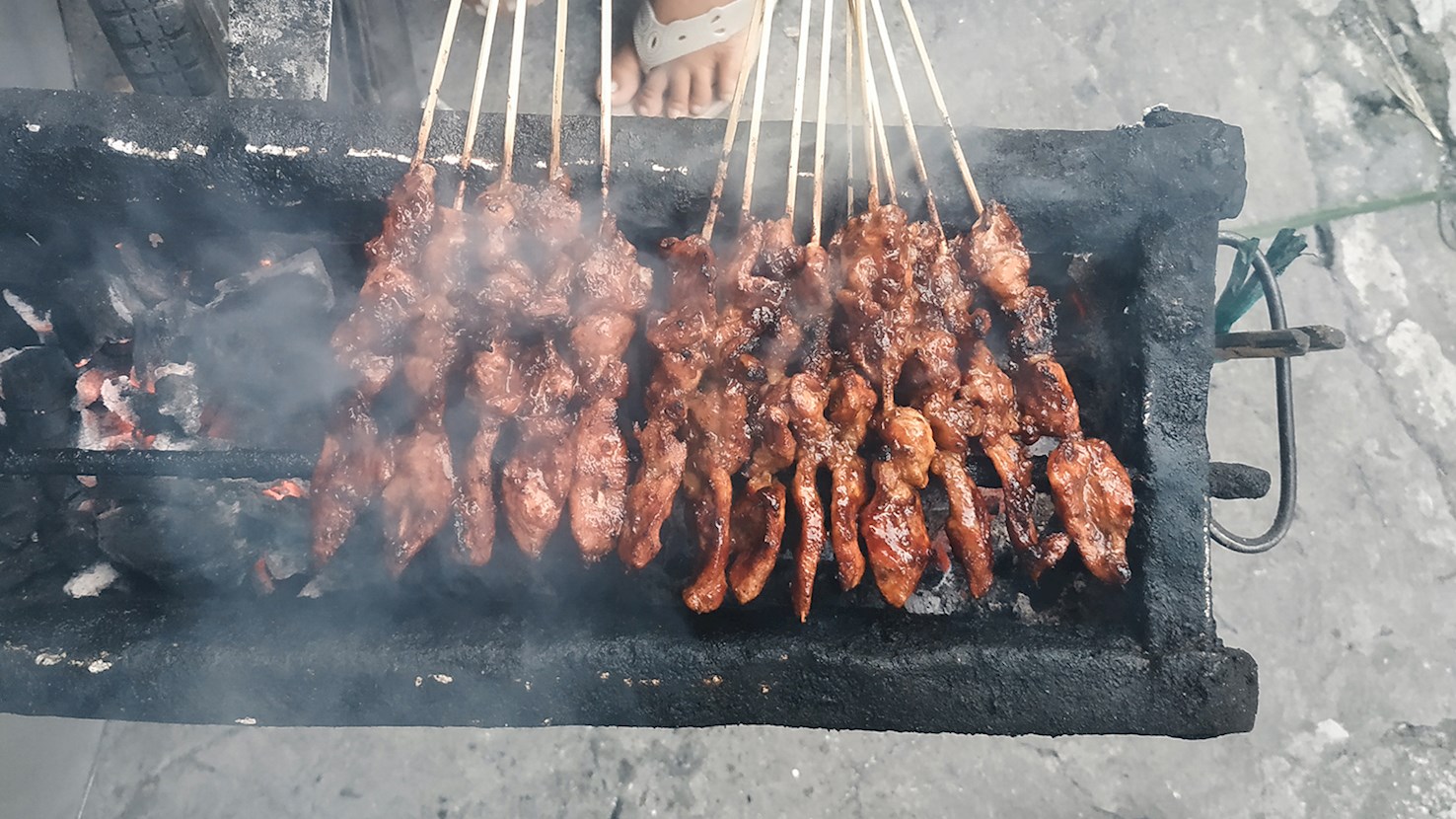
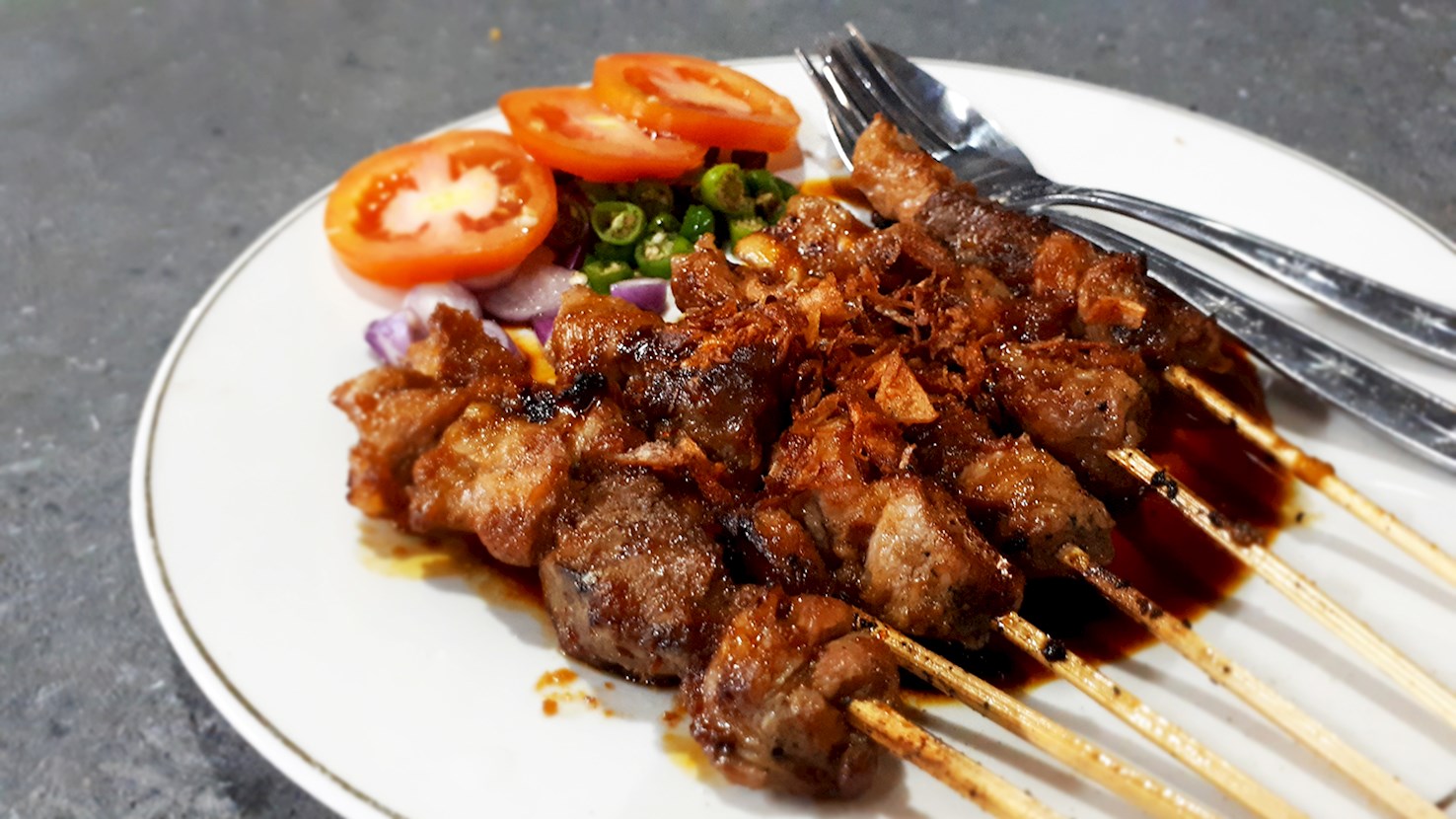
Sate Madura is a popular Indonesian skewered meat dish that originates from the island of Madura, located just northeast of Java. It is one of the most widely recognized regional variations of sate in Indonesia, known for its distinctively rich, sweet-savory peanut sauce and smoky, charcoal-grilled aroma. Typically made with small cuts of chicken or beef, the meat is marinated, skewered onto bamboo sticks, and grilled over hot coals while being brushed with a glaze that often includes sweet soy sauce, garlic, and shallots. What sets sate Madura apart from other styles is the generous use of thick, dark kecap manis and the robust, slightly caramelized peanut sauce that is poured over the cooked skewers just before serving, often accompanied by fried shallots and rice cakes called lontong. The roots of sate Madura lie in the island’s long-standing culinary influence on Javanese street food culture. Sellers from Madura have historically migrated to urban centers such as Jakarta and Surabaya, bringing their version of sate to roadside stalls, markets, and night-time food courts. Their presence has made sate Madura almost synonymous with street-side grilling throughout Indonesia, where the sight of glowing charcoal pits and the aroma of seared meat have become an essential part of the evening food scene. Often served on brown wax paper or banana leaves, sate Madura is eaten with the hands or simple wooden forks, emphasizing its role as a deeply rooted, everyday comfort food.
Sate kambing is a traditional dish and a type of satay prepared with goat or mutton as the main ingredient. The meat is cut into chunks or cubes and it's marinated in a combination of ingredients such as kecap manis (sweet soy sauce), galangal, ground shallots, pineapple juice, and (often) chili peppers. After it's been marinated, the meat is placed on skewers that are larger and thicker than the ones used for chicken satay as the texture and thickness of mutton or goat is tougher than chicken. The skewers for sate kambing are usually made from bamboo. The meat is grilled, then served with kecap manis sauce, peanut sauce, or chili sauce, consisting of shallots, bird eye chili peppers, and kecap manis. Some like to eat sate kambing with steamed rice or rice cakes on the side. This type of sate is especially popular in Java.
TasteAtlas food rankings are based on the ratings of the TasteAtlas audience, with a series of mechanisms that recognize real users and that ignore bot,
nationalist or local patriotic ratings, and give additional value to the ratings of users that the system recognizes as knowledgeable.
TasteAtlas Rankings should not be seen as the final global conclusion about food. Their purpose is to promote excellent local foods,
instill pride in traditional dishes, and arouse curiosity about dishes you haven’t tried.



What People Say