

shutterstock

4 Traditional Foods
You Have To Try in Marbella

Last updated on June 17, 2026
01

Espetos

4.1 ·

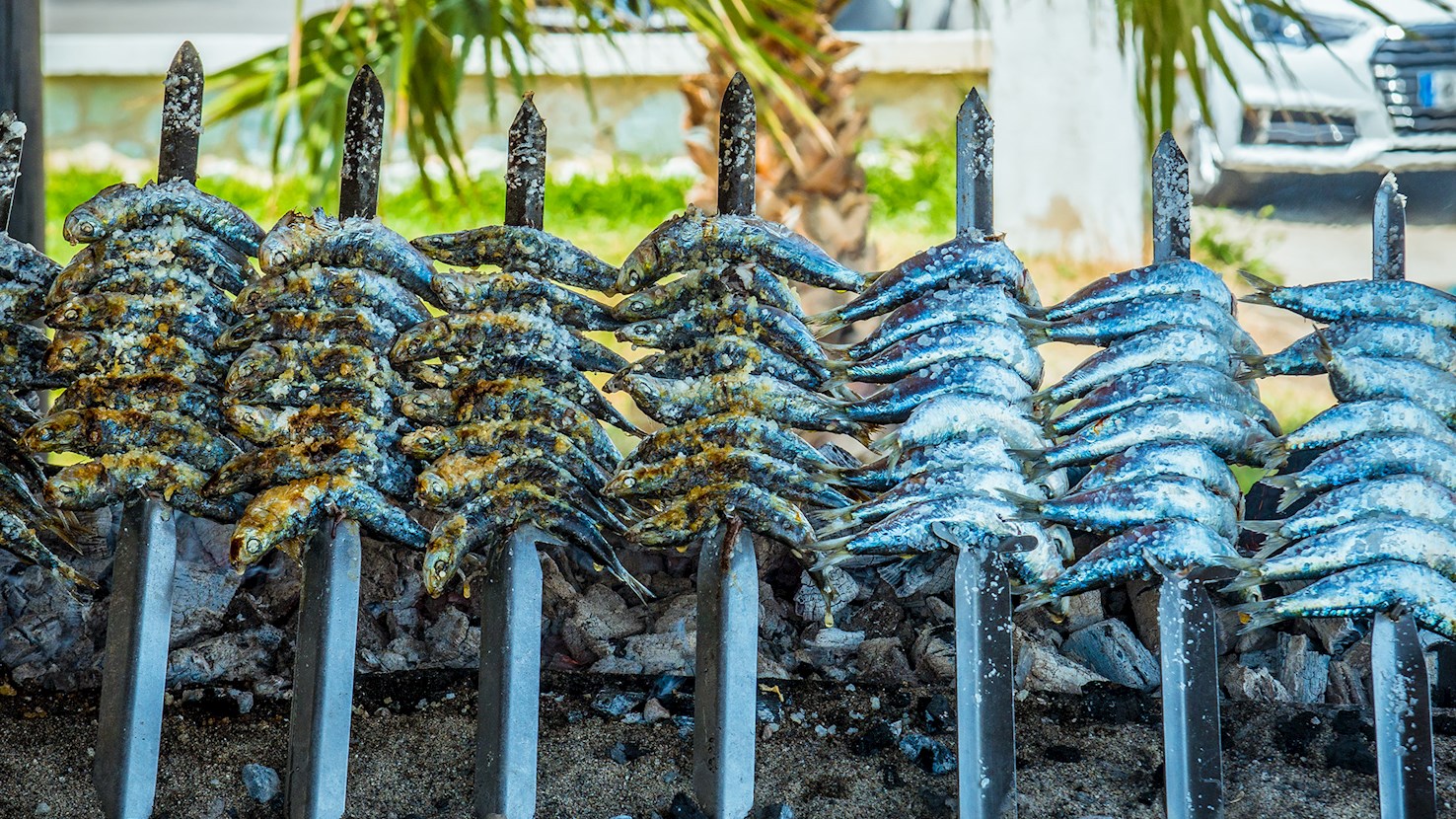
Espetos is a Spanish tradition of grilling sardines, dating back to the late 19th century, when fishermen skewered and grilled surplus fish in small boats on the sand. The modern method usually involves placing 6 sardines on a skewer, seasoning them with sea salt, then grilling them over the open flames of an olive wood fire. Once the sardines are fully cooked and become golden on the outside, they are drizzled with olive oil and lemon juice. It's said that the sardines are best from May to August, when they are a bit fattier, which increases their great flavor. In many beach bars of Malaga, espetos are paired with soft drinks, beer, sangria, or Tinto de verano red wine.

02

Salmorejo

3.9 ·

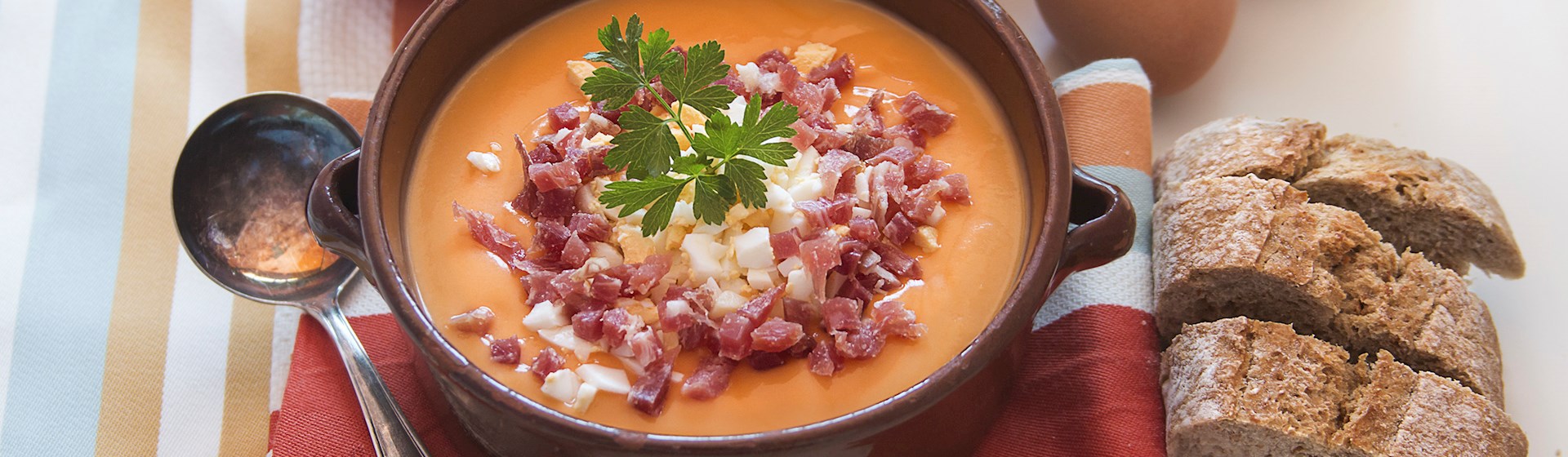
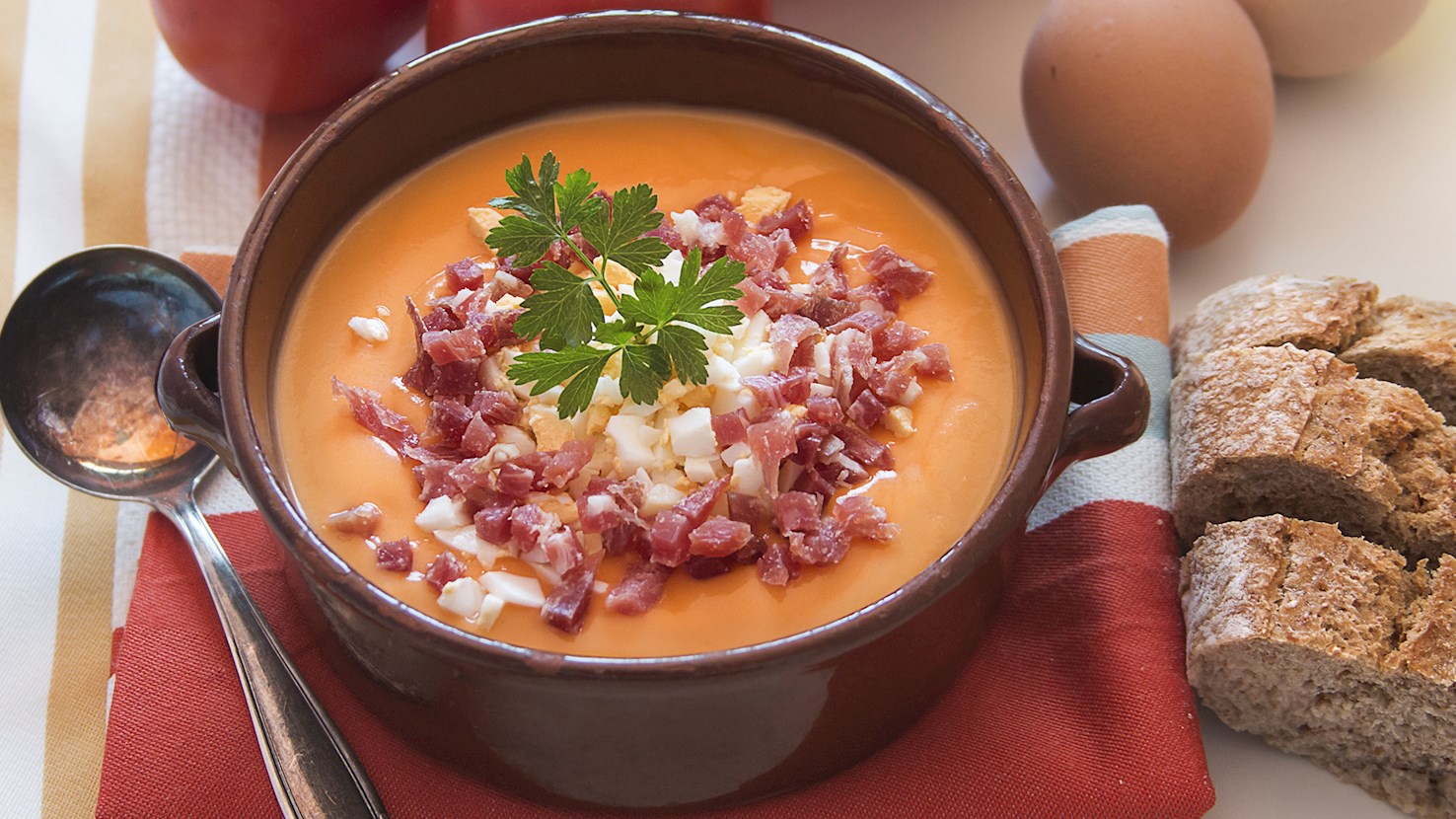
Salmorejo is a refreshing Andalusian soup that is traditionally served cold. It is especially popular during the warm, summer days. The soup consists of puréed tomatoes, bread, garlic, oil, and vinegar. Thick and creamy, salmorejo is often garnished with ingredients such as hard-boiled eggs or Spanish ham. In some cases, it can be served as a tapa dish or as a sauce accompanying toasts or omelets.

03

Pisto

3.9 ·

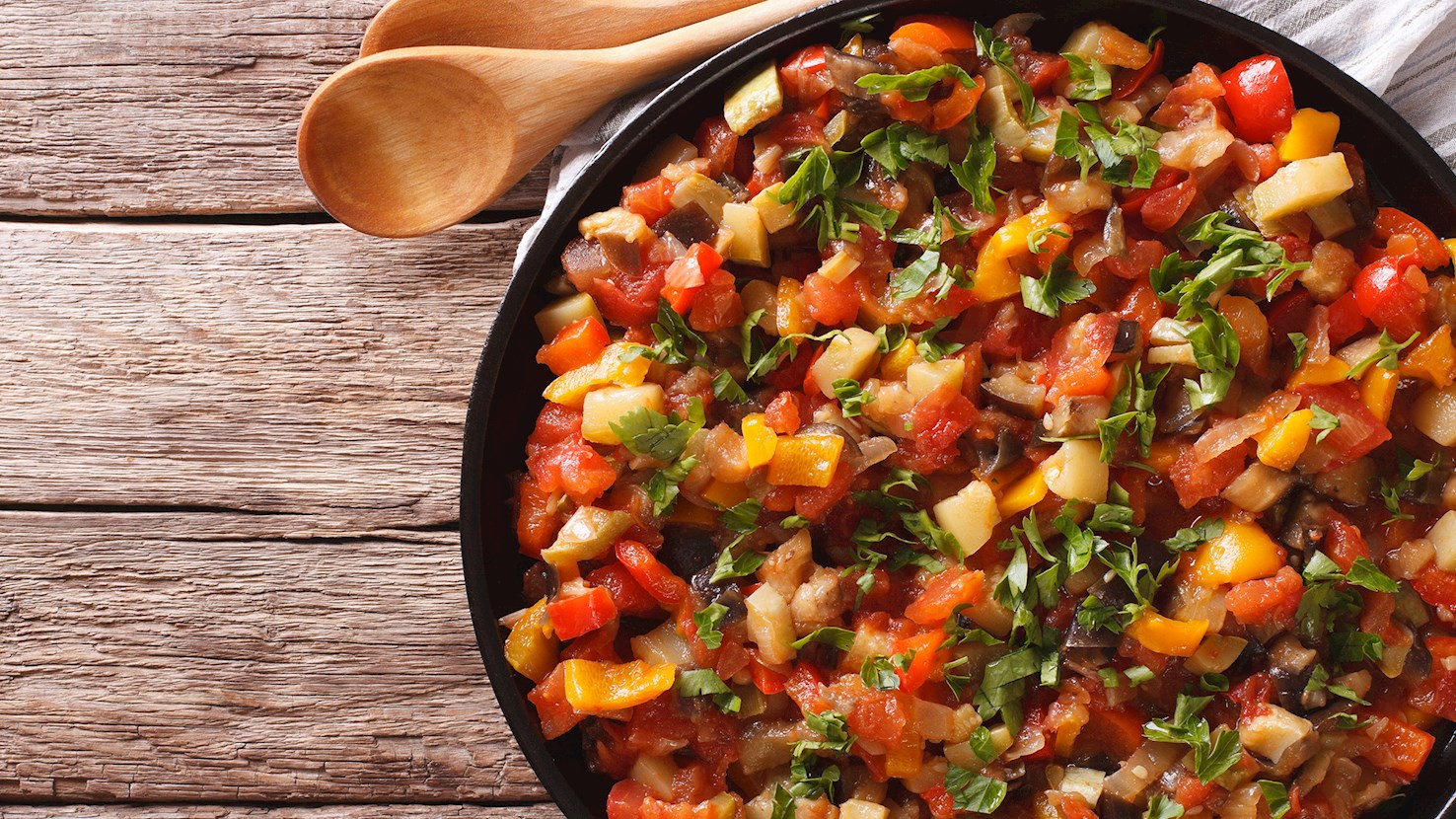
Pisto is a traditional dish from La Mancha, consisting of a variety of cooked and fried vegetables such as tomatoes, onions, bell peppers, and courgettes. It is very similar to the famous ratatouille. The dish can be served cold as a starter, or warm as a side dish. It is believed that pisto was introduced to Spain by the Moors, who used to call it alboronia. There are also numerous variations of pisto, with added ingredients such as potatoes, pumpkin, or ham.

04

Arroz marinero

4.3 ·

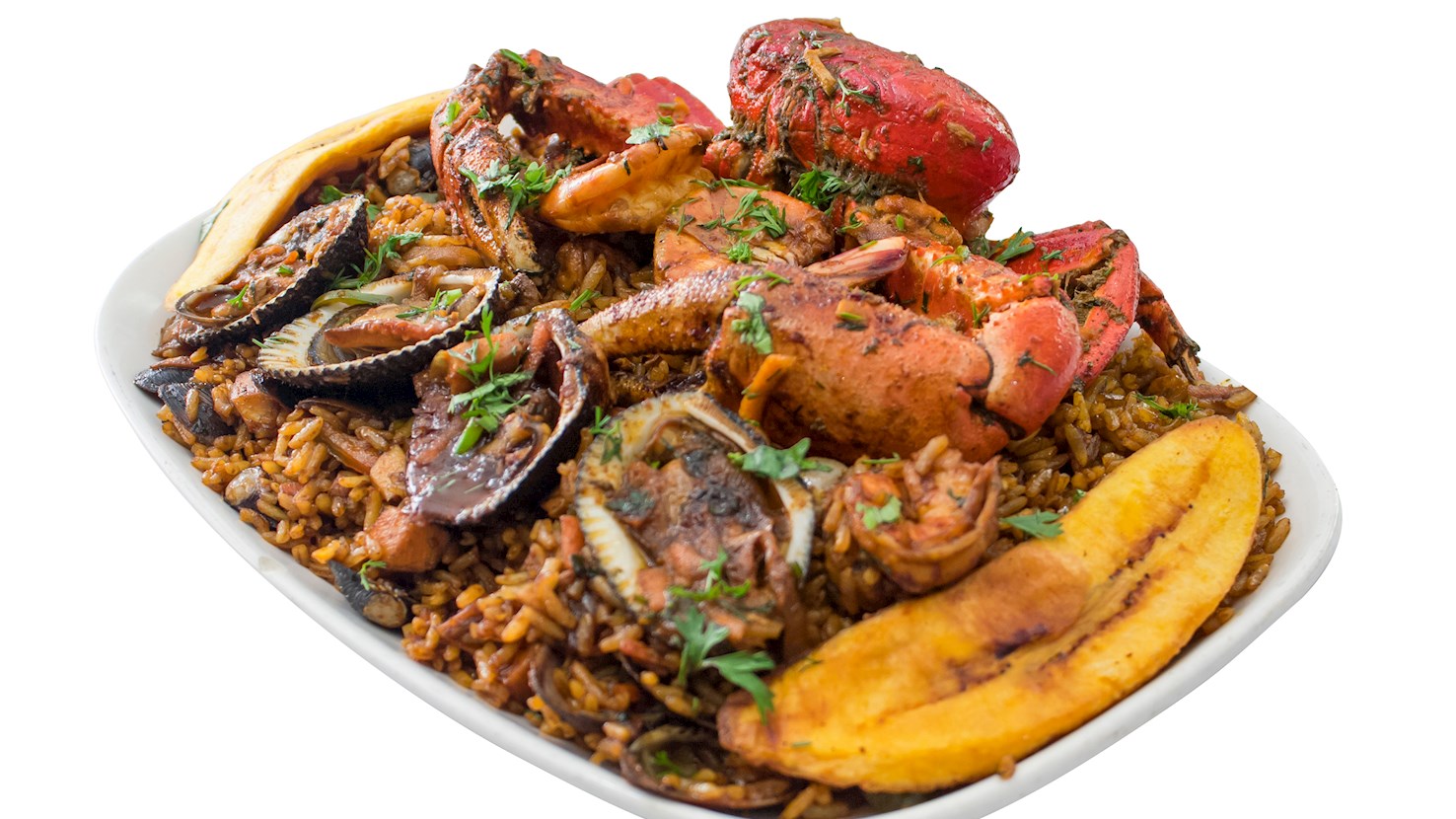
Rice and seafood are the key ingredients to making arroz marinero, a traditional specialty that originates from Spain. The main ingredients are usually combined with sautéed vegetables such as onions, peppers, tomatoes, and garlic, and the combination is typically simmered in water or stock (seafood or fish stock) with the addition of various spices and seasonings. Like many other Spanish dishes, this one has also entered the traditional cuisines of the Spanish colonies with the introduction of rice and is nowadays associated with South American countries such as Peru, Ecuador, and Colombia. The variations on the dish abound throughout Spain and the Latin American countries, with each country having its own version of this rice specialty. In Spain, the dish is usually prepared with short-grain varieties of rice such as bomba or Arborio, while in South America, arroz marinero typically consists of long-grain rice. Another crucial difference between the Spanish and South American versions of the dish is the use of different spices, which are typical of the regions where the dish is being prepared.

Best restaurants
About this ranking

TasteAtlas food rankings are based on the ratings of the TasteAtlas audience, with a series of mechanisms that recognize real users and that ignore bot, nationalist or local patriotic ratings, and give additional value to the ratings of users that the system recognizes as knowledgeable. For the “4 Traditional Foods You Have To Try in Marbella” list until June 17, 2026, 0 ratings were recorded, of which 0 were recognized by the system as legitimate. TasteAtlas Rankings should not be seen as the final global conclusion about food. Their purpose is to promote excellent local foods, instill pride in traditional dishes, and arouse curiosity about dishes you haven’t tried.

Similar lists