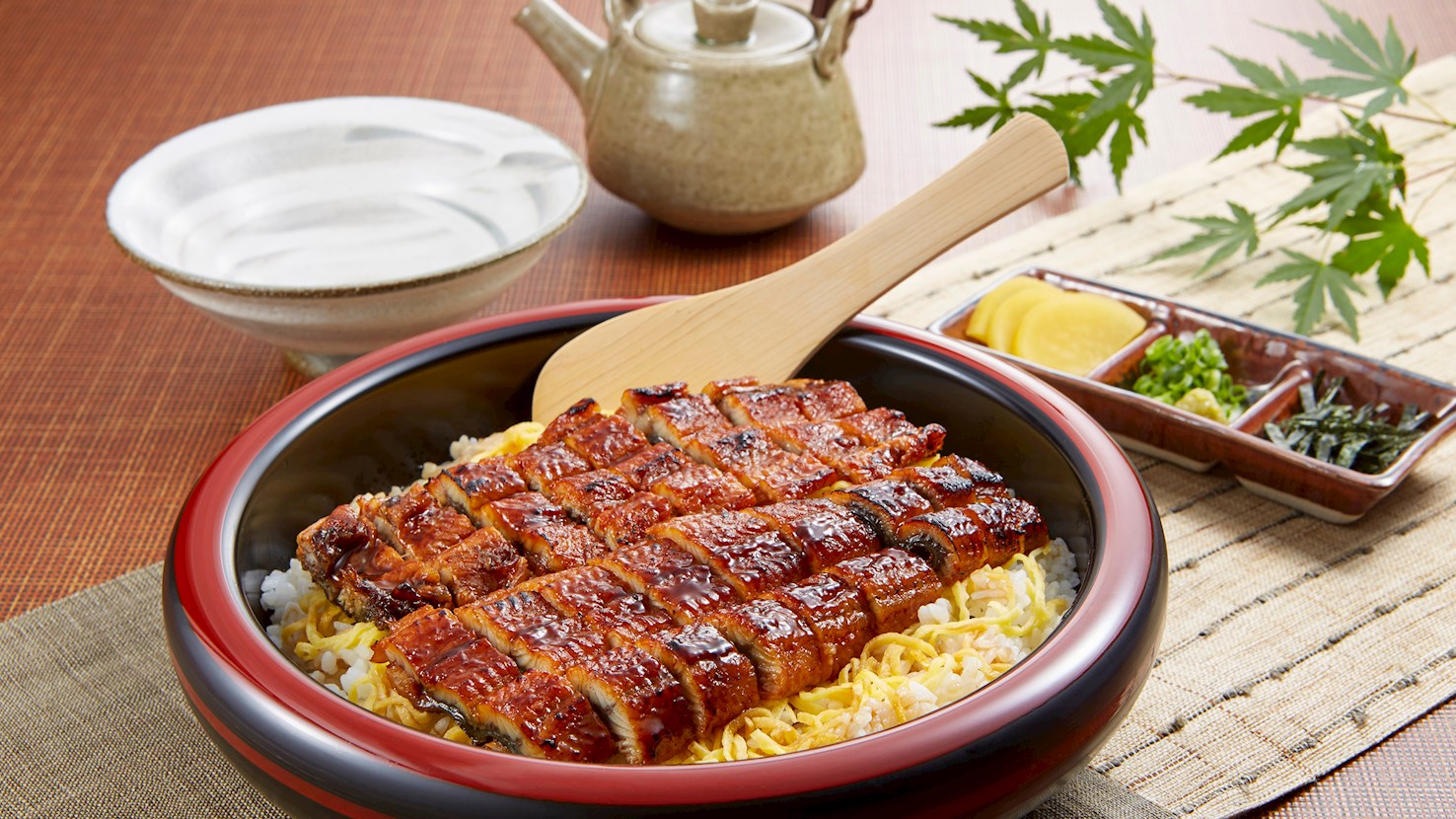
Hitsumabushi is a traditional dish originating from Nagoya. Although it's similar to unadon regarding most of the ingredients, histumabushi consists of sliced grilled eel that's served on top of steamed rice, but it's accompanied by assorted condiments and garnishes. The dish is also served in a very specific way – everything is divided into four portions. The first portion is eaten as it is, the second is accompanied by condiments such as nori seaweed, chopped green onions, and wasabi. The third portion is the same as the second, with the addition of dashi broth or green tea (eaten like a soup), and the last portion is eaten however you like. It is believed that histumabushi dates back to the end of Meiji Era, when waitresses served chopped grilled eel on rice into individual bowls.
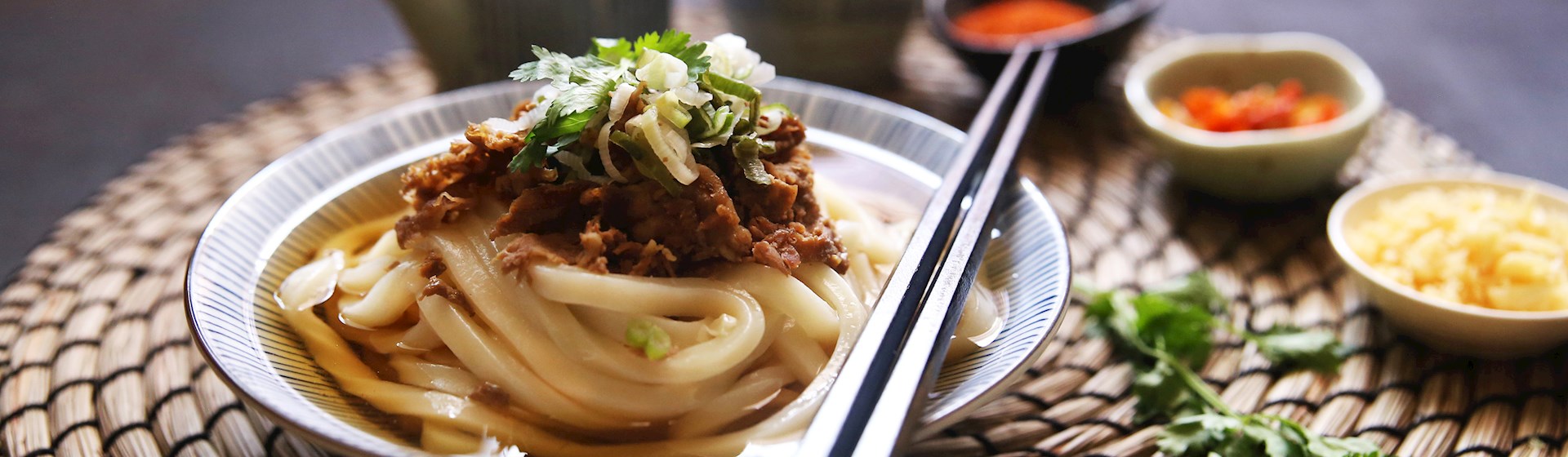
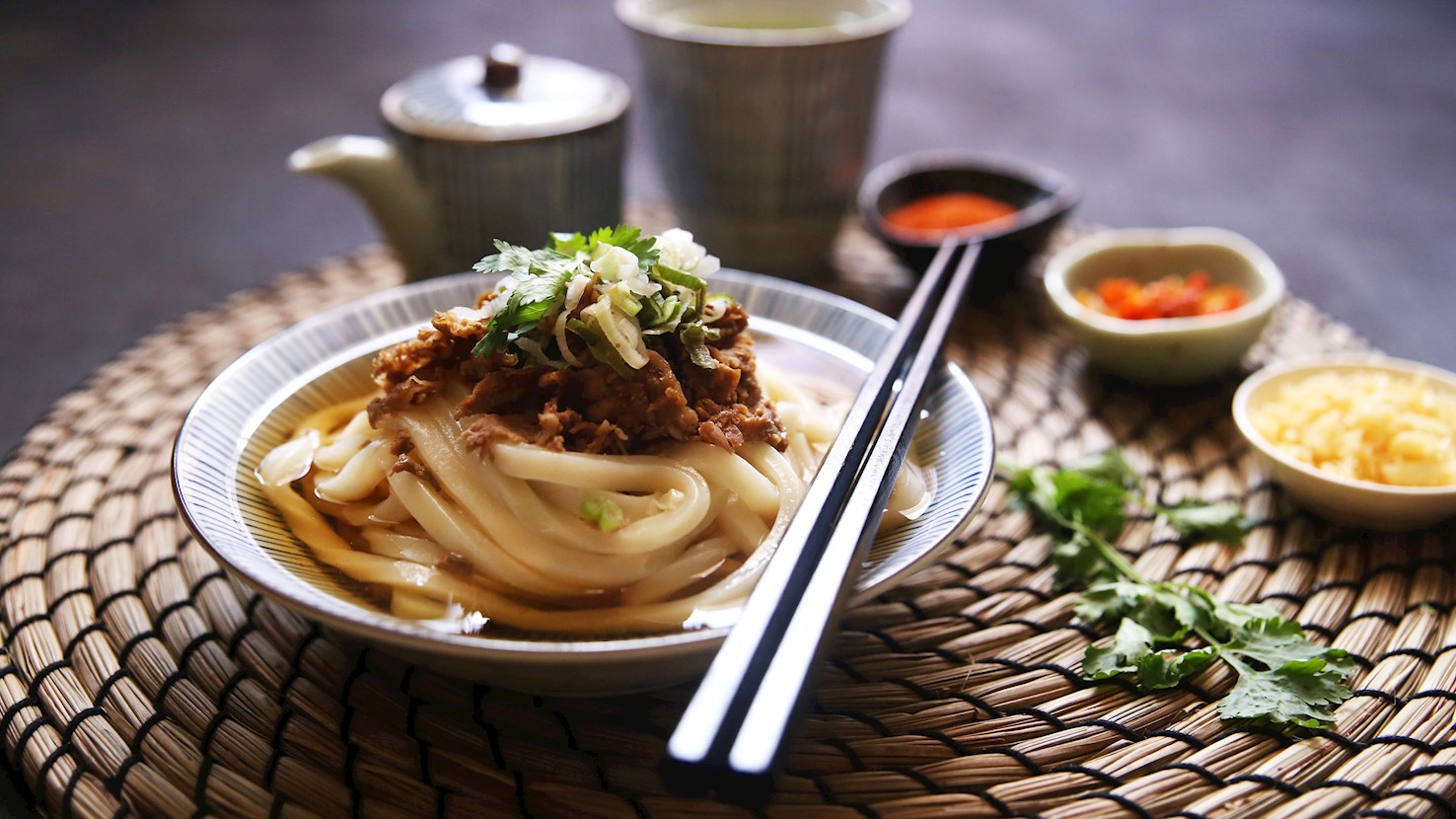
Udon are thick and chewy Japanese noodles made from wheat flour. The noodles are round in shape and they have a firm and chewy texture. In their simplest form, udon noodles are served in kake udon, a noodle soup with a broth made with soy sauce, dashi, and mirin. Although kake udon is served hot, the noodles can also be served in a cold broth, usually during the warmer seasons. The toppings for udon are also seasonal, and they include tempura-battered vegetables, shrimps, sliced spring onions, fried tofu, or rice cakes. When served, udon noodles are picked up with chopsticks, then slurped down loudly. Udon dishes can be found in specialized udon-ya restaurants, buffet-style restaurants, and local eateries. There are numerous regional varieties of these noodles, which differ in size and thickness.
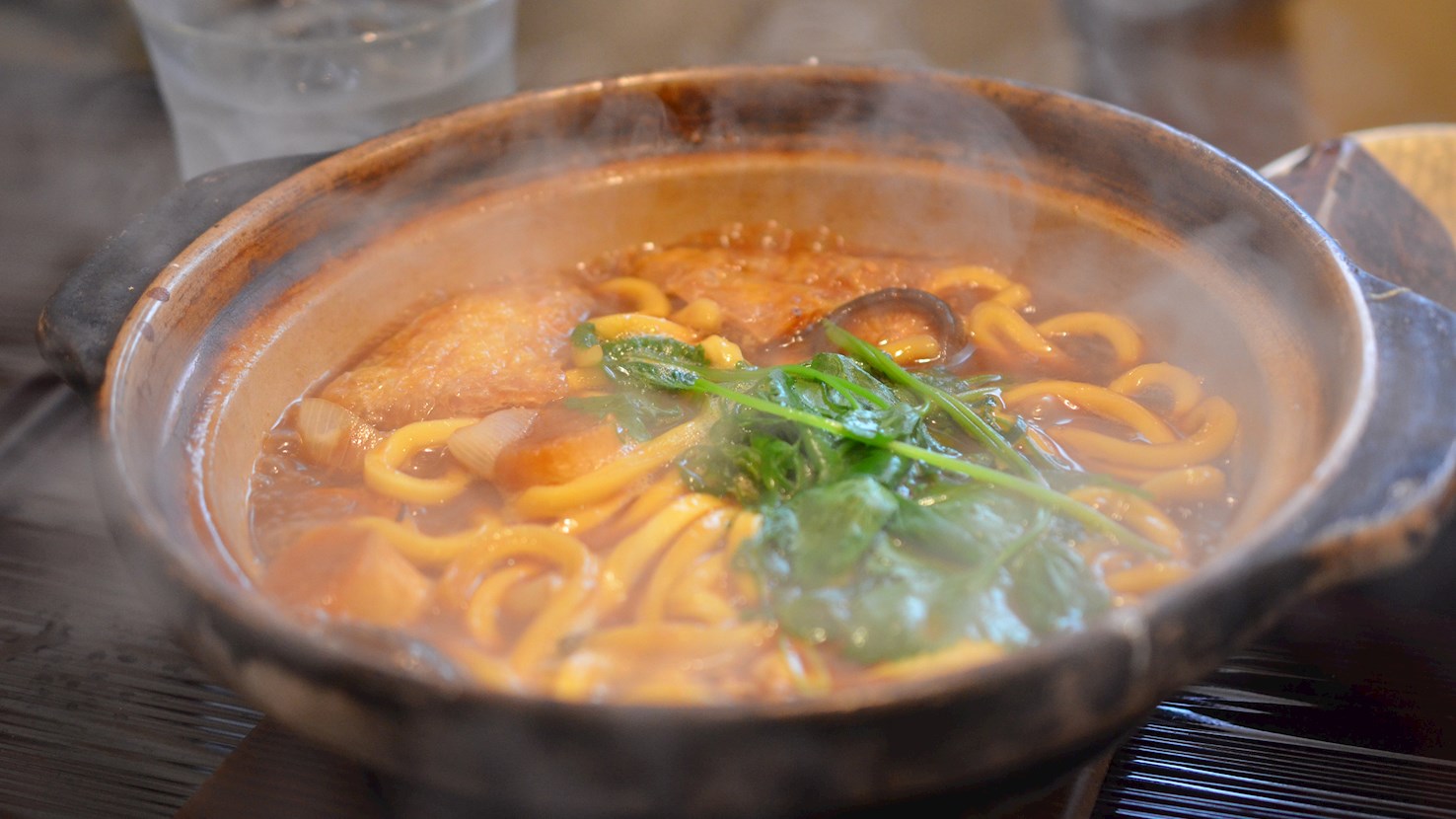
Miso nikomi udon is a Japanese dish prepared with udon noodles as the main ingredient. It originates from the Nagoya region. Other ingredients in miso nikomi udon include chicken, fish cakes, a miso-flavored dashi broth, shiitake mushrooms, eggs, long green onions, and aburaage or deep-fried tofu. Once prepared, this noodle soup is typically served in Japanese earthenware pots called donabe. It's especially popular during cold days because it's deeply savory and warming.
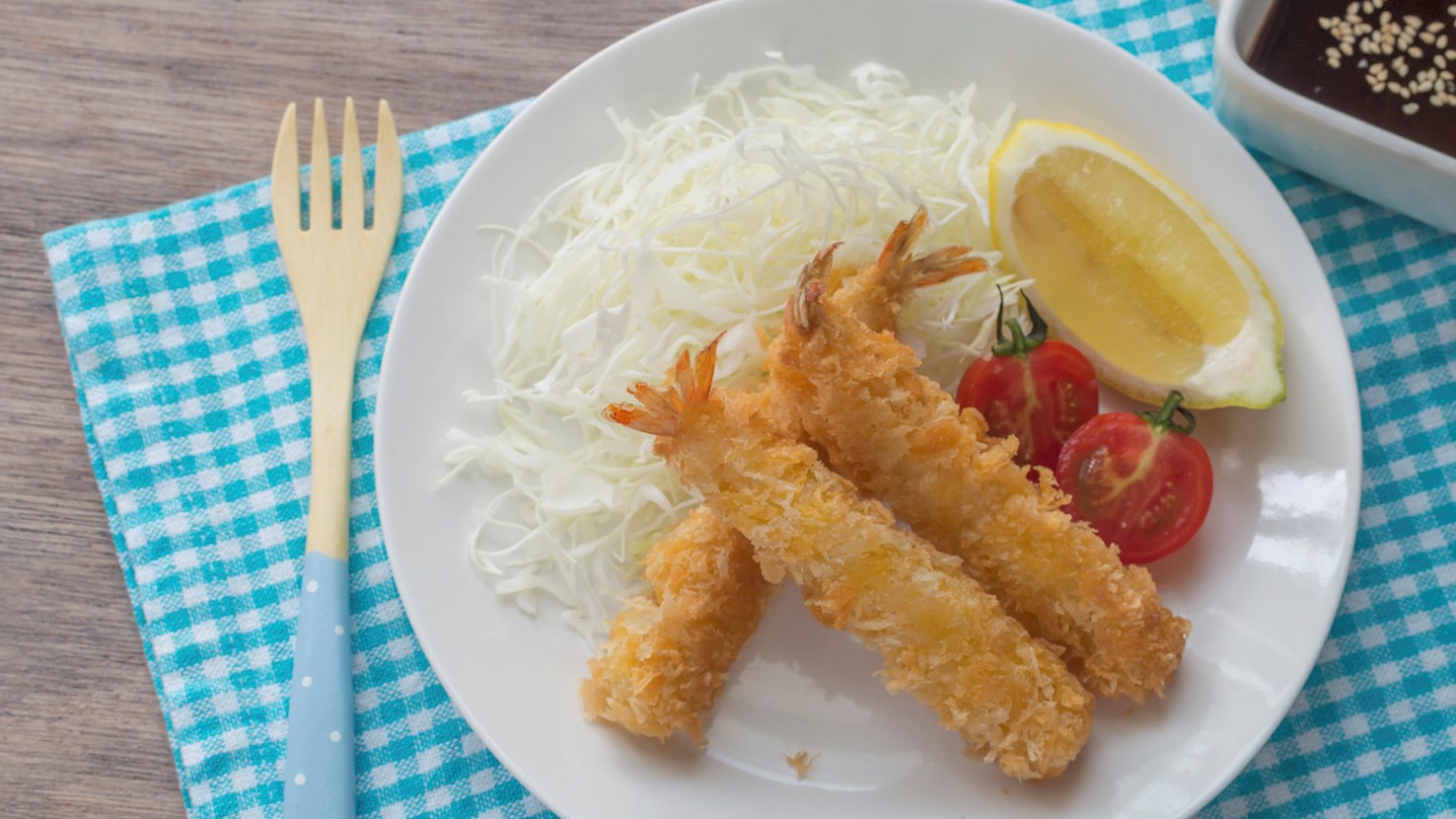
These large prawns are typically dipped in egg wash, coated in panko breadcrumbs, then deep-fried. They are one of the most popular yōshoku dishes; western-inspired Japanese meals which originated during the Meiji Restoration between the 1860s and the early 1900s. Ebi furai falls into the kawari-age category of breaded, deep-fried foods, and it is also regarded as a meibutsu, which is a Japanese term for famous foods associated with particular regions, as these fried prawns are one of Nagoya's signature dishes. Traditionally, kuruma ebi or Japanese tiger shrimps were used for preparing ebi furai, but due to a decline in their cultivation, Nagoyans have started using black tiger shrimps or even the Japanese spiny lobster called ise ebi, which can measure up to a whopping 30 centimeters in length. Ebi furai is usually served with shredded cabbage, garnished with a lemon wedge, and enjoyed with either tartar, hoisin, or Worcestershire sauce. It is either ordered à la carte or served in a bento box, a single-portion takeout meal common in Japanese cuisine, and some places even offer these delicious shrimp fritters as ebi-sando (shrimp sandwich) and ebi-dog (shrimp hot dog), while the most impressive variety is the so-called maki ebi furai: deep-fried prawns rolled and sliced in the style of maki sushi. The dish can easily be found not only in Nagoya, but all over the country, in virtually any seafood-orientated izakaya gastropub and every restaurant that sells yōshoku foods.
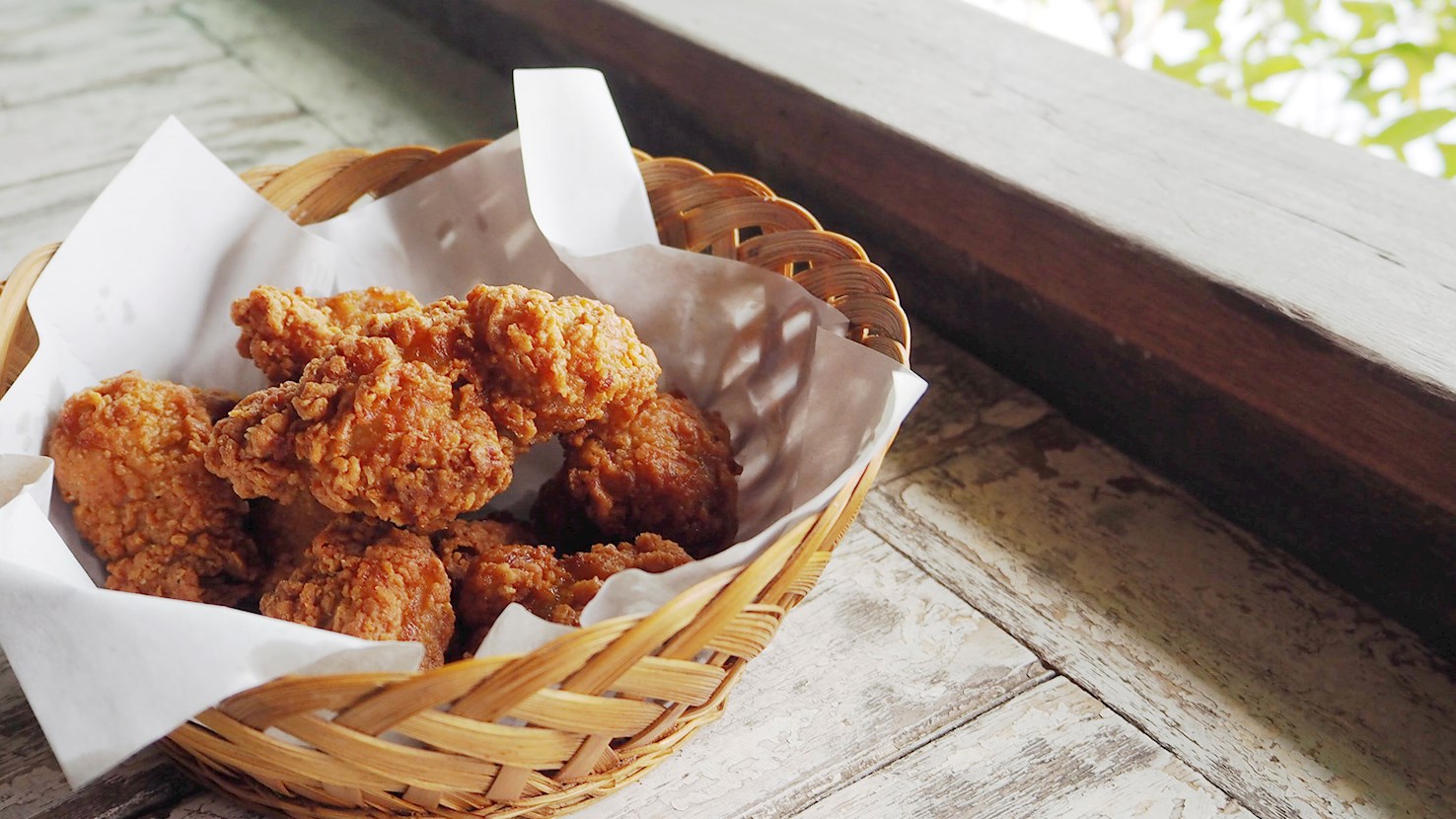
Also known as dry-frying, karaage is a Japanese cooking technique in which various foods are first lightly coated in arrowroot starch, then deep-fried. The use of arrowroot starch preserves the natural water content of fried foods and produces a crispy outer surface, but alternatively, other coating ingredients such as wheat flour, tapioca, or potato starch can also be used. Karaage can be used for frying various meats and fish, but it is most often associated with chicken, and involves a special variant called tatsutaage, where pieces of chicken are first marinated in a mixture of sake, soy sauce, and sugar which are then lightly covered with arrowroot starch and deep-fried. This method makes the meat succulent on the inside and particularly crispy on the outside. If not specified otherwise, karaage usually refers to fried chicken, but apart from chicken, the technique is sometimes used with other ingredients such as askarei (flounder), ika (bits of squid), and gobo (burdock root). Japanese karaage dishes are usually seasoned with garlic and ginger, and served with soy sauce on the side. They are a staple of informal Japanese gastropubs called izakayas, casual places for after-work drinks and snacks, but they are also available freshly fried as take-out food in numerous supermarkets and convenience stores.
TasteAtlas food rankings are based on the ratings of the TasteAtlas audience, with a series of mechanisms that recognize real users and that ignore bot,
nationalist or local patriotic ratings, and give additional value to the ratings of users that the system recognizes as knowledgeable.
For the “5 Traditional Foods You Have To Try in Nagoya” list until June 17, 2026, 243 ratings were recorded, of which 209 were recognized by the system as legitimate.
TasteAtlas Rankings should not be seen as the final global conclusion about food. Their purpose is to promote excellent local foods,
instill pride in traditional dishes, and arouse curiosity about dishes you haven’t tried.