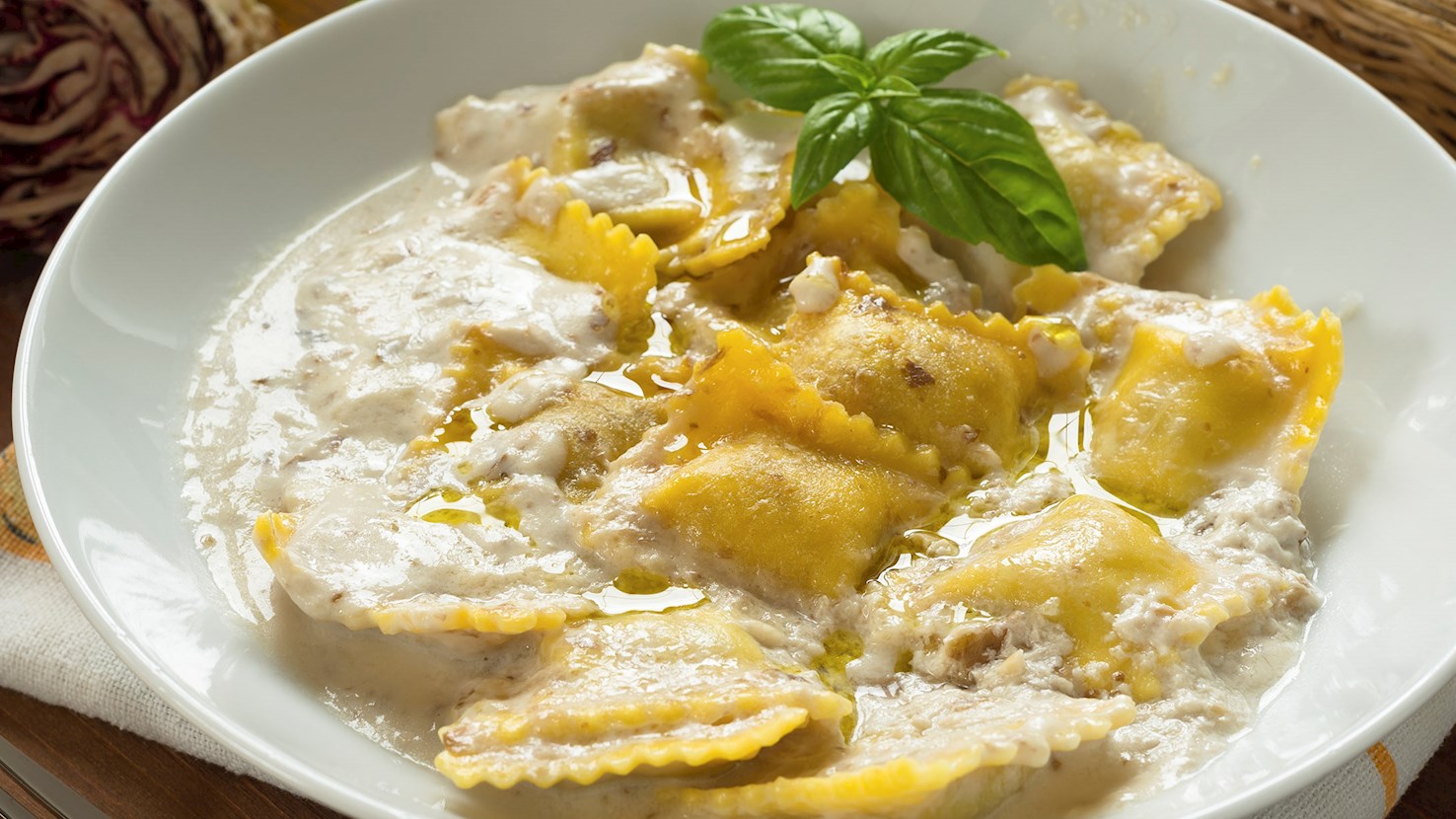
Tortelli is a variety of Italian stuffed pasta prepared in a few shapes: square, semicircular, or rounded and twisted. The pasta is popular throughout Italy, especially in Tuscany, Lombardy, and Emilia-Romagna. One of the most famous dishes featuring this pasta variety is called tortelli con zucca, where tortelli are filled with pumpkin, crushed cookies, and parmesan cheese. The dish is then topped with more cheese and a sauce consisting of butter and sage.
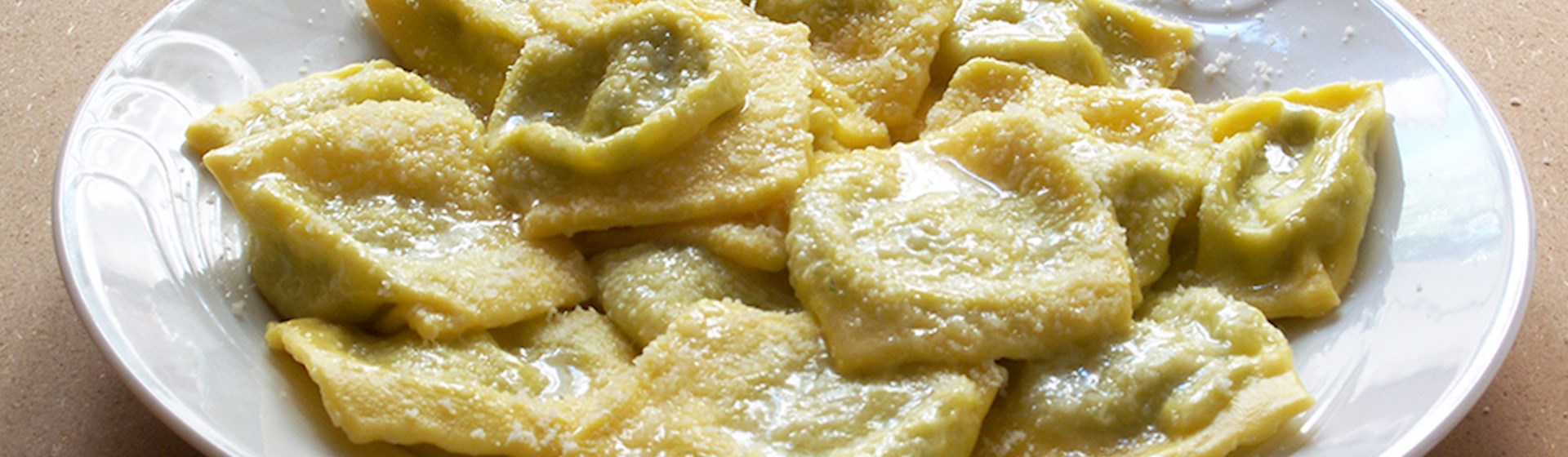
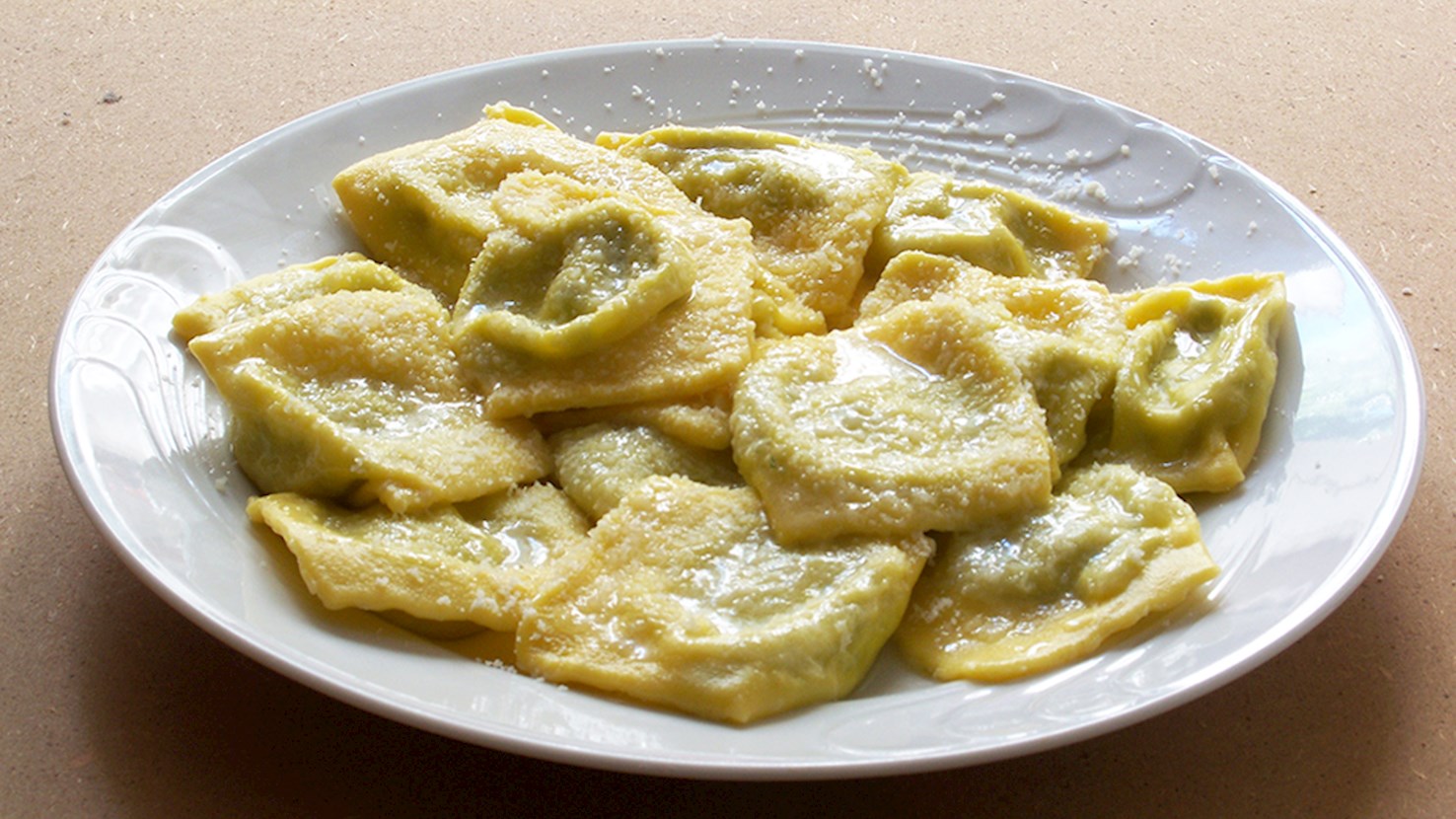
Tortelli d'erbetta is a traditional pasta dish originating from Parma. It consists of tortelli pasta filled with a combination of ricotta, eggs, nutmeg, grated Parmigiano-Reggiano, and beet spinach (or ordinary spinach). The pasta is made from eggs, flour, and salt. Once assembled, tortelli d'erbetta are cooked in boiling water until done. Before serving, the dish is traditionally mixed with melted butter and grated Parmigiano-Reggiano. Many people in the Emilia Romagna region eat this dish each year on 23 June (the Feast of Saint Giovanni), either at home or at city festivals and restaurants.
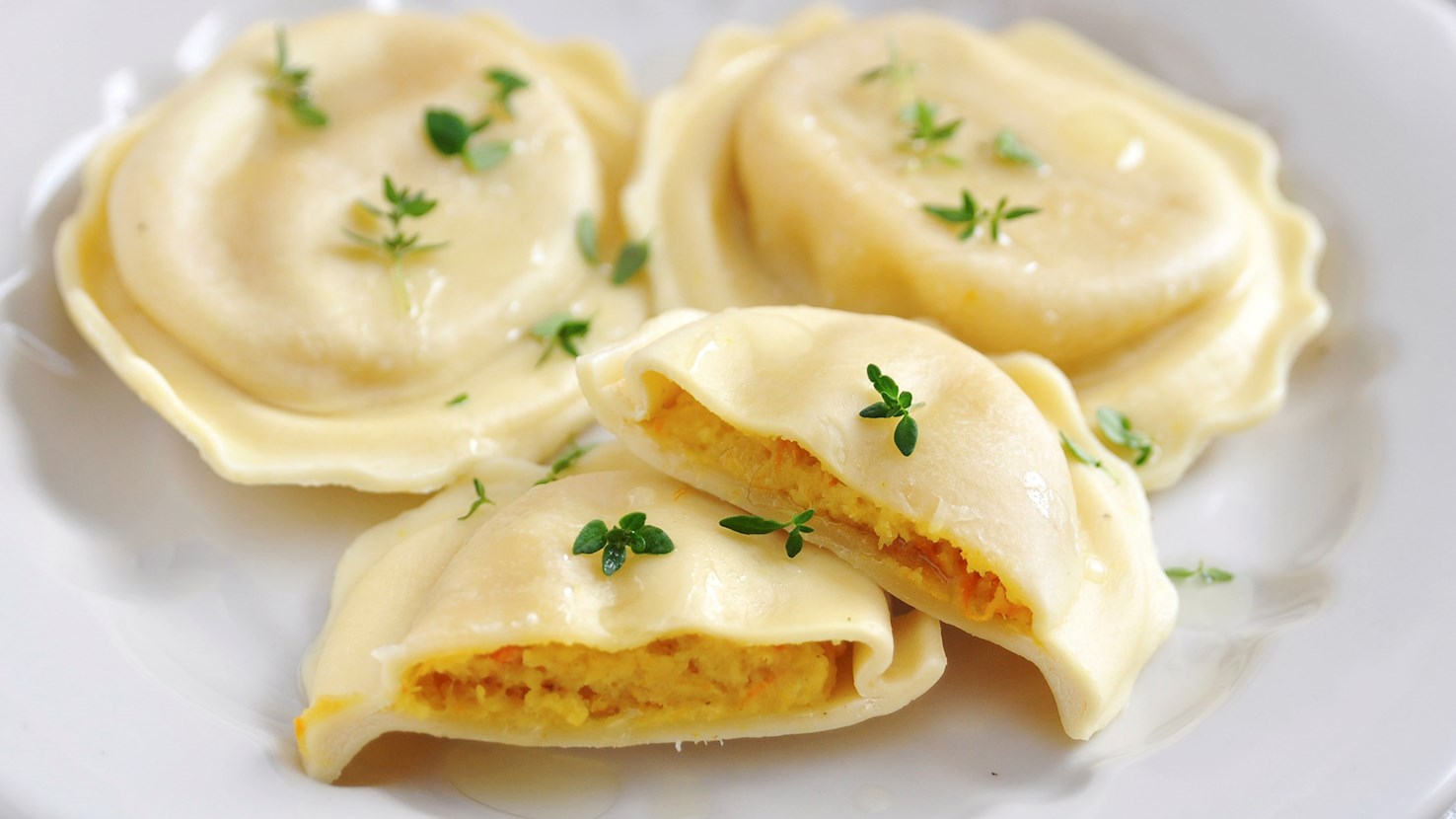
Tortelli di zucca is a popular Italian dish consisting of tortelli or ravioli pasta with a pumpkin filling. The origin of this dish is disputed between Mantua and Ferrara, with both cities claiming paternity over the recipe. The stuffing for tortelli is usually made with sweet pumpkin, bitter amaretto cookies, savory parmesan cheese, and fruit mustard, resulting in a unique, unusual flavor that is beloved by many. People from the region traditionally prepare the dish for special occasions, such as Christmas Eve, when tortelli di zucca are paired with a sauce consisting of butter and sage.
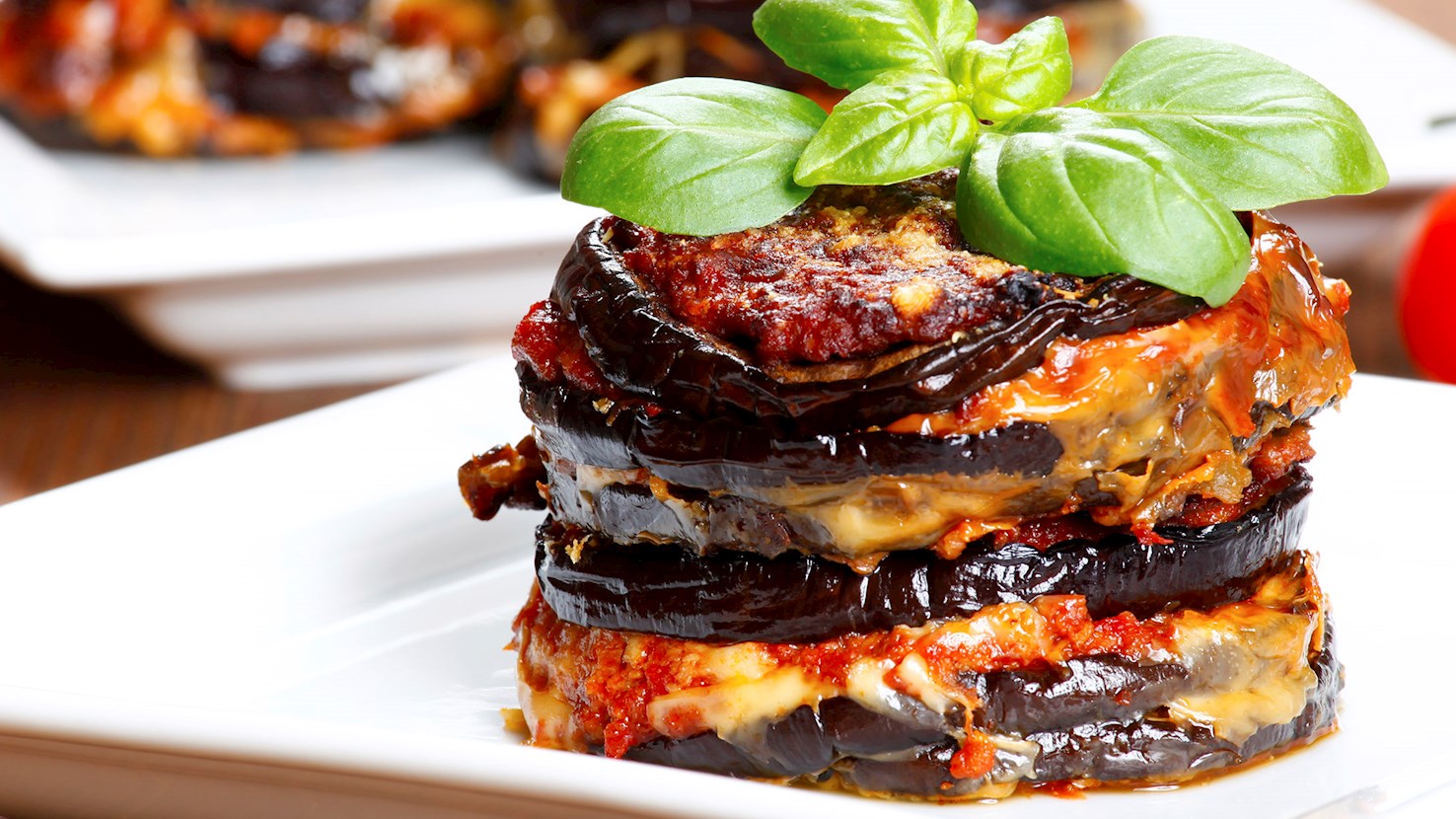
Found throughout southern Italy, parmigiana di melanzane is a type of gratinated vegetable casserole traditionally made of fried or grilled slices of eggplant layered with basil-flavored tomato sauce and topped with one or more cheeses, such as mozzarella, pecorino Siciliano, scamorza, and caciocavallo Silano. Contrary to popular belief, parmigiana has nothing to do with parmigiano Reggiano cheese, even though it is used in many recipes as it makes for a crunchier crust. Nor, in fact, does it have any connection with the city of Parma whatsoever. In fact, the name of this scrumptious summer dish supposedly stems from parmisciana, the word for “Persian” in the Sicilian dialect, and it is often suggested that the word is rooted in the Arabic badhnajan or Turkish patlıcan, both of which mean “eggplant”. Although the eggplant was introduced to Italy by the Arabs as early as the 8th century, the parmigiana we know today may have originated in Sicily at around the 16th century, when tomatoes were first brought to Italy from the New World by the Spaniards. Later, the eggplant casserole spread across the country, taking on a version of its own in each region. Regardless of its true origins and the many different takes on the classic recipe, parmigiana di melanzane remains Southern Italian comfort food at its best, and is one of the most popular Italian dishes today.
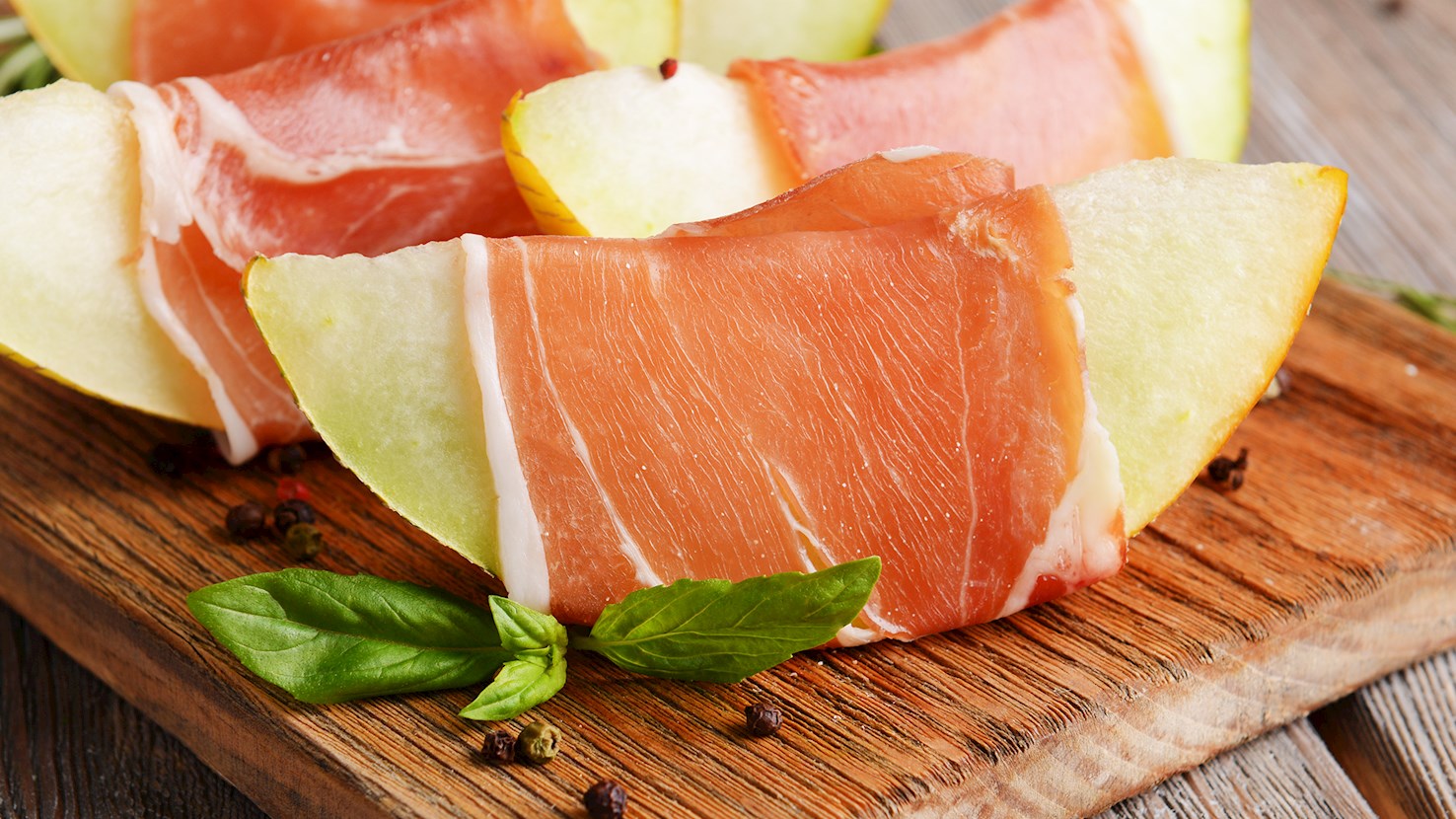
Prosciutto e melone or prosciutto and melon is one of the most common summer appetizers in Italy. The simple, classic Italian combination of these two ingredients is usually served with pieces of melon wrapped in prosciutto and speared on skewers. Sometimes, the dish is drizzled with balsamic vinegar, adding a nice touch to the already colorful combination. It is recommended to use only high-quality Italian prosciutto such as Parma or San Daniele.
TasteAtlas food rankings are based on the ratings of the TasteAtlas audience, with a series of mechanisms that recognize real users and that ignore bot,
nationalist or local patriotic ratings, and give additional value to the ratings of users that the system recognizes as knowledgeable.
TasteAtlas Rankings should not be seen as the final global conclusion about food. Their purpose is to promote excellent local foods,
instill pride in traditional dishes, and arouse curiosity about dishes you haven’t tried.



What People Say