



100 Traditional Foods
You Have To Try in Rome

Last updated on May 22, 2026
01

Pizza al taglio

4.3 ·

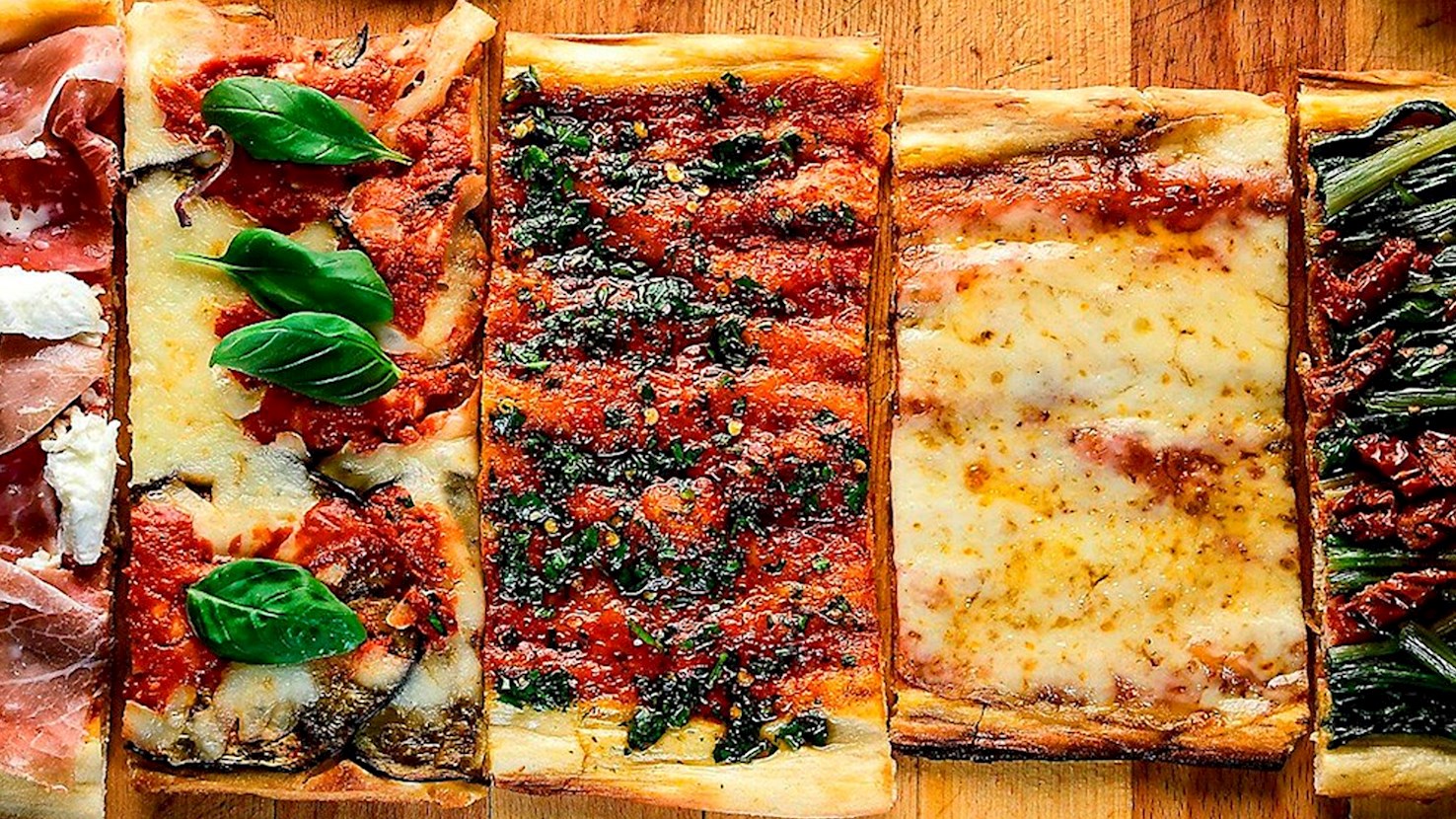
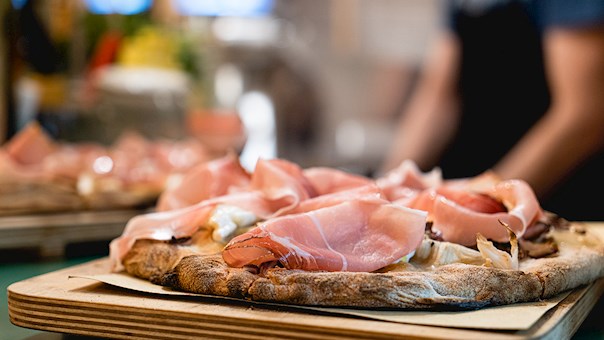
Pizza al taglio is a variety of Italian pizza that is baked in rectangular trays and sold sliced into squares or rectangles. Prices can be marked either per slice of pizza or per kilogram. The first pizza al taglio was baked in Rome in the late 1950s, when it was topped with olive oil and tomato sauce. Today, the dish is one of the most loved street food items both in Rome and in most of Italy. When making pizza al taglio, it is important to let the dough rise and ferment for a longer period of time. The dough is usually baked, topped, and then baked once more, resulting in an evenly-cooked pizza that's light, airy, and easily digestable.

02

Pizza Romana

4.2 ·

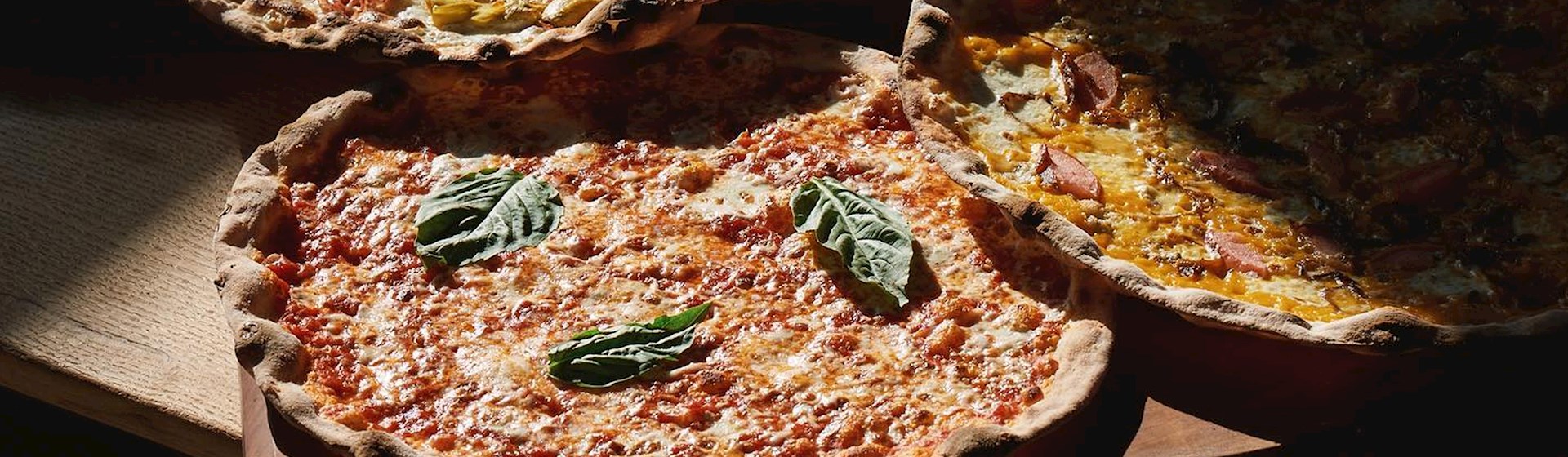
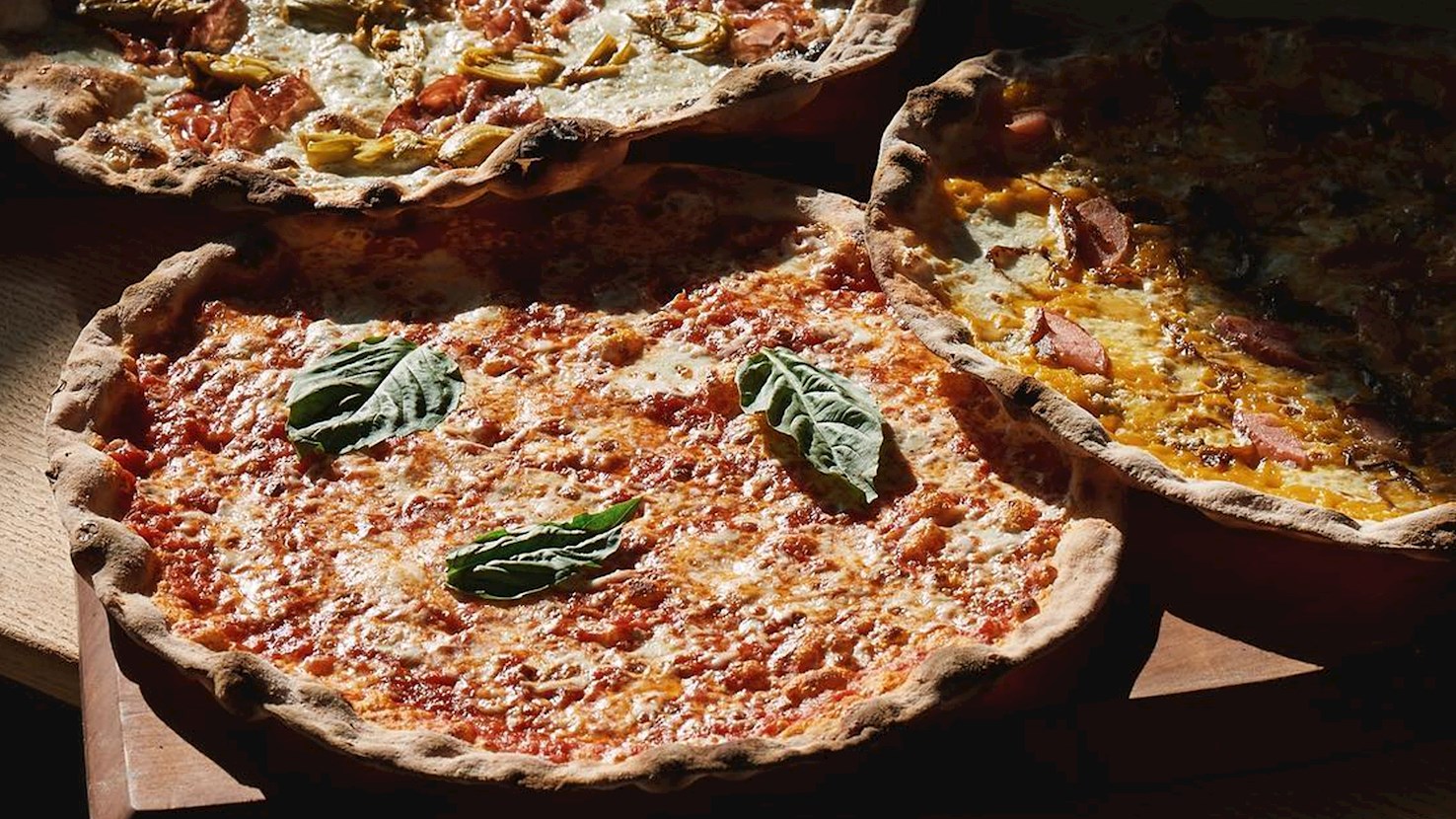
The main thing about pizza Romana is its crust: thin, extremely crunchy, and almost cracker-like, which is why it is also known under the name scrocchiarella, meaning the crunchy one. There are a few things that make this pizza so light and crispy: olive oil - added to the basic dough - and less water in the mixture - the maximum hydration of the dough is up to 55 %. Due to a harder consistency, this dough must be stretched with a rolling pin, unlike the softer Neapolitan variety that is shaped by hand with almost acrobatic moves while being tossed in the air. Once shaped, the dough is covered with a sparse layer of tomato sauce and chosen toppings – they can vary, but the most traditional combination would include mozzarella, anchovies, capers, chopped basil, and pecorino. The final touch lies in the skilfull baking, which has to be a bit longer than usual, in order to additionally dry the crust, thus creating its signature crispiness and perfectly charred underside.

03

Carbonara

4.3 ·

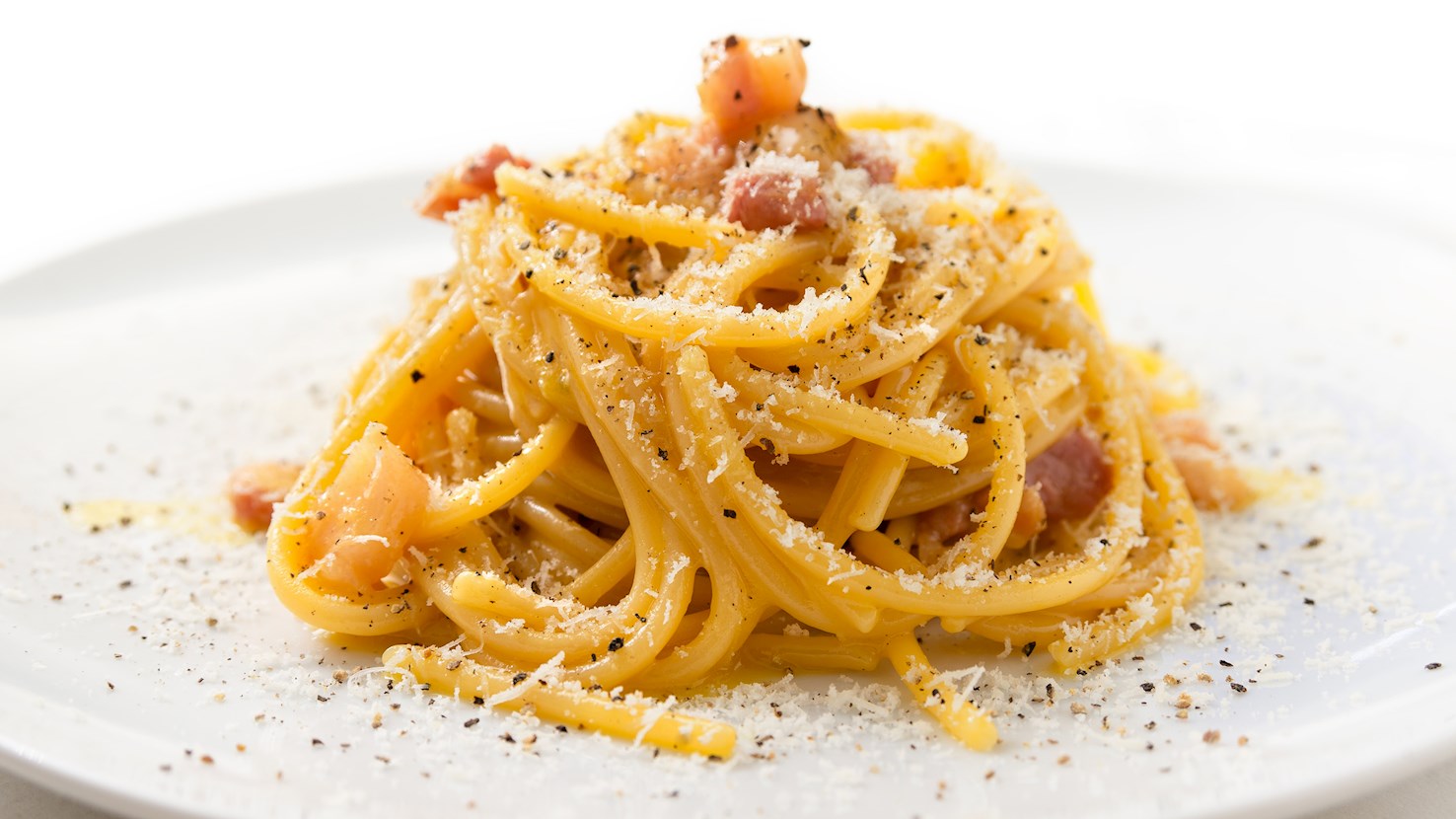
The carbonara we know today is prepared by simply tossing spaghetti with guanciale (cured pork jowl), egg yolks, and Pecorino Romano cheese. Despite its simplicity, this dish remains one of Rome's favorites, equally popular throughout the country. Even though carbonara is considered a typical Roman dish today, its origins are quite vague and often disputed. The name is said to have been derived from the carbonari, woodcutters and charcoal-makers who lived in the Appenine mountains northeast of Rome, and who supposedly cooked their pasta over a hardwood charcoal fire and tossed it with eggs and cheese. Another popular theory claims that carbonara was invented after the liberation of Rome in 1944, when food shortages were so severe that Allied troops distributed bacon and powdered eggs, which the local population would then mix with water to make pasta sauce.

04

Cacio e pepe

4.2 ·

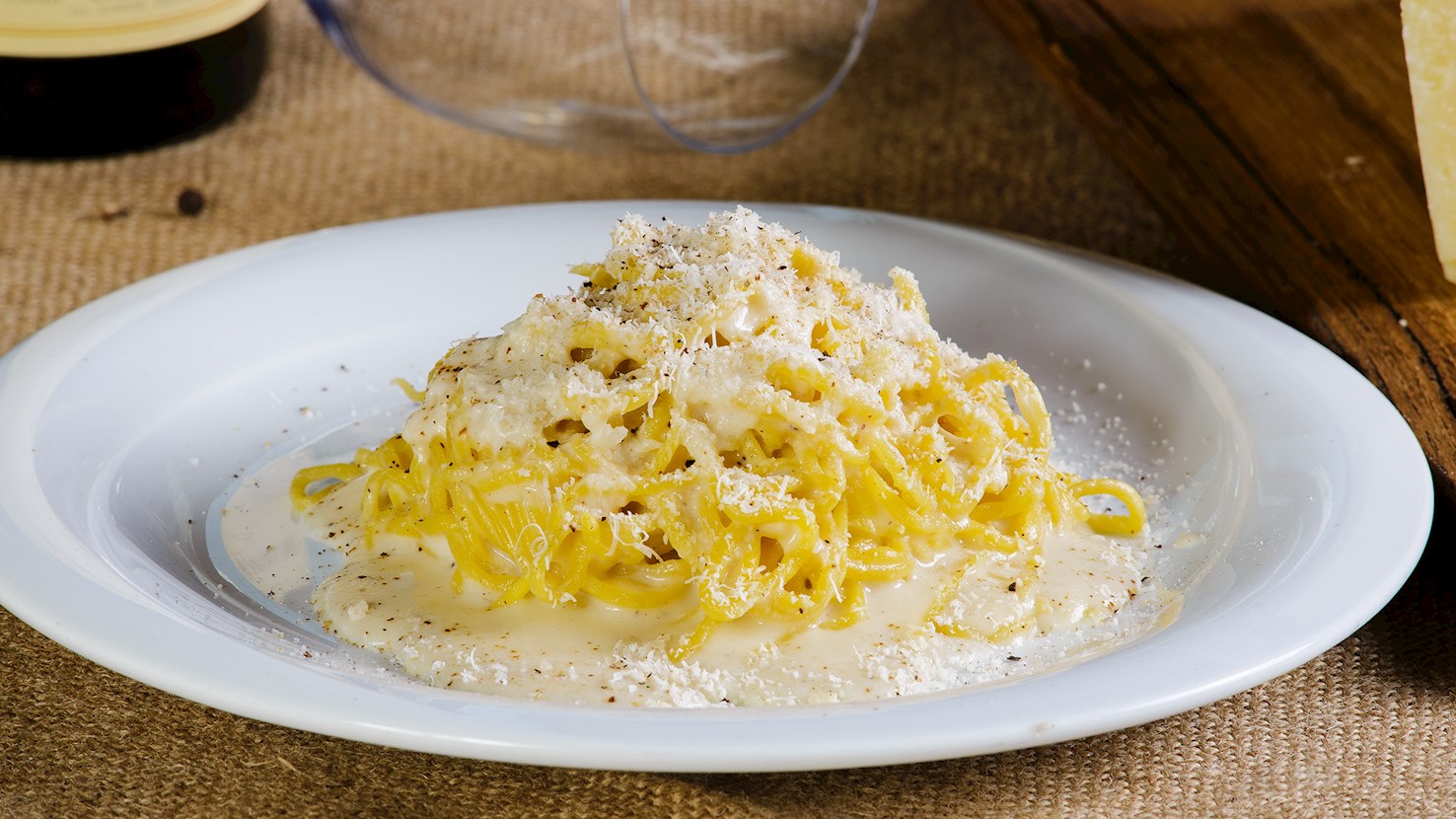
This ancient dish with Roman origins is regarded as one of the simplest and most satisfying Italian dishes. Cacio e pepe consists of pasta (usually spaghetti), aged Pecorino Romano cheese, salt, and lots of ground black pepper. Since the ingredients are easy to transport and do not spoil easily, it was once the favorite dish of Roman shepherds. The spicy pepper protected the shepherds from the effects of cold weather during the night, while the pasta provided them with the carbohydrates they needed to perform their back-breaking labor. However, this simple meal is so good that the famous chef and television personality Anthony Bourdain described it by saying it "could be the greatest thing in the history of the world."

05

Amatriciana

4.3 ·

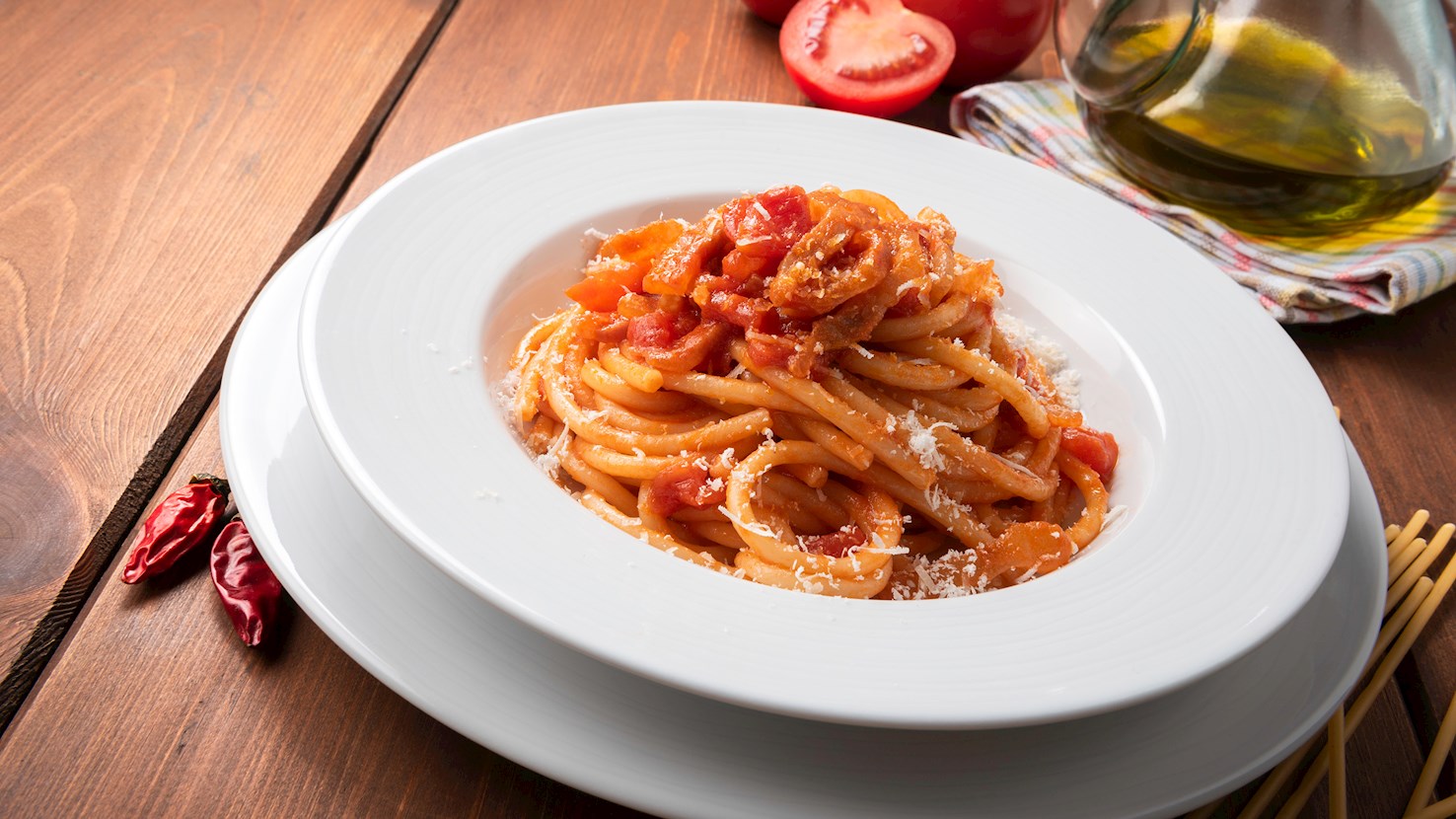
Named after Amatrice, a provincial town in the Sabine Hills northeast of Rome; the iconic Amatriciana sauce is often considered a part of the "holy trinity of Roman pasta", together with carbonara and cacio e pepe. Amatriciana was invented in the 17th century by adding tomatoes to the already famous gricia sauce – diced tomatoes are sautéed in fat rendered from juicy bits of guanciale (cured pork jowl), then tossed together with grated pecorino cheese and either spaghetti or bucatini pasta. The first recipe for Amatriciana was published in the 1790 cookbook L’Apicio Moderno by Francesco Leonardi, a renowned Roman chef and author. Over time, this classic Italian dish became so popular it was featured in several movies, from Alberto Sordi’s 1954 film An American in Rome and Luciano Salce’s 1978 Where Are You Going on Holiday? to Ryan Murphy’s Eat Pray Love, in which Julia Roberts joyfully wolfs down a portion of spaghetti all’Amatriciana while sitting on the terrace of a typical Roman osteria. With delicate heat from pepperoncino peppers, the sweetness and tartness from the tomato-based sauce, the sharpness of pecorino, and the fatty richness of guanciale, Amatriciana is best enjoyed with medium-bodied, smooth Italian reds such as Montepulciano d’Abruzzo and Sangiovese.

06

Carciofi alla Giudía

3.9 ·

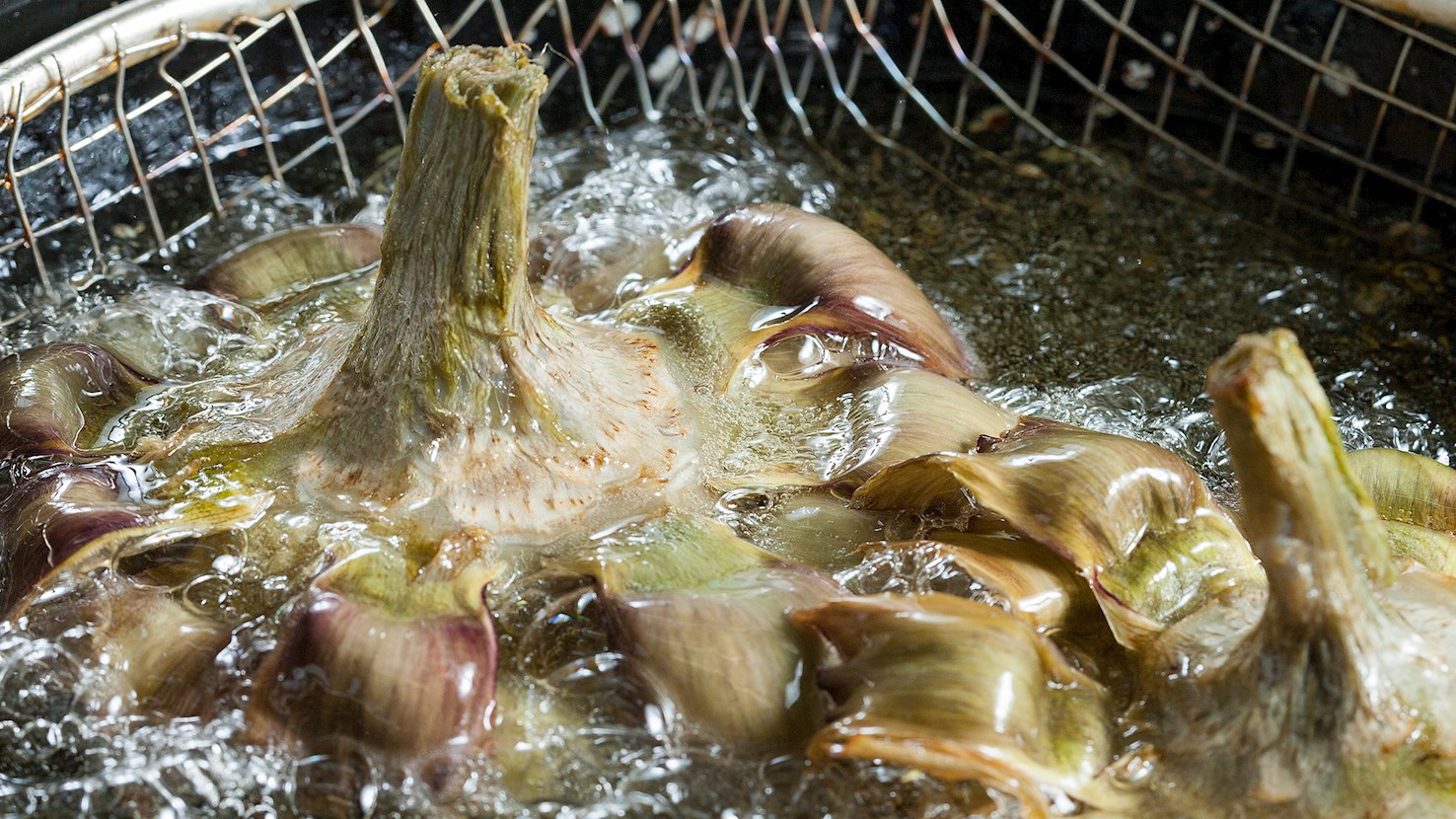
These crunchy, deep-fried artichokes are a classic Roman side dish that originated in the oldest Jewish community in all of Europe, Rome's Jewish ghetto — hence the moniker alla Giudía. First, artichokes are trimmed and peeled down to their tender hearts, then they are marinated for a few hours in lemon water, and finally seasoned with salt and pepper before being fried in olive oil until crispy. The best variety of artichokes for preparing this dish are Romanesco artichokes. This cultivar from the coastal region northwest of Rome is harvested between February and April, making carciofi alla Giudía a springtime staple in numerous trattorias and eateries in the city's old Jewish quarter.

07

Gelato al pistacchio

4.4 ·

Pistachio is one of the most popular flavors of Italian gelato. A mainstay in every gelateria, in its original form, this frozen treat combines pistachio paste with the classic base of milk, cream, eggs, and sugar. Occasionally, crushed and toasted pistachios can be added, but the basic texture should always remain dense and creamy. Due to the high prices of pistachios and pistachio paste, many gelaterias nowadays opt for cheaper replacements, but the best pistachio is considered to be the grown in a small Sicilian town of Bronte.

08

Rigatoni con la pajata

3.4 ·

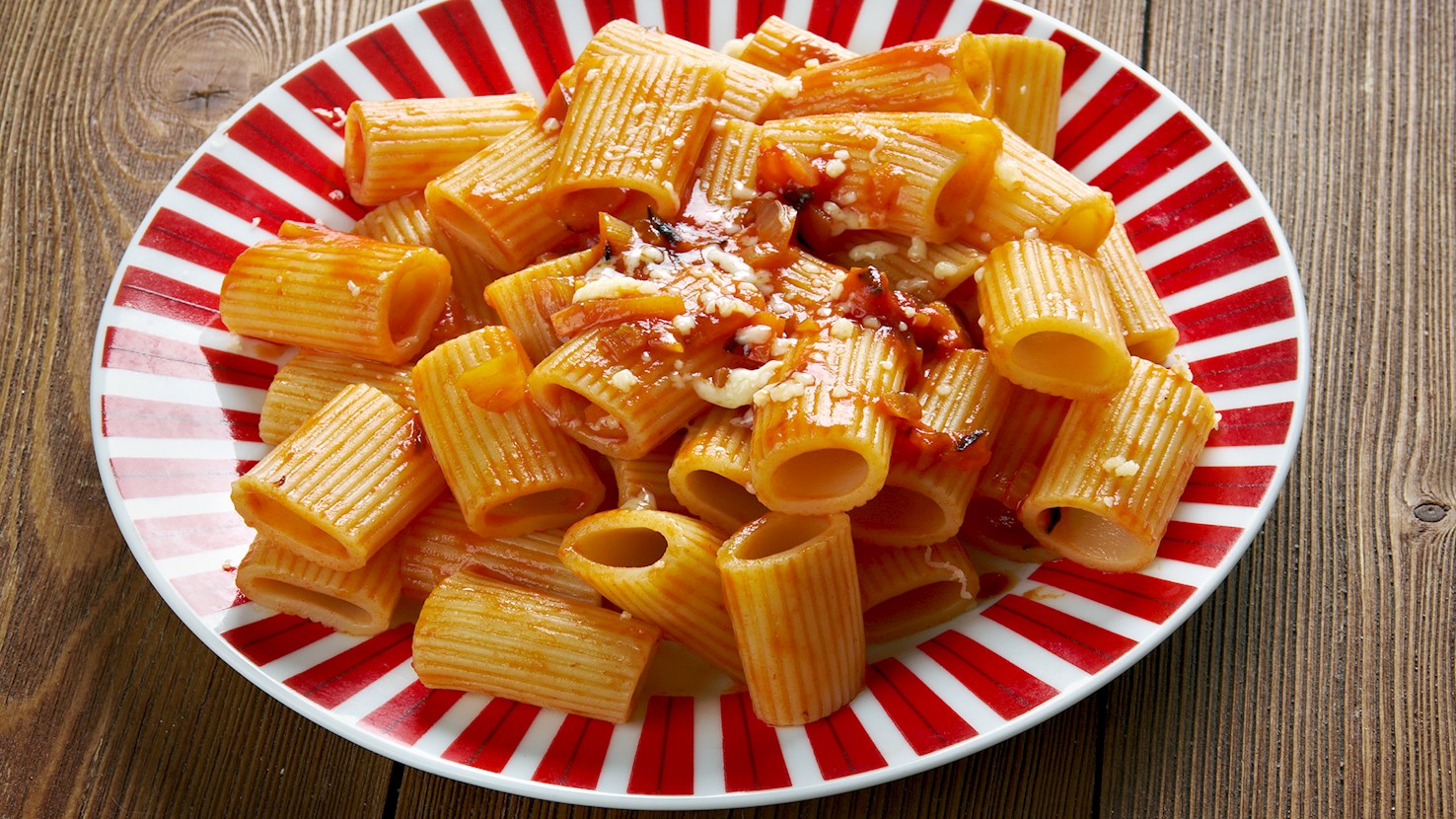
Rigatoni con la pajata is a classic dish of the Roman cucina povera. La pajata is a term referring to intestines of calves who were only fed with their mothers' milk and have never eaten grass. The intestines are cleaned and skinned, but the milk they drank is left inside - when cooked, the combination of the heat and the enzymes coagulates it, thus creating a thick, creamy, ricotta-like sauce. Nowadays there are not many places that keep this dish on their menus, but those who do have their devotees, claiming that the pajata cooked with onions, celery, carrots, tomatoes, white wine, lardo, and spices served over rigatoni is a true delicacy. Traditionally in the past, each person was served two portions of boiled rigatoni with the sauce and grated pecorino.

09

Tiramisù

4.3 ·

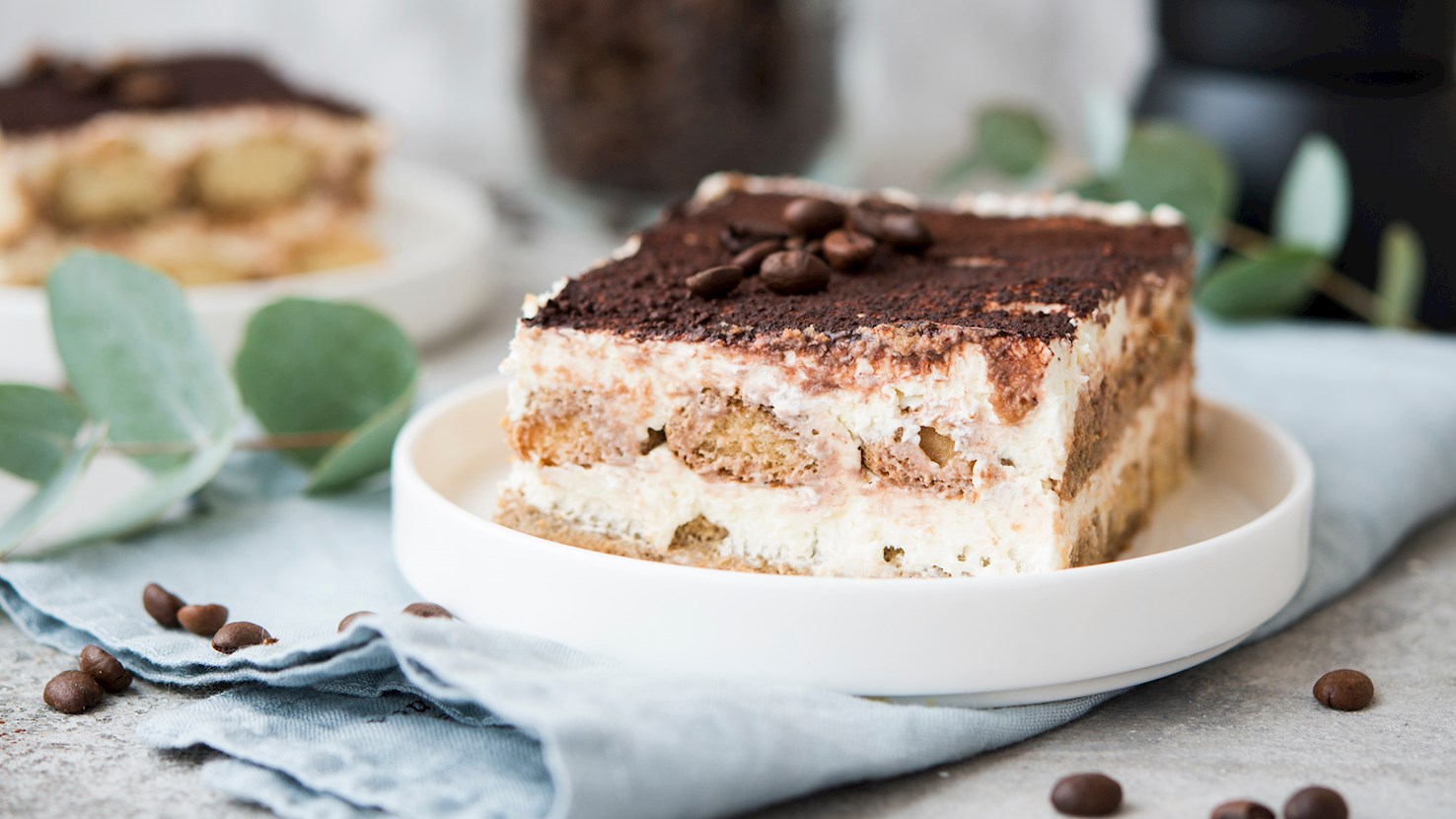
Even though tiramisù is actually a fairly recent invention, this dessert of coffee-soaked ladyfingers layered with mascarpone cream enjoys an iconic status among Italian desserts. Its name stems from the phrase tirami sù, an Italian expression which literally means pick me up, a reference to the uplifting effects of sugar, liquor, and coffee. The origins of tiramisù are heavily disputed between Veneto and Friuli-Venezia Giulia regions, but it is often suggested that the first was made in Veneto in the early 1960s. The earliest documented recipe for tiramisù (interestingly, without alcohol!) was printed in the 1981 spring edition of Vin Veneto magazine in an article on coffee-based desserts by Giuseppe Maffioli, a renowned food critic and member of the Italian Academy of Cuisine. However, in August 2017, Friuli-Venezia Giulia's tiramisu was officially added to the list of traditional regional dishes, but a Veneto local won the Tiramisu World Cup in November 2017, so the playing field is somewhat levelled once again. Regardless of these disputes, the perfect tiramisù should always deliver a serious caffeine kick from a shot of strong espresso, while brandy-fortified Marsala wine adds a nice sweet buzz. In 2021, Ado Campeol, the owner of the restaurant where tiramisù is widely thought to have been invented, has died.

10

Supplì

4.1 ·

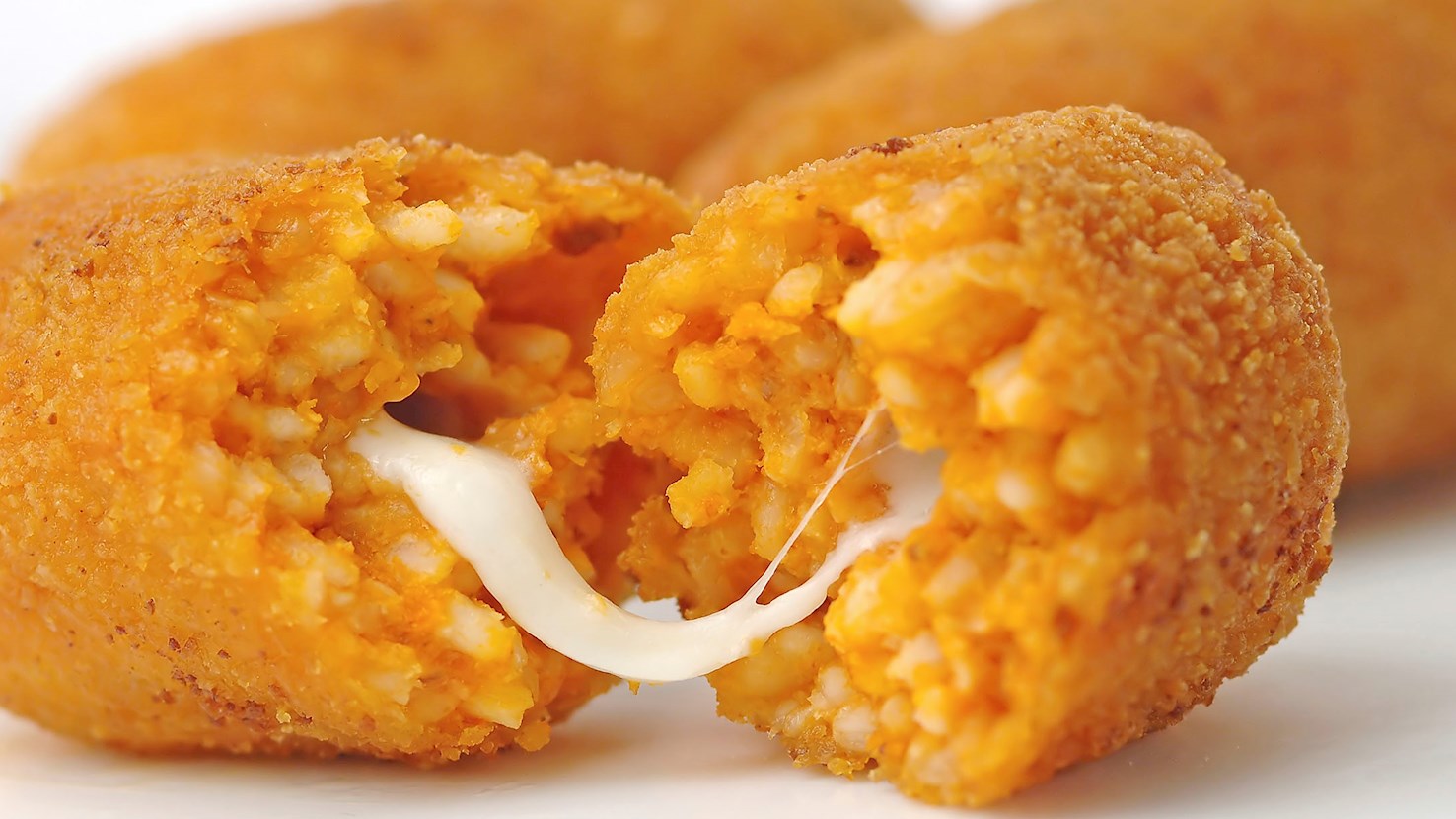
Widely considered to be one of Rome's best street foods, these breaded, deep-fried rice croquettes are in fact quite similar to the Sicilian arancini, but unlike which, Roman supplì are traditionally filled with mozzarella, and the rice is pre-simmered in a tomato-based meat sauce. In Rome, they are popularly known as supplì al telefono, taking their name from an Italianization of the French word for surprise and the long strings of molten cheese that resemble a telephone cord — the surprise that is revealed when you break one of these crispy rice balls open. However, these delectable rice fritters hail back to a time long before the telephone — the name apparently originated during the Napoleonic occupation of Italy in the late 18th century, while the first written mention of supplì was found on the menu of Rome's Trattoria della Lepre from 1874. Back then, they were filled with provatura Romana cheese, chicken giblets, or mincemeat, and were supposedly the favorite afternoon snack of James Joyce, who lived in Rome at the time. Even today, the Roman supplì remains an unmissable crunchy treat for anyone visiting Italy's capitale. They are served in numerous friggitorias - street eateries that serve fried snacks known as fritti, but they have also become a classic antipasto, and are featured on pizzeria and trattoria menus all over town.

About this ranking

TasteAtlas food rankings are based on the ratings of the TasteAtlas audience, with a series of mechanisms that recognize real users and that ignore bot, nationalist or local patriotic ratings, and give additional value to the ratings of users that the system recognizes as knowledgeable. For the “100 Traditional Foods You Have To Try in Rome” list until May 22, 2026, 5,272 ratings were recorded, of which 4,454 were recognized by the system as legitimate. TasteAtlas Rankings should not be seen as the final global conclusion about food. Their purpose is to promote excellent local foods, instill pride in traditional dishes, and arouse curiosity about dishes you haven’t tried.

Similar lists