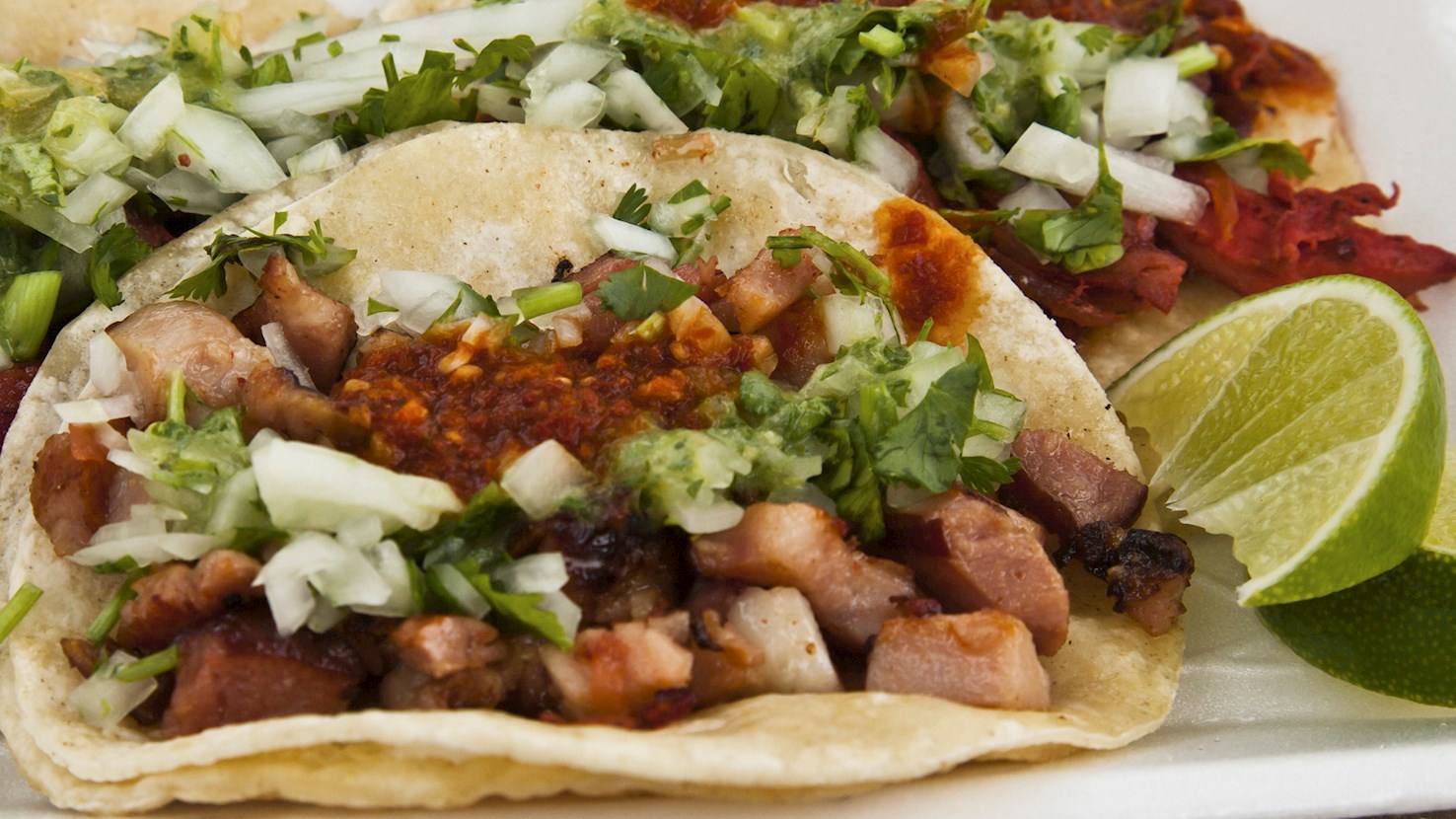
Tacos are the national dish of Mexico, dating back to the Mexican silver mines of the 18th century, when the word taco referred to gunpowder that was wrapped in a piece of paper and inserted into rocks. It was used to excavate the precious ore from mines and was called tacos de minero or miner's tacos. Today, the word is widely known to signify the leading street food and fast food item in Mexico – thin, flat griddle-baked tortillas topped with numerous fillings, folded and eaten without any utensils. A taco is basically anything eaten on a soft tortilla, and there is an infinite variety of them. In Sonora, in the north of Mexico, they eat the classic carne asada - thinly sliced meat grilled over coals and topped with salsa, onions, guacamole, and a lime wedge. In Baja, the topping consists of fried fish with cabbage and an acidic mayonnaise sauce. In Mexico City, sudados (sweated tacos) are the most popular option, filled with cooked and steamed meat. In Jalisco and Michoacan, they prepare carnitas, eaten in the morning or in the early afternoon, filled with deep fried pieces of pork that are sliced according to preference. Similar is the taco de cabeza, filled with pieces of cow's head that was steamed for a long time, and the customers can choose from slices of eyes, brains, tongue, lips, cheek, or ears. Tacos are mainly made of corn, except in the north, where wheat flour is used more often. They also differ in size, from the tiniest white tacos (blancas) to bigger ones, often made with blue corn. Most tacos come in pairs of two, in order to be able to hold all the flavorful and slightly wet ingredients. Some of them are fried until they become crispy and crunchy, in which case they're called tostadas. As anything can be a filling, there is a version made with fried veins from dried chiles, usually accompanied by salt, a tasty treat called tacos de venas. However, the standard is ground or shredded meat, cheese, potatoes, or vegetables and a topping of onions and coriander. Eaten at all times of day and night, one can find them on every corner in Mexico, in restaurants known as taquerias. Alternatively, they can be bought from numerous street vendors.
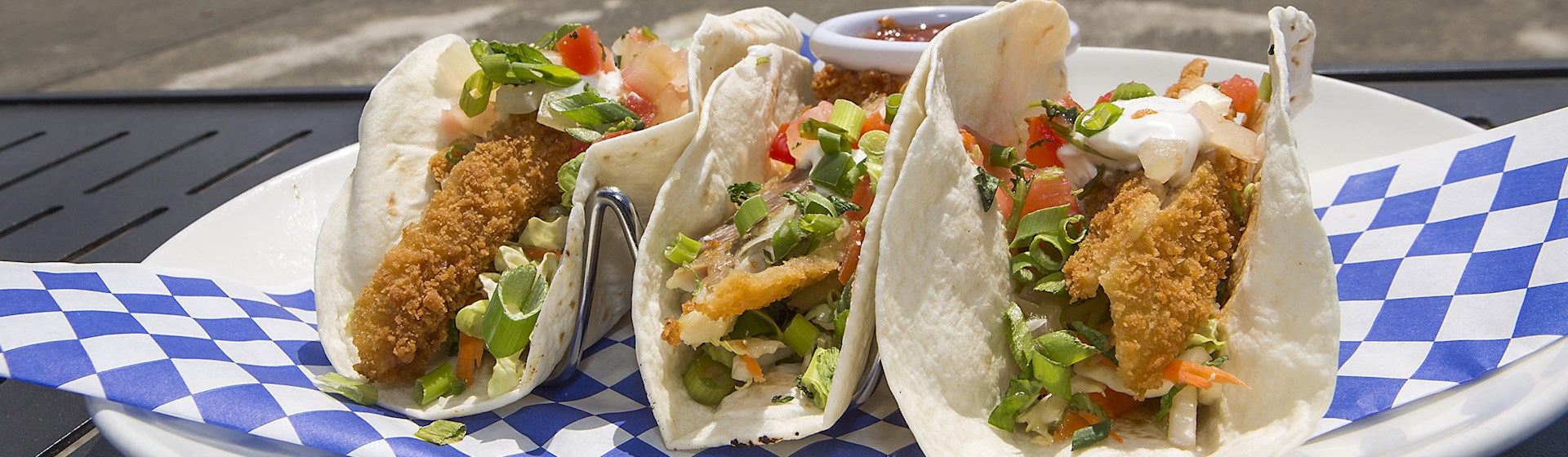
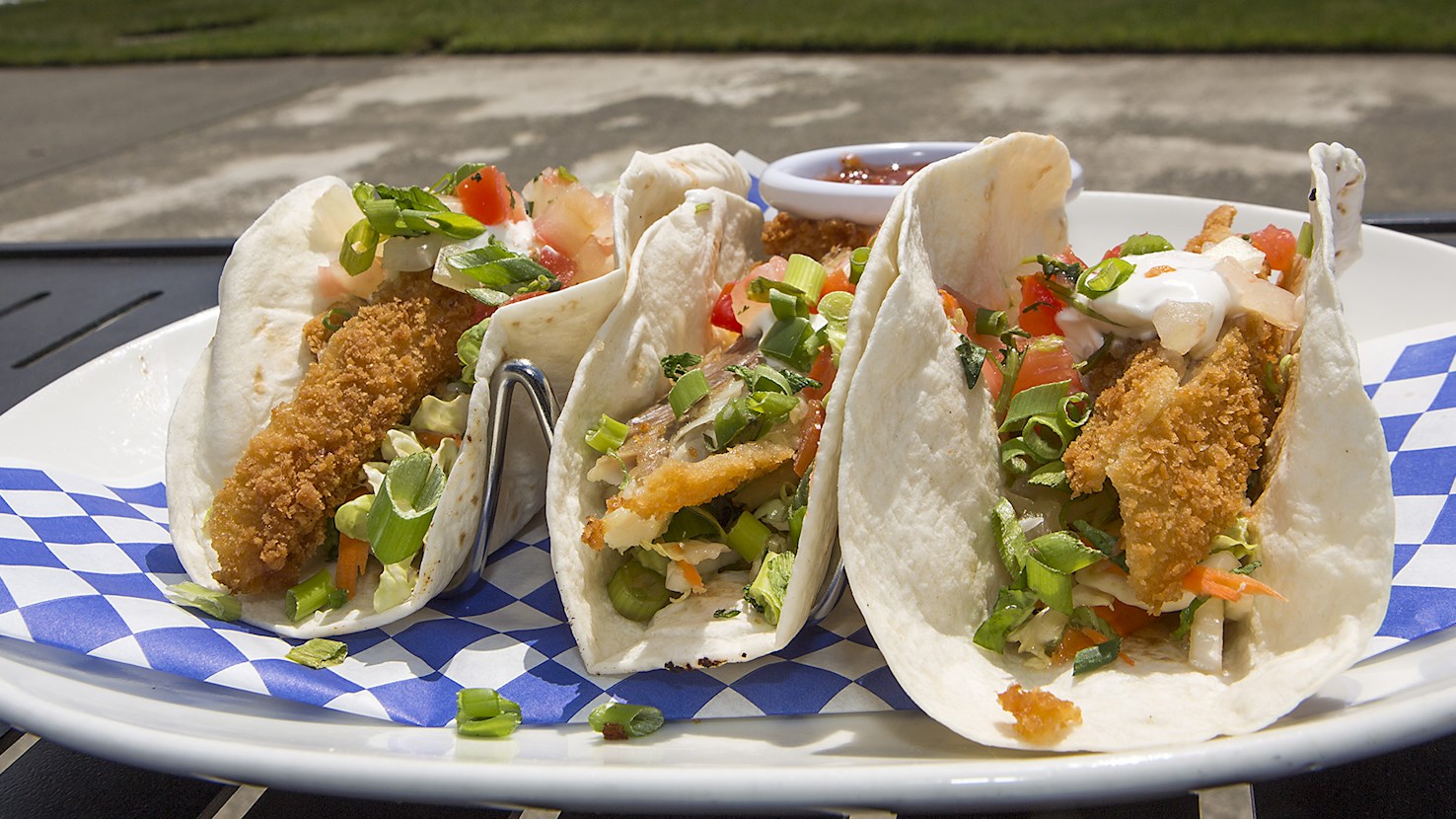
Tacos de pescado or fish tacos have origins in the Mexican region of Baja California. These corn flour tacos are filled with fried or grilled pieces of fish, vegetables such as cabbage or lettuce, and a topping of either sour cream or mayonnaise. The dish is also popular in the United States, especially in California, where it can be found at numerous street carts, served with cabbage and coleslaw.
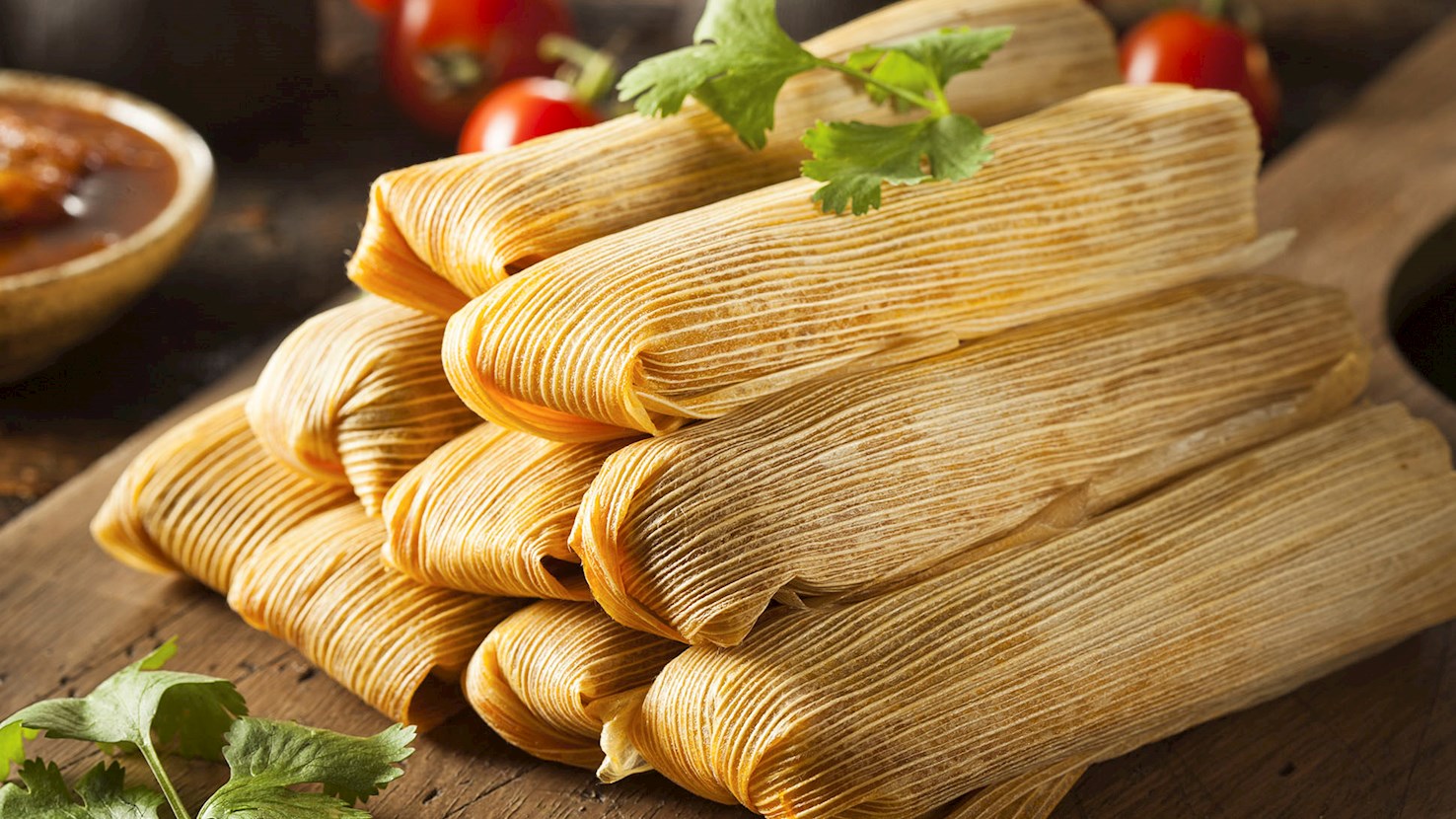
Tamal is a Mexican dish dating back to the Aztecs, consisting of corn masa dough with a filling that can be either savory or sweet, steamed and wrapped in corn husks, leaves, or banana leaves. The tamales are traditionally accompanied by atole, a masa drink. Even though it is common for Mexican food to be served with a variety of sauces and salsas, tamales are the exception because they are usually eaten plain and simple without any sauces, although it is not a rule set in stone. One of the first records of tamales dates back to the 1550s when the Spaniards were served the dish by the Aztecs who made them with beans, meat, and chiles. Today, the fillings can be anything from beans to chicken, fish, pork, hard cooked eggs, pumpkin seeds or squash. Tamales rojo (red tamales) are filled with shredded meat such as beef or pork in a red chili sauce. Tamales verde (green tamales) have the same meat and a different sauce made from sour, green tomatillos. Tamales dulce, the sweet variety, is filled with dried fruits such as raisins or berries. Hot and flavorful tamales vary by region. In Culiacan and Sinaloa, they like them with sweet brown beans, pineapple, and corn. In Oaxaca, tamales are drizzled with the regional speciality called black mole, and in Yucatan, there is a variety with a filling consisting of chicken, tomato, and achiote. Whatever the variety, tamales have a special place in the colorful Mexican cuisine and culture.
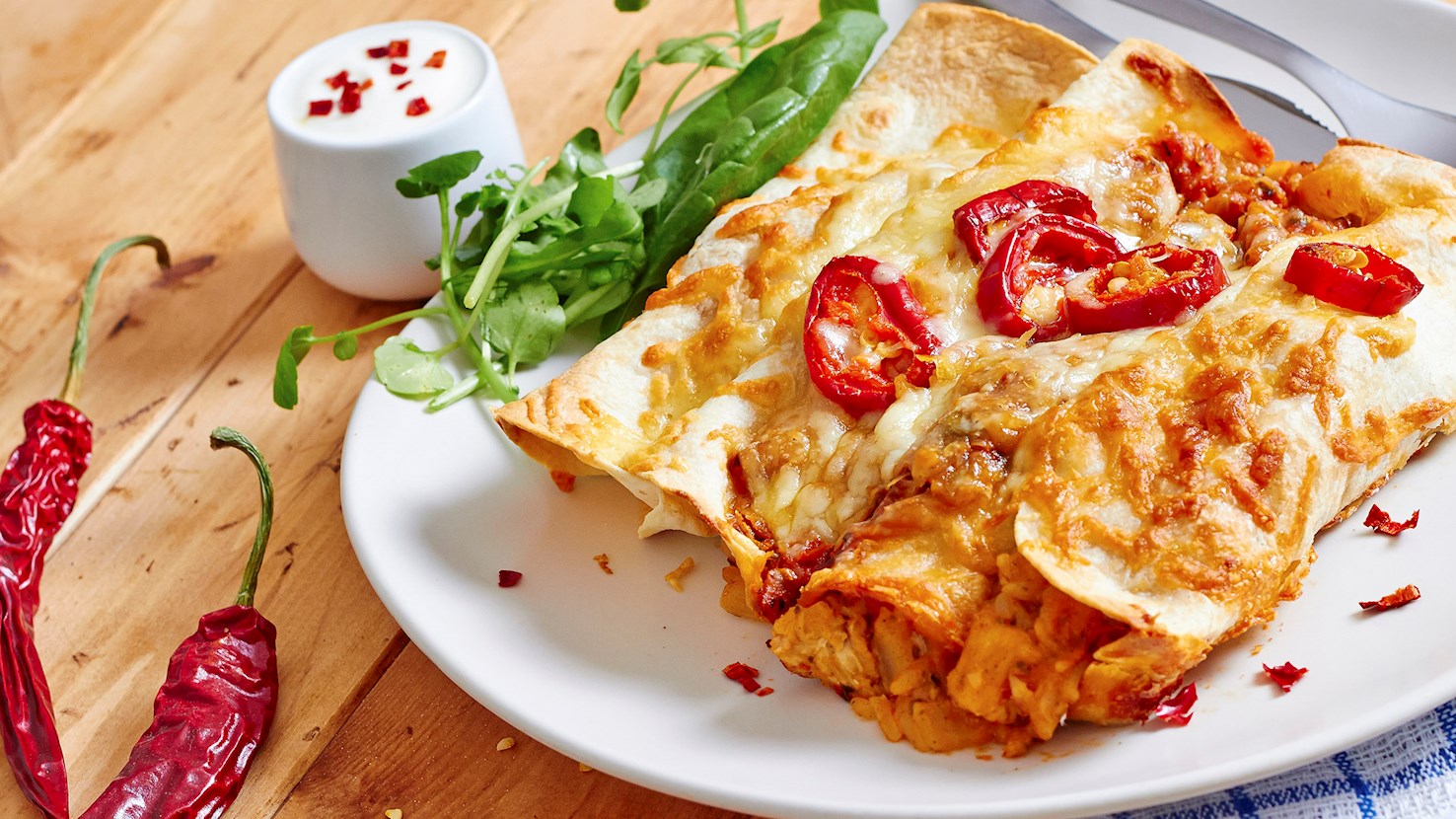
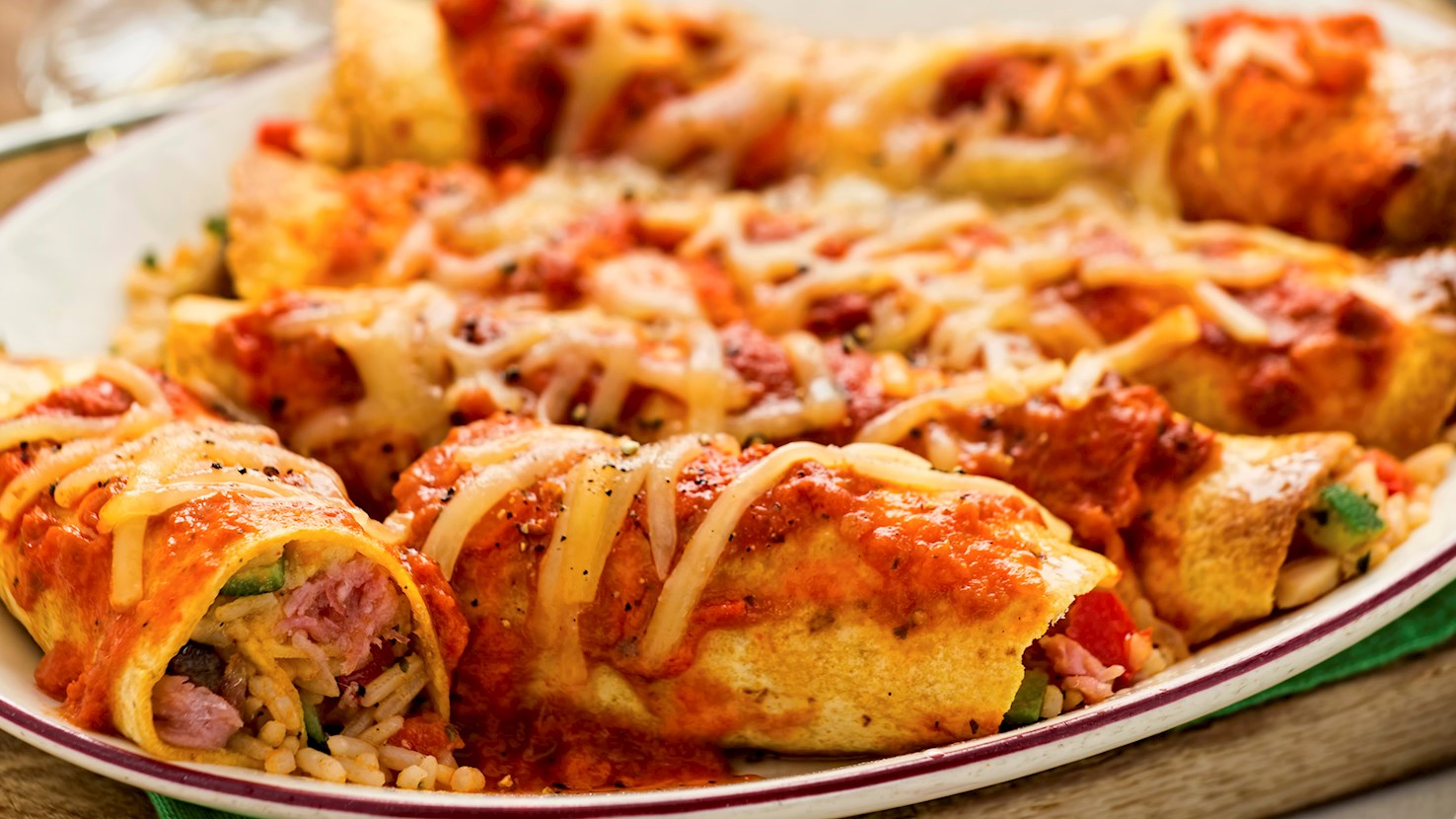
Enchiladas consist of a tortilla that is usually dipped in a chile-based sauce, then stuffed with various fillings such as cheese, meat, or fish. Then it is rolled up, baked, and topped with sauces, onions, beans, or more cheese. This highly versatile dish is believed to have originated from a Mayan dish called papadzules, consisting of corn tortillas dipped in pumpkin purée and filled with chopped boiled eggs. From there, numerous variations developed throughout Mexico and outside of its borders. The word enchilada, which first appeared in print in 1885, comes from the Spanish word enchilar, meaning to season with chile pepper. Today, there are countless versions of enchiladas. In northern Mexico's Sonora, they make them open-faced, topped with black olives and a red chile sauce, while the New Mexico version is prepared by layering the tortillas in a tall stack with cheese and onions between each layer. Enchiladas have become so popular that there is even a National Enchilada Day (in the US), celebrated every year on May 5, also known as Cinco de Mayo.
Enchiladas de camaron is a popular Mexican dish consisting of fried tortillas filled with shrimp and various ingredients such as corn, onions, chiles, tomatoes, and coriander. These rolled tortillas are especially popular in the North Pacific and Gulf regions of Mexico, and it is recommended to serve them garnished with crema Mexicana, avocado slices, and grated cheese.
TasteAtlas food rankings are based on the ratings of the TasteAtlas audience, with a series of mechanisms that recognize real users and that ignore bot,
nationalist or local patriotic ratings, and give additional value to the ratings of users that the system recognizes as knowledgeable.
For the “5 Traditional Foods You Have To Try in San José Del Cabo” list until May 22, 2026, 0 ratings were recorded, of which 0 were recognized by the system as legitimate.
TasteAtlas Rankings should not be seen as the final global conclusion about food. Their purpose is to promote excellent local foods,
instill pride in traditional dishes, and arouse curiosity about dishes you haven’t tried.