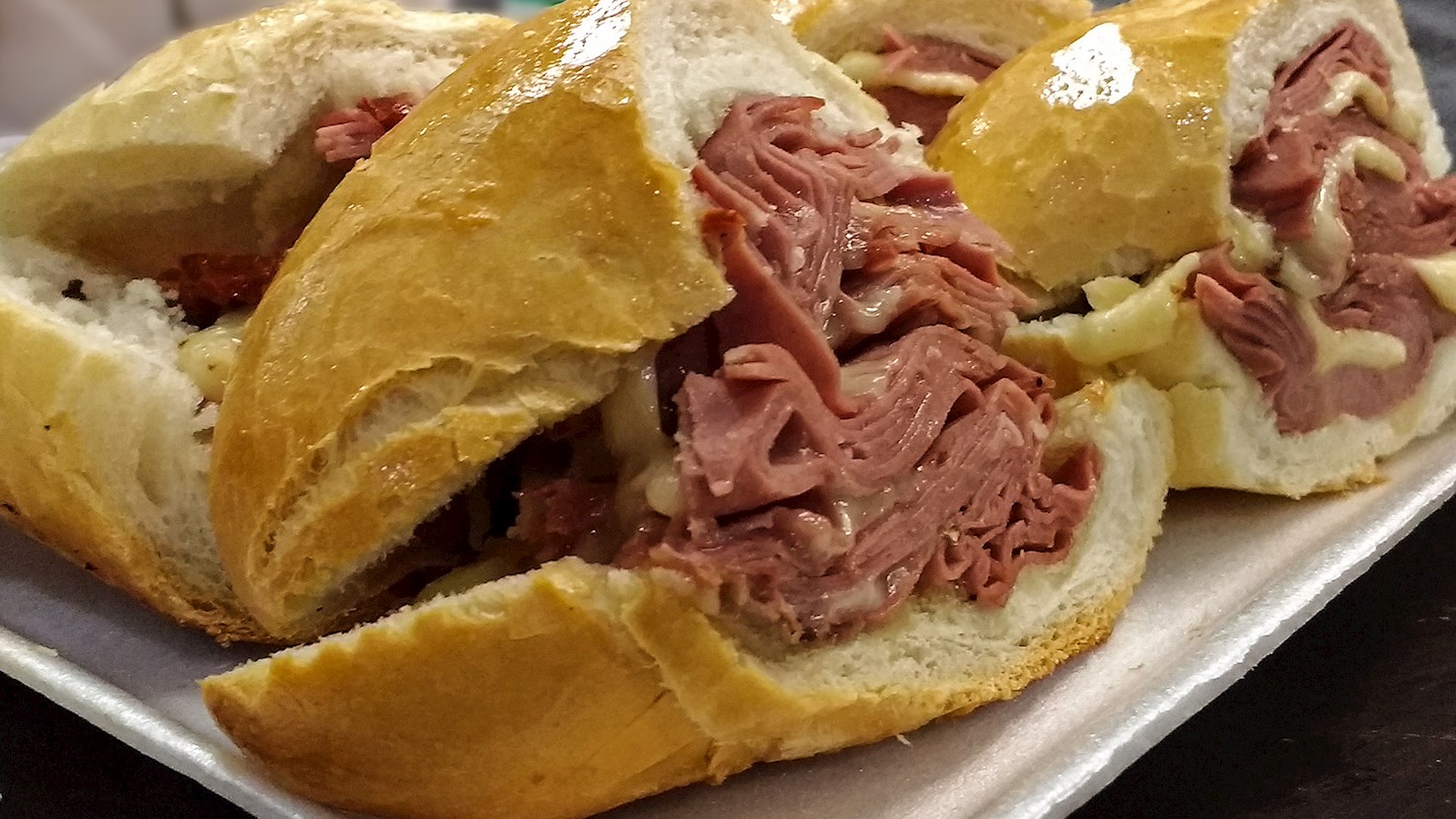
Sanduiche de mortadella is a Brazilian sandwich originating from Sao Paulo. The huge sandwich consists of a simple bread roll that's filled with mounds of freshly sliced, stacked, and griddled mortadella, while a layer of cheese is added on top, instantly melting as it touches the hot mortadella. The outer layers of mortadella are crisp and brown, while the inner ones remain silky and supple. Mortadella sandwich really needs no extra condiments, although they are typically available on the counters, and all you really need with this sandwich is a glass of cold Brazilian beer. In Sao Paulo, the best place to try these epic sandwiches is Bar do Mané, founded in 1933 and located in the city's market called Mercado Municipal.
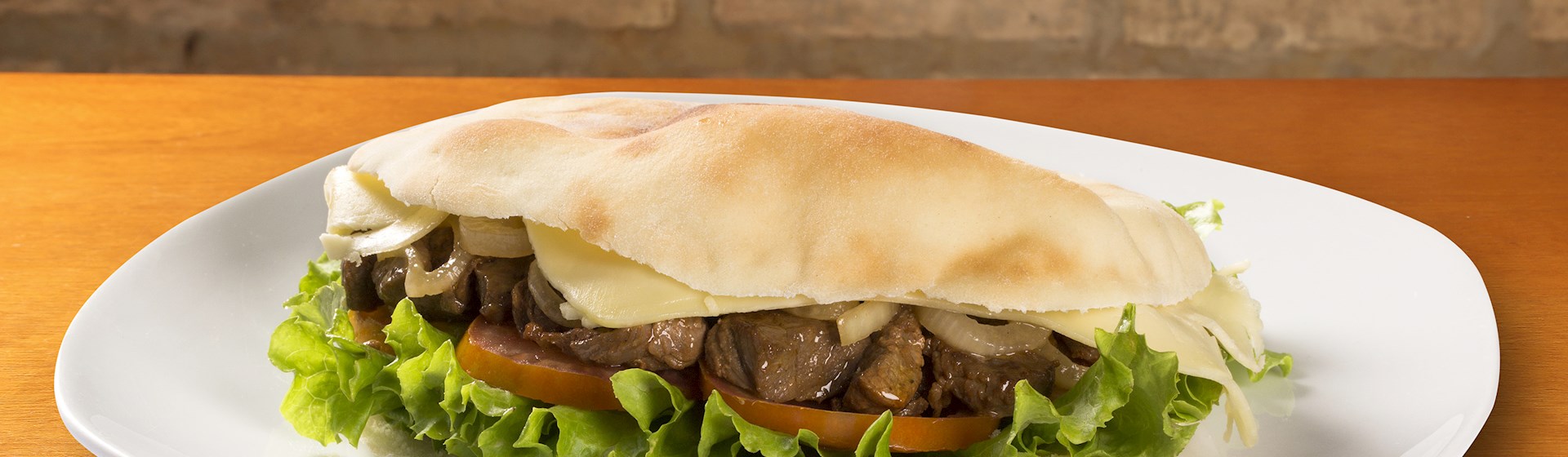
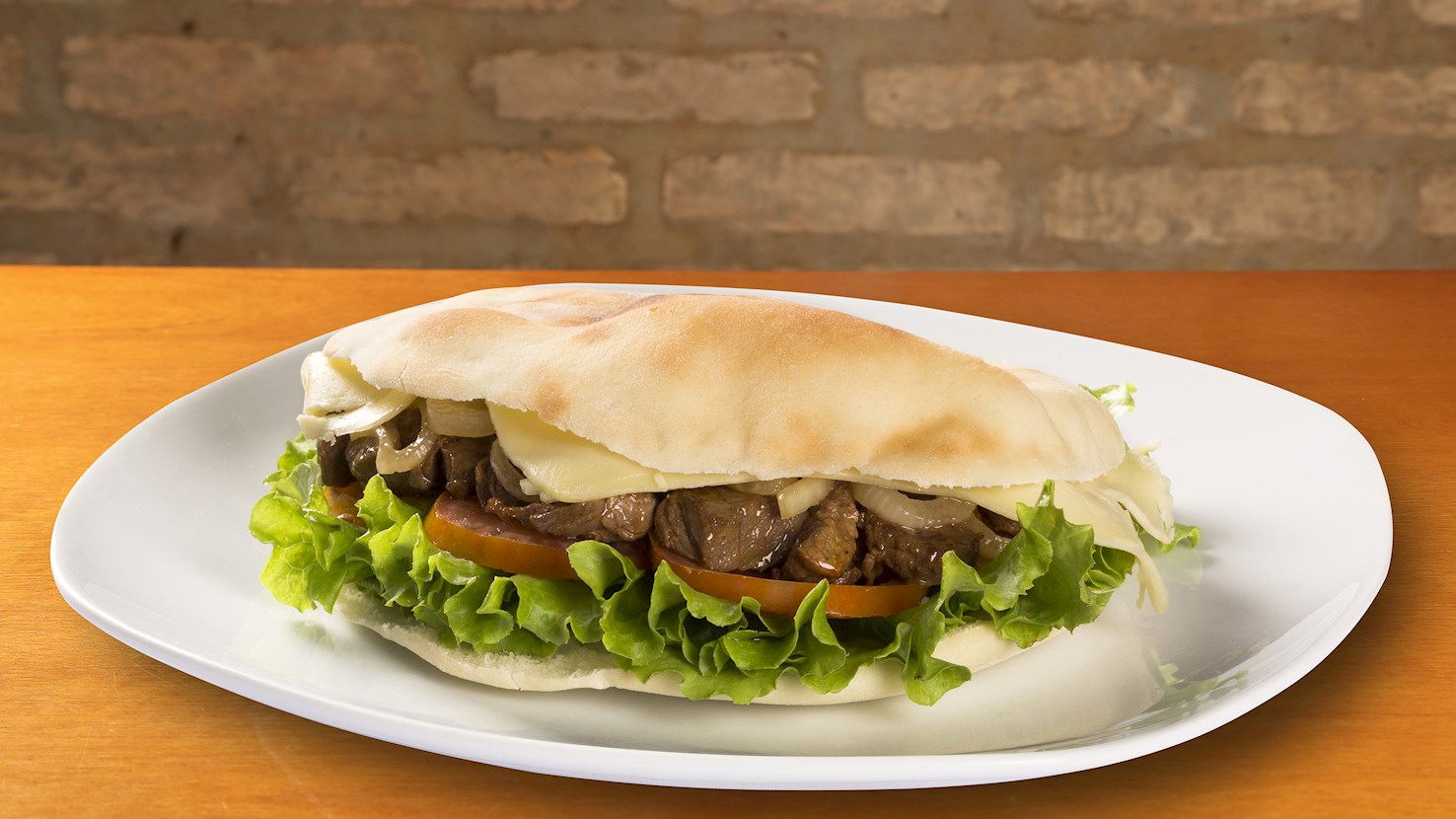
Beirute is a Brazilian sandwich hailing from São Paulo. It's influenced by Levantine cuisine, hence the name that refers to the capital of Lebanon. Originally, the beirute was made with pão sírio (Syrian bread or pita bread) that was stuffed with roast beef, lettuce, tomatoes, melted cheese, and za'atar herb and spice mixture. The filling always goes between two pieces of Syrian bread, not into the pocket. Nowadays, the sandwiches are prepared with various other fillings such as steaks, chicken, fried eggs, and ham, but the Syrian bread remains a key ingredient of the sandwich.
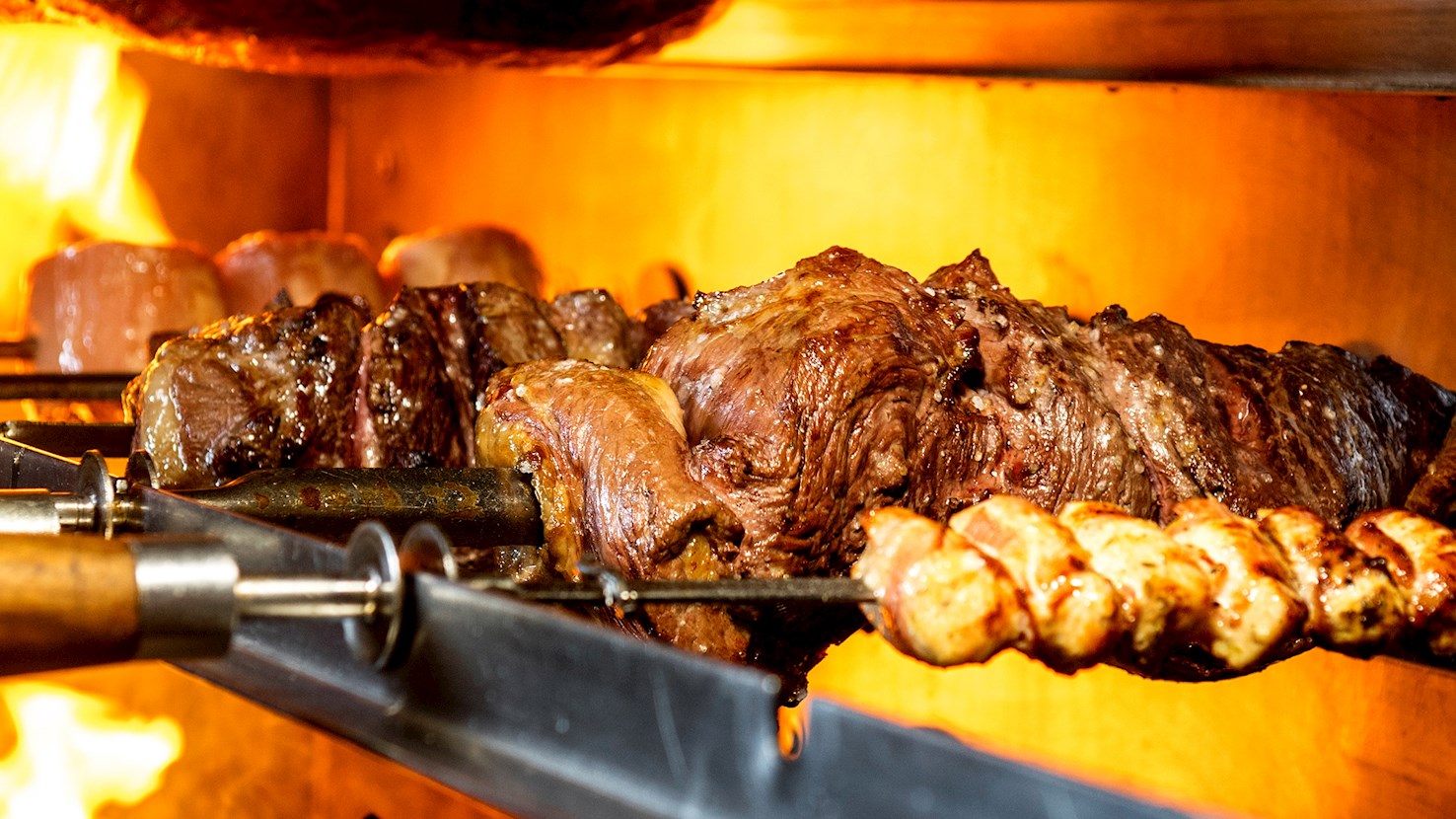
Churrasco is a Brazilian barbecue method where juicy pieces, slices, steaks, and chops of beef, veal, lamb, pork, and chicken are placed on big skewers and grilled over wood fire. It started in the early 1800s when the Gauchos (European immigrants that settled in the Rio Grade do Sul area) would get together and start a fire, adding large portions of meat on skewers and slowly grilling the meat. In the restaurants, known as churrascarias, the skewers are paraded across the restaurant in a flashy manner, and the waiters circulate among the tables in order to show off the succulent meat to hungry diners. After the customers have chosen their preferred type of meat, it is sliced off the skewers to the dining plates. Also known as rodízio, the theme of this barbecue experience is all you can eat, so the customers should know to come with an empty stomach. Beef is the most popular option, although livers and hearts are especially rich and chewy. In Brazil, the meat will often be from the zebu, a succulent, lean breed of cattle with a hump that's especially popular in churrasco as a cut of meat called cupim. Churrasco starts with appetizers and a variety of salads offered from a big buffet, as a preview of things to come. The usual accompaniments for the meat include farofa grains, rice, fried potatoes, potato salad, steamed greens, black beans, onions, fried bananas, and numerous chili-based sauces. After the big meal, it is typical to consume grilled pineapple slices, serving as a palate cleanser as well as a tasty dessert. Churrasco (lit. barbecue) is also popular as a cooking method in countries such as Nicaragua, Puerto Rico, Argentina, Uruguay, Ecuador, Guatemala, and Chile, and each country has their own favorite cuts of meat and accompaniments for this popular barbecue style.
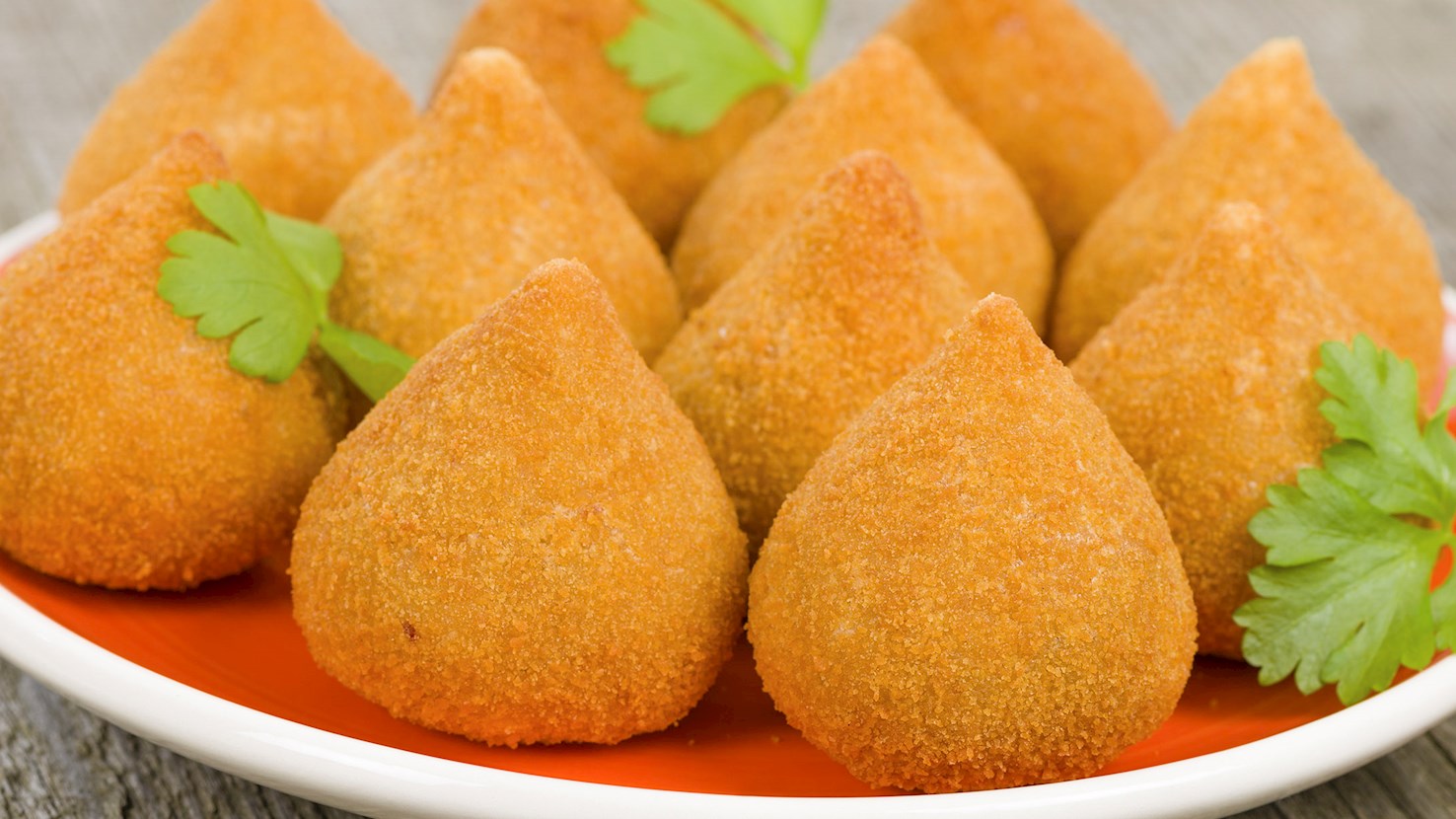
One of Brazil's favorite street foods, coxinha (lit. little thigh) is a crispy croquette filled with chicken meat and cream cheese that is cleverly shaped into a chicken drumstick, then breaded and deep-fried. Coxinha originated around São Paulo in the 19th century, and by the 1950s it spread to Rio de Janeiro and Paraná, having now become one of the most popular salgados (savory appetizers) across the country. Legend has it that coxinha was first made for the Brazilian princess Isabel's son who only liked chicken thigh meat. However, according to food historians, it was probably invented during the industrialization of São Paulo to be marketed as a cheaper and more durable substitute to traditional chicken cuts that were sold at the gates of local factories as snacks for the workers. Nowadays, coxinhas can be found anywhere from Brazilian snack bars called lanchonetes, cafés, buffets and even bakeries to numerous stand-up lunch counters and street food stalls. The perfect coxinha has a golden, crunchy crust which envelopes the chicken stock and flour dough and breaks away into its creamy interior made with shredded chicken breast and Catupiry requeijão cremoso cheese. It is typically flavored with onion, garlic, cilantro, and lime. For a well-rounded snack, these delicious Brazilian chicken-filled nibbles are usually served with hot chili sauce, vinaigrette or garlic mayonnaise, and best enjoyed with a glass of cold beer.
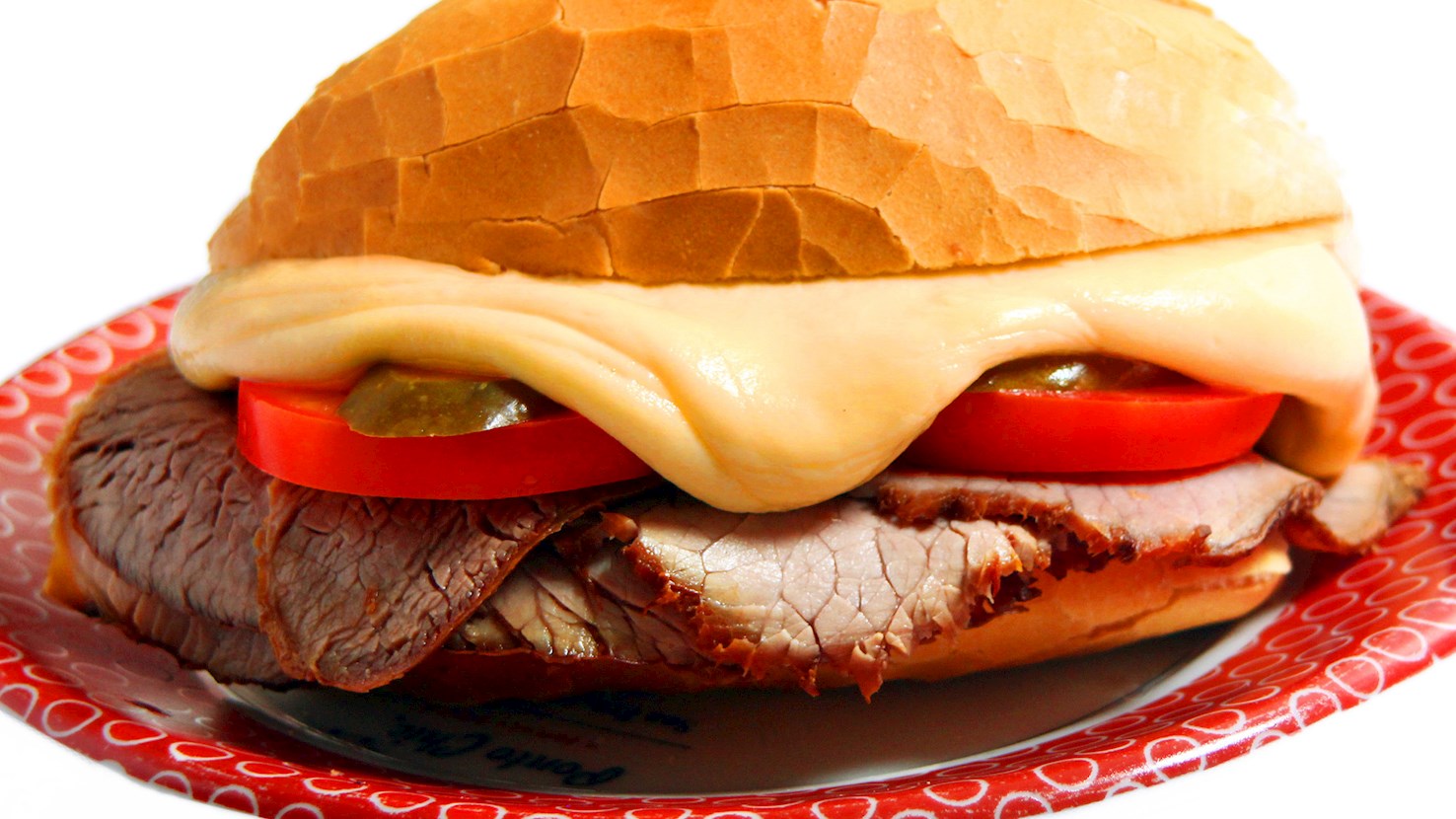
A true Brazilian classic, Bauru is a sandwich consisting of a crusty bread roll without the soft bread inside, stuffed with melted cheese, tomatoes, sliced pickles, and roast beef. Bauru was invented in the 1930s by Casemiro Pinto Neto, also known as Bauru (after his hometown), a law student and a customer at the Ponte Chic restaurant in São Paulo who told the cook to make a special sandwich just for him. Because the restaurant was frequented by politicians and footballers who loved the new sandwich, its popularity quickly grew and it became the restaurant's best selling item. Today, the sandwich still has an army of fans and numerous variations, for instance, using sliced ham instead of roast beef, or using sliced bread instead of the traditional French roll.
Mocotó is a popular Brazilian stew made from cow's feet, beans, and various vegetables. The name of the dish stems from the Kimbundu word mbokotó. Nutritious and inexpensive, the stew was originally made by slaves who used cuts of meat that were thrown away by the landowners. Mocotó is especially popular in the southern and northeastern parts of Brazil. Although Brazil's main weather-related problem is how to cool off, mocotó is a perfect winter stew that warms one up, since it is a part of Portuguese culinary heritage, and the mountainous parts of Portugal can be notoriously cold. Brazilians usually consume it at the end of the night to prevent a hangover, or early in the morning, to cure it.
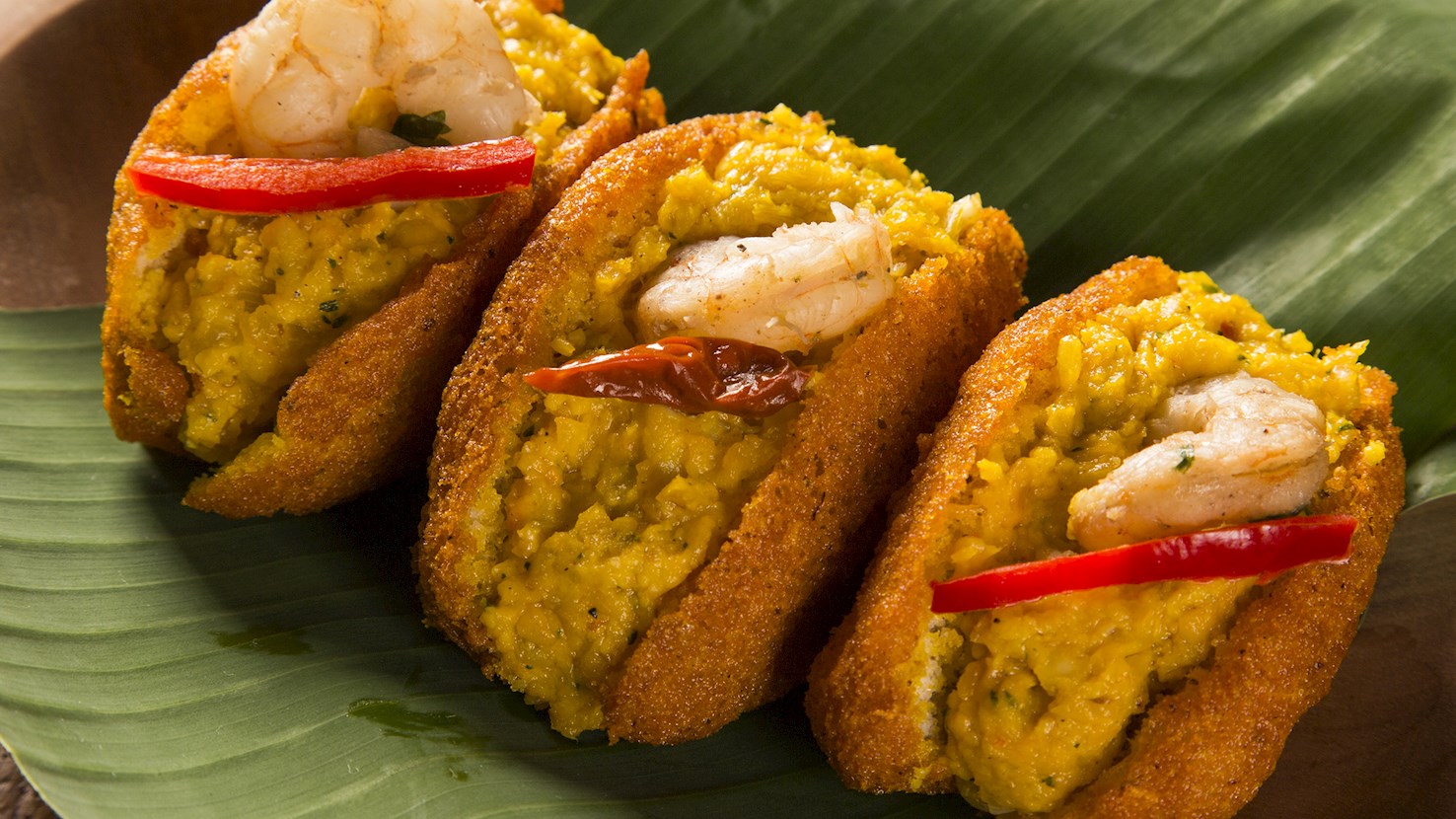
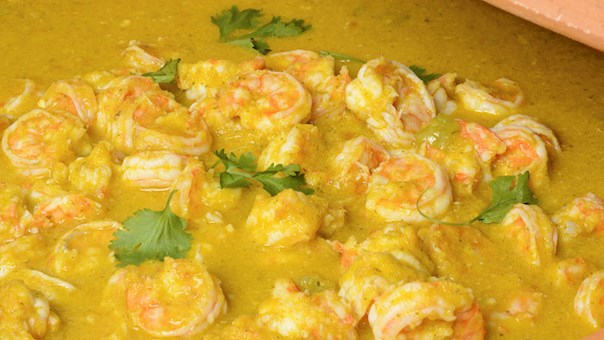
In Bahia, the northeastern state of Brazil, there is a dish that is considered to be the most popular street food around, called acarajé. It consists of black-eyed peas or cowpeas that are formed into a ball, deep-fried in dendé palm oil, split in half, then stuffed with flavorful, spicy pastes made from numerous ingredients such as cashews, palm oil, and shrimp. The most common accompaniments to the dish include a tomato salad and homemade hot pepper sauces. The recipe for the dish originated during the colonial period of the country, from the Nigerian slaves who first started selling it on the streets of Brazil. Today, acarajé represents a good example of how African influences have been shaping Brazil's cultural heritage and its culinary identity.
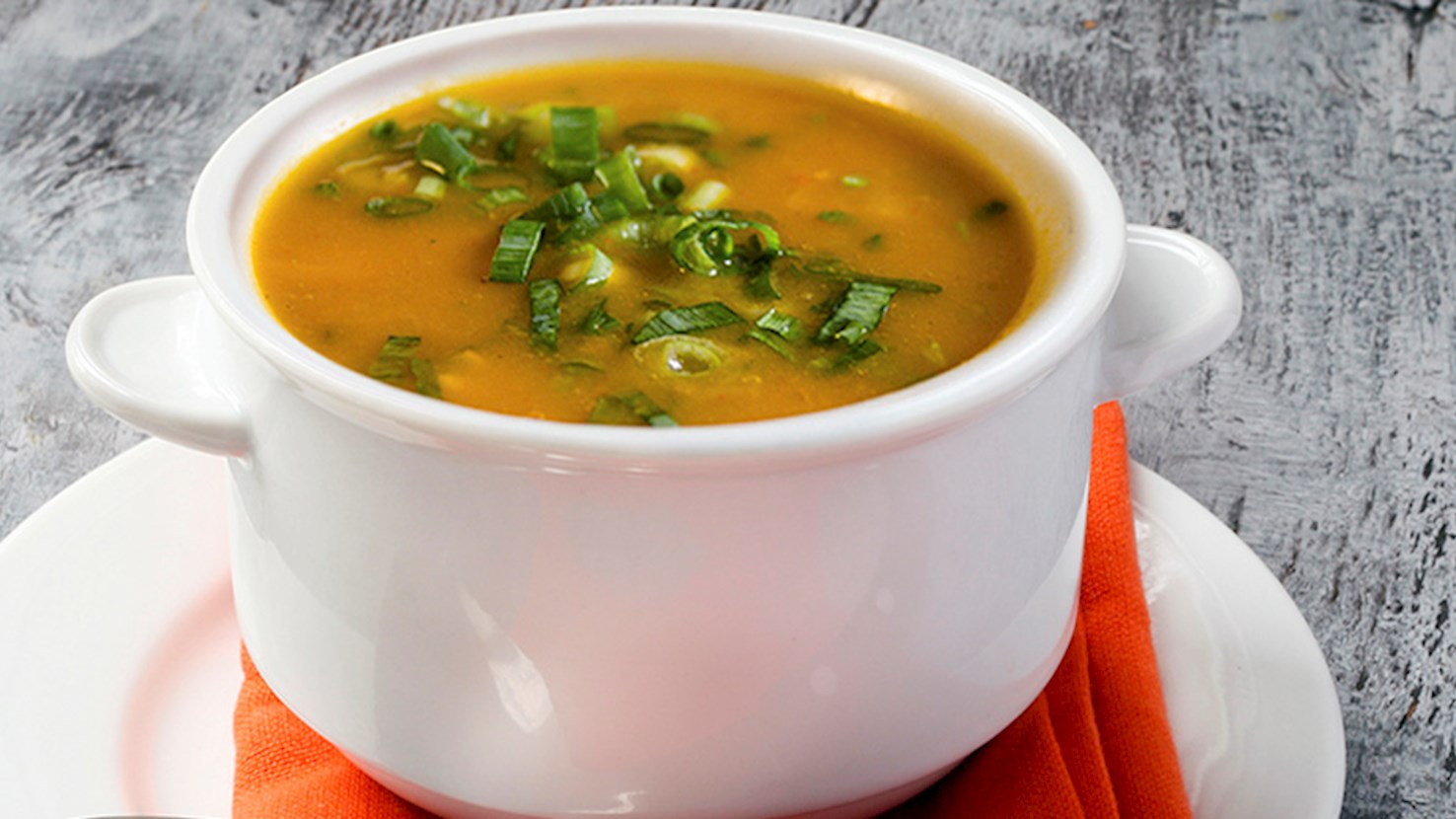
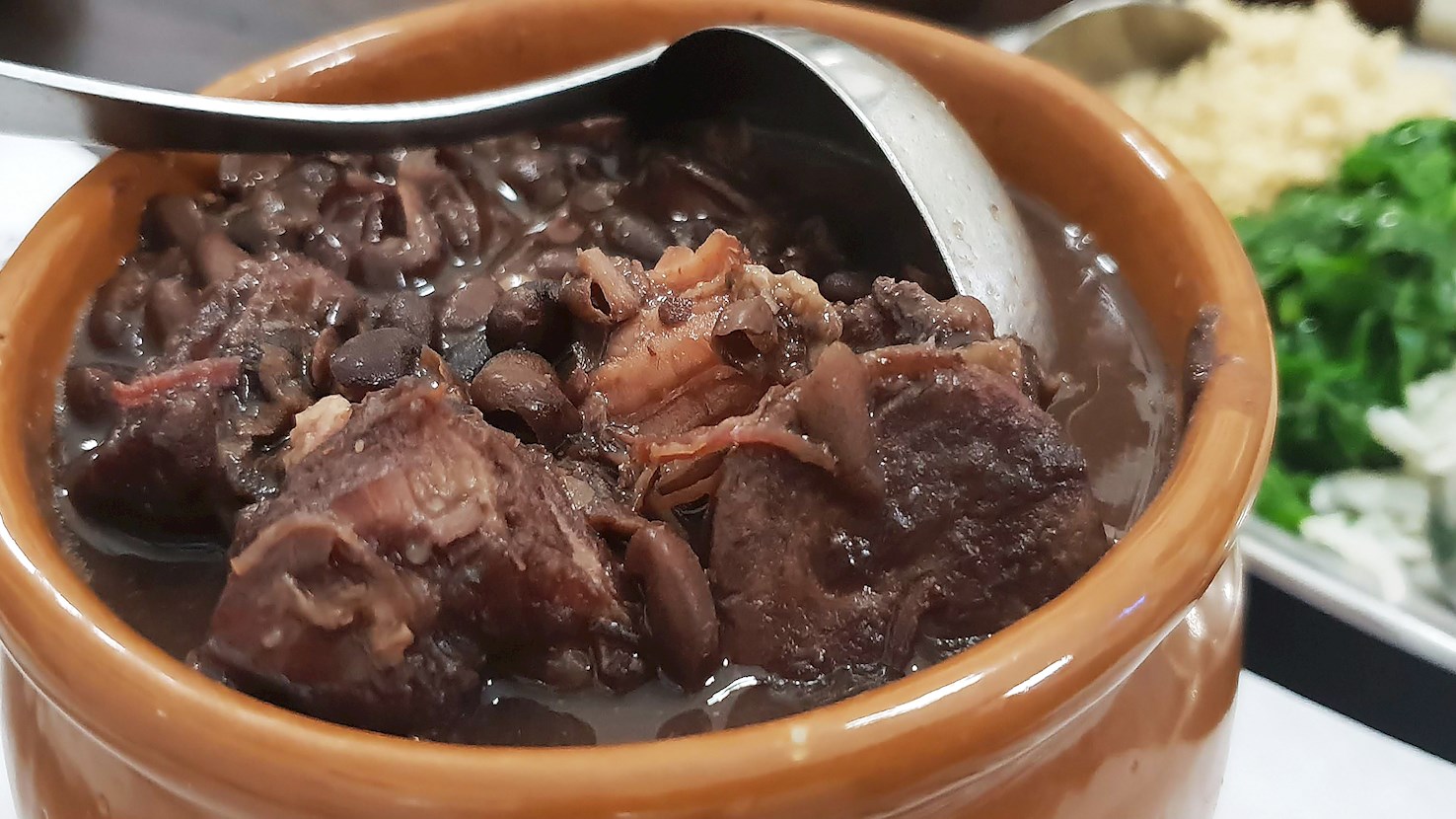
Feijoada or feijoada completa is Brazil's national dish, a hearty stew featuring pork and black beans. The dish is consumed throughout the country, and every family in Brazil has their own, special recipe. Sautéed greens, cheese rolls, rice, and fresh, sliced oranges are served as an accompaniment to the smoked pork and richly flavored black beans. Traditionally, it is prepared for Saturday lunch, so that the consumers may sleep it off. The beans are flavored with onions, tomatoes, coriander, and garlic, while pork meat can be additionally enriched with dried beef and smoked pork sausages. Before the main meal, consumers are offered caldinho de feijao, a bean broth served in shot glasses or small ceramic cups and garnished with pork rinds known as torresmos. The name feijoada is derived from the Portuguese word for beans, feijão, and it probably originated in the 1600s in Recife, on sugar plantations built by the Portuguese colonists, although some believe that it was created in Rio de Janeiro. The Brazilian version usually uses black beans, while the Portuguese one typically uses white or kidney beans. Feijoada is artfully displayed on platters full of ingredients, so that the consumers may choose their favorites and enjoy them at a leisurely pace. The meats are sliced and placed on platters; the beans served in large serving bowls, and the accompaniments include Brazilian rice, kale, cassava with butter or hard-boiled eggs, sliced oranges, and hot pepper-lime sauce. During the meal, cachaca, a sugarcane brandy and Brazil's most popular liquor, is served as a traditional accompaniment to feijoada.
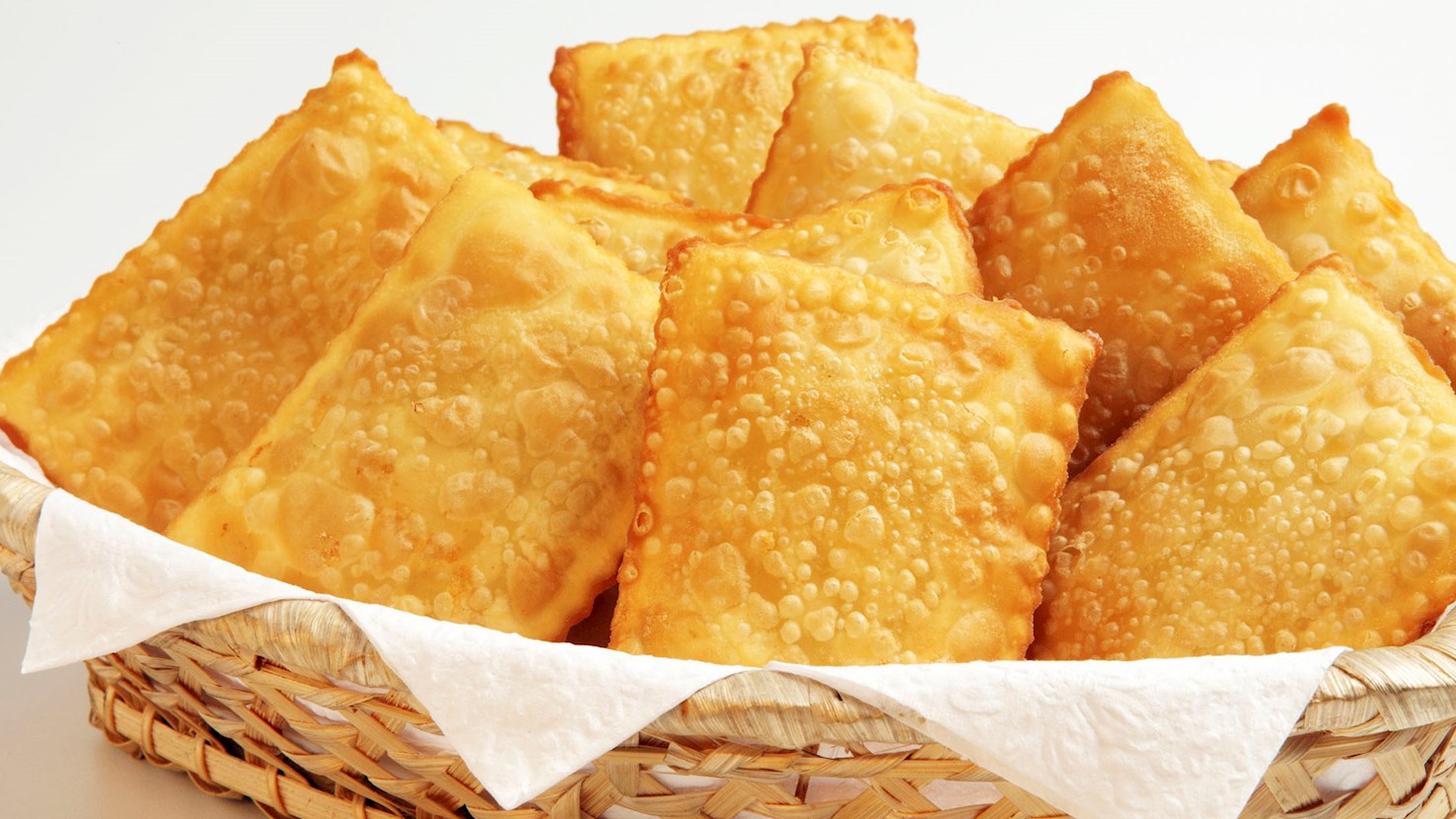
One of the most common fast food items in Brazil is known as pastel, a deep-fried, stuffed pastry. This half-circle or rectangle-shaped miniature pie is stuffed with a variety of ingredients, most commonly shredded chicken, ground beef, mozzarella, or small shrimps. Sweet varieties also exist, and they are usually made with chocolate, bananas, or guava jam, but they are not as common as their savory counterparts. The exact origin of the dish is not familiar, but it is believed that pastel evolved from the Chinese spring roll, which was brought to Brazil by Japanese immigrants. The shape and the ingredients changed, but pastel retained its thin and crispy outer layer. They are usually served hot and are most commonly accompanied by beer or a glass of sugarcane juice. It is a snack that is usually sold in snack bars, and it is almost always meant to be eaten by hand.
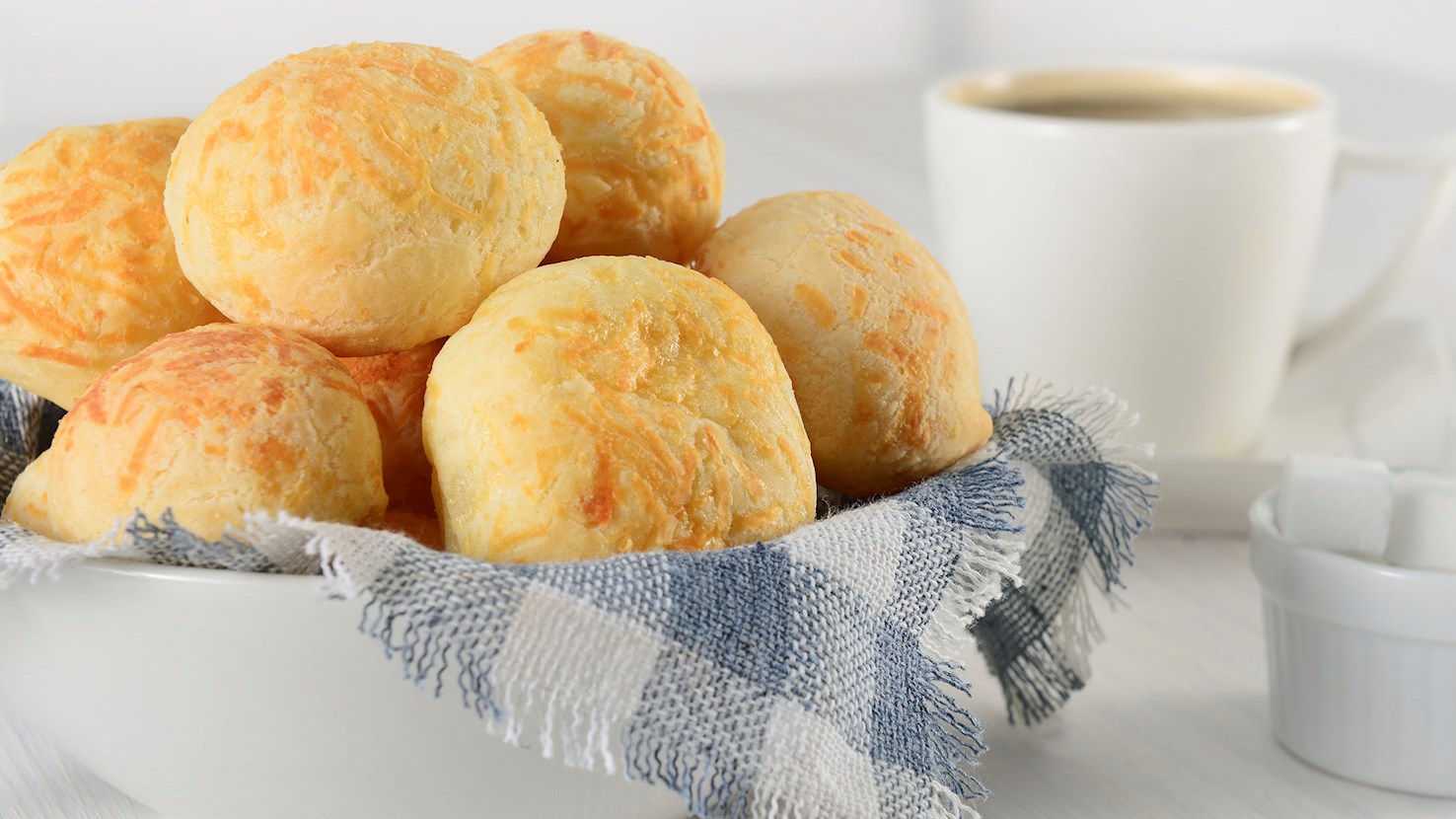
Literally translated to cheese bread, pão de queijo has its origins in the culinary inventions of African slaves, when they started to use the residue of the cassava plant. A fine white powder, or starch, was rolled into balls and baked. At the time, no cheese was added, so it was just baked starch, but at the end of the 19th century, when slavery ended, other foods started to become available to the Afro-Brazilians for the first time. In the state of Minas Gerais, the dairy center of Brazil, cheese and milk started to be added to the starchy balls, and pão de queijo was created. Today, it is a popular Brazilian snack or breakfast food that is also widely consumed in northern Argentina, sold at numerous coffee shops, snack bars, and bakeries.
TasteAtlas food rankings are based on the ratings of the TasteAtlas audience, with a series of mechanisms that recognize real users and that ignore bot,
nationalist or local patriotic ratings, and give additional value to the ratings of users that the system recognizes as knowledgeable.
For the “39 Traditional Foods You Have To Try in São Paulo” list until September 17, 2026, 895 ratings were recorded, of which 661 were recognized by the system as legitimate.
TasteAtlas Rankings should not be seen as the final global conclusion about food. Their purpose is to promote excellent local foods,
instill pride in traditional dishes, and arouse curiosity about dishes you haven’t tried.







What People Say