


shutterstock

14 Traditional Foods
You Have To Try in Sarajevo

Last updated on June 17, 2026
01

Ćevapi

4.3 ·

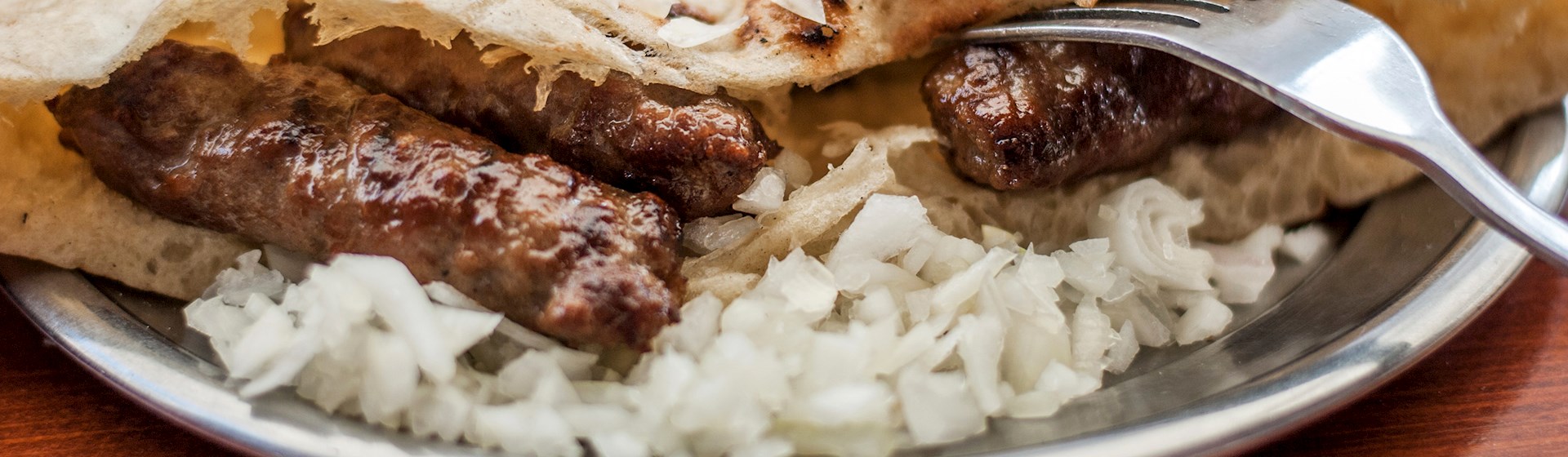
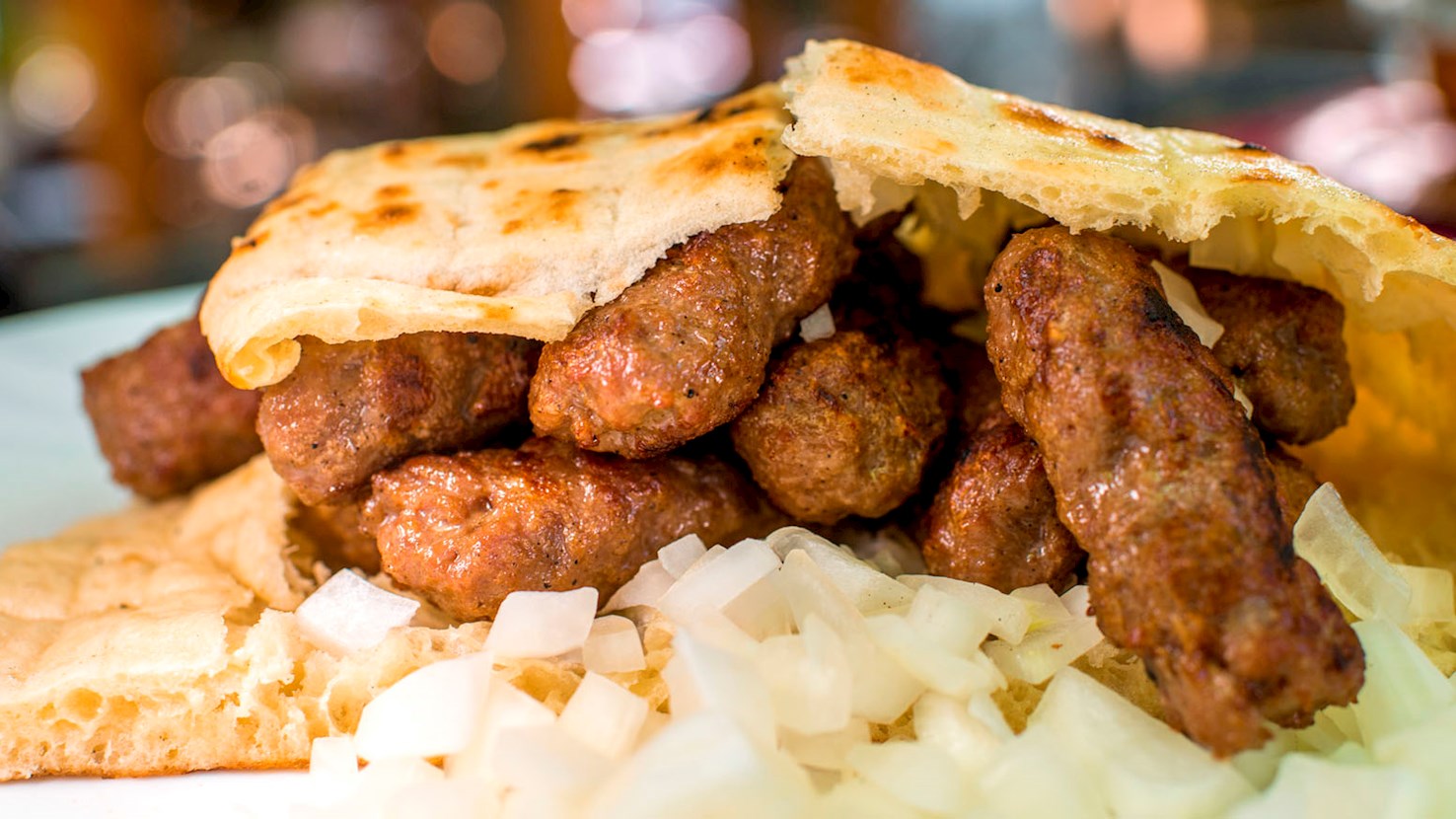
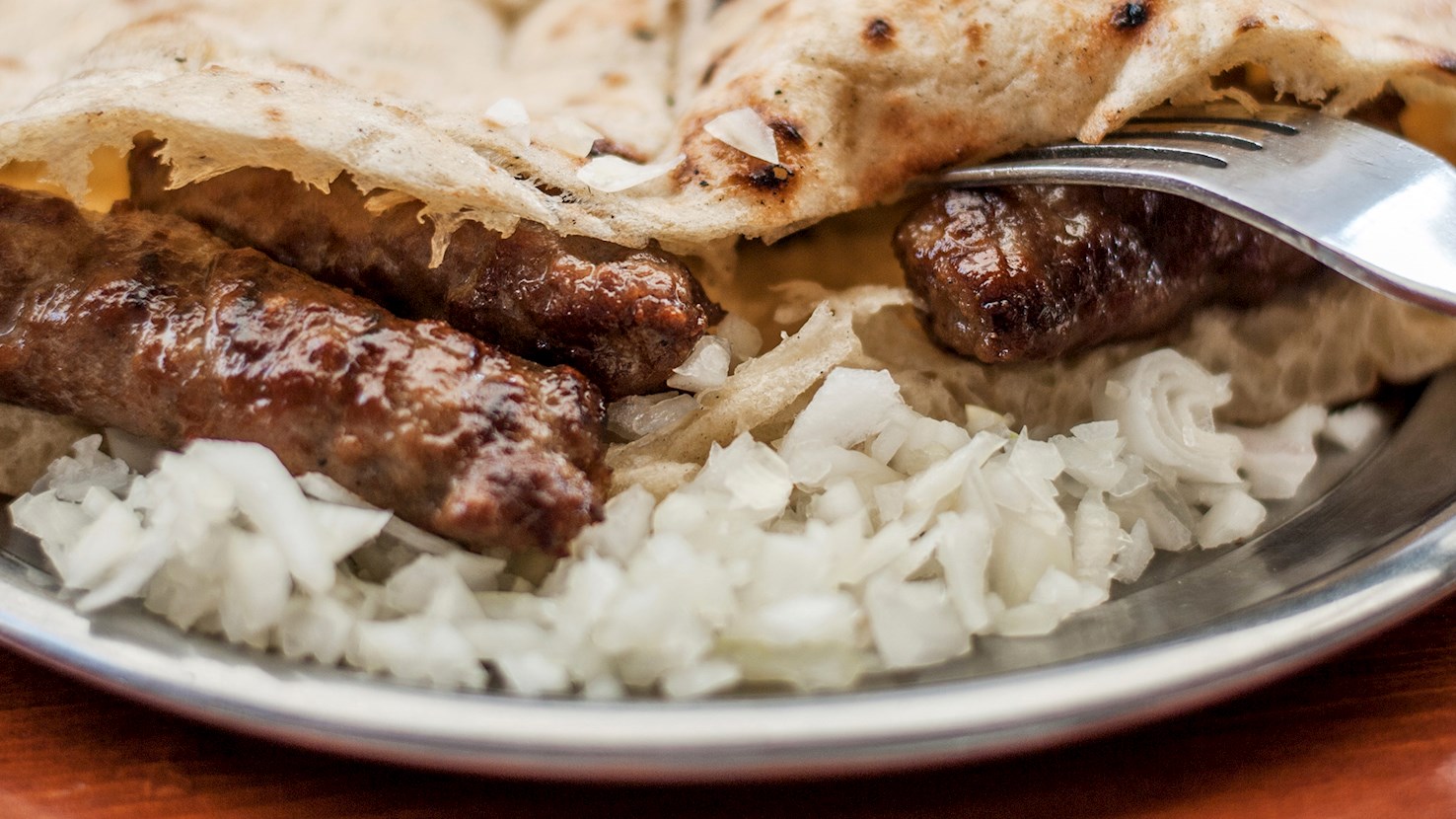
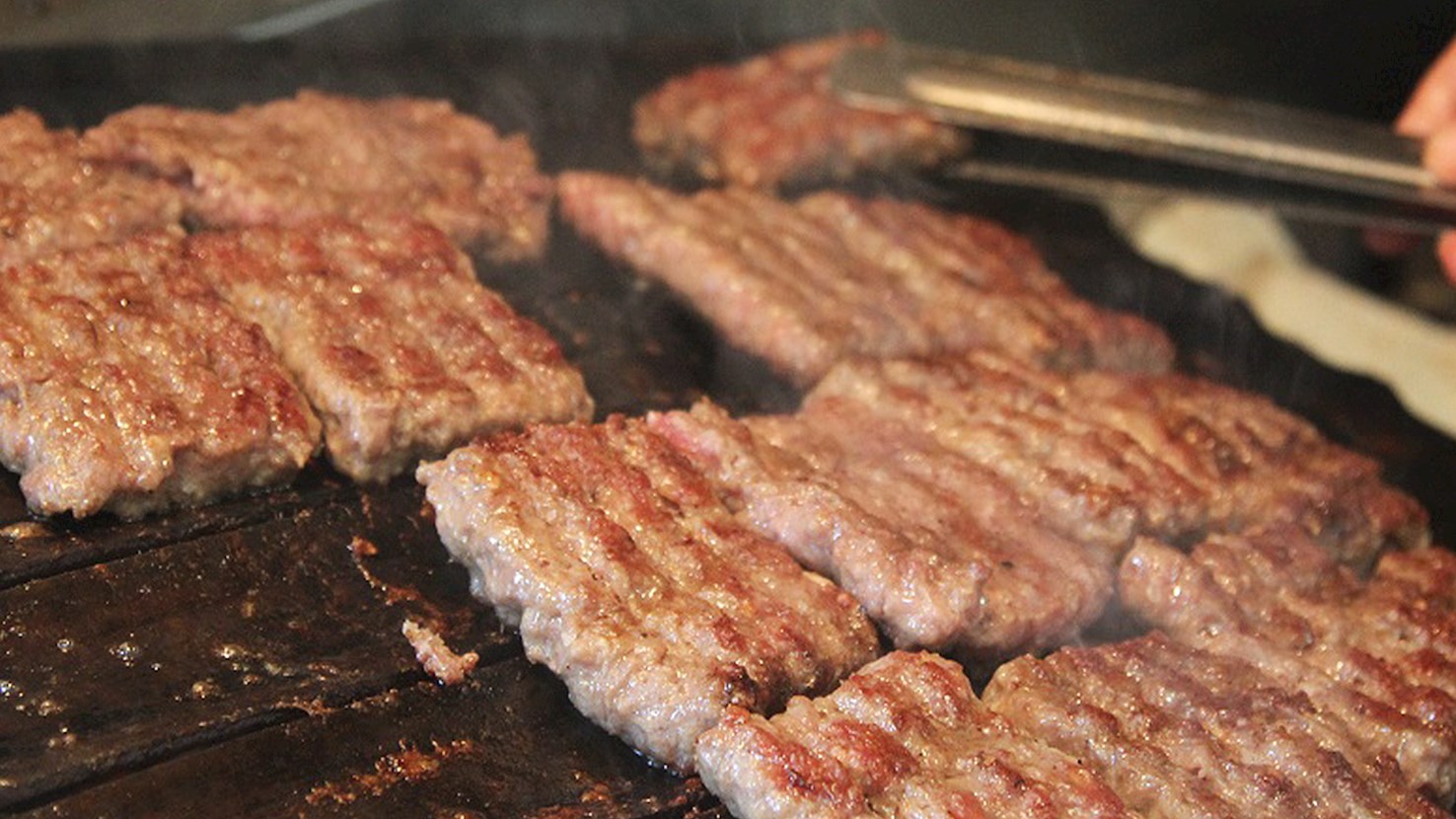
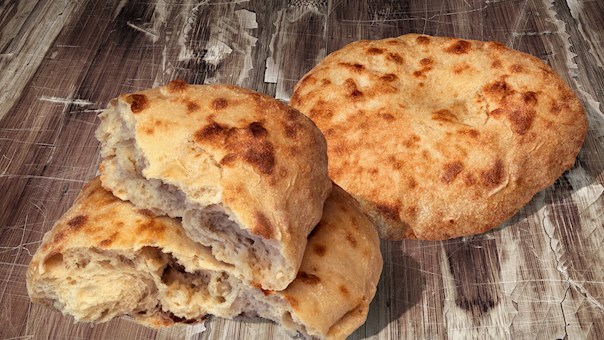
Despite their clear Turkish provenance, Bosnian ćevapi are a source of great national pride and the country's favorite dish. These tiny, hand-rolled minced meat sausages are commonly made with ground beef - or a mix of beef mince with other meats such as veal or lamb - seasoned with a mix of different spices; usually garlic, salt, black pepper, and sometimes paprika or hot red pepper flakes. After they have mellowed for a couple of hours, ćevapi are barbecued over charcoal. Traditionally, one portion of the dish consists of ten pieces of ćevapi tucked in a soft, moist, slightly grilled flatbread called lepinja or somun, and a variety of accompaniments such as kajmak, a type of clotted cream spread, roasted red pepper and eggplant relish called ajvar (especially popular in Croatia and Serbia), and raw onions.

02

Sarajevski ćevapi

4.4 ·

This unique variety of ćevapi hails from the city of Sarajevo, hence the name sarajevski ćevapi. There are variable accounts regarding the usage of meat for these tasty meat rolls – purists make them exclusively with ground beef, salt, and pepper, while others use a combination of ground beef and mutton. In recent years, sarajevski ćevapi are typically made only with ground beef and salt in order for the meat flavor to be as clear as possible. Once prepared, ćevapi should be refrigerated for 48 hours. They are then grilled, and traditionally served in a round-shaped, (sometimes) beef stock-dipped bread called somun, accompanied by raw onions on the side.

03

Burek

4.3 ·

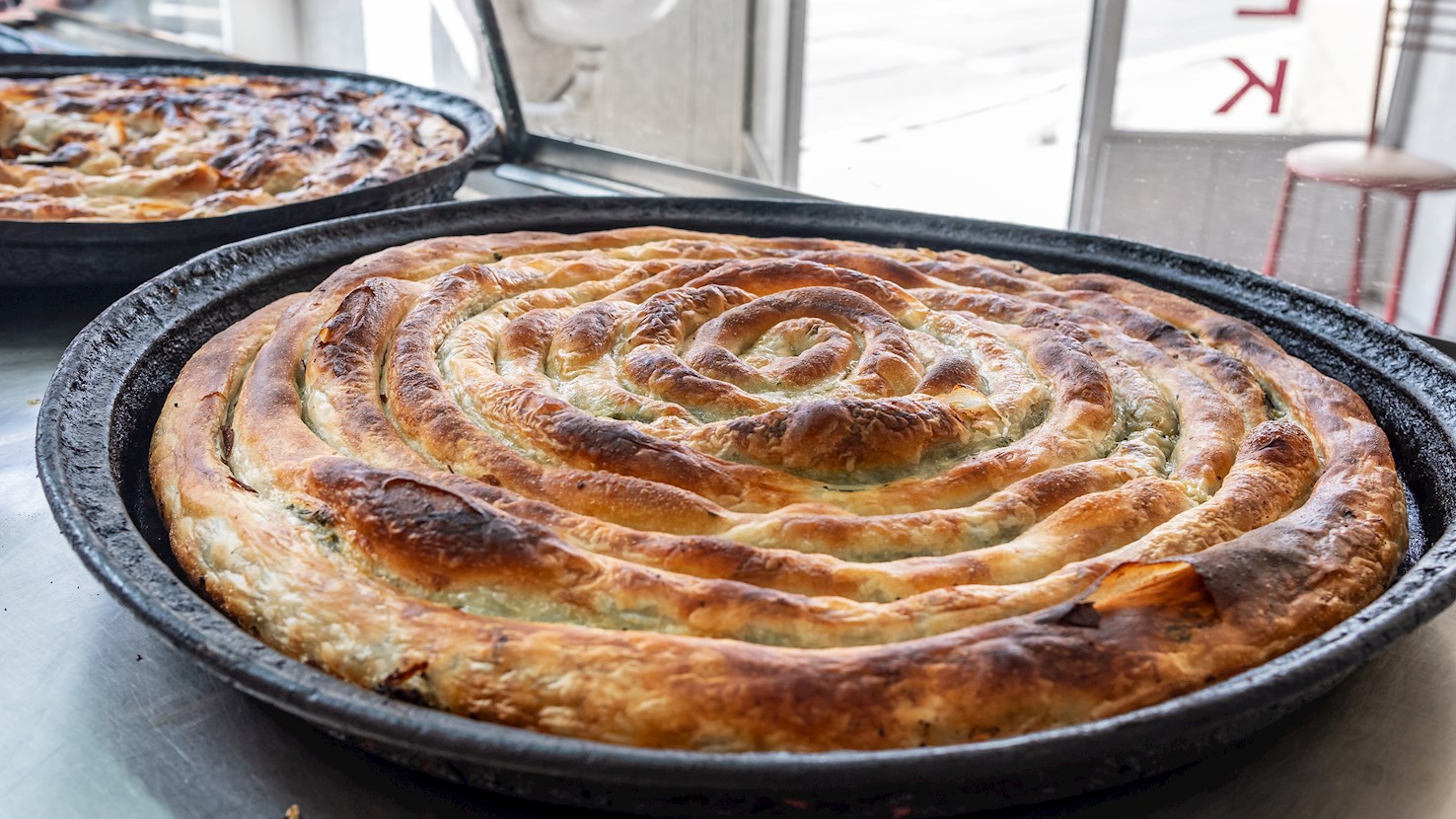
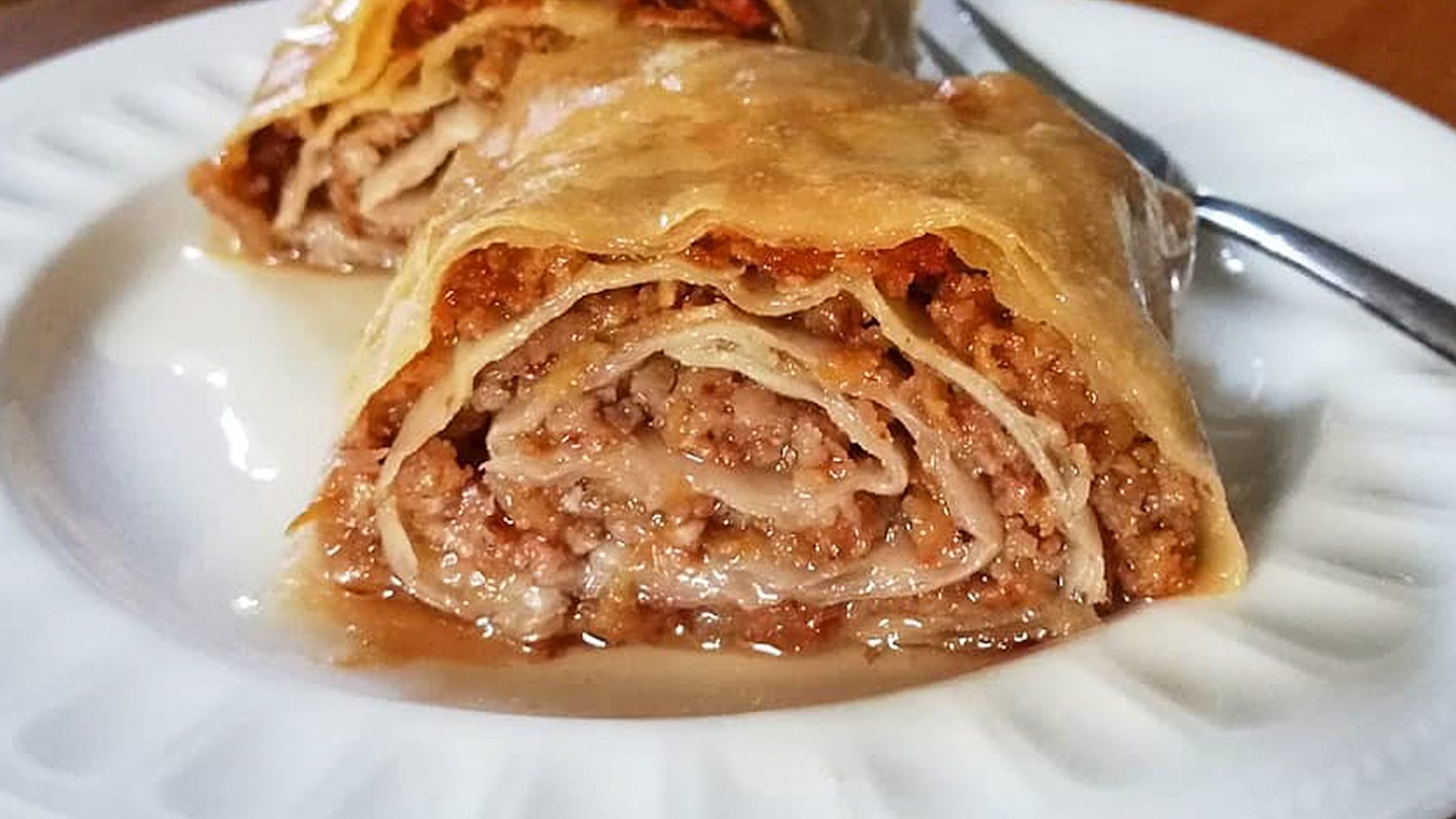
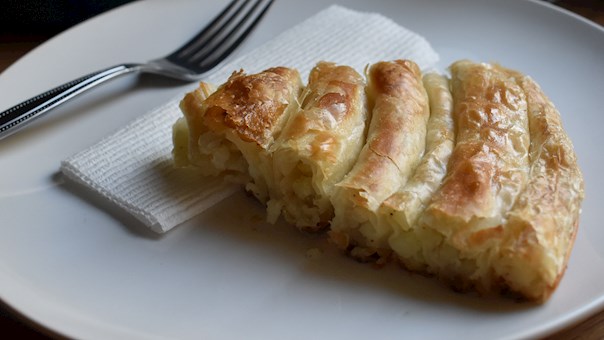
Burek consists of layers of phyllo dough stuffed with various savory fillings. Despite its Turkish origins, this dish has evolved into a proud gem of Bosnian national cuisine. Although most locals claim that only burek with ground beef can be called burek, the same dish also appears with other fillings, and these other varieties are known by different names: sirnica (cottage cheese), zeljanica (spinach), and krompiruša (potatoes). Burek is baked rolled into a snail-like shape and this type is typically found in bakeries, while traditional restaurants often make it in the form of a pie, which is sliced into quarters before serving. The dish is wildly popular all across the Balkans, though in Bosnia and Herzegovina, the cultural significance of this everyday staple is incomparable and best summed up in a number of local proverbs suggesting that if a woman can make a good burek, she's eligible for marriage.

04

Begova čorba

3.7 ·

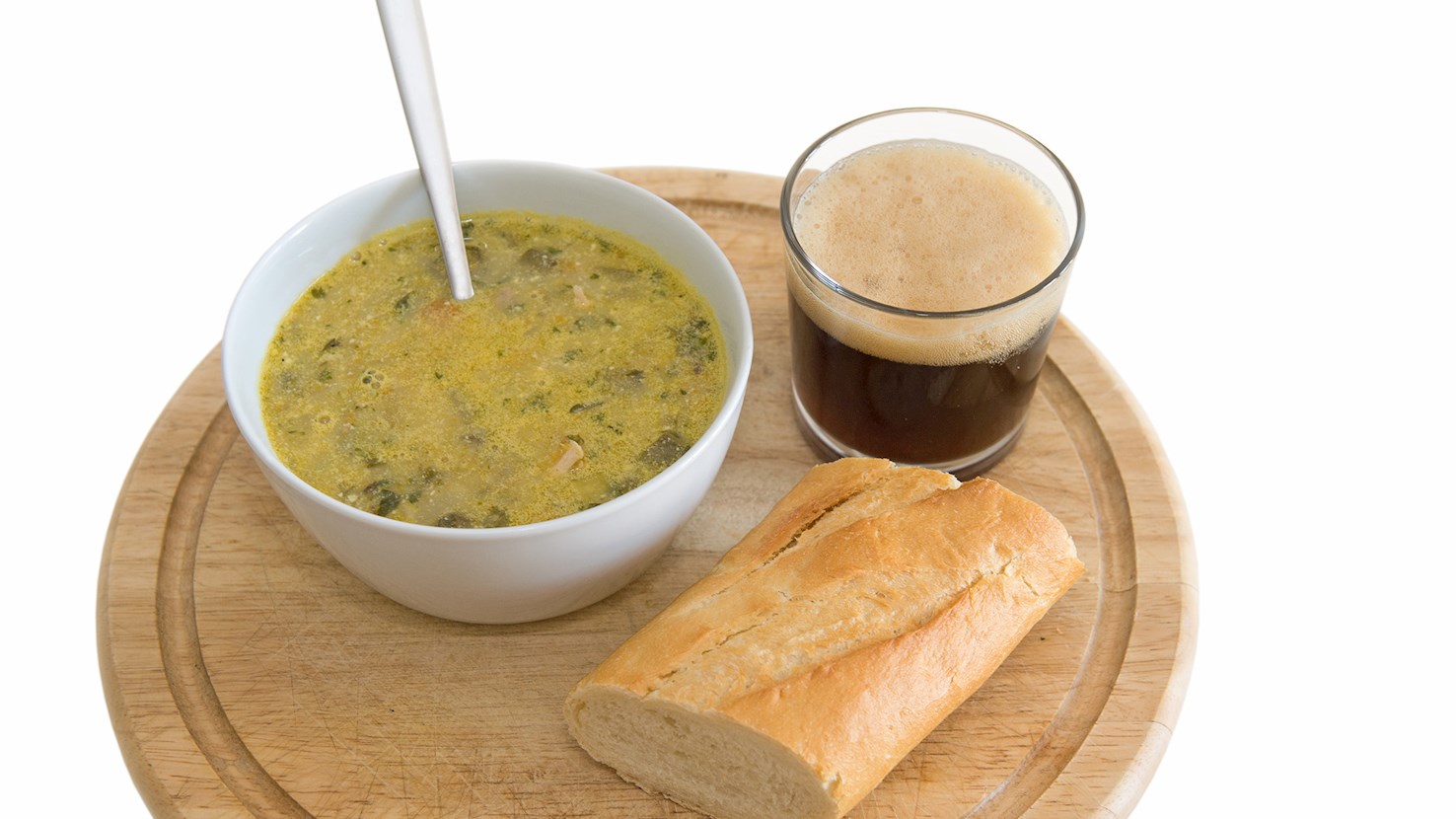
Begova čorba (lit. bey’s soup) is a Bosnian chicken soup that is traditionally served as a warm appetizer. The main ingredients are chicken and okra, which is said to act as an aphrodisiac, but the soup also includes various root vegetables and is thickened with sour cream and eggs. It is typically prepared for national holidays and festive occasions, but it is also a staple of traditional Bosnian restaurants.

05

Tufahija

3.6 ·

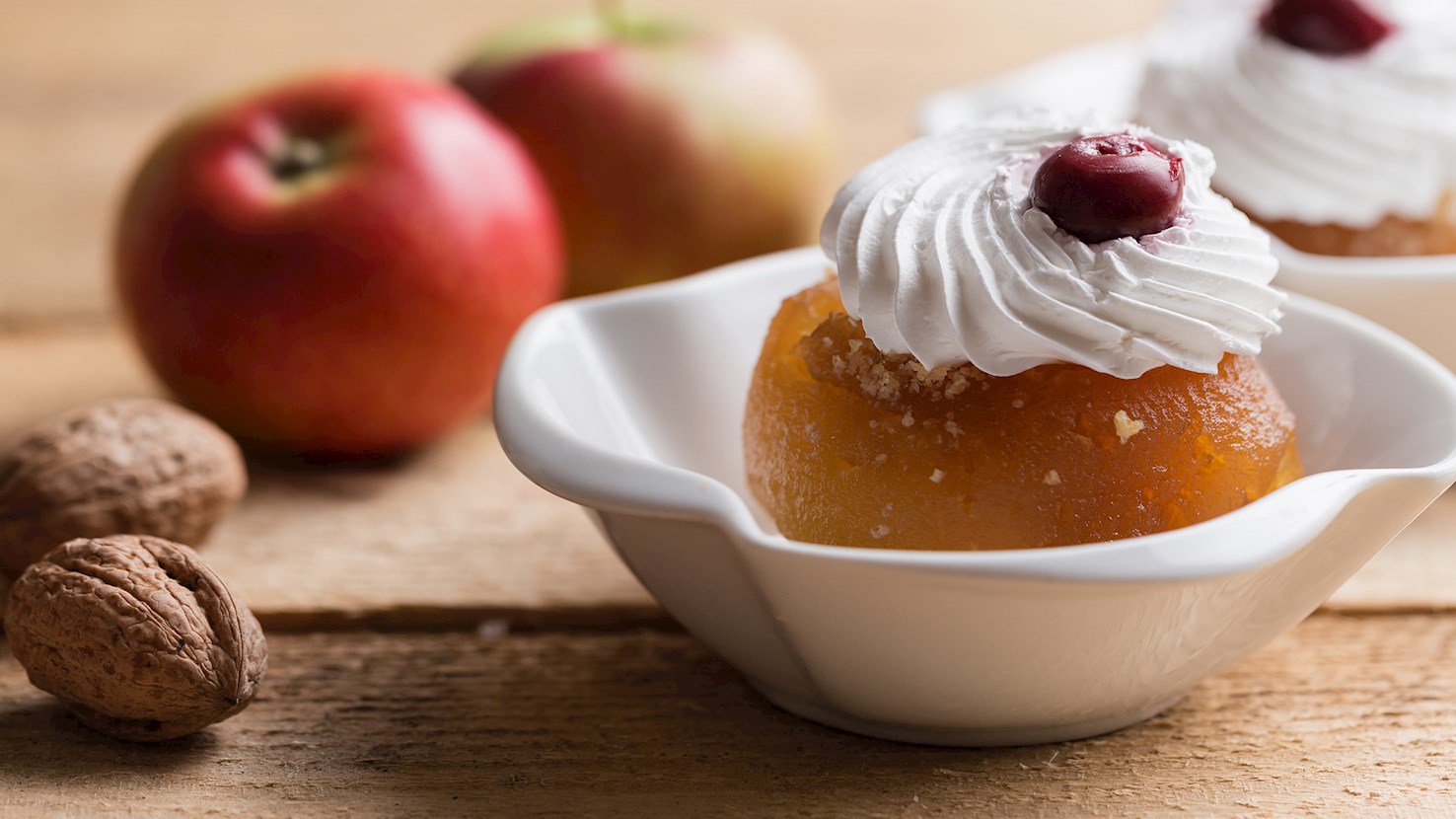
Tufahija is a dessert made from apples which are stewed in water and sugar, stuffed with an almond or walnut cream filling, then shortly baked and doused in sugar syrup. The origin of the dessert is Persian - it came to Bosnia with the Ottomans who ruled the country in the past. This refreshing treat is traditionally consumed chilled, served in a large glass, and garnished with whipped cream and a cherry on top.

06

Bosanski lonac

3.7 ·

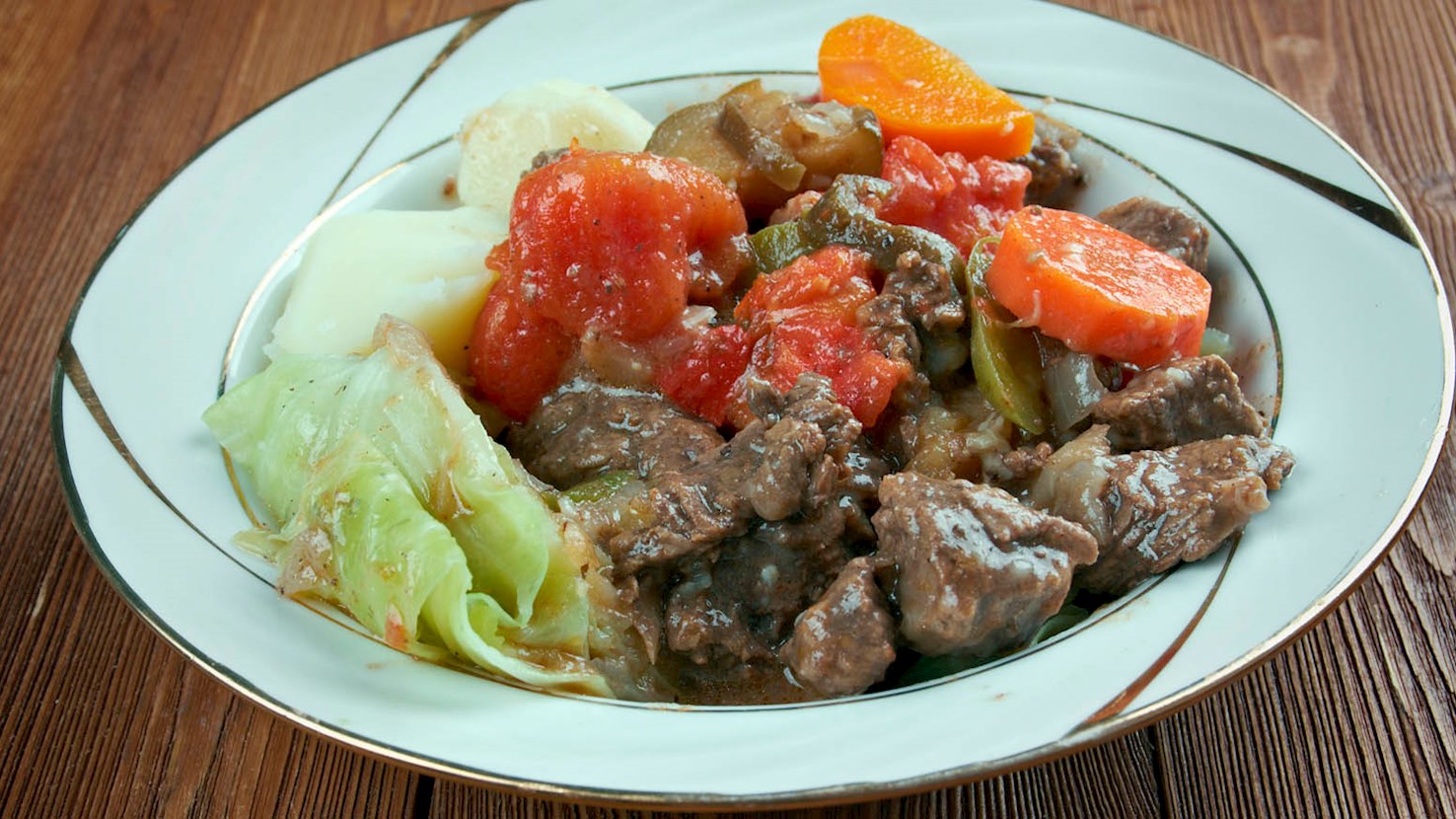
Bosanski lonac or Bosnian pot is a traditional, flavorful stew consisting of layers of large and chunky pieces of meat and vegetables that are covered with water and slowly simmered in a big pot. Due to the size of the meat (usually lamb, veal and beef) and the vegetables (cabbage, potatoes, carrots, tomatoes), it takes about four hours or more to properly cook the dish. Spices and seasonings should be kept to a minimum to let the meat and vegetables flavor the dish with their own juices and aromas. The traditional clay pot (lonac) that the stew is cooked in is such an important part of the dish that the whole dish is named after it. The pot was created in the Middle Ages by coal miners, and since Bosnia has long been a mining country, the miners were forced to prepare their own dishes, so while working, they would leave the stew to simmer until their lunch break. Later on, the dish spread throughout the whole country, with new, regional variations and additions to the pot such as ground meat, carp, eggplants, green peppers, and rice.

07

Banjalučki ćevapi

4.3 ·

Although other varieties of ćevapi are made in individual pieces, banjalučki ćevapi differ from all others because they are prepared as a meat tile typically consisting of four ćevapi connected in a row. They are usually made just with ground beef, salt, and pepper, just like sarajevski ćevapi, but ground veal and garlic are sometimes also added to the mix. After they have been grilled, banjalučki ćevapi are traditionally tucked into a round-shaped bread called lepinja, and the dish is accompanied by lots of raw onions.

08

Kadaif

3.6 ·

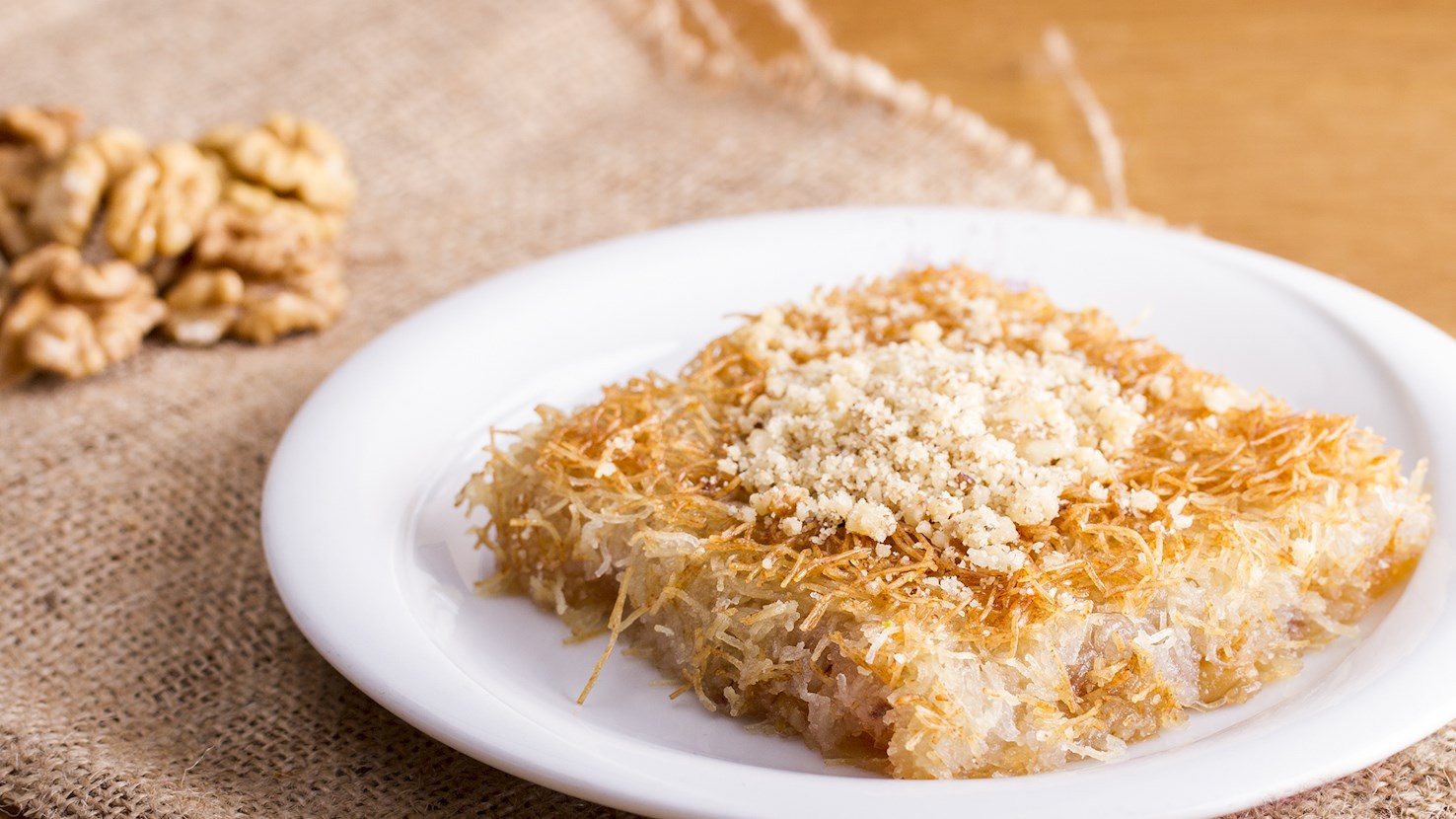
This Bosnian dessert couples shredded kadayıf dough and a rich nut filling, which usually consists of chopped walnuts. Though there are rolled varieties, kadaif is typically layered, with the nut filling placed between the two layers of butter-coated kadayıf threads. When baked, the dessert is doused in a thick lemon-flavored syrup that is occasionally enriched with cinnamon or cloves. Kadaif has its origins in Turkish culinary tradition, but it has been recognized as a signature Bosnian dessert. It is enjoyed on various special occasions and is best paired with strong Bosnian coffee.

09

Sarma

4.2 ·

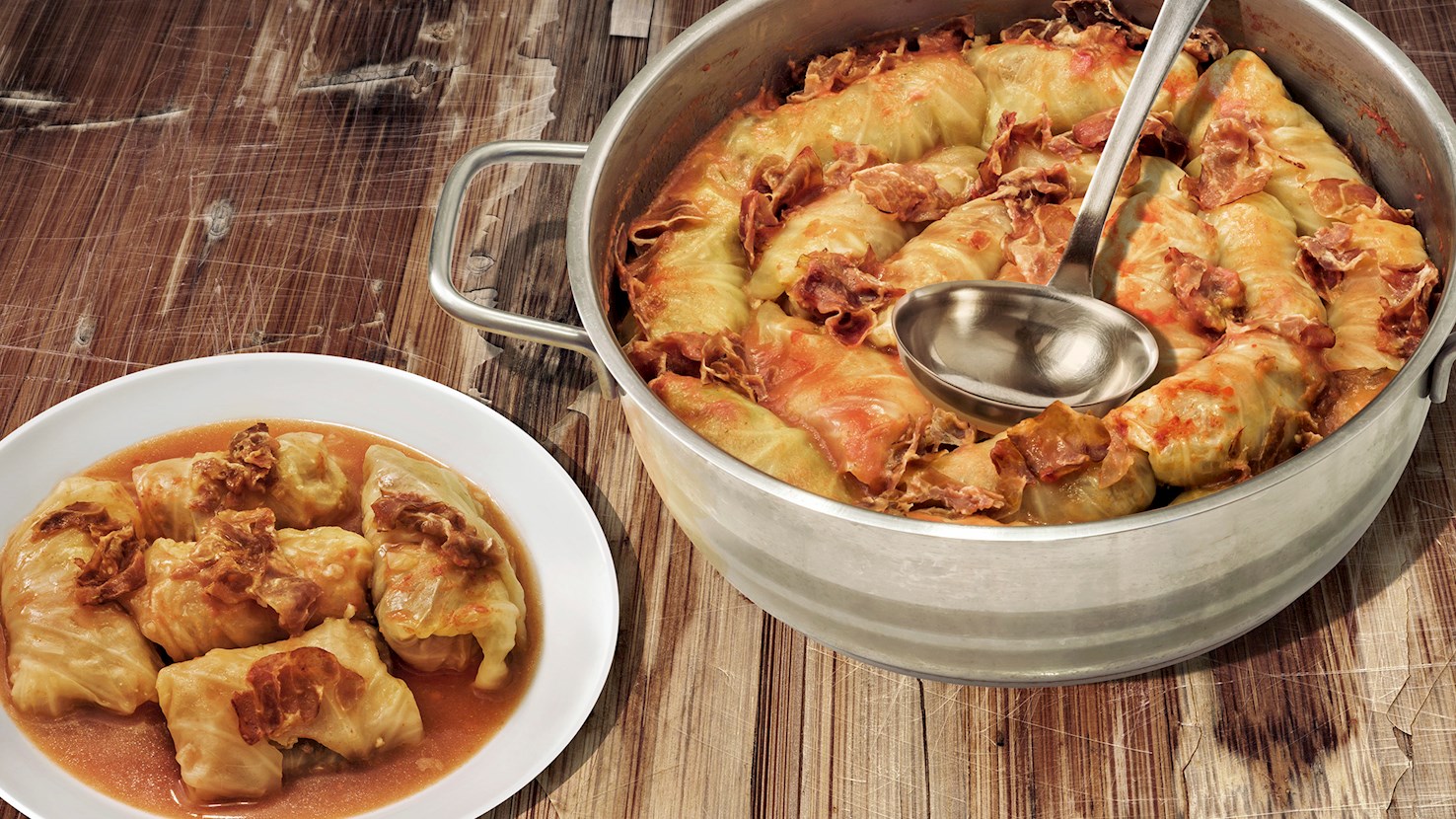
One of the staples of traditional Turkish cuisine, sarma consists of a filling that is snugly surrounded by leaves or leafy vegetables. There are numerous versions of this dish but the mixture typically combines ingredients such as minced meat, rice or bulgur, various herbs, seasonings, red pepper, paprika, ground sumac, or tomato sauce, while the typical wrapping usually includes vine, cabbage, or sauerkraut leaves, or a variety of leafy vegetables such as collard greens and swiss chard. Having its roots in the Ottoman Empire, sarma is also traditionally consumed in the Balkans, the countries of Central Europe, the South Caucasus, and the Middle East. Although it is commonly enjoyed as a filling lunch or dinner (typically during the winter season), sarma is often prepared on special occasions and holidays. The dish is usually accompanied by plain yogurt, mashed potatoes, and crusty bread on the side.

10

Jabukovača

4 ·

Jabukovača is a traditional Bosnian apple pie originating from the city of Sarajevo. It is made just like baklava, with the addition of chopped apples. The thin dough is spread with a combination of chopped apples, sugar, vanilla sugar, walnuts, and lemon juice. It is then rolled and arranged in the baking tray. When served, jabukovača is usually cut into slices and doused in sherbet – a combination of sugar, honey, and lemon juice.

About this ranking

TasteAtlas food rankings are based on the ratings of the TasteAtlas audience, with a series of mechanisms that recognize real users and that ignore bot, nationalist or local patriotic ratings, and give additional value to the ratings of users that the system recognizes as knowledgeable. For the “14 Traditional Foods You Have To Try in Sarajevo” list until June 17, 2026, 304 ratings were recorded, of which 155 were recognized by the system as legitimate. TasteAtlas Rankings should not be seen as the final global conclusion about food. Their purpose is to promote excellent local foods, instill pride in traditional dishes, and arouse curiosity about dishes you haven’t tried.

Similar lists