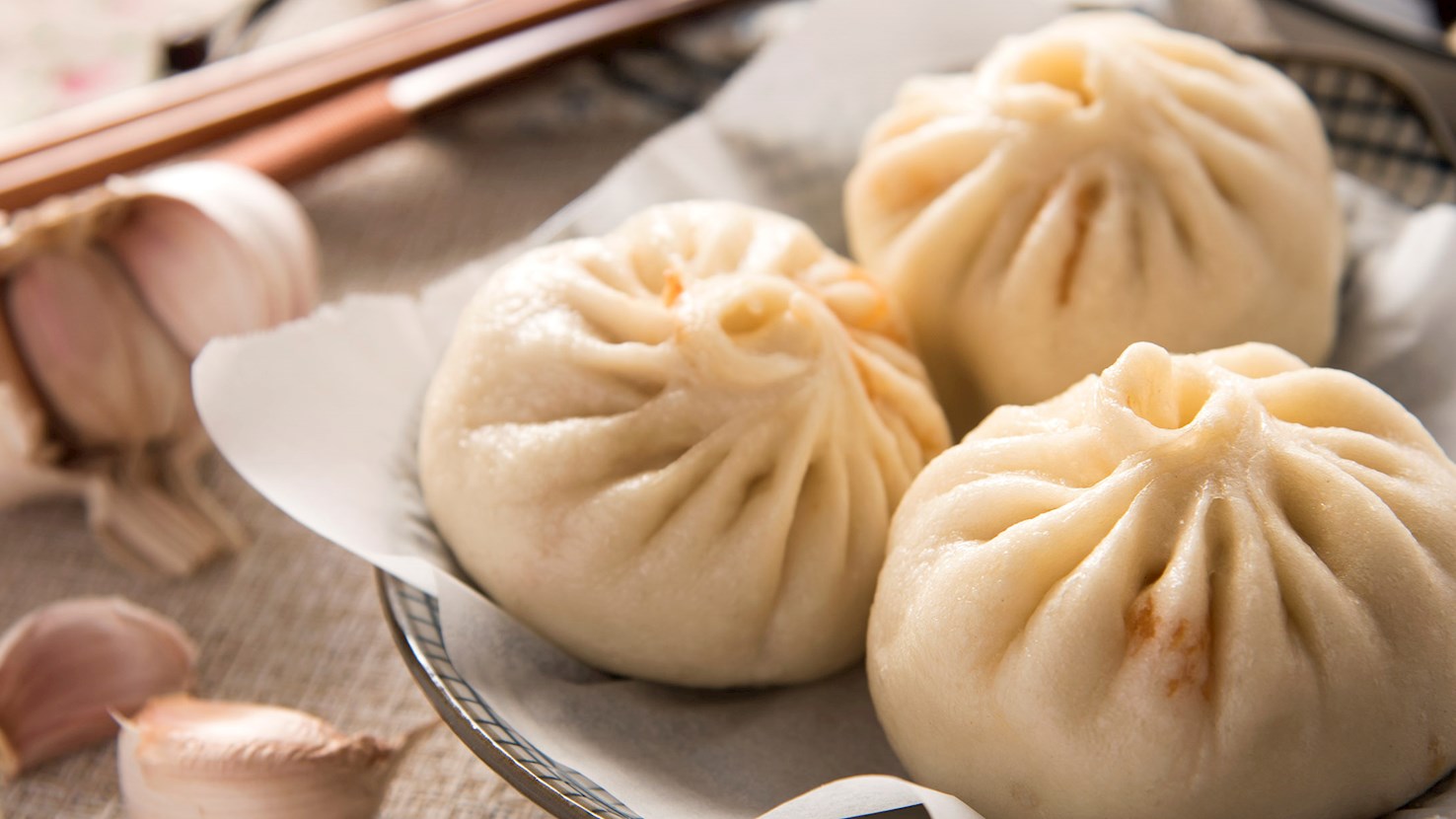
One of China's favorite breakfast foods and an everyday snack, baozi - or simply bao, as it’s usually called - is a steamed bun, made with the so-called mantou bread, and stuffed with a wide variety of fillings ranging from savory to sweet, but they typically include various meats, seafood, or vegetables. Most popular types are char siu bao, filled with Cantonese-style barbecued pork; the smaller, mincemeat-filled Shanghai-style baozi called xiao long bao or Shengjian mantou; and the succulent tangbao or guantang bau, large soup-filled bao buns made with pork or crab stock. These are usually served in their own individual steaming basket, with a straw used to drink the soup while the rest of the bun is eaten later. The flavorful baozi buns were originally known as a peasant dish, but with high-end restaurants breathing new life into this working-class Chinese staple, the once humble steamed bun is finally seeing its renaissance. In China, however, they are still found in virtually every corner, freshly prepared on the spot using bamboo steaming baskets, and sold by numerous street vendors.
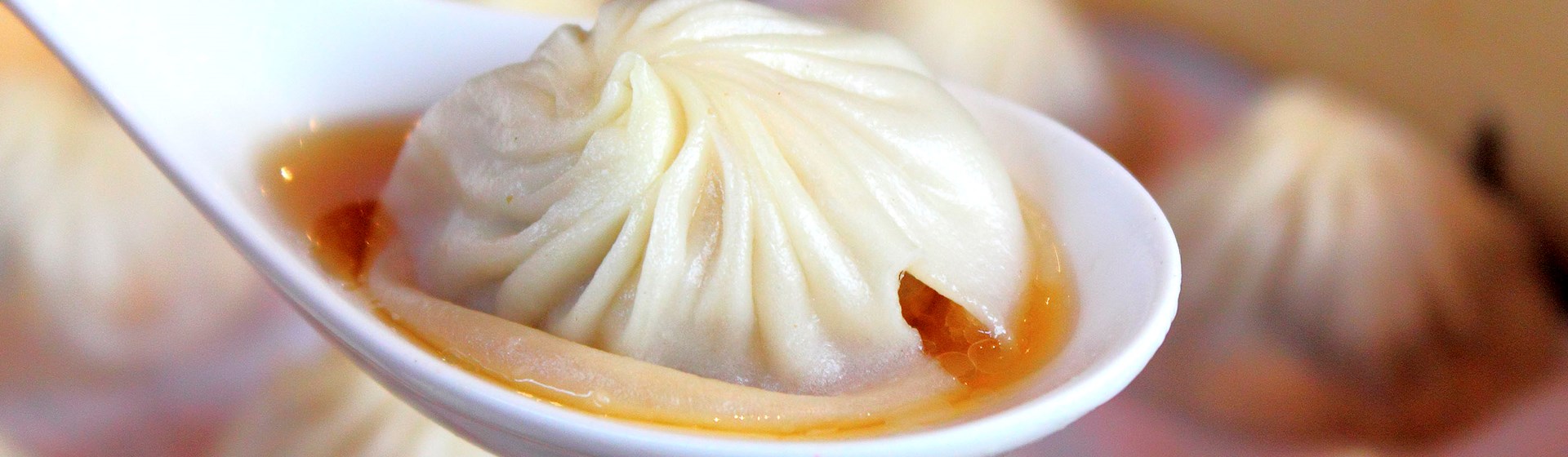
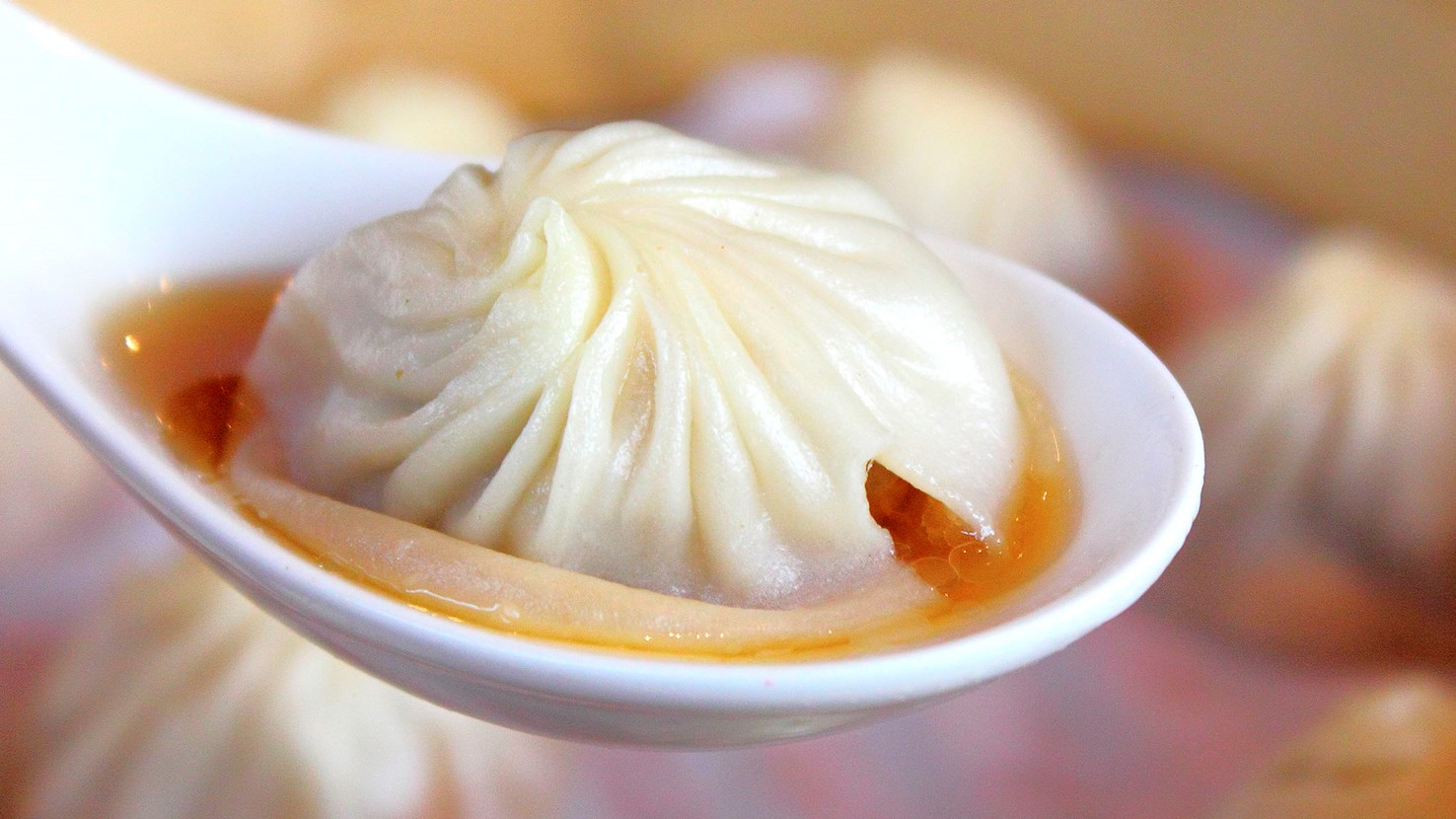
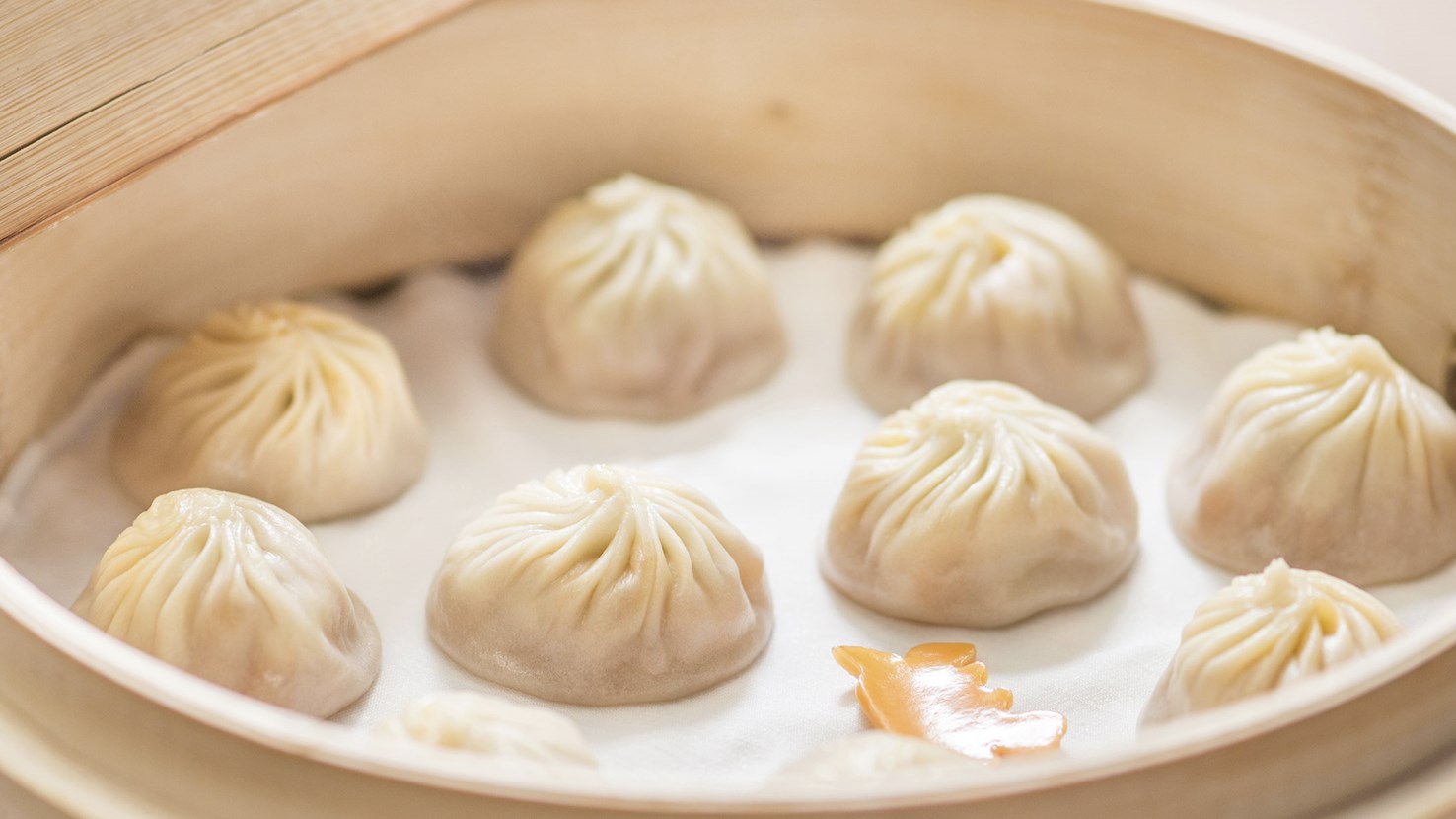
Xiaolongbao are soup-filled dumplings originating from the 19th-century Nan Xiang, what is today Shanghai's Jiading district. It is believed that the first form of xiaolongbao was sold by Huang Mingxian, a shop owner who wanted to evolve the classic dumpling due to the increased competition of neighboring vendors. The dumplings are usually filled with a large volume of soup and minced pork, then steamed in a specially-designed bamboo steamer. Sometimes, xiaolongbao can also be filled with crab or shrimp meat. The dough is quite thin, and it is believed that it should be thicker than tang bao, but not as thick as shen jian bao. It is recommended to serve xiaolongbao dumplings while they are still hot, preferably with a vinegar and ginger dip on the side.
The name tangbao or tangbaozi refers to a broad group of steamed Chinese soup-filled dumplings. Depending on the origin, dumplings can be made with leavened or plain dumpling dough which is usually wrapped around a gelatinous filling, twisted and sealed at the top, and then steamed. While they steam, the firm filling (usually made with minced pork or crab meat) transforms into a flavorful soup, which stays safely secured inside the bun. Due to the nature of this Chinese delicacy, they are always served immediately after steaming, so the soup stays liquid and hot. Because of the sizzling filling, tangbao buns should be consumed with precaution and usually employ a unique eating technique. Chopsticks are used to hold the bun at the top, and a small bit is taken from the side, allowing the soup to pour into the wide spoon held underneath. The soup and the dumpling are usually eaten alternatively, but can also be enjoyed one at the time. One of the most common varieties of the dish includes the tangbao dumplings originating from the Jiangsu province, which are usually large in form and often come with a straw tucked inside the bun, which is used to slurp the delicious soup. Xiaolongbao, the authentic Shanghai version, is famous for its small size and slightly thinner dough. All the varieties found in China and in Chinese restaurants around the world are typically served as a snack, as a part of dim sum meals, or as a satisfying appetizer.
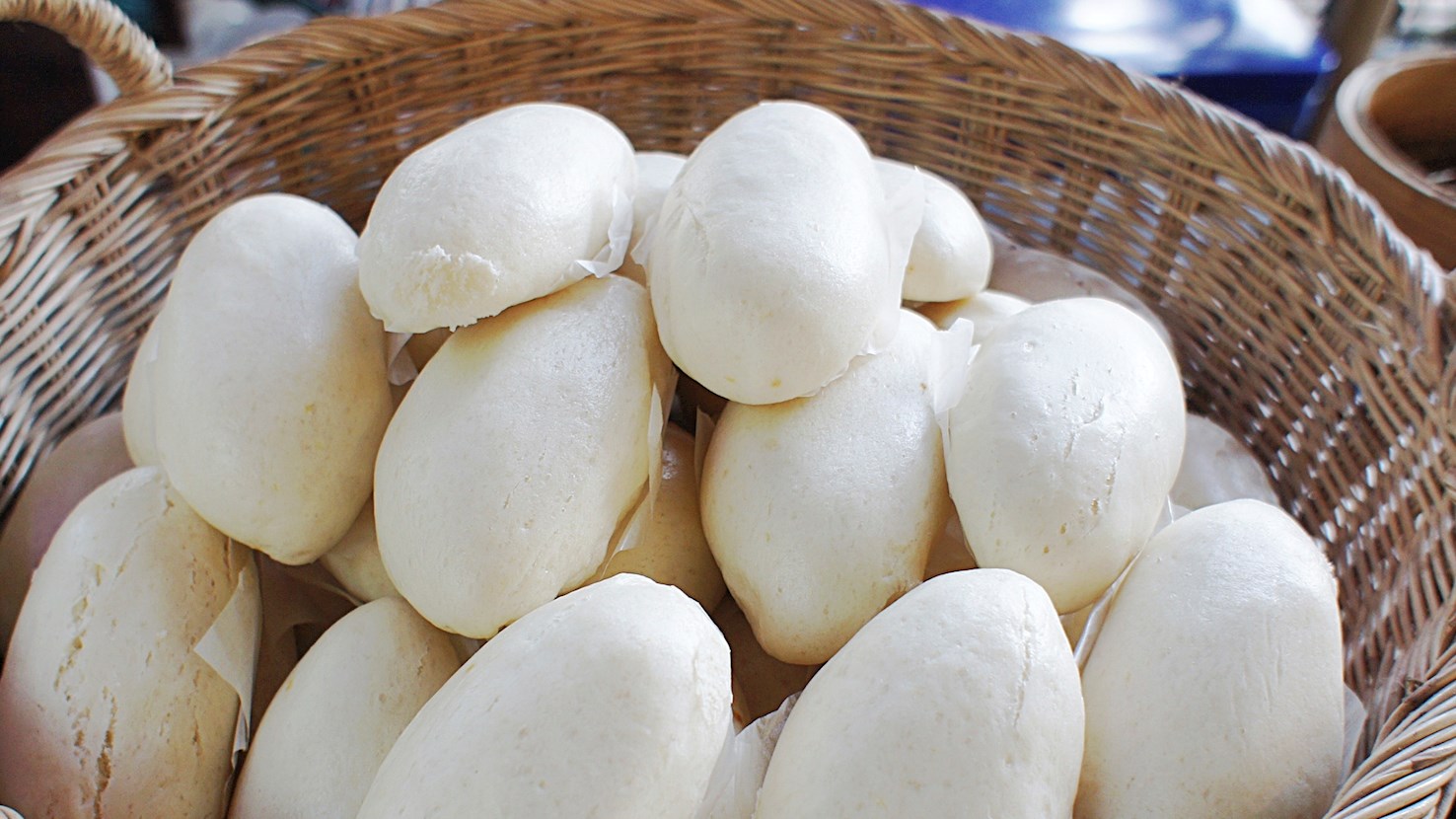
Mantou are Chinese steamed buns that are usually prepared plain, without any filling on the inside. It is sometimes served as a side dish, although it is more commonly consumed as it is. Mantou has a round, flattened shape, and it is a staple food of the Northern part of China. Traditionally, the buns are tasteless and they have no crust, while the crumb is somewhat dense. They are made from wheat flour and yeast, which is used as a leavening agent. For Chinese people, mantou is as important as bread is to the westerners. According to a popular legend, the word mantou literally means barbarian's head. During the period of the Three Kingdoms, chancellor Zhuge Liang attempted to capture a barbarian named Meng Huo. He was told that the barbarians used witchcraft, so only the gods could help him. Since the barbarians used to throw human heads in the river, Liang filled the buns, representing barbarian's heads, with pork and mutton, and sacrificed them to the River God. Modern buns with no filling did not appear until the mid-17th century. Nowadays, mantou is regularly consumed as a daily snack or as fast food for busy people, while in Singapore and Malaysia, it is traditionally eaten by dipping it into a gravy of chili crab dishes.
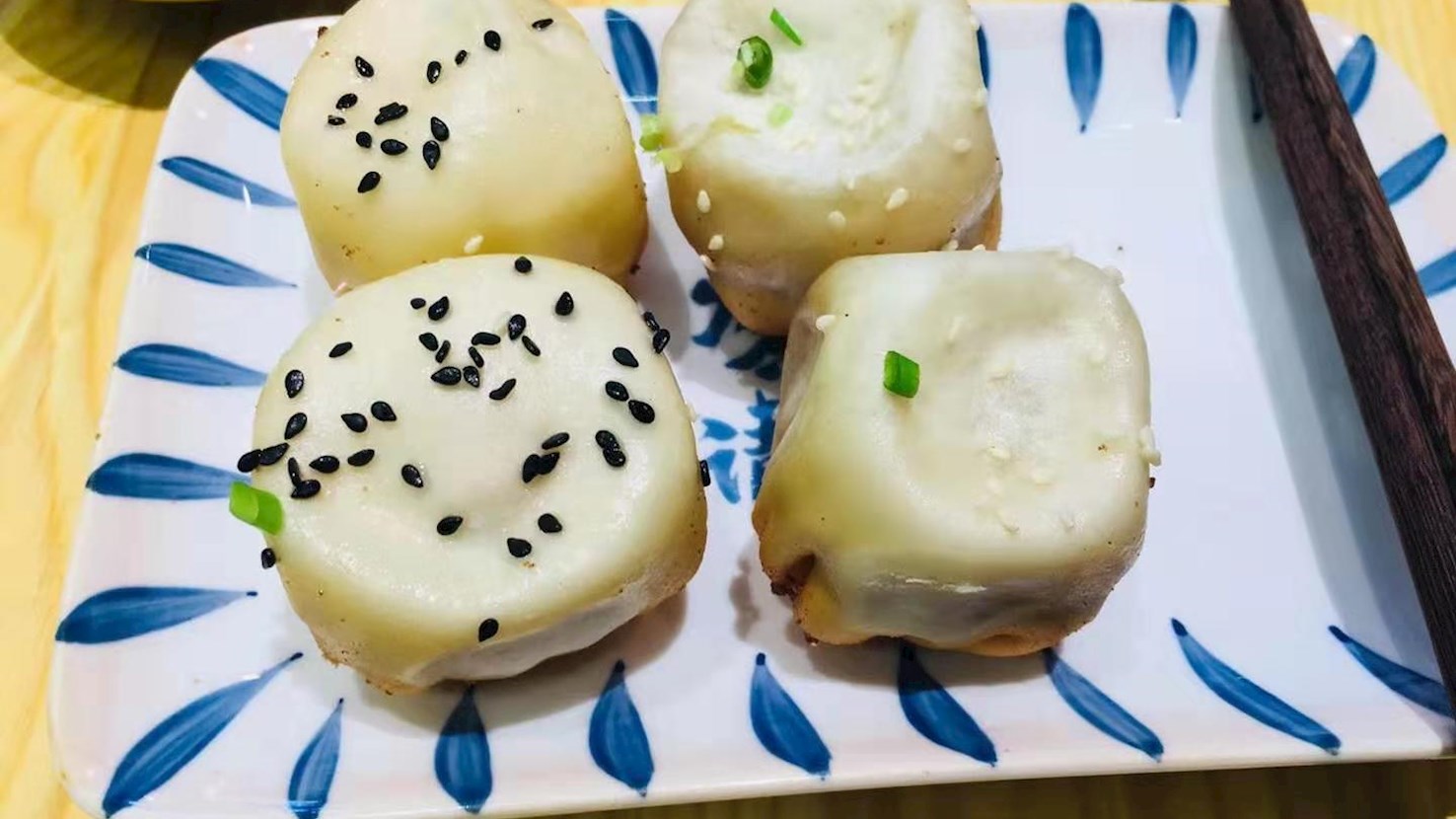
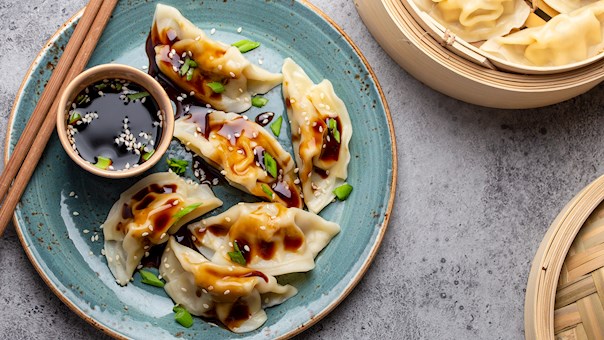
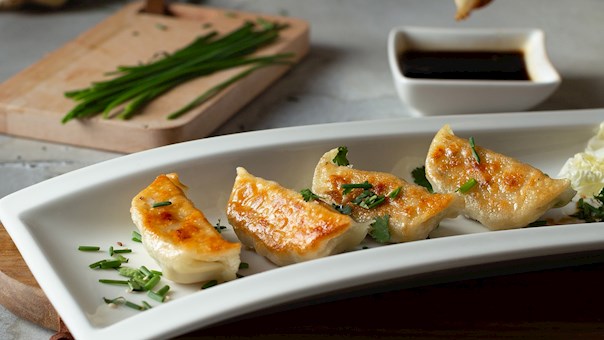
Among the broad group of Chinese dumplings, shengjian mantou stands out as a unique pan-fried variety. Belonging to the category of soup dumplings, or soup buns, they are slightly different than the more famous xiao long bao. Shengjian mantou can be made with minced pork, vegetable, or shrimp as the base, often incorporated with cabbage and chives, then infused with soy sauce, sesame oil, and occasionally ginger and garlic. The fillings are wrapped in a traditional soft leavened dough which might vary in thickness. When wrapped, the dumplings are pan-fried in shallow oil, and alternatively covered in water to produce the steaming effect. This technique provides texturally exciting dumplings, with a soft top and a crispy brown bottom. They are typically sold by piece, and before serving they are sprinkled with black or white sesame seeds, chopped cilantro, or spring onions. Although they can be found in restaurants, they are typically bought at street stands and food stalls which specialize in the preparation of this nutritious delicacy. It is believed that shengjian mantou originally appeared as a part of the traditional dim sum meals, and the first specialized shops started to open in the 1930s. The place of origin is usually associated with Suzhou and Shanghai, but today these delicious hearty dumplings can be found in other parts of China, as well as in numerous Chinese restaurants around the world.
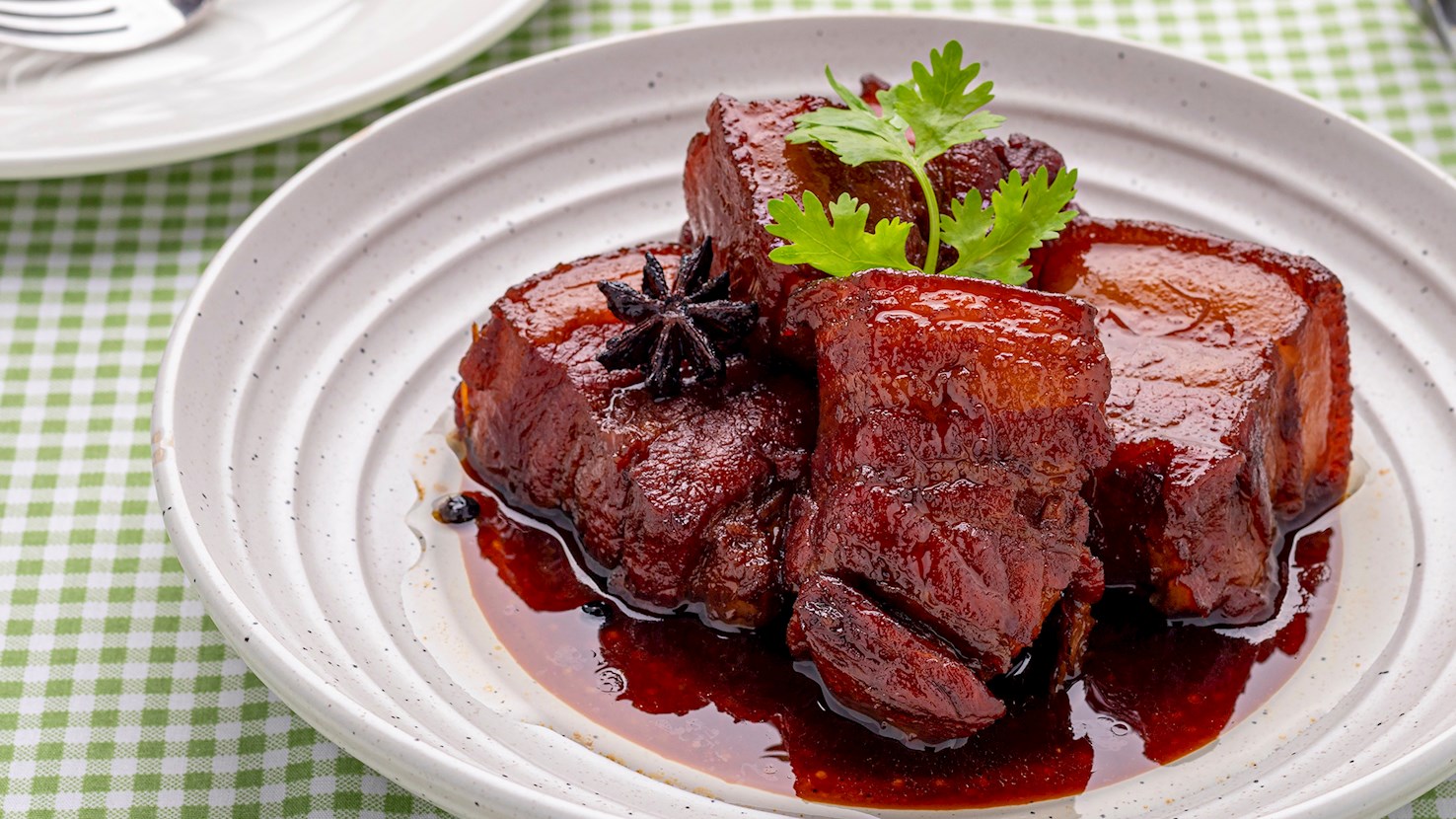
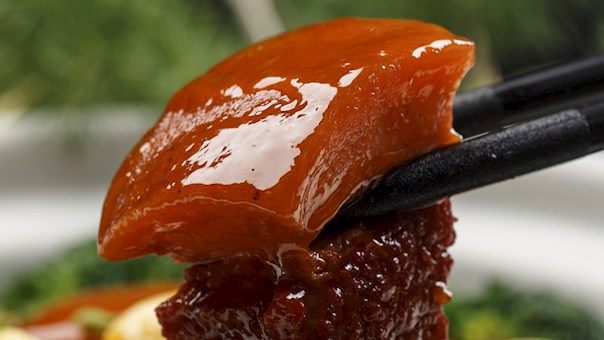
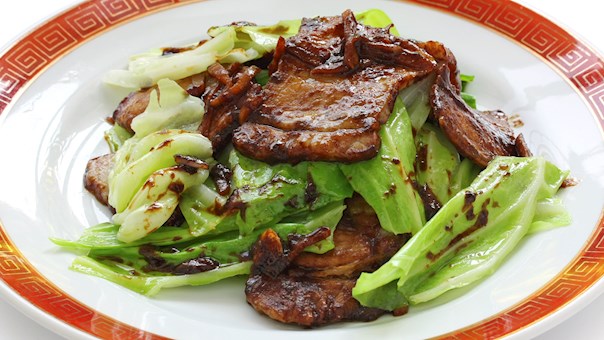
Hóngshāoròu is a Chinese braised pork dish made with pork belly slowly cooked in a mixture of soy sauce, sugar, rice wine, and aromatics until it becomes tender and richly flavored, with a glossy red-brown sauce coating each piece. It originates from the Jiangnan region of eastern China, particularly Jiangsu and Zhejiang provinces, but it is now deeply embedded in the culinary identity of many regions, each with slight variations in seasoning and texture. The technique of red-braising, which gives the dish its name, has been part of Chinese cooking for centuries, arising from a broader practice of slow-cooking meat in soy sauce and sugar to preserve moisture and develop depth of flavor. The dish gained prominence in imperial kitchens and scholar households during the Ming and Qing dynasties, where long, gentle braises were favored for their ability to transform inexpensive cuts of meat into luxurious dishes. Over time, hóngshāoròu became a home-cooked staple and a centerpiece at festive meals, symbolizing abundance and comfort. Preparation typically begins with selecting pork belly that has alternating layers of meat and fat, which ensures the right balance of tenderness and richness. The pork is blanched briefly to remove impurities, then caramelized with sugar in oil or water until lightly browned, a step that deepens the color and flavor of the final dish. Soy sauce, Shaoxing wine, ginger, star anise, and occasionally cinnamon or dried chilies are added, and the mixture is simmered slowly for one to two hours. During this time, the meat absorbs the flavors of the sauce and becomes soft enough to melt in the mouth, while the braising liquid reduces into a thick, glossy coating. Hóngshāoròu is served hot, usually as a centerpiece dish accompanied by plain steamed rice, which absorbs the rich sauce. It is often paired with lighter side dishes such as blanched greens or pickled vegetables, which provide contrast to its richness. In some regions, it is served with steamed buns or mantou, allowing diners to soak up the sauce.
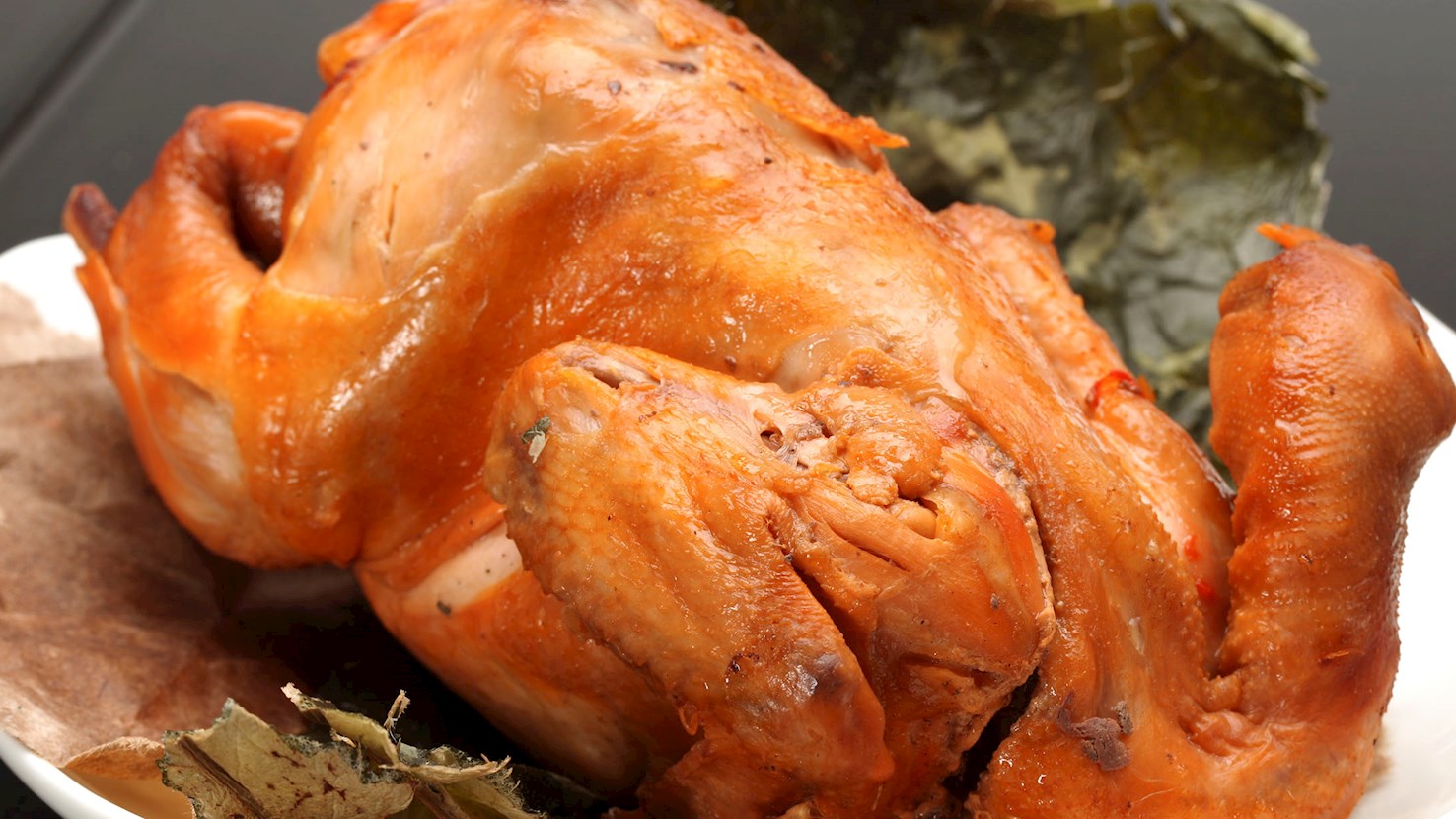
Beggar's chicken is a whole chicken dish from Hangzhou in Zhejiang Province, prepared by wrapping the bird and cooking it slowly until the meat becomes tender and aromatic. It is associated with the culinary practices around West Lake, where poultry farming and the use of lotus leaves, clay, and long cooking times were part of regional cooking methods. The dish developed in an environment where wrapping food before slow heating helped retain moisture and protect ingredients from direct heat. Over time, Hangzhou cooks adopted the method of marinating a whole chicken, covering it in layers of leaves and an outer seal, and then cooking it in an enclosed form so the flavors concentrate inside the bird. Preparation begins with a cleaned whole chicken that is marinated with soy sauce, Shaoxing wine, ginger, scallions, and seasonings such as salt and a small amount of sugar. Some versions include a stuffing made from mushrooms, pork, ham, or chestnuts, while others leave the cavity empty. The chicken is then wrapped in lotus leaves, followed by layers of paper or cloth, before being encased in clay or a thick dough seal. It is cooked slowly, either baked or roasted, until the meat separates easily from the bone and the aromas remain inside the wrapping. When the outer shell is cracked open, the chicken emerges moist and heavily seasoned by its own juices and the marinade. There are many legends in regard to its origin. One tells about a Qing-dynasty Emperor that happened to walk by and was attracted by the aroma, so he stopped and consumed it with the beggar. He liked it so much that he added it to the list of dishes to be served at the Imperial court. Today, jiàohuā jī is served in restaurants and hotels throughout Hangzhou, particularly those emphasizing regional specialties linked to West Lake cuisine. It is typically eaten hot, presented at the table while still encased so guests can break open the covering themselves. The dish pairs well with simple accompaniments such as steamed rice, mild vegetable dishes, and broths that do not compete with its concentrated flavor. It is frequently enjoyed with Shaoxing wine or Longjing tea, both of which complement the gentle sweetness and fragrance that develop during the long, enclosed cooking process.
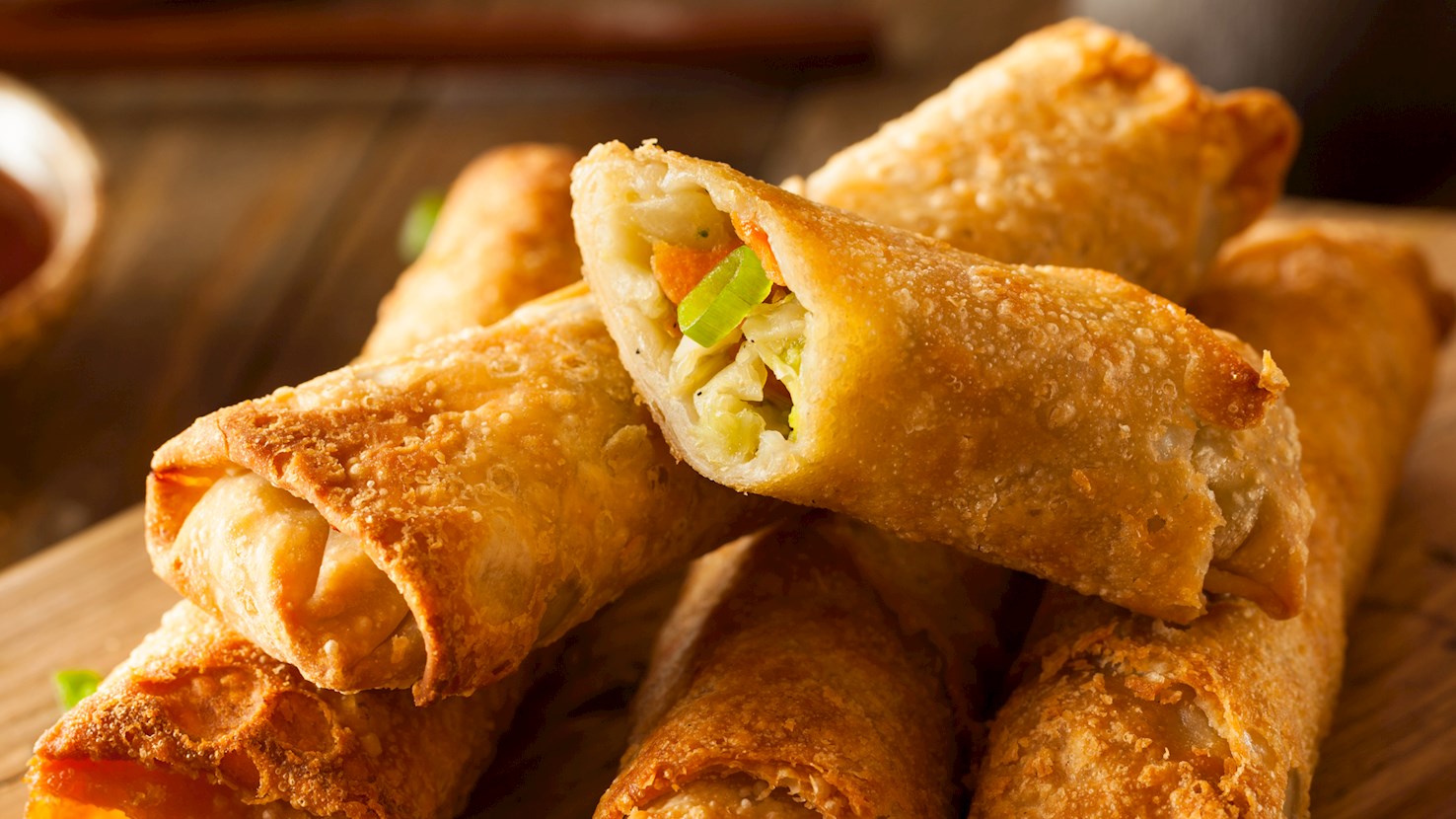
Spring rolls are traditional Chinese snacks consisting of thin sheets of dough that are filled with various ingredients, then deep-fried in hot oil. Some of the more common ingredients for the filling include shredded pork, shrimp, mushrooms, and cabbage. These flavorful snacks are commonly served as an appetizer, accompanied by numerous dips, tea, or coffee. Originally, spring rolls were called spring dish, symbolizing the beginning of Spring. Spring dish used to be sent to friends or relatives as a spring present and a blessing, and they were usually filled only with vegetables and fruits. The dish originated during the Eastern Jin dynasty era, and the spring dishes later evolved into spring cakes. With the development of cookery skills, the traditional spring cakes evolved into spring rolls, which were commonly present at Chinese imperial menus. Today, there are numerous variations of spring rolls around the world, most notably in Taiwan, Hong Kong, Vietnam, South Korea, Indonesia, and Australia, although spring rolls can be found in most Chinese restaurants.
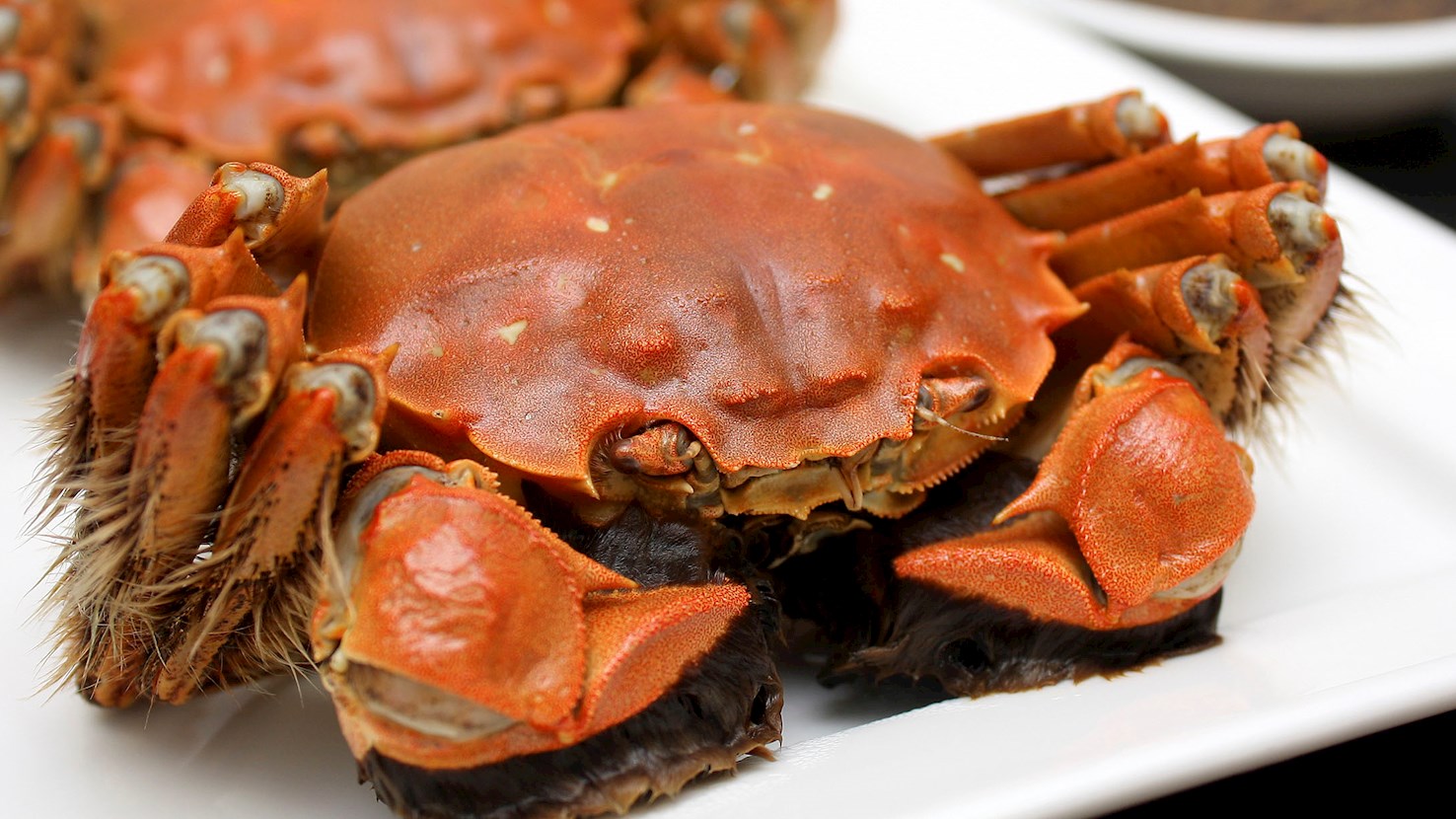
Easily identifiable by the patches of scruffy dark hair on its claws, the succulent, moist, and meaty Shanghai hairy crab is a delicacy that is large as an adult person's palm. Its flesh is firm, yet tender and delicate, so it is always steamed whole, without any seasonings, while the meat is much sweeter than regular crabmeat. When consumed, it is typically dipped into a combination of rice vinegar and soy sauce, then topped with sliced ginger. These crabs are traditionally eaten hot, and two to four crabs per person usually makes a satisfying meal. Hairy crabs are in season from September until mid-November, a time of the year when the city's neighbourhoods are interspersed with markets and high-end restaurants offering this delicacy. The Chinese people believe that hairy crab has a cooling (yin) effect on the body, so it should be paired with suitable warming foods and beverages such as the potent yellow rice wine.
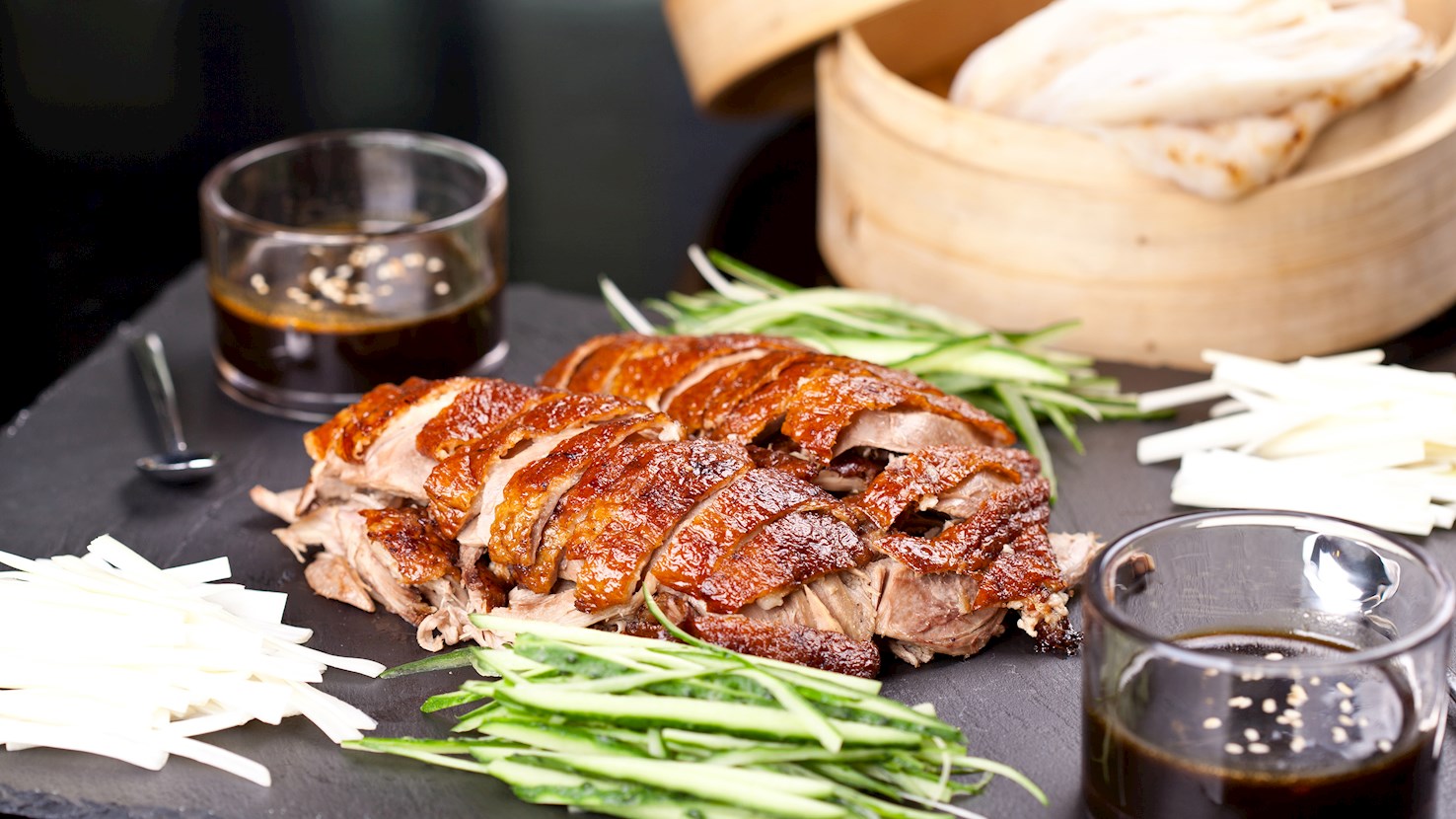
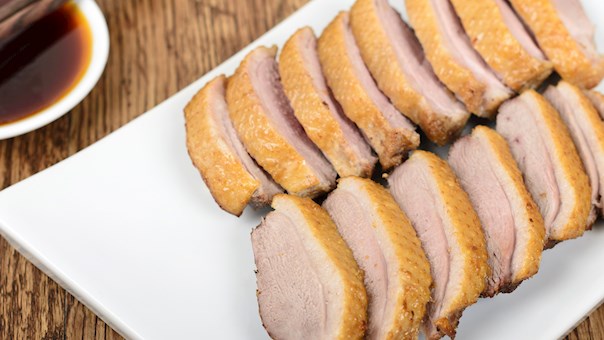
The history of Peking duck goes back to China's Yuan Dynasty of the 13th century. Bianyifang, Beijing's oldest restaurant specializing in Peking duck has been in business since the Jiajing reign of the 16th century, serving as a testament to the popularity of this succulent, tantalizing dish. The duck is cooked until the skin turns golden and crispy and the meat becomes tender, slightly sweet, and moist. Both the meat and the skin are then folded in thin pancakes or steamed white buns. To make an authentic Beijing kao ya, the duck must be a white feathered American Pekin, hung for 24 hours, and pumped with air through a small puncture between the breasts and wings. It is usually brushed with a mixture of ginger, oil, hoisin sauce, honey, and rice vinegar, then vertically hung and slowly roasted to perfection. When the dish is served, the skin will often come first as an appetizer, followed by the meat which is accompanied by cucumbers, scallions, hoisin sauce, buns, and pancakes. With its 400-year history, exquisite flavors, and elaborate preparation, it comes as no surprise that Peking duck is one of the most famous Chinese dishes.
TasteAtlas food rankings are based on the ratings of the TasteAtlas audience, with a series of mechanisms that recognize real users and that ignore bot,
nationalist or local patriotic ratings, and give additional value to the ratings of users that the system recognizes as knowledgeable.
For the “26 Traditional Foods You Have To Try in Shanghai” list until August 17, 2026, 975 ratings were recorded, of which 825 were recognized by the system as legitimate.
TasteAtlas Rankings should not be seen as the final global conclusion about food. Their purpose is to promote excellent local foods,
instill pride in traditional dishes, and arouse curiosity about dishes you haven’t tried.



What People Say