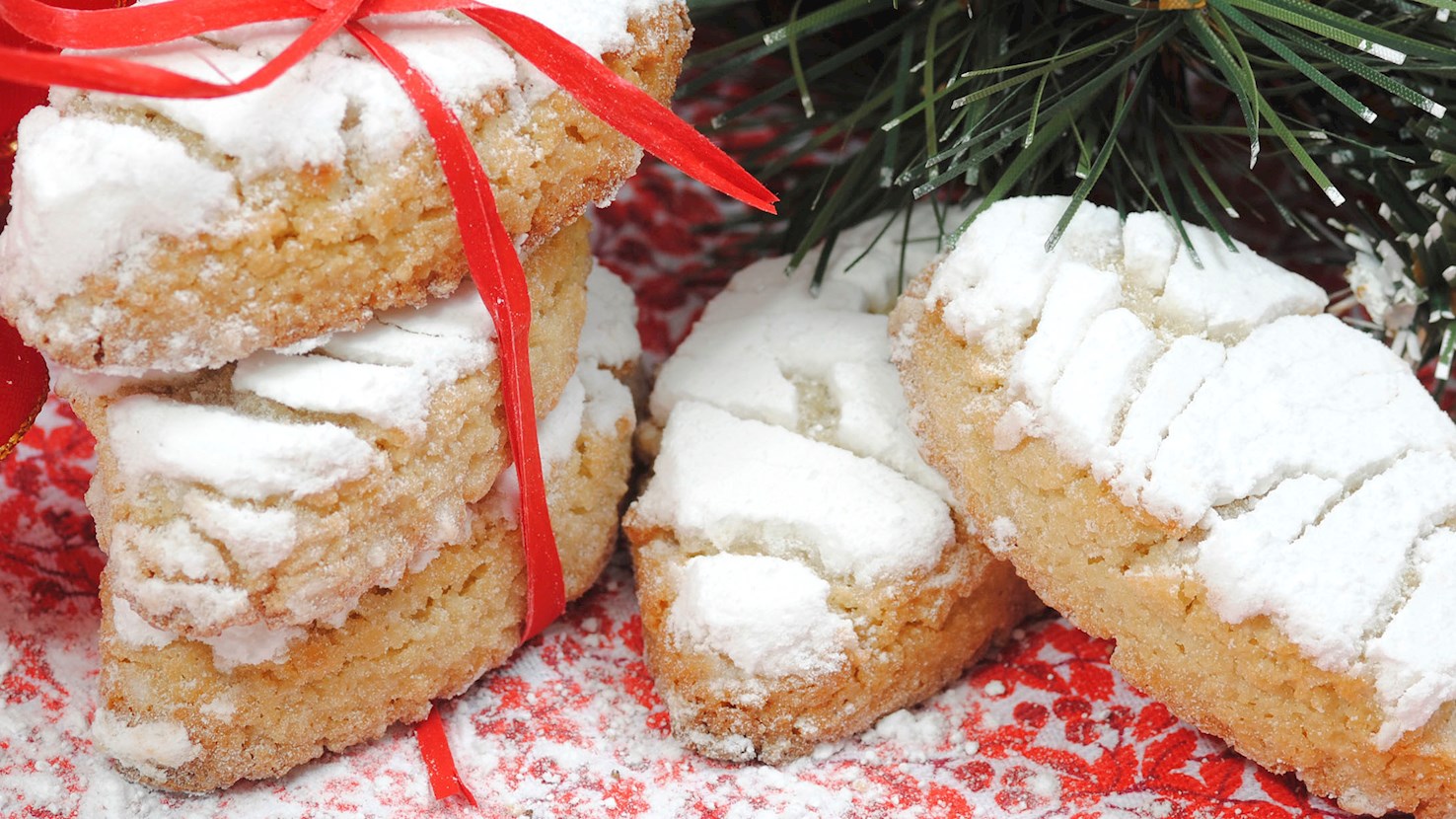
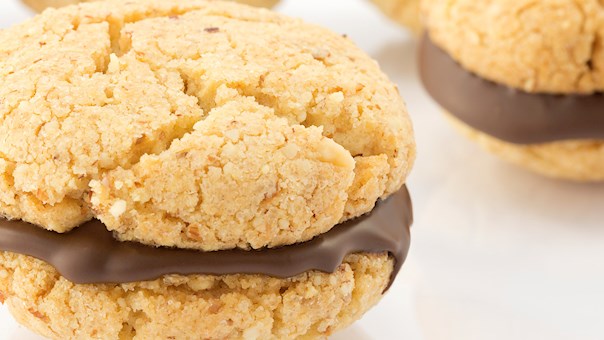
A typical dessert of Sienese cuisine, ricciarelli di Siena are soft almond biscuits whose origins date back to the 14th century. According to a popular legend, they were named after a Sienese nobleman Ricciardetto Della Gherardesca, who brought similar lozenge-shaped Arab sweets to Siena upon his return from the Crusades. Back then, these cookies were also known as marzapanetti alla Senese or morzelletti, and they were reserved for the lavish banquets and feasts of Tuscan royalty, since almond paste or marzipan was a precious and expensive ingredient sold only in Renaissance apothecaries along with the most exotic spices of the time. Today, the aromatic ricciarelli are made with both sweet and bitter almonds, sugar, and egg whites; they are often flavored with candied orange peel and dusted with icing sugar. In Tuscany, they are a traditional Christmas treat, typically enjoyed with dessert wines such as Moscadello di Montalcino or Vin Santo.
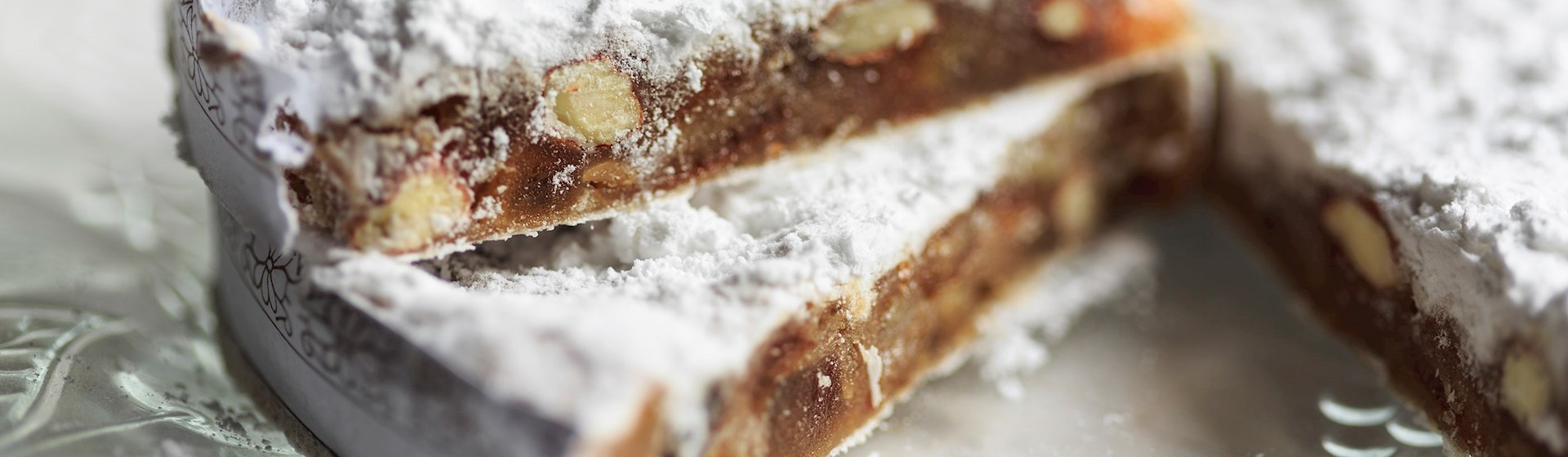
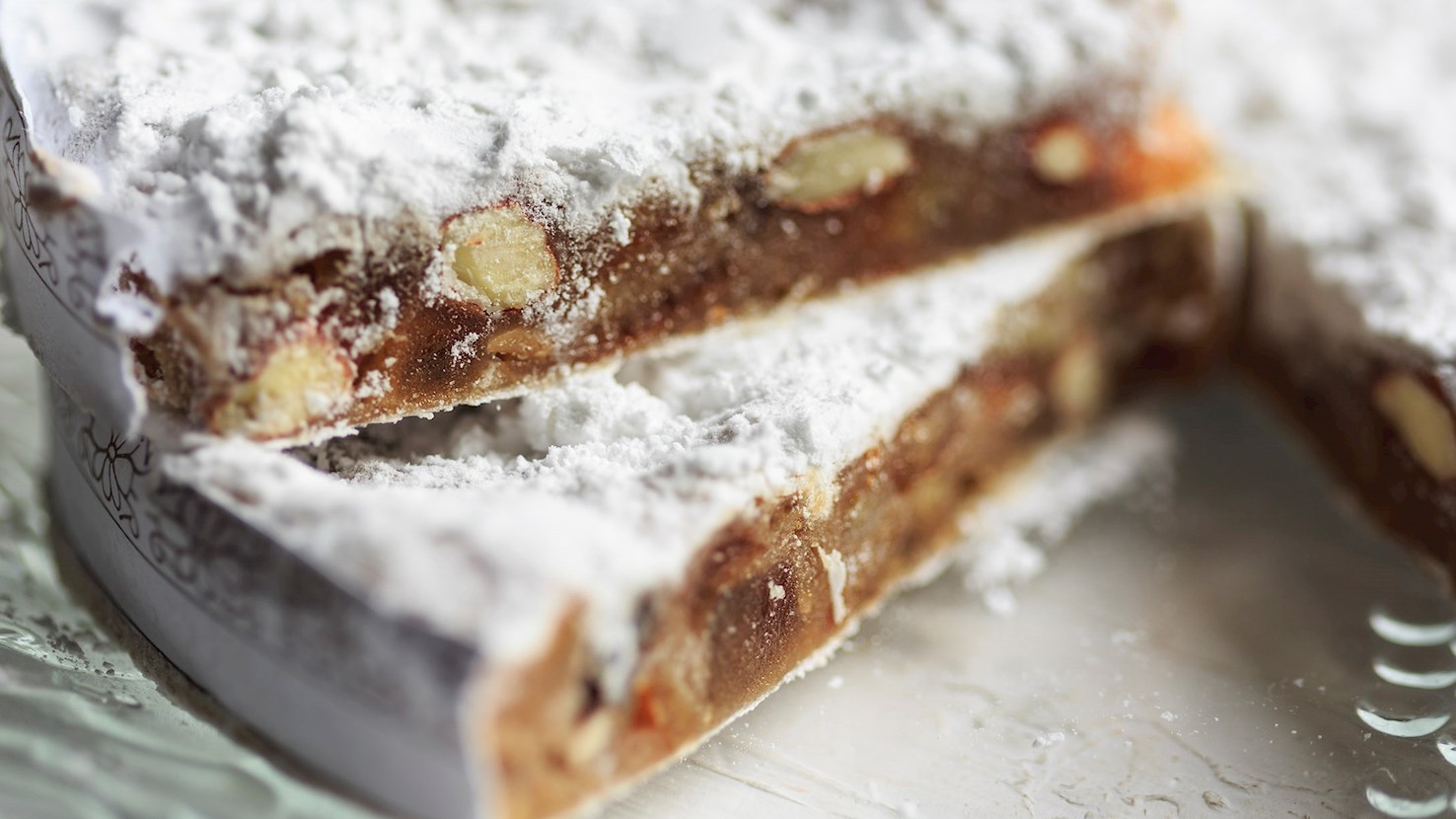
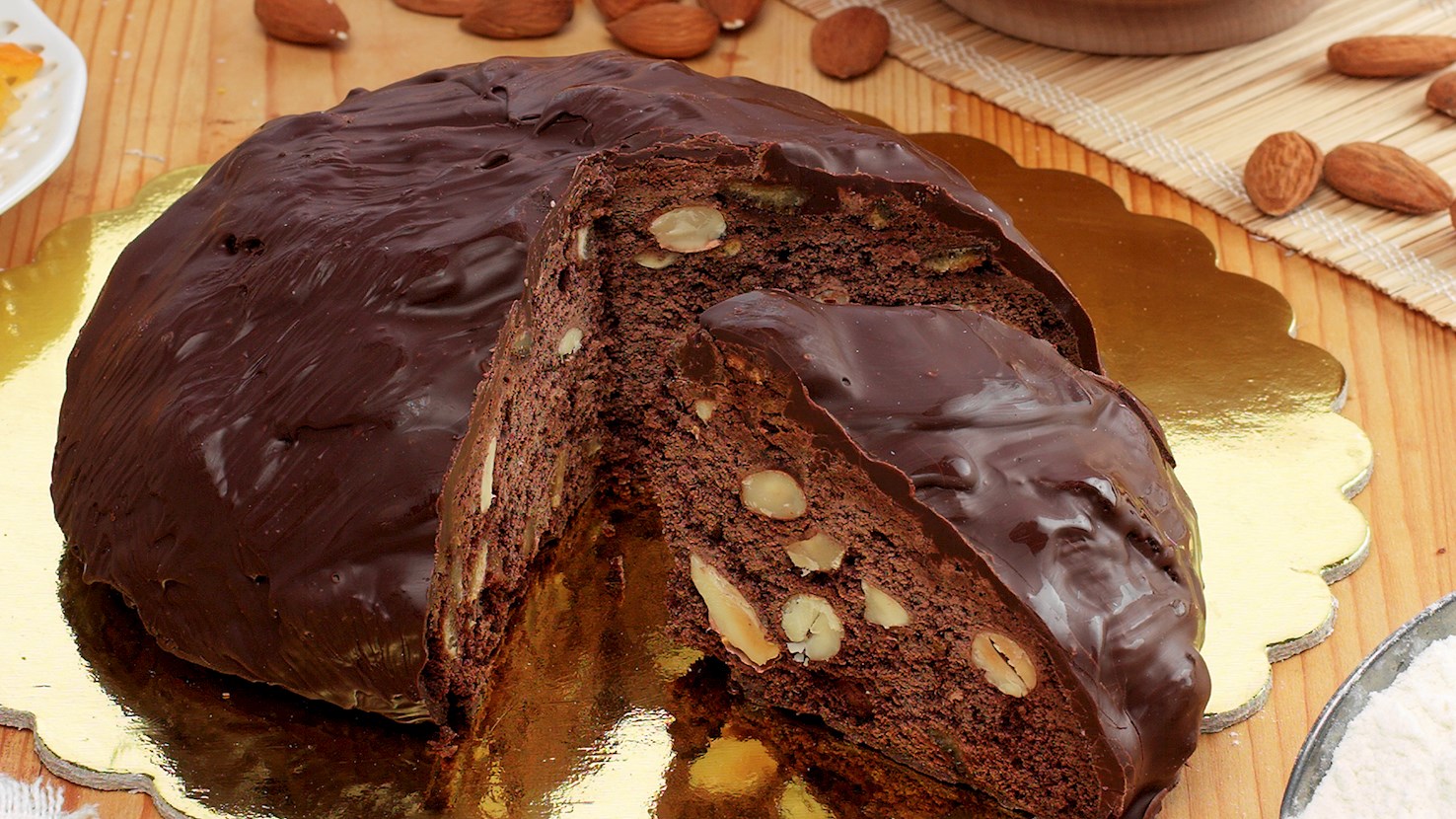
Panforte di Siena is a traditional dessert also known as Siena cake. The modern panforte variety is made with nuts, dried fruit, and a generous amount of spices such as cardamom, cinnamon, nutmeg, and cloves. All of the ingredients are combined with a sugary syrup, usually made with butter, sugar, and honey, and the cake is generously dusted with powdered sugar. This mixture of ingredients forms an unusual and dense cake with a firm structure and an interesting flavor combination. Believed to have originated in the 13th century in Siena, a city in central Tuscany, it has become an indispensable part of traditional Italian confectionery production. The dessert is famous for its historical role during the battle of Montaperti when it was a common staple among Sienese soldiers. However, the original panforte, which was initially only made by nuns, was dusted with a coating of white pepper, which gave the cake a more unusual flavor. This tradition had been changed in the 19th century when the British Queen came to visit Siena, and the recipe was slightly altered to soften the flavors. Today, panforte can be found in numerous bakeries throughout Siena. It is also a common staple during the Christmas festivities, and it is recommended to pair it with a cup of strong coffee or a glass of flavorful dessert wine.
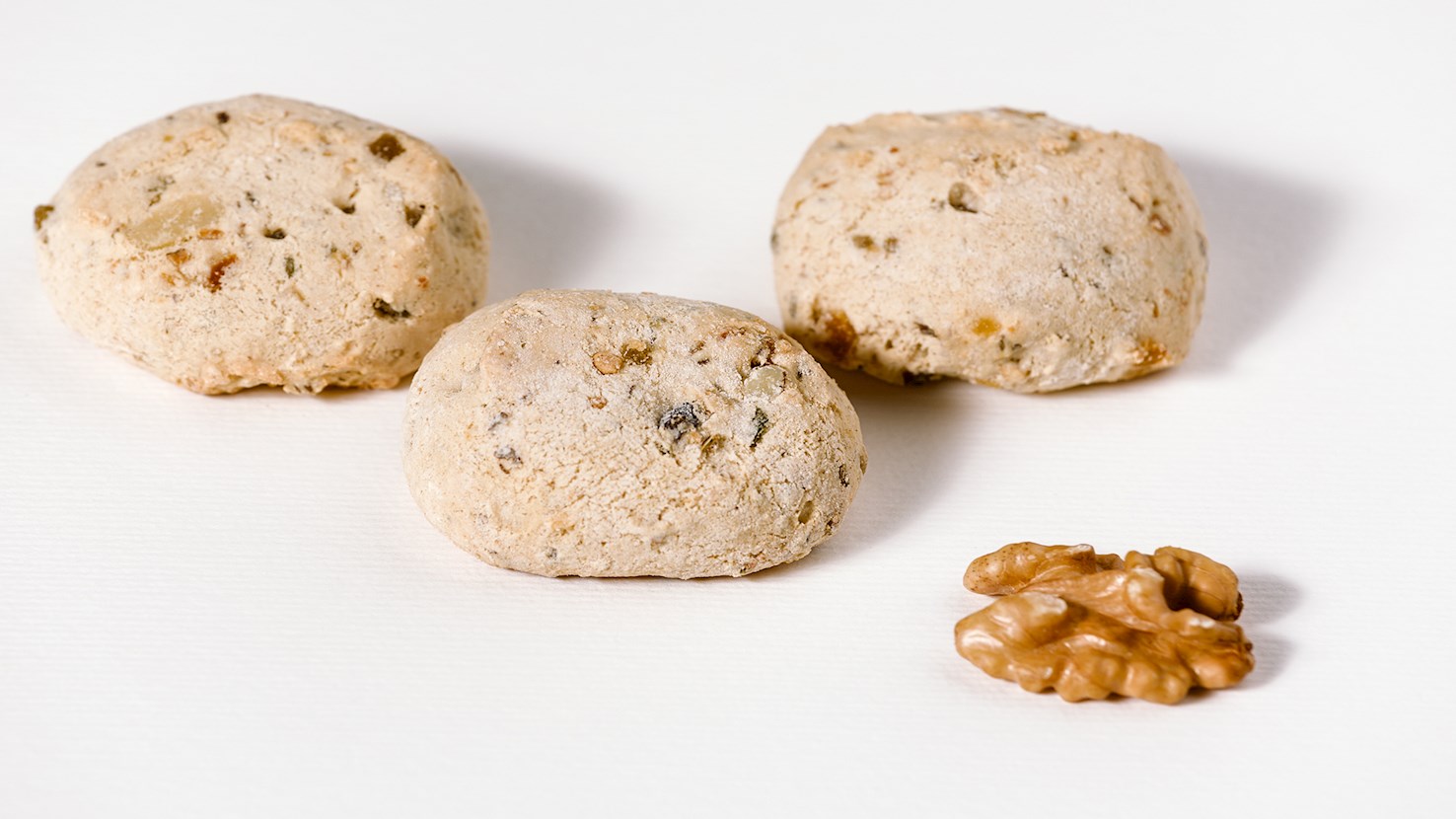
These traditional Italian Christmas cookies were originally invented in Siena. They have a soft texture and consist of flour, nuts, candied fruit, and various spices. Originally, cavallucci were prepared without nuts or candied fruit – only flour, sugar, honey, and anise seeds were used. The name is believed to be a derivation of the word cavallo, meaning horse – this is either a reference to their shape, which is reminiscent to a horse hoof, or because they were imprinted with a tiny horse on top in the past.
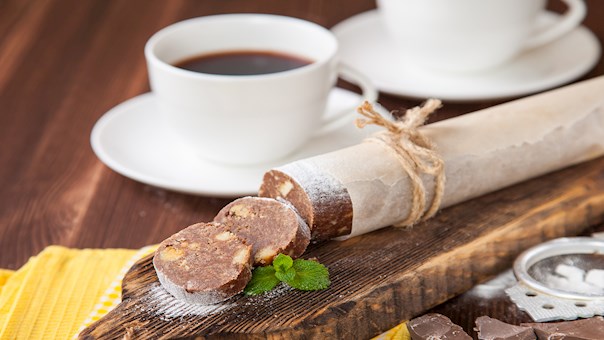
The peppered bread of Ferrara is a traditional Christmas fruitcake studded with whole almonds, hazelnuts, and candied fruit. It is flavored with cocoa, honey, cinnamon, cloves, and (sometimes) black pepper - hence the name pampepato. Its origins can be traced back to the 15th century. According to legend, the cloistered nuns of the Corpus Domini monastery in Ferrara—inspired by an old recipe of the great Renaissance cook Cristoforo di Messisbugo—created the cake to be sent to the great personages of the time, including high clergy, which is why Ferrara's fruitcake is also known as pan del papa, meaning bread of the pope. This Christmastime treat is not only popular throughout Emilia-Romagna but it's also a favorite in the neighboring regions of Umbria and Tuscany.
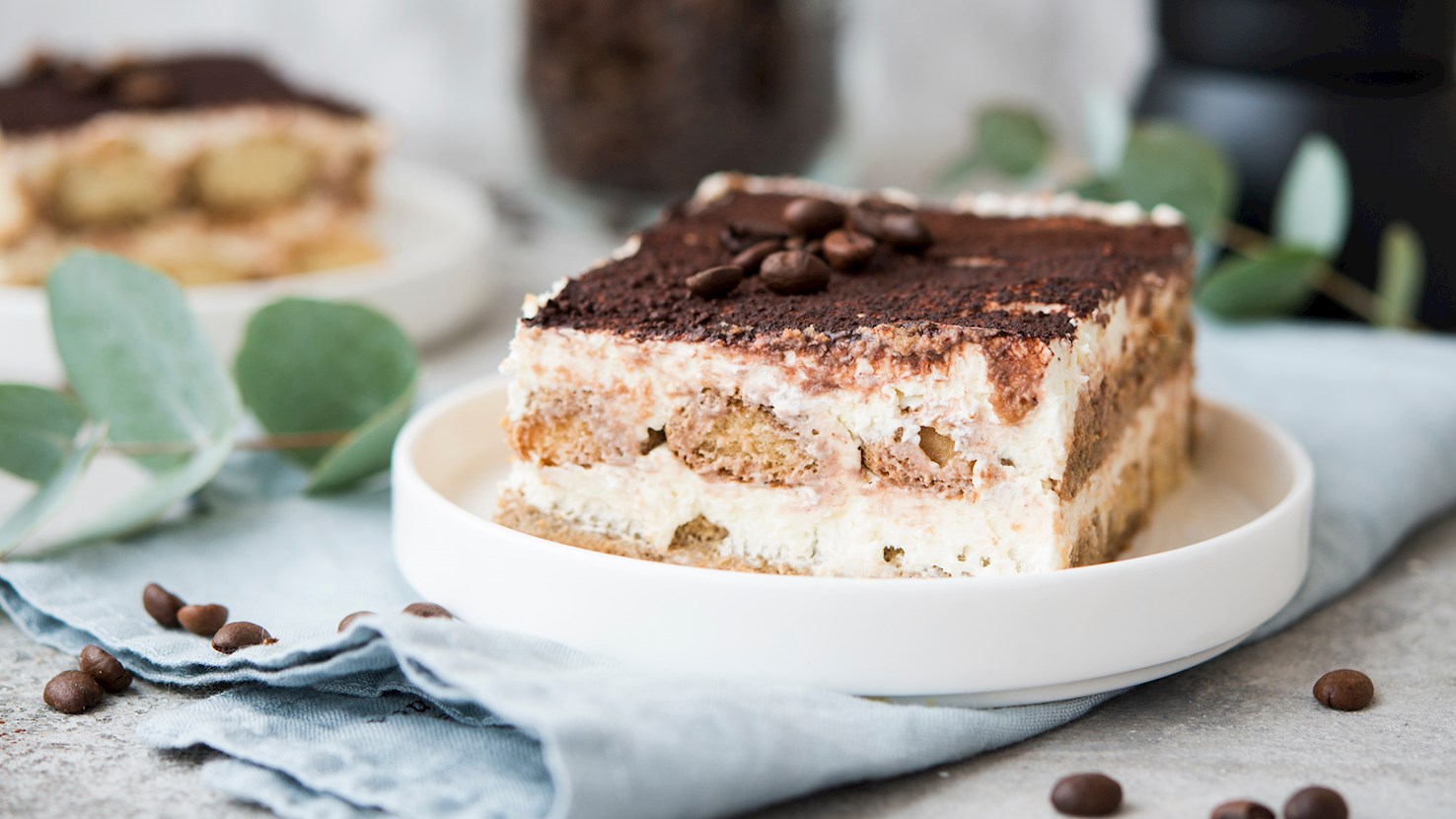
Even though tiramisù is actually a fairly recent invention, this dessert of coffee-soaked ladyfingers layered with mascarpone cream enjoys an iconic status among Italian desserts. Its name stems from the phrase tirami sù, an Italian expression which literally means pick me up, a reference to the uplifting effects of sugar, liquor, and coffee. The origins of tiramisù are heavily disputed between Veneto and Friuli-Venezia Giulia regions, but it is often suggested that the first was made in Veneto in the early 1960s. The earliest documented recipe for tiramisù (interestingly, without alcohol!) was printed in the 1981 spring edition of Vin Veneto magazine in an article on coffee-based desserts by Giuseppe Maffioli, a renowned food critic and member of the Italian Academy of Cuisine. However, in August 2017, Friuli-Venezia Giulia's tiramisu was officially added to the list of traditional regional dishes, but a Veneto local won the Tiramisu World Cup in November 2017, so the playing field is somewhat levelled once again. Regardless of these disputes, the perfect tiramisù should always deliver a serious caffeine kick from a shot of strong espresso, while brandy-fortified Marsala wine adds a nice sweet buzz. In 2021, Ado Campeol, the owner of the restaurant where tiramisù is widely thought to have been invented, has died.
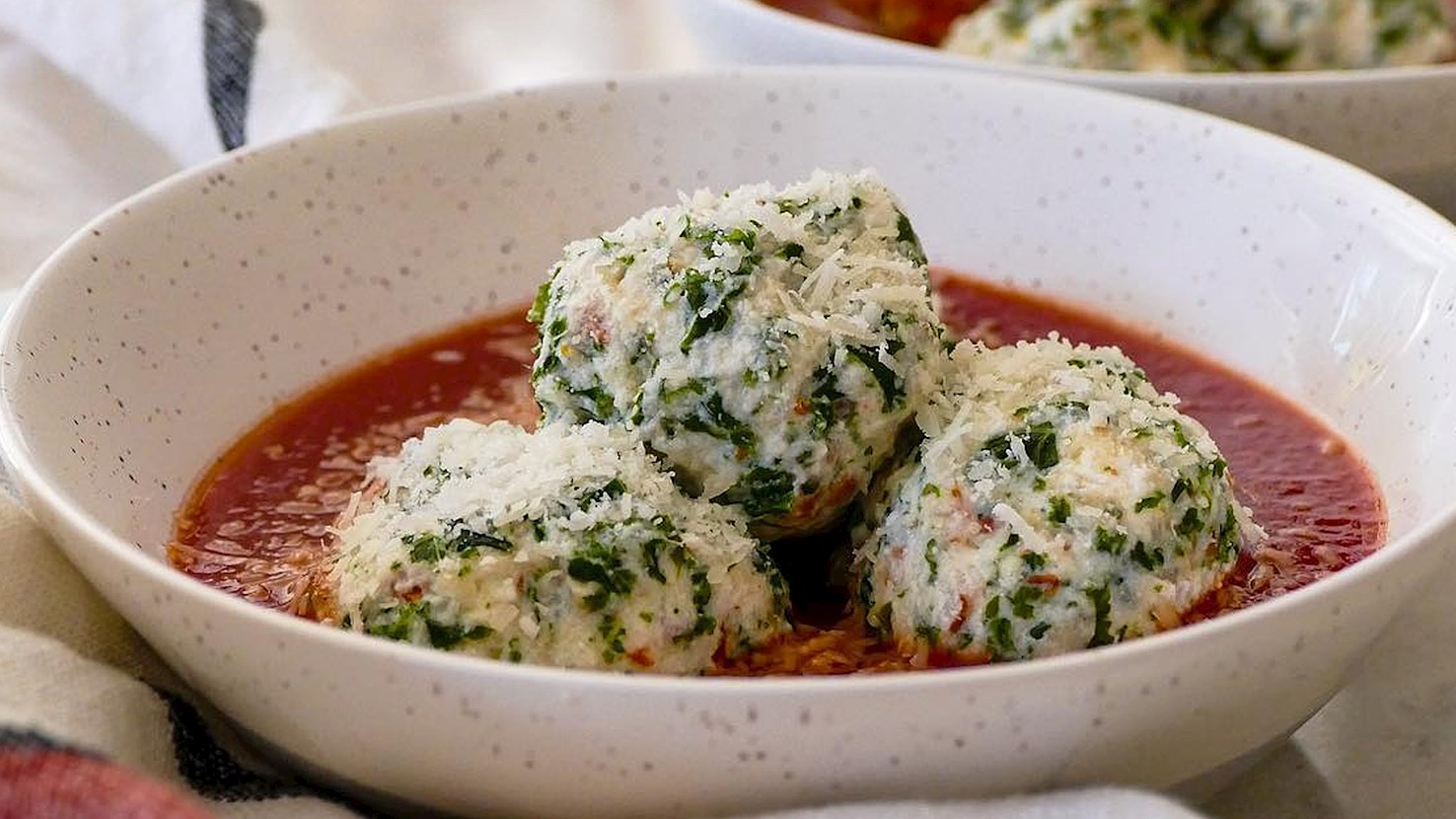
Malfatti (Siena) or gnudi (lit. naked, Florence) are typical of Sienese cuisine, but it's believed that they probably originated in Northern Italy. These spinach gnocchi are made by hand, and due to the fact that they are not uniform in shape or size, they're called malfatti, meaning badly made. They are made with a combination of cooked spinach, a pinch of salt, butter, ricotta, eggs, nutmeg, parmesan cheese, and a binding agent such as flour, semolina, or breadcrumbs. Once the mixture becomes smooth, it's shaped into small balls that are rolled in flour before being boiled. Malfatti are cooked when they float to the surface, at which point they're usually drained and served with a sauce (usually a simple tomato sauce or butter and sage).
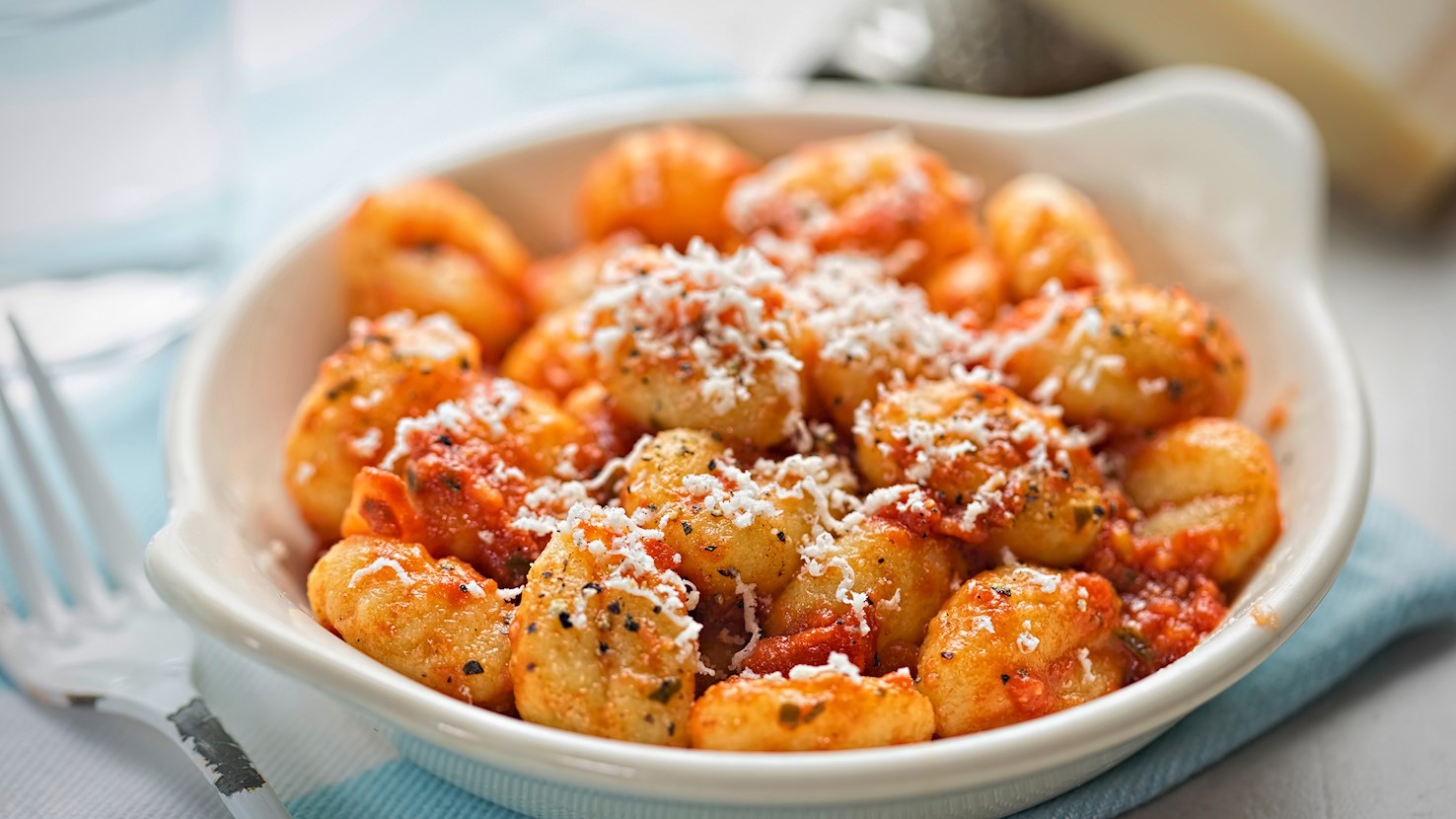
This is the traditional Italian form of dumplings. Today, the word gnocchi usually refers to a dumpling made with potato-based dough shaped into thick bite-sized pieces and pressed into a ribbed wooden board or grater to create an imprint, which helps the sauce to adhere to each piece. They are typically boiled in large amounts of salted water or fried in shallow oil, a technique typical for some Italian regions. Gnocchi are believed to have been a predecessor of pasta, and historical records show that the term gnocchi, or gnocco, was sometimes interchangeably used with the word maccherone, a word that once referred to all pasta in general. Before the introduction of the potato, they were made with any available flour, most commonly wheat and semolina, while gnocchi in mountain regions was made with barley, rye, or chestnut flour. During times of extreme poverty, they were occasionally made with grated and soaked stale bread. Potato only became the star gnocchi ingredient in the 19th century, by which time this New World import had begun making common appearances in Italian households. The proportion of flour and mashed potatoes has drastically changed since the first potato gnocchi was created – today, mashed potatoes are the foundation of the dough, with only a small amount of flour used to bind the ingredients together. Although potato gnocchi are the most common variety, Italy is abound with numerous gnocchi varieties, and each Italian region has its own favorite. These varieties often bear different names, such as malfatti, strangulaprievete, malloreddus, or cavattieli, and they use different base ingredients such as ricotta, spinach, pumpkin, and even beetroot. The essential accompaniment to any gnocchi serving is the sauce. The most common are traditional tomato sauce and flavorful butter and sage, but the possibilities are numerous and often include creamy cheese-based sauces, ragùs, and extras such as cured meat and vegetables, combined with fragrant Italian herbs and spices.
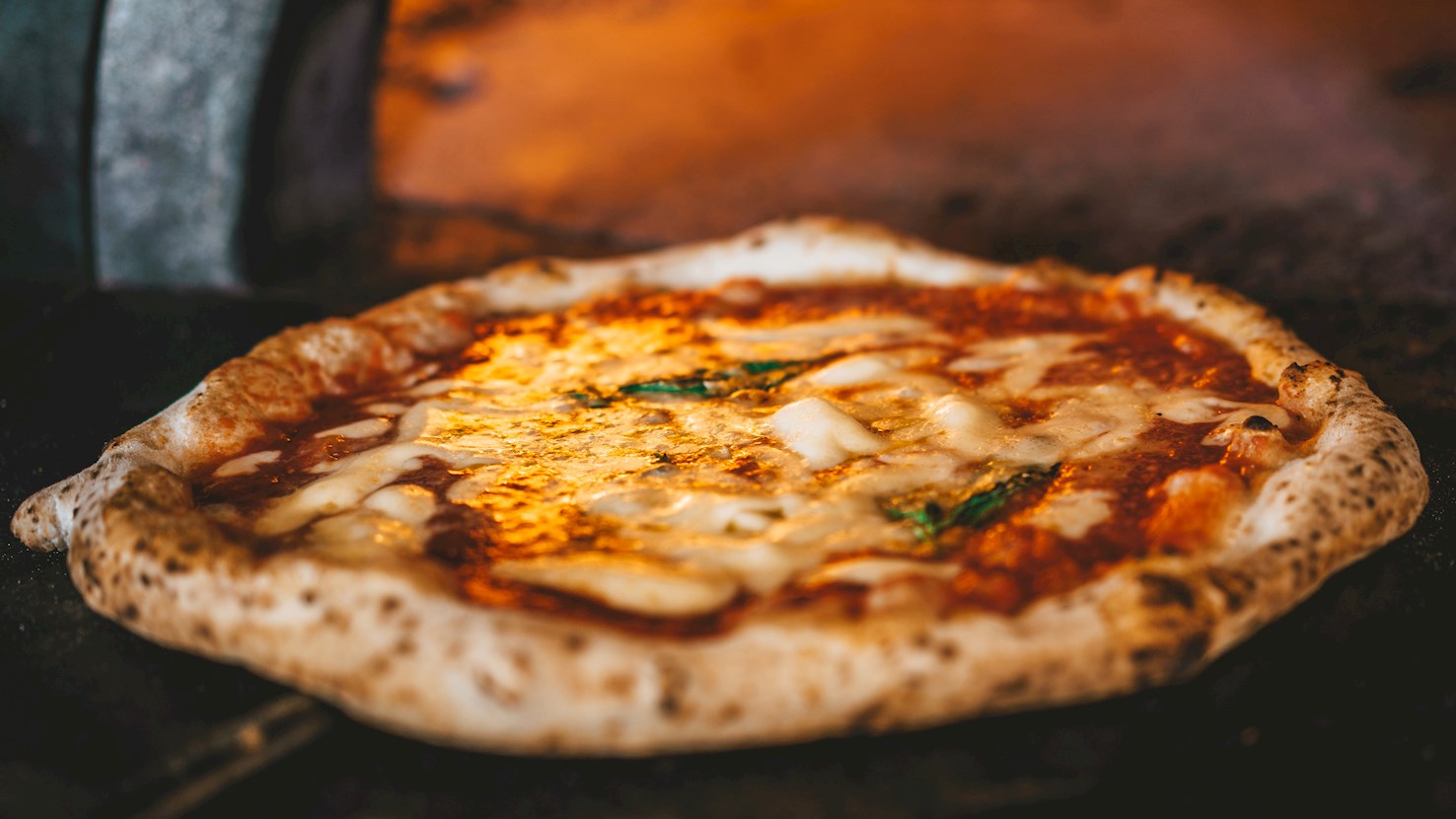
Italy’s most emblematic culinary creation, the genuine pizza Napoletana is made with just a few simple ingredients and prepared in only two variations – marinara, the basic Neapolitan pizza topped with a tomato-based sauce flavored with garlic and oregano, and margherita, which is topped with tomatoes, mozzarella, and fresh basil leaves, a delicious combination whose colors are said to represent the Italian flag. The crust is very thin at the base, and the dough puffs up on the sides, which results in airy crust that should have typical charred 'leopard spots' if baked properly. The origins of this iconic Neapolitan dish can be traced to the early 1700s, when what we know today as pizza marinara was first described by Italian chef, writer, and philosopher Vincenzo Corrado in his treatise on the eating habits of the people of Naples. Almost 200 years later, in 1889, the premier Neapolitan master pizzaiolo Raffaele Esposito added mozzarella to the mix and invented the margherita, which is now generally cited as the first modern pizza. Originally dubbed la pizza tricolore, Esposito’s creation is said to have been made in honor of and named after Margherita of Savoy, the Queen consort of the Kingdom of Italy, who was visiting Naples at the time. In 2010, as one of Italy’s most popular foods worldwide, pizza Napoletana was officially recognized by the European Union and granted the designation of Traditional Specialty Guaranteed. And remember, a good pizza Napoletana doesn't need any additions other than the designated toppings.
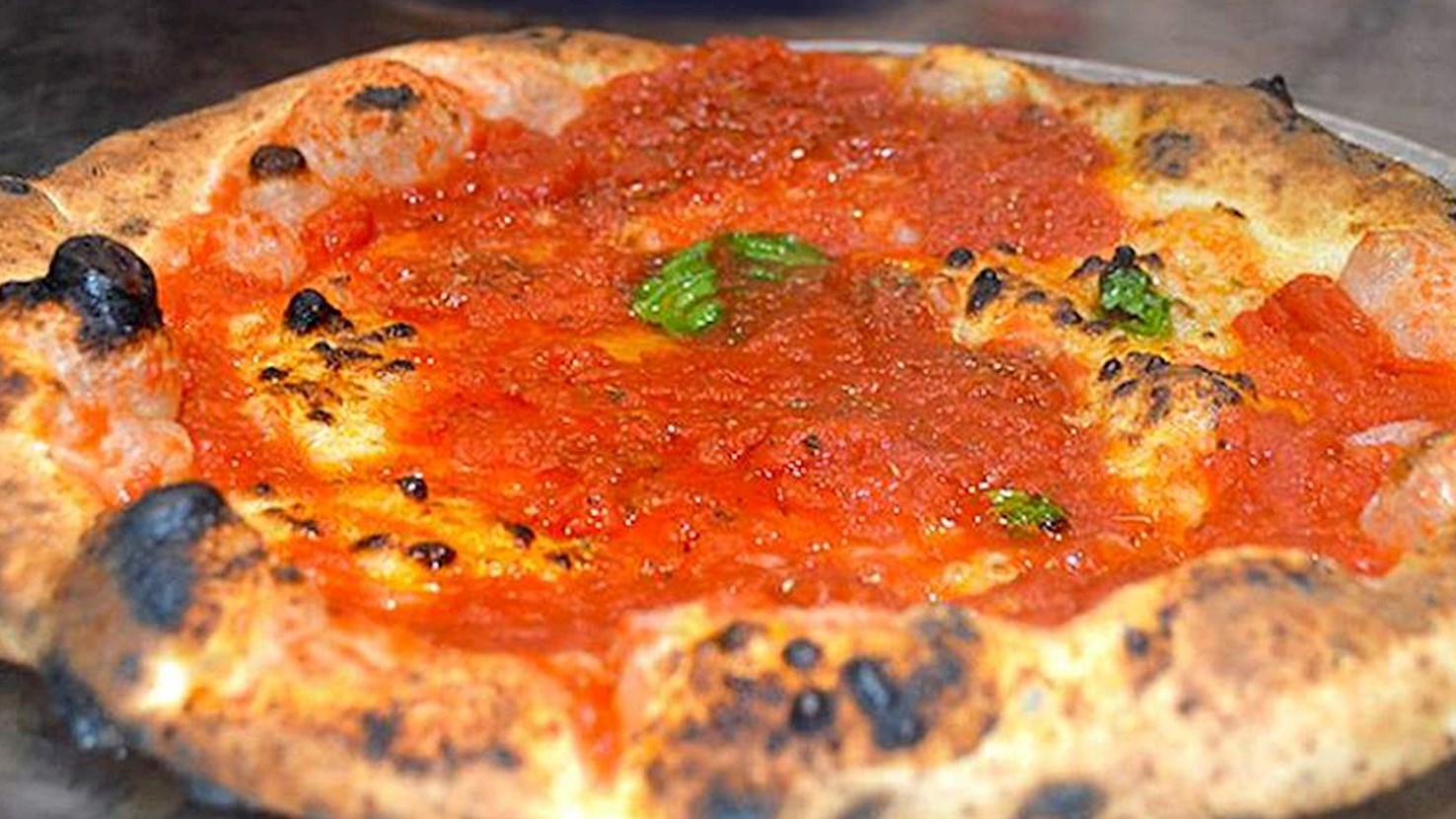
Marinara is a Neapolitan pizza with a topping of tomatoes, oregano, garlic, extra virgin olive oil, and sometimes fresh basil. Its name is not derived from the popular belief that it has seafood on it (because it does not), but because it was a staple food of the fishermen who consumed it upon their return home from fishing in the Bay of Naples. Some claim it was invented at Pizzeria Port'Alba in 1734, considered the oldest pizzeria in the world. Marinara is a part of protected Napoletana pizzas, with specific rules concerning the production process, the dough, and the key ingredients used in making the pizza.
Known as the holiest of holies of Italian cuisine, the Florentine-style beef steak is prepared exclusively with dry-aged beef from the Chianina cattle, which is particularly prized for its tenderness. Even though bistecca alla Fiorentina is often described as a T-bone steak, it is much closer to a porterhouse - since it's cut closer to the center, the tenderloin is much larger than the one on a regular T-bone. Also, bistecca alla Fiorentina must be thick; the cut needs to be at least three fingers wide so that when the meat is grilled over a very hot flame, a nice, slightly charred crust forms on the outside of the steak while the inside remains succulent. In fact, bistecca alla Fiorentina is never, ever served medium or well-done, as any true Tuscan will insist that this dream of a steak should only be eaten sanguinoso, meaning rare. To enjoy your Florentine-style steak the Italian way, simplicity is the way to go - highlight the rich flavor of grilled beef with nothing more than a drizzle of extra virgin olive oil, rosemary, and salt.
TasteAtlas food rankings are based on the ratings of the TasteAtlas audience, with a series of mechanisms that recognize real users and that ignore bot,
nationalist or local patriotic ratings, and give additional value to the ratings of users that the system recognizes as knowledgeable.
TasteAtlas Rankings should not be seen as the final global conclusion about food. Their purpose is to promote excellent local foods,
instill pride in traditional dishes, and arouse curiosity about dishes you haven’t tried.




What People Say