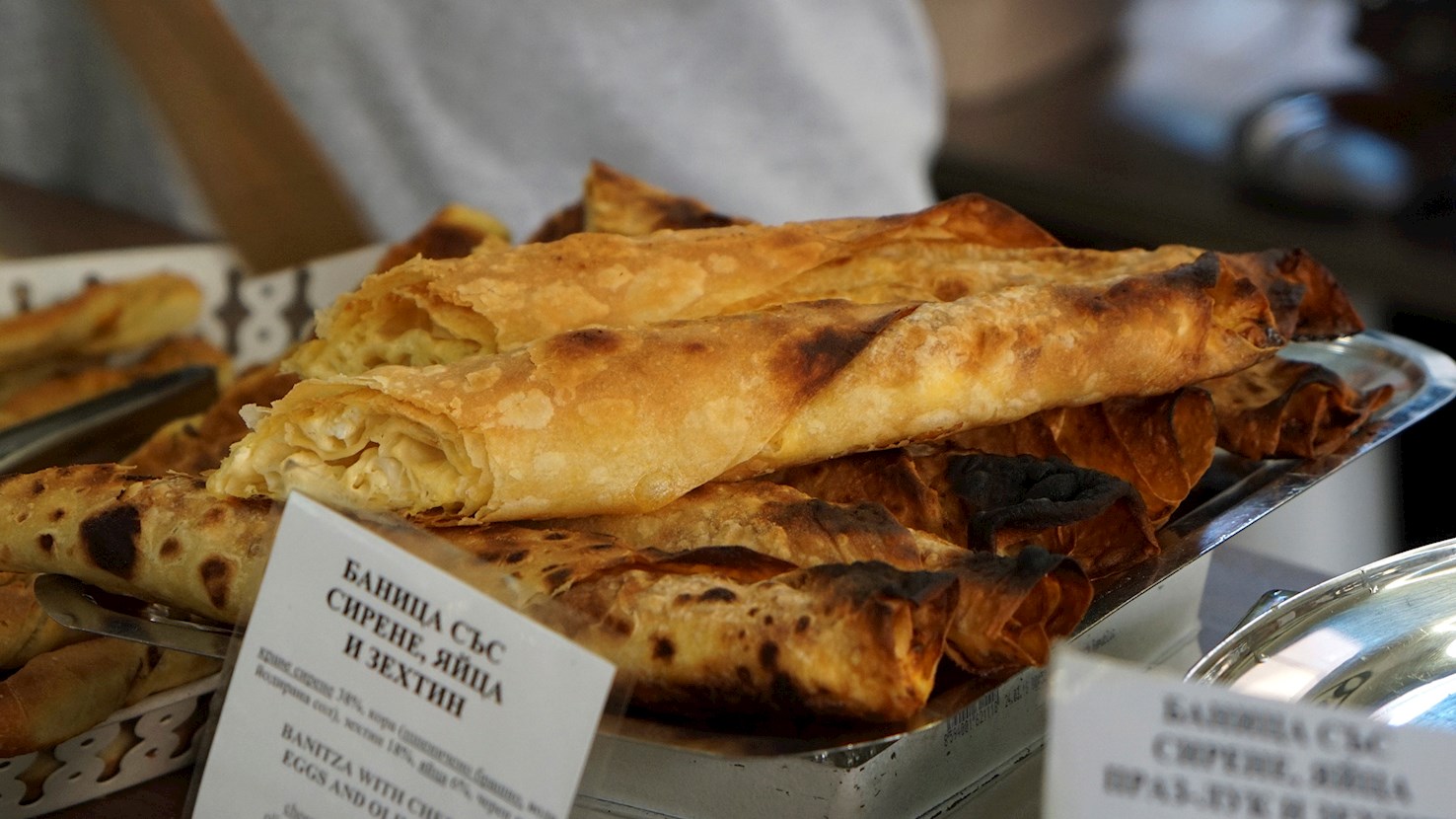
Banitsa is a traditional dish made by layering sheets of buttered phyllo pastry with a mixture of eggs, yogurt, and white cheeses like sirene and feta for the simple and classic version of banitsa. Besides the classic cheese filling, this pie can be made with a myriad of different fillings, either savory or sweet. Pies with a vegetable filling, such as zelnik, are especially popular. Zelnik can be made with a filling of leafy greens like spinach, nettles, marigold, parsley, and cabbage, praznik is made with leeks, while luchnik is a type of banitsa filled with onions. When it comes to sweet versions of banitsa, there is tikvenik, made with pumpkins, an apple-filled variety, shtrudel, or mlecna banitsa - made by soaking pastry sheets with a mixture of milk, eggs, sugar, and vanilla. Bulgarians sometimes fill banitsa with lucky charms, coins, or pieces of paper that have wishes written on them, a practice that is especially popular during the festive winter season. The pie is typically served as a breakfast dish with yogurt or boza on the side.
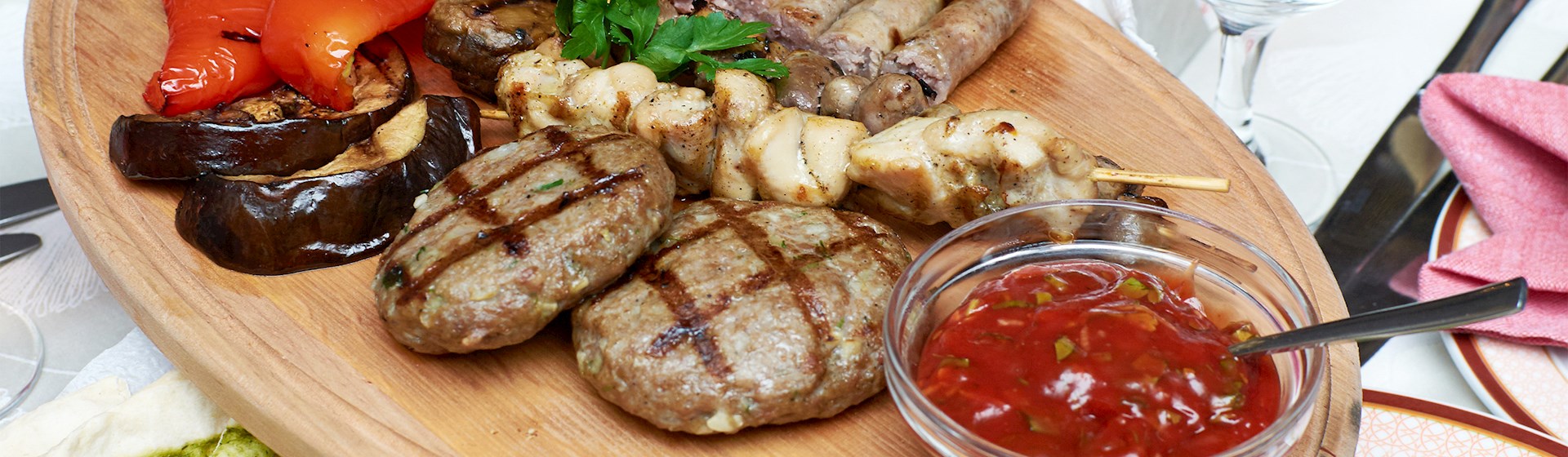
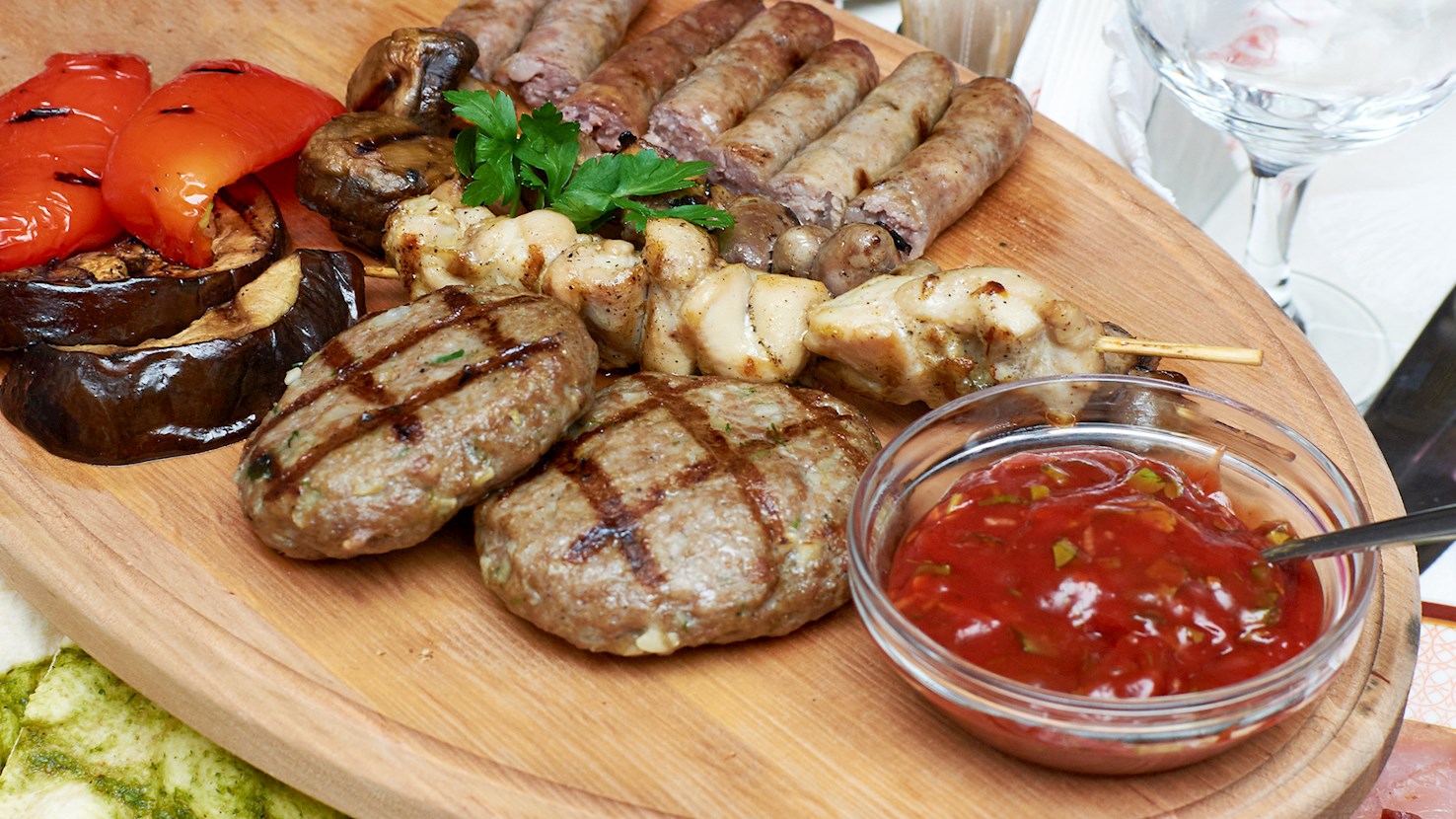
Meshana skara or mixed grill is a traditional meal consisting of a platter full of meat and sides. The platter should contain one kyufte, one pork steak, one kebapche, and one pork skewer. The meat is usually accompanied by french fries, lyutenitsa, and bean salad with onions. It is recommended to pair this meat-heavy dish with a few glasses of beer and rakia.
Mekitsa is a popular Bulgarian dish that is traditionally served for breakfast. It is a flatbread made with kneaded dough that is then deep-fried in hot oil. The dough usually consists of flour, water, salt, oil, eggs, yogurt, and a leavening agent. The name mekitsa is derived from the Bulgarian root mek, meaning soft, referring to the flatbread's texture. These flatbreads can be dusted with powdered sugar or paired with yogurt, honey, cheese, or various fruit jams.
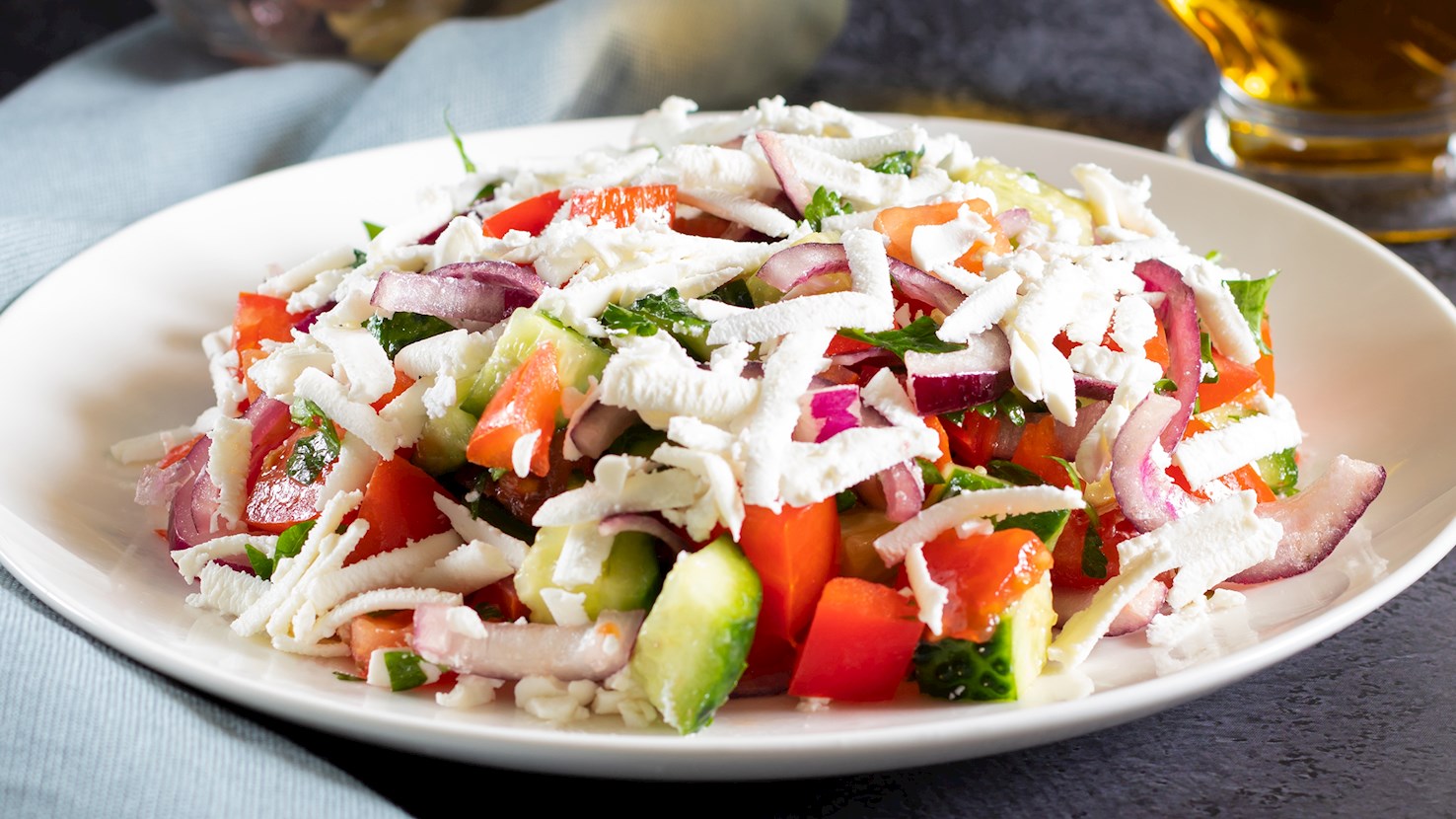
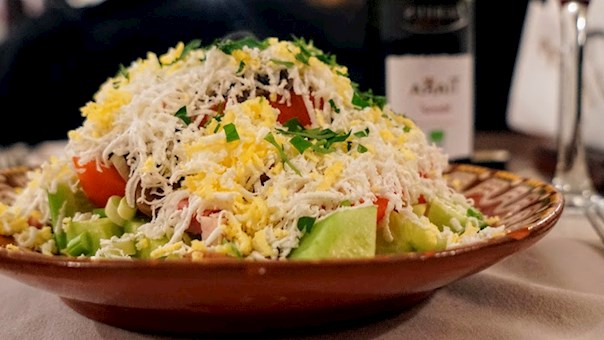
Šopska salata is a traditional cold salad that is also one of the national dishes of Bulgaria. Often served during summer, when one can find it in most Bulgarian restaurants, the salad consists of chopped tomatoes, cucumbers, onions, roasted or raw peppers, and Bulgarian cheese. It was originally created in the 1950s, when Bulgarian top chefs were asked to create dishes that would attract tourists to the country. The vegetables are typically salted, drizzled with sunflower oil, and sprinkled with grated Bulgarian sirene cheese on top. Some people substitute sunflower oil with olive oil in hopes to enhance the dish, but it is believed that it only spoils the authentic taste of the salad. A perfect, light and refreshing dish for hot summer days, shopska salad is a healthy bite of Bulgarian tradition. The word shopska in its name refers to the frugal Shopi people from the Shopluk region, where Bulgaria, Serbia and Macedonia meet.
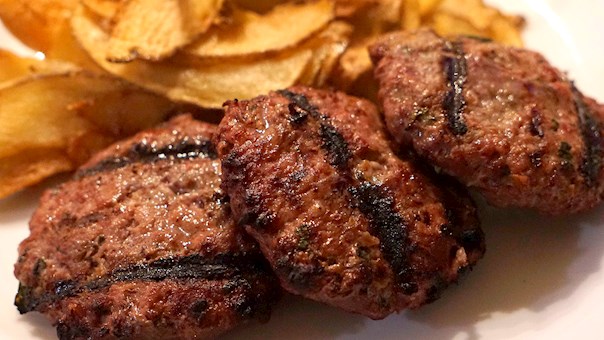
Kebapche is a dish of small meat rolls made from seasoned minced meat, grilled over an open flame. The dish traces its origins to the Ottoman Empire's expansion into the Balkans, sharing direct ancestry with the Middle Eastern kebab and regional ćevapi, but it evolved uniquely in Bulgaria through the deliberate incorporation of pork. Kebapche became a cornerstone of urban Bulgarian food culture in the early 20th century, particularly in Sofia, where specialized grill houses known as kebapchiynitsi established it as a permanent national staple. The authentic recipe calls for a precise mixture of minced pork and beef, typically at a 60-to-40 ratio, although 100% pork versions are equally common across the country. The meat is seasoned strictly with salt, freshly ground black pepper, and a heavy concentration of cumin, a specific spice profile that distinguishes it entirely from the closely related Bulgarian kyufte, which includes onions and parsley. The preparation process mandates that the minced meat be thoroughly kneaded by hand with a small amount of water or beer to hydrate the proteins and aerate the overall mixture. This seasoned meat rests in a cold environment for 12 to 24 hours, allowing the proteins to bind tightly and the cumin to permeate the fat completely. After resting, the mixture is shaped by hand or extruded through a specialized funnel into uniform small meat rolls weighing approximately 50 to 70 grams (2 ounces) and measuring up to six inches (15 centimeters) in length. These rolls are placed onto a scorching, heavily oiled charcoal grill and rotated continuously with tongs to cook evenly, seal in the juices, and develop a deeply charred, smoky exterior. Variations of the dish exist based on regional availability and dietary needs, including pure beef versions for those abstaining from pork, as well as rustic recipes incorporating minced wild game, such as boar or venison, in the mountainous hunting districts of the Rhodopes and Pirin. Kebapche is traditionally served in portions of three, a standard order universally known in Bulgaria as a trojka kebapcheta. The meat is accompanied by a large side of crispy French fries buried under grated Bulgarian sirene—a white, brined sheep's milk cheese—and a vibrant serving of lutenitsa, a thick, sweet-and-savory relish made from roasted red peppers and tomatoes. The meal is served hot, alongside slices of fresh, crusty bread and a cold local lager, representing a staple offering at every roadside tavern, traditional mehana, and festive outdoor gathering in the country.
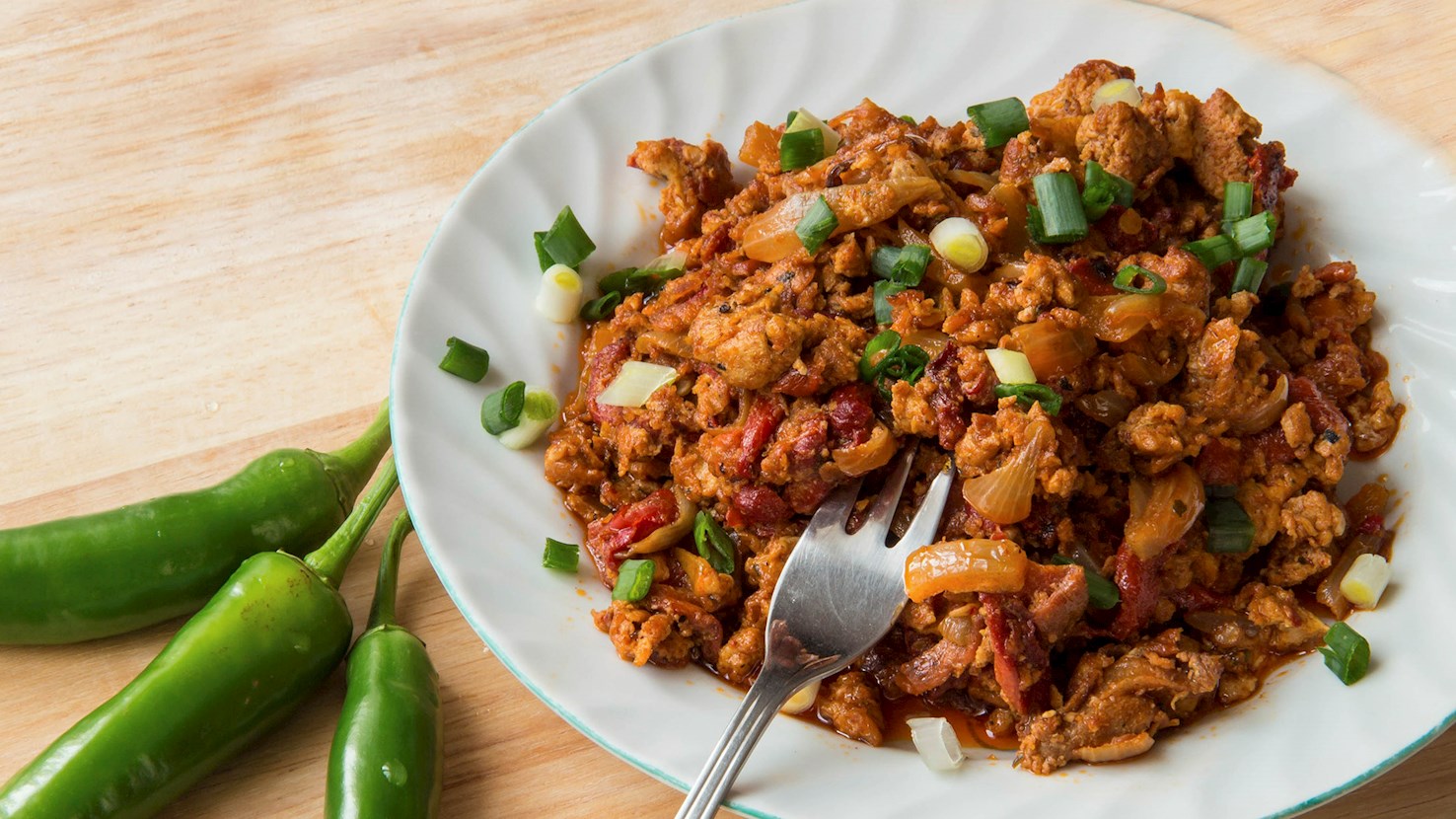
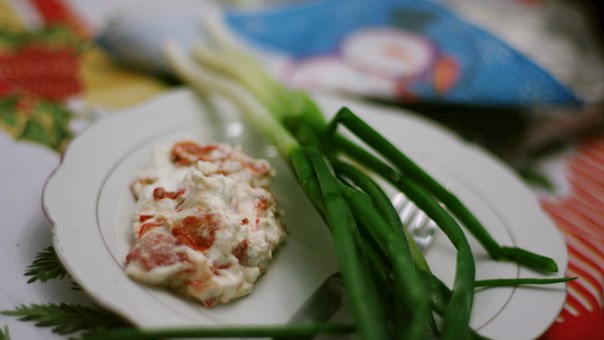
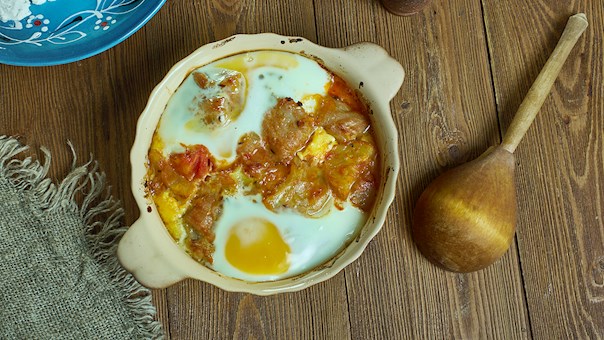
Translated as a mixture of different things, this traditional Bulgarian dish is prepared with eggs and typical summer vegetables such as tomatoes and peppers. Other ingredients include sautéed onions, salt, pepper, and Bulgarian white cheese. There is also a winter variety of the dish that is usually made with frozen roasted peppers. Mish-mash is typically served alongside crispy slices of bread or toast, and is enjoyed for breakfast, lunch, or dinner. Although the origins of the dish are not familiar, it is an integral part of traditional Bulgarian cuisine.
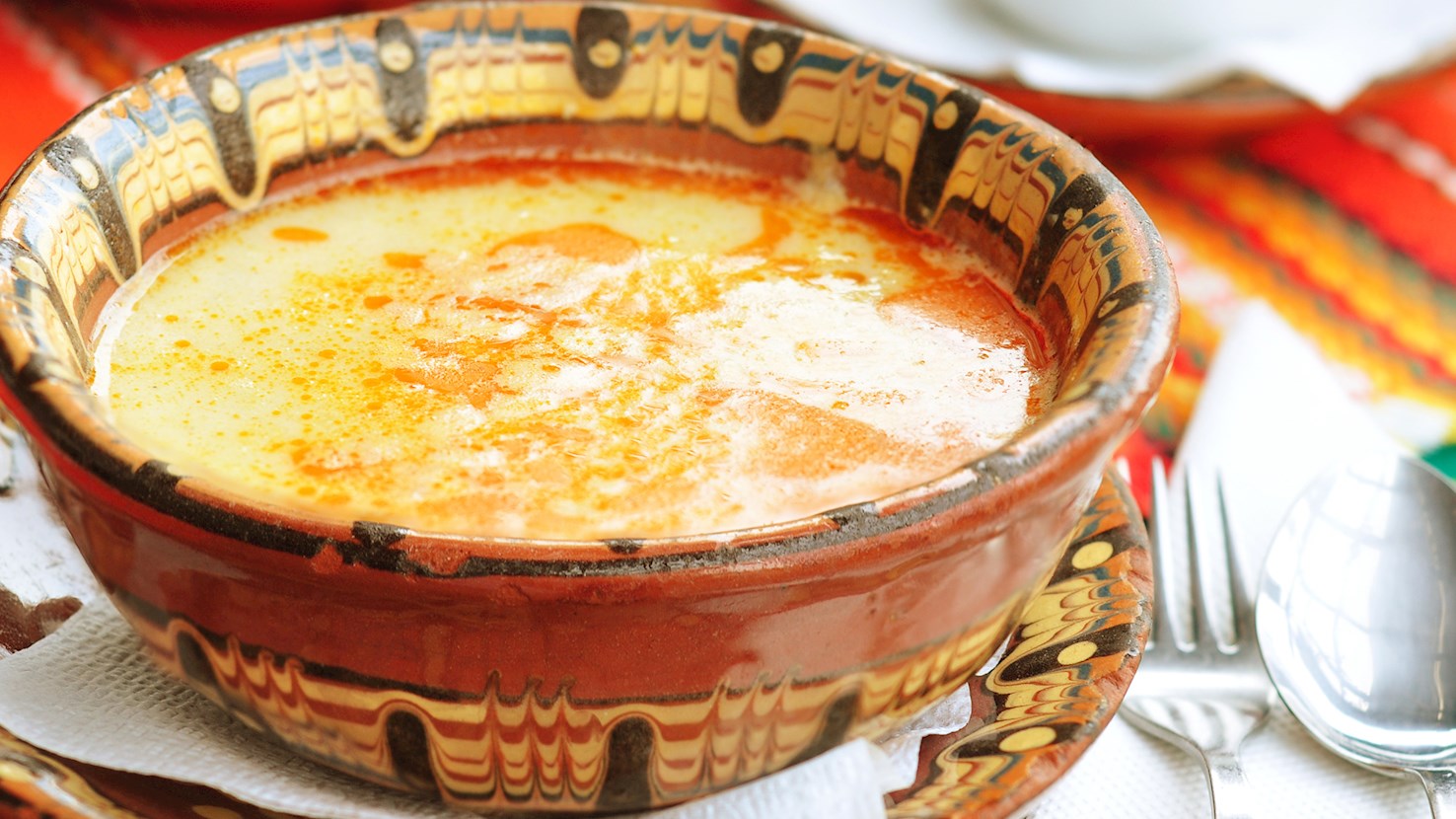
Shkembe chorba is a nourishing Bulgarian soup made with a combination of tripe, water, flour, milk, red wine vinegar, garlic, paprika, and hot chili peppers. When served, it is recommended to garnish it with chopped parsley, then consume it with beer or rakia on the side. This soup is well-known in Bulgaria for being a great hangover cure after a night of clubbing in chalga clubs or mechanas.
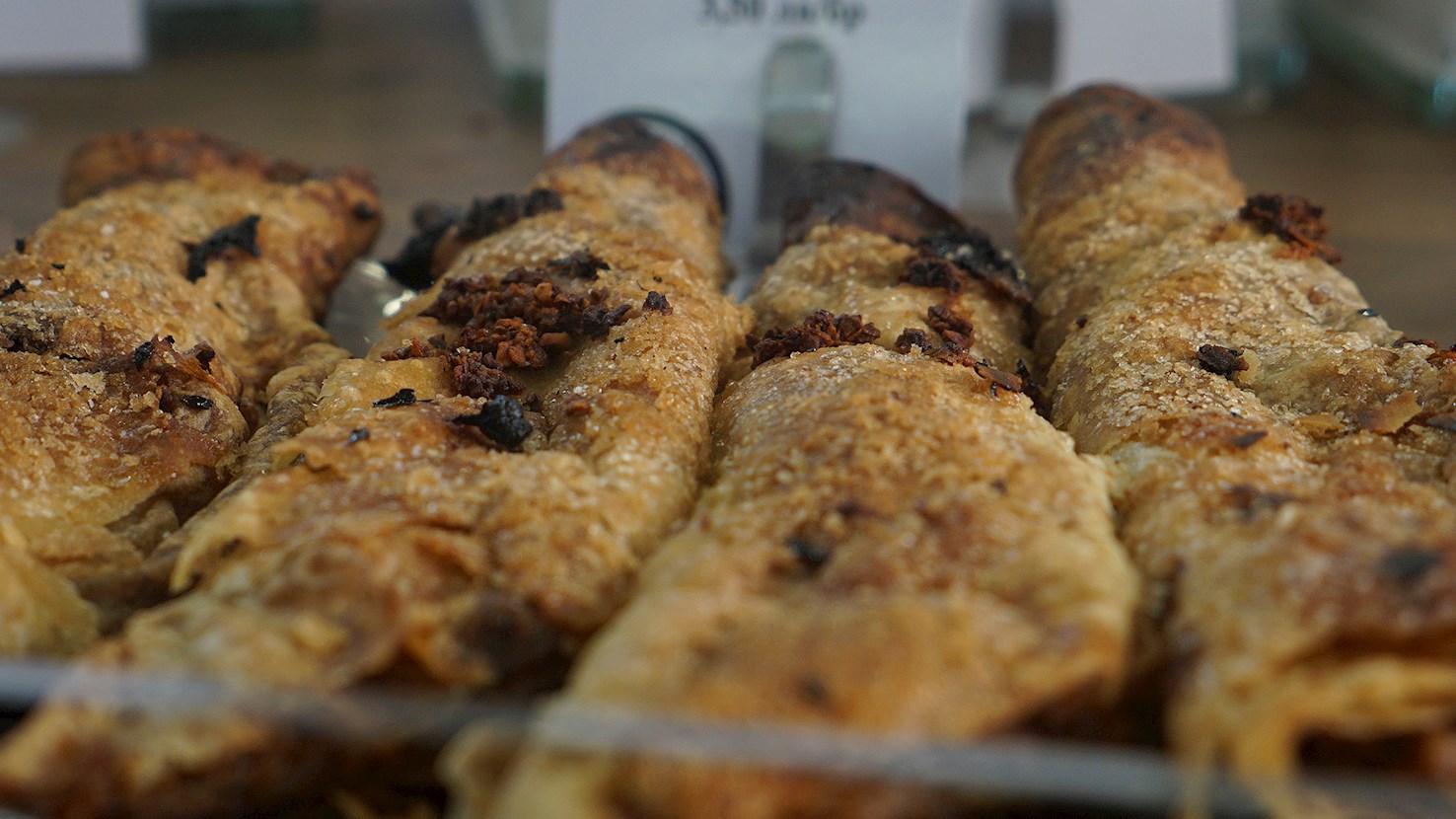
Tikvenik is a traditional pastry consisting of thin sheets of dough that are filled with grated pumpkin, coarsely ground walnuts, sugar, and cinnamon. This pumpkin dessert is a sweet version of banitsa, a phyllo pastry pie that comes in numerous varieties. When baked, tikvenik is sliced and usually dusted with powdered sugar. Tikvenik is often associated with winter season, and it is commonly served on Christmas Eve, but it can be enjoyed throughout the year, either as a delicious breakfast or a hearty dessert. It is recommended to pair tikvenik with a glass of yogurt on the side.
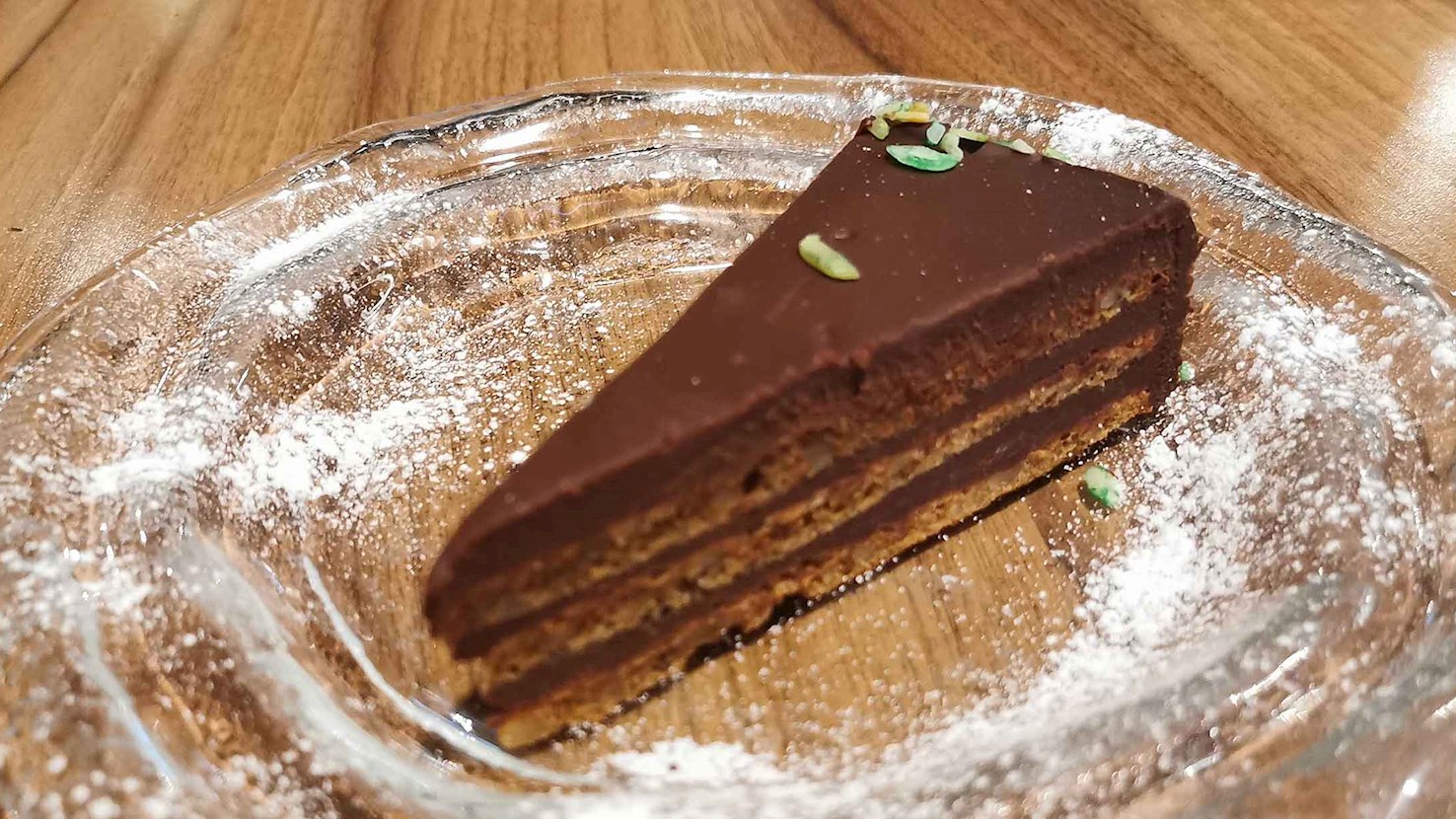
This decadent cake is one of the most popular Bulgarian desserts. It consists of five delicate walnut sponges layered with dark chocolate. The whole cake is then covered in a glistening chocolate icing or creamy ganache, decorated with walnuts, desiccated coconut, sliced almonds, or chocolate ornaments. The cake was invented by an Austro-Hungarian confectioner Kosta Garash in 1885. At the time, he was working at a lavish hotel in the city of Ruse, where he first served the cake. He later went to Sofia and continued to prepare the cake—which soon became a renowned Bulgarian dessert that is nowadays found on the menus of numerous pâtisseries and restaurants across the country.
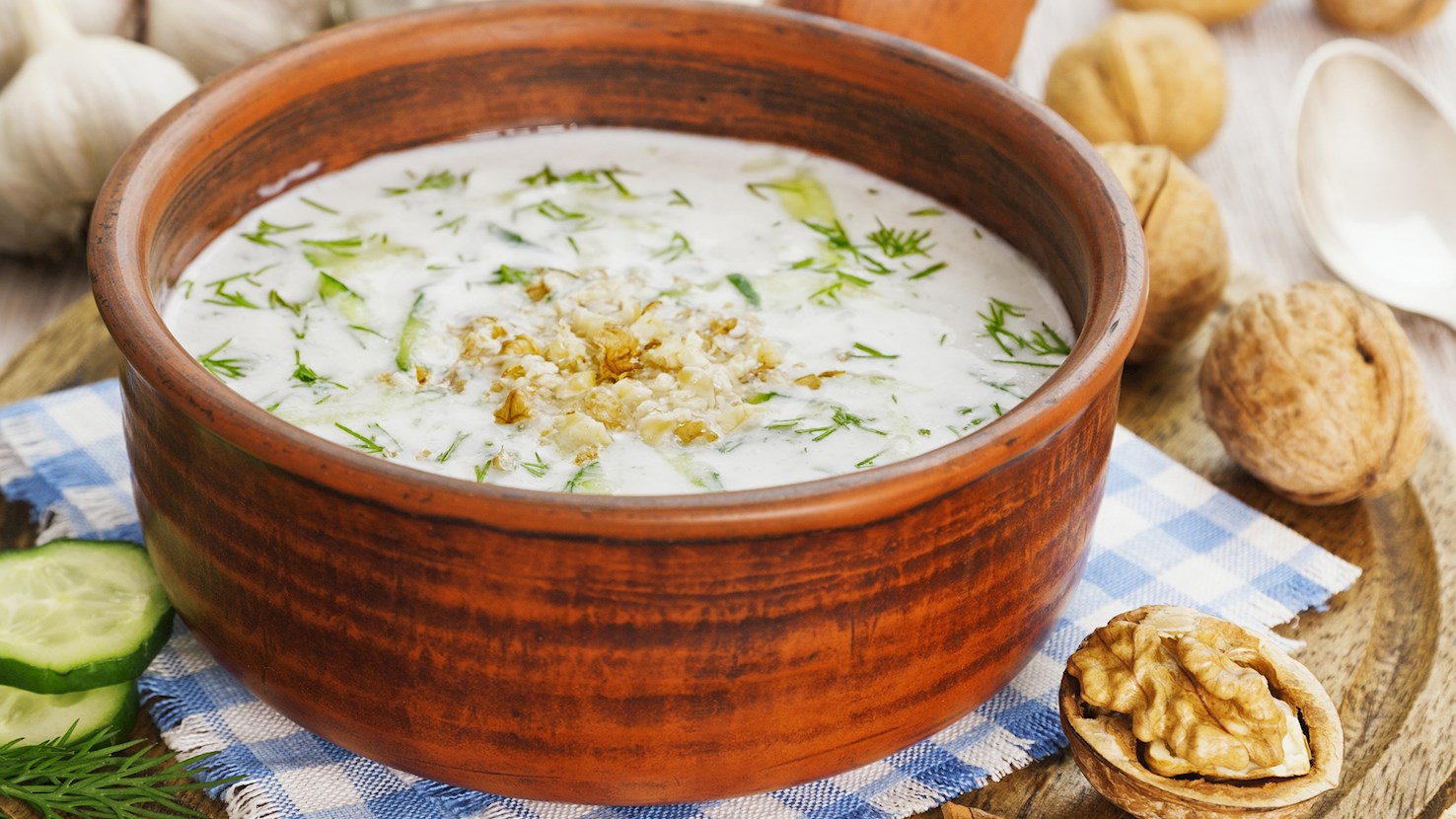
Tarator is a Bulgarian cold soup made with Bulgarian yogurt, cucumbers, garlic, chopped dill, sunflower oil, walnuts, and a bit of water or ice. However, there are numerous varieties of this refreshing soup (especially in North Macedonia), so some ingredients might be omitted, while others might be added – nuts are sometimes replaced with bread and cucumbers are sometimes replaced with carrots or lettuce. A variety known as simple tarator is made with vinegar and water instead of yogurt. The soup is always served well-chilled, and it is especially popular on hot summer days.
TasteAtlas food rankings are based on the ratings of the TasteAtlas audience, with a series of mechanisms that recognize real users and that ignore bot,
nationalist or local patriotic ratings, and give additional value to the ratings of users that the system recognizes as knowledgeable.
TasteAtlas Rankings should not be seen as the final global conclusion about food. Their purpose is to promote excellent local foods,
instill pride in traditional dishes, and arouse curiosity about dishes you haven’t tried.





What People Say