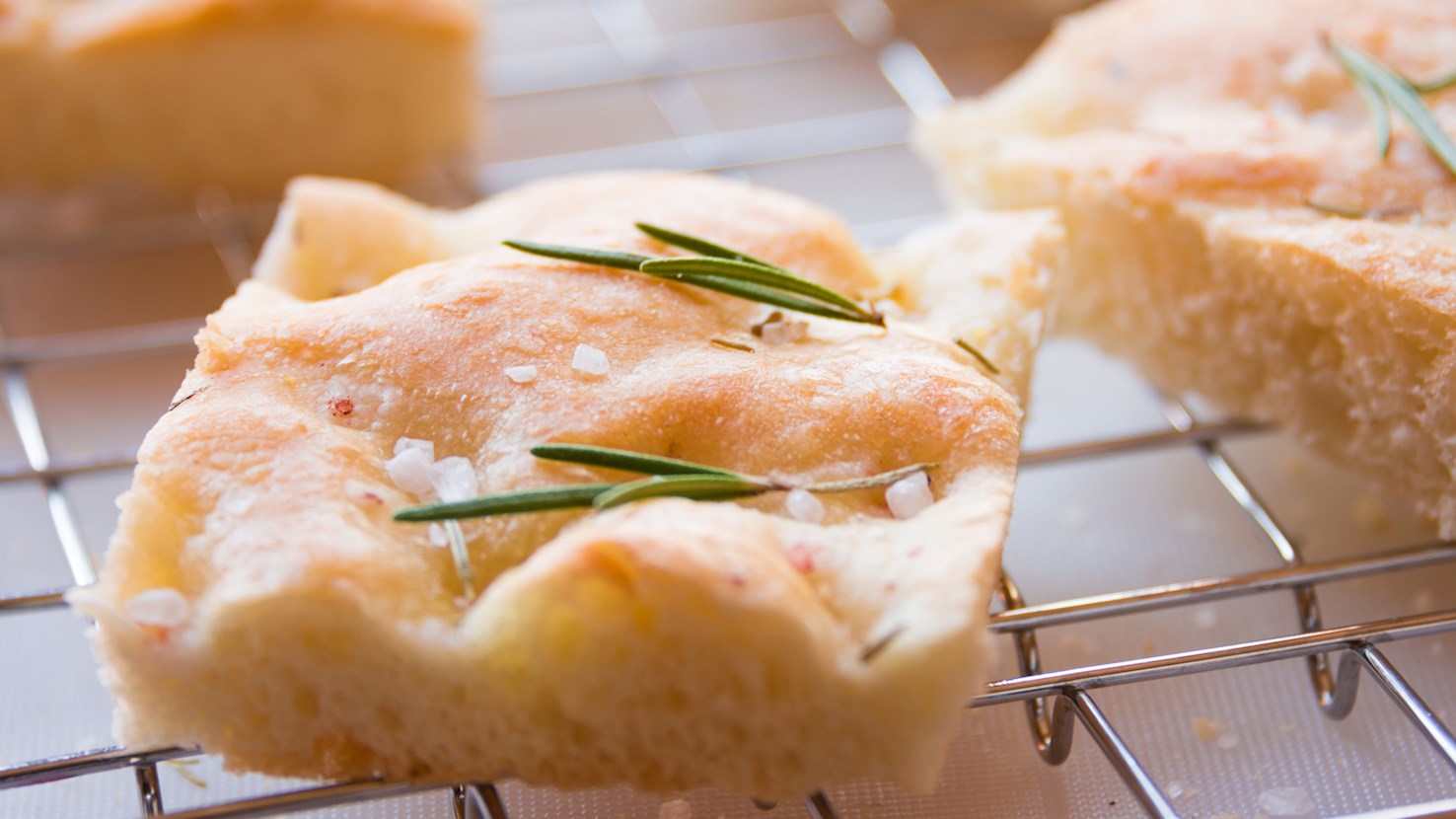
Pizza bianca or white pizza is a variety of pizza which omits tomato sauce from the equation, often substituting it with pesto or sour cream. In Rome, pizza bianca is prepared with no sauce whatsoever, and it is instead topped with salt and olive oil, while chopped rosemary is sometimes sprinkled on top. There are numerous versions of pizza bianca, and the toppings vary accordingly, but the crucial element in all of them is that there should not be any kind of red sauce on the dough.
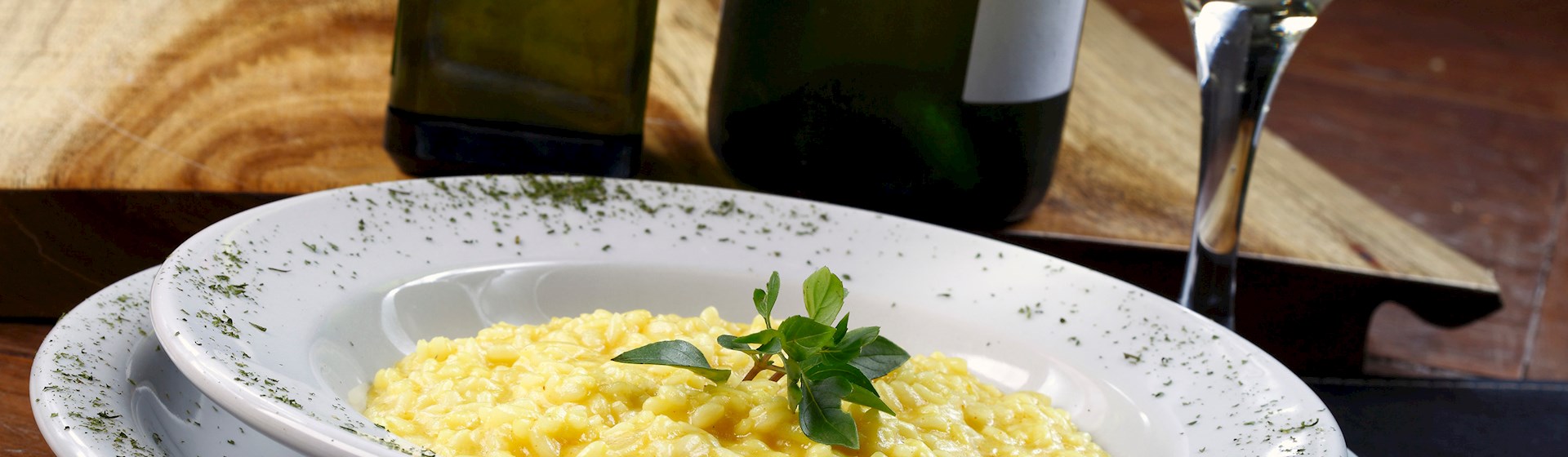
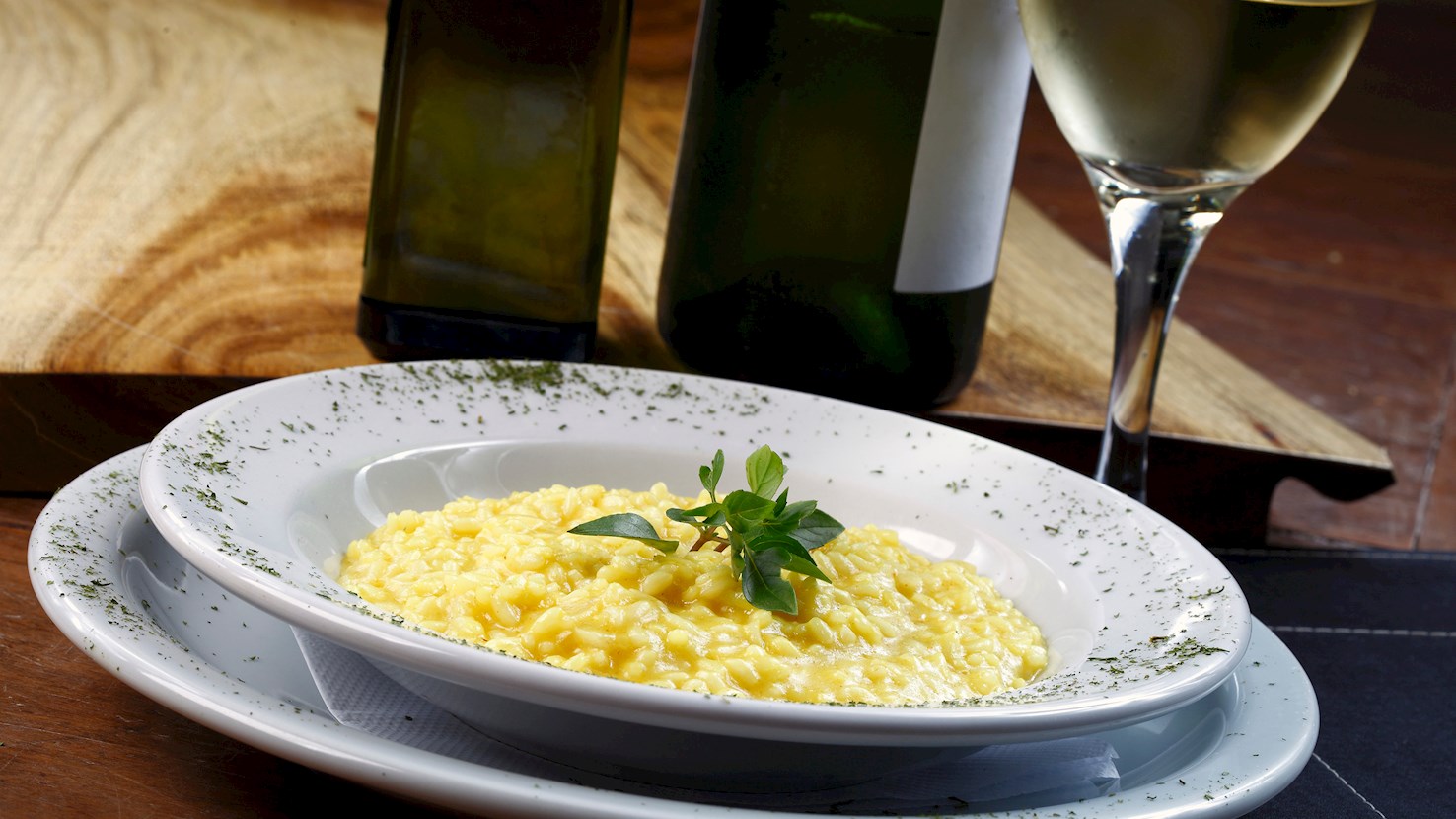
This widely popular and extremely versatile group of dishes consists of a base of rice and stock. Butter, saffron, and parmesan are some of the ingredients most often combined with the base to make a variety of flavorful risottos. The history of the dish is rife with conflicting theories about its origins, however, it is certain that rice was first introduced to Italy by the Arabs during the Middle Ages. Since the Mediterranean climate was perfect for growing short-grain rice, huge amounts of it started to be sold - primarily in Venice, Genoa, and the surrounding areas. As rice gained in popularity, it became a staple food of the Po valley, Lombardy, Piedmont, Veneto, and the city of Milan. It was only a matter of time before rice was combined with saffron, which the Milan region was famous for, and the legendary risotto alla Milanese was invented. Even today, risotto is still usually prepared using the same key components: rice, stock, butter, wine, parmesan, saffron, and onions. The dish is served throughout the world, so there are also a number of varieties with ingredients such as truffles, squid ink, asparagus, sausage, scallops, and veal, among many others.
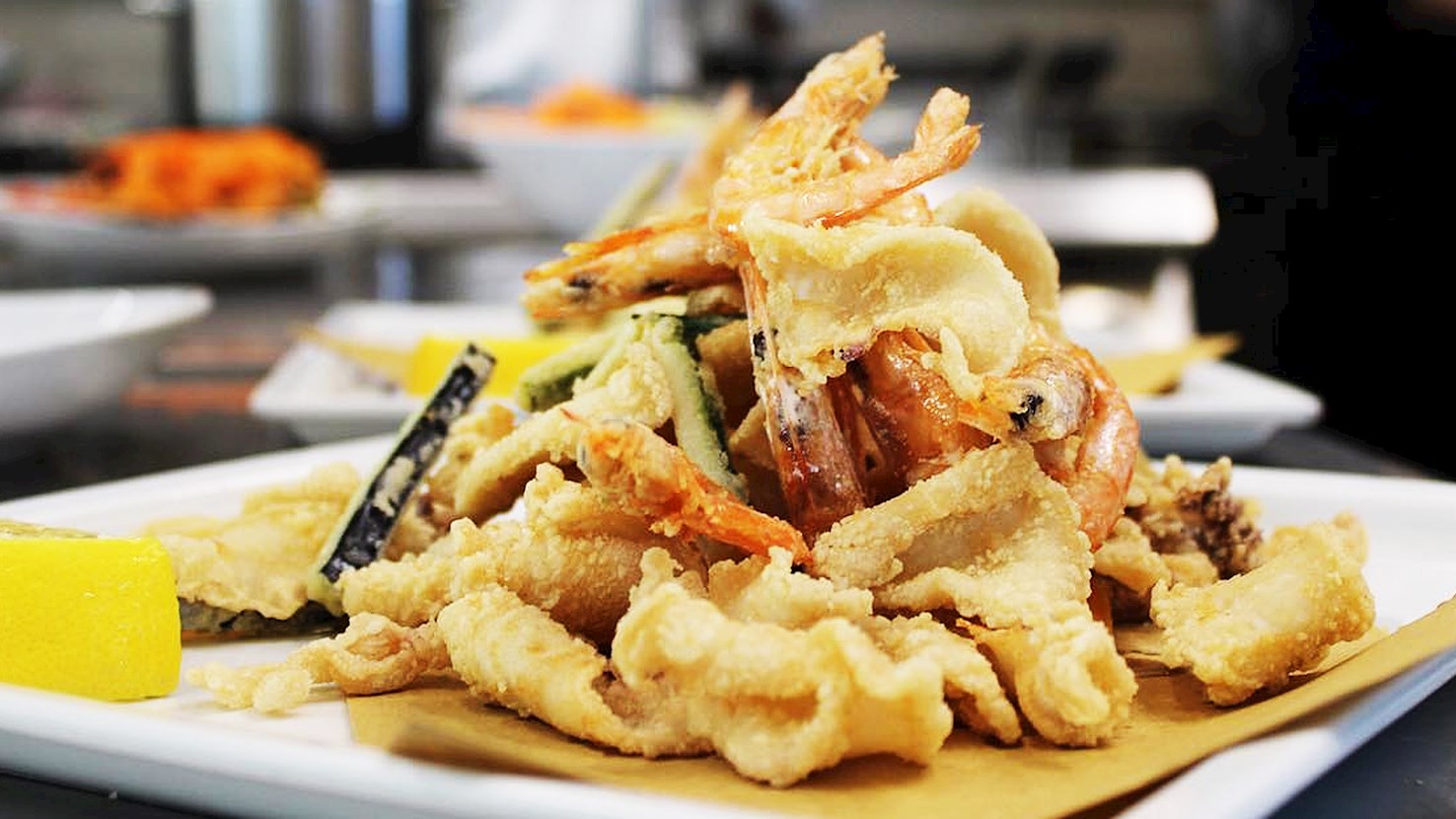
Fritto misto is one of those dishes that differs widely across the country. Along the Italian seaside, it will always include crustaceans and mollusks, typically shrimp and squid, and often paranza, which is a collective name for very small whole fish such as fresh anchovies, sardines, baby mackerel, or mullet. In northern parts of the country, particularly in Piedmont, fritto misto is mostly made with vegetables and, depending on the season, includes semolina, veal brain, brochettes of cheese and prosciutto, sometimes even apples and amaretti biscuits. In the Marche region, every frittura mista includes the famous olive ascolane, green olives stuffed with finely minced meat, often accompanied by fried semolina, squash blossoms and lamb chops; while in the Neapolitan area fritto misto is prepared with no fish other than a few anchovies, crumbed fried mozzarella, and various seasonal vegetables such as cauliflower and artichokes in winter, eggplant and zucchini in summer. Moreover, the Naples-style frittura will sometimes also include sweetbreads, brains and liver with some vegetables and local specialties such as the deep-fried ravioli called panzarotti and Sicilian arancini, fried rice balls. The fritto misto alla Fiorentina contains no fish or fruit, but lambs' brains, crumbed lamb cutlets, rabbit legs, batter-dipped and deep-fried cauliflower florets, whole artichokes, zucchini batons, chicken thighs, and animelle or sweetbreads instead of the aforementioned ingredients. Also depending on the region, fritto misto is sometimes batter-fried, but the simplest method of preparing it is lightly coating the food in flour and quickly deep-frying it in hot oil until it forms a nice golden brown crust.
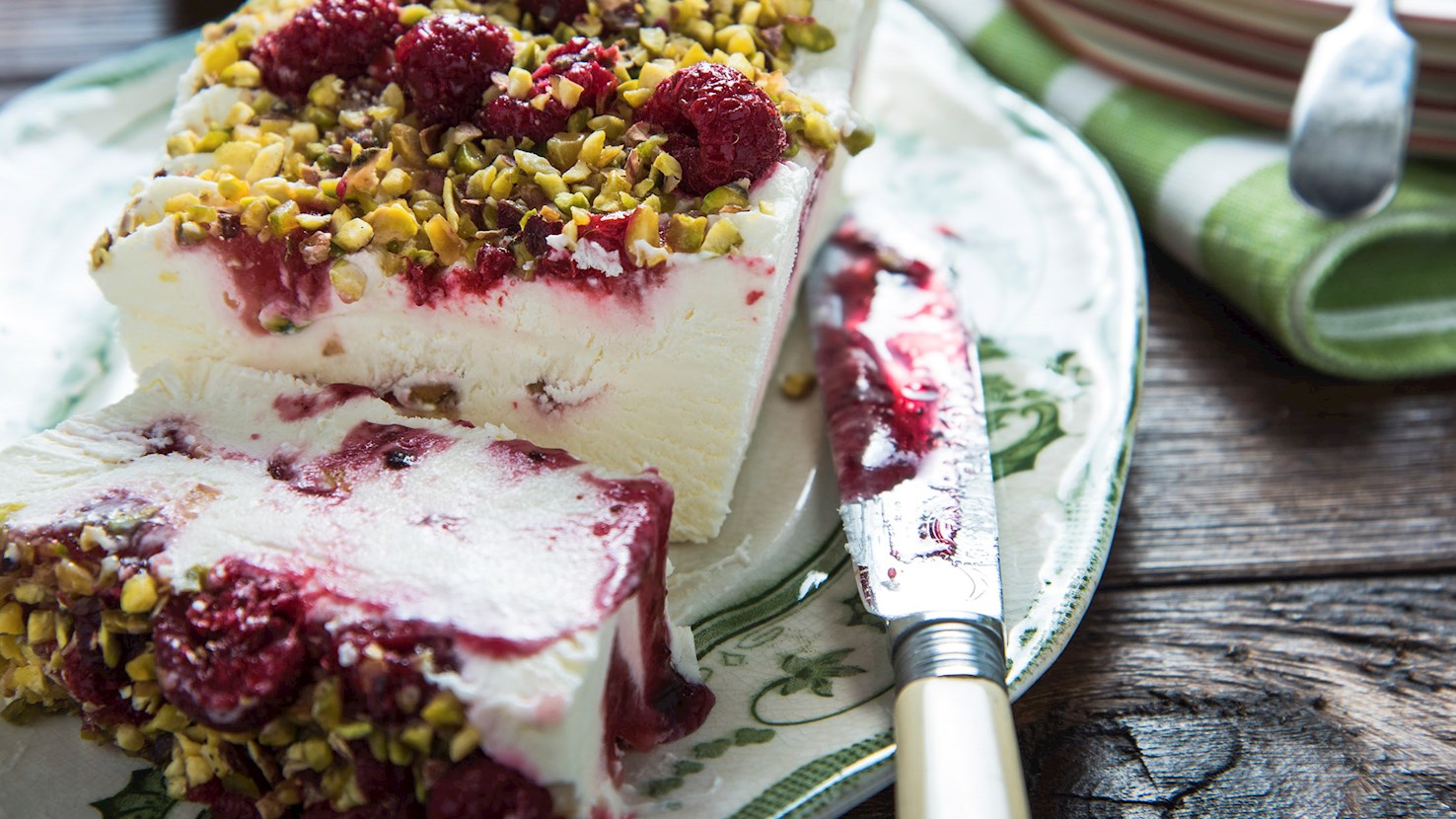
Semifreddo is made by gently folding whipped cream into a thick and glossy Italian meringue which can be flavored with just about anything: nuts, fruits, nougat, vanilla, chocolate, or even crema pasticcera - a thick Italian custard cream. This sublime creation falls halfway between mousse and ice cream, though it is one of a few desserts that can easily stand up to the greatness of both. Semifreddo (lit. half-cold) is chilled until it sets and it is then served semi-frozen, while its unbelieveably light, almost ethereal texture makes it melt on the tongue. The first recipes for semifreddo that appeared around the turn of the 20th century were clearly a spin on the classic French parfait (lit. perfect; flawless). However, a famous Italian chef, journalist, and food historian named Marino Marini wrote that "Italian semifreddo is more perfect than French parfait," due to its superior sensation of creaminess.
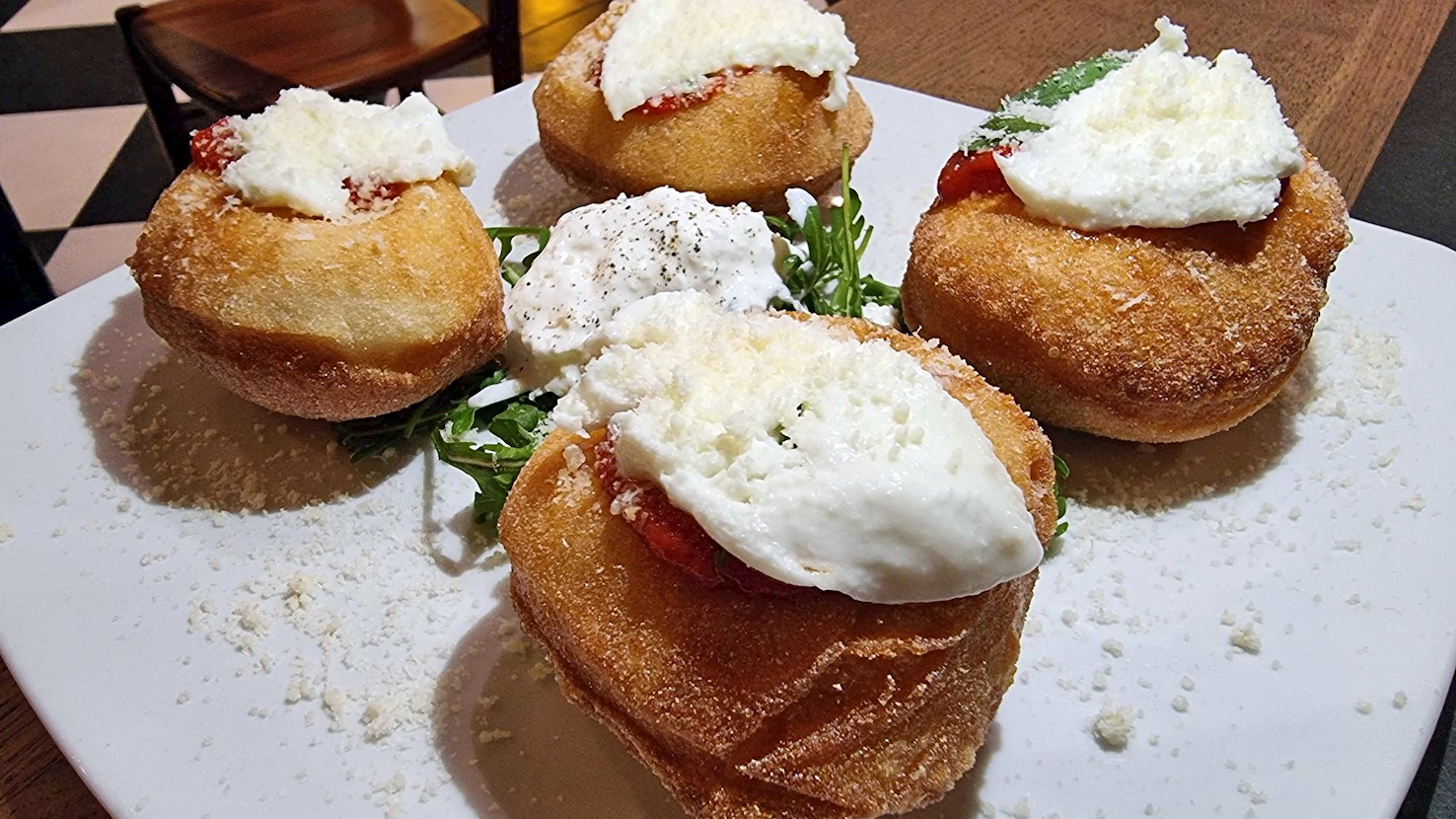
A representative of traditional Neapolitan cuisine, pizzelle napoletane are small deep-fried pizzas that are traditionally topped with tomato sauce, mozzarella or grated Parmigiano Reggiano cheese, and fresh basil leaves. Often referred to as montanare or montanarine because of their resemblance to pizza montanara, these pizzas are prepared with soft, leavened and yeasty dough that is shaped into round, flattened pizzas, which are then fried in oil and become puffy and light. Once a staple of Naples’ cucina povera, pizzelle napoletane are nowadays a favorite street food item sold by numerous street vendors throughout the city. Savory and flavor-packed, these tiny fried pizzas are usually served as appetizers in Neapolitan restaurants and pizzerias, but they are also commonly served as party snacks.
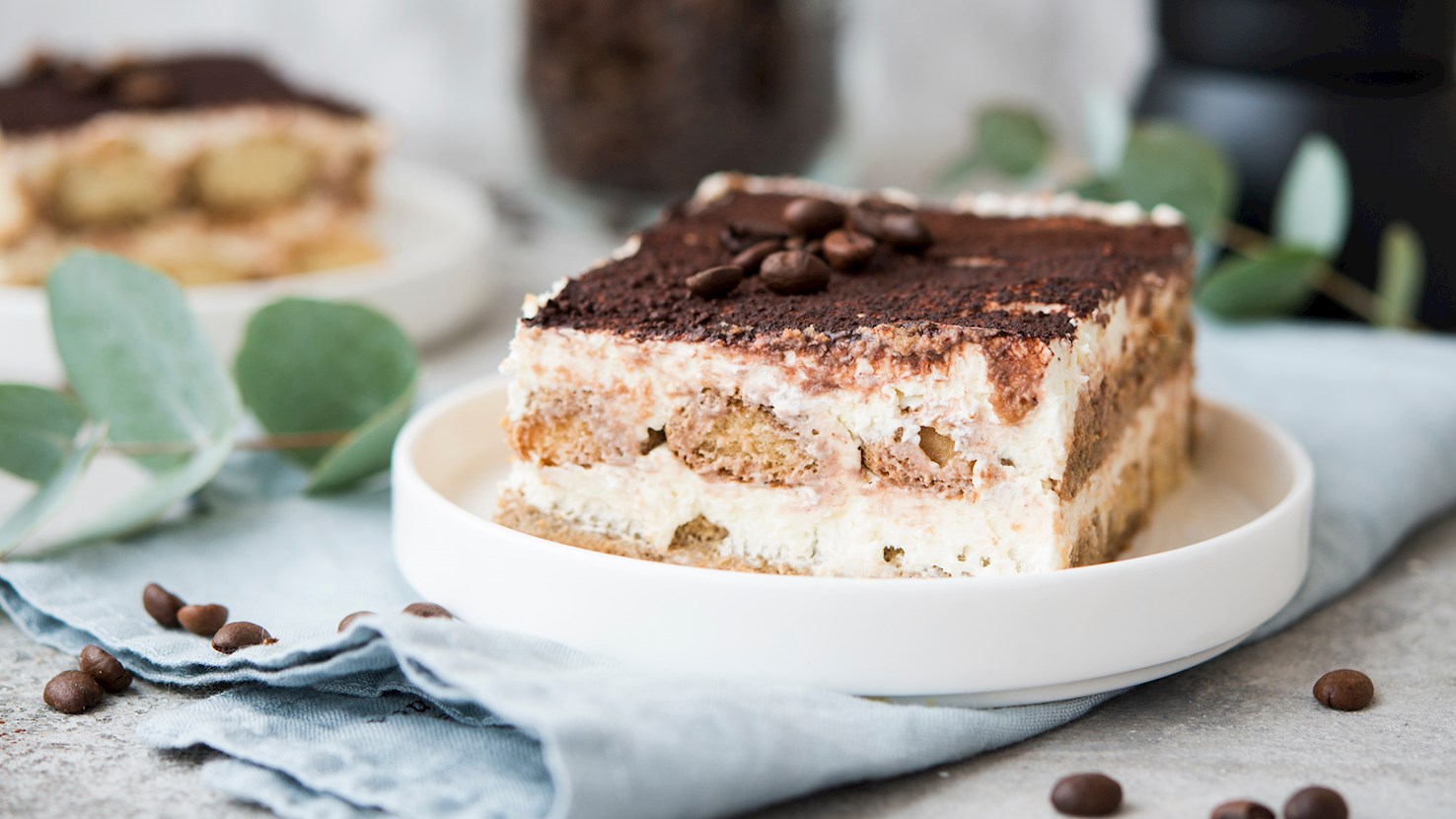
Even though tiramisù is actually a fairly recent invention, this dessert of coffee-soaked ladyfingers layered with mascarpone cream enjoys an iconic status among Italian desserts. Its name stems from the phrase tirami sù, an Italian expression which literally means pick me up, a reference to the uplifting effects of sugar, liquor, and coffee. The origins of tiramisù are heavily disputed between Veneto and Friuli-Venezia Giulia regions, but it is often suggested that the first was made in Veneto in the early 1960s. The earliest documented recipe for tiramisù (interestingly, without alcohol!) was printed in the 1981 spring edition of Vin Veneto magazine in an article on coffee-based desserts by Giuseppe Maffioli, a renowned food critic and member of the Italian Academy of Cuisine. However, in August 2017, Friuli-Venezia Giulia's tiramisu was officially added to the list of traditional regional dishes, but a Veneto local won the Tiramisu World Cup in November 2017, so the playing field is somewhat levelled once again. Regardless of these disputes, the perfect tiramisù should always deliver a serious caffeine kick from a shot of strong espresso, while brandy-fortified Marsala wine adds a nice sweet buzz. In 2021, Ado Campeol, the owner of the restaurant where tiramisù is widely thought to have been invented, has died.
TasteAtlas food rankings are based on the ratings of the TasteAtlas audience, with a series of mechanisms that recognize real users and that ignore bot,
nationalist or local patriotic ratings, and give additional value to the ratings of users that the system recognizes as knowledgeable.
TasteAtlas Rankings should not be seen as the final global conclusion about food. Their purpose is to promote excellent local foods,
instill pride in traditional dishes, and arouse curiosity about dishes you haven’t tried.



What People Say