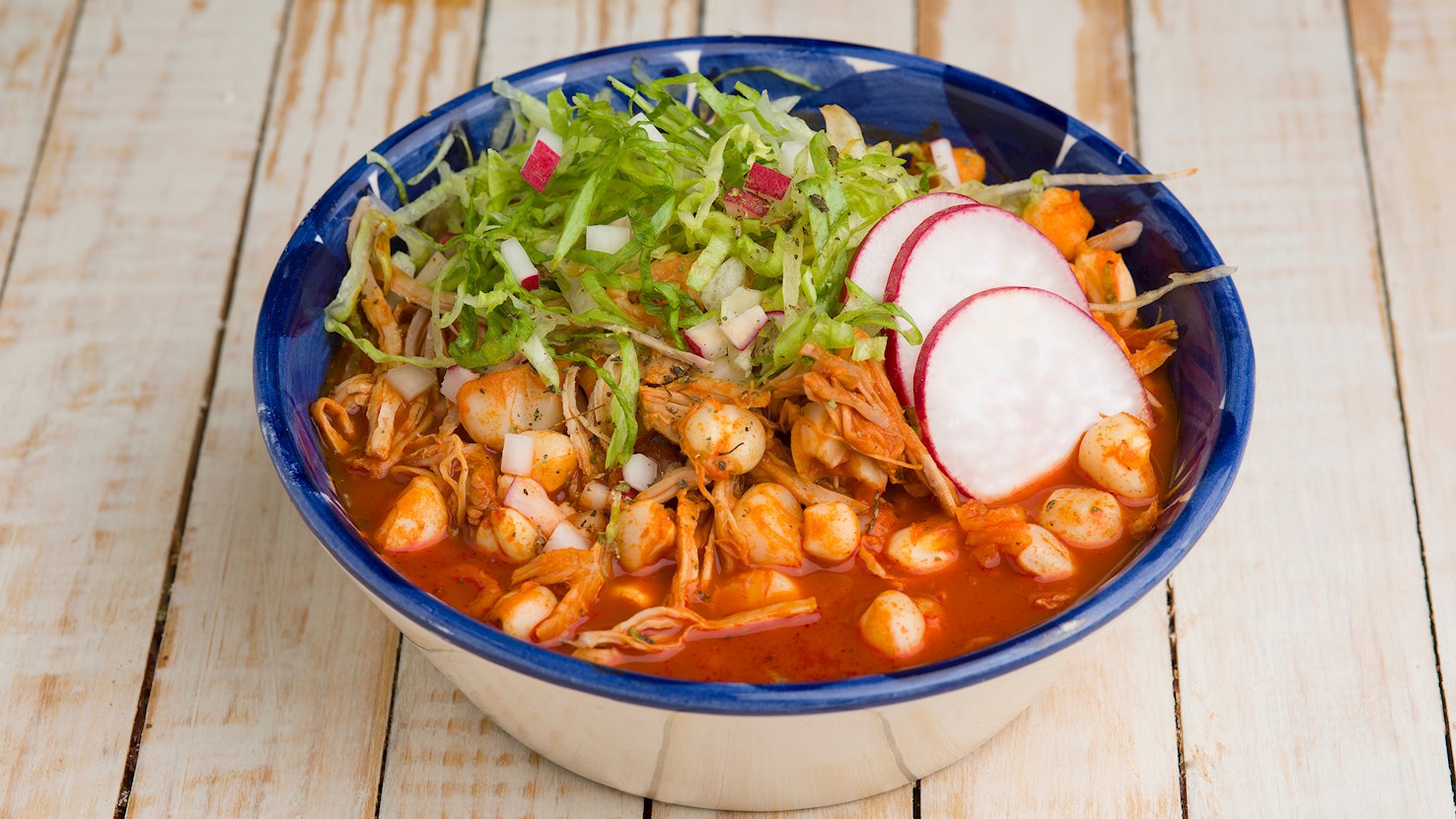
Pozole is a soupy and aromatic one-bowl stew from Mexico, usually served to crowds on special occasions and celebrations such as Christmas, weddings, or birthdays. Its main ingredient is nixtamal or hominy - large, dried corn kernels that are pre-cooked in an alkaline solution in order to soften them. The process, known as nixtamalization, makes the solution foamy or potzolli in Nahuatl, which is how pozole got its name. Other ingredients in the dish include a variety of herbs, spices, and meat such as pork, chicken, or seafood, depending on the region. Usual garnishes include lettuce, onion, oregano, pepper, fried tortillas, and lime, so that each guest can add something to the dish according to their preference. The dish has an extremely unusual history - it was invented in pre-Hispanic times and was used in ritual sacrifices, when corn and pieces of human flesh were offered to the gods. After the Spaniards' arrival, cannibalism was banned, and pork became the meat of choice because it tasted similar to human flesh. The Mesoamericans believed that the gods created people out of masa (cornmeal dough), so hominy corn remained in the dish. Pozole can be served in a red, white, or green broth, symbolizing the colors of Mexico's flag. It is also a well-known and popular cure for hangovers, especially in restaurants known as pozolerías that specialize in it. In the state of Guerrero, pozole is especially beloved - at the moment, there are four versions of pozole in this Mexican state.
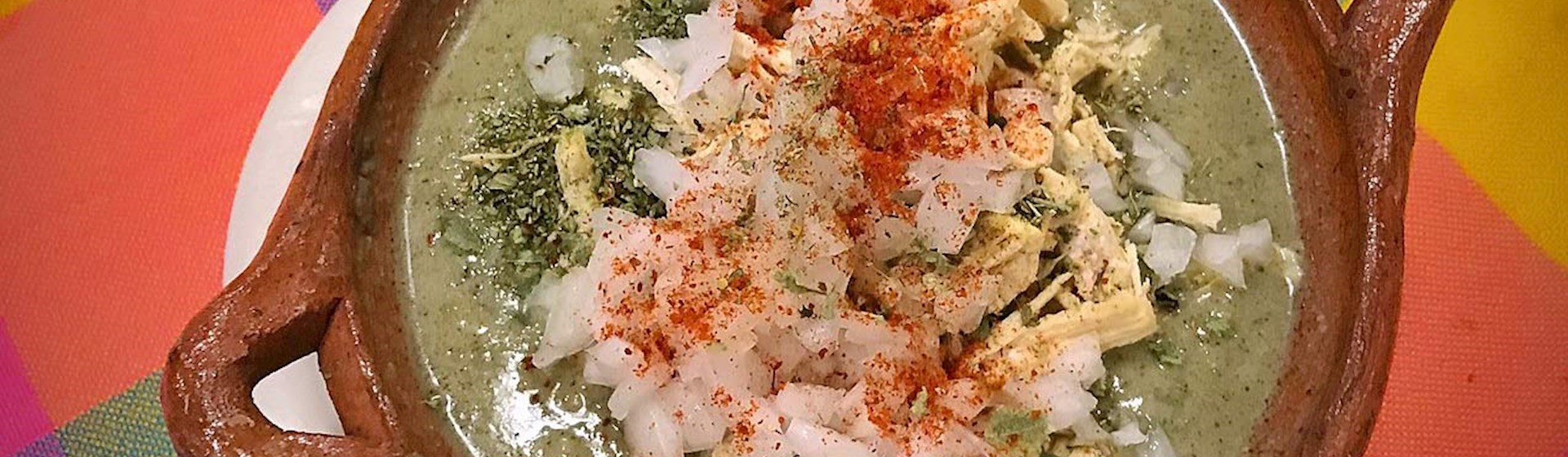
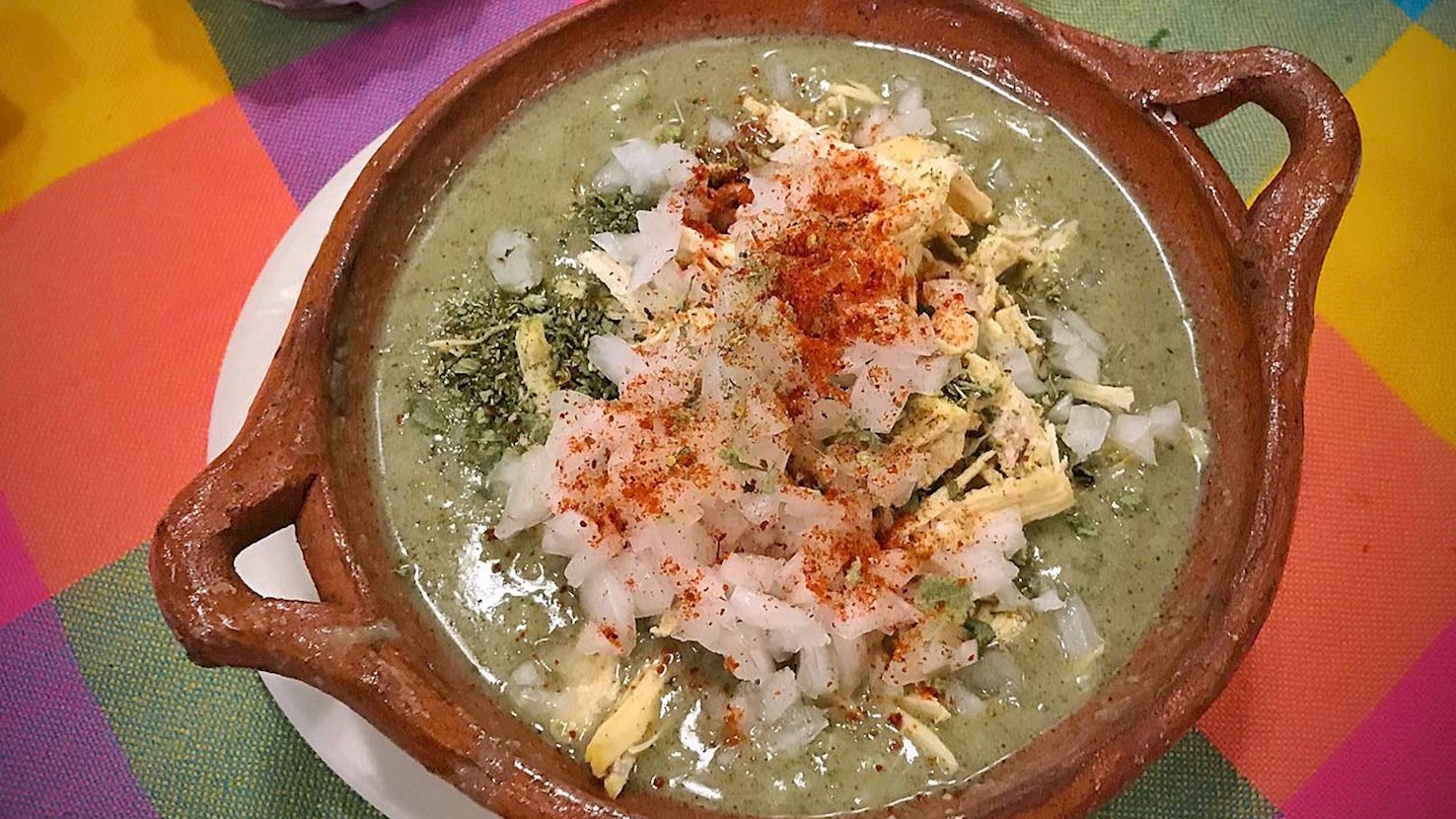
Pozole is a soupy and aromatic Mexican stew that comes in three versions – red, white, and green, symbolizing the colors of the Mexican flag. Although there are many variations, pozole verde or green pozole is usually made with a combination of hominy, chicken or pork (or both), onions, garlic, salt, and a green sauce consisting of poblano and jalapeño peppers, green tomatoes, lettuce, radish or spinach leaves, oregano, cumin, pumpkin seeds, salt, garlic, and onions. The ingredients are covered with water, simmered until everything is fully cooked, and then mixed with the sauce and simmered for a few more minutes. The stew is served in individual bowls and it's usually garnished with shredded lettuce, diced onions, lime wedges, and chicharrónes.
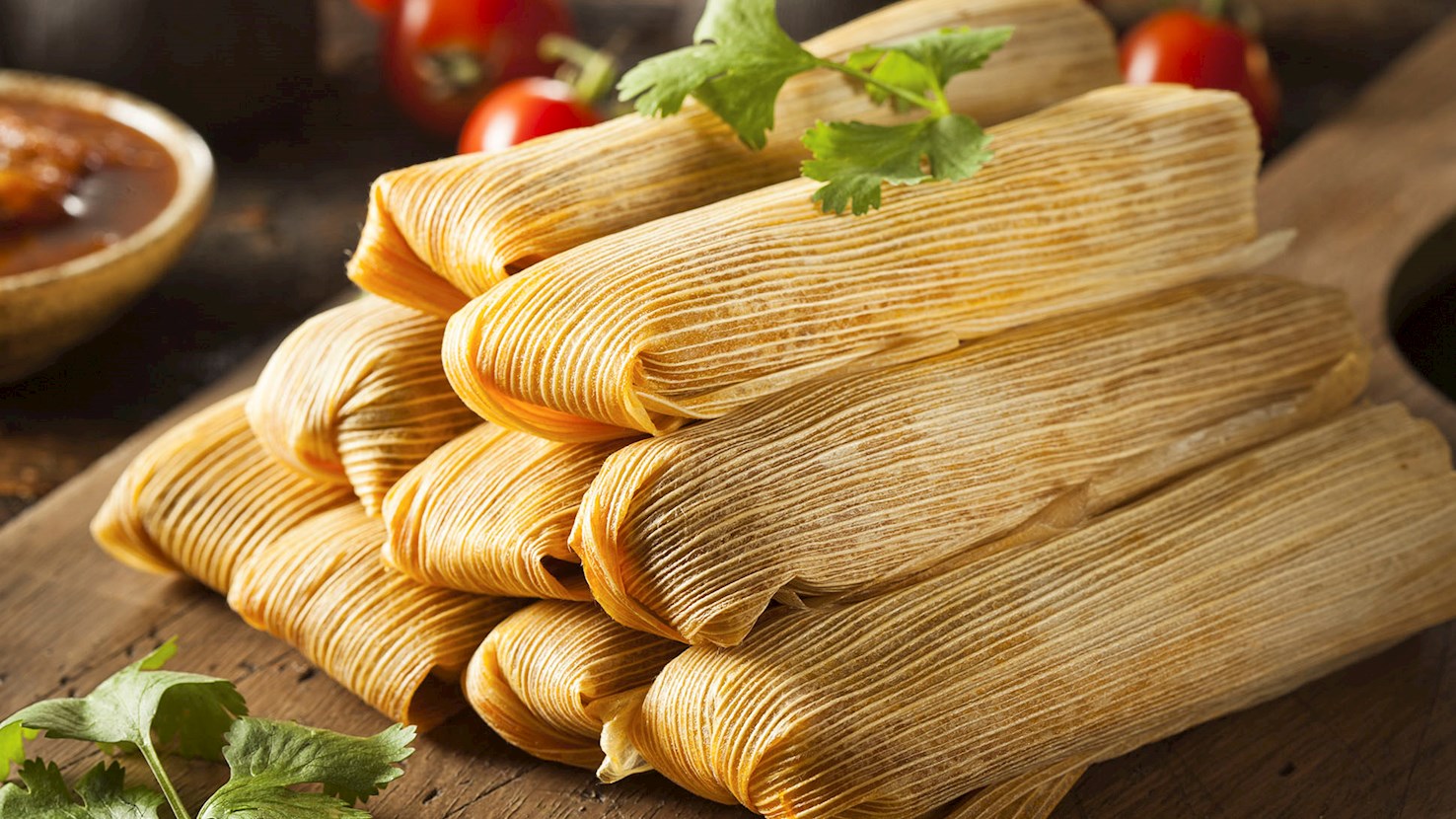
Tamal is a dish dating back to the Aztecs, consisting of corn masa dough with a filling that can be either savory or sweet, steamed and wrapped in corn husks, leaves, or banana leaves. The tamales are traditionally accompanied by atole, a masa drink. Even though it is common for Mexican food to be served with a variety of sauces and salsas, tamales are the exception because they are usually eaten plain and simple without any sauces, although it is not a rule set in stone. One of the first records of tamales dates back to the 1550s when the Spaniards were served the dish by the Aztecs who made them with beans, meat, and chiles. Today, the fillings can be anything from beans to chicken, fish, pork, hard cooked eggs, pumpkin seeds or squash. Tamales rojo (red tamales) are filled with shredded meat such as beef or pork in a red chili sauce. Tamales verde (green tamales) have the same meat and a different sauce made from sour, green tomatillos. Tamales dulce, the sweet variety, is filled with dried fruits such as raisins or berries. Hot and flavorful tamales vary by region. In Culiacan and Sinaloa, they like them with sweet brown beans, pineapple, and corn. In Oaxaca, tamales are drizzled with the regional speciality called black mole, and in Yucatan, there is a variety with a filling consisting of chicken, tomato, and achiote. Whatever the variety, tamales have a special place in the colorful Mexican cuisine and culture.
TasteAtlas food rankings are based on the ratings of the TasteAtlas audience, with a series of mechanisms that recognize real users and that ignore bot,
nationalist or local patriotic ratings, and give additional value to the ratings of users that the system recognizes as knowledgeable.
TasteAtlas Rankings should not be seen as the final global conclusion about food. Their purpose is to promote excellent local foods,
instill pride in traditional dishes, and arouse curiosity about dishes you haven’t tried.


What People Say