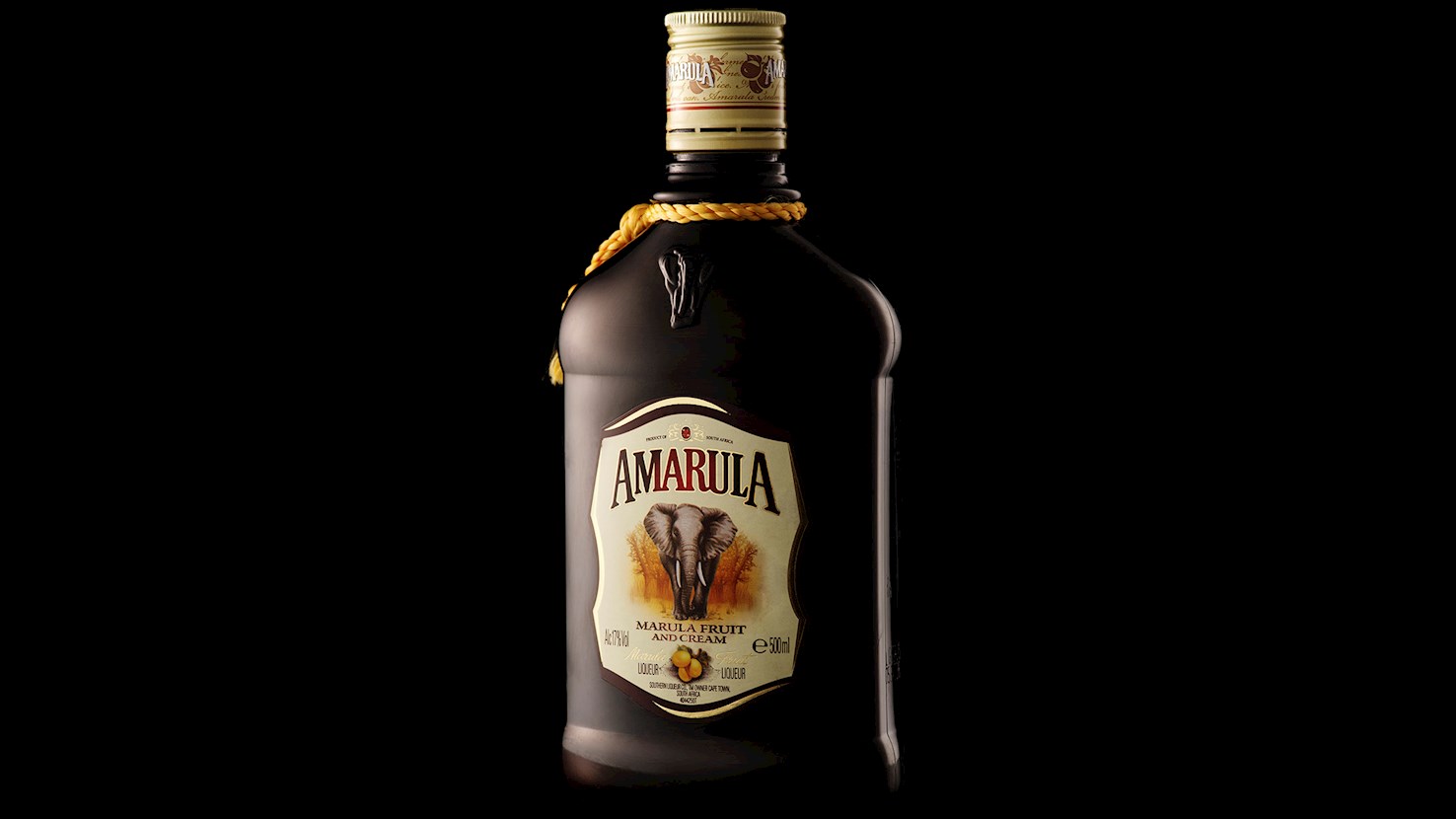
Hailing from South Africa, this cream liqueur is produced with a base spirit that is distilled from carefully selected and hand-picked fruits of African marula, which is also known as elephant tree. The base is aged and then combined with sugar and cream to create a rich liqueur that is characterized by its slight caramel flavor and underlying notes of vanilla and spices. Since marula fruit is a treat for elephants, the brand has turned them into a trademark, and actively work on their protection. Amarula is best served well-chilled, preferably over ice, but it also blends well into cocktails, especially those based on whiskey or vodka.
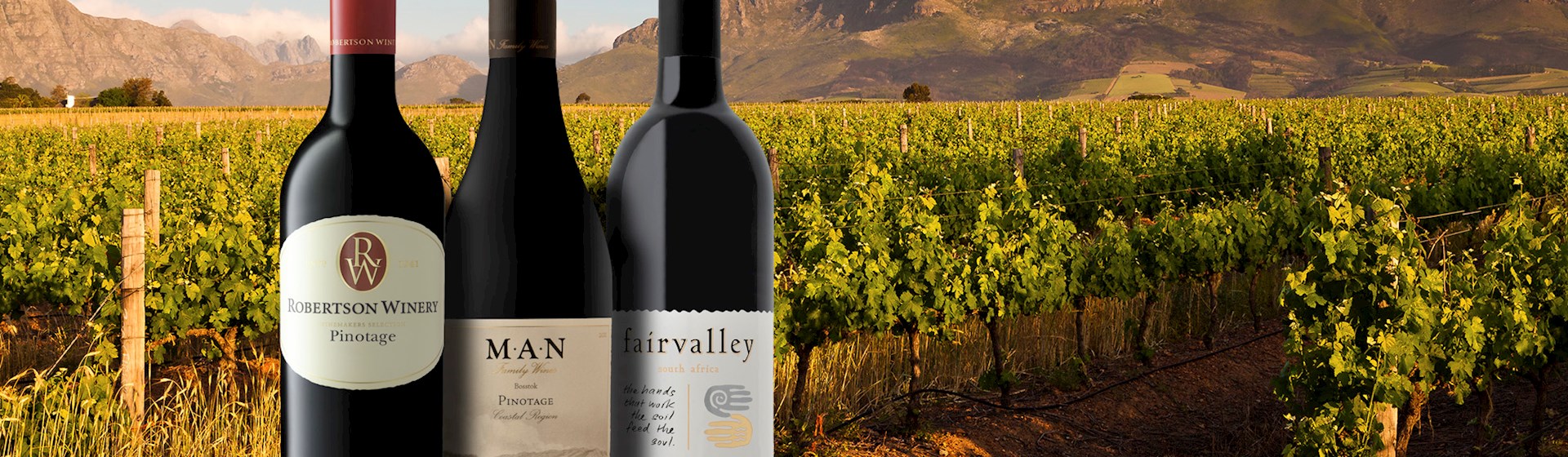
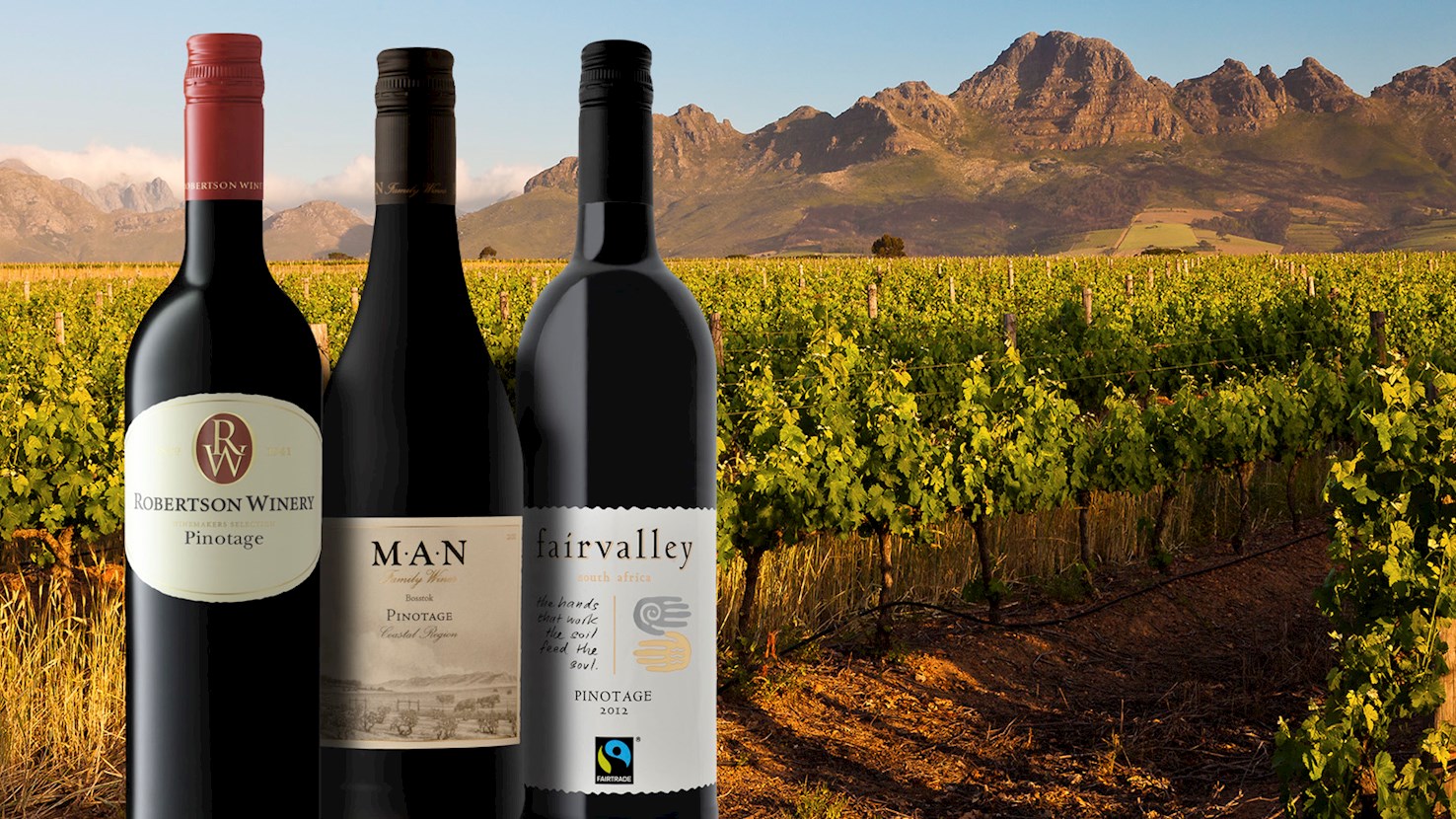
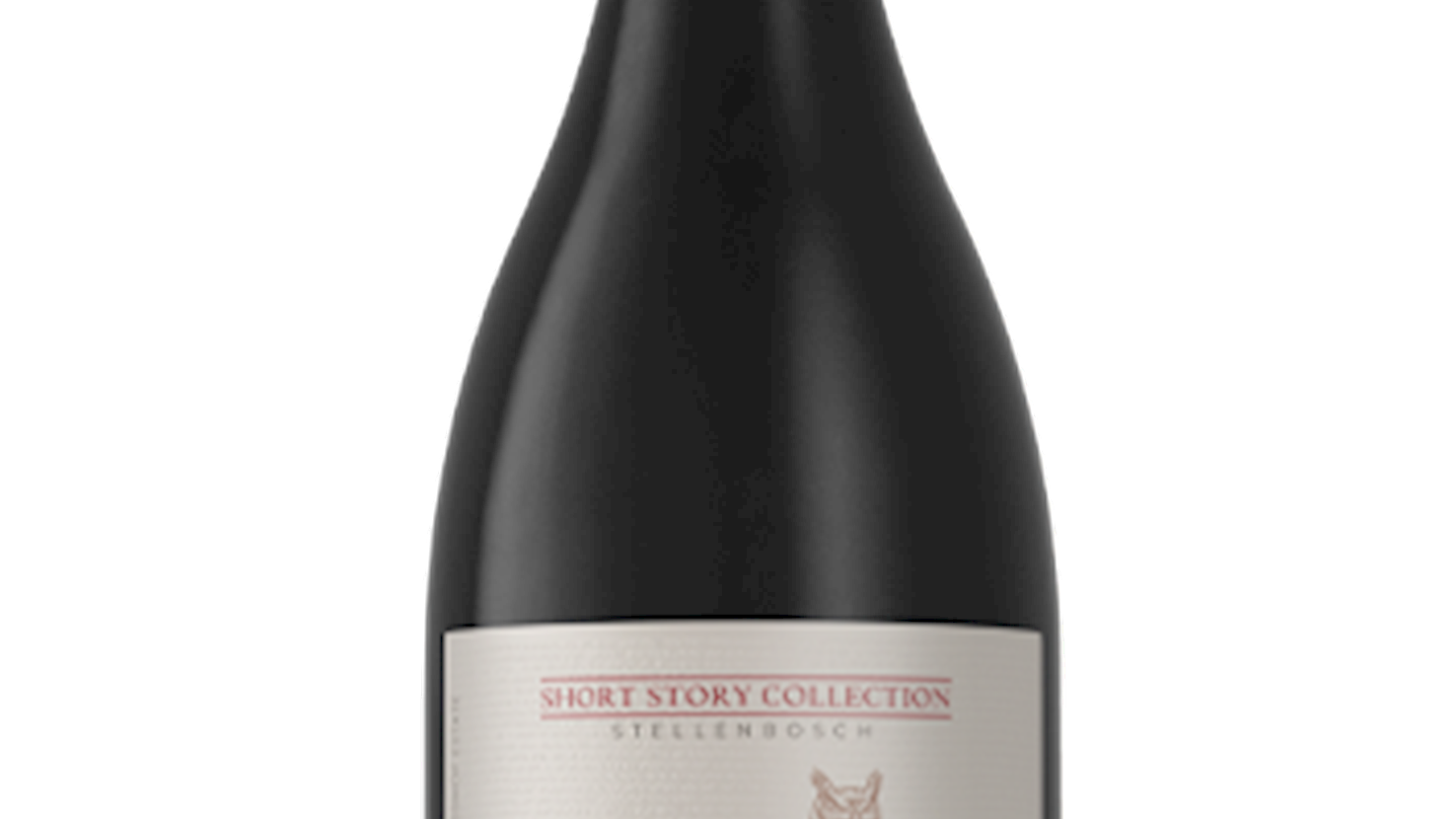
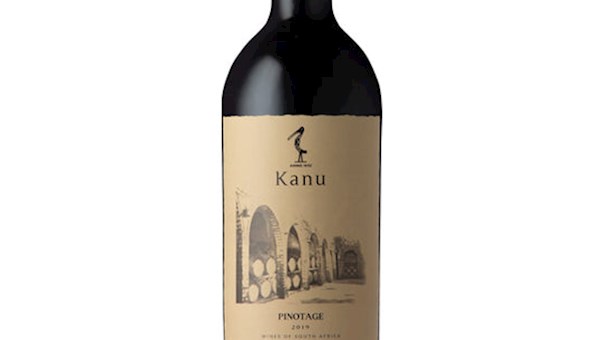
Pinotage is a red wine grape variety created in South Africa and now regarded as one of the country’s most distinctive contributions to modern viticulture. It is a crossing of Pinot Noir and Cinsaut, the latter historically known in South Africa as Hermitage, which explains the name: Pinot from Pinot Noir and -tage from Hermitage. South Africa remains by far its most important producer, with significant plantings in Stellenbosch, Paarl, Swartland, Wellington, Durbanville, and other Cape wine regions. Pinotage can produce styles ranging from fresh, medium-bodied reds with cherry and berry flavors to concentrated, oak-aged wines showing darker fruit, spice, chocolate, and substantial structure. It is also used for rosé, sparkling wine, and Cape Blends. The variety was created in 1925 by Abraham Izak Perold, the first professor of viticulture at Stellenbosch University. He crossed Pinot Noir with Cinsaut in an attempt to combine qualities of Pinot Noir with the vigor and adaptability that Cinsaut had shown under Cape conditions. Only four seeds resulted from the crossing, and these were planted at Welgevallen, the university’s experimental farm. The seedlings were later moved to Elsenburg Agricultural College, where one was selected for further propagation. The first experimental Pinotage wine was made at Elsenburg in 1941, while the first recorded commercial vineyard was planted at Myrtle Grove near Somerset West in 1943. Pinotage initially attracted limited attention and was often blended anonymously into red wines. A major change came with the 1959 vintage from Bellevue in Stellenbosch, made by P.K. Morkel. It won the General Smuts Trophy at the Cape Young Wine Show, demonstrating the quality potential of the variety. Stellenbosch Farmers’ Winery later released the wine under the Lanzerac label, and the 1959 Lanzerac Pinotage, commercially released in 1961, became the first varietal Pinotage to carry the grape name prominently on the label. Wider planting followed, but quality was inconsistent. High yields, unsuitable sites, excessive extraction, and poor fermentation control sometimes produced wines with harsh tannins or strong volatile aromas described as acetone, burnt rubber, or overly ripe banana. These characteristics were once treated as inherent to Pinotage, but better vineyard management and winemaking later showed that they were not unavoidable. From the late twentieth century onward, producers increasingly focused on lower yields, better site selection, controlled fermentation temperatures, restrained extraction, and more careful oak use. The Pinotage Association, founded in 1995, also played an important role in promoting research and quality. Pinotage remains an important South African variety and accounts for roughly seven to eight percent of the country’s vineyard area. Modern producers now emphasize regional and site differences rather than one standardized style. Stellenbosch is especially associated with structured and age-worthy examples, while Swartland, Durbanville, Wellington, Paarl, and other regions can produce fresher or more fruit-driven expressions. In the vineyard, Pinotage ripens relatively early and develops deep color easily. Harvest timing is important because sugar can accumulate quickly in warm conditions. Later picking generally produces fuller wines with higher alcohol and darker fruit, while earlier harvesting can preserve fresher red-fruit flavors and acidity. South Africa also contains old Pinotage vineyards dating from the middle decades of the twentieth century, some of which are still used for premium wines. After harvest, Pinotage is generally vinified like other red grapes. The juice ferments in contact with the skins, with pump-overs or punch-downs used to extract color, flavor, and tannin. Most red Pinotage undergoes malolactic fermentation before maturation in stainless steel, concrete, neutral vessels, or oak barrels. Oak-aged examples may develop vanilla, toast, coffee, chocolate, and spice, while producers seeking a fresher style increasingly use older barrels or minimal oak. Typical aromas include plum, cherry, blackberry, raspberry, and blackcurrant. Riper versions may show prune and dark fruit, while aging can introduce tobacco, earth, cocoa, smoke, and spice. Despite having two relatively lighter-colored parent varieties, Pinotage naturally produces deeply colored wines. Young examples can be strongly fruit-driven, while well-structured versions can develop for a decade or longer. Pinotage is also important in Cape Blends, where it is combined with varieties such as Cabernet Sauvignon, Shiraz, Merlot, or Cabernet Franc. Rosé Pinotage is widely produced and usually emphasizes strawberry, raspberry, and cherry, while sparkling versions can be made using the Cap Classique method. Most red Pinotage is best served at around 16–18°C / 61–64°F. Young, structured bottles may benefit from decanting, while lighter styles can be served slightly cooler. Pinotage pairs particularly well with strongly flavored South African foods. Braaied beef, lamb chops, boerewors, grilled kudu and other game, roast lamb, and smoked or barbecued meats all suit fuller examples. It also works well with bobotie because its ripe fruit can handle the combination of curry spices, meat, dried fruit, chutney, and egg custard. Cape Malay meat dishes, curries, burgers, mushrooms, and mature cheeses are other useful pairings. Lighter Pinotages work better with roast chicken, pork, charcuterie, tomato-based dishes, and grilled vegetables, while rosé versions suit salads, seafood, and mildly spicy food. Pinotage is produced and consumed throughout South Africa, but its strongest connection remains with the Cape Winelands and especially Stellenbosch, where Perold created the variety.
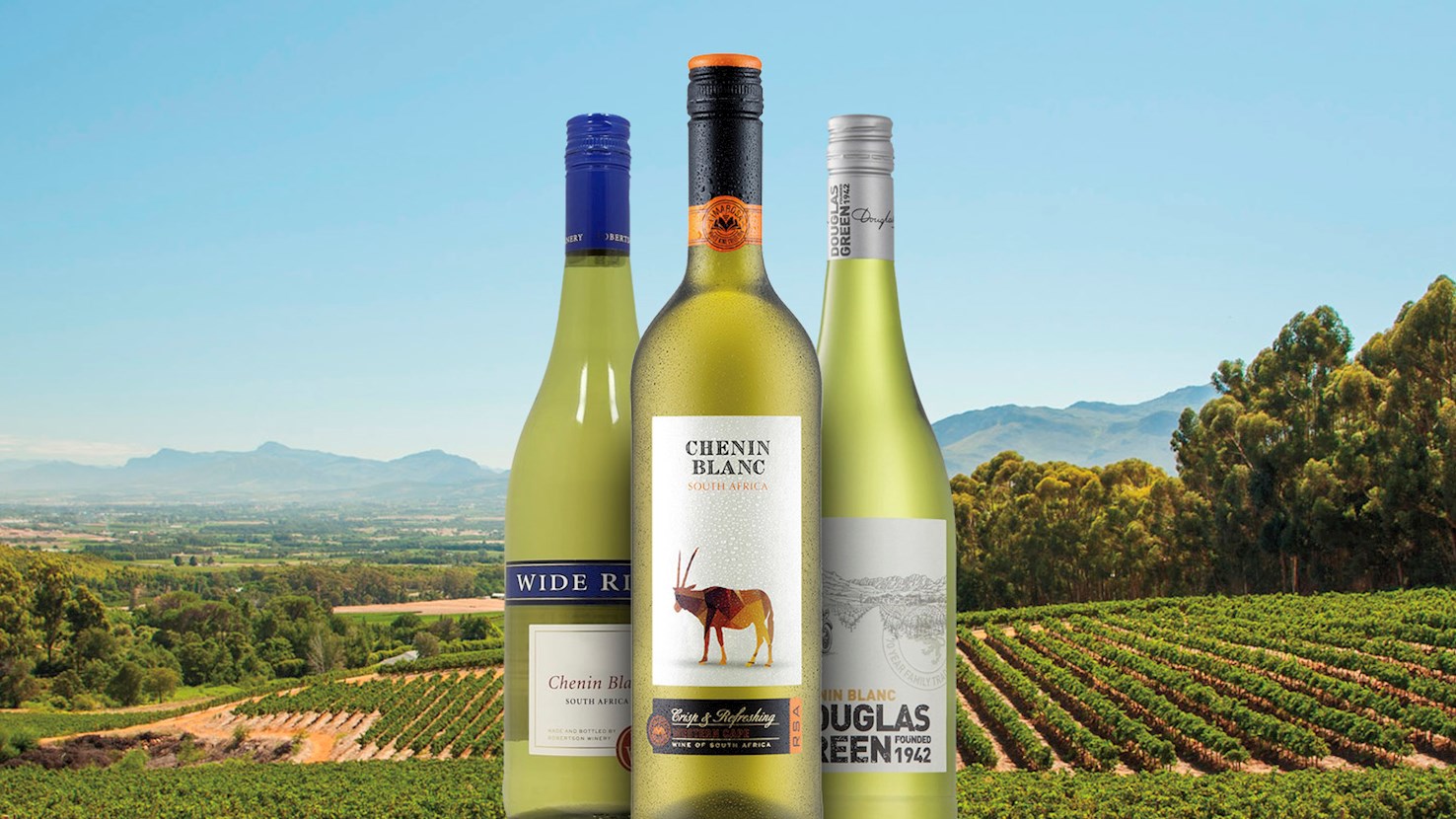
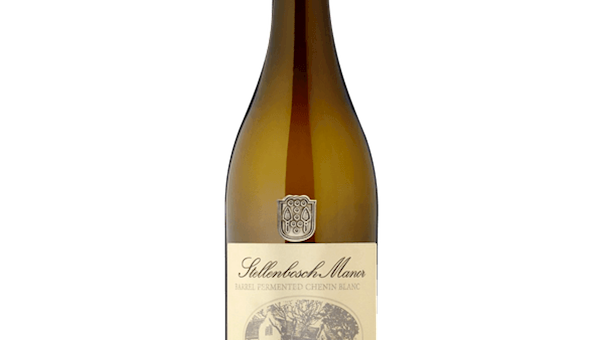
Although Chenin Blanc has its origins in the French Loire valley, it is often cultivated in other wine regions. It has shown great success in South Africa—where it remains the most planted variety and where it is known as Steen. Because it is planted in all wine regions of South Africa, the wines can slightly differ in character depending on the climate and soil composition. Cooler climates will typically result in fruity, citrusy, and light Chenin, while those from warmer areas tend to display notes of ripe tropical fruit, such as melon, mango, or pineapple. Food pairing depends on the style and sweetness, but Asian cuisine or seafood dishes would pair well with this wine.
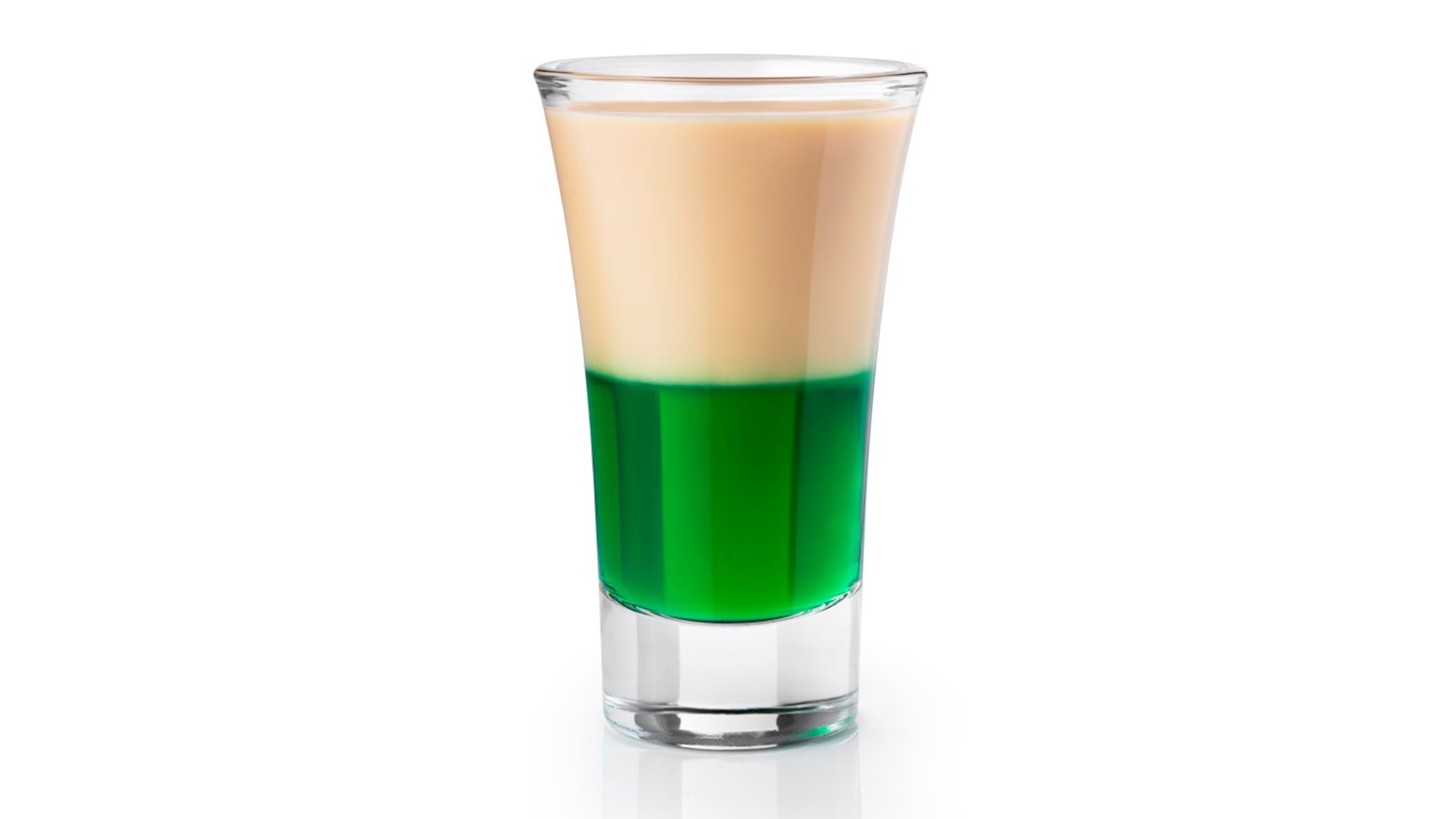
Springbokkie is a South African layered shooter consisting of equal parts crème de menthe and Amarula cream liqueur. In order to prepare it, Amarula should be poured into a shot glass first, followed by crème de menthe. The shooter is traditionally served without garnishes. It got its name after the green and gold jersey colors of the South Africa national rugby team, also known as The Springboks.
Tej is often classified as mead or honey wine. This traditional drink hails from Ethiopia, but it is also common in Eritrea. It is prepared with a mixture of honey, water, and gesho leaves—officially known as Rhamnus prinoides—which are used similarly to hops in beer production. The ingredients are mixed, and the leaves are removed before the combination is left to rest. The result is a subtly sweet drink that can significantly vary in flavor. It is typically cloudy, yellow, and slightly fizzy, but as the popular local saying explains, no two cups of tej are the same. Sometimes, producers may include additional ingredients. Alcoholic strength depends on the length of fermentation, but it is usually around 10 % ABV. Tej is mainly enjoyed at various social gatherings. It is traditionally served chilled in a berele bottle, which has a distinctive shape with a round bottom and a long neck. Tej is often dubbed as the national drink of Ethiopia, and it is best paired with traditional Ethiopian cuisine. Written evidence suggests that it was already a popular drink in the 16th century, but it probably originated earlier.
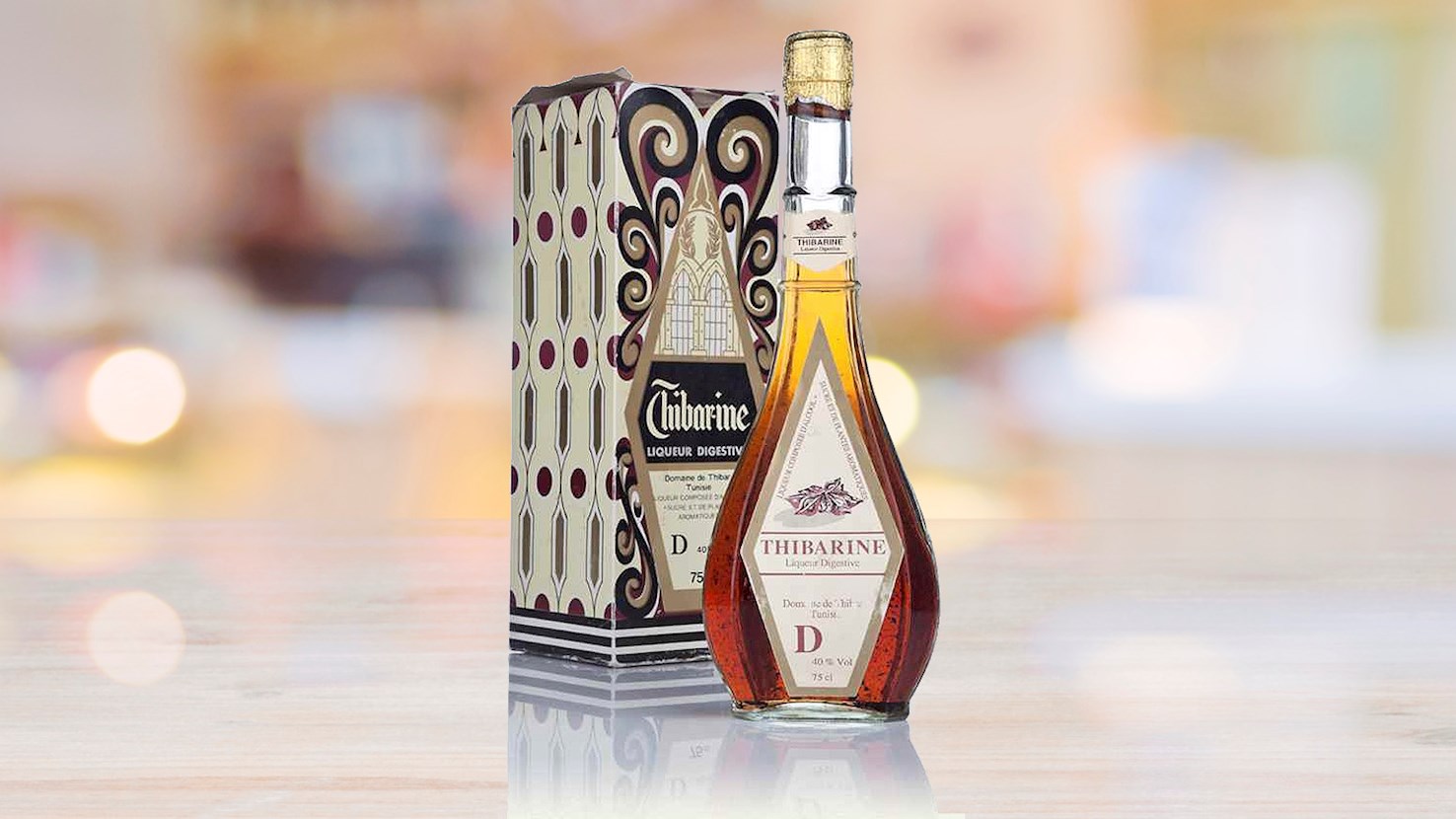
Thibarine is a sweet liqueur that hails from Tunisia. It is often said that it is based on dates, but the exact ingredients and the recipe are held secret. The only known ingredients include alcohol, sugar, and botanicals. The drink was first created in the 1940s by the Missionaries of Africa, known as the White Fathers, at the monastery in Thibar. The drink is usually enjoyed as a digestif, and it is bottled at 40% ABV.
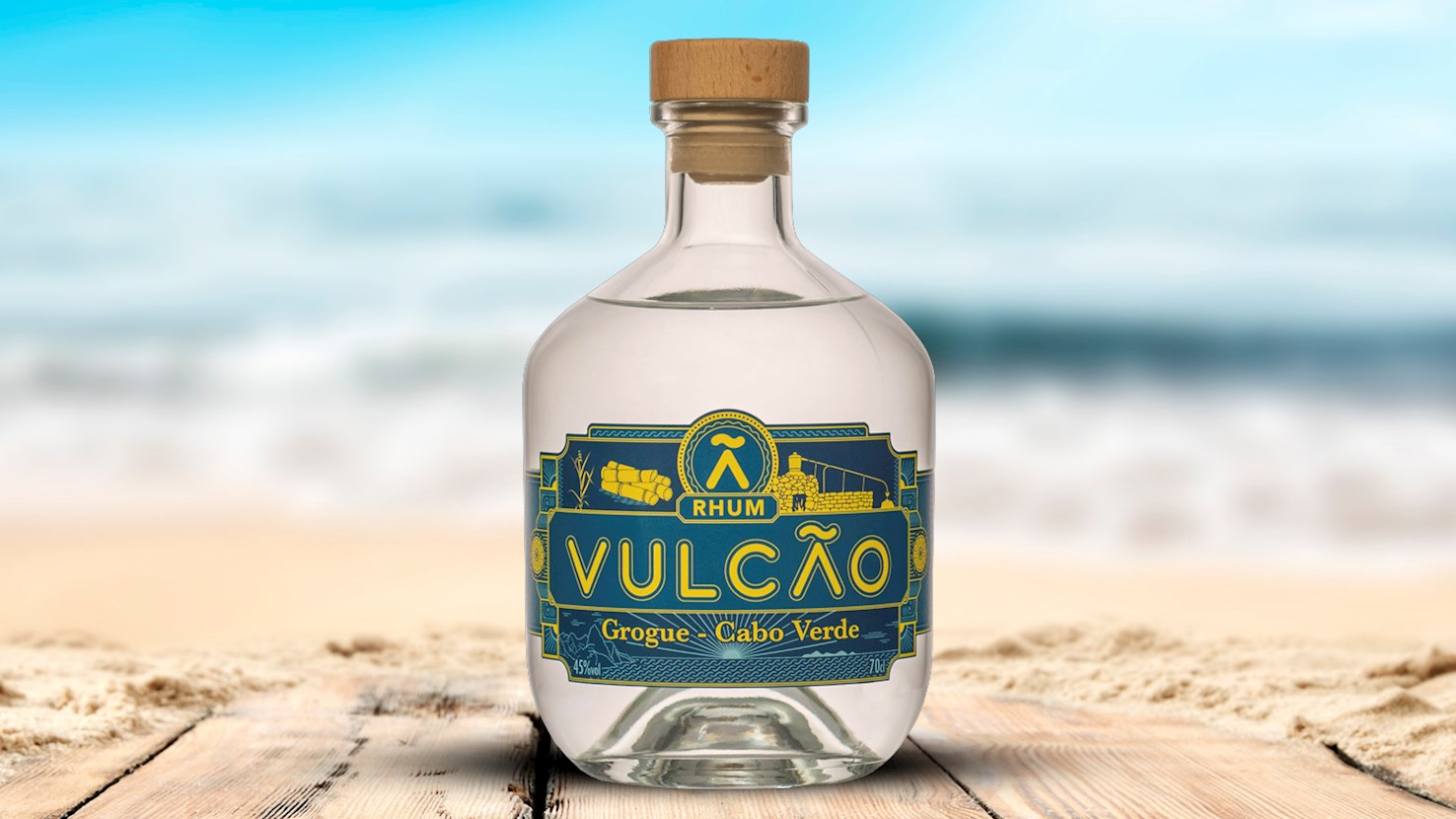
Hailing from Cape Verde, grogue is a sugar cane spirit and a favorite national drink. Though it can be found throughout the archipelago, the center of production is mainly concentrated on the islands of Santo Antão and Santiago, and most production is still artisanal. To produce grogue, sugar cane juice is extracted with a press (trapiche) and is then left to ferment for several days. The juice is then distilled in alembic stills. The drink is clear and potent, sometimes aged, mixed with fruit juice, or infused with herbs. Although it is a common, everyday drink, it is also a staple on special occasions. It can be served neat, but it is also used in cocktails and long drinks.
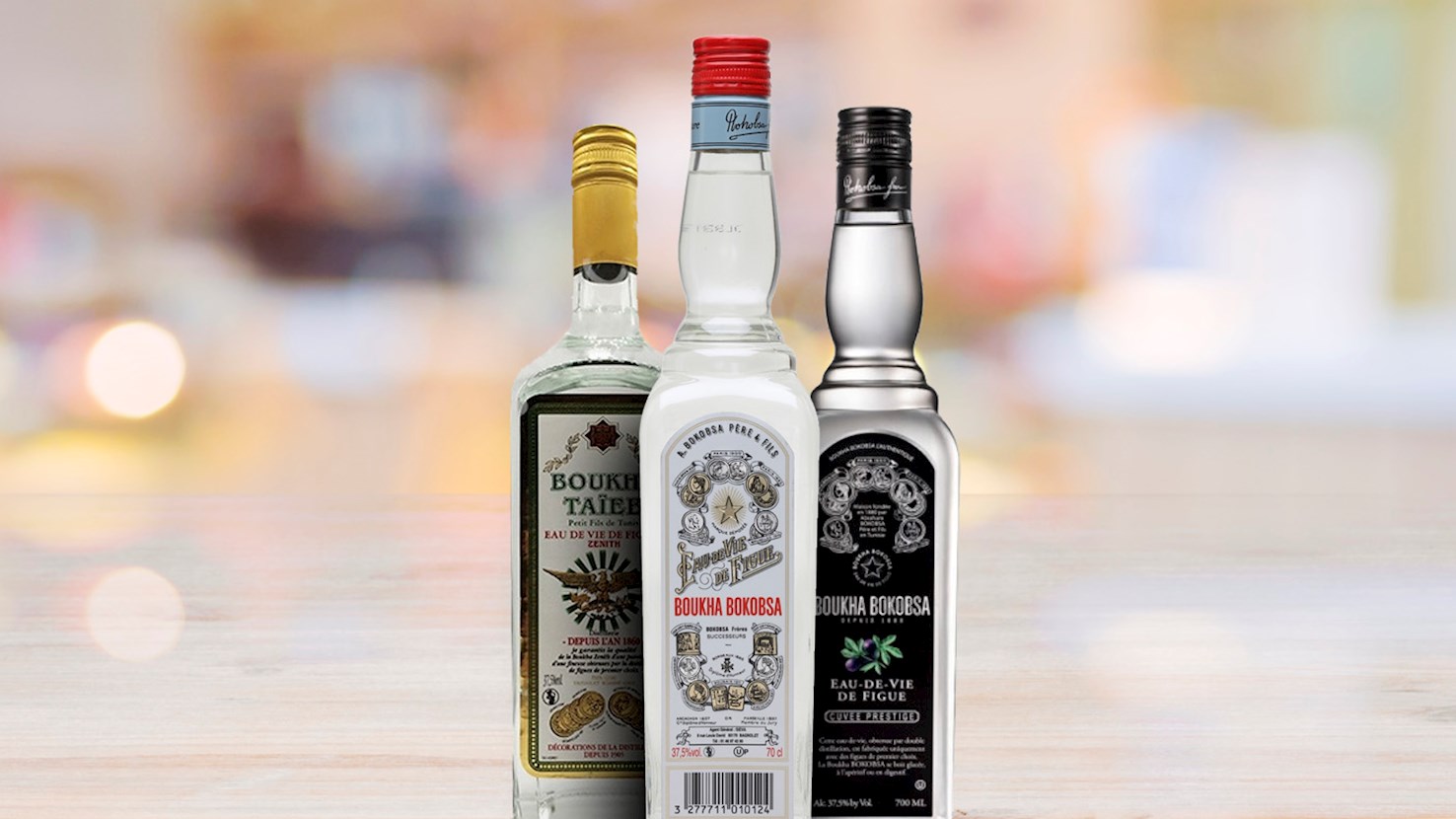
Boukha is a clear, colorless Tunisian spirit that is distilled from fermented figs. The drink was first produced in 1820 by Yaakov Bokobsa. Together with his sons, he perfected the recipe in 1870, and the drink is still produced following traditional procedures and the old, secret recipe. Boukha is a smooth and warming spirit with complex notes of raisins and spices. It can be enjoyed neat, preferably well-chilled, or as a cocktail ingredient. Boukha has an alcohol content of 37,5% ABV.
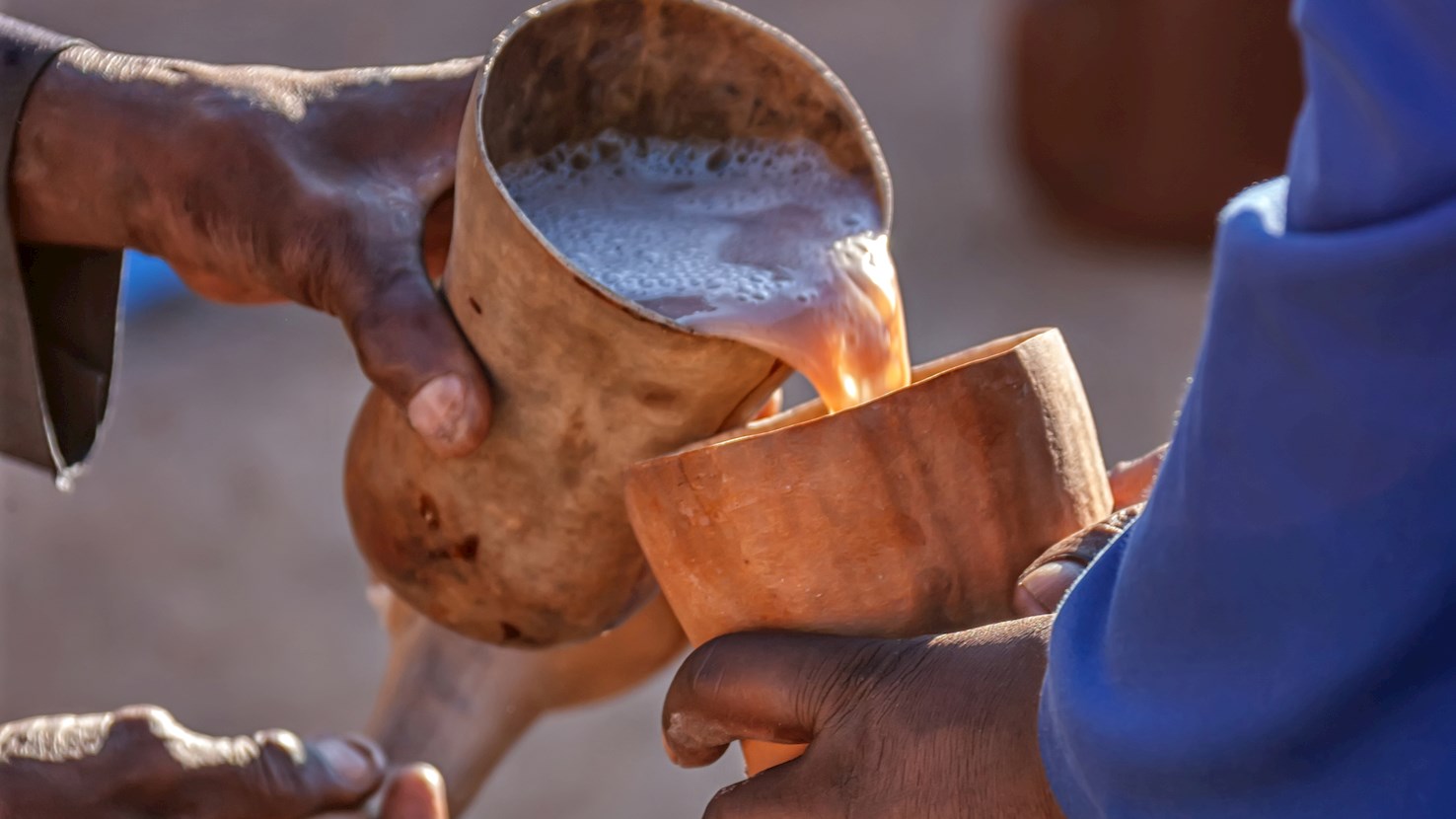
Umqombothi is a South African beer made from sorghum and maize that is low in alcohol (3% to 4% ABV). This home-brewed beer has a centuries-old tradition, and it is mostly associated with the Xhosa and Zulu people. It is usually made with maize meal, crushed corn malt, crushed sorghum malt, water, and yeast. Brewing techniques slightly differ among the regions, but the brew is usually left to ferment overnight. Depending on the ingredients, it can vary from off-white to dark brown. It is opaque, thick, and gritty because it is usually not thoroughly filtered, and it has a yeasty backbone with a distinctive sour flavor and aroma. Umqombothi is a culturally and socially important beverage. It is traditionally prepared and served on special occasions, and it is also believed to facilitate contact with the ancestors.
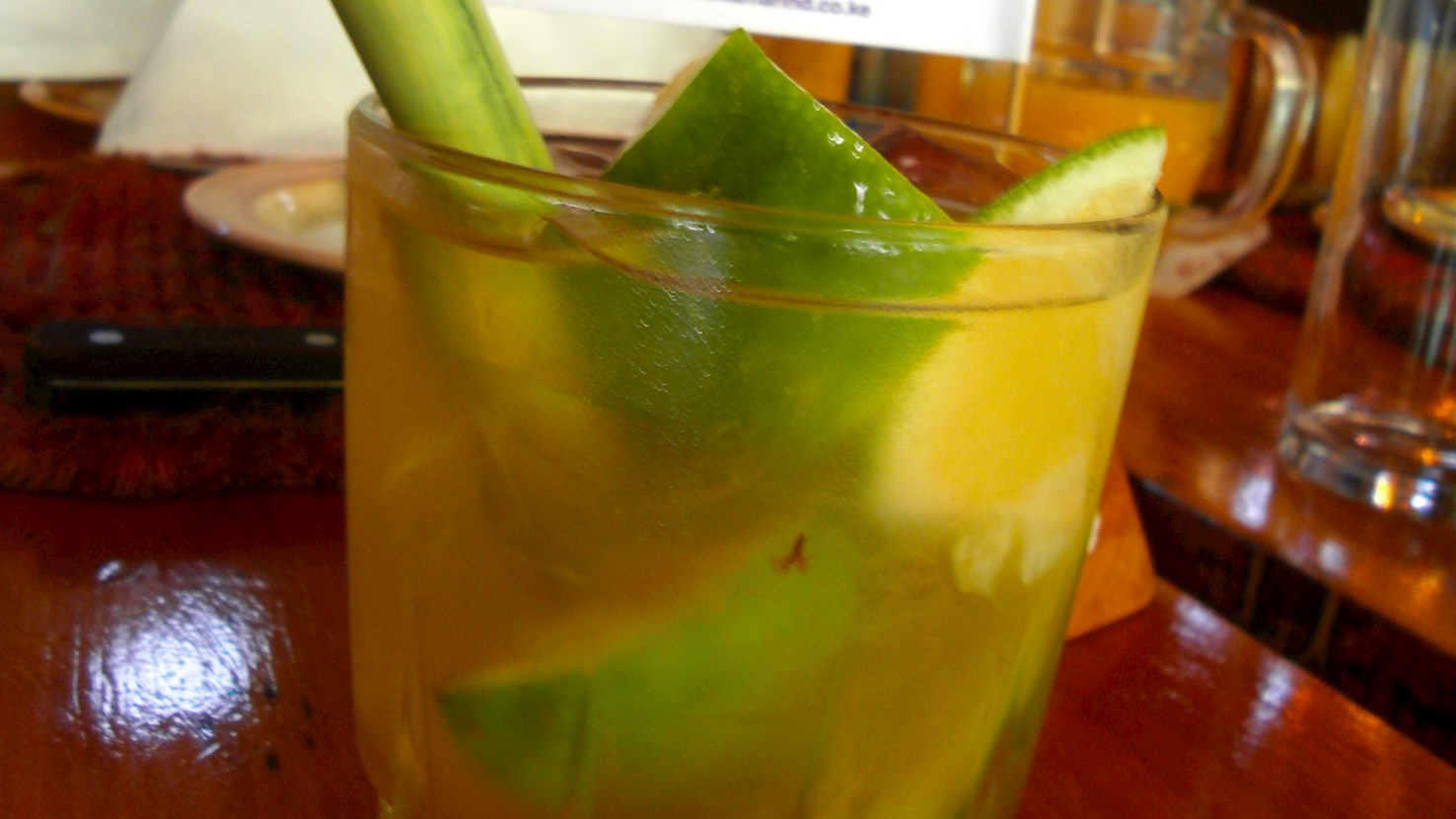
Dawa is a Kenyan cocktail that was allegedly inspired by Brazilian Caipirinha. It is a simple cocktail that combines vodka, honey, lime, and sugar. The cocktail is made by muddling limes and sugar in an old-fashioned glass. The combination is then topped with a shot of vodka and ice. The finished cocktail is traditionally served with a dawa stick—plastic or wooden stick dipped in Kenyan honey—which should be swirled in the glass. Dawa was invented at The Carnivore restaurant in Nairobi sometime in the 1980s, and it soon became a popular national cocktail. As the combination is often lauded as an ideal drink for the Kenyan climate and a great food partner, it remains a favorite among locals and tourists. In Swahili, dawa means medicine.
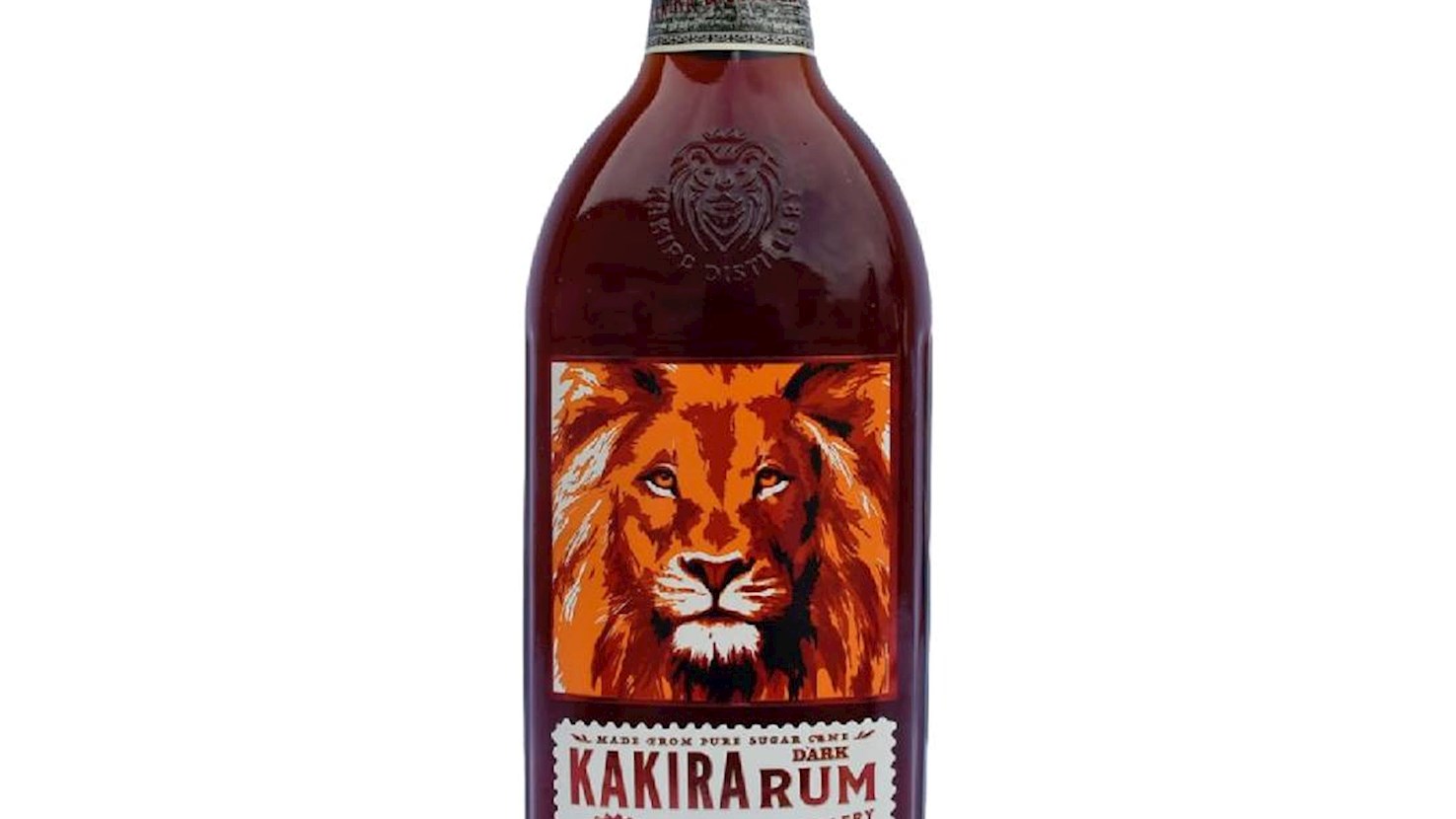
Kakira Spirits is a producer of premium alcoholic beverages located in Jinja, Uganda, on the shores of Lake Victoria at the source of the Nile River. Established in 1930 by the Madhvani family, Kakira Spirits is part of the Kakira Sugar Estate, where sugarcane has been cultivated and processed for over 70 years.
The company produces award-winning spirits such as gin, vodka, and rum, using molasses derived as a by-product of sugar production. This approach reduces waste and carbon footprint while simultaneously increasing revenues.
Awards
IWSC- International wine & spirit competition - Spirit Gold
(2024)
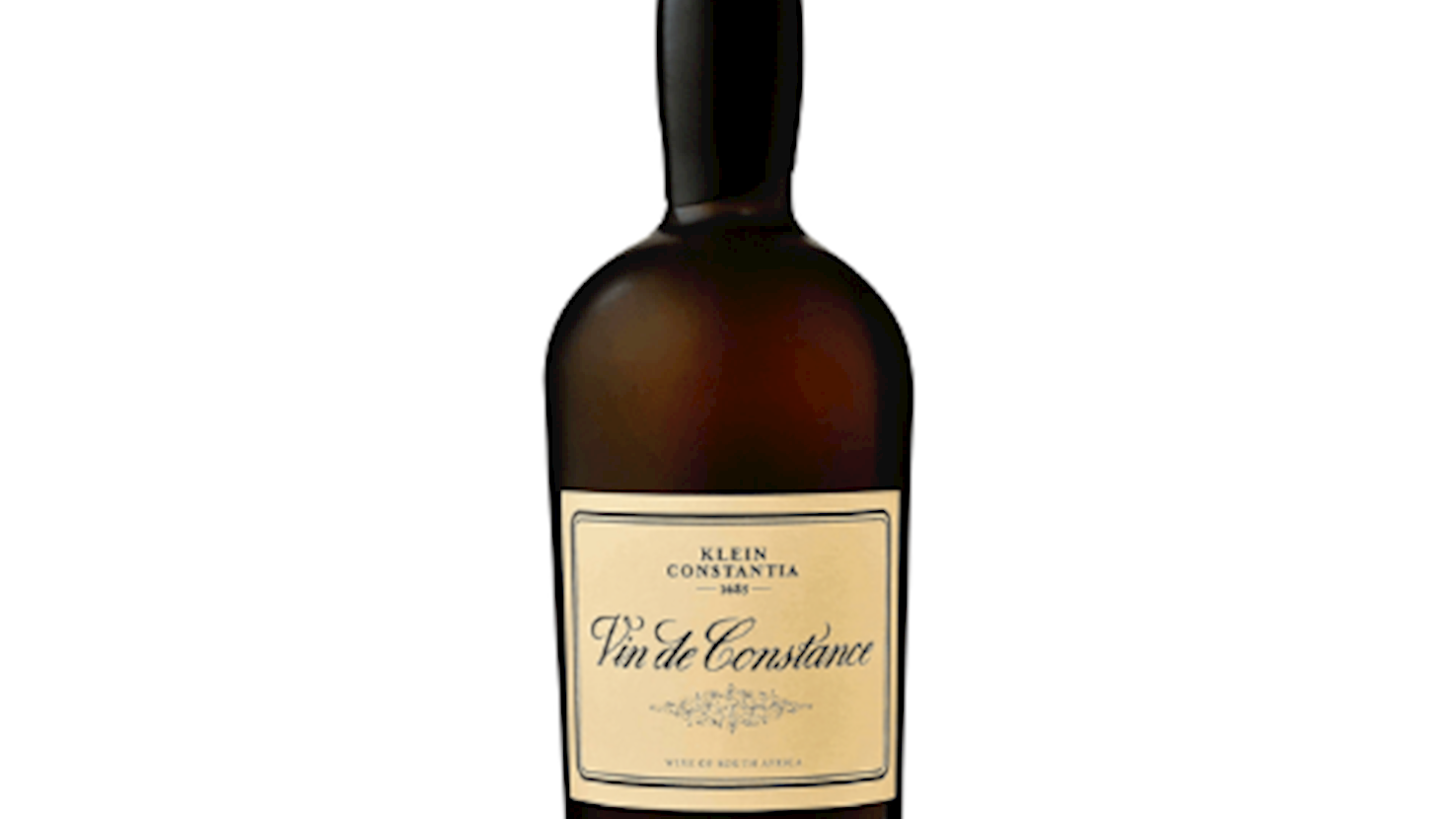
Klein Constantia Estate is one of South Africa’s most historic and influential wineries, with origins dating back to 1685 when it was established by Simon van der Stel in the Constantia Valley near Cape Town. Located on the slopes of the Constantiaberg mountain range, the estate benefits from decomposed granite soils and a cool maritime climate influenced by False Bay, conditions that contribute to wines of freshness, precision, and longevity.
During the 18th and 19th centuries, wines from Constantia - particularly the renowned sweet wine Vin de Constance - were among the most sought-after in the world, enjoyed by European royalty and referenced in classical literature. After a period of decline, Klein Constantia played a key role in reviving this historic wine in the late 20th century, restoring its global reputation.
Today, the estate combines heritage with a modern, sustainability-driven approach to viticulture and winemaking, focusing on expressing site-specific characteristics. In addition to Vin de Constance, the portfolio includes high-quality Sauvignon Blanc, Riesling, and single-vineyard wines that highlight the diversity of the terroir.
The wines are defined by aromatic clarity, vibrant acidity, and a refined mineral structure, positioning Klein Constantia as one of the leading producers in South Africa, where tradition and innovation are closely intertwined.
Awards
Decanter World Wine Awards - Platinum
(2020)
Decanter World Wine Awards - Best in Show
(2018, 2017)
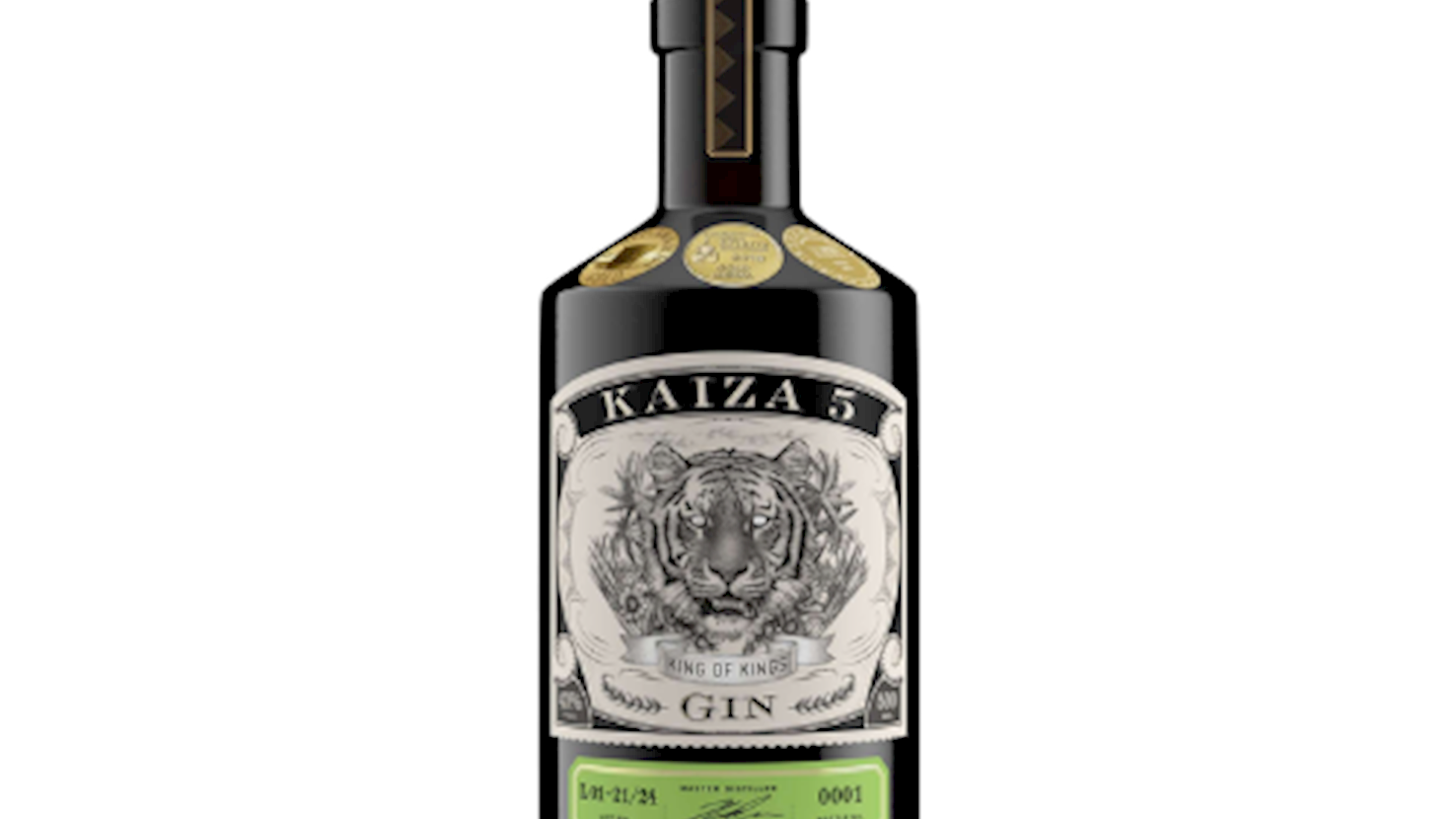
Kaiza 5 is a premium gin brand originating from South Africa, created with the intention of blending African identity with a contemporary, globally oriented craft spirits approach. Founded in Cape Town, the brand is positioned as a small-batch project with a strong emphasis on controlled distillation, carefully selected botanicals, and a clearly defined flavor profile.
The name Kaiza has roots in African cultural context and conveys ideas of strength, authority, and creative energy, which are reflected in both the brand’s visual identity and its storytelling. Rather than following classic London Dry conventions, Kaiza 5 develops its own character through a balance of traditional juniper structure and vibrant citrus and aromatic notes.
The brand targets consumers seeking authenticity and versatility, offering a gin that performs equally well in cocktails and simple serves with tonic. Through its origin, philosophy, and modern positioning, Kaiza 5 presents itself as a globally relevant gin brand with strong local roots.
Awards
World Gin Awards - Country Winner
(2024, 2022, 2021)
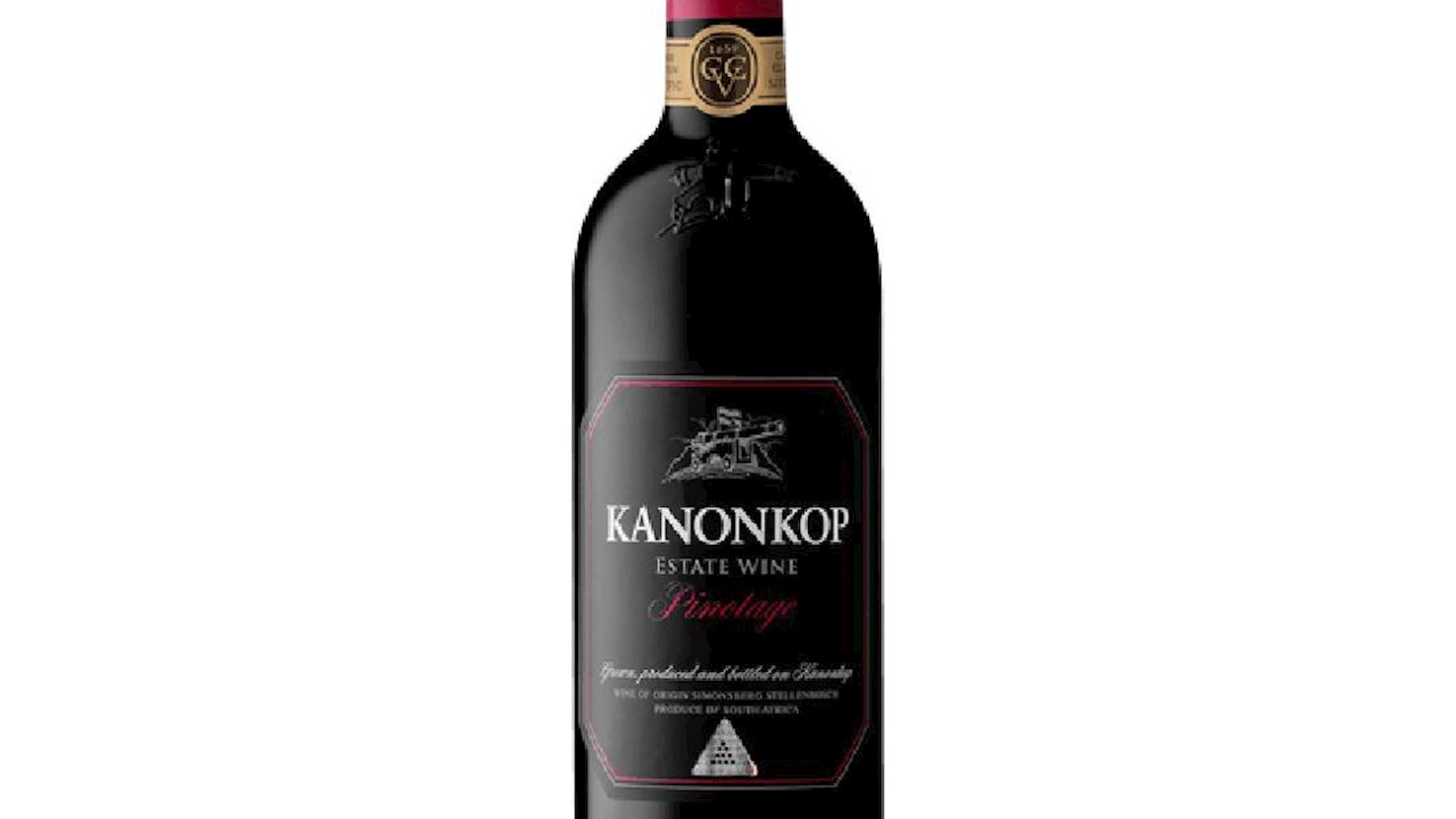
Kanonkop Wine Estate is one of South Africa’s most prestigious wineries, located on the southern slopes of the Simonsberg Mountain in the heart of Stellenbosch, a region renowned for exceptional red wines. Family-owned for four generations, Kanonkop blends a rich history with modern winemaking expertise, producing wines that are synonymous with quality and longevity.
The estate’s name comes from a nearby hill (“kop”) where a cannon was once fired to signal the arrival of ships in Cape Town, reflecting its deep connection to local tradition and heritage.
Kanonkop is a pioneer in cultivating and vinifying Pinotage—South Africa’s signature grape—as well as crafting outstanding red blends based on Cabernet Sauvignon and Merlot.
Their wines are distinguished by depth, complexity, and remarkable aging potential, while the careful tending of the vineyards and dedication to excellence place Kanonkop among the true icons of the wine world.
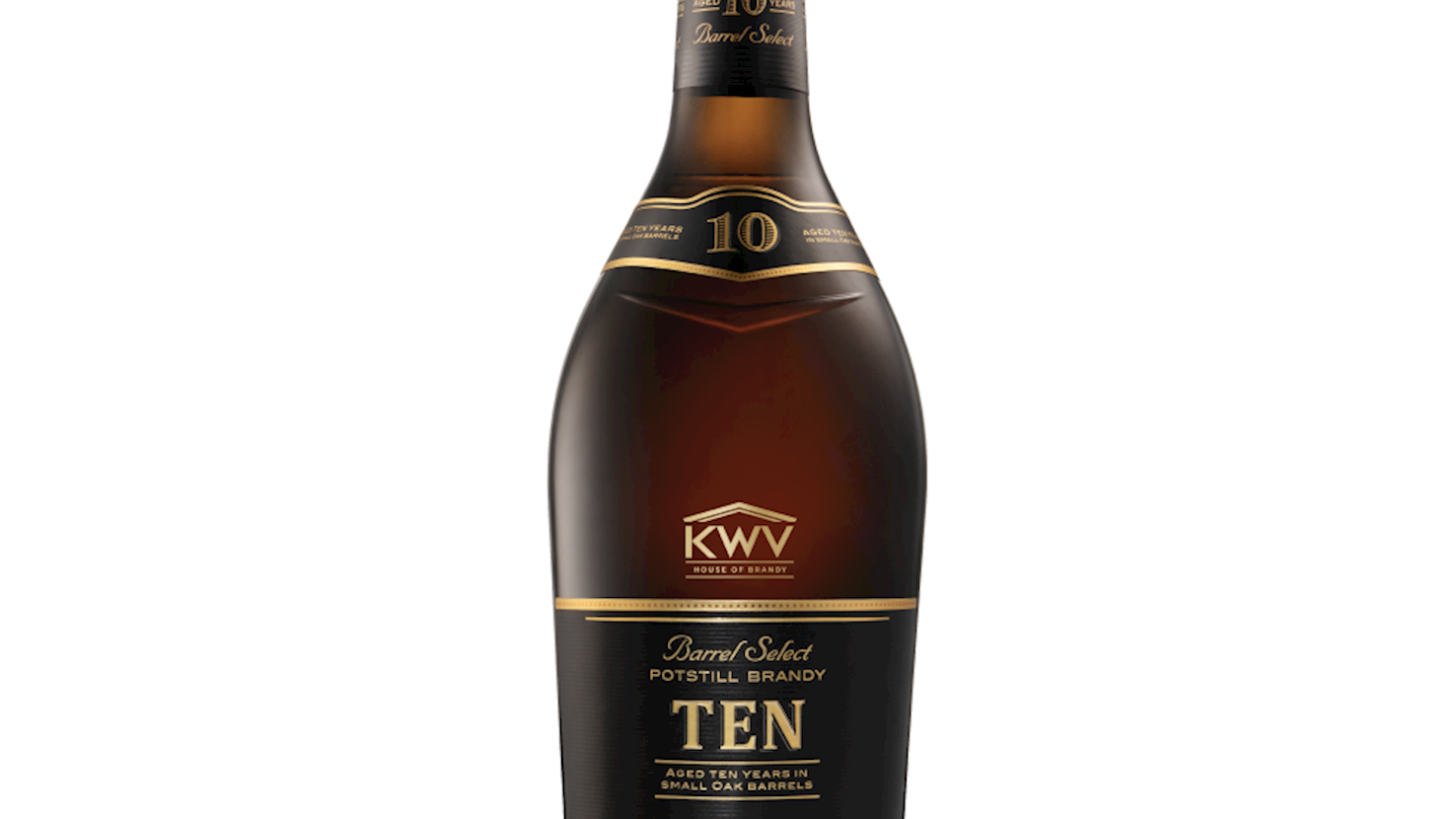
KWV is a major South African wine and spirits producer with a history dating back to 1918, when it was founded as a cooperative to support and structure the country’s wine industry. Over time, it evolved into an international brand while remaining closely connected to South Africa’s key wine-growing regions, including Paarl, Stellenbosch, Robertson, and Swartland.
KWV produces a wide portfolio of wines and spirits, with particular recognition for its brandies, which are distilled from wine and aged in French oak to emphasize balance, maturity, and depth. Its brandy range spans different age statements and styles, highlighting both fruit character and extended maturation.
In addition to brandy, KWV also produces wines and selected spirits such as gin, reflecting a broad but quality-focused approach. The brand is positioned at the intersection of heritage, technical expertise, and modern South African winemaking.
TasteAtlas food rankings are based on the ratings of the TasteAtlas audience, with a series of mechanisms that recognize real users and that ignore bot,
nationalist or local patriotic ratings, and give additional value to the ratings of users that the system recognizes as knowledgeable.
TasteAtlas Rankings should not be seen as the final global conclusion about food. Their purpose is to promote excellent local foods,
instill pride in traditional dishes, and arouse curiosity about dishes you haven’t tried.
The initial list of top producers was compiled based on available reviews, awards, local recommendations, media and blog coverage, and consumer reviews.
The list will be updated with ratings from TasteAtlas local ambassadors and TasteAtlas users.














What People Say