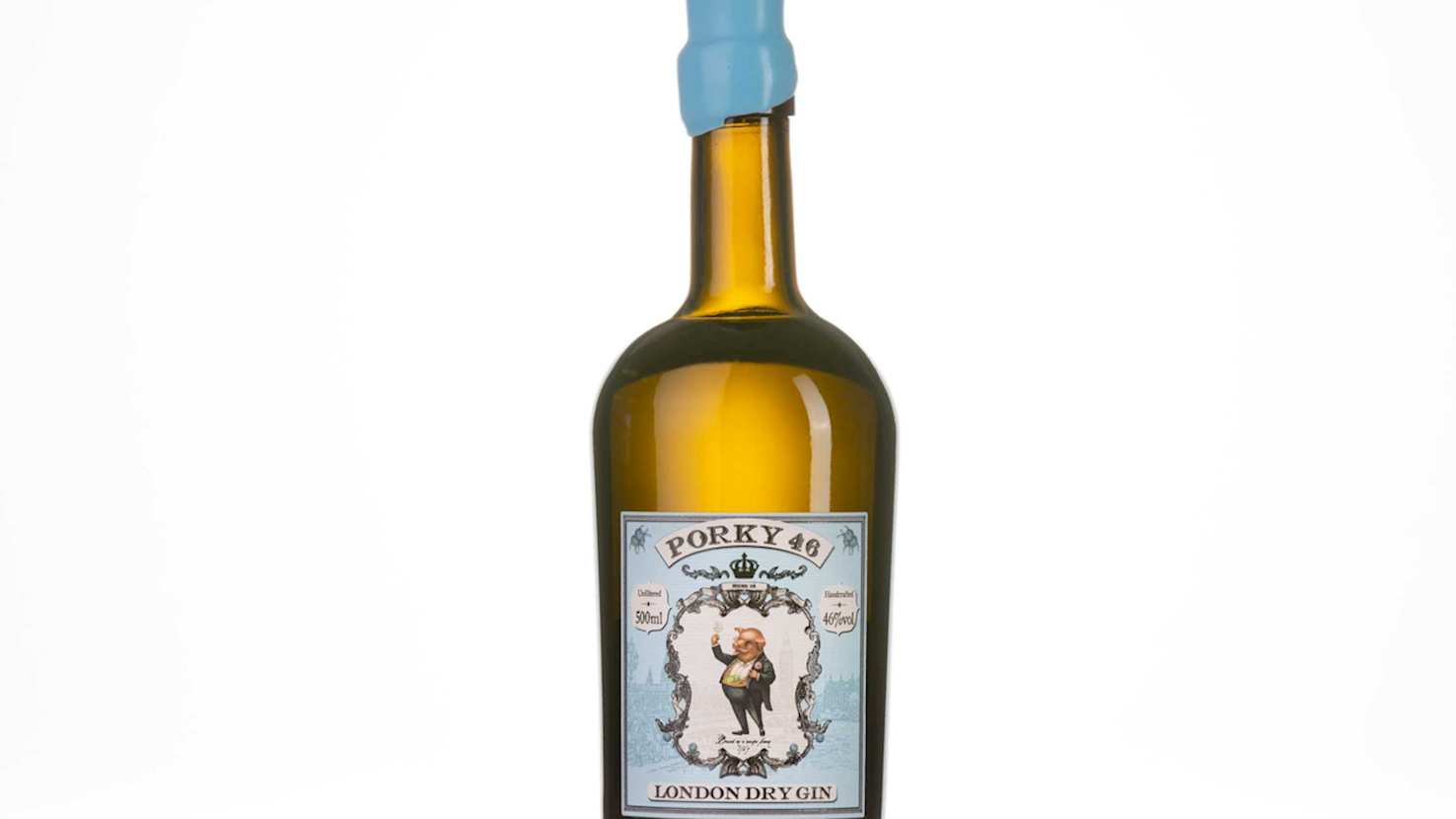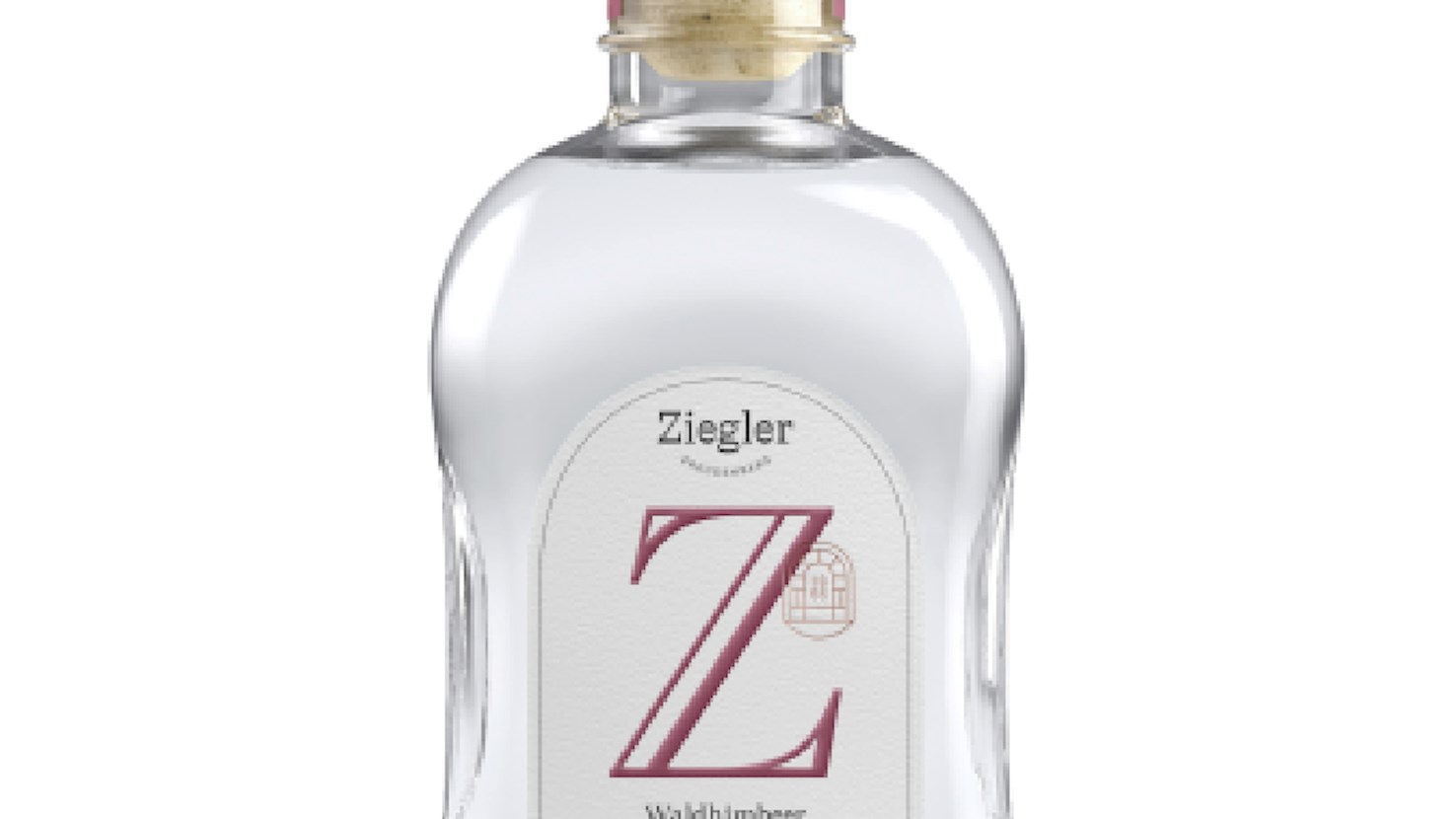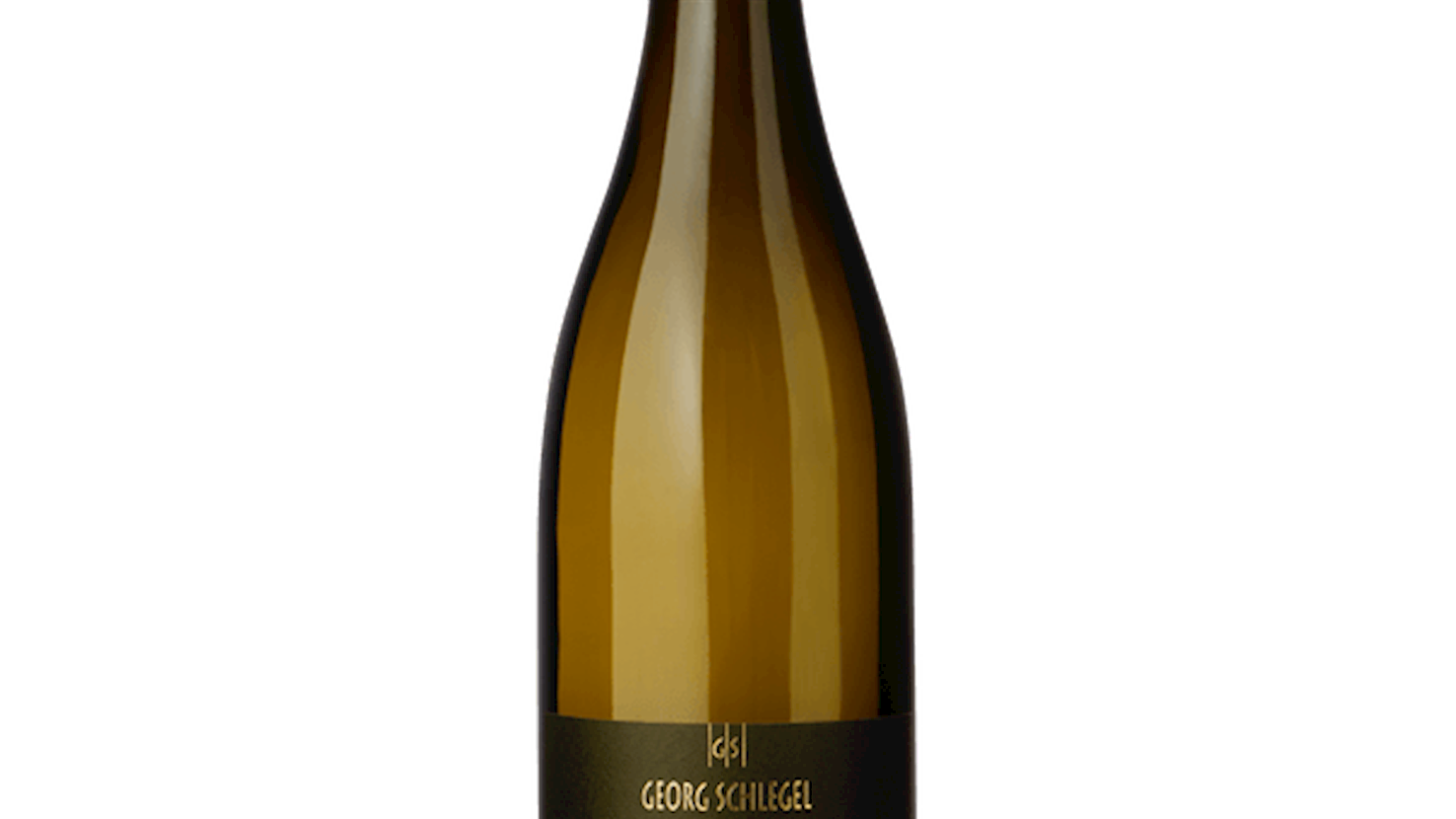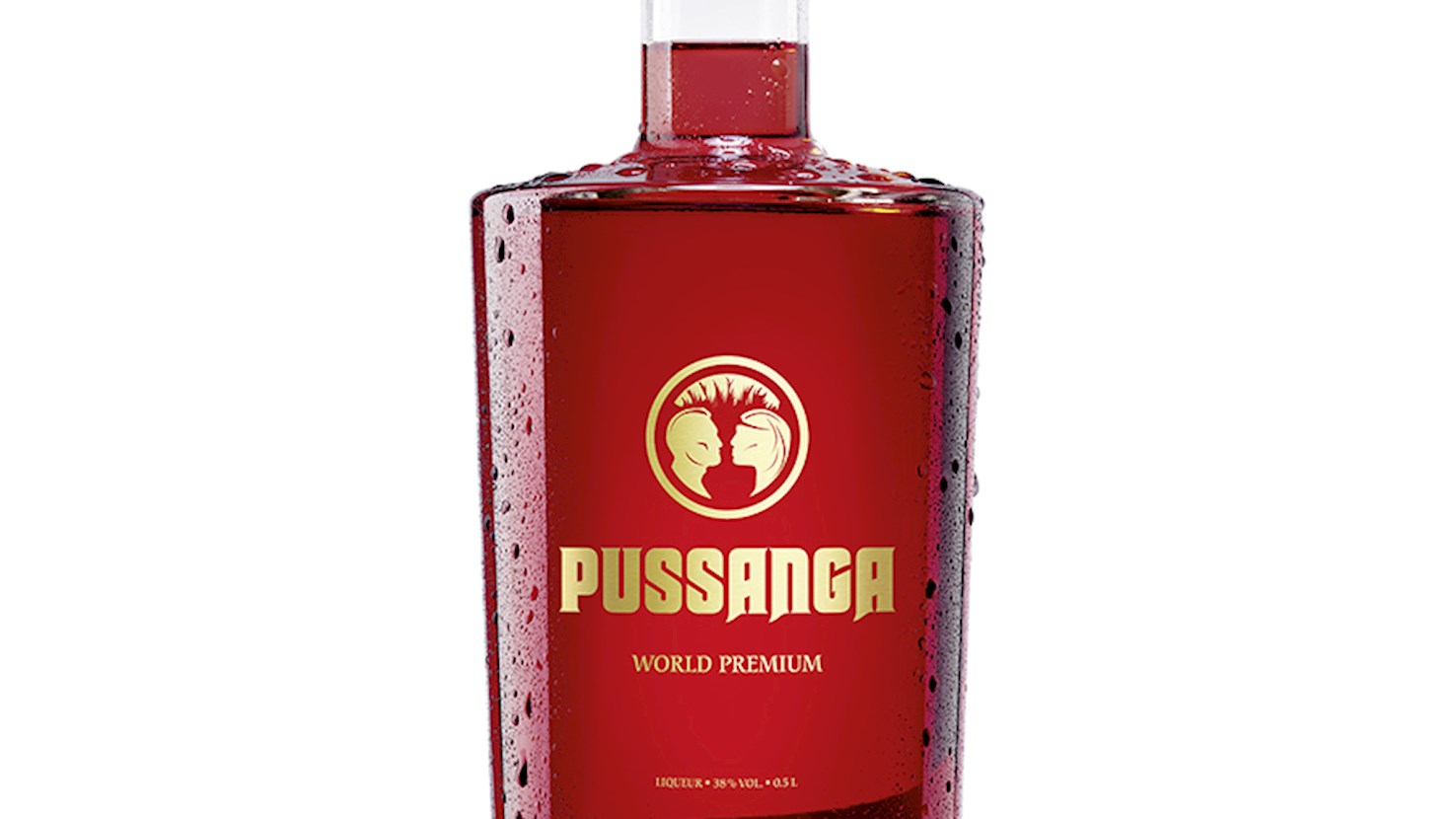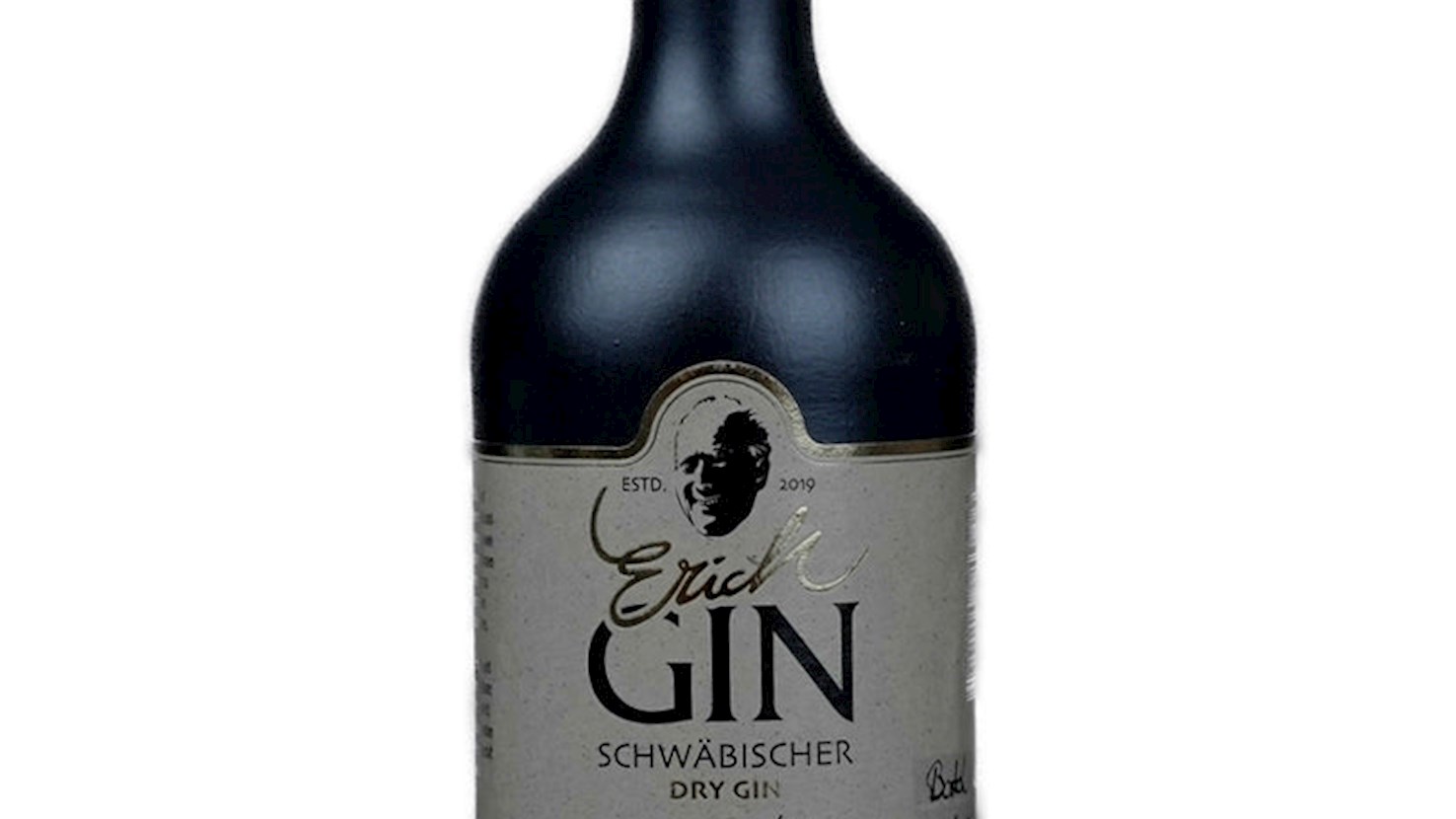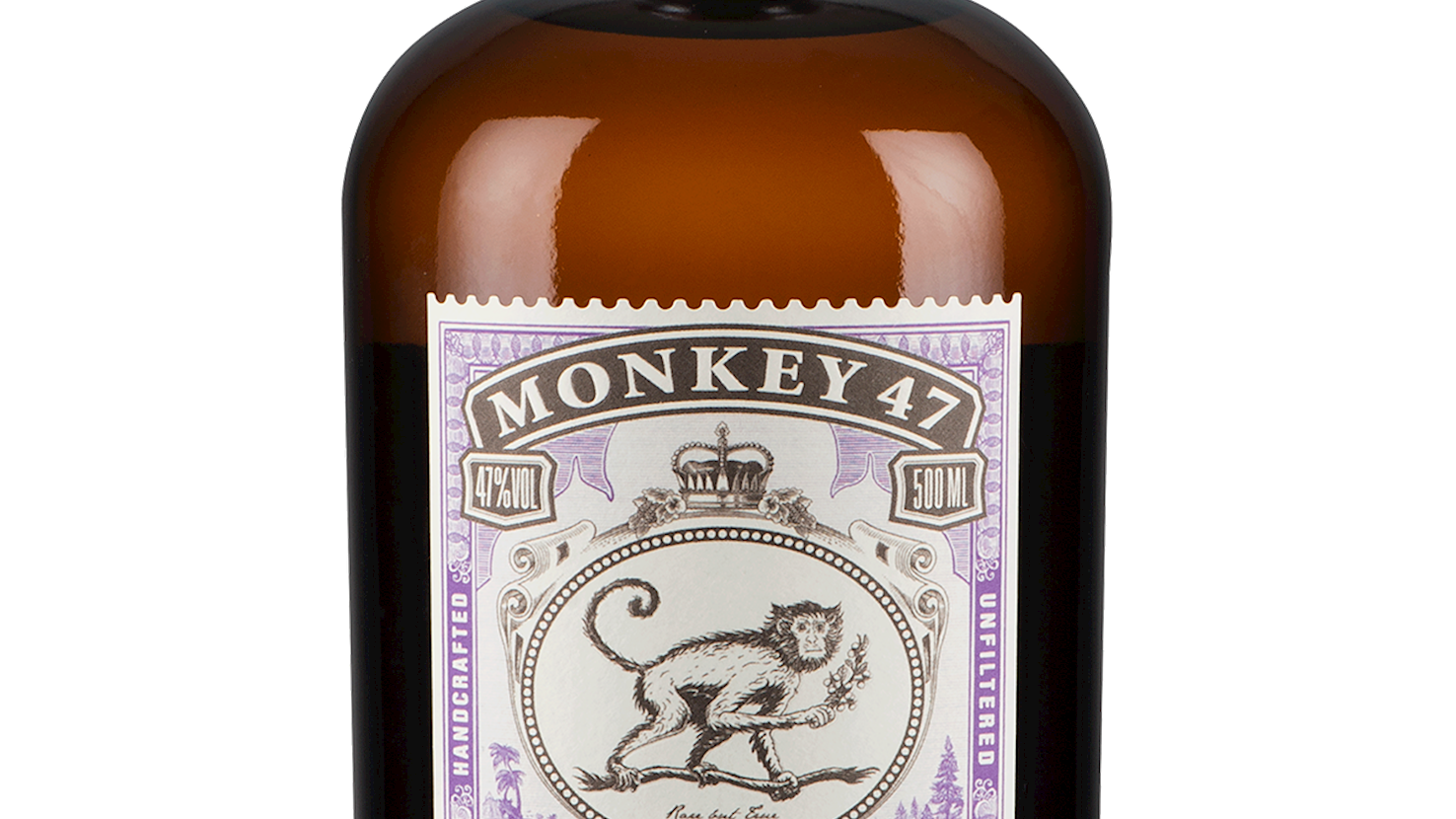
Brennerei Ziegler, founded in 1865 in Freudenberg am Main, Germany, is renowned for its high-quality fruit brandies, spirits, liqueurs, and whisky. The distillery emphasizes traditional craftsmanship, with experienced artisans overseeing every step from fruit harvesting to bottle labeling. This dedication to quality has established Ziegler as a leading name in the industry.
Awards
IWSC- International wine & spirit competition - Spirit Gold
(2024)
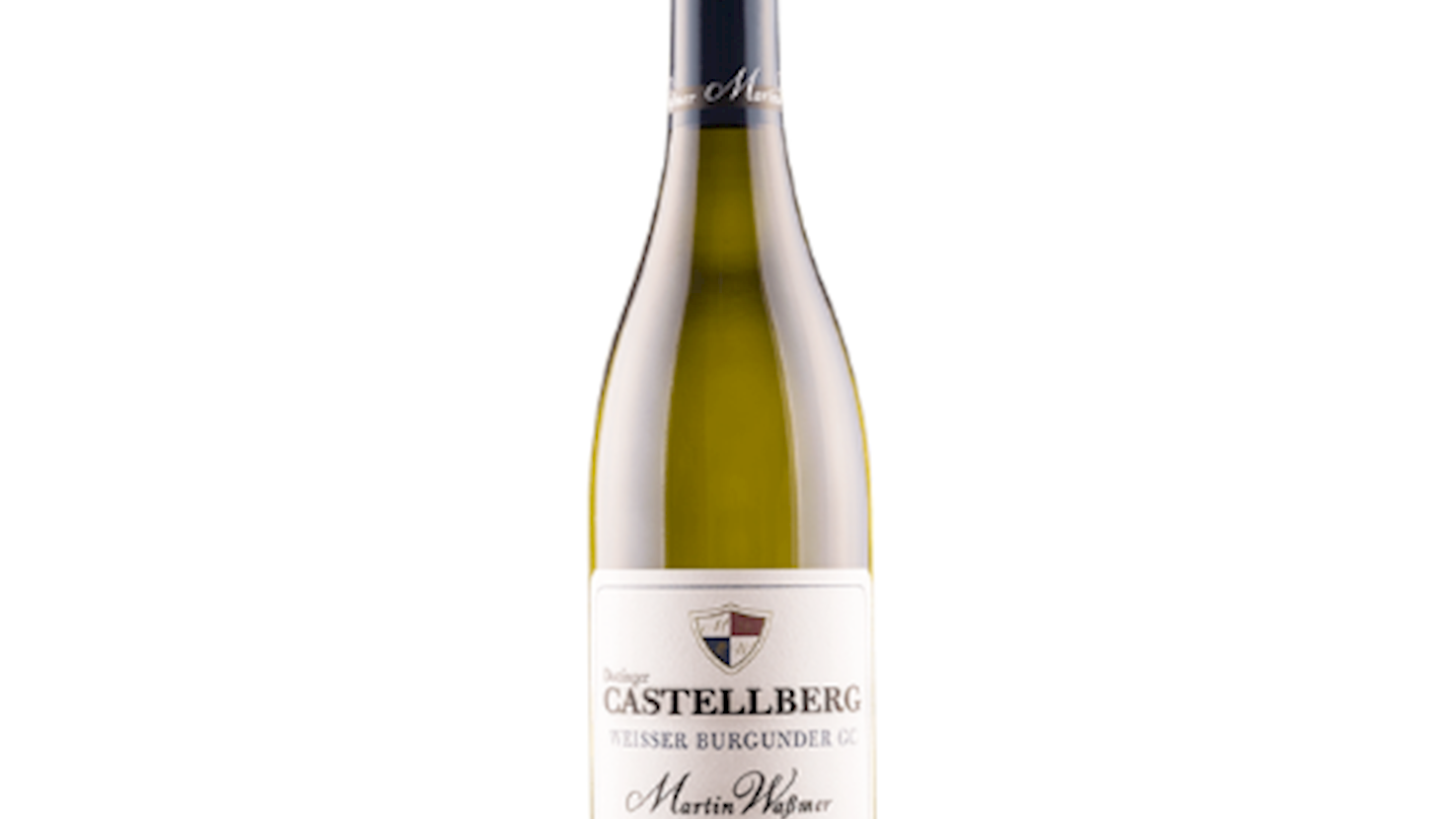
Weingut Martin Waßmer is a family-owned winery located in Bad Krozingen-Schlatt in the Baden region, specifically within Markgräflerland in southwestern Germany. Established in its modern form in 1997, the estate quickly gained recognition for its strong focus on Burgundian grape varieties and winemaking philosophy. The vineyards are situated on high-quality sites such as Dottinger Castellberg and Schlatter Maltesergarten, where low yields and careful vineyard management ensure concentration and precision. The winery is particularly known for its Spätburgunder, alongside Chardonnay and other Burgundy-inspired varieties. Winemaking emphasizes minimal intervention, often using natural fermentation and aging in French oak barriques to enhance complexity and structure. The wines are defined by elegance, balance, and clear expression of terroir, rather than power. Today, Weingut Martin Waßmer is considered one of the leading producers in Baden, especially noted for its refined and internationally respected Pinot Noir wines.
Awards
Decanter World Wine Awards - Platinum
(2022, 2020)
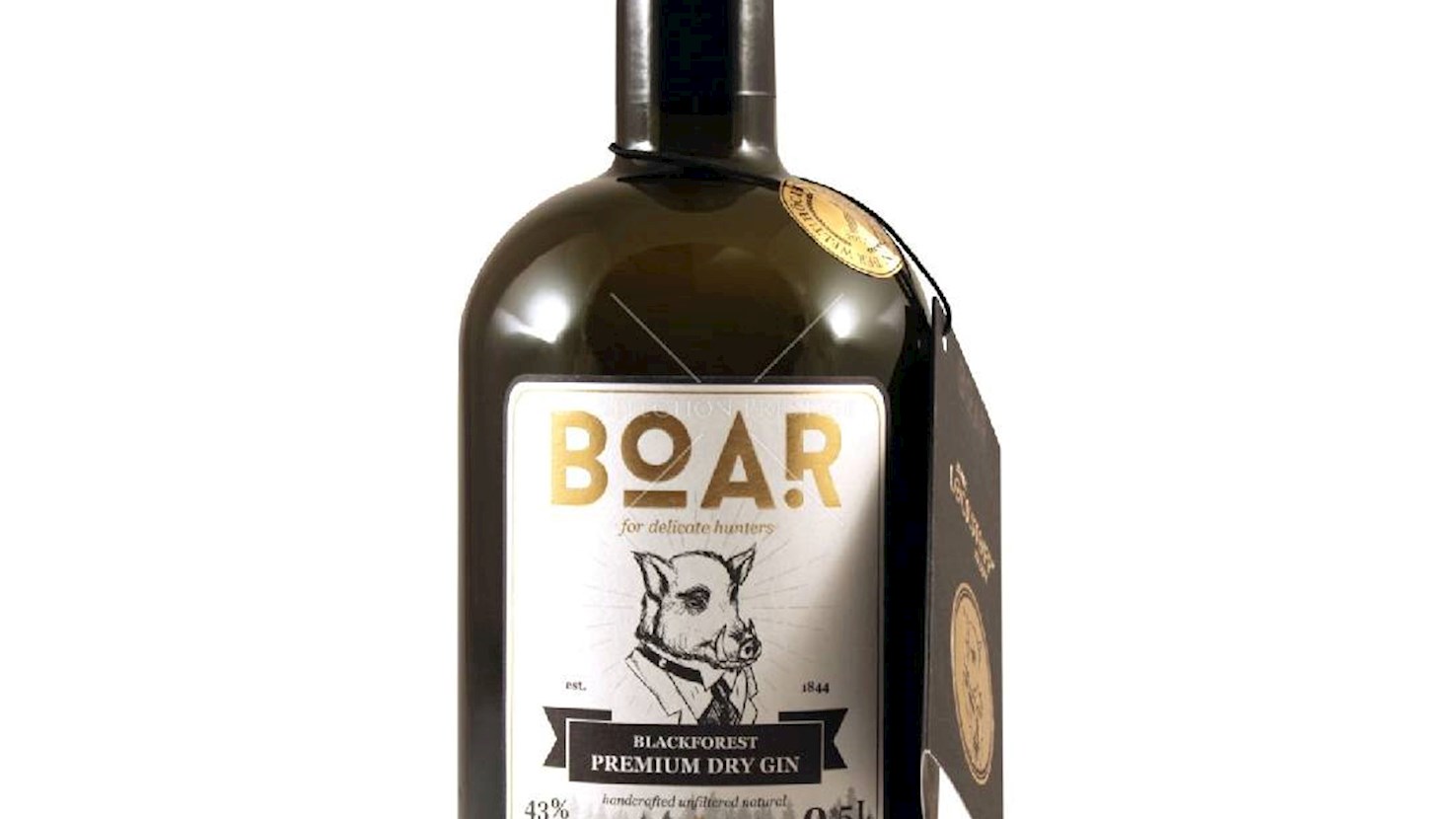
BOAR Gin is crafted by a family-owned distillery located in the heart of the Black Forest region in Germany. This distillery combines tradition with innovation to produce a premium gin known for its exceptional quality. The name "BOAR" reflects the local heritage, as wild boars are native to the surrounding Black Forest. What sets BOAR Gin apart is its unique infusion with Black Forest Burgundy truffle, a rare and valuable ingredient that harmonizes the flavors and gives the gin its distinctive complexity. The gin is also made with pure mineral-rich spring water sourced directly from the family’s estate, ensuring a natural and smooth taste. The production process is meticulous, with small-batch distillation ensuring attention to detail and consistency in quality. Each step, from selecting botanicals to bottling, is done by hand to maintain the highest standards. BOAR Gin has gained international recognition, earning numerous awards, including the title of "World's Best Gin" and "Best Clear Spirit" at the Global Spirit Awards in Las Vegas.
Awards
European Spirits Challenge - Gold
(2024, 2023)
IWSC- International wine & spirit competition - Silver
(2024)
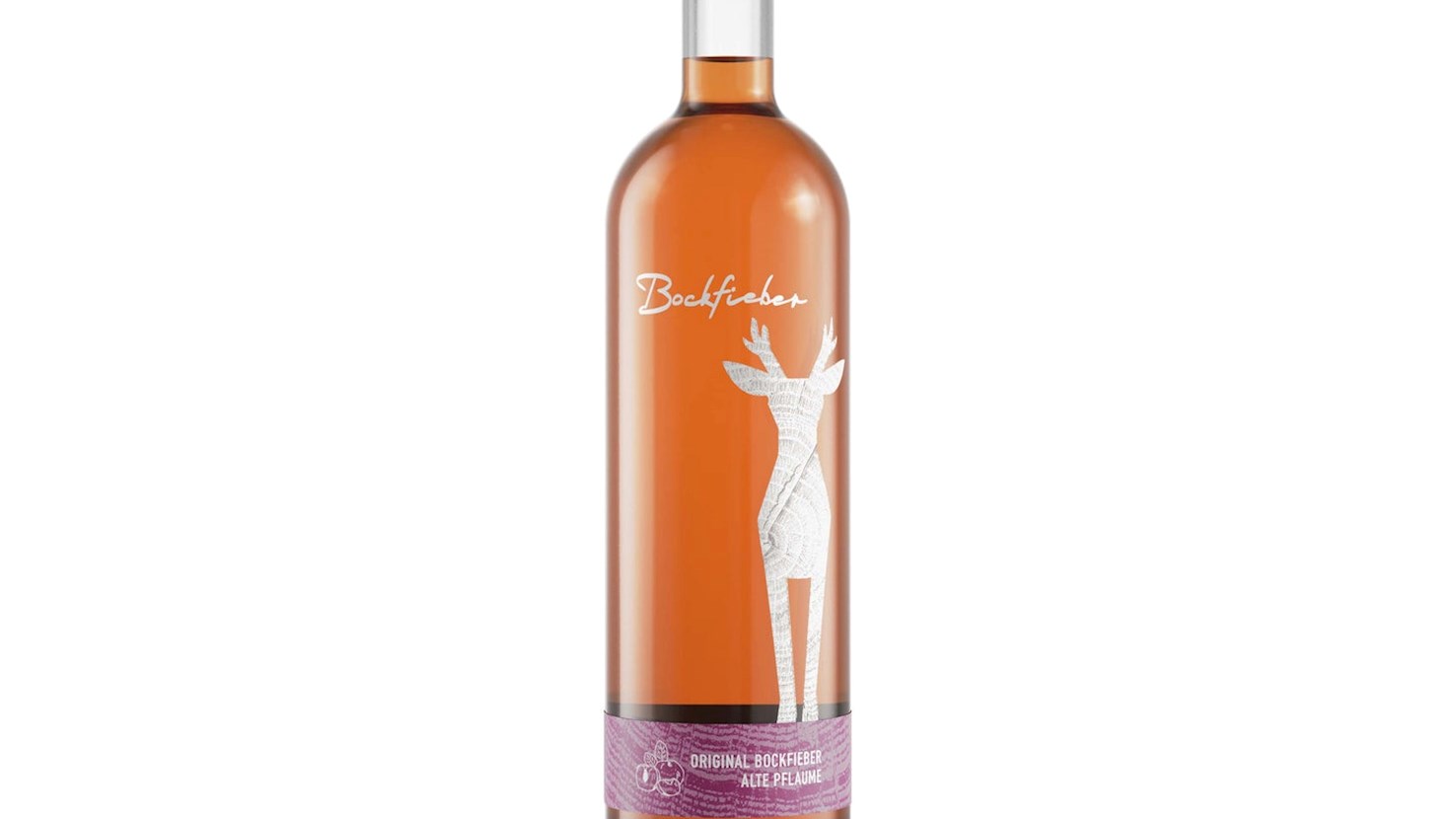
Bockfieber is a German producer of premium liqueurs, renowned for its handcrafted, high-quality products. The company was founded by Holger P. Härter, a passionate hunter, who drew inspiration for his first creation while staying in a hunting lodge. Unable to find the perfect herbal liqueur to suit his taste, he decided to craft it himself, leading to the establishment of Bockfieber in 2016.
Bockfieber prides itself on using only natural ingredients and traditional production methods. Their liqueurs are aged for a minimum of six months in old stone containers, allowing the flavors to fully develop. The products are bottled in small batches, limited to no more than 500 bottles per series, to ensure freshness and quality.
The product range includes more than ten different liqueurs, featuring herbal, fruity, and nutty varieties. All products are crafted using a carefully selected blend of over 32 different herbs and roots, which are macerated and distilled following traditional methods.
Awards
London Spirits Competition - Gold
(2024)
IWSC- International wine & spirit competition - Spirit Gold
(2021)
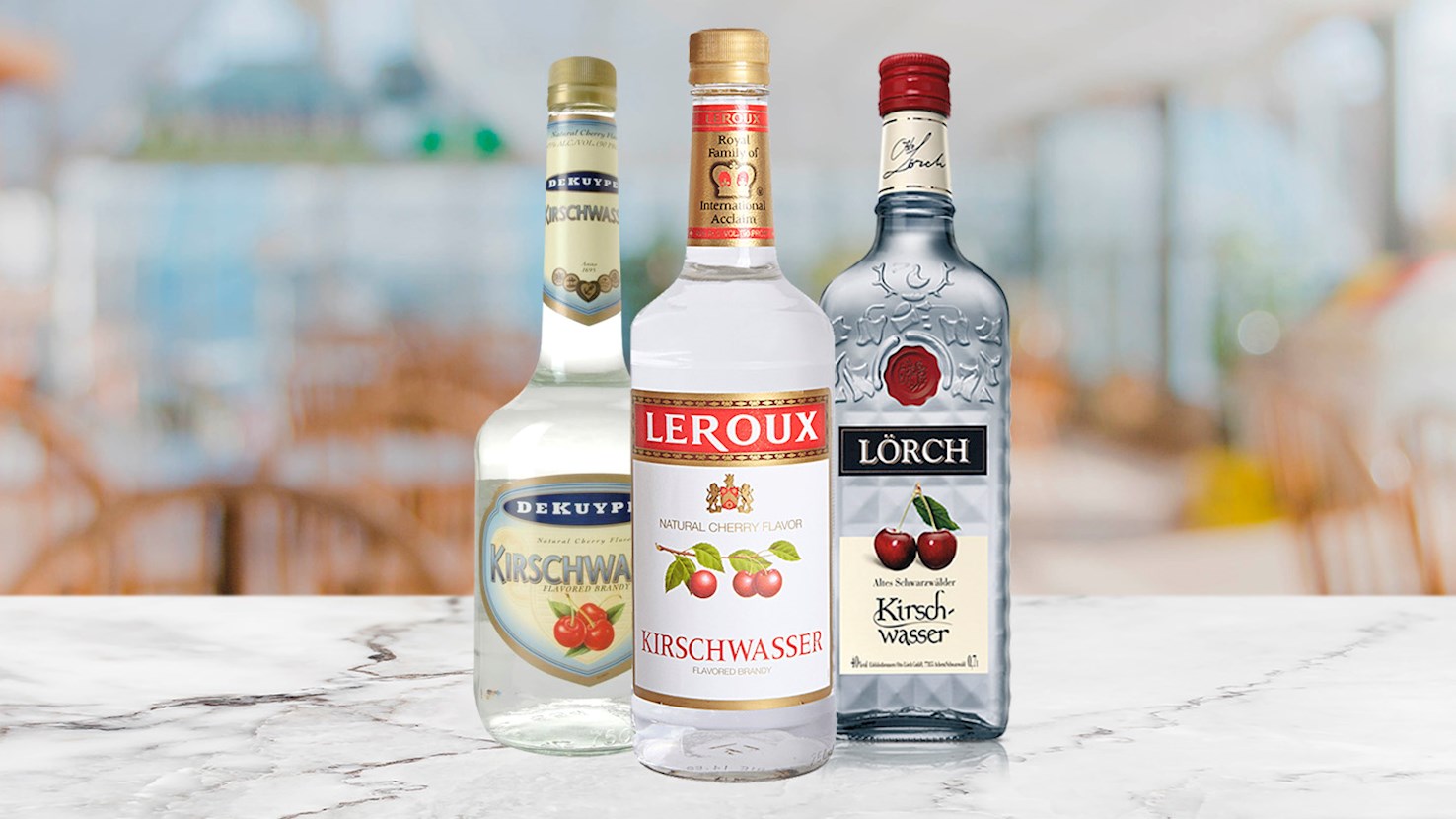
This clear, colorless fruit brandy is double-distilled from the fermented cherry mash. Because it was originally produced with sour morello cherries, it is believed that it first appeared in Schwarzwald, Germany, where the morello cherries were traditionally cultivated. The drink is mainly produced in Germany, Austria, Alsace, and Switzerland, with various, local cherry varieties. Because cherry pits are also crushed in the process, kirschwasser is characterized by its cherry notes, pungent flavor, and mild bitter-sweet finish. It can be served as an aperitif or a digestif, preferably well-chilled and over ice, but it also incorporates well into cocktails, desserts, cheese fondue, or even espresso.
Savagnin Rose is a pink-skinned wine grape variety primarily cultivated in the Alsace region of France and the Baden region of Germany. It is defined by its small, round, reddish-brown berries and a non-aromatic chemical profile that distinguishes it from its genetically identical but more fragrant mutation, Gewürztraminer. The variety is a color mutation of Savagnin Blanc, a grape with documented presence in the Jura region and the Alps since at least the 10th century. While it shares a common ancestor with the Traminer family of South Tyrol, the specific Savagnin Rose strain achieved localized recognition in the 18th century, particularly around the Alsatian village of Heiligenstein. In 1742, the mayor of Heiligenstein received permission to expand the cultivation of this specific vine on the clay-limestone slopes of the Au and Meisengunst hills, where it demonstrated superior resilience to the region's continental climate compared to more neutral white varieties. Preparation of Savagnin Rose wine focuses on preserving its structural weight and high natural extract. Unlike its aromatic relatives, this variety does not rely on volatile terpenes for character; instead, winemakers often employ extended aging on fine lees in stainless steel or large neutral oak vats to enhance its viscous texture. The fermentation process is strictly controlled to produce a dry or slightly off-dry finish with moderate to high alcohol content, typically reaching 13.5% or 14%. Serving standards for the wine, particularly those labeled under the specific Klevener de Heiligenstein designation, require a temperature of 10°C to 12°C. A unique botanical attribute of Savagnin Rose is its translucent skin appearance just prior to veraison, which serves as one of the few visual methods to distinguish the vines from Gewürztraminer before the fruit develops its full color and flavor profile. The wine is consumed as a specialized gastronomic item, found primarily in the five authorized Alsatian communes of Heiligenstein, Bourgheim, Gertwiller, Goxwiller, and Obernai. It is frequently paired with terrines, foie gras, and smoked fish such as salmon or trout, where the wine's oily texture and subtle spice notes complement the richness of the fats. In regional settings, it is served with Munster cheese tarts or creamy poultry dishes like coq au riesling, providing a balanced acidity that cleanses the palate. For dessert, it is paired with apricot or quince tarts, as the wine's own stone-fruit characteristics and honeyed finish align with the flavors of cooked pome fruits.
Schwarzwälder Kirschwasser is a clear distilled fruit spirit made from sour cherries and produced in the Black Forest region of southwestern Germany, where it is recognized as a geographically defined agricultural distillate rather than a flavored liqueur. Its emergence is tied to the long cultivation of small dark cherries in the Black Forest and to local distillation practices that developed in response to surplus fruit and restrictive grain usage, leading farmers to ferment and distill cherries as a way to preserve value and concentrate alcohol without added sugar, while regional regulations gradually formalized production standards tied to place and raw material. Preparation begins with fully ripe cherries that are crushed whole, including the stones, then fermented without added yeast so that natural sugars convert to alcohol, after which the mash is distilled slowly in copper stills, separating the clear spirit from heavier compounds, and the resulting distillate is rested in inert containers rather than wood to preserve its transparent appearance and sharp fruit profile. Serving is restrained and precise, with kirschwasser poured in small amounts into narrow glasses and consumed neat at room temperature, emphasizing aroma rather than volume, and it is also used as a structural ingredient in baking and desserts, most notably as a component in Black Forest cake where it provides alcoholic depth without sweetness. What sets Schwarzwälder Kirschwasser apart is the inclusion of cherry stones during fermentation, which contributes subtle almond-like notes through natural benzaldehyde, and the absence of sugar or aging that keeps the spirit dry and direct rather than rounded or softened. It is consumed as a digestif after meals, offered in homes and restaurants in its region of production, and used sparingly in pastry kitchens, and it pairs well with chocolate-based desserts, stone fruit dishes, and strong coffee, while it is usually enjoyed on its own rather than alongside other alcoholic beverages to avoid masking its intensity.
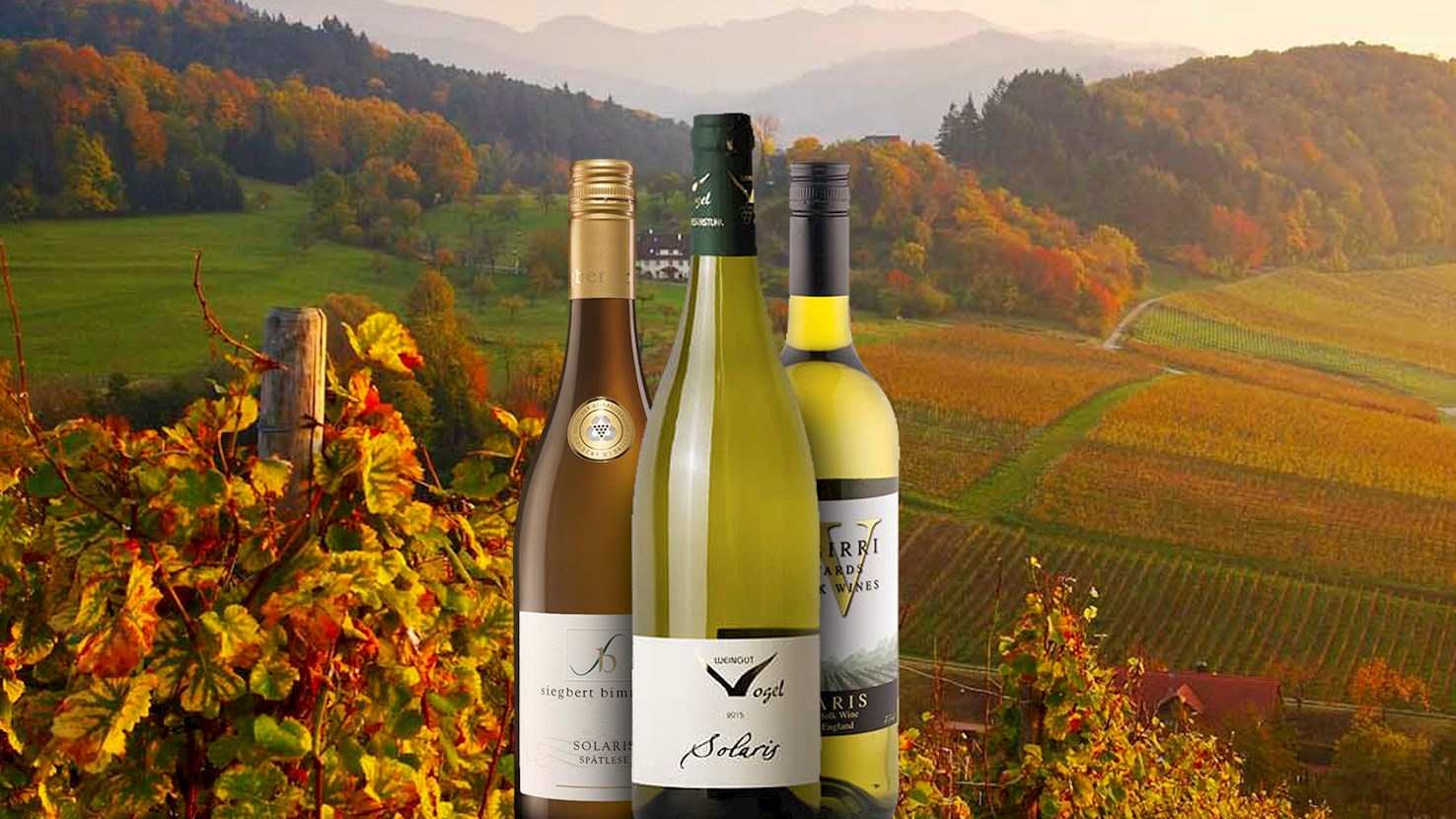
Solaris is a white grape variety that was created by crossing Merzling grape with Zarya Severa and Muscat Ottonel varieties. The grape was first released in 1975 by the Freiburg Wine Institute in Germany. Solaris is especially suitable for cool climates, and apart from Germany, it is cultivated in Poland, Denmark, the Netherlands, England, Switzerland, some parts of Belgium, and Sweden. The wines produced from Solaris grape are usually dry, though in some regions it can also be used in the production of dessert wines. Dry Solaris wines tend to be light, fruity, and fragrant. They will typically display aromas of pears, peaches, citrus, and exotic fruit, as well as nuances of honey. The pleasant sweetness of Solaris wines is usually balanced with bright acidity. These wines make an excellent aperitif, but they can also be a good accompaniment to seafood, chicken, fruity desserts, grilled meat, pasta dishes, vegetables, or cheese.
TasteAtlas food rankings are based on the ratings of the TasteAtlas audience, with a series of mechanisms that recognize real users and that ignore bot,
nationalist or local patriotic ratings, and give additional value to the ratings of users that the system recognizes as knowledgeable.
For the “Top 59 Baden-Württemberg Alcoholic Beverages” list until June 10, 2026, 42 ratings were recorded, of which 38 were recognized by the system as legitimate.
TasteAtlas Rankings should not be seen as the final global conclusion about food. Their purpose is to promote excellent local foods,
instill pride in traditional dishes, and arouse curiosity about dishes you haven’t tried.
The initial list of top producers was compiled based on available reviews, awards, local recommendations, media and blog coverage, and consumer reviews.
The list will be updated with ratings from TasteAtlas local ambassadors and TasteAtlas users.