shutterstock

Top 8 Central American Alcoholic Beverages

Last updated on June 03, 2026

Best Central American Alcoholic Beverages
01

Ron Zacapa

5 ·
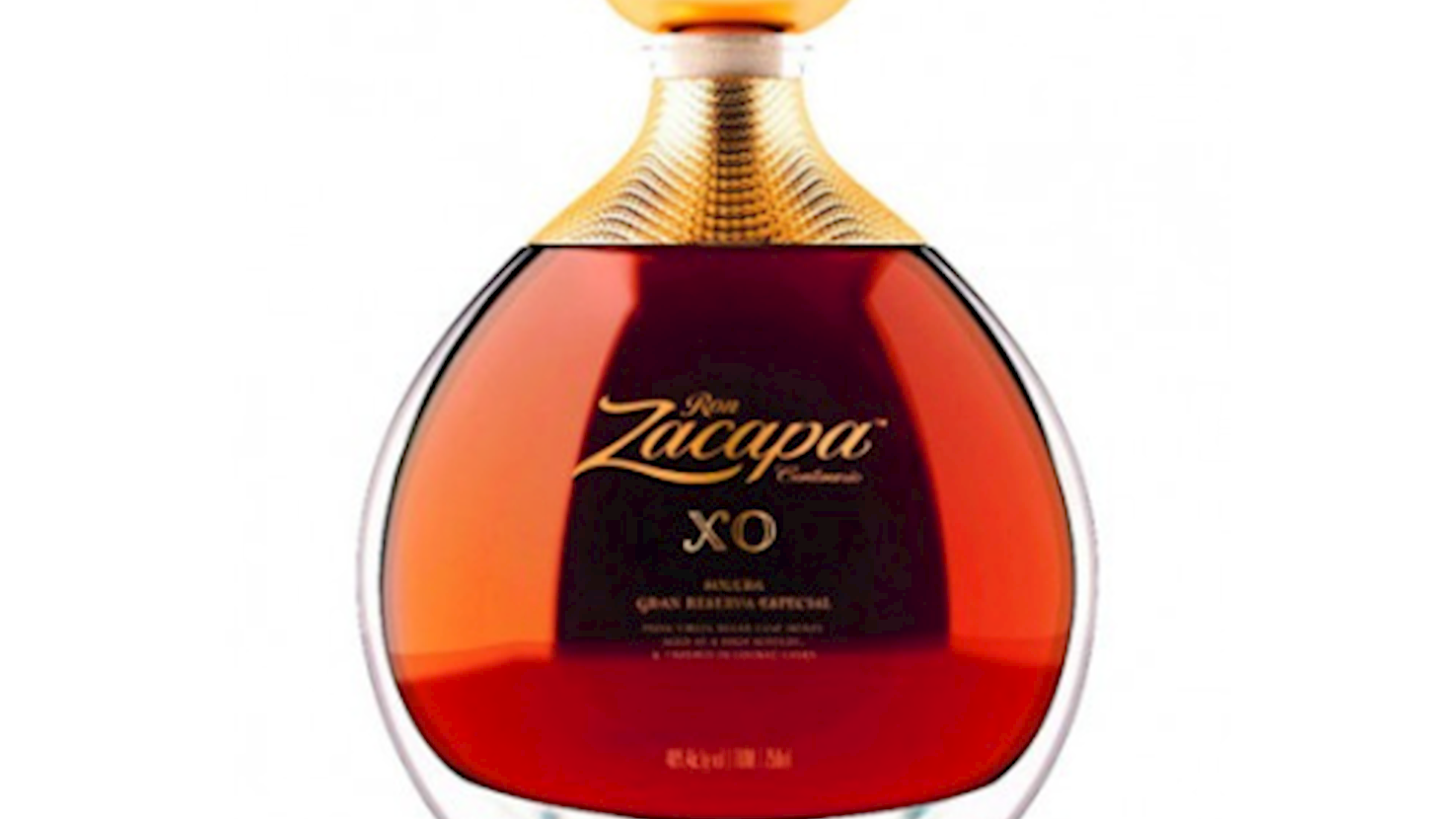
Ron Zacapa Centenario is a premium rum produced in Guatemala by Rum Creation and Products, a subsidiary of Industrias Licoreras de Guatemala, and distributed and marketed by Diageo. Zacapa Centenario was created in 1976 to celebrate the hundredth anniversary of the foundation of Zacapa, a town in eastern Guatemala. It was the result of the blending, stabilization and maturing processes of long-aged rums by doctor and chemist named Alejandro Burgaleta. Ron Zacapa is distinctive in that it is aged in a facility at an altitude with natural coolness which avoids evaporation resulting in an unusually smooth product.
Awards
SFWSC - San Francisco World Spirits Competition - Double Gold (2024)
The Luxury Masters - Gold (2022)
02

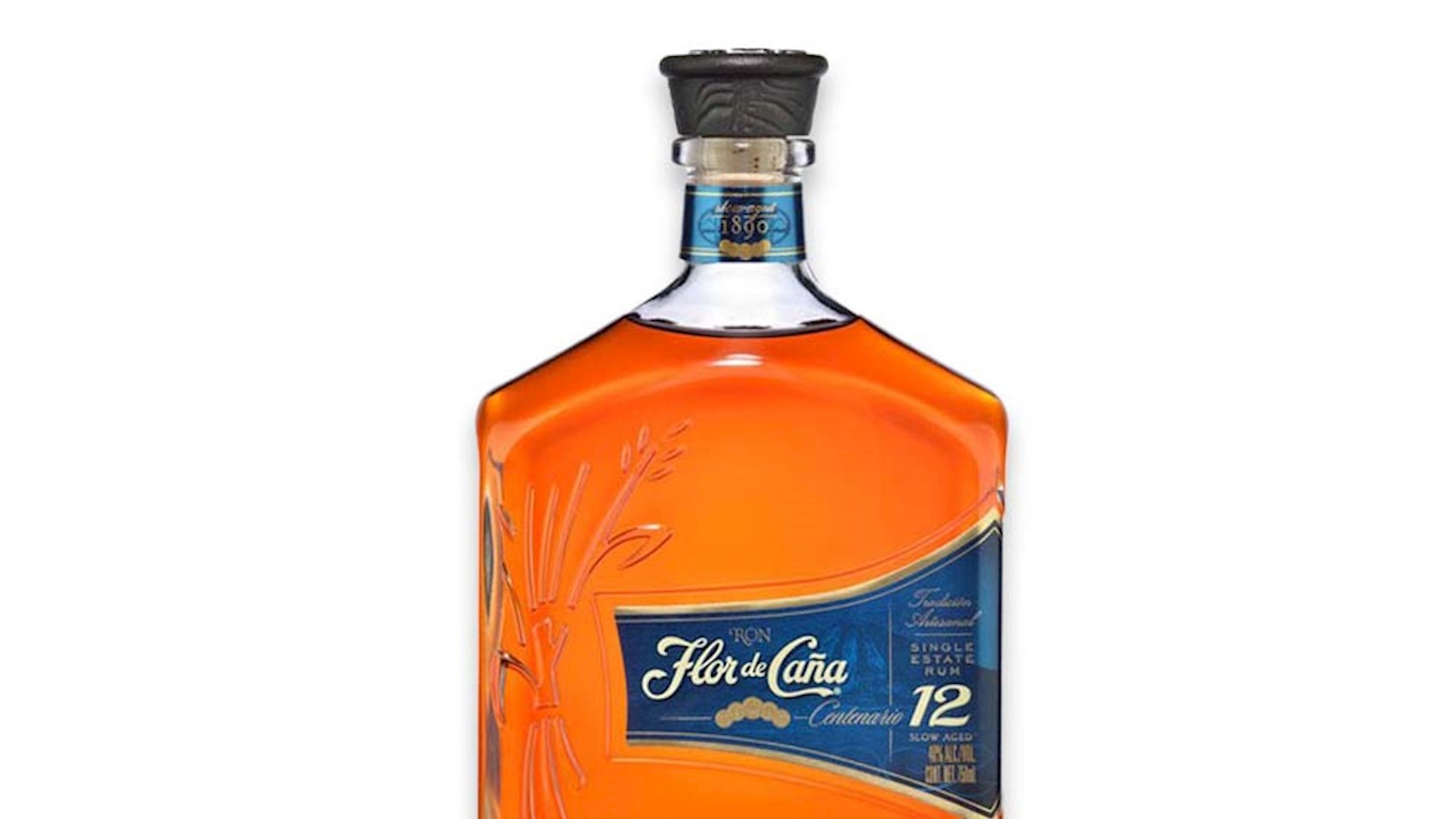
Flor de Caña

5 ·
Awards
SFWSC - San Francisco World Spirits Competition - Double Gold (2024)
03

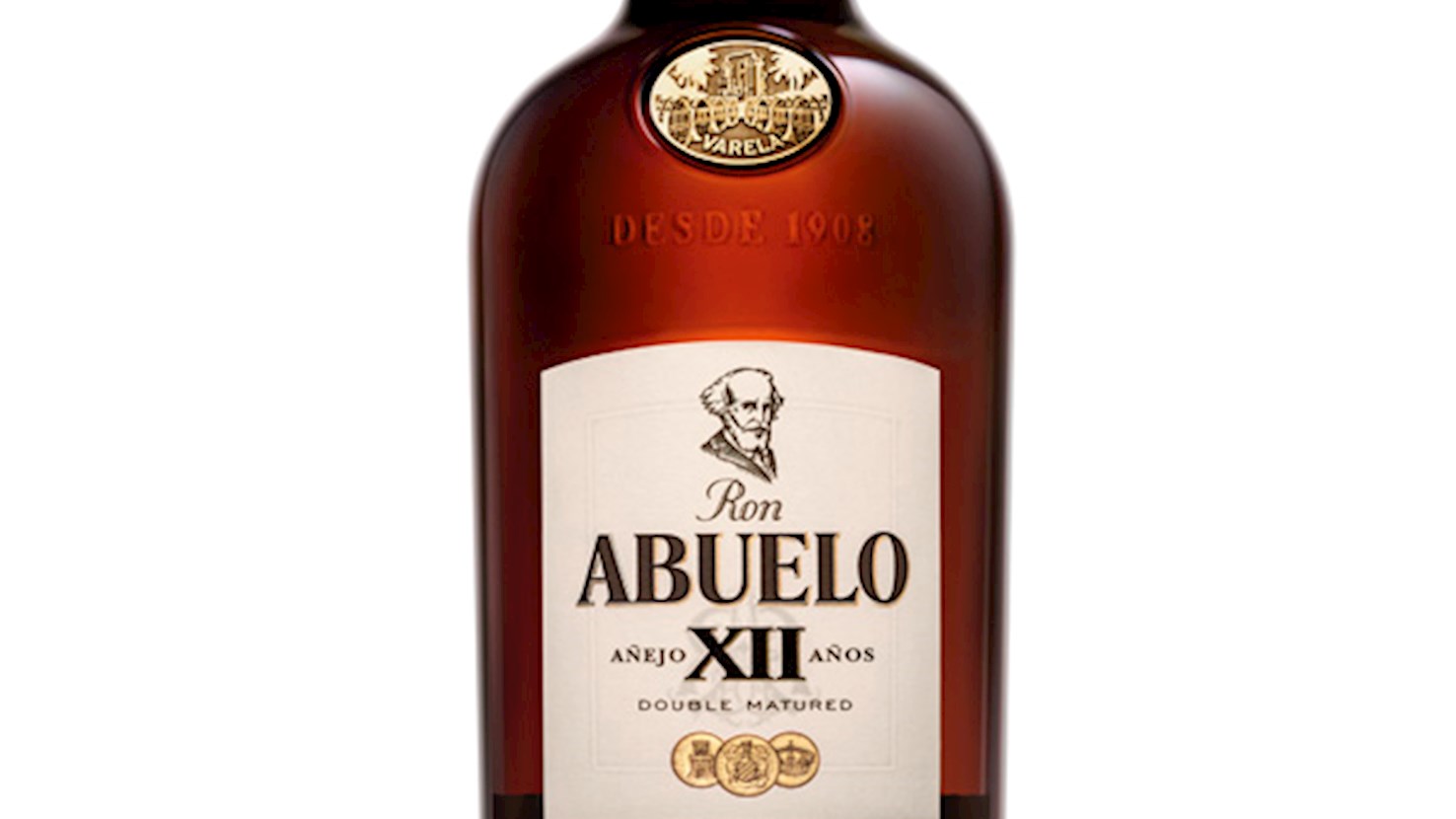
Ron Abuelo

5 ·
Awards
SFWSC - San Francisco World Spirits Competition - Double Gold (2023)
04

Costa Rica Meadery

4.8 ·
Costa Rica Meadery is the first and only commercial meadery in Central America, located in Heredia within the renowned Ark Herb Farm in Santa Bárbara. Founded with the goal of blending the tradition of beekeeping with the richness of Costa Rica’s tropical flora, this family-owned meadery produces honey wines, sparkling meads, craft beers, and liqueurs made from local ingredients. What sets their products apart is the use of herbs and fruits grown in their own garden, which contains over 300 species of tropical and medicinal plants. Their approach is entirely natural - free from added sulfites, artificial colors, or sugars - emphasizing the authenticity of flavor and the unique Costa Rican terroir. Each beverage reflects the influence of the local climate and biodiversity, merging exotic notes with modern fermentation techniques. The meadery also serves as a tourist destination, where visitors can enjoy guided tastings and learn firsthand about the production process. Costa Rica Meadery successfully bridges craftsmanship, science, and nature, creating drinks that capture the spirit of the tropical landscape - warm and aromatic.
Awards
Untappd - 4.2
Untappd - 4.0
05

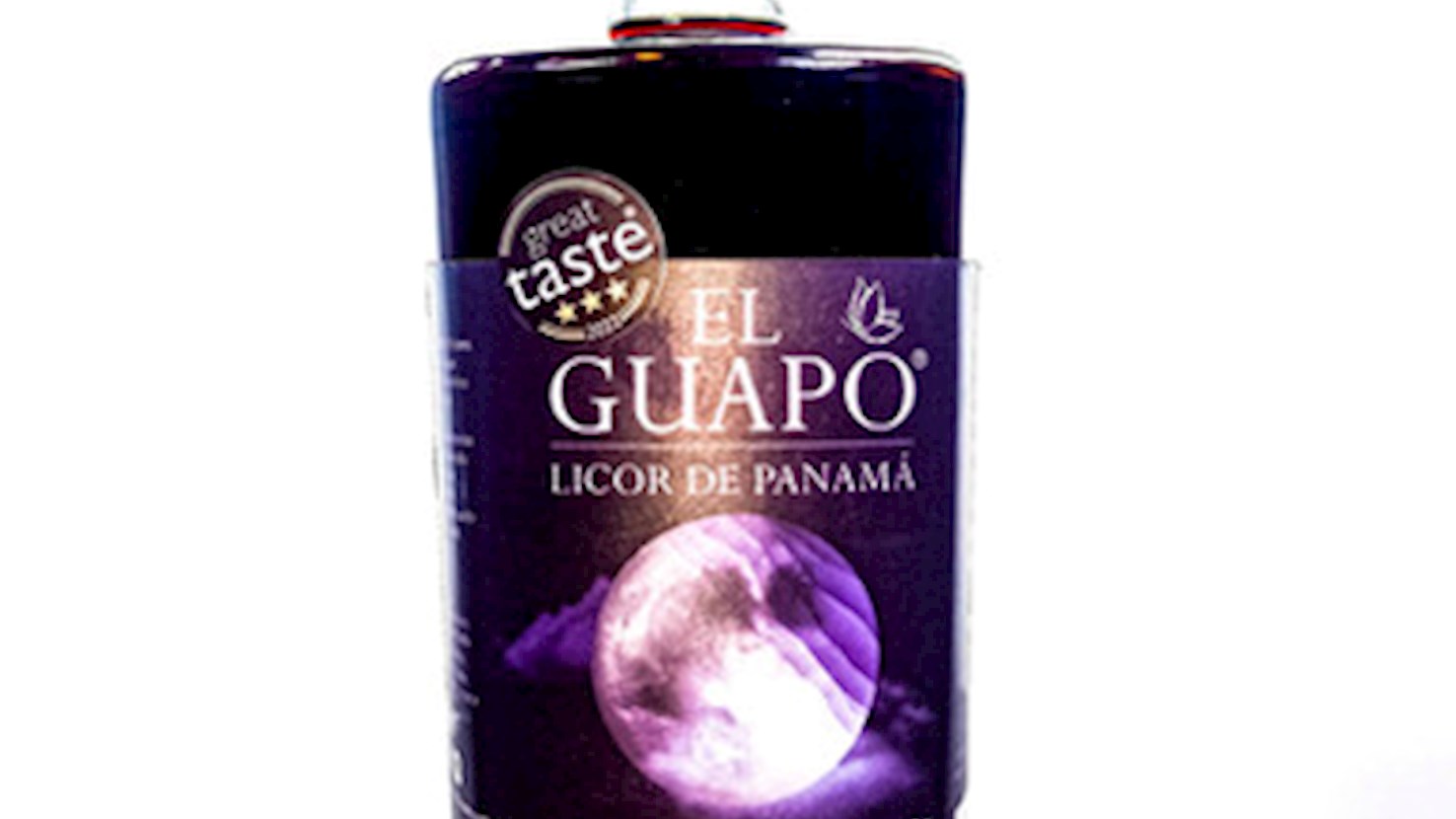
El Guapo De Boquete

4.8 ·
Awards
Great Taste Awards - 3 Stars (2022)
Great Taste Awards - 2 Stars (2023, 2022)
06

Varela Hermanos

4.5 ·
Awards
IWSC- International wine & spirit competition - Spirit Gold (2023)
07

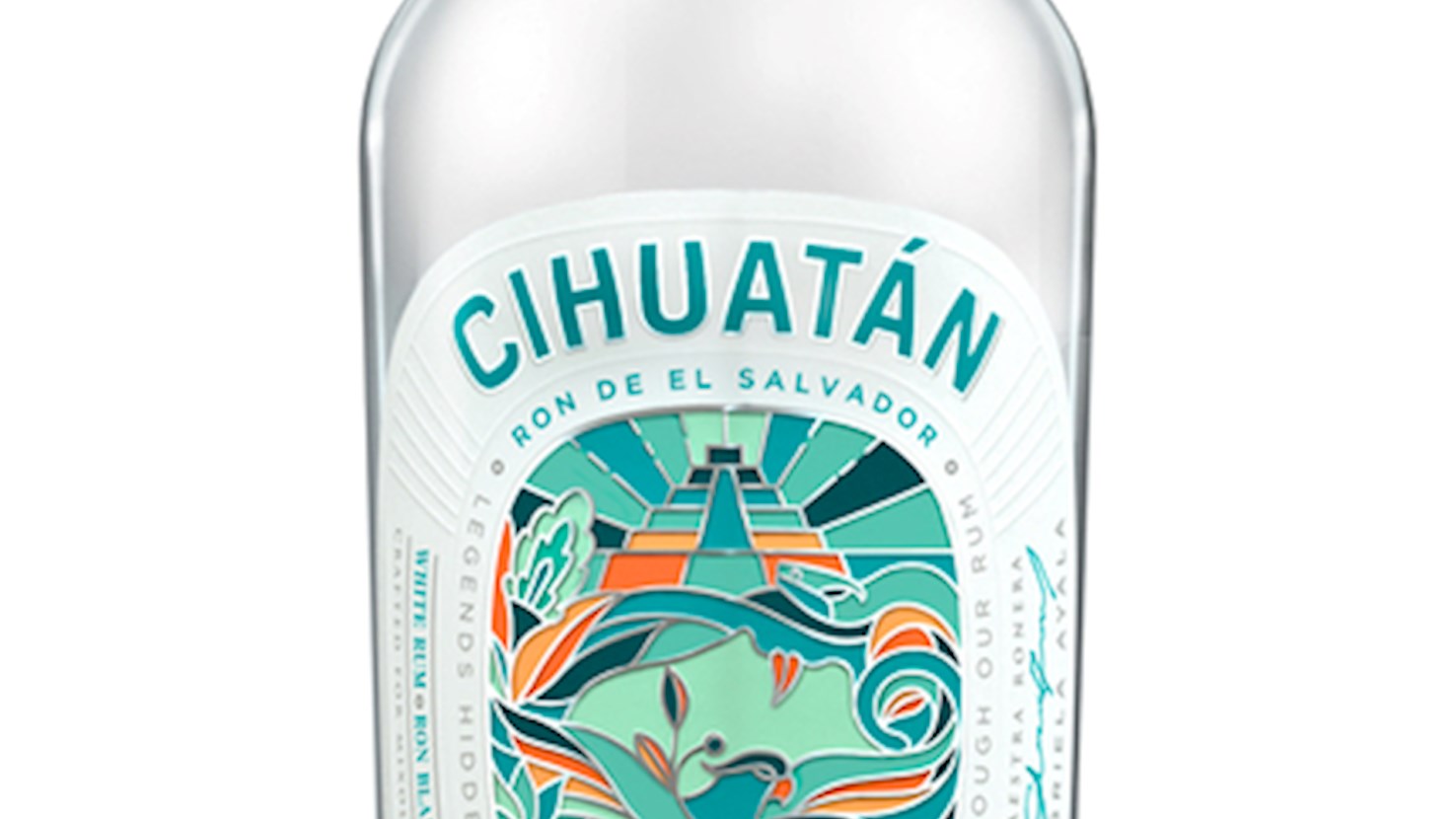
Licorera Cihuatan S.A. de C.V.

4.5 ·
Awards
Bartender Spirits Awards - Double Gold (2023)
08

Treintaycinco Fabrica de Cervezas

3.7 ·
Awards
Barcelona Beer Challenge - Gold (2020)

Best Central American Alcoholic Beverage Types
01

Guaro

2.8 ·

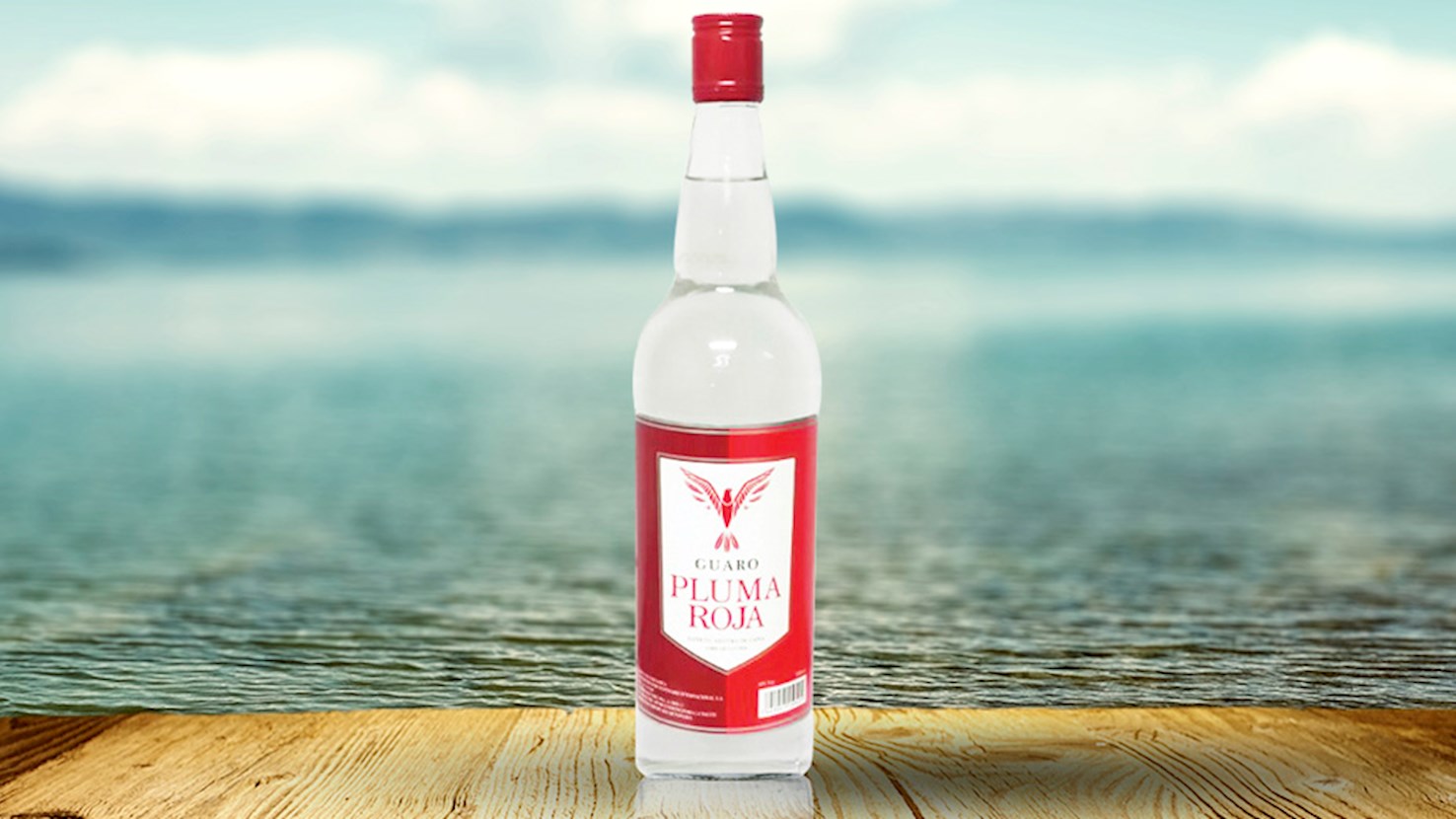
Although the term guaro may denote any type of liquor in some parts of Latin America, it is predominantly used as a reference to a clear spirit that is distilled from sugarcane juice. Guaro is considered to be the national drink of Costa Rica, where the production was regulated to restrict the clandestine homemade production. The most prominent brand is Cacique, and the drink is often marketed under the same name. Guaro is typically bottled at 35% ABV, and it should be enjoyed straight, optionally accompanied by salt and lemon, but it also blends well with soda, soft drinks, and fruit juice. It is also used in the spicy chili guaro shot that combines guaro, tomato juice, lime, and Tabasco.

02

Vino de coyol

n/a ·

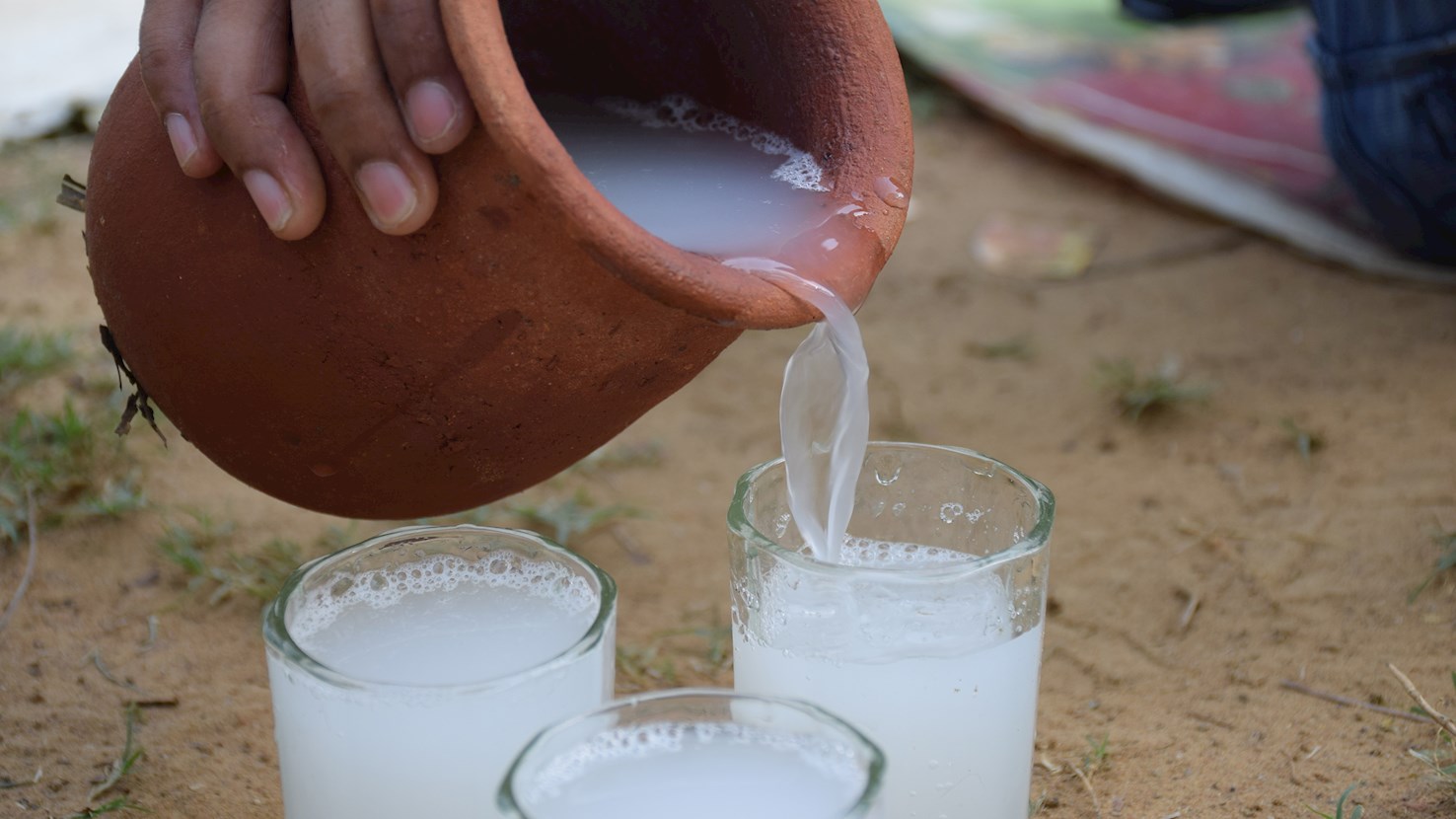
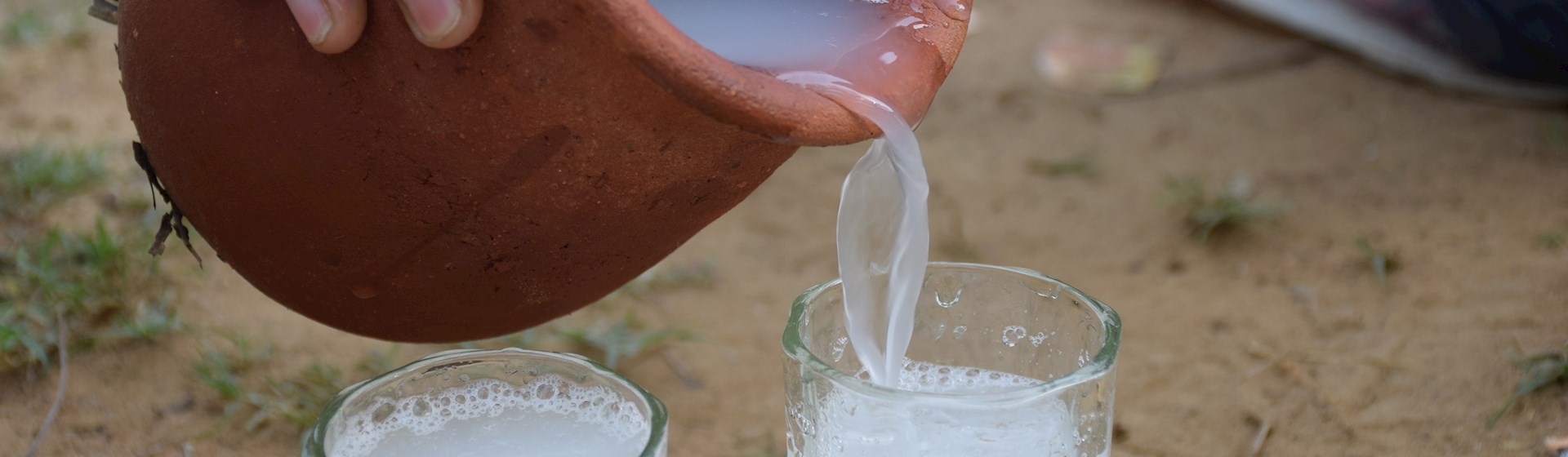
Despite its misleading name, vino de coyol is not wine but a beverage made from the fermented sap of coyol palms (Acrocomia aculeata). The juice is collected from the trunk and is then left to ferment. The process of fermentation can last for up to a week, and the final profile of the drink depends on how long the sap is left to ferment. The freshest version is light and milky, while the most potent version is fermented the longest and results in a thicker beverage. Although coyol has a low alcohol content, it contains enzymes that cause similar effects as alcohol. Allegedly, coyol causes serious hangovers, and the urban legend says that if you spend a following day in the sun, you will feel the intoxicated all over again. Vino de coyol is mostly associated with Costa Rica—particularly Guanacaste province—and Honduras, though similar versions are found in other Latin American countries.

03

Macuá

n/a ·

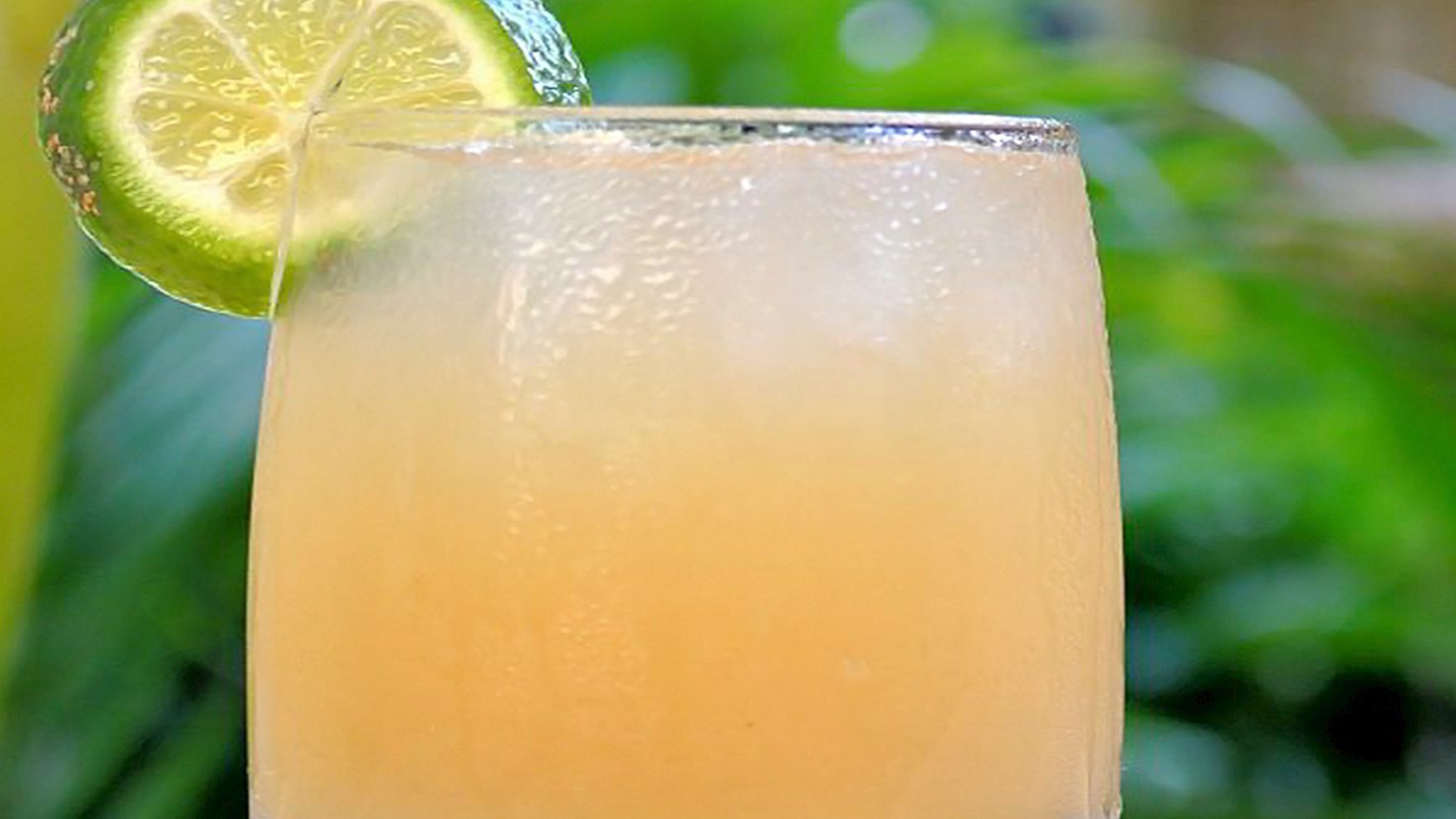
Named after a tropical bird native to Nicaragua, Macuá is a combination of white rum and fruit juices from lemon and guava. The cocktail was invented by Dr. Edmundo Miranda Sáenz, who created it at the end of 20th century, but it gained popularity in 2006, when it was selected as the national drink of Nicaragua. Macuá is prepared by blending the ingredients with crushed ice, and it is traditionally served on the rocks in a highball glass garnished with an orange wheel.

04

Gifiti

n/a ·

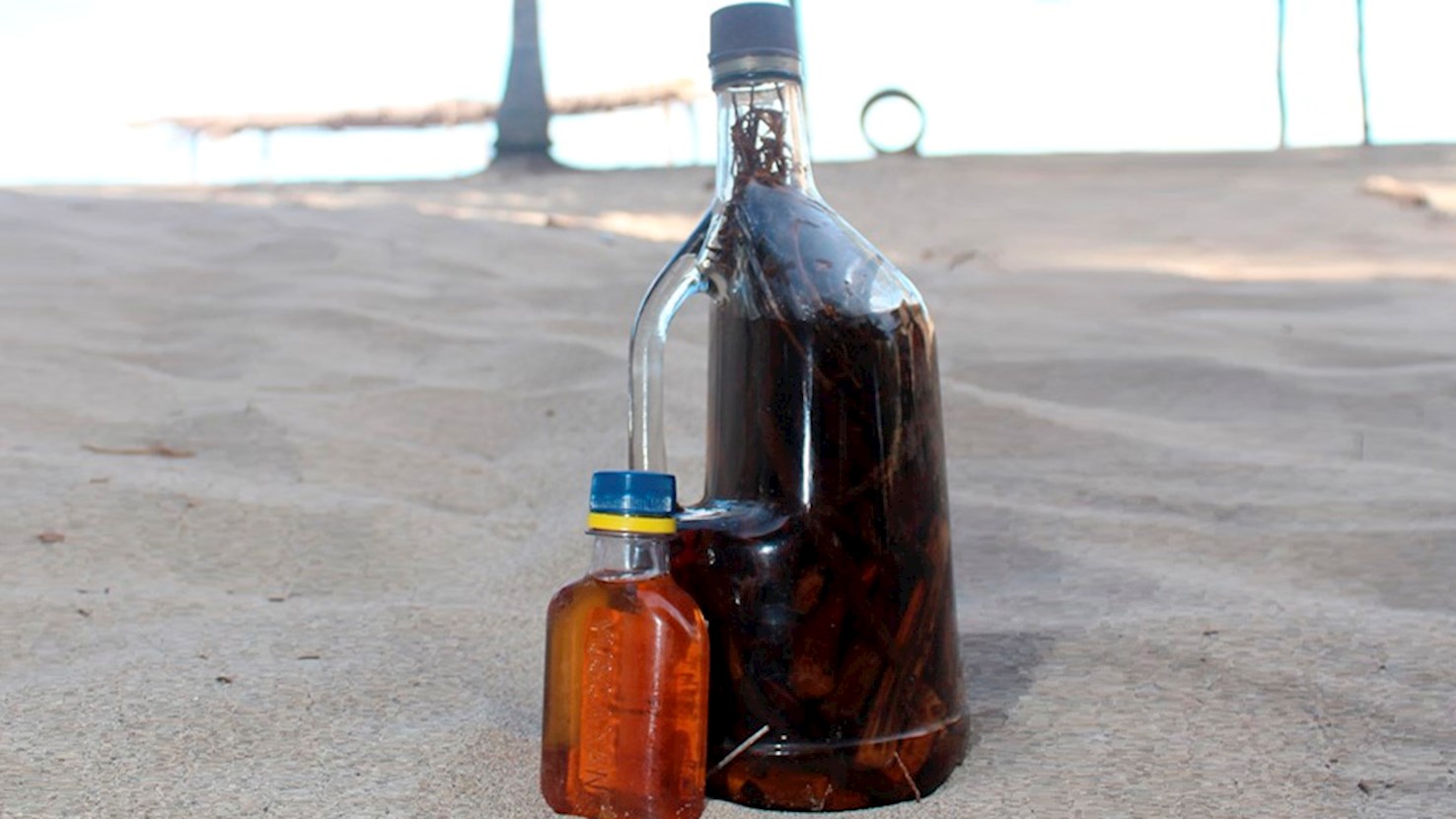
Gifiti, which translates as bitter, is an alcoholic drink of the Garifuna, indigenous people that were mostly exiled to Honduras, Guatemala, Belize and Nicaragua. The drink is made with various herbs and roots that are macerated in rum. The combination of botanicals is versatile and may include up to forty different varieties of roots, herbs, spices, leaves, or flowers. The bottle is usually filled with botanicals and is then topped with rum. In rare occasions, rum can be swapped with boiling water. Garifuna have been using gifiti as a drink and a health remedy. Although there are commercially produced versions of grifiti, the best are produced by locals, and they can be found in Garifuna bars. The drink is best enjoyed neat or on the rocks.

Read more
View all
View map
About this ranking

TasteAtlas food rankings are based on the ratings of the TasteAtlas audience, with a series of mechanisms that recognize real users and that ignore bot, nationalist or local patriotic ratings, and give additional value to the ratings of users that the system recognizes as knowledgeable. For the “Top 8 Central American Alcoholic Beverages” list until June 03, 2026, 70 ratings were recorded, of which 33 were recognized by the system as legitimate. TasteAtlas Rankings should not be seen as the final global conclusion about food. Their purpose is to promote excellent local foods, instill pride in traditional dishes, and arouse curiosity about dishes you haven’t tried.

The initial list of top producers was compiled based on available reviews, awards, local recommendations, media and blog coverage, and consumer reviews. The list will be updated with ratings from TasteAtlas local ambassadors and TasteAtlas users.

Similar lists