Top 20 Finnish Alcoholic Beverages

Last updated on July 22, 2026

Best Finnish Alcoholic Beverages
01

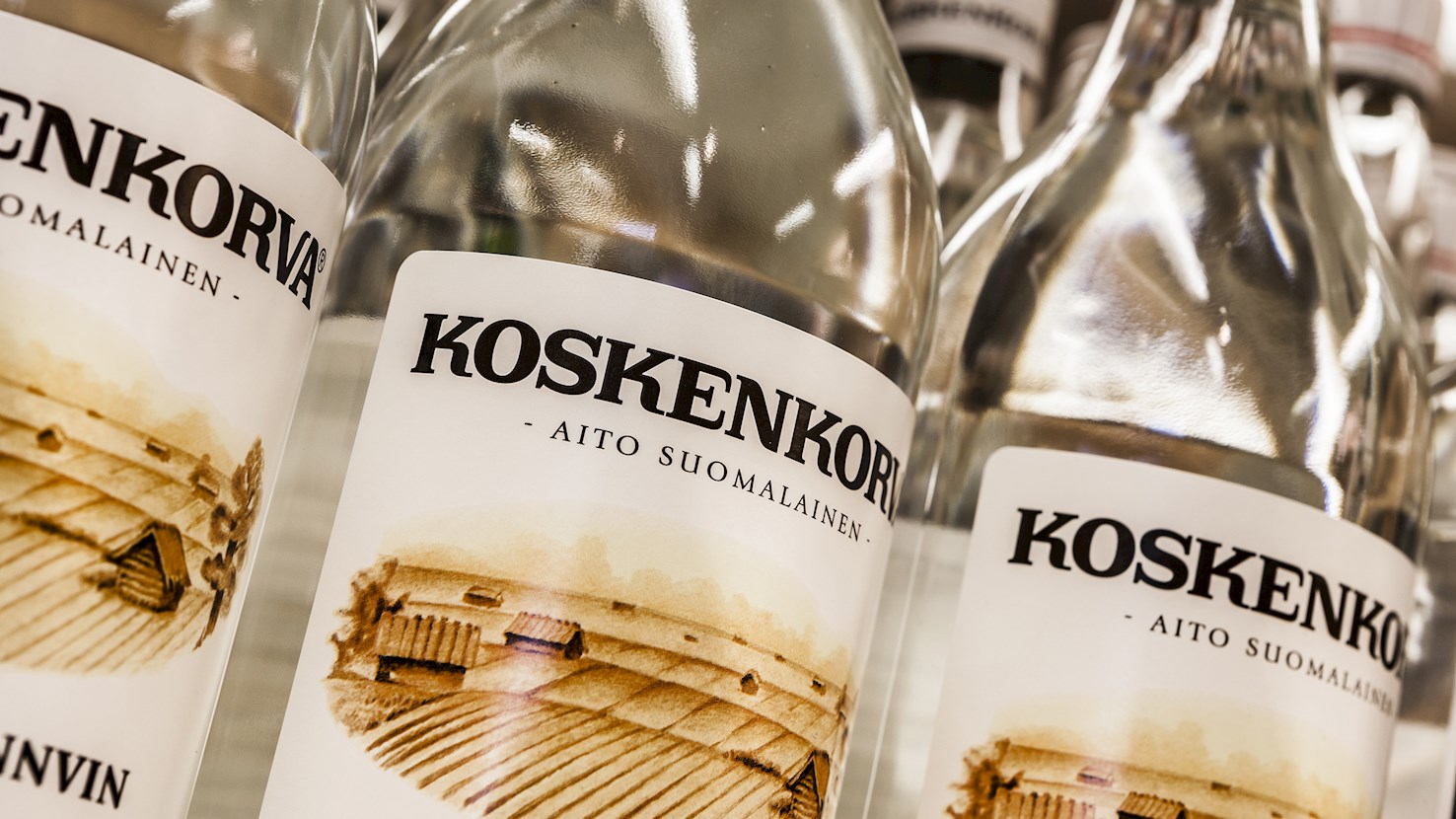
Koskenkorva Distillery

5.0 ·

The Koskenkorva distillery, located in the village of Koskenkorva in Southern Ostrobothnia, has a long tradition dating back to the 1940s. This distillery was founded by the Finnish state alcohol company Oy Alkoholiliike Ab on land purchased from the Koskenkorva family.

The first experimental distillation process was completed in 1941, and by 1953, the production of spirits became permanent. Koskenkorva Viina, their first product, became Finland’s best-selling spirit as early as 1960.

The distillery relies on local barley cultivation, especially the Kaarle and Elmeri varieties, which thrive in the fertile coastal fields around Koskenkorva village.

Awards
IWSC- International wine & spirit competition - Spirit Gold Outstanding (2024, 2023)
The Vodka Masters - Gold (2023, 2022)
02

Turku Distillery

5.0 ·

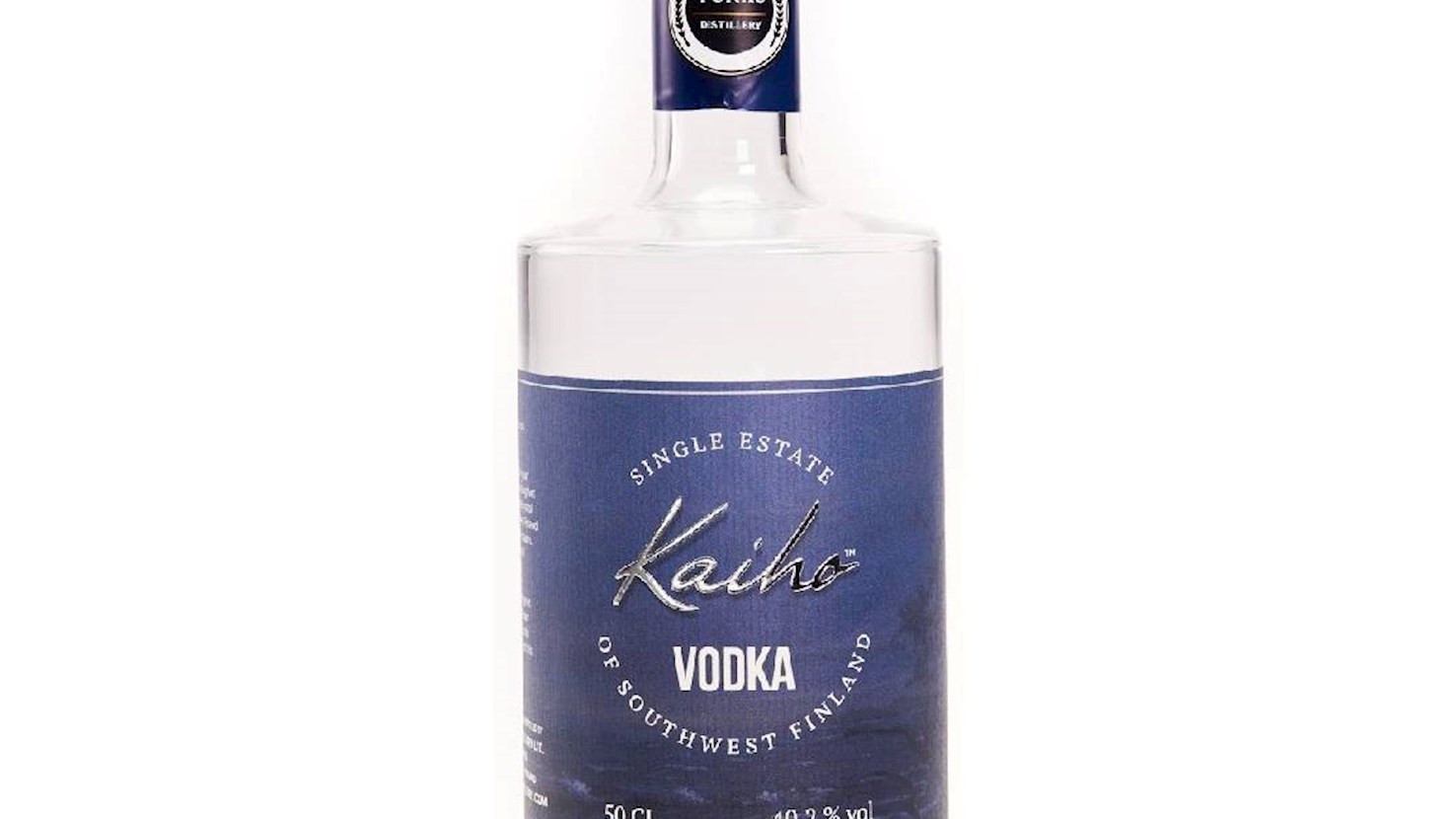
Turku Distillery Ltd, established in 2021, is a craft distillery located in Raisio, Southwest Finland. The company is renowned for producing organic vodka and liqueurs using the finest organic winter wheat and crystal-clear artesian water from Southwest Finland.

Distillation takes place in a high-quality copper column, resulting in premium products such as Kaiho™ Vodka and Kaiho™ Ruby Blackcurrant Liqueur. Turku Distillery has earned numerous international accolades for its products, including gold medals at competitions such as the Craft Spirits Awards™ 2023 and the European Spirit Challenge™ 2023.

The company is committed to sustainable production, employing carbon-neutral processes and using bioenergy for heating. With its dedication to quality and authenticity, Turku Distillery Ltd continues to expand its presence in the international market.

Awards
IWSC- International wine & spirit competition - Spirit Gold (2024)
IWSC- International wine & spirit competition - Spirit Gold Outstanding (2024)
03

Anora Group

5.0 ·

Anora Group is a Finnish multinational company that specializes in the production and distribution of alcoholic beverages, particularly spirits and wines. The company was formed in 2021 through the merger of Altia and Arcus Group, both prominent players in the Nordic and Baltic regions.

Anora Group has a diverse portfolio of brands, including well-known names in spirits such as Koskenkorva, O.P. Anderson, and Mariestads.

They focus on quality and innovation, using sustainable production practices to minimize environmental impact. The company is committed to expanding its presence in global markets, with operations spanning several continents.

Anora also places a strong emphasis on responsibility, encouraging responsible drinking and supporting various social initiatives. As part of its business strategy, Anora Group continues to explore new opportunities for growth and enhance its brand offerings through acquisitions and strategic partnerships.

Awards
ISC-International Spirits Challenge - Double Gold (2023, 2022, 2020)
IWSC- International wine & spirit competition - Spirit Gold Outstanding (2024)
04

Kyrö Distillery Company

5.0 ·
Awards
IWSC- International wine & spirit competition - Spirit Gold (2024, 2019)
World Gin Awards - World's Best Compound Gin (2023)
05

Xanté

5.0 ·

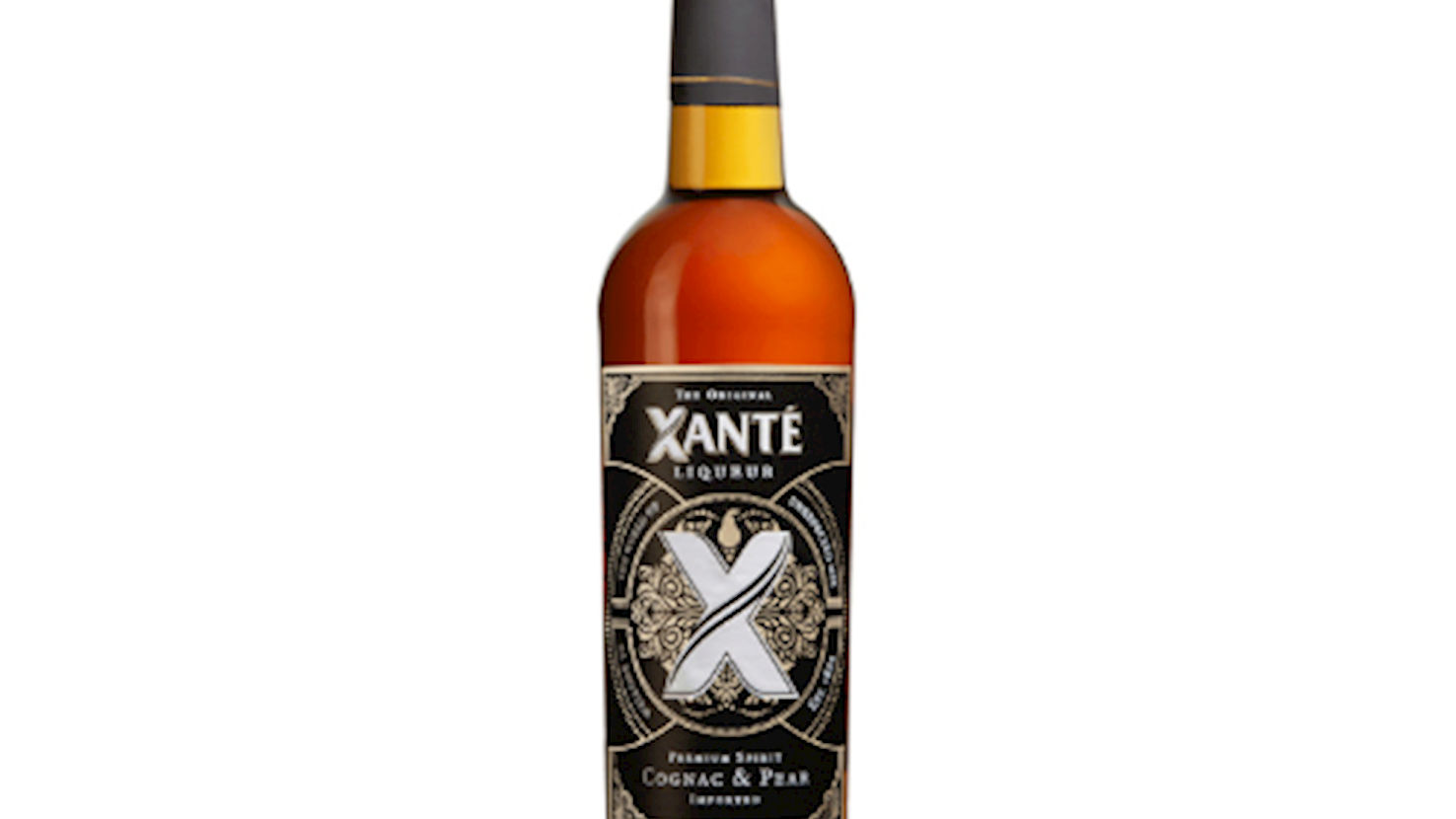
Xanté Spirit is a brand owned by Anora Group, a leading Nordic alcoholic beverage company. Anora Group was formed through the merger of Altia and Arcus. Xanté, which is particularly known for its pear liqueur blended with French cognac, is one of the premium offerings in their portfolio.

Xanté Spirit is a premium fruit spirit produced by the Xanté Distillery, which is known for creating high-quality liqueurs and spirits. Xanté Spirit is made using carefully selected ingredients, with a focus on quality and traditional distillation methods.

This results in a refined product suitable for sipping or as an ingredient in premium cocktails.

Awards
The Liqueur Masters - Gold (2023)
The Liqueur Masters - Master (2023)
06

Arctic Blue Beverages

5.0 ·

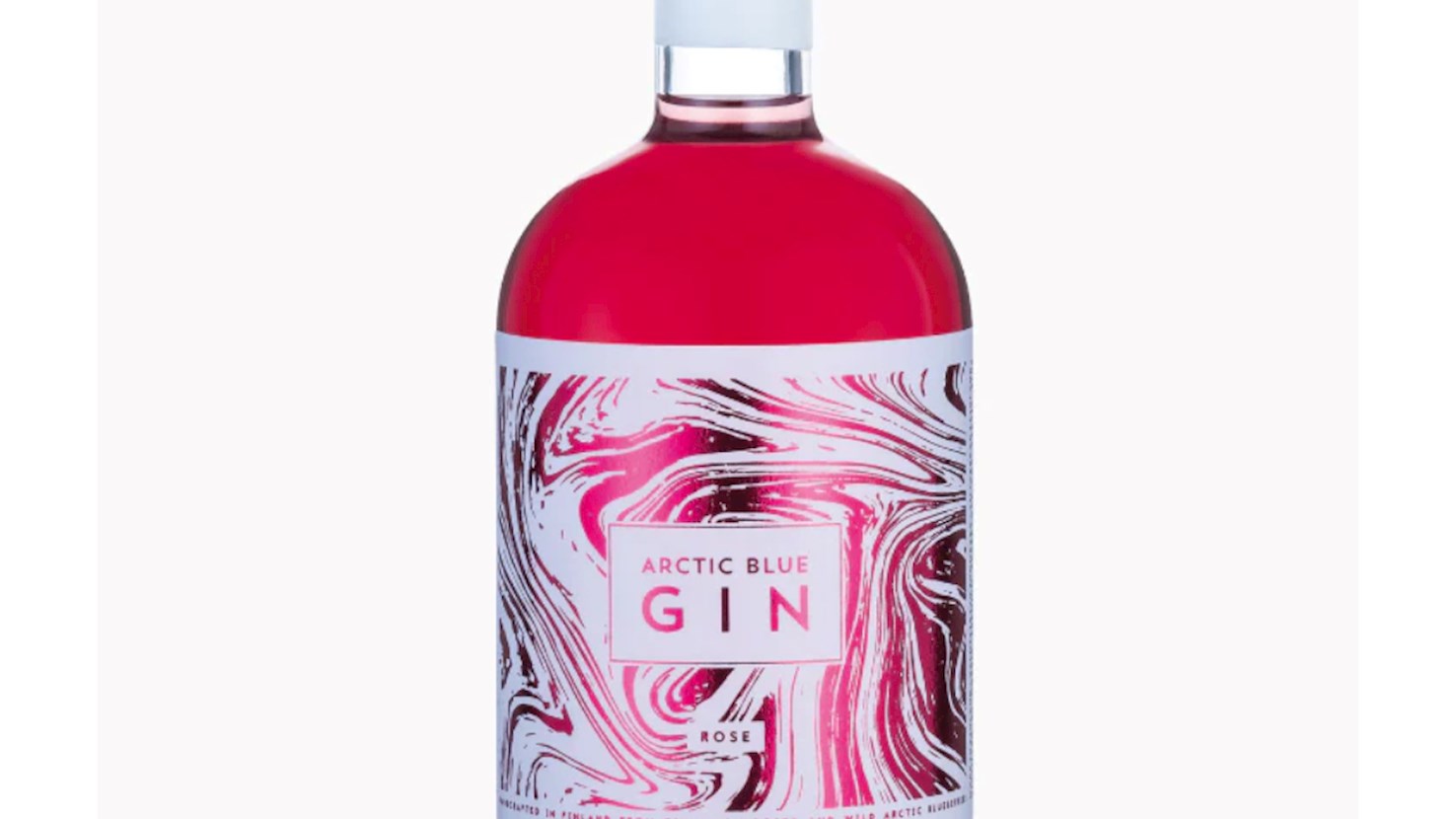
Arctic Blue Beverages is a Finnish company dedicated to crafting premium spirits and beverages inspired by the pristine nature of the Arctic. Based in Ilomantsi, Finland, the company emphasizes the use of locally sourced, organic, and wild-harvested ingredients, such as bilberries, oats, and wild herbs.

Their flagship product, Arctic Blue Gin, captures the essence of Nordic forests with its fresh pine and bilberry aromas. Arctic Blue Beverages is also known for Arctic Blue Oat Liqueur, a dairy-free liqueur that blends the creamy texture of oats with the tartness of bilberries.

Another standout product is Arctic Blue Rose, a pink gin infused with wild cinnamon rose petals and blueberries, offering a sweeter and more delicate flavor profile. The company also produces Arctic Blue Laku, a liquorice liqueur with a balanced sweet and salty taste.

Their Arctic Blue Long Drinks provide refreshing, ready-to-enjoy beverages inspired by Finnish traditions. Sustainability is a core value, with a focus on minimizing environmental impact throughout production.

Arctic Blue Beverages reflects a deep connection to the Arctic environment, offering products that celebrate Finnish heritage and natural purity. Their beverages appeal to those seeking authentic flavors rooted in nature.

Awards
SFWSC - San Francisco World Spirits Competition - Double Gold (2024)
SWSC - Singapore World Spirits Competition - Double Gold (2023)
07

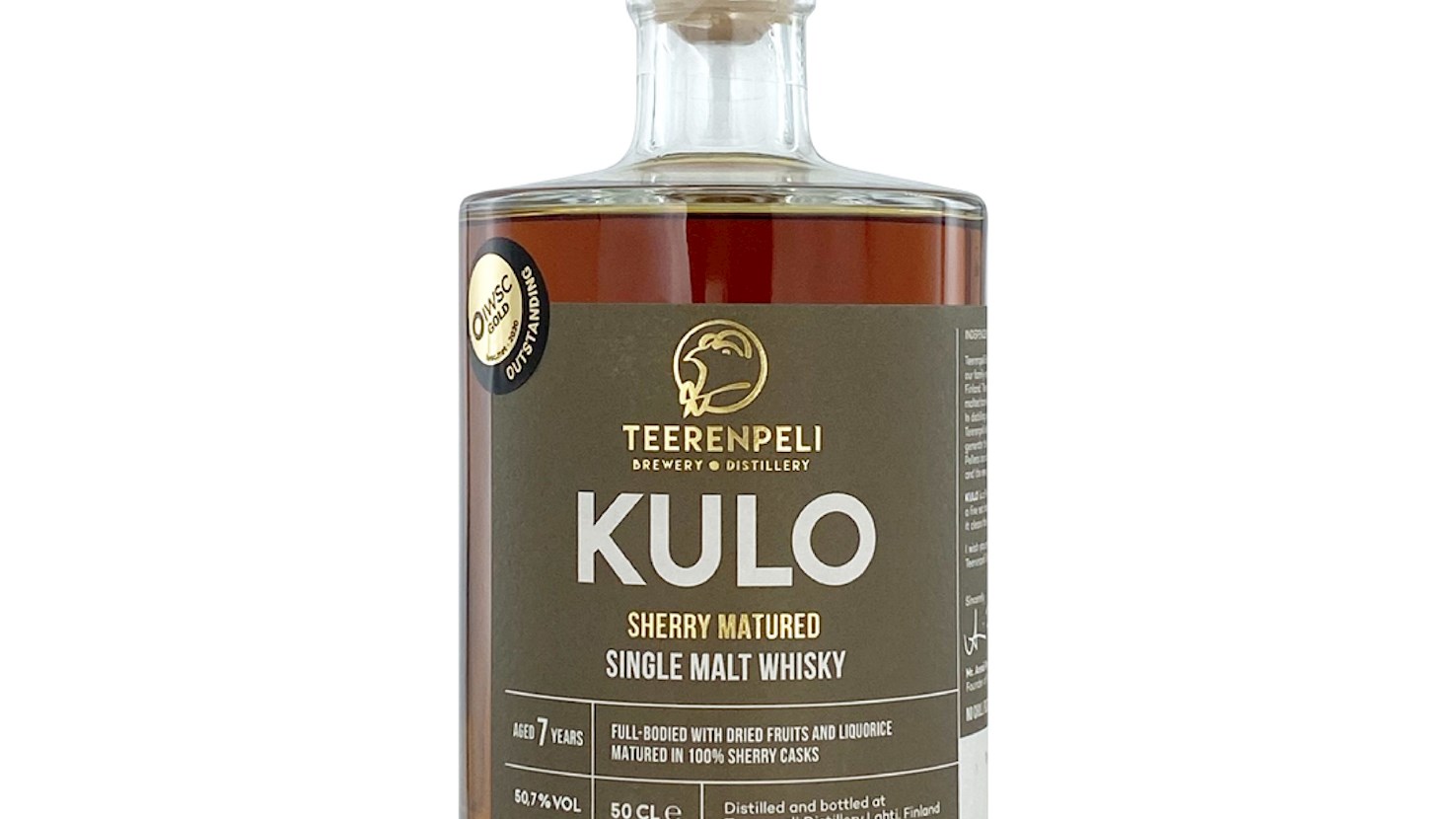
Teerenpeli Brewery & Distillery

5.0 ·
Awards
IWSC- International wine & spirit competition - Spirit Gold Outstanding (2024)
IWSC- International wine & spirit competition - Spirit Gold (2020)
08

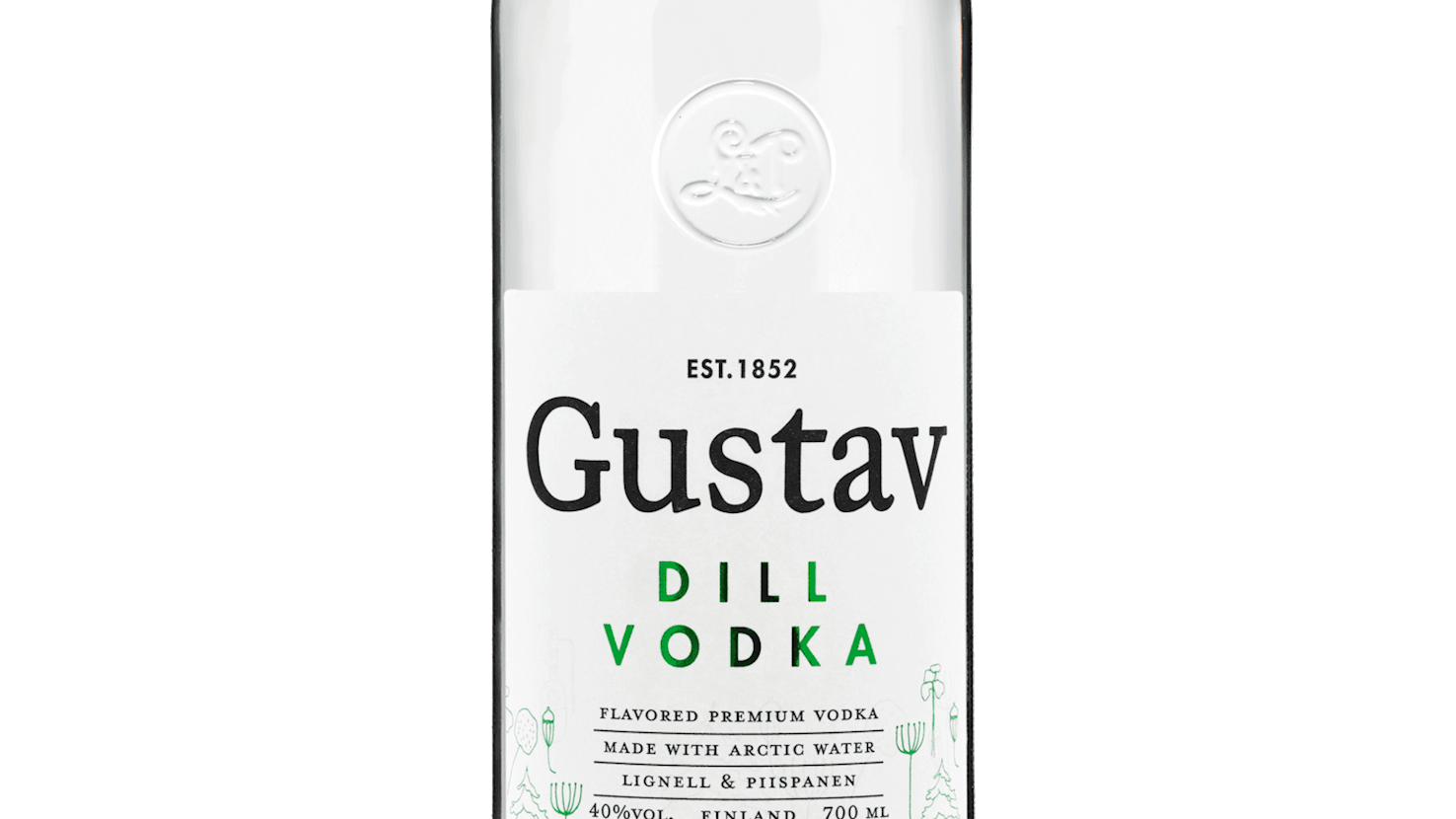
Lignell & Piispanen

4.8 ·
Awards
IWSC- International wine & spirit competition - Spirit Gold (2024, 2019)
ISC-International Spirits Challenge - Gold trophy (2018)
09

Minttu Spirits

4.8 ·

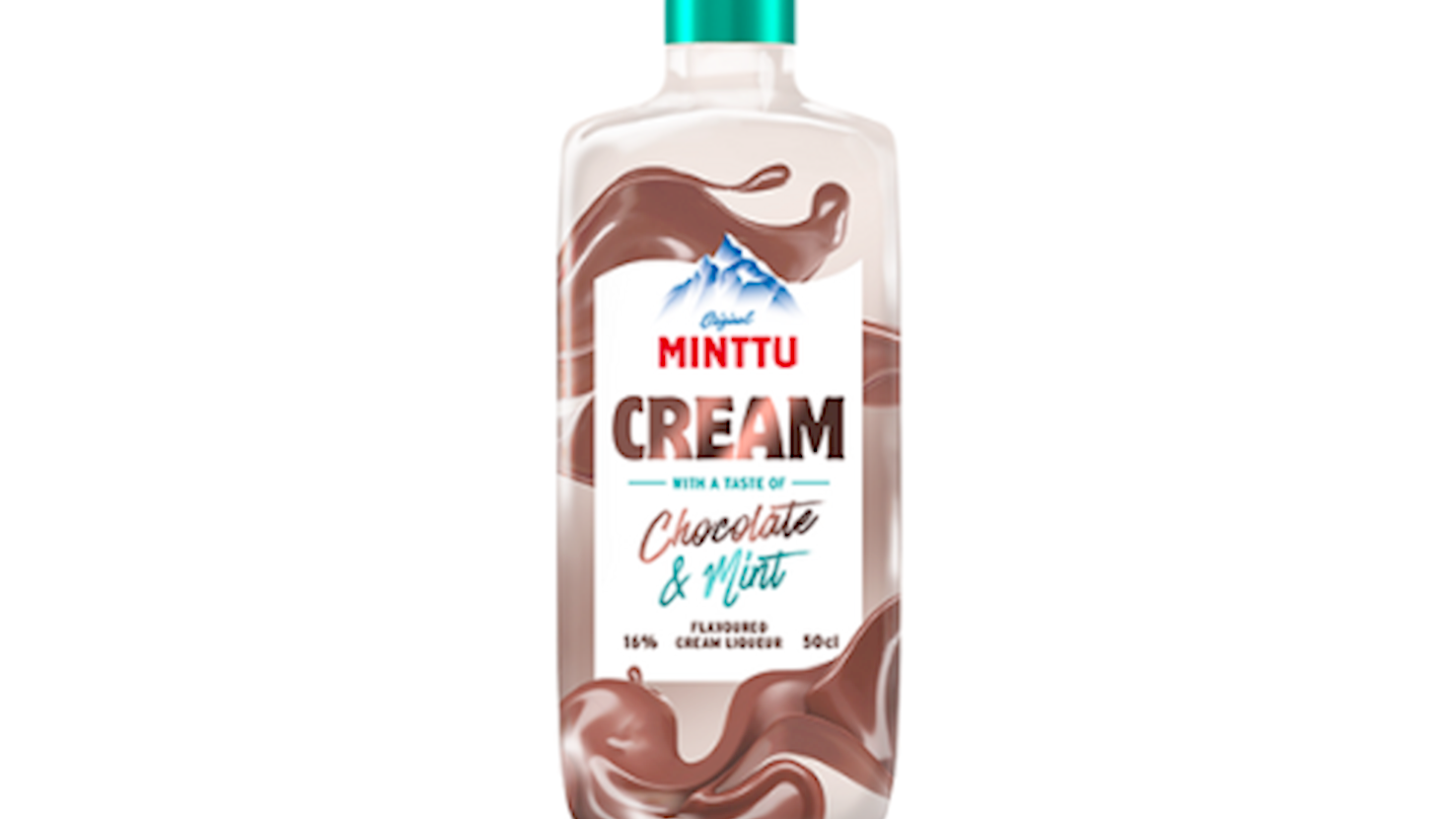
Minttu Spirit is a Finnish brand known for its distinctive Minttu Peppermint Liqueur, which delivers an intense and refreshing peppermint flavor. The liqueur is crafted using high-quality ingredients and is famous for its bold, smooth taste that combines the freshness of mint with a warming finish.

Minttu offers several variations of its peppermint liqueur, including options infused with chocolate and other botanicals, catering to different taste preferences. The brand takes pride in its Finnish heritage, drawing inspiration from the pure, natural environment of Finland, which is reflected in the crisp, clean flavors of its products.

Minttu is now part of the Pernod Ricard portfolio, benefiting from the global reach and expertise of the world-renowned spirits company.

Awards
IWSC- International wine & spirit competition - Spirit Gold (2024)
10

One Eyed Spirits

4.5 ·
Awards
The Rum & Cachaça Masters - Gold (2023)
World Gin Awards - Country Winner (2022, 2020)

Best Finnish Alcoholic Beverage Types

01

Baltic porter

4.1 ·

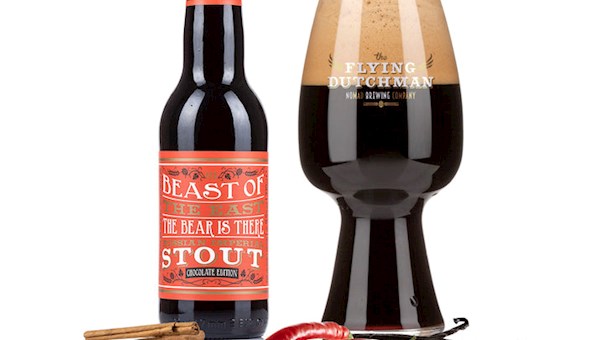
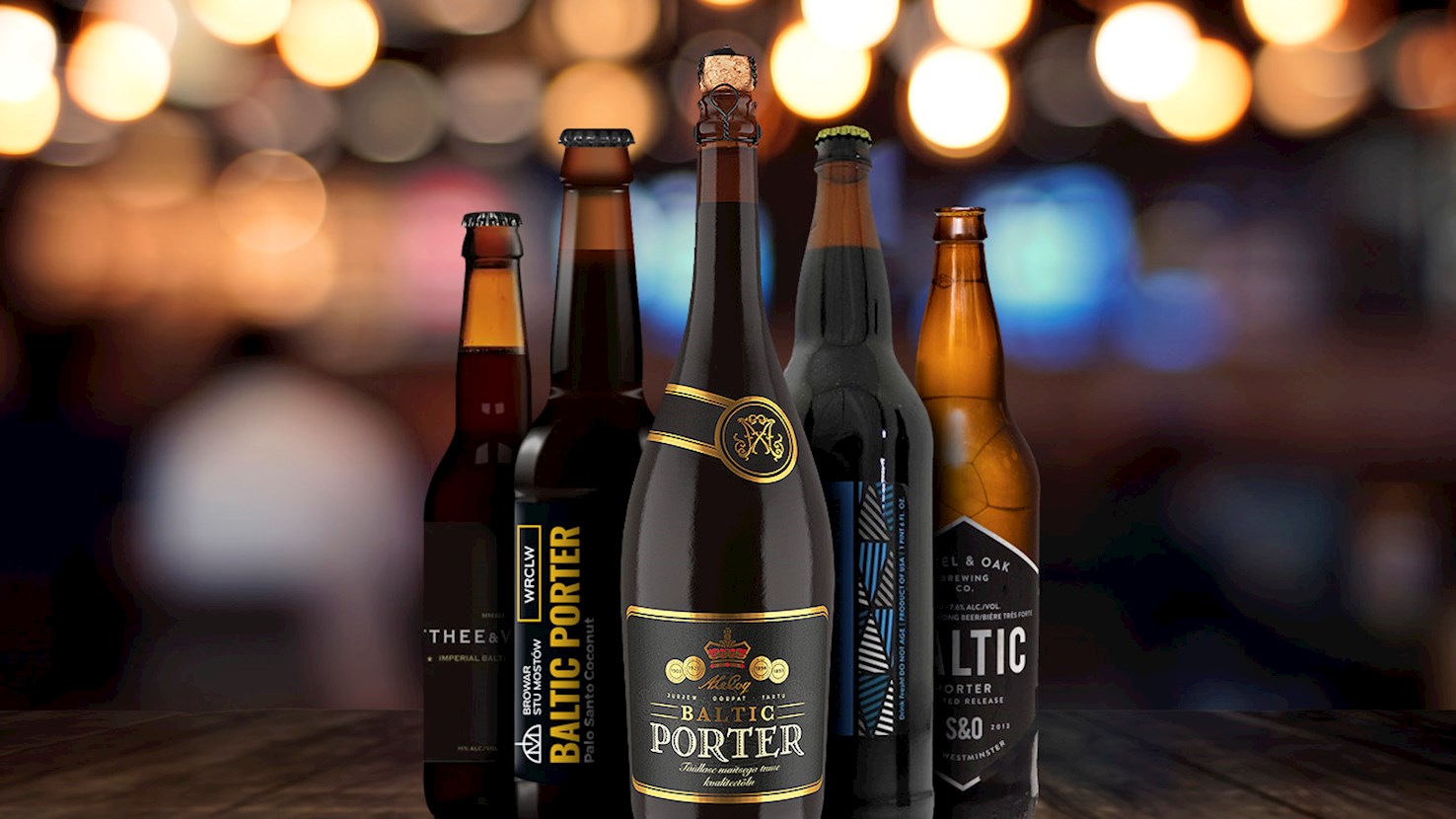
This beer style evolved from the British porter, and it was partially influenced by imperial stouts. The beers that fall under this category will typically have high alcohol content, usually between 5.5 and 9.5% ABV, while their color ranges from mahogany red to dark brown. They are full-bodied and smooth brews with typical malt flavors that are usually complemented by aromas of toast, caramel, licorice, dried fruit, chocolate, and coffee. Baltic porter first appeared when stronger and hoppier versions of British porter were sent to Russia. The shipments first reached Baltic, Scandinavian, and Northern European ports, including those in Finland, Poland, Sweden, Denmark, Lithuania, Estonia, and Latvia. Home breweries soon started to produce their versions using lager yeasts and regional ingredients, eventually creating a style that comes in many local expressions. Baltic porters are an excellent match to hearty dishes, especially roasted or grilled meat, and stews. They can also go well with chocolate or nut desserts and cheese.

02

Farmhouse ale

3.7 ·

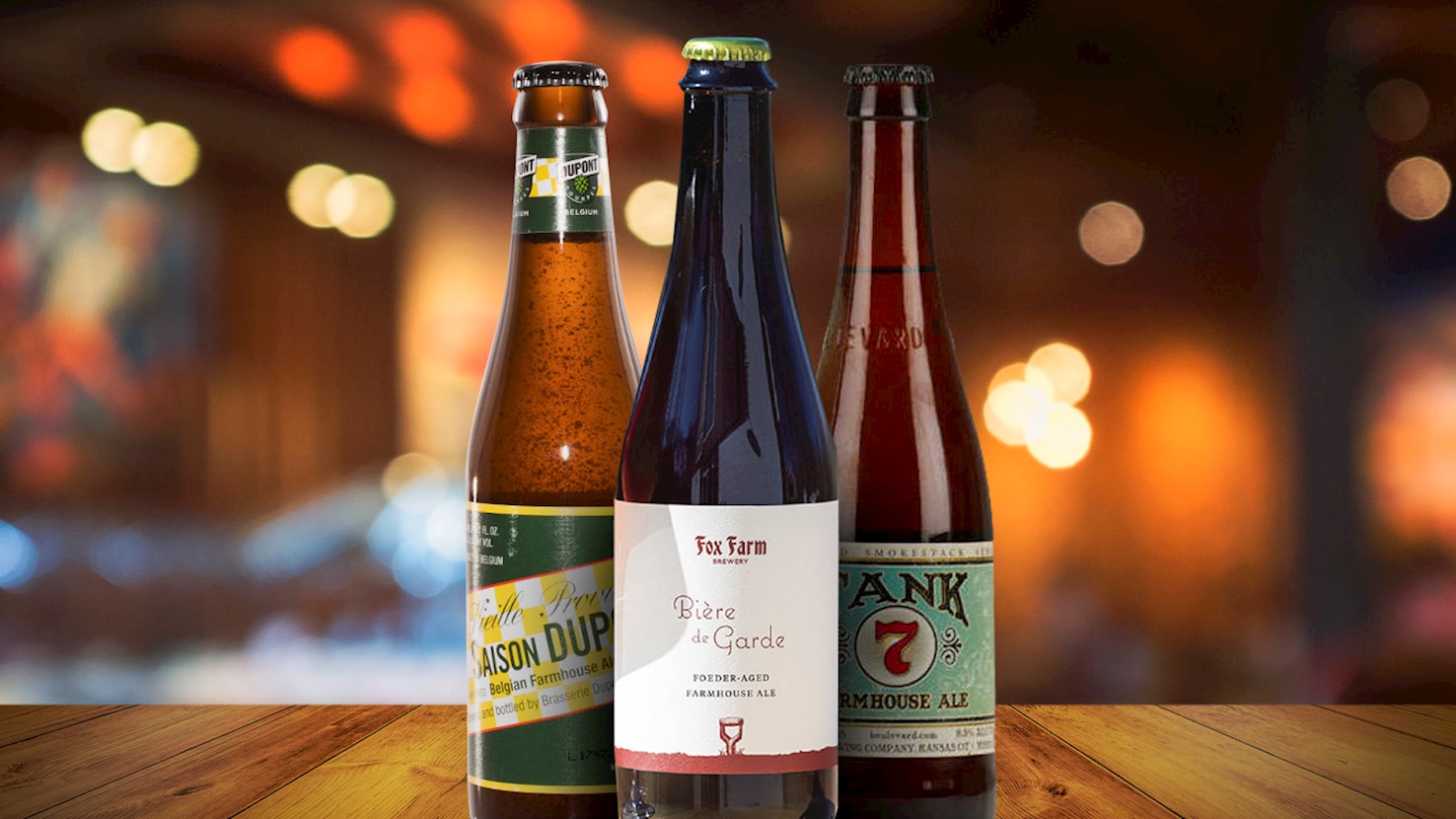
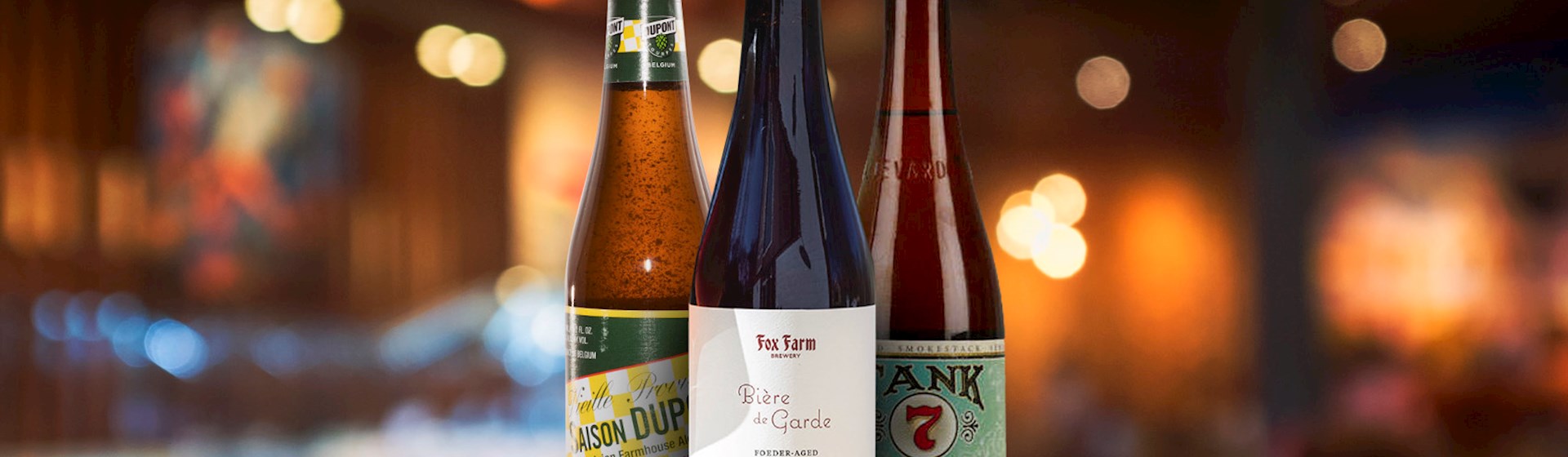
Farmhouse ale is best described as an ancient beer style that was brewed by European farmers who used their grains and hops. These brews were made with techniques that are not used in modern brewing, and because they were brewed in various European regions, the examples are incredibly versatile and include a variety of different sub-styles that are usually very region-specific. Farmhouse ales were made in places where people cultivated grains, and in the early 20th century, it was a prevalent style throughout northern Europe. These beers were a part of everyday life. In some places, they were prepared and enjoyed on special occasions, and in the regions where grains were plentiful, they were enjoyed on a daily basis. The choice of grains depended on availability, barley was the most common, but rye or oats were also used. The techniques were also different, and other ingredients such as herbs and spices were often added to the brew. This is why the examples significantly vary, but most were crisp and dry, with a funky and somewhat earthy character. Examples of the style include Bière de garde (France), Saison (Belgium), and Sahti. (Finland). Some farmhouse ales are still brewed, but the practice mostly disappeared in the 20th century, along with the decline in farming. However, some craft breweries try to imitate the style and include farmhouse ale labels. It should be noted that these brews often do not have much in common with the traditional farmhouse ales.

03

Sima

3.5 ·

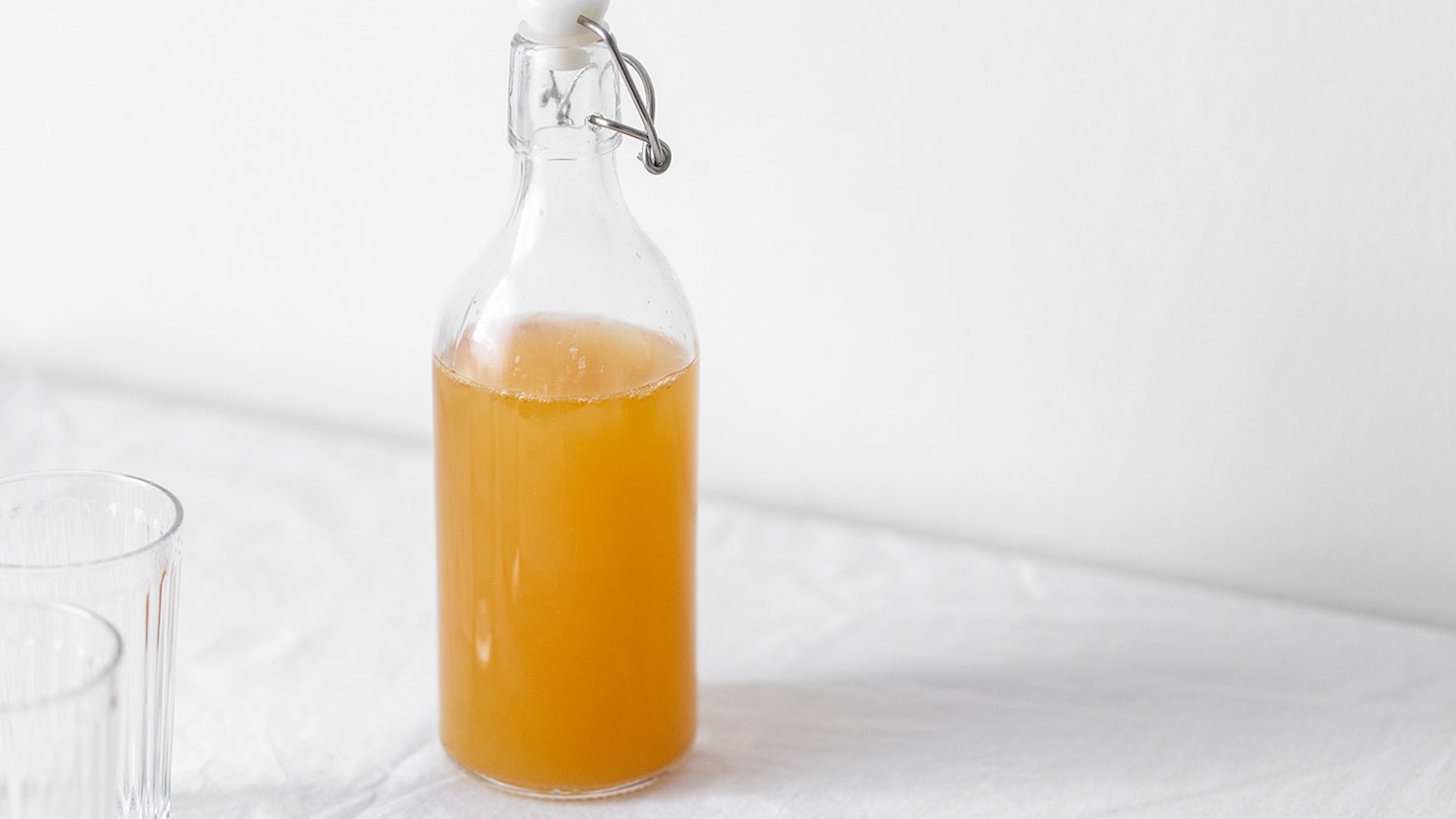
Sima is a fermented Finnish drink, often classified as a low alcoholic variety of mead. It is a fizzy drink with a sweet and citrusy flavor that comes in a non-alcoholic and alcoholic form, though the former is more common. Often called a fermented lemonade, sima is nowadays usually made with lemon, white and/or brown sugar, yeast, and raisins. In the original form, it was usually made with honey. The ingredients are usually fermented for several days before the drink is bottled and refrigerated. The longer it is left to ferment, it will become more effervescent and alcoholic. Sima is traditionally prepared and enjoyed during Vappu—Finnish celebration of May Day. It is best served chilled along with traditional Finnish pastries.

04

Salmiakki Koskenkorva

3.4 ·

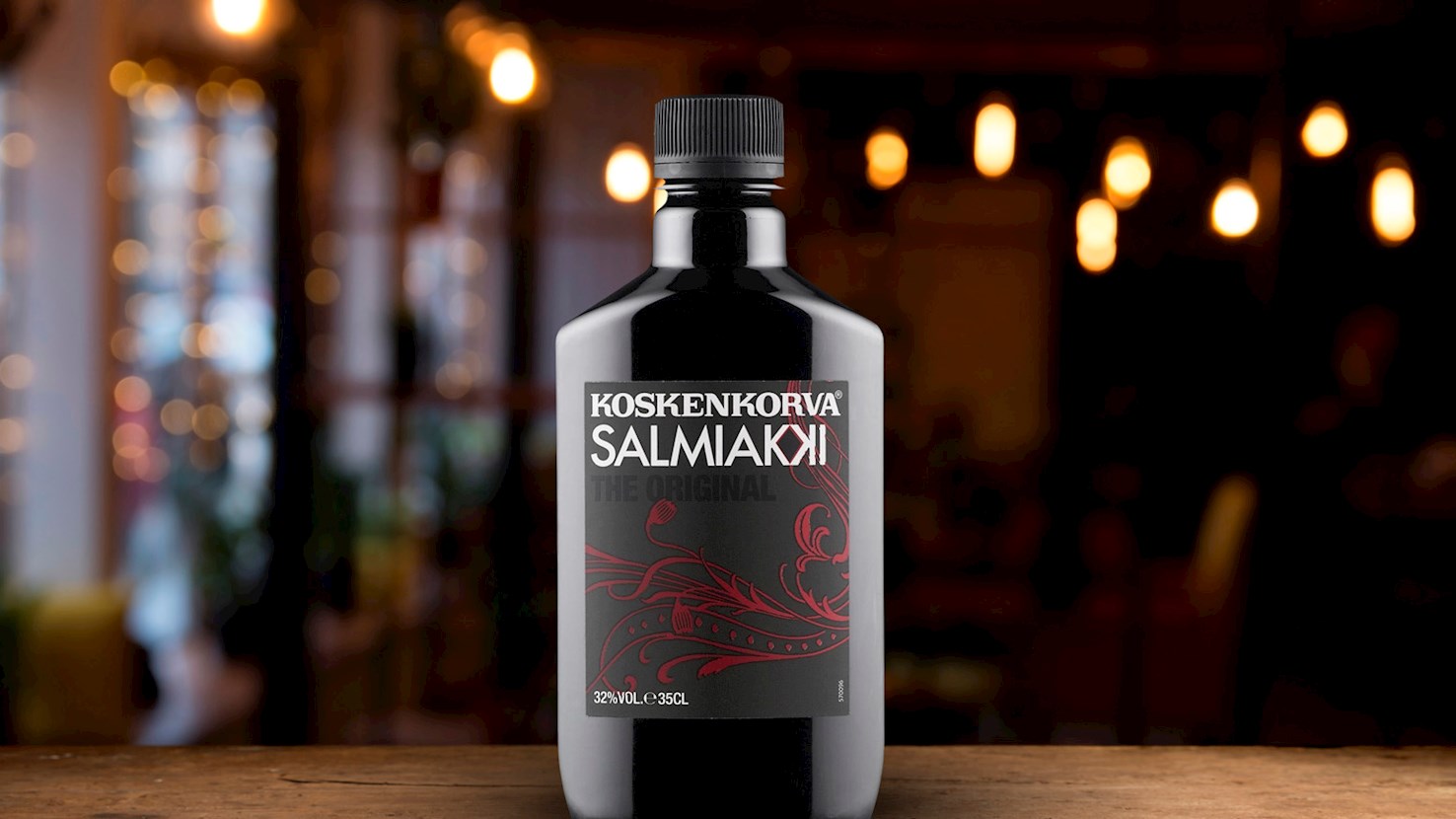
Salmiakki Koskenkorva is a popular licorice-based Finnish liqueur with a thick and viscous texture. It is based on Koskenkorva Viina vodka and the salmiakki licorice extract. The drink was first introduced in the 1990s, and it quickly gained a huge following, especially among teenagers. This dark liqueur has an intense licorice flavor reminiscent of aniseed. Although it is usually enjoyed as a shot, served neat or on the rocks, it can also work well as a cocktail ingredient. The drink is produced in Koskenkorva, and it is bottled at 32% ABV.

05

Lakka

3.1 ·

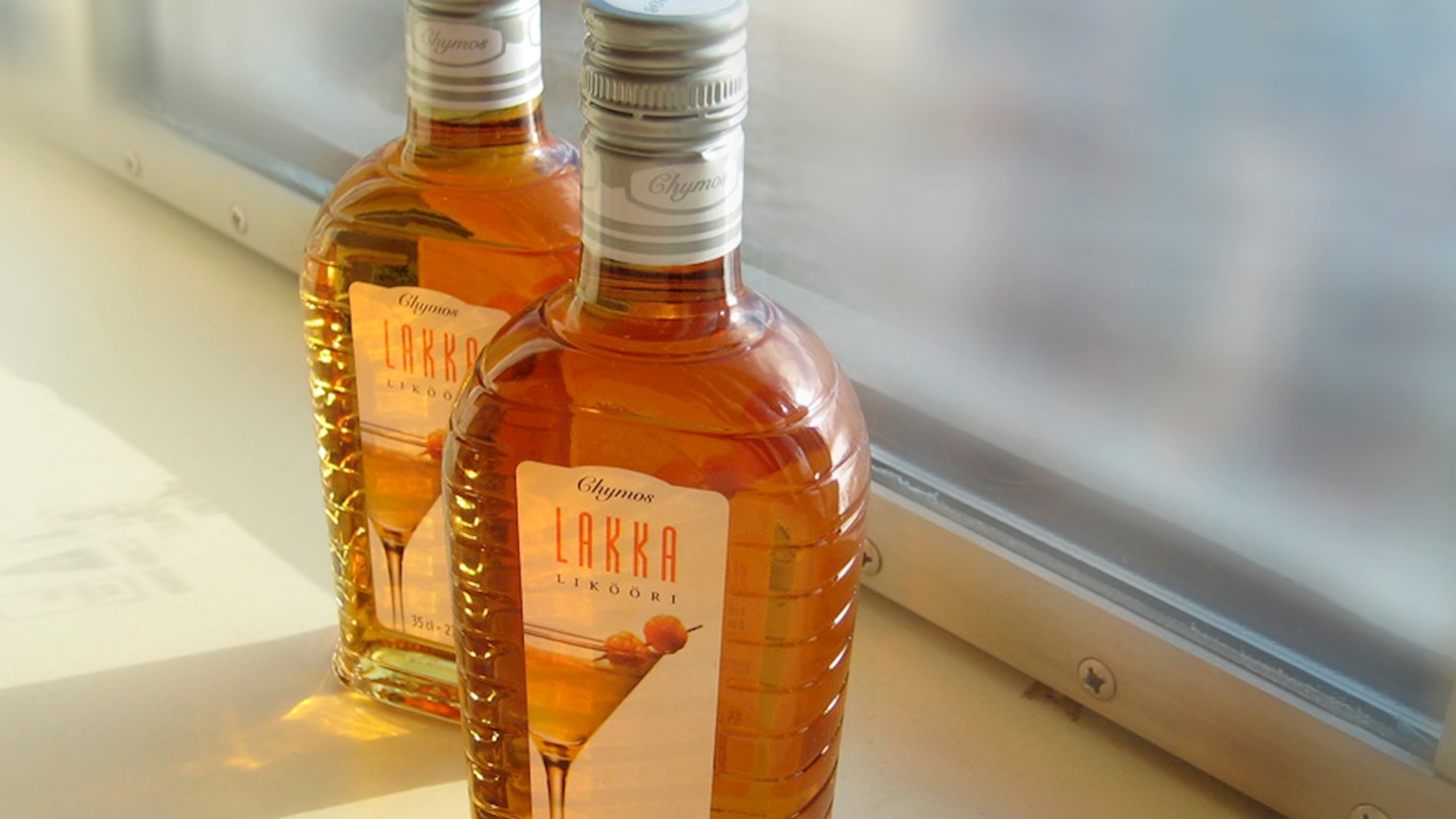
This amber Finnish liqueur is produced with cloudberries—wild orange berries found in the in the Northern hemisphere—that are macerated in a neutral spirit, while the final blend is then enriched with honey and spices such as cinnamon or cloves. Lakka is typically bittersweet and aromatic, with subtle berry notes, and an alcohol content that may vary depending on the label. It is usually enjoyed neat, but it is also a great addition to various cocktails. The most popular brands include Chymos and Lapponia.

06

Sahti

2.9 ·

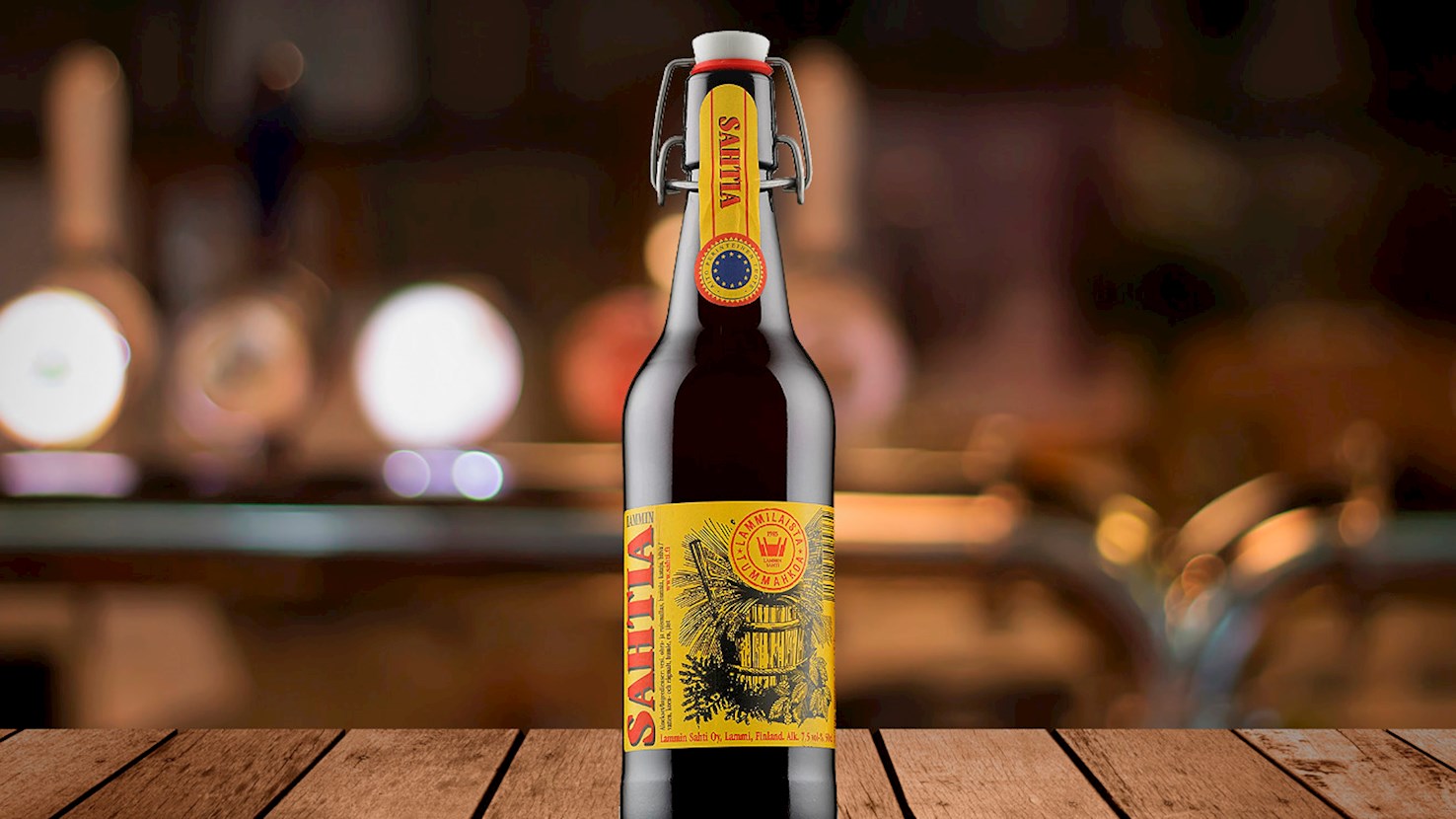
Sahti is a traditional beer that is produced in the regions of Kanta-Häme, Päijat-Häme, and Pohjois-Satakunta. The beer is made with malted barley, other cereal malts, and cereals such as rye, barley, wheat, and oats. Apart from hops, this beer is sometimes fermented with the addition of juniper, and the wort can be filtered using juniper twigs and rye straws. Sahti is made with local raw materials, following traditional methods and recipes, and without any additives. The beer is not pasteurized nor filtered. It can range from yellow to dark brown, and it has a slightly cloudy appearance, while its alcohol content may range from 6 % to 12 % ABV. Although it has a long tradition in the area, the first written reference dates from 1792. Sahti was primarily a festive brew that was traditionally enjoyed on various special occasions in the region. It is one of the last remaining original beers of Wester Europe, and it is sometimes labeled as ethnobeer.

07

Jaloviina

2.9 ·

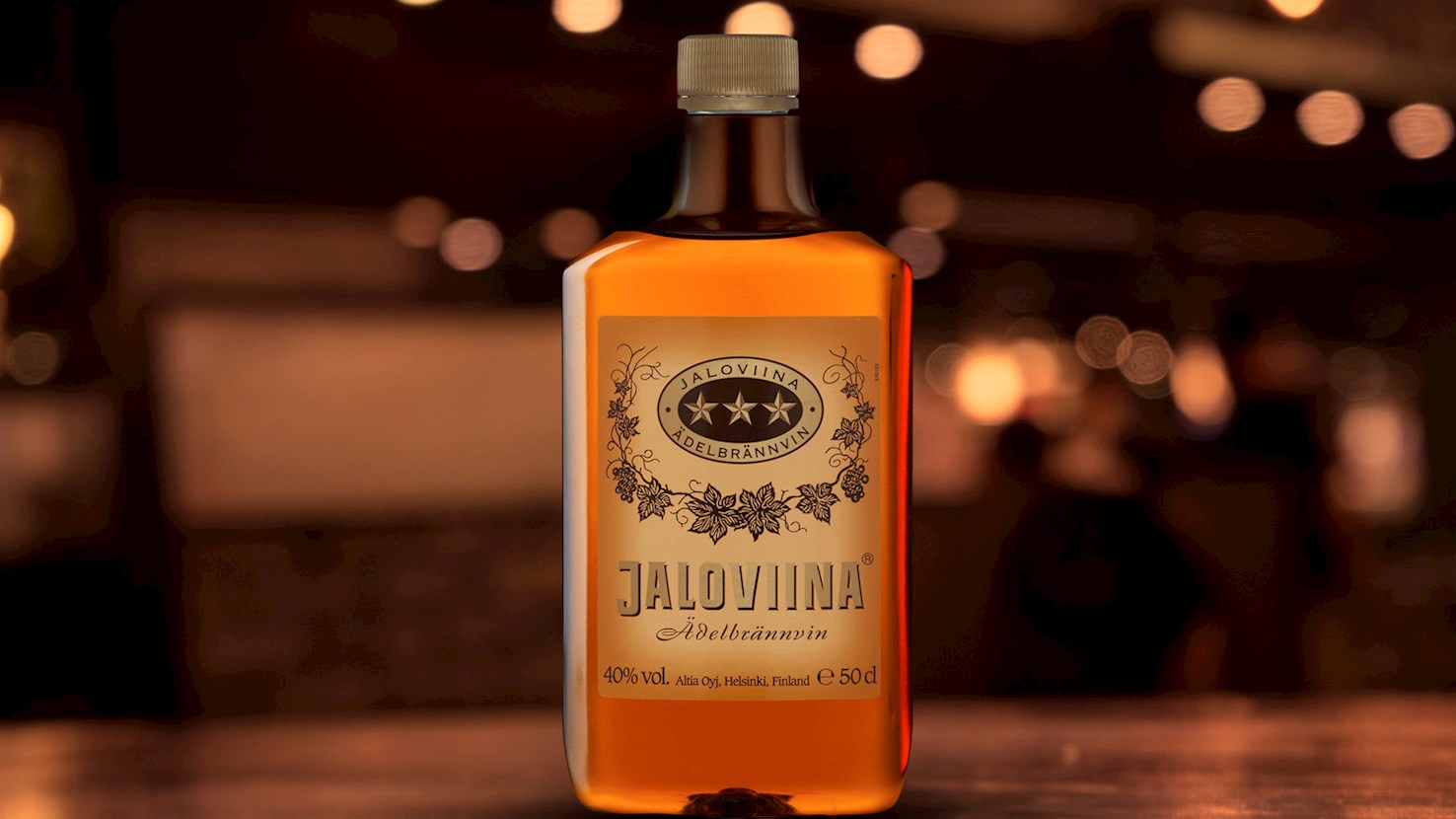
Jaloviina is a type of Finnish cut brandy, a type of brandy that has been cut with neutral grain spirit. This Finnish version is based on French brandy and the Finnish spirit. Jaloviina comes in several grades, usually differentiated by the number of stars. One being the lowest, and three being the highest grade. Jaloviina is typically amber-colored and has a smooth flavor with a long, warming finish. The dink was introduced in 1932, following the end of prohibition in Finland. Jaloviina can be served neat or on the rocks, but it could also work well in mixed drinks. It typically has around 40% ABV.

08

Koskenkorva

2.8 ·

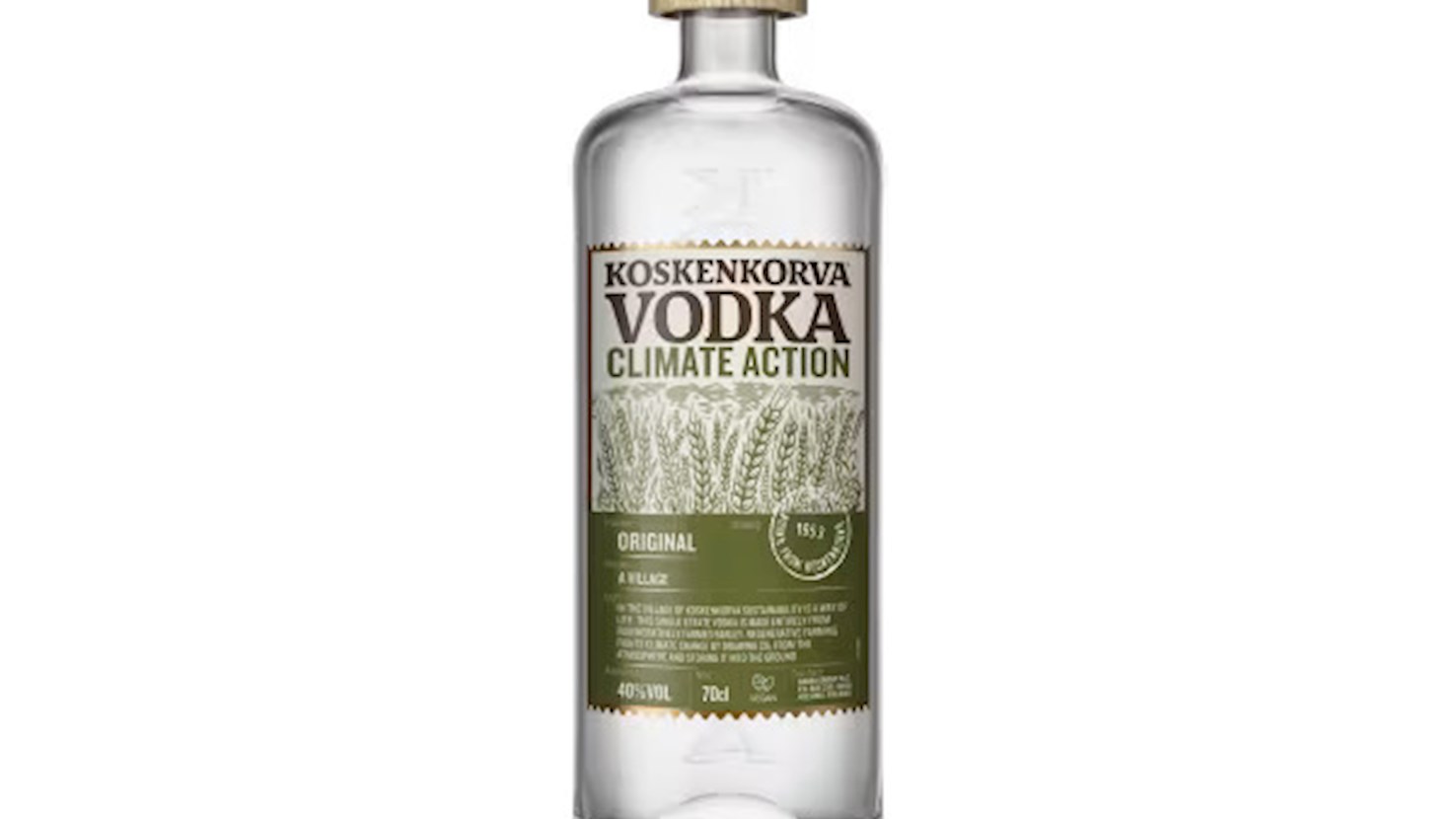
Koskenkorva is a clear Finnish spirit that is distilled from a combination of locally grown barley and unfiltered spring water. Often dubbed as vodka, the drink is produced with continuous distillation, which involves highly developed producing techniques that utilize 100% of the grain—none of it goes to waste. The original version of this high-quality spirit is smooth, pure, neutral, and bright. Apart from its basic version, it also comes in several specialty varieties, including aged and flavored spirits. The drink is produced in Koskenkorva village, and the company which produces it operates in an entirely sustainable manner that focuses on the circular economy. Koskenkorva can be enjoyed straight, preferably as an aperitif, but it also makes a great cocktail ingredient. In Finland, it is labeled as Koskenkorva Viina, and it is bottled at 38% ABV.

09

Valhalla

n/a ·

Valhalla is a high-proof herbal liqueur produced in Finland by the Altia Group, now part of Anora. The beverage is defined by a dark, opaque appearance and a flavor profile characterized by a combination of Nordic herbs, roots, and bittering agents. It is bottled at 35% alcohol by volume and is specifically engineered to withstand and complement the cold climates of Northern Europe. The product occupies a category of "bitter" spirits, utilizing a neutral grain alcohol base that is infused with botanicals native to the Scandinavian and Baltic regions, including yarrow, wormwood, and angelica root. The development of the liqueur was initiated by the Koskenkorva distillery, located in the village of Koskenkorva in western Finland. The formulation was designed to create a modern interpretation of Nordic forest botanicals, utilizing the technical infrastructure of one of the largest distillation sites in the Nordic countries. The brand identity and its specific recipe were launched to compete in the international herbal spirit market, emphasizing the "rugged" environmental conditions of the North as a primary influence on the selection of ingredients. In 2026, Valhalla remains a significant export product for the Finnish spirits industry, maintaining its production standards at the original Rajamäki and Koskenkorva facilities. Preparation involves a systematic maceration process where dried herbs and roots are steeped in high-purity grain spirit for a duration sufficient to extract essential oils and bitter compounds. This extract is then blended with sugar and demineralized water to reach the final bottling strength and a balanced viscosity. A distinct technical aspect of Valhalla is its specific stability at low temperatures; unlike some liqueurs that may crystallize or become overly syrupy when frozen, Valhalla is designed to maintain a consistent fluid density. The liquid is served chilled, often at temperatures between -18°C and 4°C, and is frequently consumed as a "shooter" or "snap" in a glass that has been pre-frosted. A unique feature of the product is its bottle design, which incorporates a raised, tactile Vegvísir (a Nordic compass symbol) on the glass, providing a functional grip even when the bottle is wet or icy. The flavor is notably drier than many Central European herbal liqueurs, with a prominent licorice and citrus peel finish that lingers on the palate. Valhalla is consumed as an après-ski beverage, a digestif after heavy meals, or a component in cocktails where a bitter, herbal element is required to balance sweet or acidic mixers. Regarding food pairings, it is served alongside dark rye bread with salted butter, smoked venison, or cured salmon (gravlax), as the herbal bitterness cuts through the high fat and salt content of these Nordic proteins.

Read more
View all
View map
About this ranking

TasteAtlas food rankings are based on the ratings of the TasteAtlas audience, with a series of mechanisms that recognize real users and that ignore bot, nationalist or local patriotic ratings, and give additional value to the ratings of users that the system recognizes as knowledgeable. For the “Top 20 Finnish Alcoholic Beverages” list until July 22, 2026, 223 ratings were recorded, of which 206 were recognized by the system as legitimate. TasteAtlas Rankings should not be seen as the final global conclusion about food. Their purpose is to promote excellent local foods, instill pride in traditional dishes, and arouse curiosity about dishes you haven’t tried.

The initial list of top producers was compiled based on available reviews, awards, local recommendations, media and blog coverage, and consumer reviews. The list will be updated with ratings from TasteAtlas local ambassadors and TasteAtlas users.

Similar lists