Top 4 Latvian Alcoholic Beverages

Last updated on June 10, 2026

Best Latvian Alcoholic Beverages
01

Riga Black Balsam

4.8 ·
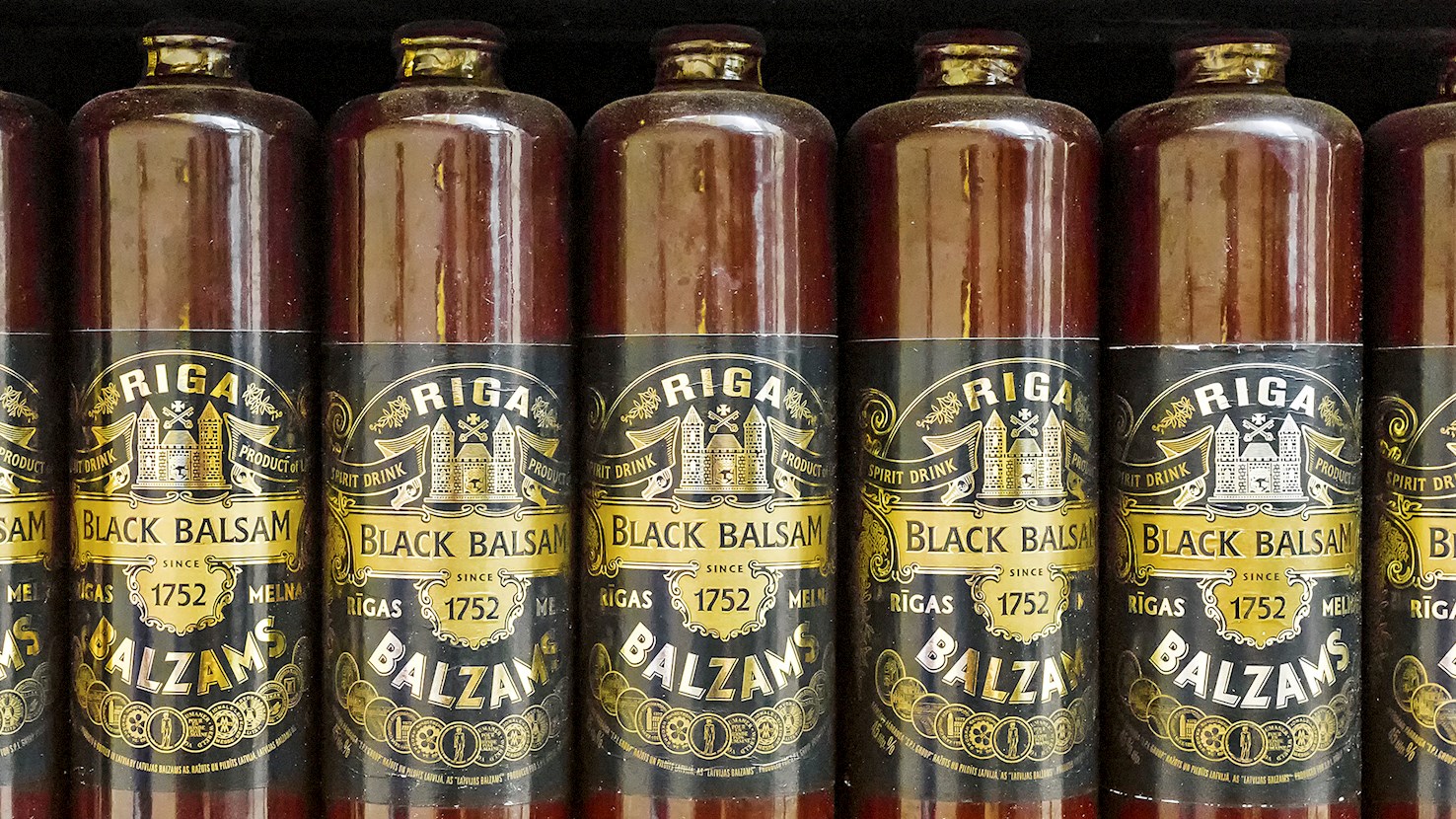
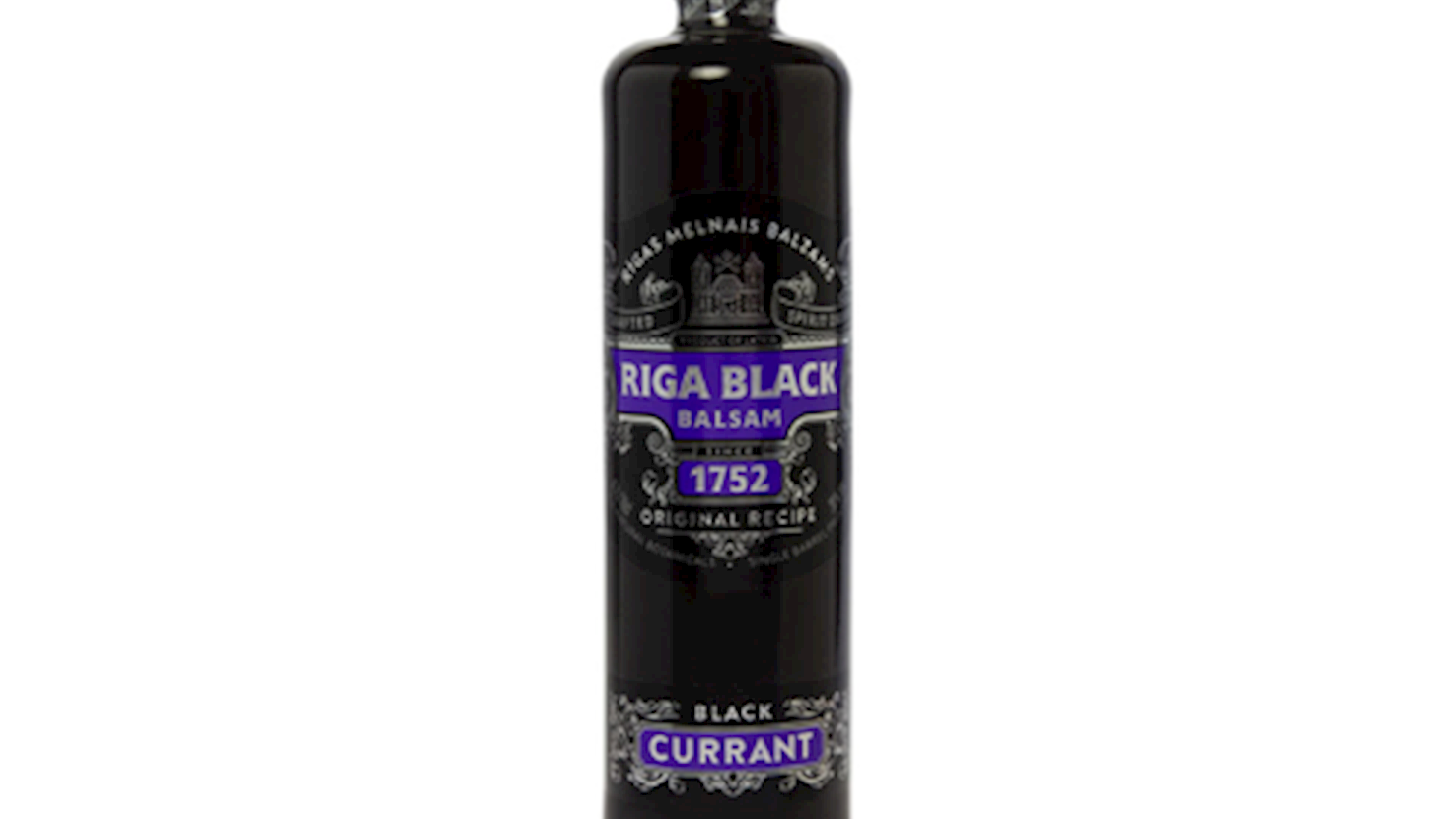
Riga Black is a heritage-driven Latvian brand built around the original 1752 recipe for its signature herbal bitter, combining traditional craftsmanship with a clearly defined regional identity. The brand’s foundation lies in the use of natural, locally sourced botanicals, which are infused through a controlled maceration process to create a complex, balanced flavor profile. Its core product, Riga Black Balsam, has expanded into a broader portfolio that includes fruit-infused editions, dessert-like variations, and premium releases, all of which maintain the characteristic depth of the original formula. The visual identity - most notably the iconic ceramic bottle - emphasizes its apothecary origins and reinforces the sense of authenticity and continuity. While rooted in centuries-old practice, Riga Black positions itself as a modern brand that integrates tradition, natural ingredients, and contemporary drinking culture, making it one of Latvia’s most distinctive and globally recognized products.
02

Distillers Republic

4.5 ·
Awards
IWSC- International wine & spirit competition - Spirit Gold (2022)
03

Labietis. Pagan Brews

4.3 ·
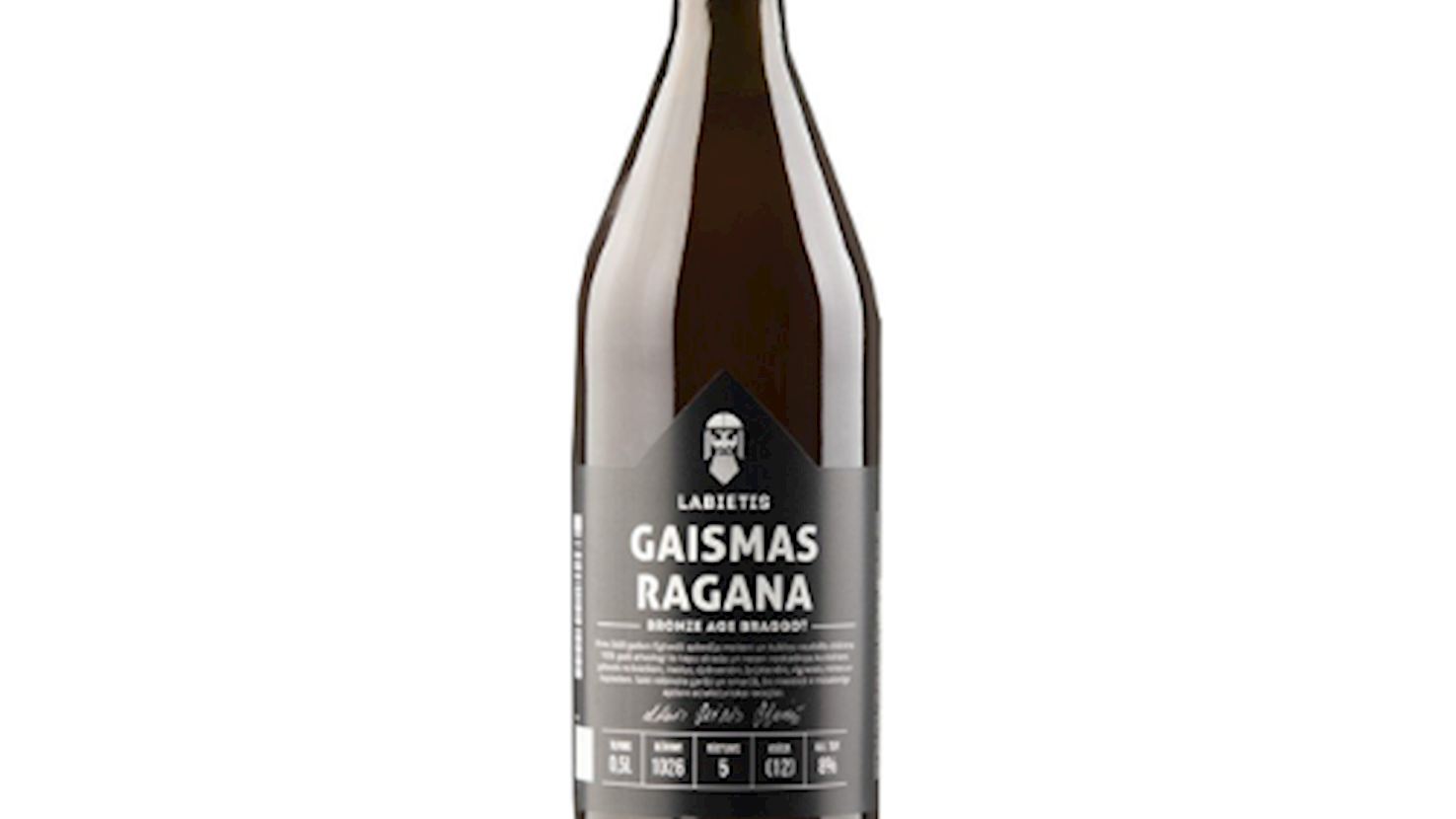
Labietis. Pagan Brews is an independent Latvian brewery from Riga that has, since 2013, built its identity on blending pre-industrial brewing traditions with a modern craft sensibility. Instead of relying solely on hops, the brewery incorporates local herbs, berries, honey, spices, and forest botanicals, creating beers inspired by Baltic pagan heritage. Its portfolio includes dozens of core and seasonal releases - ranging from light ales and rich, layered porters to braggots and experimental fermented beverages - all defined by natural ingredients and earthy, botanical flavor profiles. The philosophy centers on expressing local terroir and the character of the surrounding landscape, with many ingredients hand-foraged and some beers fermented with wild yeast. Labietis also maintains an open, community-focused approach: at their taproom in Riga, visitors can observe the brewing process and explore a wide selection of beers that merge folklore, nature, and innovation into a distinct and expressive craft identity.
Awards
Untappd - 3.7
Untappd - 3.6
04

Valmiermuižas Alus

4.3 ·
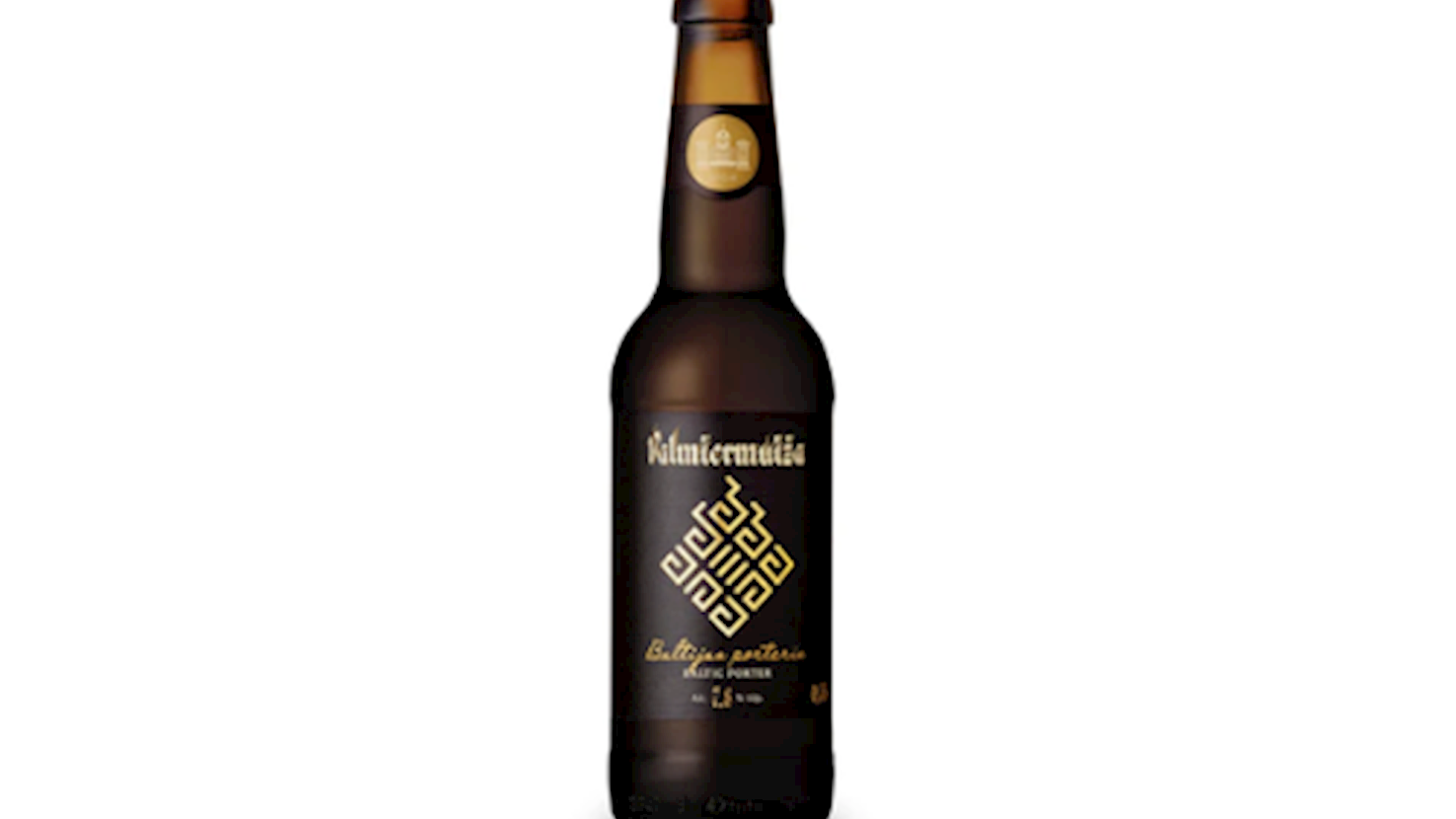
Valmiermuižas Alus is a Latvian craft brewery located on a historic estate in Valmiermuiža, where it has been producing natural, unpasteurized beer since 2008 using traditional methods and carefully selected local ingredients. Its brewing philosophy emphasizes slow fermentation and a minimalist approach based on four essential components - water, barley malt, hops, and yeast - which results in clean, balanced, and full-flavored beers. The brewery offers a broad range of styles, including light lagers, richer dark beers, seasonal releases, and special editions, allowing for diverse aromatic and taste profiles. Visitors can tour the brewery, explore its production process, and participate in guided tastings that highlight the region’s brewing heritage. With its strong connection to local terroir, artisanal craftsmanship, and commitment to authenticity, Valmiermuižas Alus stands out as one of the most distinctive representatives of the modern Latvian craft beer scene.
Awards
Untappd - 3.5
Untappd - 3.4

Best Latvian Alcoholic Beverage Types

01

Baltic porter

4.1 ·

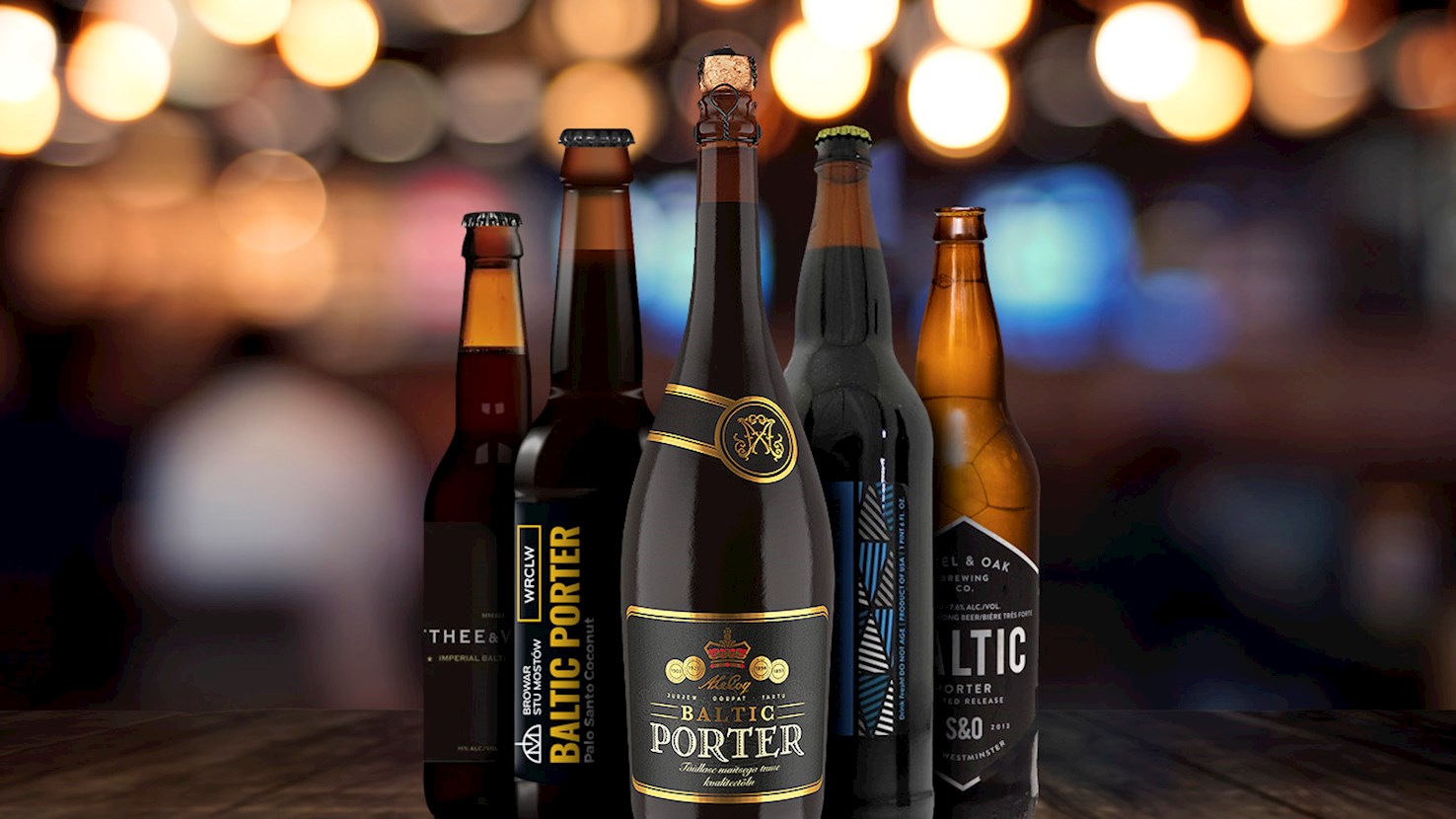
This beer style evolved from the British porter, and it was partially influenced by imperial stouts. The beers that fall under this category will typically have high alcohol content, usually between 5.5 and 9.5% ABV, while their color ranges from mahogany red to dark brown. They are full-bodied and smooth brews with typical malt flavors that are usually complemented by aromas of toast, caramel, licorice, dried fruit, chocolate, and coffee. Baltic porter first appeared when stronger and hoppier versions of British porter were sent to Russia. The shipments first reached Baltic, Scandinavian, and Northern European ports, including those in Finland, Poland, Sweden, Denmark, Lithuania, Estonia, and Latvia. Home breweries soon started to produce their versions using lager yeasts and regional ingredients, eventually creating a style that comes in many local expressions. Baltic porters are an excellent match to hearty dishes, especially roasted or grilled meat, and stews. They can also go well with chocolate or nut desserts and cheese.

02

Farmhouse ale

3.7 ·

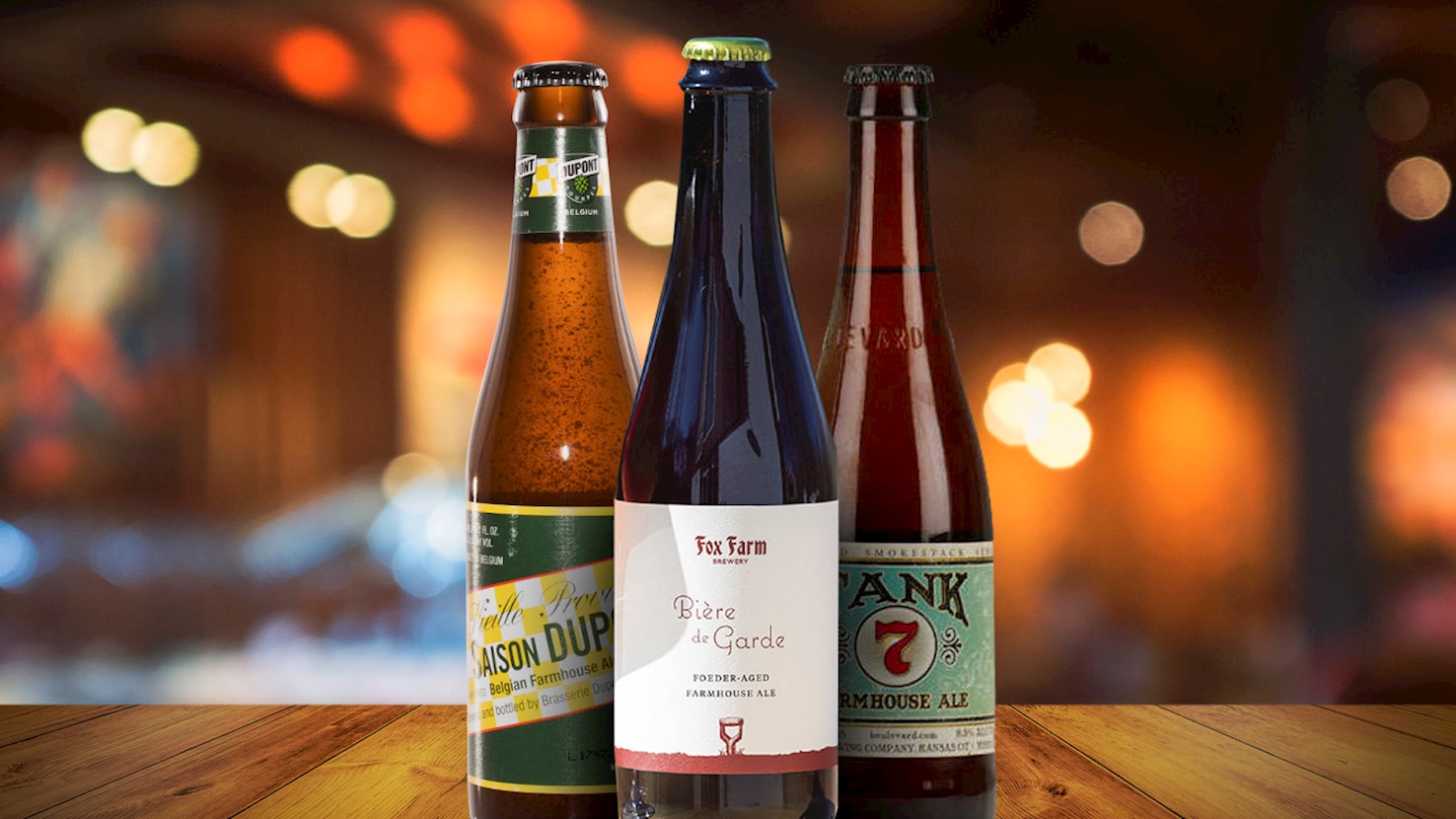
Farmhouse ale is best described as an ancient beer style that was brewed by European farmers who used their grains and hops. These brews were made with techniques that are not used in modern brewing, and because they were brewed in various European regions, the examples are incredibly versatile and include a variety of different sub-styles that are usually very region-specific. Farmhouse ales were made in places where people cultivated grains, and in the early 20th century, it was a prevalent style throughout northern Europe. These beers were a part of everyday life. In some places, they were prepared and enjoyed on special occasions, and in the regions where grains were plentiful, they were enjoyed on a daily basis. The choice of grains depended on availability, barley was the most common, but rye or oats were also used. The techniques were also different, and other ingredients such as herbs and spices were often added to the brew. This is why the examples significantly vary, but most were crisp and dry, with a funky and somewhat earthy character. Examples of the style include Bière de garde (France), Saison (Belgium), and Sahti. (Finland). Some farmhouse ales are still brewed, but the practice mostly disappeared in the 20th century, along with the decline in farming. However, some craft breweries try to imitate the style and include farmhouse ale labels. It should be noted that these brews often do not have much in common with the traditional farmhouse ales.

03

Riga Black Balsam

3.2 ·

This Latvian herbal liqueur is based on a combination of 27 different botanicals, including wormwood, valerian, black pepper, gentian, and ginger. The herbal infusion is later matured and mixed with honey and caramel. It is believed that the drink was first produced by a pharmacist named Kunze in 1752, and it was originally launched as the Real Kunze’s Riga Herbal Balsam. The production of the liqueur was abruptly stopped during the Second World War, but it was later restored, and the drink is still produced following the original, secret recipe. This smooth and slightly bitter liqueur is best enjoyed neat, but it also incorporates well into cocktails and long drinks.

Best producers
04

Wolfschmidt vodka

n/a ·

Wolfschmidt vodka is a premium vodka brand with a rich heritage and a strong reputation for quality. Originating in Riga, Latvia, it was first produced in the 1840s and named after its original distiller, Ludwig von Wolfschmidt, who played a significant role in establishing the brand’s reputation. The vodka undergoes multiple distillations to ensure a high level of purity and a smooth taste. This thorough distillation process removes impurities, resulting in a cleaner flavor profile. Wolfschmidt vodka is made from premium grains and pure water, with the choice of grains and the quality of water playing crucial roles in the final taste and quality. Known for its smooth, crisp, and clean taste, Wolfschmidt vodka has a balanced flavor that appeals to a wide range of vodka enthusiasts. Its smoothness makes it suitable for sipping neat or on the rocks, while its versatility allows it to be enjoyed in various ways, including in classic and contemporary cocktails. The clean taste of Wolfschmidt vodka makes it an excellent base for mixed drinks, allowing other flavors to shine through without overpowering them.

Read more
View all
View map
About this ranking

TasteAtlas food rankings are based on the ratings of the TasteAtlas audience, with a series of mechanisms that recognize real users and that ignore bot, nationalist or local patriotic ratings, and give additional value to the ratings of users that the system recognizes as knowledgeable. For the “Top 4 Latvian Alcoholic Beverages” list until June 10, 2026, 192 ratings were recorded, of which 169 were recognized by the system as legitimate. TasteAtlas Rankings should not be seen as the final global conclusion about food. Their purpose is to promote excellent local foods, instill pride in traditional dishes, and arouse curiosity about dishes you haven’t tried.

The initial list of top producers was compiled based on available reviews, awards, local recommendations, media and blog coverage, and consumer reviews. The list will be updated with ratings from TasteAtlas local ambassadors and TasteAtlas users.

Similar lists