Top 66 Oregonian Alcoholic Beverages

Last updated on June 03, 2026

Best Oregonian Alcoholic Beverages
01

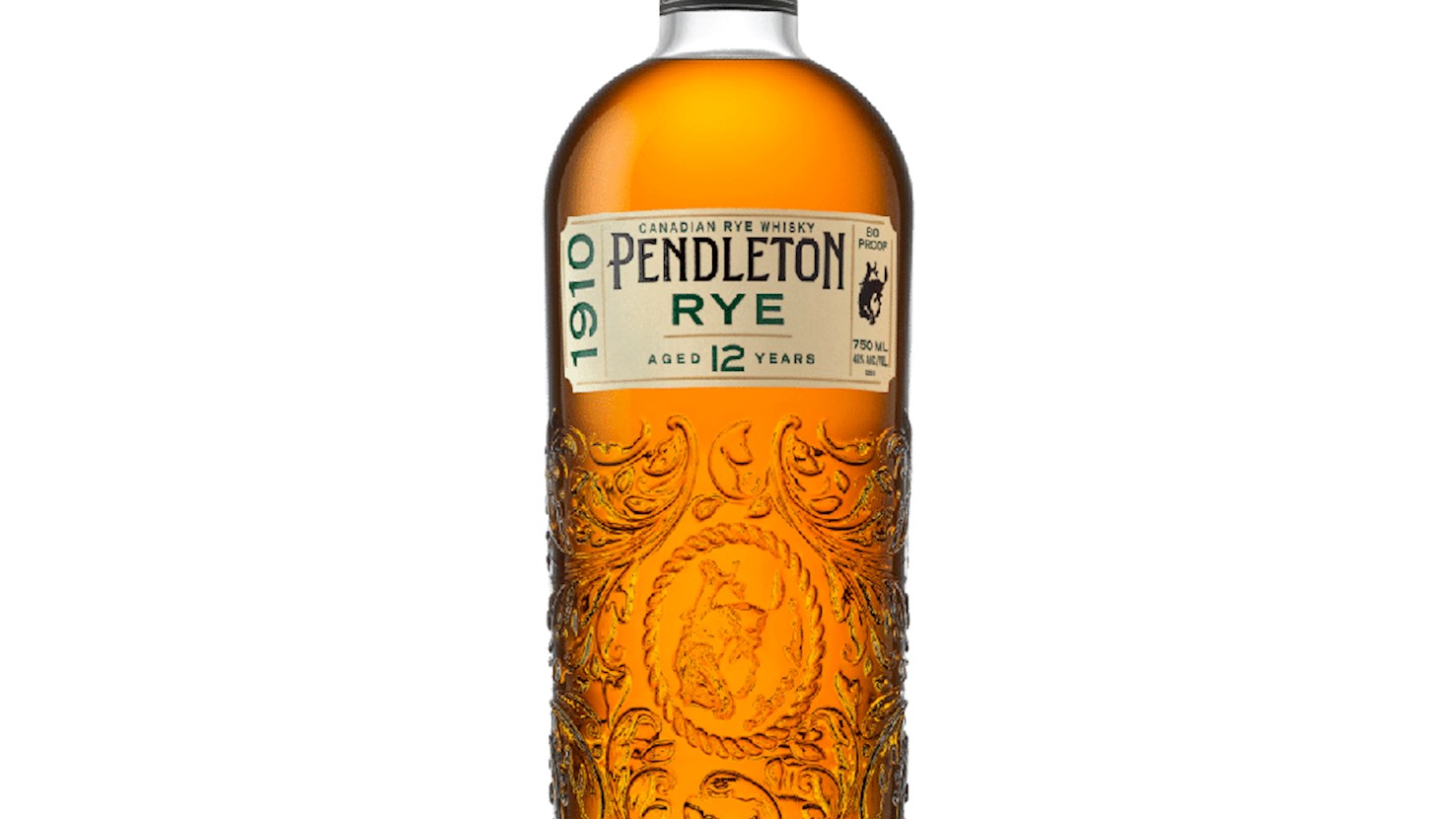
Pendleton

5 ·
Pendleton Whisky is a Canadian whisky brand created to honor the American cowboy and the legendary Pendleton Round-Up rodeo. Established in 2003, this whisky is known for its smooth taste and rich, layered flavor profile, achieved through precise aging in American oak barrels and the use of glacier-fed water from Mt. Hood in Oregon. Distilled in Canada and bottled in the United States, Pendleton Whisky has become a celebrated choice for those who appreciate craftsmanship and a nod to Western heritage.
Awards
NYWSC - New York World Spirits Competition - Double Gold (2023)
ISC-International Spirits Challenge - Gold (2024)
02

Straightaway

5 ·
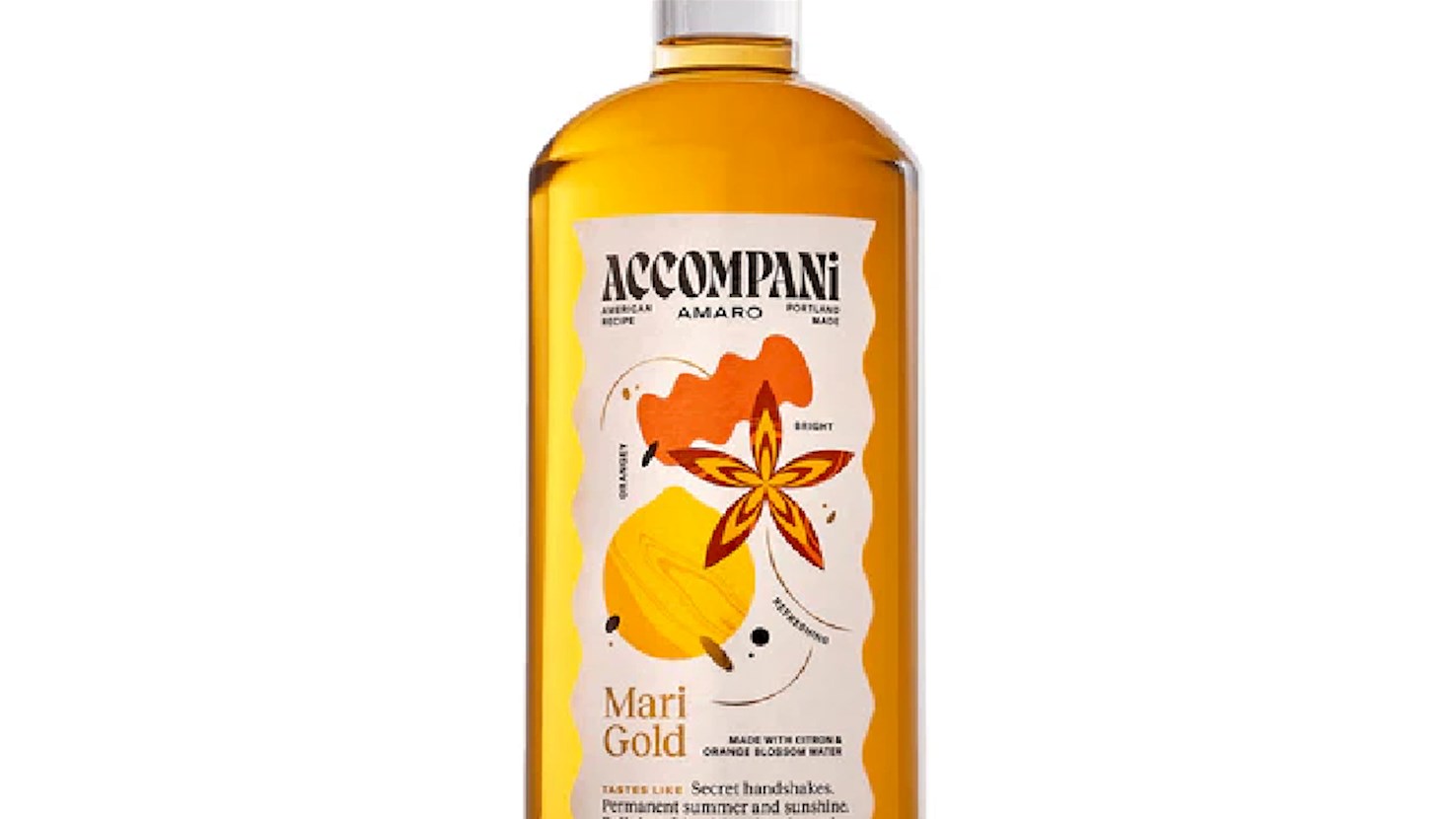
Straightaway Cocktails, based in Portland, Oregon, specializes in premium ready-to-drink cocktails made with carefully selected ingredients. Their Accompani collection features liqueurs, amaros, and vermouths that serve as versatile bases for various cocktails. The name "Accompani" is derived from "companion" and "accompany," reflecting their purpose as ideal complements to drinks and gatherings. These products can be enjoyed on their own or used as ingredients in cocktail creation. One standout product in this line is the Mari Gold Amaro, an aperitif with prominent citrus notes and floral undertones from orange blossom. Key ingredients include Seville orange peel, citron peel, orange blossom, and gentian root. Straightaway Cocktails primarily serves the U.S. market but has gained recognition among cocktail enthusiasts worldwide for their quality and innovative approach.
Awards
SFWSC - San Francisco World Spirits Competition - Double Gold (2024, 2023)
NYWSC - New York World Spirits Competition - Gold (2023)
03

Westward Whiskey

5 ·
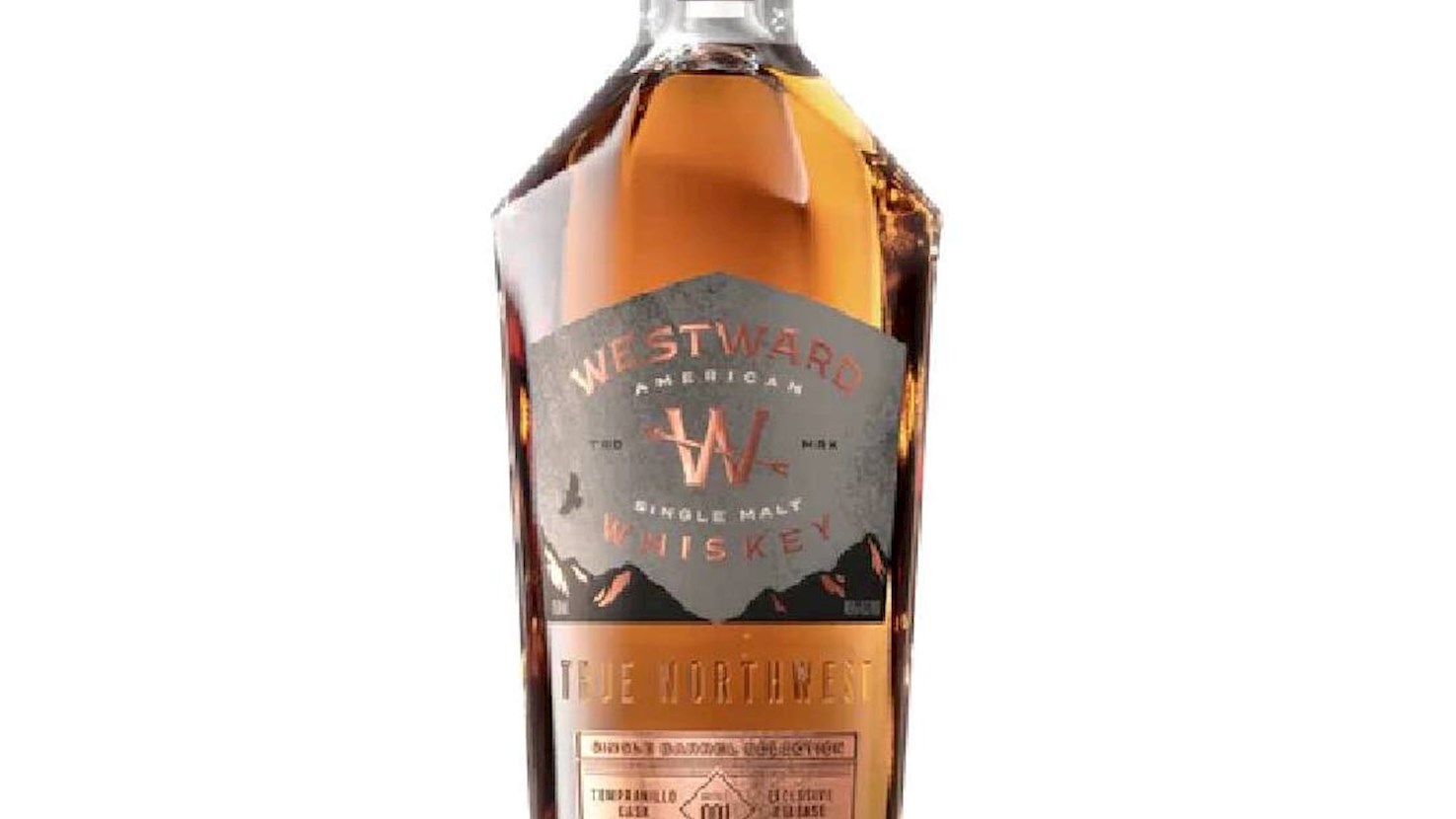
Westward Whiskey, established in 2004 in Portland, Oregon, is a pioneering craft distillery renowned for its American Single Malt Whiskey. Founded by Christian Krogstad and Thomas Mooney, the distillery draws inspiration from the brewing traditions of the Pacific Northwest, utilizing regionally sourced malted barley to create exceptional whiskeys. Westward combines traditional techniques with innovative methods, producing whiskeys that embody the bold and adventurous spirit of the region. Their signature whiskey lineup includes award-winning expressions that showcase complex flavors, depth, and craftsmanship, setting a benchmark in the American Single Malt category. Each whiskey is carefully distilled, matured in new American oak barrels, and bottled with minimal intervention to highlight the natural characteristics of the grain and the influence of the Pacific Northwest's climate.
Awards
SFWSC - San Francisco World Spirits Competition - Gold (2024)
IWSC- International wine & spirit competition - Spirit Gold Outstanding (2023)
04

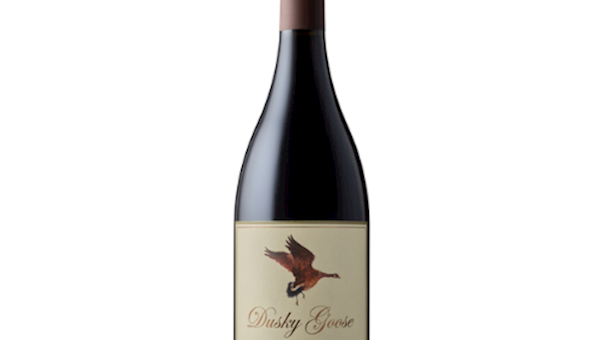
The Eyrie Vineyards

5 ·
The Eyrie Vineyards is one of the most historically significant wineries in the United States, founded in 1965 by David and Diana Lett in Oregon’s Willamette Valley, within what is now the Dundee Hills appellation. It was the first winery in the region to commercially plant Pinot Noir and Chardonnay, establishing the foundation for Oregon’s global reputation as a cool-climate wine region. Today, the estate encompasses several vineyard sites totaling around 60 hectares, including original parcels that still produce grapes of remarkable delicacy. Under the direction of their son, winemaker Jason Lett, The Eyrie remains committed to a philosophy of minimal intervention, practicing organic and regenerative farming, native fermentations and a restrained, hands-off approach in the cellar. The entire portfolio is defined by balance, authenticity and an avoidance of excessive winemaking manipulation. As a pioneering estate, The Eyrie Vineyards represents a key chapter in American wine history and continues to shape Oregon’s identity through its consistency, tradition and dedication to expressing terroir.
Awards
Vivino - 4.7
Vivino - 4.2
05

De Garde Brewing

4.9 ·
De Garde Brewing, located in Tillamook, Oregon, is a small, family-run brewery exclusively dedicated to spontaneously fermented and oak barrel-aged beers, inspired by the lambic traditions of Belgium and France. Founded in 2013 by Trevor and Linsey Rogers, the brewery chose its coastal location for its rich native microflora, which enables fermentation without the use of lab-cultured yeast. The brewing process begins in open-air coolship vessels, where the hot wort is cooled and naturally inoculated with wild yeasts from the surrounding environment. It is then transferred into large oak barrels for fermentation and maturation, a process that can last anywhere from several months to over three years. De Garde is known for its deep commitment to local ingredients, patience, and minimal intervention, allowing nature to guide the creation of each beer. The result is a lineup of complex, layered, and fruit-forward beers with refreshing, balanced acidity and moderate alcohol content - highly regarded by enthusiasts of wild ales as an authentic expression of the Pacific Northwest terroir.
Awards
Beer Advocate - 100 World-Class
Beer Advocate - 97 World-Class
06

Domaine Serene

4.9 ·
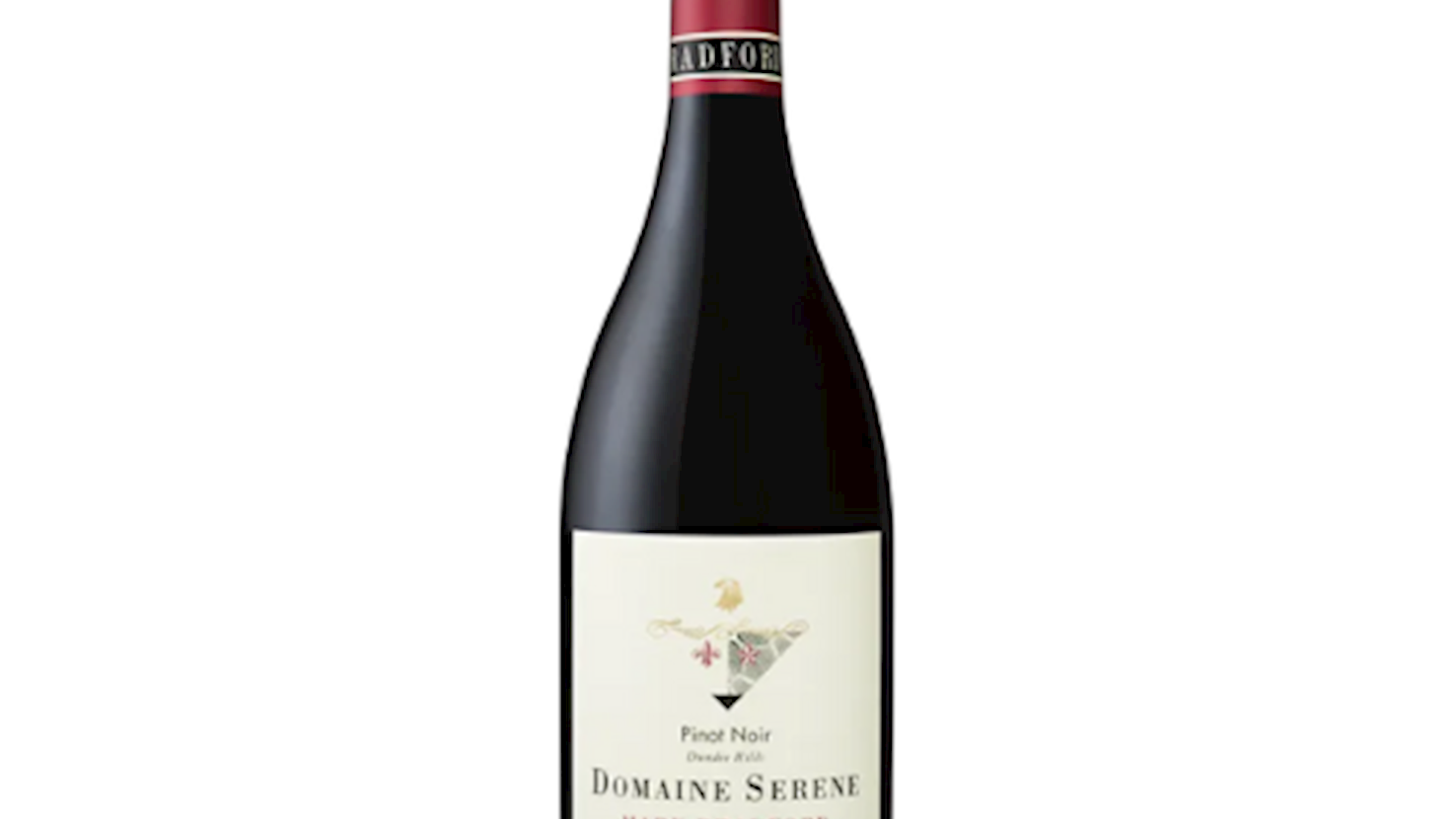
Domaine Serene is a prestigious family-owned winery located in Oregon’s Willamette Valley, founded in 1989 by Ken and Grace Evenstad with a clear vision of producing world-class, Burgundy-inspired wines. The winery has built a strong reputation as one of the leading producers in the United States, with a particular focus on Pinot Noir and Chardonnay - varieties that best express the region’s cool climate and diverse soils. Domaine Serene manages its own estate vineyards across several highly regarded sites, vinifying each parcel separately in order to preserve its individual terroir identity. Their approach combines meticulous vineyard management, low yields, and carefully controlled winemaking, supported by extended aging and the use of French oak. The wines are known for their depth, structure, and elegance, as well as their strong potential for long-term aging. In addition to still wines, the estate also produces sparkling wines and limited-production collector cuvées. Today, Domaine Serene stands as one of the key symbols of quality and ambition in American Pinot Noir and Chardonnay, enjoying a strong international reputation.
Awards
Decanter World Wine Awards - Best in Show (2020, 2016)
Decanter World Wine Awards - Platinum (2017)
07

Bledsoe Family Winery

4.9 ·
Awards
Decanter World Wine Awards - Platinum (2023)
08

Great Notion Brewing

4.9 ·
Great Notion Brewing is an independent brewery from Portland, Oregon, founded in 2016 by three friends and neighbors. Their mission is to keep beer fun, combining the hazy IPA style with culinary-inspired sour and stout varieties. From the very beginning, they stood out for their innovative approach and creative recipes, which quickly set them apart on the American craft scene. Their beers often feature local fruit, spices, and additions such as vanilla, coffee, and maple syrup, creating unique flavor profiles. The barrel program includes sour ales aged in oak barrels for up to two years, often blended with wine grapes such as Pinot Noir. Their imperial stouts, enriched with bourbon notes, chocolate, and fruit, have achieved cult status among fans of the style. Today, they operate several taproom locations in Portland and Seattle, along with additional outposts in California. In addition to local sales, they also offer shipping to fourteen U.S. states, including Alaska. Great Notion has become a synonym for innovation and quality. Their blend of creativity, award-winning recipes, and a strong sense of community places them among the most respected craft breweries in the American Pacific Northwest.
Awards
Beer Advocate - 99 World-Class
Beer Advocate - 95 World-Class
09

Zena Crown

4.9 ·
Zena Crown is a winery and estate vineyard located in the Eola-Amity Hills AVA of Oregon’s Willamette Valley, widely recognized for its strong focus on terroir-driven Pinot Noir. The vineyard sits on exposed slopes influenced by the cool winds of the Van Duzer Corridor, which slow ripening and help preserve freshness, structure, and aromatic clarity in the grapes. The estate is divided into numerous small blocks, allowing each parcel to be vinified separately and highlighting subtle differences in soil, elevation, and aspect. Zena Crown produces several Pinot Noir bottlings sourced from different sections of the vineyard, each reflecting a distinct expression of place. The wines are known for their balance and structure, showing layers of red and dark berry fruit supported by mineral tones and gentle spice. Acidity is vibrant, giving the wines energy and strong aging potential, while the tannins remain fine-grained and well integrated. Winemaking is focused on transparency and restraint, avoiding heavy extraction or excessive oak influence in order to preserve vineyard character. Sustainable farming practices play an important role in maintaining consistency and long-term vineyard health. Today, Zena Crown is regarded as one of the notable producers in the Eola-Amity Hills, with wines that clearly convey the climate and landscape of this distinctive part of Oregon.
Awards
Wine Spectator - 95 (2021)
Vivino - 4.5
10

Force Majeure

4.8 ·
Awards
Wine Spectator - 95 (2021)

Best Oregonian Alcoholic Beverage Types

01

Chehalem Mountains

n/a ·

The Chehalem Mountains is an American Viticultural Area located approximately 20 miles southwest of Portland in the northern Willamette Valley of Oregon. It is a single uplifted landmass that extends 20 miles in length and 5 miles in width, spanning across portions of Yamhill, Washington, and Multnomah counties. The region encompasses a series of hilltops, ridges, and spurs, with elevations ranging from 200 feet to 1,633 feet at Bald Peak, which is the highest point in the Willamette Valley. The formation of the mountains began 5 to 15 million years ago with the Columbia River basalt flows, which created a foundation of volcanic rock. Between 20 and 40 million years ago, marine sedimentary layers were deposited in ancient seabeds and subsequently uplifted to form parts of the northwestern flank. More recently, during the last Ice Age approximately 12,000 to 200,000 years ago, powerful winds deposited silty lakebed sediments known as loess on the north- and east-facing slopes. Viticulture in this district commenced in 1968 when Dick Erath planted the first vineyards on Dopp Road. This was followed by foundational plantings from other growers in the 1970s. The area was officially recognized as an independent viticultural area in 2006. Preparation of the wine involves managing fruit from these three distinct soil types. Pinot Noir is the dominant variety, accounting for nearly 70% of production, followed by Pinot Gris and Chardonnay. Because of the extreme variation in elevation and soil, ripening times can differ by as much as three weeks across the landmass. Red wines are typically fermented to emphasize the structural complexity derived from the site, with volcanic soils yielding red fruit flavors and elegant tannins, while sedimentary soils produce darker fruit profiles and firmer tannins. Loess-grown fruit often results in bright red fruit and white pepper notes. Serving temperatures are recommended at 16°C to 18°C for red wines and 10°C to 12°C for white wines. A unique feature of the Chehalem Mountains is the presence of all three major soil types of the Willamette Valley within a single landmass, which allows for significant stylistic diversity within the same appellation. The wines are consumed in diverse settings, from casual meals to formal service. Pinot Noir from the region is paired with roasted salmon, duck, or wild mushrooms, which complement the earthy and savory components of the wine. White wines such as Chardonnay and Pinot Gris are served with shellfish, poultry in light sauces, or seasonal vegetable tarts. Sparkling wines produced in the area are often served as palate cleansers or paired with salty appetizers and hard cheeses.

02

Ribbon Ridge

n/a ·

Ribbon Ridge is an American Viticultural Area (AVA) located within the Chehalem Mountains, which is part of the larger Willamette Valley in Yamhill County. It is a distinct geological formation consisting of a singular, four-mile-long spurred ridge that rises above the surrounding valley floor, covering a total area of approximately 3,350 acres, with roughly 500 acres currently planted to vineyards. The region is defined by its specific soil composition and its protected position, which shields it from the more extreme weather patterns of the region. The viticultural development of this ridge began in 1980 when Harry Peterson-Nedry planted the Ridgecrest Vineyards, focusing on Pinot Noir. This was followed by the establishment of other significant estates throughout the 1980s and 1990s as the consistency of the fruit quality became evident. The federal government granted Ribbon Ridge independent AVA status in 2005, making it the first sub-appellation in the Willamette Valley to be defined by a single landform and a uniform soil type. The preparation of Ribbon Ridge wine is dictated by the Willakenzie soil series, which consists of fine-grained marine sedimentary silt and sandstone that is over 40 million years old. These soils are deep and well-drained but contain very little organic matter, which forces the grapevines to grow deep root systems to access water and nutrients. Pinot Noir and Chardonnay are the primary varieties produced here. In the cellar, winemakers typically utilize fermentation techniques that respect the high concentration of the fruit, as the ridge tends to produce smaller berries with a higher skin-to-juice ratio. This results in Pinot Noir with darker fruit profiles and more structural tannins than those found in the volcanic soils of nearby appellations. Chardonnay is often prepared using neutral oak or stainless steel to emphasize the mineral characteristics and saline notes derived from the ancient marine sediments. Serving Ribbon Ridge Pinot Noir is best executed at 16°C, while the Chardonnay should be served at 11°C. A unique characteristic of this AVA is its microclimate; the ridge is geographically shielded from the cold winds of the Van Duzer Corridor by the surrounding hills, and it receives less rainfall than the rest of the Chehalem Mountains. This results in a warmer, drier growing environment that leads to early bud break and consistent ripening. These wines are consumed in settings ranging from casual dining to high-end gastronomy, where they are valued for their structural depth. Food pairings for Ribbon Ridge Pinot Noir include roasted pork with cherry reduction, grilled salmon, or dishes featuring earthy components like black truffles or roasted beets. Chardonnay from the ridge pairs effectively with scallops, poultry in light cream sauces, or hard cheeses such as Comté. The beverage is often accompanied by still water to maintain the clarity of the wine's specific mineral finish.

Best producers
03

Eola-Amity Hills

n/a ·

Eola-Amity Hills is an American Viticultural Area (AVA) located in the Willamette Valley of Oregon, spanning a ridge of hills primarily within Polk and Yamhill counties, just northwest of Salem. The region encompasses approximately 37,900 acres, though the vineyard acreage is significantly smaller and concentrated on the east and west slopes of the hills between 200 and 700 feet in elevation. The geological foundation of the area was established through the Columbia River basalt flows, which were later overlaid by marine sedimentary soils and silts deposited during the Missoula Floods. Viticulture in this district began in the early 1970s when pioneers like Amity Vineyards and Bethel Heights planted the first commercial Vitis vinifera vines. The modern development of the region was driven by the recognition of a specific meteorological phenomenon known as the Van Duzer Corridor, a gap in the Oregon Coast Range that allows cold Pacific Ocean air to flow directly into the Willamette Valley. This environmental factor led to the official federal designation of the Eola-Amity Hills as an independent AVA in 2006. The preparation of Eola-Amity Hills wine is centered on Pinot Noir and Chardonnay, which thrive in the high-wind environment of the ridge. The intense afternoon winds cause the temperature to drop rapidly, which thickens the skins of the grapes and preserves high levels of natural acidity. In the winery, Pinot Noir is typically fermented with a focus on capturing its structural intensity, often resulting in wines with a deeper color and firmer tannin profile than those from the northern Willamette Valley. Chardonnay is prepared using various techniques, including aging in French oak or concrete eggs, to emphasize the mineral-driven character provided by the volcanic basalt soils. Serving these wines requires precise temperature management, with Pinot Noir presented at 15°C to 17°C and Chardonnay at 10°C to 12°C. A specific characteristic of the Pinot Noir from this region is a distinct savory note often associated with the high concentration of skin phenolics. The unique aspect of Eola-Amity Hills viticulture is the high-density planting and the prevalence of dry farming, as the basalt-derived soils retain enough moisture to support the vines without supplemental irrigation. These wines are consumed in fine dining establishments and by collectors who prioritize structural balance and aging potential. In a culinary context, the Pinot Noir is paired with roasted meats, grilled salmon, or dishes featuring earthy components like truffles and wild mushrooms. The Chardonnay pairs effectively with shellfish, poultry in cream sauces, and roasted root vegetables. The pronounced acidity of the wines also makes them suitable for pairing with a variety of soft and hard cheeses, such as Gruyère or local Oregon goat cheeses. For beverage pairing, sparkling water is frequently served to cleanse the palate, especially when tasting multiple wines with high acidity and mineral finishes.

04

Yamhill-Carlton District

n/a ·

The Yamhill-Carlton District is an American Viticultural Area located in the northern Willamette Valley of Oregon, situated approximately 35 miles southwest of Portland. The district encompasses a horseshoe-shaped landmass of north-facing slopes and foothills surrounding the towns of Yamhill and Carlton. This region is geographically defined by its specific elevation range, with vineyards exclusively situated between 200 and 1,000 feet above sea level to avoid the frost-prone valley floor and the colder temperatures of higher altitudes. The area is protected by the Coast Range to the west, which creates a rain shadow that results in a warmer and drier climate compared to many neighboring districts. The geological foundation of the Yamhill-Carlton District is characterized by some of the oldest soils in the Willamette Valley, composed primarily of ancient marine sediments. These soils, known as the Willakenzie series, originated between 40 and 50 million years ago when the region was part of the ocean floor. Unlike the younger volcanic soils or the silt deposited by the Missoula Floods found in other parts of the valley, these coarse-grained sediments are remarkably well-drained. This lack of water retention encourages vines to cease vegetative growth earlier in the season, which directs the plant's energy toward the ripening of the fruit. This specific soil and climate interaction allow for the production of grapes with high tannin levels and concentrated flavors, even in cooler years. Preparation of the wine involves a harvest that typically occurs in September or October, depending on the heat accumulation of the season. Pinot Noir is the dominant variety produced here, accounting for the vast majority of the district's output, alongside smaller amounts of Chardonnay and Pinot Gris. Winemakers often utilize French oak barrels for aging, which integrates with the natural dark fruit characteristics of the grapes. When serving, these wines are best presented in wide-bowled glasses to allow for proper aeration. Red varieties are typically served at a cellar temperature of approximately 15 to 18 degrees Celsius, while white varieties are served chilled at 8 to 12 degrees Celsius. A distinct physical attribute of the wines from this district is their deep ruby color and a flavor profile often described by notes of black cherry, raspberry, and blackberry. Due to the high tannin content and relatively lower acidity compared to other Oregon districts, the wines possess a broad and structured mouthfeel. Unique to this region's viticulture is the high frequency of own-rooted vines; the sandy, well-drained nature of the marine siltstone and sandstone is generally resistant to the phylloxera pest, allowing some older vineyards to grow on their original rootstocks. The wine is primarily consumed in restaurant and domestic settings as an accompaniment to meals. Because of its structural intensity and dark fruit profile, Yamhill-Carlton Pinot Noir is frequently paired with earthy and savory dishes. It is a standard accompaniment for Pacific Northwest salmon, roasted duck, and wild mushrooms such as chanterelles. It also pairs effectively with medium-hard cheeses like white cheddar or sheep's milk varieties, as well as herb-crusted lamb. The white wines of the district, particularly the Chardonnay, are often served with roasted poultry or shellfish, providing a balance to the richness of those foods.

05

Willamette Valley

n/a ·

Willamette Valley refers to wines produced in the Willamette Valley of northwestern Oregon in the United States, extending south from the Portland metropolitan area and regulated under the Willamette Valley AVA, a broad appellation defined by a long north–south valley framed by the Coast Range and the Cascade Mountains. Winegrowing in this area took shape as growers identified similarities between the valley’s cool, temperate climate and parts of northern Europe, with consistent rainfall, long growing seasons, and volcanic and sedimentary soils encouraging viticulture focused on balance rather than heat-driven ripeness, a recognition that led to the establishment of vineyards oriented toward cooler-climate grape varieties and to the formal designation of the AVA in the early 1980s. Wine production in the Willamette Valley centers on careful site selection, canopy management, and harvest timing to preserve acidity and moderate alcohol, with vinification practices typically emphasizing gentle extraction, controlled fermentation, and restrained oak use, and the most widely planted grapes include Pinot Noir and Chardonnay, alongside Pinot Gris, Riesling, and smaller plantings of other cool-climate varieties. A defining aspect of Willamette Valley wine is the dominance of Pinot Noir across diverse soils and subregions, allowing variations in expression to emerge from site differences rather than from varietal change, while the valley’s climate supports consistency across vintages without reliance on blending from distant areas. These wines are consumed primarily with meals in homes, restaurants, and wine-focused dining settings, served according to style from lightly chilled whites to cellar-temperature reds, and they pair well with roasted poultry, salmon, mushrooms, pork, vegetable-driven dishes, soft to medium-aged cheeses, and lightly spiced cuisines, functioning as food-oriented wines designed to integrate with meals rather than to stand apart from them.

06

Dundee Hills AVA

n/a ·

Dundee Hills AVA is a federally recognized American Viticultural Area in Oregon’s Willamette Valley, situated on volcanic and sedimentary soils west of Portland and centered around the town of Dundee, and it is known for producing Pinot Noir, Chardonnay, and other cool-climate varieties cultivated on slopes that rise between roughly 200 and 300 meters. Its recognition emerged in 2005 following years of viticultural development that began in the 1960s, when growers identified the hills’ Jory soils, moderate rainfall, and consistent cloud cover as conditions capable of supporting high-quality winegrowing distinct from nearby valley floors, prompting formal delineation of the region’s boundaries based on geology, elevation, and exposure. Winemaking relies on hand-harvesting and careful sorting to preserve intact clusters, followed by fermentation in open-top tanks for reds and controlled stainless-steel or barrel fermentation for whites, with maturation approaches varying from neutral barrels to new oak depending on the producer’s goals; bottling typically occurs after the wines settle naturally and develop structural balance. A notable characteristic of the area is the dominance of deep, iron-rich volcanic soil that retains moisture while providing effective drainage, which contributes to consistent vine growth even in dry periods and has become a defining element of the region’s identity. Dundee Hills wines are consumed throughout Oregon, across the United States, and in export markets that seek cool-climate Pinot Noir, and they are served slightly below room temperature for reds and lightly chilled for whites with foods such as salmon, poultry, pork, mushroom dishes, soft cheeses, roasted vegetables, and lightly seasoned grains, accompanied by still or sparkling water and unobtrusive aperitifs during multi-course meals.

07

Figurati

n/a ·

Figurati is a light cocktail made with Lambrusco—a fizzy red wine style from Italy made from various Lambrusco grapes. The cocktail combines Lambrusco, Cappelletti aperitivo (orange liqueur similar to Campari), and a dash of bitters. All the ingredients are added to a flute glass and stirred. This cocktail is usually garnished with a lemon twist. Figurati was invented in Il Solito, Portland.

08

Negroni and the Goat

n/a ·

Negroni and the Goat is a cocktail that combines gin, equal amounts of sweet vermouth and Aperol, and Averna—a traditional herbal liqueur from Sicily. The ingredients are mixed with ice, and the combination is then strained into a cocktail glass. This cocktail was created by Stephanie Izard at Nostrana in Portland, Oregon. The name is a reference to Girl & the Goat restaurant in Chicago, where Izard held the executive chef position. She invented it in 2014. This Negroni twist is traditionally served in a coupe glass, but some variations serve it in a Collins over ice. It is garnished with an orange twist.

09

Calisaya

n/a ·

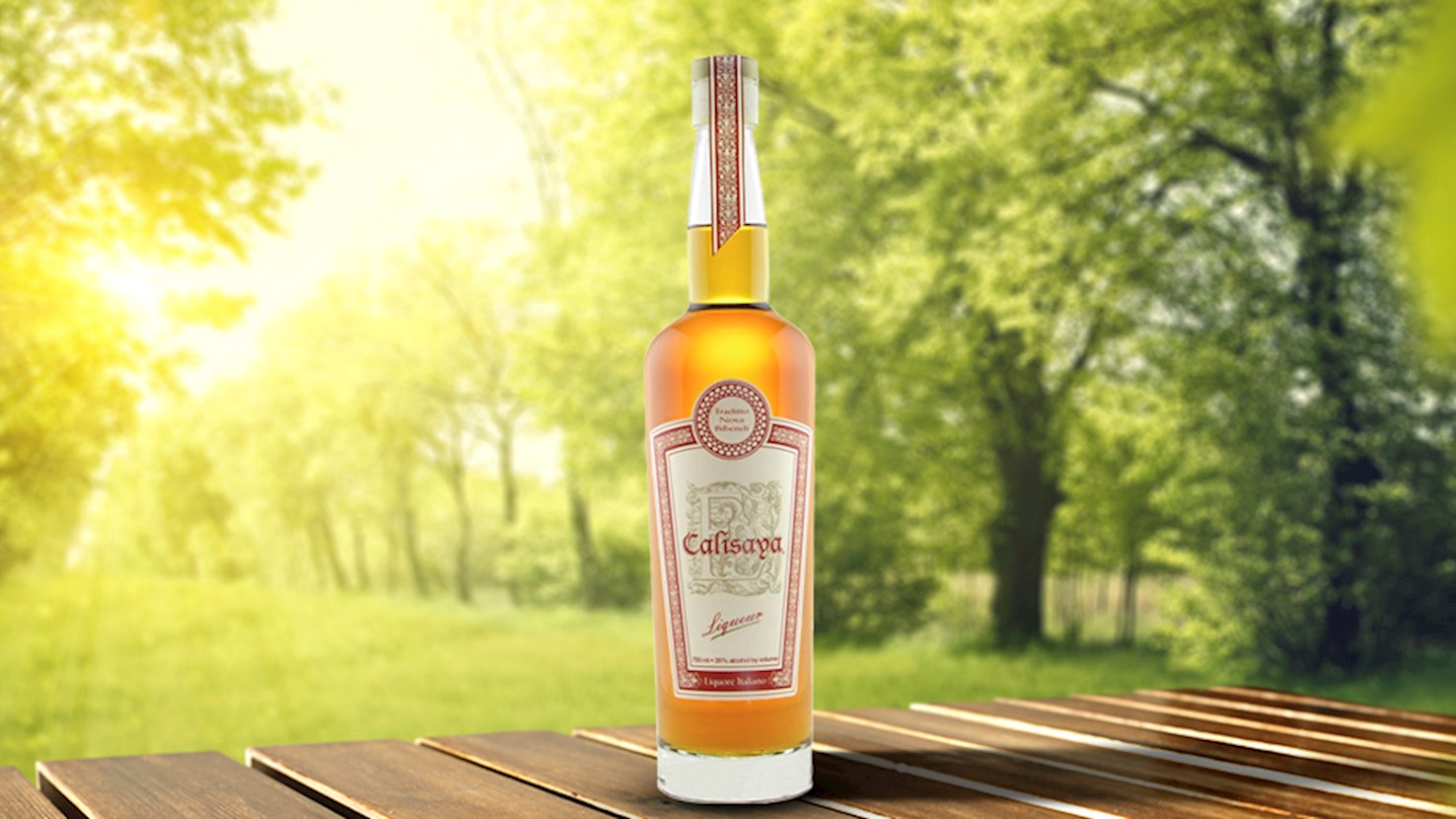
Calisaya is an Italian-style amaro that was originally produced in the 17th century when cinchona calisaya bark was first introduced to Italy. The drink was a popular cocktail ingredient in the United States until the Prohibition, after which it completely disappeared. It was revived by Elixir, an artisanal distillery in Oregon that employs a traditional Italian recipe which calls for maceration of cinchona calisaya bark from Peru and a selection of European botanicals in a neutral spirit. The final blend is incredibly aromatic, with a typical bittersweet finish. It can be enjoyed neat or on the rocks, but it also incorporates well in cocktails, coffee, or desserts.

Read more
View all
View map
About this ranking

TasteAtlas food rankings are based on the ratings of the TasteAtlas audience, with a series of mechanisms that recognize real users and that ignore bot, nationalist or local patriotic ratings, and give additional value to the ratings of users that the system recognizes as knowledgeable. For the “Top 66 Oregonian Alcoholic Beverages” list until June 03, 2026, 0 ratings were recorded, of which 0 were recognized by the system as legitimate. TasteAtlas Rankings should not be seen as the final global conclusion about food. Their purpose is to promote excellent local foods, instill pride in traditional dishes, and arouse curiosity about dishes you haven’t tried.

The initial list of top producers was compiled based on available reviews, awards, local recommendations, media and blog coverage, and consumer reviews. The list will be updated with ratings from TasteAtlas local ambassadors and TasteAtlas users.

Similar lists