Top 8 Uruguayan Alcoholic Beverages

Last updated on September 09, 2026

Best Uruguayan Alcoholic Beverages
01

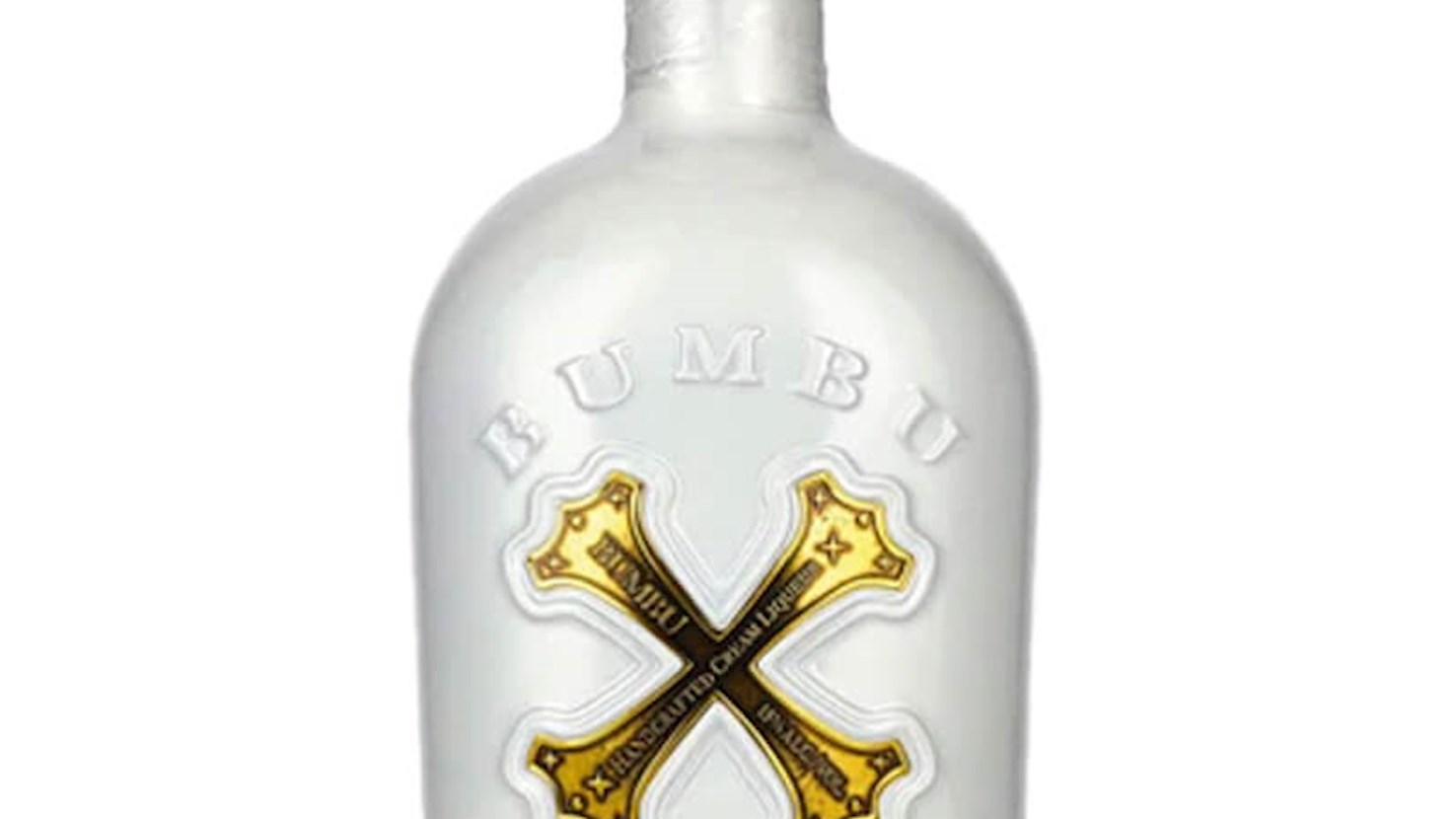
Bumbu Rum Co.

4.8 ·
Awards
IWSC- International wine & spirit competition - Spirit Gold (2021)
02

One and Ugly

4.7 ·
Awards
The Luxury Masters - Gold (2023)
The Luxury Masters - Master (2023)
03

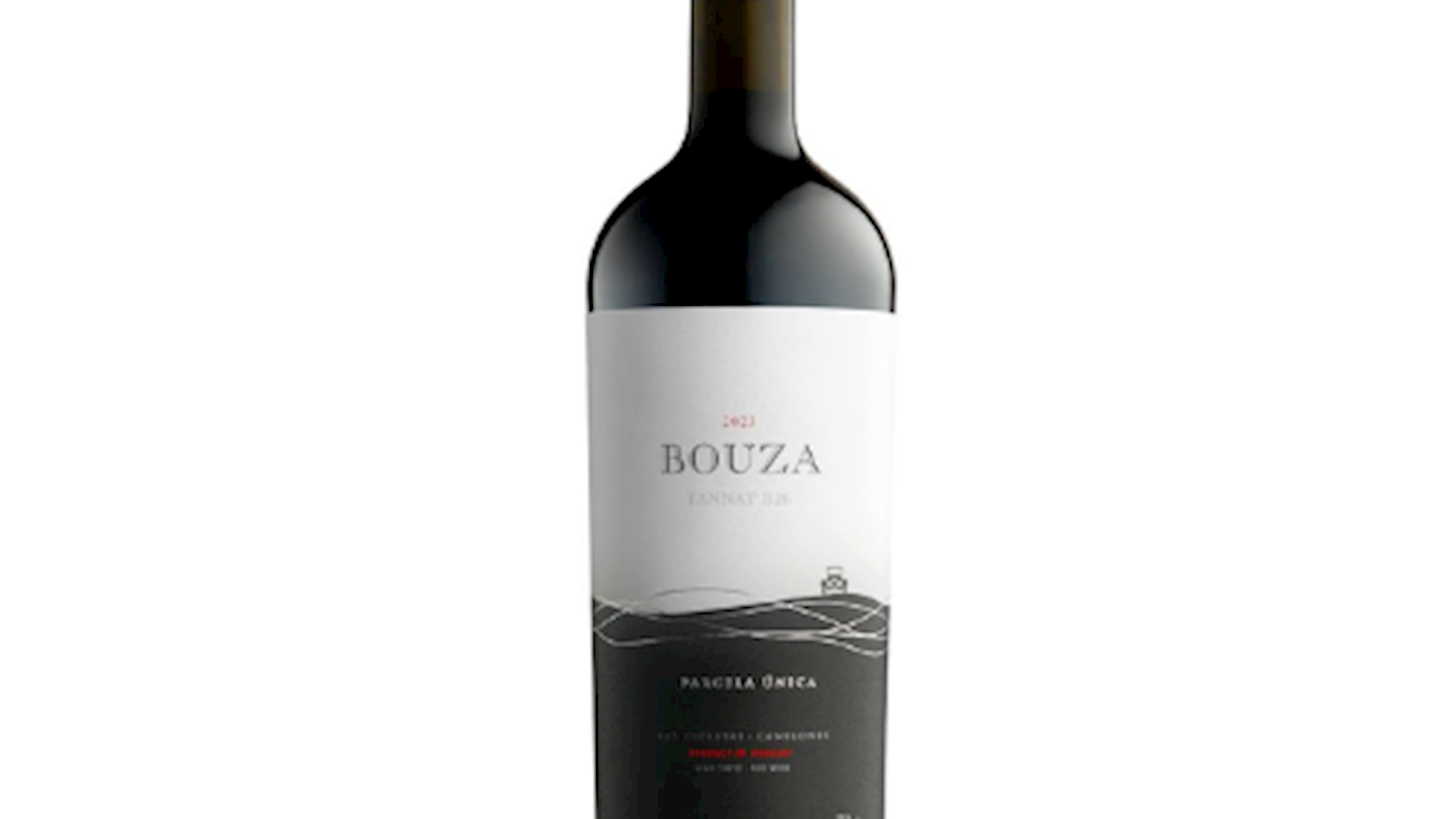
Bodega Bouza

4.7 ·

Bodega Bouza is a family-owned winery located near Montevideo, Uruguay, recognized as one of the country’s leading producers with a strong focus on quality and small-scale production. In its modern form, the project began in the early 2000s, when the Bouza family restored a historic winery and developed vineyards across regions such as Montevideo, Canelones, and Maldonado.

The winemaking philosophy is based on full control of the process from vineyard to bottle, with individual vinification of parcels to highlight the character of each terroir. The winery is particularly known for its Tannat wines, Uruguay’s flagship variety, as well as for high-quality expressions of Merlot, Tempranillo, Pinot Noir, and Albariño, the latter being one of the pioneering plantings in the country.

Influenced by the Atlantic climate, the vineyards benefit from moderate ripening conditions that help preserve freshness and balance. The wines are defined by a combination of concentration and precision, with clear fruit expression, structure, and aging potential.

In addition to winemaking, Bodega Bouza has developed a strong wine tourism offering, including tastings, a restaurant, and guided visits, positioning it as a key representative of modern Uruguayan wine.

Awards
Decanter World Wine Awards - Platinum (2020)
Vivino - 4.3
04

The Jacksontucky

4.7 ·
Awards
SFWSC - San Francisco World Spirits Competition - Double Gold (2024)
05

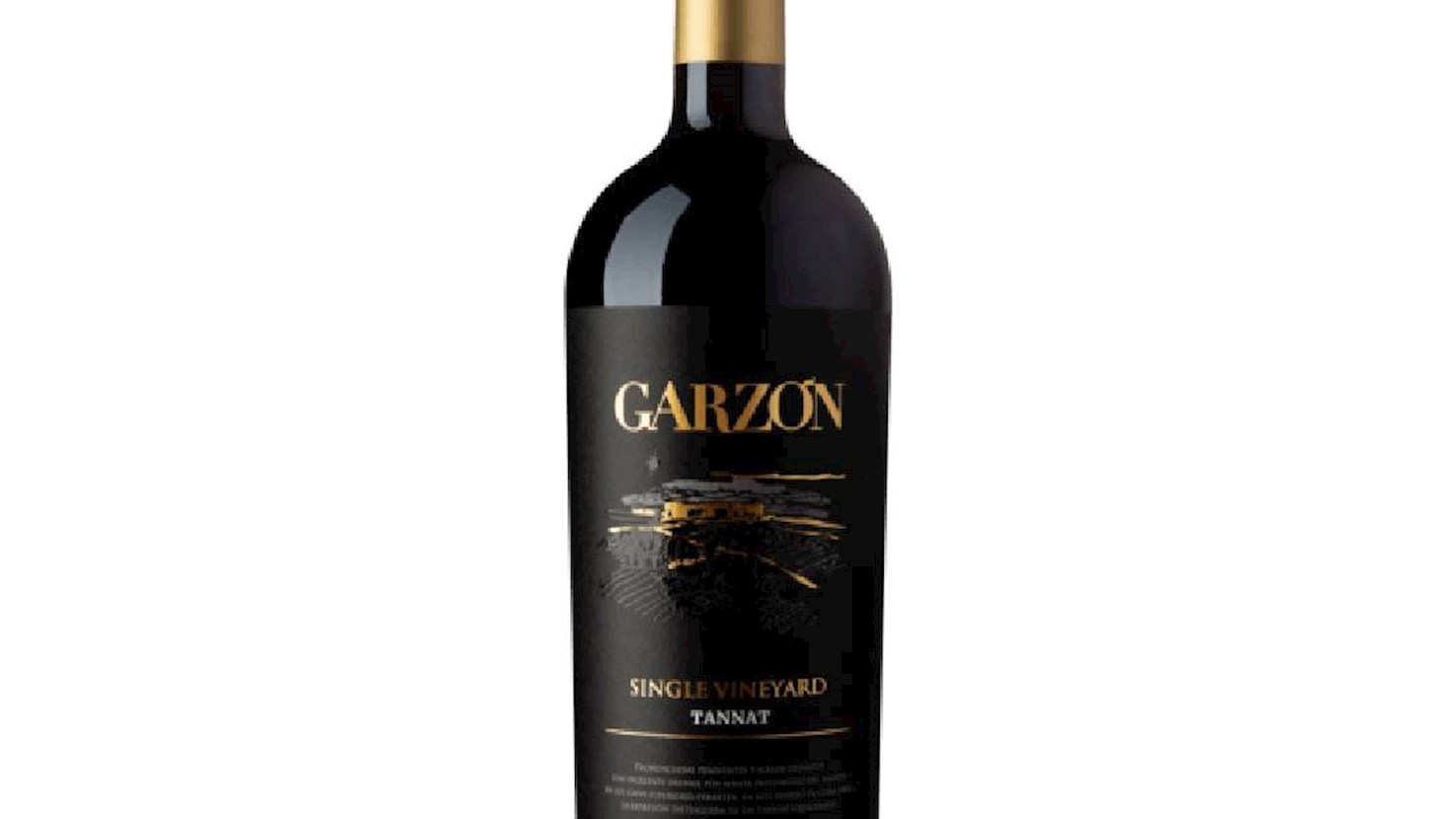
Bodega Garzón

4.7 ·

Bodega Garzón stands as a modern symbol of Uruguayan winemaking, nestled in the rolling hills of Maldonado near the Atlantic coast. Its vineyards stretch across more than 200 hectares, divided into hundreds of micro-plots that allow each vine to express the unique character of its terroir.

The ancient granite soils and the cooling ocean breezes give the wines their distinctive minerality and freshness. Opened in 2016, the winery proudly holds the title of the first LEED-certified winery outside North America, a testament to its commitment to sustainability and environmental responsibility. Its architecture and technology are harmoniously integrated with nature, while the use of a gravity-flow system and solar panels ensures a balance with the surrounding landscape. Under the guidance of renowned oenologist Alberto Antonini, Garzón wines combine tradition and innovation, showcasing refined expressions of Tannat, Albariño, and other international varieties.

Thanks to the vision of its founders and its unwavering pursuit of quality, Bodega Garzón has become globally recognized as a place where passion, nature, and the art of winemaking come together in extraordinary wines.

Awards
Decanter World Wine Awards - Best in Show (2017)
Decanter World Wine Awards - Platinum (2017)
06

Swells'a Brewing

4.6 ·
Awards
World Beer Cup - Gold (2024)
07

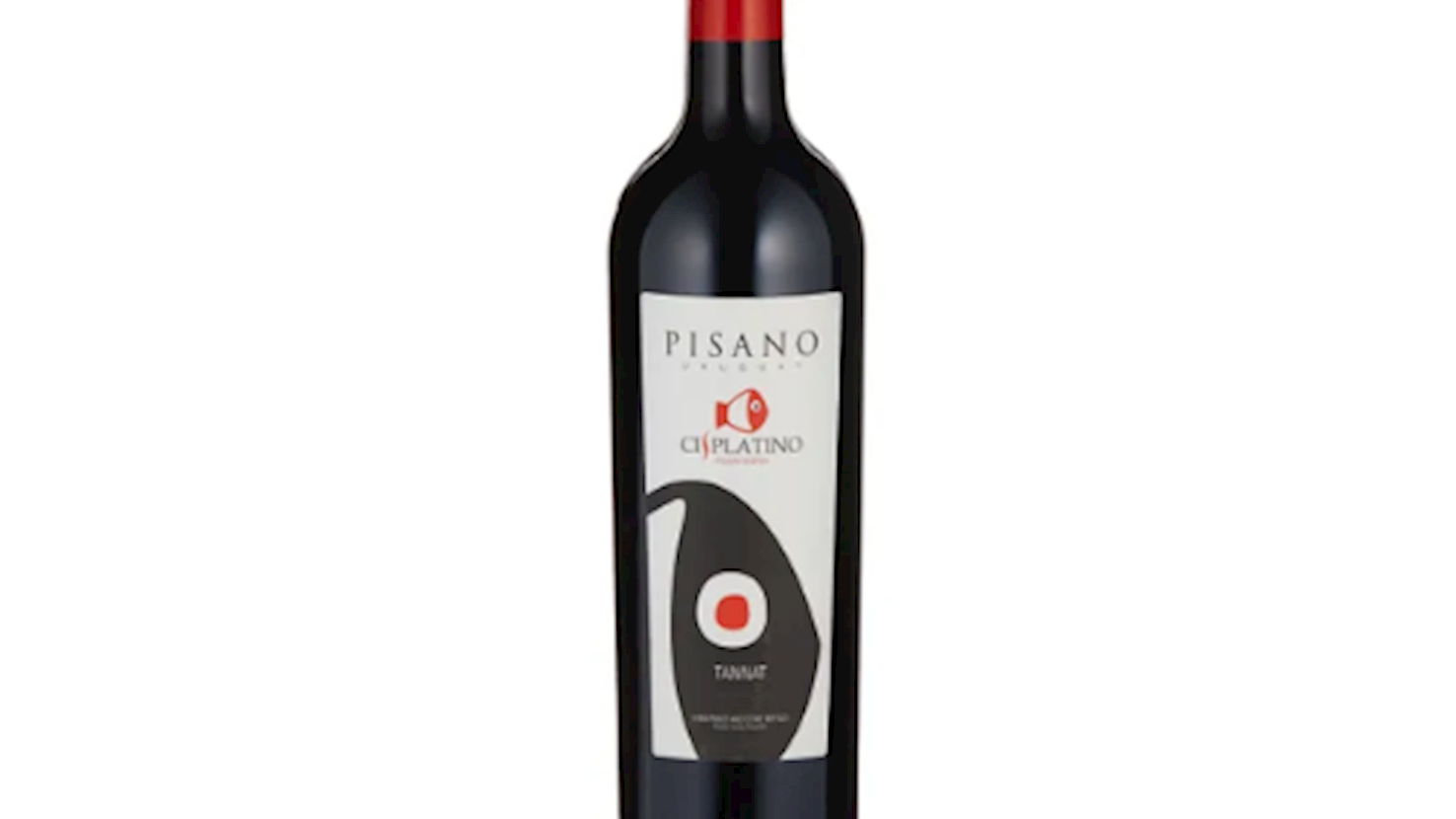
Pisano Family Wines

4.4 ·

Pisano Family Wines is a family-owned Uruguayan winery with roots in Italian and Basque heritage, whose development began in the early 20th century when the family planted its first vineyards in the Progreso area of Canelones, near Montevideo. Today, the winery is run by the fourth generation of the Pisano family, continuing to expand production while preserving its family character and a strong emphasis on manual work and quality control at every stage.

The vineyards are influenced by the Río de la Plata and the Atlantic Ocean, contributing to a moderate climate and helping retain freshness in the grapes. The winery is particularly recognized for its work with Tannat, a variety that produces structured and age-worthy wines, but its portfolio also includes Merlot, Cabernet Sauvignon, Pinot Noir, and white varieties such as Viognier and Chardonnay.

The style of the wines combines ripeness, concentration, and pronounced fruit character, often supported by spicy and earthy notes. Production focuses on small batches that reflect the specificity of vineyard sites and vintages, rather than industrial-scale output.

Sustainable practices are applied in the vineyards, with reduced use of chemicals and an emphasis on maintaining natural balance. Pisano Family Wines represents a blend of European heritage and Uruguayan terroir, with a clear focus on authenticity and family tradition.

Awards
Decanter World Wine Awards - Best in Show (2017)
Vivino - 3.7
08

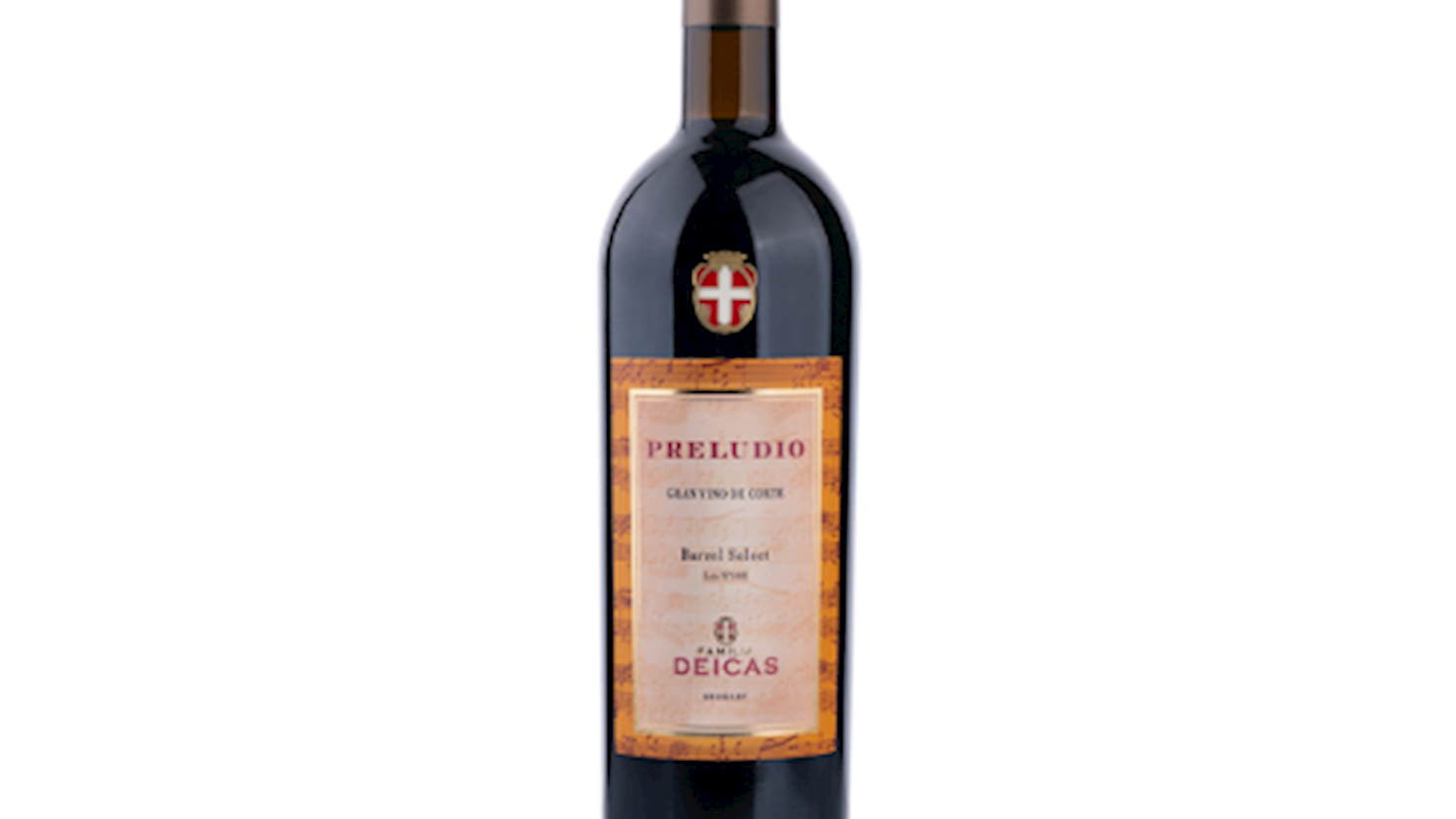
Established Juanicó

4.4 ·

Establecimiento Juanicó is one of Uruguay’s most significant wineries, with a history that reflects over a century of continuous wine production in the Canelones region. The estate was reshaped in 1979 when the Deicas family took ownership, initiating a modernization of vineyards and cellar practices while preserving traditional foundations.

The winery relies on estate vineyards located near the Atlantic Ocean and the Río de la Plata, where climatic conditions support a balance between ripeness and freshness. The terroir is defined by clay and sedimentary soils that contribute to consistency and a clear expression of site.

Production is centered on Tannat, Uruguay’s flagship variety, alongside international grapes such as Cabernet Sauvignon, Merlot, and Cabernet Franc. The wines typically combine structure and intensity with controlled extraction and noticeable freshness.

Establecimiento Juanicó played a key role in expanding Uruguay’s wine exports and positioning the country on the global wine map. Its portfolio ranges from accessible labels to premium wines under the Familia Deicas brand.

Today, the estate operates with a focus on integrating tradition, technology, and vineyard-driven identity. It remains one of the leading references for quality and development in Uruguayan wine.

Awards
Vivino - 4.3
Vivino - 3.8

Best Uruguayan Alcoholic Beverage Types
01

Tannat (Uruguay)

3.6 ·

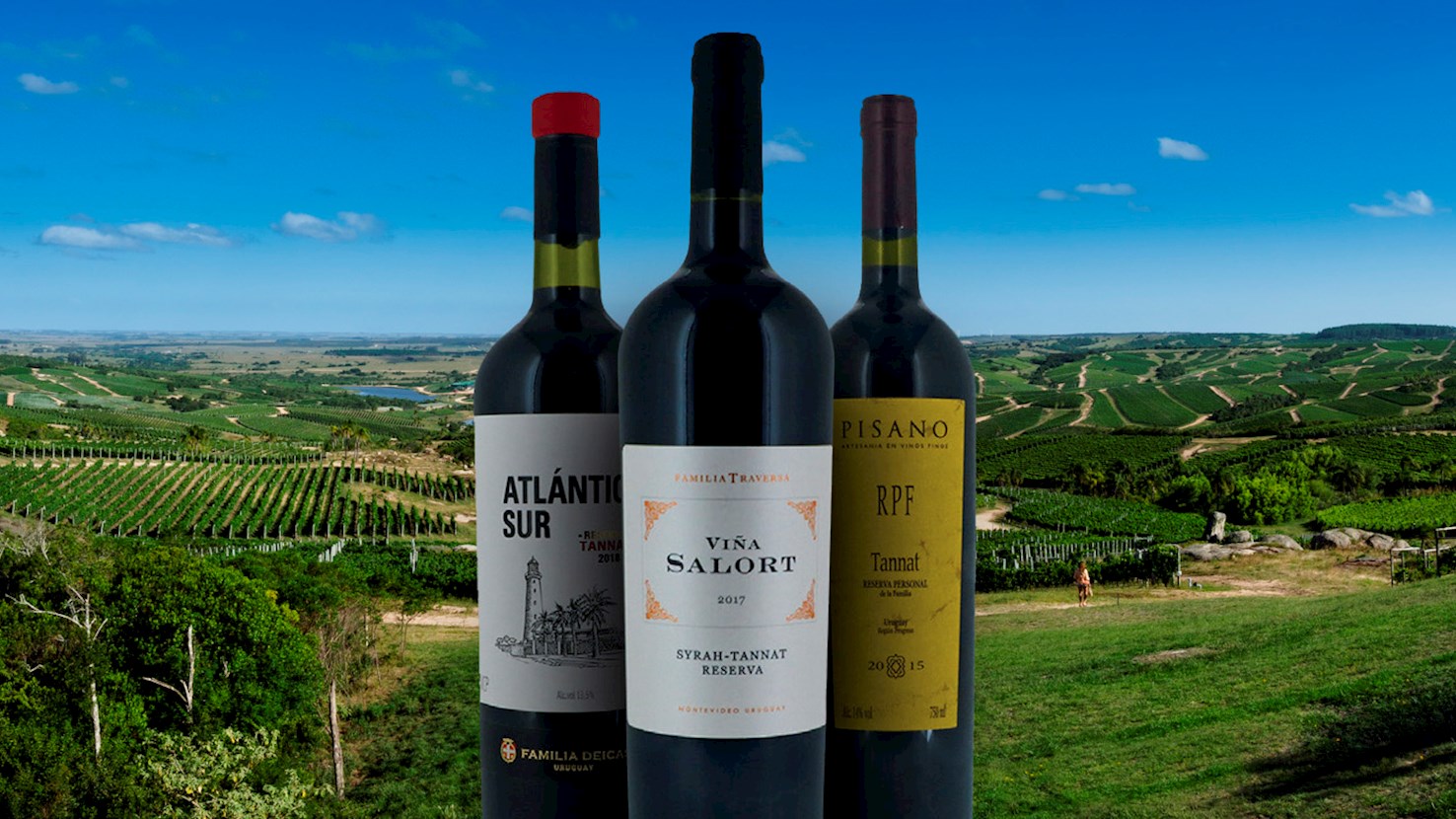
Although Tannat is native to France and primarily known in Madiran AOC, this dark, thick-skinned variety has become one of the most important grapes in Uruguay. The variety, which was brought to Uruguay in the 19th century, produces powerful and tannic red wines. When it was first brought to Uruguay, it was named after Pascual Harriague, who planted the first vines near Salto. At the moment, Tannat is the most commonly planted grape in Uruguay. The wines are dark, usually deep violet, with firm tannins, good acidity, and aromas of blueberries, plums, and spices. Tannat-based wines in Uruguay are dark and rich, but because of the slightly warmer climate, the wines will usually have a softer body and less astringent tannins than their French counterparts from Madiran. Modern styles are often lighter, juicier, and more vibrant, though the tannins are always present and powerful. The grape is also sometimes blended with Pinot Noir and Merlot to add some softer fruit. Because of its tannic structure, Tannat from Uruguay pairs well with meat dishes, especially roasted and grilled red meat and lamb.

02

Medio y Medio

2.9 ·

Medio y Medio is an Uruguayan cocktail made with a combination of dry white wine and sweet sparkling wine. In order to prepare it, equal parts white wine and sparkling wine should simply be combined in a glass and served. Both ingredients should be well-chilled before being mixed. This cocktail is a great aperitif, but it is also used as an accompaniment to desserts, such as dulce de leche crepes. Medio y Medio is so popular that it can even be bought pre-mixed in supermarkets. There is also another version of this mixed drink which includes rum in the combination.

03

Montevideo

n/a ·

Montevideo wine is a maritime-influenced wine produced from vineyards cultivated inside the Montevideo department, an administrative region surrounding the capital city along the southern coast of Uruguay bordering the Río de la Plata estuary. The structural layout of this wine production zone was shaped in the late nineteenth century when European immigrants, notably Pascual Harriague from the French Basque country, brought specialized grapevine material to southern Uruguay during the eighteen-seventies, placing the high-tannin Tannat grape at the center of the region's farming sector before subsequent Italian immigrant families developed small-scale vineyard blocks across the clay-rich soils of the Montevideo outskirts, anchoring a regional industry that ultimately prompted the state establishment of the Instituto Nacional de Vitivinicultura (INAVI) to monitor and codify quality parameters. Preparation involves the strategic monitoring of late-ripening grape varieties, predominantly Tannat, alongside Merlot, Cabernet Sauvignon, and Albariño, which are subjected to manual picking during the humid summer months, followed by rigorous cluster destemming, temperature-regulated fermentation in stainless steel, concrete, or oak vats to control extracting highly astringent seed compounds, and micro-oxygenation or prolonged aging inside French and American oak barrels to round out the intense, structurally dense phenolic matrices typical of coastal Tannat clusters. Montevideo wine is served poured into large, tulip-shaped stemmed glassware to allow proper aromatic dispersion, with the robust Tannat and red assemblages maintained at sixteen to eighteen degrees Celsius and the crisp Albariño expressions presented at eight to ten degrees Celsius, utilizing clear glass decanters for young red vintages for at least sixty minutes to soften the textural grip before consumption. It is consumed within metropolitan steakhouses, family-owned bodegas, and fine dining establishments throughout Uruguay and international export channels, functioning as the foundational center of the country's coastal winemaking culture. For food and beverage pairings, the dense fruit sugars, high concentration of natural antioxidants, and firm structural tannins of the red selections require rich animal fats and proteins to properly coat the palate, meaning it is consumed alongside slow-cooked beef short ribs, grilled ribeye steaks prepared on wood-fired parrilla grills, roasted lamb seasoned with chimichurri, and hard cheeses, whereas the aromatic, saline white Albariño variations pair with fresh local seafood, grilled squid, pan-seared sea bass, and citrus-marinated ceviche.

Best producers
About this Ranking

TasteAtlas food rankings are based on the ratings of the TasteAtlas audience, with a series of mechanisms that recognize real users and that ignore bot, nationalist or local patriotic ratings, and give additional value to the ratings of users that the system recognizes as knowledgeable.

TasteAtlas Rankings should not be seen as the final global conclusion about food. Their purpose is to promote excellent local foods, instill pride in traditional dishes, and arouse curiosity about dishes you haven’t tried.

The initial list of top producers was compiled based on available reviews, awards, local recommendations, media and blog coverage, and consumer reviews. The list will be updated with ratings from TasteAtlas local ambassadors and TasteAtlas users.

What People Say

Similar Lists