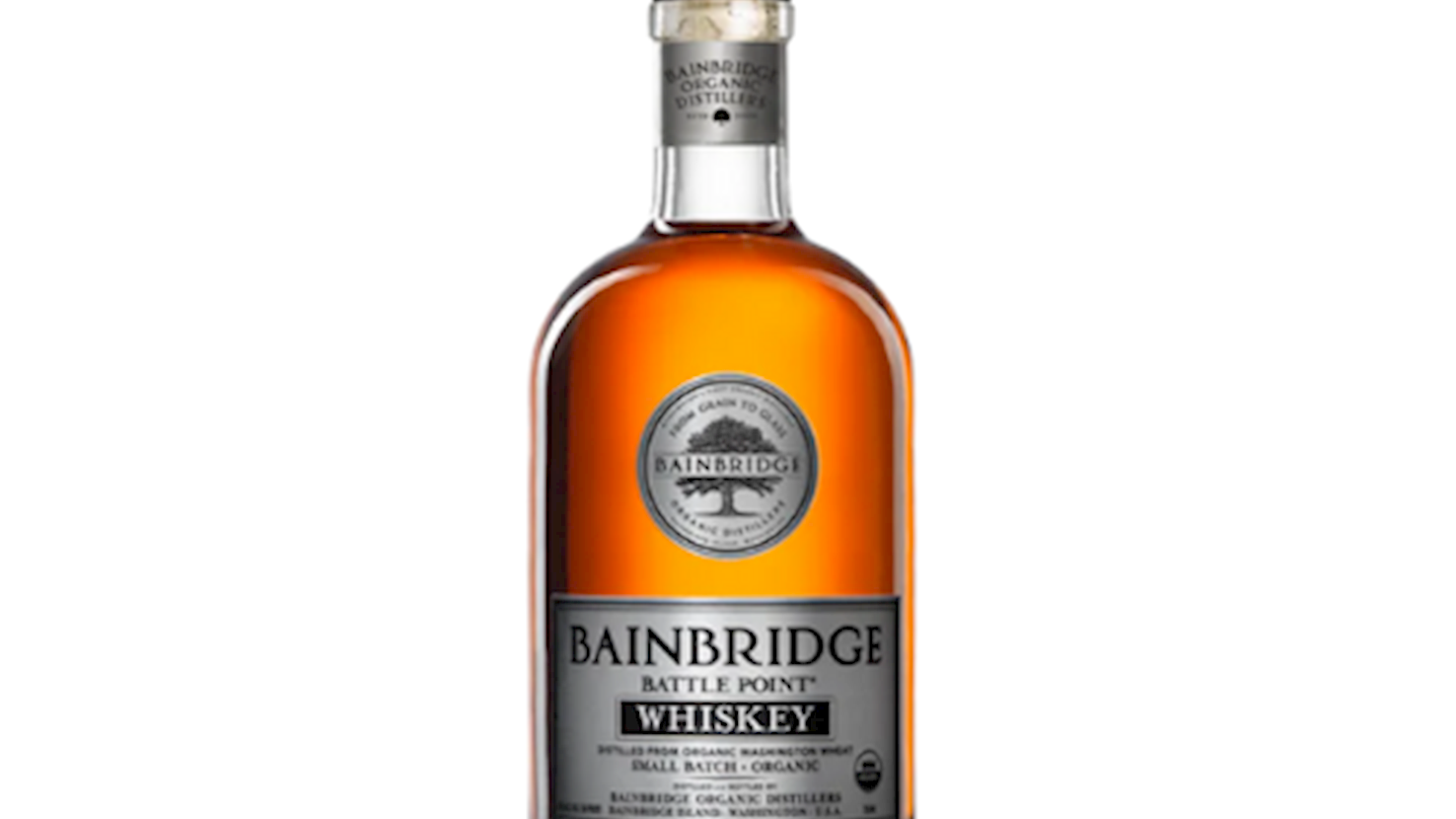
Bainbridge Organic Distillers is Washington State's first distillery fully dedicated to organic production, using locally sourced ingredients from the Pacific Northwest. Located on Bainbridge Island, the distillery is known for its craft approach to making whiskey, vodka, and gin, managing every step of production—from grain to bottle—in-house. Their products frequently win awards for quality and authenticity, as they emphasize environmental sustainability and natural ingredients.
Awards
SFWSC - San Francisco World Spirits Competition - Double Gold
(2024, 2023)
SFWSC - San Francisco World Spirits Competition - Gold
(2024)
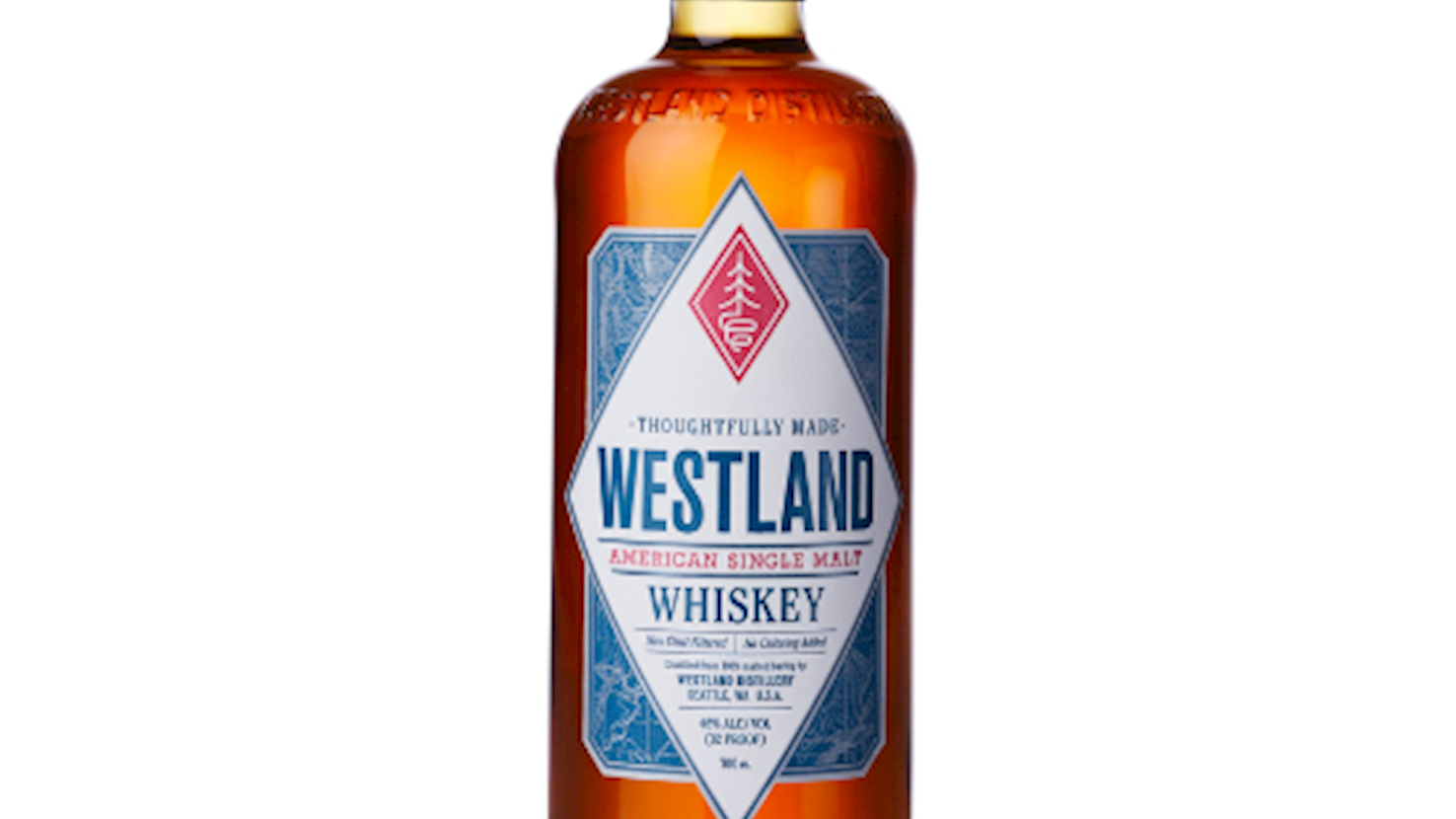
Westland Distillery is a renowned craft distillery based in Seattle, Washington, USA, specializing in American single malt whiskey. Established in 2010, it has earned a global reputation for its innovative approach to whiskey-making while honoring traditional methods. The distillery emphasizes the use of locally sourced ingredients, including barley grown in the Pacific Northwest, and features distinct regional flavors that set its products apart.
Westland's portfolio includes a variety of expressions, such as their flagship American Single Malt, as well as limited-edition and experimental releases. Their whiskey is aged in custom oak casks to develop unique profiles, often characterized by notes of malt, fruit, and spices. With a commitment to sustainability and a deep respect for the craft, Westland Distillery has become a leader in redefining what American single malt whiskey can be.
Awards
SFWSC - San Francisco World Spirits Competition - Double Gold
(2024, 2023)
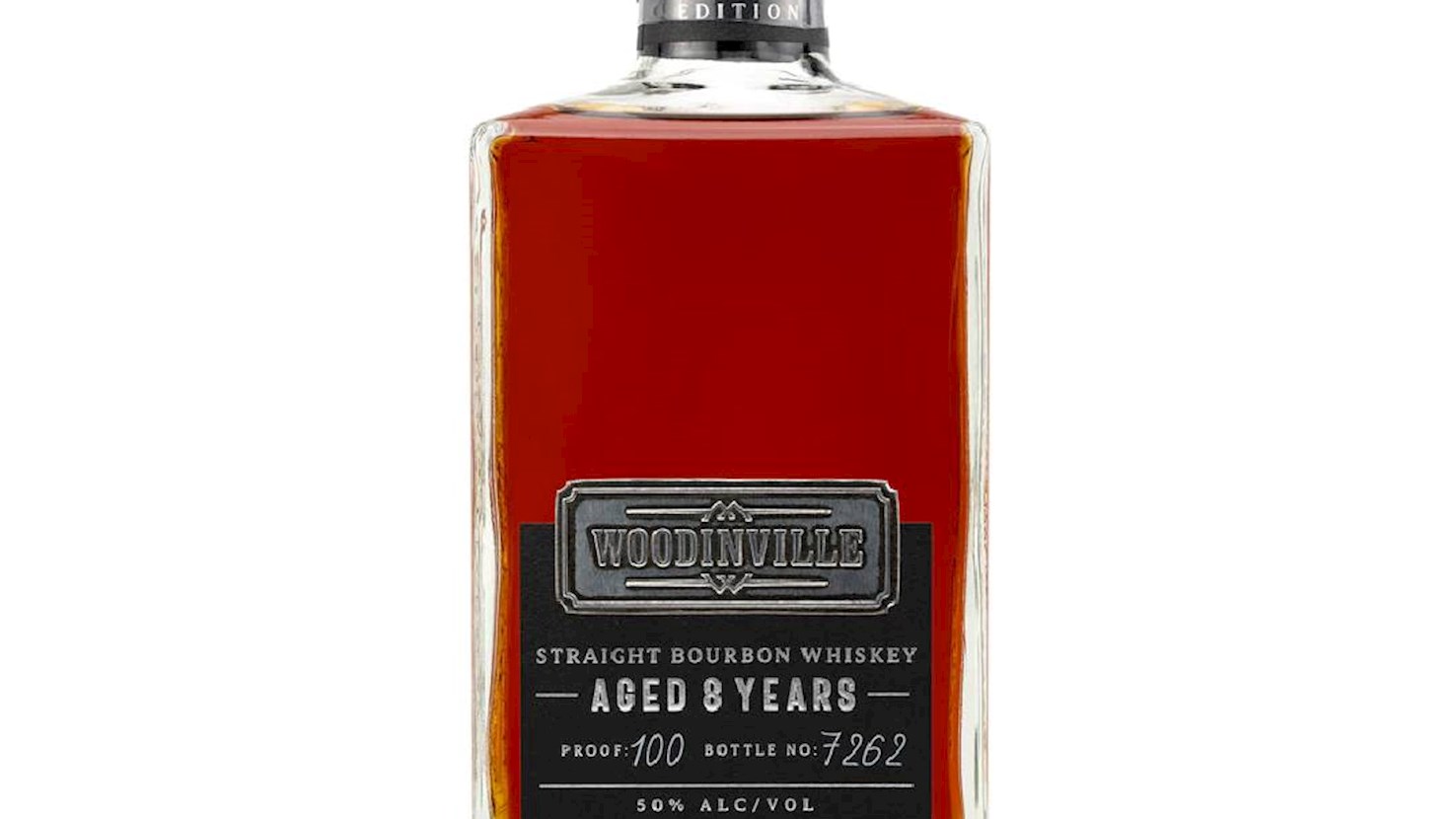
Woodinville Whiskey Co., founded in 2010 by lifelong friends Orlin Sorensen and Brett Carlile, is a craft distillery located in Woodinville, Washington. Their mission is to produce exceptional American whiskey by combining traditional methods with the unique terroir of the Pacific Northwest. The distillery sources all its grains—corn, rye, and malted barley—from the Omlin Family Farm in Quincy, Washington, ensuring high-quality, locally grown ingredients. These grains are mashed and distilled at their Woodinville facility, then transported across the Cascade Mountains for aging in their barrel houses. The region's extreme temperature variations enhance the extraction of natural flavors from the oak barrels, contributing to the whiskey's distinctive character.
Awards
SFWSC - San Francisco World Spirits Competition - Double Gold
(2024)
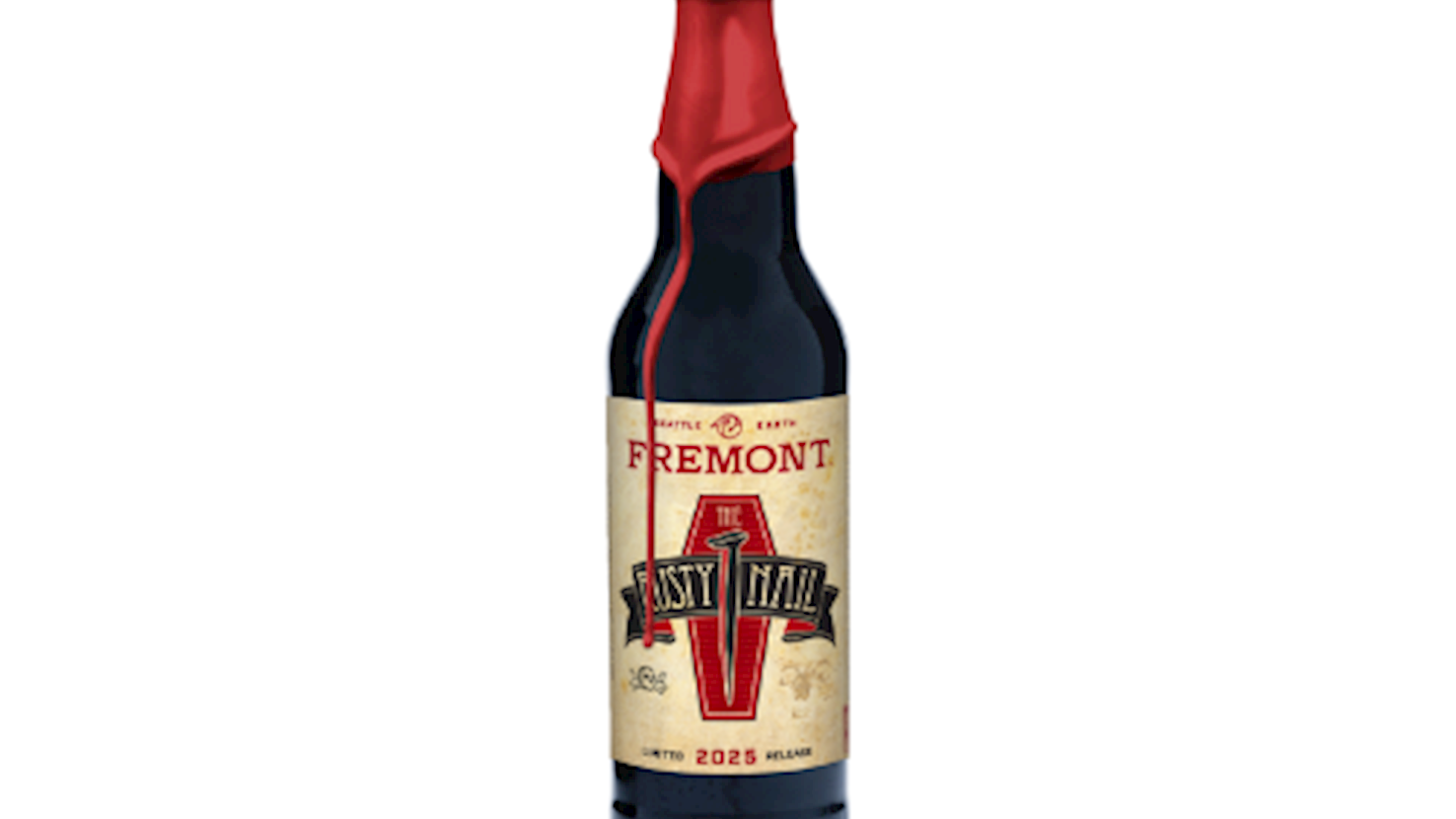
Fremont Brewing from Seattle was founded in 2009 as a family-owned brewery by Matt Lincecum and Sara Nelson, with the motto “Beer Matters”. From humble beginnings, the brewery has grown into the third-largest craft brewery in Washington State and is especially recognized as the region’s leading producer of barrel-aged beers. Their main taproom has become a beloved community gathering place, while the Fremont West production facility in Ballard serves as a hub for innovation and large-scale brewing. Beers such as Universale Pale Ale and Interurban IPA quickly gained popularity, while seasonal and experimental releases from the Black Heron Project showcase their commitment to exploring new styles. Beyond quality, Fremont stands out for its continuous support of the community, investment in local resources, and engagement with consumers through events and special releases. Their approach blends technical precision, innovation, and a strong sense of local identity. Today, Fremont Brewing is a symbol of Seattle’s craft beer movement and a prime example of a brewery that continues to grow while remaining true to its philosophy of sustainability and community.
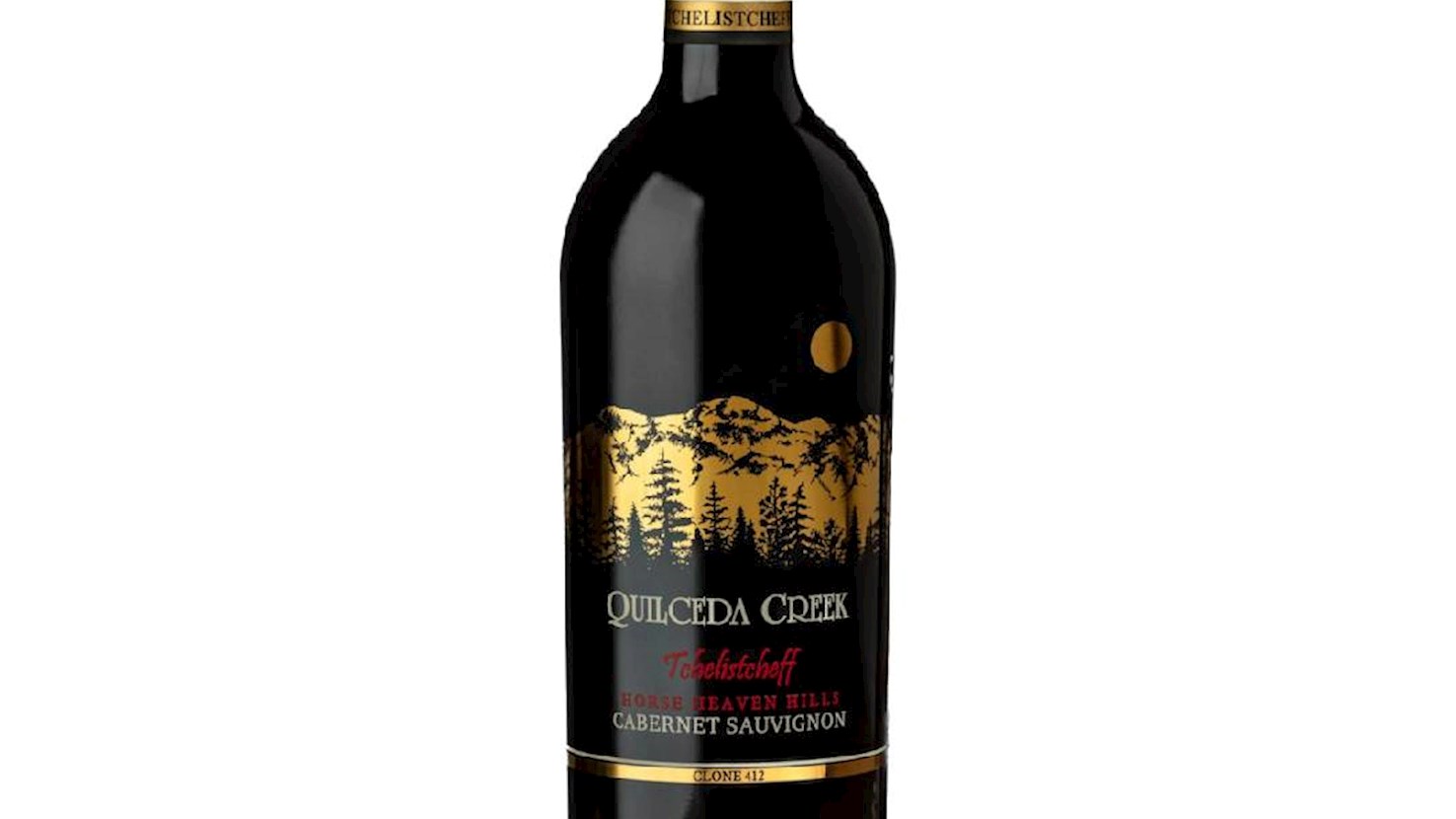
Quilceda Creek Winery is a family-owned estate in Washington State, internationally recognized as a benchmark for world-class Cabernet Sauvignon. Founded in 1978 by Alex and Jeannette Golitzin, the winery was built on a clear vision: to craft exceptional wine with a singular focus on Cabernet Sauvignon. Alex’s inspiration came from his uncle, the legendary winemaker André Tchelistcheff, whose influence laid the foundation for Quilceda Creek’s deep commitment to quality.
Over the decades, Quilceda Creek has grown from humble beginnings in a garage into one of America’s most celebrated wineries, all while maintaining a dedication to small-scale production and hands-on winemaking. The grapes are sourced exclusively from carefully selected vineyards such as Champoux, Mach One, and Galitzine, and the winemaking process emphasizes minimal intervention to preserve the purity and character of the fruit.
The result is a Cabernet Sauvignon renowned for its depth, structure, and longevity—consistently earning the highest accolades and international acclaim. Today, under the leadership of Paul Golitzin, the winery continues to uphold its founding philosophy of excellence, staying true to its roots while crafting wines of remarkable elegance and distinction.
Cayuse Vineyards is a distinguished winery located in the Walla Walla Valley, straddling the border of Oregon and Washington. Founded in 1997 by French vigneron Christophe Baron, the estate is renowned for its Rhône varietals, particularly Syrah, which have garnered critical acclaim, including multiple 100-point ratings from The Wine Advocate. The vineyards are situated in a unique terroir known as "The Stones," characterized by rocky, well-drained soils that impart distinctive minerality to the wines. Cayuse farms five vineyards covering 47 acres, all cultivated using biodynamic farming methods—a chemical-free approach designed to produce healthier soil and food.
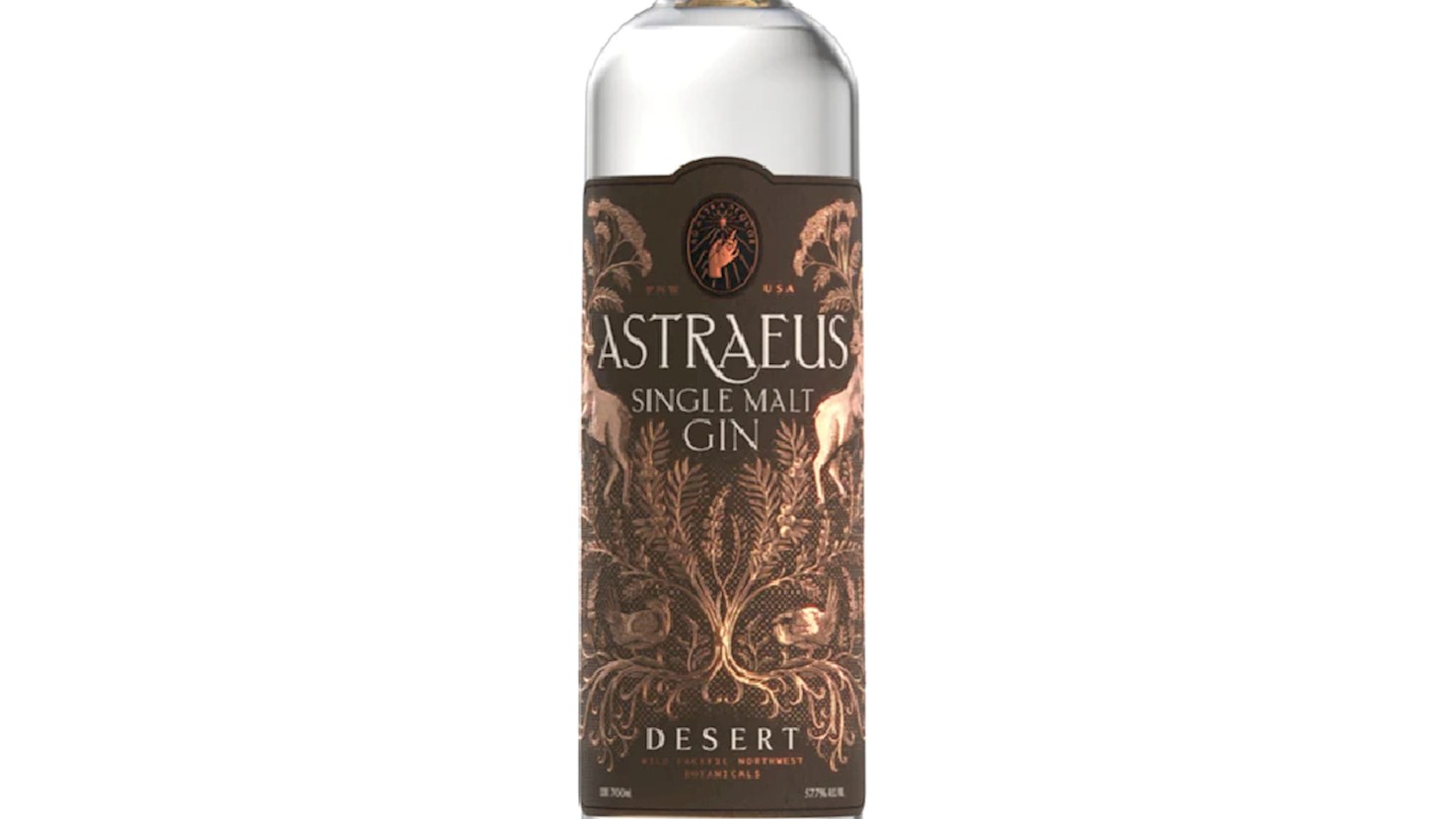
Astraea Spirits is a unique distillery based in the Pacific Northwest, known for its innovative approach to gin. Founded by Danielle Leavell, a Master Distiller trained in Scotland, Astraea Spirits combines traditional European distillation techniques with a distinctly American perspective. The distillery is celebrated for its handcrafted gins, which are made using organic botanicals sourced from the rich landscapes of the Pacific Northwest.
Awards
NYWSC - New York World Spirits Competition - Gold
(2024)
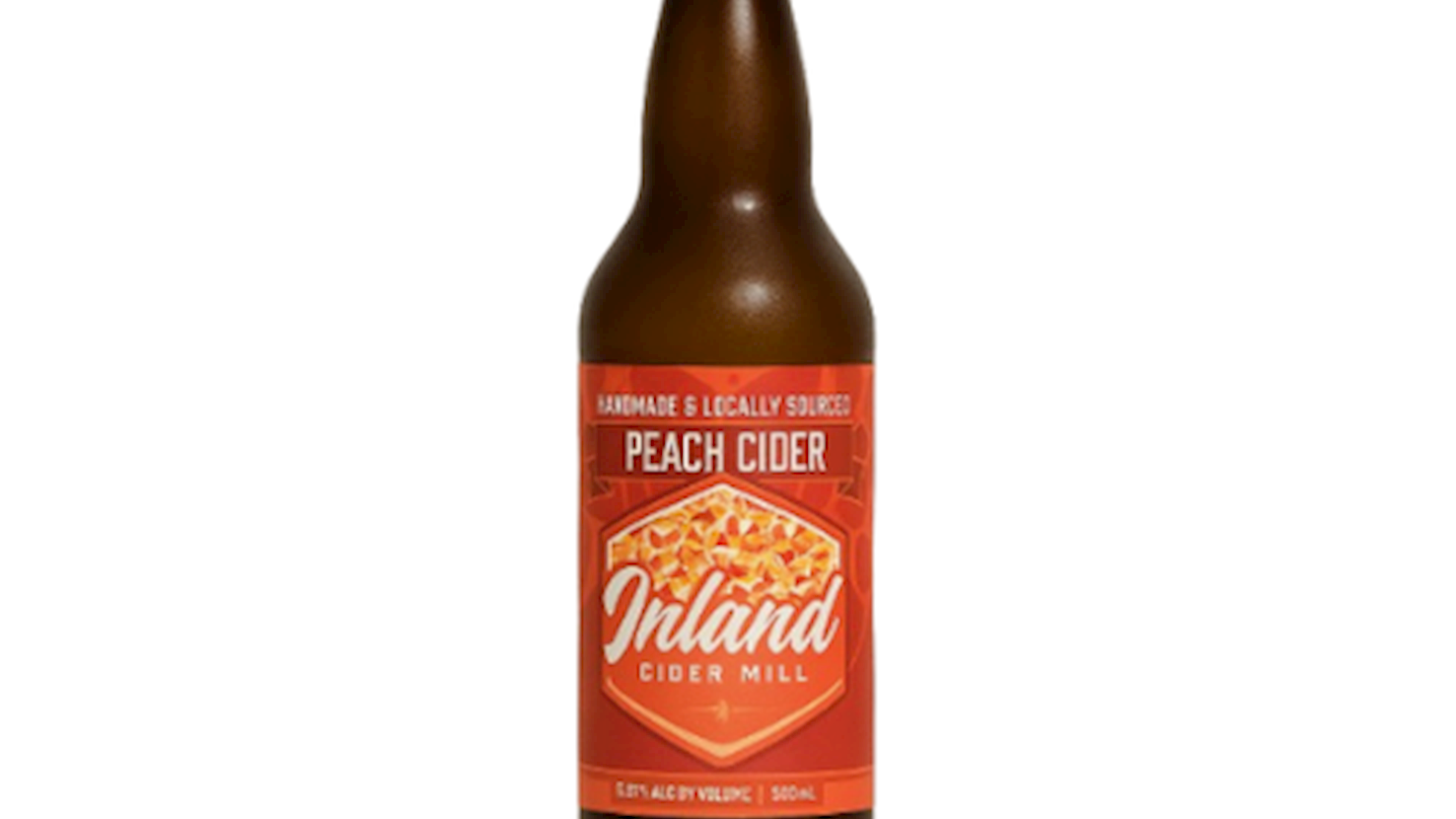
Inland Cider Mill is a craft cidery from Spokane, Washington, run by Sean and Erin Weeks, who are also known for their work with Thomas Clare Cellars. Their story began with a desire to offer natural, locally inspired beverages, and today they produce a wide range of ciders made primarily from apples grown in the Green Bluff area, including backyard varieties and traditional heirloom cultivars. Their production philosophy is rooted in simplicity and quality - every cider is made without unnecessary additives and with a focus on expressing the natural character of the apple. Their lineup includes dry and refreshing styles, fruit-forward variations with added berries or spices, as well as hopped ciders that combine tradition with modern experimentation. Their Spokane taproom has become a popular gathering place, where visitors can enjoy cider straight from the source in a friendly and relaxed setting. Their cider philosophy emphasizes that cider is just as gastronomically valuable as beer or wine, something confirmed by the variety of styles they produce. The brand’s visual identity reflects simplicity and a strong local spirit, making Inland Cider Mill appealing both to experienced cider lovers and to those discovering the drink for the first time. Their products pair well with light meals, cheeses, desserts, or can simply be enjoyed on their own as a refreshing option. Within the industry, they are recognized as part of the new wave of North American cider makers dedicated to local fruit and creative fermentation techniques.
Brut Cocktail is an American mixed drink made with a combination of Angostura bitters, orange bitters, Picon, and French vermouth. In order to prepare it, all ingredients should be stirred with crushed ice, then strained into a cocktail glass. The cocktail is typically garnished with a squeezed piece of lemon peel. The earliest recipe found for Brut Cocktail appears in William Boothby’s 1908 The World’s Drinks and How to Mix Them.
Royce is an American cocktail made with a combination of cachaça, guava juice, sugar, and slices of orange, lemon, and lime. In order to prepare it, sugar is combined with fruit slices, and the fruit is then pressed to release some of the juices. Ice, guava juice, and cachaçaare added to the combination, the whole thing is mixed, and then poured into a zombie glass. It is believed that Royce was invented at Liberty Bar in Seattle, and it was named in honor of Royce Gracie, a Brazilian jiu-jitsu fighter.
Wahluke Slope is an American Viticultural Area (AVA) located in Grant County within the south-central region of Washington State. It is situated on a large, south-facing alluvial fan that encompasses approximately 81,000 acres, with nearly 9,000 acres currently planted to vineyards. The region is bordered by the Columbia River to the west and south, the Saddle Mountains to the north, and the Hanford Reach National Monument to the east. It is one of the warmest and driest viticultural regions in Washington, receiving fewer than six inches of annual rainfall. The geological formation of the slope was primarily shaped by the Missoula Floods, a series of cataclysmic events during the last ice age that deposited deep layers of gravel and sand over a basalt foundation. These flood deposits were subsequently covered by wind-blown silt known as loess. Viticulture in this area was initially explored in the 1970s, but large-scale commercial planting began in the 1980s as irrigation infrastructure became more accessible. The region achieved its own AVA status in 2006. Because the landscape is exceptionally level with a gentle southward grade of about 1%, it lacks the microclimate variations found in more rugged terrain, which leads to highly uniform ripening across large vineyard blocks. Preparation of the wine focuses on red Bordeaux and Rhône varieties, which account for roughly 75% of the total production. The high heat units and intensive solar radiation produce grapes with thick skins and high sugar concentrations. Cabernet Sauvignon, Merlot, and Syrah are the dominant types produced. Due to the arid conditions, viticulturists utilize drip irrigation to precisely manage vine stress and canopy growth. In the winery, these grapes often require techniques to manage high alcohol levels and soften the dense tannins that result from the intense heat. Red wines are typically served at 18°C, while the smaller percentage of white wines, such as Riesling or Chardonnay, are served at 10°C. The uniform geography and consistent heat result in wines that are reliably full-bodied and intense. The wines are consumed globally, often serving as a primary component in many of Washington’s high-volume, premium blends due to their consistency. Pairings for Wahluke Slope red wines include heavy, protein-rich dishes such as smoked brisket, grilled steaks, or lamb shank to balance the structural tannins. The white wines pair with spicy cuisine or roasted poultry. The beverage is often served with room-temperature water to accommodate the higher alcohol percentages common to this warm-climate region.
Red Mountain is an American Viticultural Area (AVA) located in south-central Washington State, situated within the southeastern corner of the Yakima Valley. It is one of the smallest and warmest wine-growing regions in the state, covering a total of 4,040 acres, with approximately 2,382 acres currently under vine. Despite its name, Red Mountain is technically a south-facing slope or anticline of the Yakima Fold Belt, with elevations ranging from 150 to 450 meters. The area takes its name from the red-hued cheatgrass that covers the landscape in the spring. The modern viticultural identity of the region was established in 1975 when pioneers John Williams and Jim Holmes planted the first ten acres of vines. Prior to this, the land was an arid desert inhabited largely by sagebrush. The soil composition is a direct result of the cataclysmic Missoula Floods, which deposited layers of gravel, sand, and silt over a base of volcanic basalt. These soils are high in calcium carbonate and alkalinity, which naturally limits vine vigor. Because the region sits in the rain shadow of the Cascade Range, it receives only about five inches of annual precipitation, making precise irrigation from the nearby Yakima River essential for vine survival. Preparation of the wine is defined by the region's extreme climate and persistent high-velocity winds. The intense heat and wind cause the grapes to develop thicker skins, which results in high concentrations of color, flavor, and tannin. Cabernet Sauvignon is the primary variety, making up roughly 60% of all plantings, followed by Merlot and Syrah. Winemakers often focus on managing the naturally robust tannins to create wines with significant structural density. Most vines in the region remain own-rooted, as the sandy soil and arid conditions are not conducive to the spread of phylloxera. The wines are typically served in large-bowled glasses at a temperature of 18°C. Due to their high tannin content and intense fruit concentration, many Red Mountain wines benefit from decanting for at least 30 to 60 minutes to allow the aromatics to aerate. They are consumed globally and are known for a structural balance between ripe dark fruit and high natural acidity, the latter of which is preserved by precipitous nighttime temperature drops that can reach 22°C. Red Mountain wines are paired with dense, savory foods that can stand up to their powerful structure. They are commonly served with grilled red meats such as steak, lamb chops, and venison, where the meat's fat softens the wine's firm tannins. Other suitable pairings include roasted root vegetables, dishes featuring earthy mushrooms, and aged hard cheeses like sharp cheddar or smoked gouda. In a beverage context, these wines are sometimes served alongside sparkling mineral water to refresh the palate between highly concentrated sips.
Walla Walla Valley is an American Viticultural Area (AVA) that spans the border of southeastern Washington and northeastern Oregon. It is a sub-appellation of the larger Columbia Valley, covering approximately 300,000 acres, though only about 3,000 acres are under vine. The modern viticultural identity of the area was established in 1984, but its origins date back to the 1850s when French fur trappers settled in the region and planted some of the first vineyards in the Pacific Northwest. These early plantings were eventually devastated by severe frost in 1883, leading to a long hiatus in commercial wine production. The contemporary industry emerged in the 1970s with the founding of pioneering wineries that demonstrated the potential for high-quality Cabernet Sauvignon and Merlot on the valley’s unique soils. The geography of the valley is defined by its position at the foot of the Blue Mountains, which provide a rain shadow and create a continental climate with significant diurnal temperature shifts. This environment is characterized by hot, dry summers and cold winters, where overnight temperatures during the growing season drop sufficiently to preserve natural acidity in the grapes. The soils are a result of the Missoula Floods and volcanic activity, consisting primarily of wind-deposited silt known as loess. In the southern portion of the AVA, particularly in the sub-appellation known as The Rocks District of Milton-Freewater, the soil is composed of deep layers of basalt cobblestones. These stones absorb solar heat during the day and radiate it back to the vines at night, a physical property that influences the ripening cycle and imparts a distinct mineral profile to the wine. Preparation in Walla Walla involves a focus on red varieties, which constitute 95% of the total plantings. Cabernet Sauvignon is the most widely grown grape, followed by Syrah and Merlot. Winemaking techniques vary, but many producers utilize long aging periods in French oak barrels to soften the robust tannins produced by the region's intense sunlight. A unique technical aspect of the valley is that many vines are grown on their own roots rather than being grafted onto phylloxera-resistant rootstock; the sandy, silty composition of the loess prevents the spread of the phylloxera louse, allowing the vines to maintain a more direct biological link to the soil nutrients. The wines are typically served at a standard cellar temperature of 16°C to 18°C for reds and 10°C to 12°C for the limited white varieties like Chardonnay and Viognier. Because of their structural density and high alcohol content, these wines are frequently consumed alongside savory, high-protein foods. Cabernet Sauvignon and Syrah from the region are paired with grilled meats, particularly beef and lamb, or dishes containing earthy ingredients like mushrooms and truffles. The white wines are often served with poultry or cream-based pasta dishes. In the local region, the wines are also famously paired with Walla Walla sweet onions, which are roasted or caramelized to complement the savory and fruit-forward notes of the valley's red blends.
Columbia Valley is an American Viticultural Area located in the Pacific Northwest, primarily spanning central and southern Washington State with a small portion extending into northern Oregon. Covering approximately 11 million acres, it is the largest wine-growing region in Washington and encompasses nearly all the state's vinifera acreage. The region is defined by its arid, continental climate, which is a direct result of its position in the rain shadow of the Cascade Mountain Range. This barrier prevents maritime moisture from reaching the interior, resulting in a desert-like environment that receives an average of six to eight inches of rainfall annually. The geological foundation of the area was established by a series of massive volcanic eruptions and cataclysmic floods. Between 17 and 6 million years ago, enormous lava flows created a thick basalt bedrock. This was followed approximately 15,000 years ago by the Missoula Floods, which deposited layers of gravel, sand, and silt across the basin. Over time, prevailing winds covered these deposits with loess, a fine, windblown silt. This specific combination of well-drained volcanic soil and sandy loess is a primary factor in the region's ability to support own-rooted vines, as the sandy texture is inhospitable to the phylloxera pest that affects many other global wine regions. Commercial viticulture began to expand significantly in the mid-1960s, leading to the official establishment of the American Viticultural Area in 1984. Wine production in the Columbia Valley involves precise irrigation management, which allows growers to control vine stress and grape development with a level of consistency rarely found in high-rainfall regions. The high latitude provides roughly two more hours of daily sunlight during the summer than California, while the wide diurnal temperature swing, the difference between daytime highs and nighttime lows, ensures that grapes develop sugar while retaining natural acidity. Common red varieties include Cabernet Sauvignon, Merlot, and Syrah, while Riesling, Chardonnay, and Sauvignon Blanc are the primary white grapes. These wines are typically served at temperatures reflecting their style: light whites at 7 to 10 degrees Celsius and full-bodied reds at 15 to 18 degrees Celsius. Columbia Valley wines are consumed globally and are prominent features on the wine lists of restaurants throughout the United States. In the Pacific Northwest, they are a staple of regional dining, appearing in both casual settings and formal tasting rooms. Because of the bold tannins and dark fruit profiles of the Cabernet Sauvignon and Syrah produced here, they are frequently paired with grilled red meats, lamb, or aged hard cheeses. The white wines, particularly the crisp Rieslings and Chardonnays, are often served with local seafood such as Pacific salmon, halibut, or shellfish, as well as poultry and herb-driven vegetarian dishes.
Washington State Riesling is a white wine produced from the Riesling grape, cultivated primarily in the Columbia Valley and other key growing areas such as Yakima Valley and Walla Walla Valley. The grape thrives in the state’s unique climate, where warm, dry summers paired with cool nights allow the fruit to ripen fully while preserving high levels of acidity, an essential trait for Riesling’s vibrant character. The presence of Riesling in Washington dates back to the mid-20th century, when experimental plantings revealed that the grape adapted well to the soils and conditions east of the Cascade Mountains. Early winemakers recognized its potential, and by the late 20th century Riesling had become one of the state’s signature white wines. Over time, producers refined their techniques, developing a range of styles from bone-dry to lusciously sweet, each reflecting both vineyard site and winemaking philosophy. Winemaking practices for Riesling in Washington vary depending on the style desired. Grapes are harvested at different stages of ripeness, with earlier harvests yielding lean, crisp wines and later harvests producing richer, more aromatic bottlings. Fermentation is typically done in stainless steel to highlight the pure fruit and floral qualities of the grape, though some producers experiment with oak for added texture. The resulting wines often display flavors of green apple, peach, apricot, citrus, and honeysuckle, balanced by refreshing acidity. Riesling is generally served well chilled, which enhances its aromatic profile and crisp finish. Few regions outside of Germany have achieved such a broad stylistic range with the grape, and Washington has become recognized for producing Rieslings that can be dry, off-dry, or sweet, all with clarity and balance. This flexibility makes it suitable for pairing with a wide spectrum of dishes, from spicy Asian cuisine to seafood and light poultry, as well as desserts when made in sweeter versions. Today, Washington Riesling enjoys wide popularity both in the United States and abroad. It is commonly enjoyed locally in tasting rooms and restaurants throughout the Pacific Northwest, where wine tourism highlights the diversity of styles. Beyond the region, it is exported to markets where consumers appreciate its balance of fruitiness and acidity.
Washington State Syrah is a red wine made from the Syrah grape variety grown in the vineyards of Washington, particularly in regions such as Walla Walla Valley, Yakima Valley, and Columbia Valley. The climate and geography of the state, with its long growing season, abundant sunshine, and cool nights, provide excellent conditions for ripening the grape while maintaining acidity, resulting in wines that balance richness with freshness. The rise of Syrah in Washington began in the late 20th century, when winemakers started experimenting with Rhône varieties beyond the Cabernet Sauvignon and Merlot that had already gained recognition. Early plantings showed that Syrah adapted well to the soils and microclimates of the region, producing wines with depth, dark fruit flavors, and a distinct sense of place. Over time, Washington Syrah has developed a reputation for offering styles that range from bold and fruit-driven to more restrained and earthy, reflecting both vineyard site and winemaking approach. To produce Syrah in Washington, the grapes are harvested once they reach full ripeness, often later in the season due to the long growing cycle. After crushing and fermentation, many winemakers age the wine in oak barrels, which adds structure and layers of flavor. Some choose French oak for elegance, while others use American oak for spicier notes. The result is typically a full-bodied wine with flavors of blackberry, plum, and black pepper, sometimes complemented by smoky or meaty undertones. It is generally served at a slightly cool room temperature, often decanted to allow the aromas to open.Many compare it to both the fruit-forward character of California Syrah and the more savory, restrained qualities of Northern Rhône wines, making it a versatile expression that stands apart in the global wine market. Its adaptability allows it to pair well with a wide range of foods, from grilled meats to roasted vegetables, and it has become a favorite choice among sommeliers and wine enthusiasts looking for complexity without overwhelming weight. Washington Syrah is consumed both domestically and internationally, with much of it enjoyed locally in the Pacific Northwest, where wine tourism has flourished. In restaurants, it is often recommended alongside hearty dishes, while at home it is equally appreciated for casual meals or special occasions.
Washington State Gewürztraminer is a white wine made from the aromatic Gewürztraminer grape, cultivated in the diverse wine regions of Washington in the Pacific Northwest of the United States. Although the state is more widely recognized for its Riesling, Cabernet Sauvignon, and Merlot, Gewürztraminer has carved out a smaller but notable presence, benefiting from the cool nights and long growing season that help preserve acidity and balance in the fruit. The grape itself has its roots in Europe, most famously in Alsace, but it was introduced to Washington in the 20th century as winemakers experimented with different varietals suited to the region’s climate. The Columbia Valley and Yakima Valley, with their mix of warm days and cooling influences from rivers and desert-like conditions, provided an environment where the grape could ripen fully while retaining its aromatic complexity. Over the decades, producers refined their methods, finding ways to manage Gewürztraminer’s naturally high sugar and intense aromatics to create wines that fit both local and international palates. In the cellar, Washington Gewürztraminer is usually made in a clean, fruit-forward style. Grapes are harvested and pressed with care to preserve delicate aromatics, and fermentation often takes place in stainless steel tanks to highlight freshness and floral qualities. Some producers leave a touch of residual sugar, balancing the grape’s natural spiciness and perfume, while others craft drier expressions that emphasize structure. Once bottled, the wine is served chilled, typically at 8–10°C, to keep its character bright and focused. It is commonly paired with dishes that can complement or offset its aromatic intensity, such as spicy Asian cuisine, smoked meats, or rich cheeses. Its versatility allows it to appear at both casual meals and fine dining tables, where its floral and spicy profile creates memorable pairings. Gewürztraminer from Washington is its relatively limited production compared to other varietals in the state, which makes it a niche choice for those seeking something different from the region’s well-established reds and Rieslings. Today, Washington Gewürztraminer is enjoyed mainly in the United States, often purchased directly from wineries, wine clubs, or regional markets. It appears on restaurant wine lists as a refreshing alternative to more common whites, appreciated by those who want a wine with aromatic richness and pairing flexibility.
Italian Buck is a variety of classic buck cocktails that combine ginger beer, citrus juice, and a spirit. This version combines Cynar and Montengero—two bittersweet Italian liqueurs—along with fresh lime juice and ginger beer. It results in a fizzy, subtly bitter drink. To make the cocktail, Cynar, Montenegro, and lime juice are shaken with ice, and the mix is then strained into a collins glass. The combination is then topped with ginger beer. Italian Buck was created by Jamie Boudreau at Canon, Seattle. It was later published in Parsons's Amaro. This cocktail is traditionally garnished with a lime wheel.
TasteAtlas food rankings are based on the ratings of the TasteAtlas audience, with a series of mechanisms that recognize real users and that ignore bot,
nationalist or local patriotic ratings, and give additional value to the ratings of users that the system recognizes as knowledgeable.
For the “Top 64 Washingtonian Alcoholic Beverages” list until June 15, 2026, 3 ratings were recorded, of which 3 were recognized by the system as legitimate.
TasteAtlas Rankings should not be seen as the final global conclusion about food. Their purpose is to promote excellent local foods,
instill pride in traditional dishes, and arouse curiosity about dishes you haven’t tried.
The initial list of top producers was compiled based on available reviews, awards, local recommendations, media and blog coverage, and consumer reviews.
The list will be updated with ratings from TasteAtlas local ambassadors and TasteAtlas users.