





shutterstock

Top 14 Tuscan Appetizers

Last updated on June 15, 2026
01

Frittata di zucchine

3.9 ·

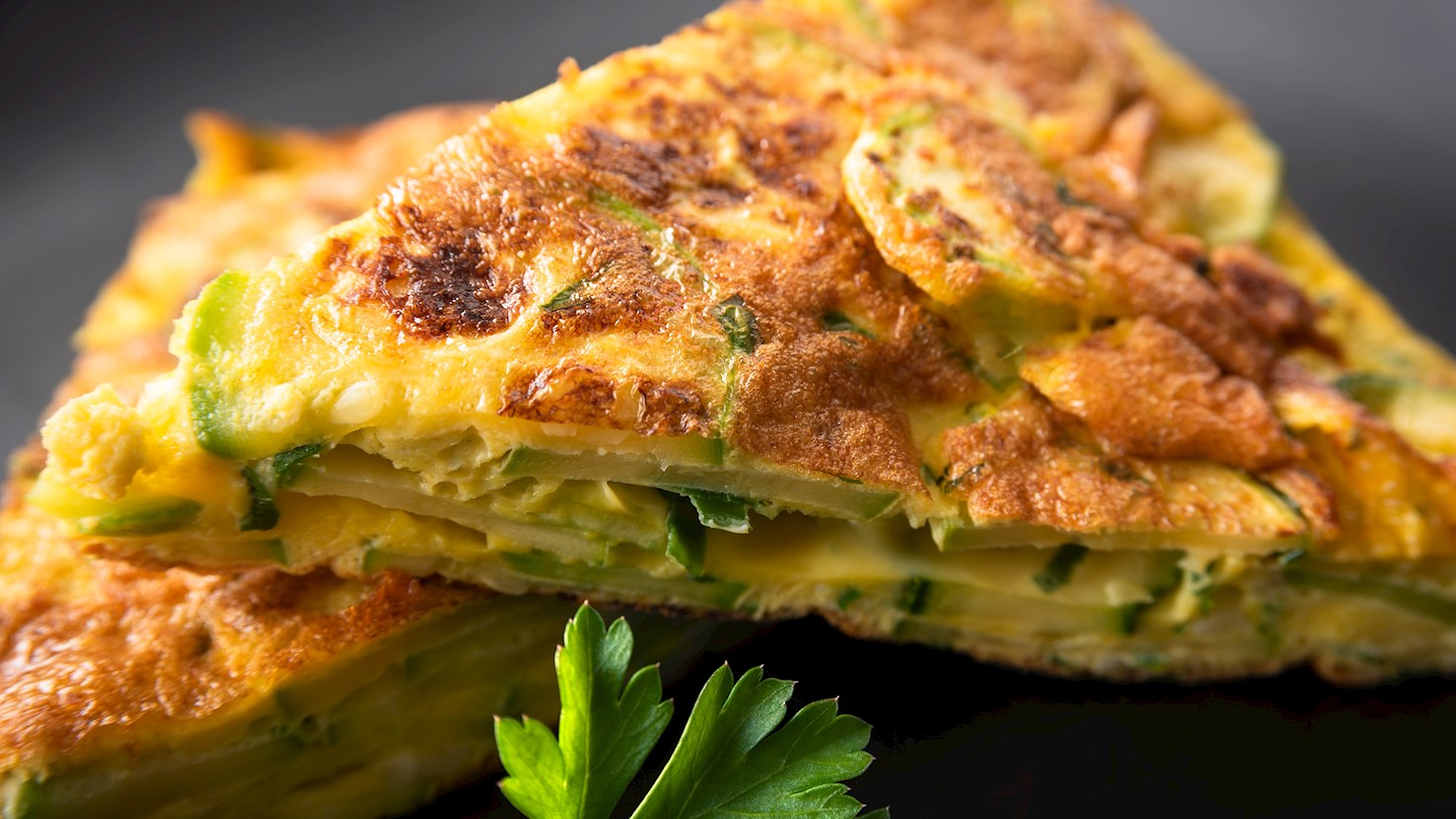
Frittata di zucchine is a traditional egg-based dish originating from Tuscany. The dish is usually made with a combination of eggs, thin slices of zucchini, olive oil, salt, pepper, sage, and minced parsley. The zucchini slices are cooked in olive oil over high heat until soft and golden. The heat is reduced, and the mixture of beaten eggs, parsley, sage, salt, and pepper is then poured into the pan and cooked until the frittata is golden brown on both sides. Once done, frittata di zucchine is served warm.

02

Crostini Toscani

3.9 ·

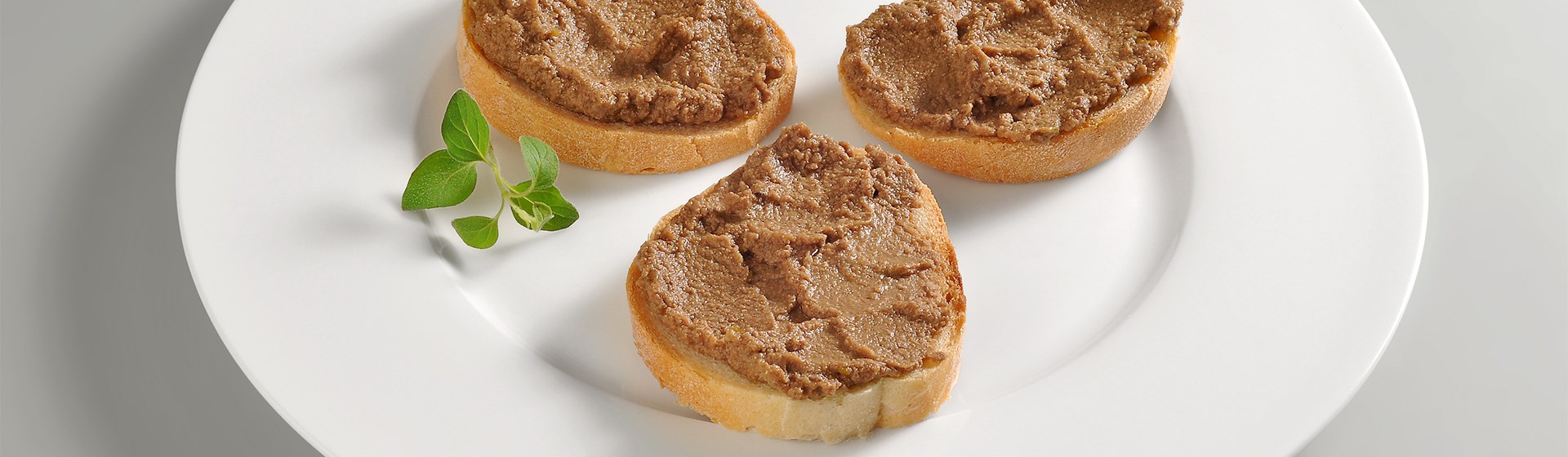
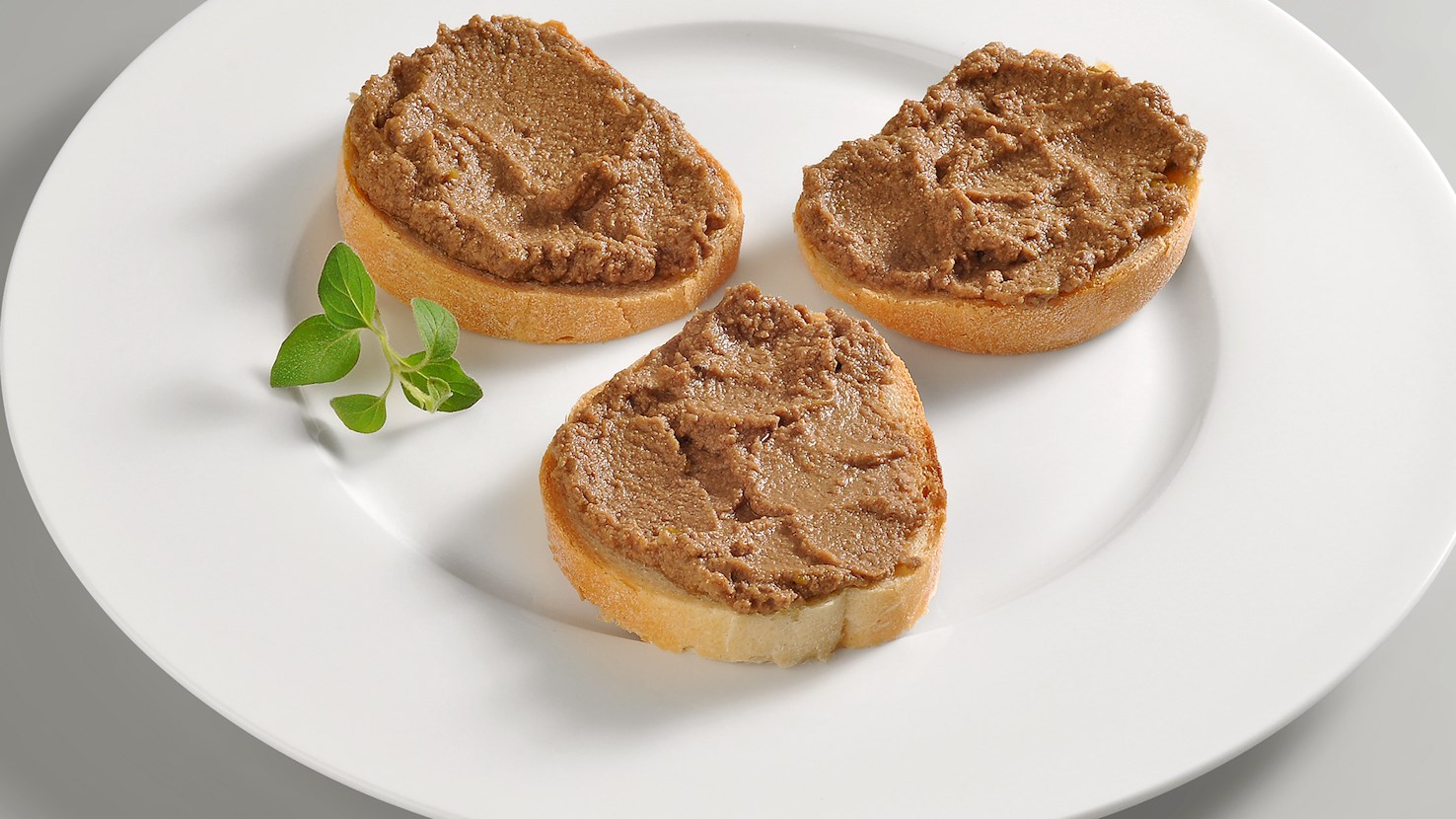
Crostini Toscani is a classic Tuscan antipasto: toasted slices of hearty bread topped with creamy chicken liver pâté. Also known as crostini di fegatini and crostini neri or black crostini, these delicious bites were once made with stale bread that was dipped in broth in order to soften before being smeared with liver paste. Every Tuscan household has its spin on this addictive antipasto, but the main protagonist is always the chicken liver, simmered with onions, carrots, celery, broth, and flavorings such as salted anchovies, capers, sweet Vin Santo, or Marsala wine. Paired with Tuscan red wines such as Chianti Castaldo of Carpineto, these mouth-watering little slices are an inevitable part of a classic Tuscan antipasto platter.

03

Fettunta

3.2 ·

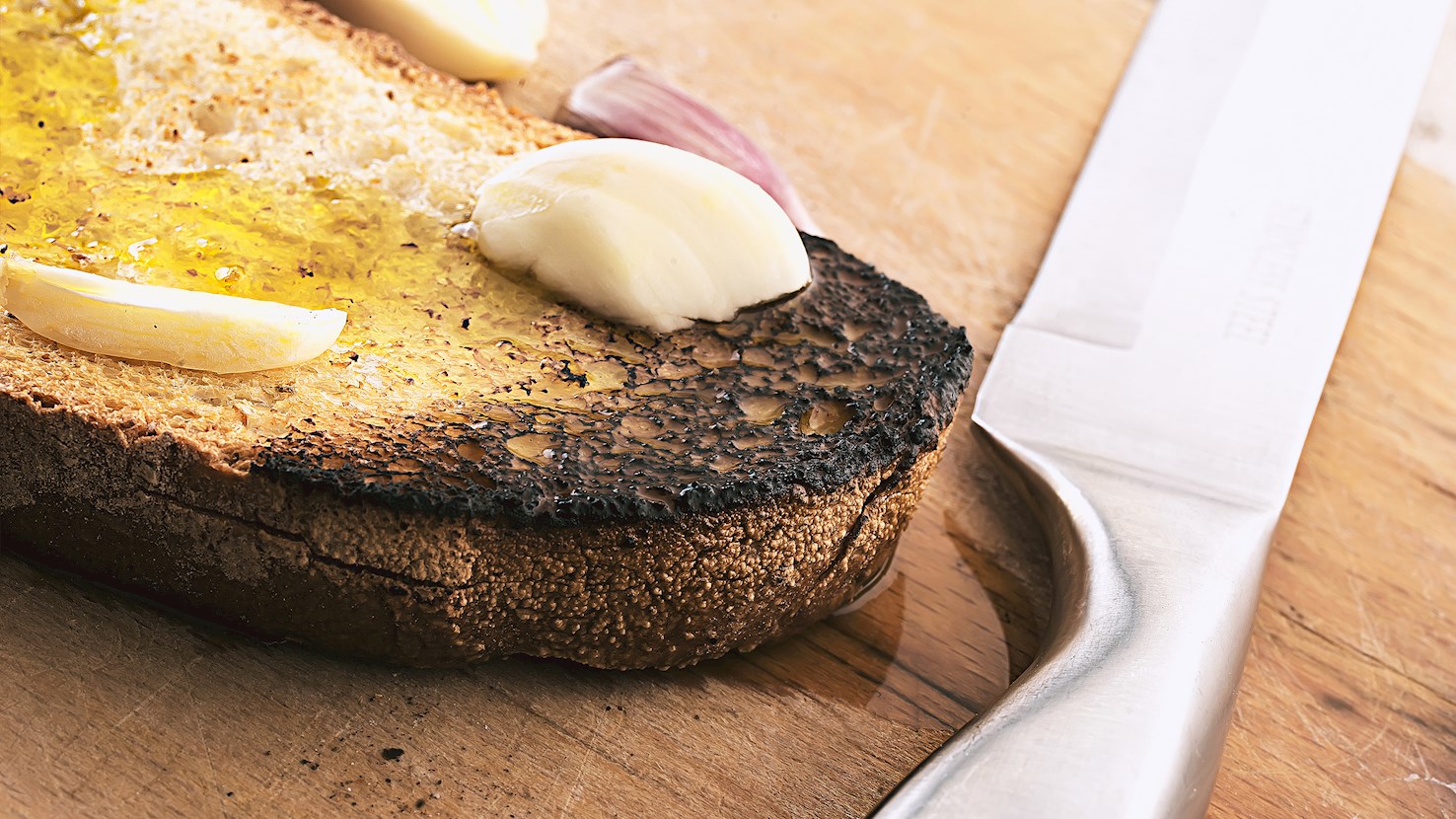
Fettunta is a traditional appetizer originating from Tuscany. In local dialect, the name of the dish is a compound of fetta, meaning slice, and unta, meaning oily, making fettunta an oily slice, or to be more precise, an oily slice of roasted local saltless bread with a drizzle of extra virgin olive oil. Many people like to rub a garlic clove and add a pinch of salt over the bread before the olive oil is poured on top. But to call this delicate appetizer garlic bread would be an insult to all Italians – after all, fettunta is thought to be the predecessor of the famous bruschetta and can be traced back to the ancient Romans or even the Etruscans. Nowadays, it's a classic way to celebrate the new olive oil in November. It's recommended to pair fettunta with a glass of Chianti Classico.

04

Donzelle

n/a ·

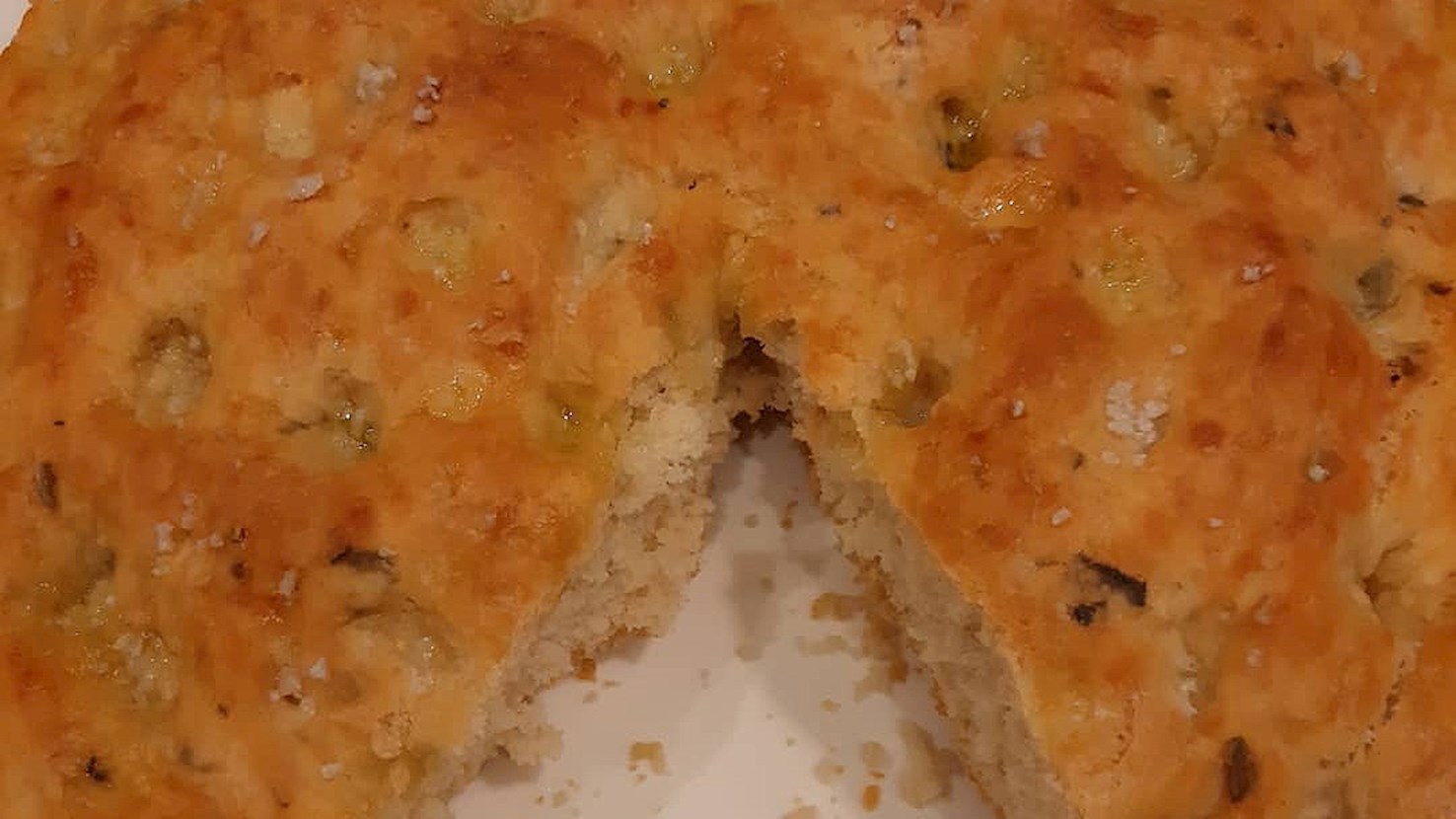
Donzelle are little puffs of deep-fried bread dough, though they can also be made with leftover pizza dough. Served sprinkled with salt while they are still hot, donzelle make a delicious accompaniment to any antipasto platter and are traditionally enjoyed with Italian cheese and salami. However, they can also be sprinkled with sugar, when they are consumed as an after-meal sweet treat. Depending on the region, they also go under the name ficattole or zonzella, while a similar round-shaped pastry is known as coccoli.

05

Crostini di cavolo nero

n/a ·

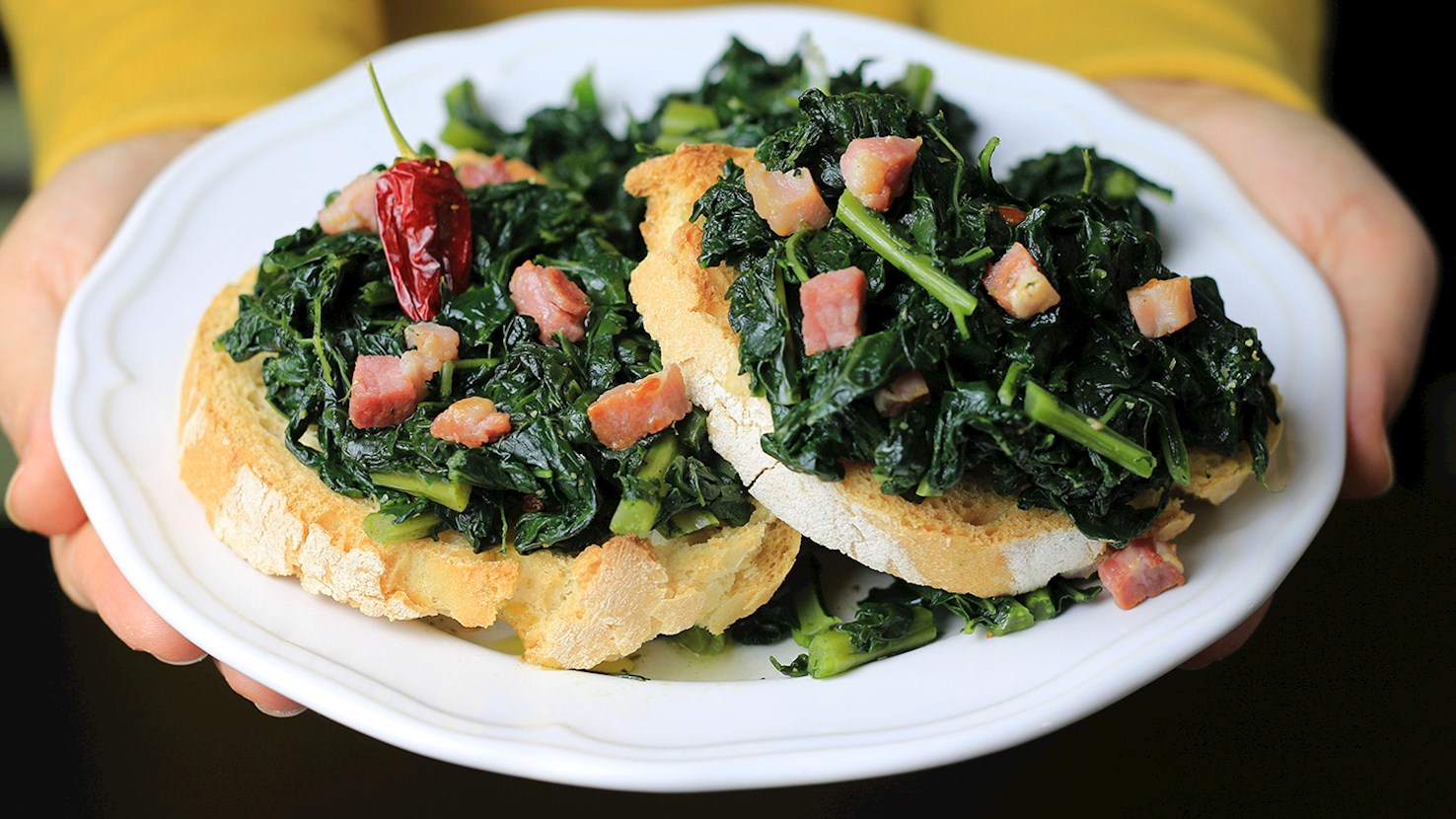
Crostini di cavolo nero is a traditional dish originating from Tuscany. It's made with cavolo nero (dark green, curly Tuscan kale), olive oil, garlic, salt, pepper, and a few slices of rustic bread such as pane casareccio. The cavolo nero leaves are cooked until tender, then placed on toasted and garlic-rubbed slices of bread. The dish is seasoned with salt and pepper and generously drizzled with olive oil. Crostini di cavolo nero is traditionally served as a light appetizer.

06

Cibreo

n/a ·

Cibreo is a traditional Tuscan specialty made with chicken giblets as the key ingredient. The livers, combs, testicles, and hearts are peeled and chopped, then combined with tomato paste, garlic, onion, parsley, and a single anchovy that will dissolve as it cooks. A combination of egg yolks, flour, and lemon juice is then added to the pot. It's vigorously mixed and stirred constantly. If the resulting stew is too thick, it can be slightly diluted with broth. This dish goes especially well with crostini and it's traditionally served hot.

07

Salviata

n/a ·

Salviata is a traditional dish originating from Florence. It's neither a frittata nor a pie, but it can best be described as an oven-baked omelet. It consists of eggs, sage leaves, milk, flour, butter, salt, and grated Parmiggiano cheese. The combination is placed in a buttered oven pan, then baked so that it remains creamy on the exterior and inside. Once done, this oven-baked omelet is traditionally served as an appetizer, but if you don't want to keep it traditional, it makes for a great breakfast, brunch, or dinner as well. It's believed that the recipe dates back to medieval times due to the fact that there are no tomatoes, potatoes, or any ingredients that became popular in Italy after the discovery of the New World.

08

Panigaccio

n/a ·

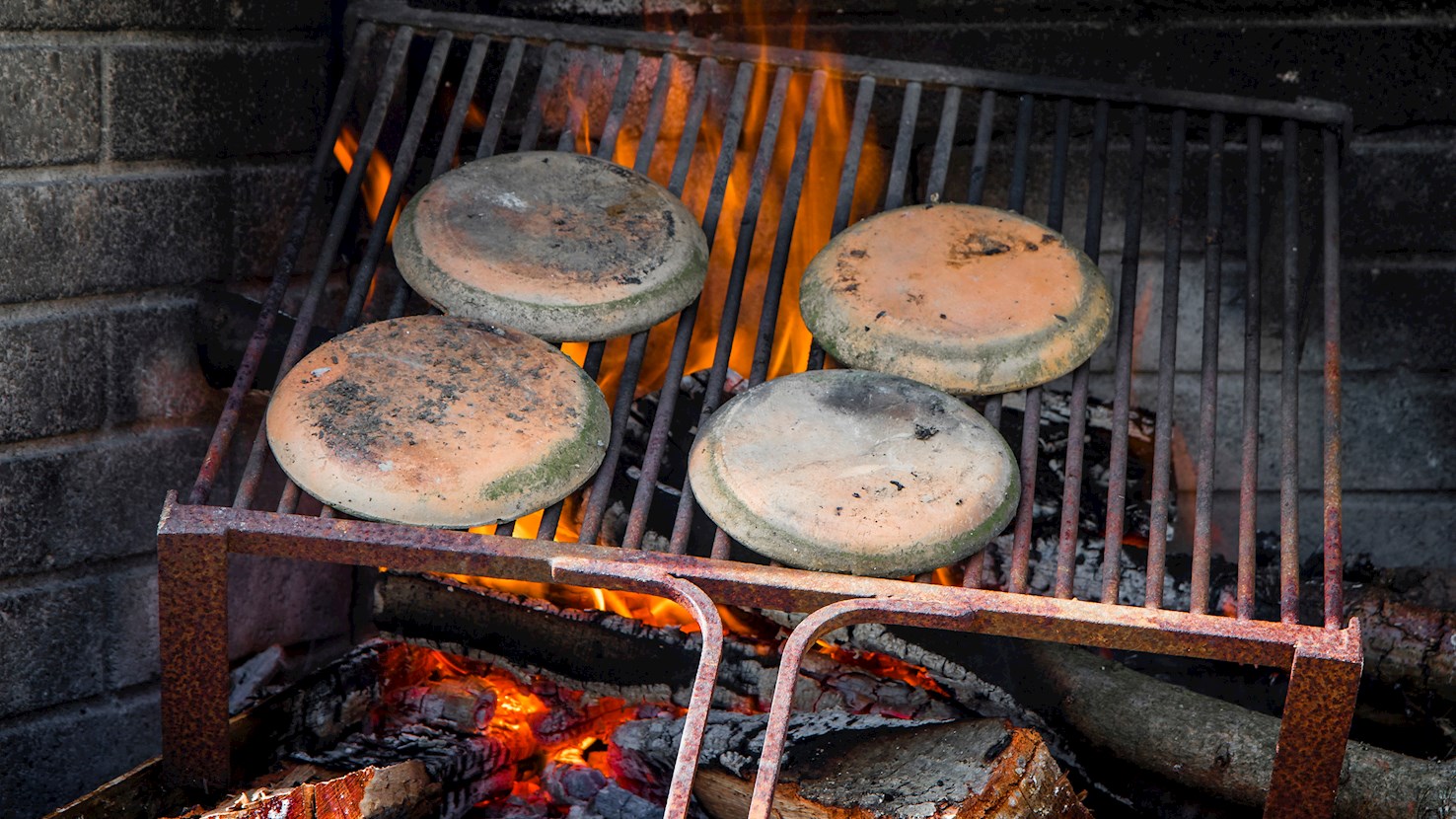
This traditional Italian flatbread is prepared with a simple dough that combines flour, water, and salt. The dough is shaped into small discs that are then baked on small-sized terracotta plates, known as testi, over an open fire. Panigaccio flatbread hails from the Lunigiana area, namely the Podenzana municipality, and works well in both sweet and savory combinations. If enjoyed as an appetizer, it is usually served alongside cheese and cured meat products.

09

Baccelli e pecorino (Broad Beans and Pecorino)

n/a ·

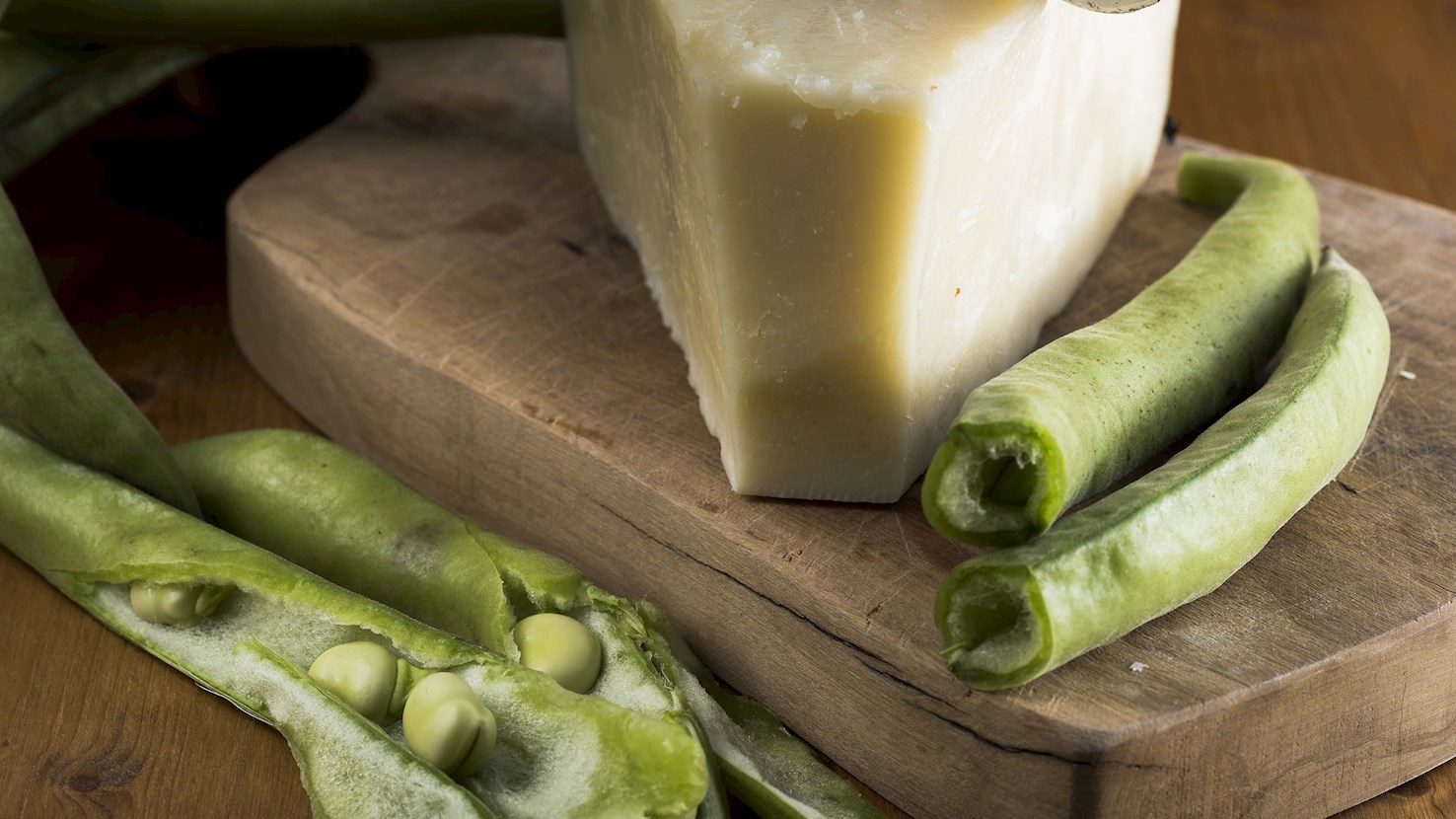
Baccelli e pecorino is a traditional appetizer originating from Tuscany. The dish consists of broad (fava) beans and pecorino cheese. Come springtime, every trattoria in Florence serves this appetizer as a basket full of intact broad beans in their pods, while pecorino cheese that's been sliced or cut into sticks is served on a wooden board. The pods are cracked open and the raw and bitter fava beans are eaten with a piece of salty cheese. It's believed that the bitterness of the beans opens up the appetite for meals that will follow. If desired, olive oil can be drizzled over the beans and cheese, and they can also be seasoned with salt and pepper.

10

Acciughini

n/a ·

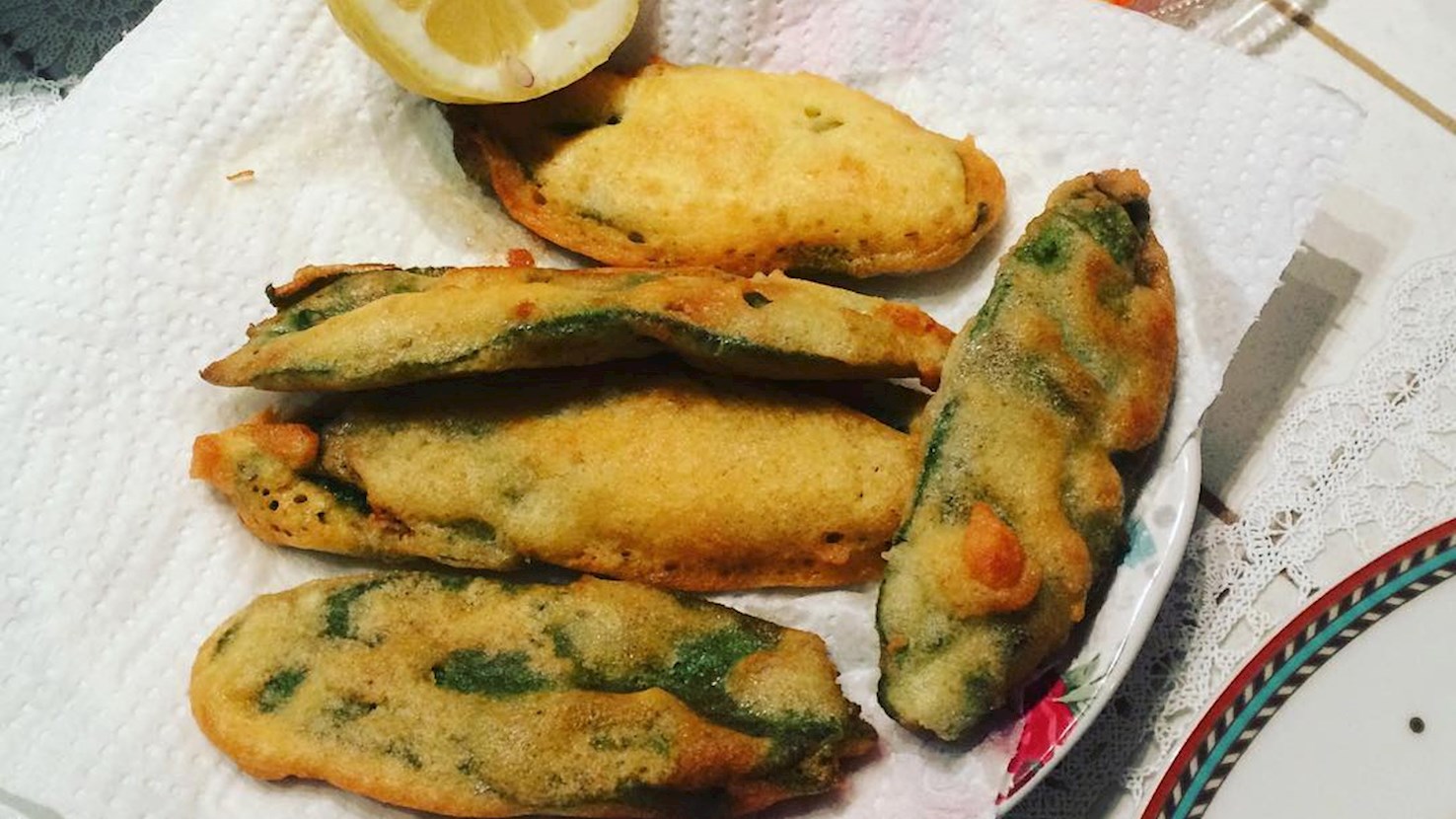
Acciughini are delicious Italian sage-and-anchovy fritters. They're made with a combination of large sage leaves, flour, rinsed and filleted salt-cured anchovies, olive oil, white wine, and beaten egg whites. The sage leaves are coated with flour and the anchovies are cut in half and sandwiched between two sage leaves. The flour, egg whites, wine, and olive oil are mixed to make a batter in which the sage-and-anchovy combination is dipped. The fritters are fried until crunchy in texture and golden brown in color. This appetizer is served hot, and it's especially popular in Piombino, a coastal town in Tuscany.

Read more
View all
View map
About this ranking

TasteAtlas food rankings are based on the ratings of the TasteAtlas audience, with a series of mechanisms that recognize real users and that ignore bot, nationalist or local patriotic ratings, and give additional value to the ratings of users that the system recognizes as knowledgeable. For the “Top 14 Tuscan Appetizers” list until June 15, 2026, 115 ratings were recorded, of which 96 were recognized by the system as legitimate. TasteAtlas Rankings should not be seen as the final global conclusion about food. Their purpose is to promote excellent local foods, instill pride in traditional dishes, and arouse curiosity about dishes you haven’t tried.

Similar lists