

shutterstock

14 Asado Varieties
Ranked From the Best To the Worst

Last updated on July 17, 2026
01

Parrillada (Argentina)

4.5 ·

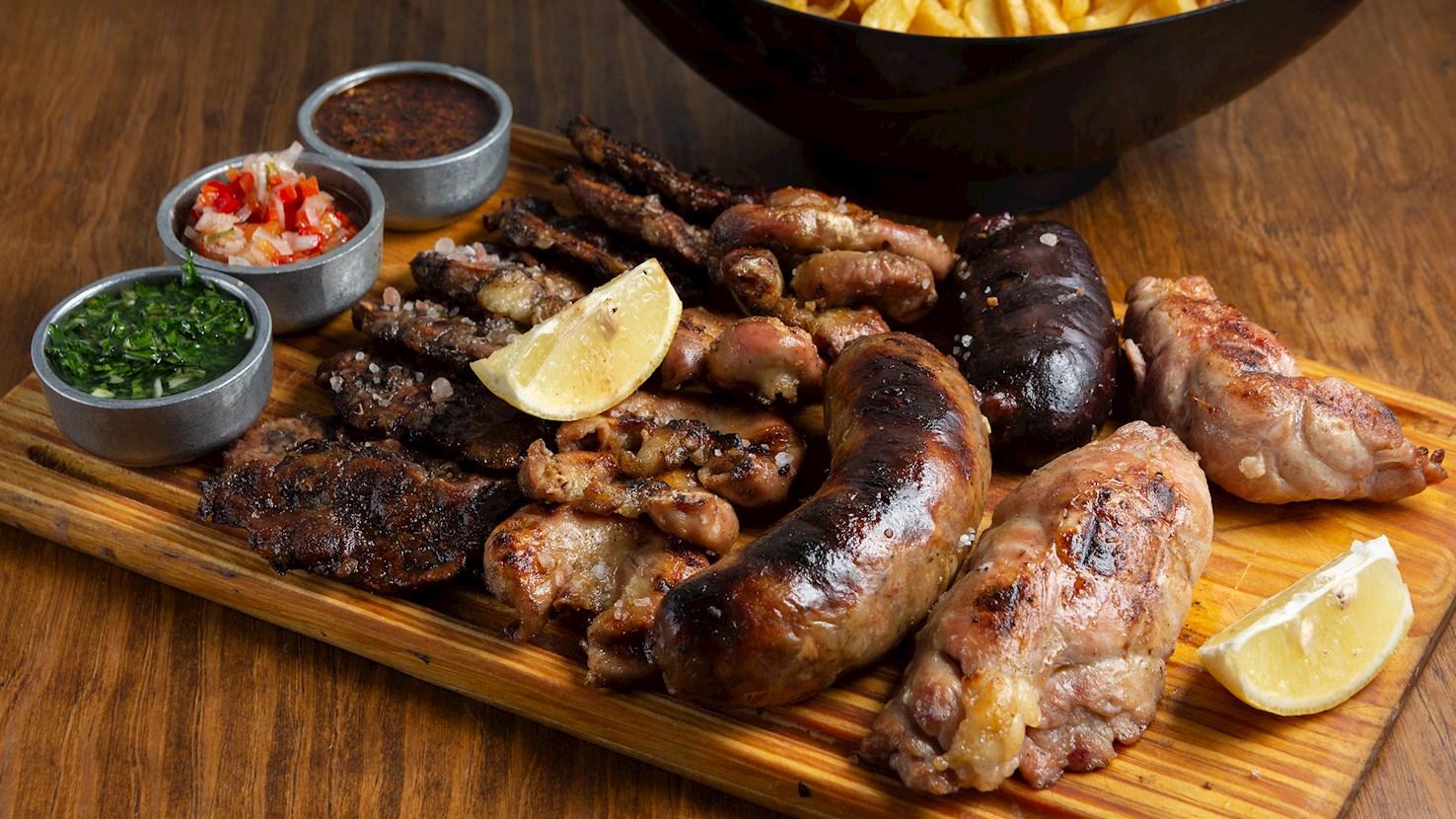
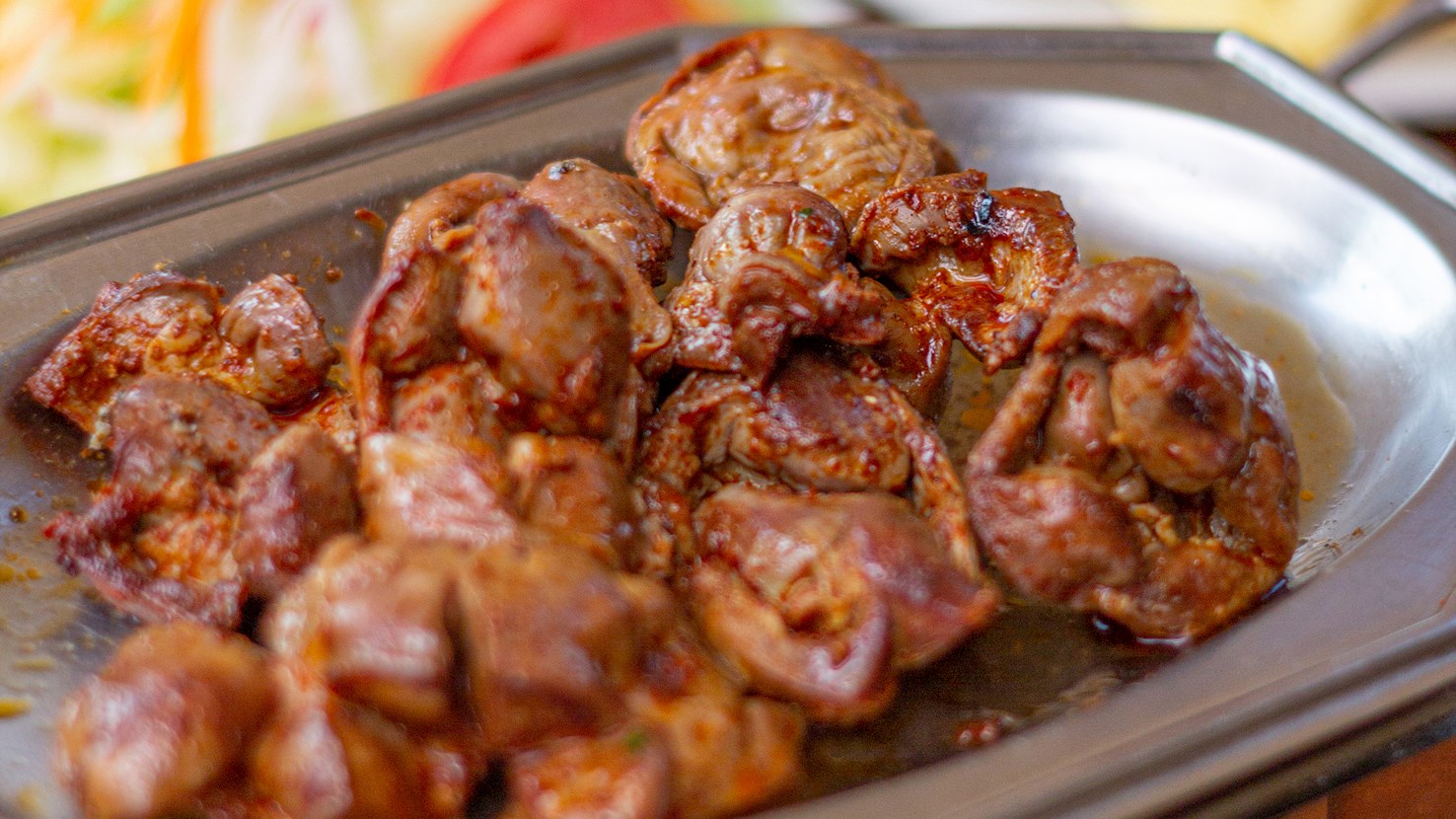
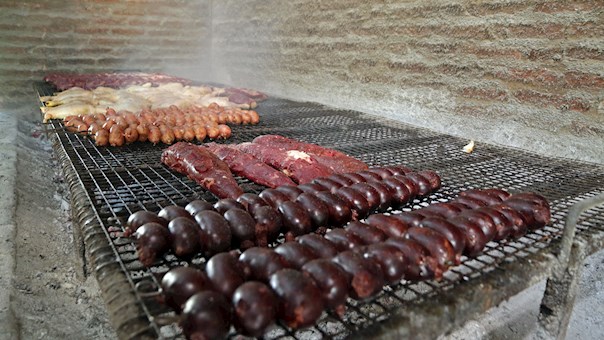
Parrillada is an Argentinian dish that consists of an assortment of asado meats and offal. It consists of cheaper cuts of meat, which are picked by a parrillero. But, when you order a parrillada, you will get a bit of everything — chinchulines and molleja, sausages like chorizo and morcilla, flank steak, and ribs. Of course, with the platter of meats, sausages, and offal, come accompaniments like chimichurri, grilled vegetables, and salads, such as mixed salad and Russian salad.

02

Bife de chorizo

4.5 ·

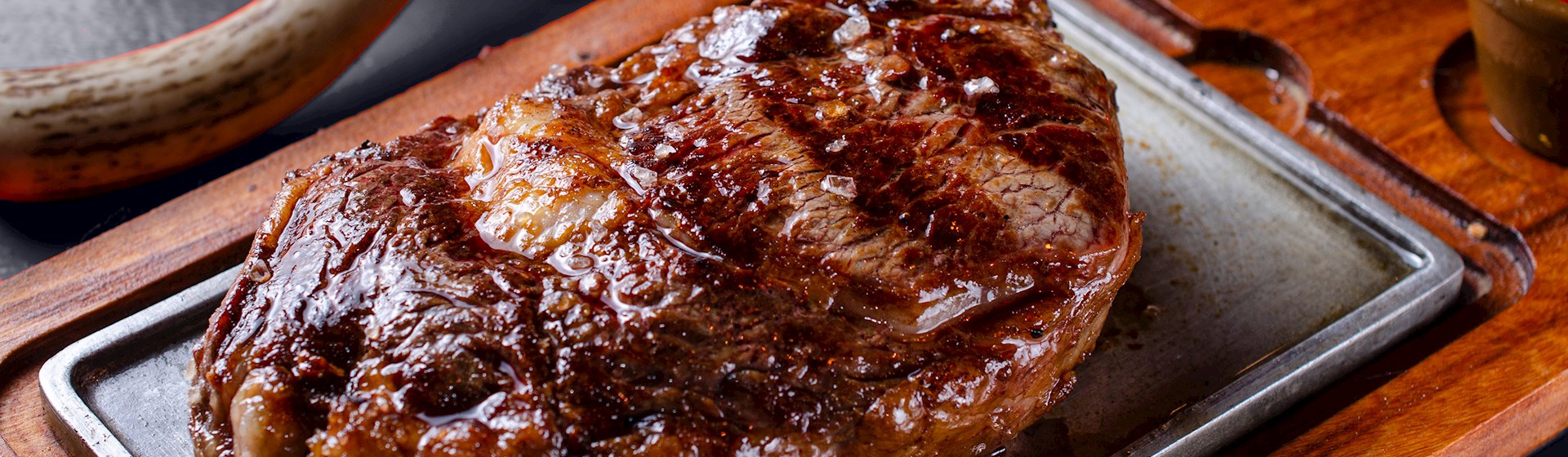
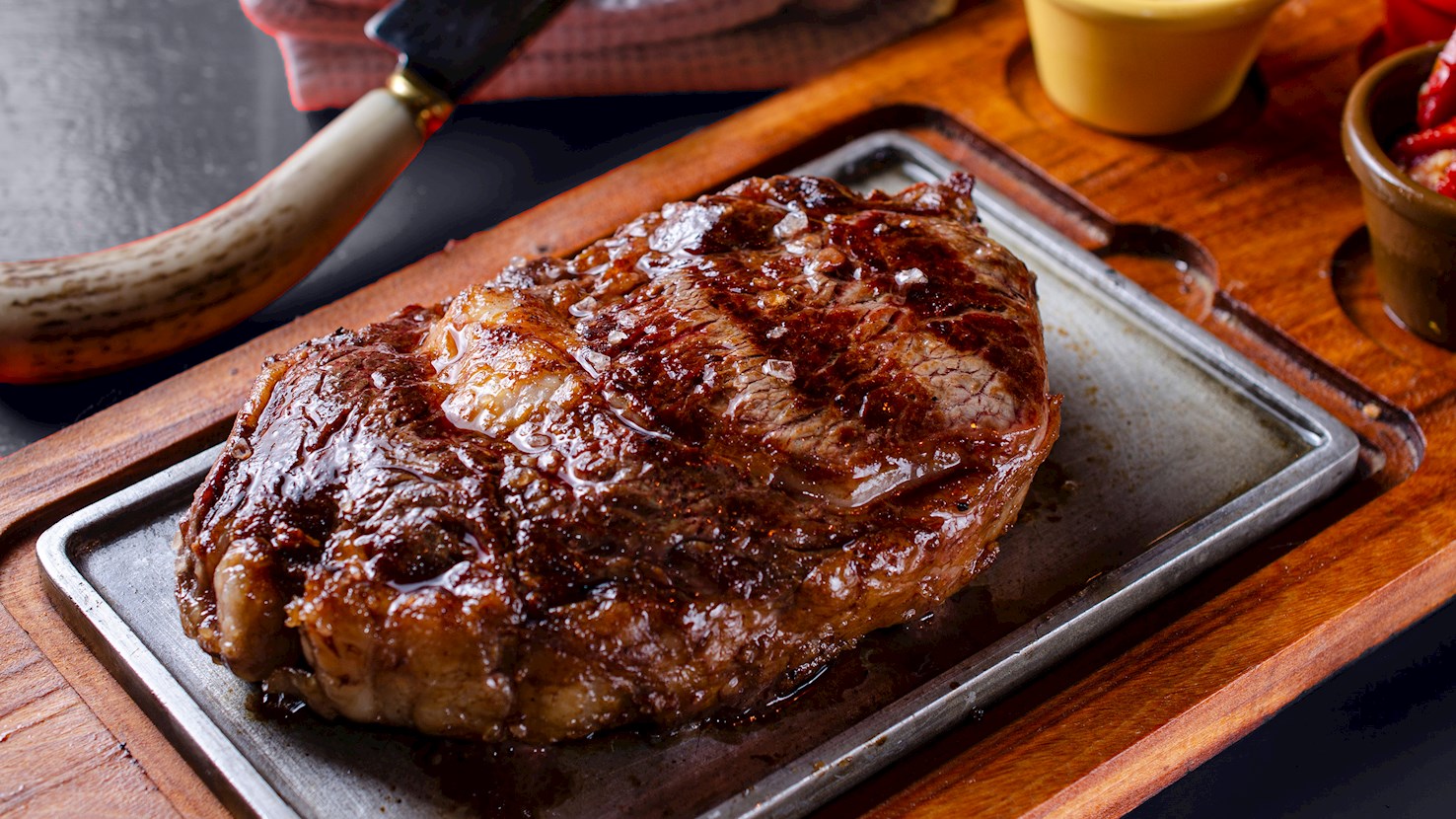
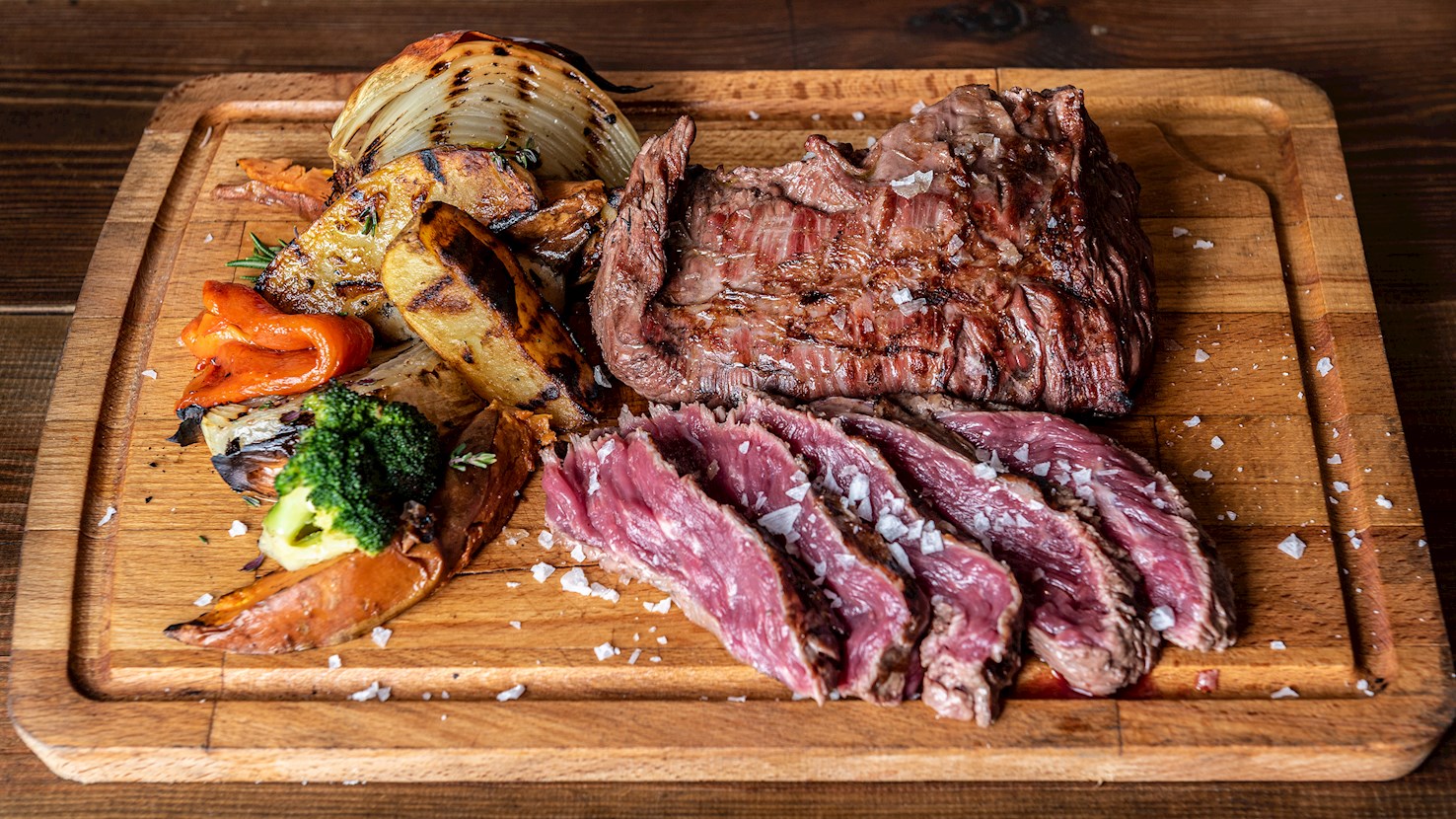
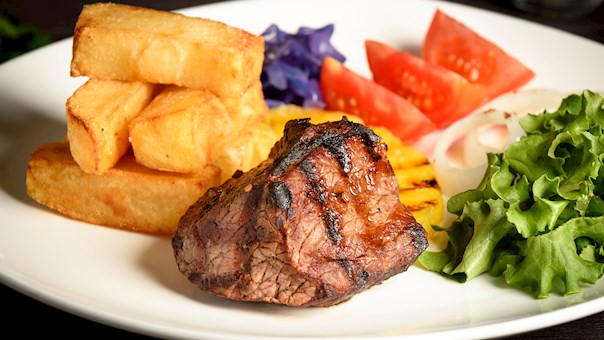
Bife de chorizo is an Argentinian beef cut equivalent to the US New York strip steak, strip steak, sirloin, and top loin traditionally used for asado. It is a thick, juicy steak with a sizable layer of fat on top. It comes in several varieties, namely the bife de chorizo angosto (thin sirloin) and the bife de chorizo mariposa (butterflied sirloin). And if you want to judge the quality of someone’s barbecue or the quality of a barbecue place, ask for this steak. Also, if you get one with more than a generous amount of fat, know you've been served a cheap and bad-quality one.

03

Provoleta

4.4 ·

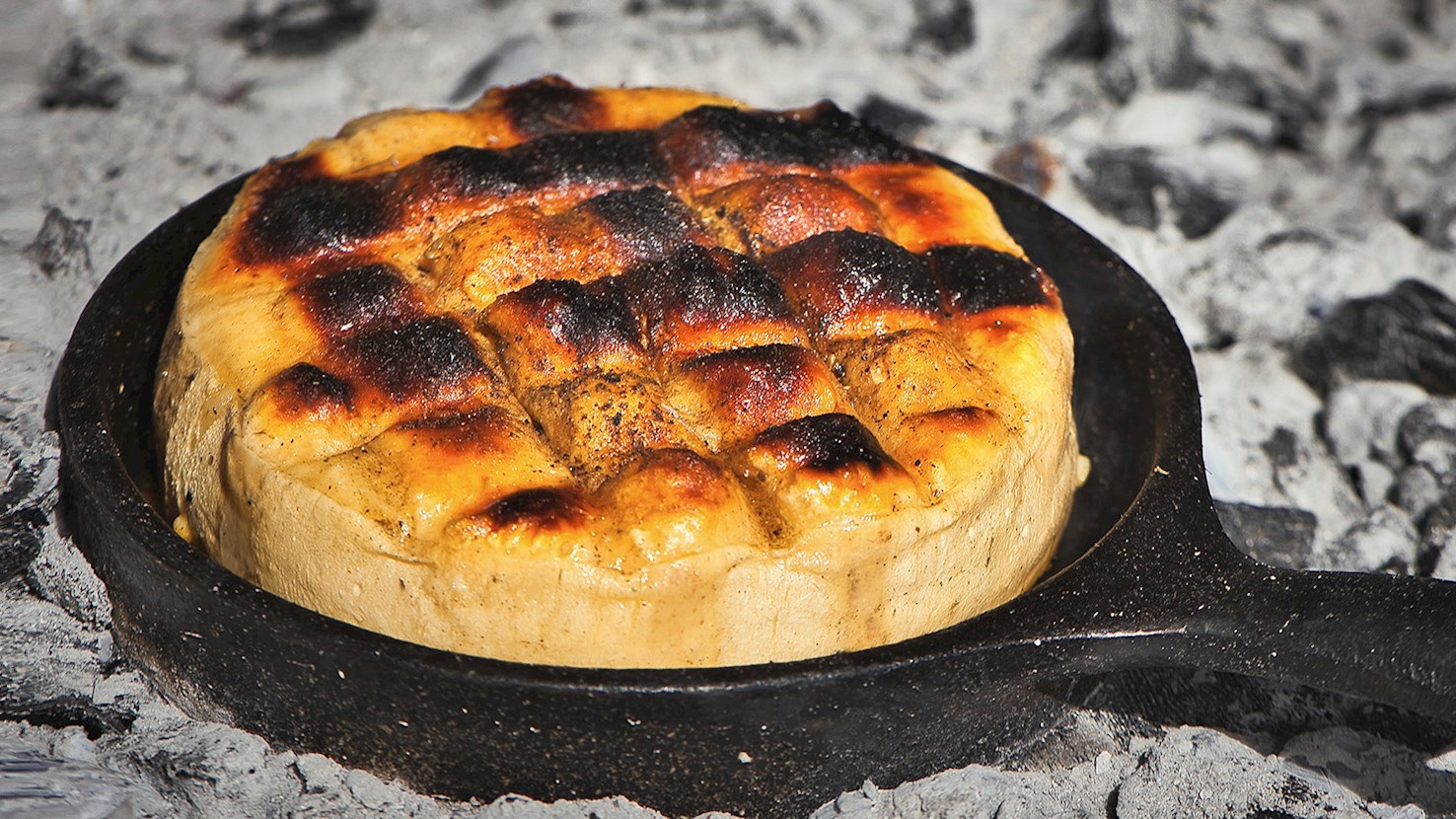
In Argentina, provoleta or grilled provoleta cheese is typically enjoyed before a meal as an appetizer. It's one of the staples of the Argentine bbq asado. The semi-hard provolone is the perfect cheese for the grill, because it's compact and firm. For asado, it is sliced about an inch thick, seasoned with a generous amount of oregano, maybe a light sprinkling of dried red chili flakes, and grilled until it just starts to melt in the center. Provoleta is best enjoyed topped with the garlicky chimichurri sauce and paired with crusty bread on the side.

04

Tira de asado

4.2 ·

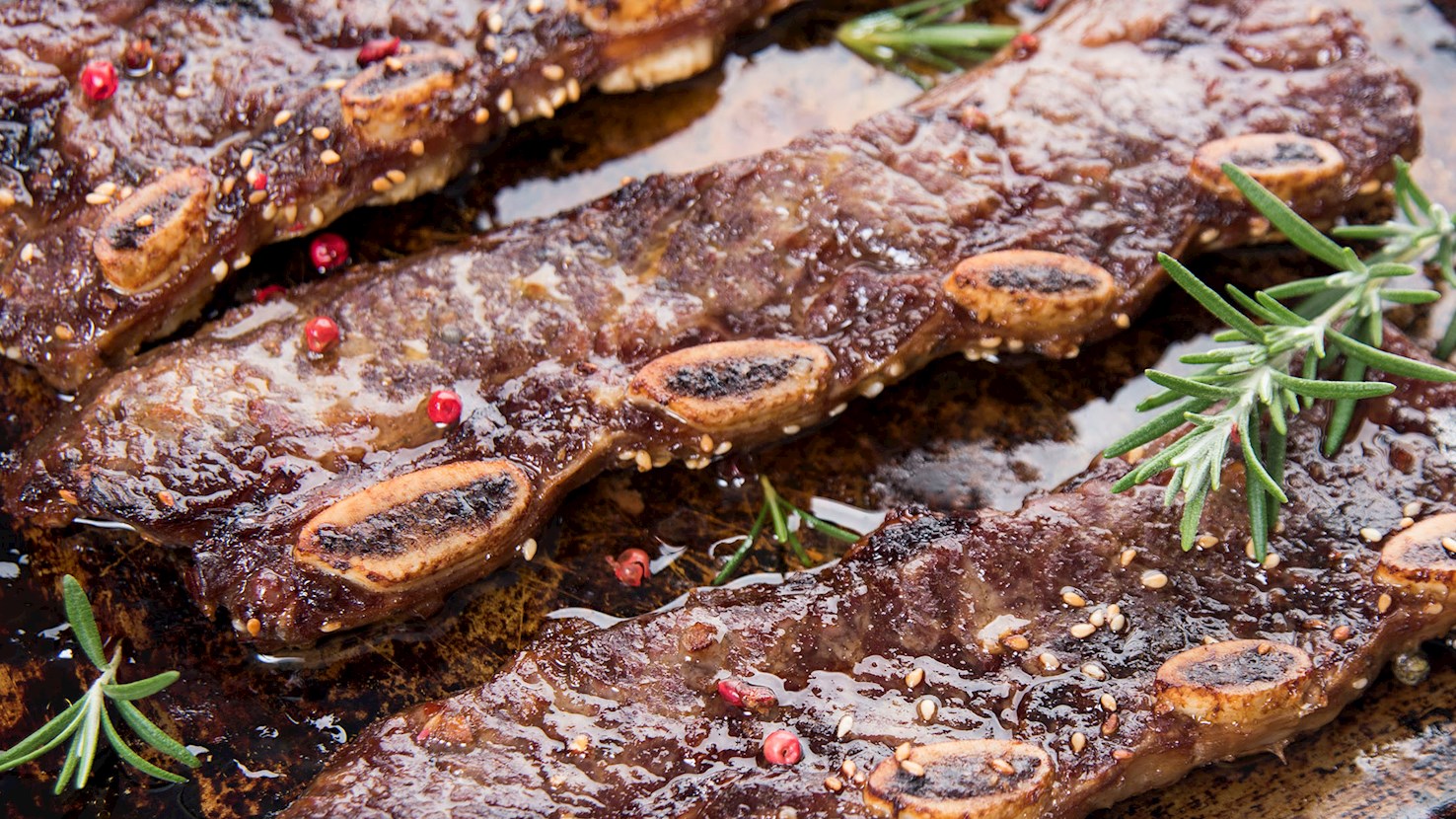
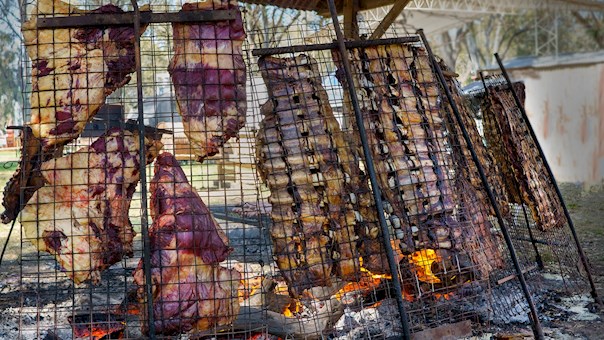
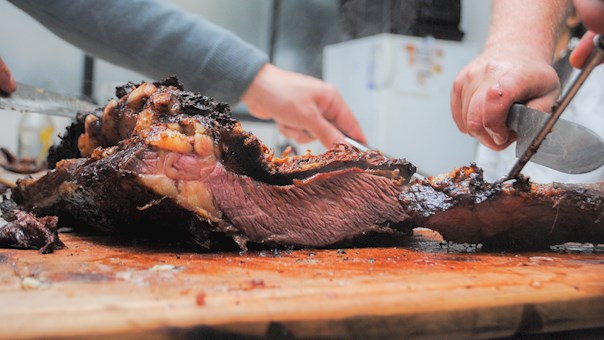
Typically seasoned only with salt, then grilled for a few minutes, tira de asado is a famous Argentine dish consisting of long strips of grilled beef ribs. The beef is cross-cut in a way that the long strips of meat are interspersed with knots of rib bone, which are useful as they shorten the tough fibers of this cut of meat, making it suitable for grilling instead of being slowly cooked like in America. For the best results, pair the ribs with what else than the garlicky chimichurri sauce, a staple at most Argentine barbecues.

05

Chorizo a la parrilla

4.2 ·

A true Argentinian asado is only complete with chorizo, a fresh pork (or beef or pork and beef) sausage seasoned with paprika, pepper, oregano, and garlic. It is briefly soaked in water and then grilled until the outside is charred, but the insides remain juicy. Still, chorizo sausage is nearly impossible to overcook thanks to its high-fat percentage. Chorizo is typically served as an appetizer and as a sandwich, inside a bread roll, smothered in chimichurri sauce.

06

Vacío

4.1 ·

Vacío is an Argentinian beef cut that comes from the flank of the cow. The outer layer has fat, unlike the inside one, and turns incredibly crispy when cooked. This cut is a rare find outside of Argentina and benefits from long and slow cooking. The cut can be divided into a thick, meaty part usually served in a sandwich called vaciopán, and a thin, fatty part called matambre, which can be prepared in many ways, either grilled, stuffed and rolled, or topped with tomato sauce and cheese similar to pizza.

07

Cordero patagónico al asador

4.1 ·

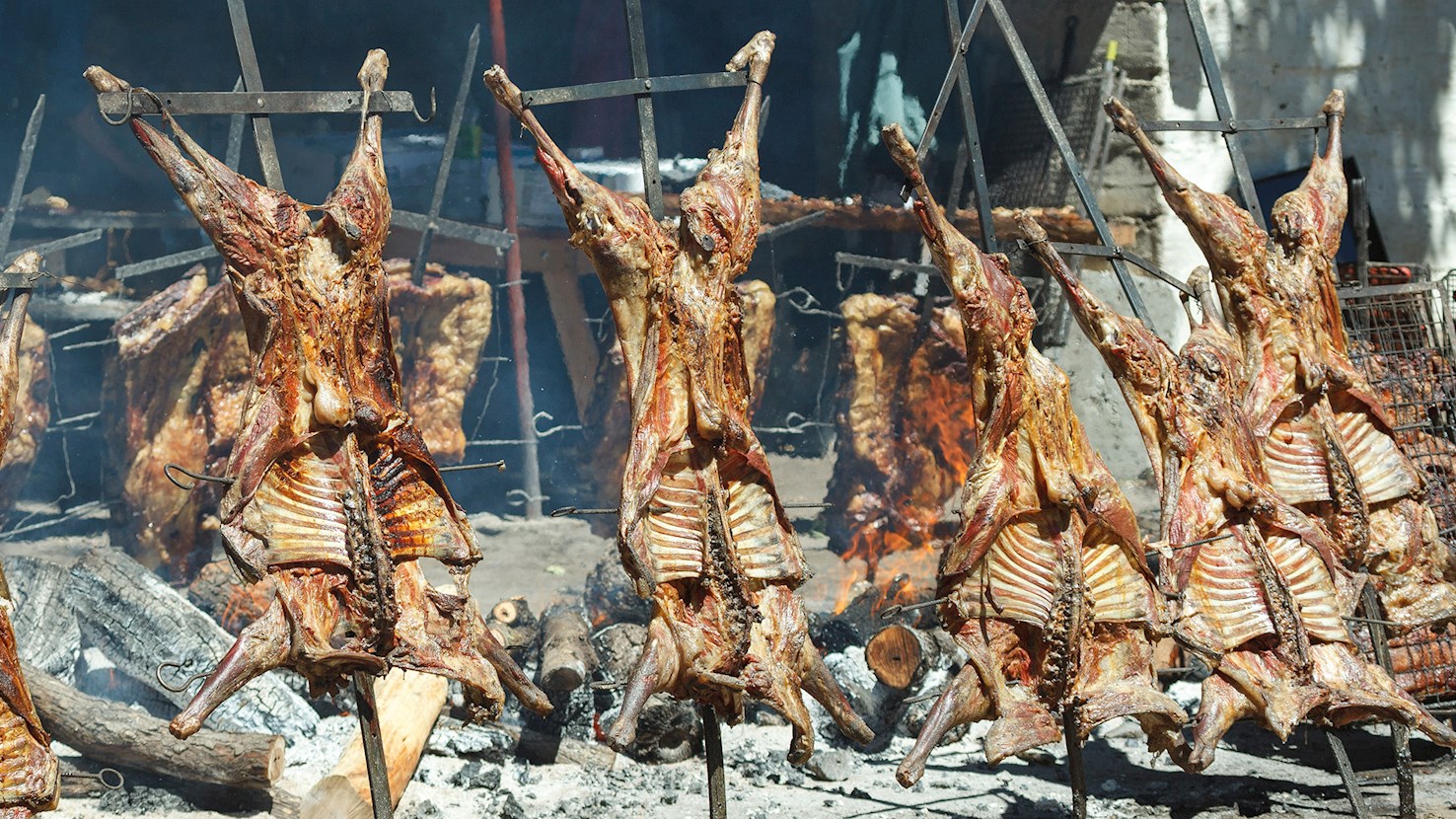
Cordero patagónico al asador is a Patagonian meat delicacy consisting of a whole, opened, and butterflied lamb roasted over an open fire. The lamb is attached to an iron cross, and it is then placed near the fire, slightly angled in order to slowly cook to perfection. A mixture of water, salt, garlic, and aromatic herbs and spices such as oregano, rosemary, and bay leaves is used for basting the meat while it is roasting. After several hours of cooking, the meat comes off the cross with a nice, crispy exterior and a succulent, tender interior. Slices of roasted lamb are typically accompanied by roasted vegetables, other meats, potatoes, fresh salads, and sauces, and they are usually washed down with full-bodied red wines such as Malbec, Merlot, or Cabernet Sauvignon.

08

Molleja

3.9 ·

Molleja, also known as sweetbread, refers to the thymus (corazón or heart) and pancreas (cuello or neck) of beef cattle, with the former being smoother, less fatty, and more flavorful compared to the latter. Molleja is typically prepared one of two ways. It is either soaked overnight in water or milk, then boiled and grilled, or only grilled twice, first to precook and then to form a crispy outside. When perfectly prepared, the texture of molleja is crunchy on the outside and buttery on the inside. It is served as a starter sprinkled with salt and lemon juice.

09

Chinchulines

3.8 ·

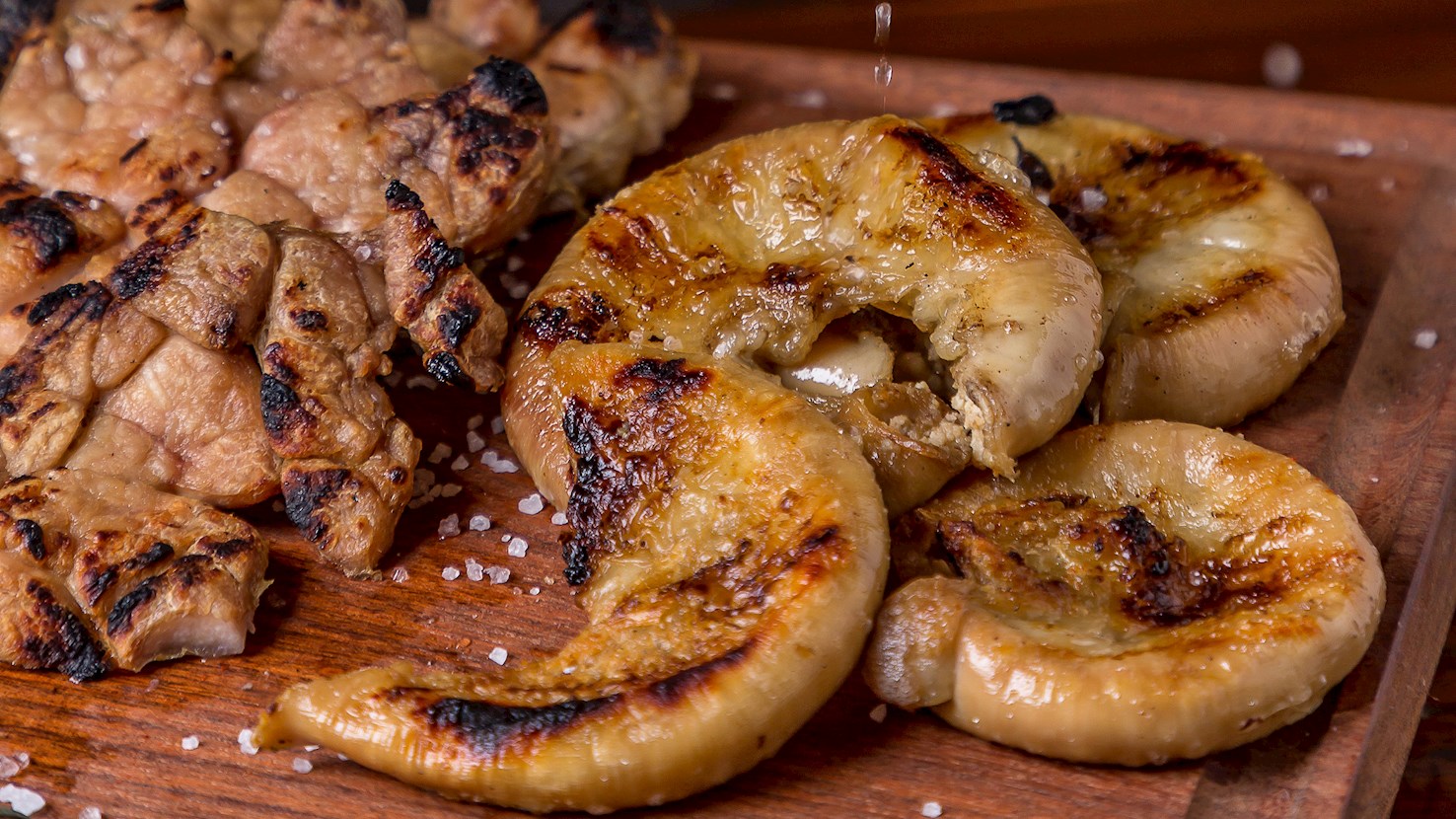
Chinchulines is a small intestine of beef cattle that is either cut in pieces, braided (trenzado), or filled with stuffing, usually a garlic and parsley one, then grilled. For good results, the important thing is to prep the intestine, meaning clean it well and boil it in water or milk to tenderize it, or it might end up gummy and bad tasting when grilled. Chinchulines are grilled over high heat, which results in a burnt, crunchy outside that will burst upon biting into it. Although typically made with beef’s small intestine, it can also be made with lamb. Chinchulines are an appetizer served with just salt and lemon. Also, chinchulines are somewhat controversial, as although some people love them, lots of people detest them.

10

Salchicha parrillera

3.8 ·

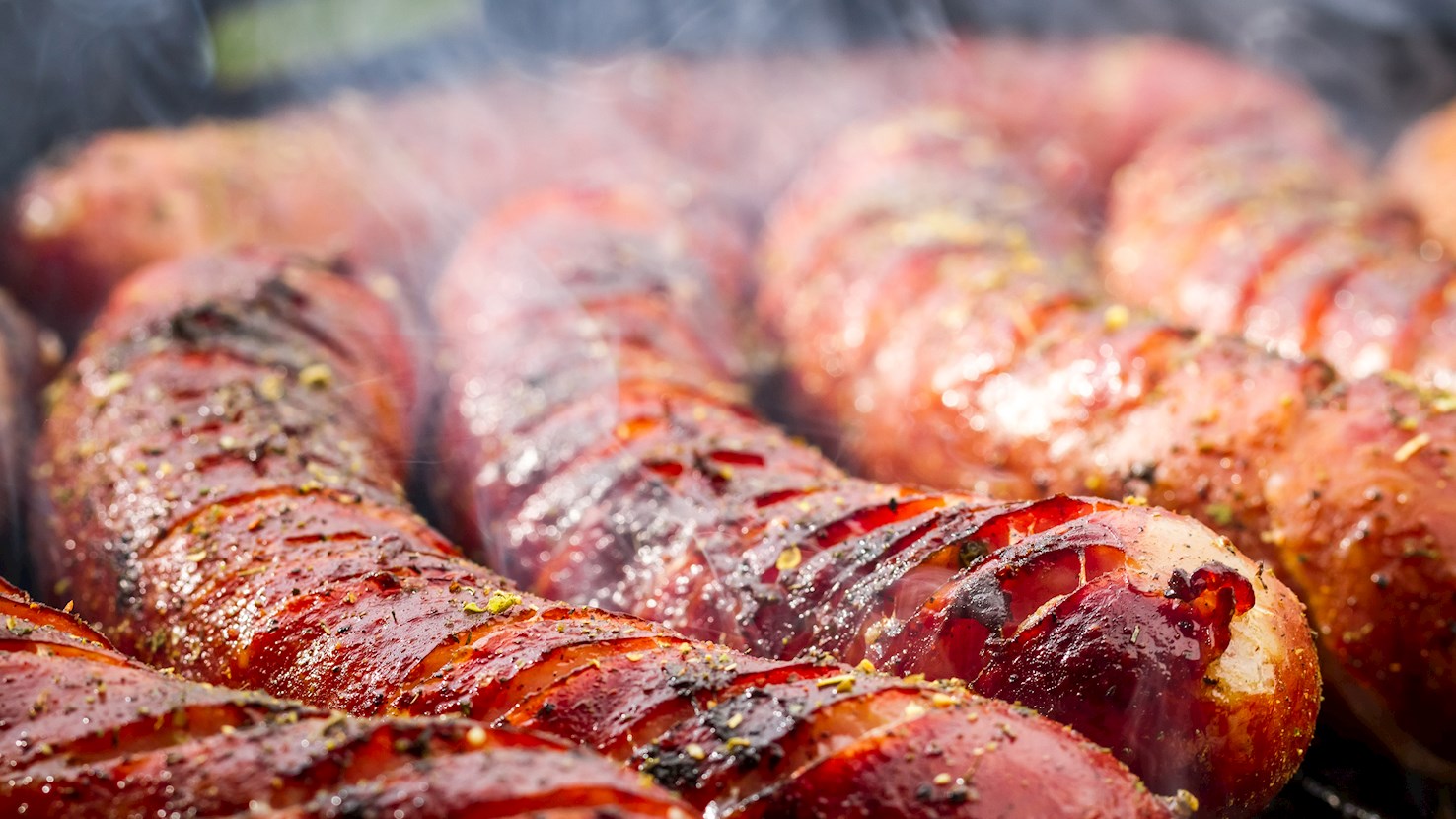
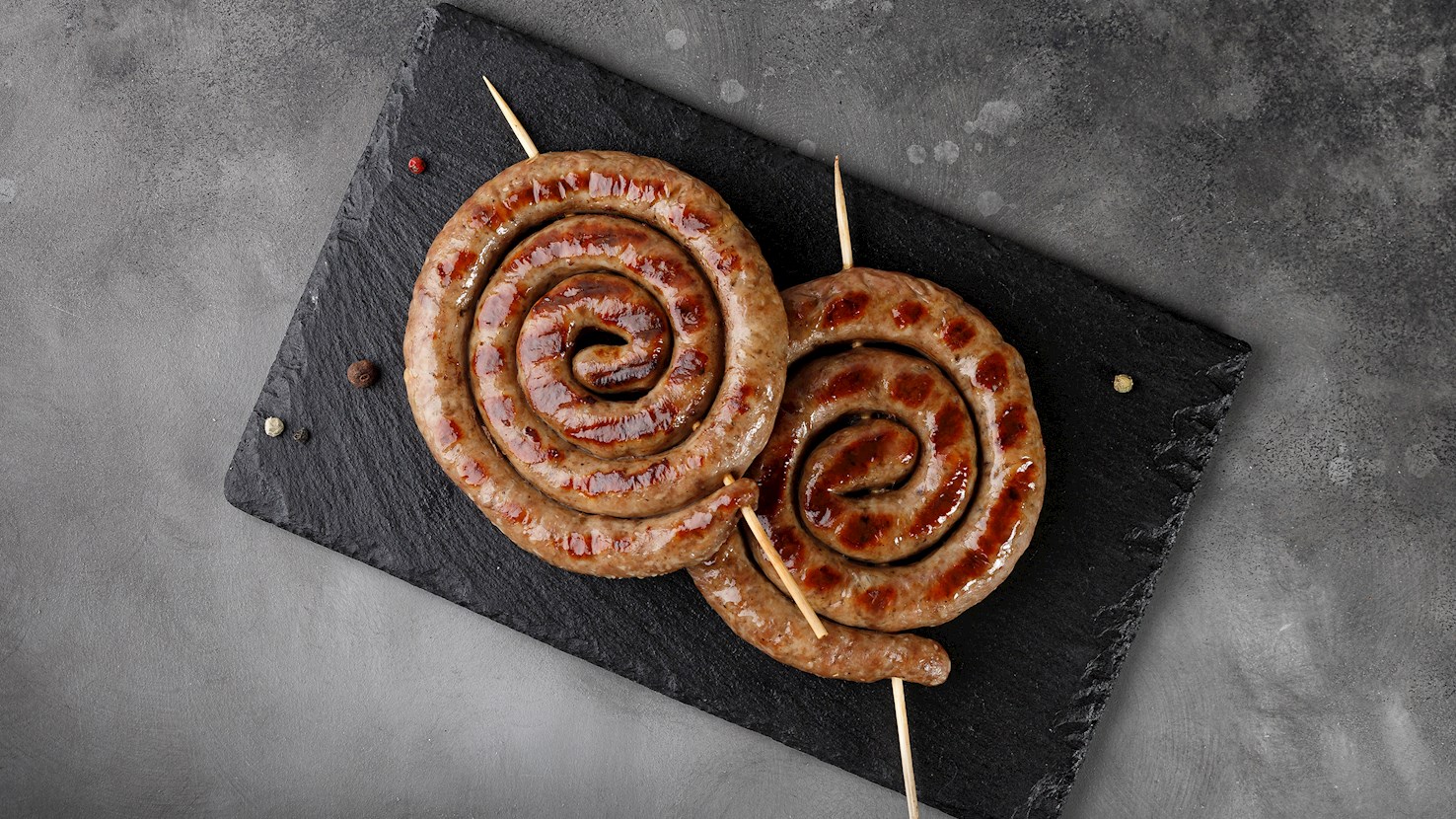
Salchicha parrillera is a thin, long, fresh, and coiled Argentinian sausage that is very similar to chorizo. They only differ in shape. For barbecuing, it’s usually shaped into a tight spiral and secured with long toothpicks that are pierced into the center of the sausage to keep it in place. It is grilled over low to medium flame and often turned until crispy on the outside. The grilled sausage is served with bread and chimichurri sauce.

About this ranking

TasteAtlas food rankings are based on the ratings of the TasteAtlas audience, with a series of mechanisms that recognize real users and that ignore bot, nationalist or local patriotic ratings, and give additional value to the ratings of users that the system recognizes as knowledgeable. For the “14 Asado Varieties Ranked From the Best To the Worst” list until July 17, 2026, 785,456 ratings were recorded, of which 511,199 were recognized by the system as legitimate. TasteAtlas Rankings should not be seen as the final global conclusion about food. Their purpose is to promote excellent local foods, instill pride in traditional dishes, and arouse curiosity about dishes you haven’t tried.

Similar lists