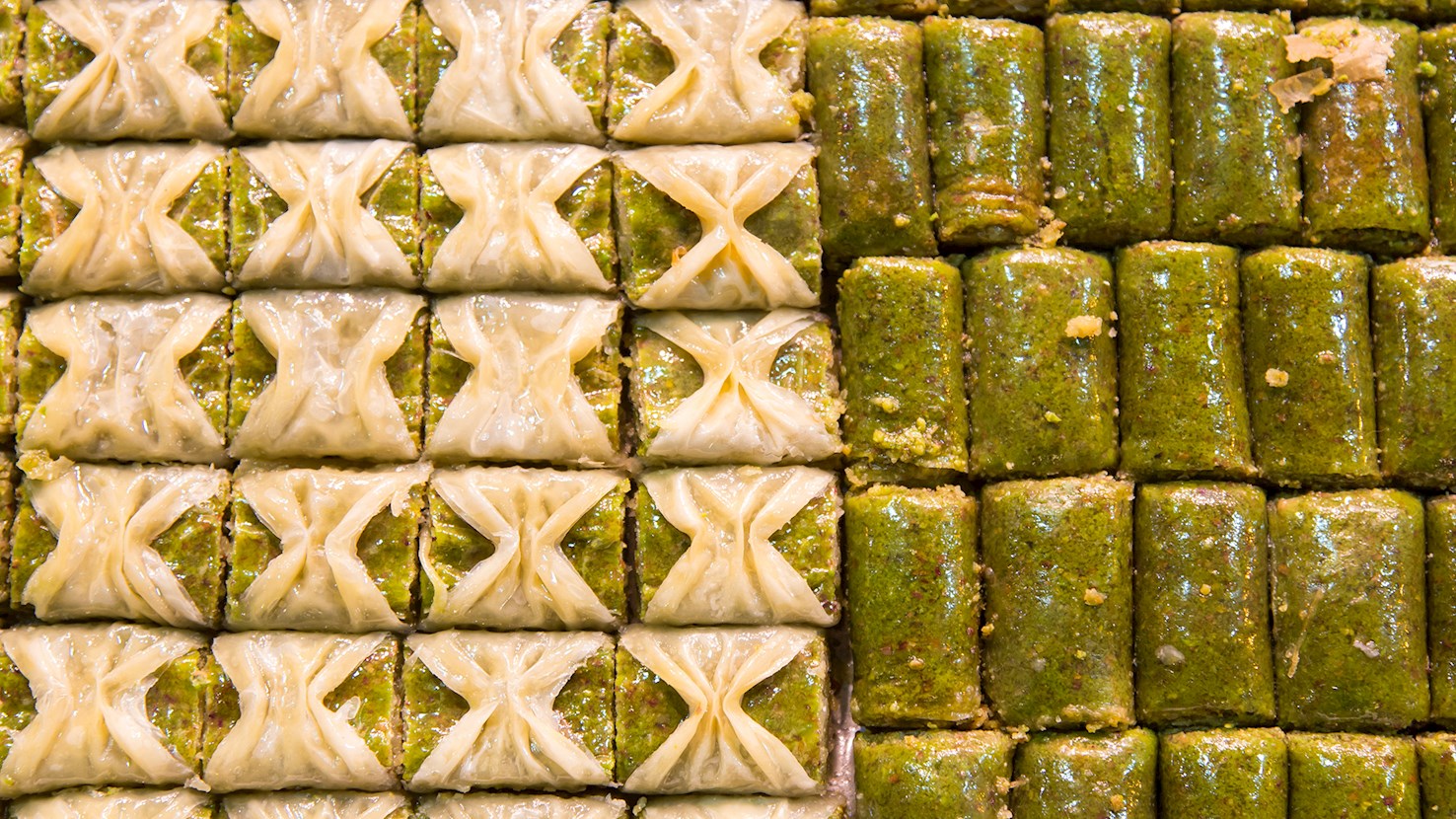
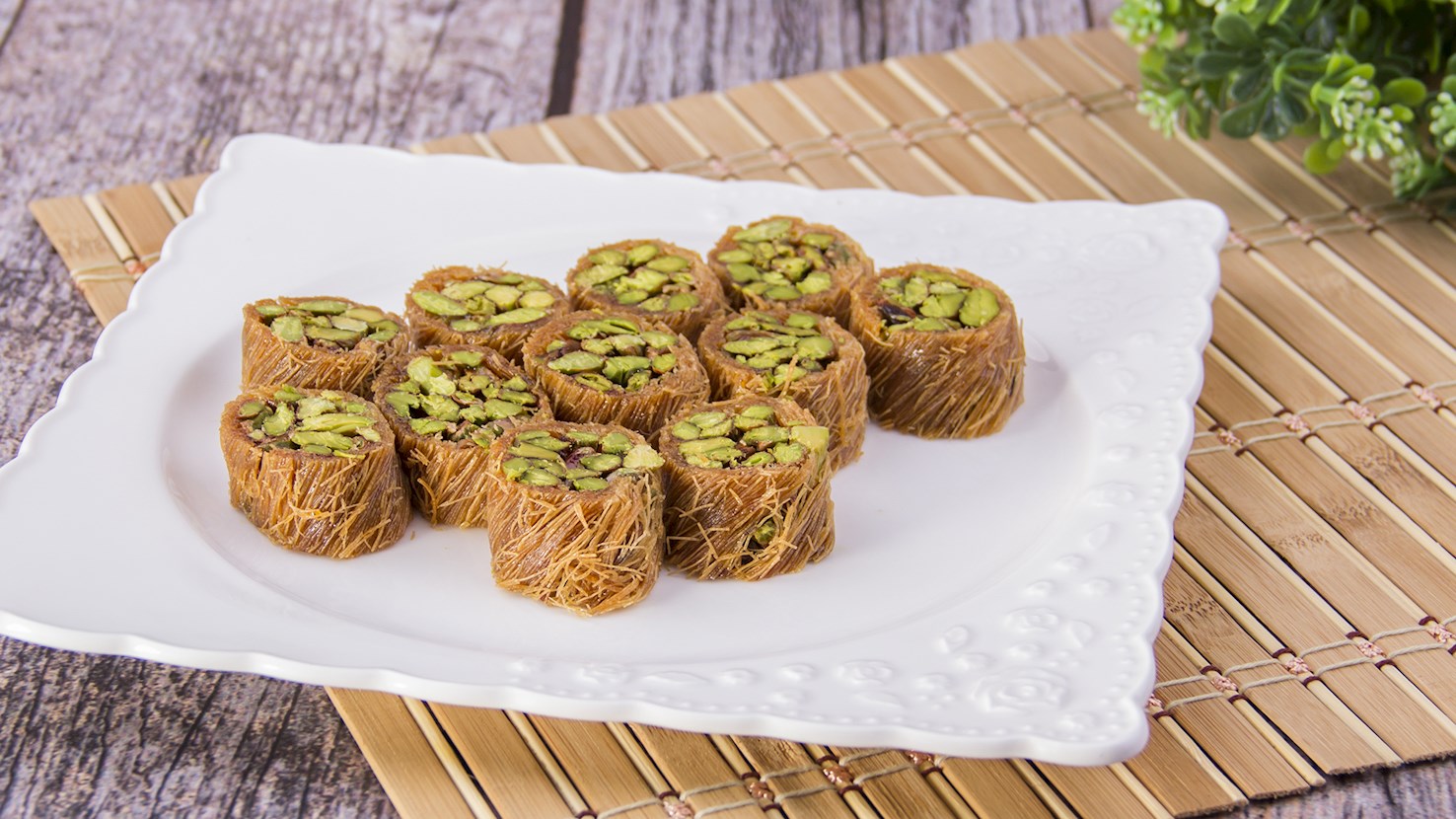
This Turkish sweet is made with a smooth, green, paste-like filling known as fıstık ezmesi (lit. pistachio butter). It is like a pistachio version of marzipan, and its bright green color is all-natural—it comes from the early-harvested Gaziantep pistachios. The delicious pistachio paste is wrapped around a single sheet of phyllo dough, just to hold its green goodness together, which is why this type of baklava is called either fıstıklı sarma or fıstıklı dürüm, meaning pistachio wrap or pistachio roll.
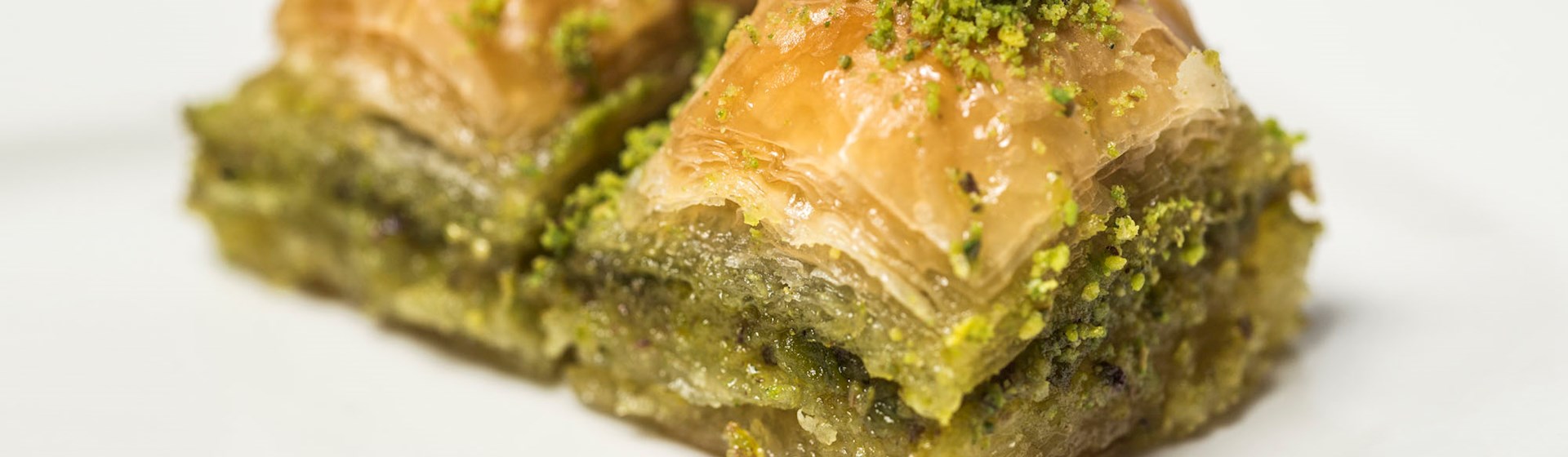
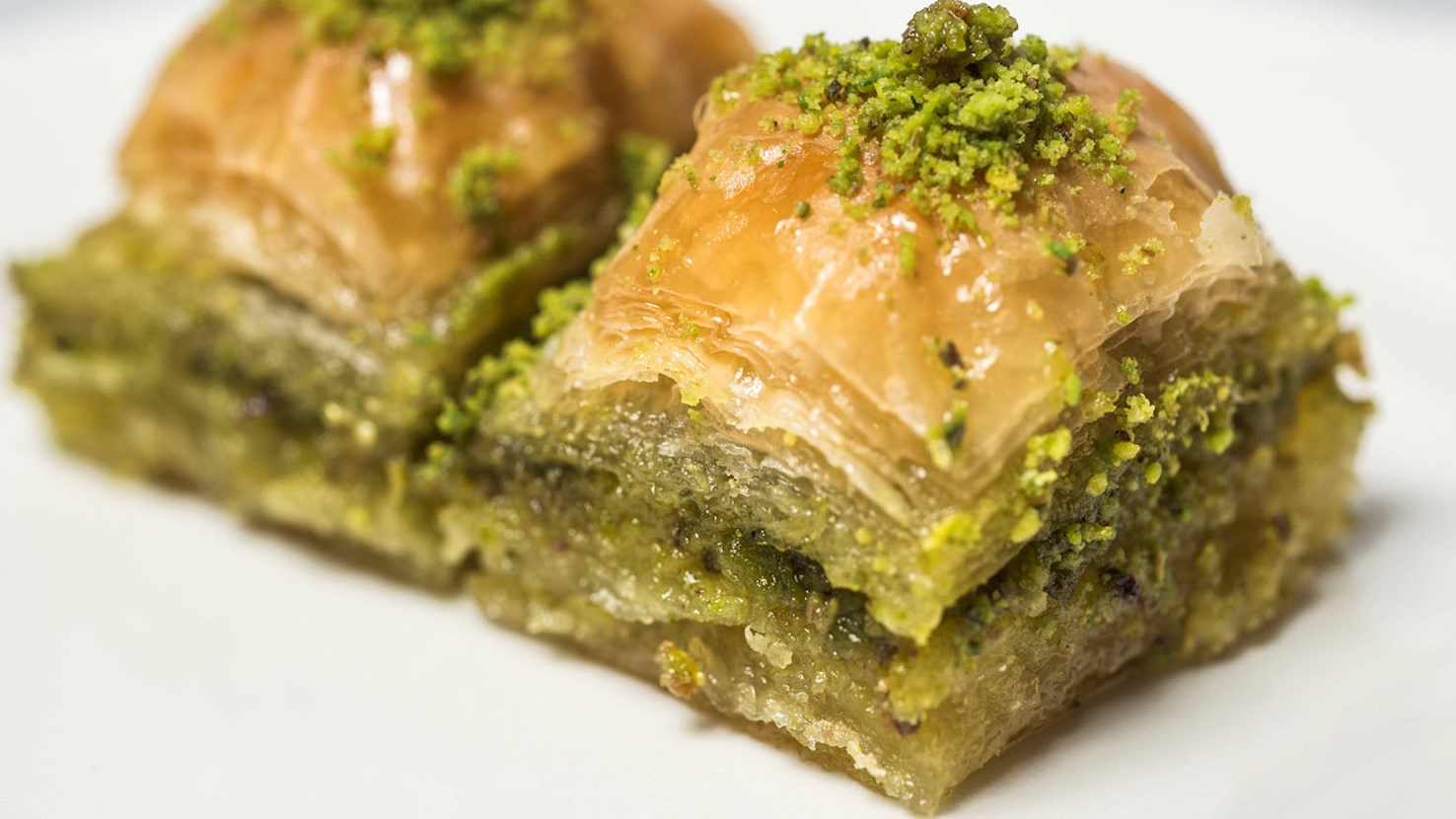
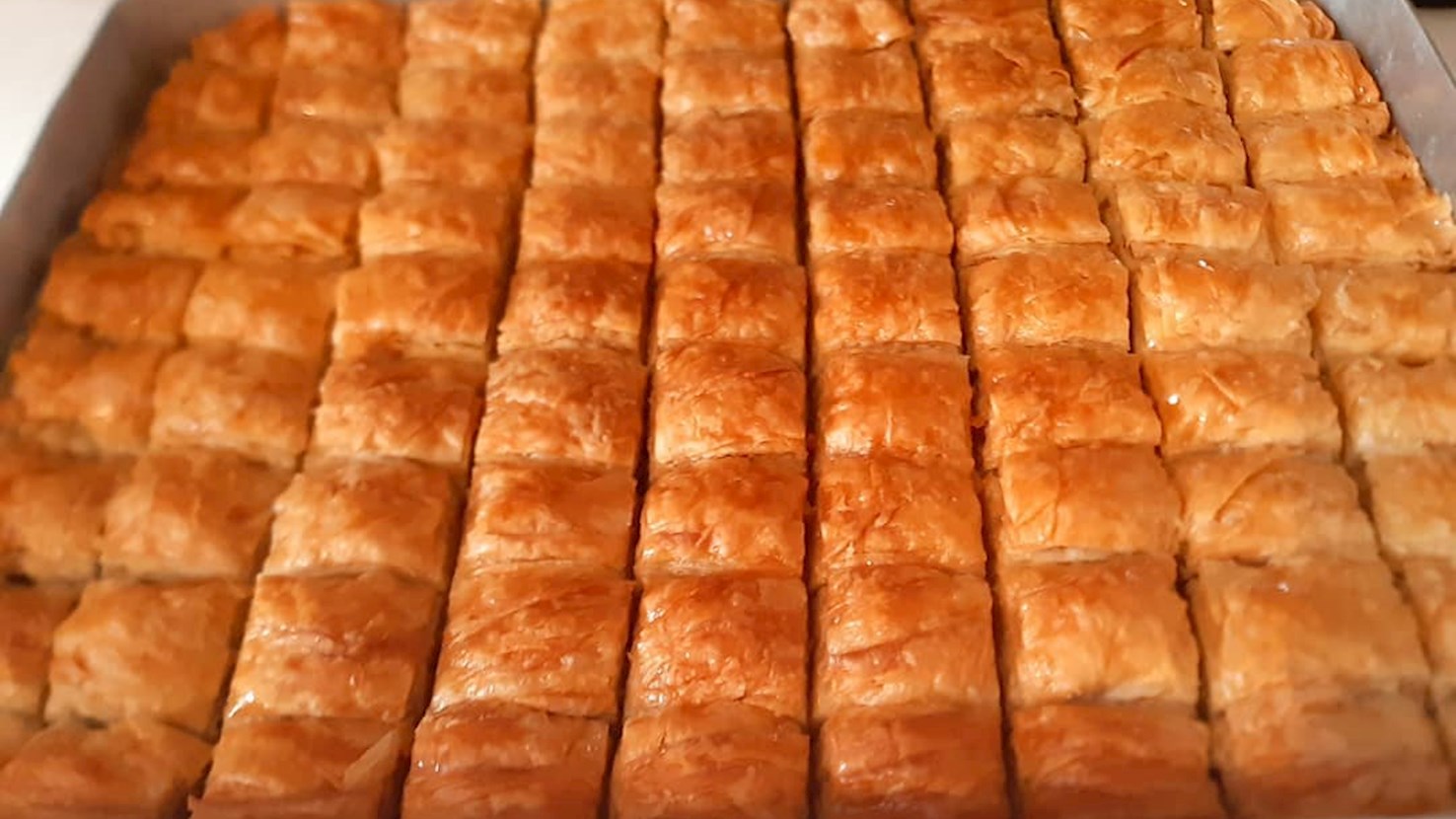
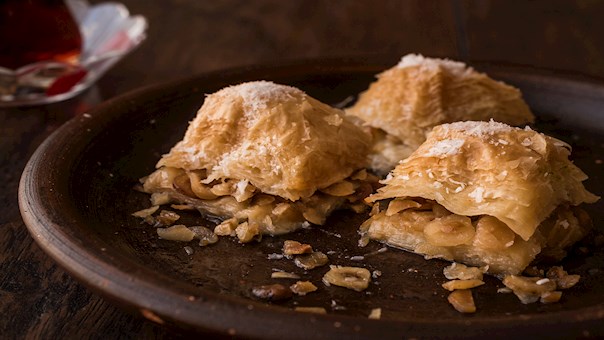
The ancient Anatolian city of Antep, today known as Gaziantep, is Türkiye's gastronomic capital famous for being home to the world’s finest pistachios and the delicious Antep baklavası. Originally an Ottoman legacy, baklava is regarded as one of the greatest creations from the pastry chefs at Topkapı Sarayı, the major royal residence of Ottoman sultans from the 15th to the 19th century. Baklava was traditionally prepared for Eid-al-Fitr, also known in Türkiye as Ramazan or Şeker Bayramı, a religious holiday when Muslims celebrate the ending of Ramadan, the Islamic holy month of fasting. Today, this Turkish treat is available year-round, and with more than 500 baklava bakeries in the city of Gaziantep, it is definitely not to be missed, especially during the pistachio harvest from midsummer to September, when these emerald-colored nuts are just the right size for baklava. To make this popular pastry, the finely crushed, genuine Gaziantep pistachios are generously spread between paper-thin sheets of phyllo dough which are brushed with melted butter and smeared with semolina cream. Antep baklava is then splashed with another dose of melted butter, baked, and finally, poured over with a hot sugar and lemon juice syrup. According to Turkish ustaları or master bakers, a well-baked baklava is tender, but at the same time has a perfect crunch to it. When divided with a fork, it makes a cracking sound which is not only a sign of freshness, but also a sign of the finest baklava, which isn't too sweet or heavy and leaves a heavenly taste in your mouth. Garnished with crushed pistachios, and often topped with kaymak, Turkish clotted cream, or a scoop of milk-flavored ice cream called kaymaklı dondurma, Antep baklava goes a long way: it can be enjoyed either with Turkish coffee in the morning or as a mid-afternoon treat with a cup of tea, but also as an after lunch or dinner dessert.
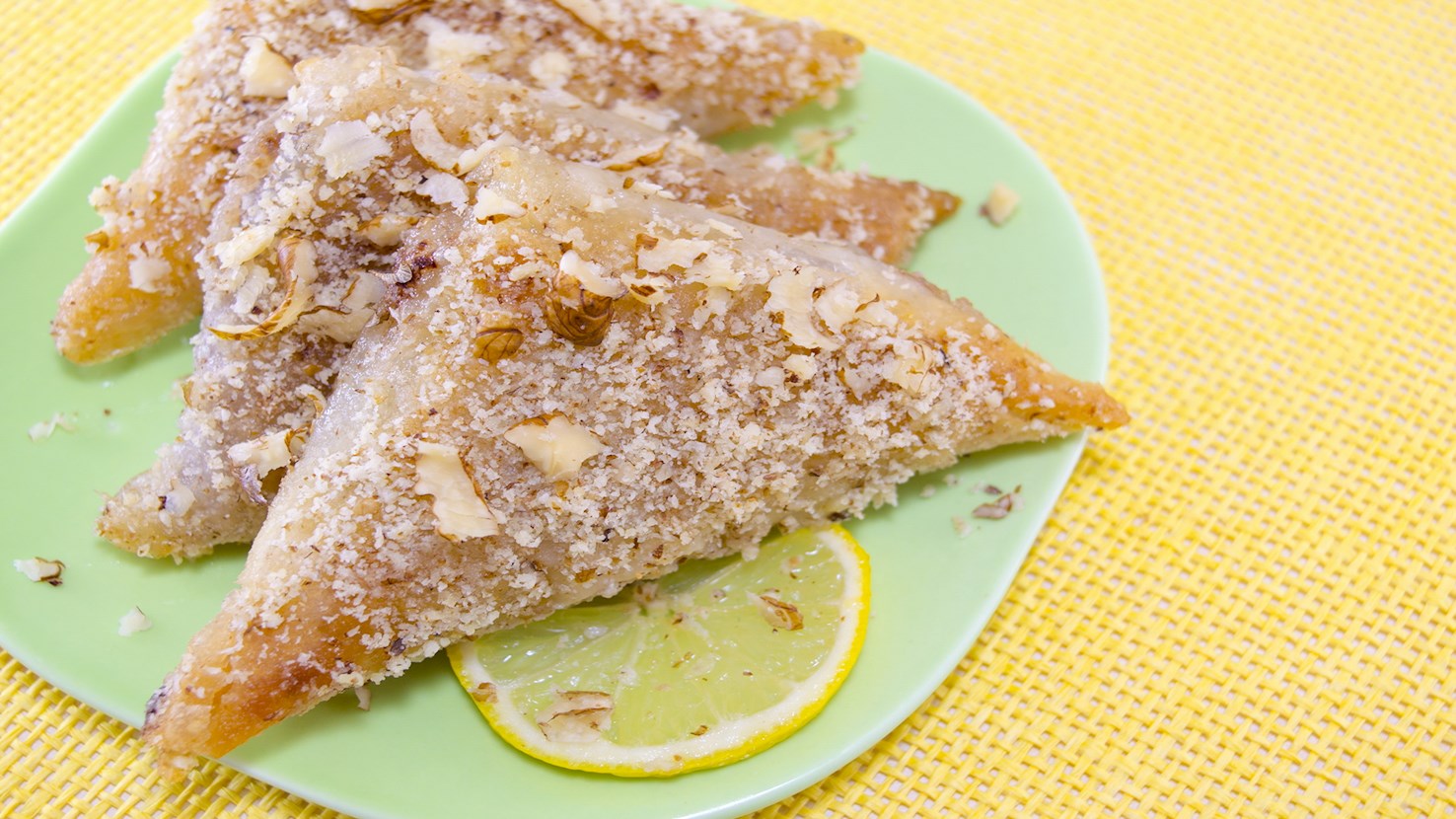
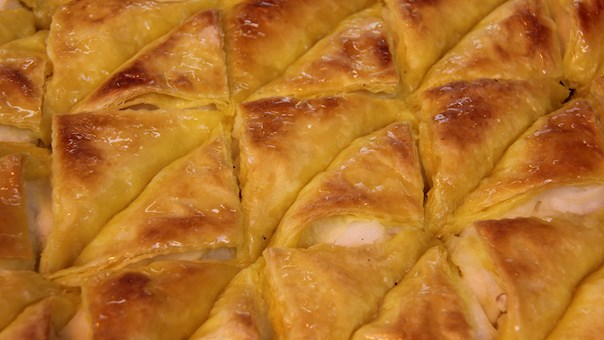
This is the only Turkish baklava with a cream-like filling, made by boiling a mixture semolina and a thick clotted cream called kaymak. To make şöbiyet, phyllo dough sheets are cut into squares, brushed with melted butter, and layered atop one another, then filled with kaymak and chopped nuts—typically walnuts—and finally folded into triangles before baking. Like most other baklavas, when baked, şöbiyet is doused in a lemon-flavored syrup and sprinkled with either crushed walnuts or pistachios.
This type of baklava is made with shredded kadayıf dough rolled around ground or whole pistachio nuts. Just like most other baklava varieties, burma (lit. wringed; twisted) is baked, doused in a lemon-flavored syrup, sliced into bite-sized pieces and sprinkled with ground pistachios before serving. Burma kadayıf can also be made with walnuts, but pistachios are used more commonly.
Bülbül yuvası is a unique Turkish dessert made with phyllo dough that is shaped into rings which are then traditionally filled with ground pistachios, although hazelnuts, almonds, and walnuts can also be added, if desired. After the dessert has been baked, it is sprinkled with a syrup consisting of sugar, water, and lemon juice. The name of this sweet treat means nightingale’s nest, referring to its visual appearance. It is recommended to serve bülbül yuvası with a cup of coffee or a glass of Turkish tea.
Although the plump and round chestnut baklavas are mostly associated with the city of Bursa and Marmara region, they are a nationwide favorite nevertheless. This delightful treat is made by wrapping phyllo pastry sheets around whole candied chestnuts—kestane şekeri in Turkish. Like most others, kestaneli baklava is typically topped with ground pistachios.
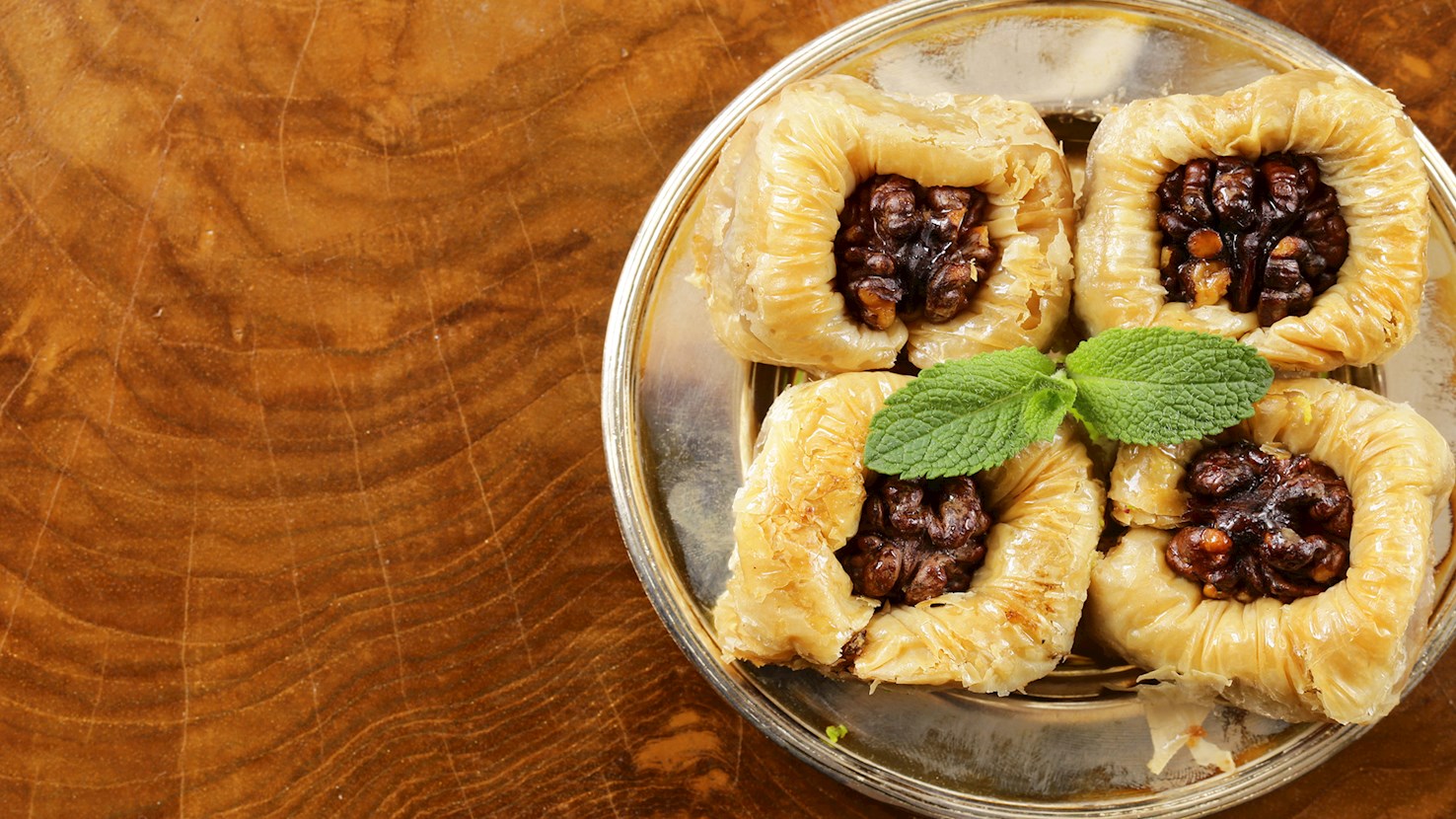
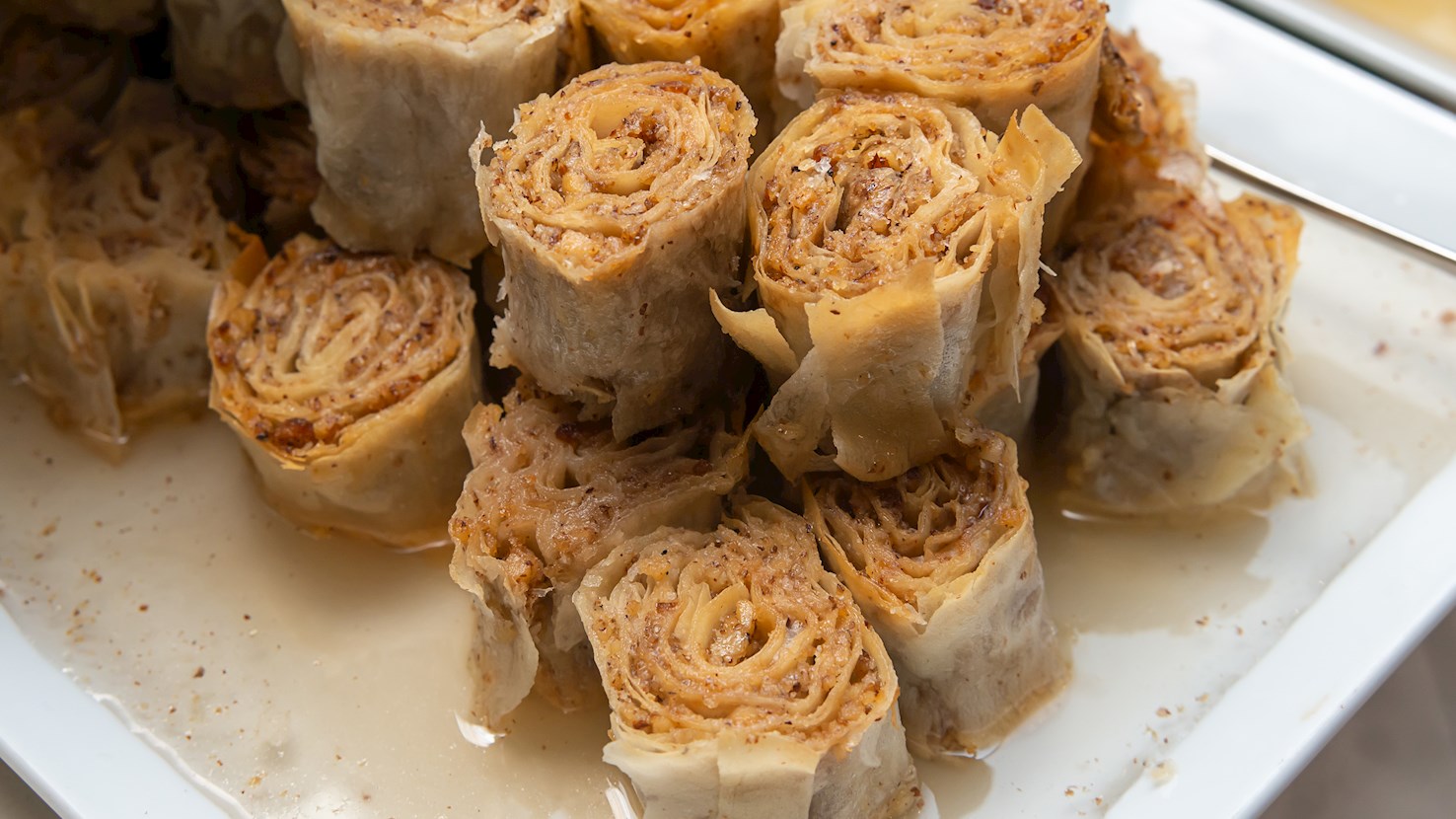
This baklava variety consists of thin phyllo sheets that are traditionally filled with walnuts, although modern varieties may employ various chopped or ground nuts. The sheets are then rolled and cut into the desired size before they are baked and doused in syrup, which can be flavored with lemon, rosewater, or orange blossom water. Due to its oblong shape, asabi is also known as finger baklava.
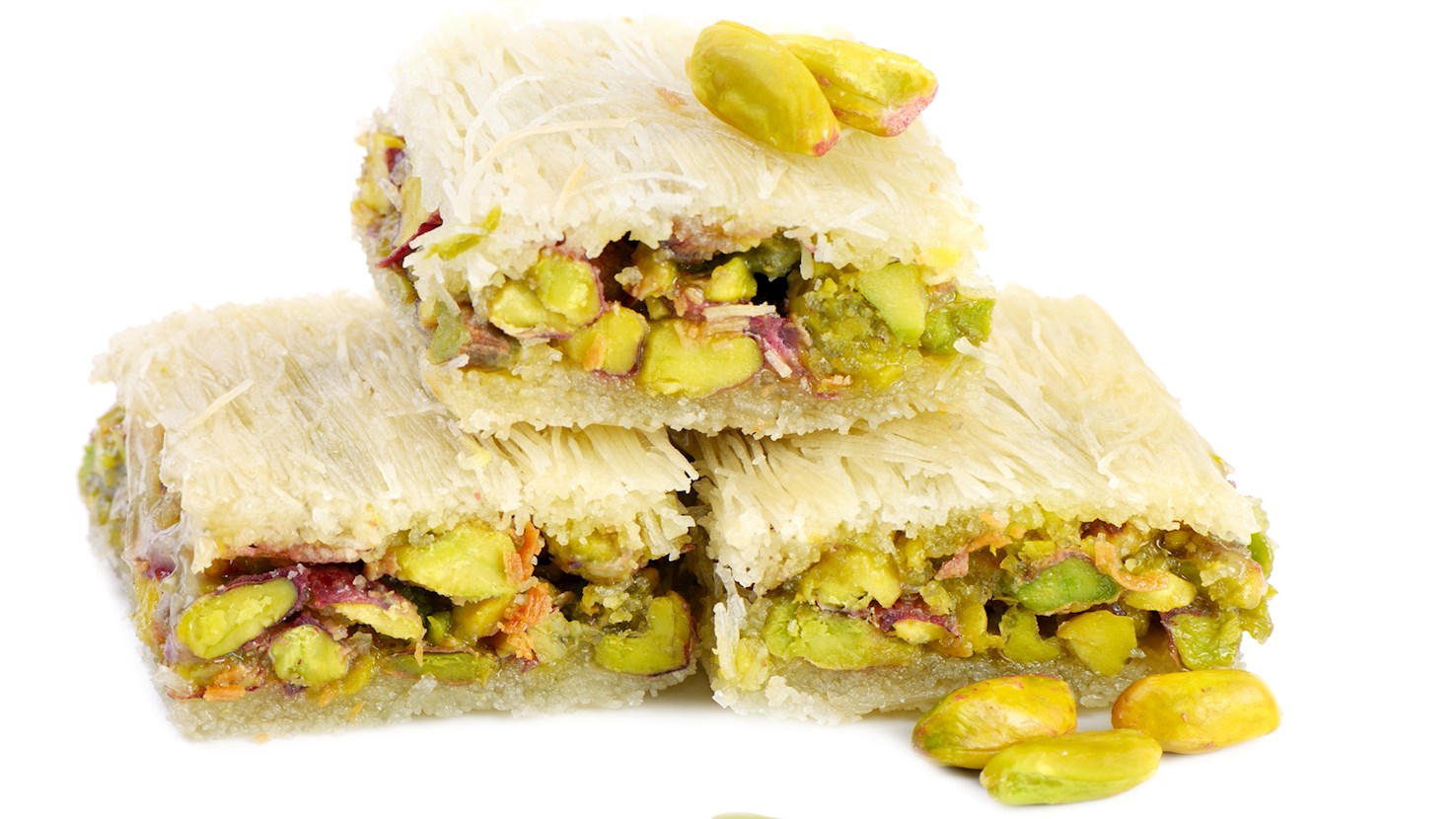
Ballourieh baklava consists of a pistachio filling that is placed between two layers of shredded kataifi dough—similar to the one used in kunāfah. This baklava variety is lightly baked because it needs to retain its typical white color. When baked, it is doused in syrup and left to set, and it is then traditionally served cut into large squares. Although it is believed to have been invented in Aleppo, ballourieh baklava is commonly found in Lebanon, Saudi Arabia, Palestine, and Jordan.
Ružice or đul-pita is a Bosnian baklava variety made with yufka sheets that are filled with ground walnuts, melted butter, and raisins, if desired. The concoction is rolled, then cut into smaller pieces which are subsequently placed in the baking dish so that they resemble roses or rosebuds. After ružice have been baked, they are doused in syrup consisting of water, sugar, and lemon juice. Due to the sweetness of this dessert, it is recommended to serve it with a cup of strong black coffee on the side.
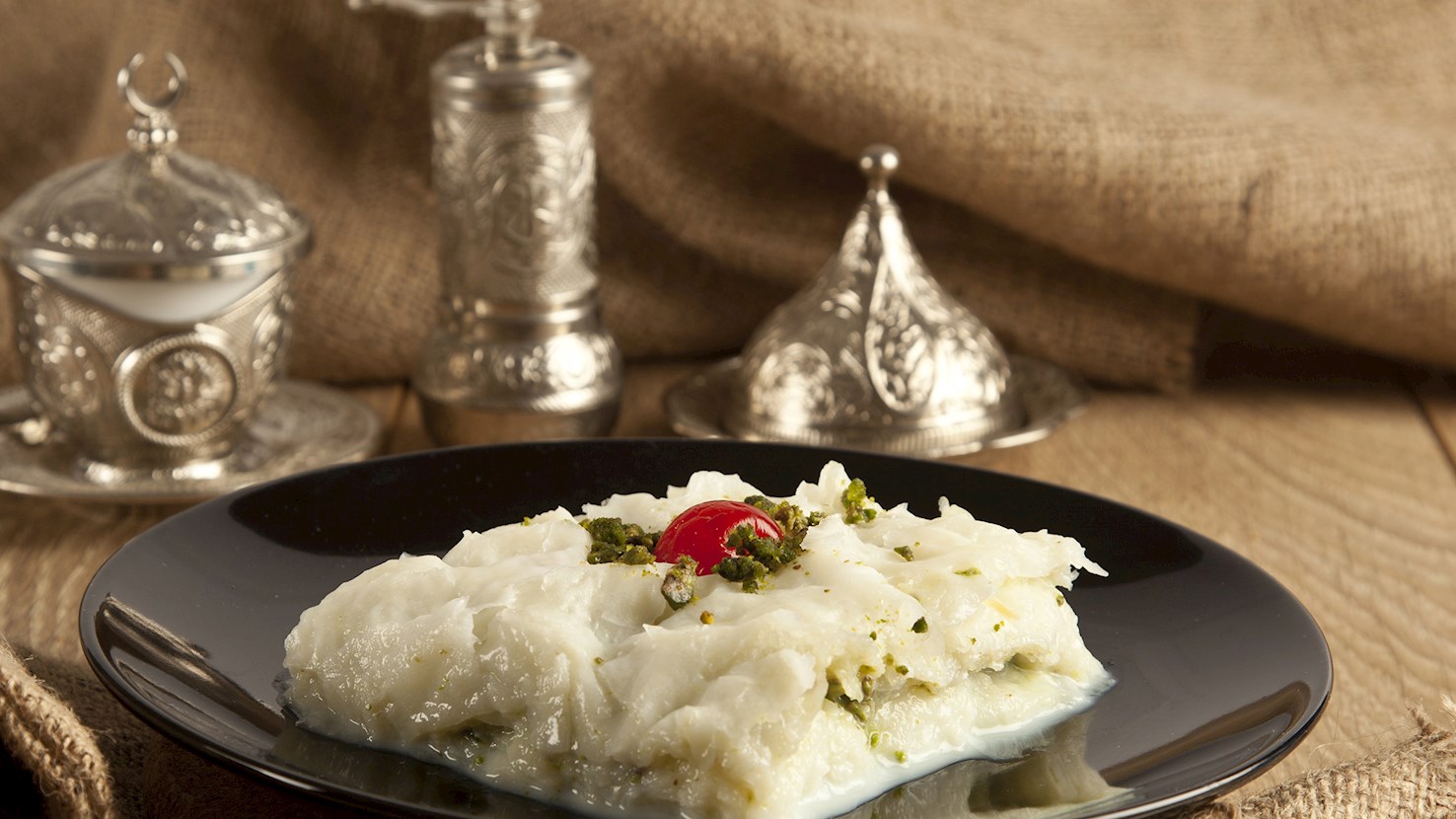
Güllaç is a unique Turkish dessert that is the most popular during Ramadan. It consists of numerous layers of thin, cornstarch pastry which is soaked in rosewater-infused milk and stuffed with walnuts, hazelnuts and/or almonds. Güllaç provides a healthier alternative to the sugar-laden lokma, baklava, and tulumba, which are mostly consumed after the fasting. The dessert dates back to the 15th century, its name derived from the words güllü and aş, meaning rosy dish. Originally, it was a staple at the palace during Ramadan, where it was a staple of the royal menu, especially for the circumcision ceremonies. It is recommended to garnish the dessert with pomegranate seeds and ground nuts such as pistachio, hazelnuts, or walnuts, giving it an additional, crunchy texture. Today, this light and easy dessert can be found at most Middle Eastern markets.
TasteAtlas food rankings are based on the ratings of the TasteAtlas audience, with a series of mechanisms that recognize real users and that ignore bot,
nationalist or local patriotic ratings, and give additional value to the ratings of users that the system recognizes as knowledgeable.
For the “18 Baklava Varieties Ranked From the Best To the Worst” list until August 17, 2026, 796,144 ratings were recorded, of which 520,250 were recognized by the system as legitimate.
TasteAtlas Rankings should not be seen as the final global conclusion about food. Their purpose is to promote excellent local foods,
instill pride in traditional dishes, and arouse curiosity about dishes you haven’t tried.







What People Say