


shutterstock

Top 73 European Bean Dishes

Last updated on July 16, 2026
01

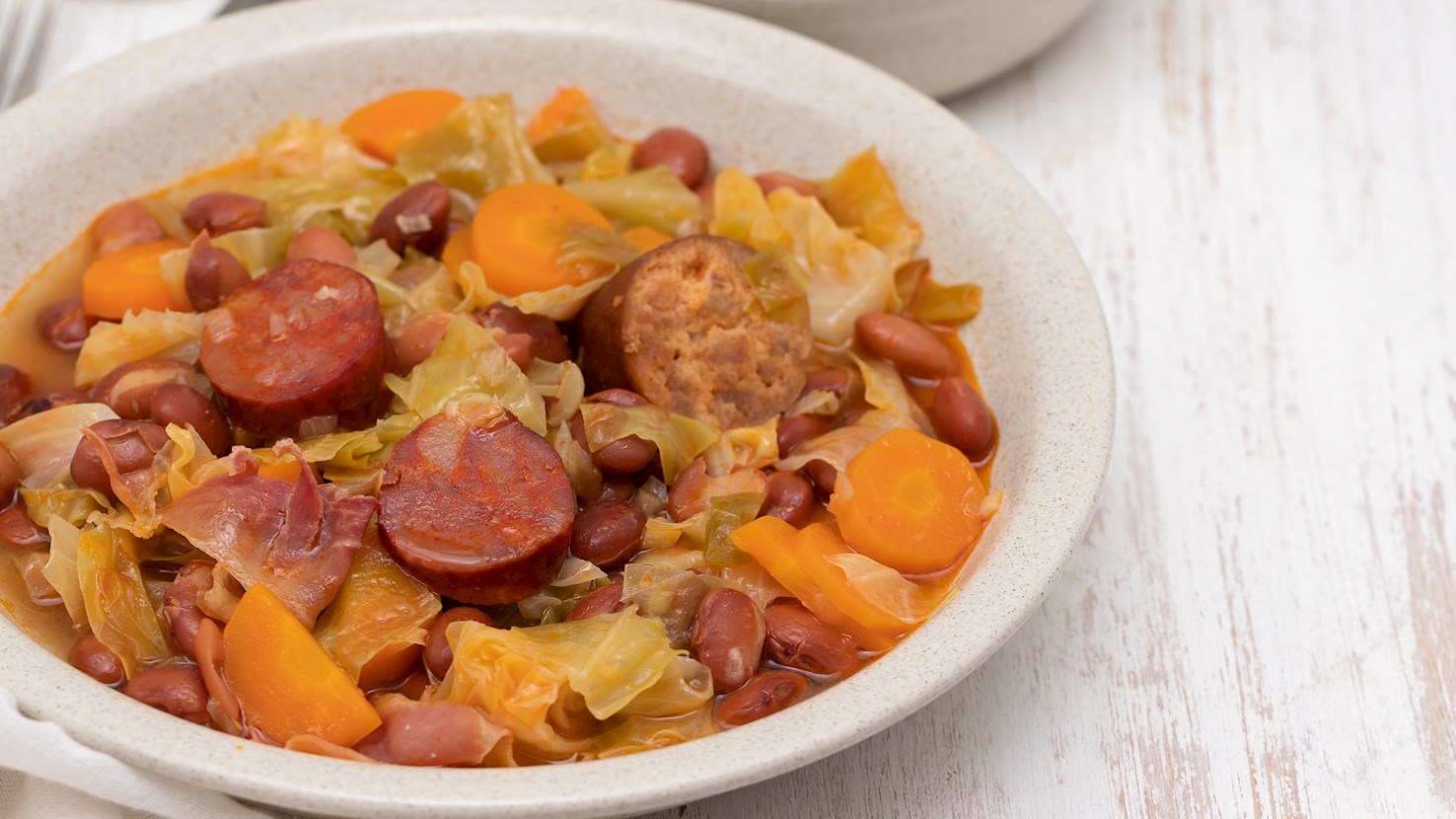
Sopa da pedra

4.3 ·

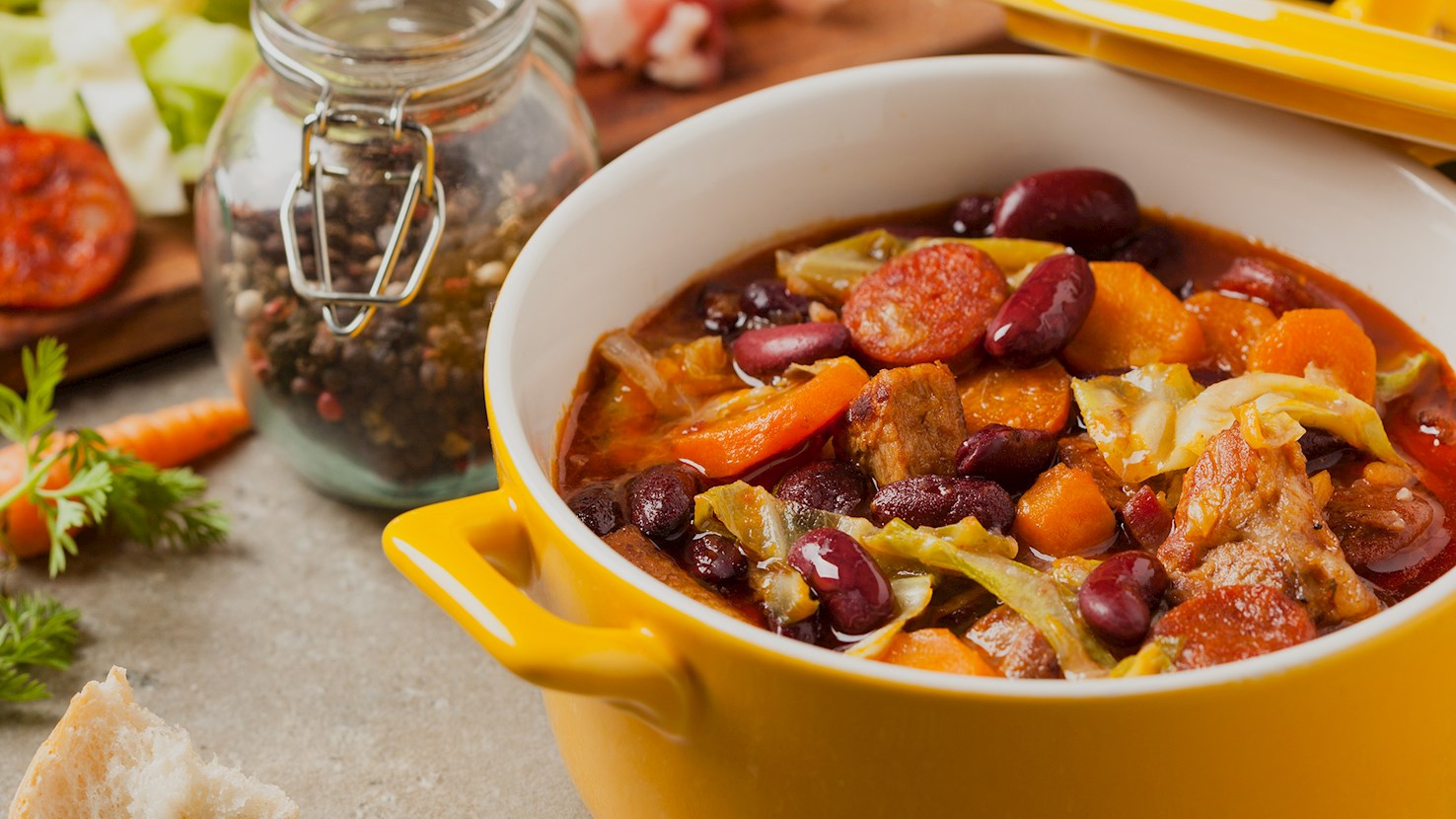
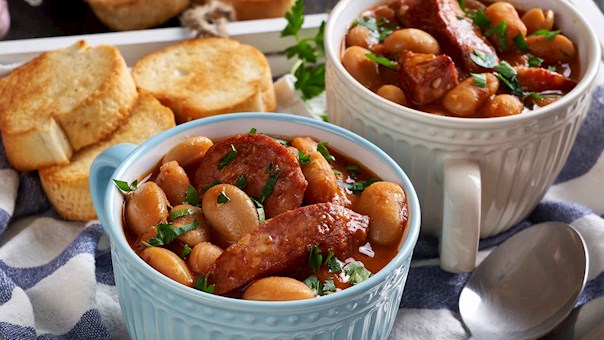
Although it translates as stone soup, this hearty Portuguese dish is actually a combination of beans and sausages such as chouriço and morcela (blood sausage), as well as pork belly, pig’s ear, and potatoes, while different regional varieties may also include pasta, carrots, and cabbage. There's a legend saying that a monk in need wanted to prepare soup by using merely stones and water. When he asked for additional ingredients to supposedly flavor the soup, the family who'd hosted him was more than willing to provide some pork cuts, beans, sausages, and vegetables, and the monk ended with a rich and nutritious dish without any stones inside. Similar stories exist in various European countries, but the moral of each always revolves around sharing and compassion. It is believed that sopa da pedra originated in Almeirim, which has been dubbed the capital of stone soup.

02

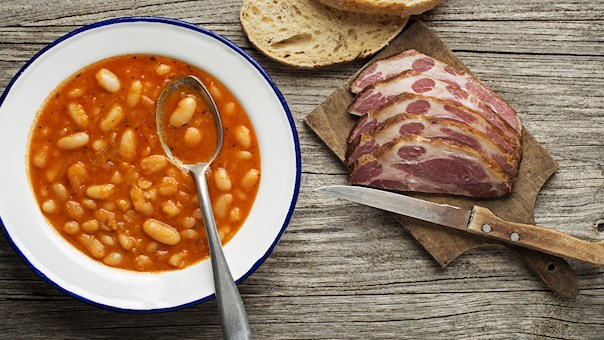
Gigantes plaki

4.2 ·

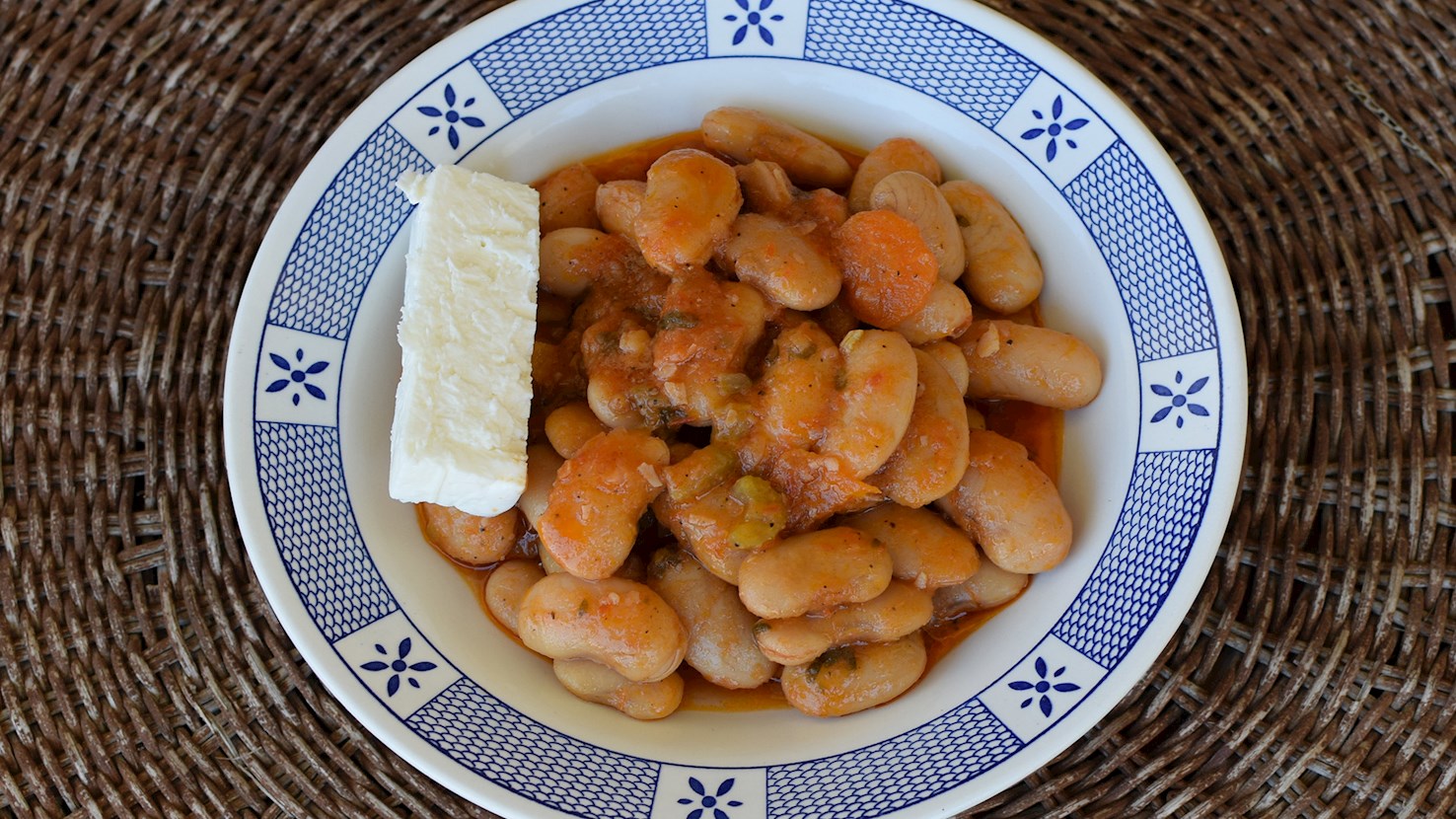
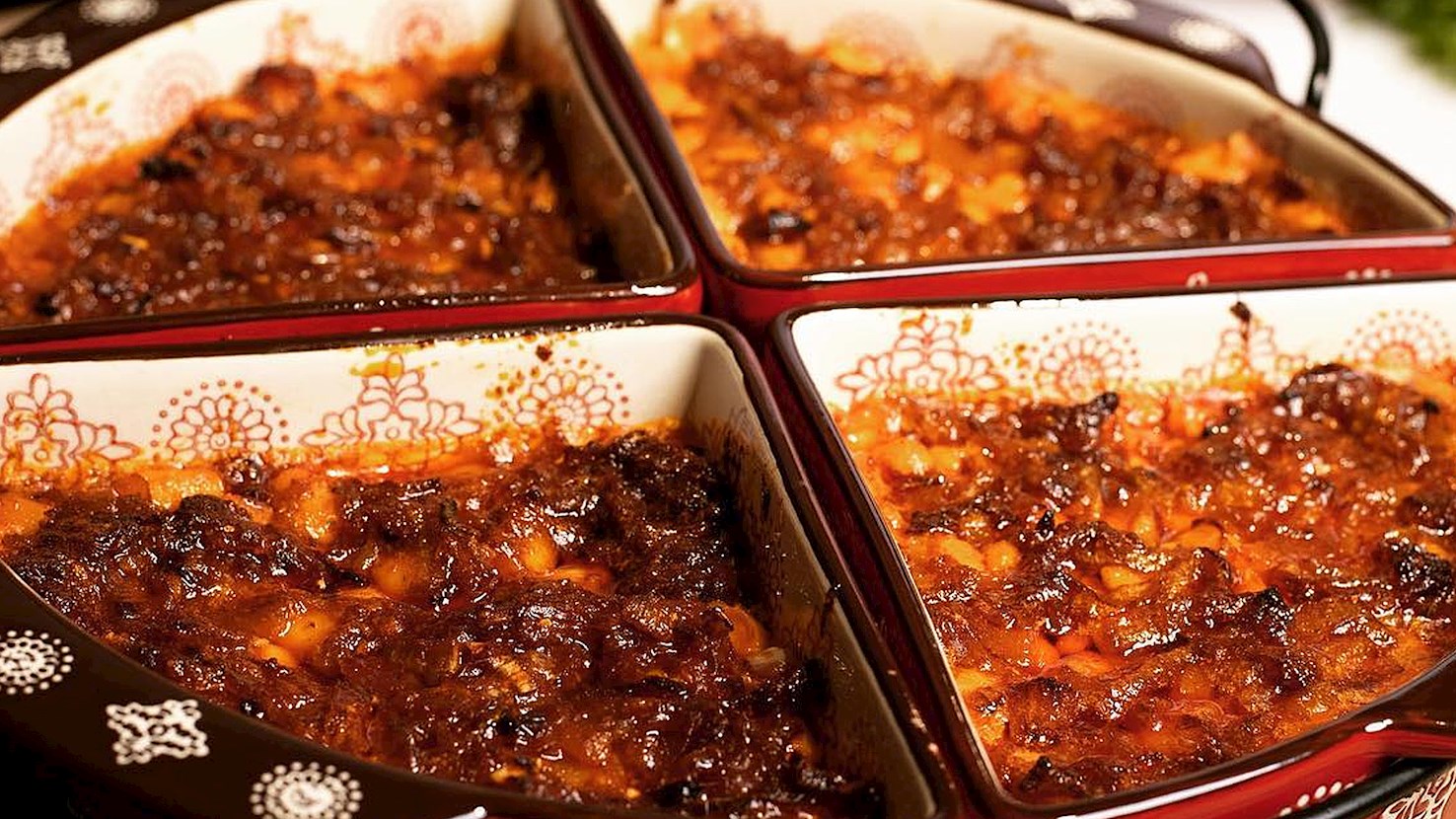
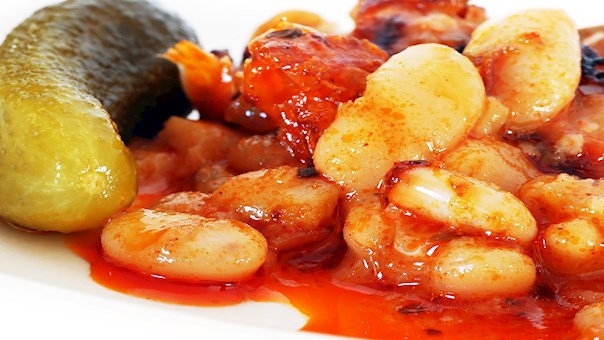
This Greek classic consists of large white beans that are cooked and then baked in a flavorful tomato sauce, which is usually seasoned with various herbs such as oregano, parsley, and mint. The dish calls for the use of fasolia gigantes, an authentic Greek variety of beans characterized by their large size, hence the name (gigantic). Gigantes plaki can be enjoyed as the main course, but it is also a common meze dish that is best served with bread on the side.

Best restaurants
03

Jókai bableves

4.1 ·

Jókai bableves is a flavorful Hungarian bean soup named after the famous writer Mór Jókai, who was a big fan of the dish. It is made with beans, smoked sausages, smoked meat, and vegetables such as onions, tomatoes, carrots, and celery. The soup is typically flavored with vinegar and sour cream. When the vegetables become tender and the soup develops a thick consistency, it is ready to be consumed. Jókai bableves is especially popular on cold winter days.

04

Fasole cu cârnați

4.1 ·

Fasole cu cârnați is a popular Romanian stew consisting of either pork and beans or sausage and beans. There is also a variation on the dish that replaces the sausages with smoked meat. It is a typical army dish that is traditionally prepared by army cooks and served free of charge during the National Day celebration on December 1 in Bucharest and Alba Iulia. A hearty, satisfying, and easy meal, it also makes for great leftovers, and it tastes even better when reheated the next day.

05

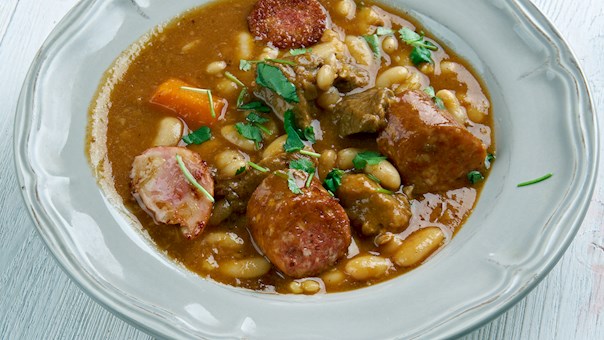
Fabada Asturiana

4.0 ·

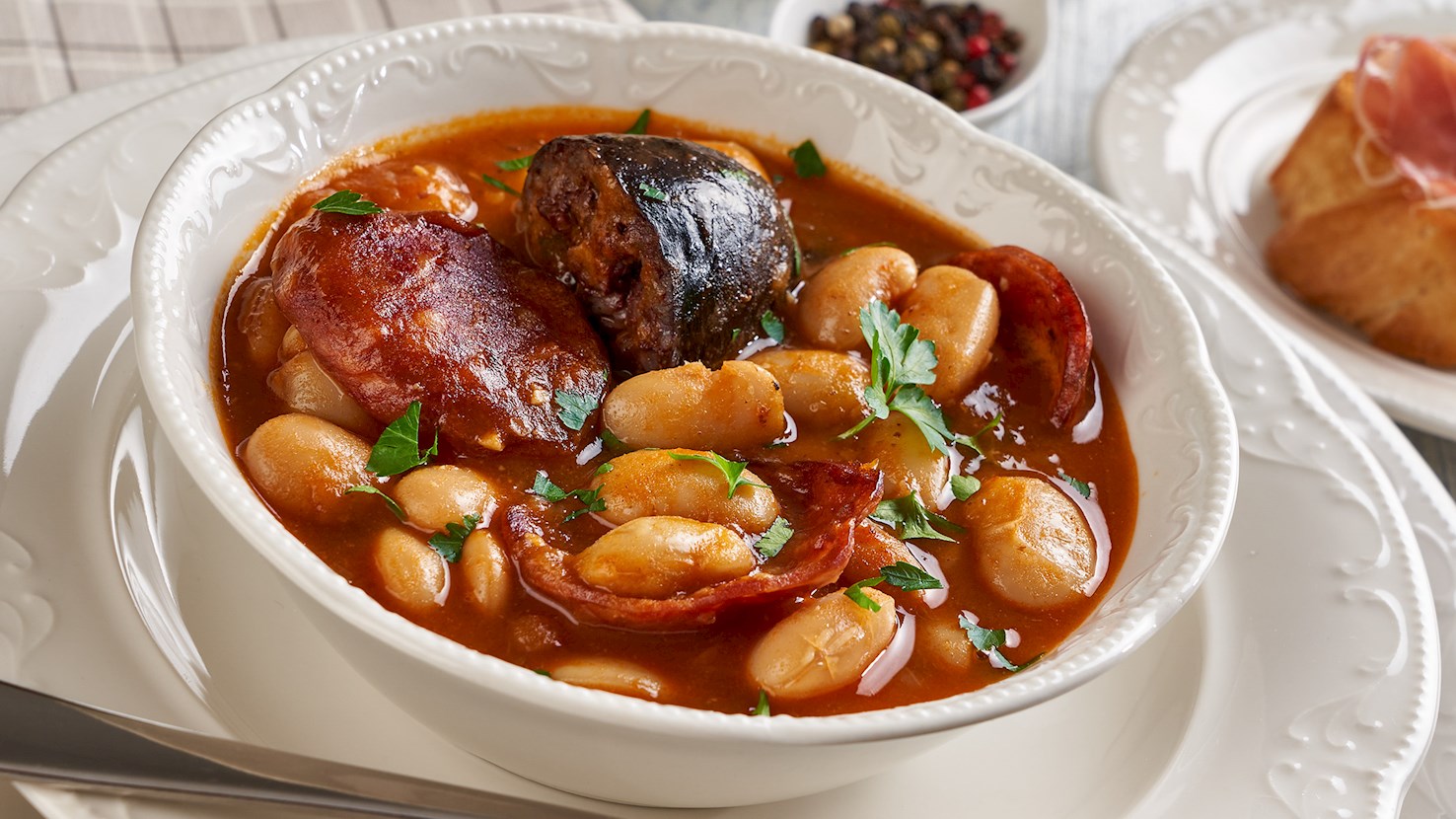
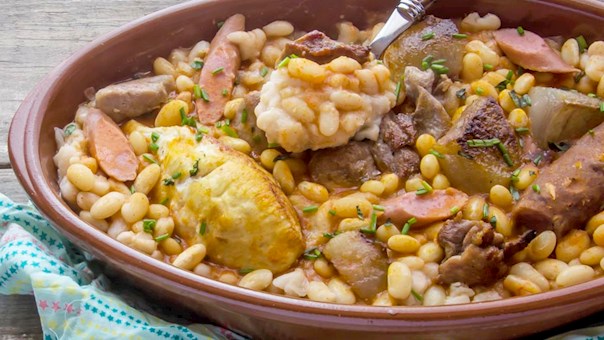
This comforting stew known as fabada Asturiana is a signature dish of the famous Spanish region of Asturias. The stew consists of plump white beans, chorizo, morcilla blood sausages, and pork fat, flavored with smoked paprika and saffron. Some recipes also use olive oil. Spicy and hearty, with robust and earthy flavors, this Spanish classic combines simple ingredients to create an extraordinary dish. It is believed that fabada appeared sometime between the 19th and the 20th century. Due to its nutritious elements, it is usually enjoyed in the colder winter months. Fabada is a staple of every traditional and authentic Spanish restaurant, and its less sophisticated versions are often sold in supermarkets. In restaurants, it is mainly served as a starter or a main dish and is usually accompanied by slices of crusty bread.

06

Tavče gravče

4.0 ·

Tavče gravče is the national dish of North Macedonia consisting of beans stewed with onions, oil, dried pepper flakes, and seasonings such as salt, parsley, and black pepper. Although it is primarily a vegetarian dish, some recipes call for the addition of smoked pork, bacon, sausages, or suho meso. The dish is baked in an earthenware bowl and usually served in it, keeping the beans warm. Tavče gravče is traditionally enjoyed on Fridays or during fasting (the original vegetarian recipe), but in restaurants, it is often served as a side dish to grilled meats.

07

Bob chorba

4.0 ·

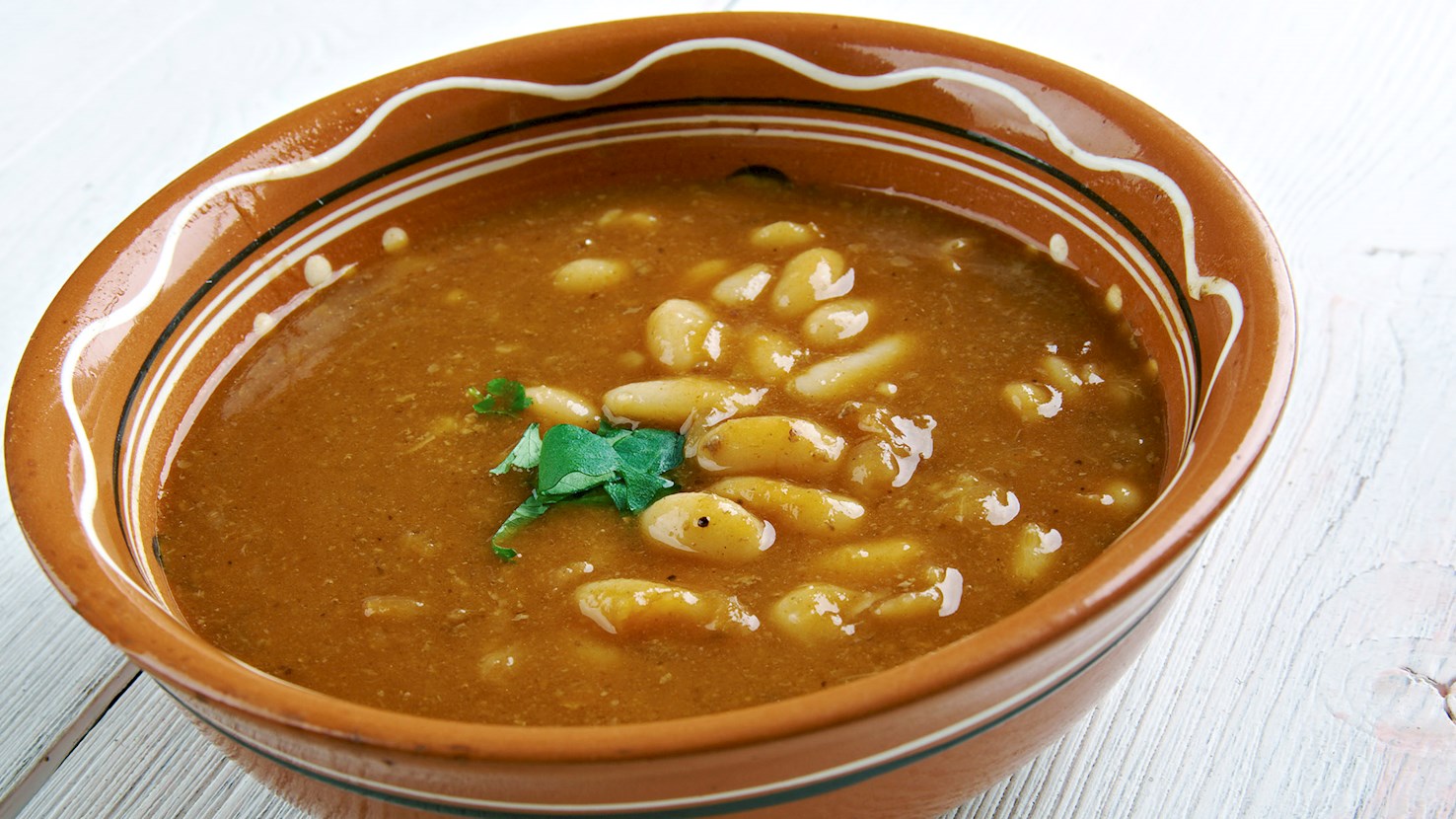
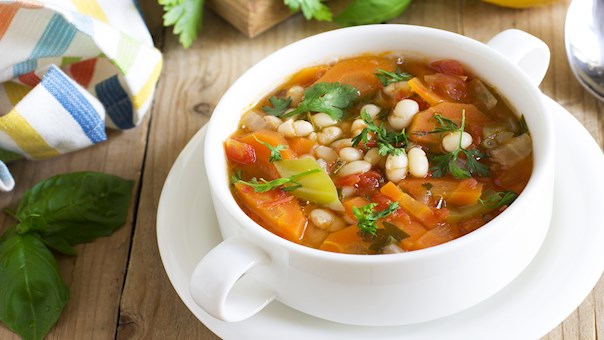
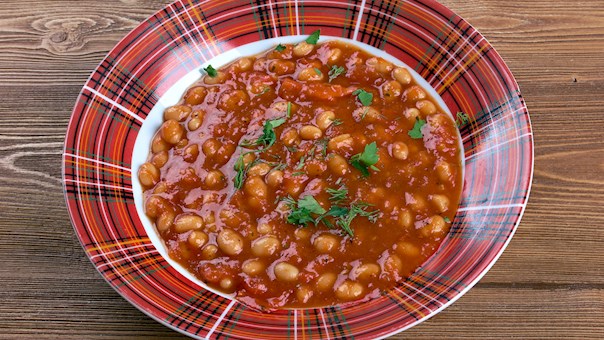
Bob chorba is a soup prepared with Bulgarian varieties of white and kidney beans, onions, peppers, tomatoes, carrots, and mint. Additional ingredients include bell peppers, paprika, potatoes, and meat, but the soup can be made with almost any available ingredient. Particularly popular is the bob chorba po manastirski, a monastery-style version of this soup that was prepared in many of Bulgarian monasteries and is completely vegetarian. This simple soup is one of Bulgaria's national dishes and its meatless version is traditionally served on Christmas Eve. Bob chorba is traditionally served hot in earthenware bowls, and it is recommended to garnish it with chopped parsley or grated cheese.

08

Pasulj

4.0 ·

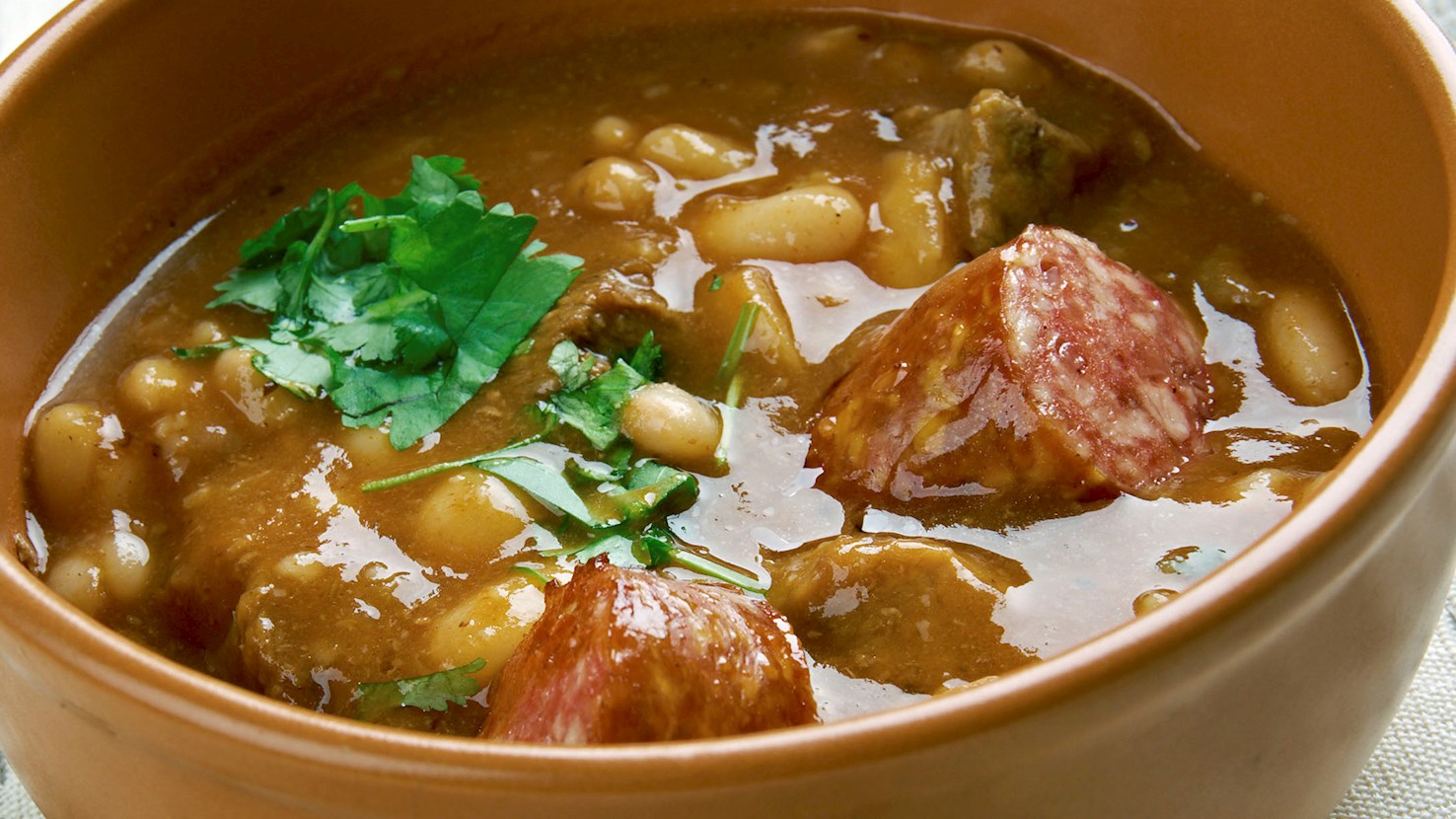
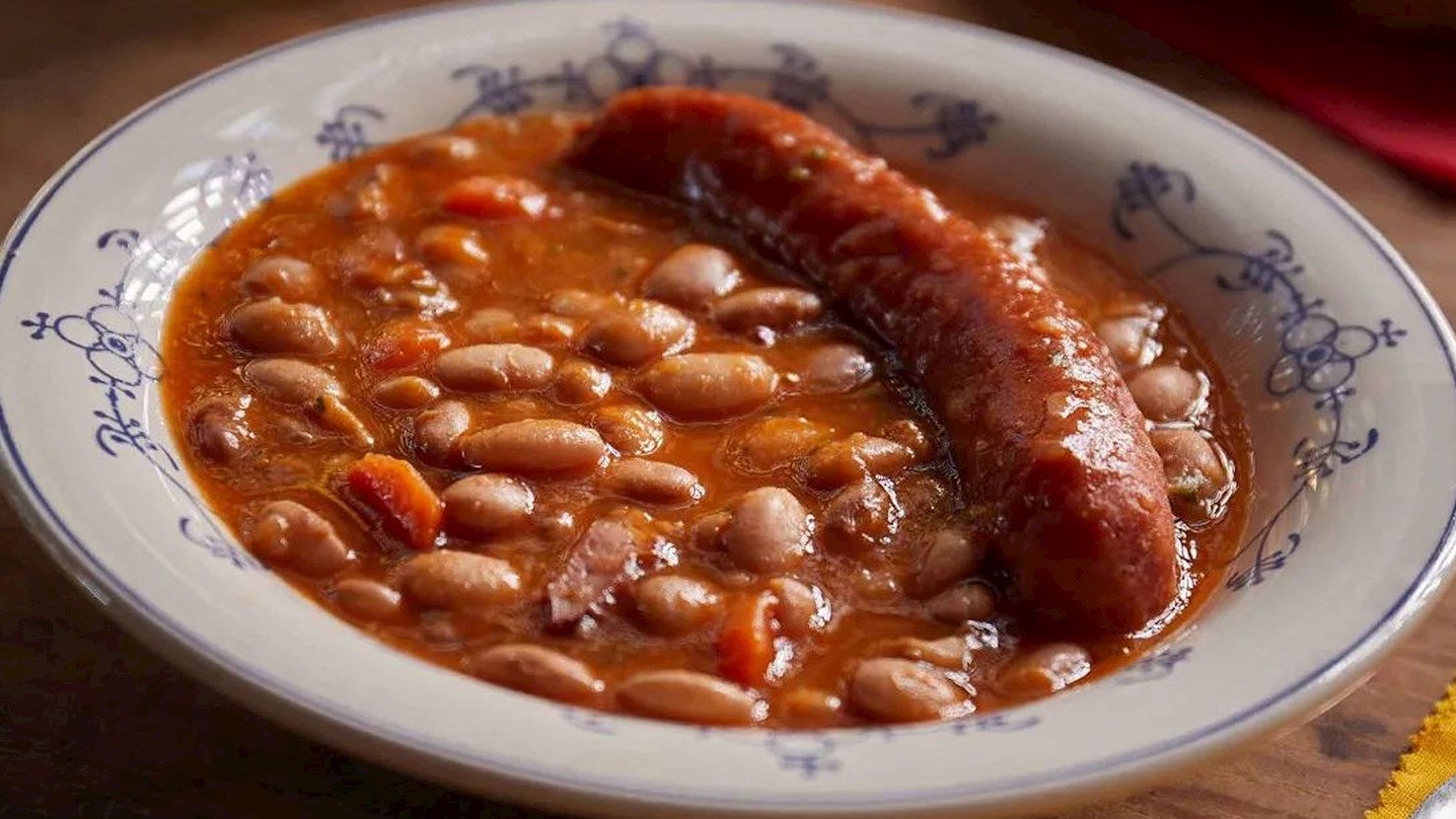
Pasulj is a popular Serbian bean soup that is traditionally prepared with white beans. The beans are usually simmered with sausage, bacon, or ham, and vegetables such as onions and carrots. Paprika, bay leaves, and garlic are commonly used as seasonings in the soup. Pasulj is a typical representative of Serbian comfort food, and it is also very popular throughout the Balkans, especially in the neighboring countries. It is recommended to serve the dish with some crusty bread or sliced raw onions on the side.

09

Lobio

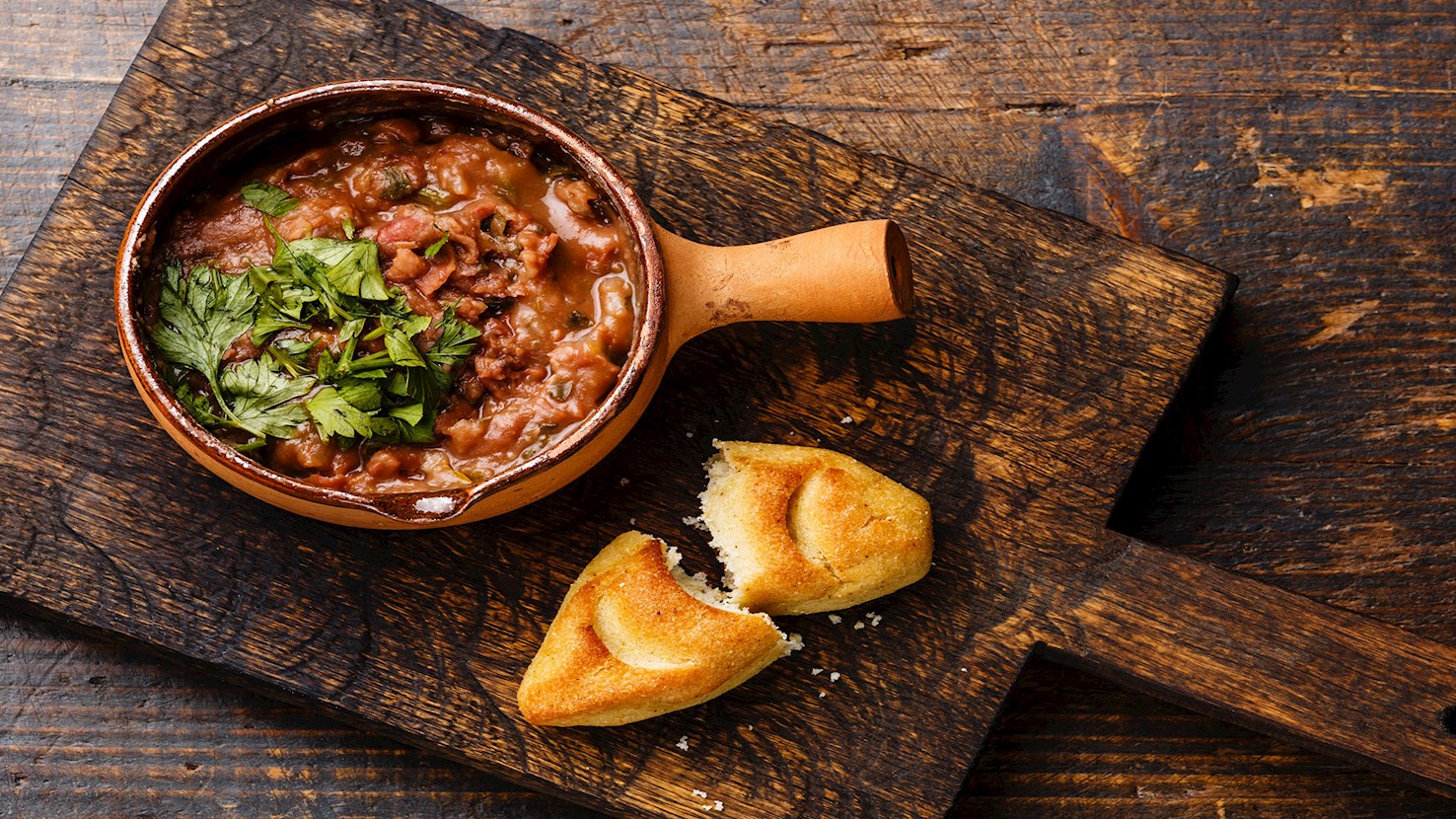
3.9 ·

Lobio is a Georgian invention that refers to a wide group of dishes that employ beans as a key ingredient. Most commonly, those are red kidney beans, boiled with various spices to create a thick stew, commonly served with mchadi, a traditional Georgian cornbread. Among numerous other varieties, lobio nigozit, which incorporates mashed beans in a thick walnut sauce, is the most common version. The dish can also appear in a form of a salad, with whole or mashed beans, and it is typically served cold.

10

Feijoada à portuguesa

3.9 ·

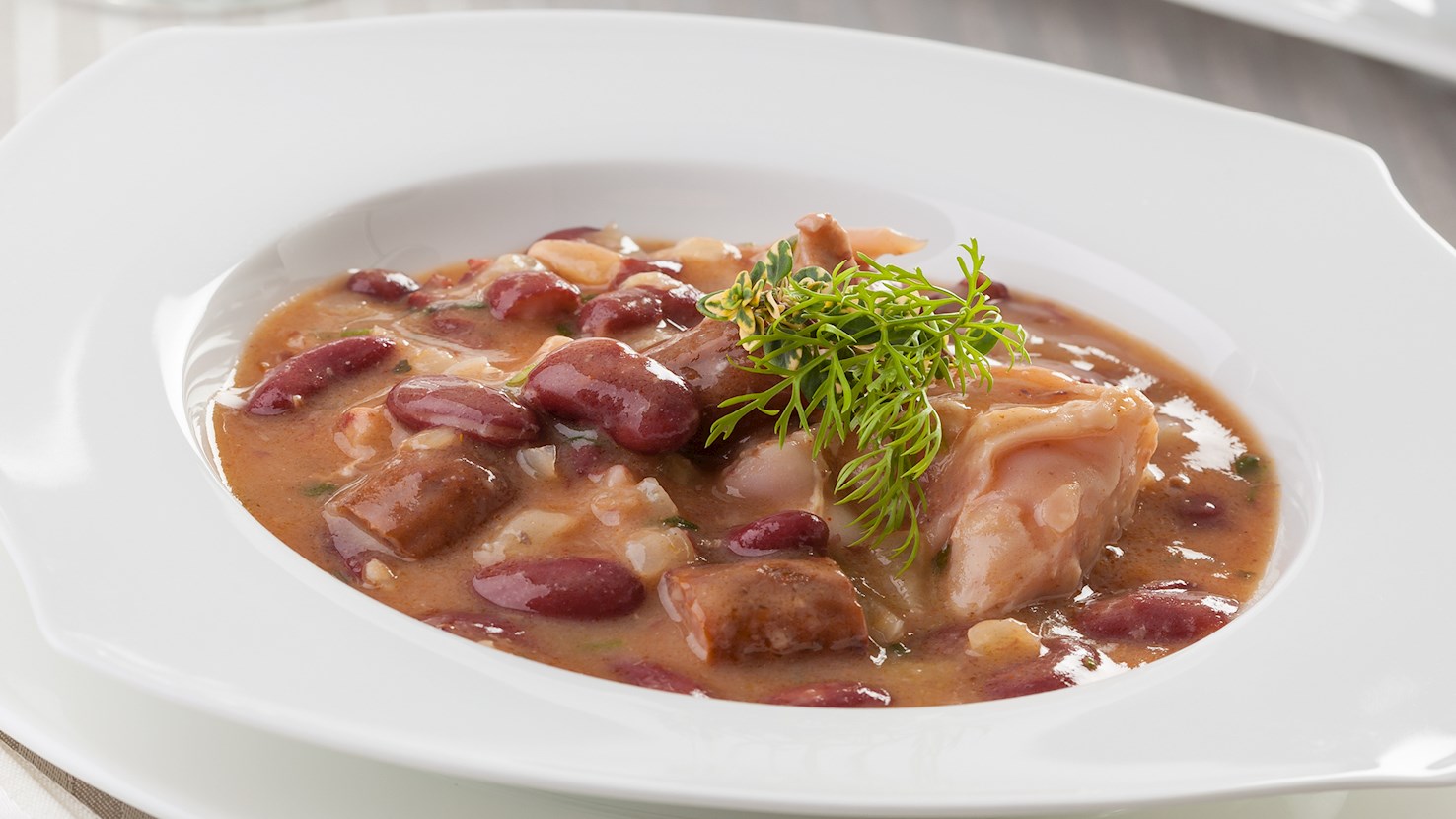
Feijoada is a hearty bean stew that appears in several local and international varieties. Although it is often assumed that feijoada originated in Brazil, where it is considered a national dish, it was primarily made in Portugal before it was introduced to Brazil. The Portuguese version is believed to have originated in the north of Portugal, but today it appears in several versions throughout the country. It is usually made with red kidney or white beans, while the additions usually include pork, blood sausage (morcela), farinheira sausage, or chouriço. Some variations also include vegetables. Similar versions of feijoada are found in most Portuguese colonies, including Brazil, Macau, Angola, Mozambique.

Best restaurants
Read more
View all
View map
About this ranking

TasteAtlas food rankings are based on the ratings of the TasteAtlas audience, with a series of mechanisms that recognize real users and that ignore bot, nationalist or local patriotic ratings, and give additional value to the ratings of users that the system recognizes as knowledgeable. For the “Top 73 European Bean Dishes” list until July 16, 2026, 2,944 ratings were recorded, of which 1,852 were recognized by the system as legitimate. TasteAtlas Rankings should not be seen as the final global conclusion about food. Their purpose is to promote excellent local foods, instill pride in traditional dishes, and arouse curiosity about dishes you haven’t tried.

Similar lists