



shutterstock

Top 22 German Beef Cuts and Dishes

Last updated on July 16, 2026
01

Rinderbrust

4.3 ·

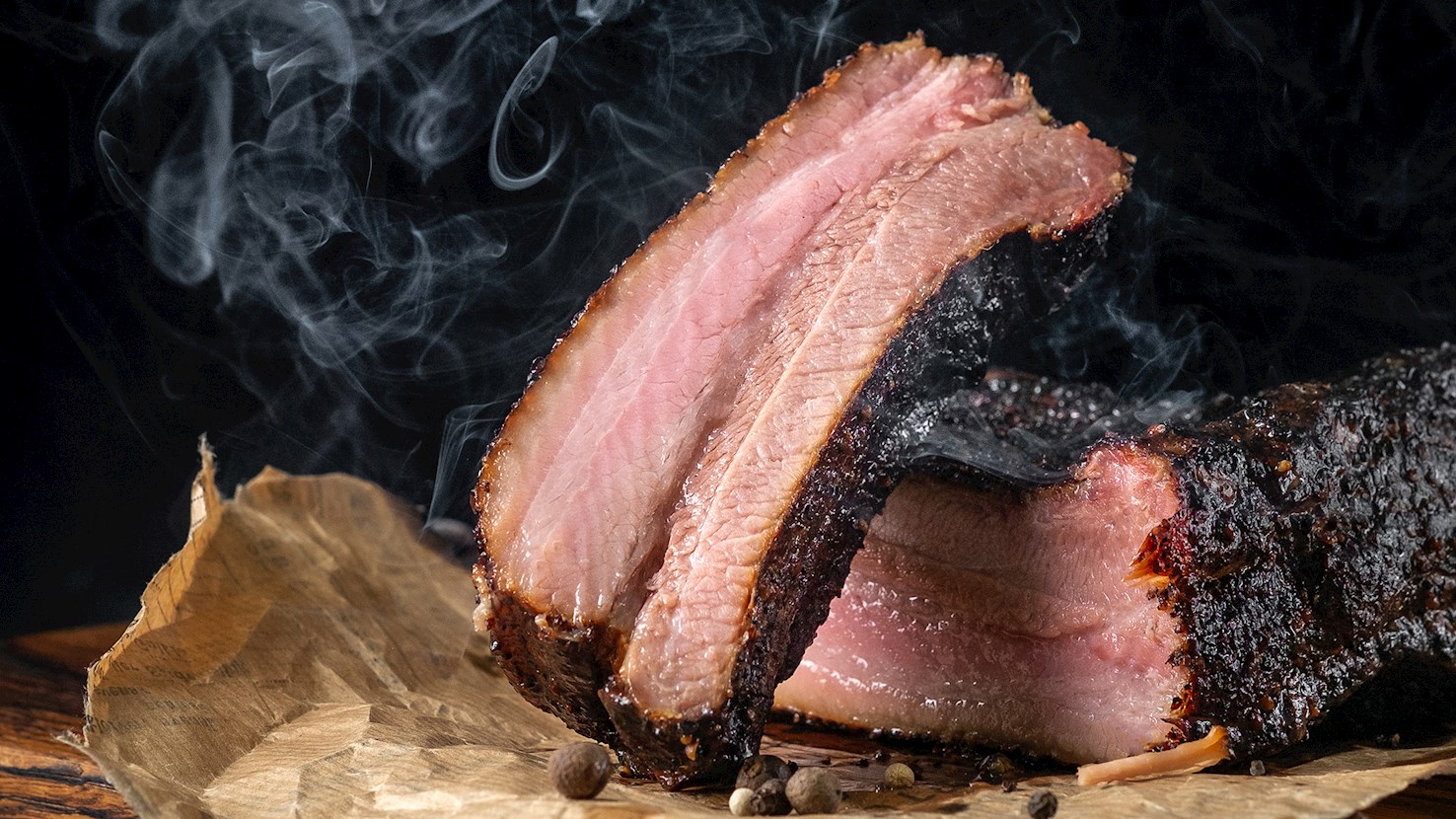
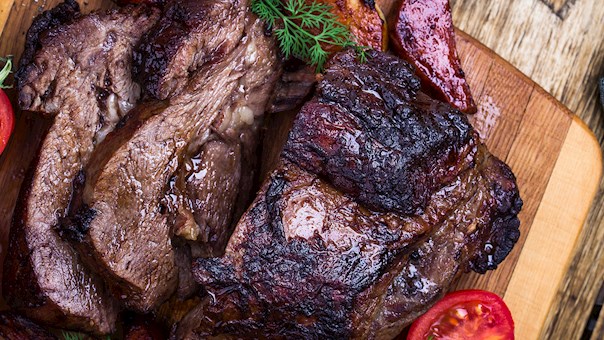
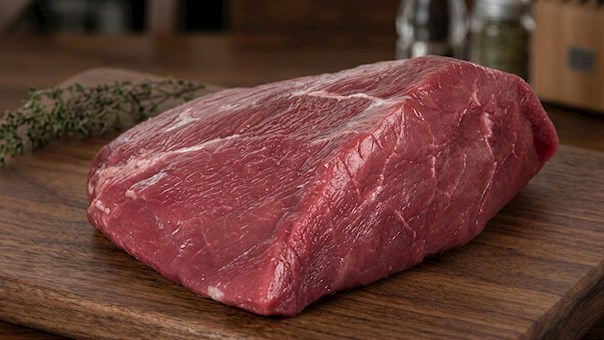
In the American, English and German systems of primal beef cuts, the brisket (or rinderbrust) is a cut that comes from the breast or lower chest of the cow. The brisket is one of the nine primal cuts of beef and is particularly known for its size and for having a significant amount of connective tissue. This cut consists of two different muscles: the pectoralis major, known as the "flat," and the pectoralis minor, or the "point." The flat is leaner, while the point has more fat and marbling. Because of the high amount of connective tissue, brisket needs to be cooked slowly, over low heat, to allow the collagen in the meat to break down and become tender. This makes it a popular choice for slow cooking methods like smoking, braising, or slow roasting. Brisket is notably used in a variety of regional American barbecue traditions, particularly Texas-style barbecue, where it's often smoked for many hours. It's also traditionally used for making corned beef and pastrami.

02

Filet

4.3 ·

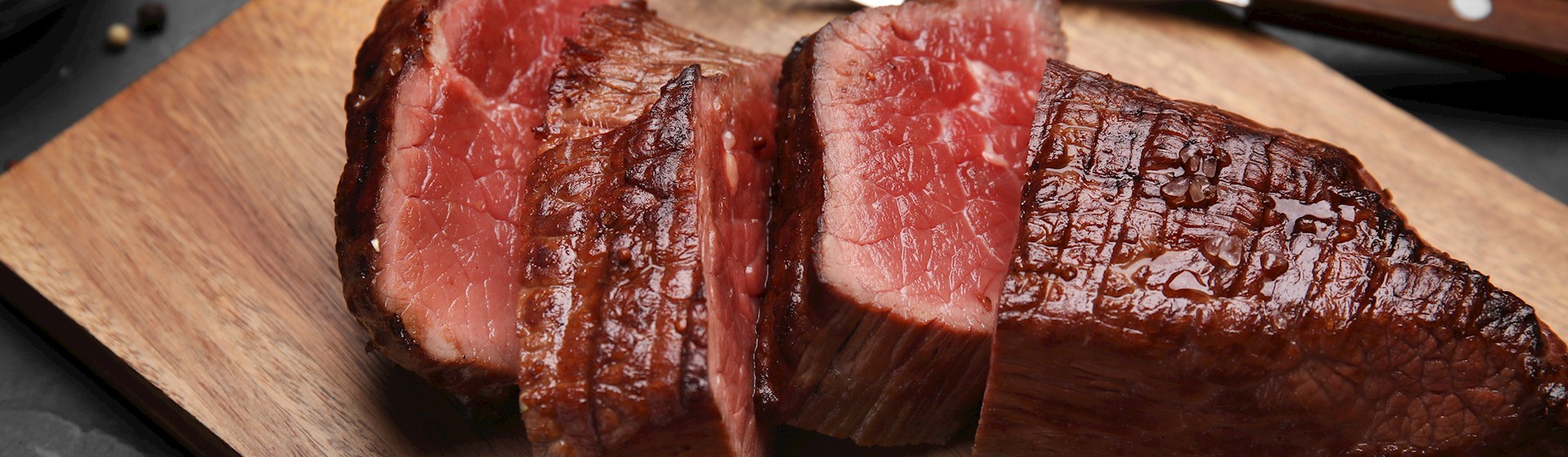
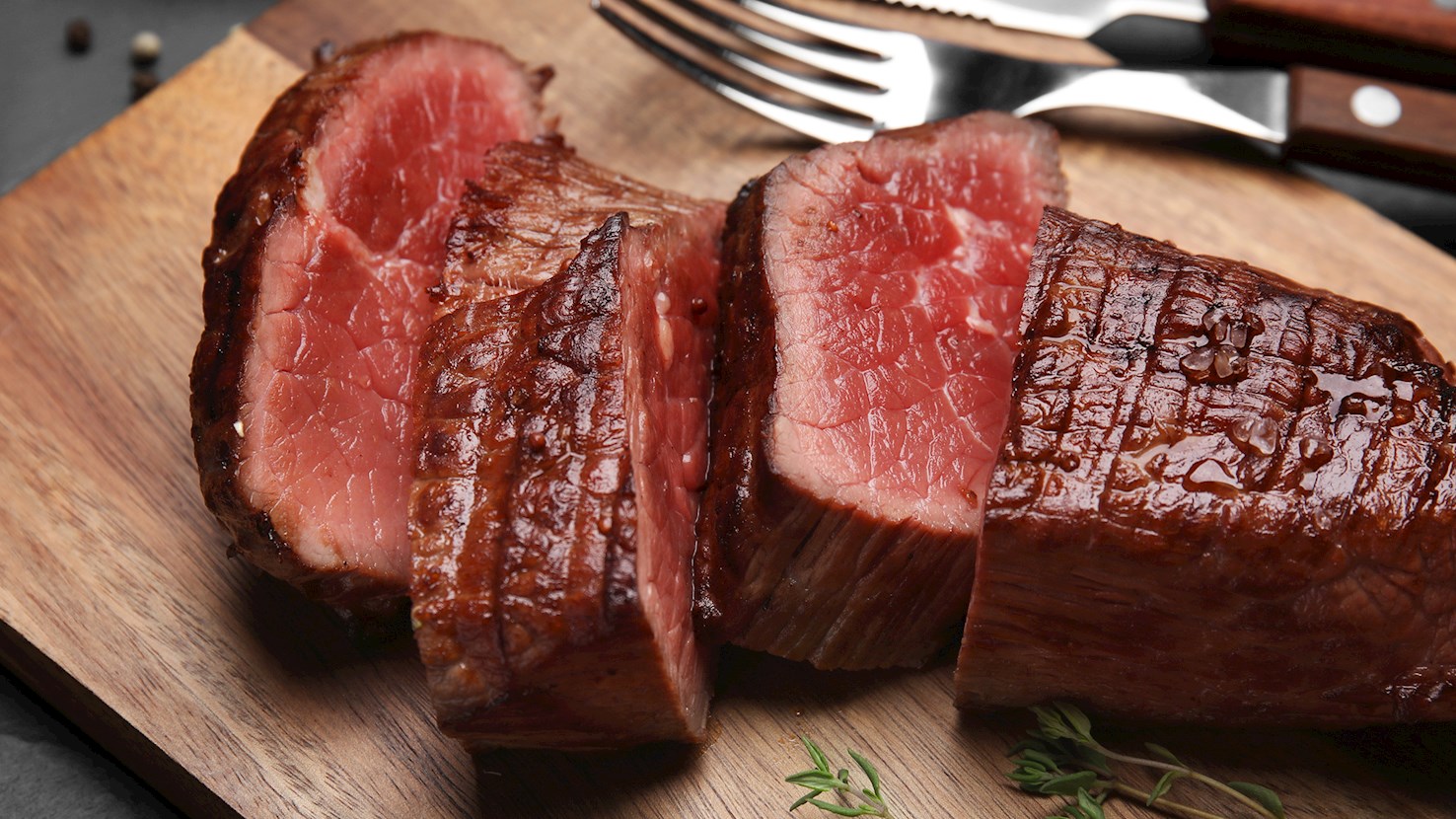
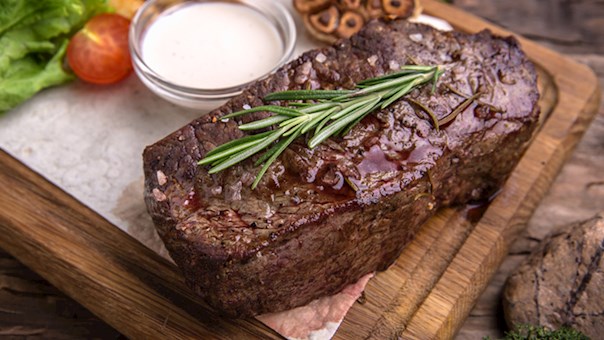
In the American, French, German, Brazilian, and Korean systems of primal beef cuts, the tenderloin is a cut from the loin, which is located towards the back of the cow, nestled under the ribs, next to the backbone. It spans two primal cuts: the short loin and the sirloin. The tenderloin is one of the most tender cuts of beef as it comes from a muscle that doesn't get much exercise. It is also one of the most highly prized and correspondingly expensive cuts of beef, due to its tenderness and flavor. Given the tenderness of this cut, the tenderloin is often cooked quickly over high heat, with methods such as grilling or broiling. It's often served slightly rare to maintain its tender texture.

03

Zwiebelrostbraten

4.3 ·

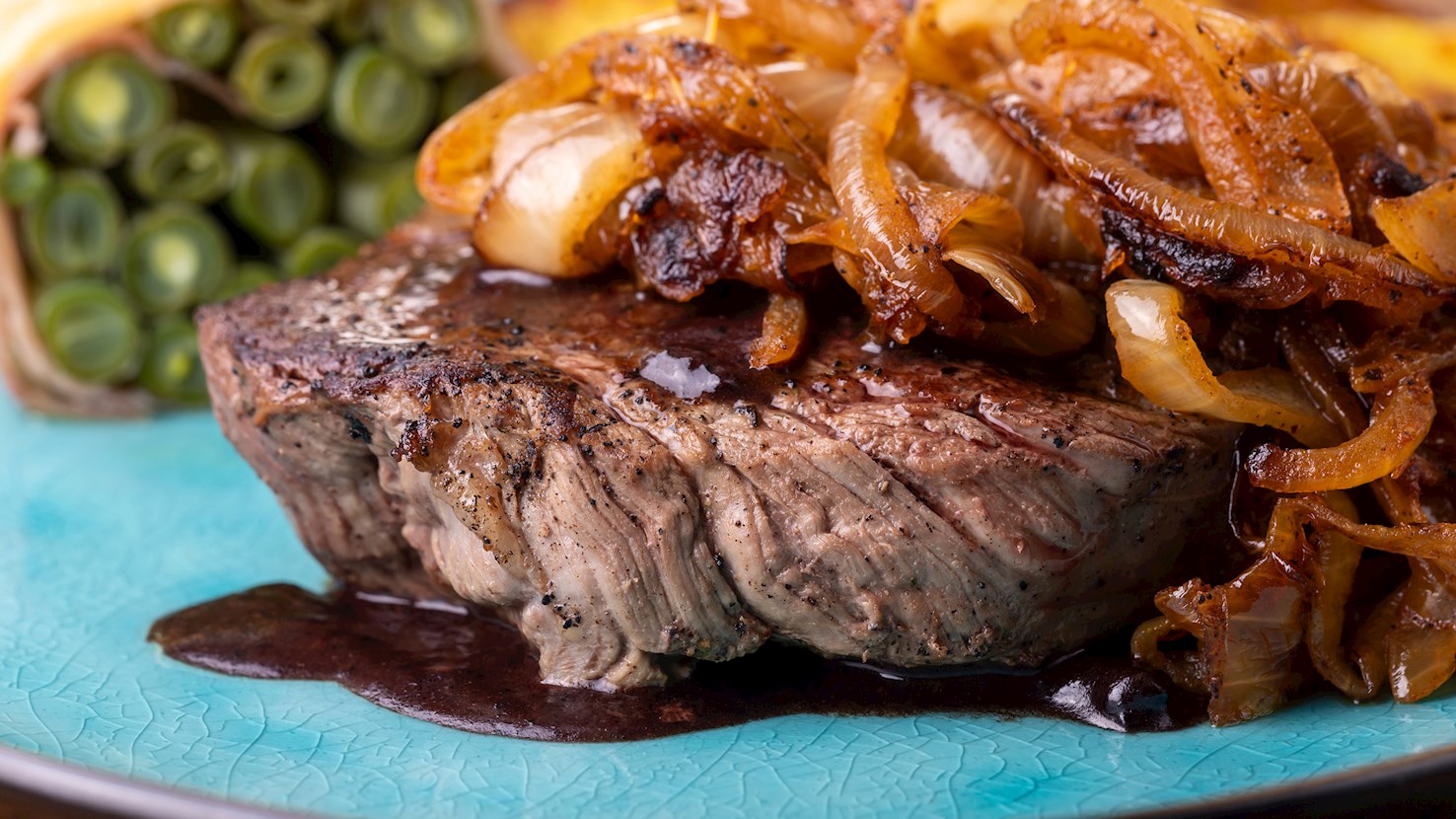
Zwiebelrostbraten is a traditional dish that's served in most German and Austrian restaurants in Bavaria and Vienna, respectively. The dish is usually made with a combination of beef (sirloin steak), onions, flour, oil, butter, paprika, Dijon mustard, cream, beef stock, salt, and pepper. The onions are sliced into rings, dipped in a mixture of flour and paprika, fried in oil, and set aside. The steaks are lightly pounded, seasoned with salt and pepper, coated with flour and paprika, fried in oil and butter on both sides, and removed from the pan. The fried onions are returned to the pan with mustard and beef stock, and the mixture is cooked until the juice are reduced. Cream is added to the pan and everything is simmered for a few minutes. The steaks are added to the sauce, and the dish is then served with spätzle or potatoes on the side. The meat is typically topped with the remaining onions before serving.

04

Rindergulasch

4.0 ·

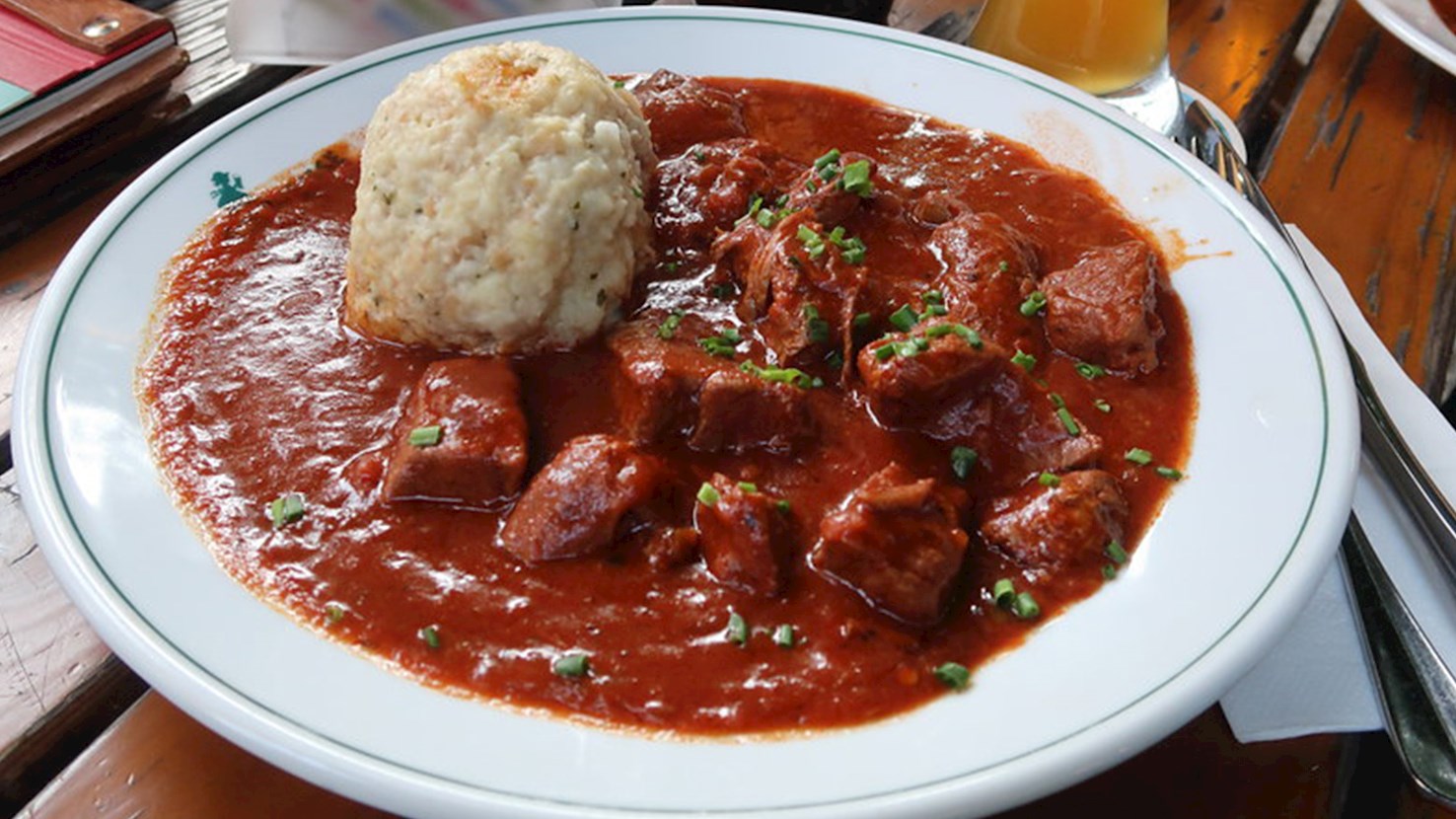
Rindsgoulasch is an Austrian and German take on the Hungarian goulash that is considered a staple of Viennese cuisine. It is typically prepared with beef, onions, garlic, powdered paprika, tomato paste, caraway seeds, marjoram, vinegar, salt, and pepper. And if done right, the meat should be tender and the gravy dark, smooth, and thick. Once all ingredients are sauteed, either water, stock, or red wine is added, and the goulash is cooked for hours until the meat is exceptionally tender. However, variations abound, and recipes usually differ in the number and type of spices used, the order in which the ingredients are added and sauteed, and the type of liquid used. Rindsgoulasch is typically served with potatoes, spätzle, various dumplings, and even homemade bread.

05

Rouladen

3.9 ·

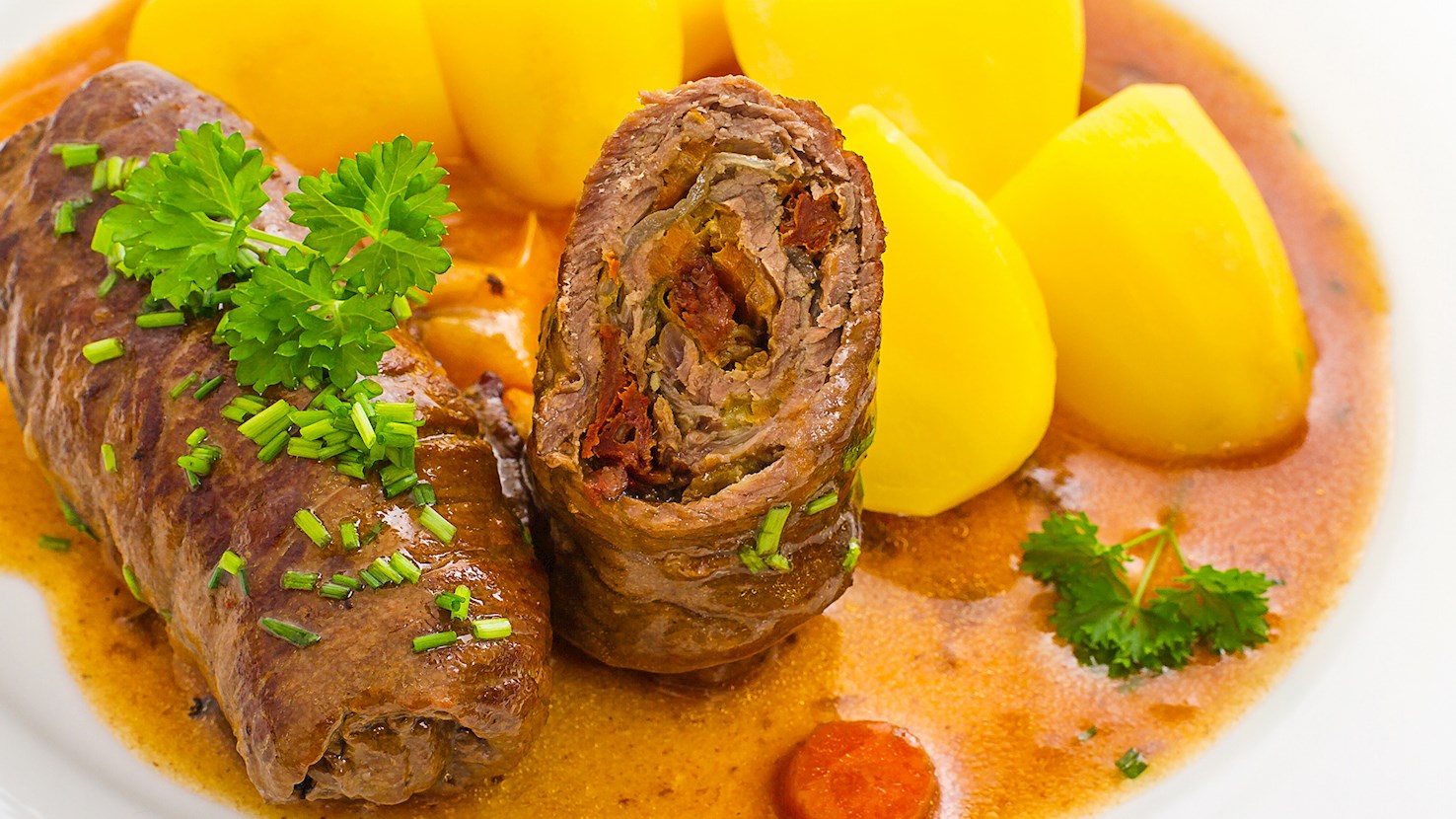
Rouladen are traditional German meat rolls stuffed with a variety of ingredients. They are always served accompanied by a creamy sauce. The rolls are usually made with long and thin beef steaks, which are pounded, generously seasoned, and usually covered with a layer of sharp German mustard, which flavors them and keeps the meat juicy and tender. Traditional stuffing inside rouladen usually incorporates thin strips of bacon and sliced pickles, but there are many different regional combinations which might include carrots, onion, or bread. The steaks are typically rolled into small logs and secured with toothpicks. Rouladen are shortly seared on all sides, then braised in a flavorful mixture of wine and vegetable or meat broth. The same broth, commonly thickened with flour, is usually used as the base for a velvety sauce accompanying the rolls. Potato dumplings, braised red cabbage, mashed potatoes, spätzle, different vegetables, or soft boiled potatoes can all be served as side dishes with this German classic. Even though it is believed that the name roulade derives from the French rouler, which means to roll, this delicacy is considered to be an authentic German dish.

06

Sauerbraten

3.7 ·

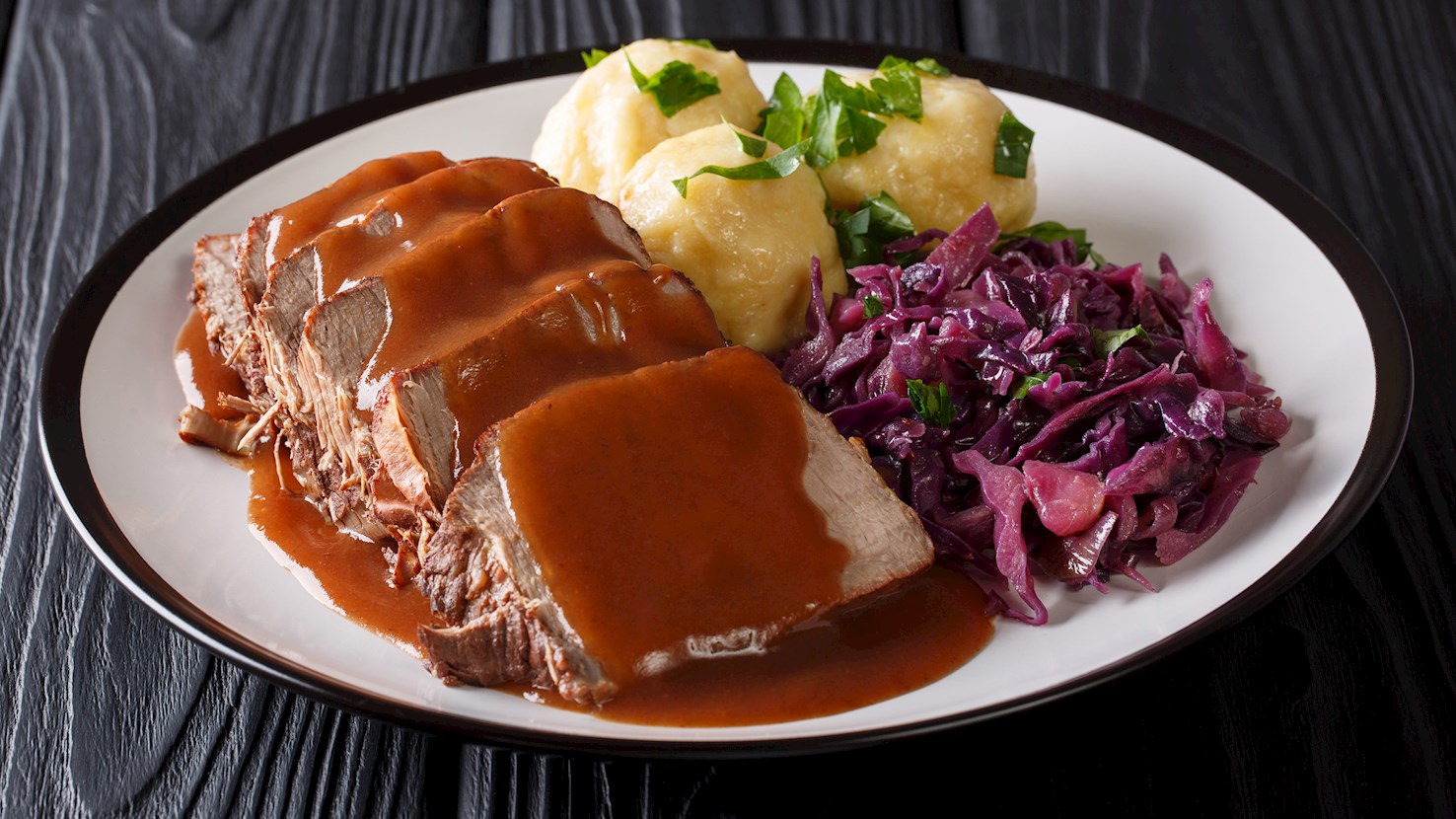
The traditional German pot roast is one of the best ways to transform more tougher cuts of beef into a tender, succulent meal. Chuck and bottom round are most favored cuts for this German classic, while the key to a perfect sauerbraten is in its lengthy marinade of red wine, tart vinegar, and spices, which tenderizes the meat infusing it with sharp, tangy flavors. After long hours of braising, the remaining cooking liquid is whisked into einbrenne (roux), and finally simmered into a thick, brown gravy. Sauerbraten is traditionally served with German favorites such as spätzle egg noodles, bread dumplings, or boiled potatoes and a side of braised or roasted red cabbage.

07

Rostbraten

3.5 ·

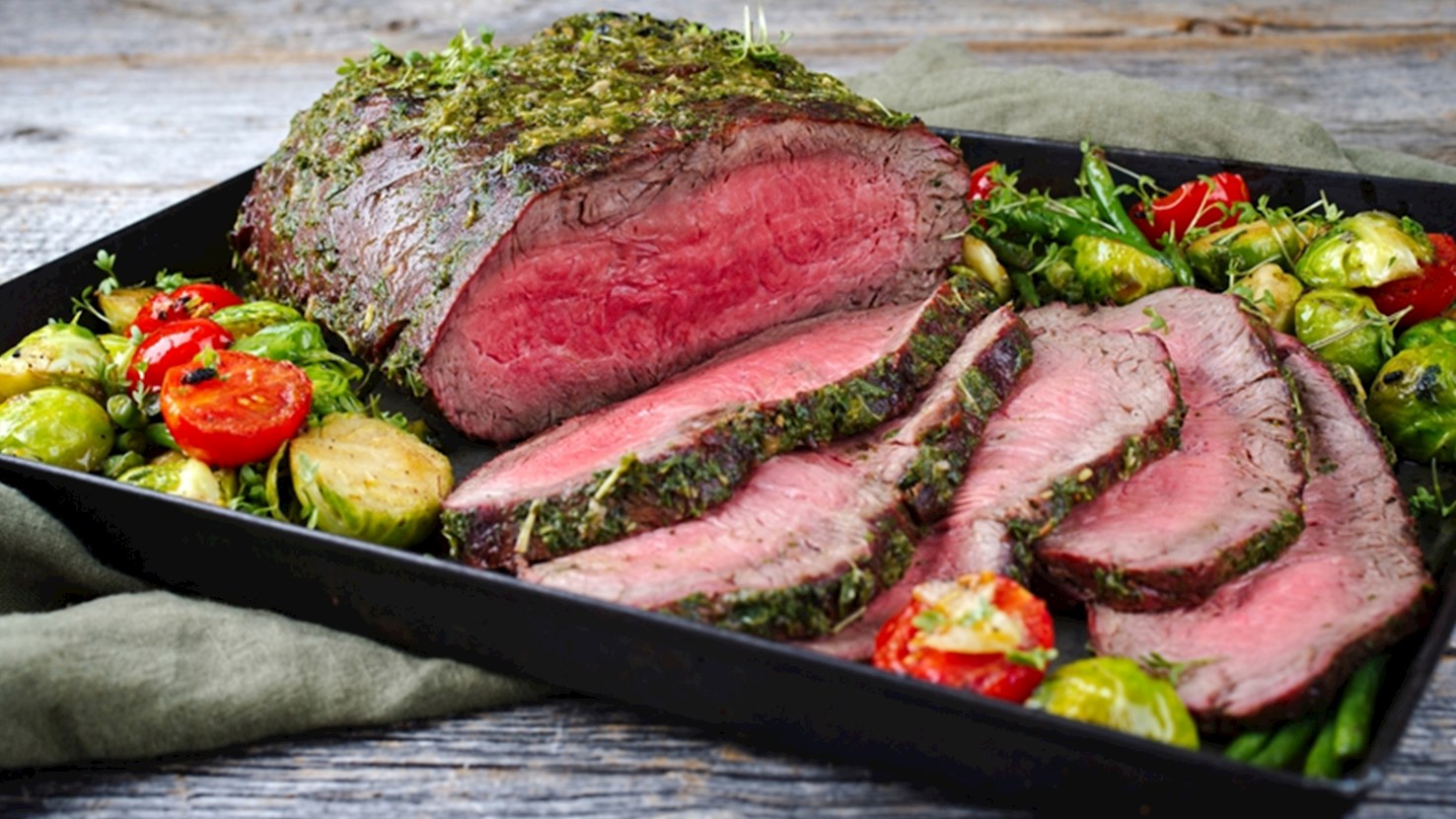
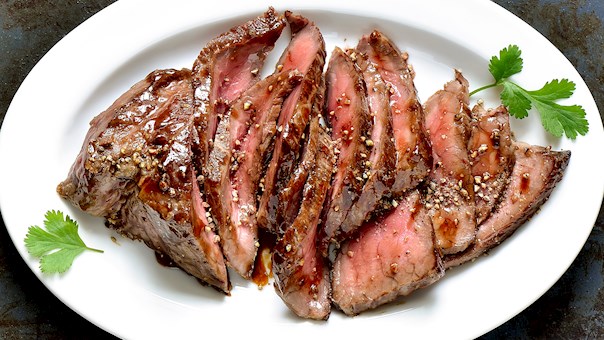
The term rostbraten is used in German-speaking countries, including Germany and Austria, to refer to certain cuts of beef as well as dishes made from these cuts. Regarding cuts, the rostbraten usually refers to a section from the rump or loin of the cow, which corresponds to parts of the sirloin or rump steak in the UK and the US. This cut is known for being lean and quite tender, making it well-suited to various cooking methods, including roasting, grilling, or pan-frying. When used in a dish also called rostbraten, this cut of beef is often seared in a hot pan and then further cooked in the oven or simmered with onions and broth, depending on regional variations of the recipe.

08

Hesse

3.4 ·

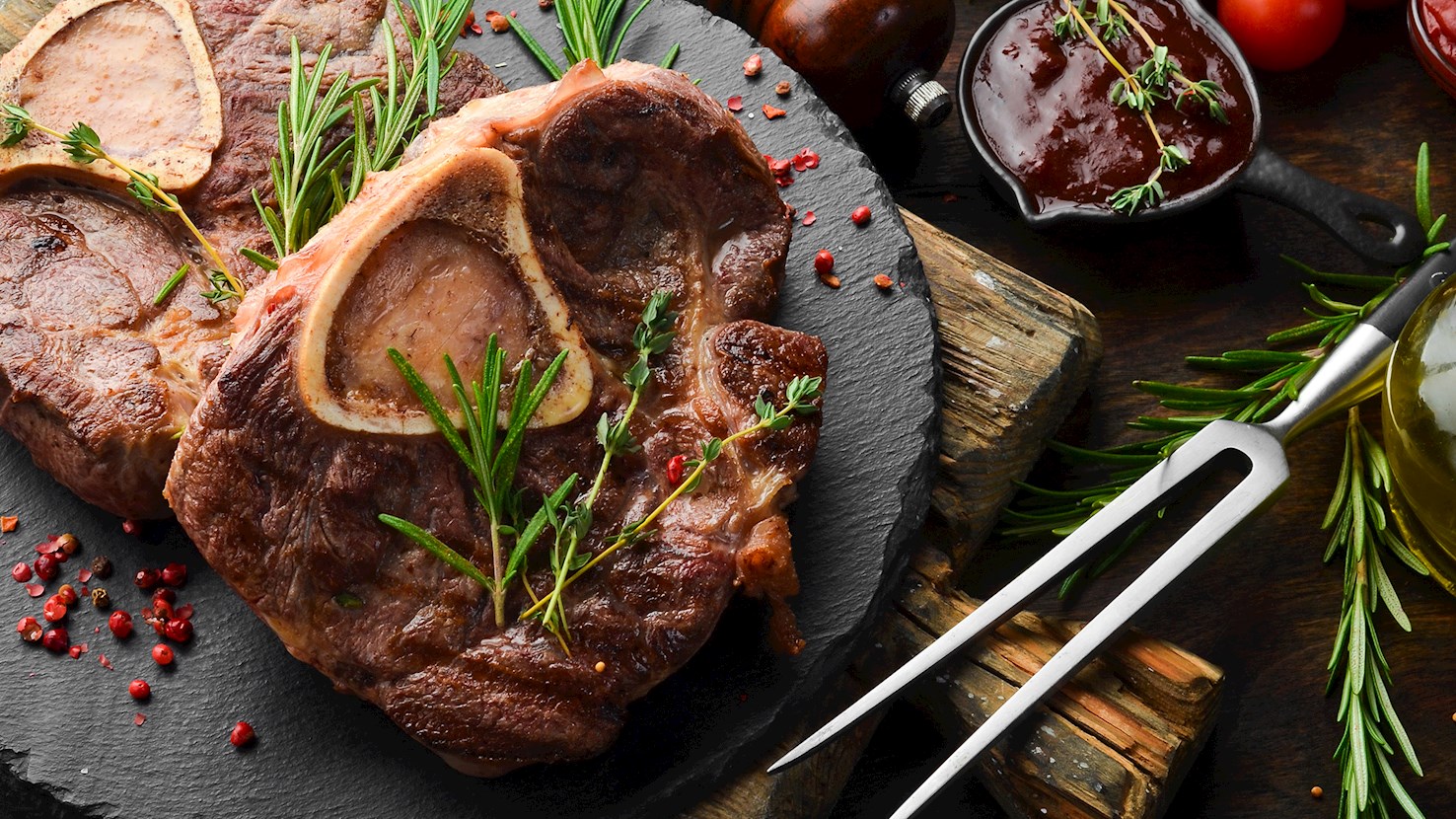
In the American, German, and Brazilian systems of primal beef cuts, the shank (hesse, músculo) is the term used for the leg portion of the cow. There are both front and hind shanks, coming from the legs of the steer. The shank is known to be one of the toughest cuts due to the fact that it comes from a part of the animal that is heavily exercised. As such, it contains a high amount of connective tissue, which can be made tender and flavorful through slow, moist-heat cooking methods like braising. The meat from the shank is often used in dishes like soups and stews. Shank is also commonly used for making bone broths and stocks, as the bones from the shank contain marrow, which adds depth and richness to the liquid.

09

Gaisburger Marsch

3.3 ·

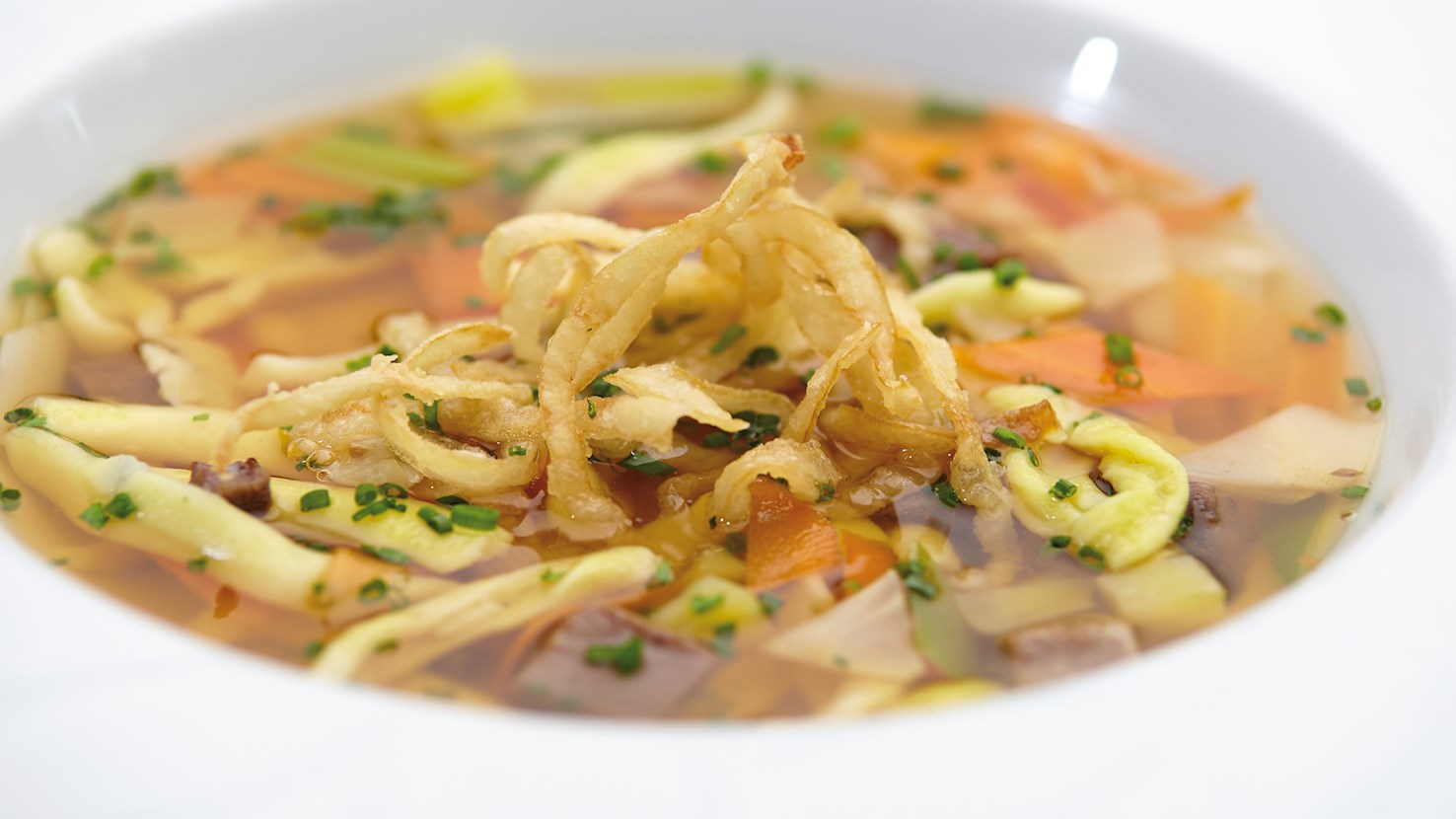
A German specialty originating from Swabia, gaisburger marsch is a meat stew based on beef cooked with a rich meat broth and vegetables. Once ready, the beef is usually cut into bite-sized pieces, accompanied by potatoes, carrots, and spätzle, all drizzled with the broth. Warm and packed with flavors, the dish is typically topped with roasted onions, parsley, and chives. There are several stories behind the name of this classic dish, which translates as the march of Gaisburg in English. Some say the stew was a favorite among officer candidates who would march to one of the Gaisburg restaurants to have a bowl of it, while other sources credit the wives of certain imprisoned Gaisburg locals for the creation of this stew. Regardless of who created the dish, this hearty Swabian stew remains a common traditional specialty beloved by many.

10

Pfefferpotthast

2.9 ·

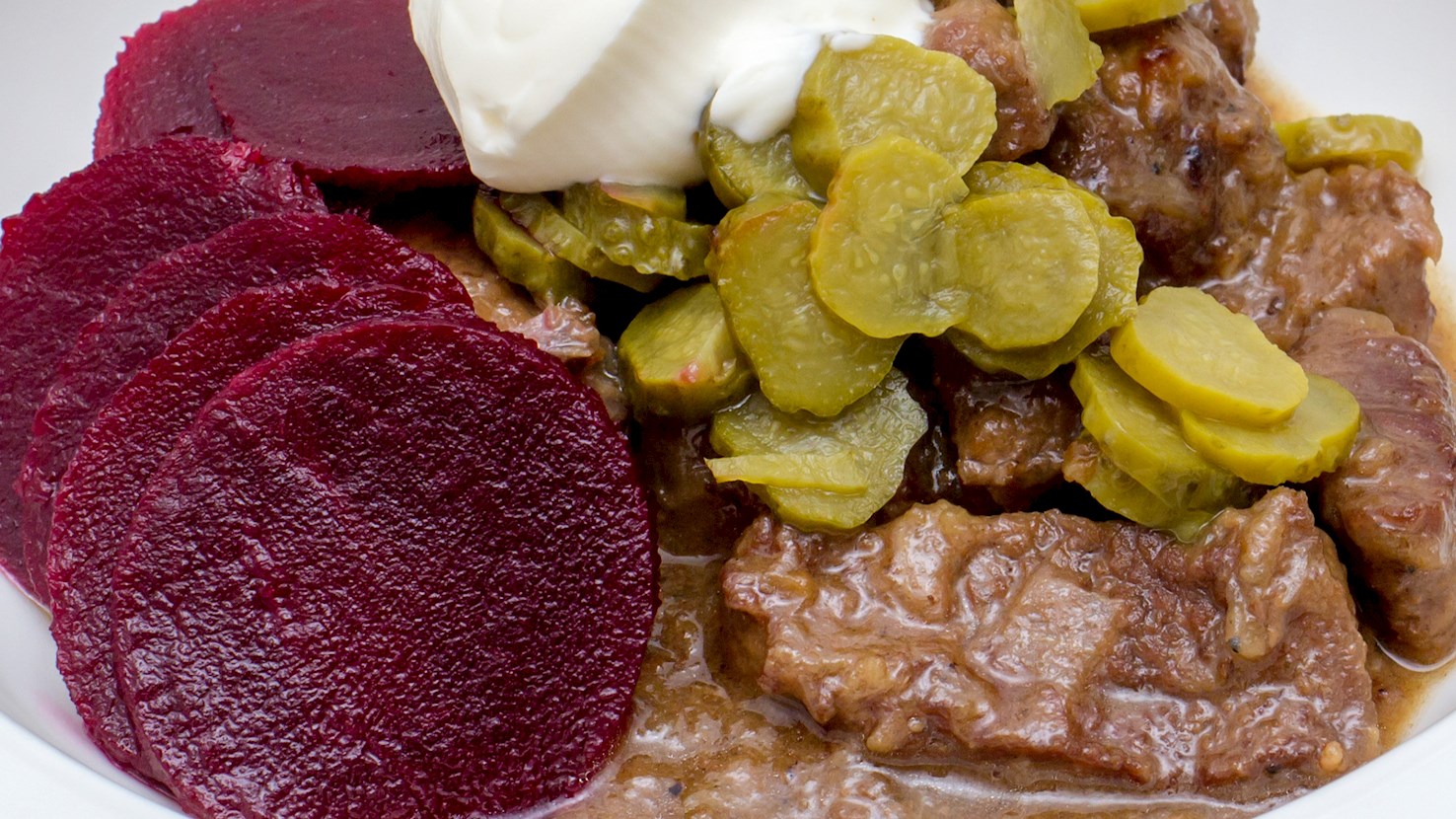
Pfefferpotthast is a traditional meat stew hailing from Westphalia. It consists of pieces of beef that are simmered in a seasoned broth along with onions, soup vegetables, spices, and herbs. The meat is typically first browned in a little oil or lard before it's cooked with the other ingredients, and the broth is usually thickened with crumbled bread, traditionally with the classic Westphalian pumpernickel rye bread. Spices such as cloves, juniper berries, allspice, bay leaves, salt, and pepper are typically used for seasoning the broth. Warming and flavor-packed, the dish is perfect for a chilly fall or winter lunch or dinner, and it is usually accompanied by pickled gherkins, salt potatoes (Salzkartoffeln), beetroots, and a German beer on the side. The first mention of this Westphalian specialty dates back to 1378 in Dortmund, where an annual Pfefferpotthast Festival is held each September, usually at the end of the month.

11

Hüfte

n/a ·
12

Oberschale

n/a ·
13

Hals

n/a ·
14

Flanke

n/a ·
15

Querrippe

n/a ·
16

Hochrippe

n/a ·
17

Schulter

n/a ·
18

Unterschale

n/a ·
19

Nuss

n/a ·
20

Spannrippe

n/a ·
Read more
View all
View map
About this ranking

TasteAtlas food rankings are based on the ratings of the TasteAtlas audience, with a series of mechanisms that recognize real users and that ignore bot, nationalist or local patriotic ratings, and give additional value to the ratings of users that the system recognizes as knowledgeable. For the “Top 22 German Beef Cuts and Dishes” list until July 16, 2026, 1,163 ratings were recorded, of which 1,008 were recognized by the system as legitimate. TasteAtlas Rankings should not be seen as the final global conclusion about food. Their purpose is to promote excellent local foods, instill pride in traditional dishes, and arouse curiosity about dishes you haven’t tried.

Similar lists