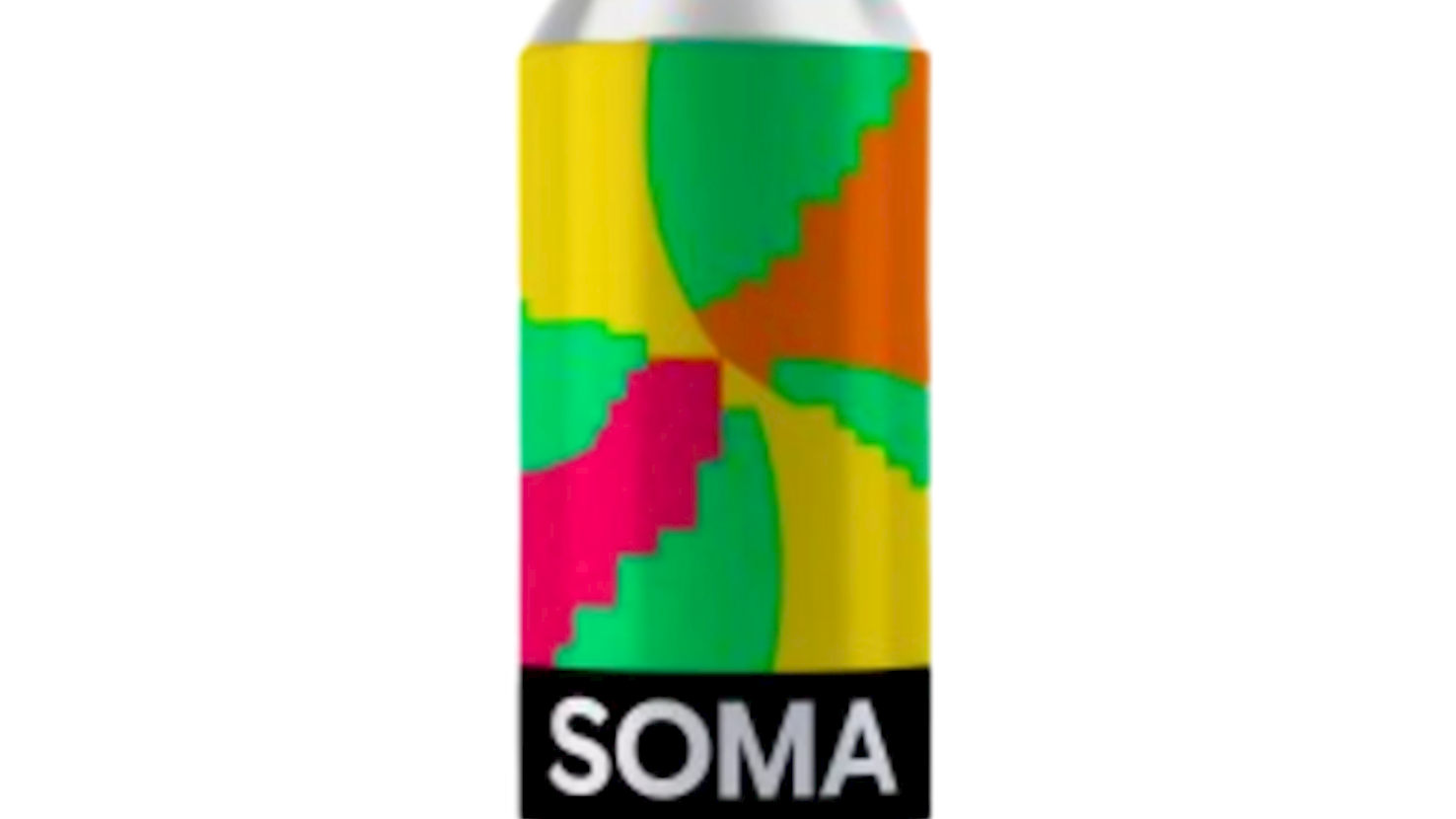
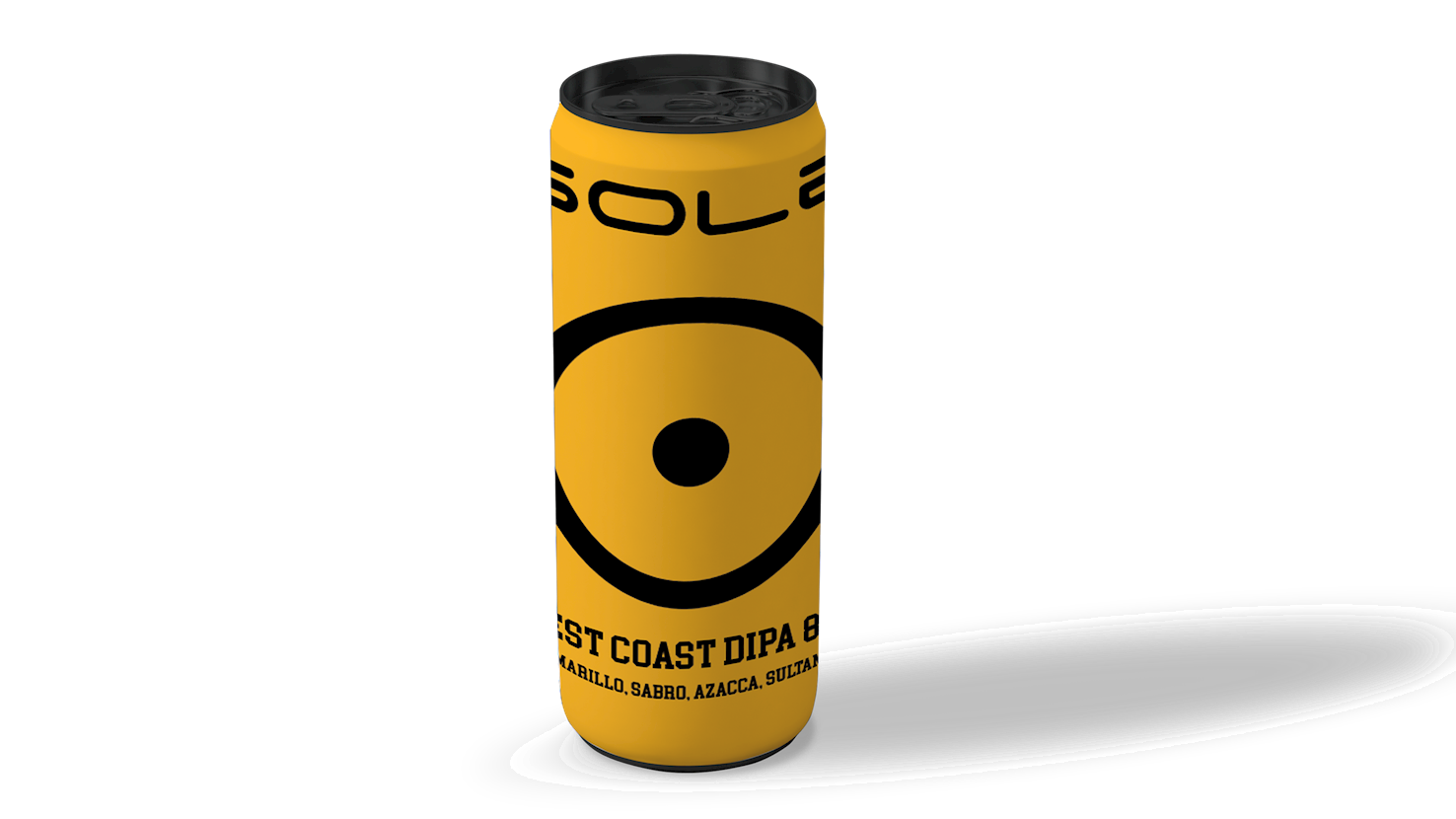
Soma Beer is an independent craft brewery from the Catalan town of Cornellà del Terri, founded in 2016 with a clear focus on modern hop-driven styles. From the very beginning, they oriented their production toward IPA, NEIPA, and DIPA variants, guided by a philosophy of constant experimentation and frequent small-batch releases. The brewery is known for its approach that emphasizes intense, juicy hop profiles - often described as “hop juice” - featuring pronounced notes of tropical fruit, citrus, and resin. Their recipes rely on high-quality hop varieties and techniques designed to maximize aroma, including multiple rounds of dry hopping and carefully controlled fermentation. Production remains relatively small, with strong emphasis on freshness, which is why most of their beers are sold and consumed shortly after packaging. Although they specialize in IPA styles, they occasionally experiment with other beer types, keeping the portfolio dynamic. Today, Soma Beer is synonymous with clean hop expression, innovation, and consistent quality within the modern IPA segment.
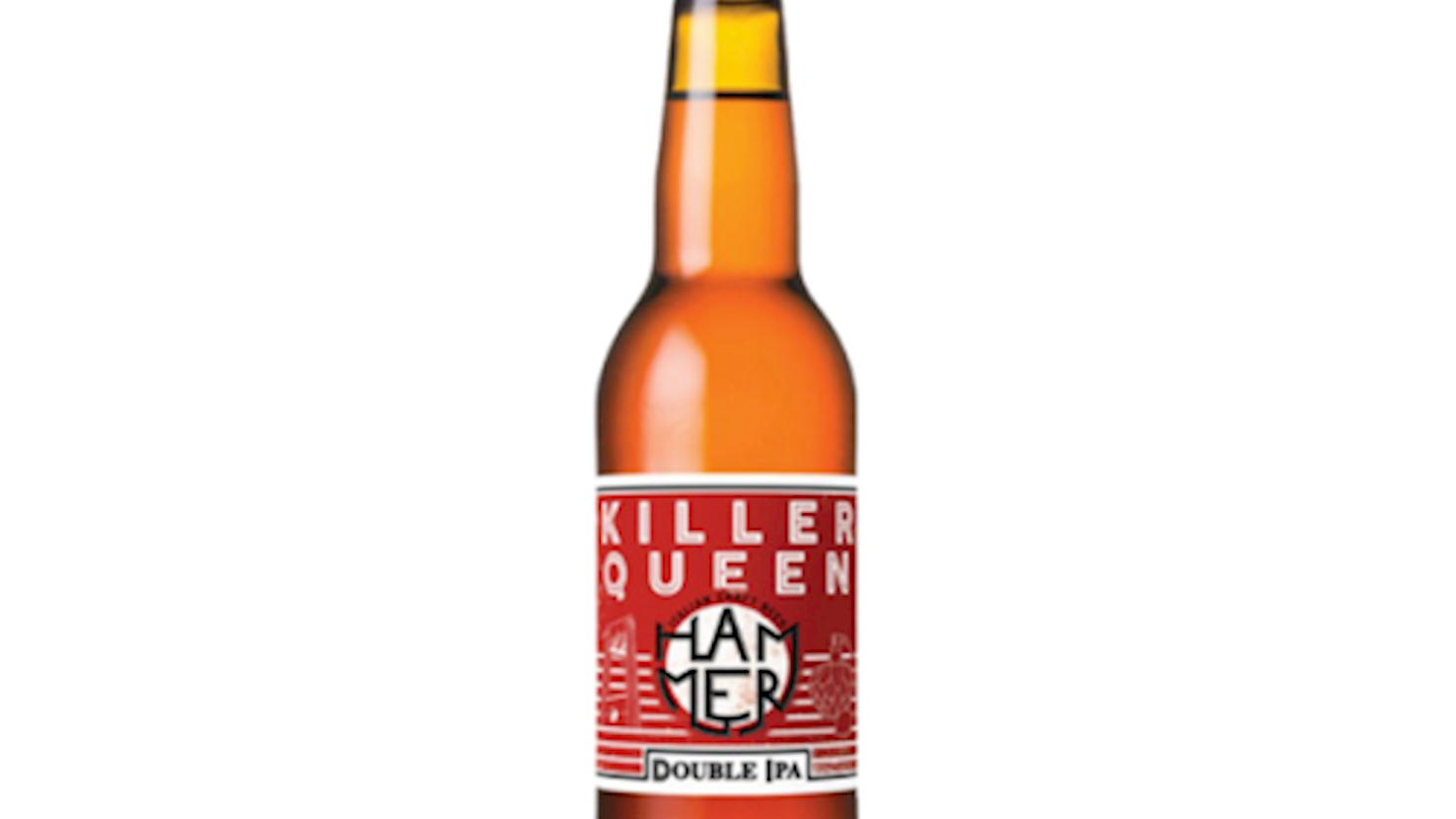
Hammer - Italian Craft Beer is a contemporary Italian craft brewery based in Villa d’Adda in Lombardy, founded in 2015 with the ambition to combine precise brewing technology with a strong sense of style. Although relatively young, it quickly gained recognition for beers that balance technical clarity with pronounced aromatic profiles. Its location in the Bergamo area provides access to high-quality water and regional ingredients that contribute to consistent production. The brewery’s range covers a wide spectrum of styles - from light Belgian-inspired blanche beers and modern American IPAs to darker, more complex brews featuring smoky or roasted notes. Hammer - Italian Craft Beer’s recipes are built on continuous experimentation and the exploration of new combinations of hops, spices, and fermentation techniques. The brand’s philosophy emphasizes authenticity, precision, and consistency, guided by the belief that beer should have character without unnecessary complexity. Their beers are often recommended to drinkers who appreciate clean, straightforward flavors as well as those who seek styles with expressive aromatic depth. The brewery continues to expand its portfolio, refine existing recipes, and strengthen its identity in an increasingly demanding craft beer market.
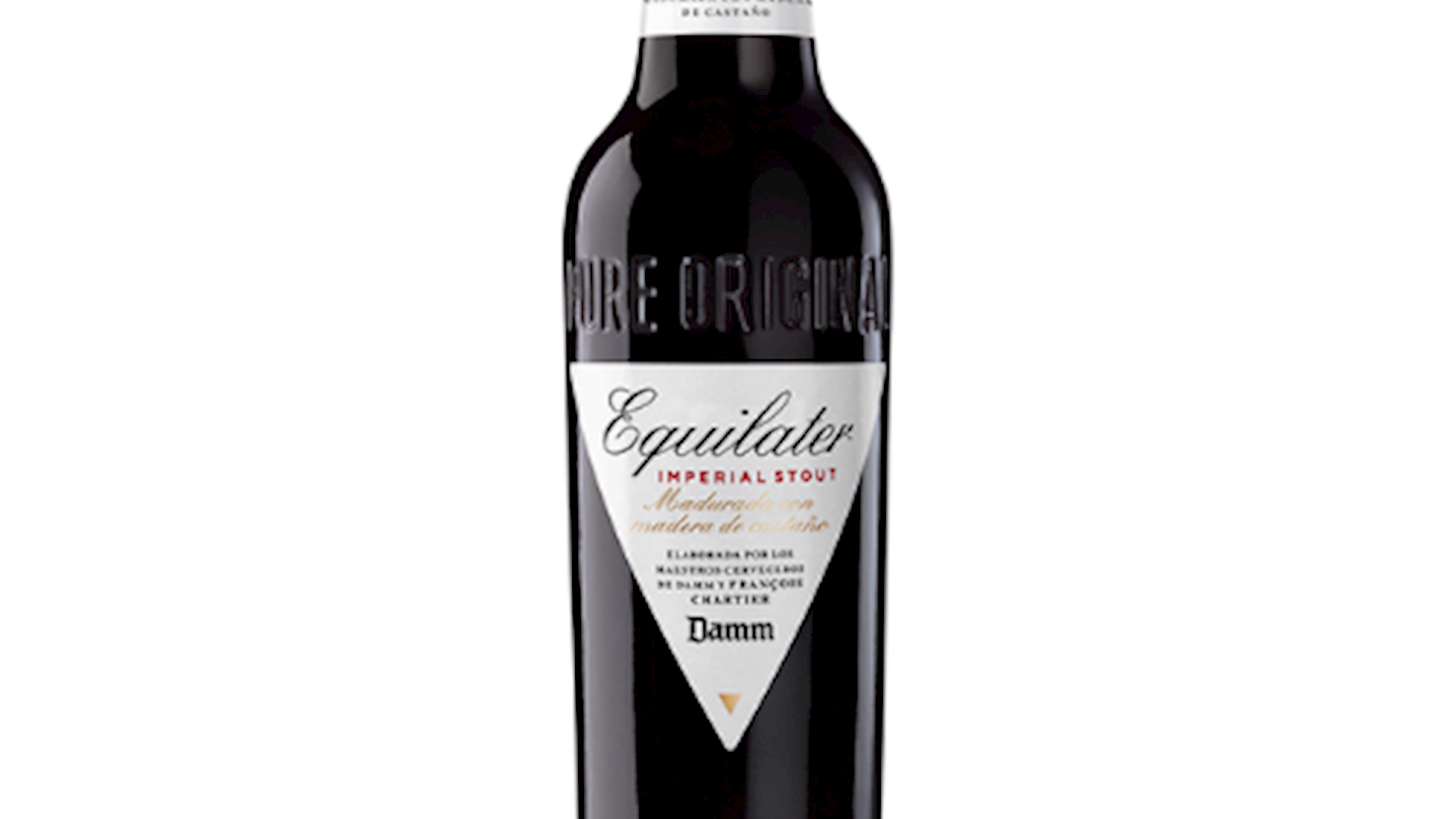
Damm is a Spanish brewing company founded in 1876 in Barcelona, evolving from a small craft brewery into one of the leading beer producers on the Iberian Peninsula. Established by August Kuentzmann Damm and Joseph Damm, the company developed alongside Catalonia’s industrial expansion in the late 19th century. Its flagship brand, Estrella Damm, is brewed according to an original Mediterranean-style lager recipe, characterized by a balanced bitterness and a clean, refreshing profile suited to warm climates. Beyond its core lager, Damm’s portfolio includes stronger styles such as Voll-Damm Doble Malta, alcohol-free and gluten-free options, as well as specialty beers developed in connection with the gastronomy sector. Production is based on controlled sourcing of raw materials and modern brewing facilities, ensuring consistency at scale. The company exports to over 100 countries and continues to invest in sustainability, energy efficiency, and packaging optimization. Over decades, Damm has built a brand identity closely associated with Barcelona and the Mediterranean lifestyle, positioning itself as one of Spain’s most internationally recognized brewing names.
Awards
International Brewing Awards - Gold
(2024, 2021)
Frankfurt International Trophy - Grand Gold
(2023)
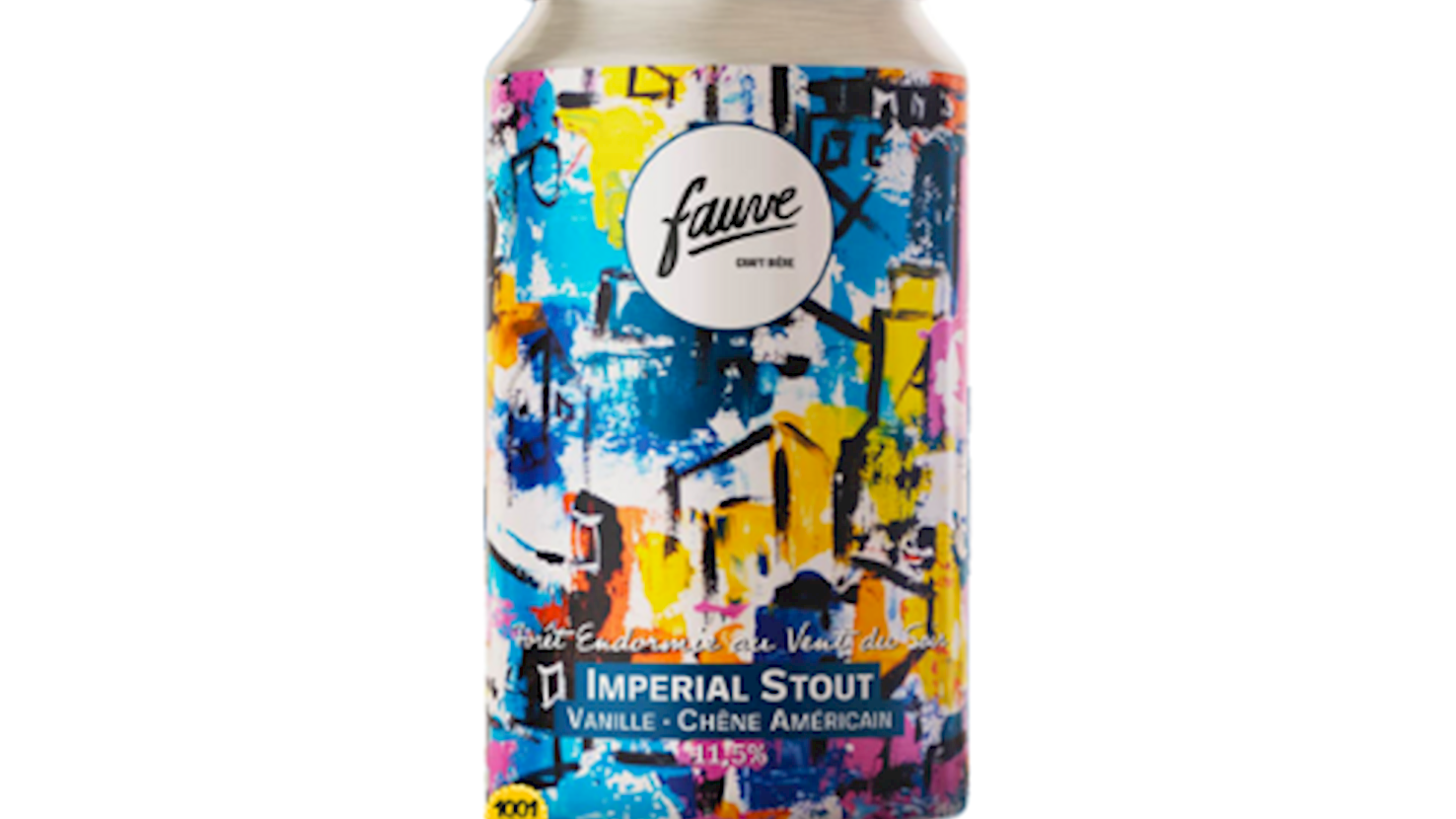
Fauve Craft Bière is a French craft brewery based between Paris and Montpellier, known for combining brewing, visual art and experimentation. The brand was founded in Paris with the brewpub Les Cuves de Fauve, where beer is brewed on site and served directly from the tanks, creating a fresh and immersive craft beer experience. Over time, the company expanded its production capacity in the Montpellier area while maintaining Paris as a central part of its identity. Fauve is recognized for its colorful illustrated cans, contemporary brewing approach and broad portfolio of beer styles, ranging from hop-forward IPAs to darker and more experimental creations. Rather than focusing solely on traditional beer categories, the brewery regularly develops limited editions, seasonal releases and collaborative brews. Its philosophy, summarized as “Craft / Science / Art”, reflects a combination of technical brewing precision, innovation and strong visual creativity. Fauve has established itself as a notable name in the modern French craft beer scene by linking artisanal brewing expertise with a distinctive artistic brand identity.
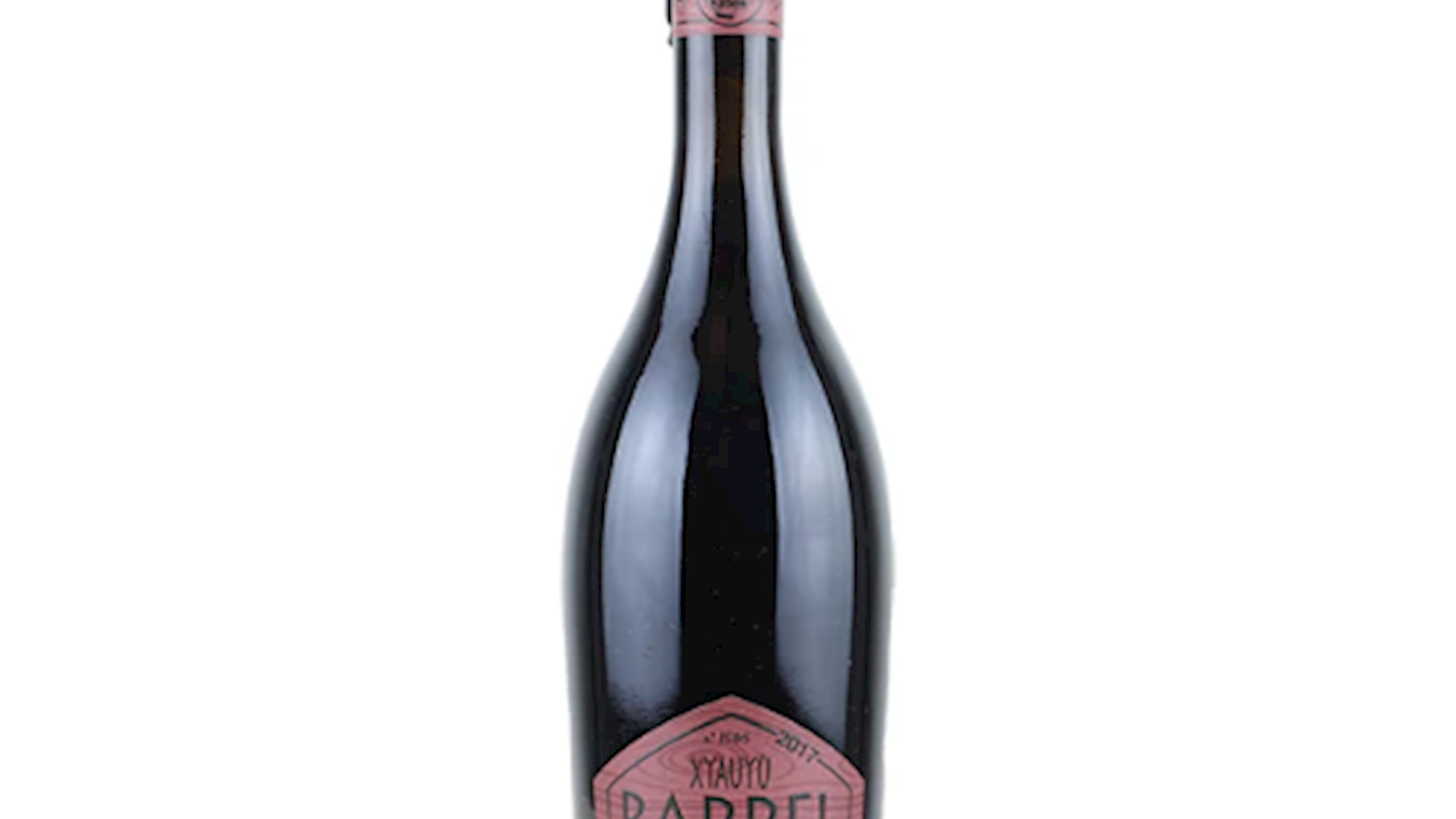
Baladin is an innovative Italian craft brewery founded in 1996 in the village of Piozzo, in the heart of the Langhe region, by Teo Musso - a visionary who merged Belgian brewing traditions with the idea of beer as a true gastronomic expression. What began as a small brewpub has grown into a modern "farm-brewery", fully integrated into the local agro-ecosystem with its own production of barley, wheat, hops, and yeast. Baladin’s facilities are designed as open spaces for visitors, offering guided tours, tastings, and educational experiences that immerse guests in the world of beer.
As a pioneer of Italy’s craft beer movement, Baladin was the first to bottle artisanal beer for the domestic market and introduced “Nazionale” - the first 100% Italian beer made entirely with local ingredients. While rooted in tradition, Baladin is celebrated for its bold experimentation with styles, ranging from saison and Belgian wit to amber ales, IPAs, stouts, low-alcohol brews, and sophisticated barrel-aged releases like Xyauyù. Thanks to Teo Musso, the brewery has grown into an internationally recognized brand, with bars, restaurants, and taprooms across Italy and abroad - always staying true to its philosophy of sustainability, quality, and creativity.
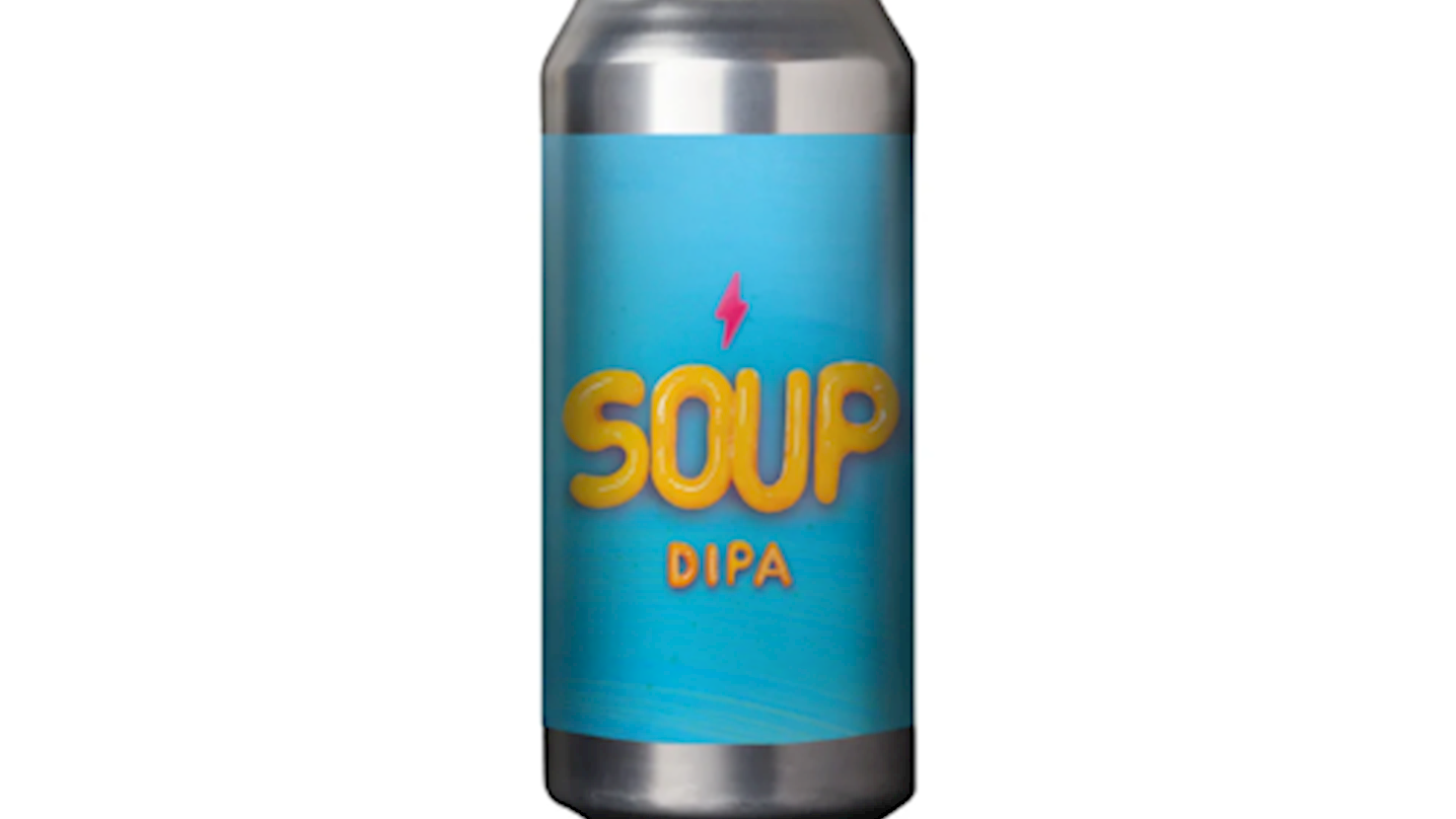
Garage Beer is an independent craft brewery from Barcelon, Spain, founded in 2015 and known for modern IPA styles, experimental sour beers, and creative collaborations with breweries around the world. They started in a small garage in the center of Barcelona, which inspired the brand’s name, and today they operate a full production facility and taproom in the industrial Poblenou district. The brewery focuses on aromatic, juicy, and intensely hopped hazy IPAs and double IPAs, with an emphasis on freshness and hop quality. Garage Beer quickly gained a reputation as one of the most innovative European craft breweries through experimentation with yeast strains, dry-hopping techniques, and layered tropical aromas. Their labels are visually distinctive - minimalist, often with abstract patterns and bold colors. The brewery is perceived as a meeting place for Barcelona’s creative scene, where beer blends with music, art, and street-food concepts. The taproom is designed as an industrial, open space with multiple taps and a constantly rotating beer selection. Garage Beer has successfully combined Barcelona’s local identity with global craft beer trends, becoming a reference point for modern European hop-forward beer. Their production philosophy emphasizes passion, experimentation, and pushing flavor boundaries.
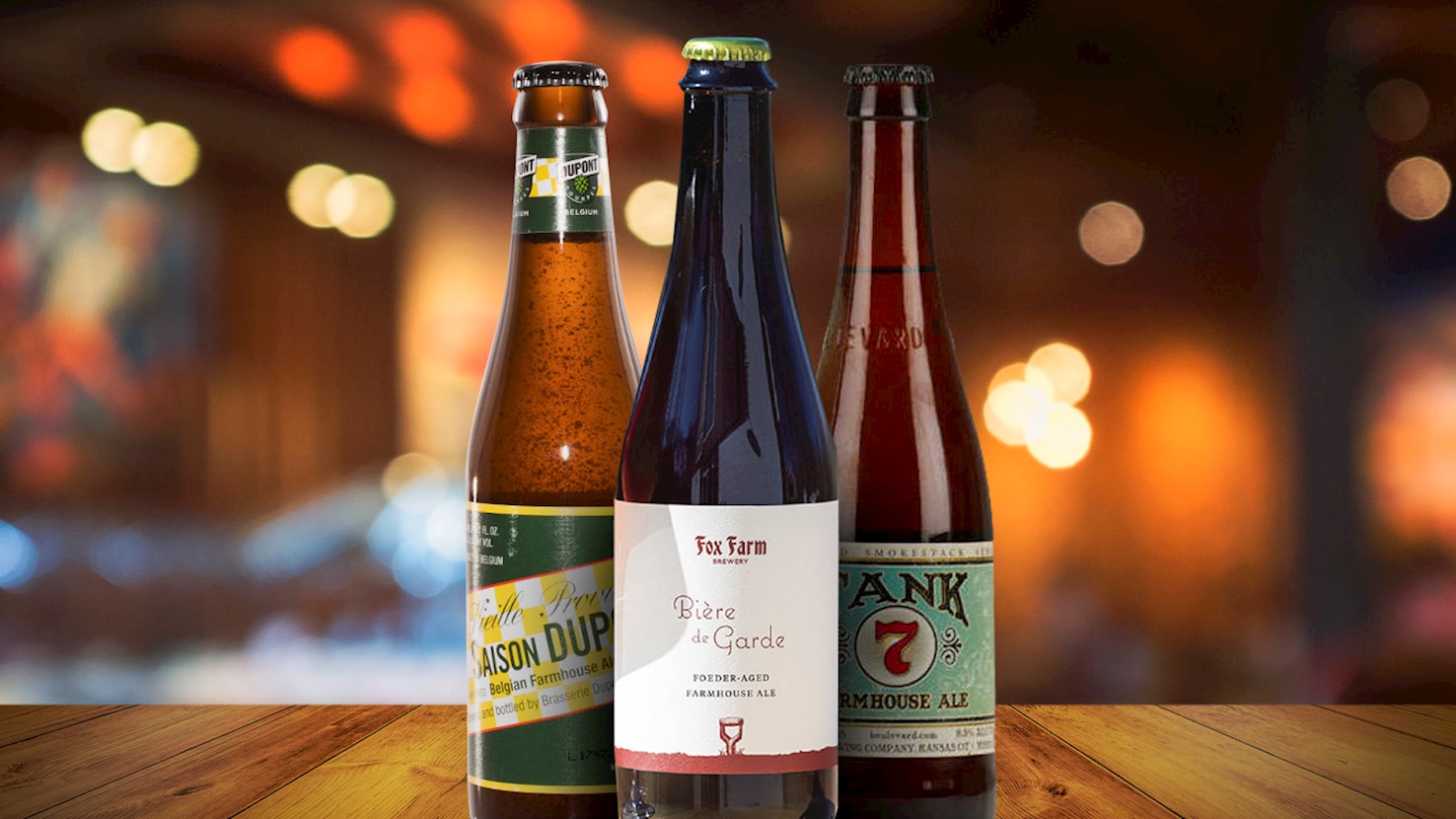
Farmhouse ale is best described as an ancient beer style that was brewed by European farmers who used their grains and hops. These brews were made with techniques that are not used in modern brewing, and because they were brewed in various European regions, the examples are incredibly versatile and include a variety of different sub-styles that are usually very region-specific. Farmhouse ales were made in places where people cultivated grains, and in the early 20th century, it was a prevalent style throughout northern Europe. These beers were a part of everyday life. In some places, they were prepared and enjoyed on special occasions, and in the regions where grains were plentiful, they were enjoyed on a daily basis. The choice of grains depended on availability, barley was the most common, but rye or oats were also used. The techniques were also different, and other ingredients such as herbs and spices were often added to the brew. This is why the examples significantly vary, but most were crisp and dry, with a funky and somewhat earthy character. Examples of the style include Bière de garde (France), Saison (Belgium), and Sahti. (Finland). Some farmhouse ales are still brewed, but the practice mostly disappeared in the 20th century, along with the decline in farming. However, some craft breweries try to imitate the style and include farmhouse ale labels. It should be noted that these brews often do not have much in common with the traditional farmhouse ales.
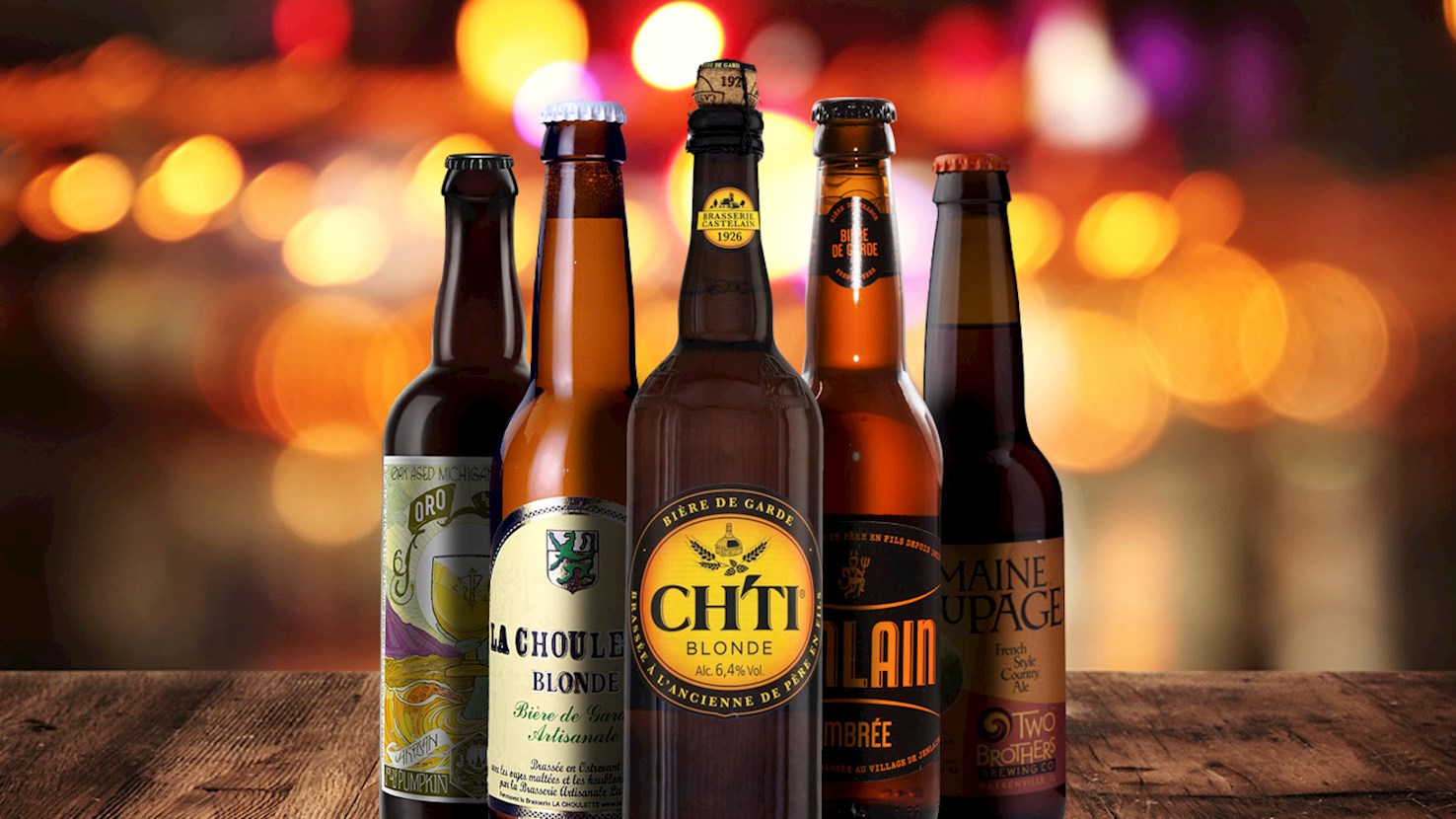
Roughly translated as beer for keeping, this strong pale ale originated in French Flanders as a traditional farmhouse ale. Its name stems from the practice of brewing beer during colder months and then storing it until spring and summer. The style was almost forgotten by the 20th century, but it has seen its revival in the 1950s. Brasserie Duyck’s Jenlain Bière de Garde is considered as the prototype of the modern bière de garde style. The beers that fall into this category range from gold to copper or dark brown, and are often classified as blonde, the classic amber (ambrèe), or brown (brune). Depending on the style, malty flavors and intensity of the beer will increase with the color of the beer. These medium to medium-light brews are low in hops, though lighter versions may have more pronounced hop flavors. However, all versions will lean more towards malty elements that are usually reminiscent of toffee, toast, biscuits, and light caramel. The beer is often not filtered, while its finish is usually medium-dry to dry and all versions will typically have a malty aftertaste. Bière de Garde is a natural pairing with traditional French dishes, including chicken, duck, and hearty stews. Lighter versions may work well with seafood and salads.
Italian Grape Ale, often abbreviated as IGA, is a hybrid style of beer characterized by the addition of grapes or grape-related derivatives, produced by craft breweries throughout Italy. Its sensory profile bridges the gap between the brewing and winemaking sectors, featuring high carbonation, a dry finish, and noticeable vinous aromatics. The specific designation emerged in the early 21st century, with the first documented commercial examples, such as Birrificio Barley’s BB10 and Birrificio Montegioco’s creations, appearing in 2006. This development was facilitated by Italy’s extensive viticultural biodiversity and a relatively young craft brewing culture that was not constrained by established beer production laws. In 2015, the Beer Judge Certification Program (BJCP) officially recognized the category, assigning it a dedicated style entry that highlights its status as a distinctively Italian contribution to the international brewing landscape. Preparation of Italian Grape Ale involves the integration of grape must, juice, or pomace into a base wort typically composed of pale or pilsner malts. The grape content can constitute up to 40% of the total fermentable material. Must can be added at different stages: during the boil to sterilize the liquid and alter the body, or more commonly, before or during fermentation to preserve the delicate, volatile aromatics of the specific grape variety used. The fermentation process often utilizes high-fermentation ale yeasts, though some producers employ wine yeasts or spontaneous fermentation triggered by micro-organisms present on the grape skins. Depending on whether red or white grapes are used, the resulting beer can range in color from pale straw to deep ruby or burgundy. Serving standards dictate that the beverage be served in a wide-bowl glass, such as a tulip or a wine goblet, at a temperature between 8°C and 12°C for lighter versions, or up to 16°C for complex, barrel-aged examples. A unique technical constraint of the style is the exclusion of roasted or chocolate malts, as these would overshadow the nuanced fruit characteristics derived from the grapes. Italian Grape Ale is consumed as a sophisticated alternative to traditional ales or sparkling wines, often found in specialized beer bars and upscale restaurants. It is frequently paired with aged cheeses such as Grana Padano or Pecorino, where the beer’s natural acidity and carbonation help to cleanse the palate of dairy fats. In seafood contexts, it is paired with oysters, grilled shellfish, or ceviche, as the vinous notes complement the brine and mineral qualities of the fish. For meat-based meals, it is served with cured charcuterie or roasted white meats, utilizing the grape-derived fruitiness to echo the savory-sweet notes of the protein. When produced with "sapa" (cooked grape must), the beer takes on caramelized sugar characteristics, making it suitable for pairing with almond-based sweets or blue cheeses.
TasteAtlas food rankings are based on the ratings of the TasteAtlas audience, with a series of mechanisms that recognize real users and that ignore bot,
nationalist or local patriotic ratings, and give additional value to the ratings of users that the system recognizes as knowledgeable.
For the “Top 74 Western European Beer Styles” list until June 24, 2026, 65 ratings were recorded, of which 57 were recognized by the system as legitimate.
TasteAtlas Rankings should not be seen as the final global conclusion about food. Their purpose is to promote excellent local foods,
instill pride in traditional dishes, and arouse curiosity about dishes you haven’t tried.
The initial list of top producers was compiled based on available reviews, awards, local recommendations, media and blog coverage, and consumer reviews.
The list will be updated with ratings from TasteAtlas local ambassadors and TasteAtlas users.